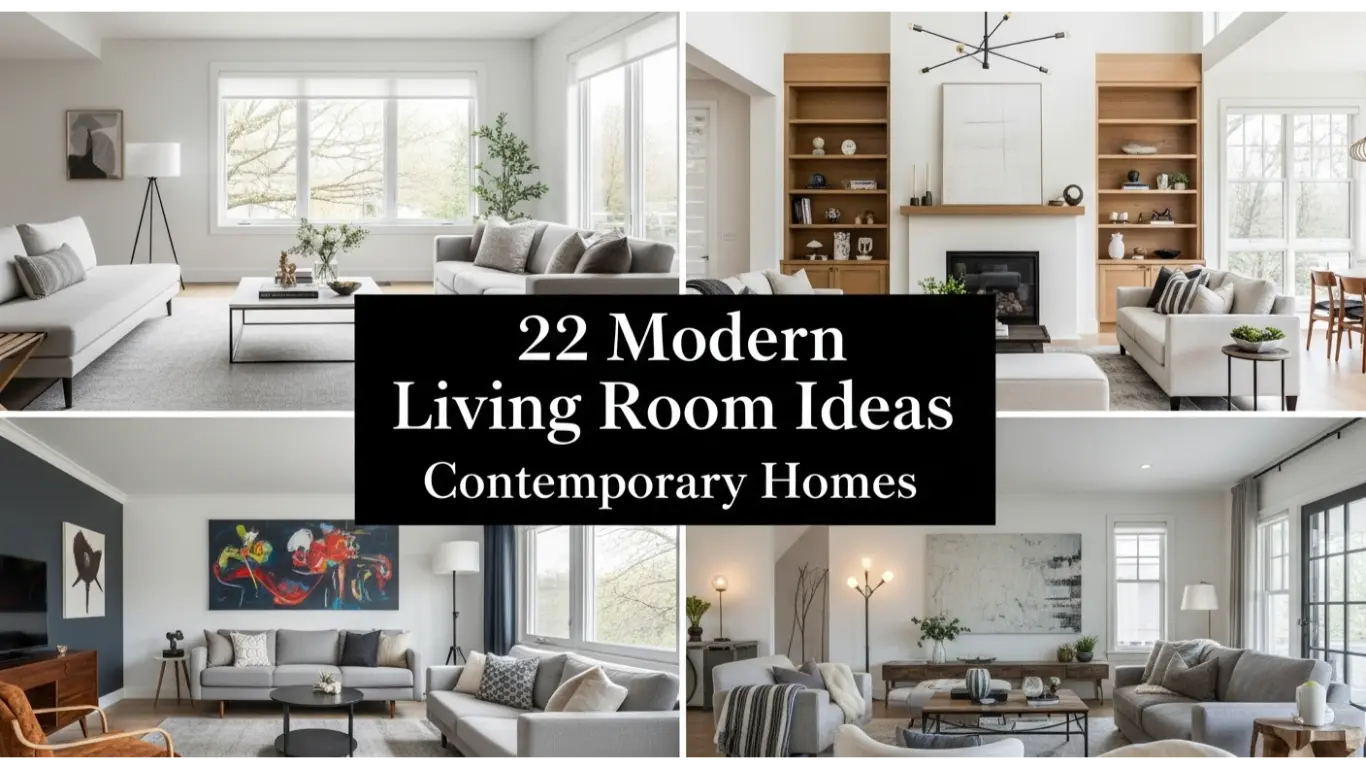
22 Modern Living Room Ideas Contemporary Homes
Modern living rooms shape how we relax, host, and live every day. In contemporary homes, this space blends comfort with intention, where clean design meets real life. The right ideas help you balance style, function, and warmth without feeling cold or staged. This guide explores thoughtful, livable designs that feel current yet timeless, helping you create a living room that reflects how you actually live while staying visually refined and inviting.
Section One: Design Foundations for Contemporary Living
1. Modern Living Room Ideas Contemporary Homes with Open Flow
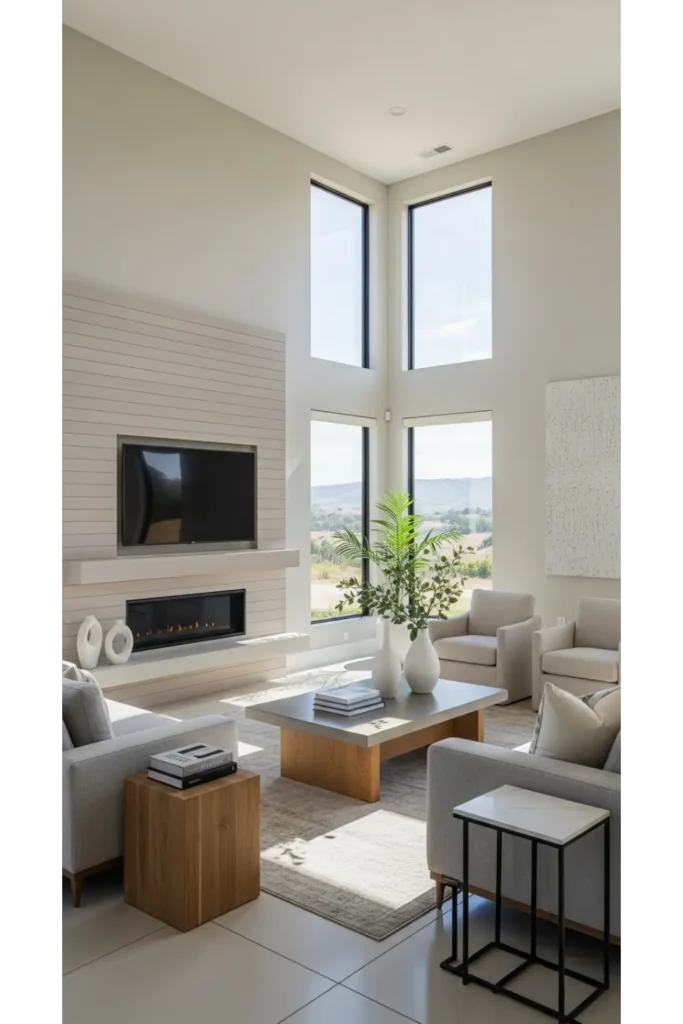
The foundation of modern living room ideas in contemporary homes starts with open flow. This approach removes visual clutter and allows furniture, light, and movement to shape the space. Sofas float instead of hugging walls, while rugs define zones. The room feels breathable and calm, perfect for daily living and entertaining without feeling crowded or stiff.
Open layouts also support flexibility. You can rearrange seating easily or adapt the room for gatherings. Large windows and consistent flooring connect the living area to nearby spaces. This creates a natural rhythm throughout the home. The result feels intentional, practical, and welcoming, which is the core of contemporary living done right.
2. Neutral Layers with Warm Undertones
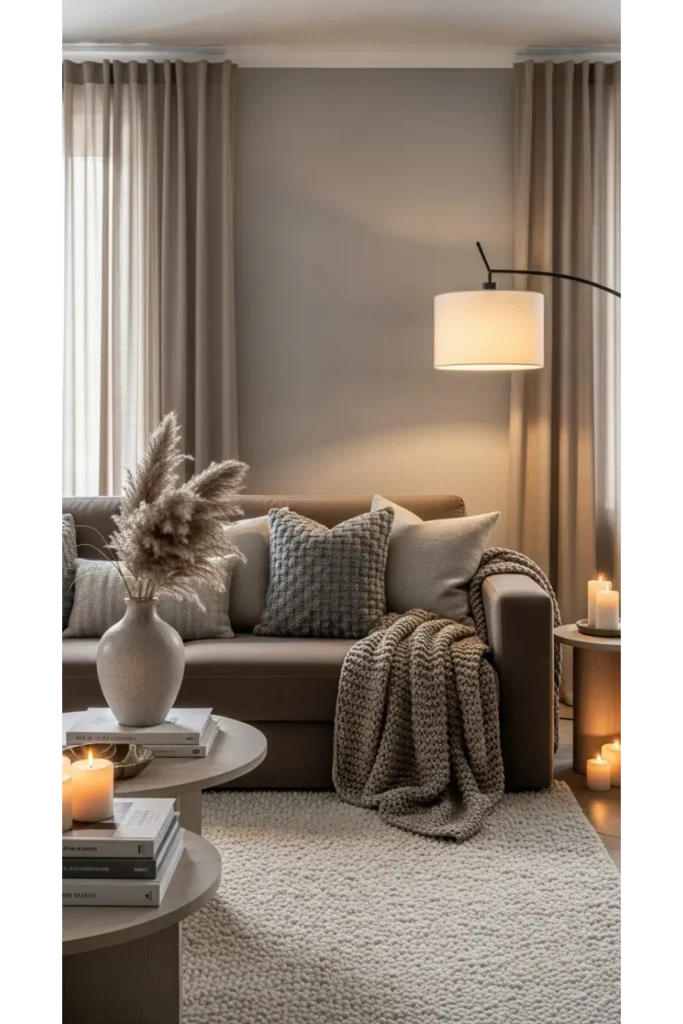
Neutral palettes dominate contemporary homes, but warmth makes them livable. Instead of stark white, designers layer beige, greige, and soft gray with warm undertones. Textures like linen, wool, and matte wood prevent the space from feeling flat. These layers add depth while keeping the look calm and cohesive.
This approach also makes rooms age gracefully. Neutral layers allow art, pillows, or seasonal decor to change without redesigning the space. The room feels relaxed rather than trendy. When balanced well, neutral living rooms feel timeless, grounded, and easy to personalize over time.
3. Low Profile Seating for Visual Balance
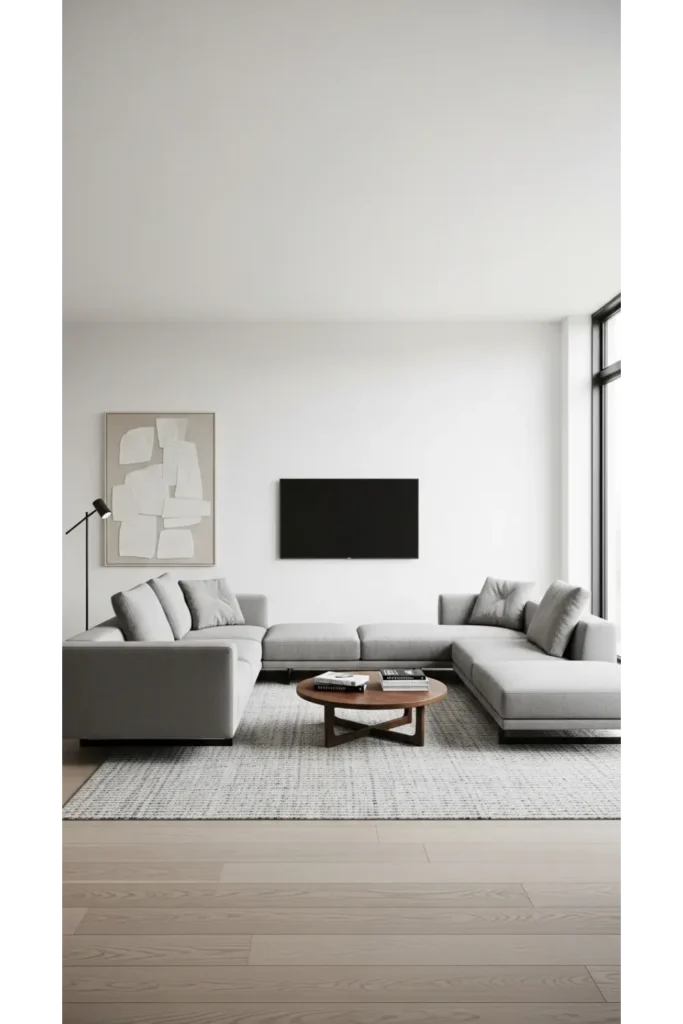
Low profile seating defines contemporary style. Sofas with slim arms and low backs create clean sightlines and make ceilings feel taller. This shows off architecture instead of competing with it. The room appears more open, even in smaller spaces, which supports modern spatial flow.
Comfort remains key. Deep cushions and supportive upholstery keep seating inviting. Pairing low furniture with taller elements like floor lamps or artwork restores balance. This contrast adds visual interest without clutter. The result feels sleek, grounded, and thoughtfully designed for everyday comfort.
4. Statement Lighting as Functional Art
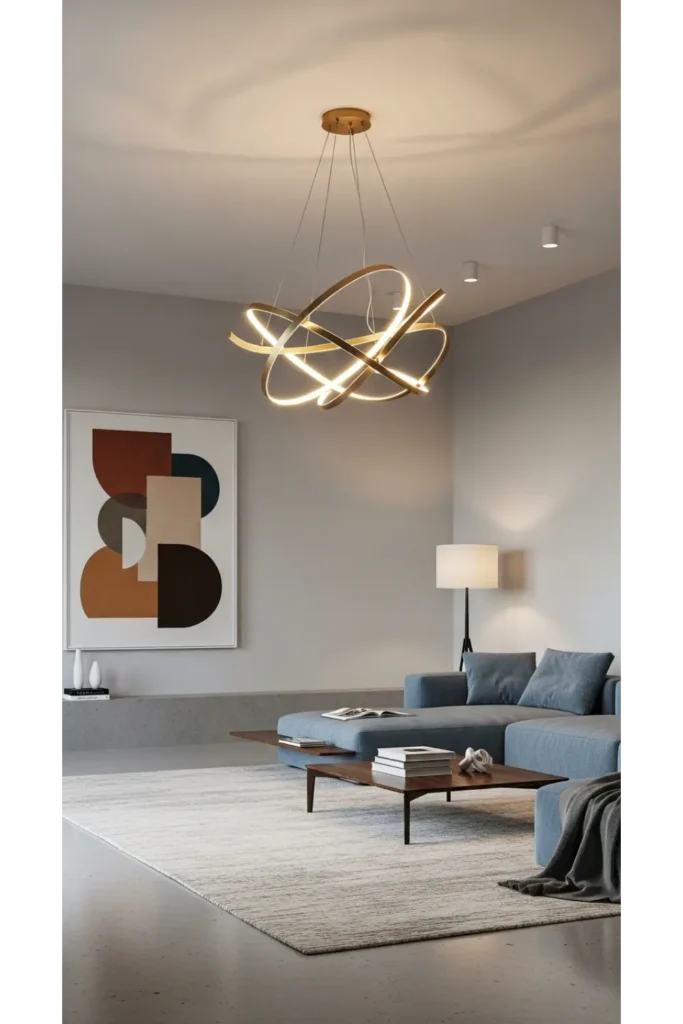
Lighting shapes mood more than almost any element. In contemporary living rooms, statement fixtures act like art. Sculptural pendants or oversized chandeliers draw attention upward and anchor the space visually. They provide function while adding personality without extra decor.
Layering light matters too. Ambient, task, and accent lighting work together to support different activities. Dimmers help transition from day to night. When lighting feels intentional, the room feels complete. Good lighting makes modern spaces warmer, more usable, and more emotionally engaging.
5. Natural Wood Accents for Soft Contrast
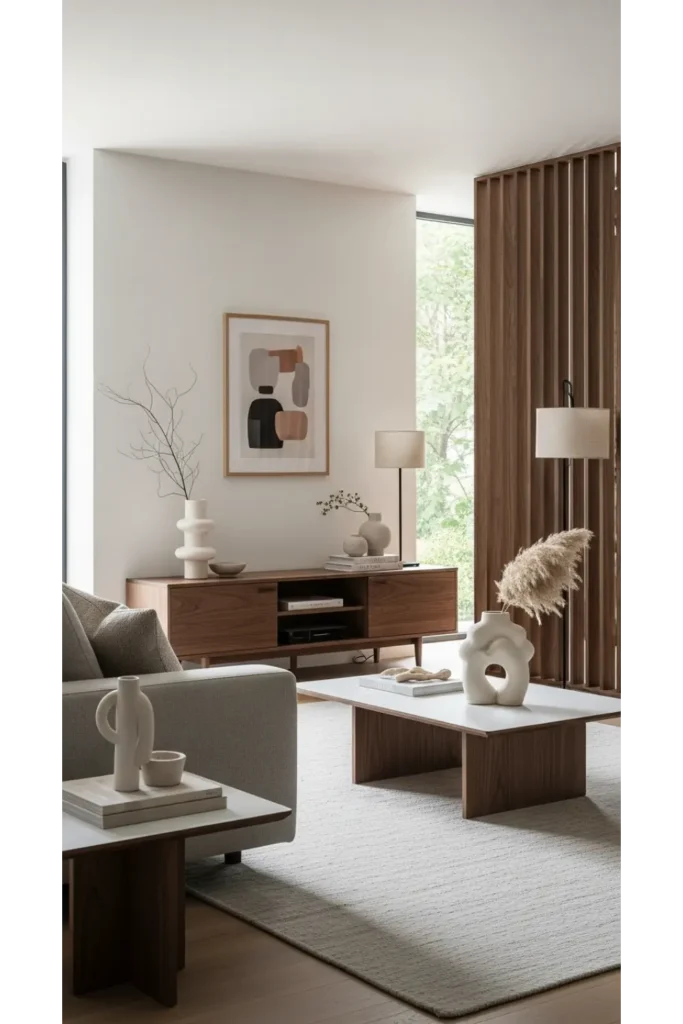
Wood softens modern design. In contemporary homes, natural wood accents add warmth without overwhelming clean lines. Coffee tables, shelving, or ceiling beams bring organic texture into the space. This contrast keeps modern rooms from feeling sterile or overly polished.
The key lies in restraint. Choose one or two wood tones and repeat them subtly. Matte finishes feel more current than glossy ones. When used thoughtfully, wood grounds the room and connects modern design with nature, creating a balanced and welcoming atmosphere.
6. Minimal Built Ins with Purpose
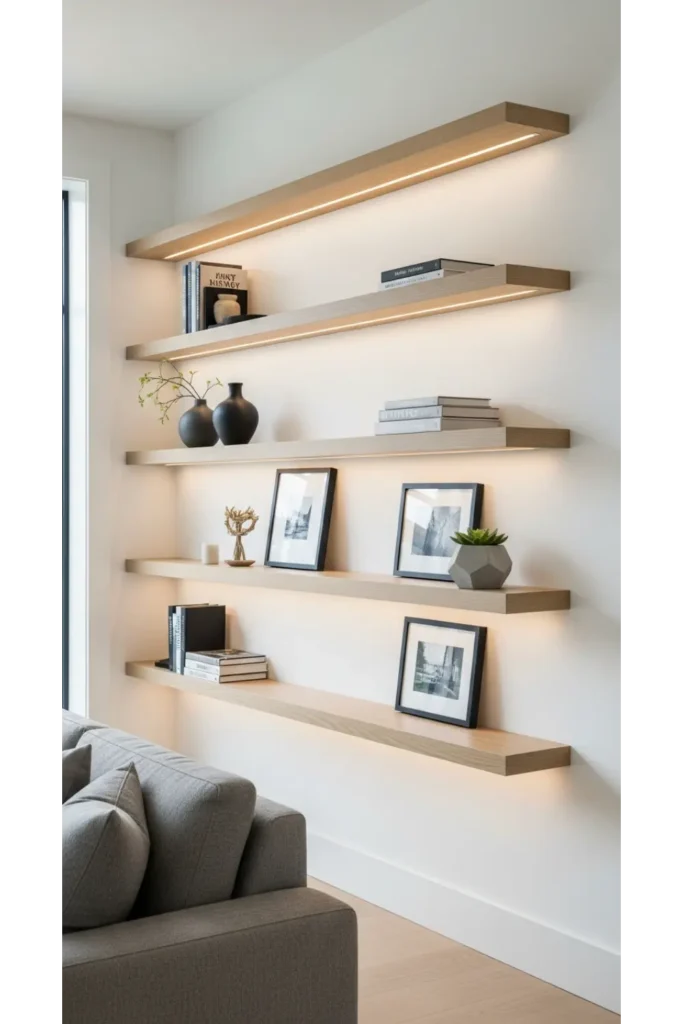
Built ins offer storage without clutter. In modern living rooms, they blend into the architecture using flat panels and simple finishes. This keeps the room visually calm while providing space for books, media, and decor. Every item feels intentional rather than random.
Curated styling matters. Leave negative space so shelves can breathe. Mix functional items with a few personal pieces. Built ins should support living, not dominate it. When done well, they elevate the room and reinforce a clean, contemporary feel.
Section Two: Statement Spaces and Personal Expression
7. Textured Accent Walls That Feel Subtle
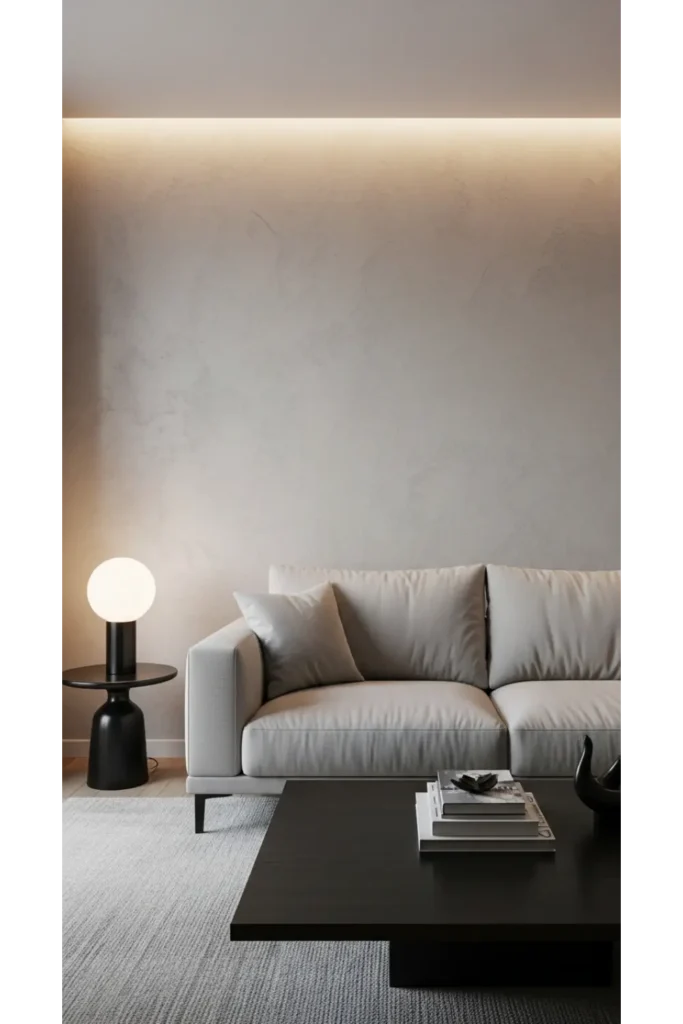
Accent walls do not need bold colors. Texture creates impact more quietly. Plaster, limewash, or subtle paneling adds depth without distraction. These finishes react to light throughout the day, giving the room a living quality that feels refined.
This approach works well in contemporary homes because it avoids trends that fade quickly. Texture supports neutral palettes and clean furniture lines. It creates interest without overpowering the space, allowing the room to feel layered, calm, and visually engaging.
8. Contemporary Art as a Focal Point
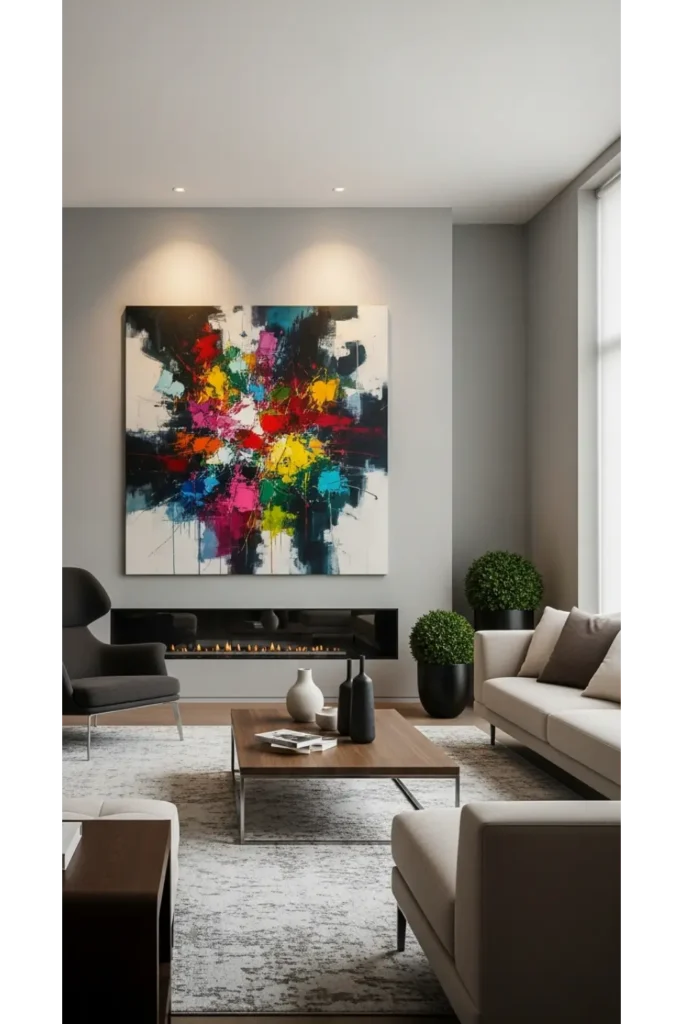
Art defines personality. In modern living rooms, one large contemporary piece often works better than many small ones. It anchors the room and sets the tone. Abstract or minimalist art complements clean lines and open layouts without overwhelming them.
Placement matters. Hang art at eye level and allow it space. Let it breathe against neutral walls. When art feels intentional, it elevates the entire room and creates a strong emotional connection within the space.
9. Indoor Plants for Organic Energy
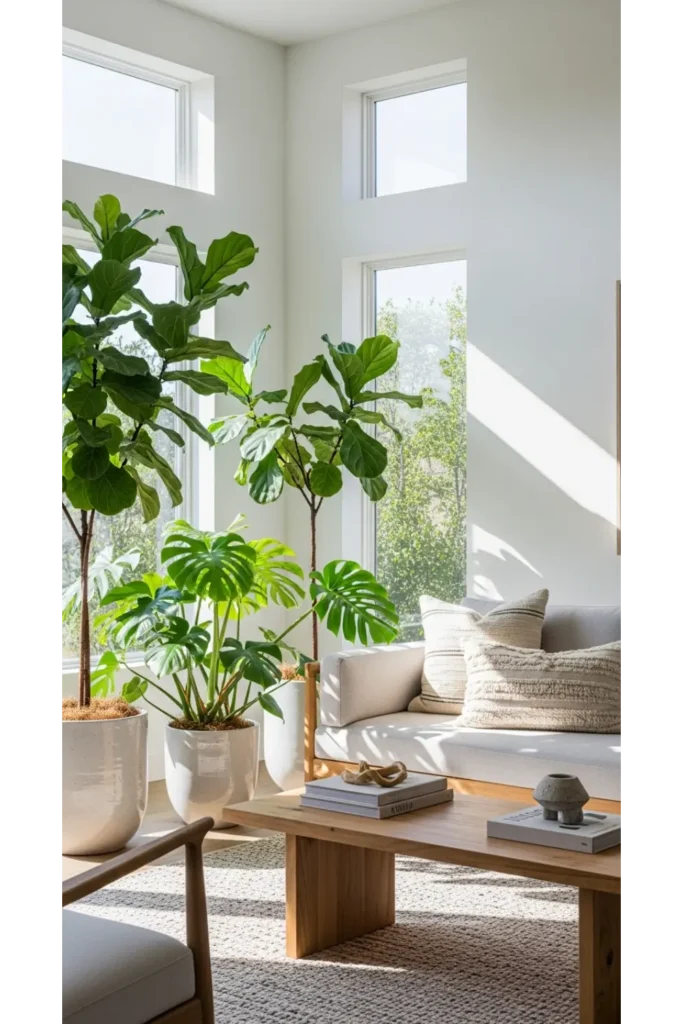
Plants bring life into modern interiors. In contemporary homes, large statement plants work better than many small ones. They soften edges and add movement while improving air quality. Greenery connects the indoors to the natural world.
Choose plants that match your light and lifestyle. Simple planters in neutral tones keep the look cohesive. Plants should enhance the room, not clutter it. When used thoughtfully, they add warmth, color, and balance to modern living spaces.
10. Modular Furniture for Flexible Living
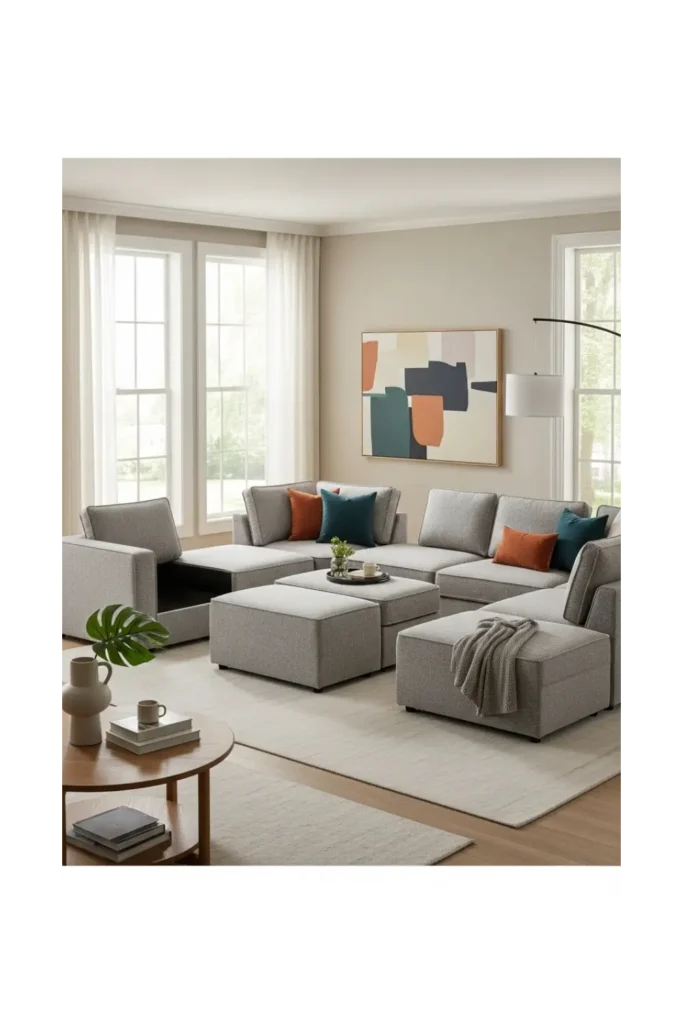
Modern life changes often, and furniture should adapt. Modular seating allows you to rearrange layouts based on needs. This flexibility supports entertaining, relaxing, or working from home without sacrificing style
Designers favor modular pieces with clean lines and durable fabrics. They maintain a contemporary look while offering real function. This adaptability makes the living room feel responsive to daily life rather than locked into one setup.
11. Soft Curves to Balance Straight Lines
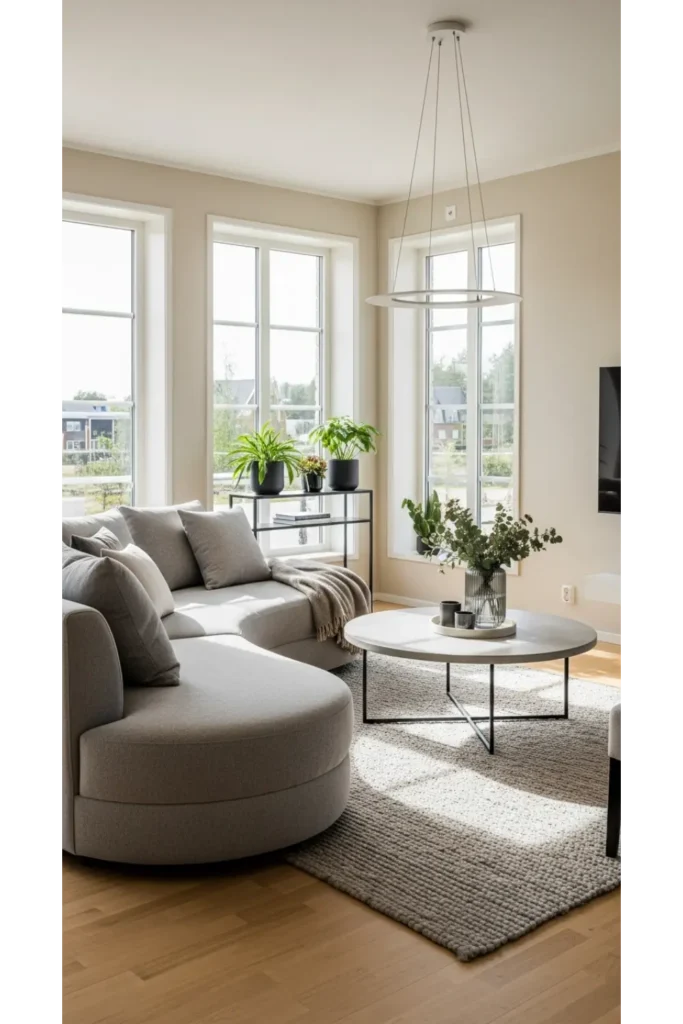
Straight lines dominate contemporary design, but curves bring balance. Rounded sofas, arched mirrors, or circular tables soften the room visually. These shapes make spaces feel more inviting and human.
Curves work best when used selectively. One or two rounded pieces prevent the space from feeling rigid. This contrast adds flow and comfort while keeping the modern aesthetic intact.
12. Layered Rugs for Depth and Comfort
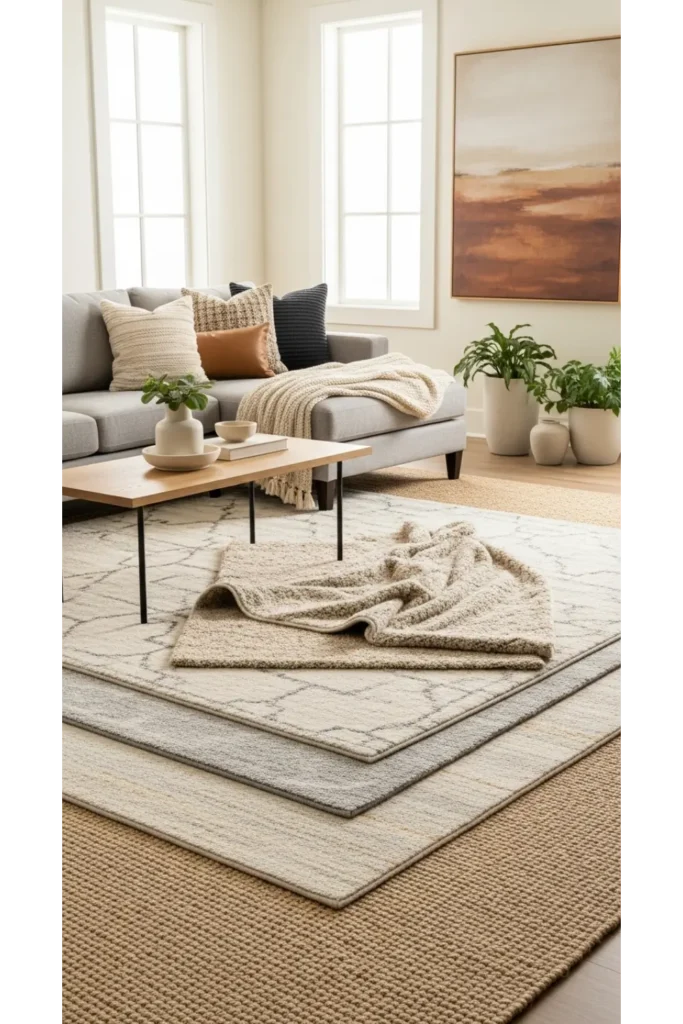
Layering rugs adds dimension to modern living rooms. A flat weave under a softer rug creates comfort while defining zones. This technique works especially well in open layouts where visual boundaries matter.
Keep colors cohesive to avoid clutter. Texture does the work, not pattern. Layered rugs make the space feel lived in and warm without sacrificing clean design principles.
13. Integrated Technology Without Visual Noise
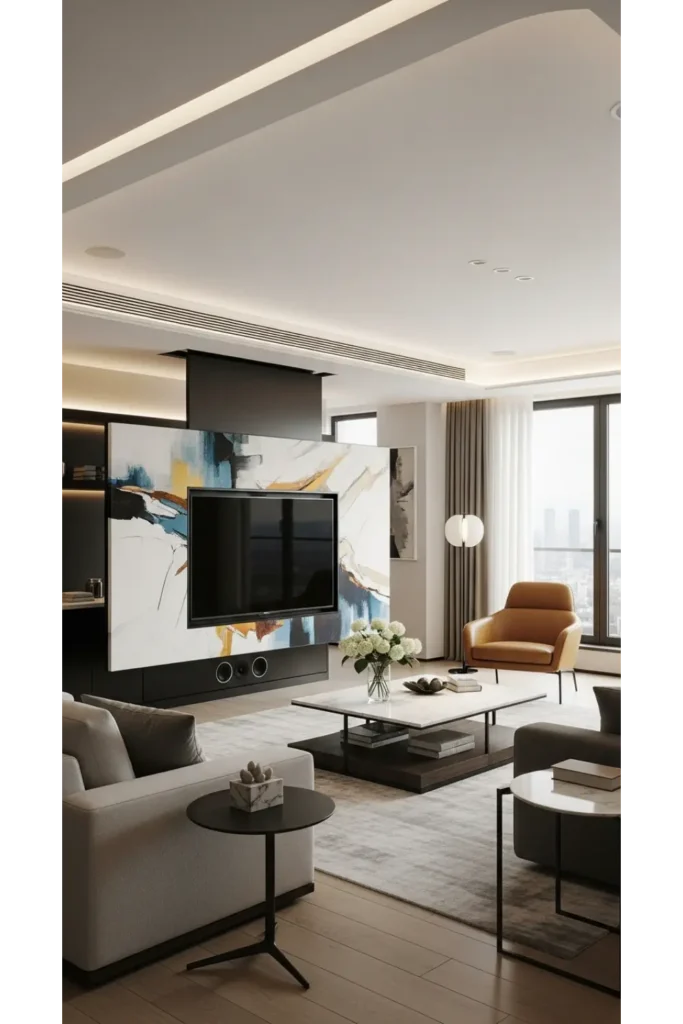
Technology belongs in contemporary homes, but it should not dominate. Hidden TVs, built in speakers, and concealed wiring keep the room clean. This allows design to lead while technology quietly supports daily life.
Smart integration improves function without adding clutter. When screens disappear, the room feels calmer and more intentional. This balance reflects modern living at its best.
14. Monochrome Schemes with Depth
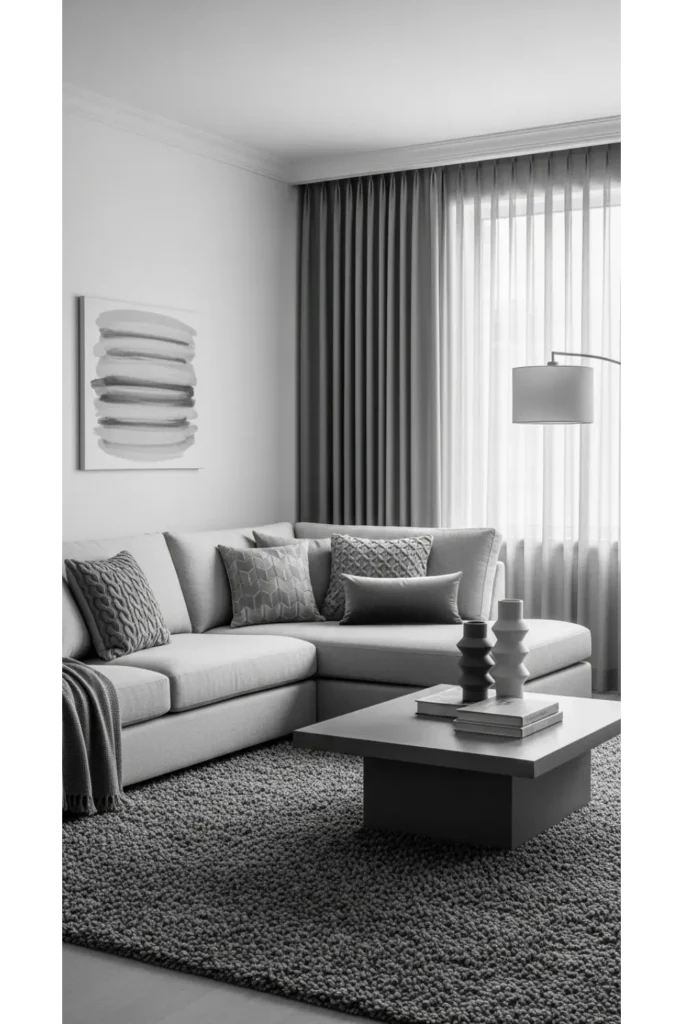
Monochrome does not mean boring. Using one color in multiple shades creates depth and cohesion. Texture becomes the star, adding richness without visual chaos.
This approach works well in contemporary spaces because it feels controlled and refined. The room reads as calm, confident, and timeless while still feeling inviting.
15. Floor-to-Ceiling Windows as Design Features
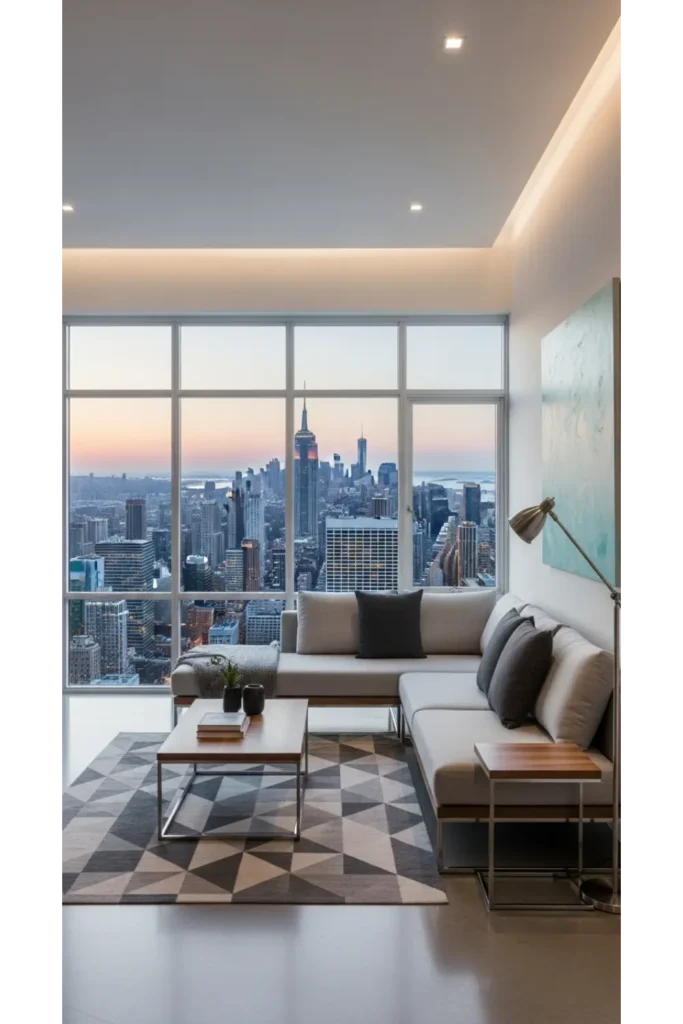
Large windows blur the line between indoors and outdoors. In modern living rooms, they act as design elements. Natural light enhances materials and makes spaces feel larger.
Window treatments stay minimal to preserve views. The architecture becomes part of the decor. This connection to light and surroundings defines contemporary living.
16. Mixed Materials for Visual Interest
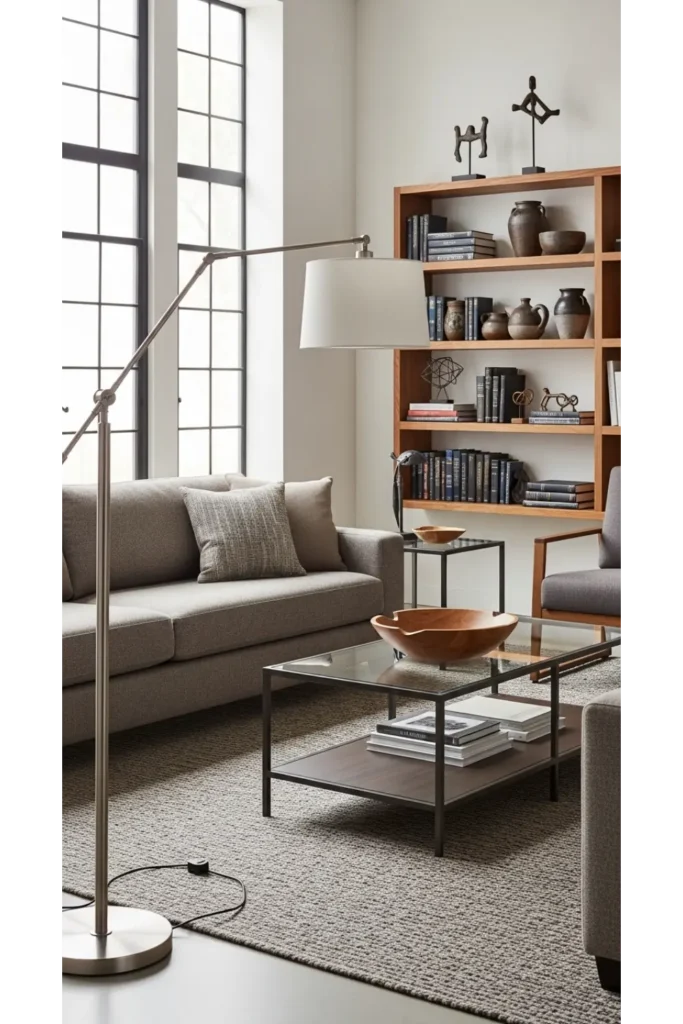
Mixing materials adds richness. Metal, glass, wood, and fabric each bring different qualities. Together, they create a layered look that feels thoughtful rather than flat.
Balance matters. Repeating materials across the room creates cohesion. This mix keeps modern spaces dynamic and visually engaging.
17. Personal Styling with Intent
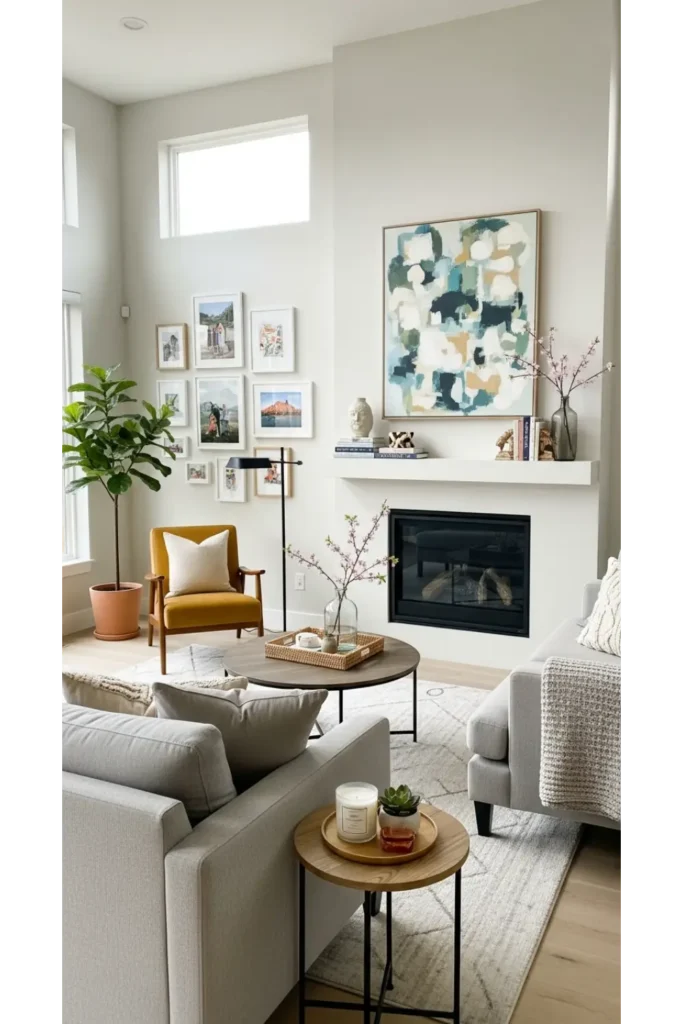
Modern living rooms still need personality. Curated personal items tell a story without clutter. Books, travel objects, or meaningful art add warmth.
Edit carefully. Leave space around items so they feel special. Personal styling should enhance the room, not overwhelm it.
18. Soft Lighting for Evening Comfort
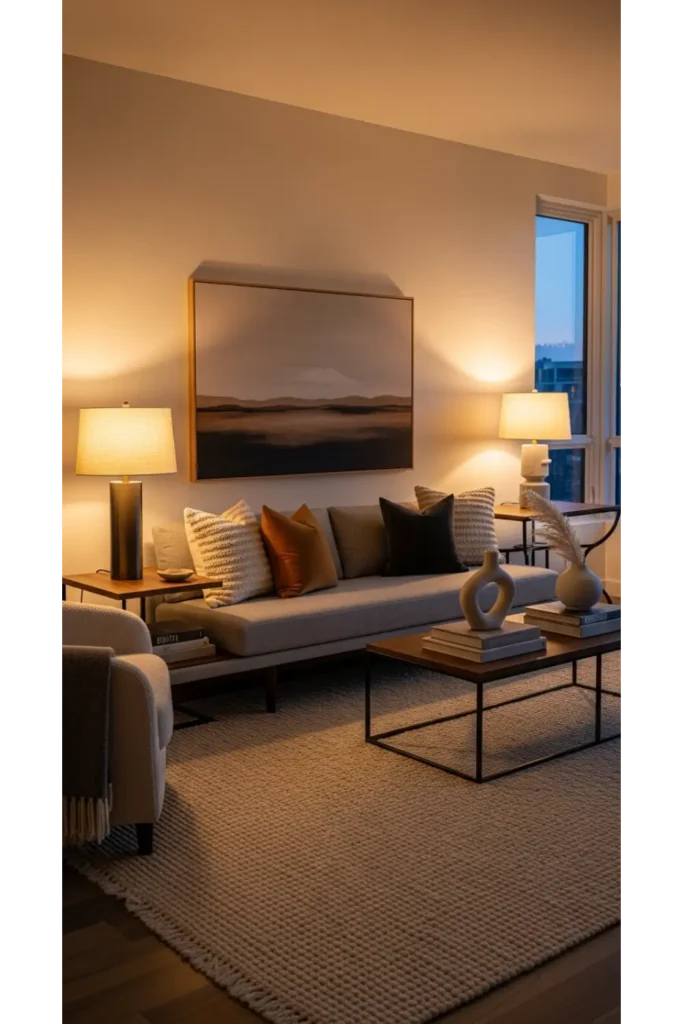
Harsh lighting kills comfort. Soft, warm lighting transforms modern spaces at night. Lamps and wall lights create pools of light that invite relaxation.
This layered approach supports different moods. The room shifts easily from functional to cozy without changing furniture or decor.
19. Minimal Color Pops for Energy
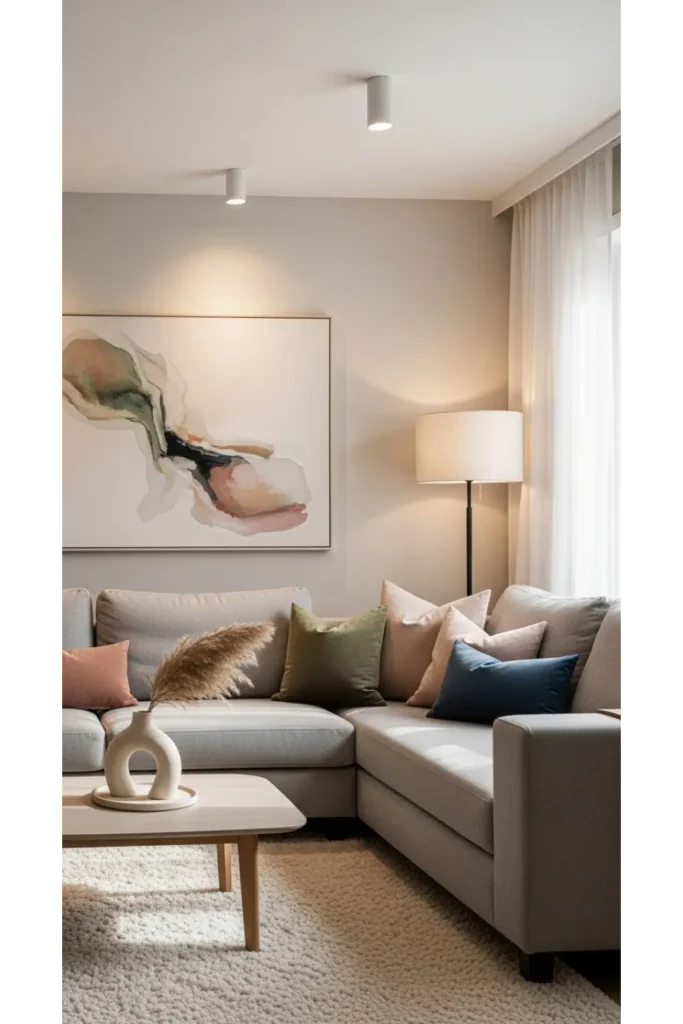
In contemporary homes, minimal color pops add life without disturbing visual calm. A neutral living room becomes more engaging when you introduce color through pillows, artwork, or a single accent chair. These small touches guide the eye and create personality while keeping the overall look refined. Color works best when it feels intentional and limited, allowing modern living room ideas contemporary homes to stay cohesive and visually relaxed.
The goal is balance, not contrast overload. Muted blues, earthy greens, or warm terracotta tones blend naturally with modern materials. These shades support the architecture instead of competing with it. When used sparingly, color refreshes the space and allows easy updates over time, helping the living room feel current, personal, and emotionally welcoming.
20. Thoughtful Scale and Proportion
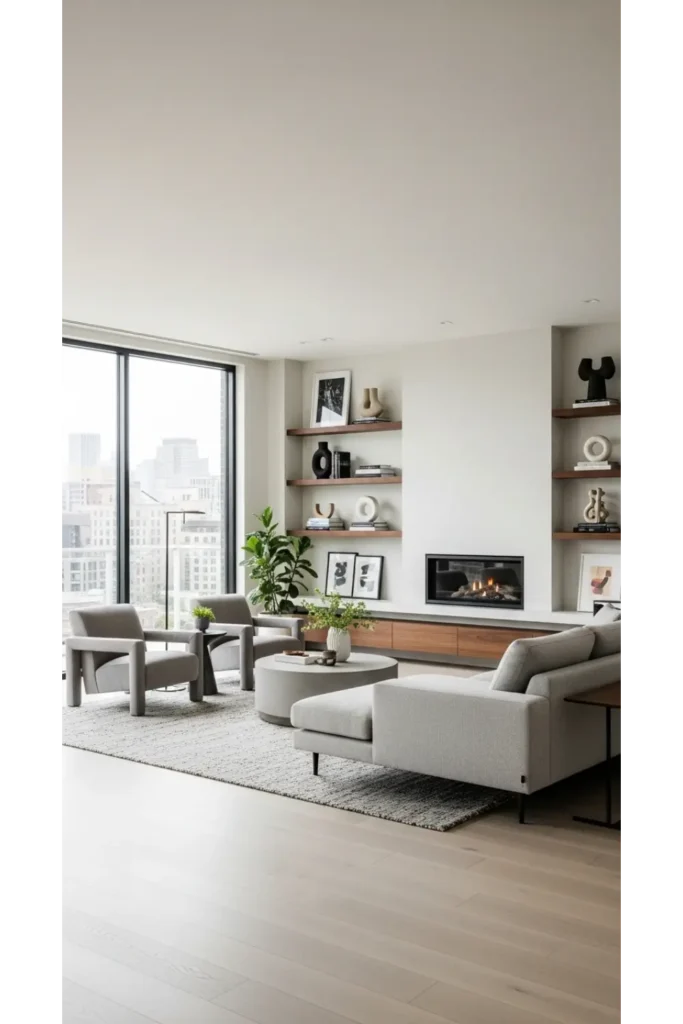
Scale plays a major role in how comfortable a living room feels. In contemporary homes, furniture should align with the room’s size and ceiling height. Oversized sofas can overwhelm the space, while small pieces feel disconnected. Proper proportion allows the room to breathe and helps every element feel purposeful, which is essential for modern living room ideas in contemporary homes that prioritize flow.
Spacing matters just as much as furniture size. Leaving room between seating, tables, and walkways improves movement and visual clarity. Balanced proportions create harmony, making the room feel calm rather than crowded. When the scale feels right, the living room supports both daily comfort and long term design appeal.
21. Seamless Indoor Outdoor Connection
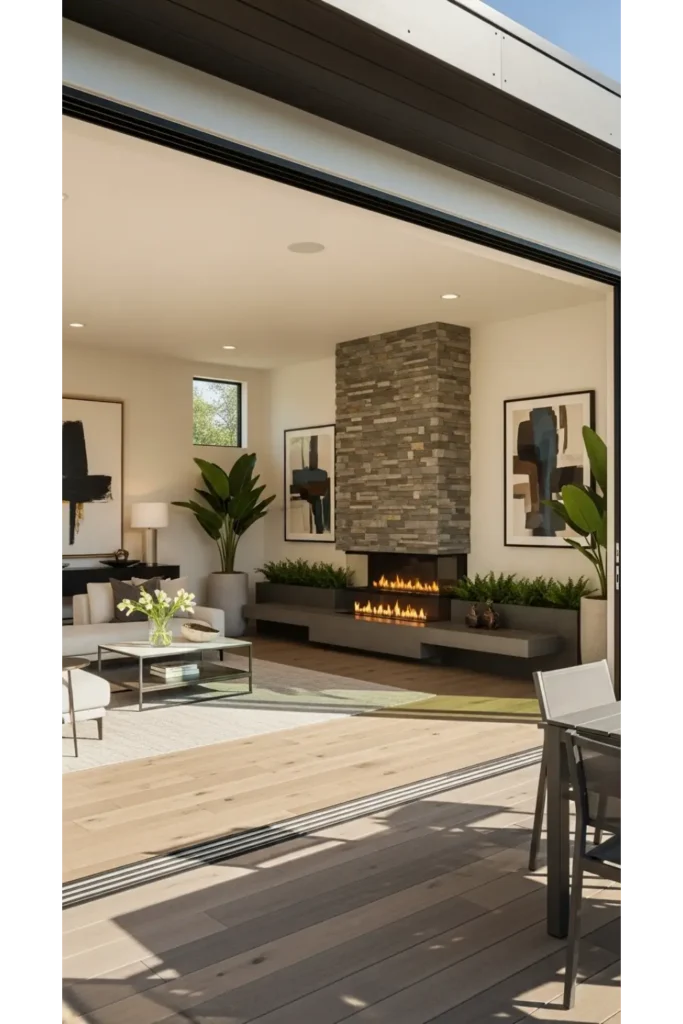
A seamless indoor outdoor connection defines modern living. Large glass doors and consistent flooring help the living room extend naturally into outdoor areas. This design approach increases usable space while enhancing light and openness. In contemporary homes, this connection supports relaxed living and strengthens the relationship between architecture and environment.
Using similar colors and materials indoors and outdoors creates visual continuity. Furniture placement should guide the eye outward without blocking views. This flow makes the living room feel larger and more dynamic. It also encourages everyday use of outdoor spaces, turning them into natural extensions of the home.
22. Timeless Design Over Trends
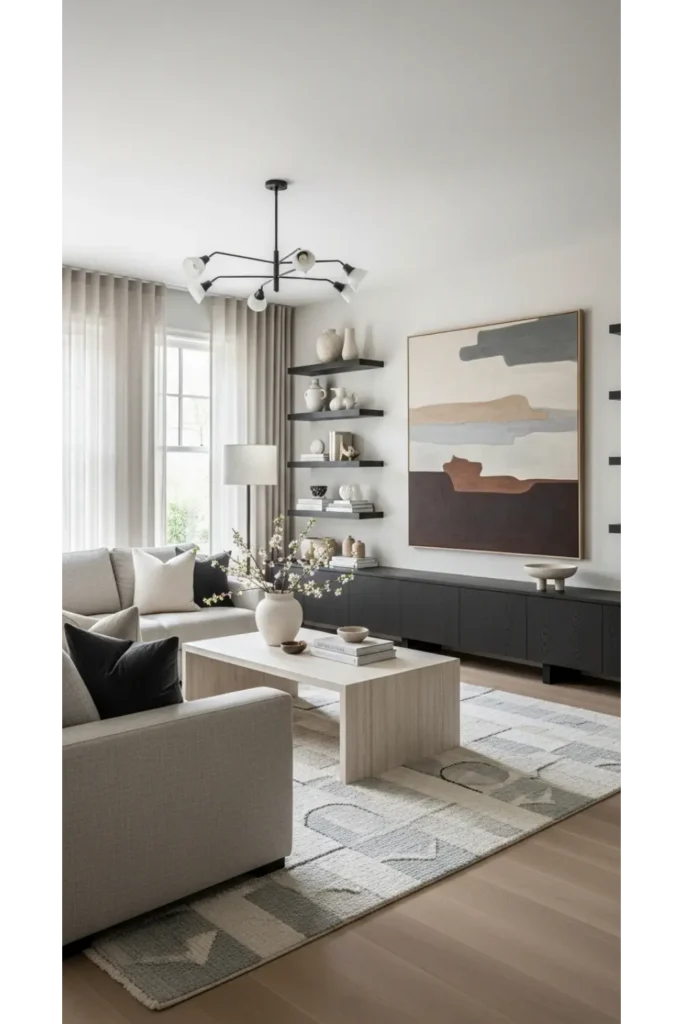
Timeless design focuses on quality rather than short lived trends. Contemporary homes benefit from simple forms, durable materials, and neutral foundations that age gracefully. Instead of chasing what feels new, timeless living rooms emphasize comfort, proportion, and authenticity. This approach keeps the space relevant even as styles evolve.
When design choices feel intentional, the room remains flexible. You can refresh decor without reworking the entire space. Timeless modern living rooms feel confident, calm, and enduring. They support real life while maintaining visual clarity, making them a lasting investment in both style and comfort.
Conclusion
Modern living rooms in contemporary homes succeed when design supports real life. Clean lines, warmth, and intention matter more than trends. By focusing on flow, texture, light, and personal expression, you create a space that feels current yet deeply comfortable. These ideas offer a flexible foundation you can adapt over time, helping your living room remain stylish, functional, and truly livable.