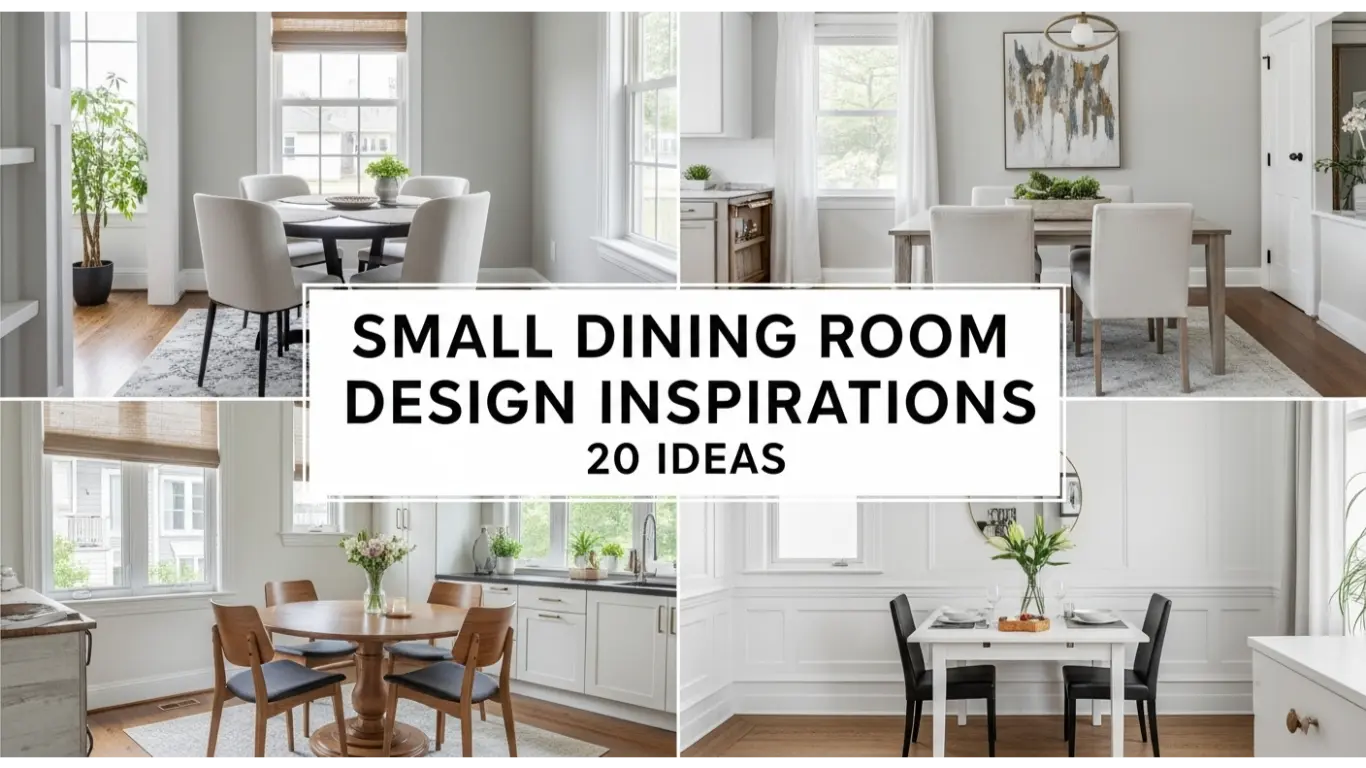
Small Dining Room Design Inspirations 20 Ideas
A small dining room can feel just as inviting and stylish as a large one when the design choices are intentional. With the right layout, colors, lighting, and furniture, even the most compact dining space can support daily meals and special gatherings. This guide explores thoughtful, realistic ideas that balance function and personality while staying visually light.
Each concept below focuses on space awareness, comfort, and timeless appeal. These ideas work for apartments, townhomes, and cozy houses where every square foot matters. You will also find image prompts to help you visualize or generate inspiration that fits your taste and layout.
1. Light Neutral Comfort
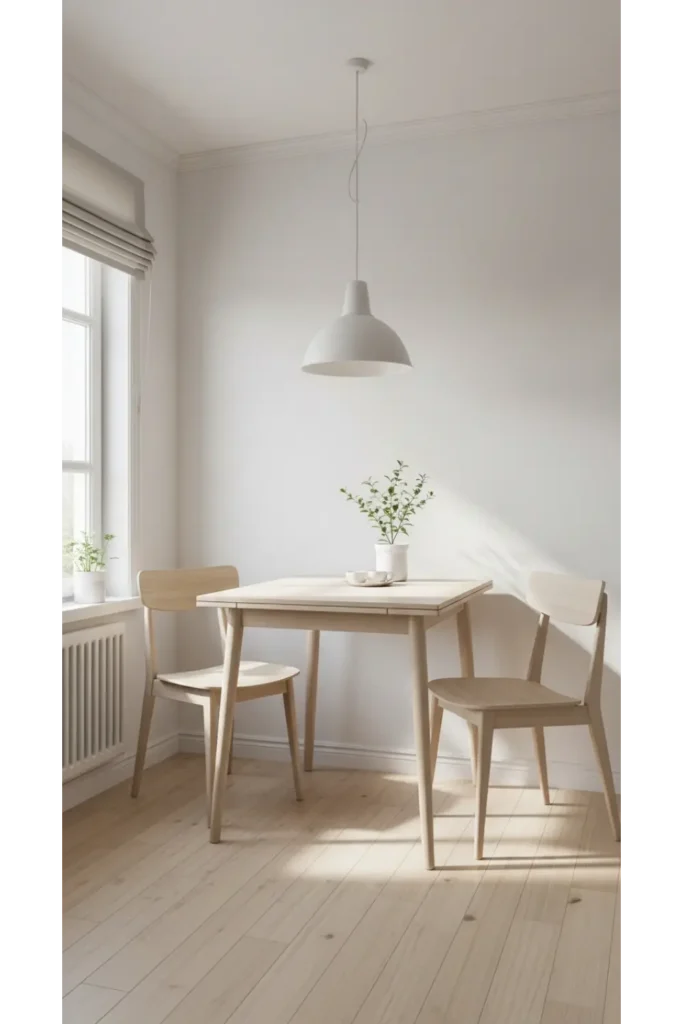
Small dining room design inspirations begin with light neutral tones that visually expand the space. Soft whites, warm beiges, and pale grays reflect light and reduce visual clutter. A compact wooden table paired with simple chairs creates balance without crowding the room. Natural textures keep the space from feeling flat while maintaining a calm and open mood.
This approach works well in homes with limited natural light. Add subtle contrast through textiles like seat cushions or a light rug. Keep wall decor minimal and purposeful. The goal is to create a dining area that feels airy, relaxed, and easy to live with every day.
2. Round Table Layout
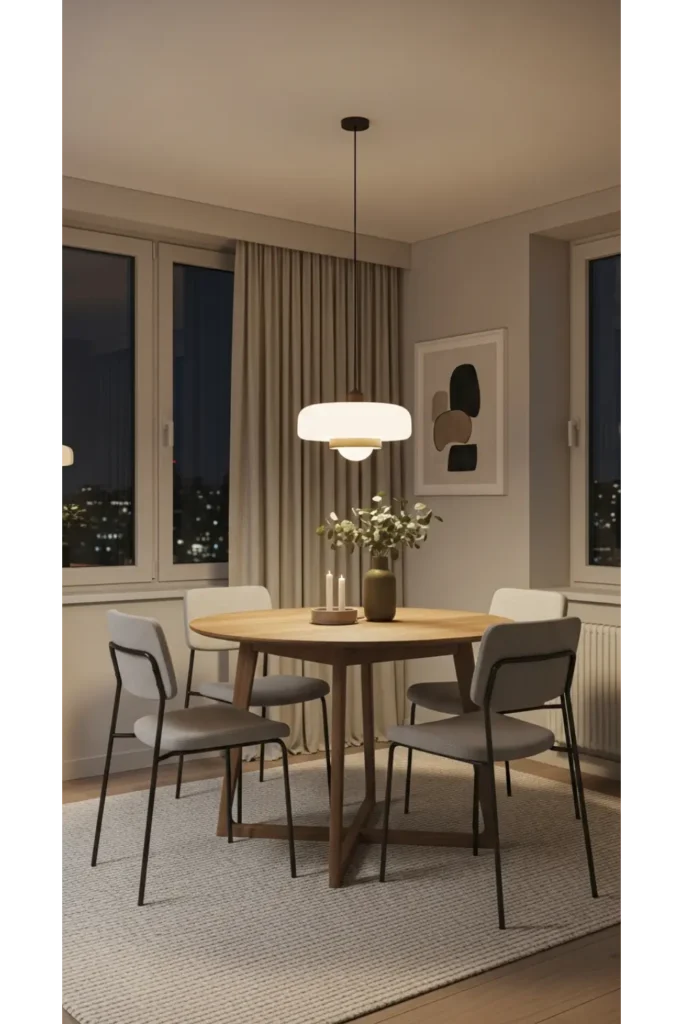
A round dining table removes sharp corners and improves movement in tight spaces. This layout encourages conversation and helps the room feel more welcoming. Choosing a pedestal base instead of four legs also frees up visual and physical space. The shape naturally fits square or narrow dining areas.
To elevate the look, pair the table with slim chairs and a simple overhead pendant. Avoid bulky furniture that blocks sightlines. This setup works especially well for small households that value comfort and connection over formal seating arrangements.
3. Wall Mounted Storage
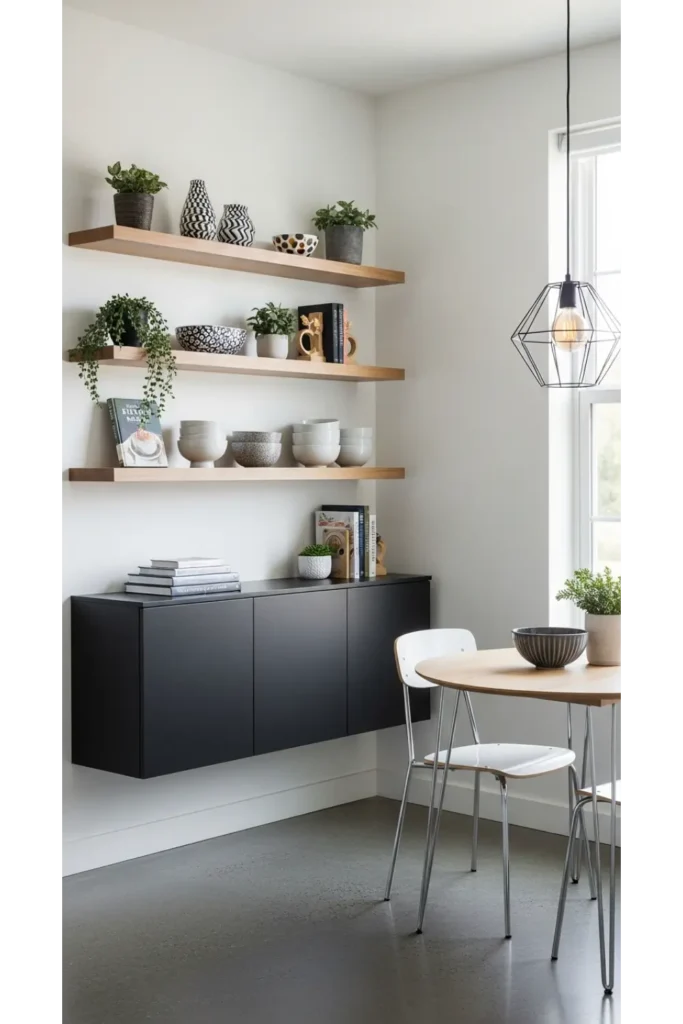
Smart wall storage keeps the floor clear and the room organized. Floating shelves or slim cabinets provide space for dishes, glassware, or decor without overwhelming the room. This solution supports both function and style when designed with intention.
Use matching finishes to maintain visual harmony. Open shelving works best when styled simply. Too many items can feel busy. When done right, wall mounted storage adds depth and character while preserving precious floor space.
4. Built In Bench Seating
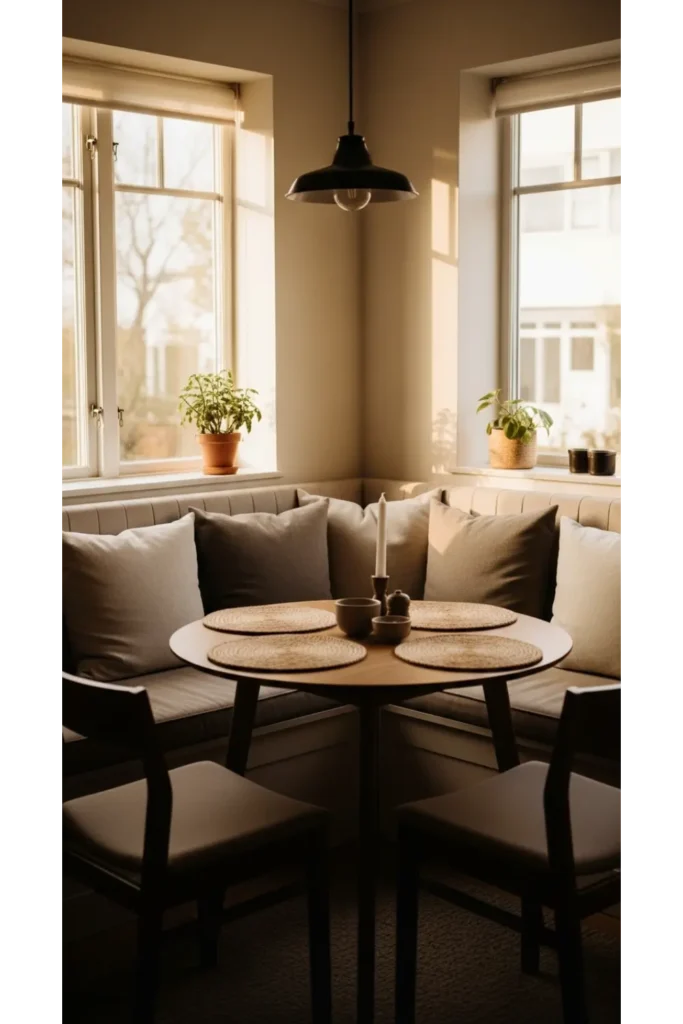
Bench seating along a wall or corner maximizes seating while minimizing visual bulk. Built ins create a custom look and often include hidden storage beneath the seat. This is ideal for families or anyone who wants flexibility in a small dining area.
Soft cushions and pillows add comfort and warmth. Pair the bench with lightweight chairs on the opposite side to maintain balance. This design feels cozy, efficient, and thoughtfully planned.
5. Mirror Enhanced Space
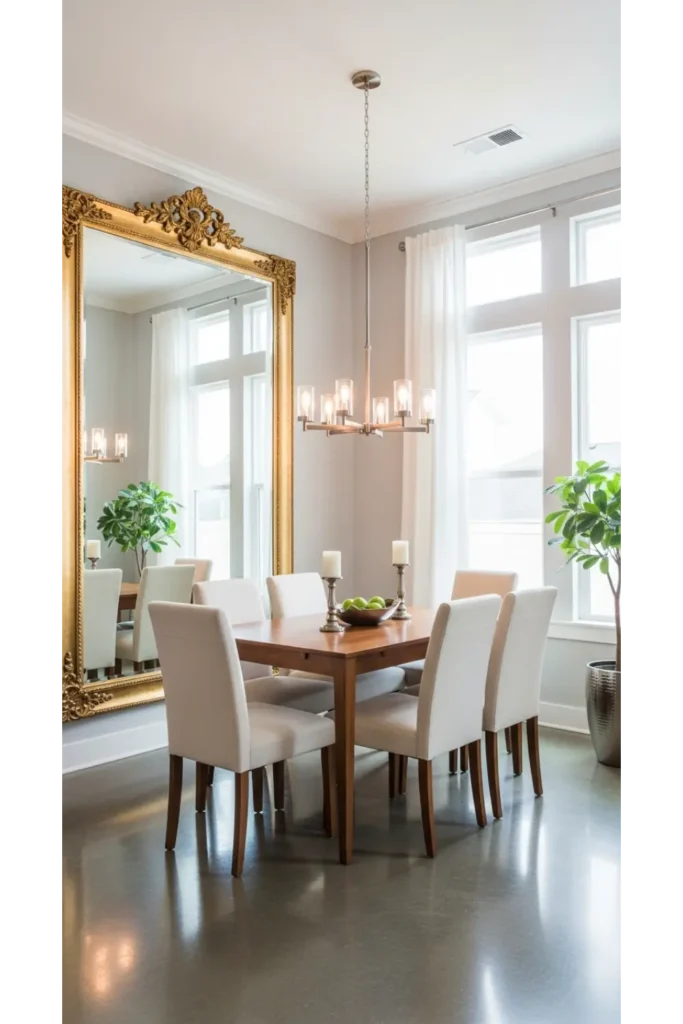
Mirrors reflect light and visually double the size of a small dining room. A large mirror placed on one wall can make the space feel wider and brighter instantly. This trick works especially well in rooms with limited windows.
Choose a frame that matches the room’s style, whether modern or classic. Keep the rest of the decor simple to let the mirror do the work. The result feels open and polished without structural changes.
6. Minimal Scandinavian Style
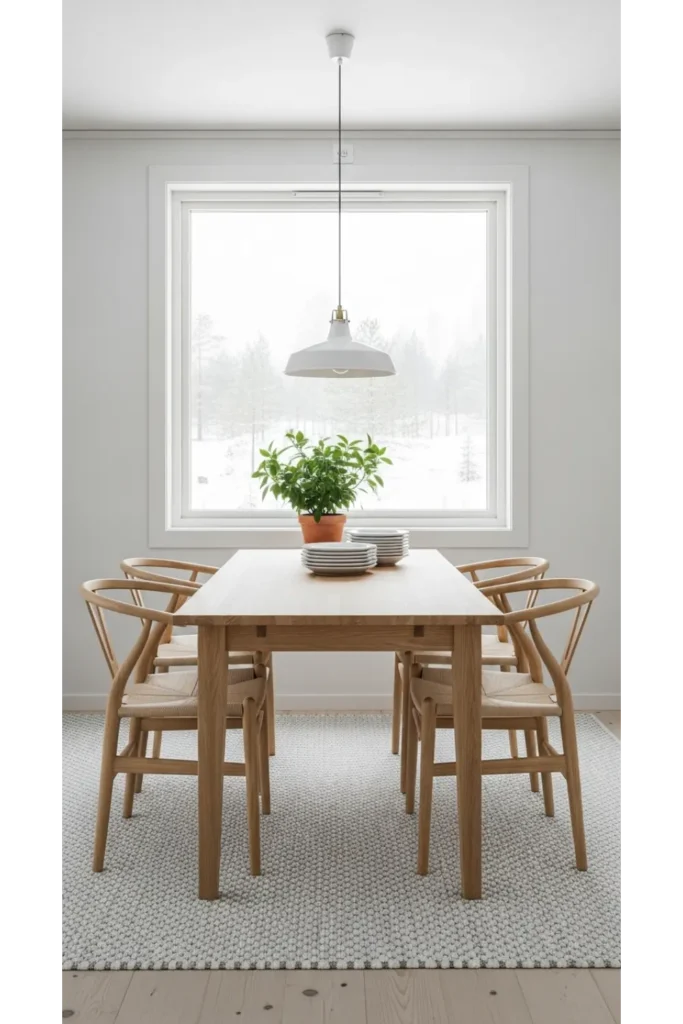
Scandinavian design focuses on simplicity, function, and warmth. Light wood furniture, white walls, and clean lines suit small dining rooms perfectly. This style avoids excess while still feeling welcoming and lived in.
Add warmth through natural textures like linen or wool. Keep color accents soft and limited. This approach supports everyday use and creates a calm environment that never feels cramped.
7. Statement Lighting Focus
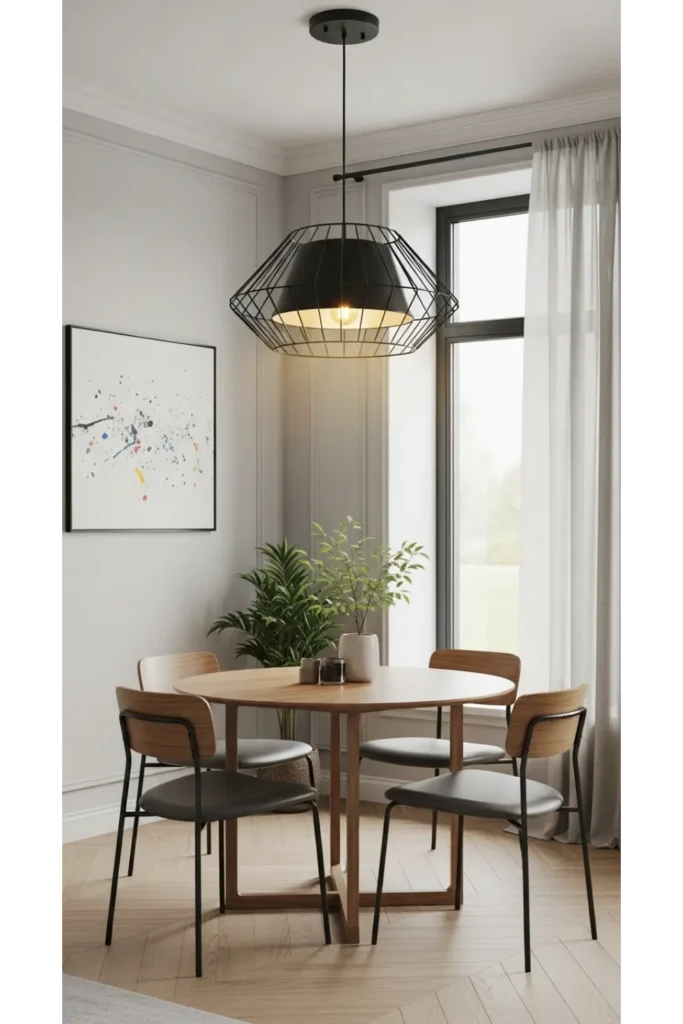
A bold light fixture draws the eye upward and adds personality without taking floor space. Statement lighting becomes a focal point that elevates the entire room. This works well in otherwise simple dining spaces.
Choose a size that fits the room scale. Oversized fixtures can overwhelm small areas. When balanced correctly, lighting adds drama and style while keeping the layout practical.
8. Glass Top Table
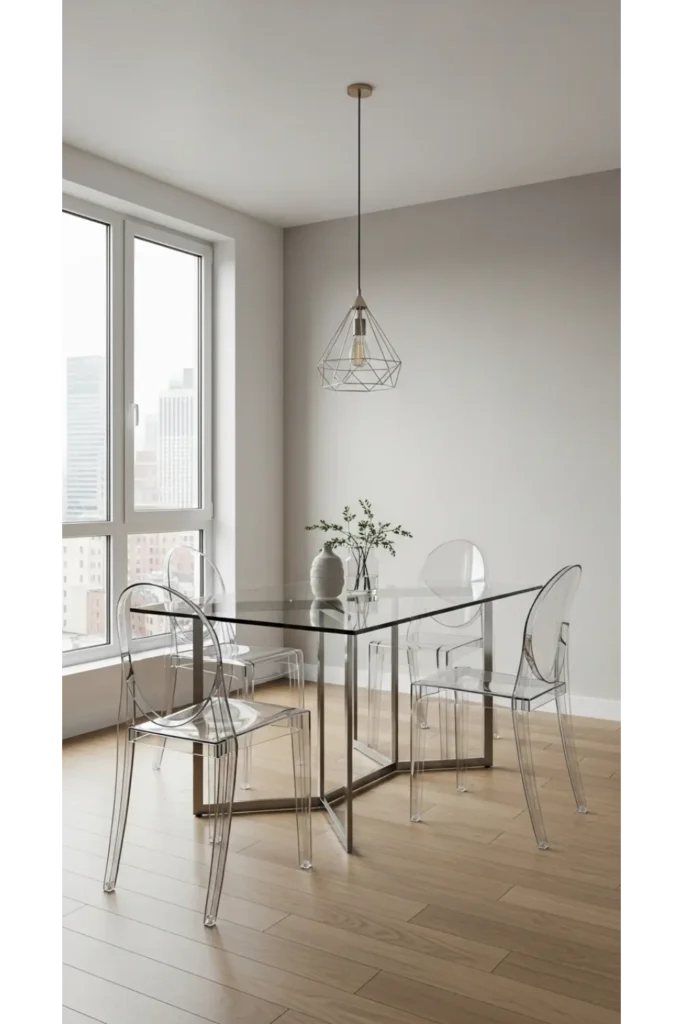
Glass tables allow light to pass through, making the room feel more open. They visually disappear compared to solid wood tables. This is a smart choice for very tight dining areas.
Pair with clear or slim chairs for a cohesive look. Glass surfaces reflect light and complement modern interiors. Keep maintenance in mind and choose durable materials for daily use.
9. Multifunctional Dining Space
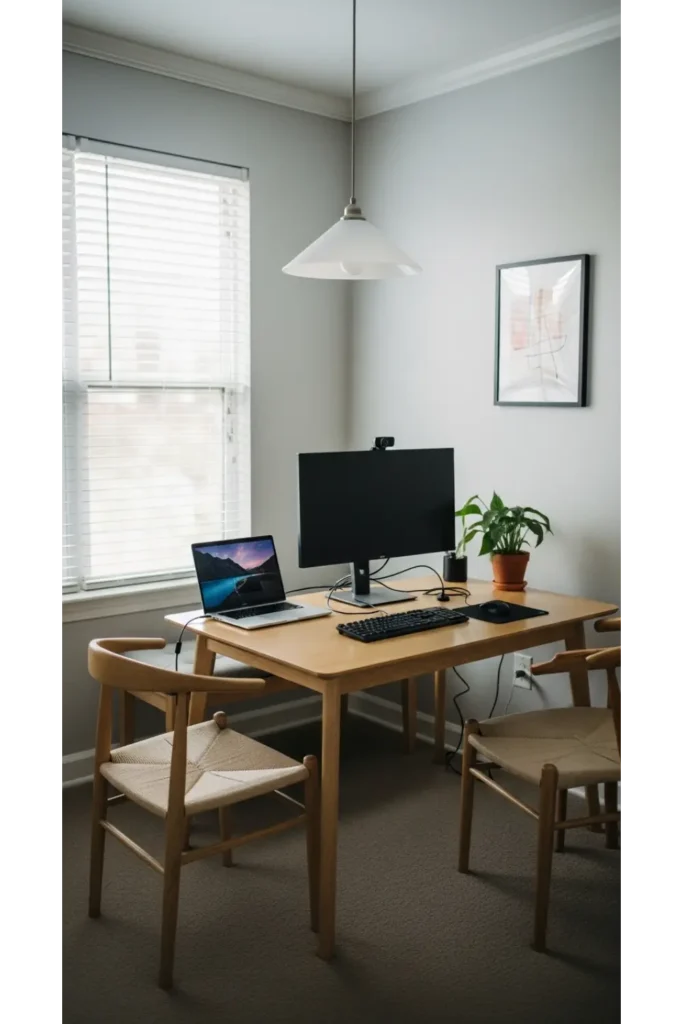
In many homes, the dining room serves more than one purpose. A multifunctional setup allows the table to act as a workspace, homework station, or hobby area. This approach suits modern lifestyles.
Choose furniture that adapts easily. Stackable chairs or foldable tables add flexibility. Keep storage nearby to switch functions quickly. This design supports real life without sacrificing style.
10. Warm Wood Accents
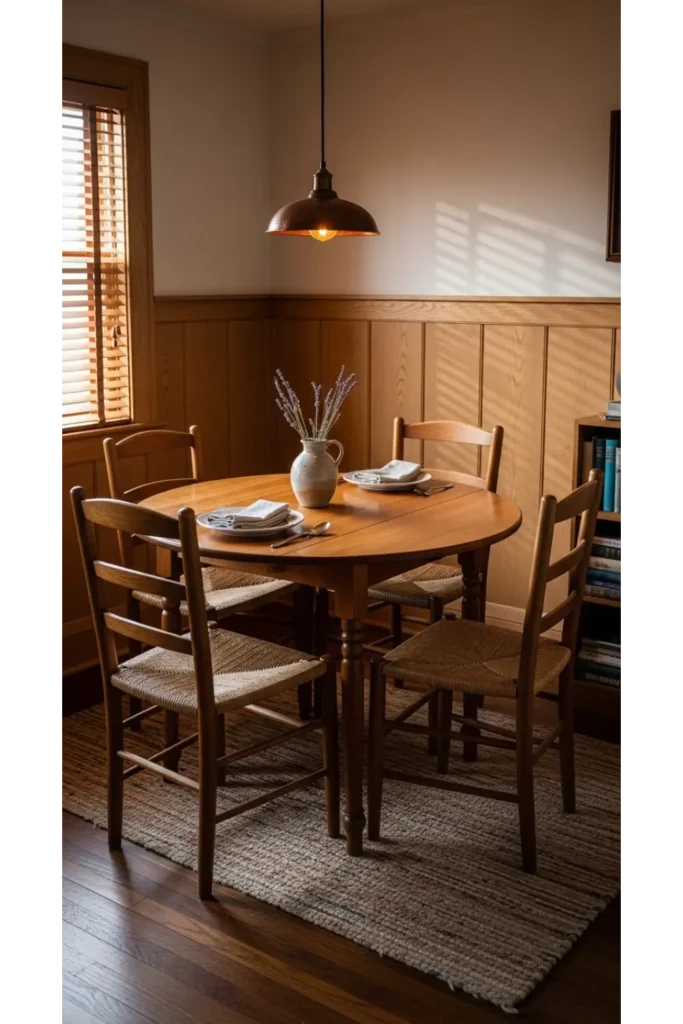
Wood adds warmth and texture to small dining spaces. Even light wood tones create depth without heaviness. This material grounds the room and makes it feel welcoming.
Balance wood with lighter walls and simple decor. Too much dark wood can shrink the space visually. When used thoughtfully, wood enhances comfort and timeless appeal.
11. Compact Bistro Style
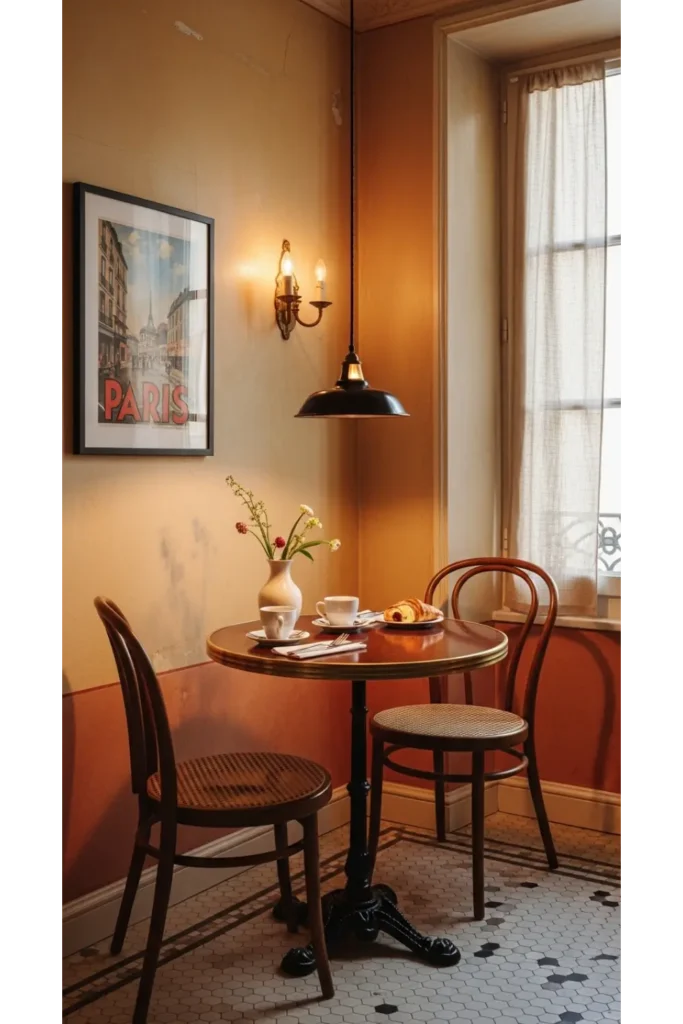
A compact bistro style dining setup brings charm and purpose to limited square footage. Inspired by European cafés, this look focuses on a small round table paired with two lightweight chairs. The scale feels intentional rather than cramped, making it ideal for apartments or kitchen-adjacent dining spaces. Curved furniture lines soften the room and help movement feel natural, even in narrow layouts.
Atmosphere matters just as much as size in this design. Warm lighting, subtle textures, and simple wall accents elevate the space without overwhelming it. A single pendant light or framed artwork adds personality while keeping the footprint minimal. This style supports daily meals while creating a relaxed, social mood that feels effortless and inviting.
12. Vertical Emphasis Design
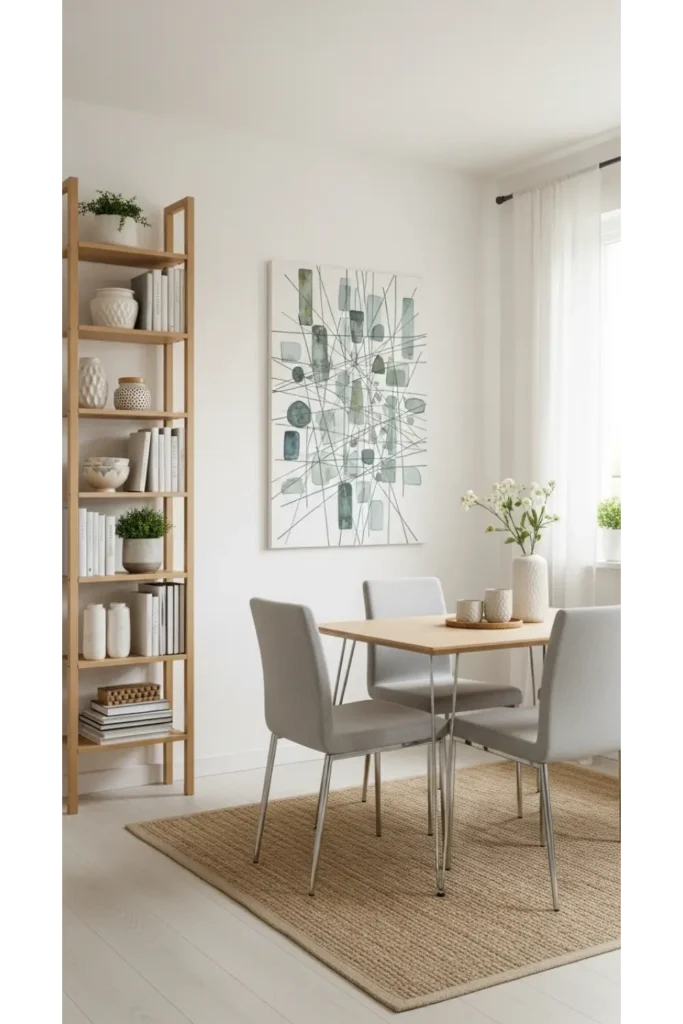
Vertical emphasis shifts attention upward, making a small dining room feel taller and more open. Tall shelves, narrow cabinets, or vertically oriented artwork naturally draw the eye above the table line. This strategy works especially well in rooms with limited width, where expanding horizontally is not possible. Clean vertical lines create structure without visual heaviness.
Balance plays a critical role in this approach. Keeping furniture low profile ensures the vertical elements stand out rather than compete. Neutral colors enhance the height illusion, while subtle contrast adds interest. When vertical design choices stay consistent, the dining area feels more spacious, organized, and thoughtfully planned.
13. Soft Color Accents
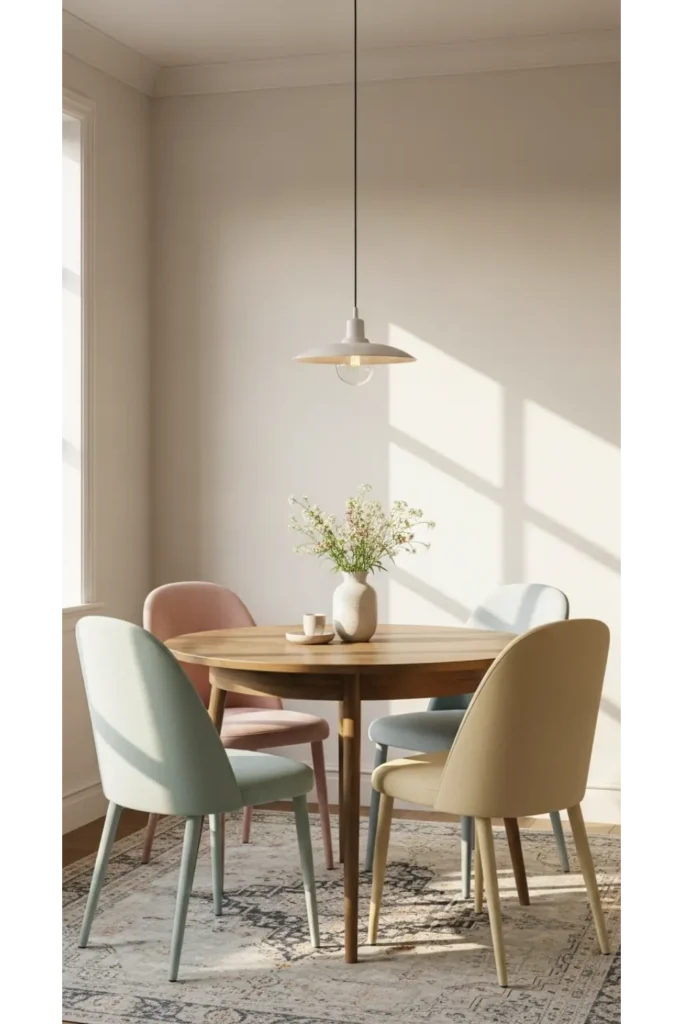
Soft color accents introduce personality without overpowering a small dining room. Muted tones like sage, blush, or powder blue work beautifully against neutral walls, adding warmth while maintaining openness. These gentle colors reflect light better than darker shades, helping the room feel calm and balanced rather than visually crowded.
Strategic placement keeps the look refined. Upholstered chairs, subtle artwork, or table linens offer controlled pops of color. The neutral foundation allows flexibility over time, making it easy to refresh the space without major changes. This approach creates a welcoming dining environment that feels personal yet timeless.
14. Smart Visual Zoning for Small Dining Areas
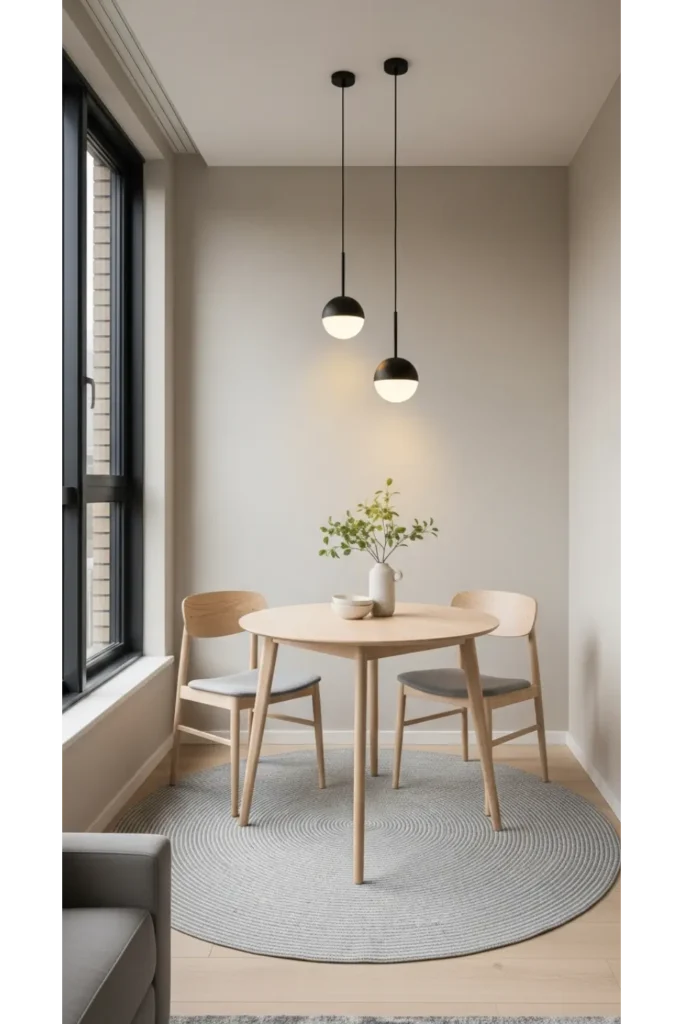
In compact homes, visual zoning helps a small dining room feel defined without physical barriers. Instead of blending completely into nearby spaces, the dining area benefits from gentle visual cues that signal its purpose. A thoughtfully placed rug, a change in lighting style, or a shift in wall texture can separate the dining zone while keeping the layout open and breathable.
Furniture placement plays a major role in this strategy. Positioning the table parallel to surrounding elements creates order and improves flow. Choosing finishes that complement nearby spaces maintains harmony, while subtle contrast gives identity. This approach supports clarity, comfort, and usability without closing off the room or making it feel boxed in.
15. Textured Wall Feature
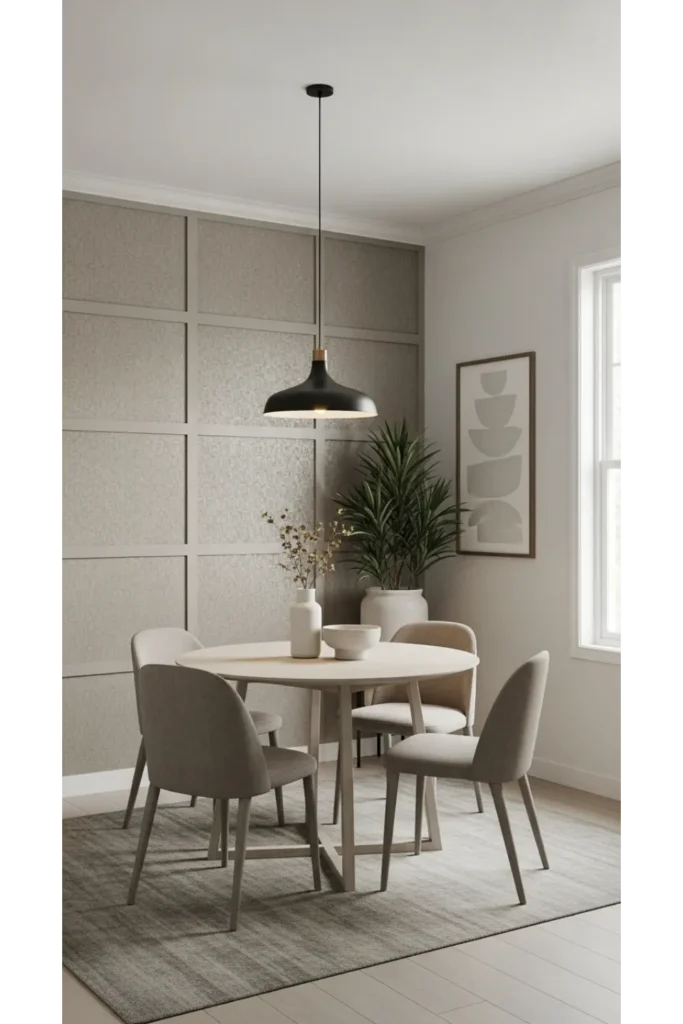
A textured wall adds depth and interest to a small dining room without relying on bold colors. Paneling, limewash finishes, or subtle wallpaper introduce dimension that enhances the room’s character. Texture creates visual richness while maintaining a calm tone, which is essential in compact spaces.
Limiting texture to a single wall keeps the design balanced. The surrounding surfaces remain simple, allowing the feature wall to stand out naturally. This approach works well in modern and transitional interiors, offering sophistication without clutter. Texture brings warmth and refinement while respecting the room’s scale.
16. Space Saving Chairs
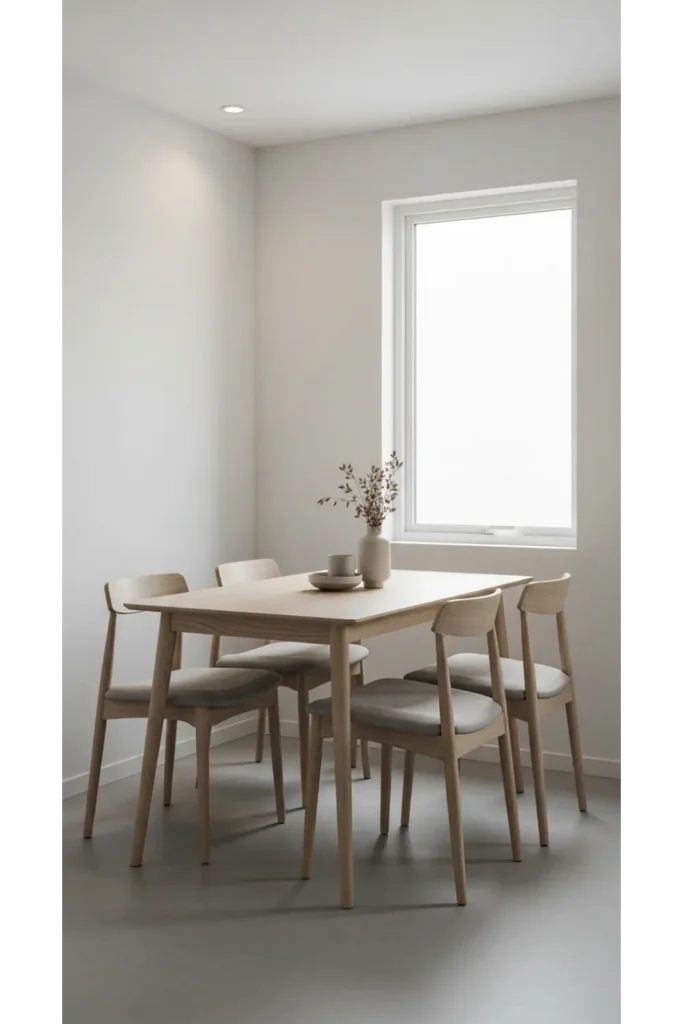
Space saving chairs make a noticeable difference in tight dining areas. Slim silhouettes, armless designs, and lightweight materials reduce visual bulk and allow for easier movement. These chairs slide neatly under the table, keeping walkways clear and the room feeling organized.
Comfort should never be sacrificed for size. Well-designed chairs with supportive backs and quality materials ensure long-term usability. Neutral finishes help maintain a cohesive look, while subtle curves add softness. This choice enhances both function and aesthetics, making everyday dining more comfortable.
17. Natural Light Focus
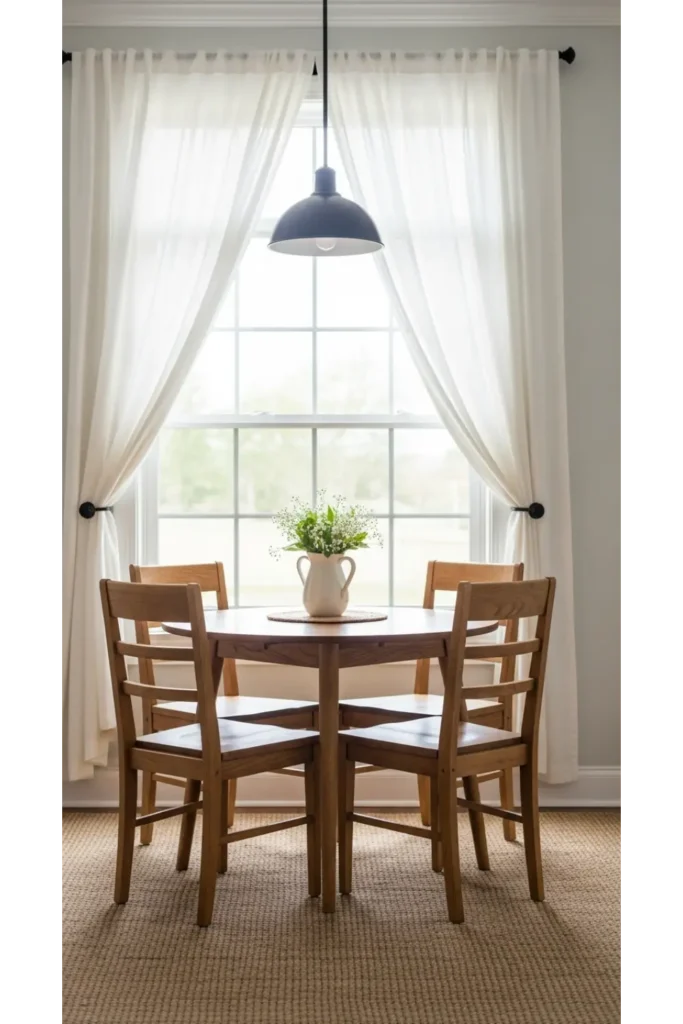
Natural light transforms a small dining room by making it feel larger and more inviting. Positioning the table near a window allows daylight to highlight the space and improve the overall mood. Sheer curtains soften light without blocking it, maintaining privacy while enhancing brightness.
Avoid heavy window treatments that absorb light and visually shrink the room. Light-reflective surfaces and pale colors amplify the effect further. When natural light becomes part of the design, the dining area feels open, energizing, and comfortable throughout the day.
18. Modern Minimal Contrast
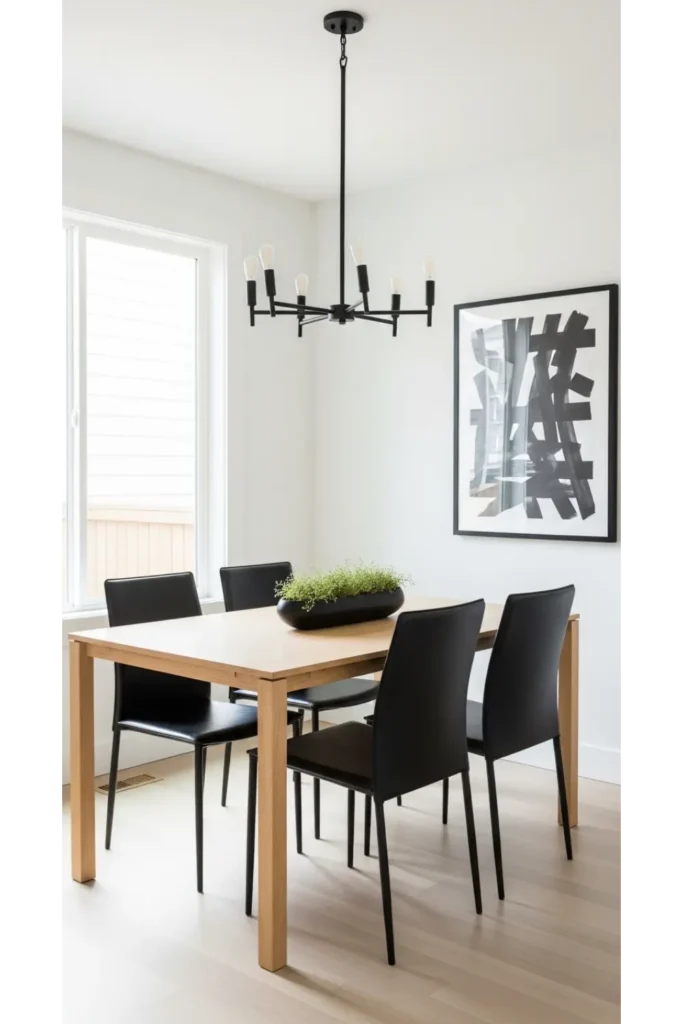
Modern contrast relies on simplicity and control. Black accents against white or light walls create definition without overwhelming the space. This sharp yet restrained contrast adds structure, making a small dining room feel intentional and contemporary.
Limiting contrast to a few elements ensures balance. Chair frames, lighting fixtures, or wall art provide depth while keeping the overall look clean. When executed thoughtfully, contrast enhances visual interest and clarity, proving that bold design can still work in compact spaces.
19. Personalized Art Display
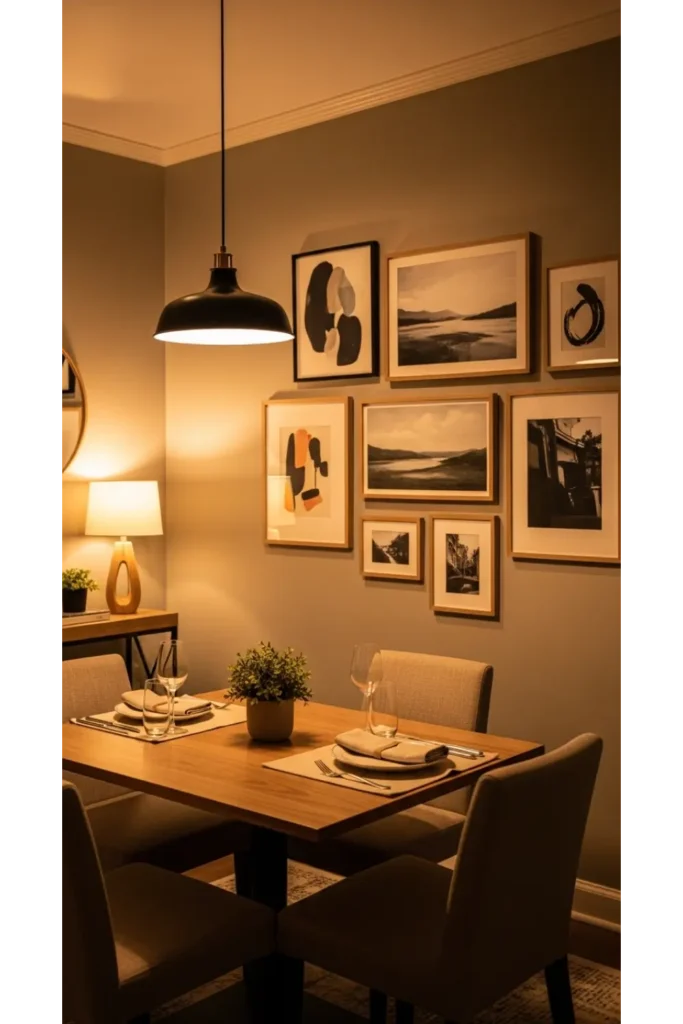
Art personalizes a small dining room, turning it into a space that feels lived in and meaningful. A carefully curated selection of artwork adds character without clutter. Choosing pieces that share a common theme or color palette keeps the display cohesive and visually calm.
Scale matters in compact rooms. Artwork should complement the wall size rather than dominate it. Thoughtful placement above a sideboard or along a single wall maintains balance. Personal touches strengthen emotional connection while preserving openness and flow.
20. Timeless Classic Touches
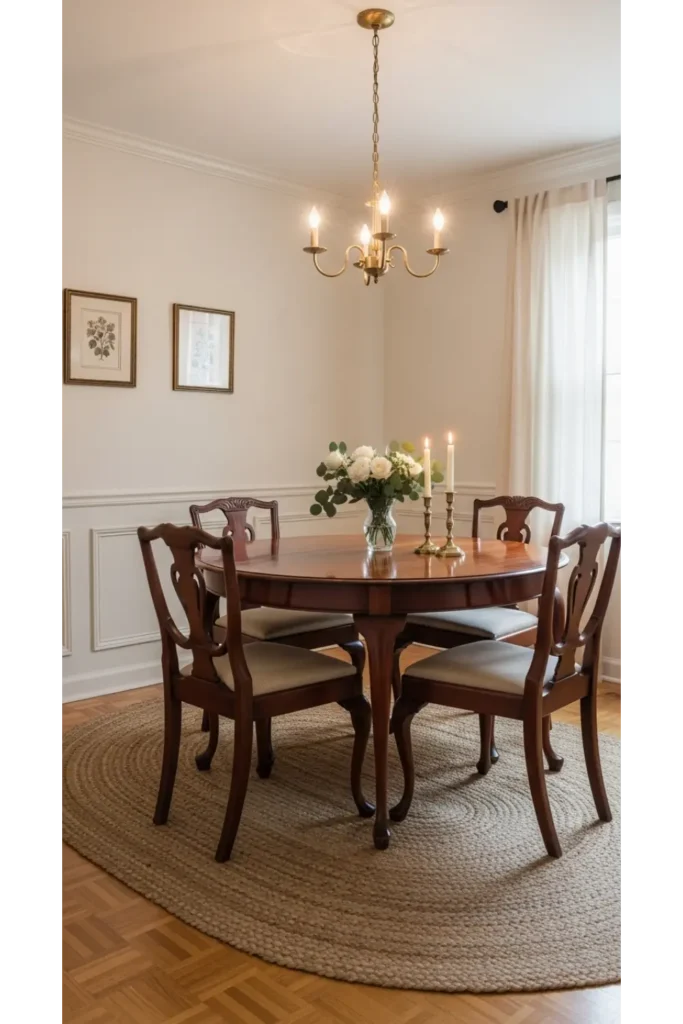
Classic design brings longevity and comfort to small dining rooms. Neutral colors, simple moldings, and traditional furniture shapes create an elegant foundation that never feels dated. These elements provide visual order, which is especially valuable in limited spaces.
This approach adapts easily to changing tastes. Accessories, lighting, or textiles can refresh the room without altering its core structure. Timeless choices support both everyday use and special occasions, offering a dining space that feels refined, balanced, and enduring.
Conclusion
Designing a small dining room requires thoughtful choices that balance beauty and practicality. With the right layout, materials, and lighting, even compact spaces can feel comfortable and inviting. These ideas show that size does not limit style. By focusing on proportion, light, and purpose, your dining area can support everyday living while still feeling special.