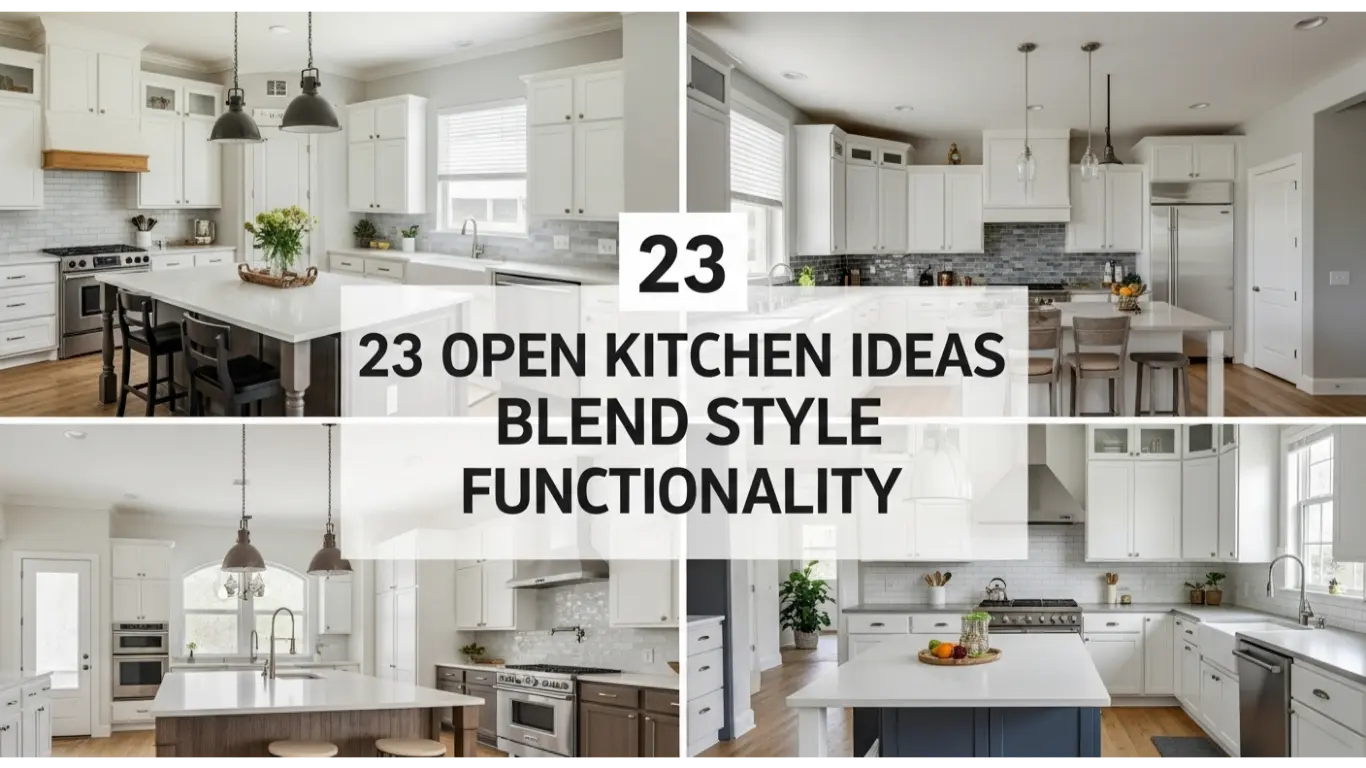
23 Open Kitchen Ideas Blend Style Functionality
An open kitchen can completely change how a home feels and works. It brings people together, improves light flow, and makes everyday living more social. When done right, it balances beauty with practicality instead of sacrificing one for the other. This guide explores thoughtful designs that feel inviting, smart, and livable. Each idea focuses on real homes, real habits, and real needs, so you can confidently choose a layout that fits your lifestyle while still looking polished and current.
1. Open Kitchen Ideas Blend Style Functionality With Central Island
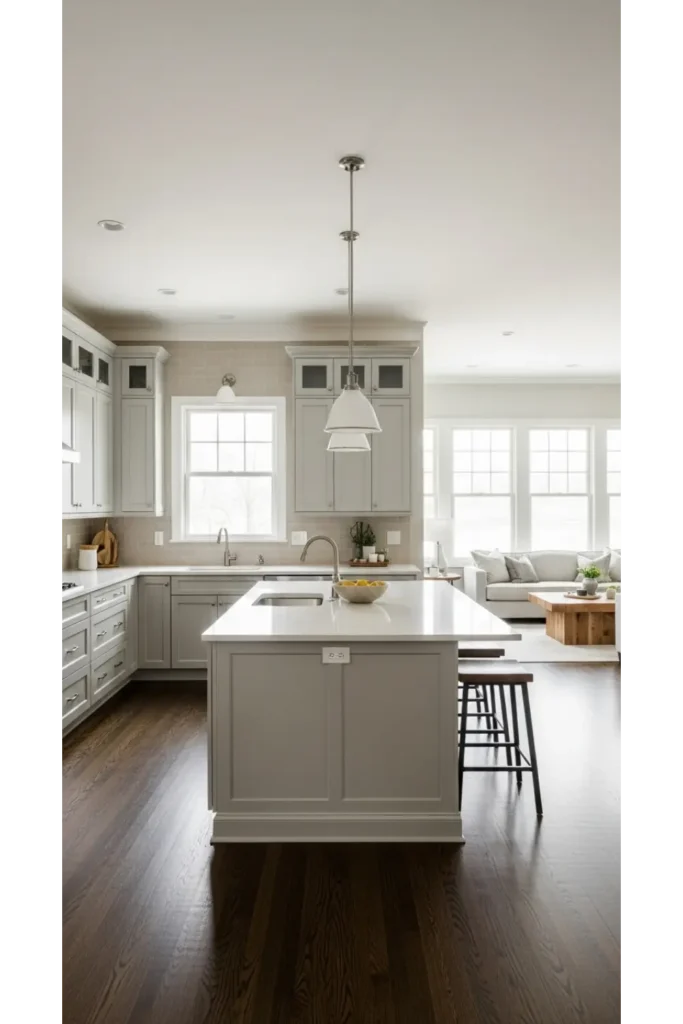
Open kitchen ideas blend style functionality best when a central island anchors the space. The island becomes a natural gathering point for cooking, eating, and conversation. It creates a visual boundary without blocking sightlines, keeping the room open and connected. With smart proportions, it supports daily tasks while adding structure to a free flowing layout that feels intentional and calm.
A well designed island also improves storage and workflow. Deep drawers, hidden trash pullouts, and integrated appliances reduce clutter. Seating on one side allows casual meals without crowding the cook. When finished with durable materials like quartz or wood, the island holds up to daily use while enhancing the kitchen’s overall character and warmth.
2. Seamless Living Room Integration
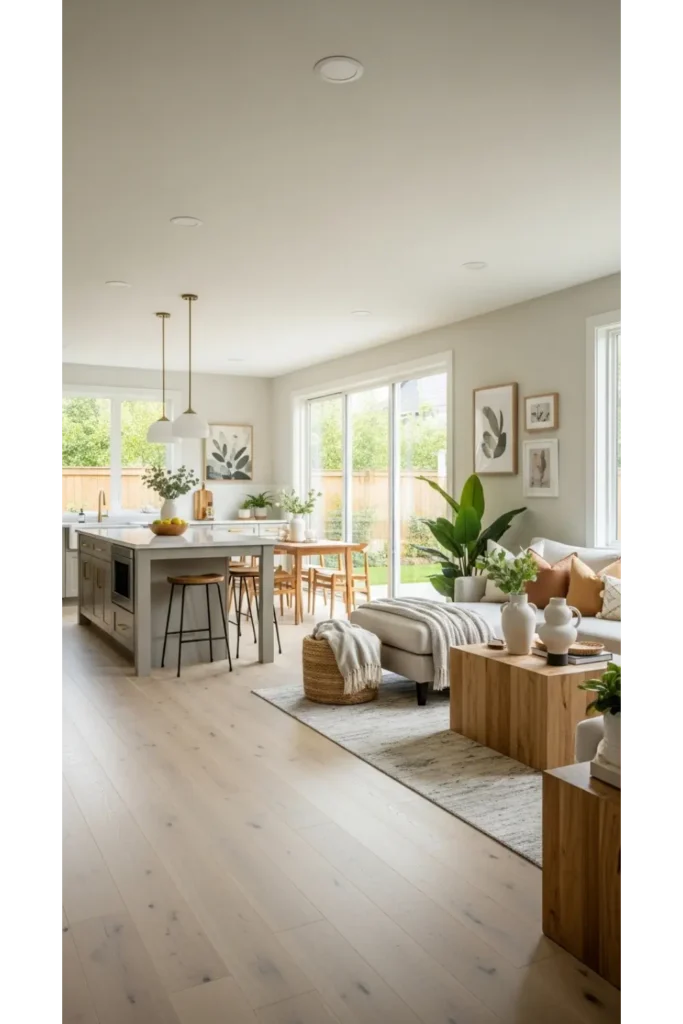
Blending the kitchen with the living room creates a space that feels larger and more welcoming. Consistent flooring and coordinated colors help both areas feel like one complete environment. This approach works especially well in smaller homes, where walls can make spaces feel cramped. The result feels relaxed, social, and easy to navigate.
Function still matters in this setup. Strategic furniture placement maintains clear walkways and defines zones without walls. A sofa or area rug can subtly separate the living space while keeping the visual connection intact. This balance allows the kitchen to stay practical while supporting everyday life, entertaining, and quiet moments alike.
3. Statement Lighting As A Visual Anchor
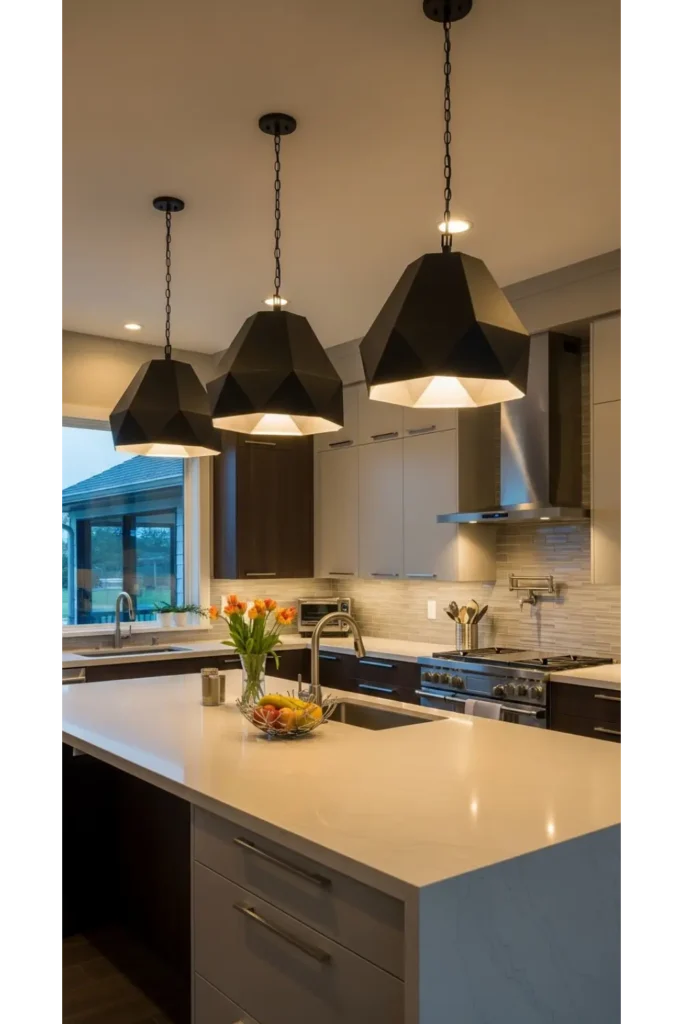
Lighting plays a powerful role in open kitchens. Statement fixtures above an island or dining area draw the eye and define purpose within the open layout. They add personality while helping organize the space visually. Good lighting also improves comfort, making cooking and socializing more enjoyable at any time of day.
Beyond looks, layered lighting supports function. Task lights help with food prep, while ambient lighting softens the room. Dimmers allow flexibility between busy mornings and relaxed evenings. When lighting works with the layout instead of fighting it, the kitchen feels balanced, efficient, and inviting all at once.
4. Minimalist Cabinetry For Visual Calm
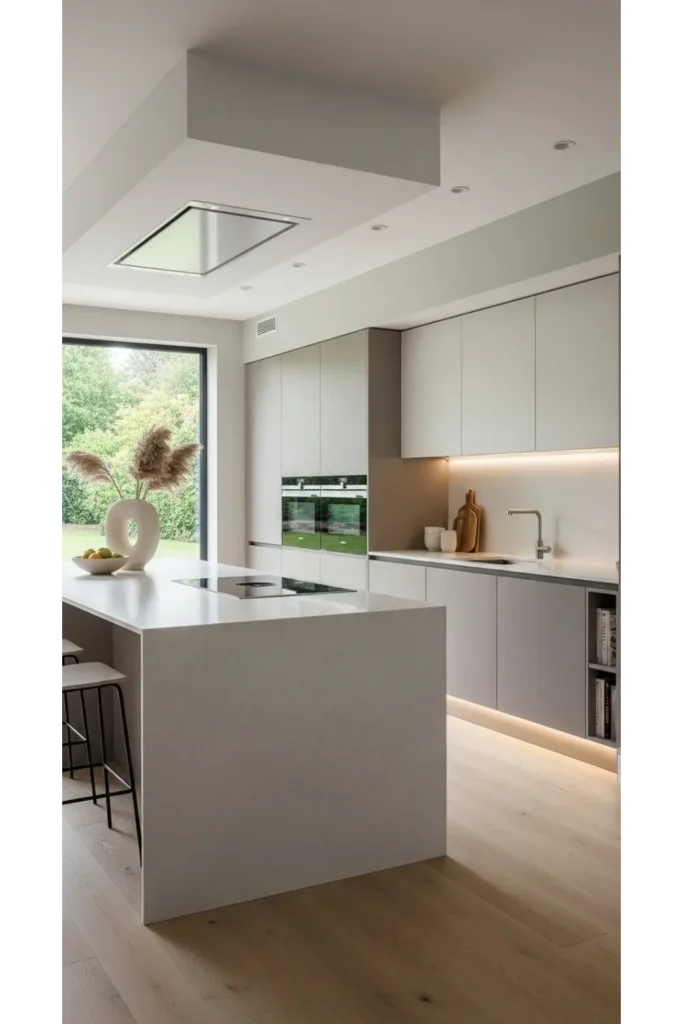
Minimalist cabinets help an open kitchen feel calm and uncluttered. Flat panels and hidden hardware reduce visual noise, which matters when the kitchen stays in constant view. This clean look supports a modern lifestyle where simplicity feels refreshing rather than cold. Neutral finishes also age well, making the space feel timeless.
Behind the clean exterior, smart storage keeps things practical. Tall pantry cabinets, drawer organizers, and built in dividers make it easy to stay organized. When everything has a place, daily routines feel smoother. This approach proves that restraint in design can still deliver strong functionality.
5. Warm Wood Accents
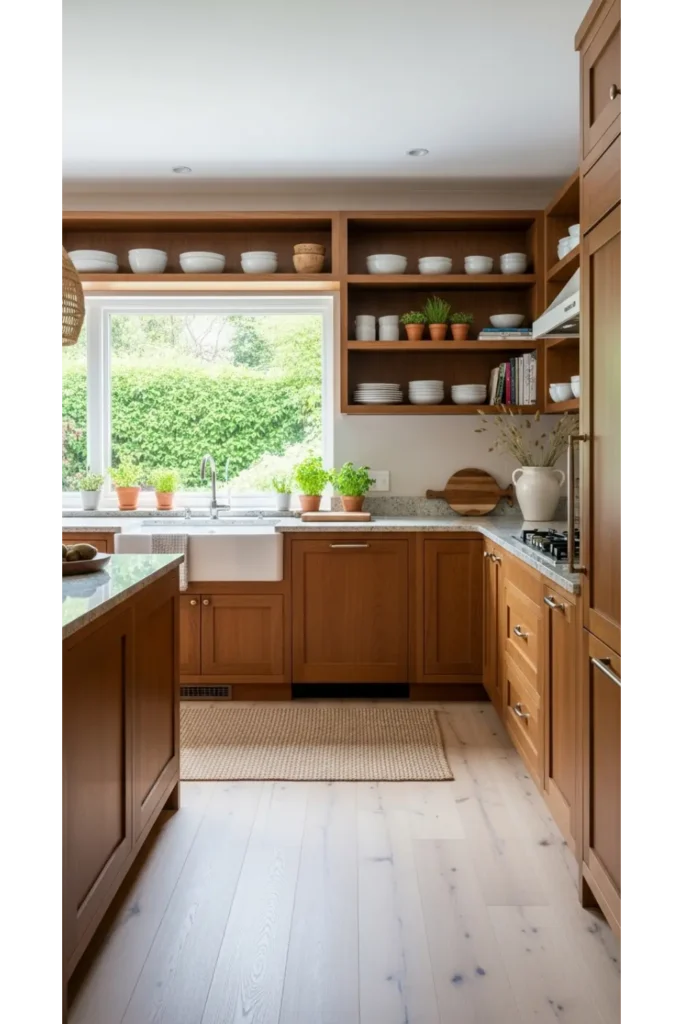
Wood adds warmth that prevents open kitchens from feeling sterile. Used on cabinets, shelves, or ceilings, it brings a natural balance to modern finishes. Wood connects the kitchen to adjacent living spaces, making the transition feel softer and more organic. It works well in both contemporary and traditional homes.
From a functional view, wood surfaces feel comfortable and familiar. They pair beautifully with stone or metal for durability. Open shelving in wood offers easy access to everyday items while adding character. When maintained properly, wood ages gracefully and enhances the kitchen’s lived in appeal.
6. Hidden Storage Solutions
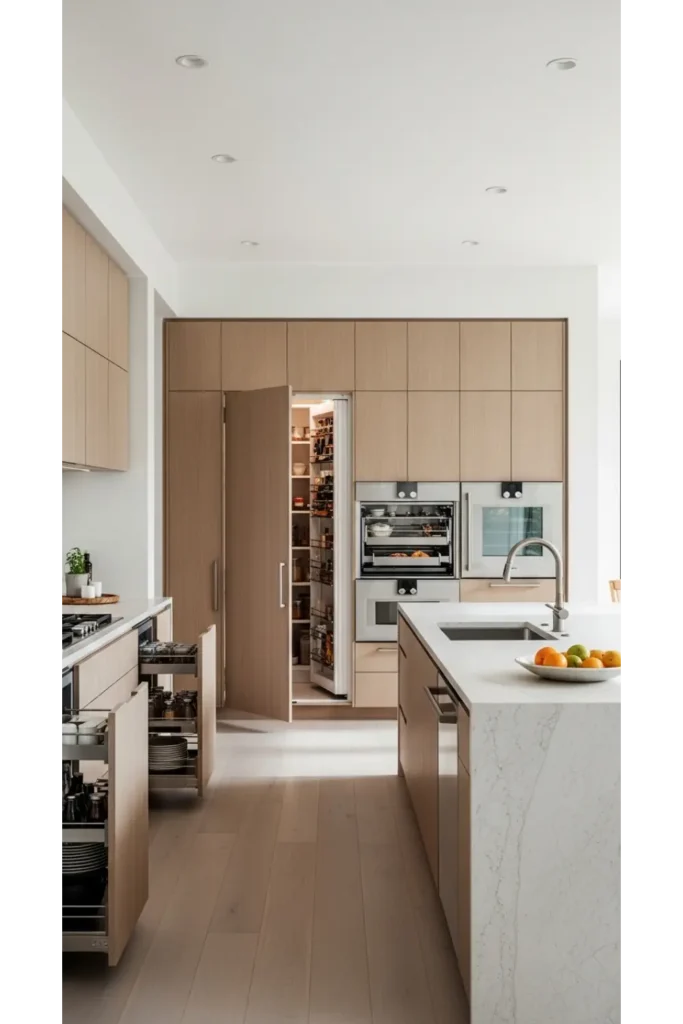
Hidden storage keeps open kitchens looking tidy even during busy days. Appliance garages and pull out pantries hide visual clutter without reducing access. This approach allows the kitchen to remain part of the living space without constantly announcing its work zone function.
Efficient storage also improves workflow. When tools and ingredients stay within reach but out of sight, cooking feels smoother. It reduces stress and saves time. Thoughtful storage planning supports both beauty and daily efficiency, which matters most in an open layout.
7. Two Tone Cabinet Design
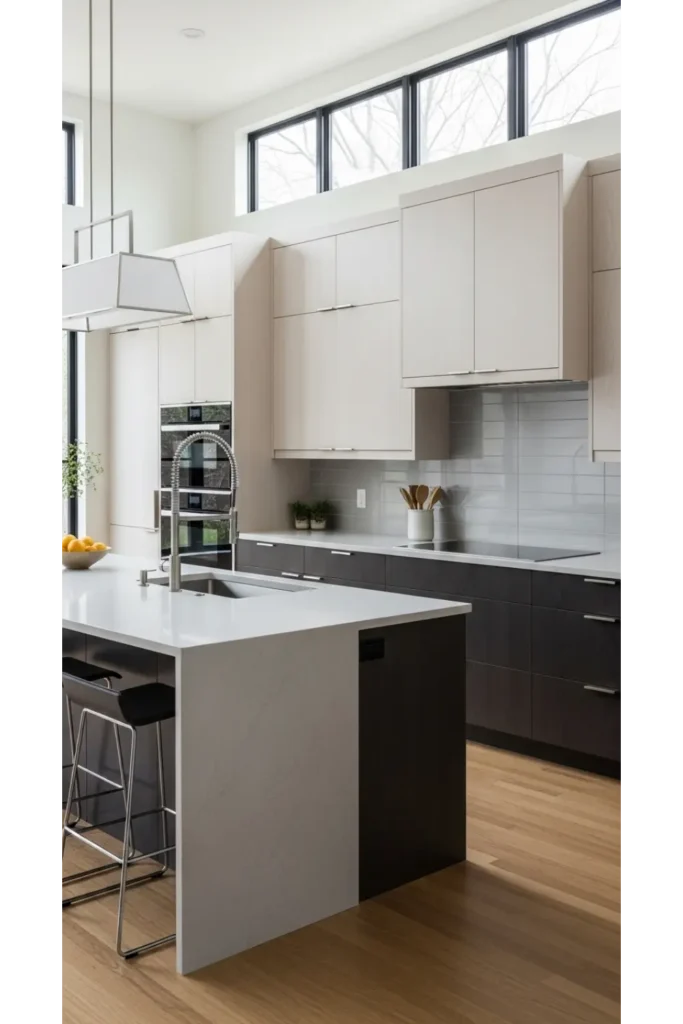
Two tone cabinets add depth without overwhelming the space. Lighter upper cabinets keep the kitchen airy, while darker lowers ground the design. This contrast helps define the kitchen zone while still allowing it to flow naturally into nearby areas.
Functionally, darker lower cabinets hide wear and tear better. Lighter uppers reflect light and reduce heaviness. This balance supports long term use while offering a visually interesting kitchen that feels intentional and easy to live with.
8. Integrated Dining Area
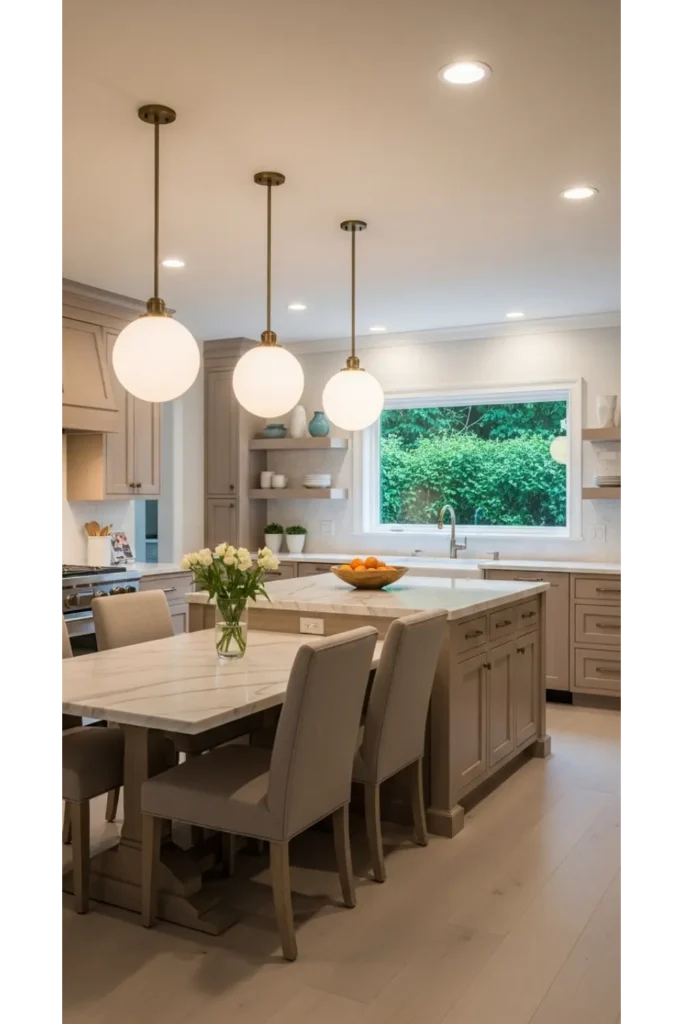
An integrated dining area encourages connection. Whether attached to an island or placed nearby, it keeps meals casual and social. This setup works well for families and entertaining, allowing the cook to stay involved in conversations.
From a practical angle, this reduces the need for a separate dining room. It saves space and simplifies movement. With durable materials and comfortable seating, the area supports everyday meals while blending naturally into the open layout.
9. Large Windows For Natural Light
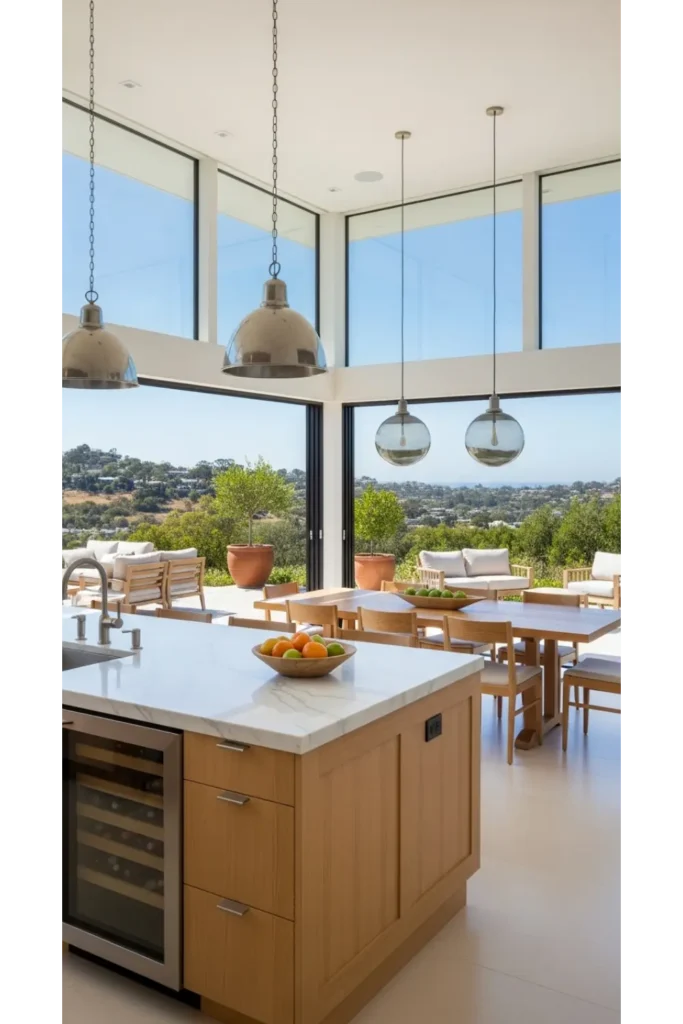
Natural light transforms open kitchens. Large windows make the space feel bigger and more inviting. They connect the interior with the outdoors, which improves mood and comfort throughout the day. Light also highlights textures and finishes, enhancing design details.
Functionally, daylight reduces the need for artificial lighting. It supports tasks like cooking and cleaning. When paired with proper window treatments, it balances privacy and brightness, making the kitchen comfortable at all hours.
10. Smart Appliance Integration
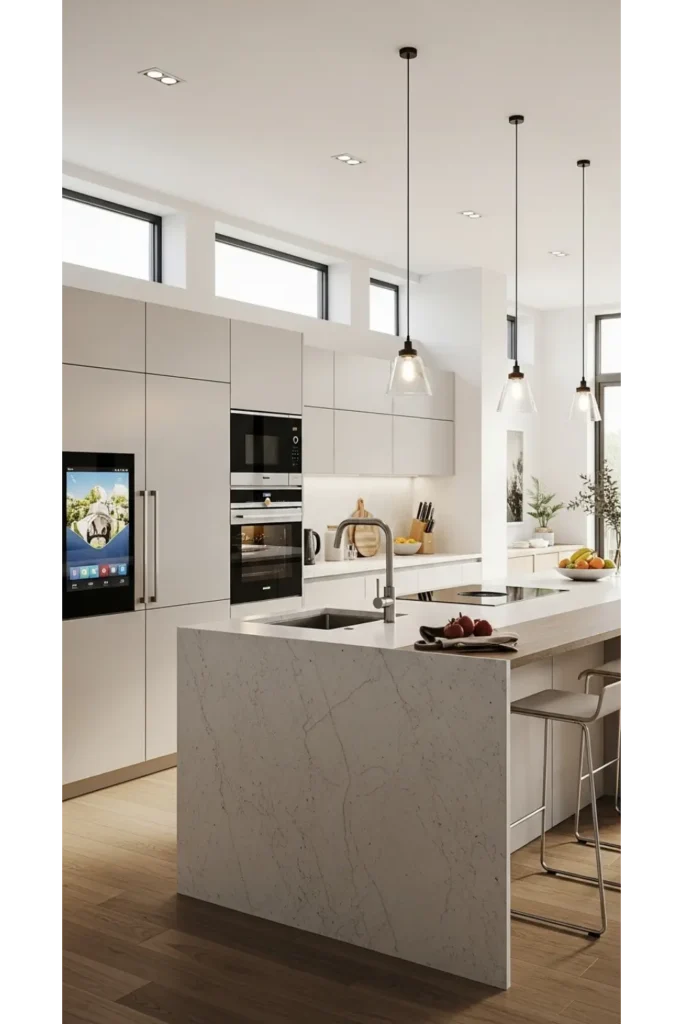
Smart appliances blend convenience with clean design. Built in refrigerators and dishwashers maintain visual flow while offering advanced features. This integration keeps the kitchen looking streamlined, which matters in an open plan.
Technology also improves efficiency. Smart ovens, touchless faucets, and energy saving features simplify daily tasks. When technology supports real habits instead of complicating them, it enhances both style and function.
11. Open Shelving For Everyday Use
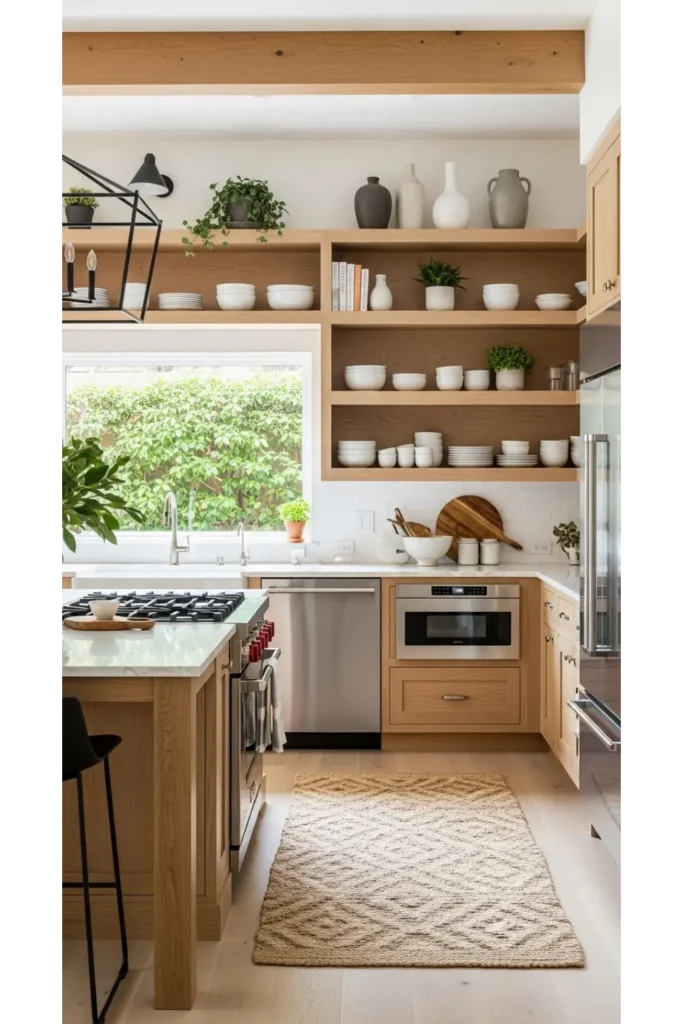
Open shelving adds personality and accessibility. It allows frequently used items to stay within reach while contributing to the kitchen’s look. Shelves break up solid cabinetry, keeping the space light and approachable.
To stay functional, shelves should hold practical items rather than clutter. Consistent styling helps maintain order. When used thoughtfully, open shelves support daily routines and add charm without sacrificing efficiency.
12. Neutral Color Palette
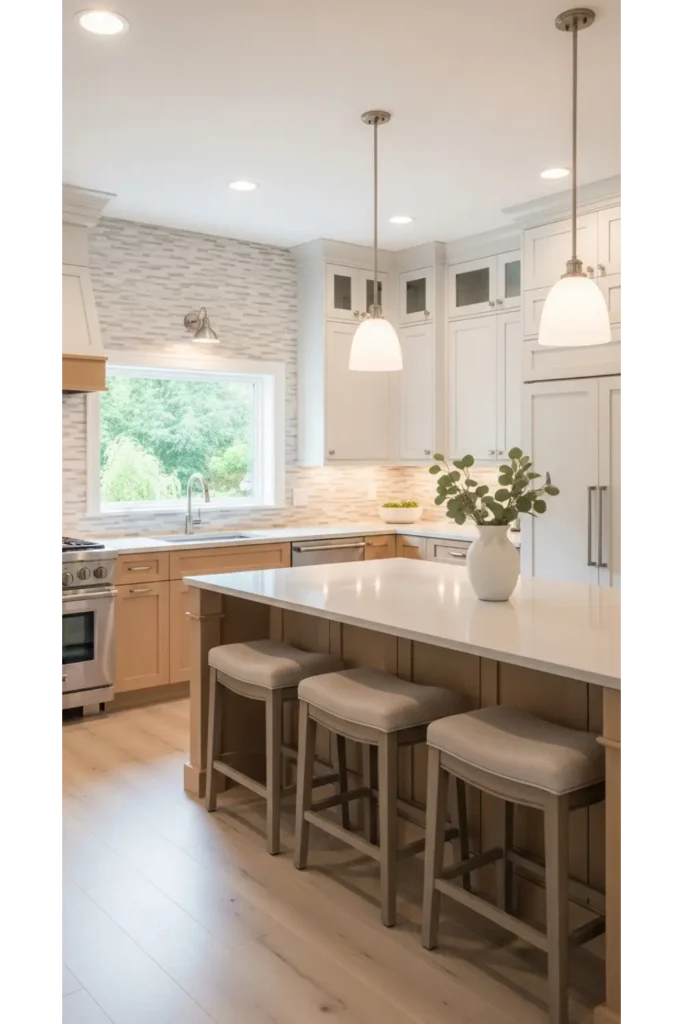
Neutral colors create a calm foundation. They allow the kitchen to blend with surrounding spaces without competing for attention. This palette works across styles and adapts easily over time.
Neutrals also support function by hiding minor messes and wear. They reflect light and make spaces feel larger. When layered with texture, neutral kitchens feel warm and inviting rather than plain.
13. Defined Zones Through Flooring
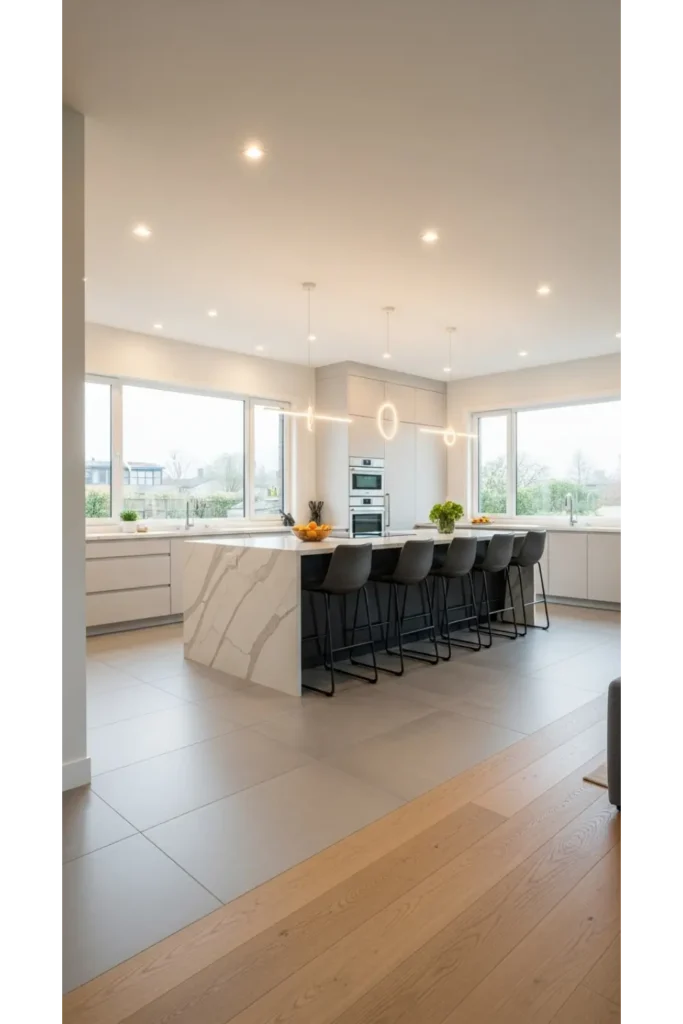
Using different flooring materials is a smart way to define zones in an open kitchen without breaking visual flow. Tile or stone works well in the kitchen area because it handles spills, heat, and heavy foot traffic. When it transitions into wood or laminate in the living space, the change feels natural and intentional. This subtle separation helps each area feel purposeful while staying visually connected.
From a functional standpoint, zoning through flooring improves comfort and maintenance. Kitchen floors stay easy to clean, while living areas feel warmer underfoot. The visual cue also helps guide furniture placement and movement through the space. When done with complementary colors and finishes, flooring transitions enhance both structure and style without making the layout feel divided or closed off.
14. Compact Open Kitchen Layout
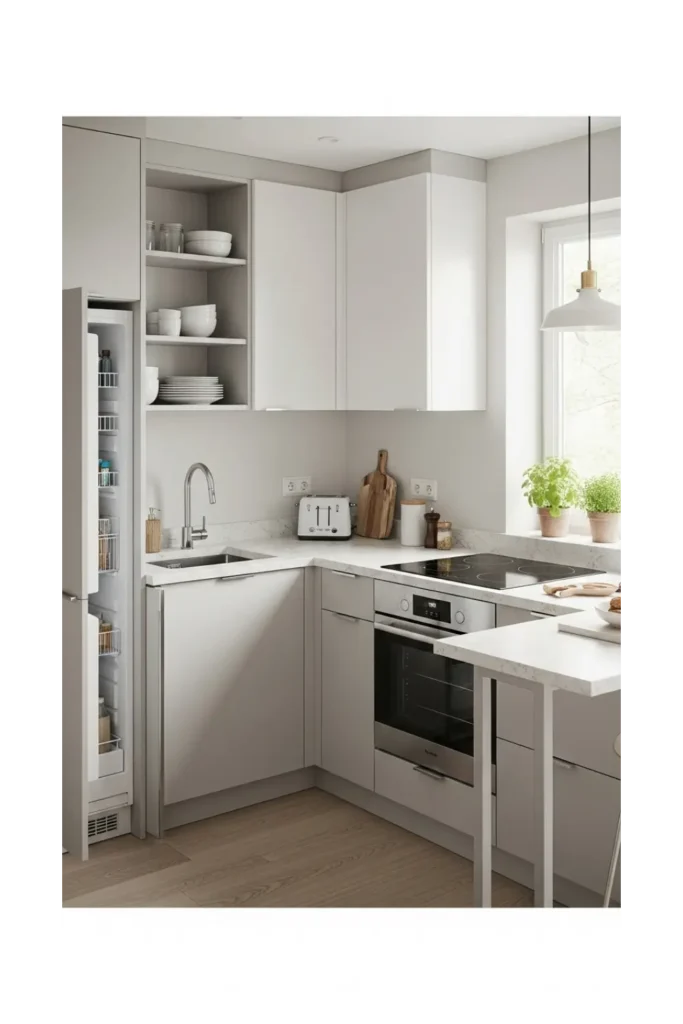
A compact open kitchen makes the most of limited square footage by removing visual barriers and improving movement. Light colors, reflective surfaces, and streamlined cabinetry help the space feel larger than it is. When the kitchen opens into the living area, it creates a sense of continuity that reduces crowding and improves comfort. This approach works especially well in apartments and urban homes.
Function drives every design choice in a compact layout. Smart storage solutions like vertical cabinets and pull out drawers keep essentials organized without clutter. Clear walkways and efficient work zones support daily cooking routines. With thoughtful planning, a small open kitchen can feel practical, stylish, and surprisingly spacious.
15. Industrial Style Touches

Industrial details add bold character to an open kitchen while keeping the design grounded. Elements like metal light fixtures, concrete finishes, and matte hardware introduce texture and contrast. These features stand out without overwhelming the space, making them ideal for open layouts where balance matters. The look feels modern, confident, and lived in.
Beyond style, industrial materials offer durability. Metal and concrete surfaces handle heat, moisture, and daily wear with ease. When paired with warmer elements like wood or soft lighting, the space remains comfortable and inviting. This mix supports both visual interest and long term functionality.
16. Family Friendly Open Kitchen
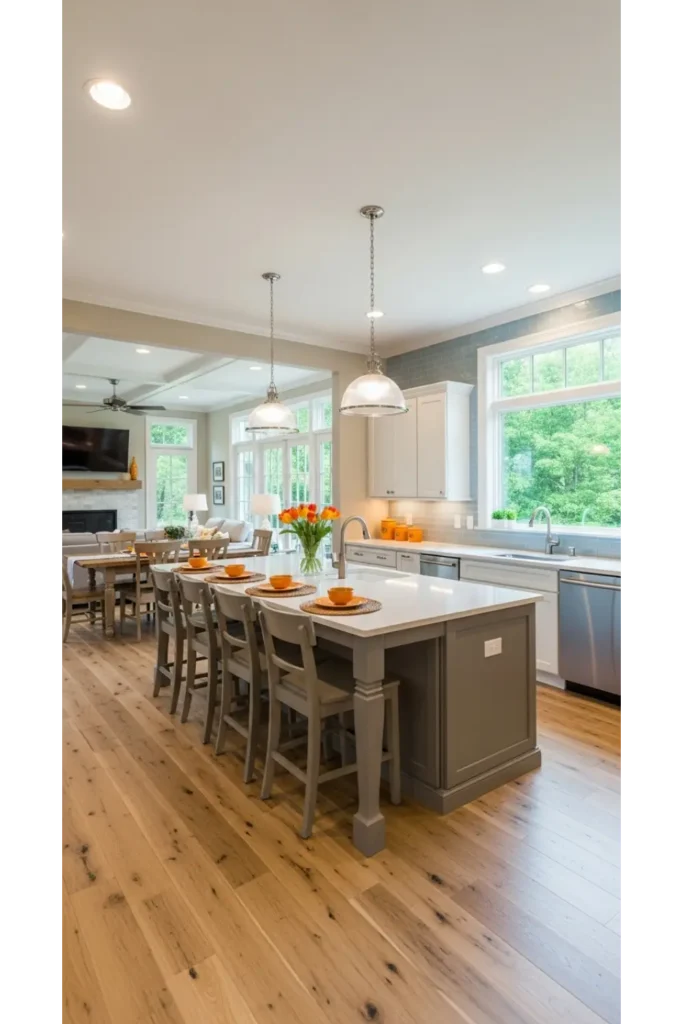
A family friendly open kitchen supports connection and supervision throughout the day. Open sightlines allow parents to cook while keeping an eye on children in nearby living areas. Island seating encourages homework time, snacks, and conversation without interrupting meal prep. The layout promotes togetherness without sacrificing order.
Durable materials play a key role in function. Stain resistant countertops, easy to clean flooring, and rounded edges improve safety and maintenance. Smart storage keeps everyday items accessible yet organized. This design supports busy family routines while still feeling warm and welcoming.
17. Luxury Open Kitchen Feel
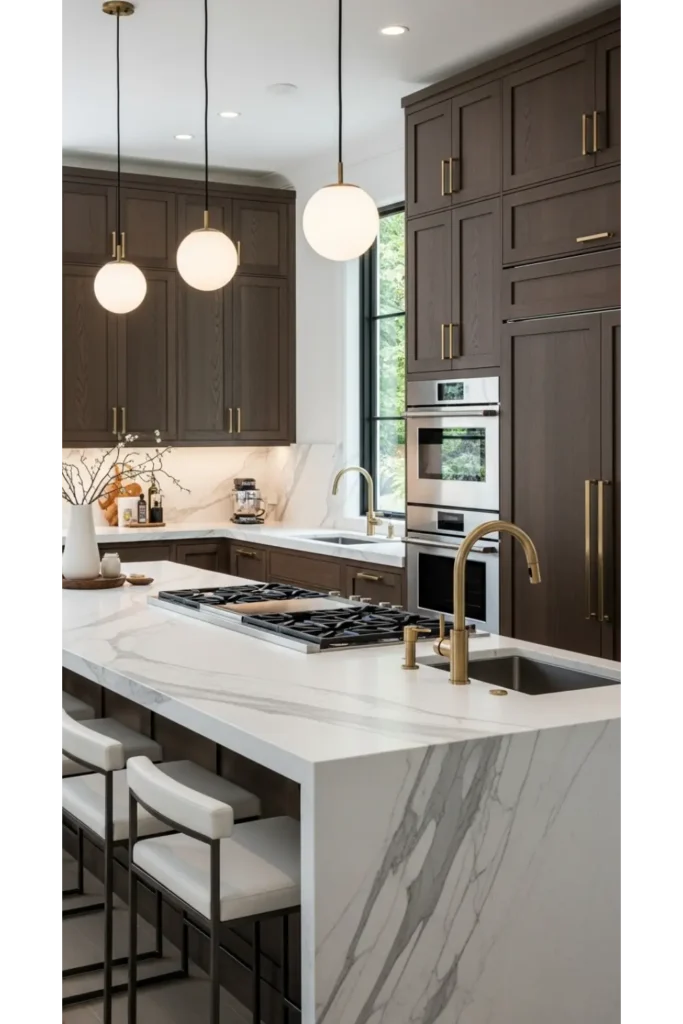
A luxury open kitchen focuses on quality rather than excess. Premium materials like marble, solid wood cabinetry, and custom finishes elevate the space visually. In an open plan, these details become focal points that enhance the entire home. The design feels refined without becoming intimidating or impractical.
Function remains central even in luxury settings. Custom storage improves organization, while high performance appliances support everyday cooking. Thoughtful lighting highlights textures and creates comfort. The result is a kitchen that feels elegant yet fully usable for daily life.
18. Open Kitchen With Breakfast Bar
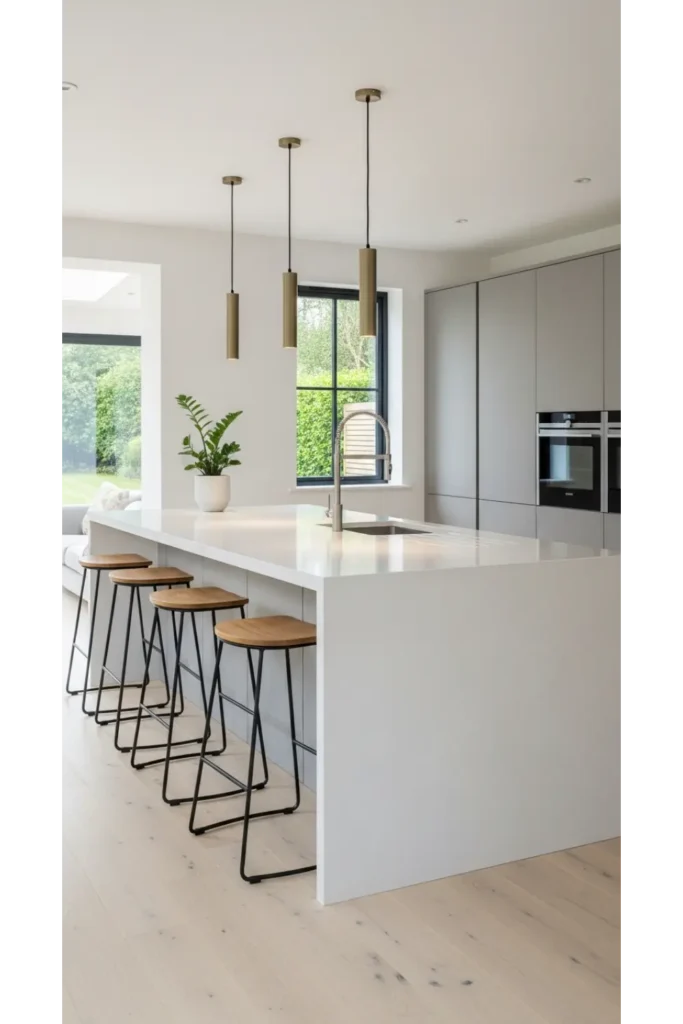
A breakfast bar adds casual seating that fits naturally into an open kitchen. It creates a place for quick meals, coffee breaks, or conversation while cooking. This feature keeps the kitchen social and active without requiring a separate dining area. It also helps define the kitchen zone subtly.
From a functional perspective, breakfast bars maximize space efficiency. They reduce the need for extra furniture and support flexible use throughout the day. With durable surfaces and comfortable seating, the bar becomes a practical extension of the kitchen rather than just a design feature.
19. Color Accents For Personality

Color accents bring personality to an open kitchen without overpowering the space. Small touches like a backsplash, bar stools, or decorative pieces introduce visual interest. These elements help the kitchen feel expressive while still blending smoothly with surrounding areas. The result feels lively yet balanced.
Functionally, restrained color choices allow easy updates over time. Accents can change without major renovations, keeping the kitchen fresh. When paired with a neutral base, color adds warmth and individuality while maintaining long term versatility.
20. Open Kitchen With Home Office Nook
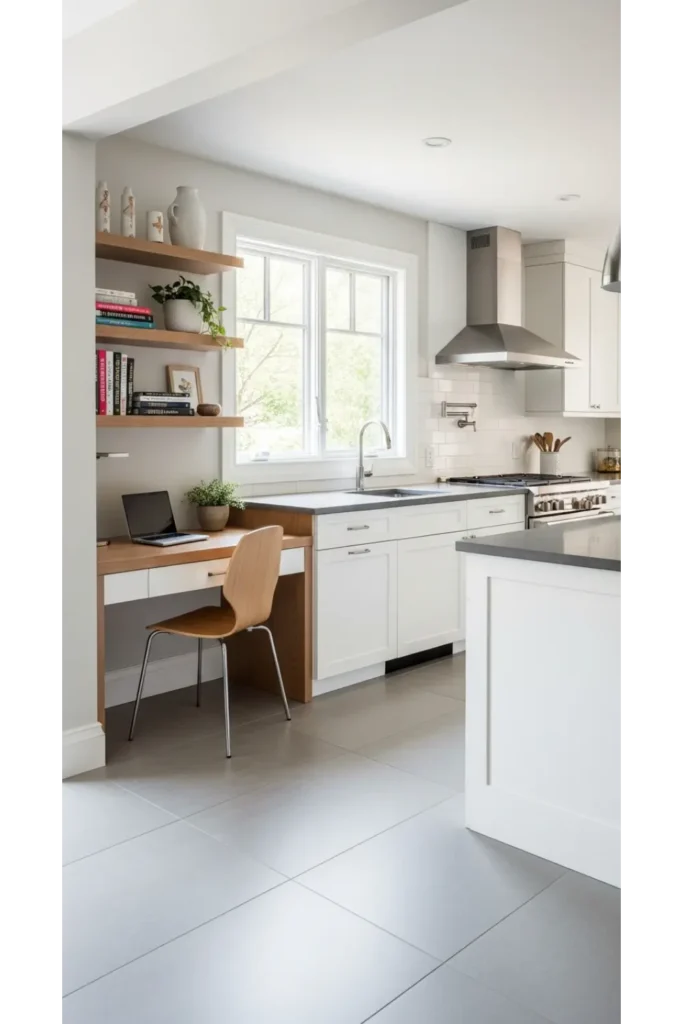
A home office nook near the kitchen reflects modern living habits. It allows multitasking, whether managing schedules, remote work, or school activities. Keeping the workspace open maintains connection with the rest of the home. This setup supports productivity without isolation.
To stay functional, the workspace needs clear organization. Built in shelving and hidden storage prevent clutter from spreading into the kitchen. When thoughtfully designed, the kitchen supports both work and home life while remaining visually calm.
21. Eco Conscious Open Kitchen
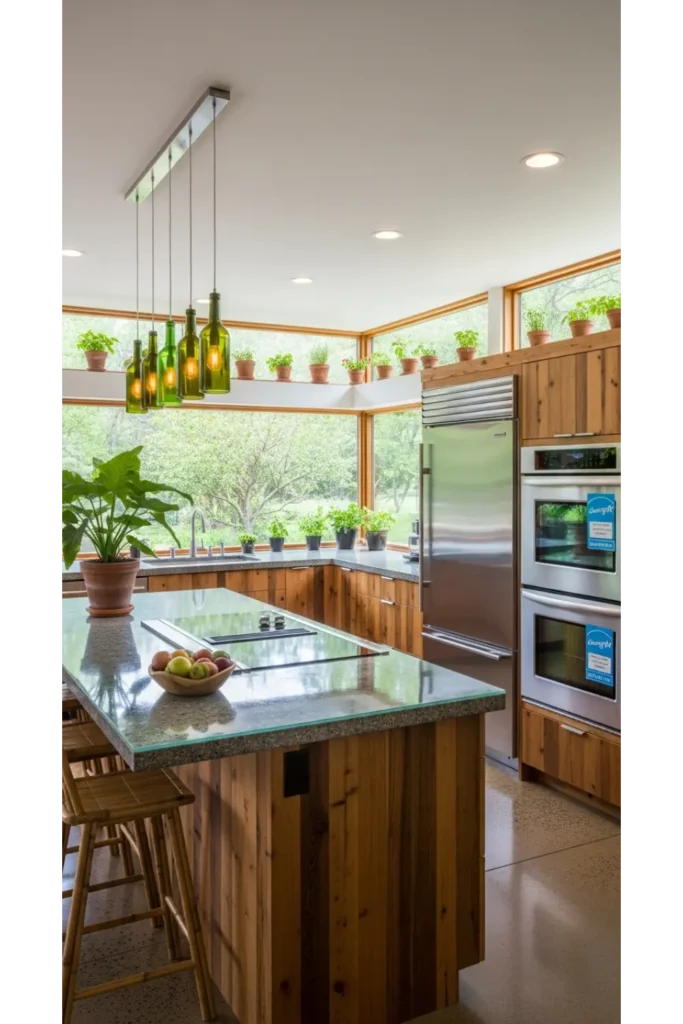
Eco conscious design focuses on responsible choices that also improve daily living. Sustainable materials like recycled surfaces and responsibly sourced wood reduce environmental impact. Energy efficient appliances support long term savings while maintaining strong performance. In an open kitchen, these choices reflect thoughtful values.
Function benefits as well. Efficient lighting, ventilation, and appliances improve comfort and usability. Natural light reduces energy use and enhances mood. This approach creates a kitchen that feels good to use and good to live with.
22. Rustic Modern Blend
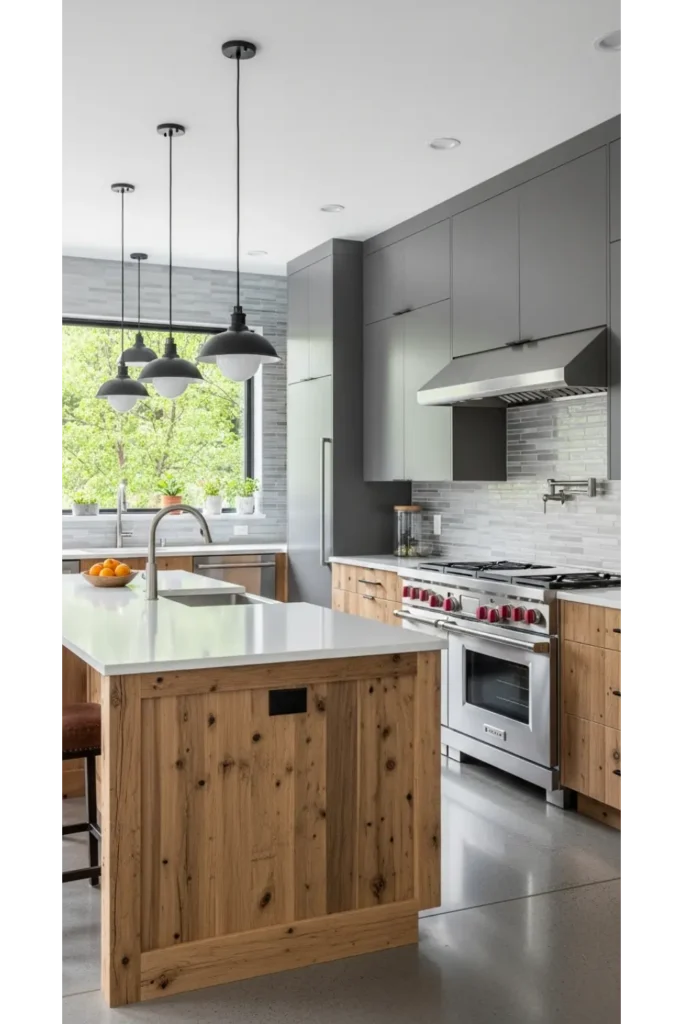
A rustic modern blend combines warmth with structure. Natural wood elements soften clean lines and modern finishes. This mix creates a welcoming environment that still feels current. In an open kitchen, the contrast adds depth without visual clutter.
From a practical standpoint, modern layouts improve efficiency while rustic materials add comfort. Durable finishes support daily use. Together, they create a kitchen that feels balanced, approachable, and easy to maintain.
23. Timeless Open Kitchen Design
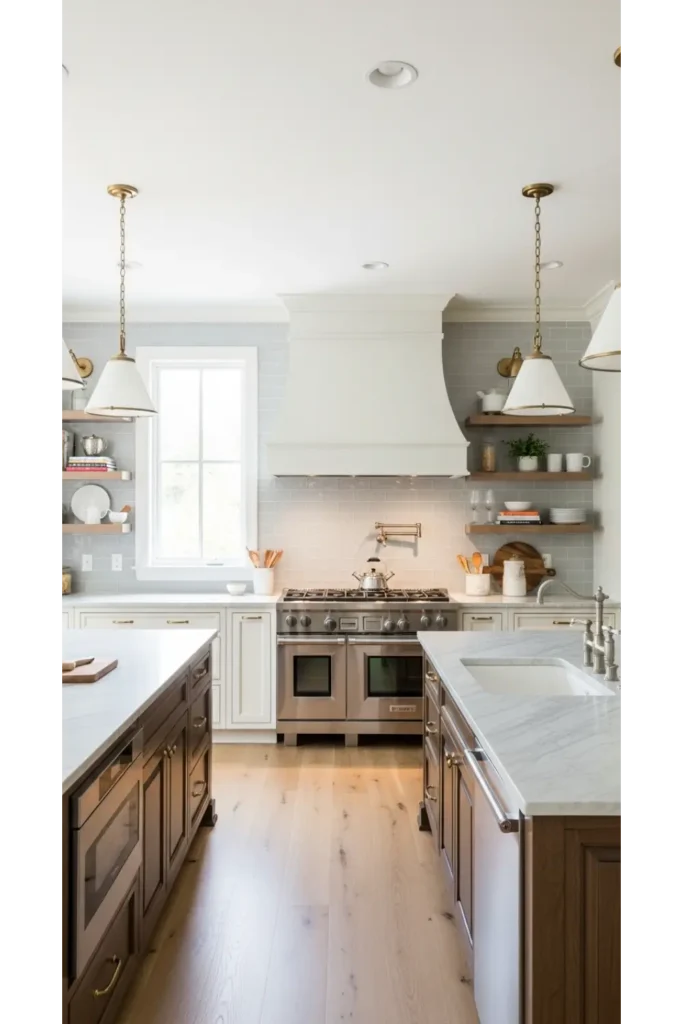
Timeless open kitchens focus on proportion, simplicity, and quality materials. Neutral colors and clean forms avoid trends that fade quickly. This approach allows the kitchen to adapt as styles change while remaining visually appealing. In an open plan, a timeless design supports harmony.
Function stays consistent over time. Efficient layouts, durable surfaces, and thoughtful storage ensure daily usability. A timeless kitchen feels comfortable, familiar, and reliable, making it a strong long term investment for any home.
Conclusion:
Open kitchens succeed when design supports real living. These ideas show how thoughtful planning can balance beauty, comfort, and efficiency. Whether your space is small or expansive, the right choices create a kitchen that feels connected and purposeful. By focusing on layout, materials, and everyday habits, you can build a kitchen that truly serves your home and the people who live in it.