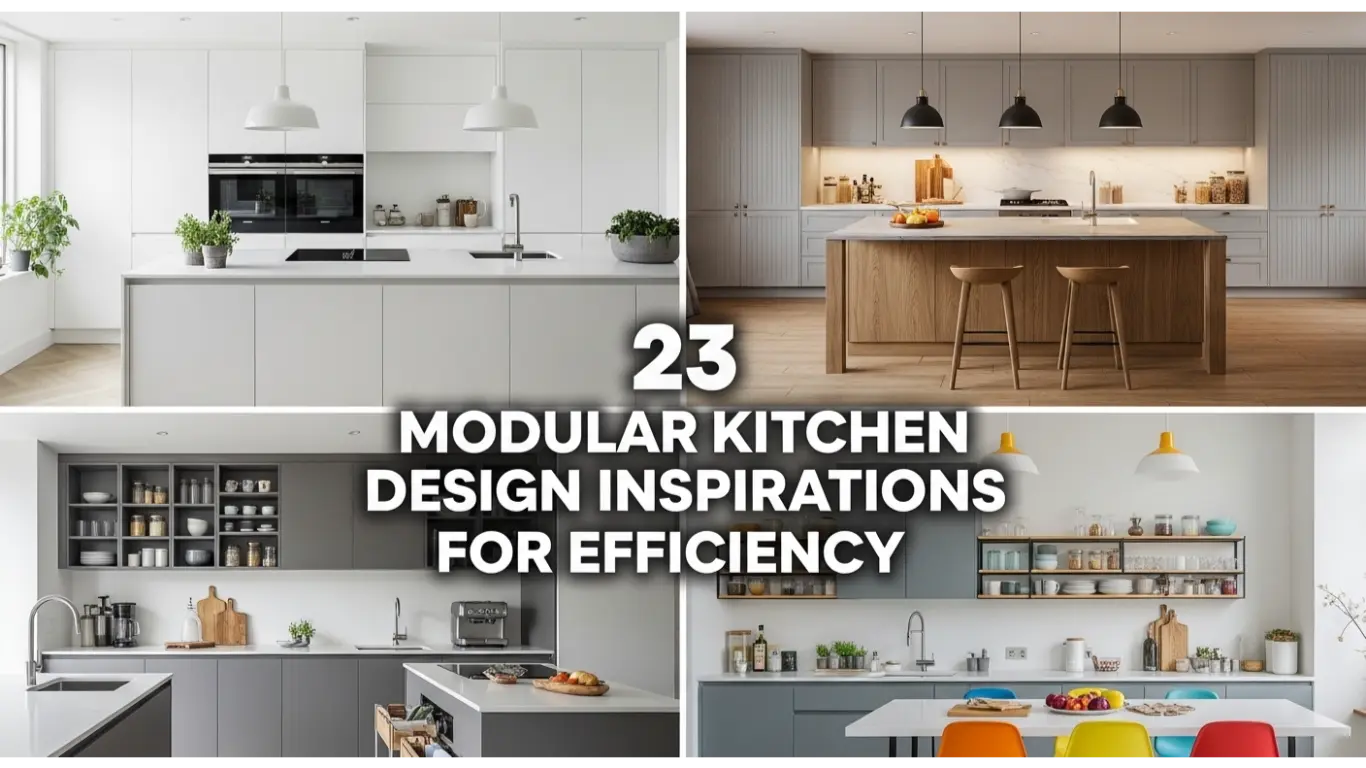
23 Modular Kitchen Design Inspirations For Efficiency
A well planned kitchen saves time, energy, and daily frustration. Modern homes need kitchens that work smartly, not just look good. This guide explores practical, real world ideas that help you cook, store, clean, and move with ease. Each concept focuses on layout, storage, and workflow so your kitchen supports your lifestyle. Whether you live in a compact apartment or a spacious home, these ideas show how thoughtful design choices can turn your kitchen into an efficient, enjoyable space you will love using every day.
1. Modular Kitchen Design For Efficiency
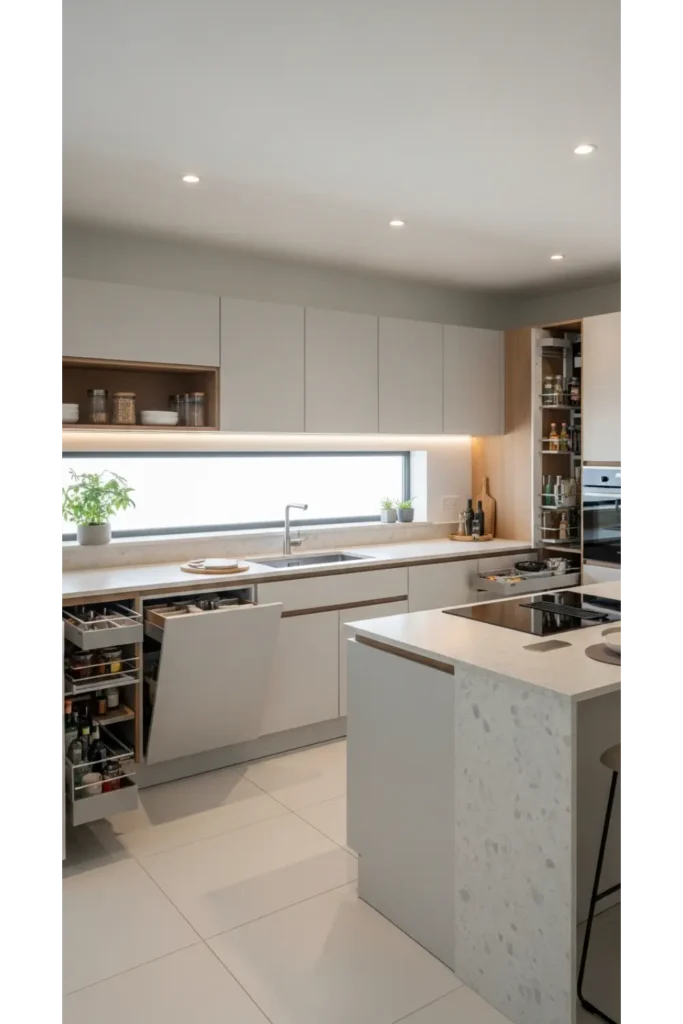
The core of modular kitchen design inspirations for efficiency lies in planning how you move while cooking. This style focuses on placing the sink, stove, and refrigerator within easy reach. Cabinets align with daily tasks, reducing unnecessary steps. The result feels calm, organized, and practical, even during busy cooking hours.
This approach also emphasizes flexibility. Modular units adapt to your space and cooking habits. You can add pull-out drawers, corner solutions, and vertical storage without clutter. The design supports smooth workflow and long term usability, making it ideal for homes that value both function and comfort.
2. L-Shaped Modular Kitchen Layout
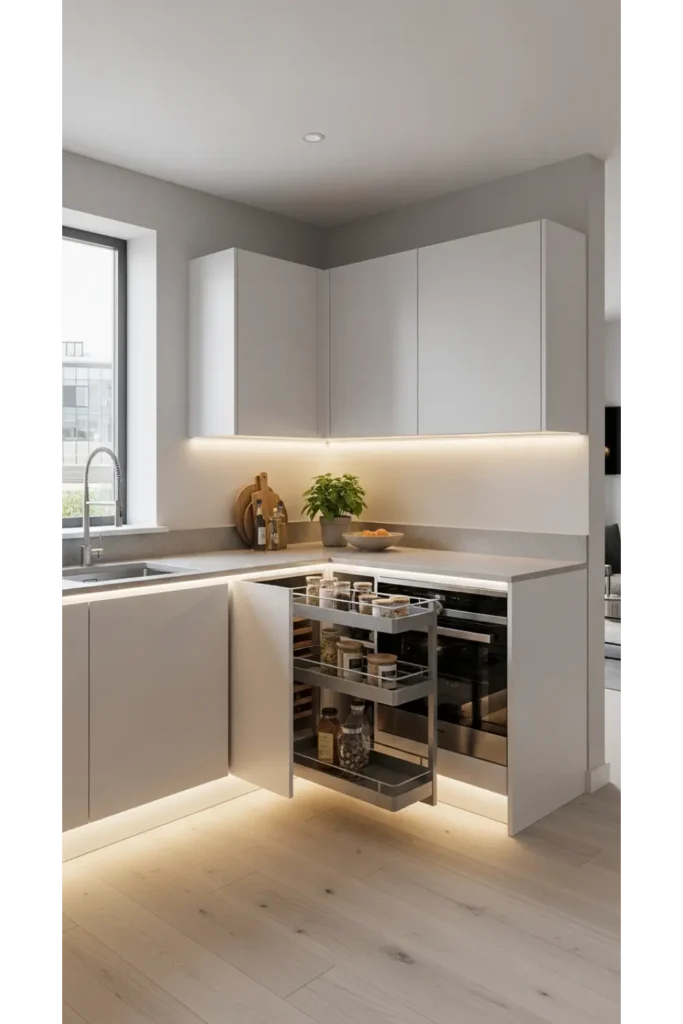
An L-shaped layout works beautifully in small to medium kitchens. It uses two adjacent walls to create a natural work triangle. This setup opens up floor space and allows free movement. Cooking, cleaning, and prep zones stay clearly defined without feeling cramped or overwhelming.
Storage becomes easier with this layout. Corner cabinets can hold rotating shelves or deep pull-outs. Overhead units stay within reach while counters remain uncluttered. The design supports efficiency by keeping everything visible and accessible, which helps maintain order during daily use.
3. U-Shaped Modular Kitchen for Maximum Storage
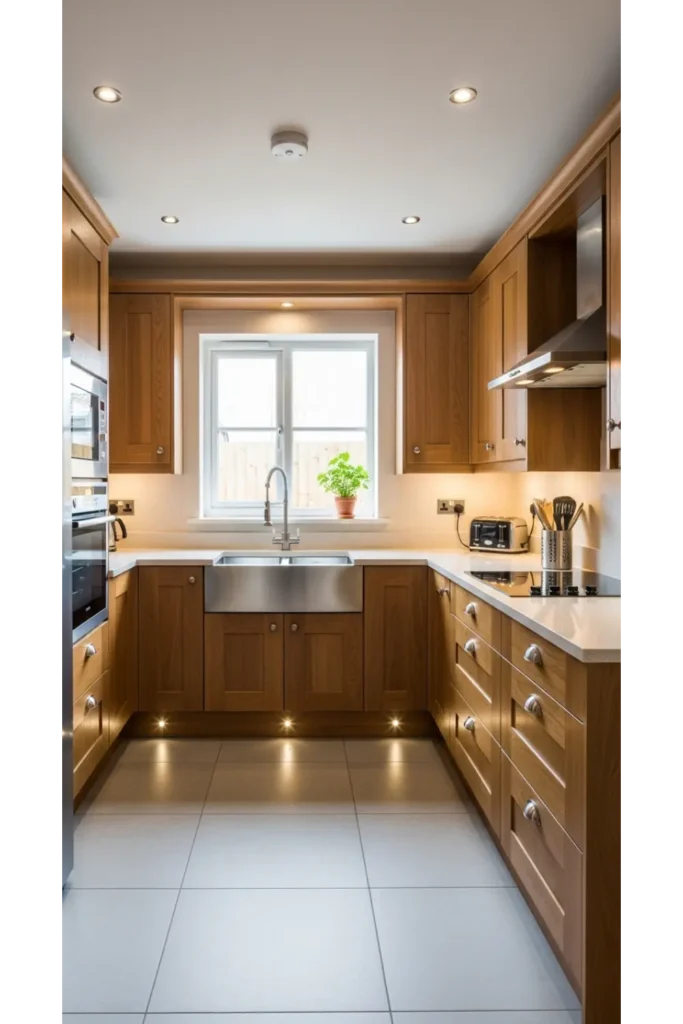
A U-shaped kitchen wraps storage and work surfaces around you. This design minimizes movement and keeps essentials close. It works well for serious cooks who spend long hours preparing meals. The layout creates a focused cooking zone that feels efficient and controlled.
With cabinets on three sides, storage options increase significantly. You can dedicate sections for cookware, dry goods, and appliances. This structure supports organization and reduces countertop clutter. It also allows multiple users to work comfortably without crossing paths.
4. Parallel Modular Kitchen Design
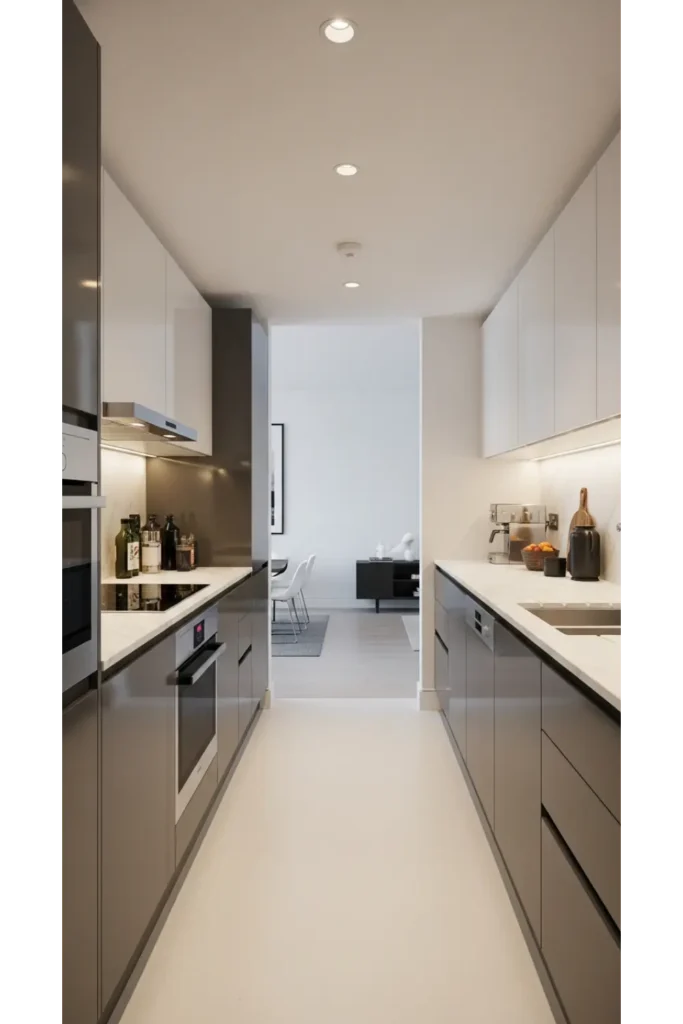
Parallel kitchens feature two counters facing each other, creating a streamlined workflow. This layout suits narrow spaces while maintaining efficiency. One side handles cooking while the other manages washing and prep. The separation improves focus and reduces congestion.
Storage remains balanced on both sides. Tall units can house appliances, while base cabinets store daily tools. This design encourages disciplined organization. It works especially well in apartments where space demands smart planning rather than decorative excess.
5. Island Modular Kitchen for Workflow Balance
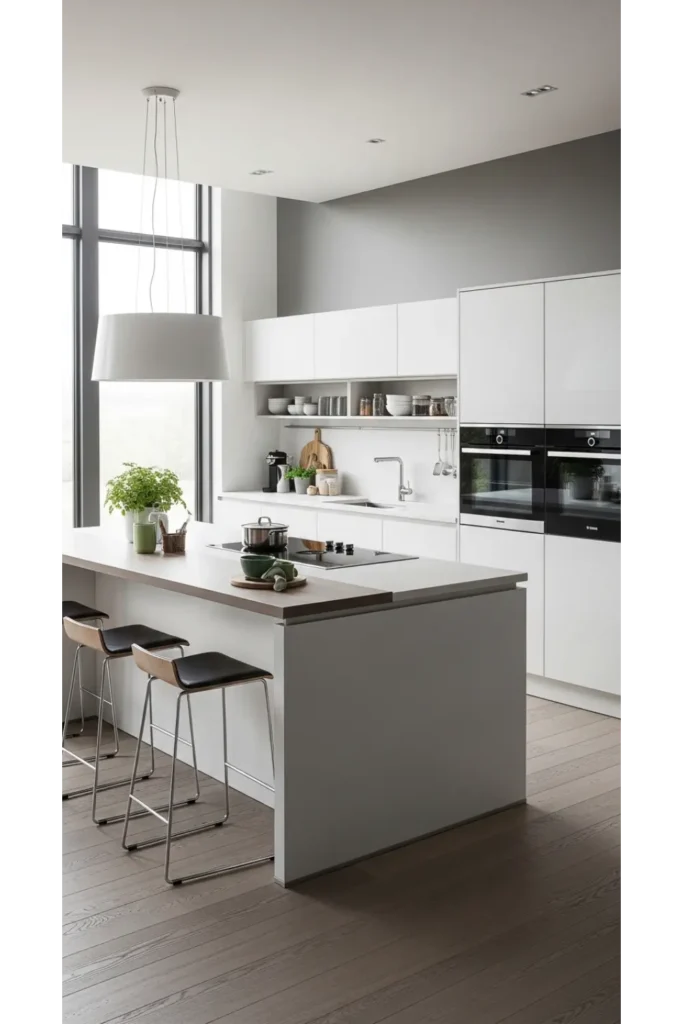
An island adds flexibility and efficiency when space allows. It serves as a prep area, dining spot, or storage hub. The island reduces back and forth movement between counters. It also creates a natural gathering point without disrupting the cooking flow.
Built-in drawers or shelves within the island boost storage. You can hide appliances or store frequently used items. This setup supports multitasking and social cooking, making it ideal for families and open-plan homes.
6. Tall Unit Storage Integration
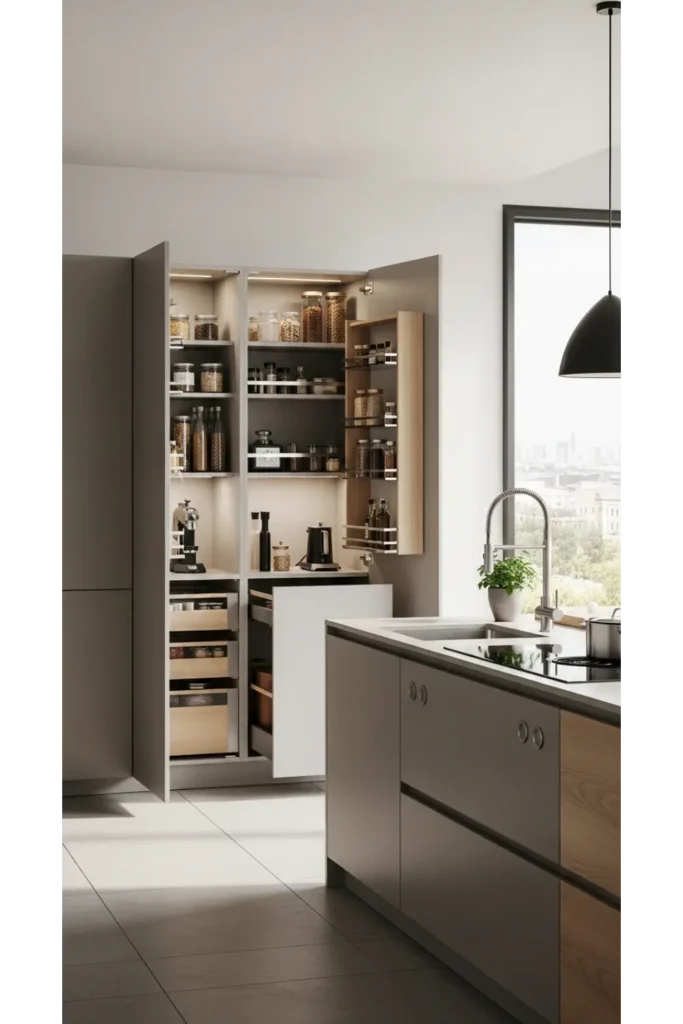
Tall units maximize vertical space without crowding the kitchen. They store pantry items, appliances, and cleaning supplies in one organized zone. This keeps countertops clear and improves daily efficiency.
These units also reduce bending and searching. Everything stays at eye level or within easy reach. The kitchen feels cleaner and more structured, which helps maintain long term organization and ease of use.
7. Advanced Drawer Organization for Daily Efficiency
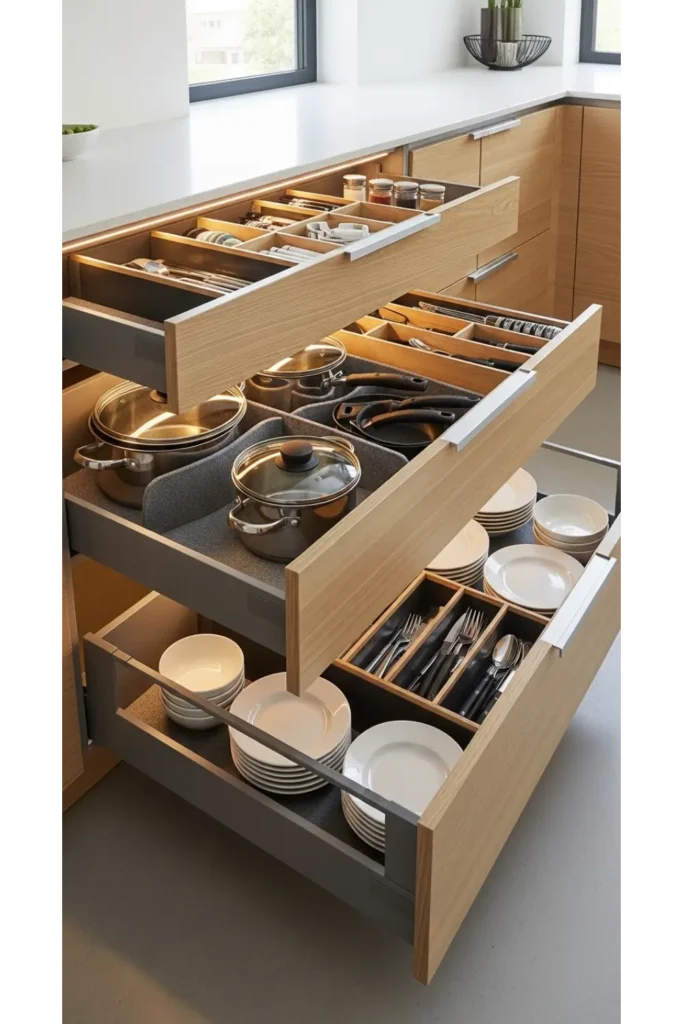
Advanced drawer organization goes beyond basic storage and focuses on how often items are used. Deep, wide drawers allow cookware, plates, and pantry items to stay in one visible layer instead of stacked. This reduces bending, lifting, and searching during cooking. When everything appears at a glance, meal preparation becomes faster and more controlled, supporting efficient modular kitchen planning for busy households.
Adjustable inserts and custom compartments help drawers adapt to changing needs. Utensils, spices, and tools remain secure while drawers open smoothly. This system minimizes noise and movement, creating a calmer kitchen environment. By aligning storage with daily habits, drawer-focused solutions improve workflow and reduce friction, making them a key element in modern modular kitchen efficiency without adding visual clutter.
8. Corner Optimization Solutions
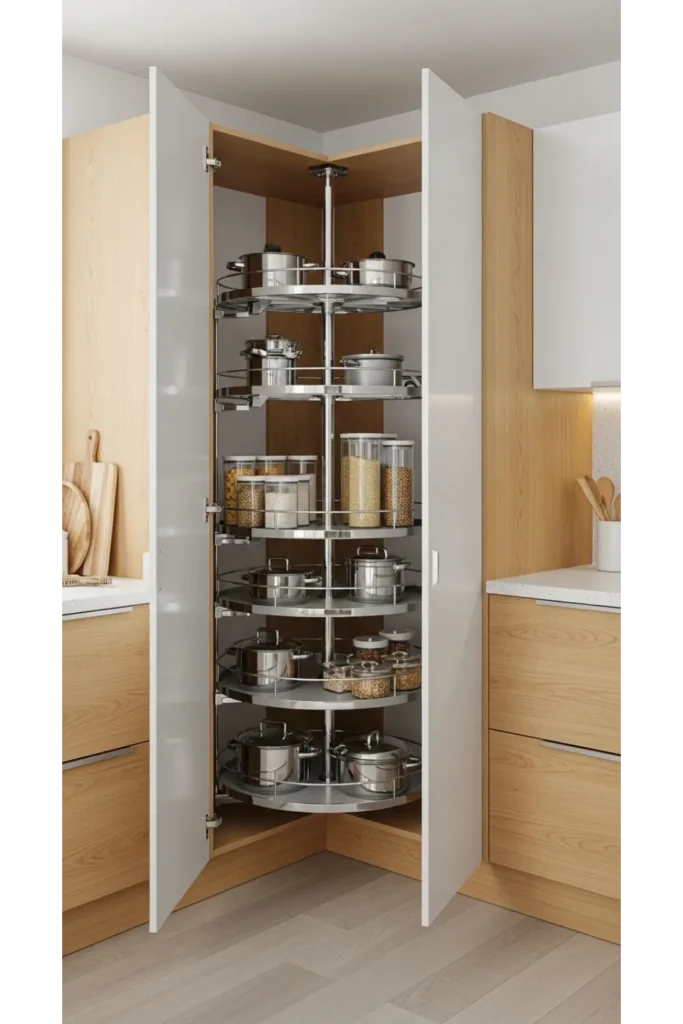
Corners often waste space, but smart solutions change that. Carousel units and pull-out shelves make every inch usable. These features prevent forgotten items from hiding in dark corners.
Efficient corner storage improves accessibility and reduces clutter elsewhere. It balances the kitchen layout and supports smoother workflow. This approach works well in both compact and spacious kitchens.
9. Built-In Appliance Integration
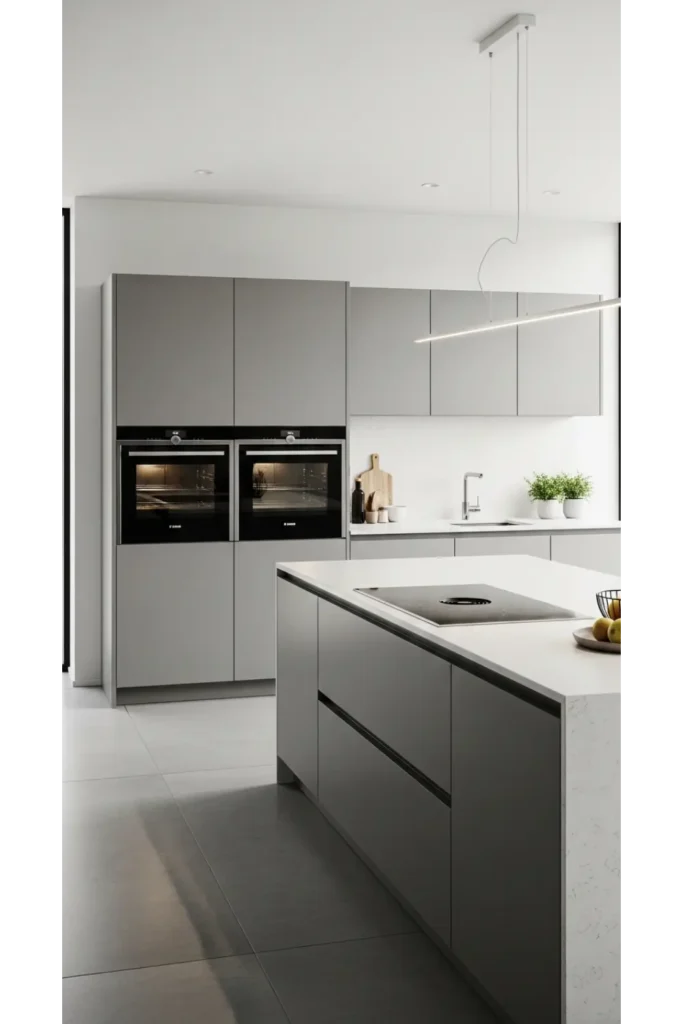
Built-in appliances create a clean and efficient look. They align with cabinetry, saving space and improving movement. This setup keeps appliances at ergonomic heights, reducing strain.
Integration also enhances visual flow. The kitchen feels cohesive and calm. Efficiency improves because everything sits where you need it, without disrupting storage or prep areas.
10. Open Shelving for Daily Essentials
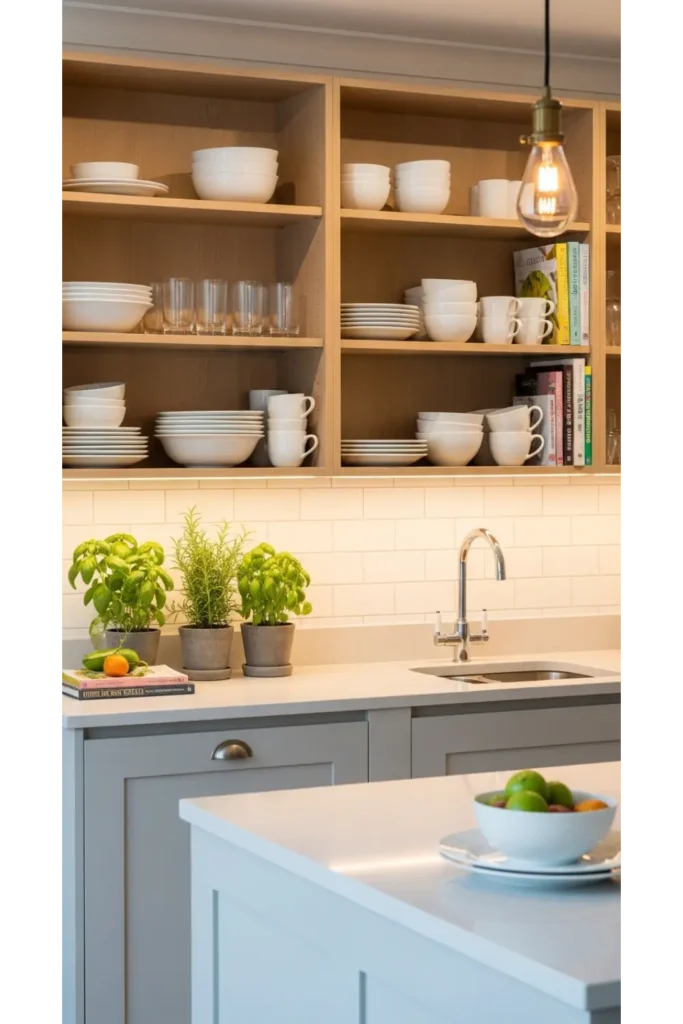
Open shelves keep frequently used items visible and accessible. This reduces time spent opening cabinets and searching. Shelves work best for dishes, jars, and cookware used daily.
When styled thoughtfully, they balance function and warmth. The kitchen feels lighter and more inviting. This design supports efficiency while adding personality without excess decoration.
11. Under-Sink Storage Planning
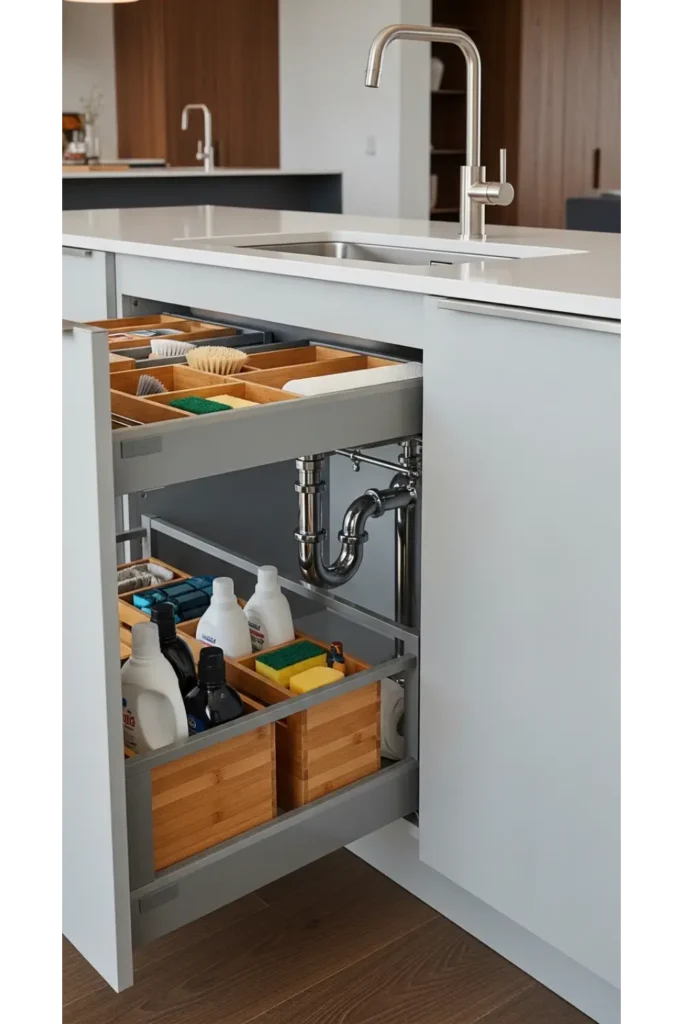
Under-sink storage often becomes messy because plumbing limits usable space, but smart planning turns it into an efficiency booster. Custom pull-out trays, tiered baskets, and moisture-resistant materials help organize cleaning supplies without crowding. When detergents, brushes, and trash bags stay neatly arranged, daily cleaning feels faster and less frustrating. This approach supports smoother kitchen routines and prevents wasted time searching for basic items during busy moments.
A well-designed under-sink area also improves hygiene. Separating wet and dry supplies reduces spills and odors. Pull-out systems allow full visibility, so nothing gets forgotten in the back. This thoughtful use of hidden space keeps countertops clear and supports a cleaner workflow, which is essential for an efficient modular kitchen focused on long-term usability and comfort.
12. Task Lighting for Work Zones
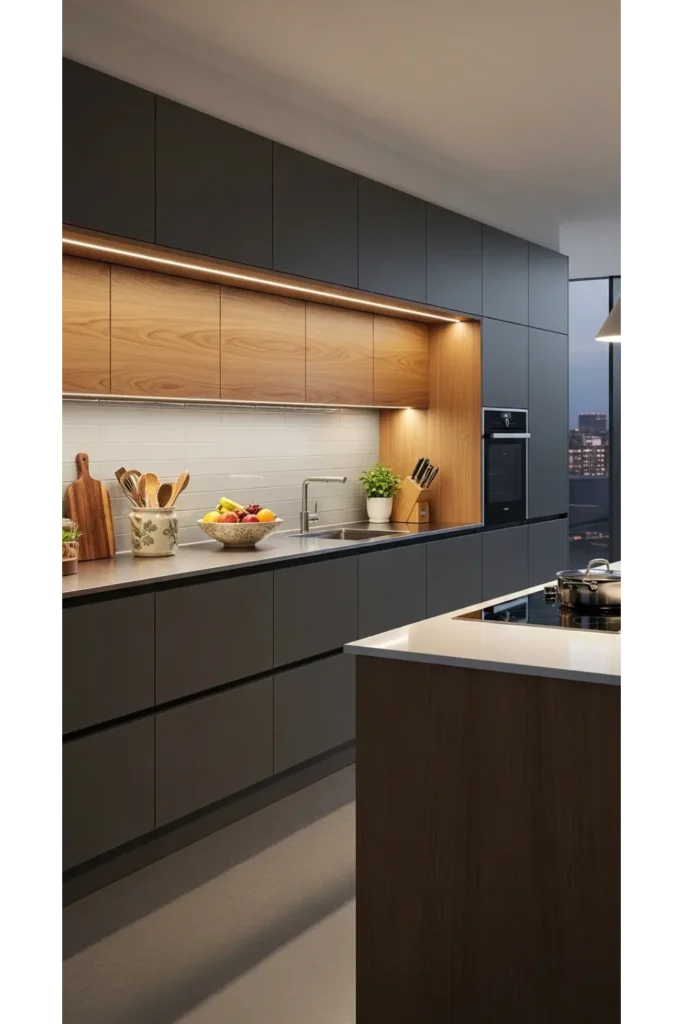
Task lighting plays a major role in how efficiently a kitchen functions. Focused lighting over prep counters, sinks, and cooking areas improves visibility and accuracy. It helps you chop, clean, and cook with confidence while reducing eye strain. Good lighting placement also enhances safety by minimizing shadows that can lead to mistakes during fast-paced cooking routines.
Under-cabinet lights work especially well in modular kitchens because they illuminate work surfaces without taking up space. Warm, balanced lighting creates a comfortable environment while maintaining clarity. When every task zone is clearly lit, movement becomes smoother and less tiring. This simple design choice makes a noticeable difference in daily efficiency and overall kitchen comfort.
13. Soft-Close Hardware Systems
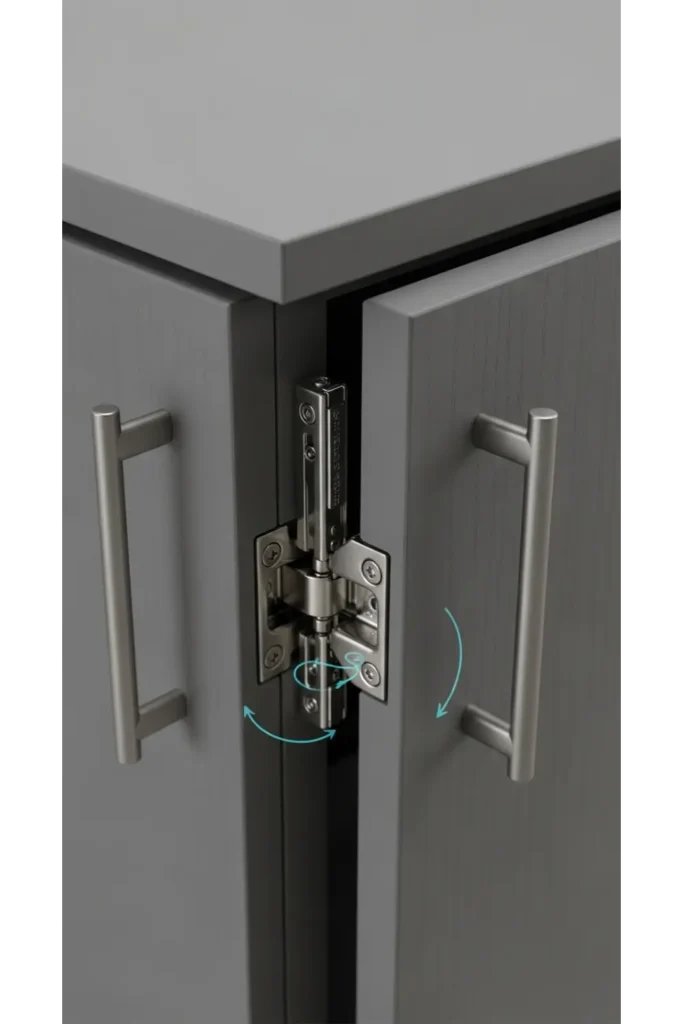
Soft-close hardware improves kitchen efficiency by making storage easier and quieter to use. Drawers and cabinets glide smoothly and close gently, even when your hands are full. This reduces noise and prevents damage caused by slamming. Over time, it protects cabinetry and keeps the kitchen feeling calm, organized, and pleasant during high-activity hours.
Beyond comfort, soft-close systems support durability. Hinges and runners last longer, reducing maintenance needs. This reliability matters in kitchens used daily by families. When every cabinet works smoothly, tasks flow naturally without interruption. Efficient hardware may seem small, but it plays a big role in how effortlessly a modular kitchen functions over the years.
14. Pull-Out Pantry Units
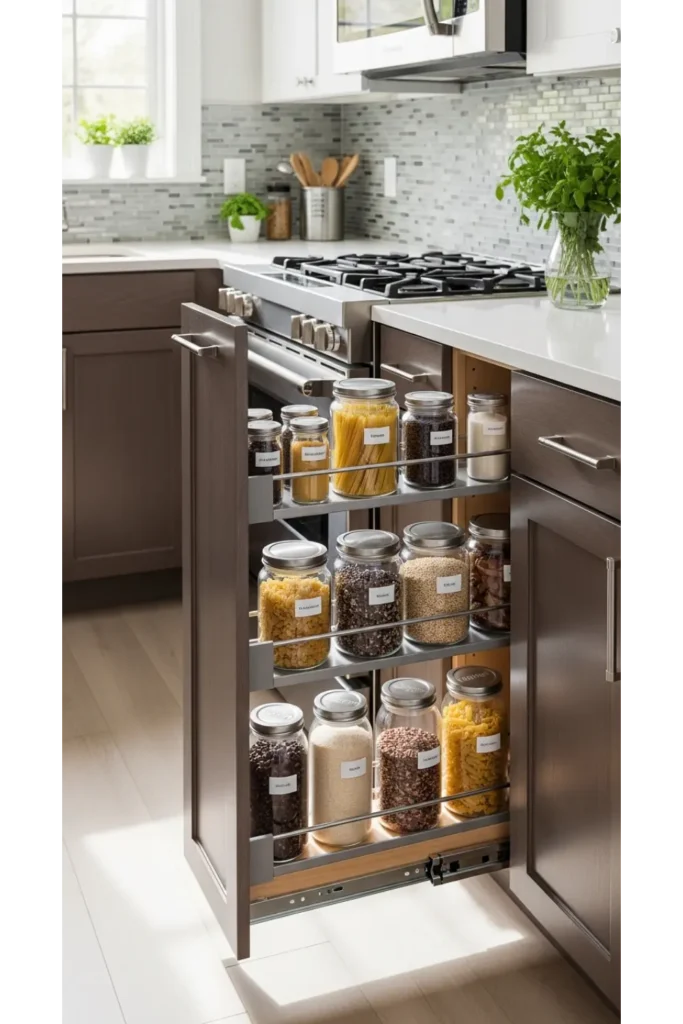
Pull-out pantry units bring order to dry storage while saving space. Vertical shelves slide out completely, giving full visibility of stored items. This design works especially well in narrow kitchens where traditional pantries feel bulky. Ingredients stay organized, easy to reach, and simple to restock, which reduces wasted time during meal preparation.
These units also help control clutter and food waste. When everything stays visible, nothing gets forgotten or expires unnoticed. You can group items by use or category, making cooking more efficient. A pull-out pantry supports a cleaner workflow and reinforces smart storage planning within an efficient modular kitchen layout.
15. Ergonomic Counter Height Design
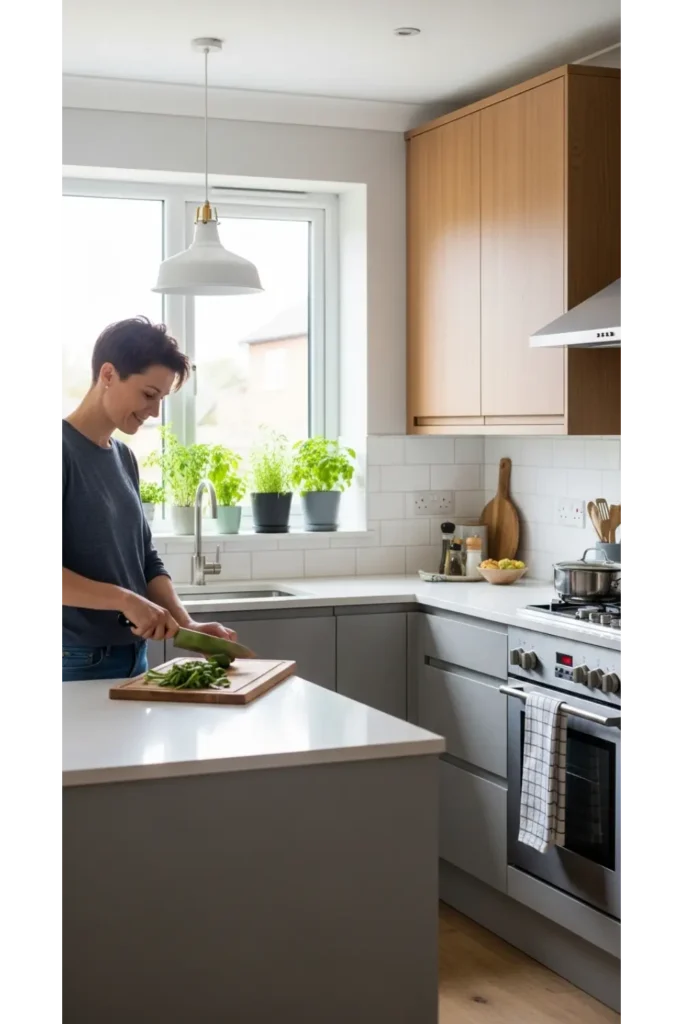
Ergonomic counter height directly affects how efficiently you work in the kitchen. Counters designed for your height reduce bending, stretching, and shoulder strain. This allows you to cook longer without discomfort. Whether chopping vegetables or kneading dough, the right height supports natural posture and smoother movement throughout the cooking process.
This thoughtful planning becomes especially important in homes where the kitchen sees heavy daily use. When the space works with your body, tasks feel easier and faster. Ergonomic design reduces fatigue and increases enjoyment, making the kitchen more inviting. Over time, it contributes to better health and a more efficient cooking routine.
16. Modular Breakfast Counter
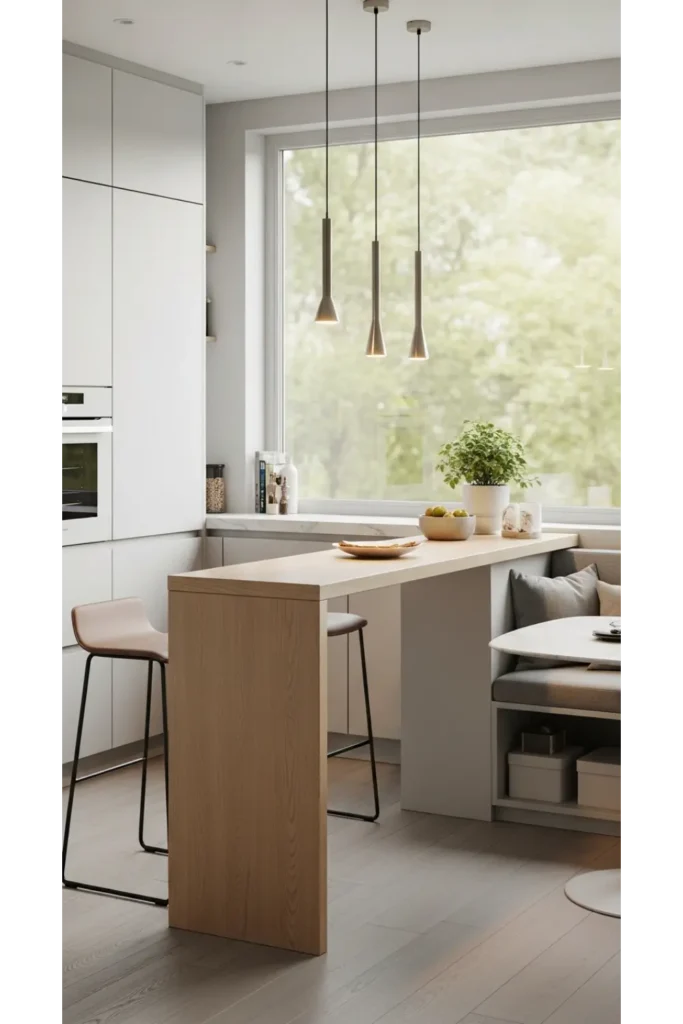
A modular breakfast counter adds efficiency by combining dining and prep functions in one compact area. It supports quick meals, casual conversations, and light food preparation without interrupting the main cooking zone. This design works particularly well in apartments where space needs to serve multiple purposes throughout the day.
Beyond convenience, a breakfast counter improves workflow. It reduces movement between kitchen and dining areas and keeps activity centered. When designed with storage underneath, it adds extra functionality. This multi-use feature keeps the kitchen active, organized, and efficient without feeling crowded or overwhelming.
17. Appliance Garage Storage
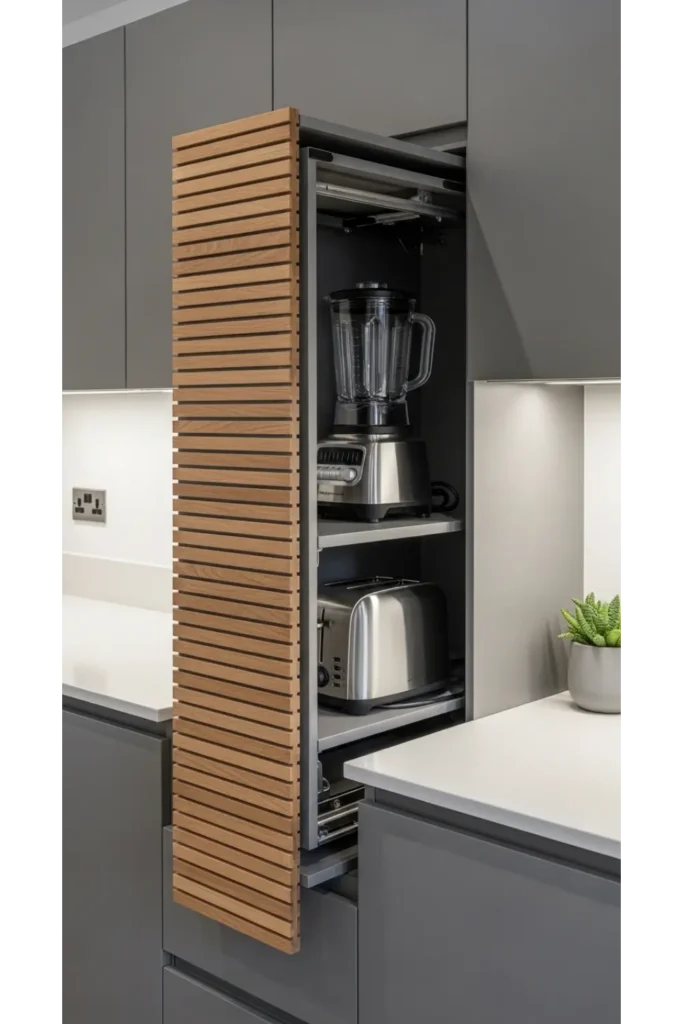
Appliance garages help maintain a clutter-free workspace by hiding small appliances when not in use. Mixers, toasters, and coffee machines stay accessible but out of sight. This keeps countertops open for prep work and improves visual calm. Efficient storage like this supports faster cooking and easier cleaning routines.
These enclosed spaces also protect appliances from dust and grease. Roll-up or lift-up doors allow quick access without disrupting workflow. By keeping frequently used tools organized and ready, appliance garages balance convenience and order, reinforcing efficiency in a modular kitchen designed for everyday practicality.
18. Waste Segregation Drawers
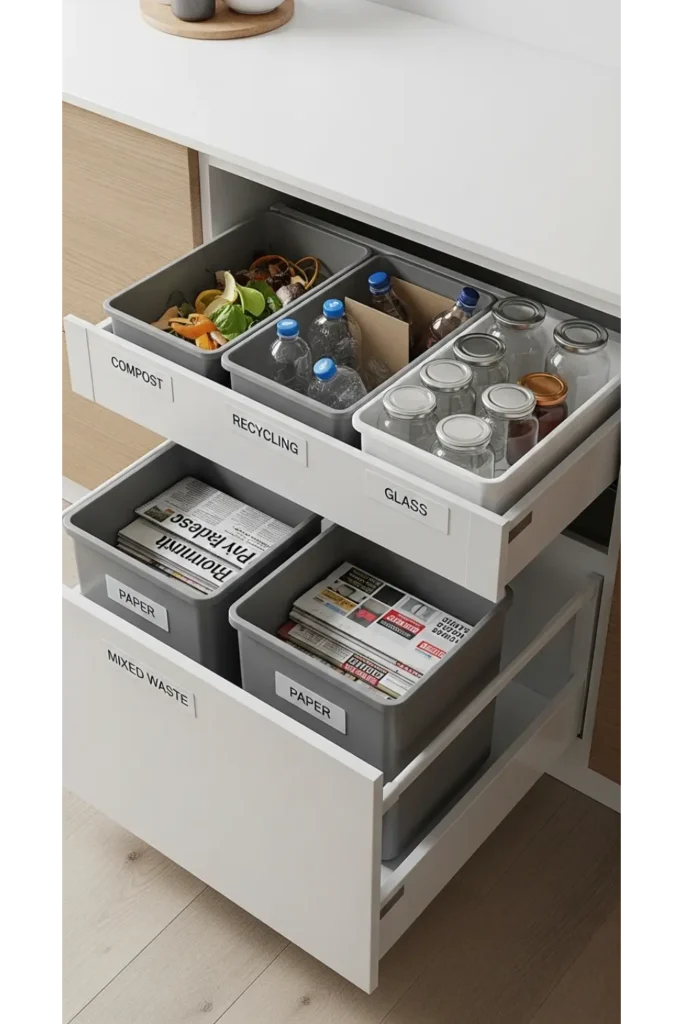
Built-in waste segregation drawers simplify disposal by keeping trash and recycling organized in one place. Separate bins for wet waste, dry waste, and recyclables fit neatly inside pull-out drawers. This setup keeps waste hidden, reduces odors, and improves hygiene without taking up visible space in the kitchen.
Efficient waste management saves time during cleanup and encourages better habits. When disposal feels effortless, users are more likely to separate waste correctly. This design supports cleanliness and sustainability while keeping the kitchen workflow smooth. Small improvements like this add up to a more efficient daily routine.
19. Anti-Slip Flooring Choices
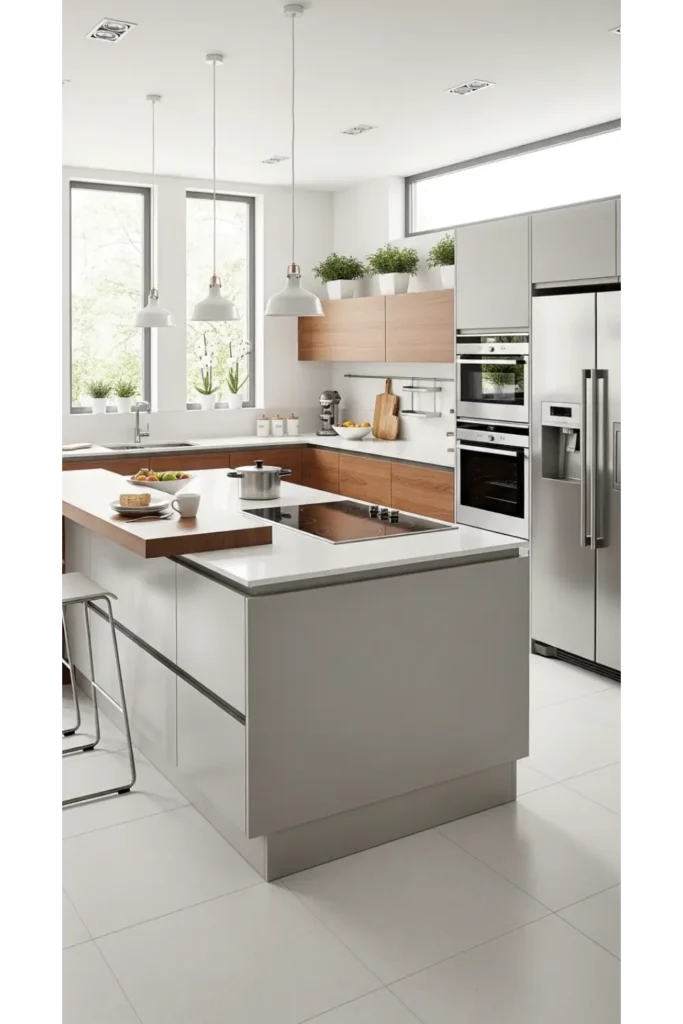
Flooring plays a key role in kitchen safety and efficiency. Anti-slip surfaces reduce the risk of falls during spills or fast movement. Kitchens experience constant activity, so stable footing supports confidence and speed. Easy-to-clean materials also reduce maintenance time, keeping the space hygienic with minimal effort.
Durable flooring stands up to heat, moisture, and heavy use. When floors feel secure and comfortable underfoot, movement becomes more natural. This allows users to focus on cooking rather than caution. The right flooring choice quietly supports efficiency every single day.
20. Ventilation and Chimney Placement
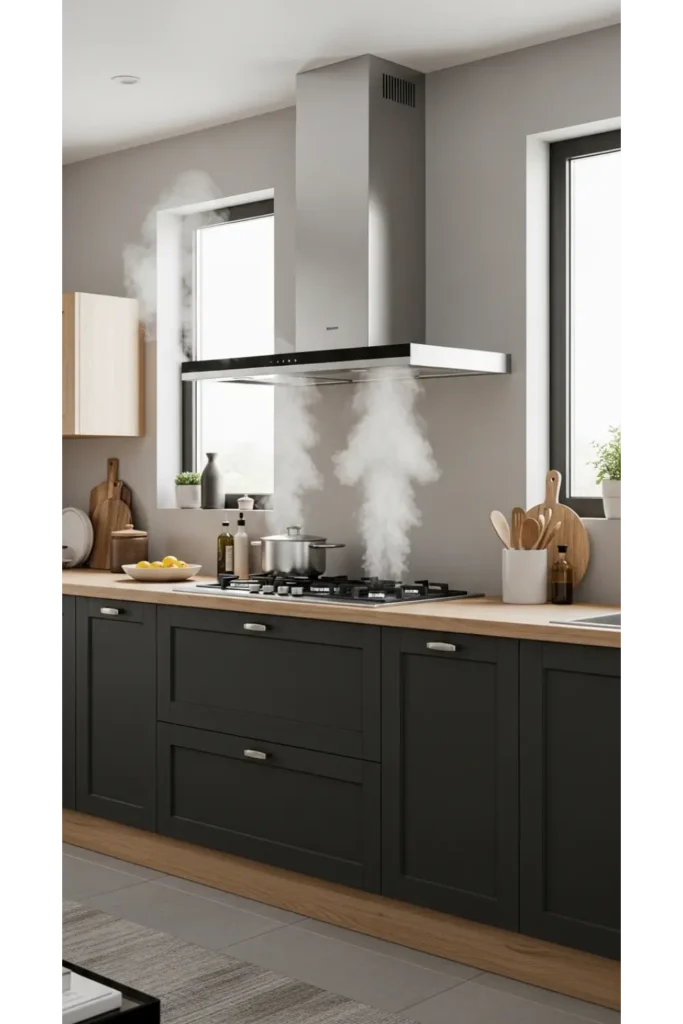
Proper ventilation keeps the kitchen comfortable and functional. A well-placed chimney removes smoke, heat, and odors quickly, allowing you to cook without discomfort. Efficient airflow prevents grease buildup on cabinets and walls, reducing cleaning time and long-term damage to finishes.
Strategic chimney placement improves overall kitchen efficiency. It maintains fresh air and supports longer cooking sessions without fatigue. When ventilation works well, the kitchen stays cleaner and more pleasant. This creates an environment where tasks flow smoothly and maintenance stays manageable.
21. Color Zoning for Function
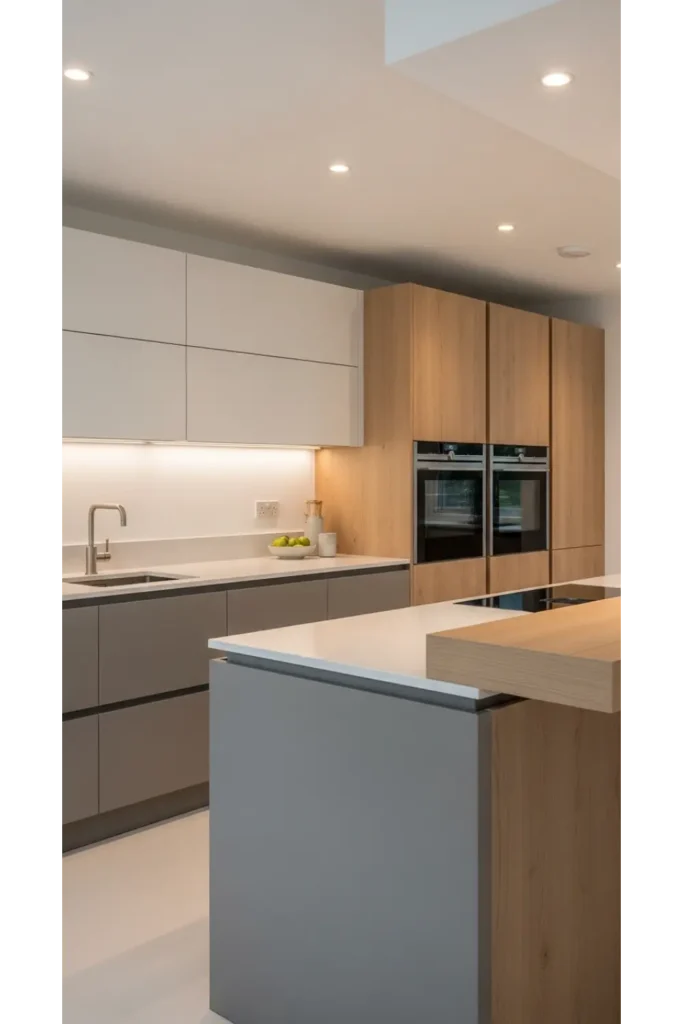
Color zoning uses subtle shifts in color to define different work areas. Lighter shades make spaces feel open, while deeper tones ground high-activity zones. This visual organization helps users instinctively understand where tasks belong, improving movement and focus within the kitchen.
When done thoughtfully, color zoning enhances both efficiency and comfort. It adds structure without physical barriers. The kitchen feels intuitive and easy to navigate, especially during busy cooking periods. Visual clarity supports faster decision-making and a calmer overall experience.
22. Smart Storage Labeling
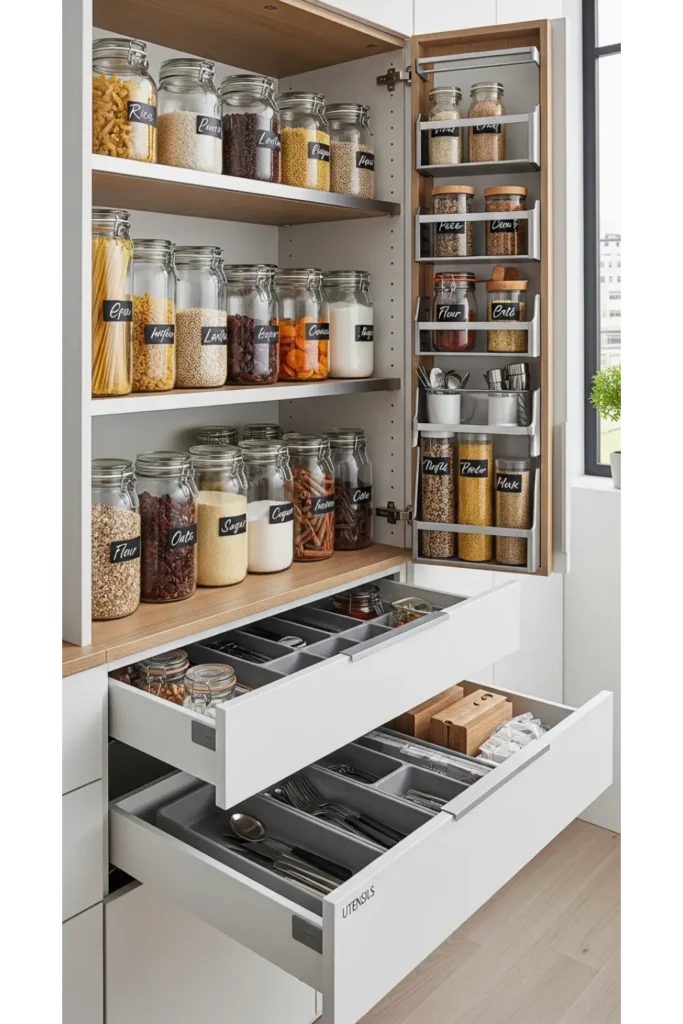
Smart labeling improves efficiency by making storage easy to understand at a glance. Clear labels on drawers, jars, and containers reduce confusion and save time. This system works especially well in shared kitchens where multiple users need quick access to ingredients and tools.
Labeling also helps maintain long-term organization. Items return to their correct place more consistently, reducing clutter. When everything has a clear home, the kitchen stays functional even during busy routines. Simple systems like this support smooth daily operation without added effort.
23. Future-Ready Modular Flexibility
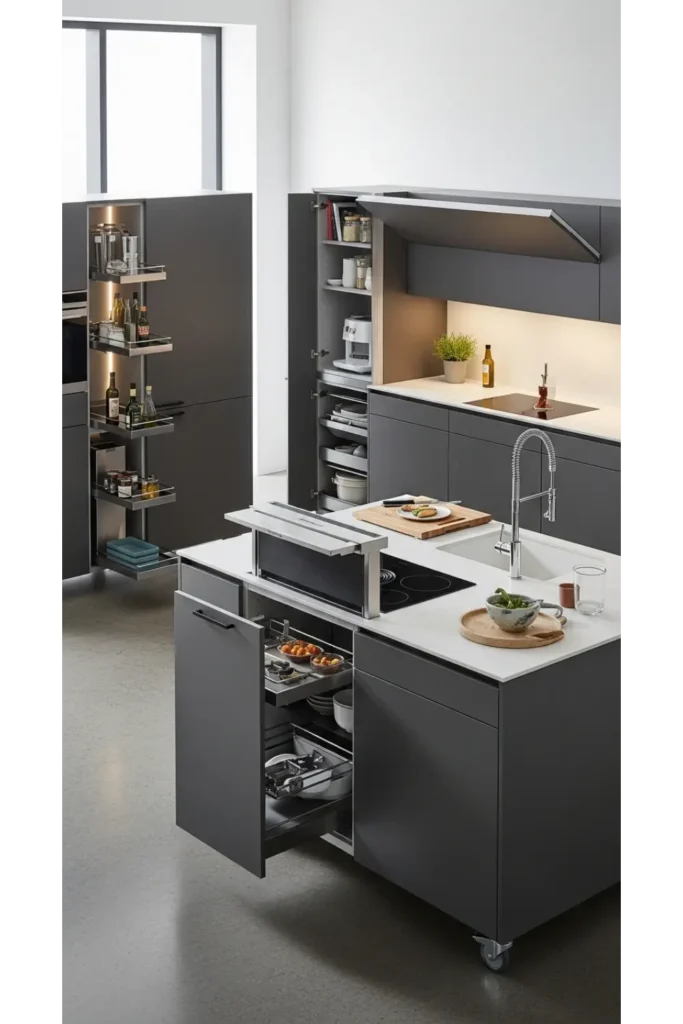
Future-ready modular kitchens adapt as needs change. Units can be rearranged, expanded, or upgraded without full renovation. This flexibility supports growing families, changing cooking habits, and evolving lifestyles. Planning for adaptability today prevents costly redesigns later.
A flexible modular system protects long-term efficiency. It allows the kitchen to grow with you rather than limit you. Smart planning ensures the space remains functional and relevant for years. This forward-thinking approach turns a kitchen into a lasting investment in comfort and practicality.
Conclusion
Efficiency in the kitchen comes from thoughtful design, not expensive features. These modular ideas show how smart layouts, storage solutions, and ergonomic choices can transform everyday cooking. When your kitchen supports your habits and movement, everything feels easier. By focusing on function first, you create a space that stays organized, adaptable, and enjoyable for years to come.