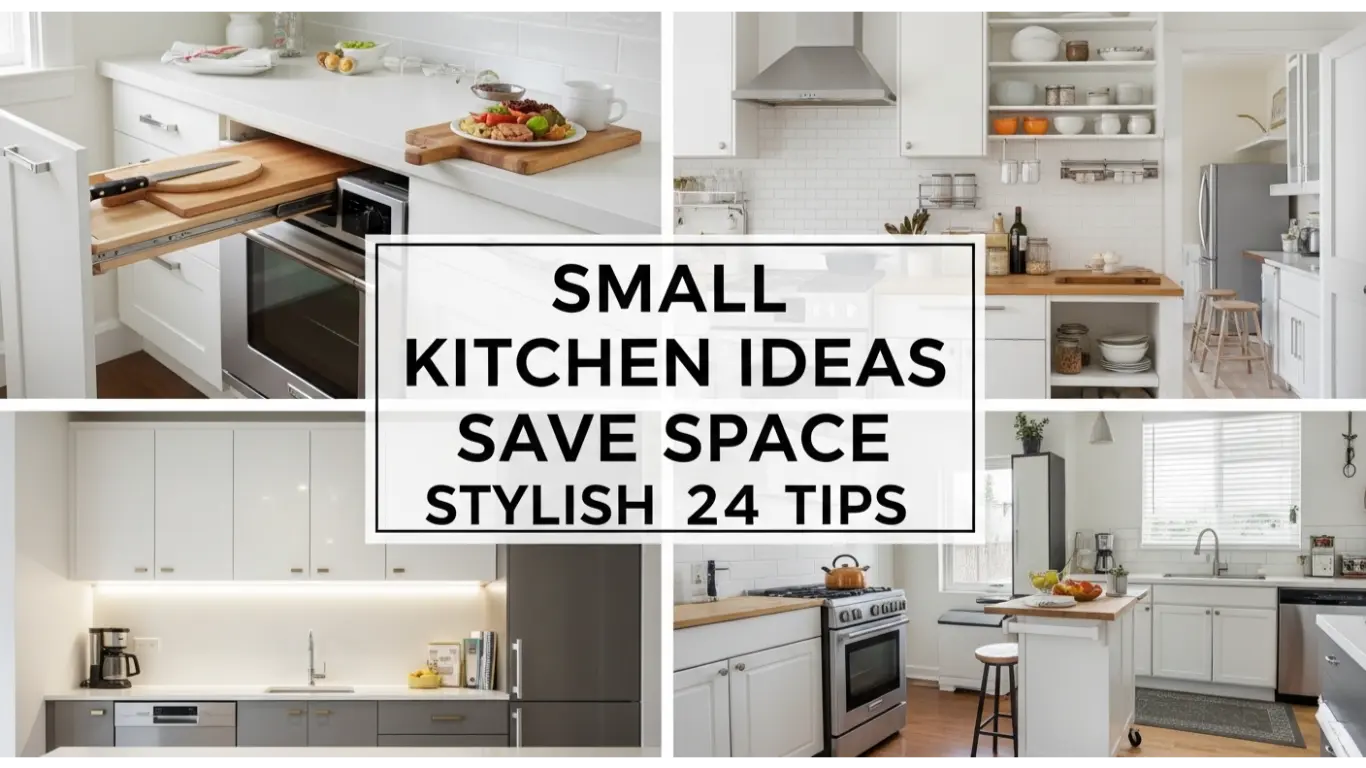
Small Kitchen Ideas Save Space Stylish 24 Tips
A small kitchen can feel limiting, but it does not have to look cramped or boring. With smart planning, thoughtful storage, and design choices that balance function and beauty, even the tiniest kitchen can feel open and inviting. This guide is built for Pinterest readers who want real, livable inspiration. Each idea focuses on saving space while keeping style front and center, using practical solutions that work in everyday homes without sacrificing personality or comfort.
1. Vertical Cabinets That Reach the Ceiling
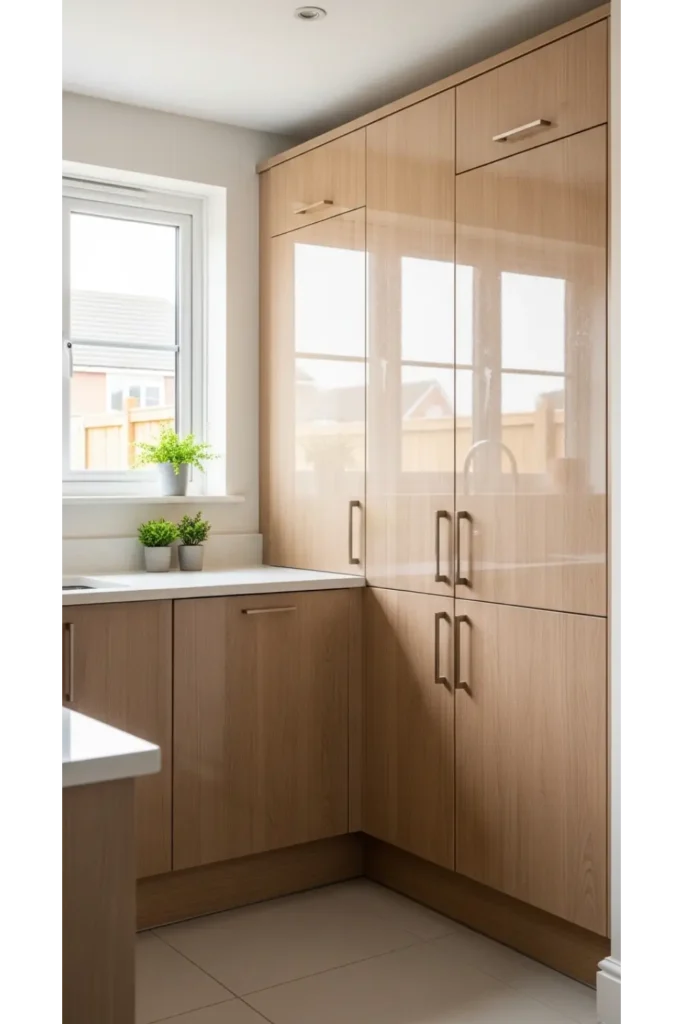
Small kitchen ideas save space stylish design often starts with vertical thinking. Cabinets that extend to the ceiling eliminate wasted space and draw the eye upward, making the room feel taller. They create extra storage for items you do not use daily, keeping counters clear and calm. When finished in light tones, tall cabinets feel airy instead of heavy.
This approach also helps create a clean, built-in look that feels intentional. Adding simple hardware and smooth cabinet fronts keeps the design modern. Use the top shelves for seasonal cookware or pantry backups. The result is a kitchen that feels organized, efficient, and visually balanced without adding square footage.
2. Pull Out Pantry Storage
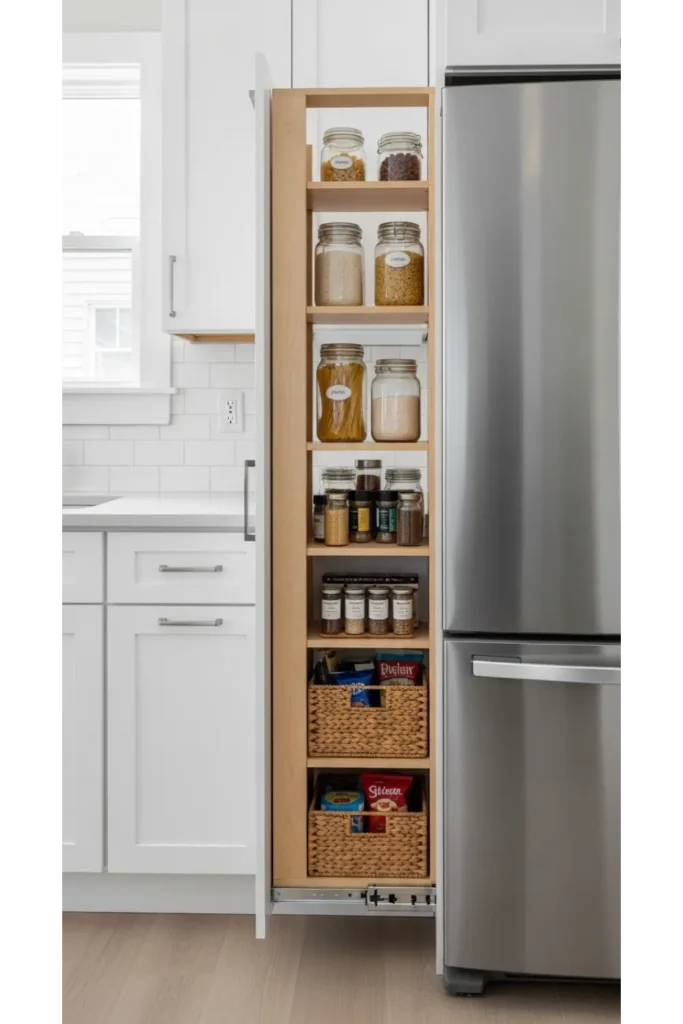
Pull out pantry units transform narrow gaps into powerful storage zones. They fit beside refrigerators or between cabinets where traditional shelving would fail. Everything stays visible and easy to reach, which reduces clutter and food waste. This kind of storage works especially well in compact layouts where every inch matters.
From a style perspective, pull out pantries disappear behind cabinet fronts, keeping the kitchen looking seamless. Inside, clear containers and labeled jars add a polished feel. This solution supports better organization while maintaining a sleek, uncluttered look that suits modern and transitional kitchens alike.
3. Layered Open Shelving for Smart Display
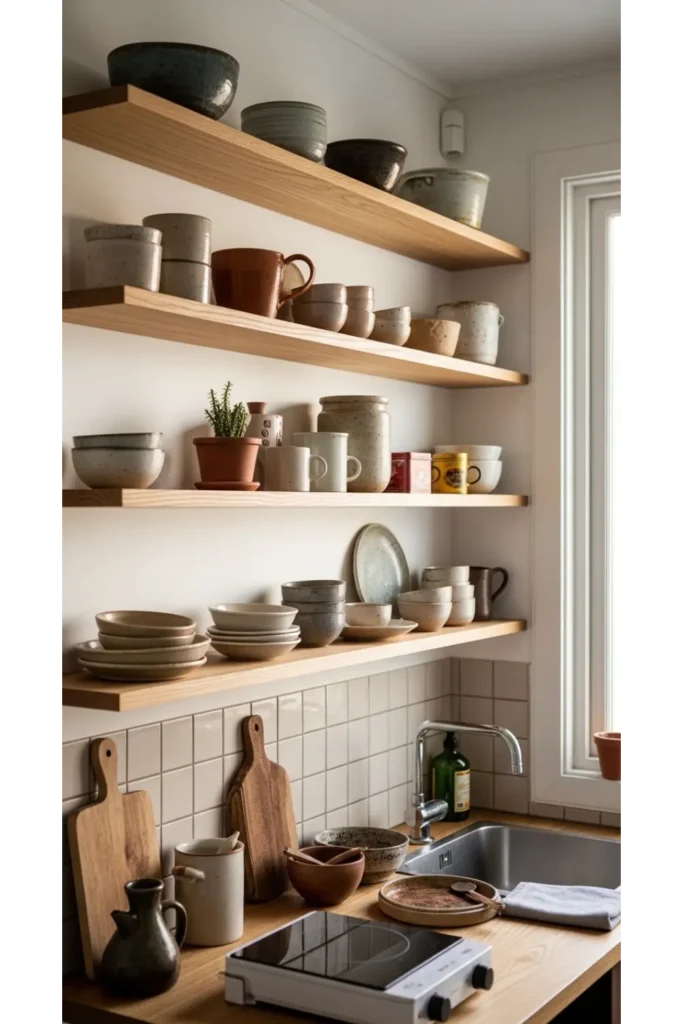
Layered open shelving focuses on depth and spacing rather than simply removing cabinets. By staggering shelves at different heights or mixing shelf depths, the kitchen gains visual rhythm while staying functional. This method prevents walls from feeling flat and adds dimension, which is especially helpful in compact kitchens. Everyday items stay accessible, but the layered arrangement creates a designed look instead of a purely utilitarian one.
To keep the space refined, treat shelves as a balance of storage and styling. Group items in small clusters and leave intentional space to avoid crowding. Mixing practical pieces with a few textured accents helps the kitchen feel lived in yet controlled. This approach supports openness while still offering structure and thoughtful organization.
4. Built In Seating With Storage
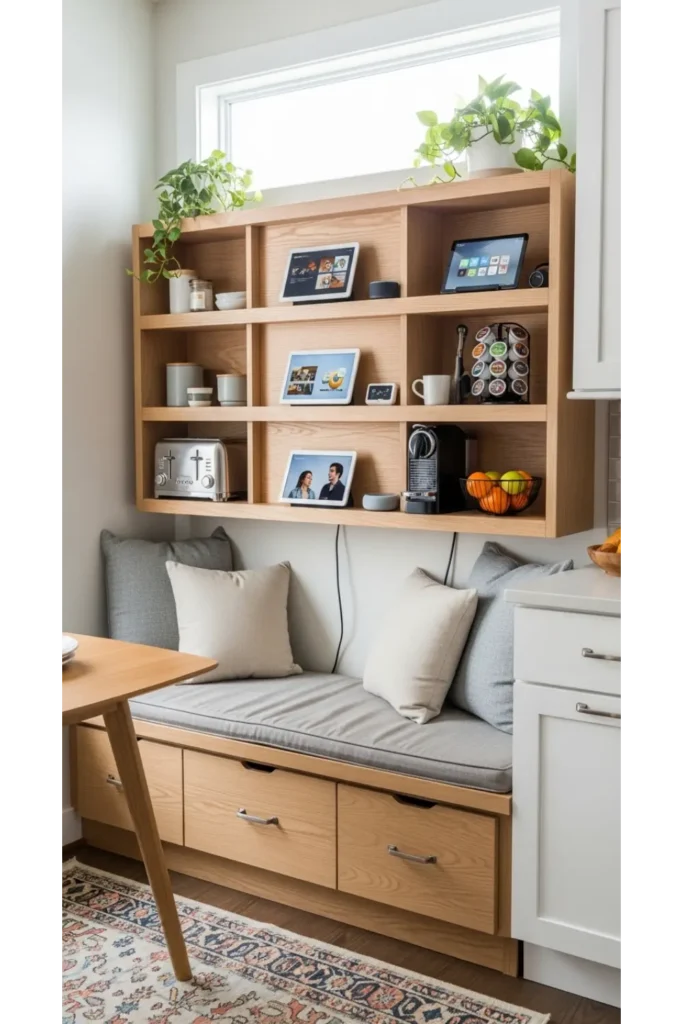
Built in seating turns an awkward corner into a multifunctional feature. A bench with hidden storage underneath provides space for linens, small appliances, or pantry items. It also creates a cozy dining spot without adding bulky furniture.
Visually, built ins feel custom and space efficient. Upholstered cushions or wood finishes can match the rest of the kitchen for a unified look. This idea works well in eat in kitchens where every piece needs to earn its place.
5. Slim Appliances Designed for Small Spaces
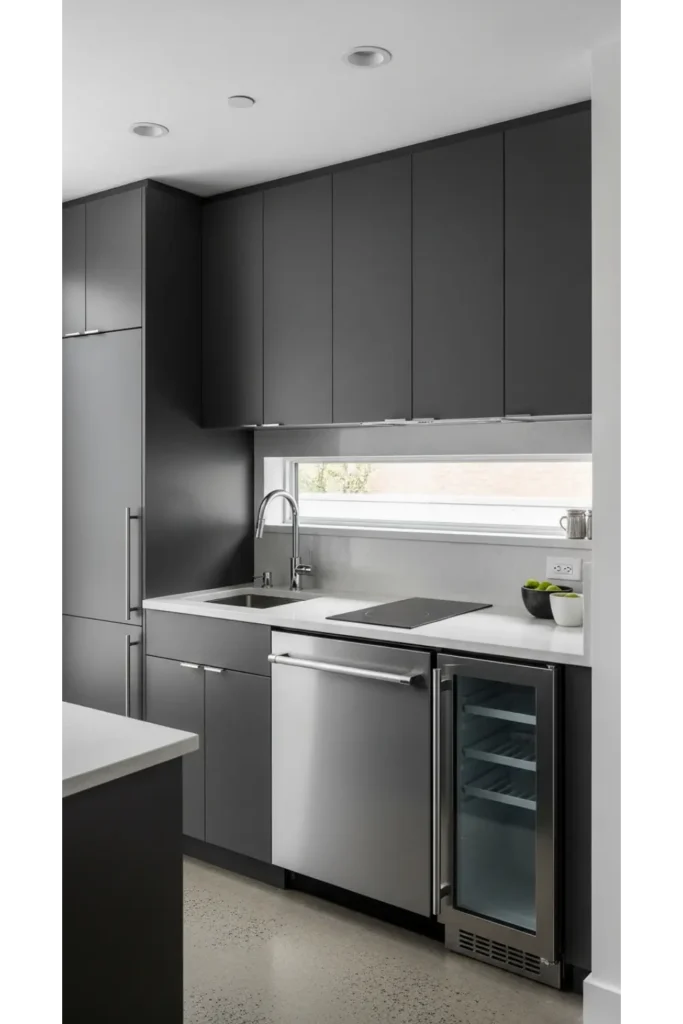
Slim appliances are designed specifically for smaller kitchens, offering full function in reduced widths. Narrow dishwashers, compact refrigerators, and shallow ranges free up valuable cabinet and counter space. This makes the layout feel less crowded and more workable.
Modern slim appliances come in stylish finishes that blend seamlessly with cabinetry. Choosing integrated or panel ready options further enhances a clean look. This solution allows you to enjoy modern convenience without overwhelming a compact floor plan.
6. Light Color Palettes That Reflect Space
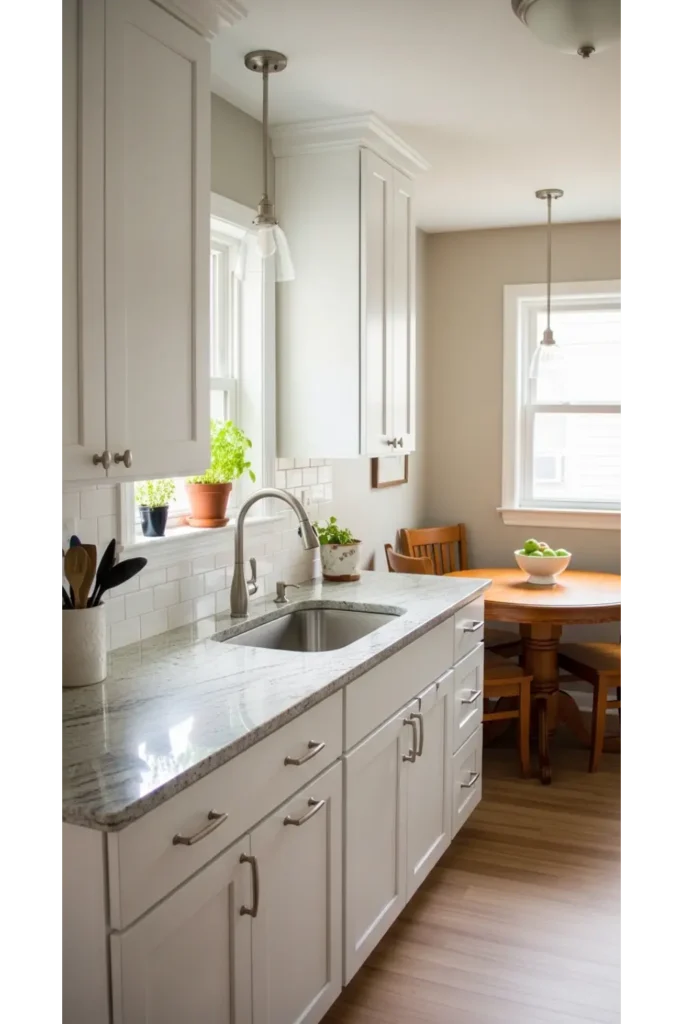
Light colors visually expand a small kitchen by reflecting natural and artificial light. White, soft gray, and warm beige surfaces make the space feel open and fresh. These tones also provide a timeless base that adapts to changing decor trends.
To keep the look from feeling flat, layer textures through backsplashes, hardware, and countertops. Subtle contrast adds depth without closing in the room. A light palette supports both function and style in tight kitchens.
7. Integrated Handles for a Clean Look
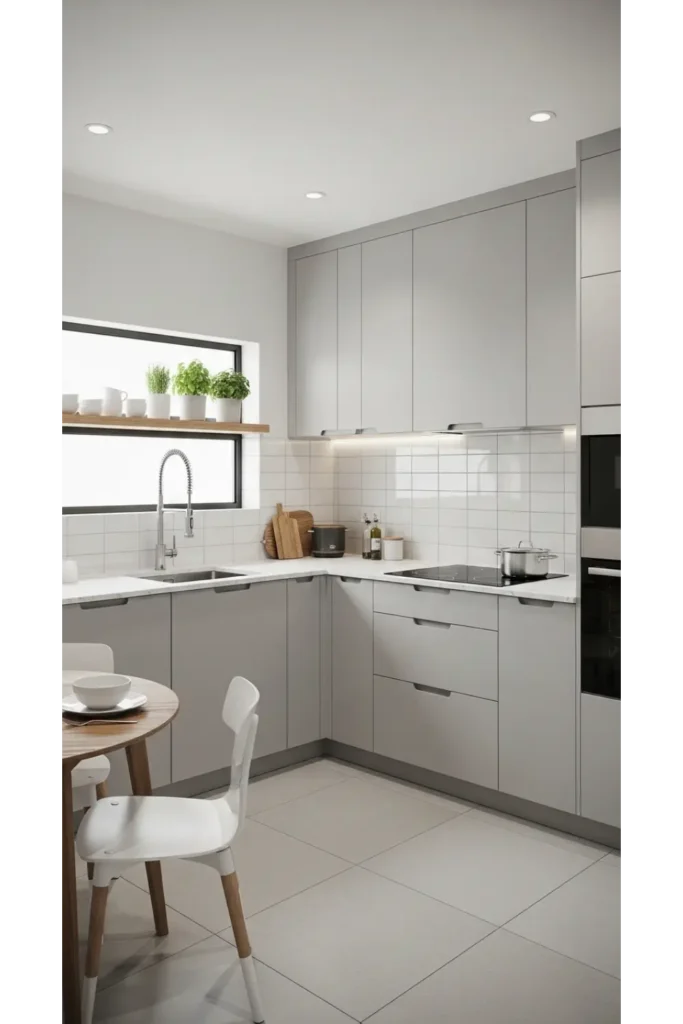
Integrated handles reduce visual clutter and create smooth cabinet surfaces. This minimalist detail helps small kitchens feel more streamlined and modern. Without protruding hardware, movement through the space also feels easier and safer.
From a design standpoint, handleless cabinets emphasize clean lines. They pair well with contemporary styles but also work in simple transitional kitchens. This subtle change can make a noticeable difference in how spacious the room feels.
8. Fold Down or Extendable Tables
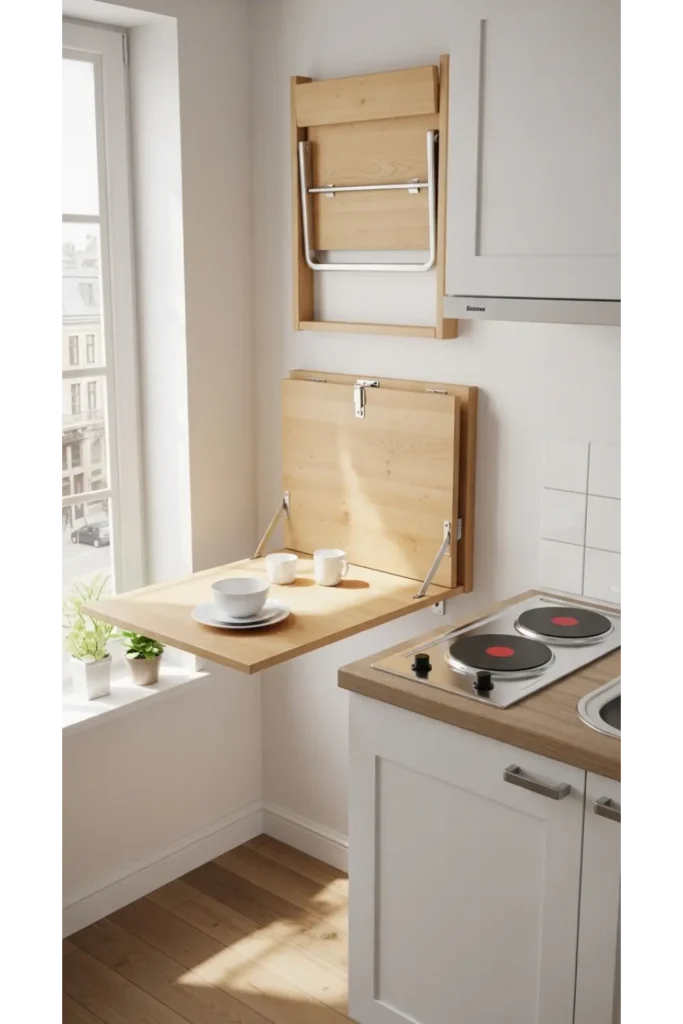
Fold down tables provide dining or prep space only when needed. When folded away, they free up floor area for movement. This flexibility is ideal for kitchens that double as social or work spaces.
Designs range from wall mounted panels to extendable islands. Choosing materials that match your cabinetry helps the table blend in. This solution supports daily living without permanently taking up precious space.
9. Light Amplifying Backsplash Materials
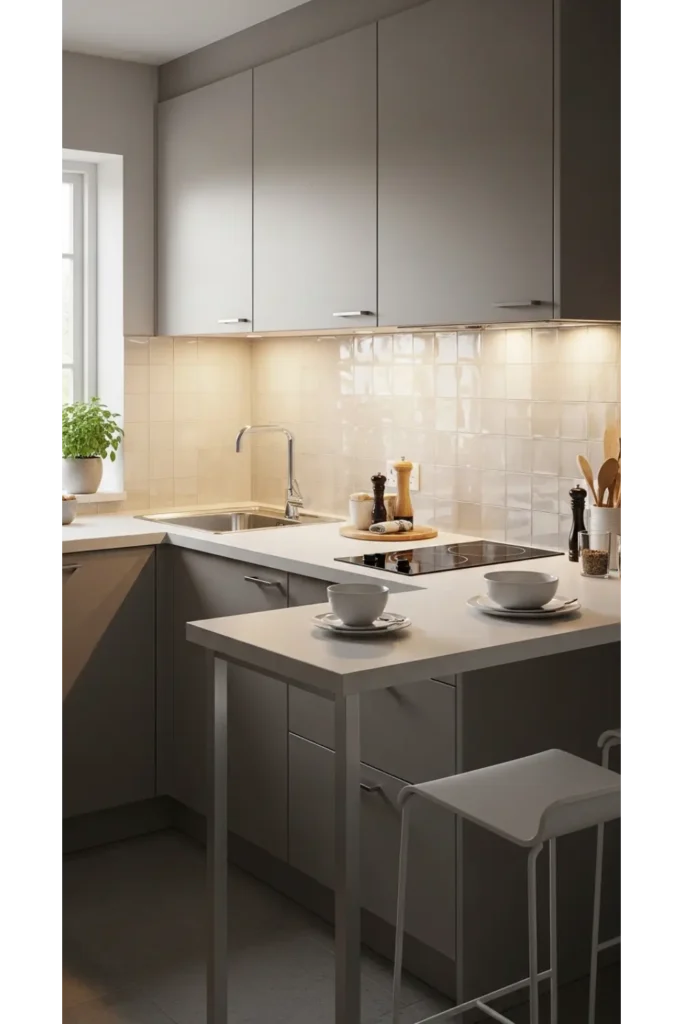
Light amplifying backsplash materials focus on enhancing brightness without relying on mirror like shine alone. Soft sheen tiles, satin finish ceramics, and lightly glazed surfaces bounce light gently across the kitchen, helping walls recede visually. This approach feels more refined than high gloss while still expanding the sense of space. It works especially well in kitchens with limited natural light, where brightness plays a critical role in comfort.
Design wise, choosing larger format tiles or vertical layouts strengthens the spacious effect by reducing visual breaks. Pale neutrals, warm whites, and soft stone tones keep the kitchen feeling open and timeless. When paired with simple grout and clean lines, these backsplashes support a calm, stylish environment that feels intentional rather than decorative heavy.
10. Corner Storage Solutions
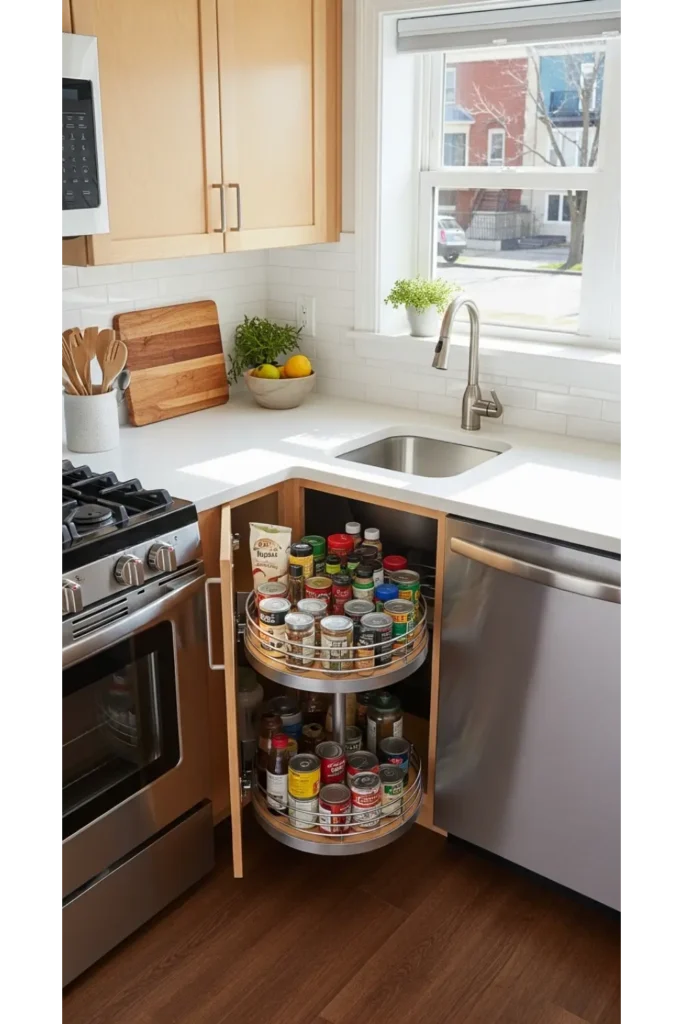
Corner cabinets often become wasted space without the right solution. Lazy susans and pull out corner systems make these areas fully accessible. They improve storage efficiency and reduce frustration during daily use.
Visually, these systems stay hidden behind cabinet doors, preserving a clean design. Making use of corners allows the rest of the kitchen to function better, which is crucial in compact layouts.
11. Wall Mounted Faucets
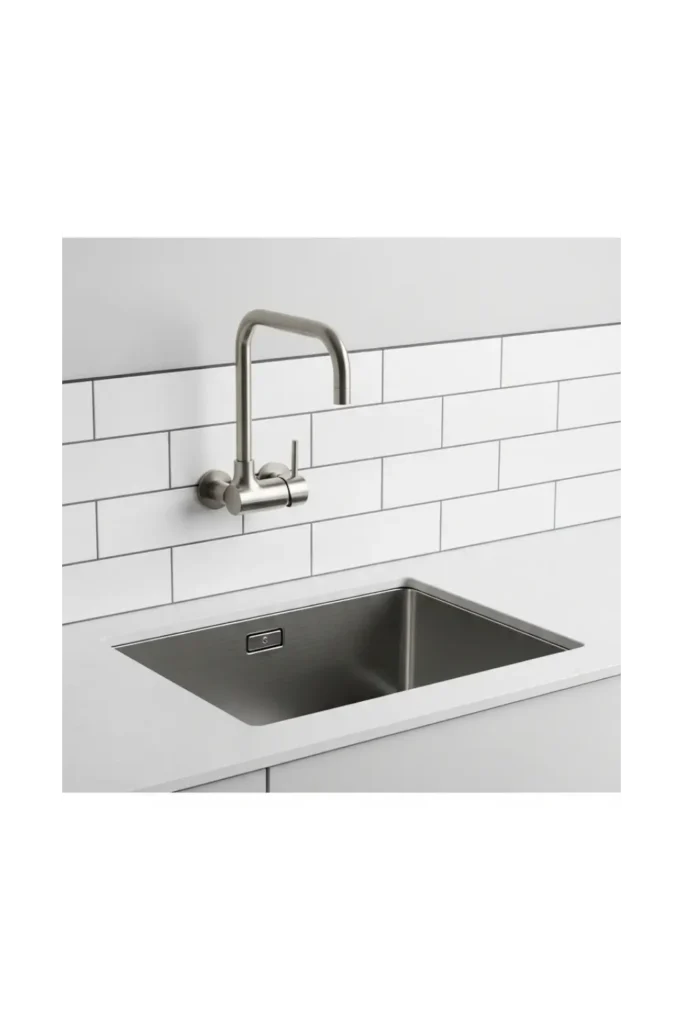
Wall mounted faucets free up counter space around the sink and create a sleek focal point. They work well in small kitchens where every inch counts. This choice also simplifies cleaning around the sink area.
From a style angle, wall mounted fixtures feel refined and intentional. They pair beautifully with modern and classic designs. This upgrade blends function with a subtle design statement.
12. Under Cabinet Lighting
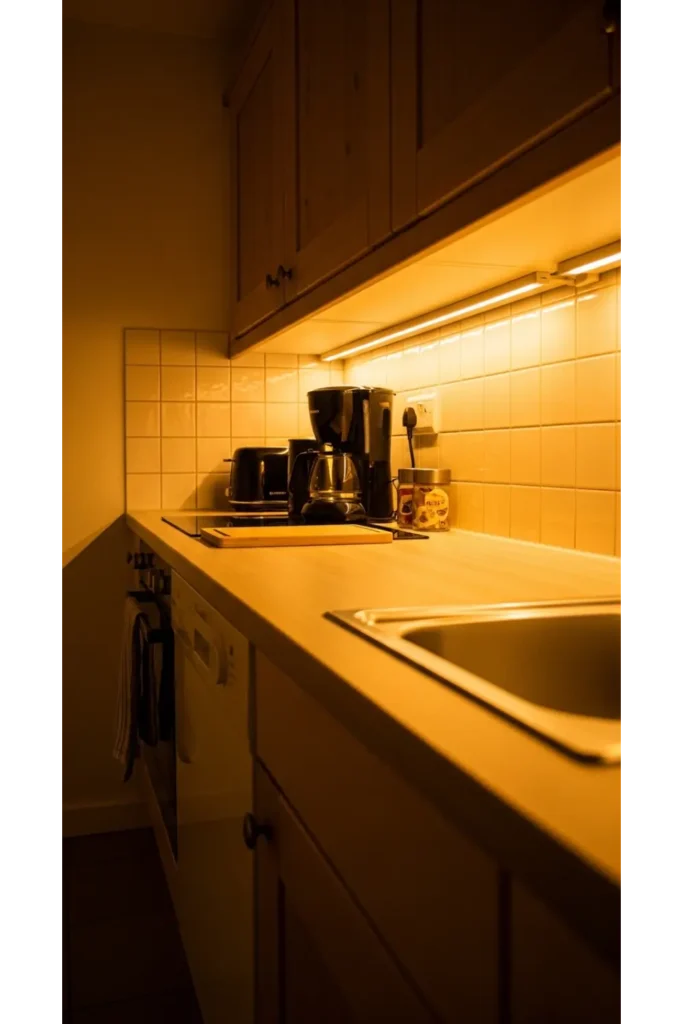
Under cabinet lighting improves visibility and adds ambiance. It brightens work surfaces without taking up space. This makes cooking safer and more enjoyable in compact kitchens.
LED strips or puck lights stay hidden, keeping the design clean. Warm lighting adds depth and highlights materials. This simple addition can dramatically improve both function and mood.
13. Narrow Kitchen Islands
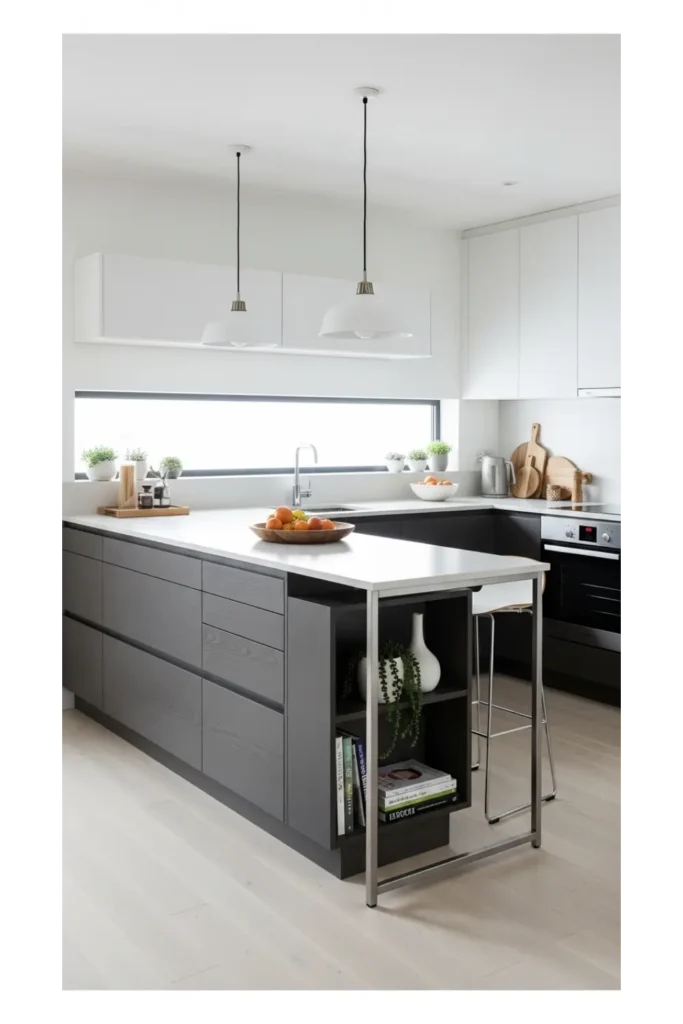
A narrow island can add storage and prep space without blocking flow. Choosing a slim profile keeps pathways clear while increasing functionality. Some designs include seating or wheels for flexibility.
Stylistically, a narrow island anchors the room and adds structure. Matching finishes to existing cabinets helps it feel cohesive. This solution balances practicality and design in tight kitchens.
14. Partial Glass Cabinets for Visual Balance
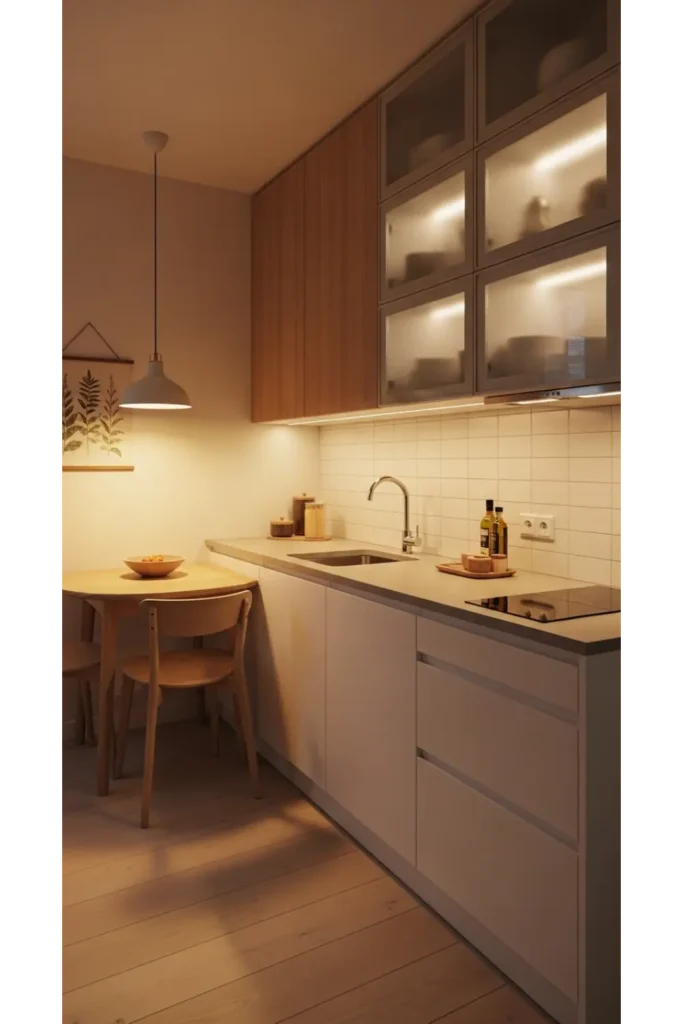
Partial glass cabinets work best when used selectively rather than across the entire kitchen. Mixing glass front cabinets with solid ones helps control visual exposure while still reducing heaviness. This technique creates natural zoning, where frequently used or decorative items sit behind glass, and everyday clutter stays hidden. The result is a kitchen that feels lighter without sacrificing structure or practicality.
From a design perspective, partial glass adds rhythm and contrast to small kitchens. Clear, fluted, or lightly tinted glass introduces depth while preventing the space from feeling overly busy. When paired with consistent cabinet colors and simple shelving inside, this approach supports an organized, stylish look that feels intentional, calm, and well balanced for compact layouts.
15. Multi Functional Backsplash Storage
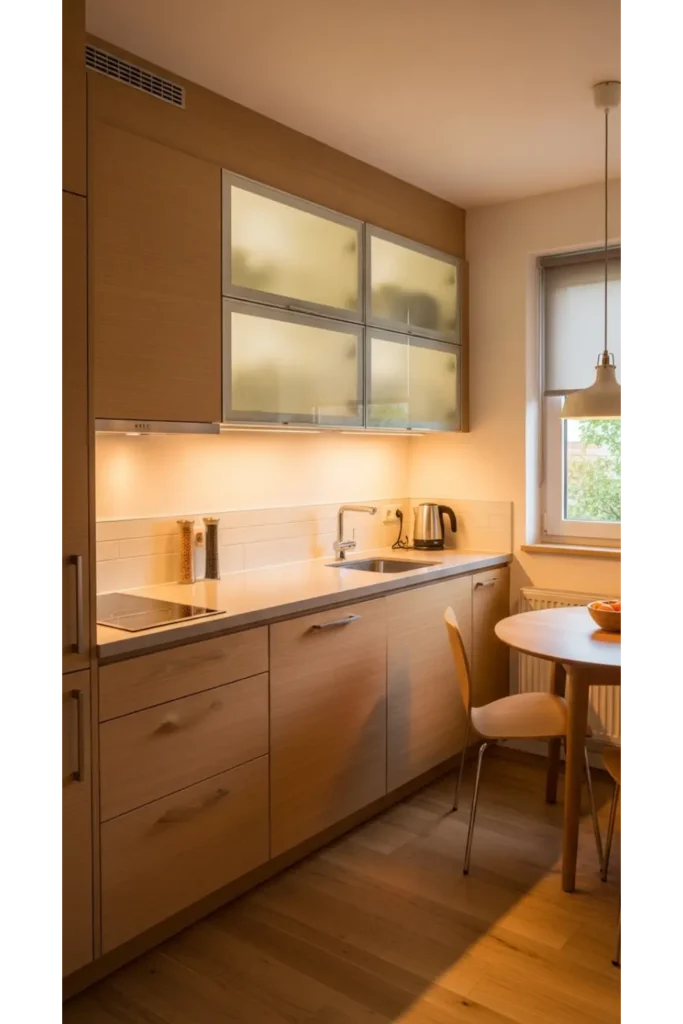
A backsplash does more than protect walls when designed with function in mind. Multi functional backsplash storage uses vertical space to hold utensils, cutting boards, or everyday cooking tools, freeing drawers and countertops that often feel overcrowded in small kitchens. By shifting storage upward, the workspace becomes more efficient and visually calmer, making daily cooking easier and more enjoyable without expanding the footprint.
When materials and finishes align with the rest of the kitchen, this type of storage feels seamless rather than busy. Metal rails, wood shelves, or ceramic holders can echo cabinet hardware or countertops for a cohesive look. The key is restraint and thoughtful placement, allowing the backsplash to work hard while still contributing to a polished, stylish environment.
16. Pocket or Sliding Doors
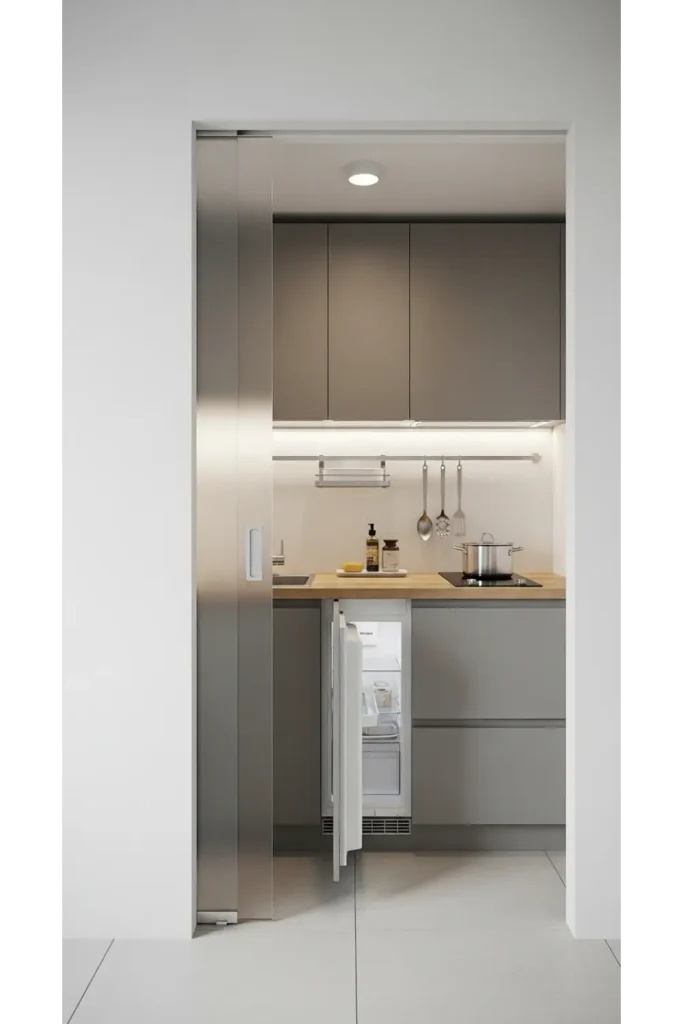
Traditional swing doors often steal valuable space in small kitchens, especially in narrow layouts. Pocket or sliding doors solve this problem by eliminating door clearance, allowing walls and corners to remain functional. This creates smoother movement through the kitchen and improves how adjacent spaces connect, which is critical when every inch must serve a purpose.
From a design standpoint, sliding doors can elevate the entire kitchen when chosen thoughtfully. Glass panels enhance light flow, while wood finishes add warmth and texture. These doors allow separation when needed without closing off the space visually, supporting an open feel while maintaining flexibility and privacy when cooking demands it.
17. Compact Sink Designs
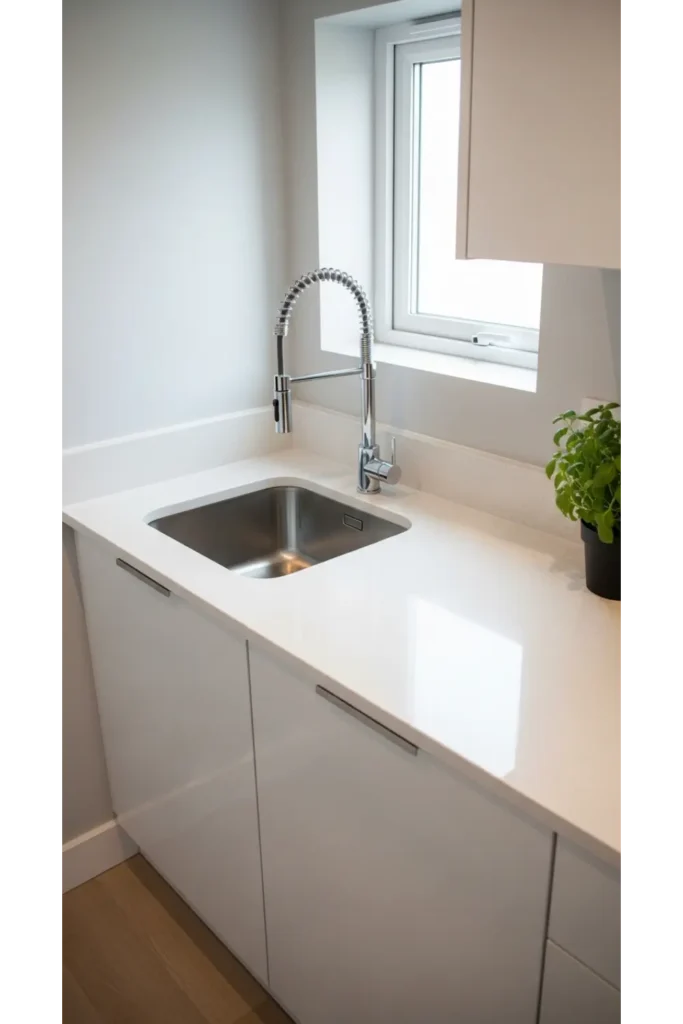
Oversized sinks often overwhelm small kitchens, both visually and physically. Compact sink designs provide just enough space for daily tasks while preserving valuable countertop area. Single bowl or shallow sinks support efficient workflows without dominating the layout, making them ideal for apartments, galley kitchens, or homes where space efficiency matters more than size.
When paired with streamlined faucets and durable materials, compact sinks feel intentional rather than compromised. Stainless steel, fireclay, or composite materials offer long term performance while maintaining a clean aesthetic. This choice reinforces the idea that smart proportions, not oversized features, define a well designed small kitchen.
18. Hidden Appliance Garages
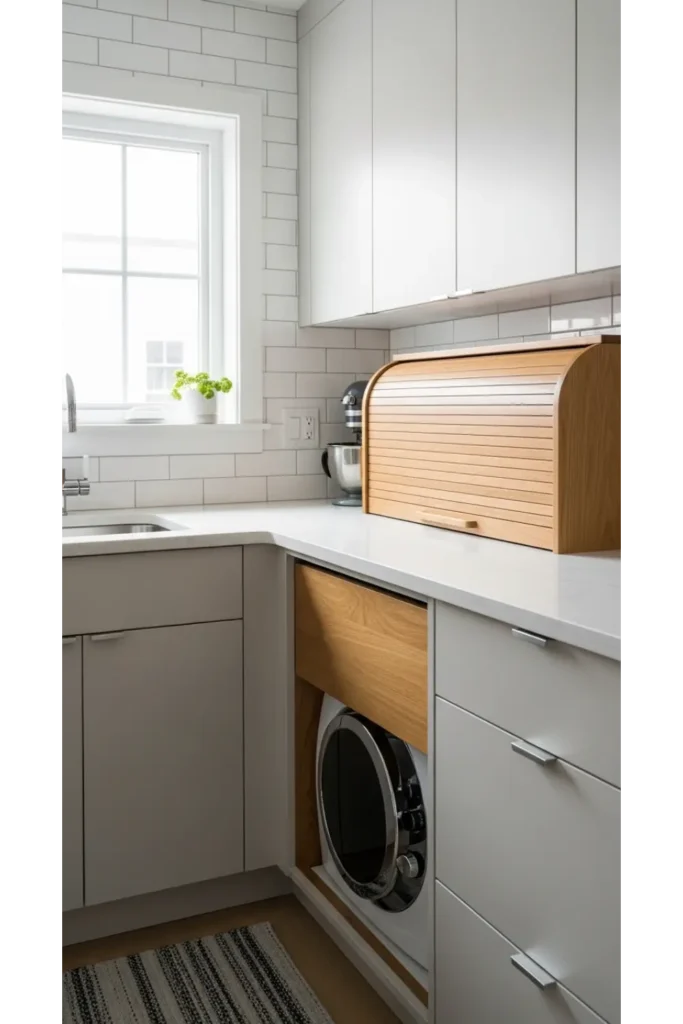
Countertop clutter quickly overwhelms small kitchens, making them feel chaotic and cramped. Hidden appliance garages provide a dedicated space for everyday tools like blenders, coffee makers, or toasters while keeping them easily accessible. Roll up or lift doors allow appliances to disappear instantly, restoring visual calm without sacrificing convenience.
Design wise, appliance garages preserve clean lines and uninterrupted surfaces. When finished in matching cabinetry, they blend seamlessly into the kitchen design. This solution supports a minimalist look while respecting real life needs, proving that practicality and style can coexist comfortably in compact spaces.
19. Seamless Flooring Transitions for Visual Flow
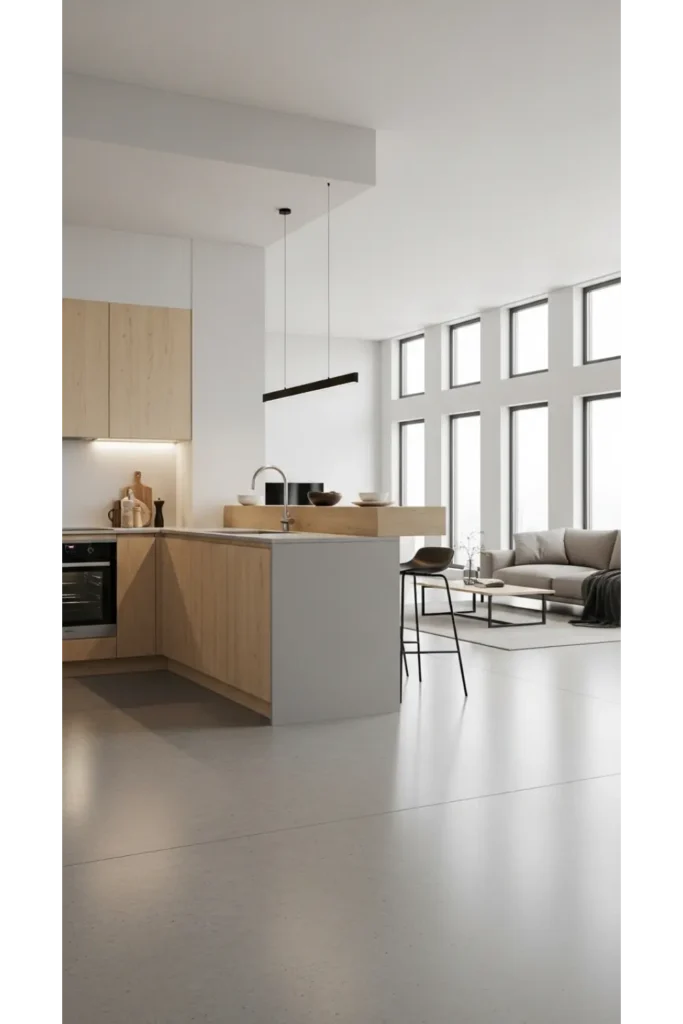
Seamless flooring transitions focus less on using one material everywhere and more on removing visual breaks between spaces. When the kitchen floor aligns perfectly with adjacent rooms, without trims or raised edges, the eye moves freely across the space. This uninterrupted surface helps a small kitchen feel visually connected rather than boxed in. It supports space saving kitchen design by improving flow and making compact layouts feel calmer and more expansive.
Choosing finishes with subtle texture or low contrast patterns enhances this effect without drawing attention downward. Large scale tiles, continuous planks, or softly patterned vinyl keep the focus on openness instead of boundaries. This technique works especially well in modern homes where kitchens blend into daily living areas, reinforcing a stylish small kitchen that feels intentional, cohesive, and thoughtfully designed.
20. Built In Spice Storage
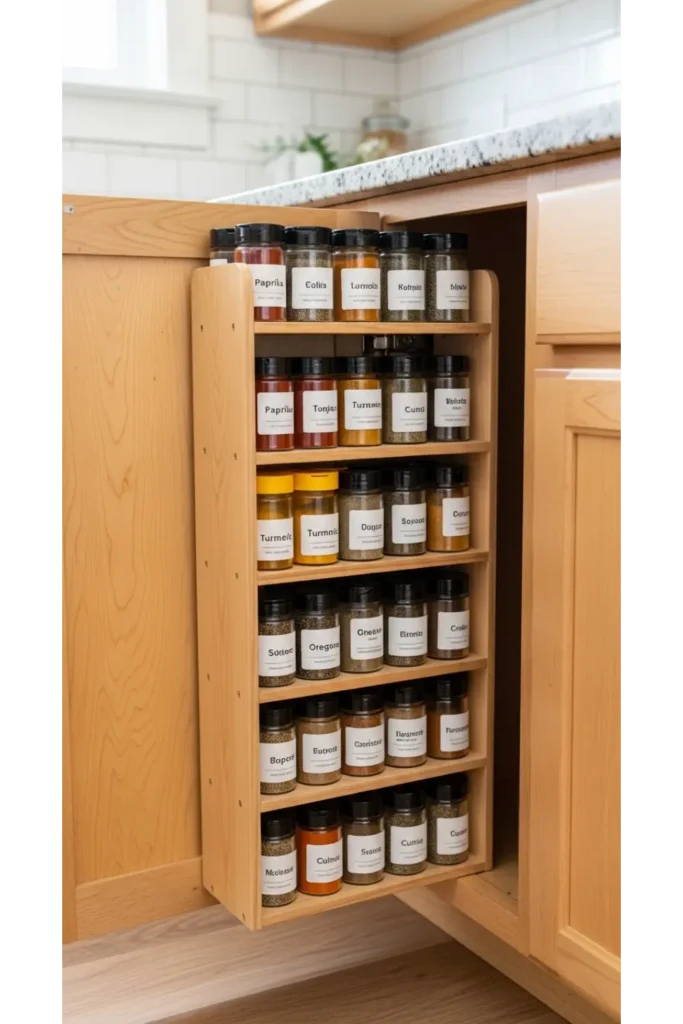
Spice storage often becomes an afterthought, yet it consumes valuable drawer and counter space. Built in spice solutions use narrow, overlooked areas such as cabinet doors or slim pull out compartments. This keeps spices visible, organized, and within reach while preserving more flexible storage for cookware and utensils.
By integrating spice storage into cabinetry, the kitchen maintains a clean exterior without sacrificing efficiency. Uniform containers and thoughtful placement enhance both function and appearance. This approach supports smoother cooking routines and reinforces a clutter free, intentional kitchen layout designed for daily use.
21. Floating Shelves Above Windows
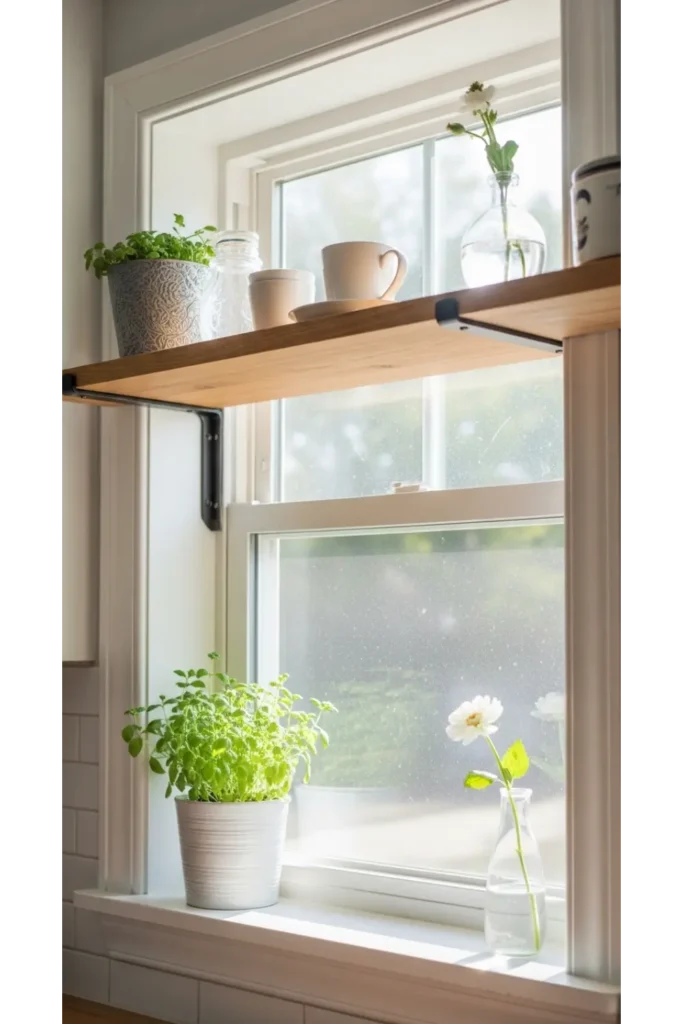
The area above kitchen windows often goes unused, yet it offers valuable storage potential. Floating shelves placed in this space provide room for light decor, cookbooks, or rarely used items without blocking natural light. This turns an overlooked zone into a functional design feature that enhances vertical balance.
When styled minimally, these shelves add character without overwhelming the room. Matching shelf materials to cabinetry or trim helps maintain cohesion. The result is a kitchen that feels thoughtfully designed from top to bottom, maximizing space while preserving openness and light.
22. Matte Finishes to Reduce Visual Noise
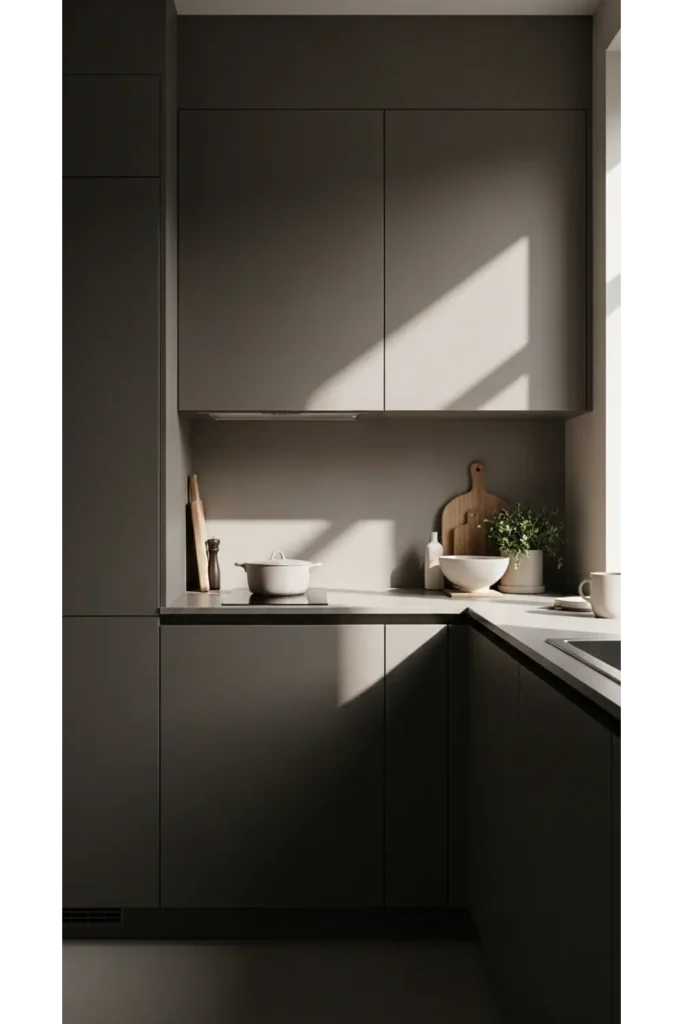
Glossy surfaces can reflect too much light in small kitchens, creating visual clutter and distraction. Matte finishes absorb light softly, producing a calmer and more cohesive environment. Cabinets and countertops with matte textures feel grounded and refined, helping the space appear more organized and less visually busy.
Beyond aesthetics, matte surfaces are practical. They hide fingerprints and smudges better, which is especially helpful in high use areas. This finish supports a clean, modern look while reducing maintenance stress, making it a smart choice for kitchens that prioritize both beauty and livability.
23. Built In Trash and Recycling
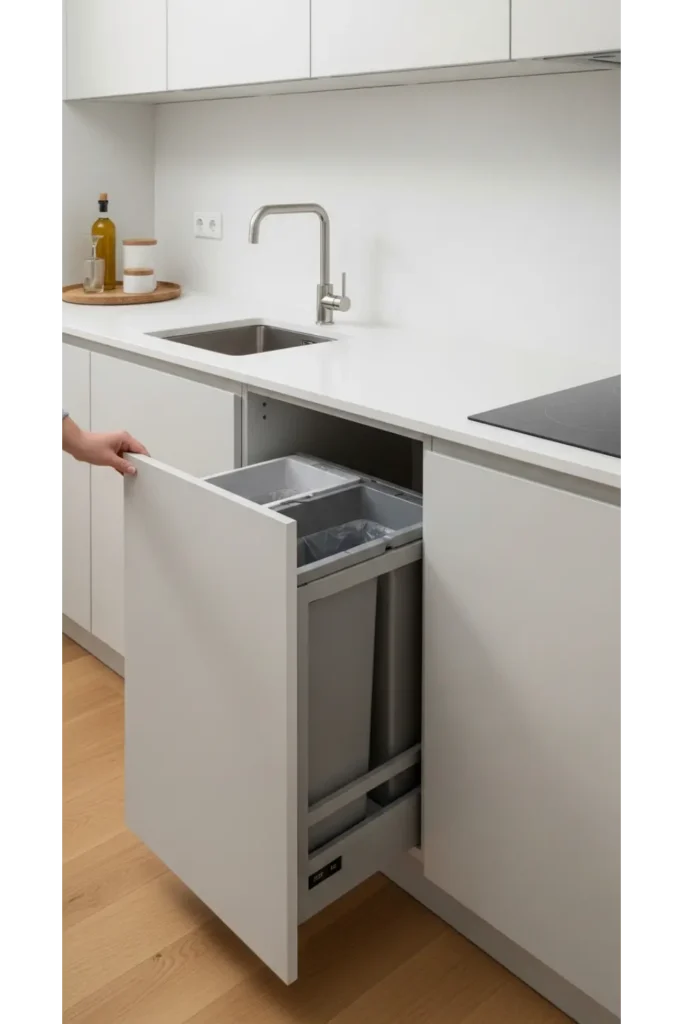
Visible trash bins disrupt the flow of small kitchens and occupy precious floor space. Built in trash and recycling systems solve this by integrating bins directly into cabinetry. Pull out designs keep waste concealed yet accessible, improving hygiene and freeing up room for movement and storage.
When hidden behind matching cabinet fronts, these systems disappear visually. This supports a streamlined kitchen design where every element feels intentional. Built in waste solutions enhance daily efficiency while maintaining a polished, clutter free appearance that suits compact layouts.
24. Thoughtful Minimal Styling
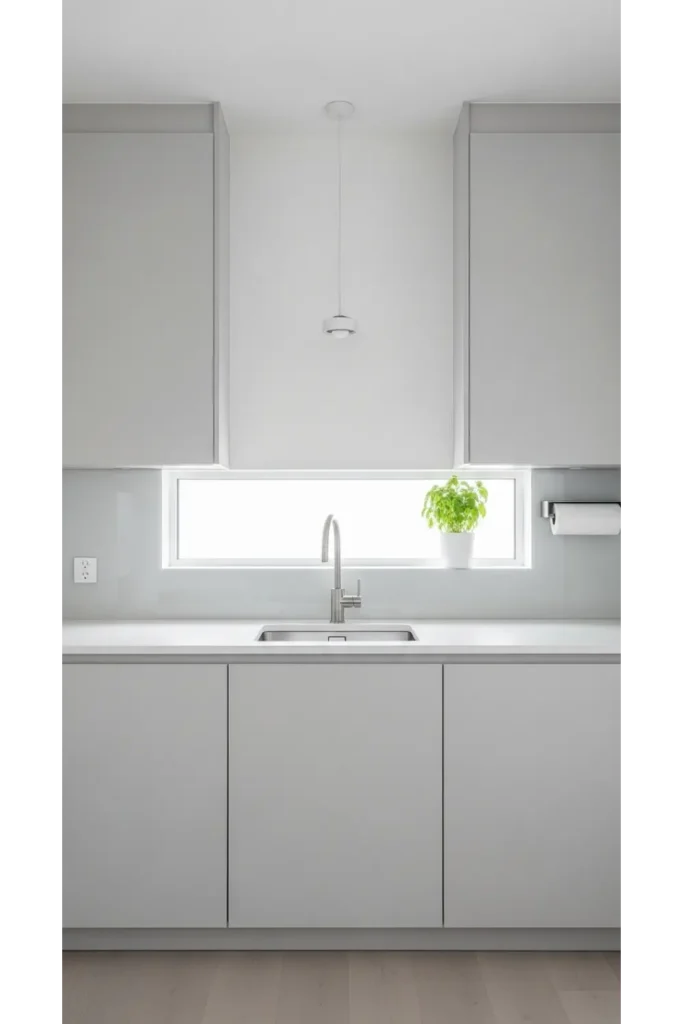
In small kitchens, styling choices matter as much as layout. Thoughtful minimal styling focuses on keeping only what serves a purpose or adds genuine value. Clear countertops and restrained decor allow architectural elements and materials to shine, making the kitchen feel larger and more serene.
Choosing fewer, higher quality accents creates a refined atmosphere without sacrificing warmth. Plants, textured ceramics, or a single statement piece can add personality without crowding the space. This approach reinforces clarity, balance, and comfort, proving that less truly can feel like more.
Conclusion
Designing a small kitchen is about making smart choices that respect both space and lifestyle. With the right strategies, even the most compact kitchen can feel open, efficient, and beautiful. These ideas show how thoughtful design, clever storage, and subtle style decisions work together to create kitchens that truly support daily life while looking effortlessly polished.