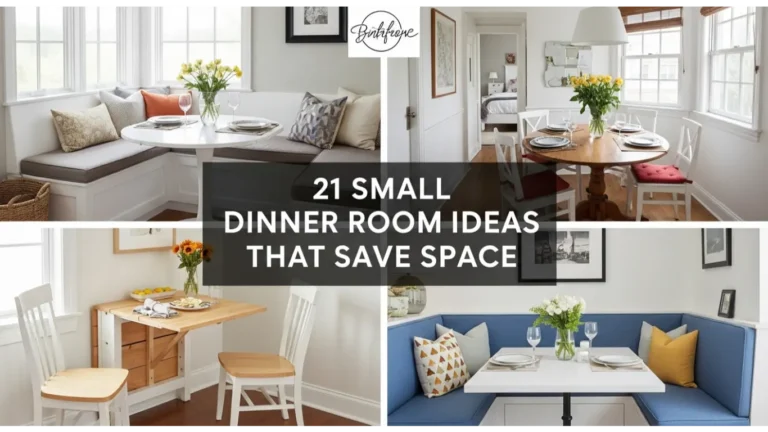
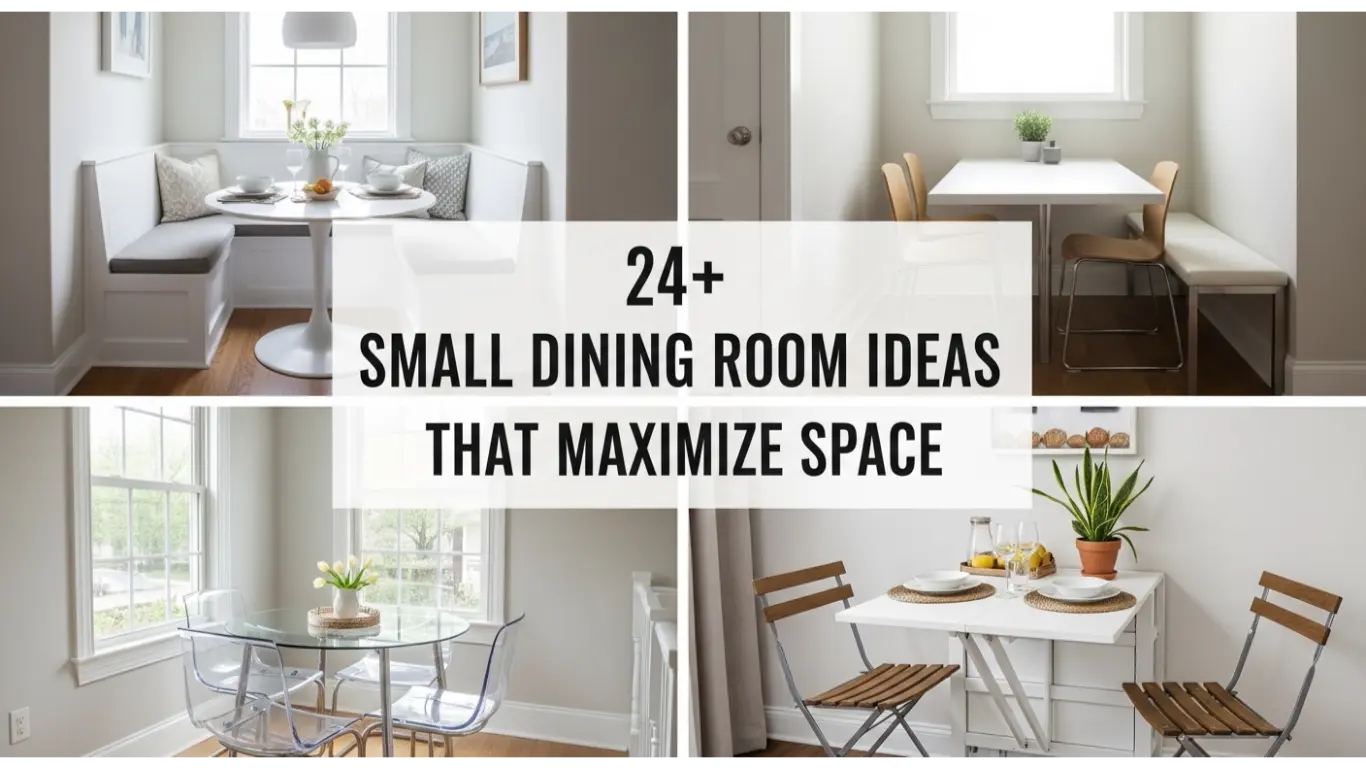
24+ Small Dining Room Ideas That Maximize Space
A small dining room can still feel inviting, practical, and beautifully designed when every choice works hard for the space. The right layout, furniture scale, lighting, and storage can transform even the tightest dining nook into a place you enjoy using every day. This guide shares small dining room ideas that maximize space while keeping comfort and style front and center. Each idea focuses on smart design moves that real homes can use right now, not showroom-only concepts.
1. Smart Layout Planning for Tight Dining Areas
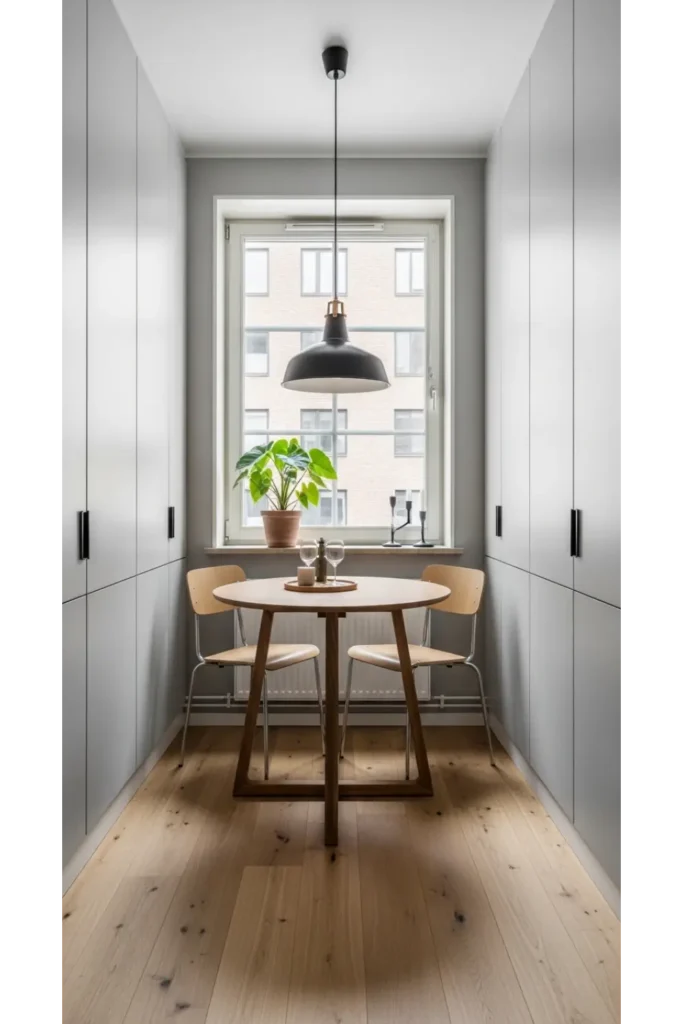
Designing small dining room ideas that maximize space always starts with layout. When floor space feels limited, every inch matters. Position the table closer to a wall or window to open up walkways and prevent congestion. Choose a shape that fits the room, such as a round table for square rooms or a narrow rectangle for long spaces. Good layout choices reduce clutter before furniture even enters the room.
Clear paths help a small dining room feel larger than it is. Avoid placing furniture where doors or hallways meet. Keep chairs light and easy to move so the room adapts to daily use. A thoughtful layout makes the dining area feel intentional, not squeezed in. This foundation supports all other space saving dining room upgrades that follow.
2. Wall Mounted Drop Leaf Dining Tables
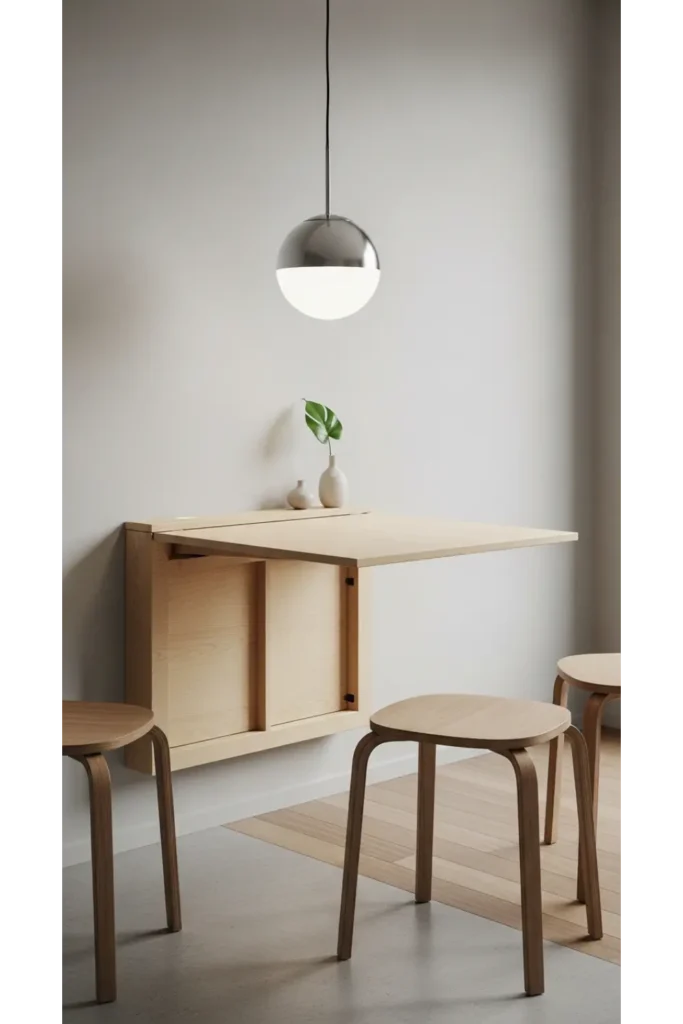
Wall mounted drop leaf tables shine in small dining room ideas that maximize space because they adapt instantly. When folded down, they free up valuable floor area for movement or other activities. When guests arrive, the leaf lifts to provide a functional dining surface without permanent bulk. This flexibility makes them ideal for apartments and multipurpose rooms.
Choose a sturdy design with clean lines to avoid visual clutter. Pair it with stackable or foldable chairs that store easily when not in use. This approach keeps the room open while still allowing comfortable meals. Wall mounted tables blend function and design in a way that supports compact dining room design goals without compromise.
3. Round Tables That Improve Flow
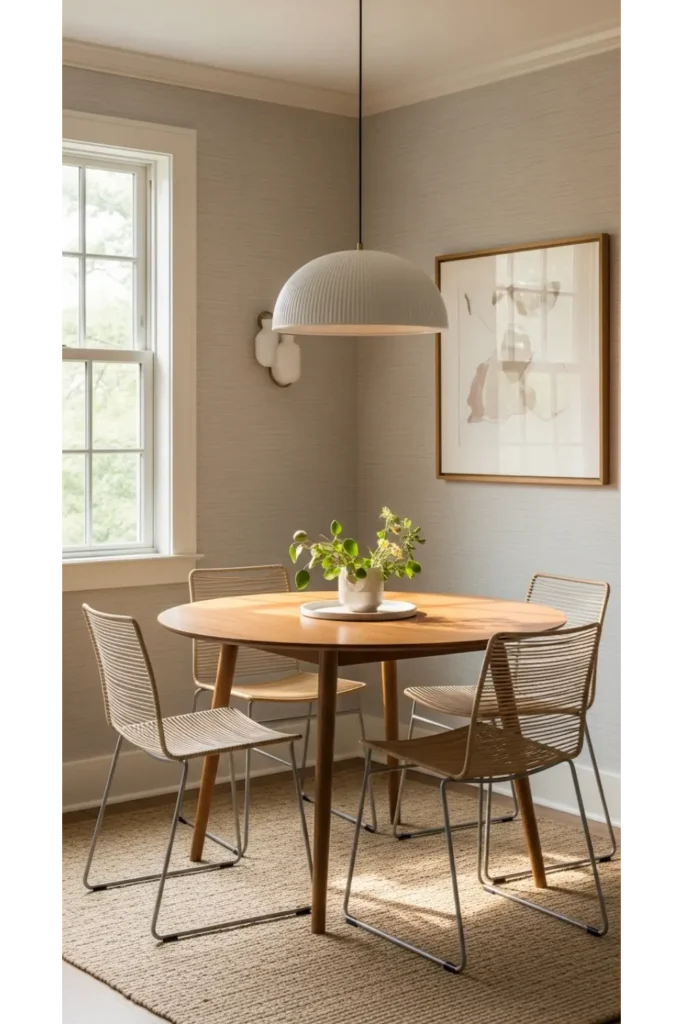
Round tables work well in small dining room ideas that maximize space because they remove sharp corners. This improves circulation and makes the room feel less crowded. People can move around the table more easily, which matters in tight layouts. A round shape also encourages conversation and creates a cozy dining experience.
Look for pedestal bases instead of four legs. This design opens up legroom and allows chairs to tuck in fully. Keep the tabletop size proportional to the room to avoid visual heaviness. Round tables offer balance, comfort, and efficiency, making them a strong choice for small dining spaces.
4. Banquette Seating Along the Wall
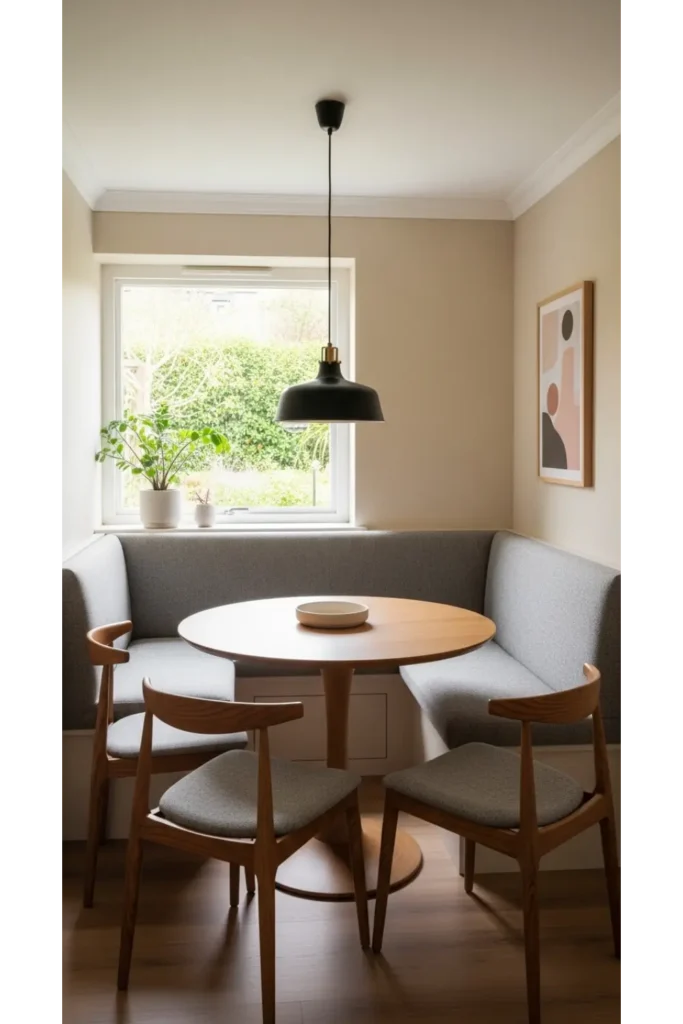
Banquette seating is a favorite in small dining room ideas that maximize space because it replaces bulky chairs with streamlined benches. Installed along a wall or corner, banquettes use areas that often go wasted. They create a built-in look that feels custom and intentional while saving precious inches.
Many banquettes include hidden storage beneath the seats. This adds a practical layer for storing linens, tableware, or seasonal items. Paired with a compact table, banquette seating turns tight corners into functional dining zones. It supports both comfort and space efficient dining without sacrificing style.
5. Glass Top Tables for Visual Lightness
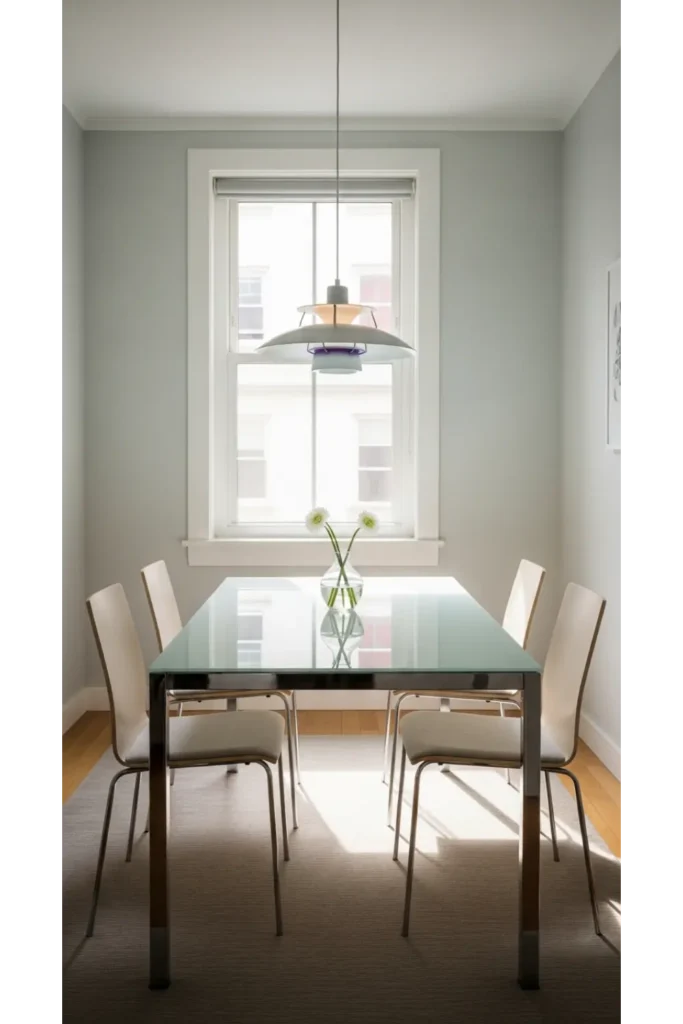
Glass top tables enhance small dining room ideas that maximize space by reducing visual weight. Transparent surfaces allow light to pass through, making the room feel more open. Even in narrow spaces, glass tables prevent the boxed-in feeling that solid wood can create.
Pair glass tops with slim metal or wood bases to maintain balance. Keep surrounding decor simple so the table remains the focal point. Glass tables work especially well in apartments with limited natural light. This subtle design trick supports open feeling dining rooms without altering the layout.
6. Lightweight Dining Chairs with Open Visual Design
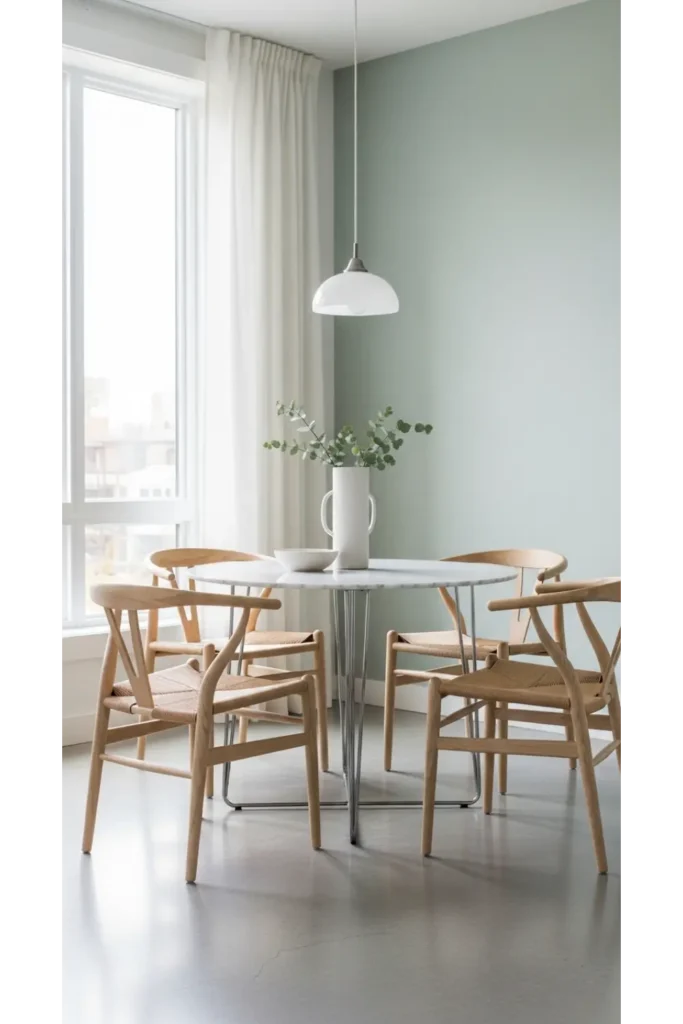
Lightweight chairs with open visual design work beautifully in small dining room ideas that maximize space because they reduce both physical and visual bulk. Chairs with cut out backs, slender frames, or airy silhouettes allow light and sightlines to pass through, helping the room feel less crowded. This approach keeps the dining area visually breathable, which is essential when square footage feels limited.
Material choice matters just as much as shape. Metal, molded plastic, or slim wood frames provide durability without heaviness. Chairs that slide fully under the table help maintain clean circulation paths and improve daily usability. When seating feels visually light yet structurally sound, it supports minimal dining room design while keeping the space comfortable, balanced, and easy to live with.
7. Built In Storage Walls
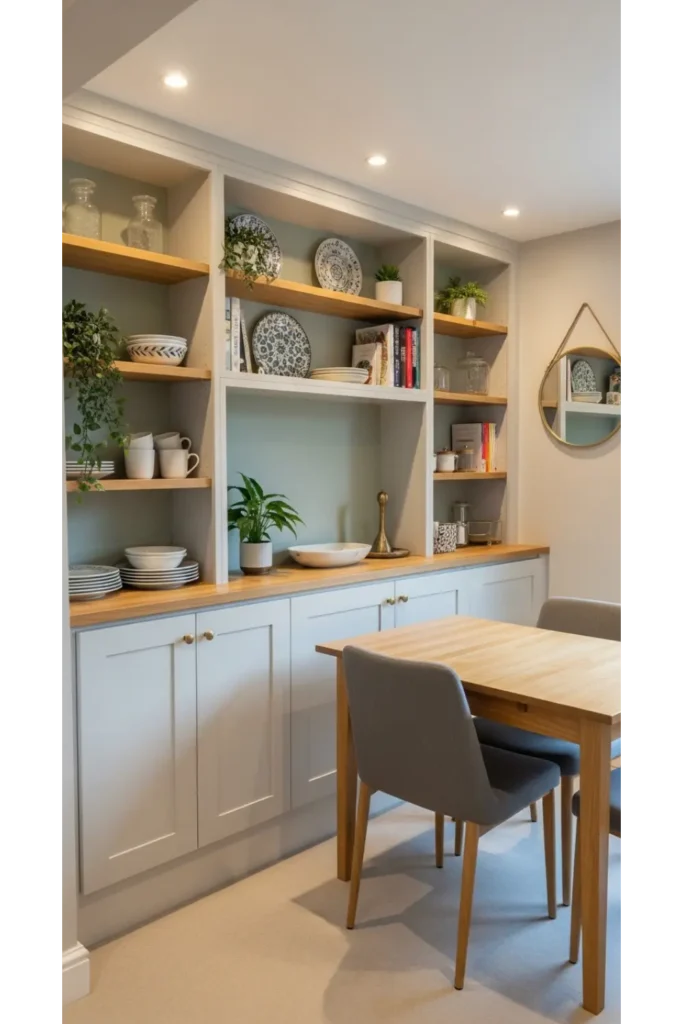
Built in storage plays a major role in small dining room ideas that maximize space. Floor to ceiling cabinets or shelves turn unused walls into hardworking storage zones. This reduces clutter and eliminates the need for extra furniture.
Use a mix of closed cabinets and open shelving. Closed storage hides everyday items, while open shelves display curated decor. Keep finishes light to avoid crowding the room visually. Smart storage solutions help small dining rooms feel organized, calm, and intentionally designed.
8. Reflective Surfaces That Add Depth Without Clutter
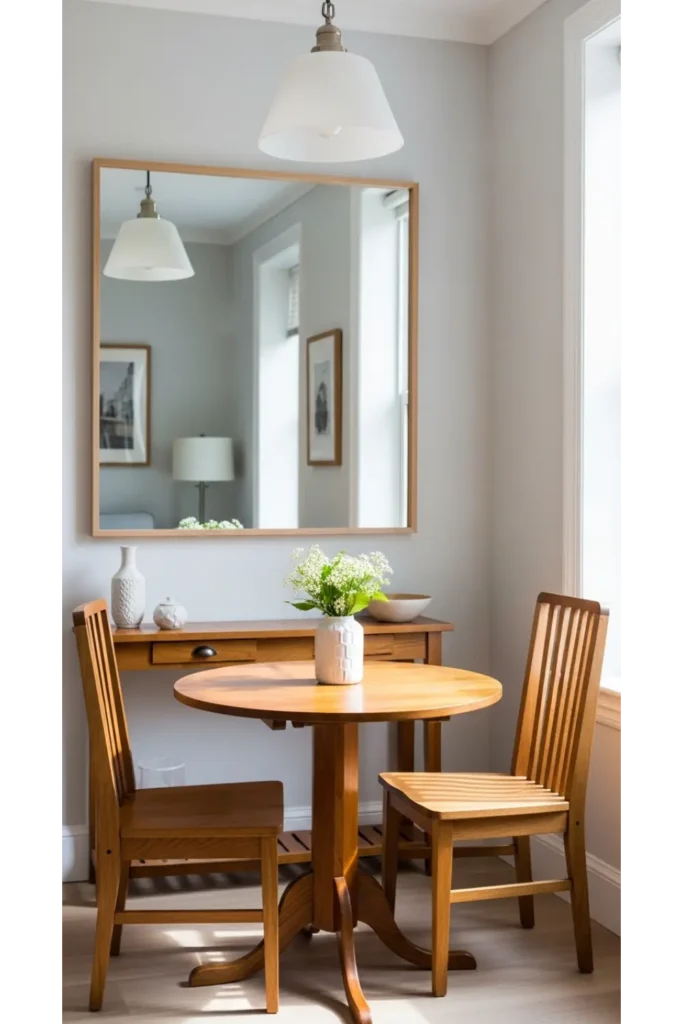
Reflective surfaces offer a refined alternative within small dining room ideas that maximize space, especially when traditional mirrors feel overused. Instead of large framed mirrors, consider subtle reflective panels, mirrored tiles, or glossy wall finishes that bounce light gently across the room. These surfaces expand visual depth without becoming the main focal point, allowing the dining area to feel larger while staying visually calm and balanced.
Placement and restraint are key to success. Reflective finishes work best on one wall or partial surface, such as behind a dining table or along a narrow side wall. Keeping reflections soft prevents visual overload and maintains comfort. When used thoughtfully, reflective surfaces support visual space expansion while blending naturally into a compact dining room design rather than overpowering it.
9. Light Color Palettes
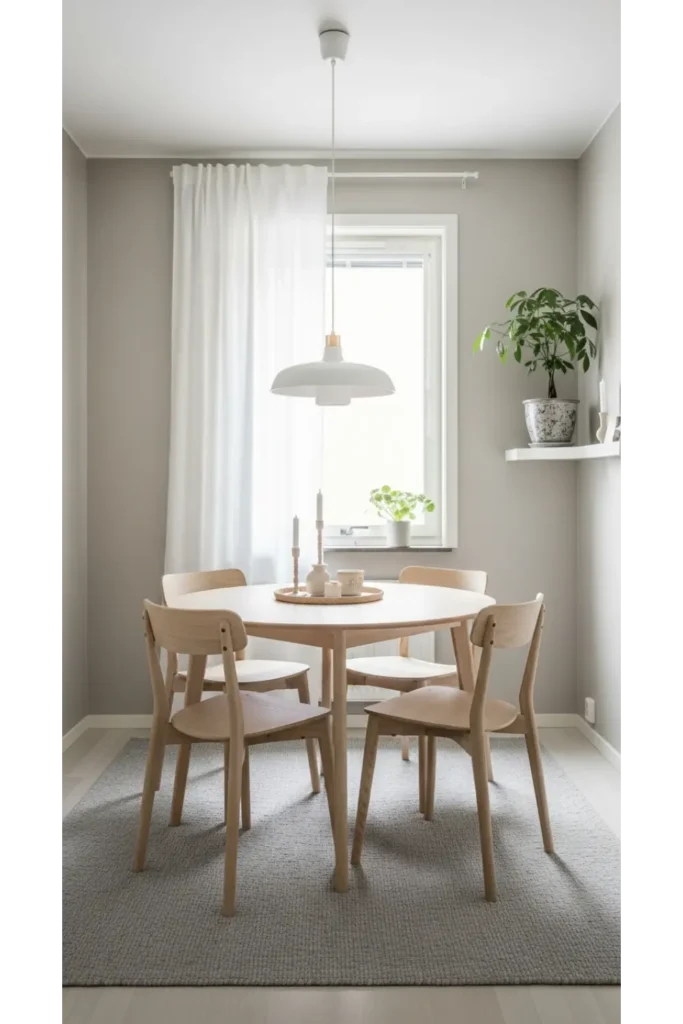
Light colors remain essential in small dining room ideas that maximize space. Whites, creams, and soft neutrals reflect light and reduce visual boundaries. These tones help walls recede, creating a more open feel.
Layer light shades with subtle texture to avoid flatness. Wood accents or soft fabrics add warmth without heaviness. A cohesive palette keeps the dining area calm and inviting, reinforcing small space dining solutions that feel effortless.
10. Vertical Wall Features That Lift the Eye
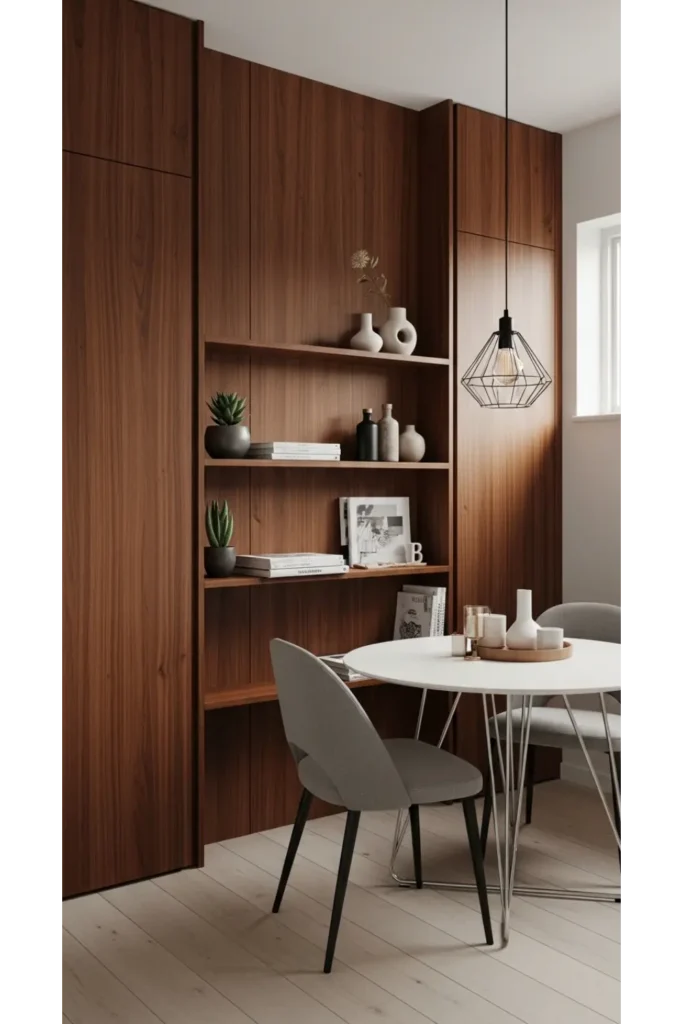
Using vertical wall features is a refined approach within small dining room ideas that maximize space because it changes how the room is perceived rather than just where items are stored. Elements like narrow wall panels, tall art pieces, slim column shelves, or vertical slat detailing naturally guide the eye upward. This visual lift makes ceilings feel higher and the dining area less compressed, even when the actual footprint remains unchanged.
The key is moderation and rhythm. Instead of filling the entire wall with shelving, mix vertical elements with open wall space to maintain balance. Reserve higher zones for decorative pieces or less frequently used items to avoid visual heaviness. When vertical emphasis feels intentional and uncluttered, it enhances compact dining room design while quietly improving spatial flow and comfort.
11. Multi Functional Furniture Pieces
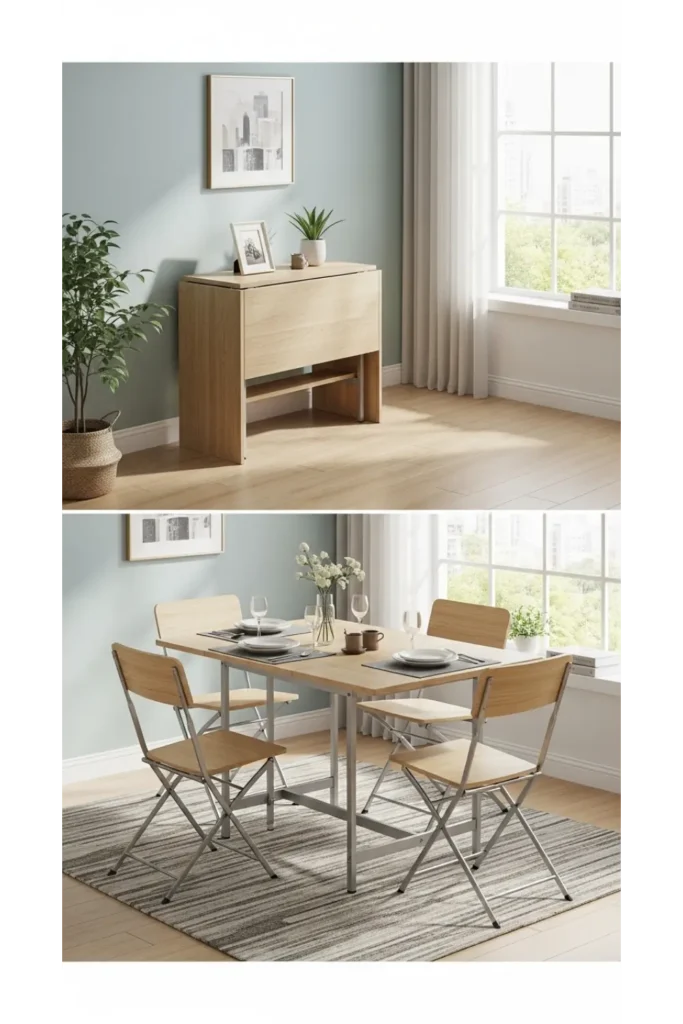
Multi functional furniture strengthens small dining room ideas that maximize space. Tables with storage drawers or benches that double as seating and storage reduce the number of pieces needed. This keeps the room streamlined.
Look for furniture that adapts to daily life. Pieces that serve more than one purpose support flexibility and long term use. Multifunctional design helps small dining rooms stay practical without feeling crowded.
12. Open Shelving Instead of Cabinets
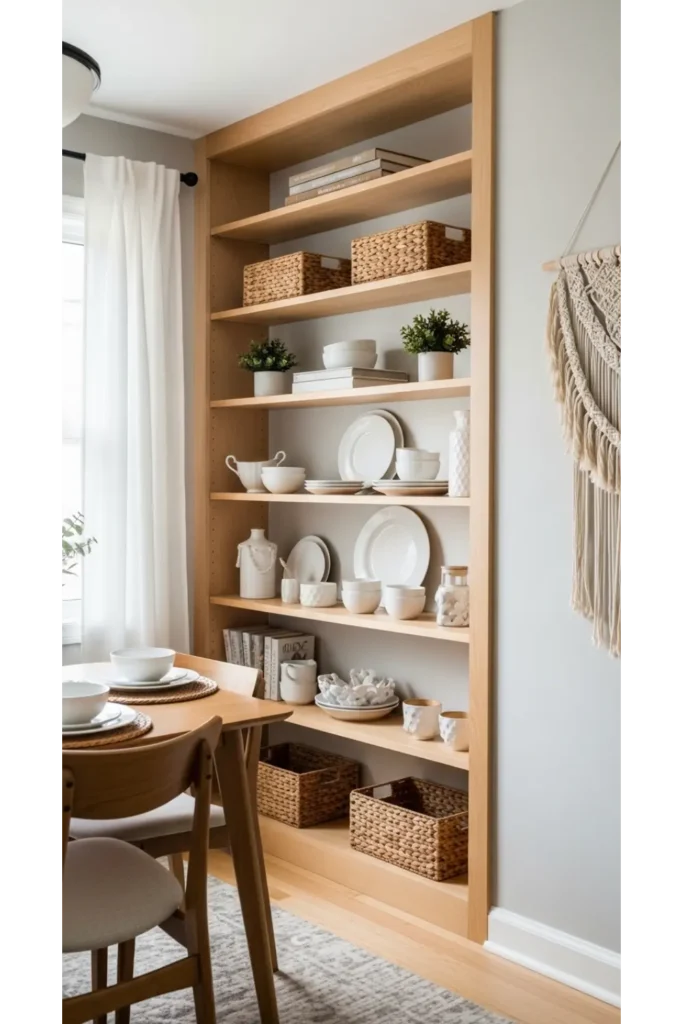
Open shelving fits beautifully into small dining room ideas that maximize space because it removes the heavy visual blocks created by upper cabinets. When walls stay more open, the room instantly feels wider and less boxed in. Shelves allow light to move freely, which matters in compact dining areas that already struggle with depth. They also make everyday items easier to access, supporting a more relaxed and lived in dining experience.
To keep shelves functional rather than cluttered, focus on intention. Display frequently used dishes, glassware, or serving pieces in a limited color palette. Consistent spacing and repetition create calm instead of chaos. When styled thoughtfully, open shelving delivers efficient dining room storage while adding warmth, personality, and visual breathing room to a small dining space.
13. Compact Pendant Lighting
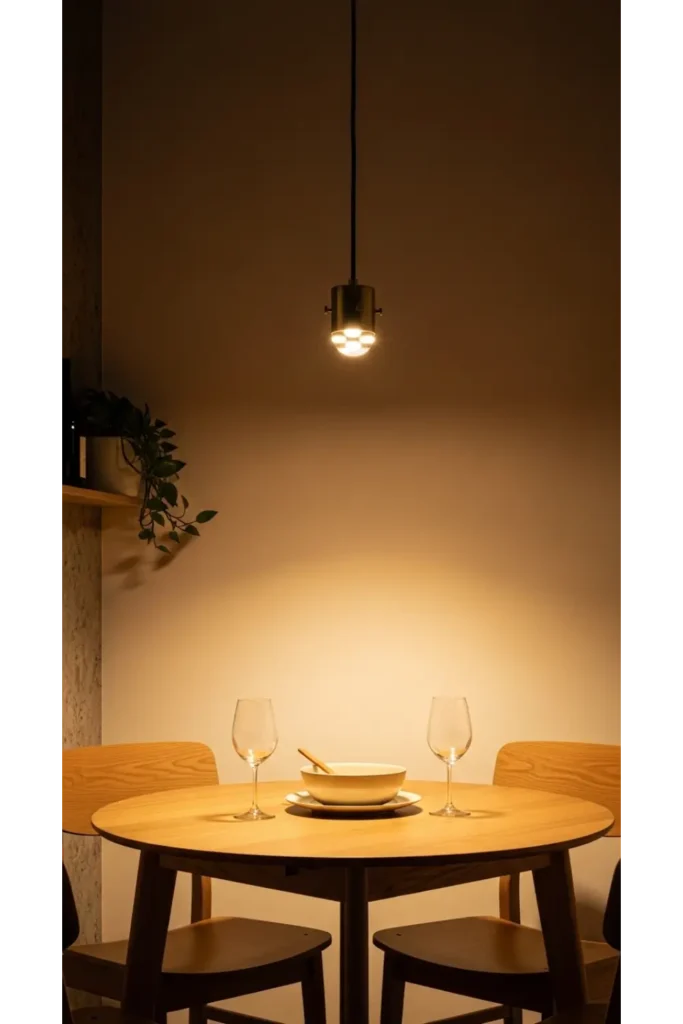
Lighting plays a quiet but powerful role in small dining room ideas that maximize space. Compact pendant lights define the dining area without overwhelming it, which is critical when ceilings feel low or square footage is tight. A well sized pendant draws the eye upward just enough to create structure while keeping the room balanced. Focused lighting also improves comfort during meals without requiring multiple fixtures.
The key lies in proportion. Choose pendants that align closely with table width and hang them at a height that keeps sightlines clear. Soft, warm bulbs help the space feel inviting rather than stark. When lighting feels intentional and scaled correctly, it supports balanced dining room design and makes small rooms feel thoughtfully finished rather than improvised.
14. Window Side Dining Nooks
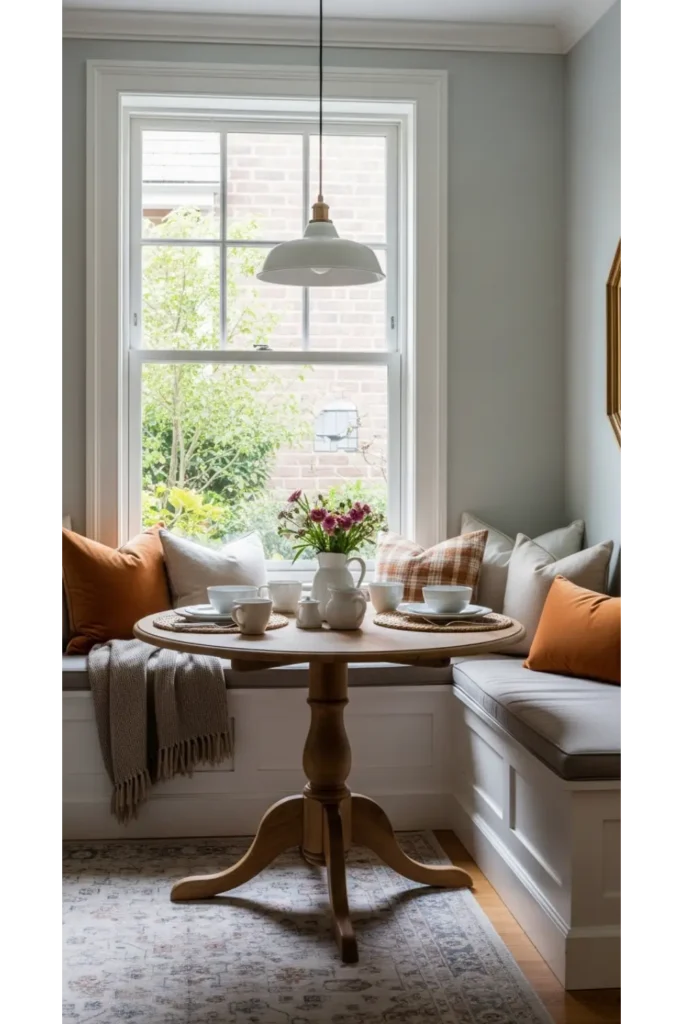
Placing dining furniture near a window is a smart move in small dining room ideas that maximize space because it uses natural light to visually expand the room. Window side nooks often occupy overlooked areas that would otherwise remain unused. The light creates openness, while the boundary of the window naturally defines the dining zone without walls or bulky dividers.
A compact table paired with light seating works best here. Keep furniture low profile so the window remains the focal point. Natural light improves both mood and spatial perception, making meals feel more relaxed. Window side dining setups feel intentional and efficient, supporting small dining spaces that benefit from clarity and simplicity.
15. Foldable Dining Chairs
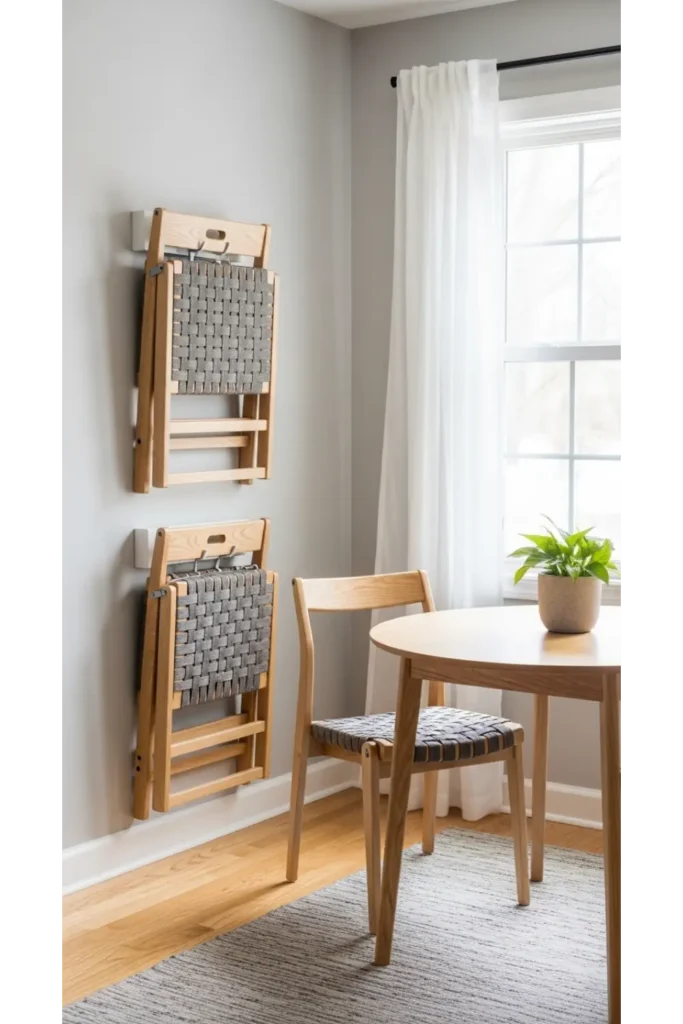
Foldable seating supports small dining room ideas that maximize space by allowing flexibility without permanent visual clutter. These chairs stay out of the way during daily routines and appear only when extra seating is needed. This adaptability helps small dining rooms serve multiple functions, from workspaces to open walkways, without constant rearranging.
Modern foldable chairs no longer feel temporary or flimsy. Many designs blend clean lines with sturdy materials, making them comfortable enough for daily use. When folded flat, they store easily in closets or along walls. Foldable seating keeps dining rooms open, responsive, and aligned with space efficient dining principles.
16. Minimal Table Centerpieces
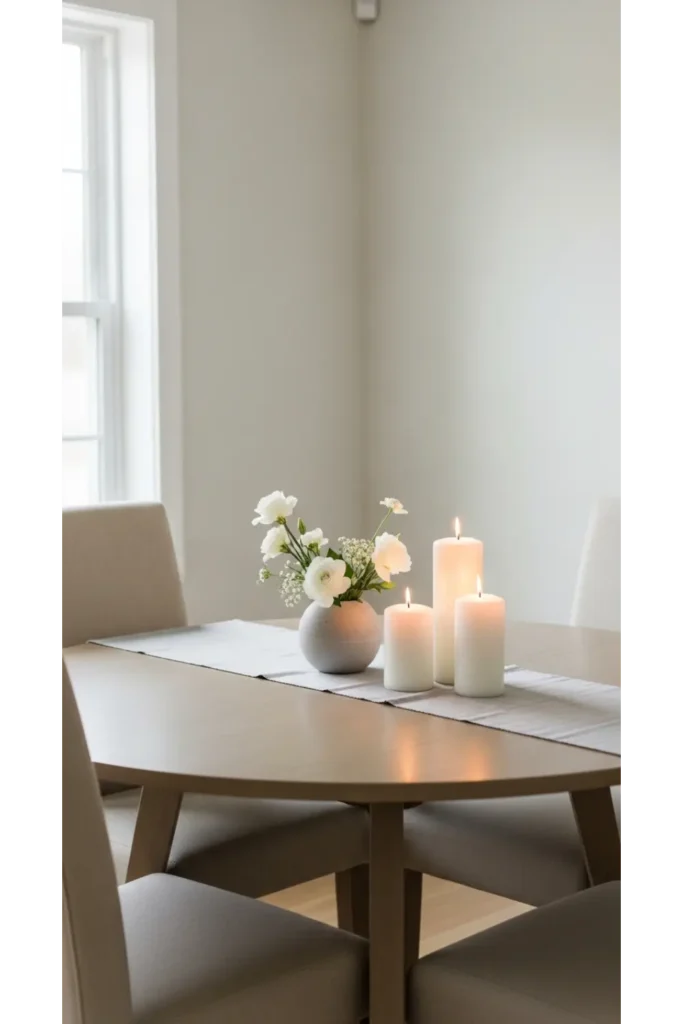
Decor choices strongly affect small dining room ideas that maximize space, especially on the table itself. Oversized centerpieces consume usable surface area and visually crowd the room. Minimal centerpieces maintain function while still adding style. Low profile decor allows the table to remain practical for everyday meals without constant clearing.
Simple elements like a small plant, shallow bowl, or narrow tray add interest without dominating the space. Choose textures and colors that echo the room’s palette for cohesion. Thoughtful restraint in decor supports clean dining room aesthetics, helping small spaces feel calm, intentional, and easy to live in.
17. Sliding Doors for Dining Areas
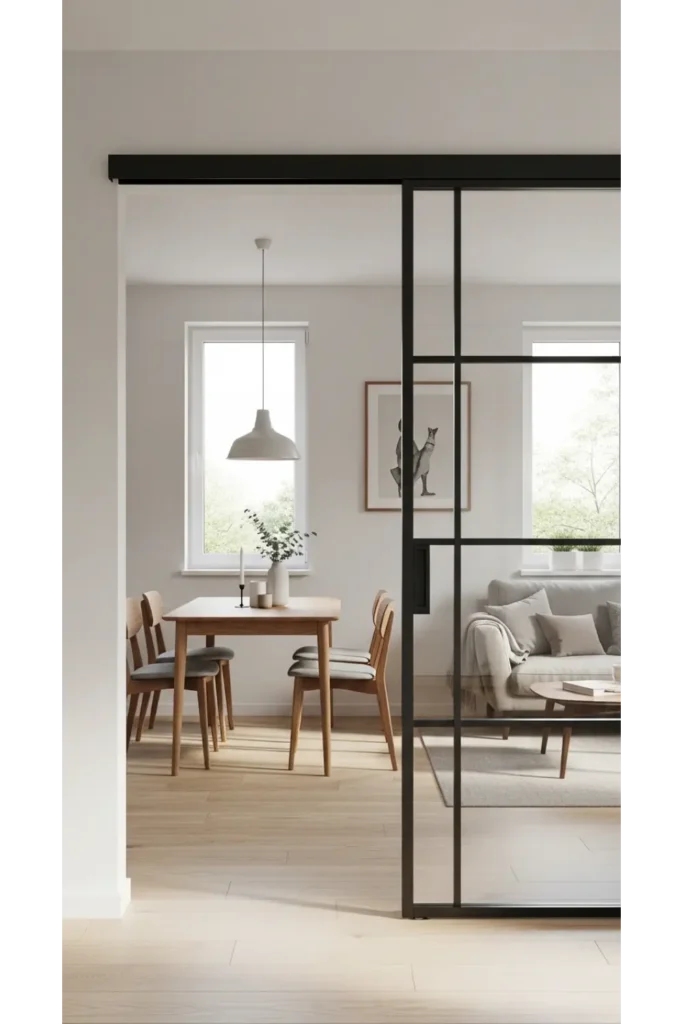
Traditional doors often work against small dining room ideas that maximize space because they require swing clearance. Sliding doors eliminate that issue. They allow rooms to connect or separate without sacrificing valuable floor area. This matters most in tight layouts where every square foot counts.
Glass sliding doors offer an added benefit by letting light flow between spaces. This keeps the dining area feeling open even when enclosed. Whether separating a kitchen or living area, sliding doors improve circulation and flexibility. Smart door choices enhance compact dining room design while preserving comfort and visual openness.
18. Built In Corner Dining Sets
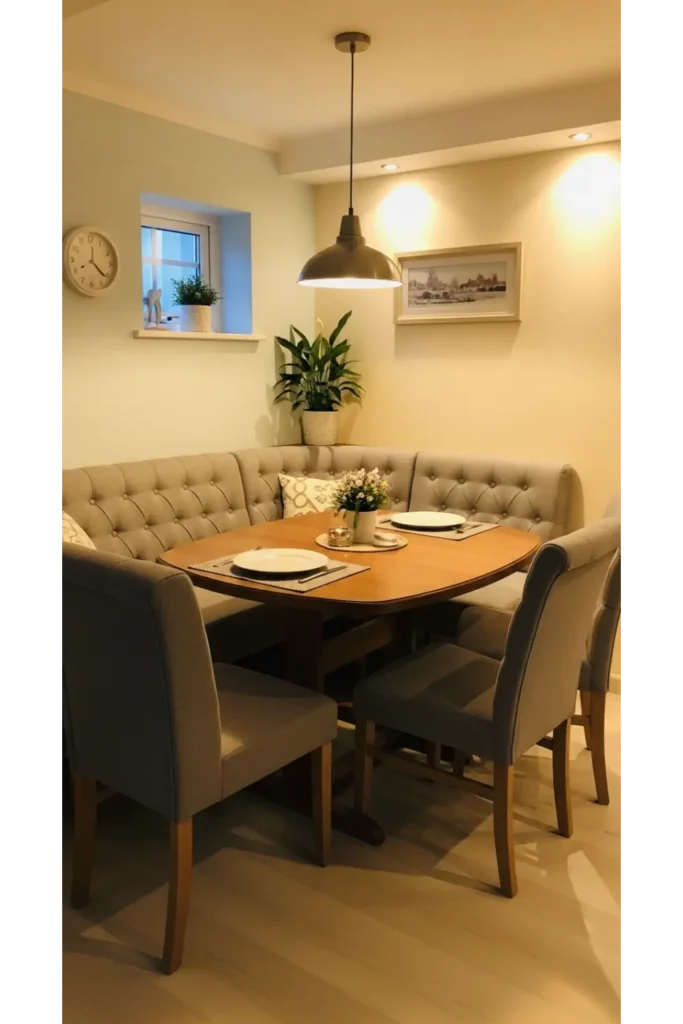
Corner seating works naturally with small dining room ideas that maximize space because it turns awkward angles into functional seating zones. Built in benches follow the room’s footprint, reducing wasted gaps and allowing tables to sit closer without feeling cramped. This setup creates a cozy dining environment without overcrowding.
Built in seating also increases capacity without adding visual bulk. Many designs include hidden storage beneath the benches, adding practicality. Corner dining sets support efficient use of dining space, especially in apartments or open plan homes where layout efficiency defines comfort.
19. Transparent Chairs
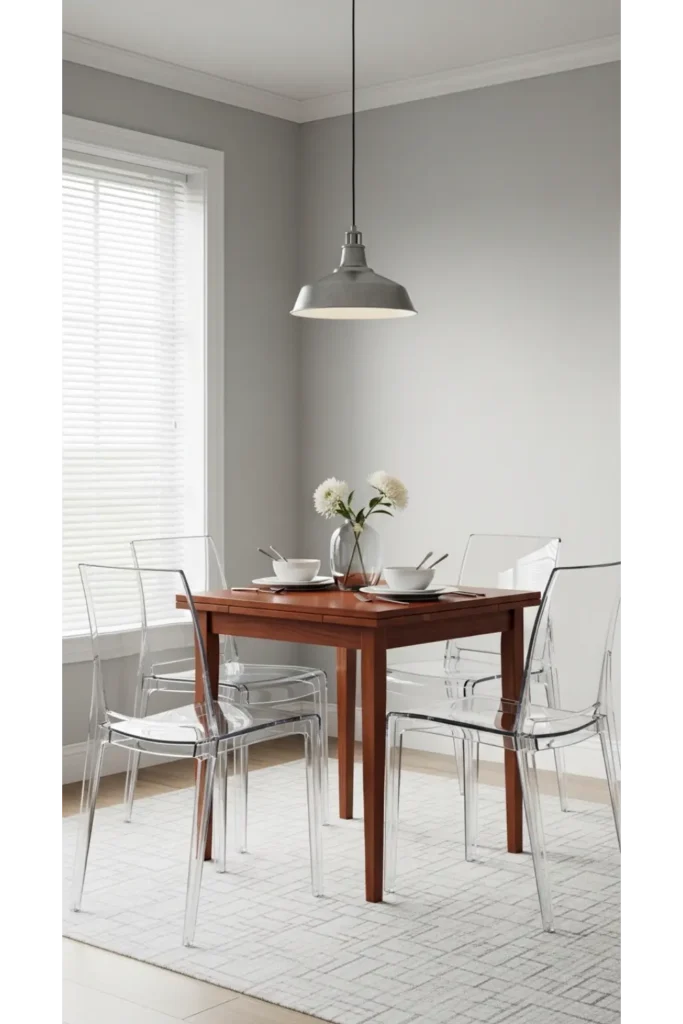
Transparent chairs align seamlessly with small dining room ideas that maximize space by reducing visual interruption. Because the material allows light to pass through, the room feels less crowded even when fully furnished. These chairs maintain seating capacity without adding visual weight to the layout.
Clear chairs work especially well with glass or light wood tables. Their minimal presence keeps focus on the room itself rather than the furniture. When chosen with quality materials and ergonomic shapes, transparent chairs support lightweight dining design while remaining practical for everyday use.
20. Wall Art with Depth
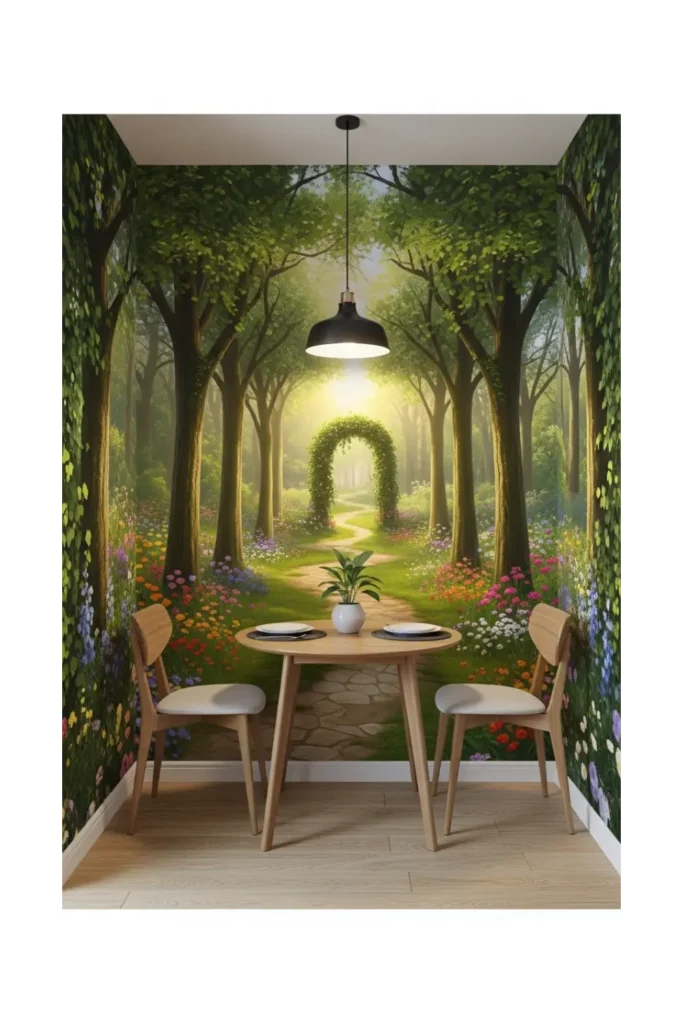
Wall art influences how small dining room ideas that maximize space feel when used strategically. Artwork with depth, perspective, or subtle motion draws the eye beyond the wall surface. This visual expansion helps counter the physical limits of a compact dining area without structural changes.
Scale matters more than quantity. One well chosen piece often works better than multiple small ones. Keep frames slim and finishes consistent with the room’s style. Thoughtful art placement supports visual space expansion while adding personality and warmth.
21. Narrow Rectangular Tables
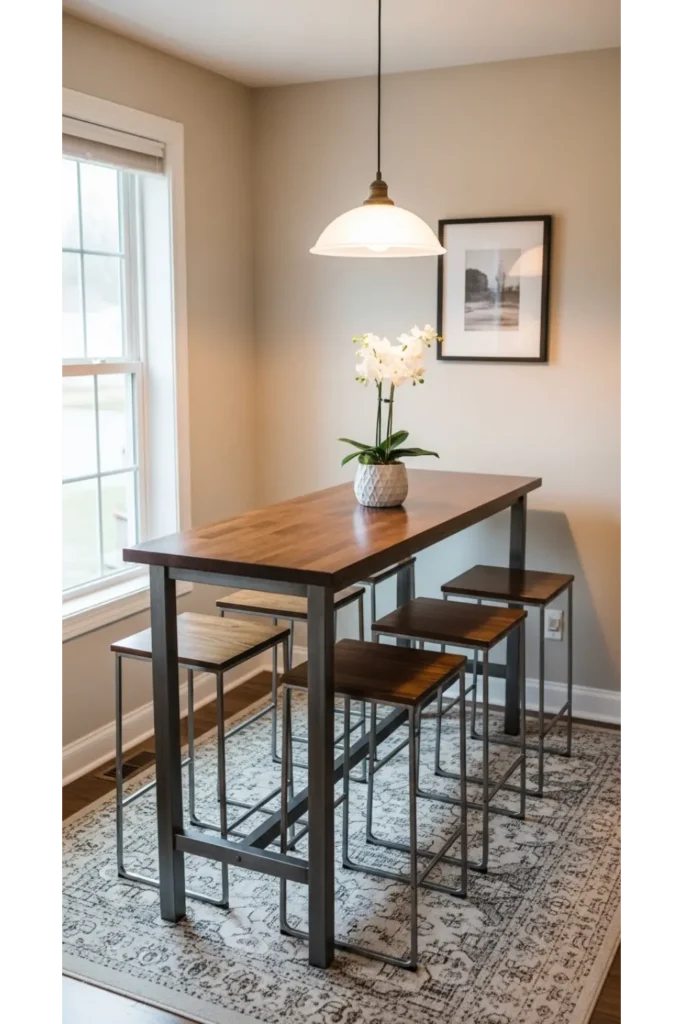
Narrow tables are essential in small dining room ideas that maximize space when width is limited. Their slim profile fits comfortably in long or tight rooms, allowing enough clearance for movement. This shape also works well against walls or banquettes without disrupting flow.
Pair narrow tables with chairs that tuck in fully to maintain openness. Materials should stay light to avoid visual heaviness. Narrow tables deliver full dining function while respecting spatial limits, supporting space saving dining room solutions that feel intentional rather than compromised.
22. Neutral Rugs to Define Space
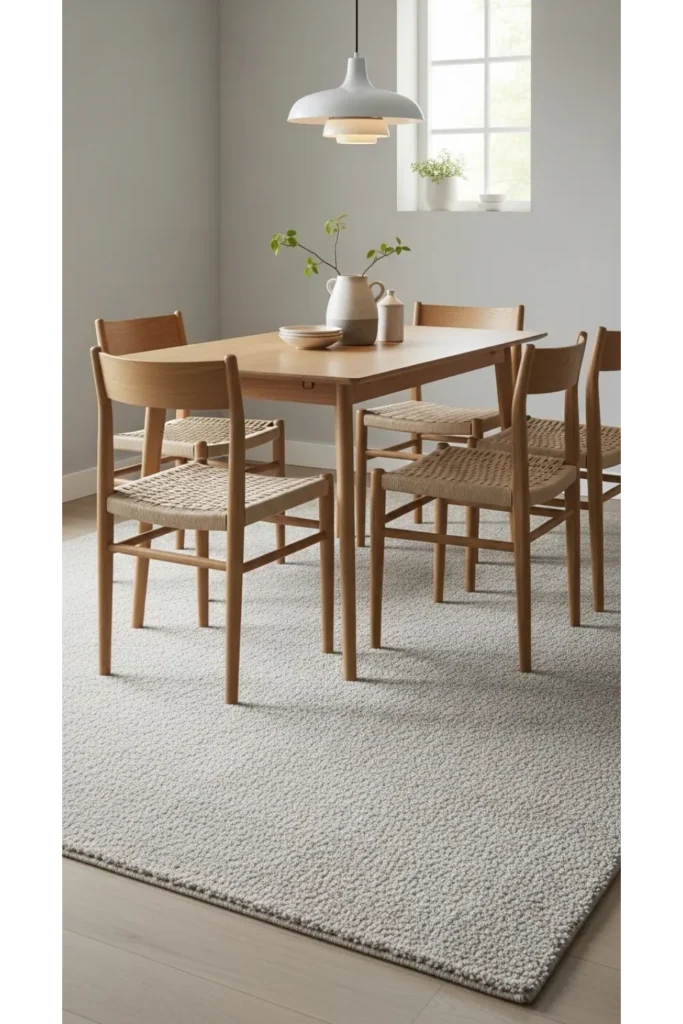
Rugs play a subtle role in small dining room ideas that maximize space by defining zones without adding furniture. Neutral rugs ground the dining area while keeping the room visually open. They help distinguish the dining space in open layouts without physical barriers.
Choose low pile rugs sized correctly so chairs remain stable. Soft tones blend seamlessly with the surrounding decor and prevent visual fragmentation. When selected carefully, rugs support small dining spaces by adding structure, warmth, and cohesion.
23. Floating Shelves Above Dining Areas
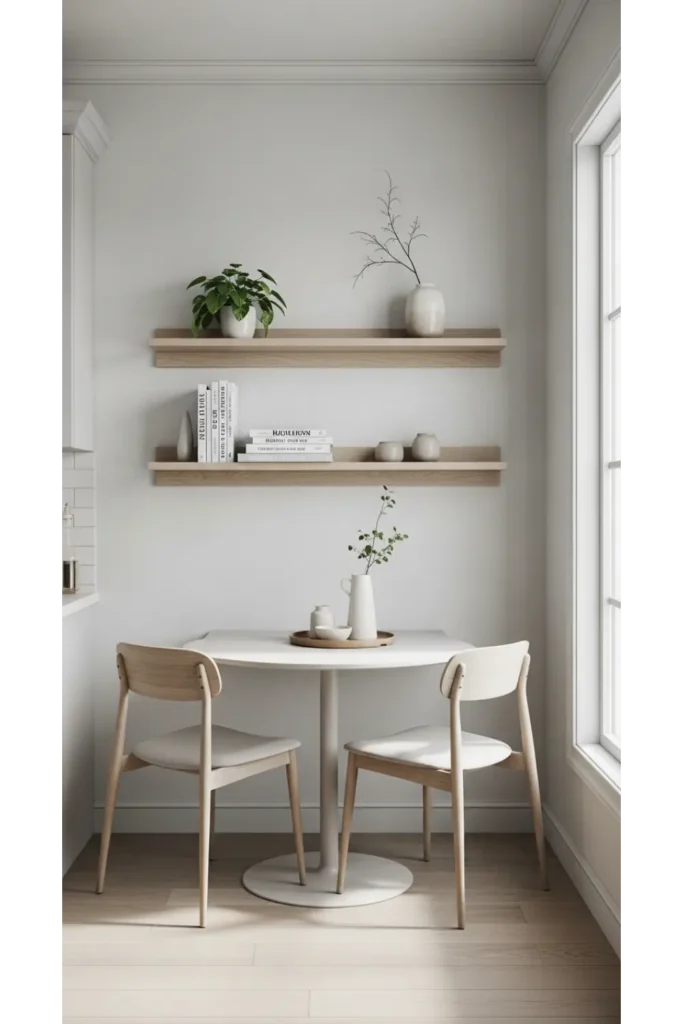
Floating shelves contribute to small dining room ideas that maximize space by offering storage without floor impact. Their wall mounted design keeps the room feeling light and open. Shelves above dining areas work well for storing glassware, serving pieces, or subtle decor.
Limit shelf depth to prevent visual heaviness. Keep items organized and cohesive to maintain clarity. Floating shelves balance function and design, reinforcing efficient dining room storage while preserving openness in compact rooms.
24. Consistent Design with Nearby Rooms
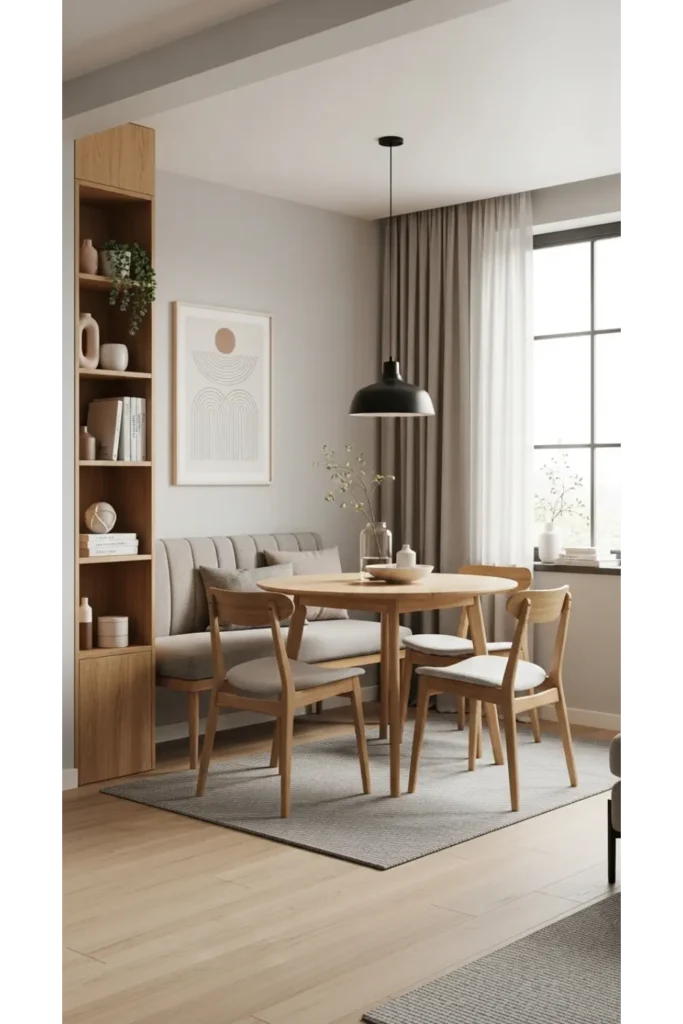
Consistency strengthens small dining room ideas that maximize space in open or connected layouts. When colors, materials, and finishes match surrounding rooms, the eye moves smoothly across spaces. This reduces visual stops and makes the dining area feel larger and more integrated.
Carry flooring, wall tones, or furniture finishes across rooms to maintain flow. Avoid abrupt changes that shrink perceived space. A unified approach supports compact dining room design that feels calm, cohesive, and comfortable over time.
Conclusion
Designing a dining room with limited space does not mean settling for less comfort or style. The right choices turn constraints into creative opportunities. These small dining room ideas that maximize space focus on real solutions that improve flow, storage, and visual openness. When each element works together, even the smallest dining room can feel spacious, welcoming, and perfectly suited to everyday life.