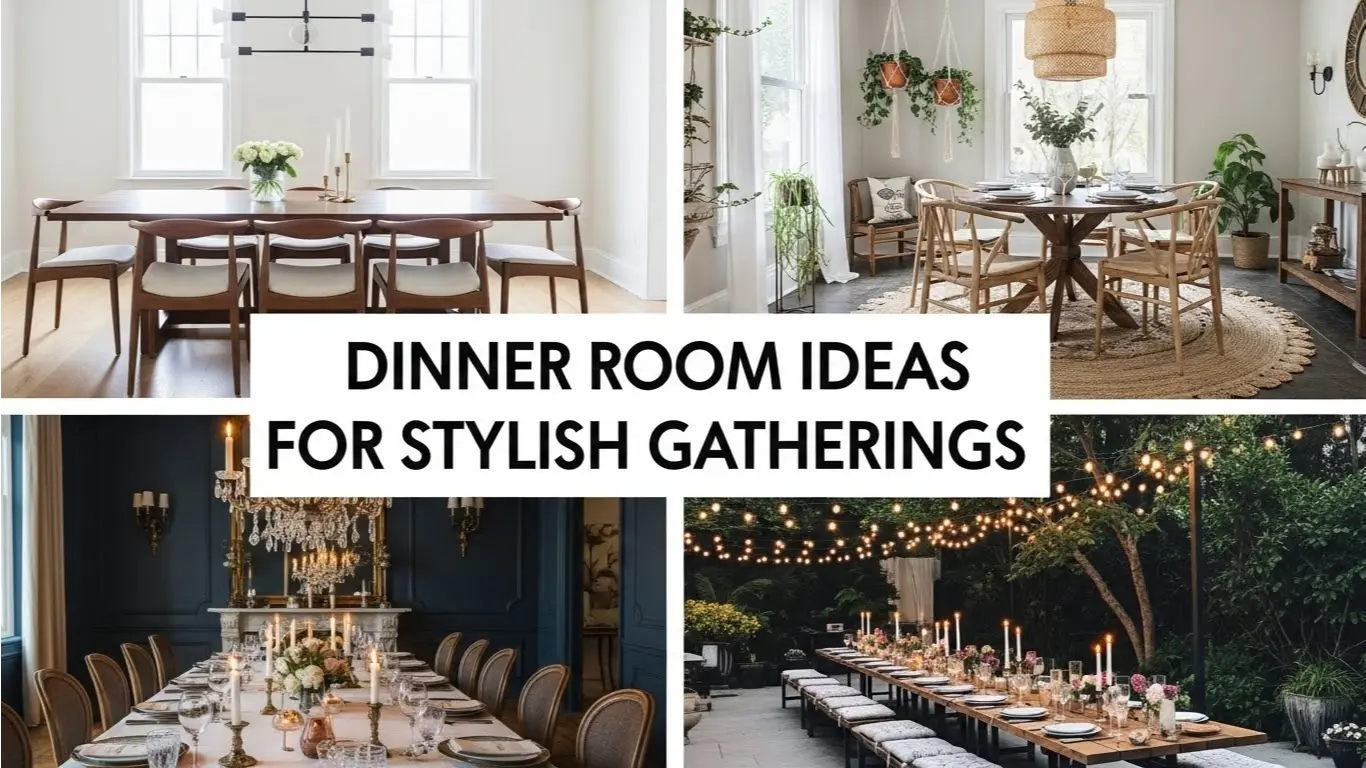
22 Dinner Room Ideas FOR Stylish Gatherings
1. Timeless Neutral Dining Rooms
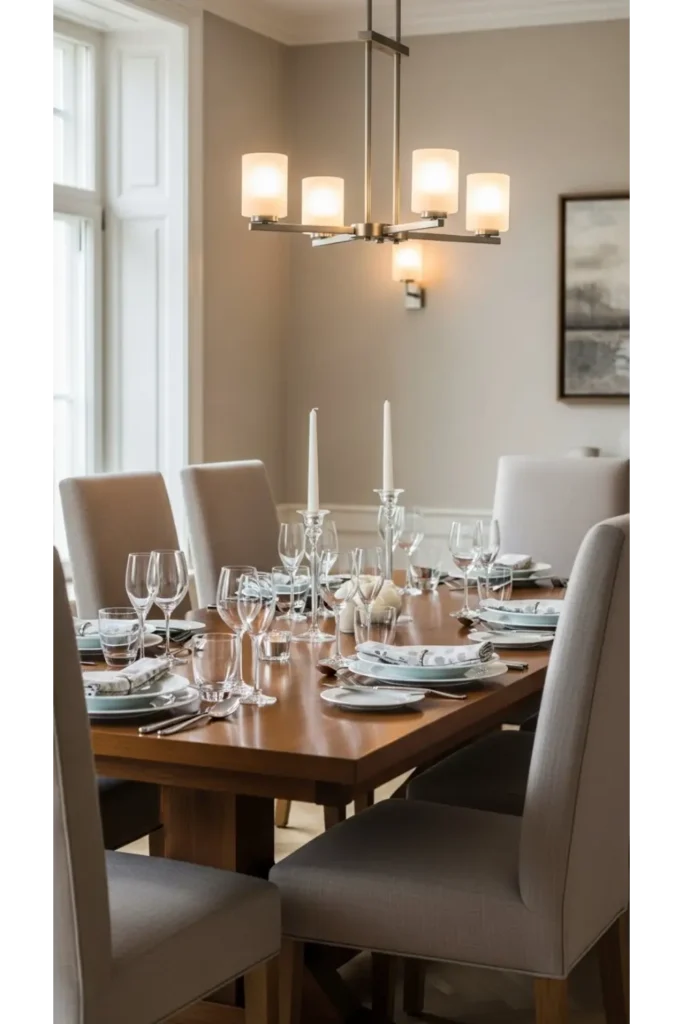
Neutral dining rooms create a calm foundation that lets conversation and food take center stage. Soft tones like cream, taupe, and warm gray feel welcoming while staying polished. Natural textures such as wood, linen, and stone add depth without visual noise. This balance helps guests relax while still feeling like they are part of something thoughtfully styled. Explore more inspiring dining room decor ideas in our complete style guide here.
To elevate the space, focus on subtle contrast. Pair a light table with darker chairs or add layered lighting using a chandelier and wall sconces. Make sure to focus on intentional decor choices rather than a crowded arrangement. A simple centerpiece or ceramic bowls work better than multiple accents. The room feels elegant because nothing competes for attention, which makes gatherings feel effortless and refined.
2. Modern Dining Rooms With Statement Lighting
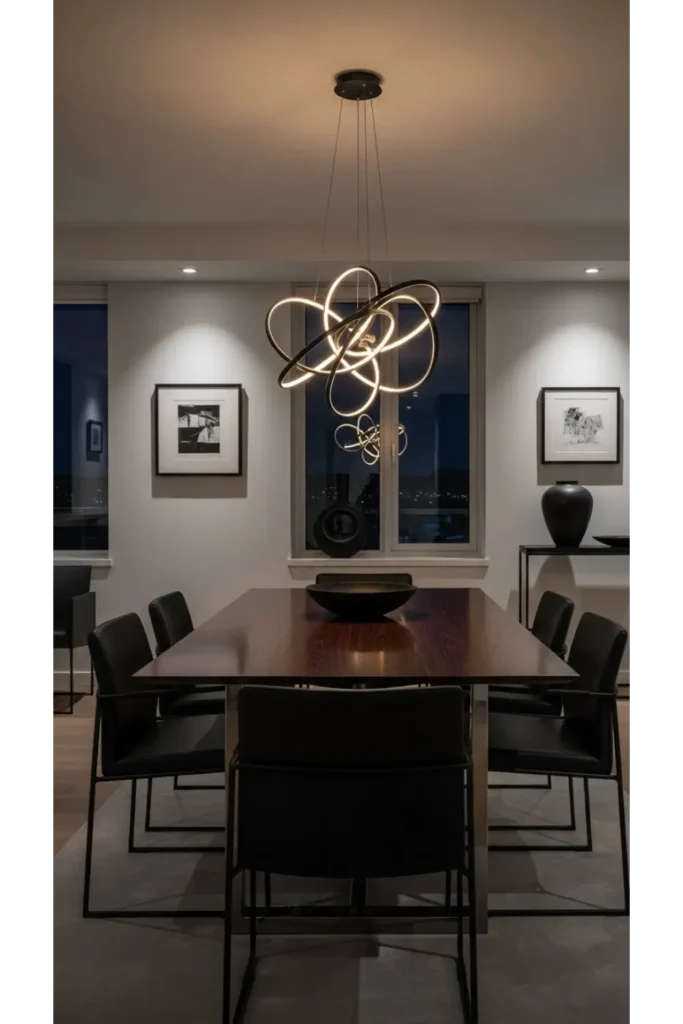
Lighting often defines how a dining room feels during gatherings. A bold pendant or chandelier instantly becomes a focal point and sets the mood for the evening. Clean lines and modern materials like metal or glass give the space confidence without feeling cold. Guests naturally gravitate toward the table because the lighting draws them in.
Keep the rest of the room simple to let the fixture shine. Choose furniture with streamlined shapes and avoid heavy ornamentation. Dimmer switches help adjust the atmosphere as the night unfolds. Good lighting makes food look better and conversations feel more intimate. It quietly elevates the entire experience without requiring extra decor.
3. Warm Wood Focused Dining Spaces
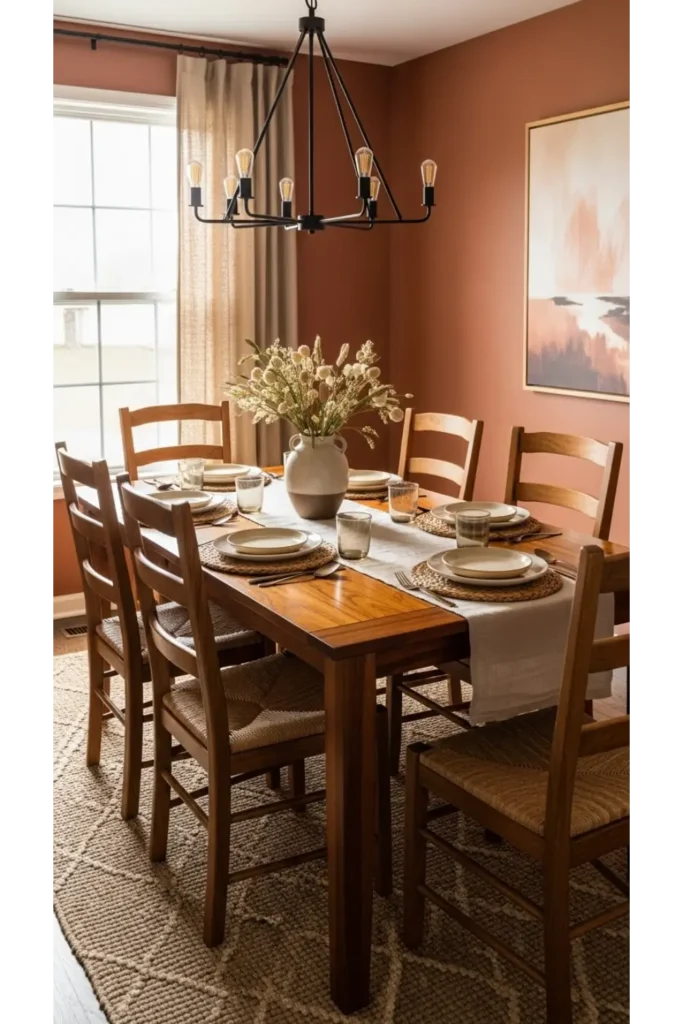
Wood brings warmth and authenticity that guests instantly notice. A solid wood table anchors the room and creates a sense of permanence. When paired with matching tones on floors or shelving, the space feels cohesive and grounded. This style works well for long dinners where comfort matters as much as appearance.
Balance is key to keeping wood from feeling heavy. Mix finishes or add lighter elements like woven chairs or soft textiles. Use warm lighting to enhance the natural grain. The result is a dining room that feels inviting and stylish without trying too hard. Guests stay longer because the space feels genuine and welcoming.
4. Elegant Dining Rooms With Layered Textures

Texture adds richness that flat surfaces cannot achieve. Upholstered chairs, fabric curtains, and textured walls create visual interest while keeping the room comfortable. This layering makes the dining area feel intentional and well designed. Guests notice the comfort immediately, even if they cannot name why the space feels elevated.
To keep the room balanced, stay within a cohesive color palette. Mix textures instead of colors to avoid clutter. Soft materials also improve acoustics, which helps conversations flow during gatherings. A textured dining room feels warm, thoughtful, and designed for people, not just for looks.
5. Minimal Dining Rooms With Strong Contrast
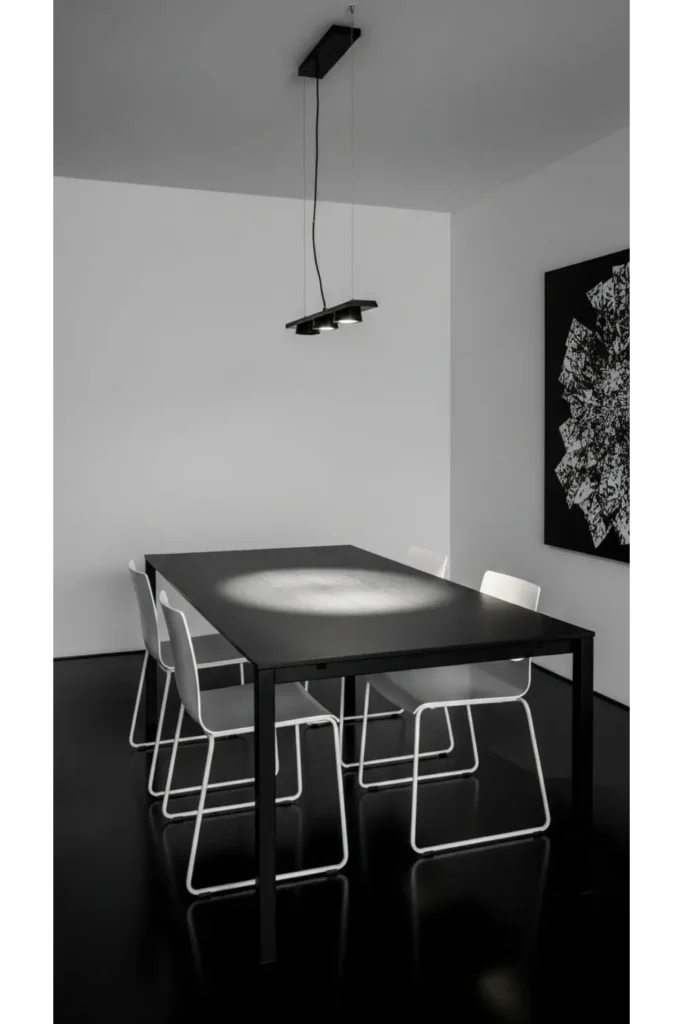
Minimal design works best when contrast does the heavy lifting. Black chairs against a white table or dark walls paired with light decor create drama without excess. This approach feels confident and modern, perfect for hosts who appreciate simplicity with impact.
Keep accessories limited but meaningful. A single piece of art or sculptural vase adds personality without disrupting the clean look. Lighting should highlight the contrast rather than soften it too much. This type of dining room feels curated and intentional, making gatherings feel stylish and composed from start to finish.
6. Cozy Dining Rooms With Soft Lighting

Soft lighting transforms how guests experience a meal. Warm bulbs, candles, and shaded fixtures create intimacy and encourage slower conversations. This approach works especially well for evening gatherings where comfort matters more than formality.
Layer lighting sources to avoid harsh shadows. Combine overhead fixtures with table lamps or wall lights. Keep surfaces matte to reduce glare. The room feels welcoming and relaxed, making guests feel at home while still enjoying a polished setting designed for shared moments.
7. Dining Rooms With Artistic Wall Features
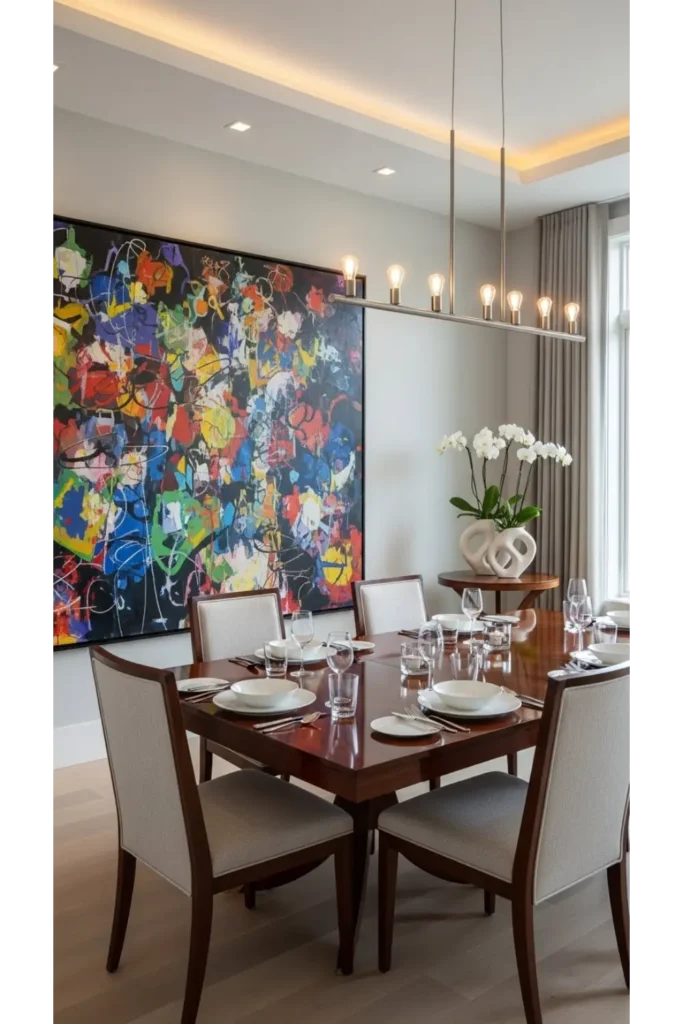
Art gives a dining room personality and sparks conversation. A large piece or curated gallery wall becomes a visual anchor that elevates the space instantly. It signals intention and creativity, which guests appreciate during gatherings.
Choose artwork that complements the color palette rather than overwhelms it. Keep furniture understated so the art remains the focus. Proper lighting ensures the piece feels integrated into the room. This approach turns the dining area into an experience, not just a place to eat.
8. Open Concept Dining Rooms for Easy Flow
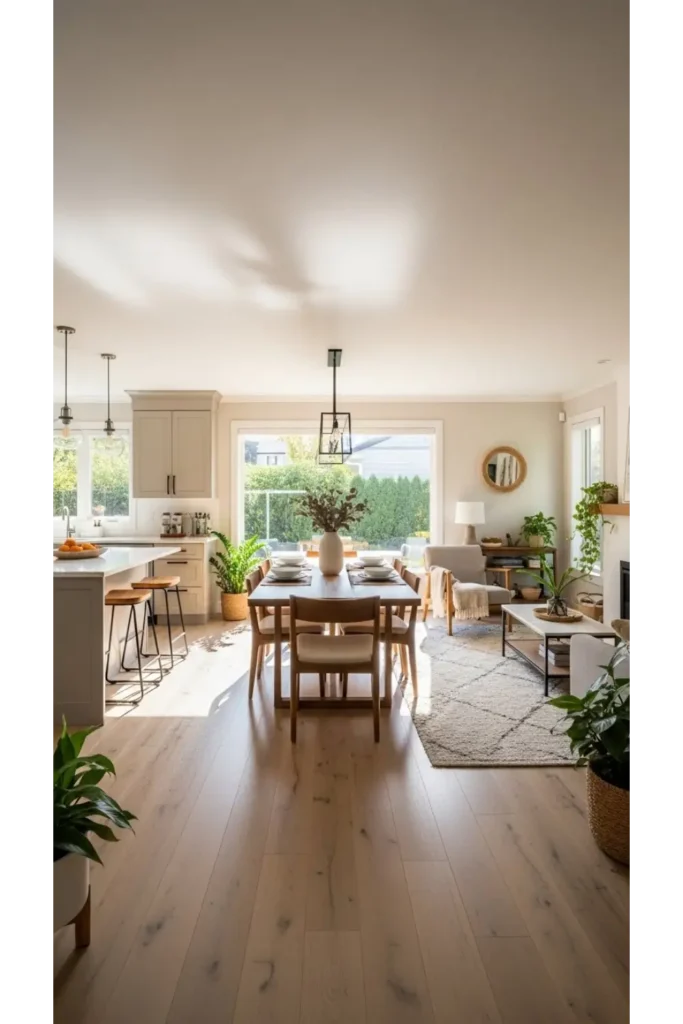
Open layouts support effortless entertaining. Guests can move freely between spaces without feeling confined. A dining room that flows into the kitchen or living area encourages connection and keeps hosts engaged with everyone.
Define the dining area with a rug, lighting, or table shape. This creates structure without closing the space. Consistent materials help maintain harmony across zones. Open dining rooms feel social and relaxed, making them ideal for stylish gatherings that prioritize interaction.
9. Dining Rooms With Bold Color Accents
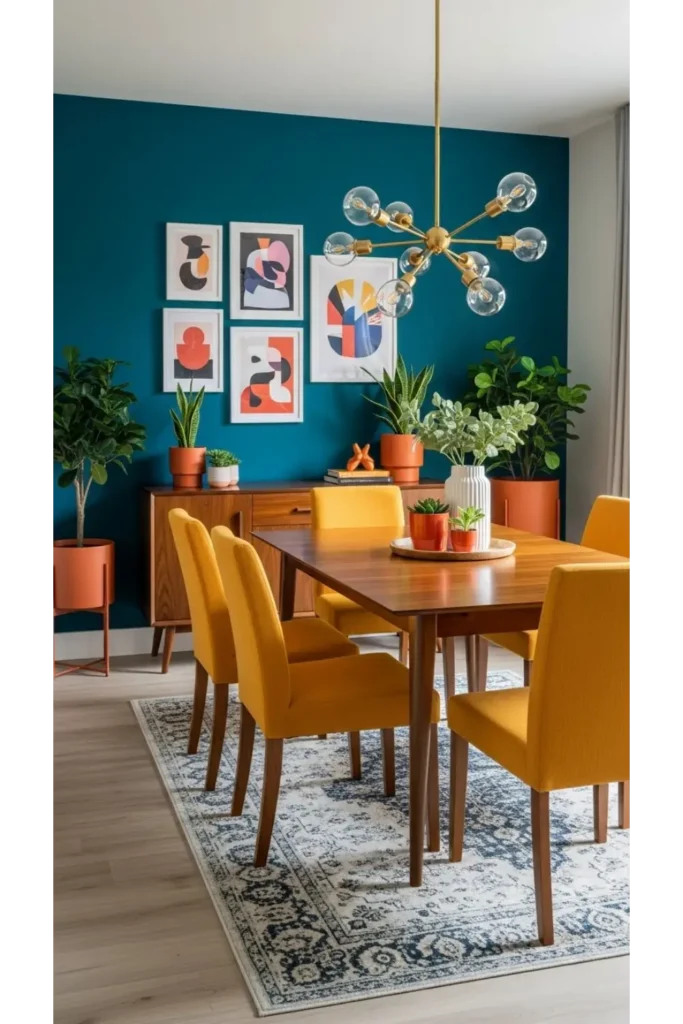
Color adds energy and personality when used thoughtfully. A bold wall, colorful chairs, or vibrant artwork can transform a neutral dining room. These accents give the space character while keeping it inviting.
Limit bold colors to one or two elements to avoid overwhelm. Pair them with neutral surfaces for balance. Good lighting ensures the colors feel rich rather than harsh. This style feels confident and expressive, perfect for hosts who want their gatherings to feel memorable.
10. Formal Dining Rooms With Modern Updates
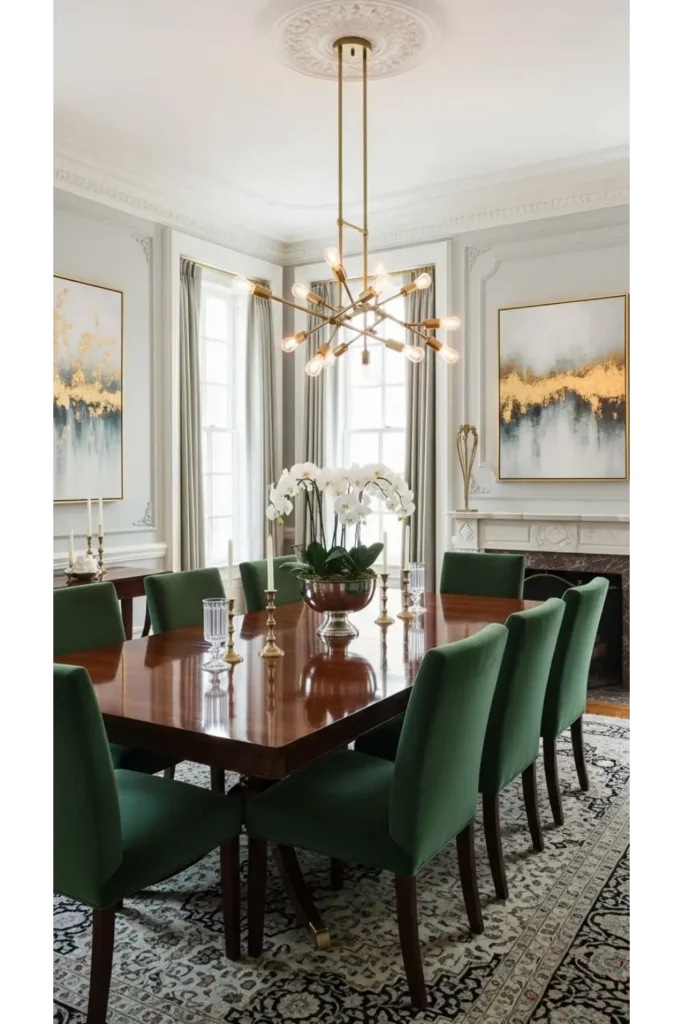
Formal dining rooms feel special, especially when updated with modern touches. Classic tables and chairs gain new life through contemporary lighting or simplified decor. This blend respects tradition while staying current.
Avoid heavy fabrics or overly ornate details. Focus on clean lines and lighter finishes. The space feels polished without feeling stiff. Guests enjoy the sense of occasion while still feeling comfortable and welcomed.
11. Dining Rooms With Mixed Seating Styles
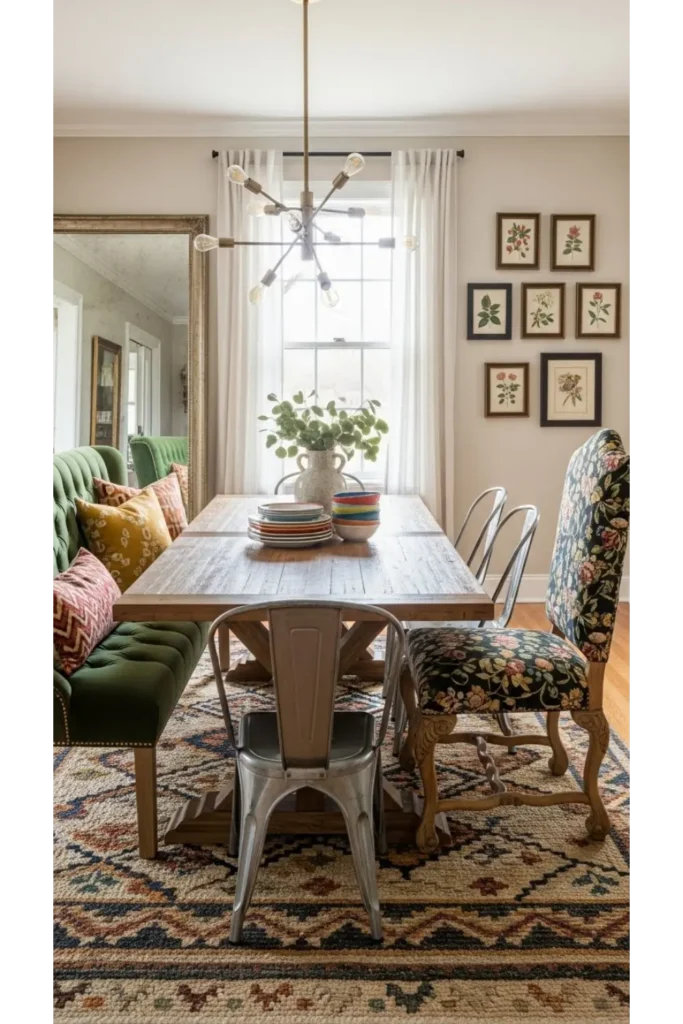
Mixing seating adds personality and flexibility. Chairs, benches, and even stools create a relaxed yet curated look. This approach feels thoughtful rather than matched, which appeals to modern hosts.
Keep materials or colors consistent to maintain cohesion. Mixed seating encourages guests to settle in comfortably. It also makes the room feel lived in and social, perfect for gatherings that value connection over perfection.
12. Nature Inspired Dining Rooms
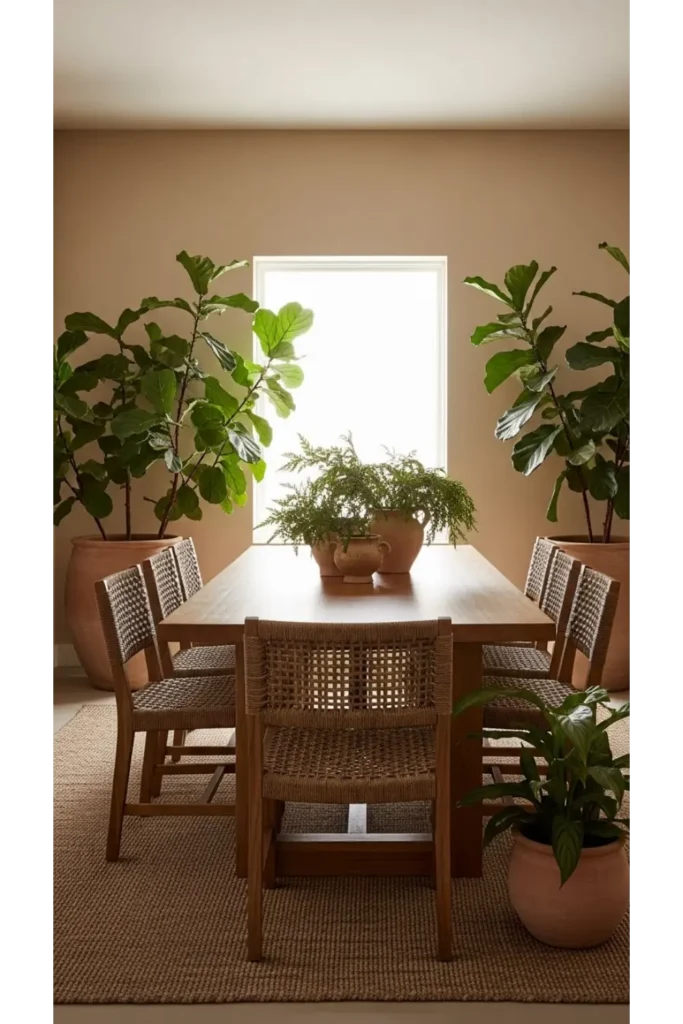
Nature brings calm into dining spaces. Plants, stone, and wood soften the room and make it feel fresh. This style supports relaxed gatherings where guests feel grounded and present.
Use greenery sparingly to avoid clutter. Natural light enhances the effect, but warm lighting works well too. Nature inspired dining rooms feel balanced and restorative, creating an atmosphere where people enjoy lingering at the table.
13. Dining Rooms With Sculptural Furniture
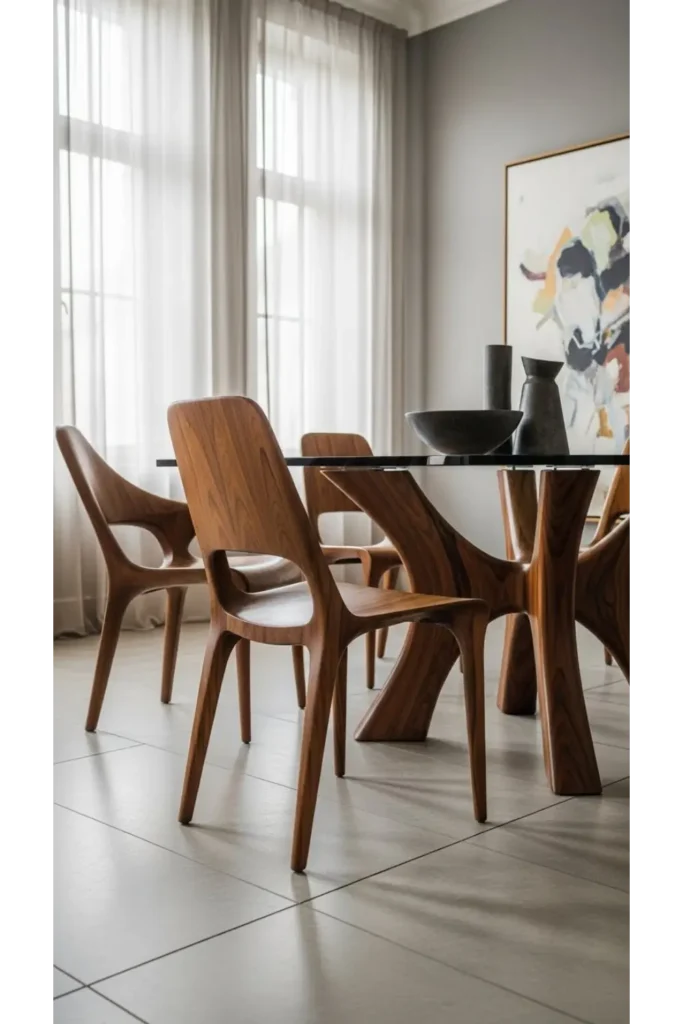
Sculptural furniture turns functional pieces into art. Curved chairs or bold table bases add visual interest without extra decor. Guests notice the design immediately, which elevates the experience.
Keep the surrounding elements simple so the furniture stands out. Neutral colors work best here. This approach feels modern and confident, ideal for hosts who appreciate design-driven spaces.
14. Intimate Dining Rooms With Smaller Tables
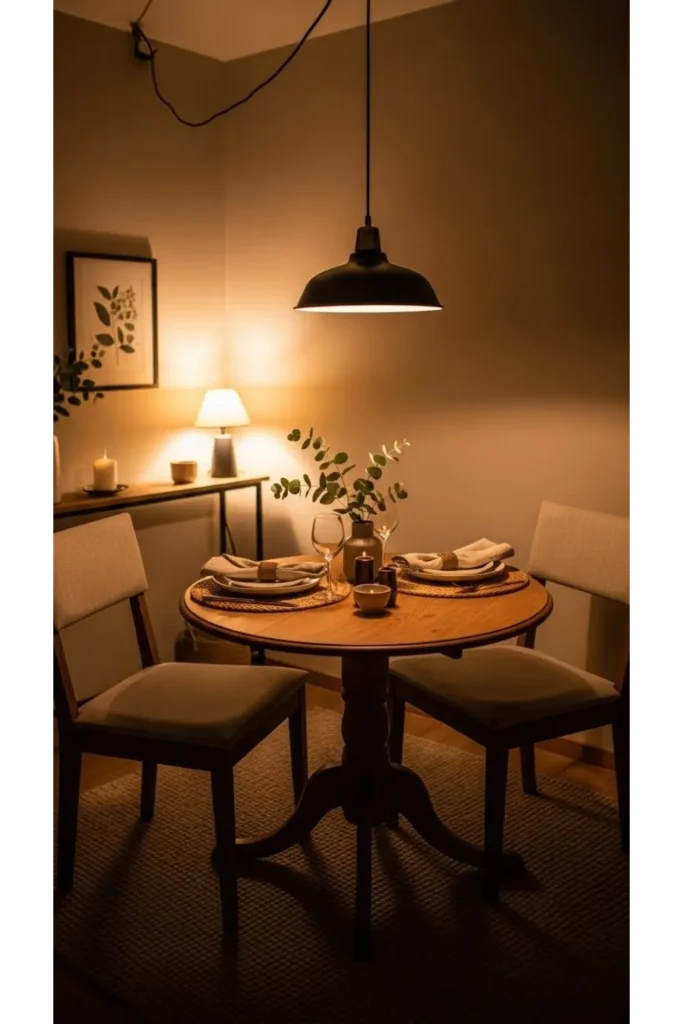
Smaller tables create intimacy. Guests sit closer, conversations flow easily, and the atmosphere feels personal. This setup works well for thoughtful gatherings where connection matters most.
Use mirrors or light colors to keep the room from feeling tight. Choose chairs that tuck in neatly. The result feels intentional and cozy, proving that stylish gatherings do not require large spaces.
15. Dining Rooms With Statement Rugs
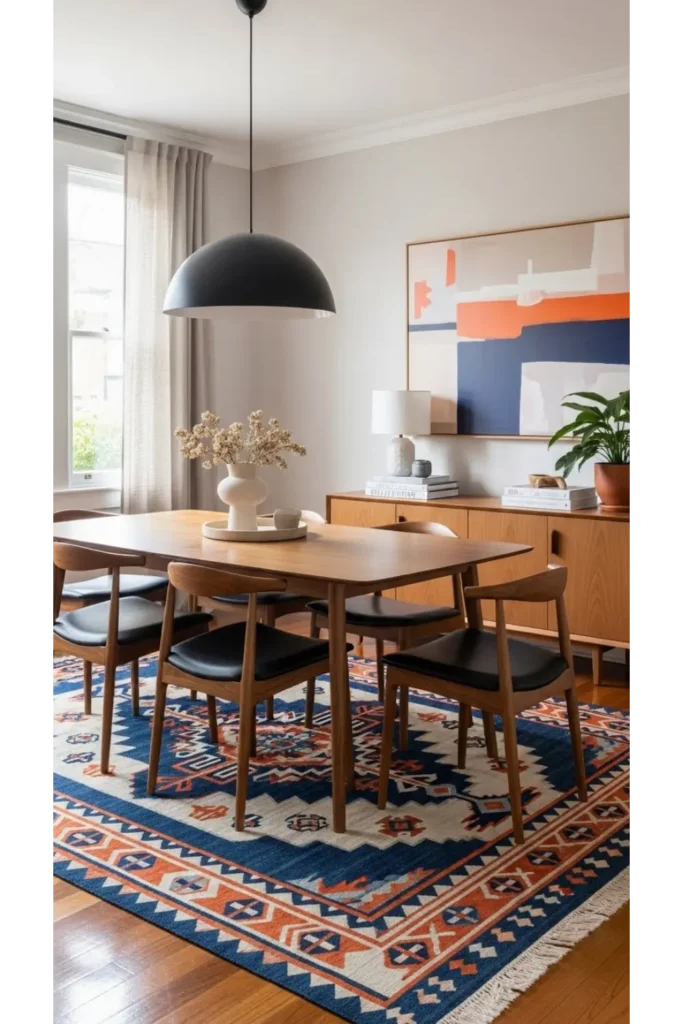
Rugs anchor dining rooms visually. A statement rug adds color, pattern, and comfort underfoot. It defines the space and enhances the overall design.
Choose durable materials that handle spills easily. Keep furniture simple to balance the pattern. A well chosen rug makes the dining area feel complete and thoughtfully styled for gatherings.
16. Dining Rooms With Elegant Window Treatments
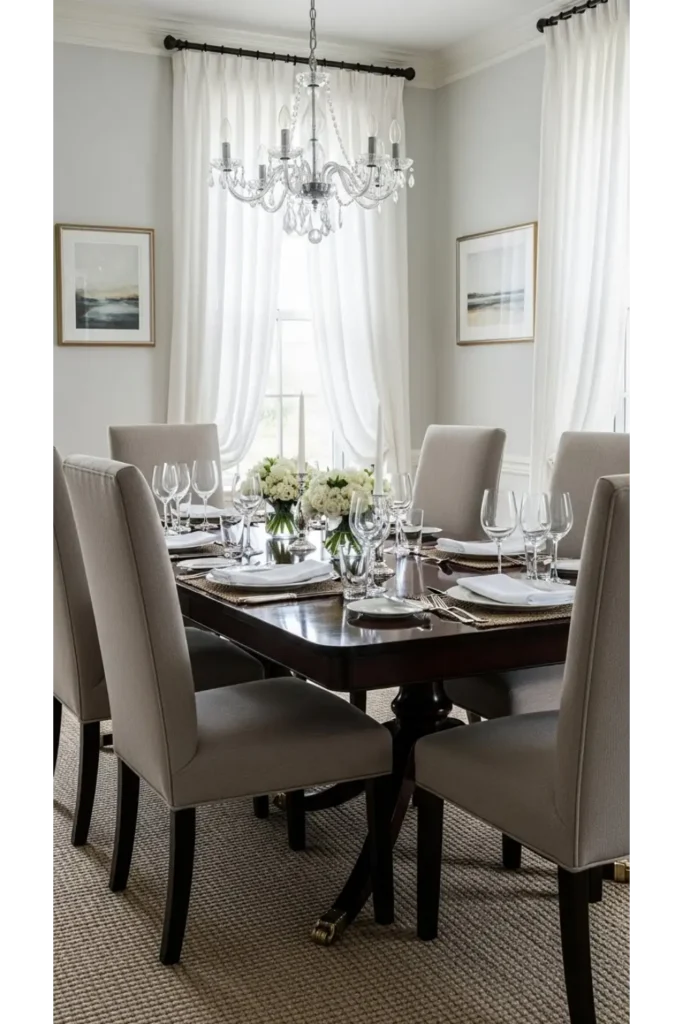
Window treatments frame the room and control light. Curtains or shades add softness and polish. They help adjust mood depending on the time of day.
Choose fabrics that complement the table and chairs. Avoid overly heavy styles. The right window treatments make the dining room feel finished and welcoming, supporting both daytime and evening gatherings.
17. Dining Rooms With Built In Storage
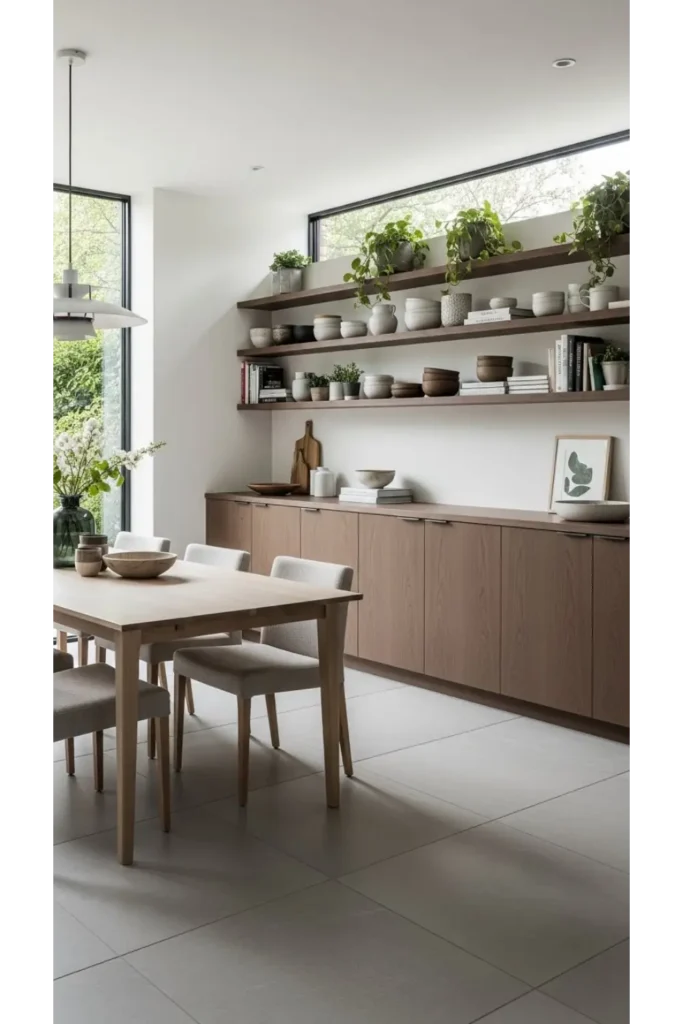
Built in storage keeps dining rooms functional and uncluttered. Cabinets or shelves hold serveware and decor while maintaining a clean look.
Style shelves lightly to avoid visual noise. Storage allows hosts to focus on guests rather than logistics. This practical elegance supports smooth, enjoyable gatherings.
18. Dining Rooms With Metallic Accents
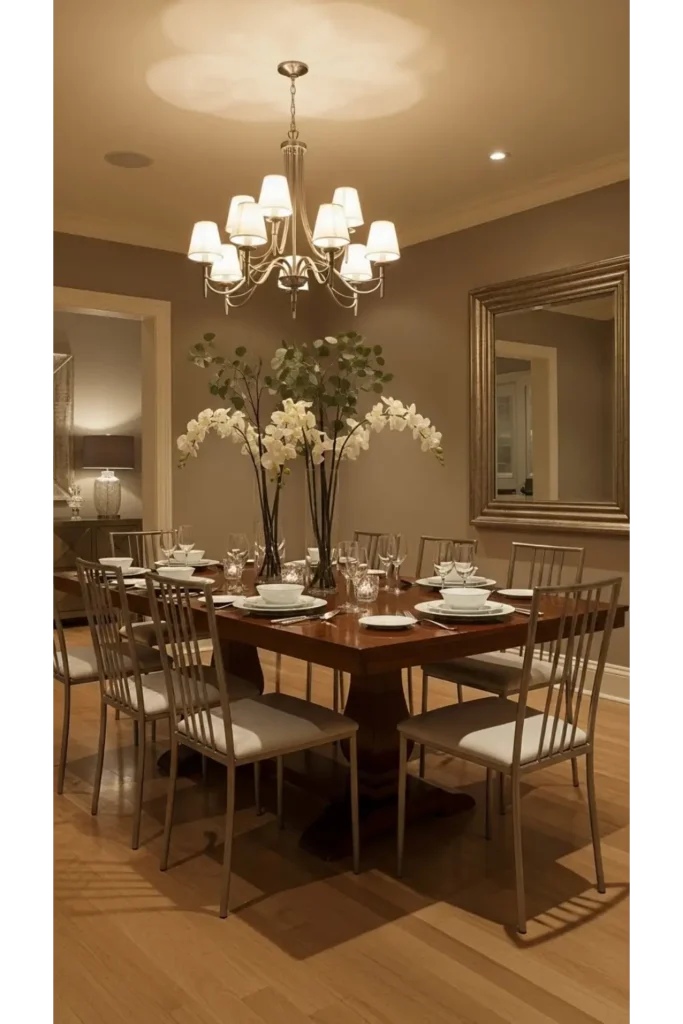
Metallic accents add subtle glamour. Brass, bronze, or matte gold reflect light and elevate the room without overpowering it.
Use metals sparingly in lighting or decor. Pair them with warm tones for balance. This approach adds sophistication that guests notice subconsciously.
19. Casual Chic Dining Rooms

Casual chic dining rooms feel effortless. Comfortable furniture, relaxed styling, and thoughtful details create an inviting space.
Avoid overly formal pieces. Focus on comfort and quality. Guests feel at ease while still enjoying a stylish environment designed for connection.
20. Dining Rooms With Dark Moody Palettes
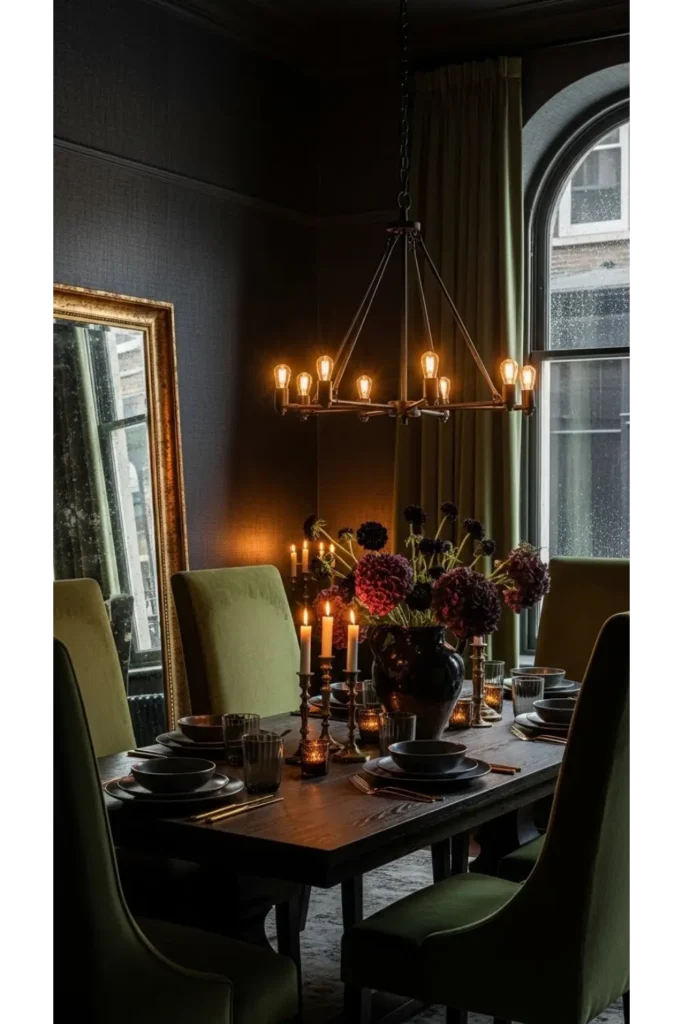
Dark colors create drama and intimacy. Deep blues, greens, or charcoal tones make dining rooms feel cozy and refined.
Balance darkness with warm lighting and lighter accents. This style feels bold and memorable, perfect for evening gatherings that feel special.
21. Dining Rooms With Personalized Details
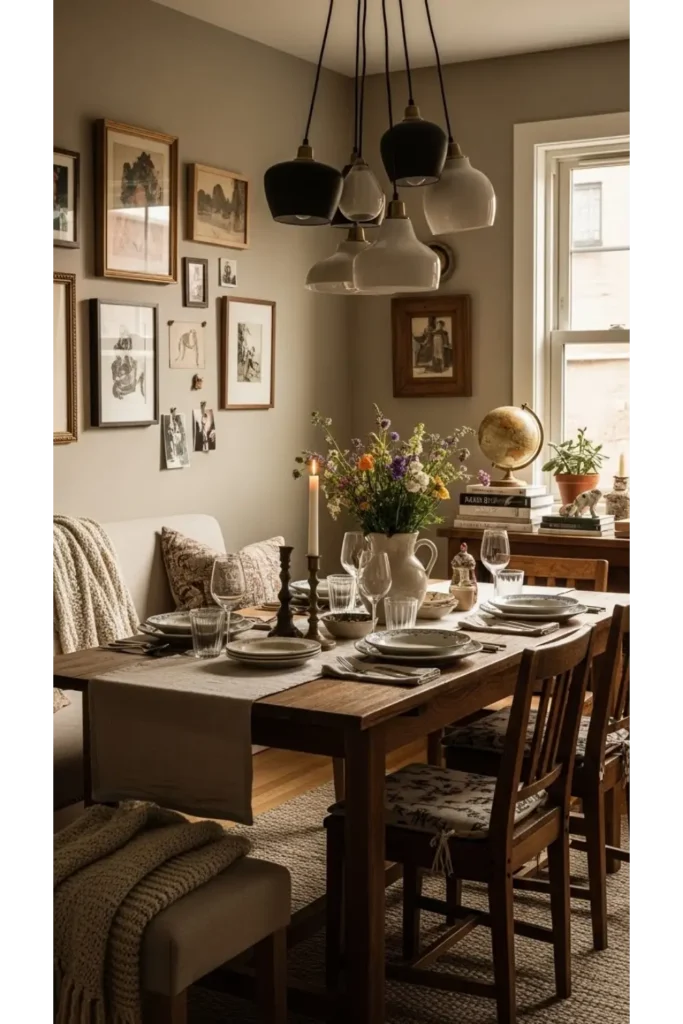
Personal touches make dining rooms feel authentic. Family pieces, travel finds, or handmade decor tell a story. Browse our full dining room decor inspiration hub for even more ideas.
Keep personalization curated rather than crowded. Guests appreciate spaces that reflect the host. This authenticity elevates gatherings naturally.
22. Flexible Dining Rooms for Different Occasions
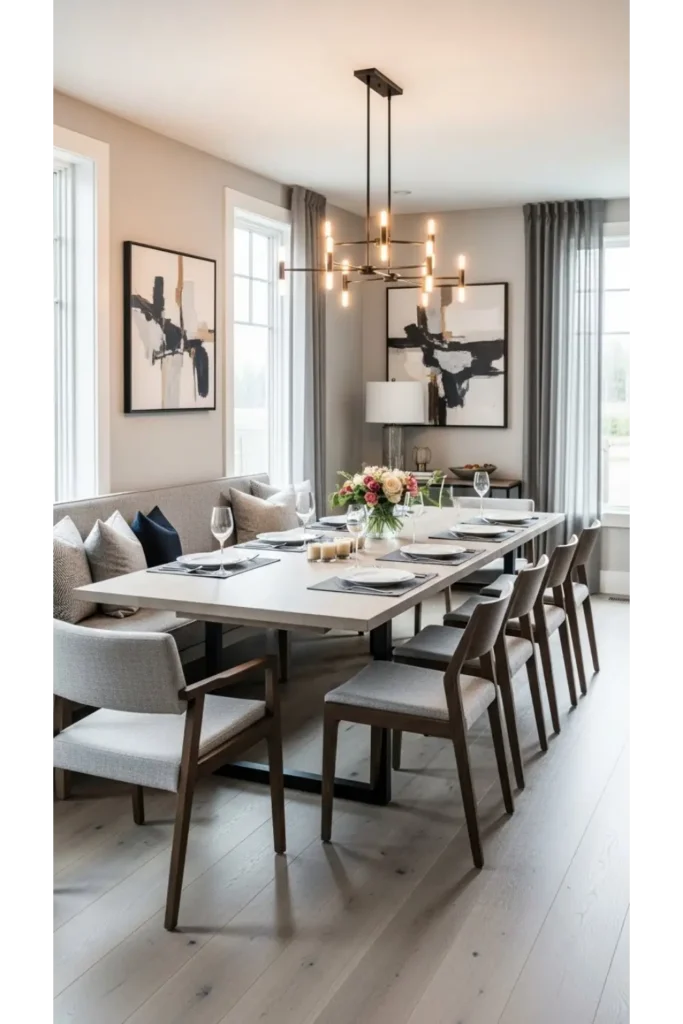
Flexible dining rooms adapt to different gatherings. Extendable tables and movable chairs support both intimate dinners and larger events.
Design with adaptability in mind. Neutral foundations allow easy updates. Flexibility ensures the room stays stylish and functional year round.
Conclusion
Thoughtful dining room design shapes how gatherings feel long after the meal ends. By focusing on comfort, lighting, materials, and personal style, you create spaces that support connection and conversation. These dinner room ideas show that stylish gatherings do not rely on trends alone. They grow from intentional choices that serve people first, making every shared meal feel meaningful and memorable.