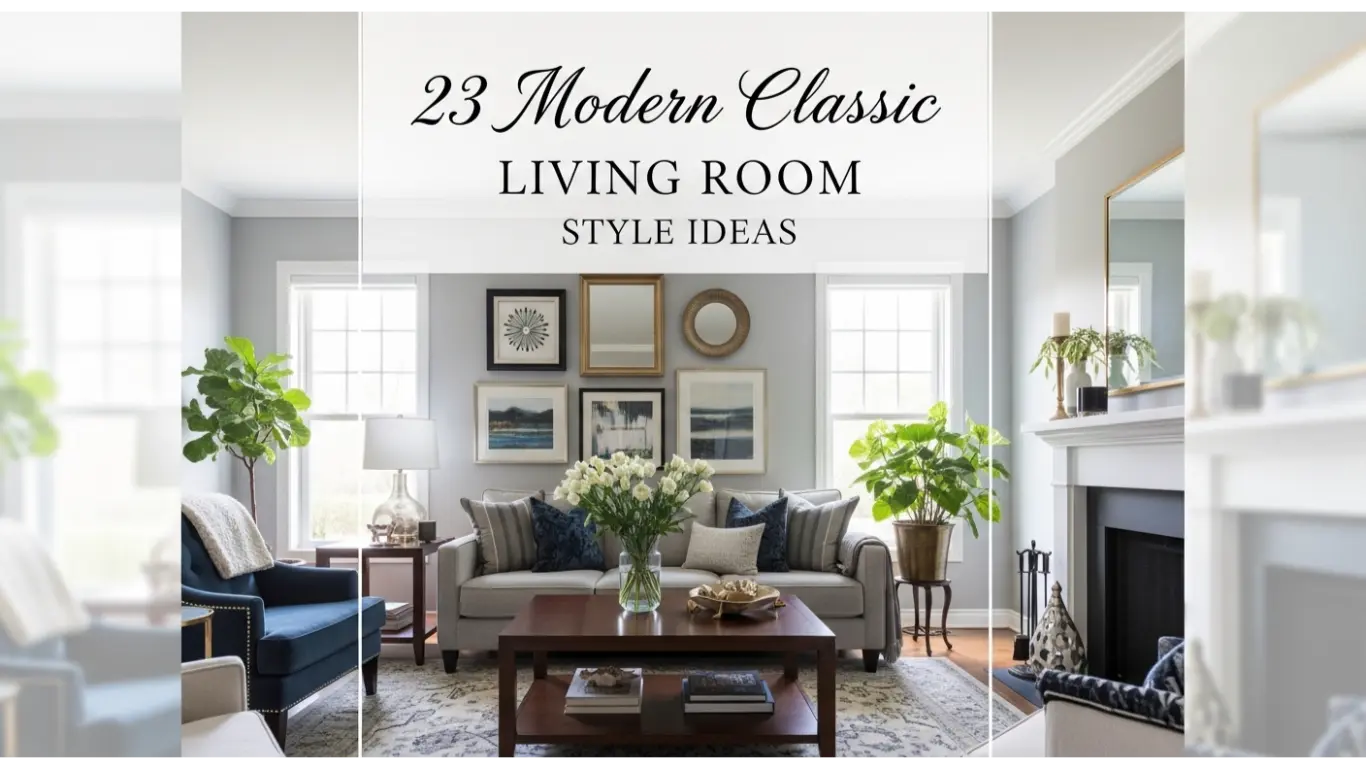
23 Modern Classic Living Room Style Ideas
A well designed living space should feel warm, balanced, and timeless. These ideas blend tradition with fresh design so your home feels current without losing character. In this guide, you will discover thoughtful ways to shape a modern classic living room that feels refined, welcoming, and easy to live in. Each concept focuses on comfort, proportion, and lasting style so you can create a space that looks beautiful today and still feels right years from now.
1. Timeless Neutral Foundation
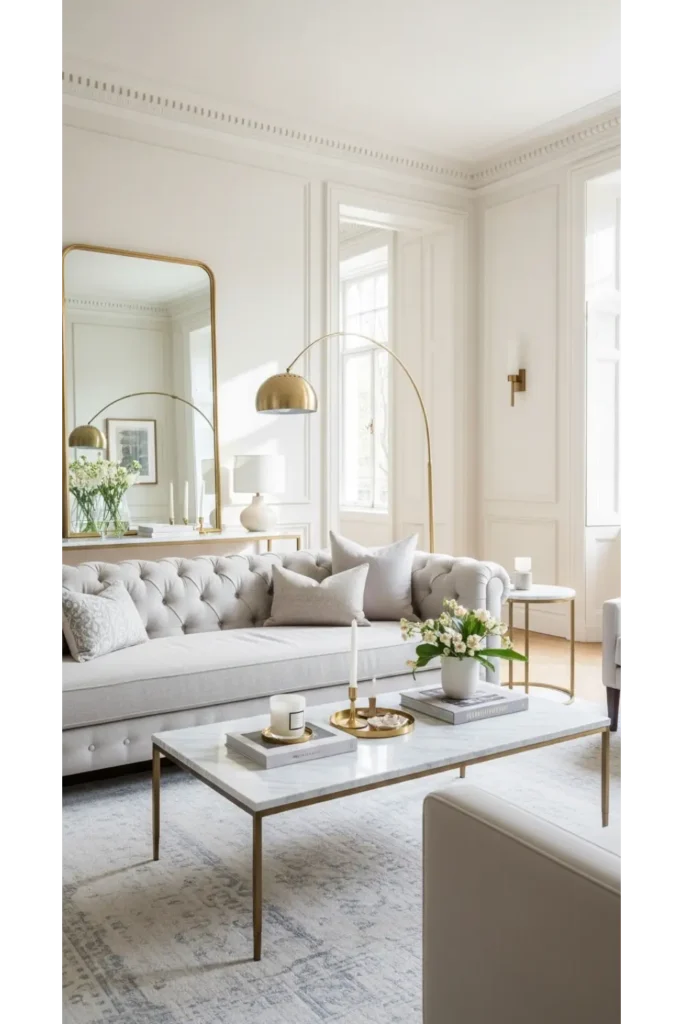
A modern classic living room begins with a calm, neutral base that sets the tone for everything else. Cream walls, soft taupe upholstery, and warm white trim create balance and visual peace. Traditional wall molding adds character while clean lined furniture keeps the look current. This pairing makes the room feel refined yet comfortable, perfect for both daily life and entertaining guests.
Layer textures to avoid a flat look. Combine linen curtains, a wool rug, and velvet cushions in similar shades. The mix gives depth without cluttering the space. Natural light plays a big role, so keep window treatments light and airy. A simple marble coffee table anchors the room while polished brass accents introduce quiet elegance.
Pro Tip: Choose three neutral shades and repeat them across walls, upholstery, and decor to create a cohesive flow. Explore more inspiring living room decor ideas in our complete style guide here.
2. Statement Chandelier Elegance
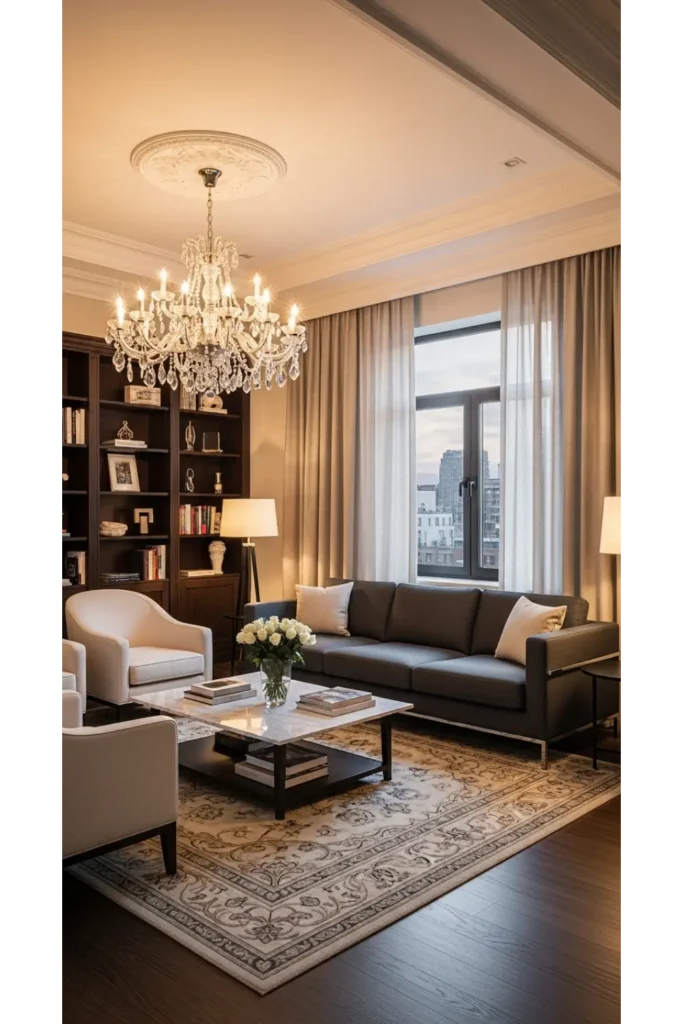
A striking chandelier instantly elevates the room and connects classic design with modern styling. Crystal or sculptural glass fixtures add sparkle without overwhelming the space. Pair the lighting with streamlined sofas and tailored armchairs to keep the design grounded. This contrast defines the heart of a classic interior design approach while still feeling fresh and relevant.
Keep the ceiling details simple but refined. Crown molding frames the light fixture and enhances height. Balance the chandelier with table lamps placed at eye level to create warm layers of light. The result feels welcoming rather than formal, which makes the room suitable for everyday living as well as special gatherings.
Pro Tip: Hang your chandelier at a height that keeps it centered in the room, not too close to the ceiling and not too low over seating.
3. Marble and Wood Harmony
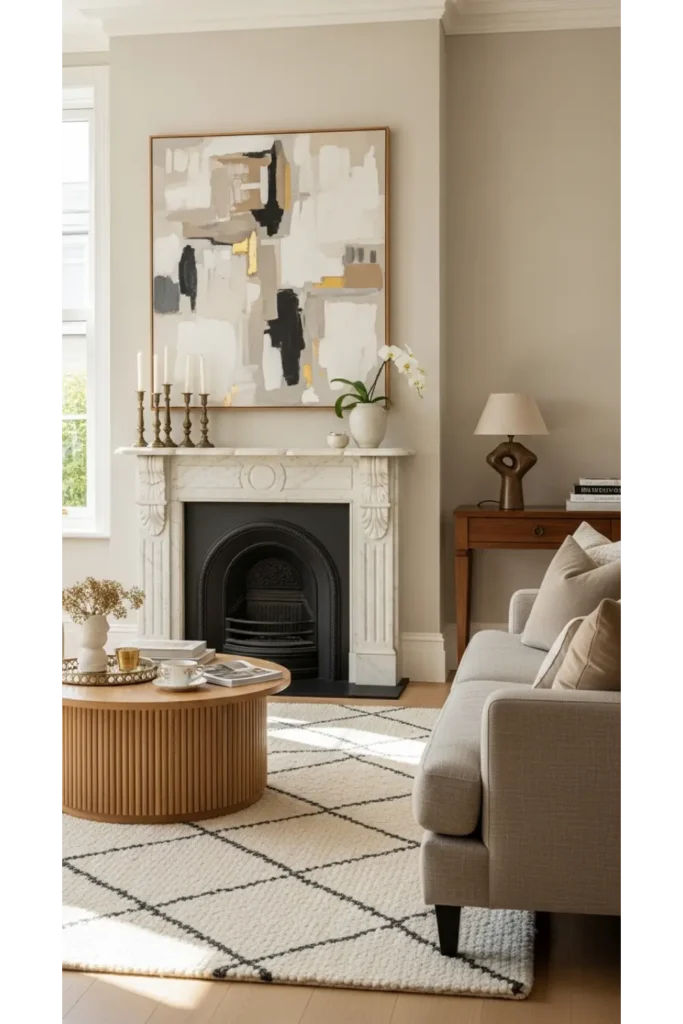
Marble introduces timeless beauty while wood brings warmth and grounding energy. A marble fireplace surround or coffee table can serve as the focal point. Balance that cool surface with walnut or oak furniture pieces that add depth and contrast. This mix supports a refined transitional living room look that feels both elegant and welcoming.
Choose wood tones that feel rich but not overly dark. Let the grain show to add organic texture. Add subtle metallic details such as brushed gold hardware or a bronze mirror frame. The layered materials create visual interest while staying true to the calm spirit of a luxury living room.
Pro Tip: Repeat marble or wood finishes at least twice in the room to keep the design intentional and balanced.
4. Soft Gray and Gold Contrast
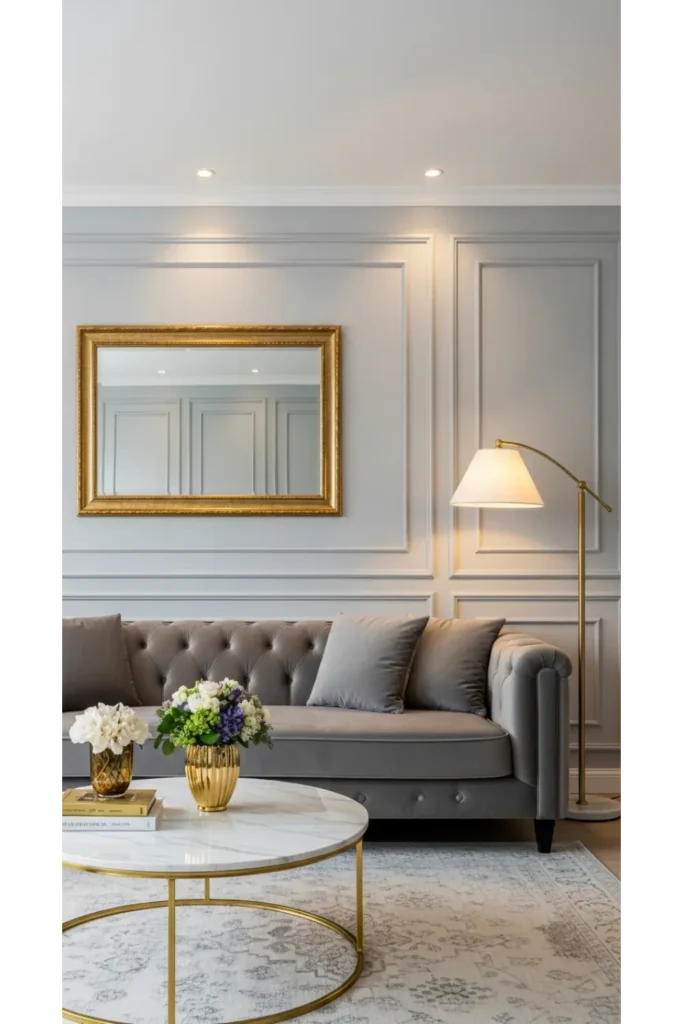
Soft gray walls create a serene backdrop that highlights architectural details. Add gold accents through mirrors, lighting, or side tables to introduce warmth and sophistication. The contrast feels refined without looking flashy. Upholstered seating in light gray velvet enhances comfort while keeping the palette cohesive and polished.
Bring balance with natural textures such as woven baskets or linen drapes. Artwork in muted tones ties everything together and prevents the metallic accents from dominating. This idea works well for homeowners who want a calm space with subtle glamour that aligns with elegant living room decor principles.
Pro Tip: Limit gold finishes to three key pieces to maintain harmony and avoid visual overload.
5. Modern Art in a Classic Frame
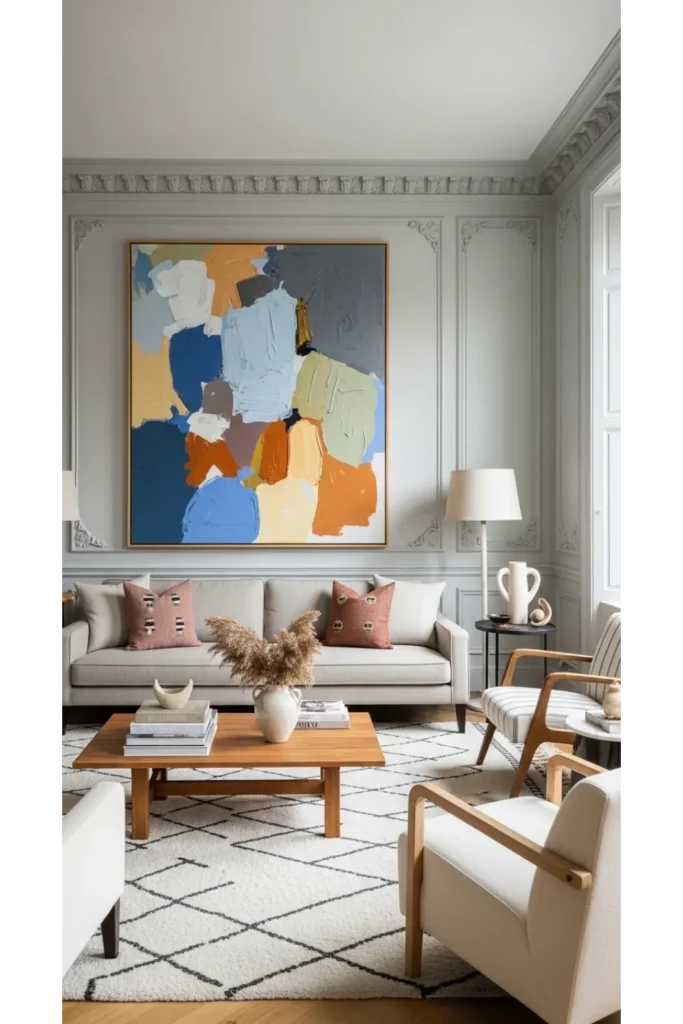
Blending abstract art with classic architectural details creates instant personality. Hang a large contemporary painting above a traditional fireplace or paneled wall. The contrast feels intentional and artistic. Keep furniture shapes simple so the artwork remains the focal point. This approach refreshes a space rooted in heritage.
Choose art that echoes the room’s color palette. If your seating is neutral, let the artwork introduce deeper shades of blue, green, or rust. Complement it with understated decor pieces that do not compete for attention. This blend captures the spirit of a curated modern classic decor style.
Pro Tip: Center artwork at eye level and ensure it spans at least two thirds of the sofa width for proper proportion.
6. Symmetrical Sofa Arrangement
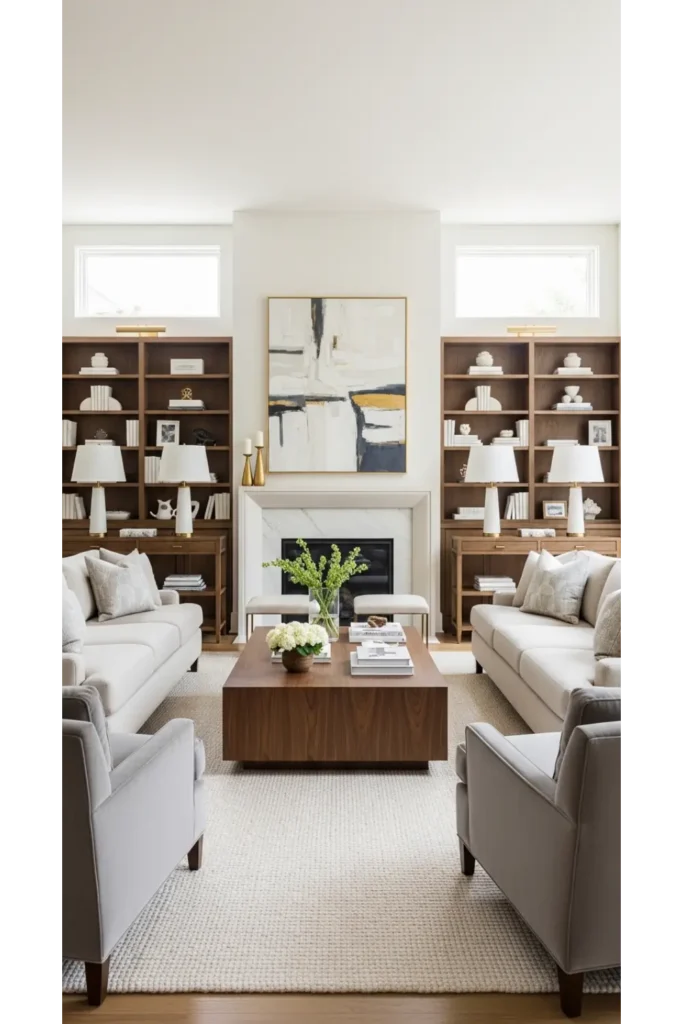
Symmetry brings instant order and calm to a space. Place two matching sofas facing each other with a structured coffee table in between. Anchor the layout around a fireplace, large window, or statement art piece. This arrangement supports modern classic decor because it reflects traditional balance while keeping the furniture lines clean and current.
Keep accessories evenly distributed to maintain visual harmony. Use matching table lamps, similar side tables, and coordinated cushions. Avoid overcrowding the room with extra chairs or decor. Leave enough space for easy movement so the design feels open and practical. The result feels polished yet welcoming for everyday living.
Pro Tip: Measure the distance between sofas carefully to allow smooth conversation without making the layout feel tight.
7. Arched Doorways and Soft Architectural Curves
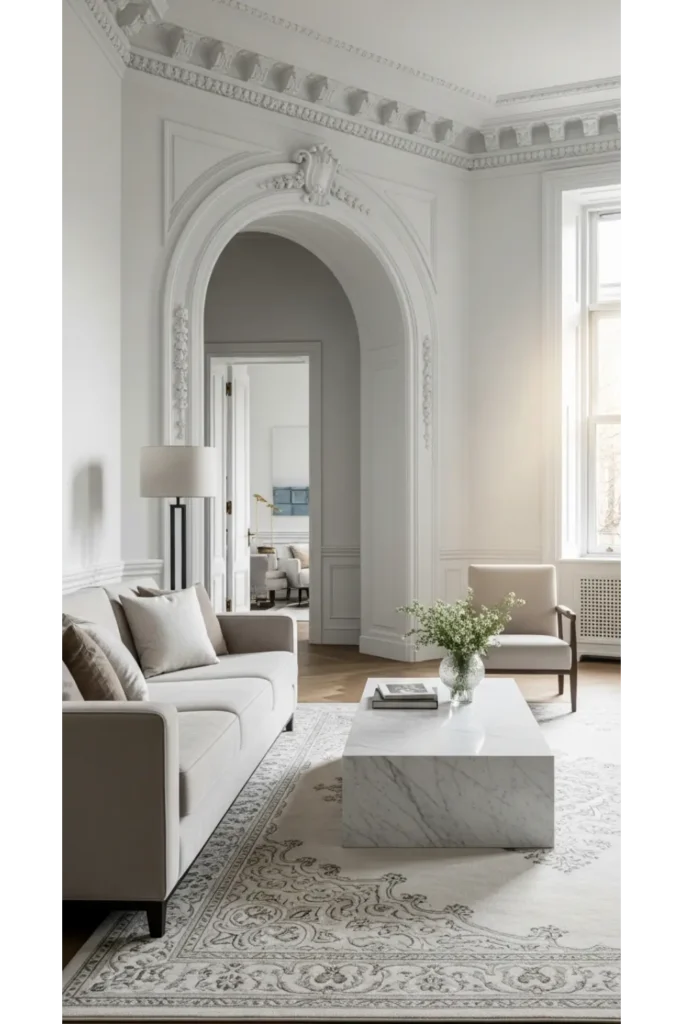
Arched doorways introduce softness and architectural charm that instantly elevate a space. Instead of sharp rectangular openings, gentle curves create a graceful transition between rooms. This feature adds historical character while still feeling current when paired with clean lined furniture and a neutral palette. The curve draws the eye upward and gives the room a refined yet welcoming presence.
Balance the arches with simple decor and structured seating. Avoid overly ornate details so the shape remains the focal point. Soft wall colors and subtle molding enhance the elegance without overwhelming the design. When done right, curved architecture adds depth and personality while keeping the space calm and cohesive.
Pro Tip: Repeat curved shapes through mirrors or accent chairs to echo the architectural lines and create visual harmony.
8. Fireplace as the Focal Point
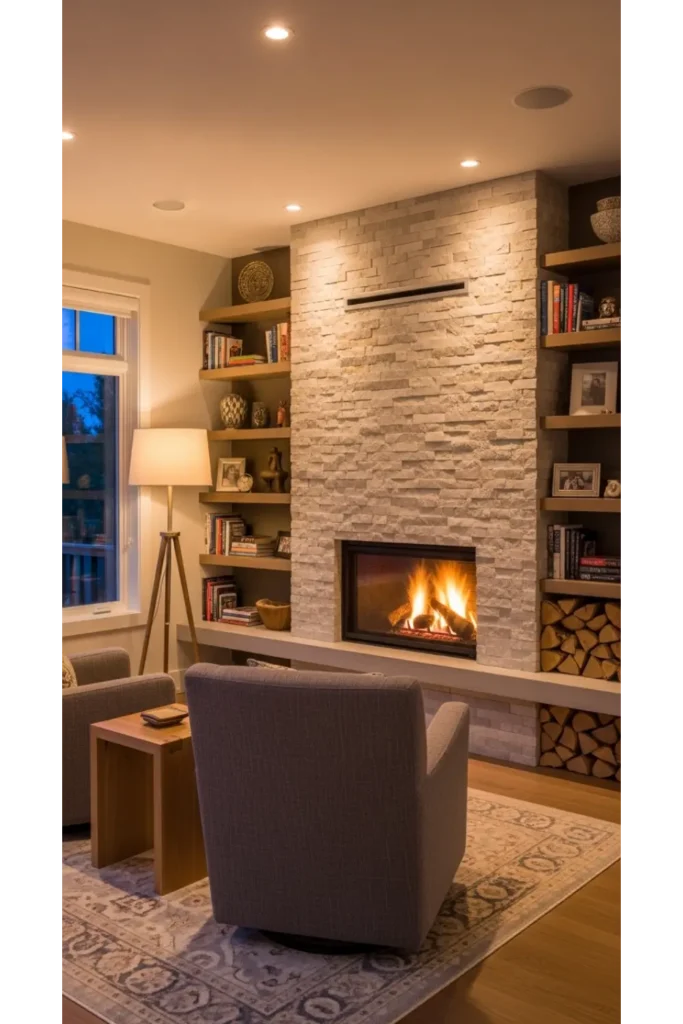
A fireplace often defines the heart of a living space. Frame it with subtle molding or marble to highlight its importance. Arrange seating so it naturally faces the fireplace, encouraging conversation and warmth. This approach strengthens the foundation of a luxury living room while keeping comfort front and center.
Decorate the mantel with restraint. A large mirror, balanced candlesticks, or a single piece of art works well. Avoid clutter so the architectural detail stands out. Built in shelves on either side can hold curated books and decorative objects for added depth.
Pro Tip: Keep mantel decor simple and scale pieces to fit the width of the fireplace.
9. Velvet Accent Seating
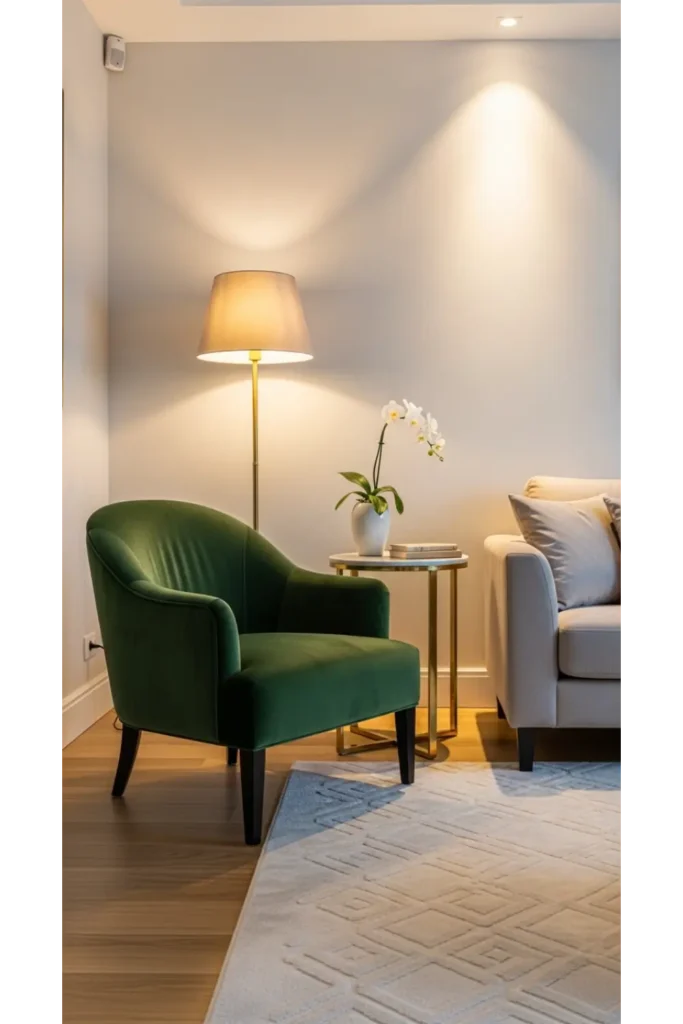
Velvet introduces texture and richness without overwhelming the space. Add one or two accent chairs in deep blue, forest green, or warm taupe. Their plush surface contrasts beautifully with structured sofas and clean lines. This subtle mix enhances an elegant living room decor style.
Balance bold seating with neutral walls and rugs. Keep surrounding furniture simple so the velvet becomes a refined highlight rather than the main attraction. Soft lighting enhances the fabric’s depth and makes the room feel cozy in the evening.
Pro Tip: Choose stain resistant velvet for durability in high traffic areas.
10. Paneled Feature Wall
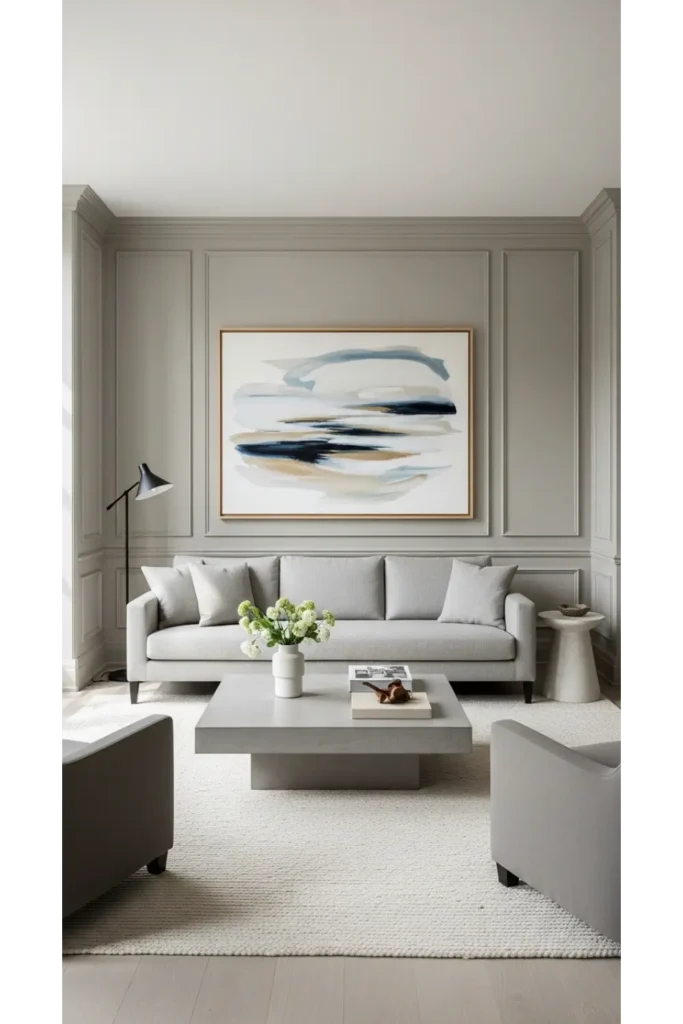
Wall paneling adds architectural charm and depth. Paint the panels in soft white or muted gray to maintain a clean, updated feel. This feature strengthens the identity of a modern classic living room while avoiding heavy ornamentation. Pair the wall with simple furniture to keep the focus on texture.
Hang artwork or mirrors within the panels for added interest. Keep color choices subtle so the room feels calm and unified. Good lighting highlights the panel lines and enhances dimension.
Pro Tip: Use evenly spaced panel sections to maintain proportion and visual order.
11. Layered Lighting Strategy
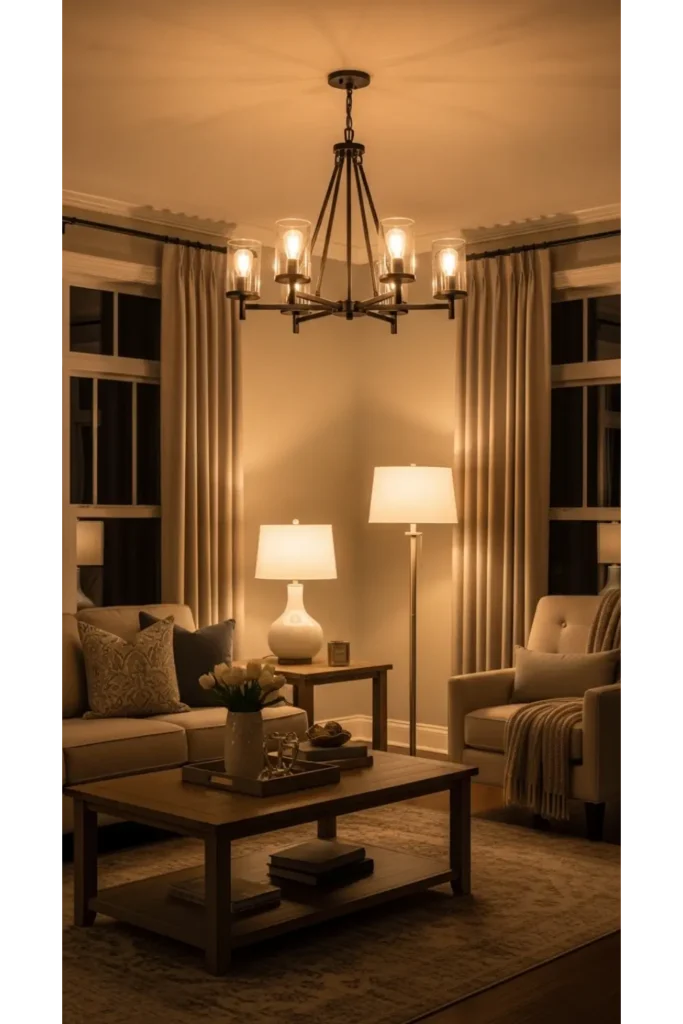
Lighting shapes mood and functionality. Combine ceiling fixtures, table lamps, and floor lamps to create layers of light. This approach supports both daily activities and evening relaxation. A balanced lighting plan strengthens the comfort and versatility of a transitional living room.
Choose warm toned bulbs to enhance soft textures and neutral colors. Position lamps at different heights to eliminate harsh shadows. Proper lighting highlights architectural details and decorative elements.
Pro Tip: Install dimmers to adjust brightness according to time of day.
12. Classic Rug with Modern Furniture
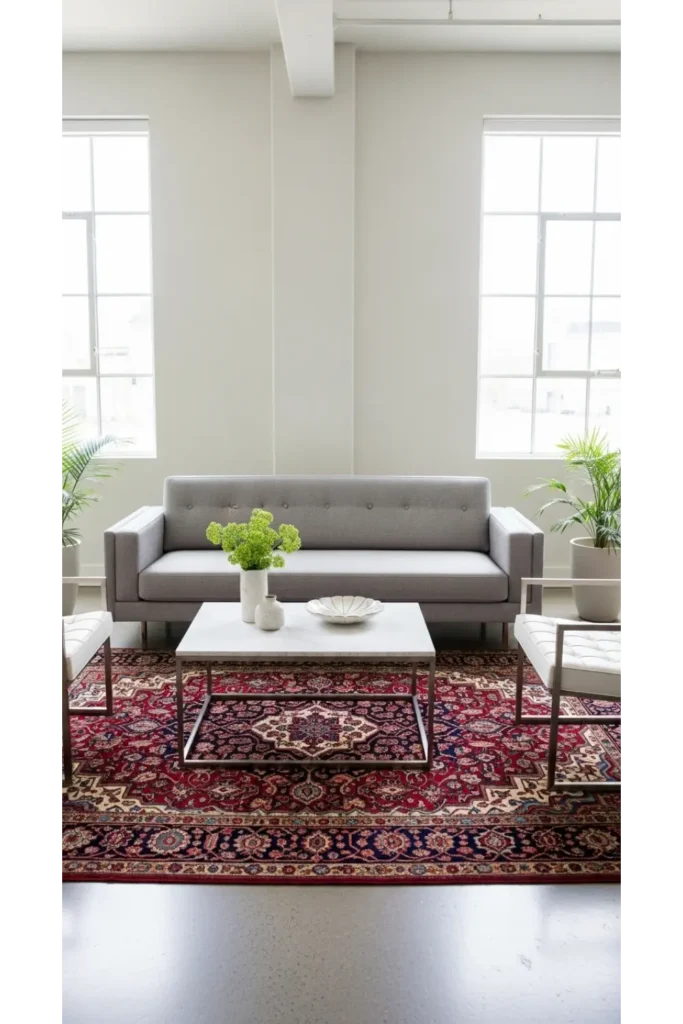
A traditional patterned rug grounds sleek furniture beautifully. The detailed design introduces character, while streamlined sofas keep the room current. This contrast creates depth and keeps the design from feeling flat. It reflects the essence of modern classic decor.
Select a rug that complements your color palette rather than competing with it. Keep larger furniture neutral so the pattern stands out naturally. A well sized rug ties the seating area together and defines the layout.
Pro Tip: Ensure the front legs of all seating rest on the rug for cohesion.
13. Built In Shelving Display
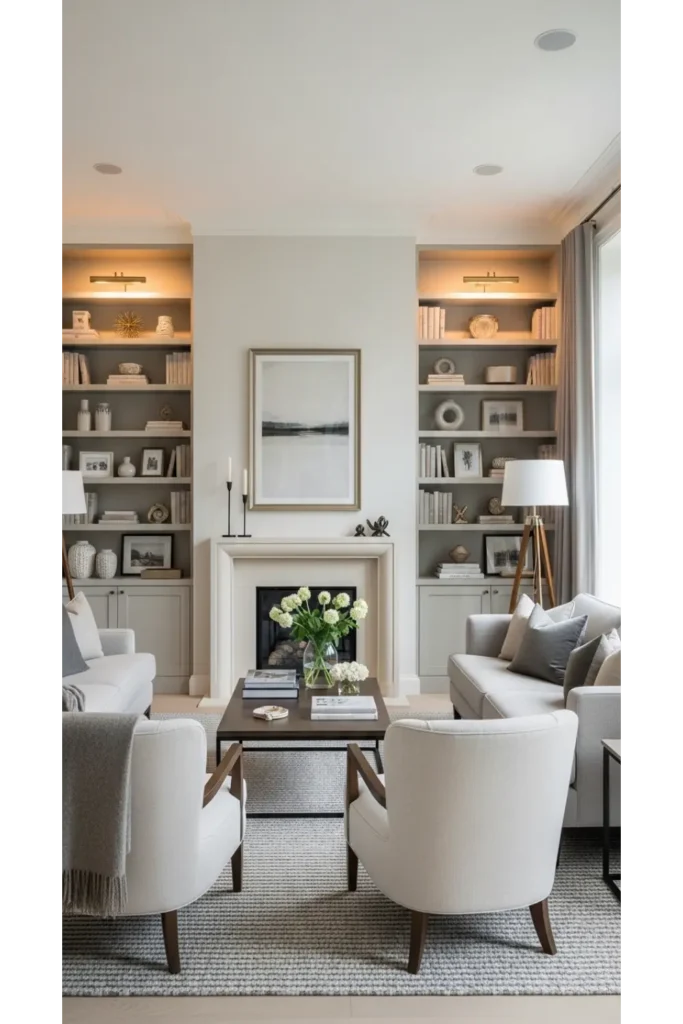
Built in shelves provide storage and style at once. Paint them the same color as the walls for a seamless look. Arrange books, ceramics, and framed art with intention to avoid clutter. This detail enhances a classic interior design approach with modern simplicity.
Mix vertical and horizontal stacks of books to add movement. Leave empty space between objects so the display feels curated. Lighting within shelves can create a soft glow in the evening.
Pro Tip: Group decor in odd numbers for a balanced composition.
14. Muted Blue Accents
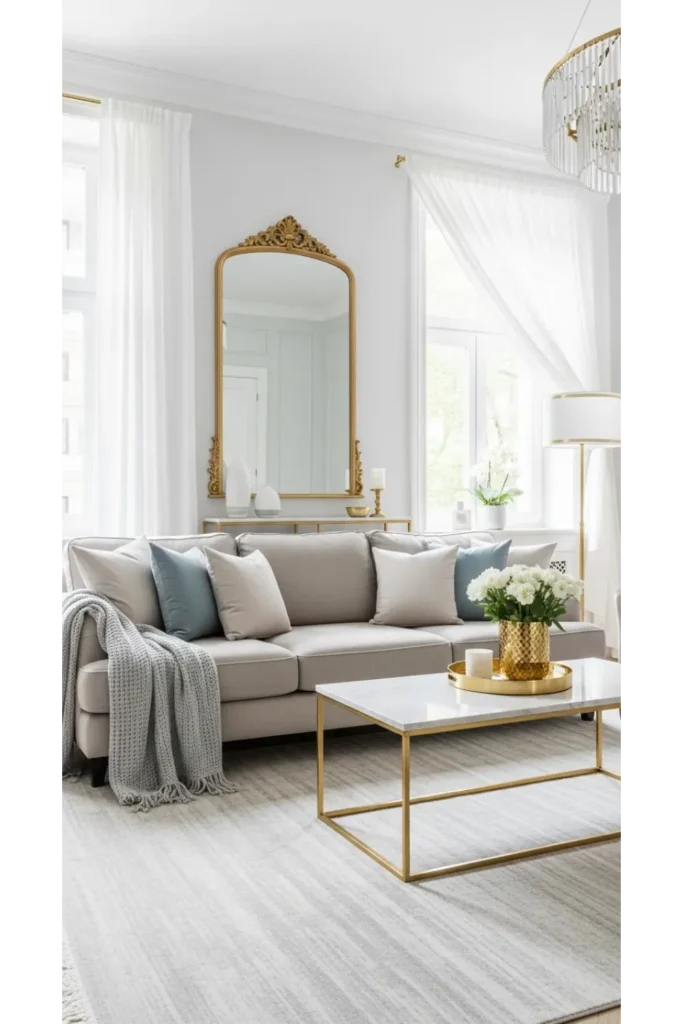
Soft blue tones introduce calm and freshness. Add them through cushions, artwork, or an accent chair. The gentle color supports a serene elegant living room decor scheme without overpowering neutral foundations.
Pair blue with warm metals and natural wood to maintain balance. Keep the overall palette restrained so the room feels cohesive. The subtle contrast adds interest while preserving harmony.
Pro Tip: Test paint samples in natural light before committing to a shade.
15. Glass and Metal Coffee Table
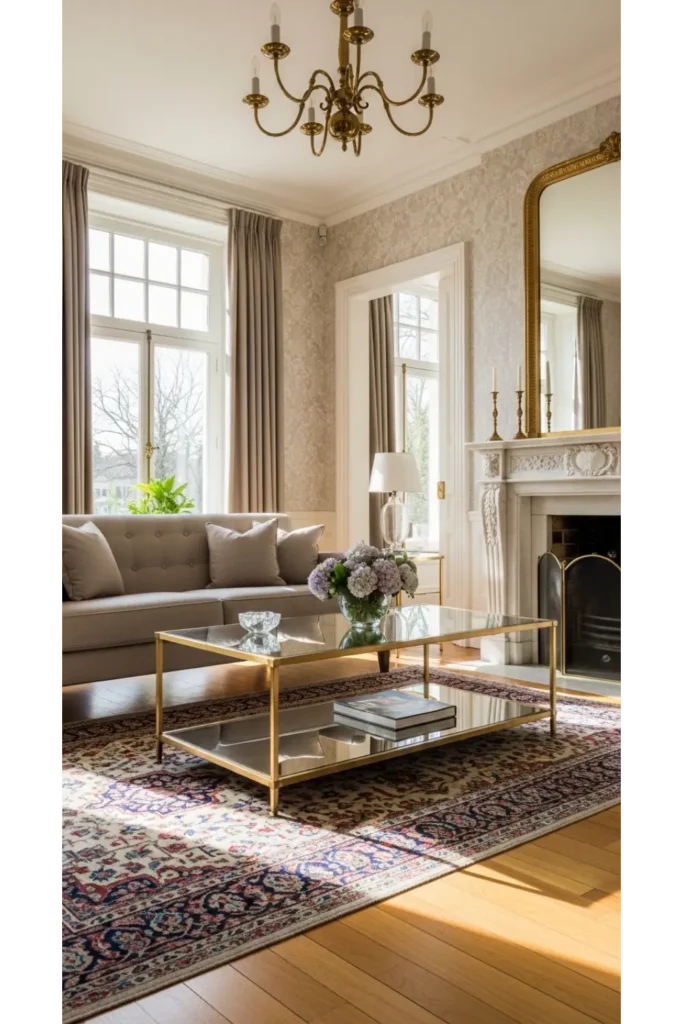
A glass top coffee table keeps the room feeling open and light. A brass or black metal frame adds structure and elegance. This mix blends traditional finishes with modern transparency, reinforcing a refined aesthetic.
Place books and a simple tray on top for styling. Avoid heavy decor that hides the table’s lightness. The reflective surface also enhances natural light, making the space feel larger.
Pro Tip: Choose tempered glass for safety and durability.
16. Neutral Textured Walls
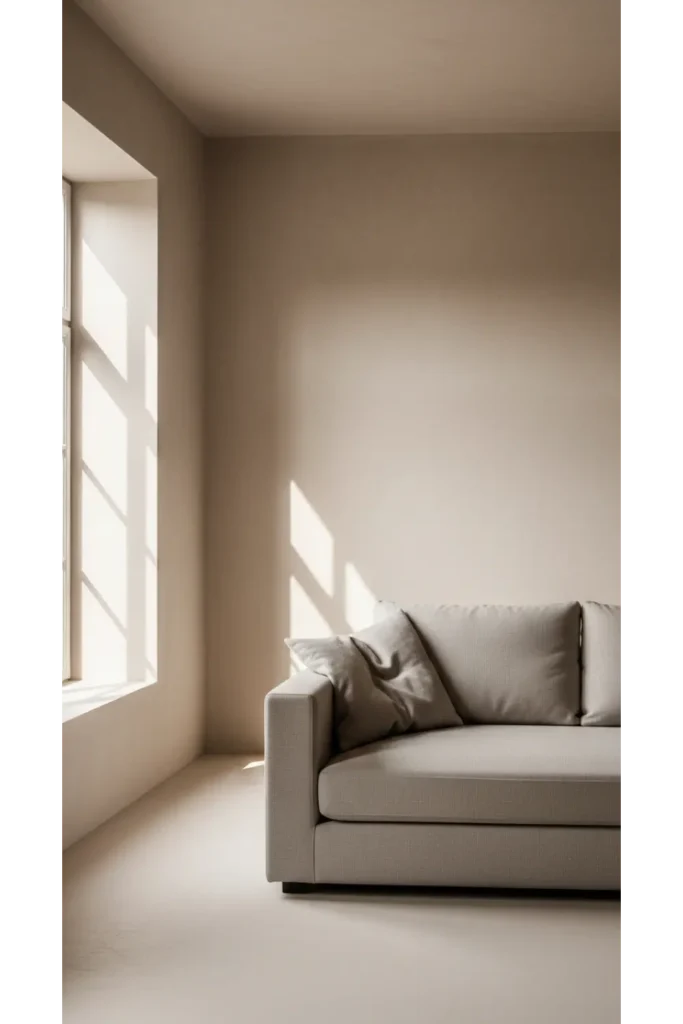
Textured walls add subtle depth without bold color. Limewash or light plaster finishes bring warmth and character. This approach strengthens the timeless foundation of a luxury living room while remaining understated.
Keep furnishings simple to let the wall finish shine. Soft textiles complement the texture and prevent the space from feeling stark. Good lighting enhances the natural variations.
Pro Tip: Test small wall sections before applying texture across the room.
17. Sculptural Mirror Accent
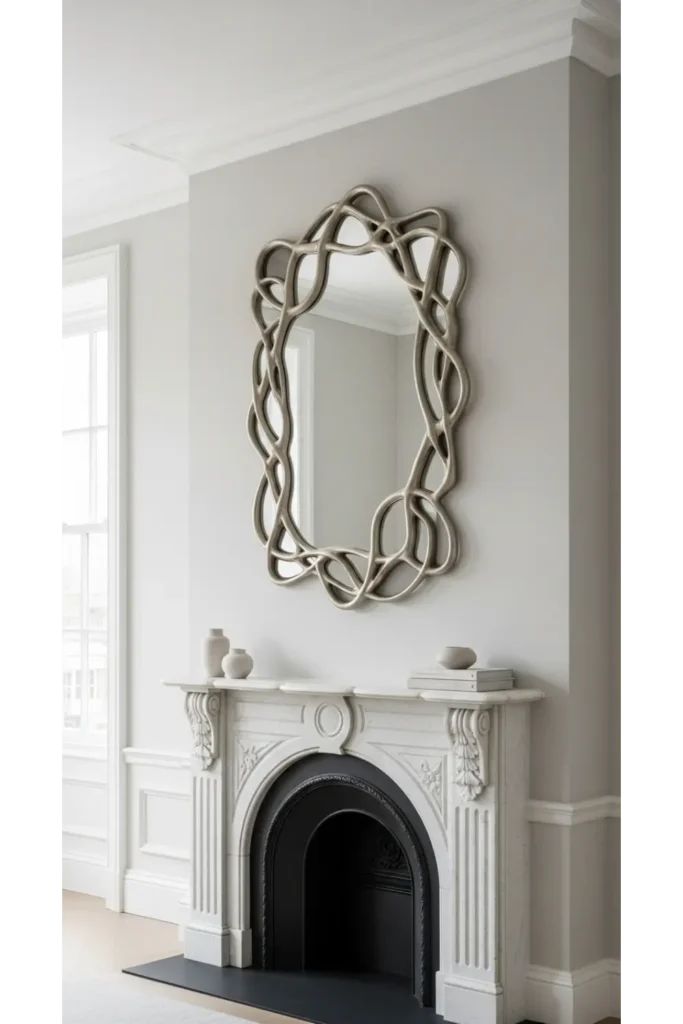
A statement mirror reflects light and creates visual expansion. Choose a curved or lightly ornate frame that bridges old and new design. Positioned above a fireplace or console, it enhances balance and symmetry.
Keep surrounding decor minimal so the mirror stands out. The reflection brightens darker corners and makes the room feel more open. This detail fits beautifully within modern classic decor themes.
Pro Tip: Hang mirrors opposite windows to maximize natural light.
18. Monochrome Cream Palette
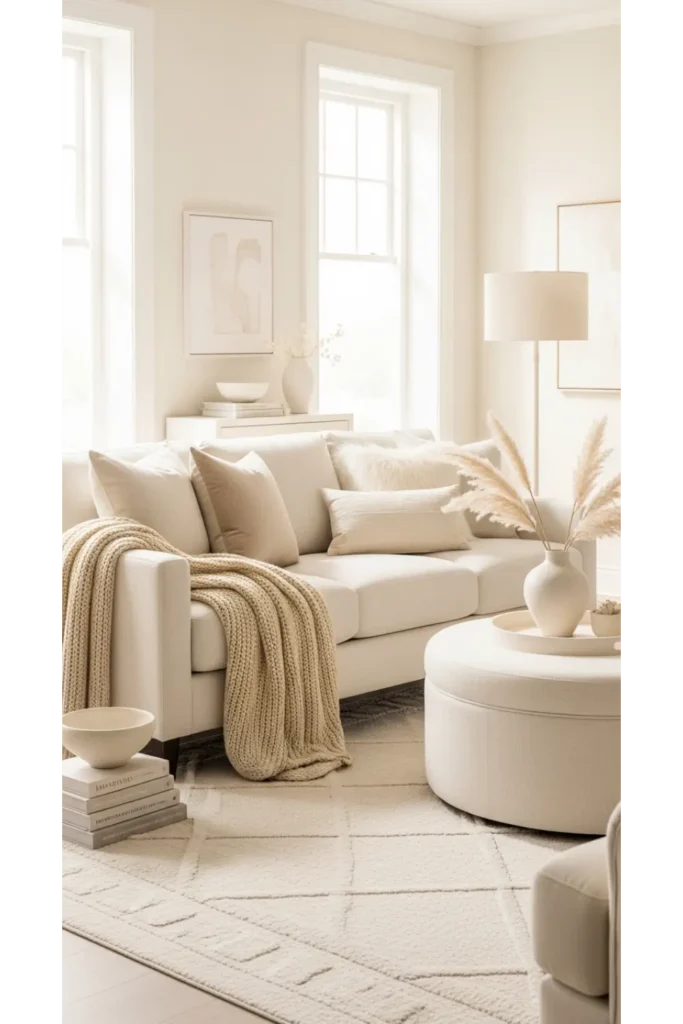
A monochrome cream palette feels calm and luxurious. Layer different shades of white and beige to create depth. This technique builds a serene modern classic living room atmosphere that feels cohesive and bright.
Mix fabrics like wool, linen, and velvet to avoid a flat appearance. Subtle contrast in tone keeps the design interesting while maintaining harmony. Add light wood accents for warmth.
Pro Tip: Incorporate at least three textures within the same color family.
19. Dark Wood Contrast
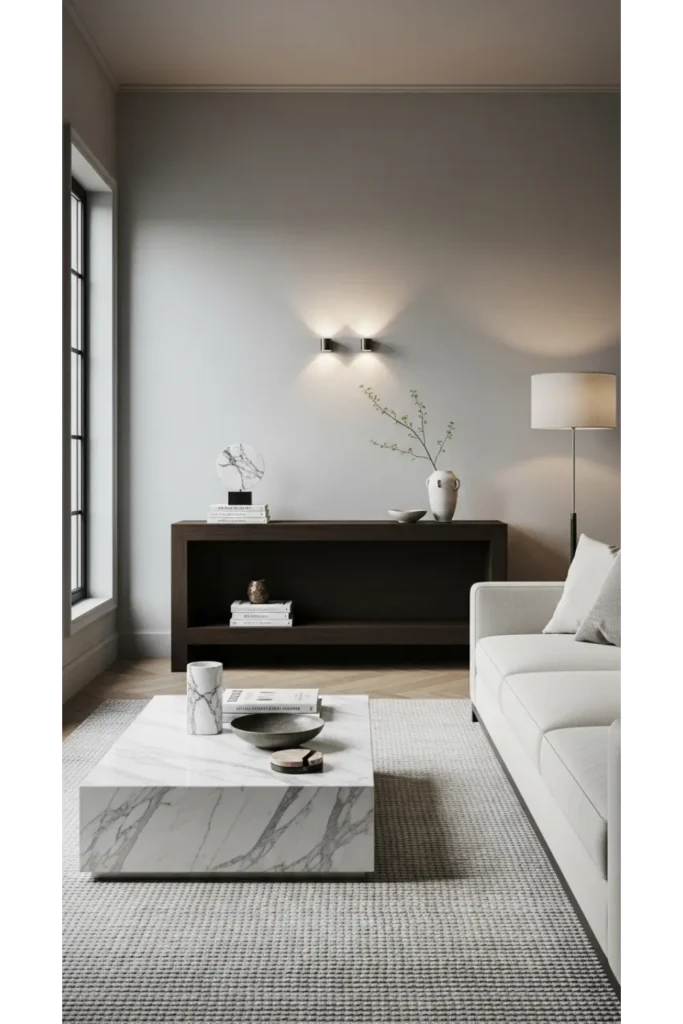
Dark wood furniture introduces richness and contrast. A walnut console or side table grounds lighter upholstery and walls. This interplay of light and dark creates dimension without heavy ornamentation.
Balance darker pieces with soft textiles and bright lighting. Keep walls neutral to prevent the space from feeling closed in. The contrast feels timeless and intentional.
Pro Tip: Repeat dark wood in small accents to maintain visual unity.
20. Subtle Patterned Cushions
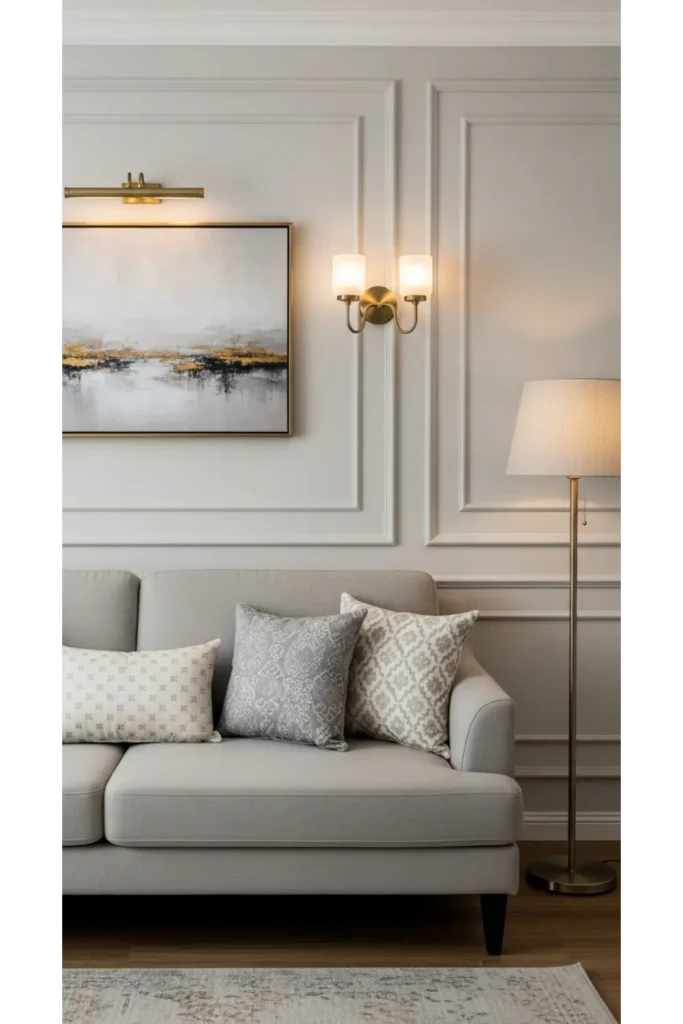
Patterned cushions add personality without overwhelming the room. Choose soft geometric or traditional motifs in muted tones. They enhance an elegant living room decor scheme while maintaining simplicity.
Layer solid and patterned pillows for balance. Keep color variations within your established palette. This approach refreshes the space seasonally without major changes.
Pro Tip: Limit patterns to two complementary designs for cohesion.
21. Curved Furniture Lines
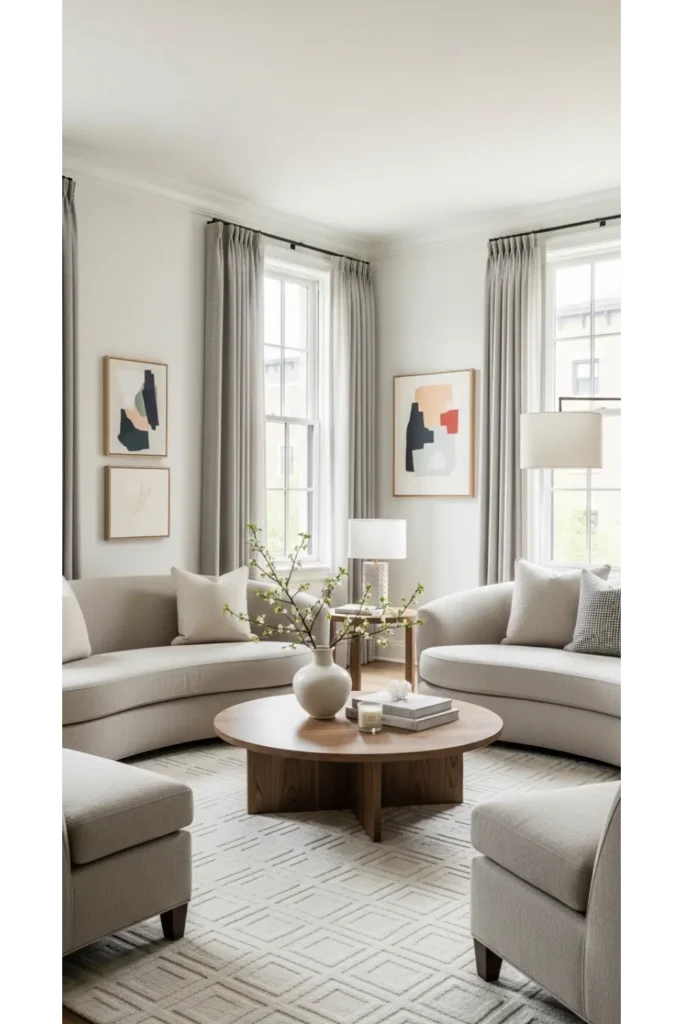
Curved furniture softens structured architecture. A rounded sofa or circular coffee table adds movement and warmth. This detail modernizes traditional layouts while preserving elegance.
Balance curves with straight elements such as paneled walls or rectangular rugs. The mix prevents the space from feeling overly formal. It also encourages a more relaxed atmosphere. Browse our full living room decor inspiration hub for even more ideas.
Pro Tip: Introduce one main curved piece to avoid visual clutter.
22. Minimal Decorative Styling
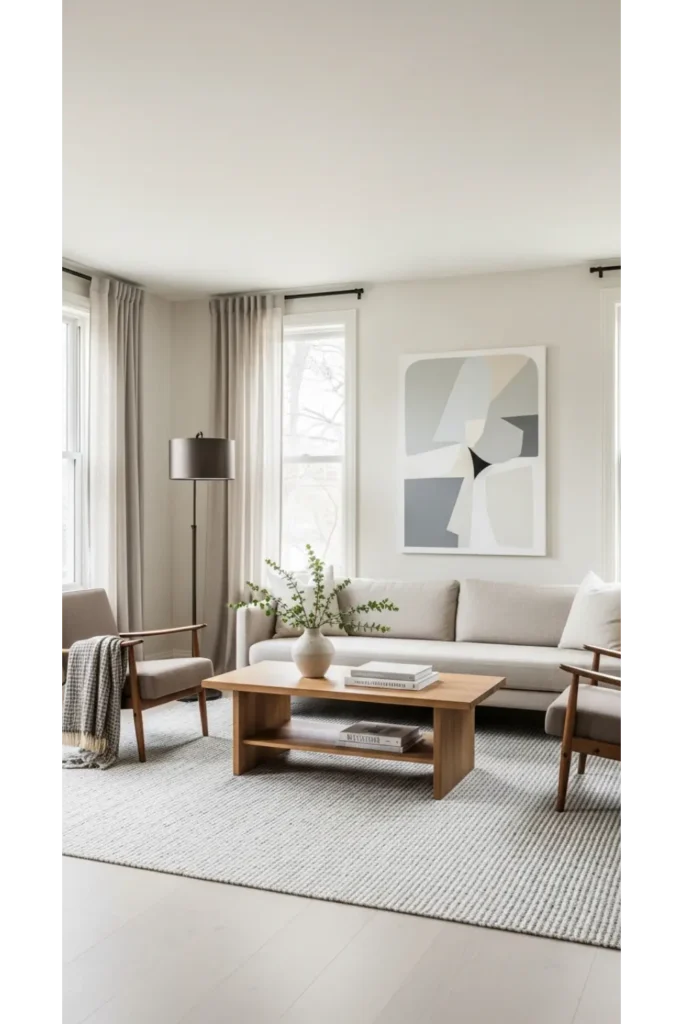
Restraint defines timeless style. Limit decor to meaningful pieces that reflect your personality. Clean surfaces highlight architectural features and quality materials.
Focus on proportion and placement rather than quantity. This method strengthens the foundation of classic interior design while keeping the room functional and calm.
Pro Tip: Remove one accessory from each surface and reassess balance.
23. Refined Stone and Ceramic Accents
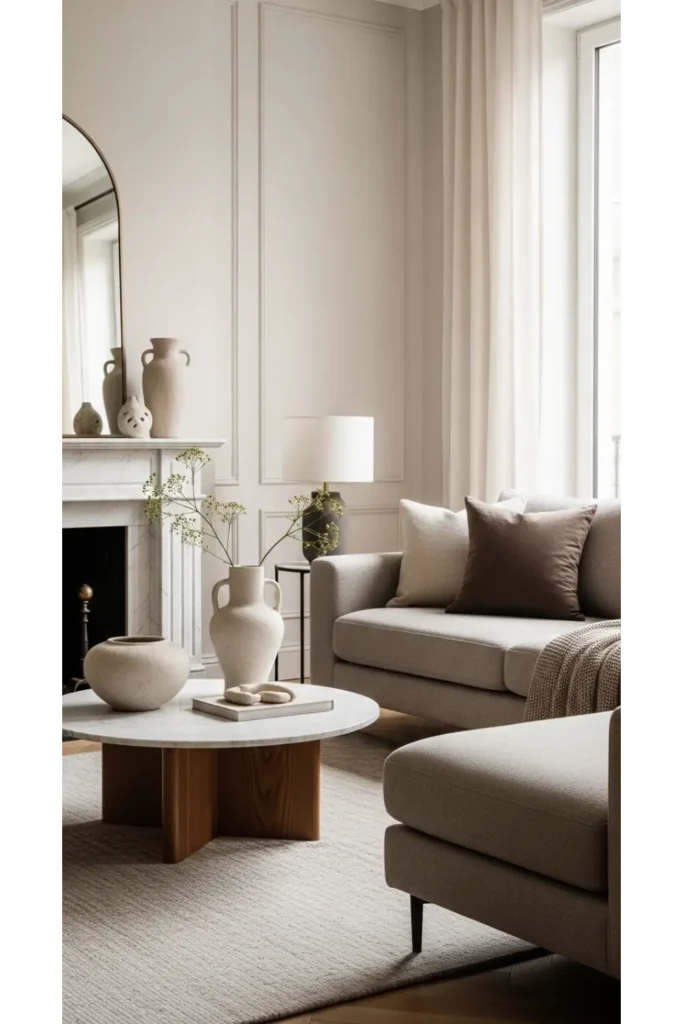
Stone and ceramic accents add quiet sophistication without overwhelming the space. Handcrafted vases, sculptural bowls, or textured pottery introduce organic character that balances polished surfaces like marble or glass. These natural materials ground the room and enhance the layered feel that defines a thoughtful living space rooted in timeless design.
Place ceramic pieces on consoles, coffee tables, or built in shelves with intention. Vary height and shape to create subtle movement while keeping the palette cohesive. Soft neutral tones such as ivory, sand, or warm gray blend seamlessly with refined interiors. This finishing detail strengthens visual depth while maintaining calm elegance.
Pro Tip: Group stone and ceramic objects in odd numbers and leave breathing room around them to highlight their texture and form.
FAQs
What defines a modern classic style in a living room?
It combines traditional elements such as molding, symmetry, and timeless materials with clean lines and updated furniture. The goal is balance, not contrast for shock value. The space feels elegant yet comfortable.
Which colors work best for this style?
Neutral tones such as cream, beige, gray, and soft white create a strong base. You can layer in muted blues, greens, or warm metallic accents for depth without overpowering the design.
How do I keep the room from feeling too formal?
Use soft textiles, layered lighting, and comfortable seating. Avoid overly ornate furniture. Focus on warmth and livability while keeping proportions balanced.
Conclusion
Designing a space that blends old and new requires intention, not excess. When you combine thoughtful architecture, balanced color palettes, and quality materials, your living room becomes both timeless and current. Each idea above offers a practical path toward creating a refined space that supports daily life while reflecting personal style. With careful layering and smart choices, you can shape a home that feels elegant, welcoming, and built to last.