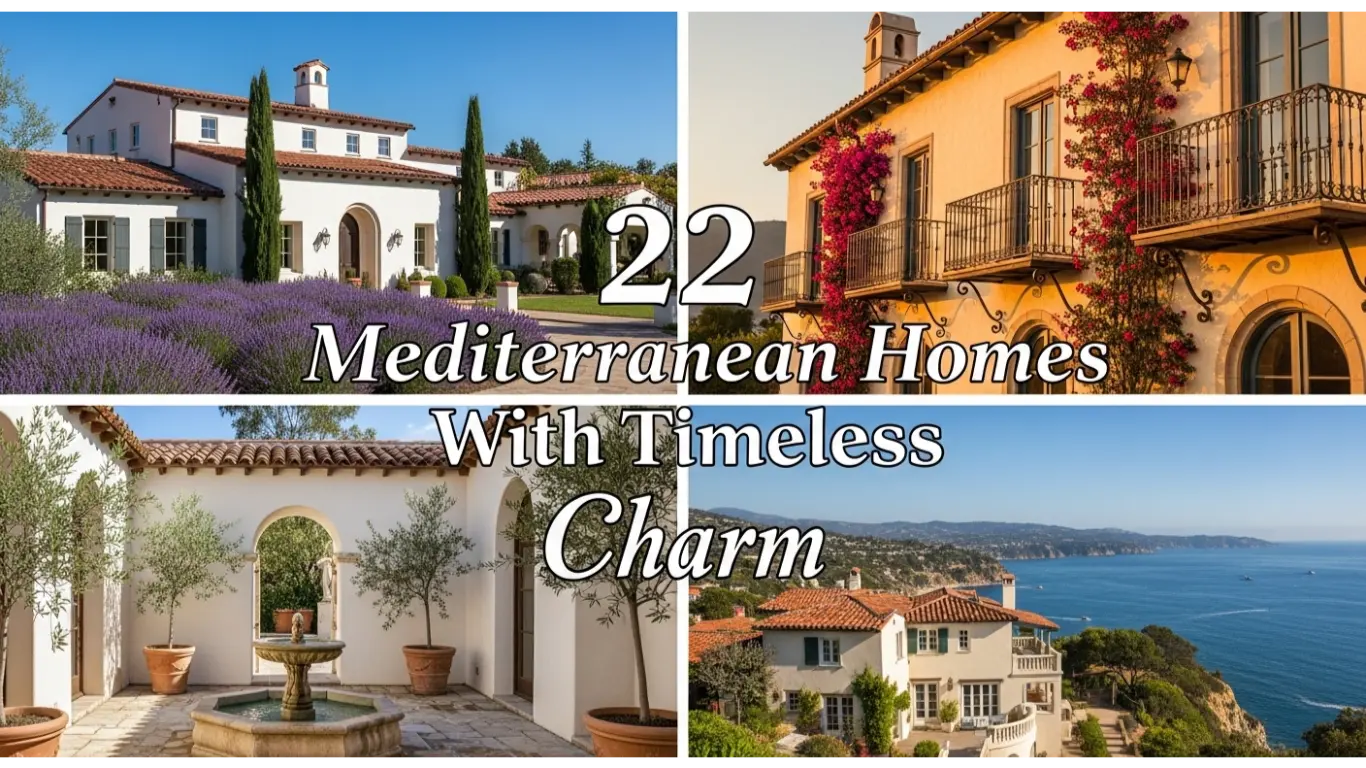
22 Mediterranean Homes With Timeless Charm
Mediterranean living never goes out of style. Warm textures, sun washed colors, and indoor outdoor flow make these homes feel calm and welcoming in any climate. This guide explores mediterranean homes through fresh design ideas that respect tradition while fitting modern life. Each concept shows how beauty, comfort, and long term value come together naturally, helping you design a home that feels soulful, practical, and deeply connected to place.
1. Sun Washed Courtyard Living
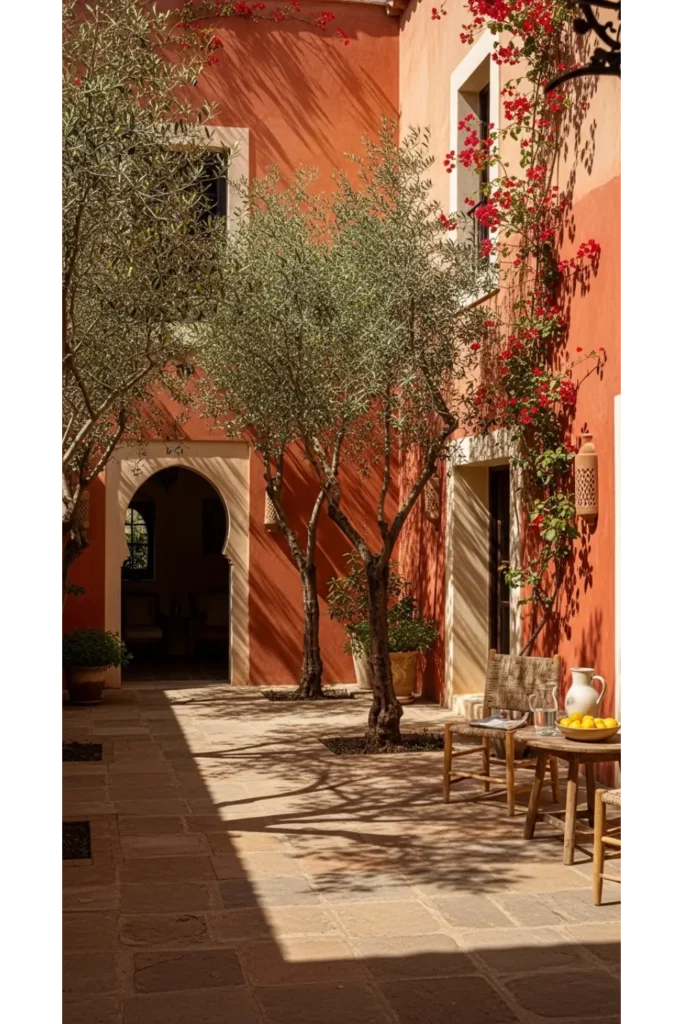
These mediterranean homes center life around an open courtyard that captures sunlight and fresh air all day. Stone floors stay cool underfoot while textured plaster walls reflect warmth softly. The courtyard connects every room visually, making the house feel larger and more social. This layout supports privacy while encouraging daily moments outdoors without leaving home.
Courtyard focused design improves airflow and reduces heat buildup naturally. Families enjoy safer outdoor play and quiet gathering space year round. Over time, these courtyards age beautifully, adding character instead of wear. The design supports slow living while remaining functional for modern routines and entertaining needs. Explore more inspiring living style ideas in our complete style guide here.
Pro tip: Use native plants, such as olive or citrus trees, to reduce water use and boost authenticity.
2. Arched Doorways With Soft Flow
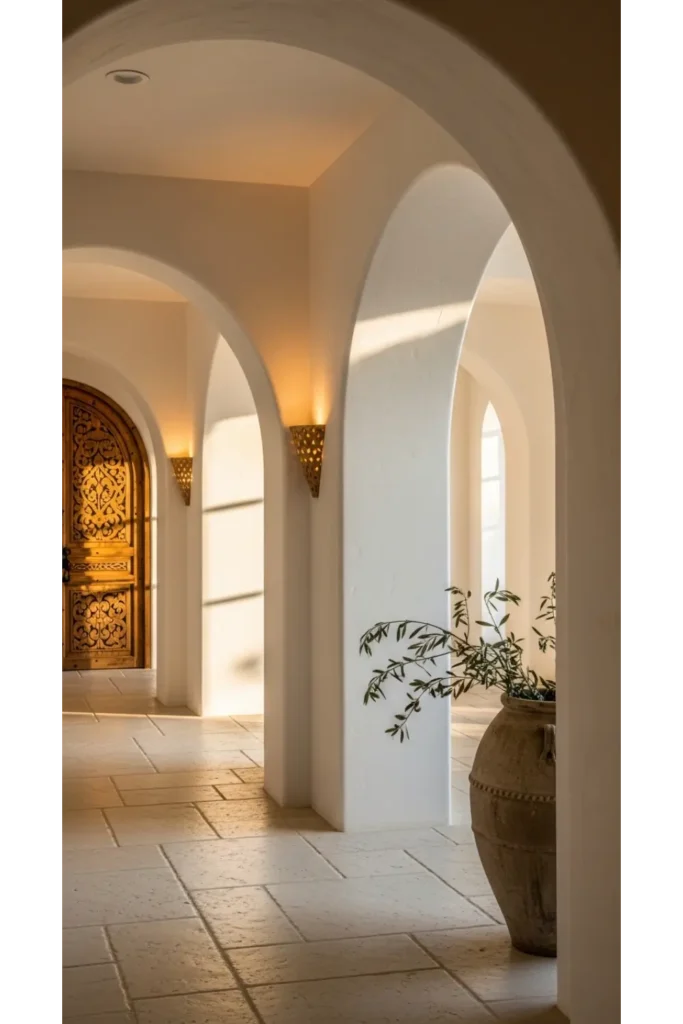
Graceful arches define movement inside classic Mediterranean architecture. They soften transitions between rooms and add visual rhythm without clutter. Unlike sharp angles, arches guide the eye smoothly, creating calm and cohesion. This feature works in both small and large homes, making spaces feel connected yet distinct.
Arched openings also improve light distribution, allowing sunlight to travel deeper indoors. They pair well with neutral palettes and natural materials, creating timeless appeal. Homeowners value arches for their durability and ability to elevate simple layouts into refined living spaces.
Pro tip: Keep arch edges slightly imperfect for a more authentic, handcrafted look.
3. Earth Toned Exterior Palettes
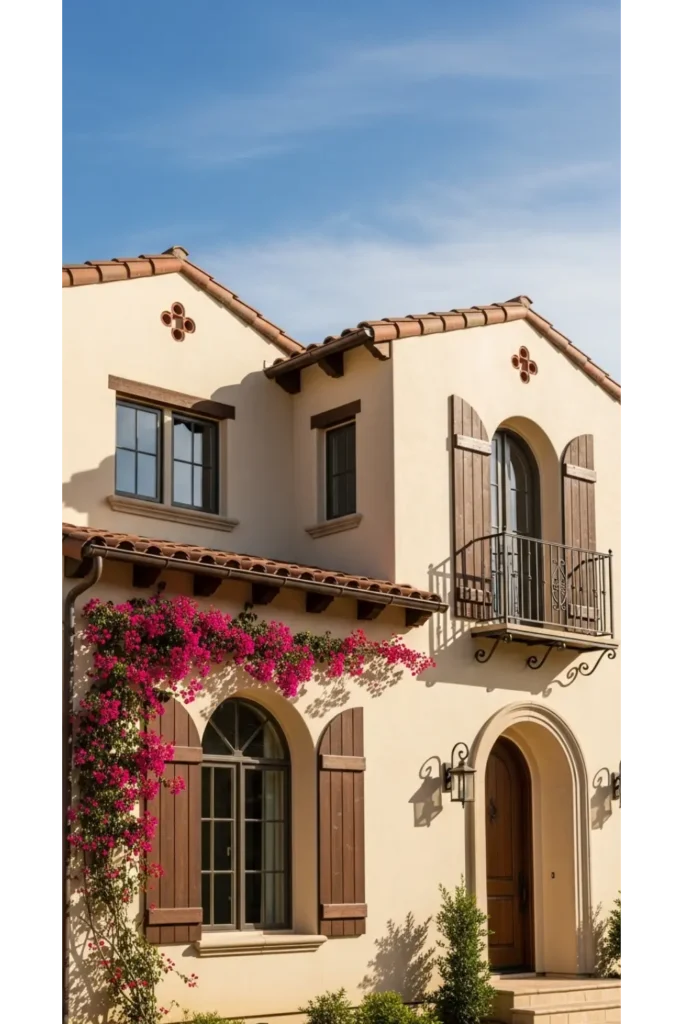
Earth inspired colors ground coastal home design in nature. Soft sands, warm creams, and muted clay tones reflect sunlight gently while blending into surroundings. These shades age gracefully and resist looking dated, even after decades. They also hide dust and wear better than stark whites.
Exterior color choices impact indoor comfort by reflecting heat instead of absorbing it. When paired with clay roof tiles, the home stays cooler and visually balanced. This palette supports resale value while preserving the emotional warmth Mediterranean homes are known for.
Pro tip: Test colors in morning and evening light before final selection.
4. Clay Tile Roof Heritage
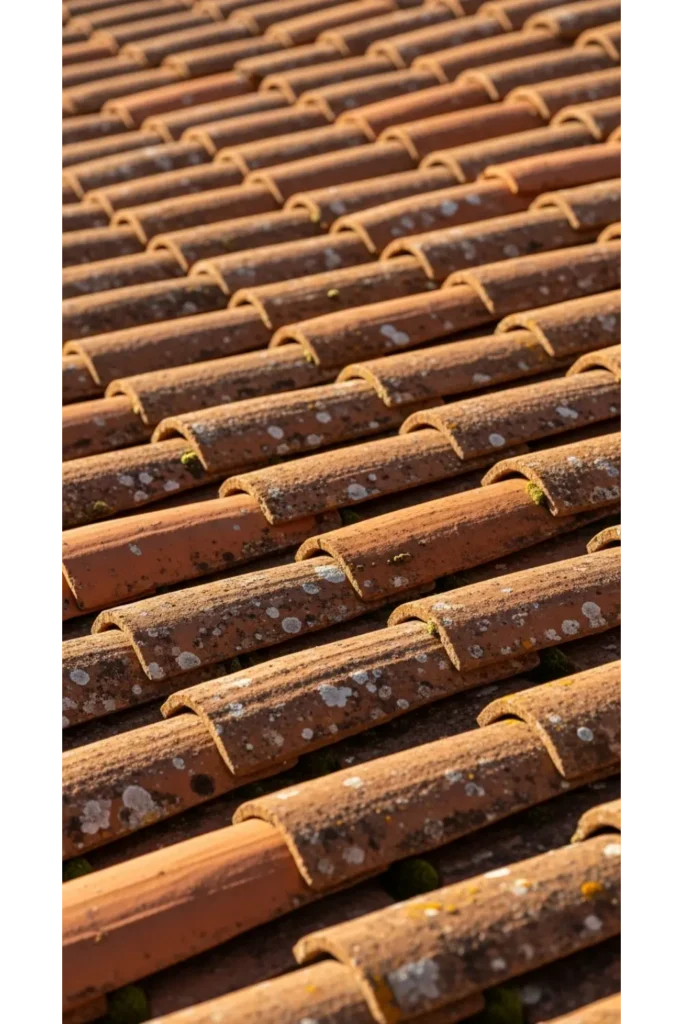
Clay tile roofs define the silhouette of southern European homes. Their curved forms allow airflow that regulates temperature naturally. Over time, tiles develop patina that enhances charm rather than diminishing it. This roofing choice balances beauty with longevity.
Beyond aesthetics, clay tiles resist fire and harsh weather. They also reduce energy costs by keeping interiors cooler. While installation requires skill, the long lifespan makes it a wise investment for homeowners seeking durability and classic appeal.
Pro tip: Choose reclaimed tiles for instant character and sustainability.
5. Indoor Outdoor Living Rooms
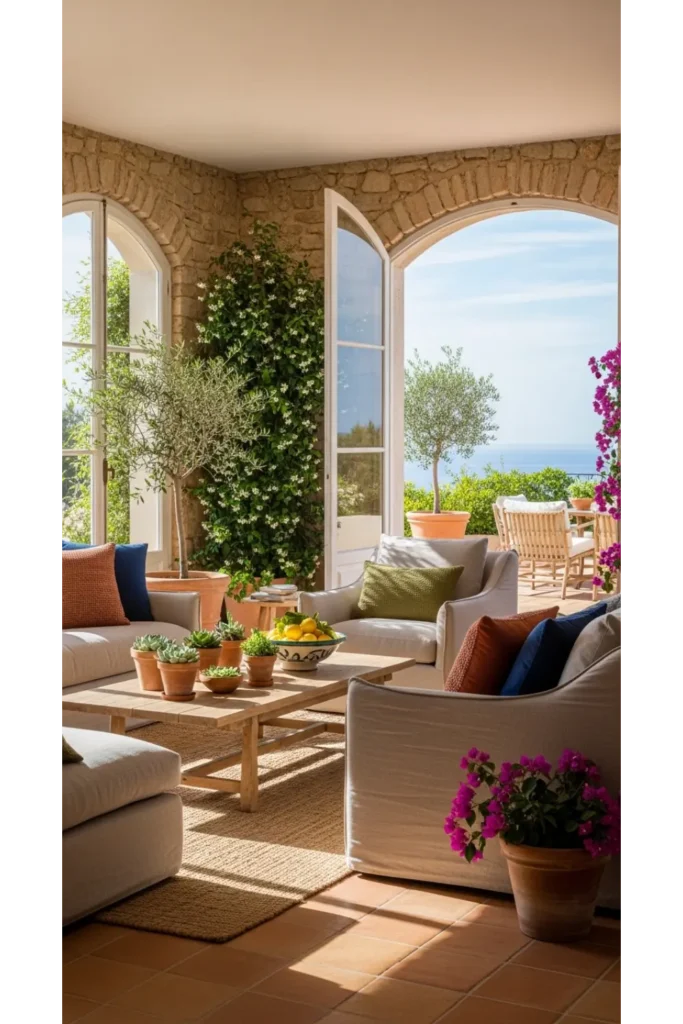
Blurring boundaries between indoors and outdoors defines Mediterranean interior design. Large doors open living rooms to terraces, letting fresh air and light flow freely. This design supports relaxed entertaining and everyday comfort.
Outdoor connected living increases usable space without expanding square footage. It also strengthens connection to nature, improving well being. Thoughtful furniture choices make these spaces functional across seasons.
Pro tip: Use weather resistant fabrics that feel soft like indoor textiles.
6. Textured Plaster Walls
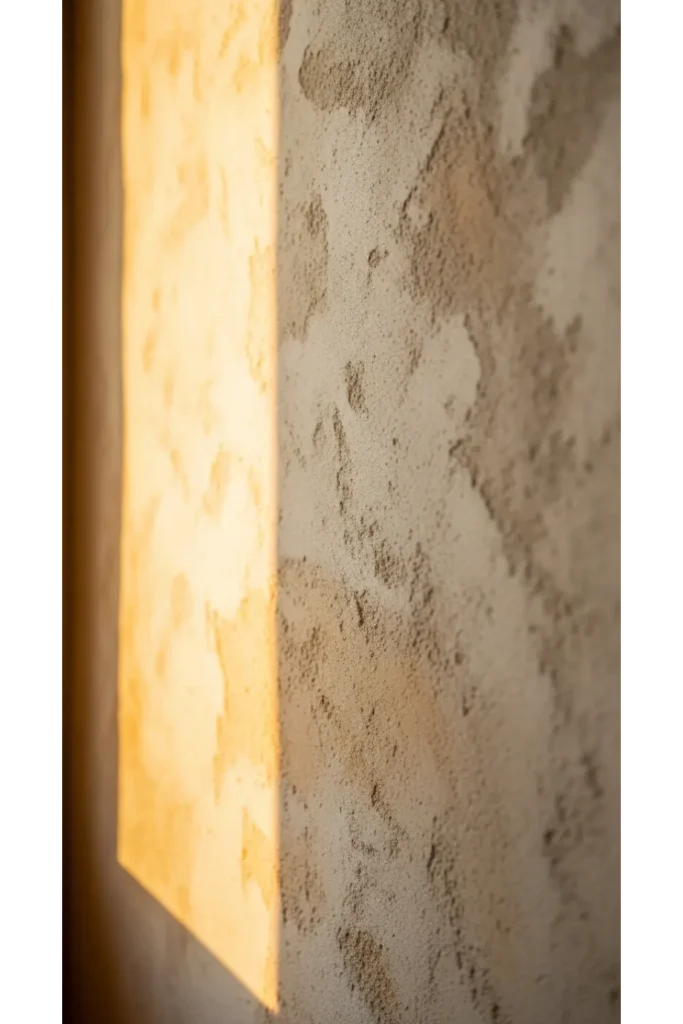
Hand applied plaster gives walls depth and movement. Unlike flat paint, texture catches light differently throughout the day. This technique adds warmth and hides imperfections naturally.
Plaster also improves indoor air quality by regulating humidity. Its organic feel supports calm interiors and pairs beautifully with wood and stone.
Pro tip: Lime plaster ages better than synthetic alternatives.
7. Natural Stone Flooring
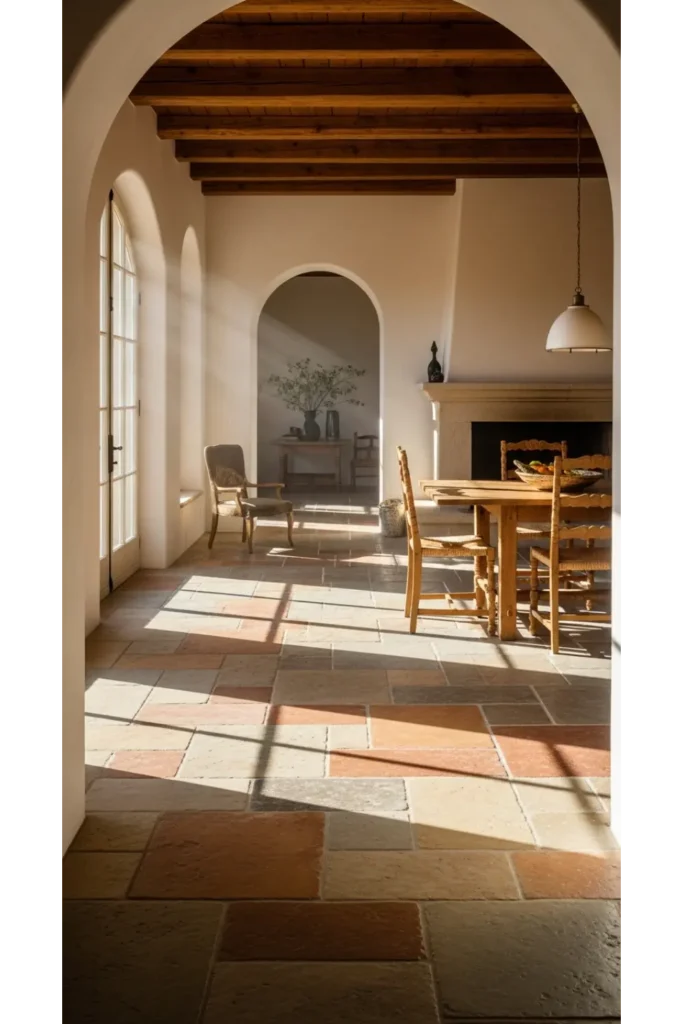
Stone floors ground rustic Mediterranean style with durability and beauty. Each slab carries natural variation, making every home unique. These floors stay cool in warm climates and feel solid underfoot.
Stone ages gracefully and requires minimal upkeep. It suits high traffic areas while elevating the entire interior aesthetic.
Pro tip: Choose matte finishes to prevent slipping.
8. Wooden Ceiling Beams
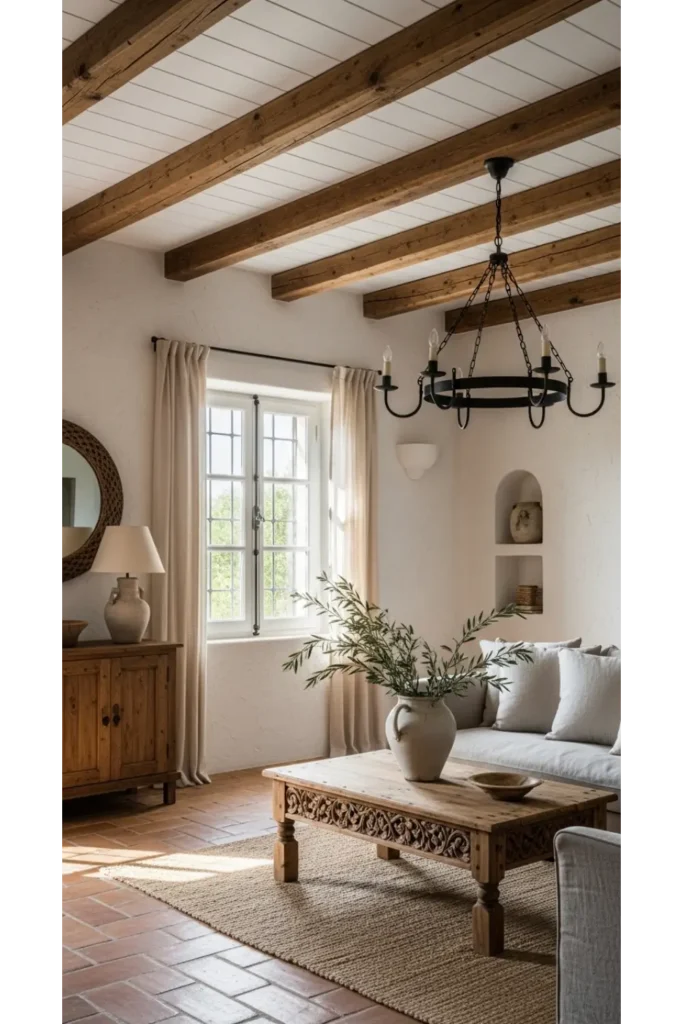
Wooden ceiling beams bring depth and structure to interiors while keeping the space warm and grounded. In many Mediterranean homes, exposed beams reflect traditional building methods that relied on solid timber for strength and beauty. Their natural grain contrasts softly against white plaster ceilings, creating balance between light and texture. This detail draws the eye upward and makes even modest rooms feel taller and more open.
Beyond appearance, beams add lasting value and durability. When builders seal and maintain them properly, they resist wear and develop rich patina over time. Homeowners appreciate how beams frame living rooms, kitchens, and bedrooms without adding clutter. They work well in both rustic and modern layouts, proving that simple architectural elements often make the strongest design statement.
Pro tip: Choose reclaimed or lightly distressed wood to create authentic character from day one.
9. Blue and White Accents
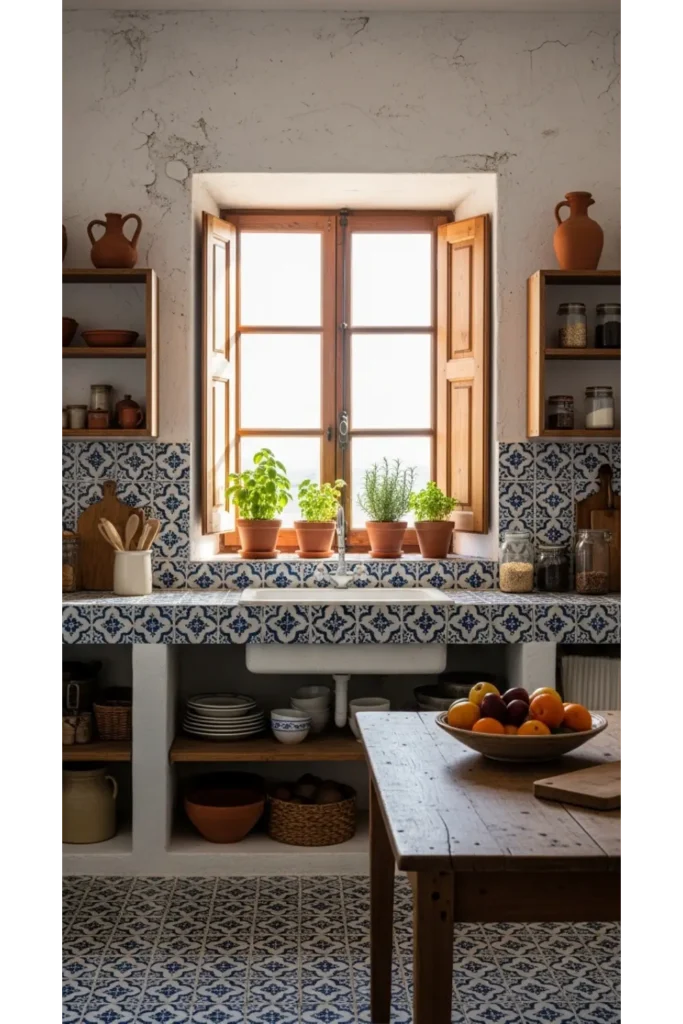
Blue and white accents reflect the sea and sky that inspire classic Mediterranean interior design. This color pairing brightens kitchens and bathrooms without overpowering natural materials. Blue tiles around a backsplash or hand painted ceramic pieces on open shelves add energy while white walls keep the room airy and fresh. The combination feels clean, welcoming, and easy to live with every day.
These colors also support long term flexibility. Homeowners can change decor or furniture without redoing the core palette. Blue works beautifully against stone counters, wooden cabinets, and clay floors, creating harmony across the space. When used with restraint, this pairing delivers a crisp coastal feel that remains timeless rather than trendy.
Pro tip: Use patterned blue tiles in small areas to add interest without overwhelming the space.
10. Wrought Iron Details
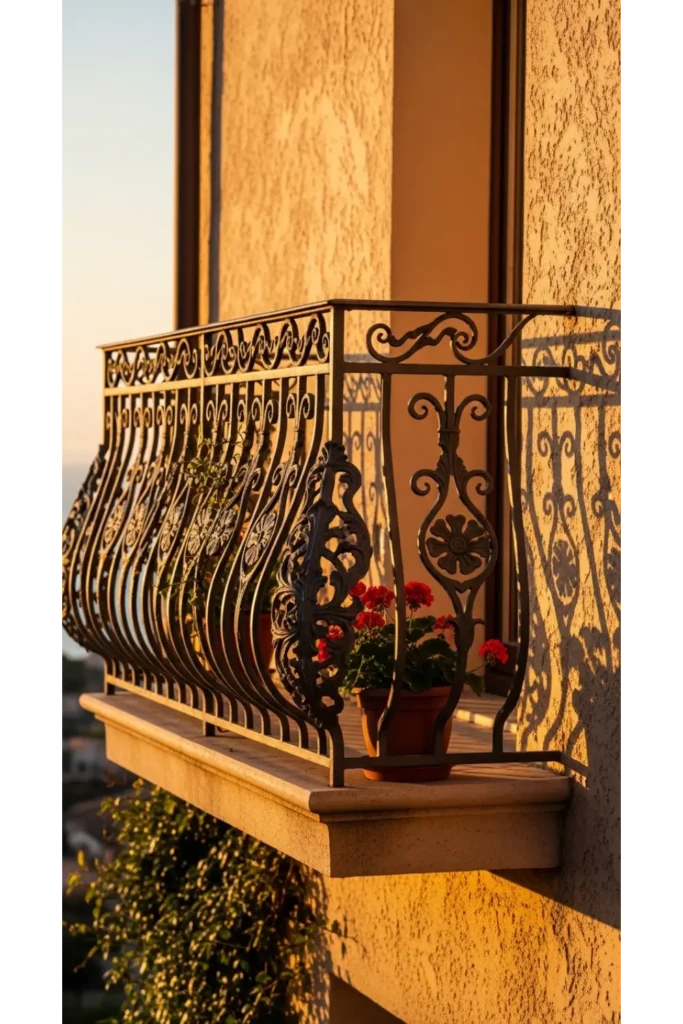
Wrought iron details give structure and elegance to balconies, stair railings, gates, and window grilles. Against soft plaster walls, dark iron creates striking contrast that defines Mediterranean architecture. Craftsmen often shape iron into simple curves that echo arches and clay roof lines. These details feel strong yet refined, adding depth without heavy decoration.
Iron also serves practical needs. It increases security, supports outdoor spaces, and withstands changing weather conditions. Over time, it develops a natural finish that enhances charm instead of looking worn out. Because of its durability, wrought iron remains a smart investment for homeowners who want both beauty and function in their exterior and interior spaces.
Pro tip: Select classic curved patterns instead of complex motifs for a look that will age gracefully.
11. Courtyard Water Features
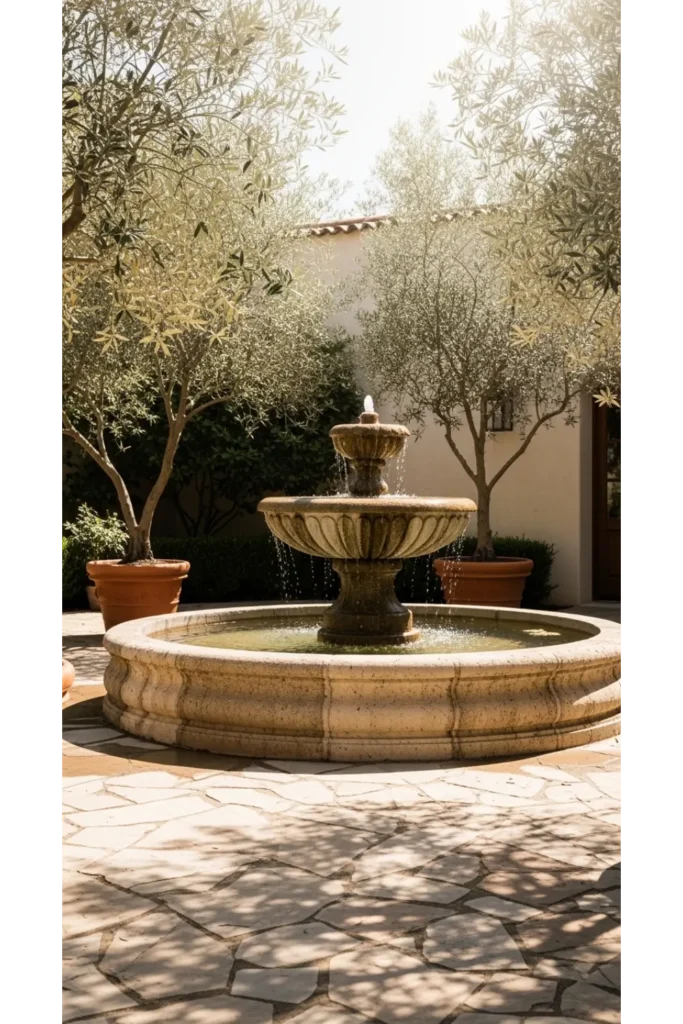
Water features bring movement and calm into private courtyards. A simple stone fountain at the center creates a focal point that defines gathering areas in mediterranean homes. The gentle sound of flowing water softens surrounding noise and cools the air naturally during warmer months. This sensory layer transforms an ordinary patio into a peaceful retreat.
Beyond aesthetics, water features encourage mindful outdoor living. Families linger longer in shaded courtyards when the environment feels fresh and inviting. Even a modest basin with a steady trickle can shift the mood of the entire space. When designed thoughtfully, fountains enhance both property value and daily comfort without overwhelming the setting.
Pro tip: Keep the design simple and scale it to the courtyard size for easy maintenance.
12. Rustic Kitchen Design
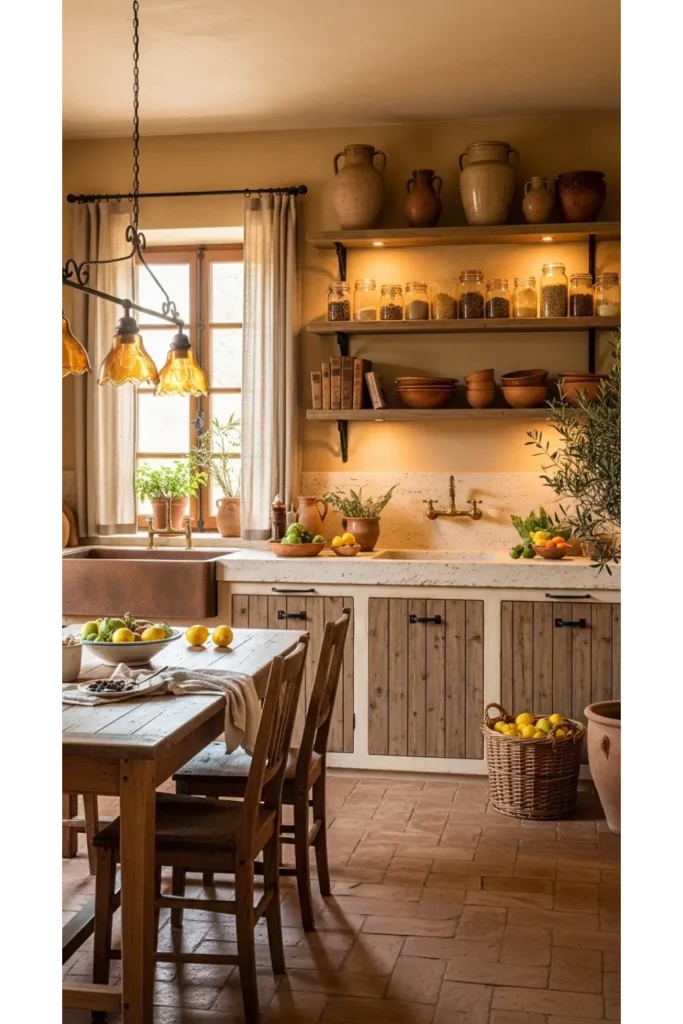
Rustic kitchens anchor the heart of Mediterranean homes with warmth and texture. Solid wood cabinets, stone countertops, and handcrafted tiles create a space that feels honest and lived in. Instead of glossy finishes, designers choose matte surfaces that show natural variation. This approach makes the kitchen feel welcoming and durable at the same time.
These kitchens encourage gathering and slow cooking traditions. Large islands or farmhouse tables give families room to prepare meals together. Natural light enhances the earthy tones, while open shelving displays pottery and everyday essentials. Over time, wear marks add charm rather than diminishing the design, reinforcing the sense of authenticity.
Pro tip: Combine closed cabinets with a few open shelves to balance storage and display.
13. Shaded Pergolas
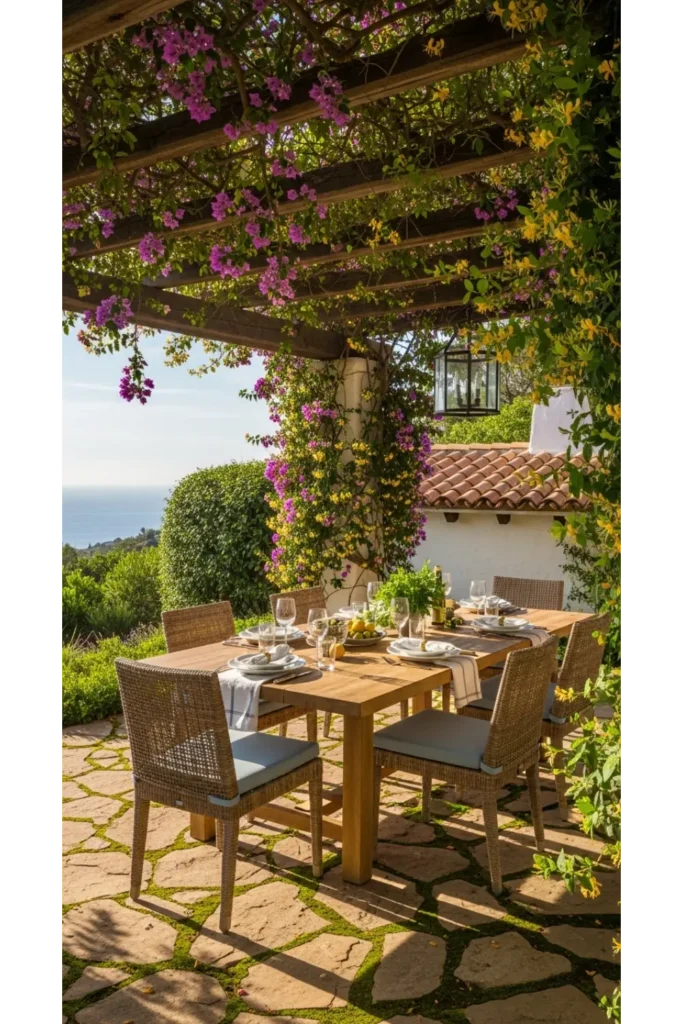
Pergolas extend living space outdoors while offering protection from strong sun. In Mediterranean outdoor living, wooden beams overhead allow airflow while casting soft shadows across patios. Climbing vines such as grape or jasmine add greenery and seasonal fragrance. This structure creates comfort without blocking natural light completely.
A shaded pergola supports year round use of terraces and gardens. Families dine outside more often when the space feels cool and inviting. The structure also frames outdoor furniture, making the patio feel like a true extension of the home. With the right materials, pergolas age beautifully and require minimal upkeep.
Pro tip: Position the pergola to capture afternoon shade for maximum comfort.
14. Minimal Ornamentation
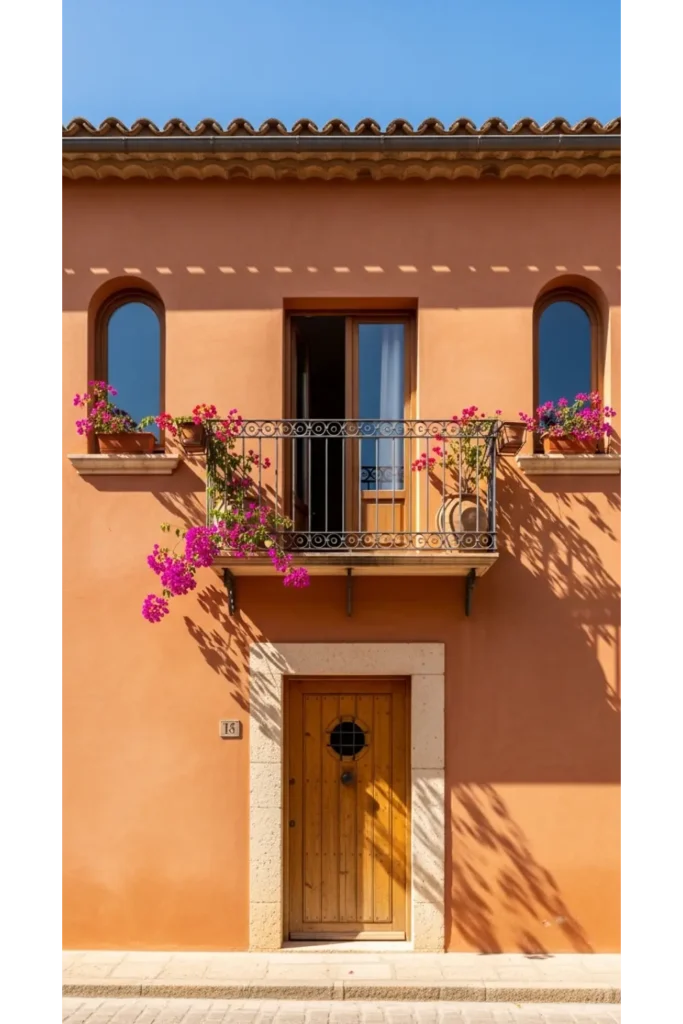
Minimal ornamentation highlights proportion and craftsmanship rather than decoration. Clean stucco walls, balanced windows, and clay roof lines define many Mediterranean homes. Instead of heavy trim or flashy details, the design relies on strong shapes and natural materials to create visual impact. This restraint keeps the home elegant and timeless.
Simplicity also improves maintenance and long term value. Fewer decorative elements mean fewer areas that collect dust or require repair. When homeowners focus on scale, symmetry, and texture, the architecture stands out naturally. This approach suits both traditional builds and modern interpretations inspired by southern Europe.
Pro tip: Invest in quality materials since simple designs reveal every detail clearly.
15. Terracotta Accents
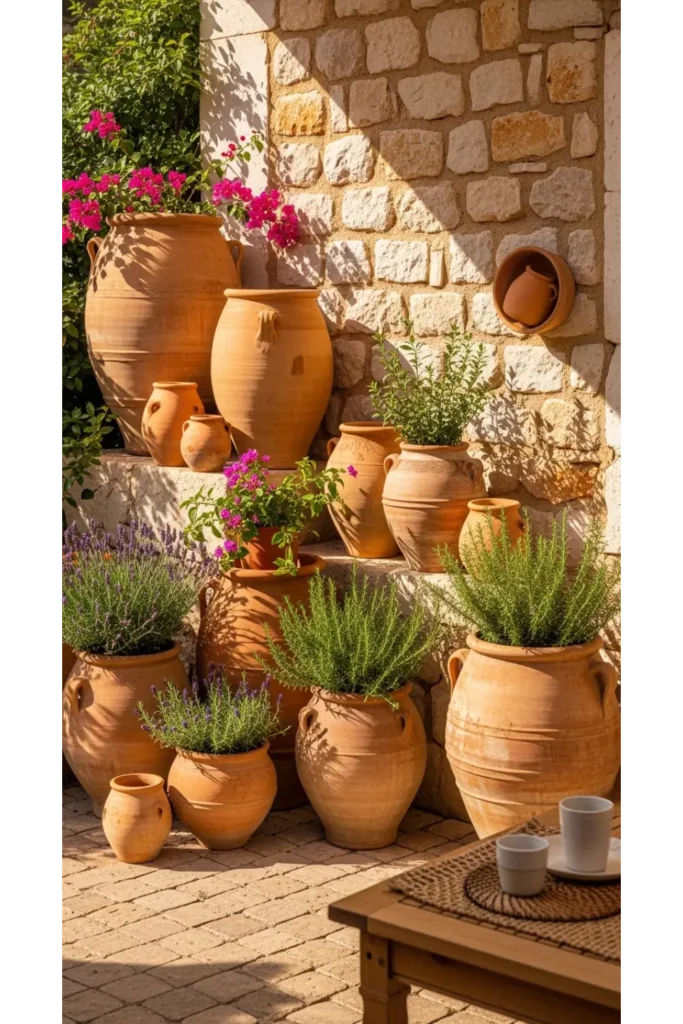
Terracotta accents bring warmth and authenticity to interiors and exteriors alike. Clay pots, floor tiles, and decorative pieces echo the earthy palette found in rustic Mediterranean style. Their rich orange and red tones contrast beautifully with white plaster and green plants. This natural material connects the home to the landscape.
Terracotta also supports healthy indoor conditions by absorbing and releasing moisture slowly. Its durability makes it suitable for high traffic areas like entryways and patios. Over time, small chips and color shifts enhance character instead of detracting from it. Homeowners value this lived in quality that feels genuine and welcoming.
Pro tip: Mix different terracotta shades for a layered, collected look.
16. Mediterranean Bedrooms
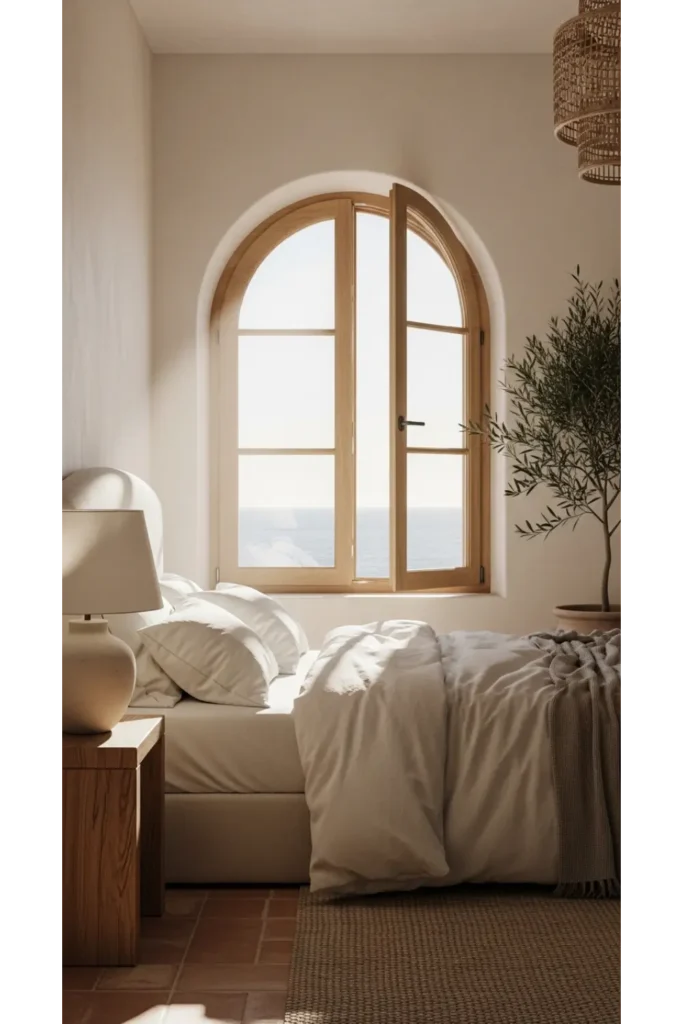
Bedrooms in Mediterranean homes focus on calm and comfort. Soft linen bedding, muted wall tones, and natural wood furniture create a peaceful setting. Large windows invite sunlight during the day while thick curtains provide privacy at night. The overall mood feels airy yet grounded.
Designers avoid heavy patterns and instead layer textures through woven rugs and simple throws. This keeps the room visually quiet and easy to relax in. The use of breathable fabrics improves sleep comfort in warmer climates. With thoughtful lighting and subtle details, the bedroom becomes a retreat within the home.
Pro tip: Choose warm white bulbs to maintain a soft, relaxing glow.
17. Open Staircases
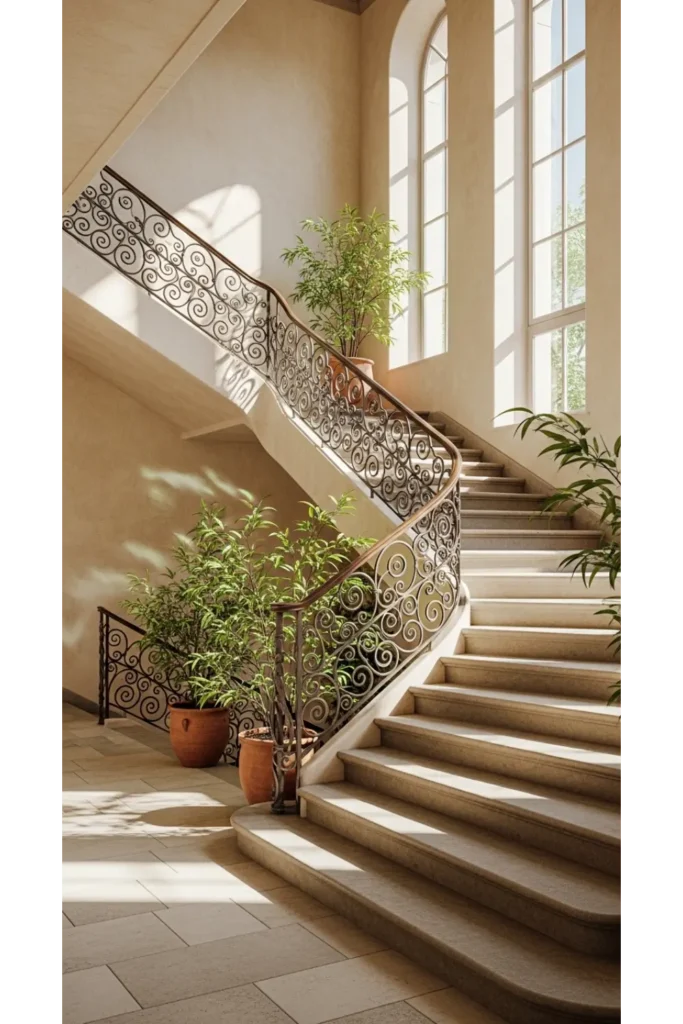
Open staircases enhance light flow and create sculptural interest inside Mediterranean architecture. Stone steps paired with iron railings feel solid yet refined. Without closed risers, light travels freely between levels, making the home feel larger and more connected.
This design balances function and beauty. Durable materials handle daily use while maintaining elegance. An open staircase often becomes a central feature visible from living areas, reinforcing architectural identity. When proportioned correctly, it adds drama without overwhelming the layout.
Pro tip: Keep railing designs simple to highlight the natural beauty of stone steps.
18. Courtyard Dining Spaces
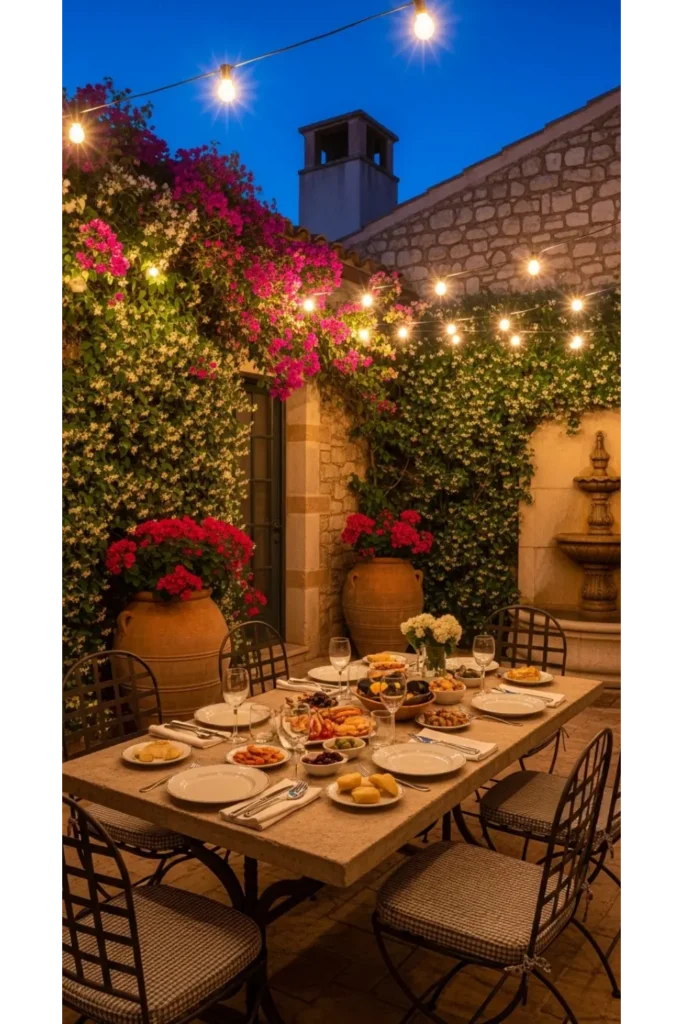
Dining in a courtyard captures the essence of Mediterranean outdoor living. A solid stone or wood table placed under open sky invites family and friends to gather. Surrounded by textured walls and greenery, the space feels private yet open. Evening lighting adds warmth and intimacy.
Outdoor dining areas encourage slower meals and deeper connection. Because courtyards sit at the center of many layouts, they remain easily accessible from kitchens and living rooms. This convenience increases daily use rather than limiting gatherings to special occasions. Over time, the space becomes a core memory making area for the household.
Pro tip: Install subtle wall lights to create a cozy atmosphere after sunset.
19. Natural Fiber Textiles
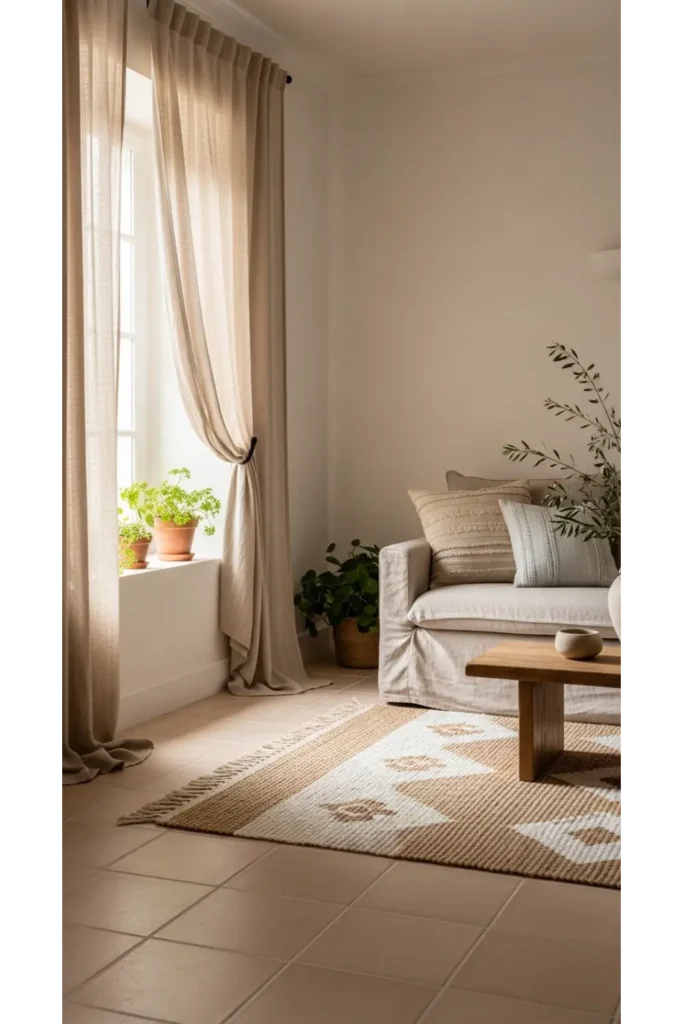
Natural fiber textiles such as linen, cotton, and wool soften interiors while supporting breathability. In Mediterranean interior design, these fabrics filter sunlight gently and move with the breeze. Curtains, cushions, and rugs made from organic fibers create texture without heaviness.
These materials age gracefully and resist trapping heat, which suits warm climates well. Their subtle imperfections add authenticity that synthetic fabrics cannot replicate. When layered thoughtfully, natural textiles enhance comfort and visual warmth throughout the home.
Pro tip: Wash linen sparingly to maintain its relaxed texture.
20. Mediterranean Bathrooms
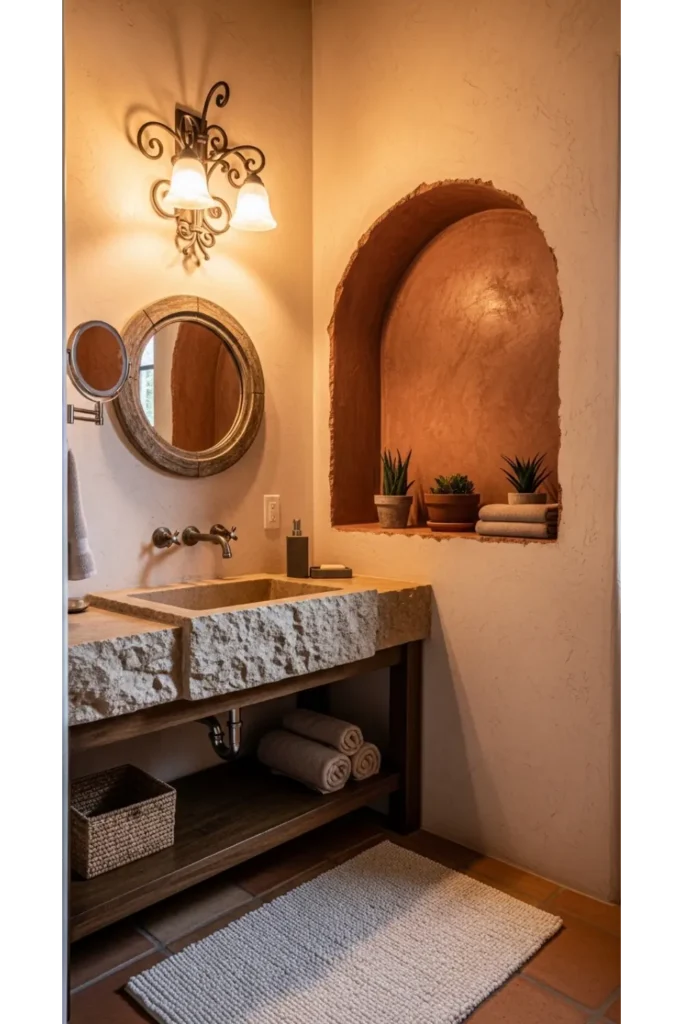
Bathrooms inspired by Mediterranean homes feel simple yet luxurious. Stone sinks, plaster walls, and arched niches replace standard cabinetry and sharp angles. Natural materials regulate humidity and maintain a balanced indoor climate. The space feels calm and grounded from the moment you step inside.
Designers focus on texture rather than excess decoration. Matte finishes and neutral tones create a spa like mood without appearing sterile. Built in niches keep surfaces clear and organized. With thoughtful lighting and durable materials, these bathrooms remain beautiful for years.
Pro tip: Use sealed natural stone to protect against water damage while preserving texture.
21. Window Shutters
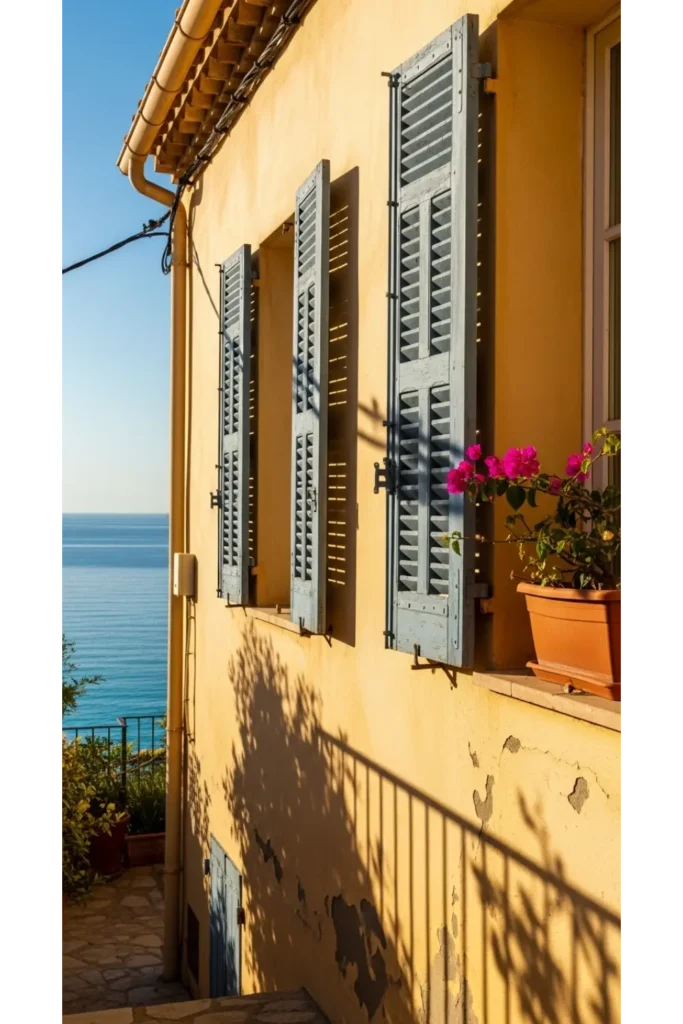
Window shutters serve both beauty and function in Mediterranean homes. Wooden panels frame windows elegantly while controlling light and airflow. During hot afternoons, homeowners close shutters to keep interiors cool. In the evening, they open them fully to welcome fresh air and sunset views.
Shutters also improve privacy and security without blocking style. Painted in soft earth tones or muted pastels, they complement stucco walls naturally. Over time, slight weathering adds charm rather than wear. This simple feature strengthens the overall architectural identity of the home. Browse our full living style inspiration hub for even more ideas.
Pro tip: Install adjustable louvers for better control of light and ventilation.
22. Timeless Entryways
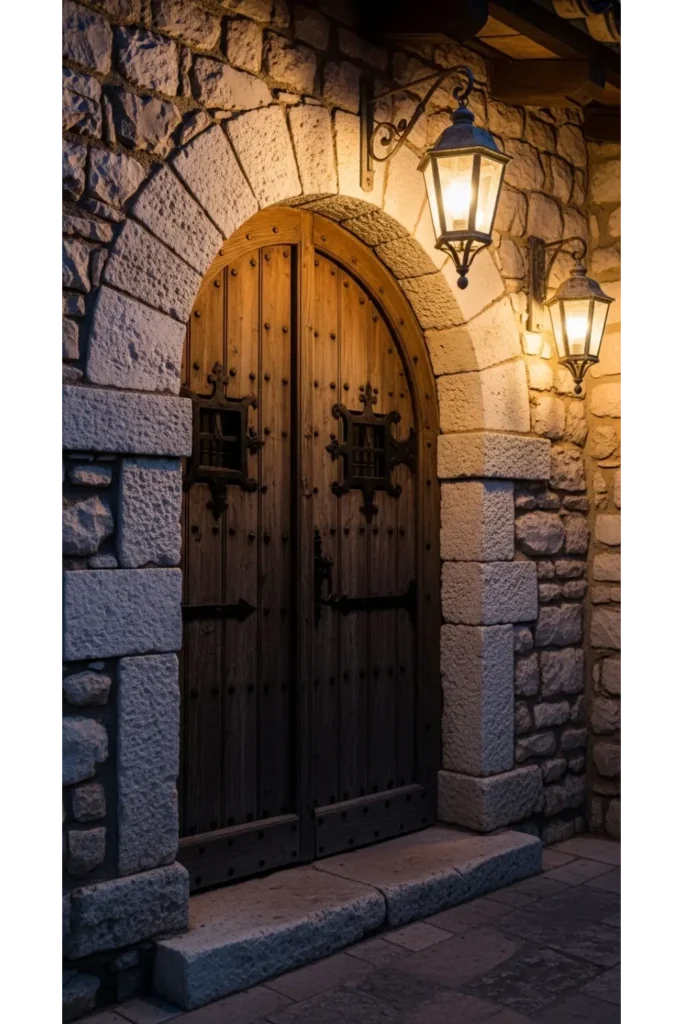
Entryways shape first impressions and set the tone for the entire house. In many Mediterranean homes, arched doorways and solid wooden doors create a welcoming presence. Stone thresholds ground the entrance, while iron lanterns add soft illumination at night. This combination feels secure and inviting.
A thoughtfully designed entry also improves insulation and durability. Thick doors and quality hardware withstand daily use while maintaining elegance. Because guests encounter this space first, strong architectural details leave a lasting impact. Over time, the entryway becomes a signature element that defines the character of the home.
Pro tip: Add warm lighting near the doorway to highlight texture and create an inviting glow.
FAQs
What defines Mediterranean home design?
It blends natural materials, indoor outdoor living, and warm colors inspired by southern Europe.
Are Mediterranean homes energy efficient?
Yes, thick walls, courtyards, and clay tiles regulate temperature naturally.
Can Mediterranean style work in modern homes?
Absolutely, simplified forms adapt well to contemporary layouts.
What materials matter most?
Stone, plaster, wood, and clay define authenticity.
Conclusion
Mediterranean homes endure because they serve people first. They prioritize comfort, connection, and longevity over trends. By using natural materials, thoughtful layouts, and time tested details, these homes remain beautiful and functional for generations. Whether building new or renovating, Mediterranean design offers a grounded, human centered approach that always feels right.