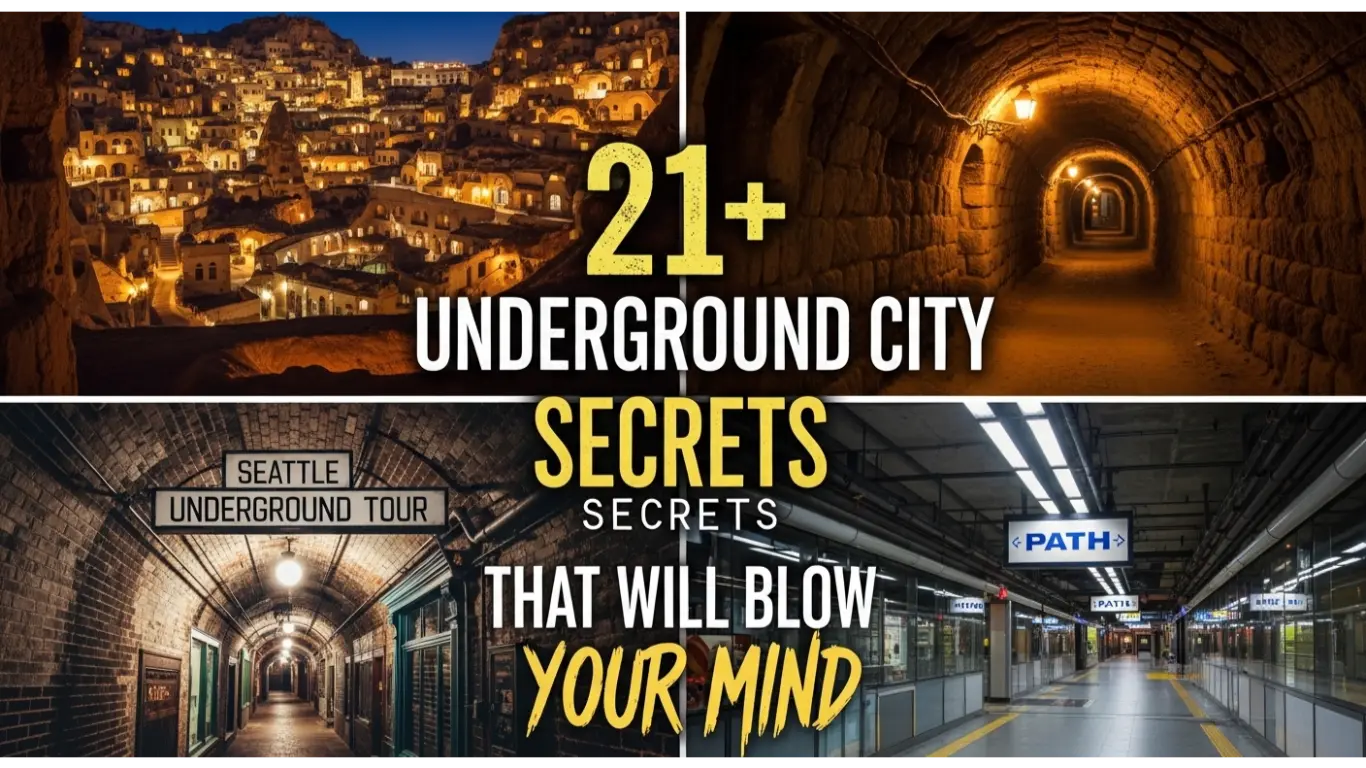
21+ Underground City Secrets That Will Blow Your Mind
Hidden beneath busy streets and quiet deserts, entire worlds exist below the surface. The idea of an underground city fascinates travelers, historians, and explorers because these spaces reveal how humans adapt to danger, climate, and survival. Some of these underground spaces protected people from invasion, while others helped communities escape extreme heat or cold.
Today, many of these hidden places attract curious travelers and Pinterest explorers who love mysterious architecture and forgotten places. Ancient builders carved massive tunnels, homes, temples, and storage rooms deep into rock and soil. These hidden worlds show creativity, resilience, and smart engineering long before modern technology.
This guide explores powerful secrets behind the underground city concept, from ancient survival strategies to modern urban design. Each idea reveals something surprising about how underground living works and why people built entire communities beneath the earth.
1. The Hidden Survival Strategy of Ancient Civilizations
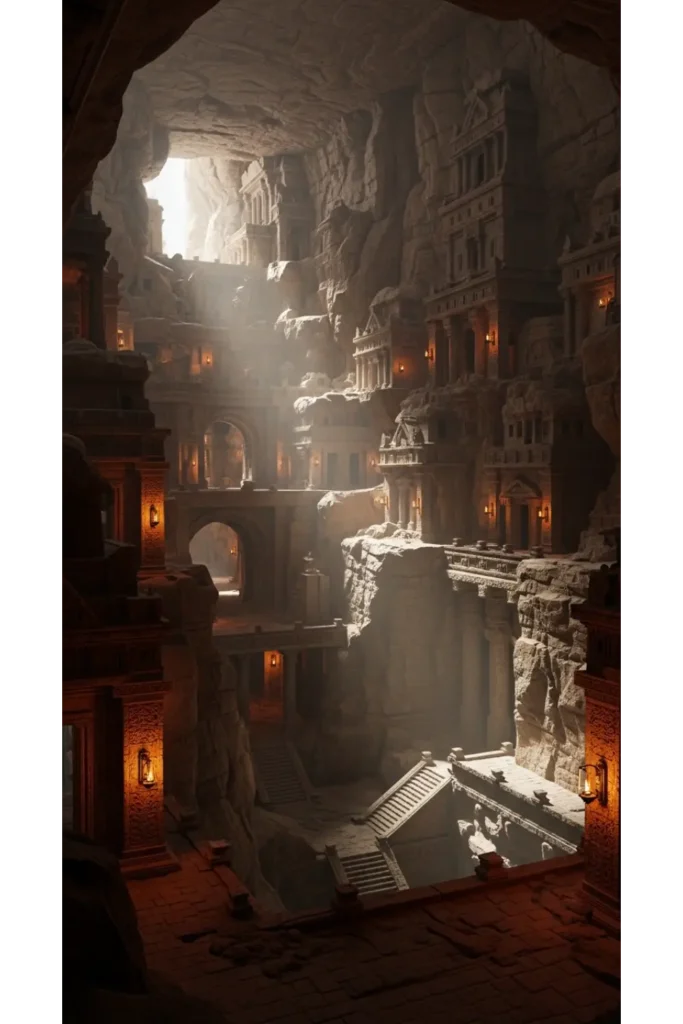
Ancient societies built the first underground city spaces to protect their people from invasion, harsh weather, and natural disasters. Builders carved homes, kitchens, wells, and storage rooms deep inside soft volcanic rock. These underground networks allowed families to live safely while enemies searched above ground. Thick stone walls helped maintain stable temperatures, which made daily life possible even during extreme climate changes.
The layout of these hidden communities often included ventilation shafts, secret entrances, and defensive passageways. Some networks connected dozens of homes and tunnels that stretched for miles. These early subterranean settlements show how ancient engineers solved problems using simple tools and smart planning. Their creativity still inspires modern architects who study underground construction today.
Pro Tip: When researching ancient underground locations, pay attention to ventilation systems because they reveal how advanced early engineering really was.
2. Natural Climate Control Beneath the Surface
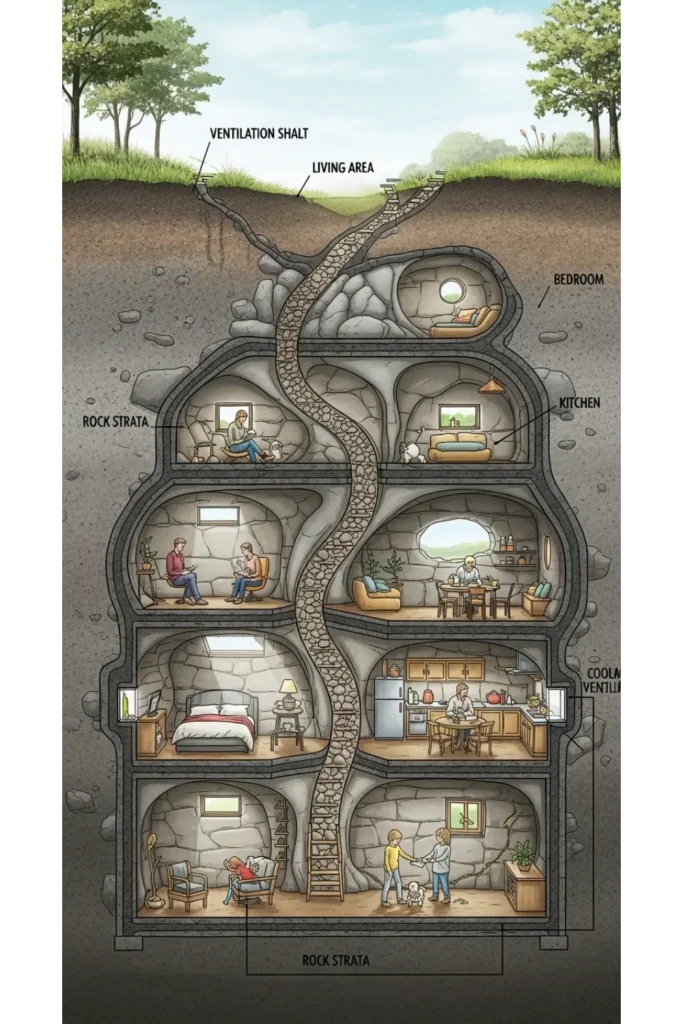
One major reason people created an underground city was natural temperature control. Underground environments stay cool during hot summers and warmer during cold winters. Thick earth acts like insulation, reducing the need for heating or cooling systems. This natural balance helped communities survive in regions with extreme temperatures.
Modern architects study these ancient designs because they offer sustainable ideas for today’s buildings. Underground structures use less energy and protect residents from weather changes. This concept appears in eco friendly housing projects and experimental subterranean architecture. By learning from the past, designers create more efficient living spaces for the future.
Pro Tip: Homes partially built underground often reduce energy costs because soil naturally stabilizes indoor temperatures.
3. Secret Escape Routes and Hidden Entrances
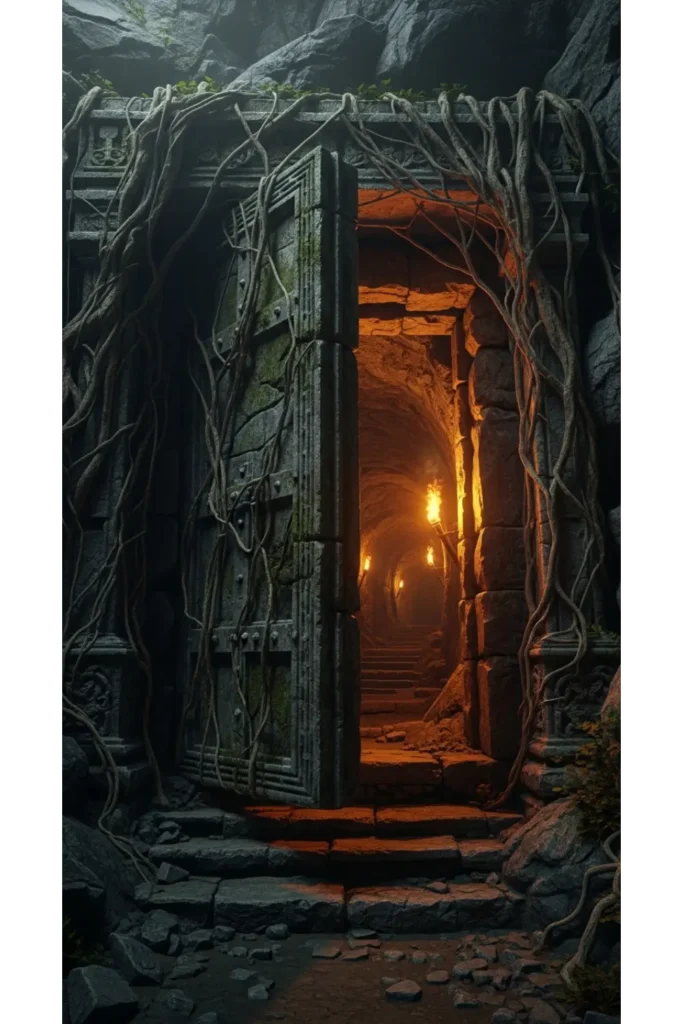
Security played a major role in every underground city design. Builders created hidden entrances disguised within houses, wells, or rock formations. These secret doors allowed residents to enter and exit quietly during attacks. Narrow tunnels forced enemies to move slowly, giving defenders an advantage.
Some underground complexes even included trap corridors and escape routes that connected distant areas. These hidden passageways helped families flee if danger reached their main living areas. Archaeologists often discover new tunnels that reveal how carefully these subterranean networks were planned centuries ago.
Pro Tip: Hidden entrances often sit near natural rock formations because they help disguise access points.
4. Underground Food Storage Systems
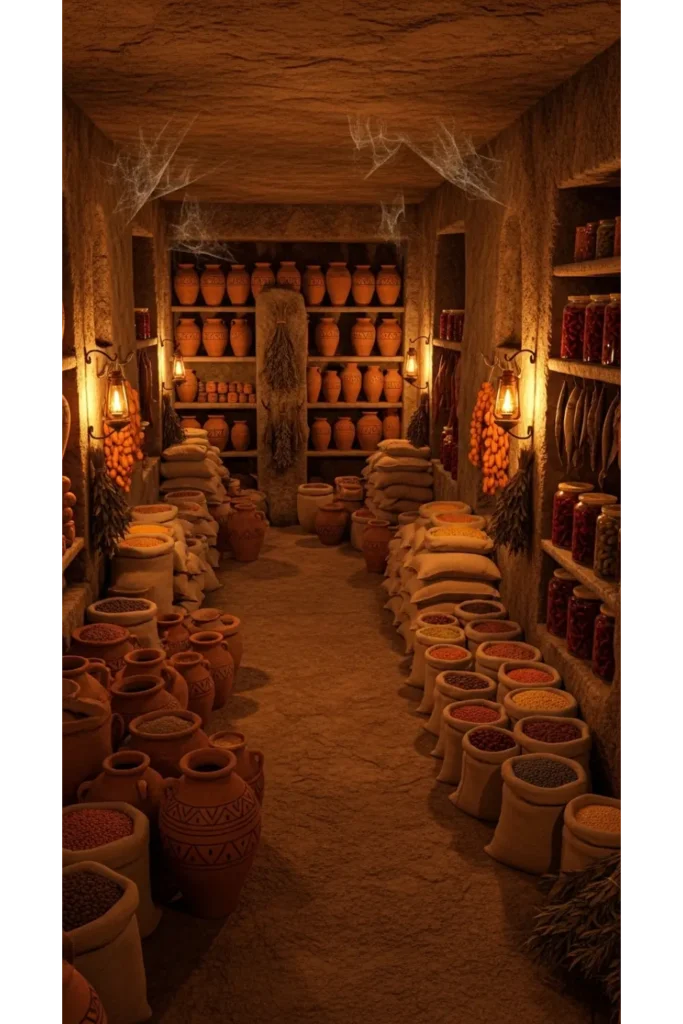
Food storage remained essential inside any underground city. Cool underground temperatures helped preserve grains, vegetables, and dried meat for long periods. Families stored supplies in clay jars and sealed rooms that protected food from pests and moisture.
These storage chambers supported large populations during sieges or long winters. Some cities created entire underground warehouses connected to living areas. This design ensured that residents could survive without returning to the surface for weeks or months. The idea of underground food preservation still influences modern storage systems today.
Pro Tip: Underground storage works best when air circulation prevents moisture buildup.
5. Underground Water Systems
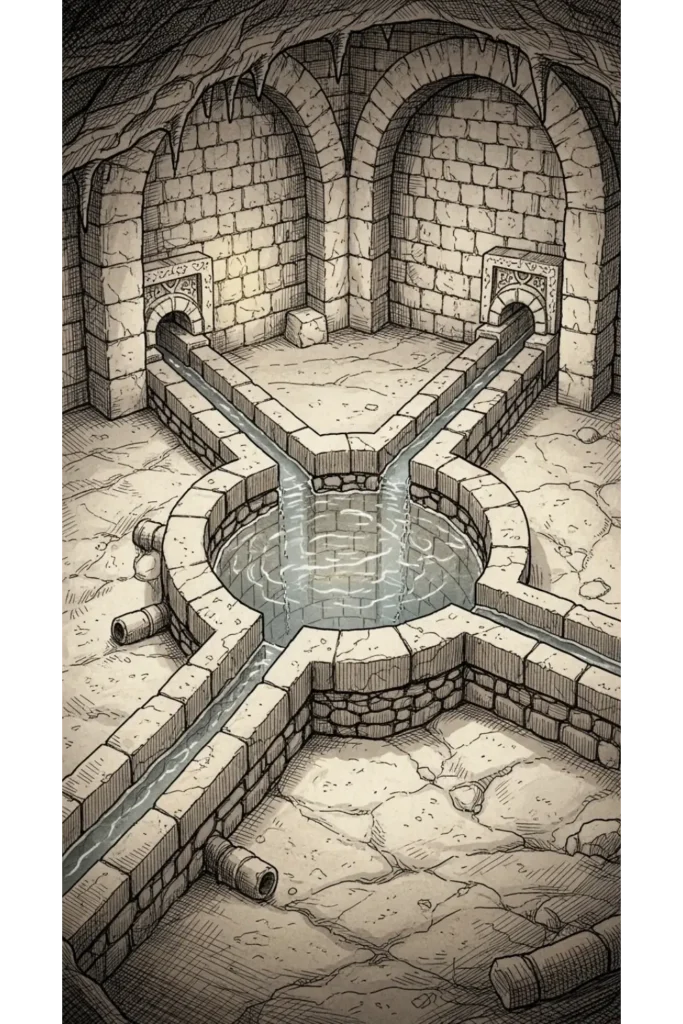
Reliable water sources allowed an underground city to function like a normal town. Builders often dug wells or connected underground tunnels to natural springs. Some communities created reservoirs to store water during dry seasons.
These water systems required careful planning because poor drainage could flood living areas. Engineers carved channels that guided water through stone walls and floors. These early hydraulic systems reveal impressive knowledge of geology and water movement.
Pro Tip: Many underground settlements formed near natural springs to ensure long term survival.
6. Multi Level Underground Living
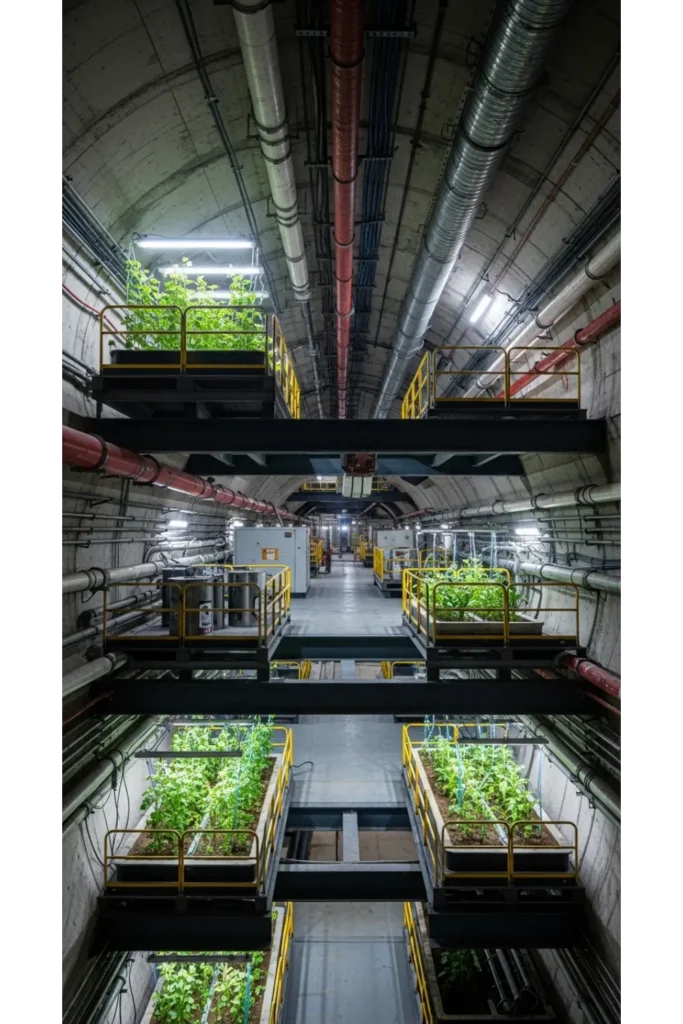
Some underground communities expanded downward with multiple levels. A large underground city could contain several floors connected by narrow stairways and shafts. Upper levels often held living spaces while deeper areas stored supplies or animals.
This layered design helped organize space efficiently. Each level served a specific purpose, which allowed large groups to live together without crowding. Multi level structures demonstrate advanced planning and careful excavation methods.
Pro Tip: Archaeologists identify city growth patterns by studying deeper construction layers.
7. Underground Religious Spaces
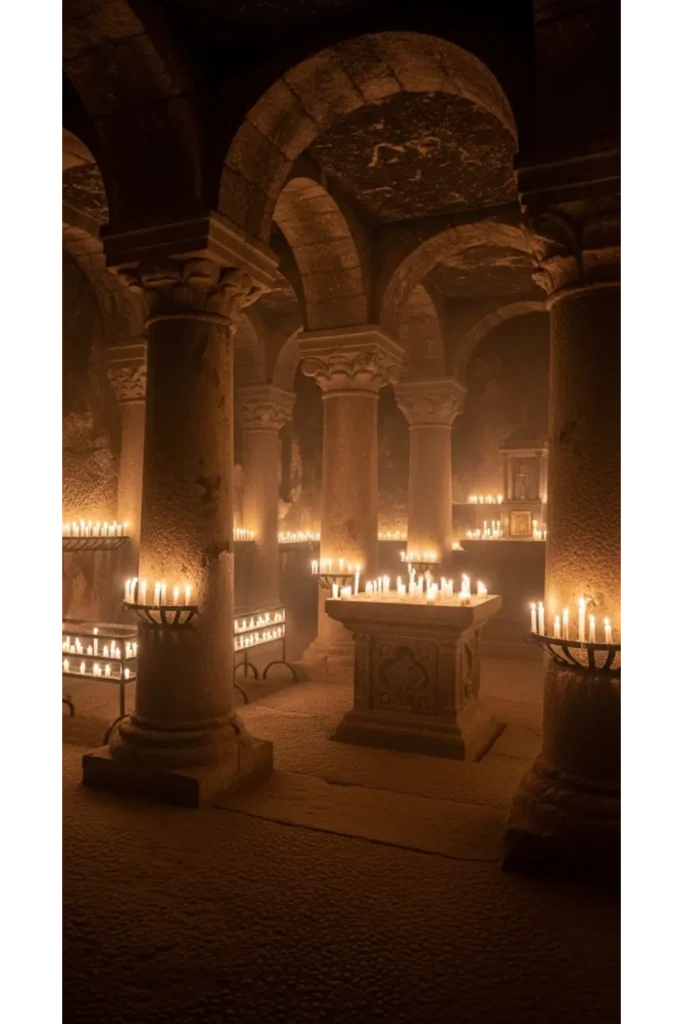
Spiritual life continued even inside an underground city. Many communities carved chapels, temples, or prayer rooms directly into stone walls. These sacred spaces allowed people to maintain traditions while living below ground.
The architecture often included carved columns, symbolic art, and small altars. Religious chambers also served as gathering places where residents shared news and strengthened community bonds. These spaces highlight the cultural importance of faith in underground societies.
Pro Tip: Decorative carvings often reveal the cultural identity of underground communities.
8. Ventilation Engineering That Saved Lives
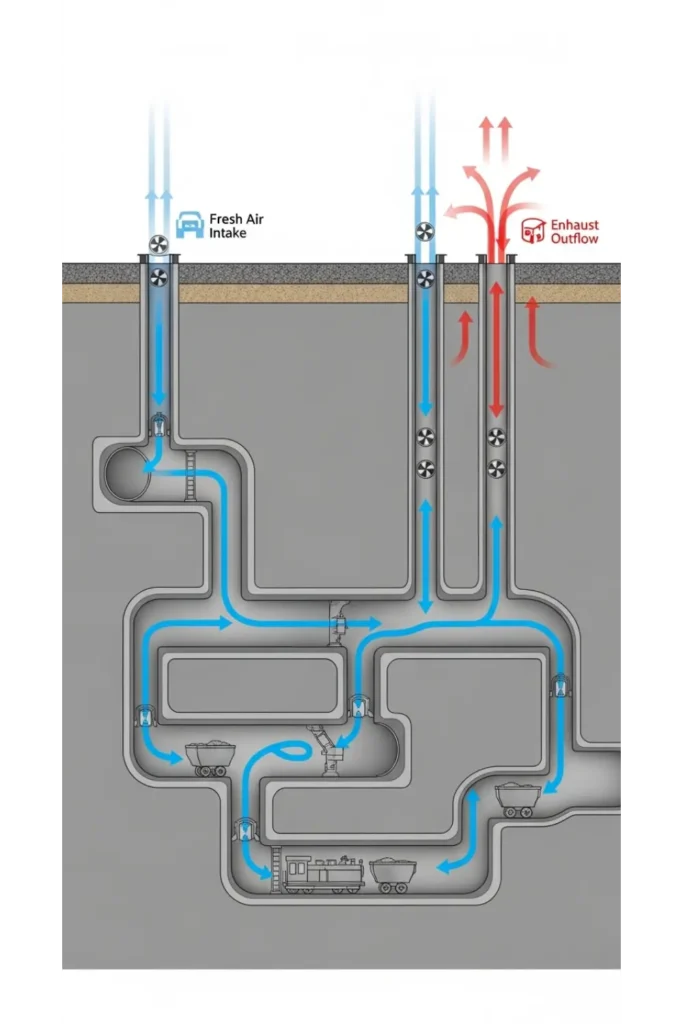
Air circulation became one of the greatest challenges in any underground city. Without proper airflow, smoke from cooking fires could quickly fill living spaces. Ancient builders solved this by carving tall ventilation shafts that pulled fresh air downward while pushing smoke upward.
These systems worked using natural air pressure and temperature differences. Some networks included dozens of shafts placed strategically across the settlement. This design allowed thousands of people to live underground safely.
Pro Tip: Ventilation shafts often double as emergency escape routes.
9. Underground Animal Shelters
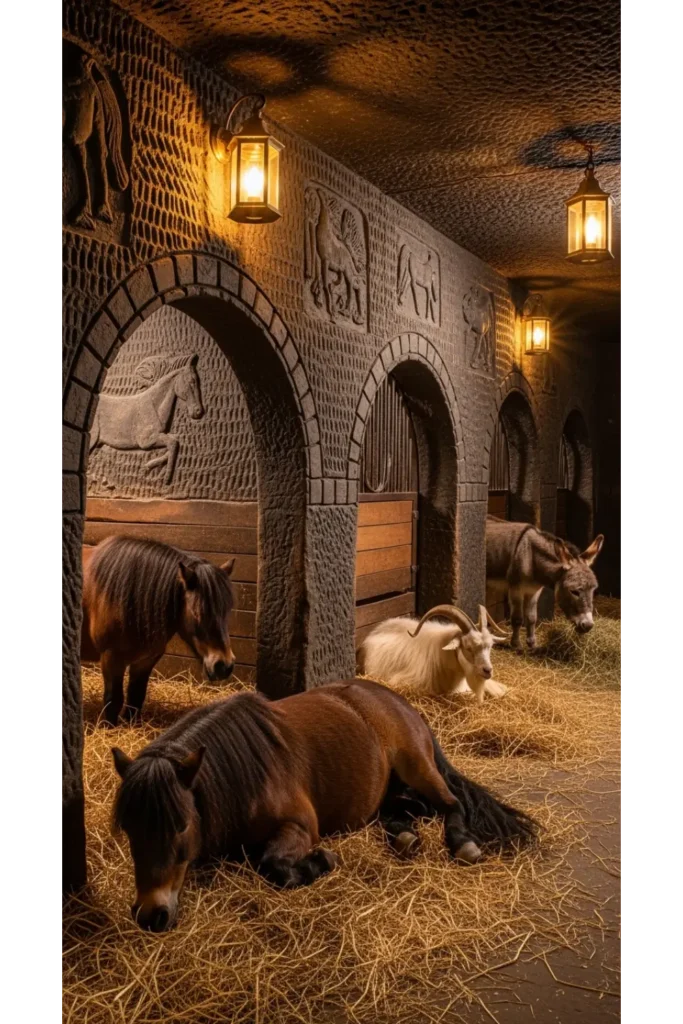
Animals played a crucial role in the economy of an underground city. Farmers often kept livestock in underground stables during times of danger. These shelters protected animals from harsh weather and enemy raids.
Separate chambers prevented odors from spreading through living spaces. Builders also designed drainage systems that kept floors dry and clean. These thoughtful designs allowed communities to protect both people and animals underground.
Pro Tip: Livestock chambers usually sit near outer tunnels for easier access.
10. Underground Communication Tunnels
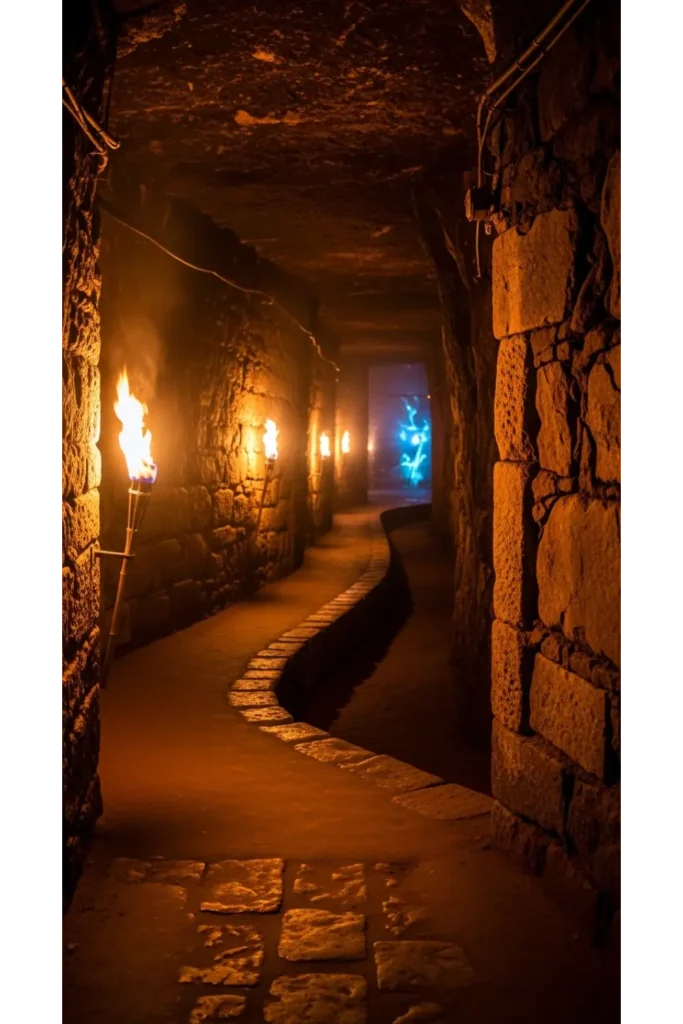
Large underground settlements needed communication routes. A complex underground city included narrow tunnels that connected homes, storage rooms, and gathering halls. These passageways allowed residents to move safely between areas.
Messengers could travel through these corridors quickly, sharing information about threats or supplies. In times of conflict, these routes helped leaders coordinate defense strategies across the entire settlement.
Pro Tip: Narrow communication tunnels often connect central gathering halls with outer chambers.
11. Underground Markets and Trade Spaces
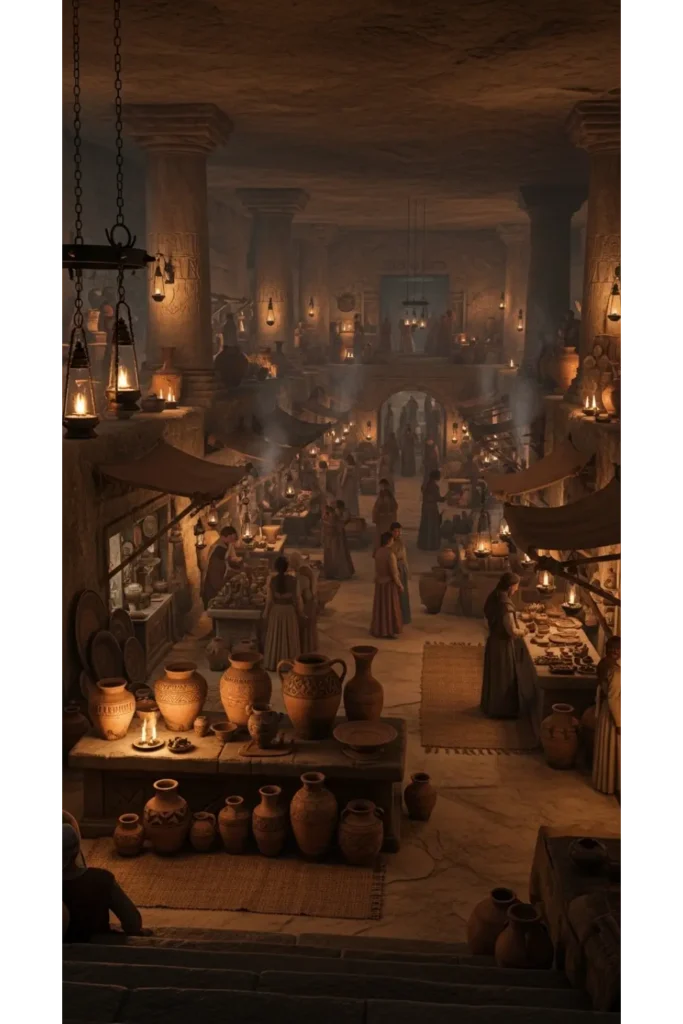
Trade remained important even inside an underground city. Some settlements built small marketplaces where residents exchanged food, tools, and handmade goods. These spaces created a sense of normal life despite living beneath the surface.
Market halls often sat near central intersections of tunnel networks. This location allowed easy access from multiple living areas. These underground trade centers strengthened economic stability and community cooperation.
Pro Tip: Market chambers usually appear in wider caverns with higher ceilings.
12. Underground Defense Strategy
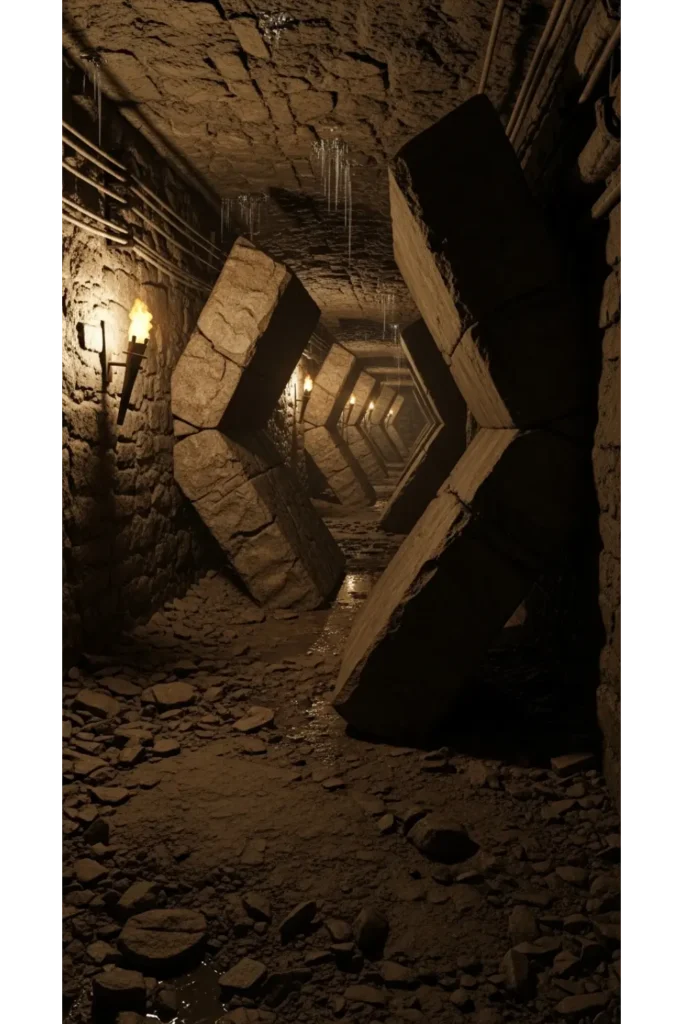
Defense shaped the entire structure of many underground settlements. Builders designed an underground city like a maze that confused attackers. Narrow tunnels limited movement while hidden chambers allowed defenders to observe enemies.
Stone doors and blockable passages provided additional protection. In some cases, defenders could seal off entire sections of tunnels. This defensive planning allowed communities to survive dangerous periods in history.
Pro Tip: Defensive tunnels often curve sharply to block direct lines of attack.
13. Underground Lighting Methods
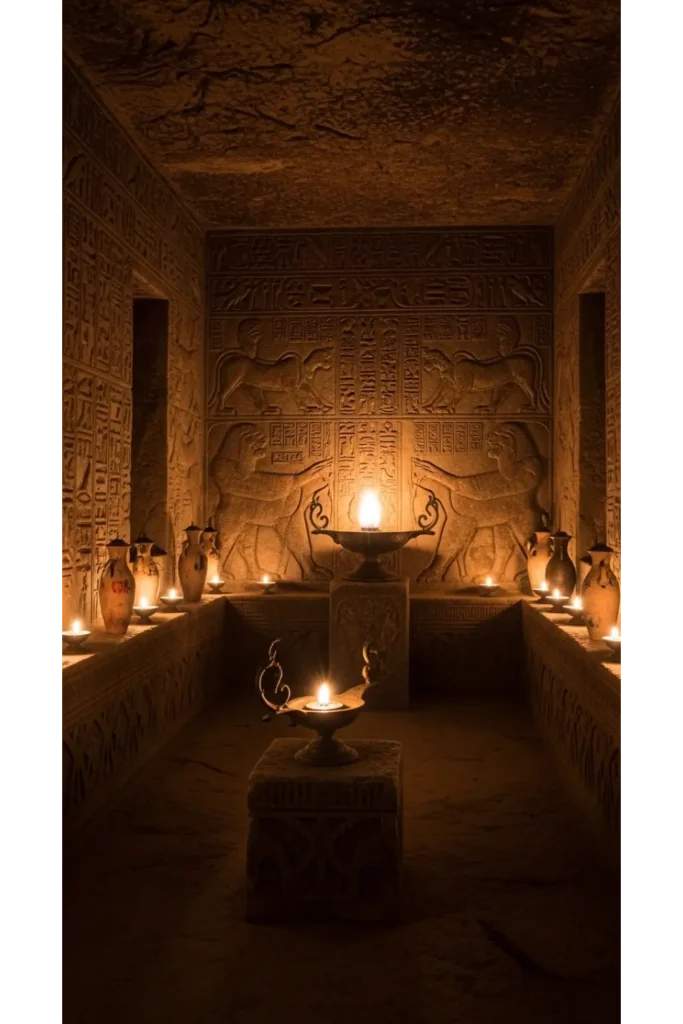
Light remained essential in underground life. Residents of an underground city used oil lamps, candles, and reflective stone surfaces to brighten dark tunnels. Carefully placed lamps reduced smoke and conserved fuel.
Builders sometimes carved shallow niches in walls to hold lamps safely. These small details improved daily life and allowed people to navigate complex tunnel networks with ease.
Pro Tip: Lamp niches often appear along stairways and narrow corridors.
14. Underground Education Spaces
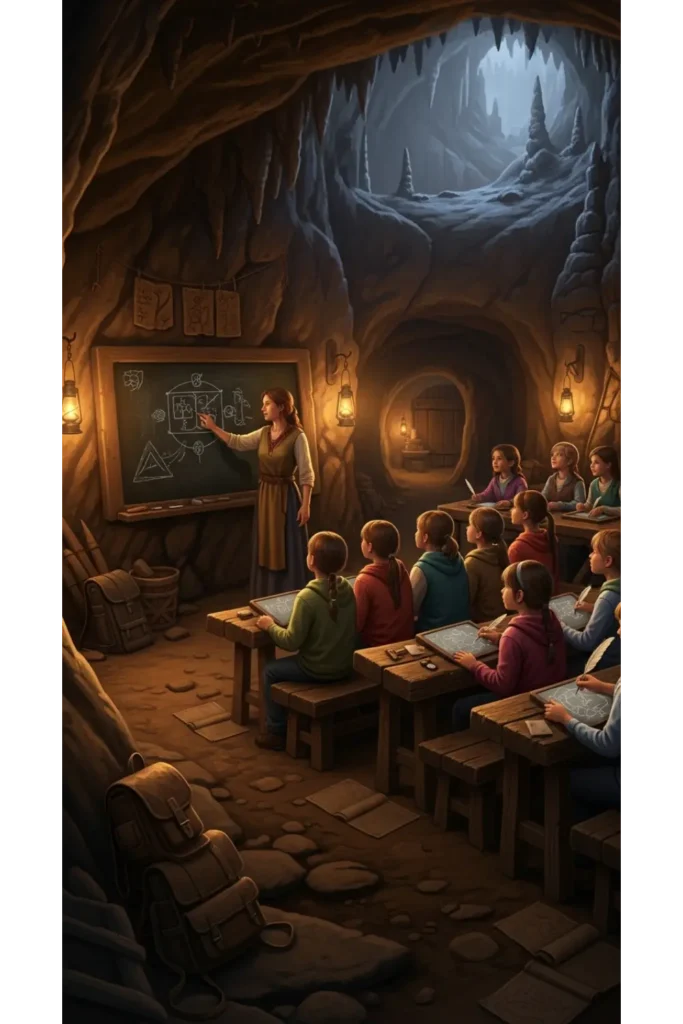
Education still mattered in underground communities. Some settlements created small learning spaces within the underground city where elders taught children reading, trade skills, and history.
These spaces helped preserve knowledge even during difficult times. Teachers often used carved walls as writing surfaces or teaching tools. Learning areas also helped maintain a sense of routine for young residents.
Pro Tip: Educational spaces usually sit near family living chambers.
15. Underground Kitchens and Food Preparation
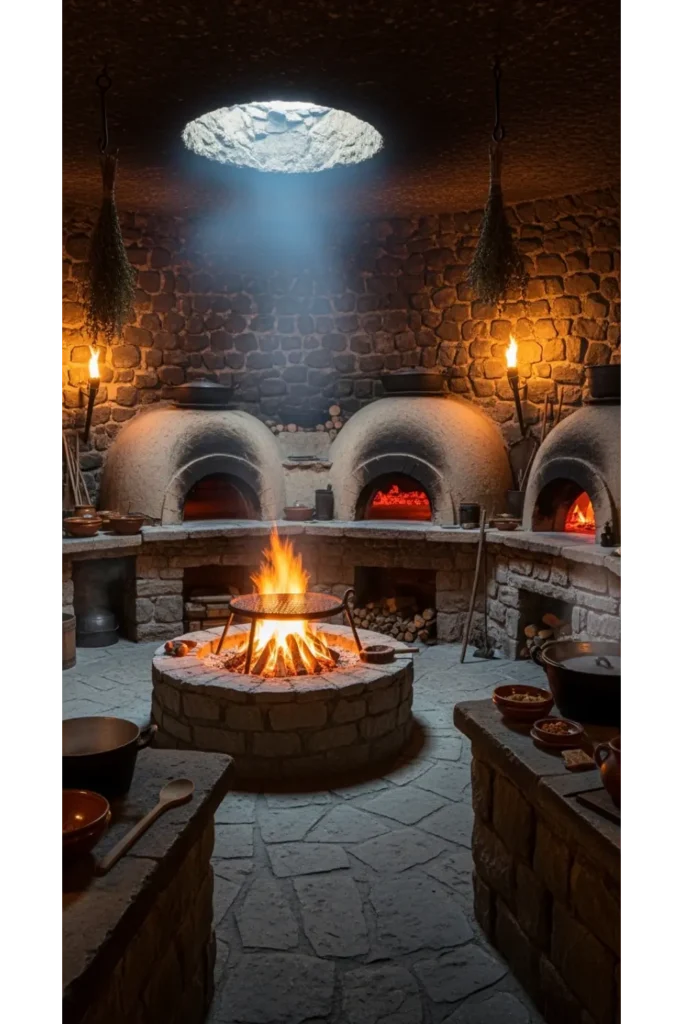
Cooking inside an underground city required careful ventilation. Kitchens often sat near air shafts so smoke could escape easily. Stone ovens and clay pots helped control heat and reduce fire risk.
These kitchens served multiple families and encouraged cooperation. Shared cooking spaces also helped conserve fuel and resources during long periods underground.
Pro Tip: Kitchens are usually located close to ventilation shafts.
16. Underground Gathering Halls
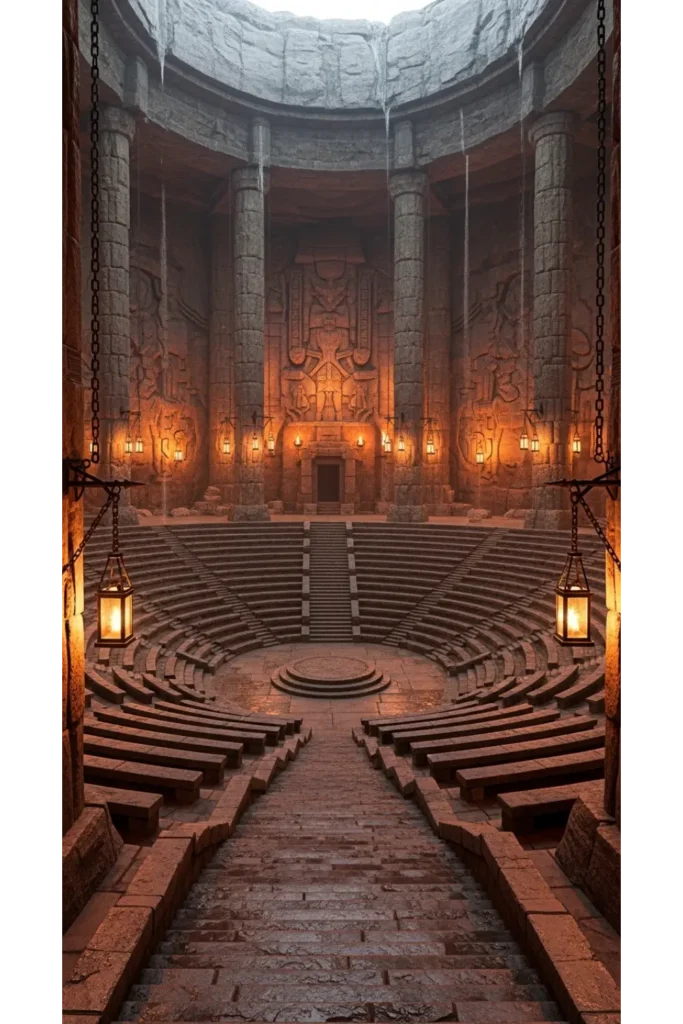
Community life thrived in shared spaces. A central hall inside the underground city allowed residents to gather for meetings, celebrations, and important decisions.
These halls often featured the tallest ceilings and widest chambers. Builders carved seating areas into rock walls to accommodate large groups. Social gatherings strengthened unity among residents.
Pro Tip: Large halls often sit at the center of tunnel networks.
17. Underground Medical Spaces
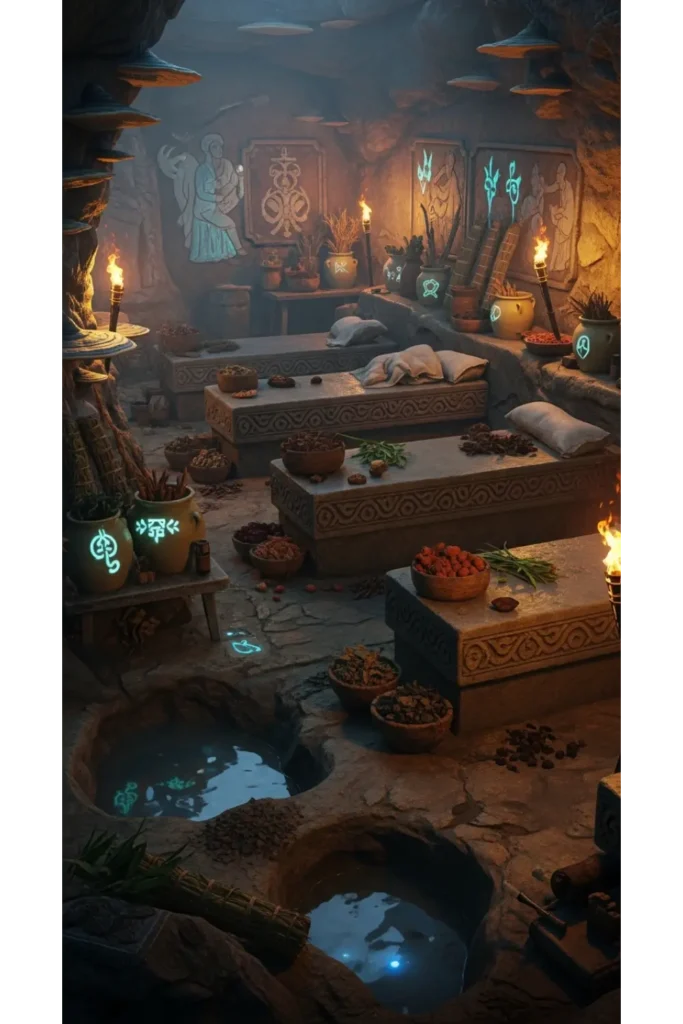
Health care existed even in ancient underground settlements. A dedicated chamber in the underground city allowed healers to treat injuries and illness using herbs and natural remedies.
Quiet underground conditions created a calm healing environment. These spaces often stored medicinal plants and simple tools used for treatment.
Pro Tip: Healing chambers usually appear in quieter sections away from busy tunnels.
18. Underground Art and Symbolic Carvings
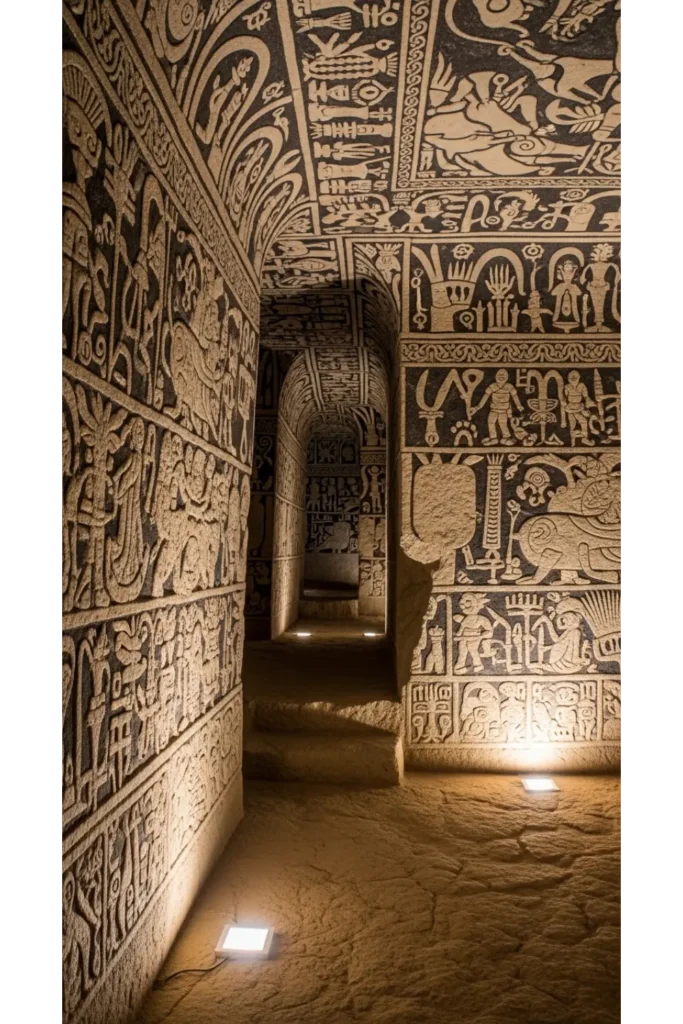
Art helped residents express identity and culture. Walls of the underground city sometimes featured carvings, paintings, or symbols that represented beliefs and history.
These artworks also helped guide residents through tunnel systems. Unique carvings marked different districts or family areas within the settlement.
Pro Tip: Symbols near entrances often served as directional markers.
19. Underground Expansion Over Time
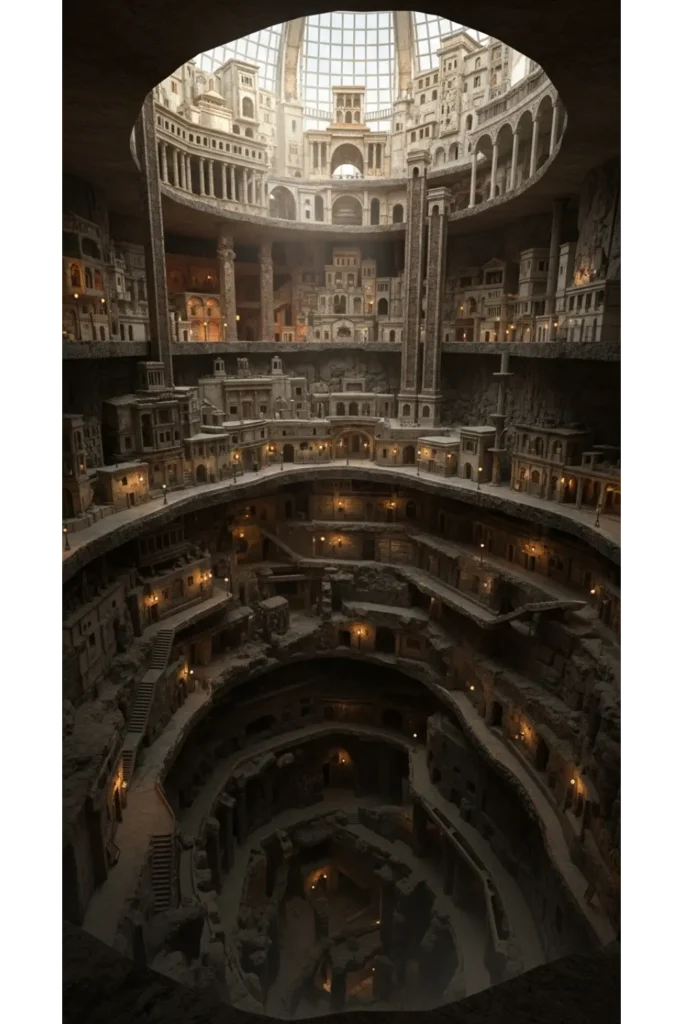
Many underground settlements grew gradually. Each generation expanded the underground city by carving new tunnels and chambers deeper into the earth.
These additions reveal how communities adapted to growing populations and new challenges. Archaeologists study these layers to understand how underground societies evolved over centuries.
Pro Tip: Deeper tunnels often indicate later expansion periods.
20. Underground Cities That Still Exist Today
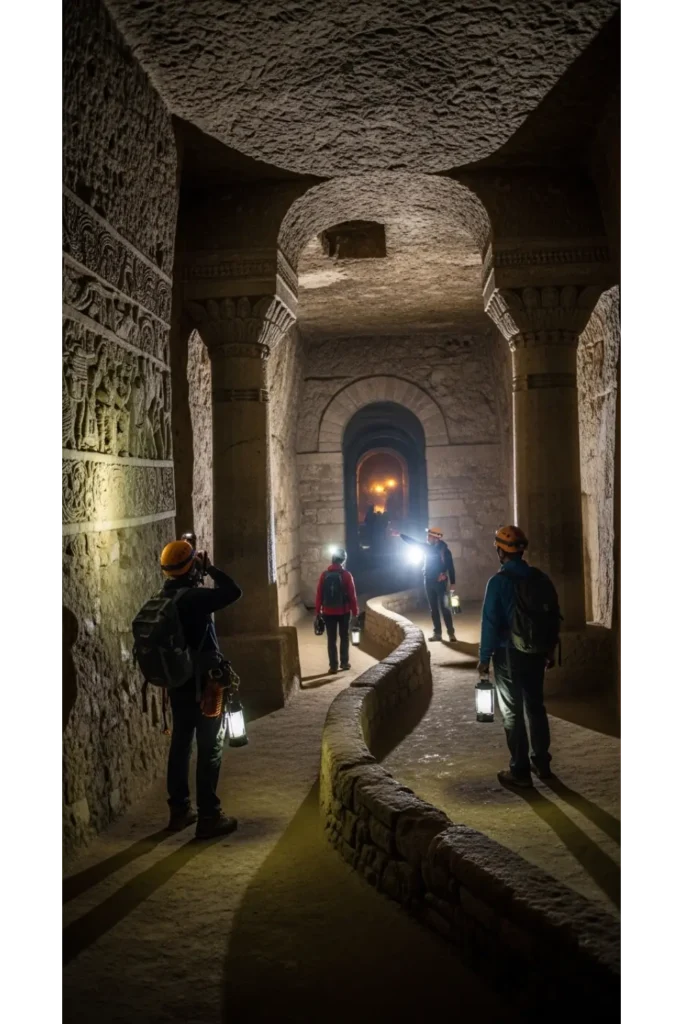
Several ancient underground communities still exist today. Travelers can explore parts of these incredible spaces and see how people once lived in a functioning underground city.
These preserved sites attract historians, photographers, and curious visitors from around the world. Exploring them offers a rare chance to experience ancient engineering firsthand.
Pro Tip: Visiting early in the day allows quieter exploration of underground sites.
21. The Future of Underground Cities
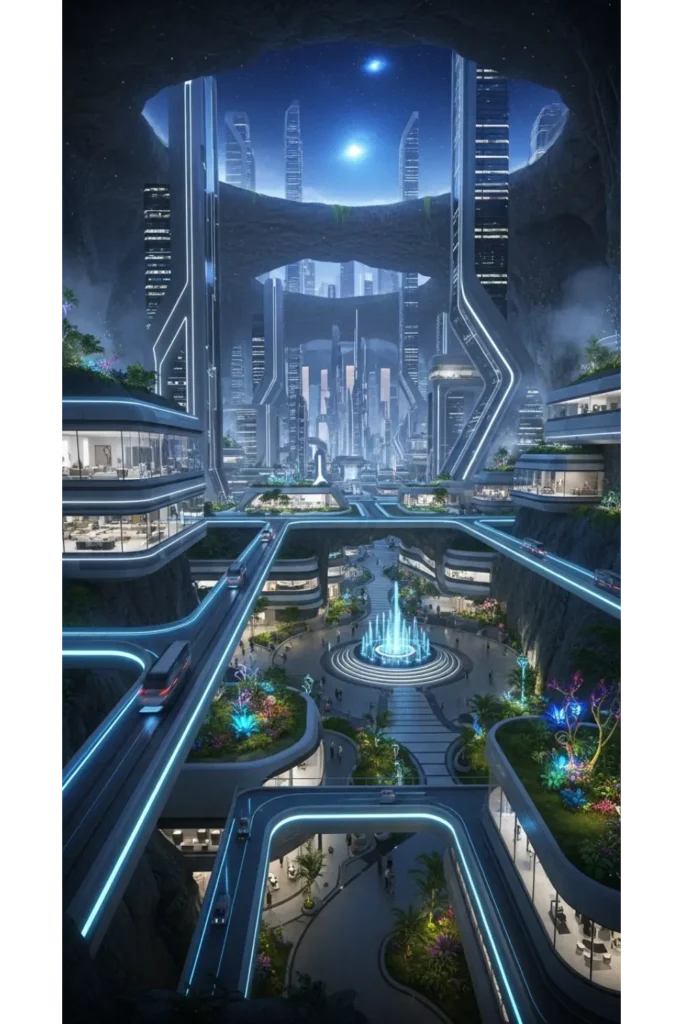
Modern planners study the underground city concept to solve future urban problems. Growing populations and climate challenges encourage architects to explore subterranean development.
Future underground communities may include transportation systems, shopping centers, and residential districts built beneath crowded cities. These projects combine ancient ideas with modern technology.
Pro Tip: Urban planners often test underground designs in transportation hubs first.
FAQs
What is an underground city?
An underground city is a network of tunnels, rooms, and chambers built beneath the earth where people live, store supplies, or gather for protection and survival.
Why did people build underground cities?
Communities created underground settlements for defense, climate protection, and long term survival during invasions or harsh weather conditions.
Are underground cities safe to visit?
Many preserved sites remain safe for visitors. Local authorities maintain lighting, ventilation, and guided paths to ensure safe exploration.
Where can underground cities be found?
Famous underground settlements appear in several regions around the world, especially in areas with soft rock that allowed easier excavation.
Could future cities be built underground?
Yes. Urban planners explore underground development to reduce surface crowding, improve energy efficiency, and protect cities from climate challenges.
Conclusion
The story of the underground city reveals how creative humans can be when survival depends on smart design. These hidden settlements show advanced planning, strong communities, and impressive engineering built with simple tools.
From ancient defense strategies to modern sustainable architecture, underground living continues to inspire new ideas. As cities grow and climates change, the lessons hidden beneath the earth may guide the future of urban design. Exploring these underground worlds reminds us that some of the most fascinating places on Earth exist just below our feet.