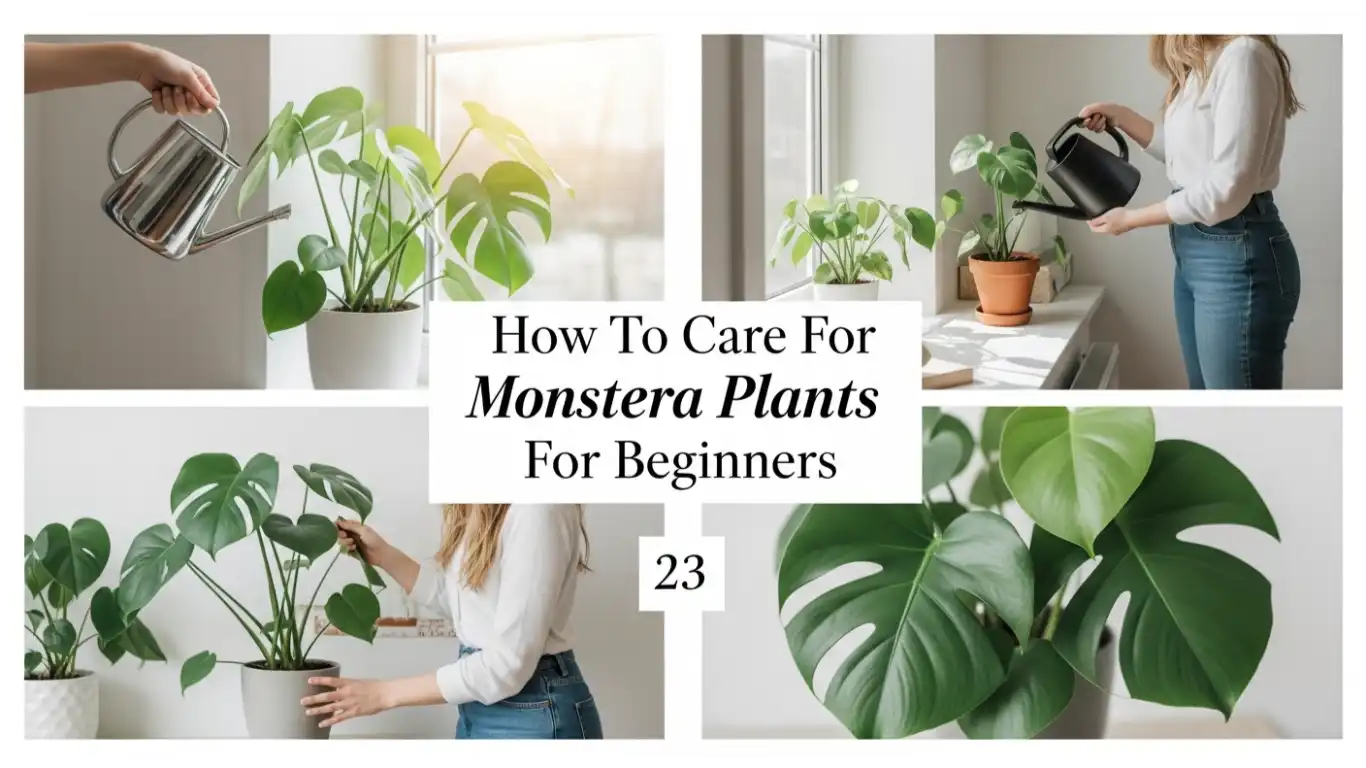
How To Care For Monstera Plants For Beginners 23
Learning how to care for monstera plants for beginners can feel overwhelming at first, but it quickly becomes simple when you understand the basics. These tropical plants are loved for their bold leaves and easy nature. With the right light, watering habits, and care routine, you can grow a healthy and beautiful plant at home without stress.
This guide breaks everything down into clear, practical steps. You will learn how to manage light, soil, watering, and growth in a way that fits your daily life. Each section gives you expert insight, real tips, and visual ideas so you can confidently grow your plant and enjoy the process.
1. Choosing the Right Light for Healthy Growth
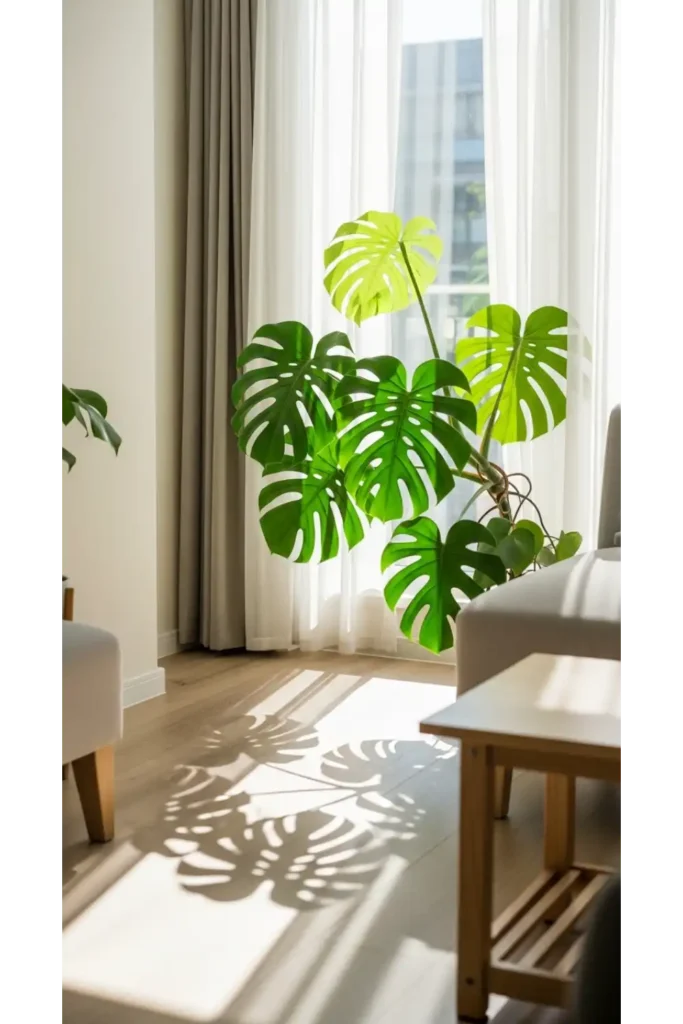
Understanding light is the first step in how to care for monstera plants for beginners. These plants thrive in bright, indirect sunlight that mimics their natural rainforest habitat. Place your plant near a window where sunlight spreads gently across the room. Direct sun can burn the leaves, while too little light slows growth and reduces the signature splits.
A well lit spot encourages larger leaves and steady development. If your space lacks natural light, you can still succeed by rotating the plant often and keeping it near the brightest area available. Watch how the leaves respond over time and adjust placement as needed to maintain balance and strong foliage.
Pro tip: If leaves start turning pale or stretching, move the plant slightly closer to light without exposing it to harsh sun.
2. Watering Without Overdoing It
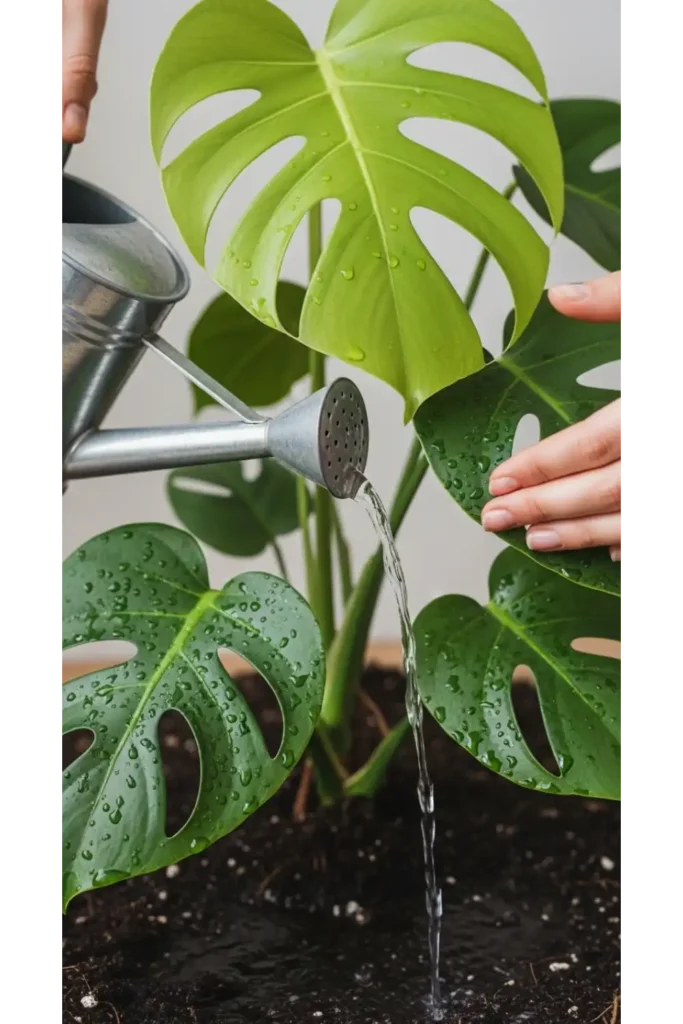
Watering correctly is essential when learning monstera plant care tips. These plants prefer slightly moist soil but do not tolerate sitting in water. Check the top inch of soil with your finger. If it feels dry, it is time to water. If it still feels damp, wait a few more days before checking again.
Overwatering is the most common mistake beginners make. It leads to root rot and yellowing leaves. Use pots with drainage holes and allow excess water to flow out completely. Keeping a consistent routine will help you avoid both dryness and overwatering without guessing.
Pro tip: Always empty the tray under your pot after watering to prevent roots from sitting in excess moisture.
3. Soil and Potting for Strong Roots
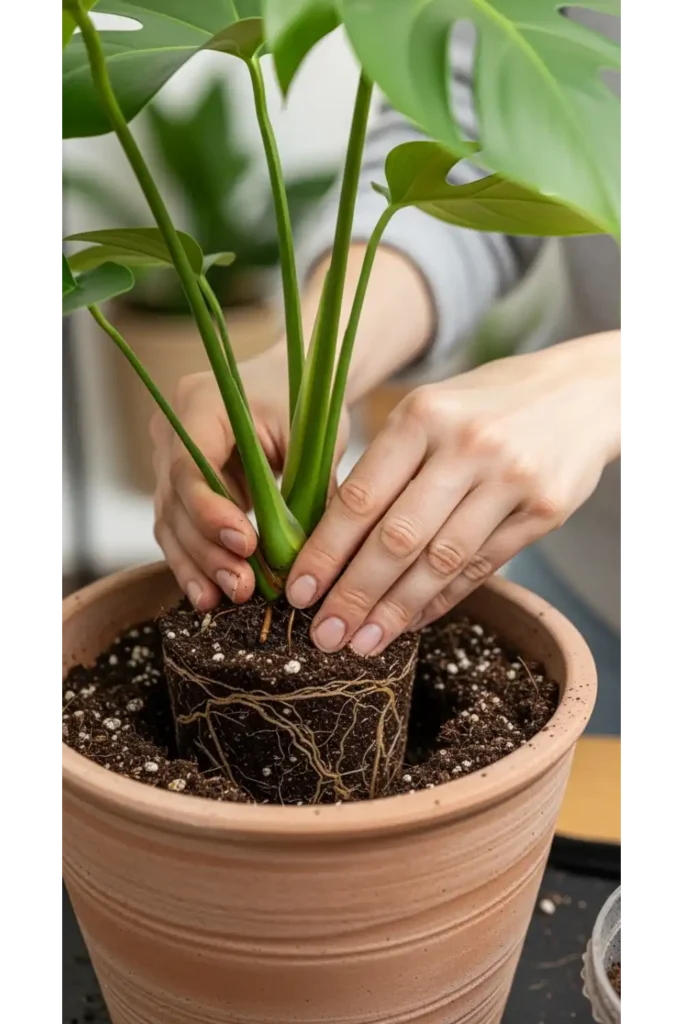
Good soil plays a big role in indoor monstera care. These plants need a well draining mix that holds some moisture but allows airflow to roots. A blend of potting soil, perlite, and bark works well to mimic natural conditions. This helps prevent soggy roots and supports healthy growth.
Repot your plant every one to two years or when roots start outgrowing the container. Choose a pot slightly larger than the current one to give roots space without overwhelming them. Fresh soil also restores nutrients, helping your plant stay strong and vibrant over time.
Pro tip: Avoid heavy garden soil since it compacts easily and restricts airflow around roots.
4. Supporting Growth and Leaf Development
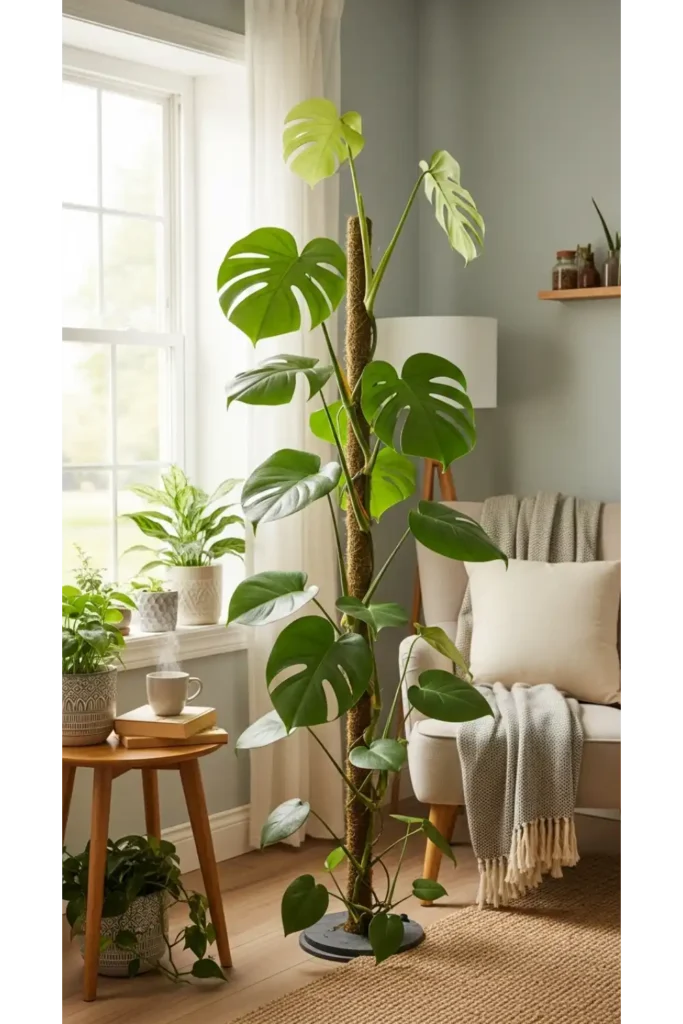
A key part of how to care for monstera plants for beginners is guiding how the plant grows. In nature, monstera climbs trees, so it benefits from support indoors too. Adding a moss pole or stake encourages upward growth and helps develop larger, split leaves over time.
As your plant matures, you will notice aerial roots forming. These help the plant anchor itself and absorb moisture from the air. You can gently guide these roots toward the support or leave them as they are. Supporting your plant creates a fuller and more structured look.
Pro tip: Tie stems loosely to the support using soft ties to avoid damaging the plant.
5. Maintaining Humidity and Clean Leaves
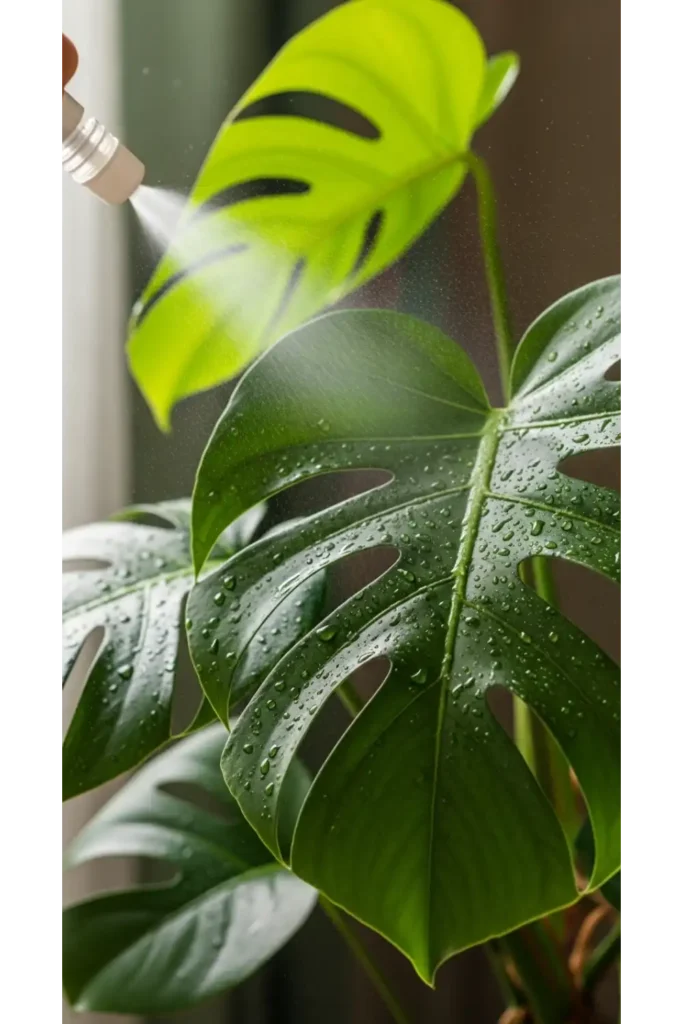
Humidity is often overlooked in monstera plant care tips, yet it makes a noticeable difference. These plants enjoy moderate to high humidity, which helps keep leaves glossy and prevents browning edges. You can increase humidity by misting occasionally or placing the plant near other plants.
Cleaning the leaves is just as important. Dust blocks light and slows photosynthesis. Wipe leaves gently with a damp cloth every few weeks to keep them clean and healthy. This simple habit improves both the look and function of your plant.
Pro tip: Avoid heavy misting late in the day to prevent moisture sitting on leaves overnight.
6. Feeding Your Monstera for Lush Growth
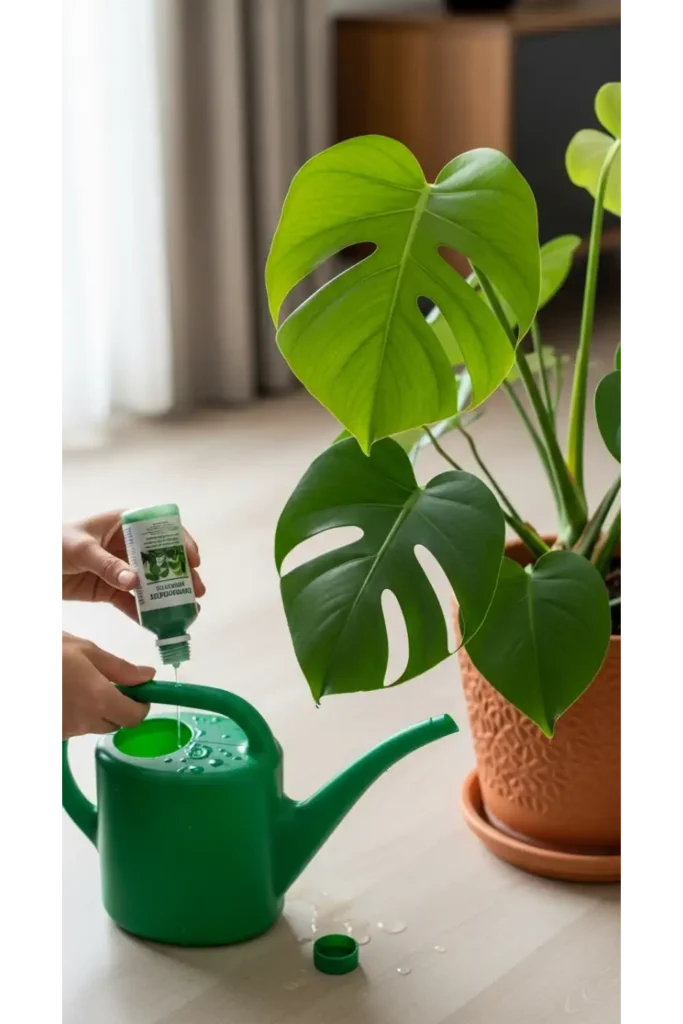
Feeding plays an important role in how to care for monstera plants for beginners because nutrients support steady and healthy growth. During the growing season in spring and summer, your plant needs extra energy to produce new leaves. Use a balanced liquid fertilizer once a month to give it the nutrients it needs without overwhelming the roots.
In colder months, growth slows down, so reduce or stop feeding altogether. Too much fertilizer can damage roots and cause leaf burn. Keep the routine simple and observe how your plant responds. Healthy growth, deep green leaves, and steady development are signs that your feeding routine works well.
Pro tip: Always dilute fertilizer slightly more than recommended to avoid nutrient buildup in the soil.
7. Pruning and Shaping Your Plant
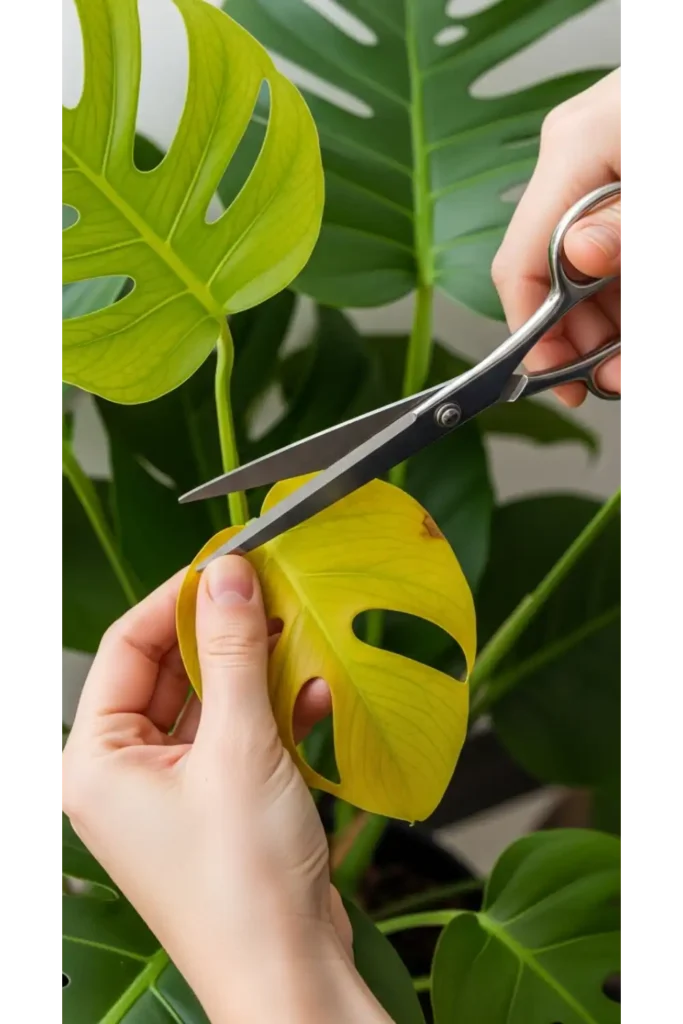
Pruning is a key step in monstera plant care tips because it keeps your plant looking fresh and encourages new growth. Remove yellow, damaged, or old leaves regularly. This allows the plant to focus its energy on healthy parts instead of struggling to maintain weak foliage.
Shaping your plant also improves its appearance indoors. Trim back long stems if the plant becomes too leggy. Use clean scissors to prevent infection and make precise cuts. Regular pruning helps your plant stay balanced, fuller, and more attractive over time.
Pro tip: Cut just above a node to encourage new growth from that spot.
8. Dealing with Common Problems
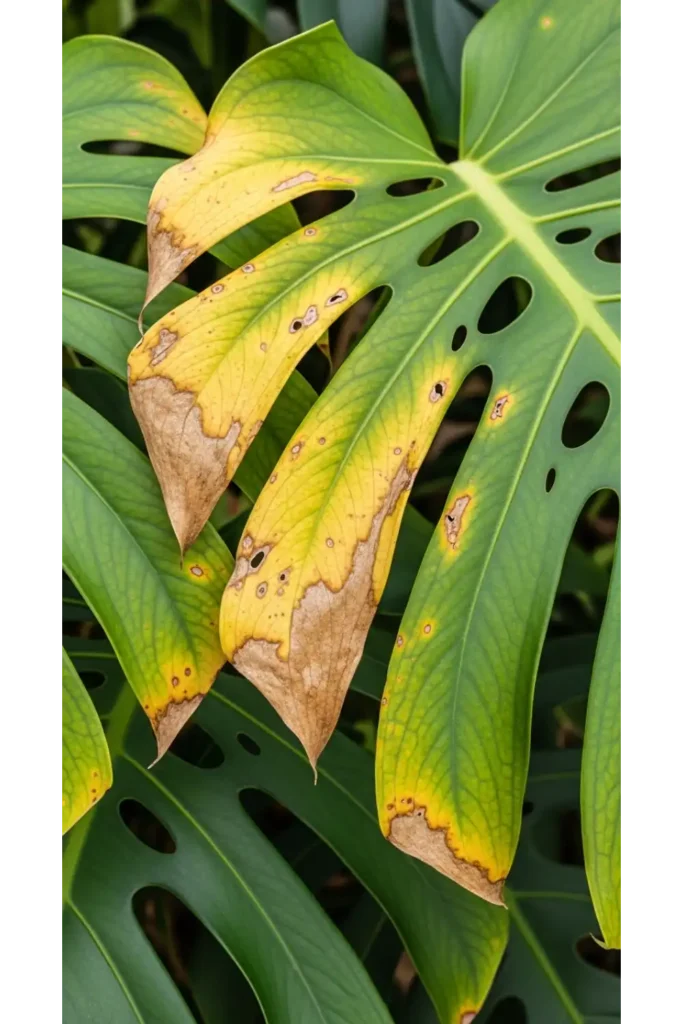
Every beginner faces challenges while learning how to care for monstera plants for beginners, but most problems are easy to fix. Yellow leaves often mean overwatering, while brown edges suggest low humidity or underwatering. Pests like spider mites can appear if the plant is stressed or dusty.
The best approach is early observation. Check leaves regularly for changes in color, texture, or spots. Adjust watering, light, or humidity based on what you see. Acting quickly prevents small issues from becoming serious problems and keeps your plant healthy.
Pro tip: Isolate your plant if pests appear to stop them from spreading to others.
9. Propagation for New Plants
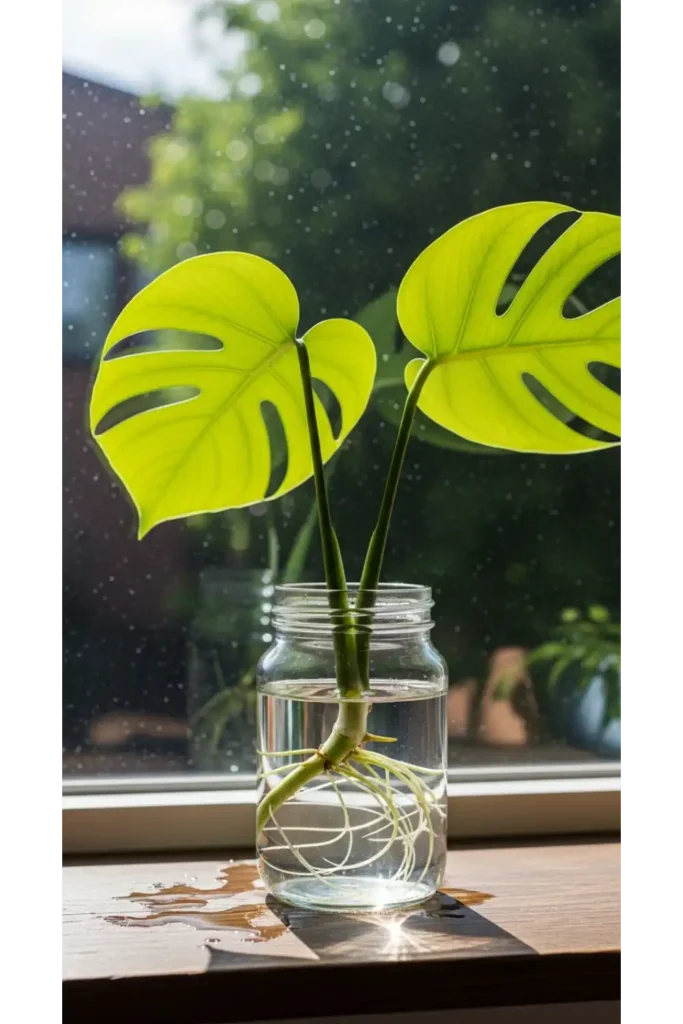
Propagation is one of the most rewarding parts of indoor monstera care. You can grow new plants from cuttings taken from a healthy stem. Make sure the cutting has at least one node, as this is where roots will grow. Place it in water and keep it in a bright spot.
Within a few weeks, roots will begin to develop. Once they grow a few inches long, transfer the cutting into soil. This process allows you to expand your plant collection or share with others. It also helps you understand your plant better through hands on care.
Pro tip: Change the water every few days to keep it clean and oxygen rich.
10. Seasonal Care Adjustments
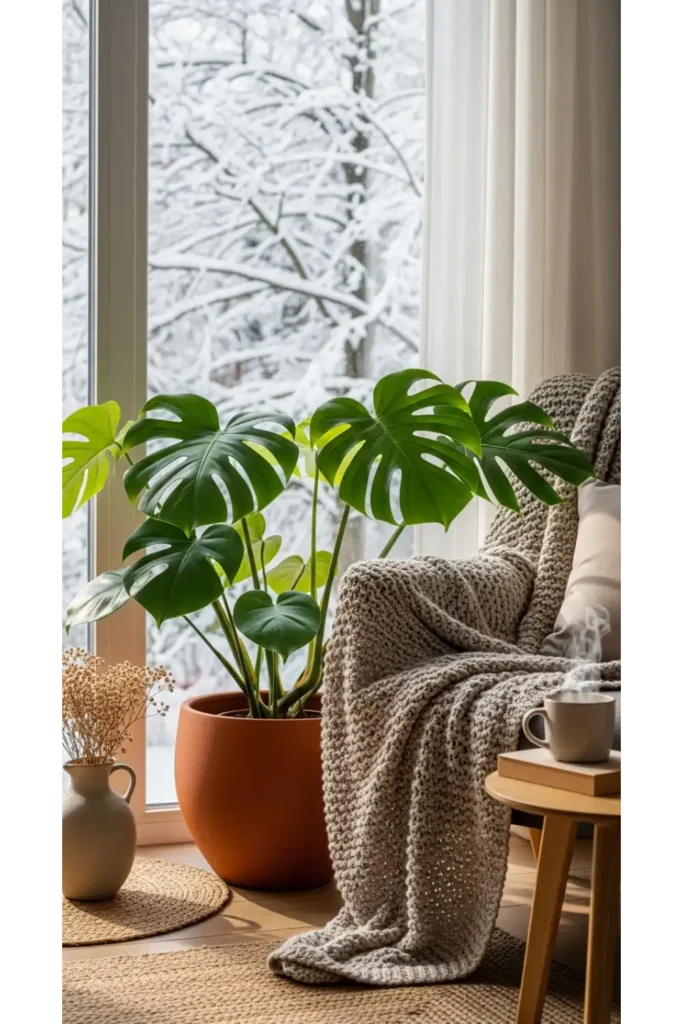
Seasonal changes affect how to care for monstera plants for beginners, especially light and watering needs. In summer, your plant grows faster and needs more water and nutrients. In winter, growth slows down, so reduce watering and stop fertilizing to match its natural cycle.
Temperature also matters. Keep your plant away from cold drafts or heaters that dry the air. Stable conditions help prevent stress and leaf damage. Adjusting care with the seasons keeps your plant balanced and thriving all year.
Pro tip: Move your plant slightly closer to light sources during winter to compensate for shorter days.
11. Choosing the Right Location Indoors
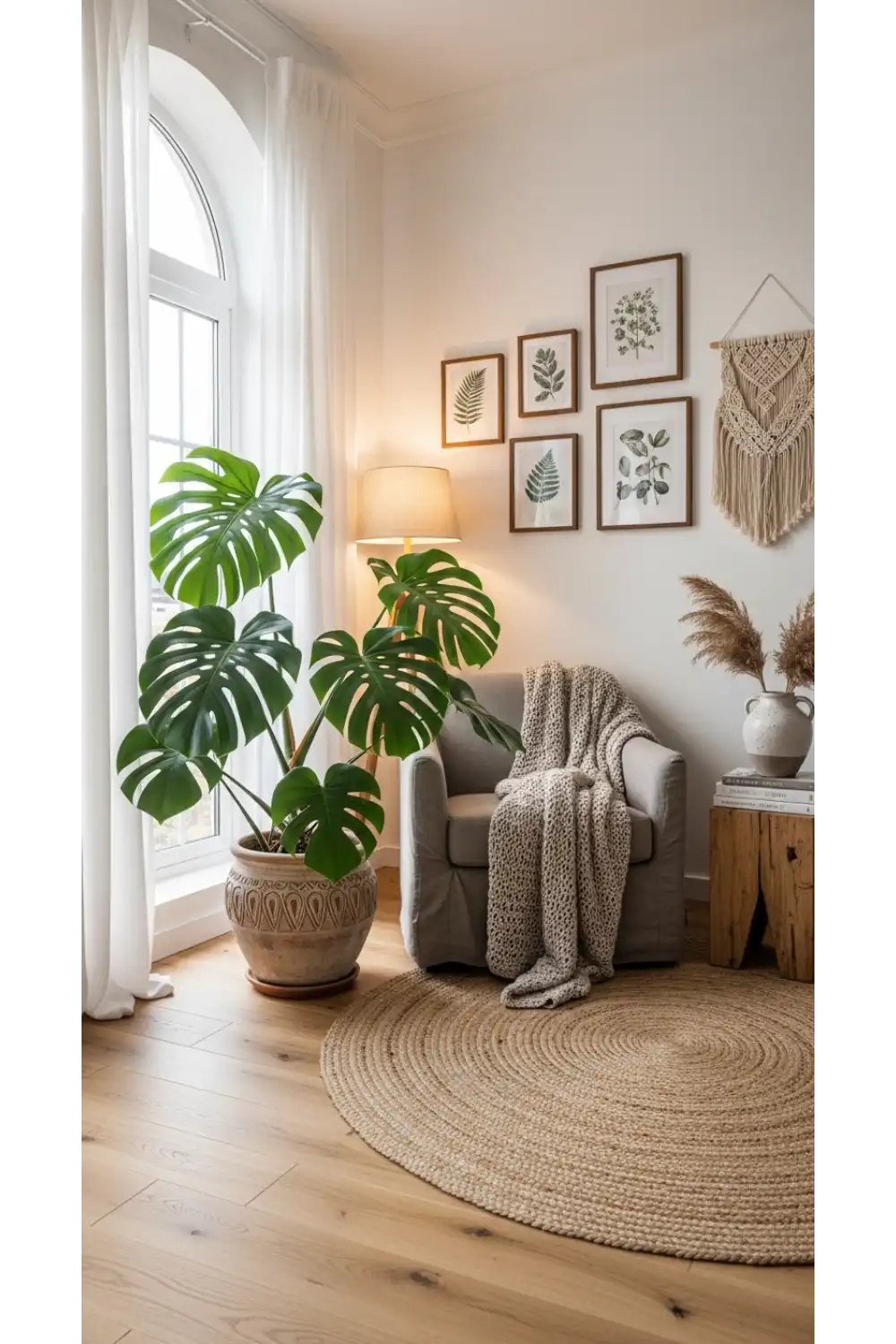
Placement is a key part of how to care for monstera plants for beginners because the environment shapes how your plant grows. Choose a spot with stable temperature, good airflow, and indirect sunlight. Avoid placing the plant near air conditioners, heaters, or frequently opened doors, as sudden changes can stress the plant and affect leaf health.
A calm and consistent location helps your plant adapt and grow steadily. Observe how the leaves behave over a few weeks. If they lean heavily in one direction, rotate the pot slightly to balance growth. A well chosen spot keeps your plant thriving without constant adjustments.
Pro tip: Keep your monstera in a place where you see it daily so you can notice changes early.
12. Understanding Leaf Changes and Signals
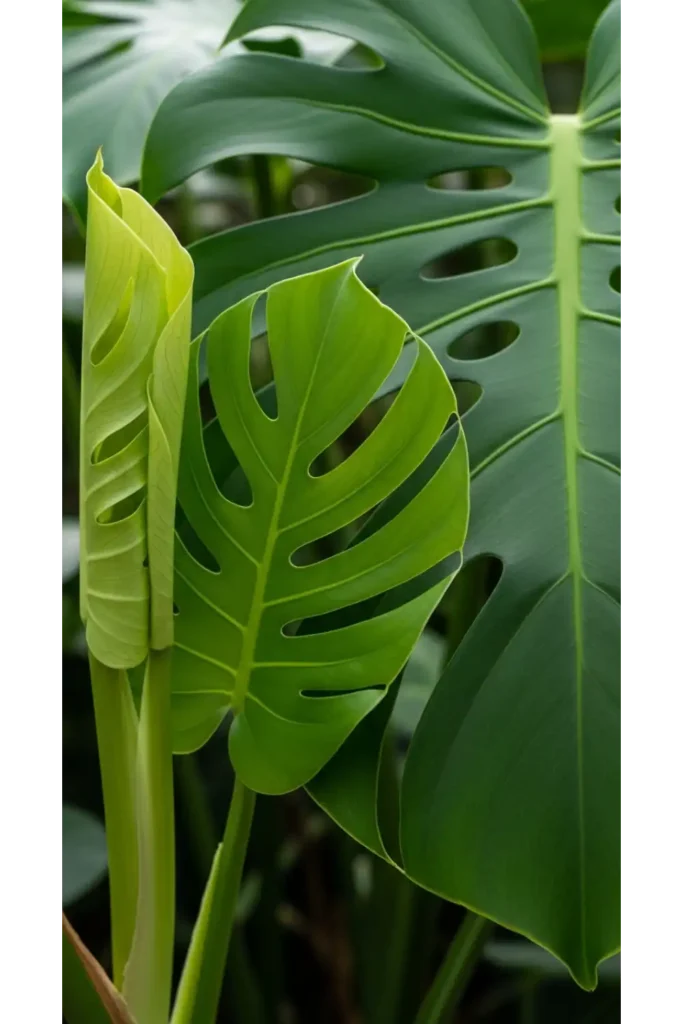
Learning to read your plant is essential in monstera plant care tips. Leaves often signal what your plant needs. New leaves may appear lighter in color and darken over time, which is normal. However, sudden yellowing, drooping, or black spots can indicate issues with watering, light, or humidity.
Instead of guessing, use these signs as guidance. A healthy monstera grows steadily and produces strong leaves. Paying attention to these details helps you respond correctly and builds confidence as a plant owner. Over time, you will understand your plant’s behavior naturally.
Pro tip: Take photos every few weeks to track growth and spot subtle changes easily.
13. Cleaning and Refreshing the Soil Surface
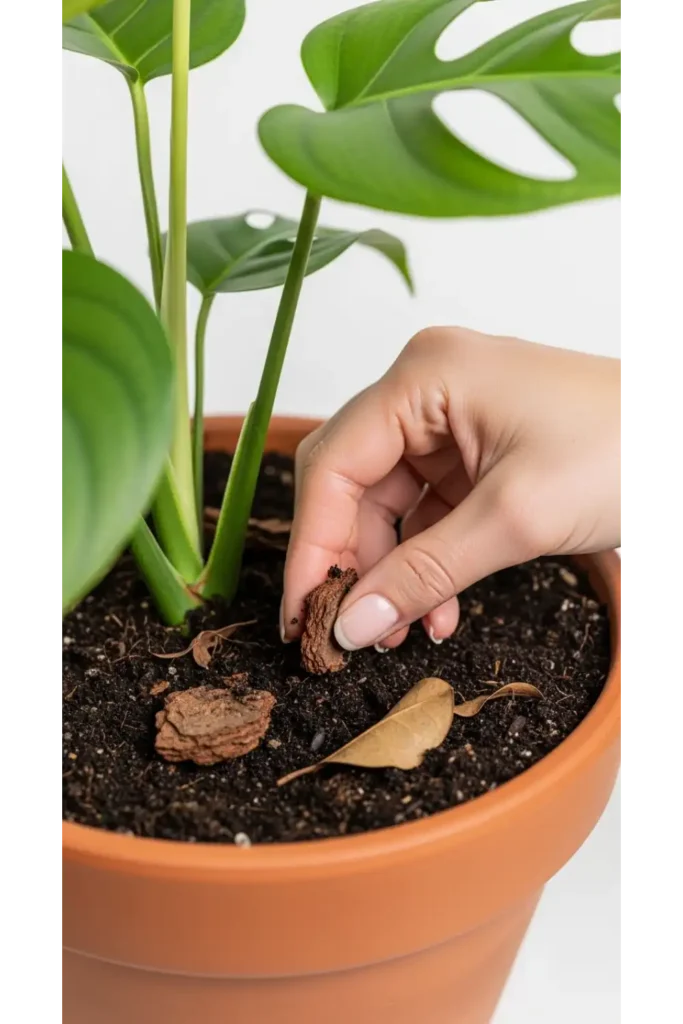
Soil care often gets ignored in indoor monstera care, but it affects plant health more than many realize. Over time, dust, fallen leaves, and mineral buildup can collect on the surface. This layer can block airflow and reduce water absorption if left untreated.
Gently remove debris and loosen the top layer of soil every few weeks. This simple step improves airflow and helps water reach the roots more evenly. Freshening the surface also keeps your plant looking neat and well cared for without needing a full repot.
Pro tip: Use a soft tool or your fingers to loosen soil lightly without disturbing roots.
14. Managing Growth Size Indoors
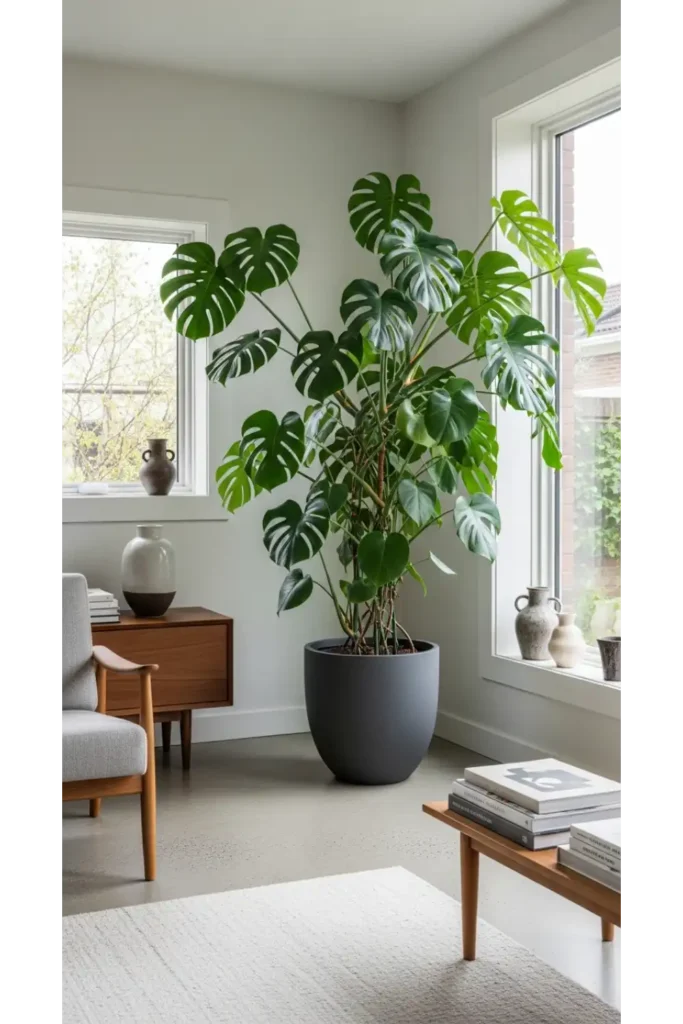
A big part of how to care for monstera plants for beginners is managing how large your plant becomes. Monsteras can grow quickly in the right conditions, sometimes outgrowing indoor spaces. Regular pruning and proper pot size help control height and spread without harming the plant.
If you want a fuller look instead of height, trim longer stems and encourage side growth. Choosing a slightly smaller pot can also slow growth while maintaining health. Managing size allows you to enjoy the plant without it becoming overwhelming in your space.
Pro tip: Plan your plant’s space early so you do not need major adjustments later.
15. Creating a Consistent Care Routine
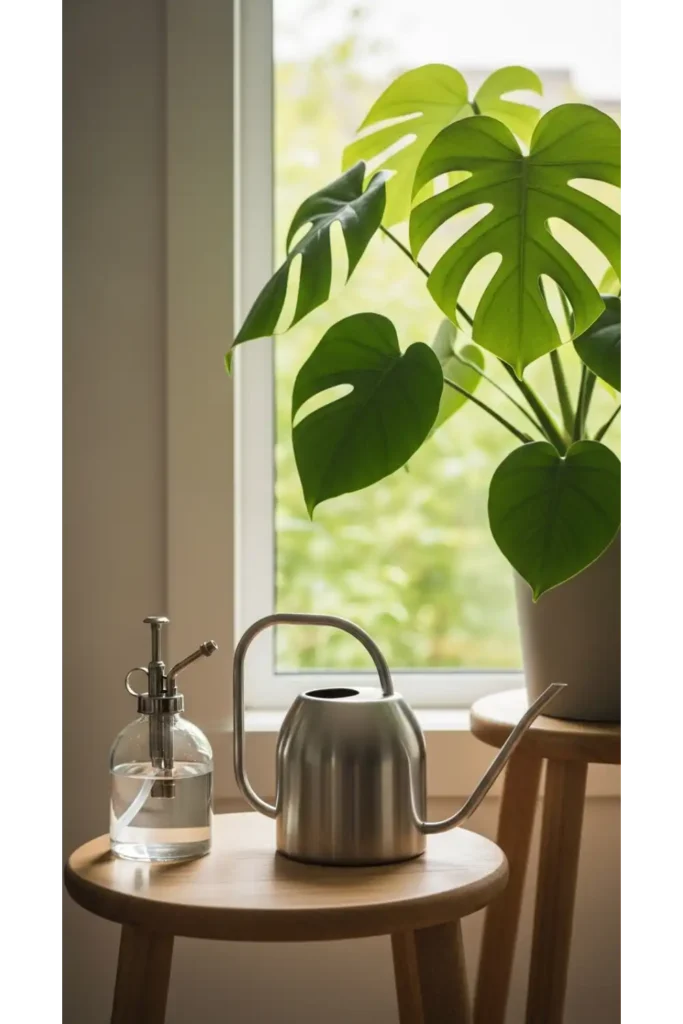
Consistency defines success in monstera plant care tips. Instead of random care, build a simple weekly routine that includes checking soil moisture, observing leaves, and adjusting light if needed. This reduces mistakes and helps your plant stay stable over time.
A routine also makes plant care feel easier and more enjoyable. You do not need complex schedules or tools. Just a few minutes each week can make a big difference. Over time, these small habits create a strong, healthy plant that grows with confidence.
Pro tip: Pick a specific day each week as your plant care day to stay consistent.
16. Improving Air Circulation for Strong Leaves
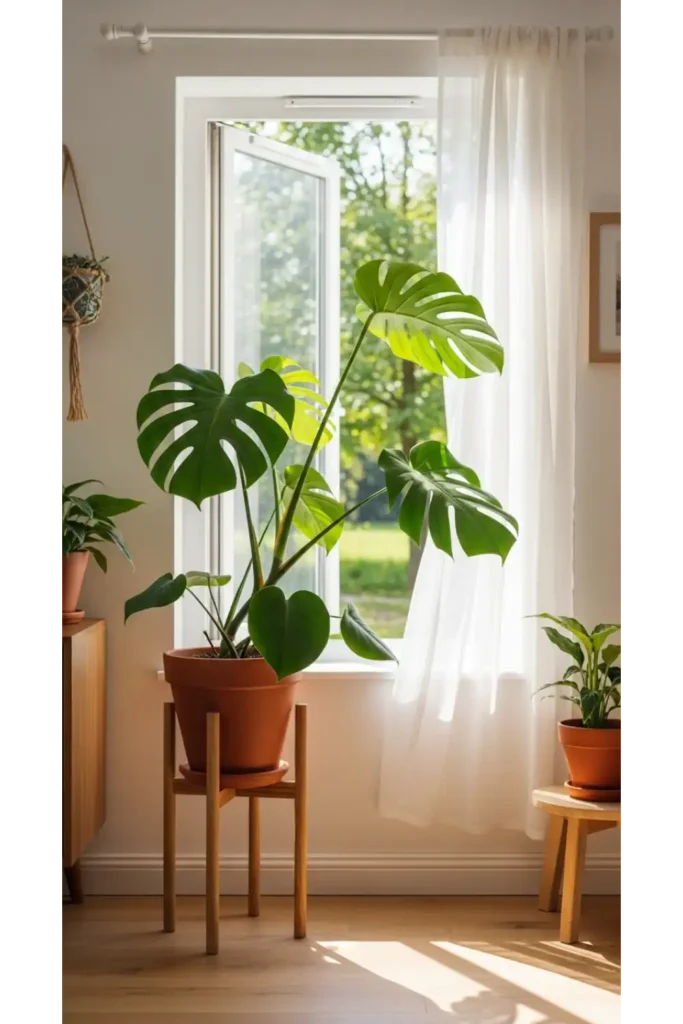
Airflow often gets ignored in how to care for monstera plants for beginners, but it supports strong and healthy leaves. Good air circulation prevents moisture buildup and reduces the risk of pests and fungal issues. Keep your plant in a space where fresh air moves naturally without strong drafts hitting it directly.
Stagnant air can make leaves weak and more prone to damage. Opening a window occasionally or placing your plant in a naturally ventilated room helps maintain balance. Healthy airflow also improves how your plant absorbs moisture and nutrients from its environment.
Pro tip: Avoid placing your monstera in tightly closed spaces with no air movement.
17. Choosing the Right Pot Material
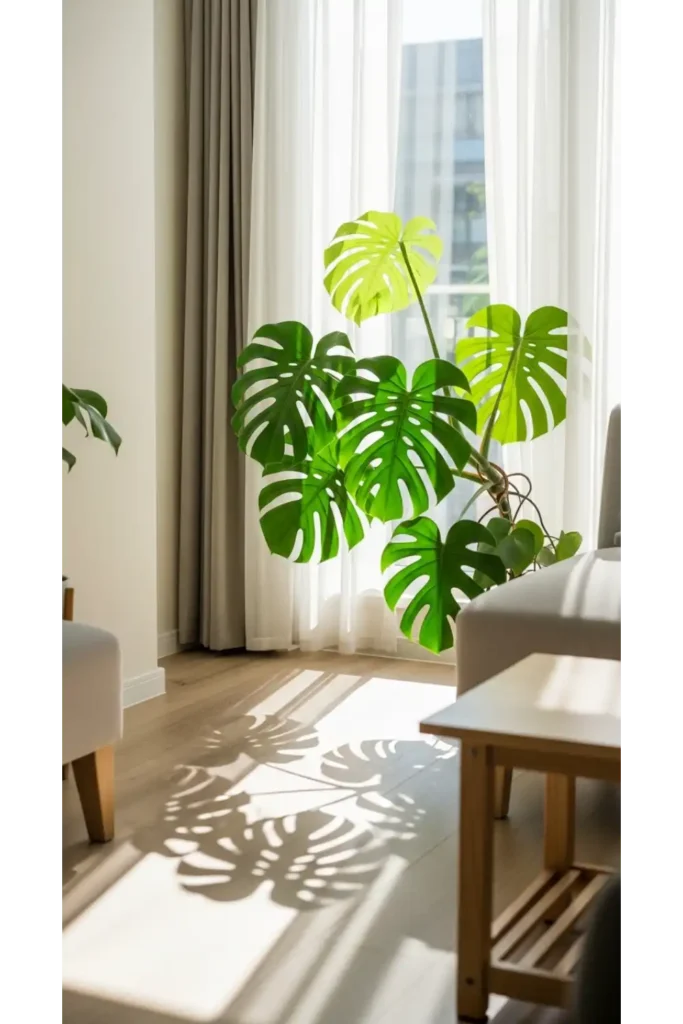
Pot material plays a subtle but important role in monstera plant care tips. Terracotta pots allow moisture to evaporate faster, which helps prevent overwatering. Plastic pots retain moisture longer, which may suit drier environments but requires careful watering.
Choosing the right pot depends on your watering habits and climate. If you tend to overwater, a breathable pot like terracotta can help balance moisture. Matching the pot type to your routine makes plant care easier and reduces the risk of root problems.
Pro tip: Always choose a pot with drainage holes regardless of material.
18. Encouraging Bigger Leaf Splits
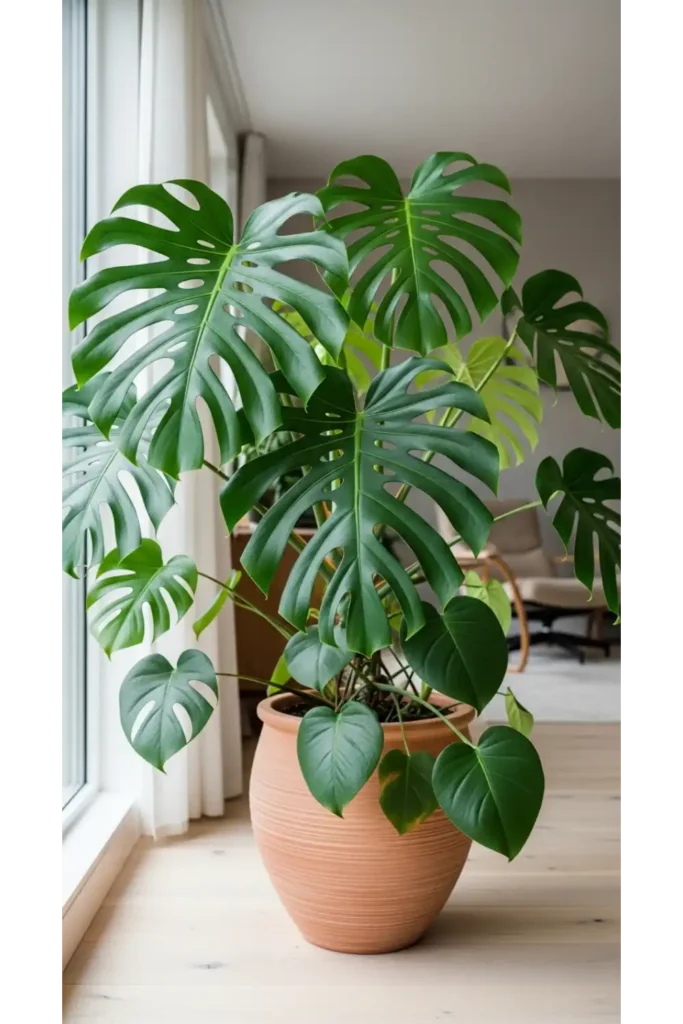
One exciting part of how to care for monstera plants for beginners is seeing those iconic split leaves develop. These splits, called fenestrations, appear as the plant matures under the right conditions. Bright indirect light, proper watering, and support for climbing all contribute to this process.
Young plants often start with solid leaves, so patience is key. As your plant grows stronger, each new leaf can show more defined splits. Providing stable care and enough light encourages this natural transformation and gives your plant its signature look.
Pro tip: Use a moss pole to support vertical growth and promote larger, more split leaves.
19. Keeping Pests Away Naturally
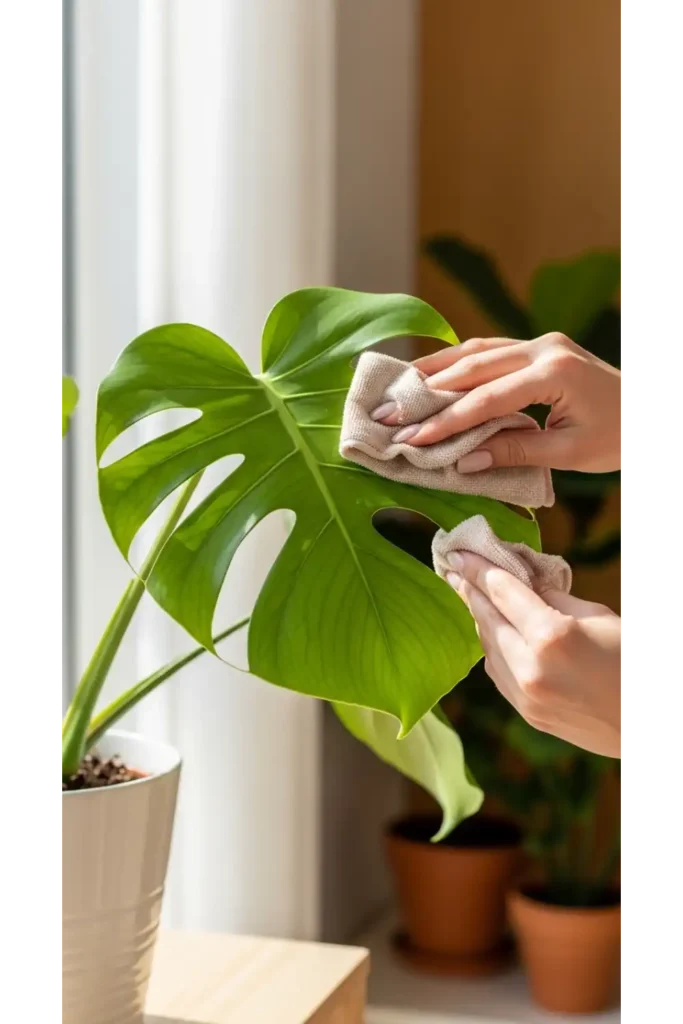
Preventing pests is easier than treating them in indoor monstera care. Common pests like spider mites and mealybugs appear when the plant is stressed or dusty. Keeping leaves clean and maintaining proper humidity reduces the chances of infestation.
If pests appear, act quickly using gentle methods like wiping leaves or rinsing with water. Avoid harsh chemicals unless necessary. A clean and balanced environment helps your plant stay strong and resistant to common problems.
Pro tip: Inspect the underside of leaves regularly since pests often hide there.
20. Understanding Growth Speed and Patience
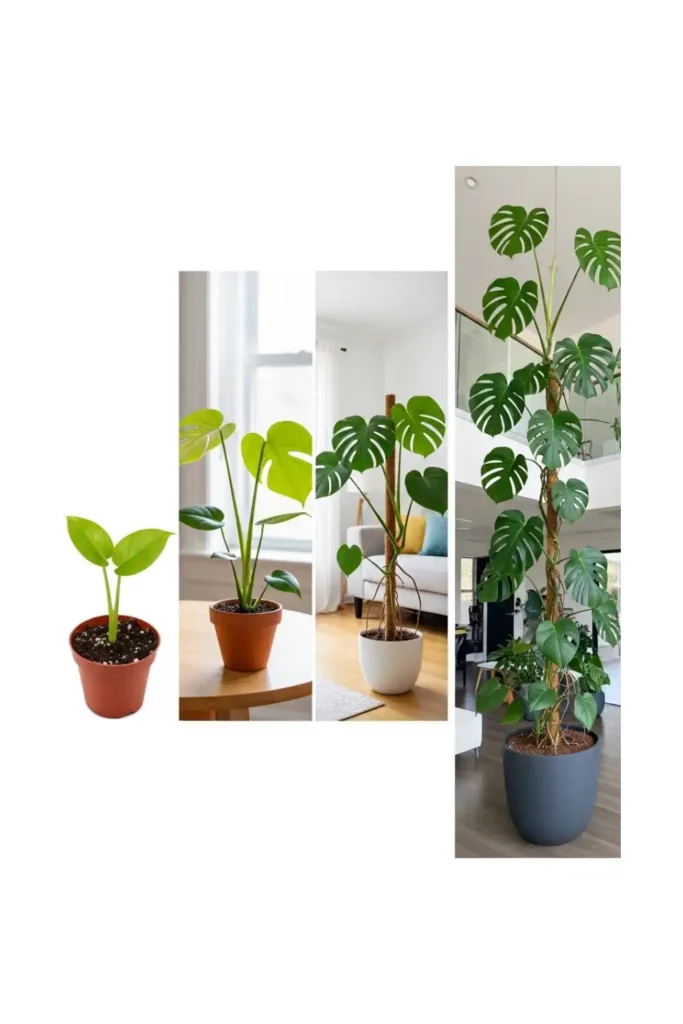
Growth takes time, and patience is part of how to care for monstera plants for beginners. Some weeks you may not see visible changes, but roots and internal growth continue. Seasonal shifts, light levels, and care routines all affect how quickly your plant grows.
Avoid comparing your plant to others online. Each environment is different. Focus on steady care and gradual improvement. Over time, your monstera will reward you with consistent growth and stronger leaves.
Pro tip: Celebrate small changes like new leaves or deeper color instead of waiting for big transformations.
21. Combining Monstera with Home Decor
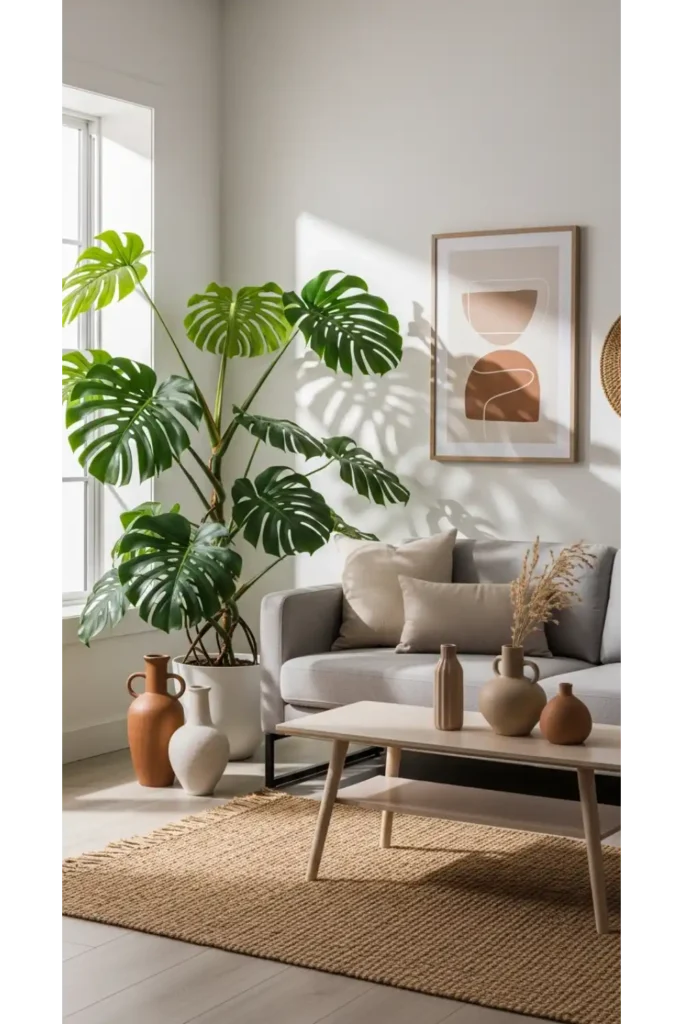
Monstera plants are not just greenery, they enhance your space while you practice monstera plant care tips. Their bold leaves make them a natural focal point in living rooms, bedrooms, or offices. Placing them in decorative pots or near furniture adds warmth and balance to your home.
When styling, consider both beauty and function. Make sure the plant still gets proper light and airflow. A well placed monstera improves your space while staying healthy and easy to maintain.
Pro tip: Use a plant stand to raise your monstera closer to light sources and improve visibility.
22. Avoiding Common Beginner Mistakes
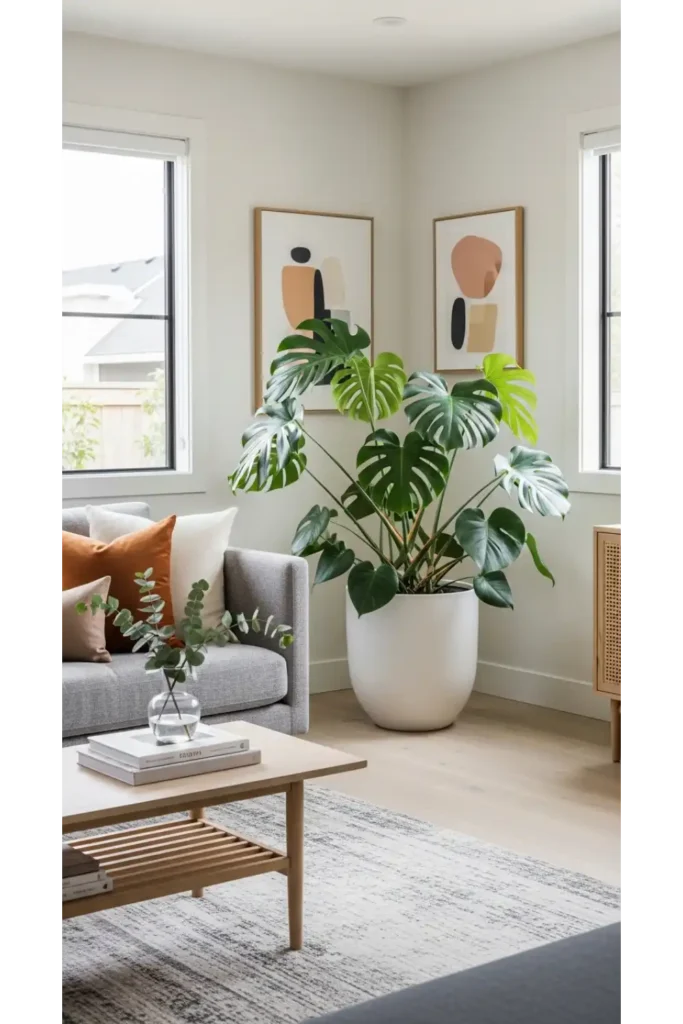
Mistakes are part of learning how to care for monstera plants for beginners, but avoiding common ones saves time and effort. Overwatering, poor lighting, and ignoring drainage are the biggest issues beginners face. These problems can slow growth or damage your plant if not corrected.
Focus on simple, consistent care instead of overcomplicating things. Observe your plant regularly and adjust based on its needs. Learning from small mistakes helps you become more confident and improves your overall plant care skills.
Pro tip: When in doubt, wait before watering since overwatering causes more harm than slight dryness.
23. Building Confidence as a Plant Owner
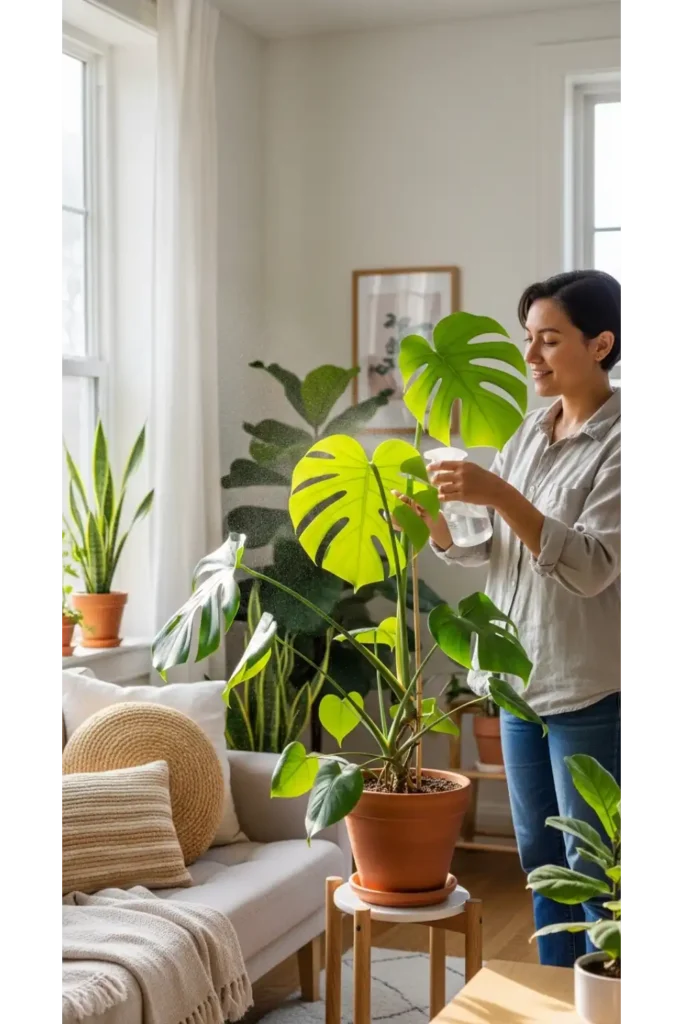
The final step in how to care for monstera plants for beginners is building confidence through experience. The more you care for your plant, the more you understand its needs. Small successes like new growth or healthier leaves build trust in your routine.
Plant care should feel rewarding, not stressful. Keep learning, stay consistent, and enjoy the process. Your monstera will grow alongside your skills, making the journey both relaxing and fulfilling over time.
Pro tip: Start simple and stick to a routine instead of trying too many new methods at once.
FAQs
What is the best place to keep a monstera plant indoors?
Place it in a bright room with indirect sunlight. Avoid direct sun exposure to prevent leaf burn and keep growth steady.
How often should I water my monstera?
Water when the top inch of soil feels dry. This usually means once a week, but it varies depending on temperature and humidity.
Why are my monstera leaves not splitting?
Young plants often have solid leaves. As the plant matures and receives enough light, it will naturally develop splits.
Can monstera grow in low light?
It can survive in low light, but growth slows and leaves stay smaller. Bright indirect light gives the best results.
Should I cut aerial roots?
You can trim them if needed, but it is better to guide them into the soil or support structure.
Conclusion
Mastering how to care for monstera plants for beginners comes down to a few simple habits done consistently. Focus on proper light, balanced watering, breathable soil, and gentle maintenance. These steps create the perfect environment for your plant to thrive.
With time, your monstera will reward you with bold leaves and steady growth. Keep observing your plant, adjust care when needed, and enjoy the process. A healthy monstera not only enhances your space but also builds your confidence as a plant owner.