
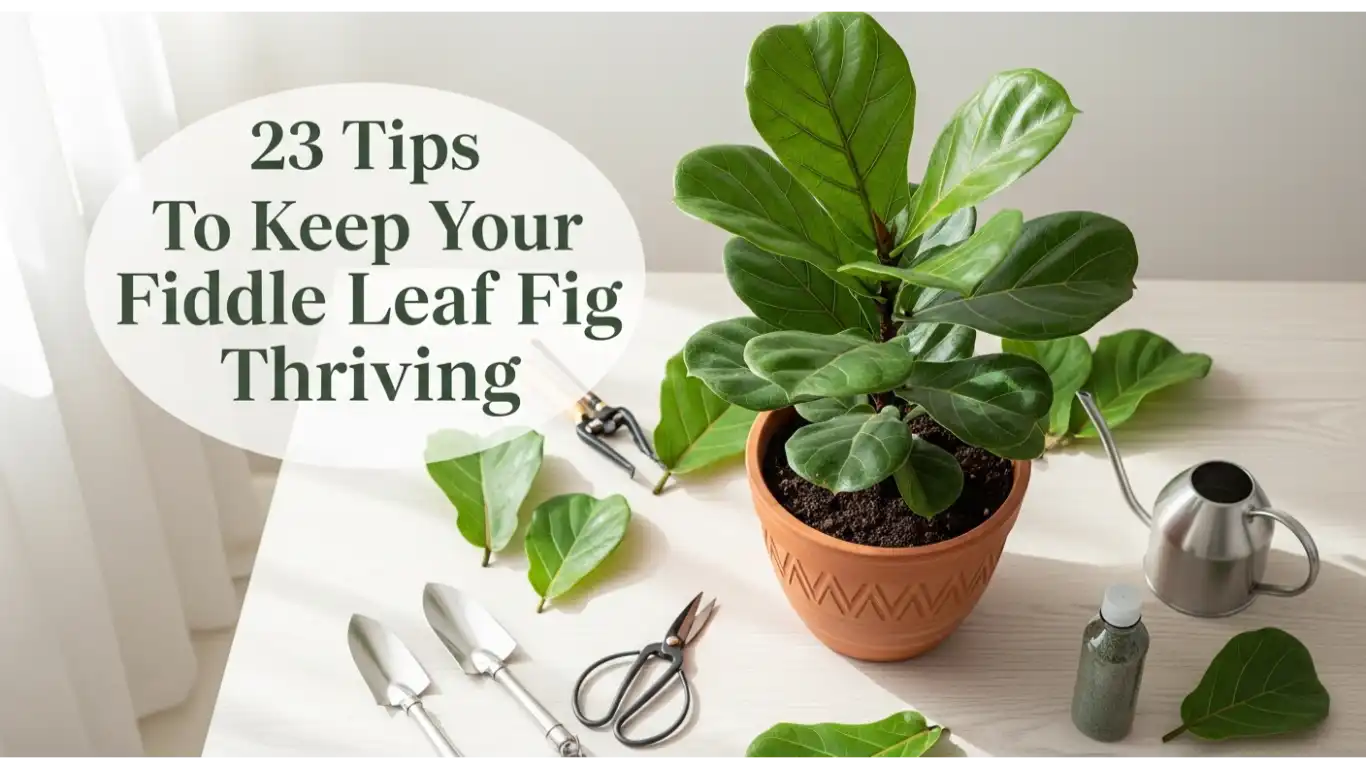
23 Tips To Keep Your Fiddle Leaf Fig Thriving
Bringing a fiddle leaf fig into your home adds life, texture, and a bold natural feel. But many people struggle to keep it healthy over time. These tips to keep your fiddle leaf fig thriving are designed to simplify care and help your plant grow strong without confusion. You do not need complex routines, just the right habits done consistently.
This guide shares practical, real-world advice that works in everyday homes. Each idea focuses on helping your plant stay vibrant, avoid stress, and grow with confidence. If you want fuller leaves and steady growth, you are in the right place.
Section 1: Light, Water, and Environment
1. Choose the Right Spot

The placement of your plant directly affects its health. Tips to keep your fiddle leaf fig thriving always begin with proper light. This plant loves bright, indirect sunlight that fills the room without hitting the leaves too harshly. A spot near a window works best, especially where light stays consistent throughout the day.
Dark corners slow growth and cause leaves to drop over time. If one side gets more light, the plant may lean. Rotating it regularly helps balance growth and keeps the shape even and full.
Pro Tip: East-facing windows give gentle morning light that works perfectly.
2. Water with Consistency
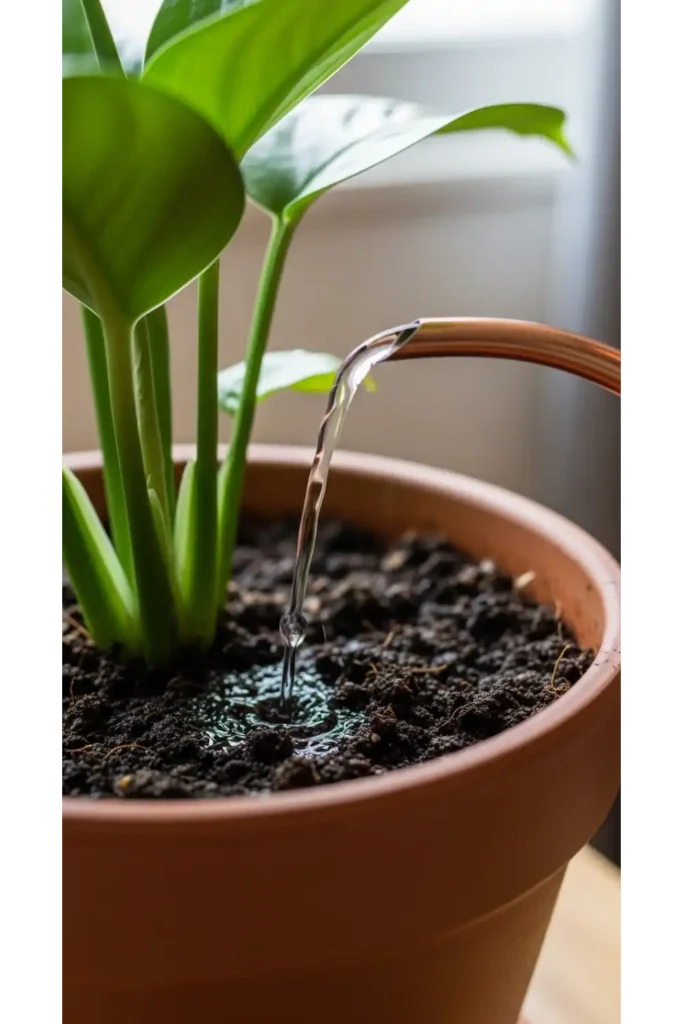
Watering correctly makes a huge difference. Instead of following a strict schedule, check the soil first. When the top inch feels dry, it is time to water. This keeps the roots hydrated without drowning them.
Too much water can damage roots and lead to yellow leaves. Too little water causes dryness and leaf drop. Finding the right balance helps your plant stay stable and healthy over time.
Pro Tip: Always use pots with drainage holes to avoid water buildup.
3. Use Well Draining Soil
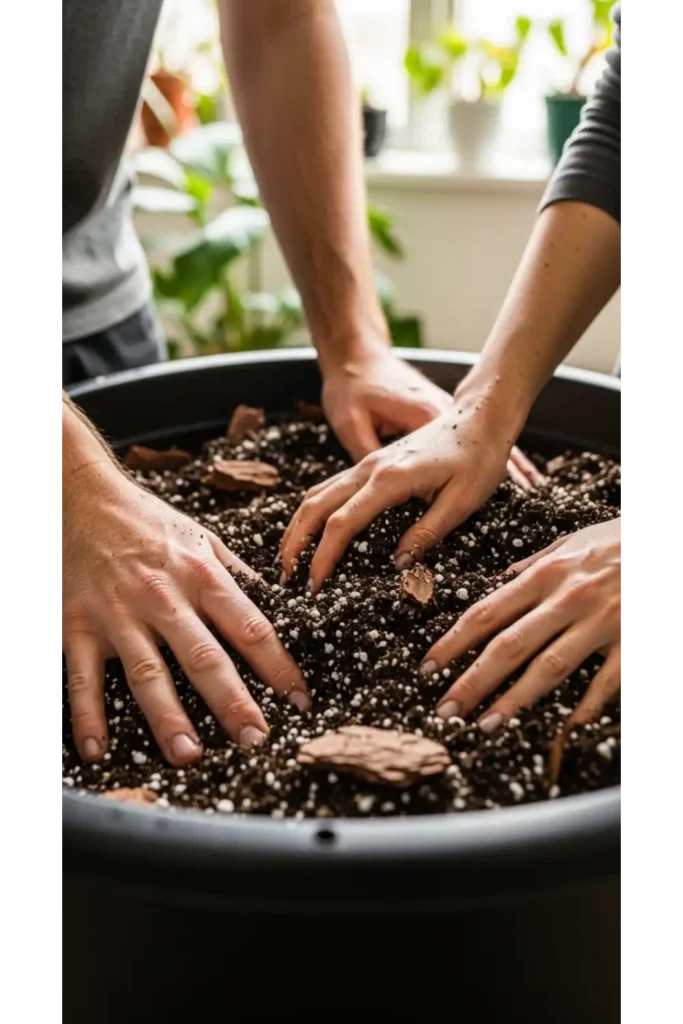
Soil quality plays a major role in plant health. A well-draining mix allows water to pass through easily while still holding enough moisture for roots. Adding perlite or bark improves airflow and keeps roots from sitting in wet soil.
Dense soil traps water and reduces oxygen around roots. Over time, this weakens the plant and causes slow growth. Refreshing soil every year or two keeps nutrients balanced and structure healthy.
Pro Tip: A loose, chunky soil mix helps prevent root rot naturally.
4. Maintain Stable Temperature

Fiddle leaf figs grow best in stable indoor temperatures. Sudden changes can shock the plant and lead to leaf drop. Keeping the temperature steady between 60 and 75 degrees helps maintain healthy growth.
Avoid placing your plant near heaters, air vents, or doors that open frequently. These areas create temperature swings that stress the plant. Consistency is key for long-term success.
Pro Tip: Keep your plant in a calm, draft-free area.
5. Boost Humidity Levels

Humidity supports strong, healthy leaves. Indoor air often becomes dry, especially during colder months. Adding moisture through a humidifier or a water tray improves the environment for your plant.
Low humidity can cause brown edges and dull leaves. Keeping the air slightly moist helps the plant stay lush and vibrant. Grouping plants together can also increase humidity naturally.
Pro Tip: Aim for humidity around 40 to 60 percent for best results.
6. Clean the Leaves Regularly
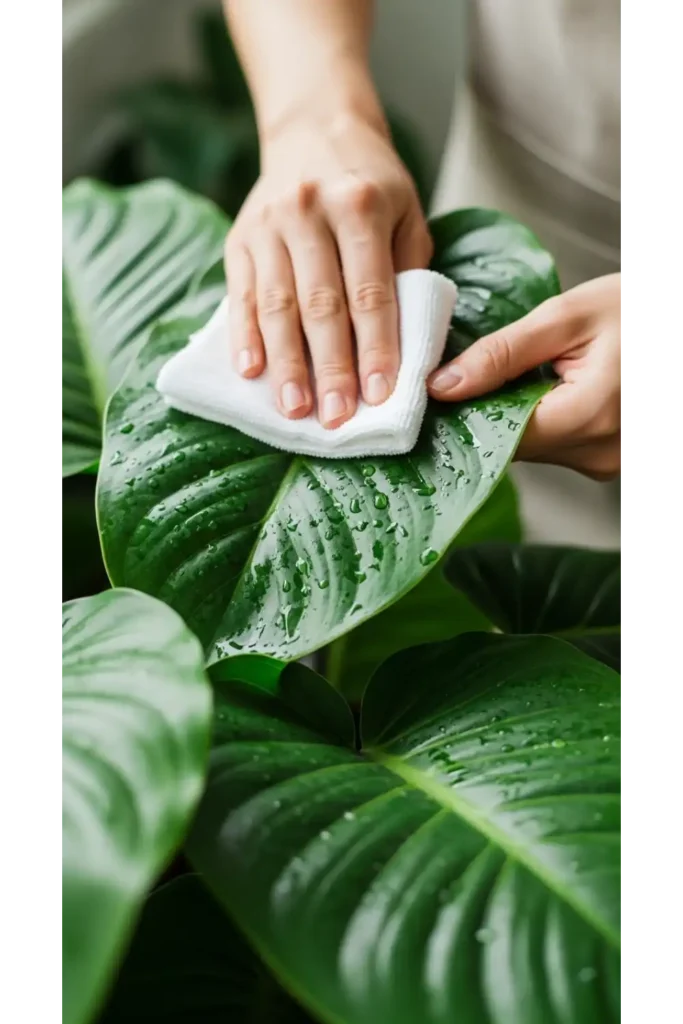
Large leaves collect dust, which blocks sunlight and slows growth. Wiping them gently with a damp cloth keeps them clean and helps the plant absorb more light. Clean leaves also look brighter and healthier.
Avoid chemical sprays or harsh cleaners. Plain water works well and keeps the plant safe. Regular cleaning improves both appearance and function.
Pro Tip: Clean leaves every two to three weeks.
7. Rotate for Even Growth
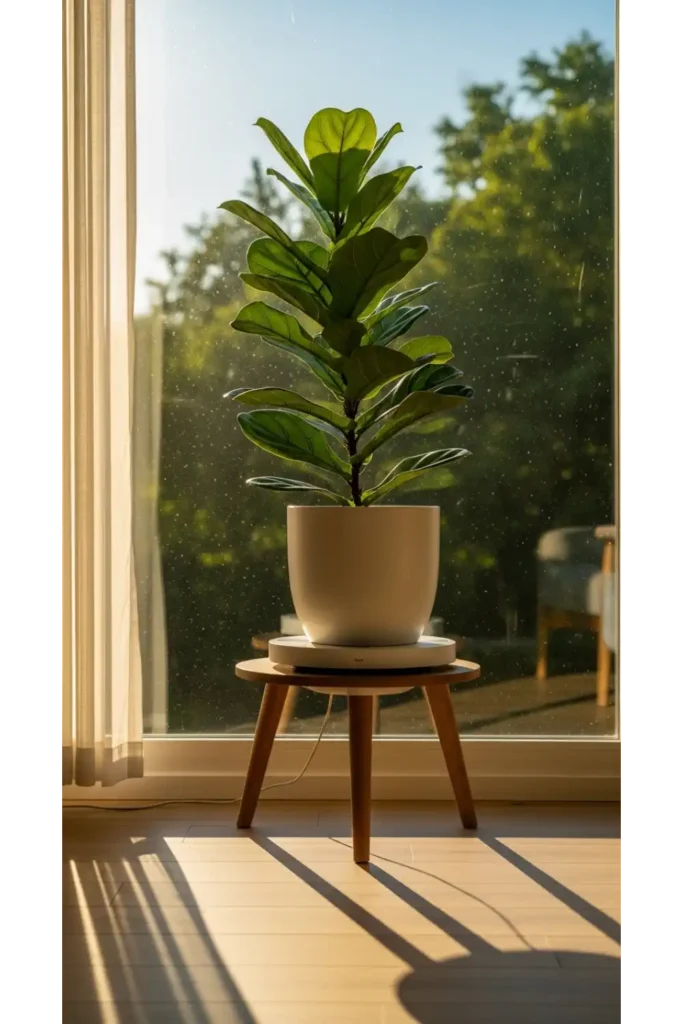
Plants naturally grow toward light, which can cause uneven growth. Rotating your fiddle leaf fig every week helps each side receive equal light. This keeps the plant balanced and upright.
Without rotation, one side may become fuller while the other stays thin. Over time, this affects the plant’s shape and strength. A simple rotation routine solves this easily.
Pro Tip: Turn the pot slightly each week for best symmetry.
8. Fertilize During Growth Season

Feeding your plant during active growth gives it the nutrients needed to produce new leaves. Use a balanced fertilizer during spring and summer for best results. This supports strong and steady growth.
Avoid fertilizing in winter when the plant rests. Too much fertilizer during this time can harm the roots. Follow a light and consistent feeding schedule.
Pro Tip: Dilute fertilizer slightly to prevent overfeeding.
Section 2: Growth, Maintenance, and Long Term Care
9. Repot When Needed
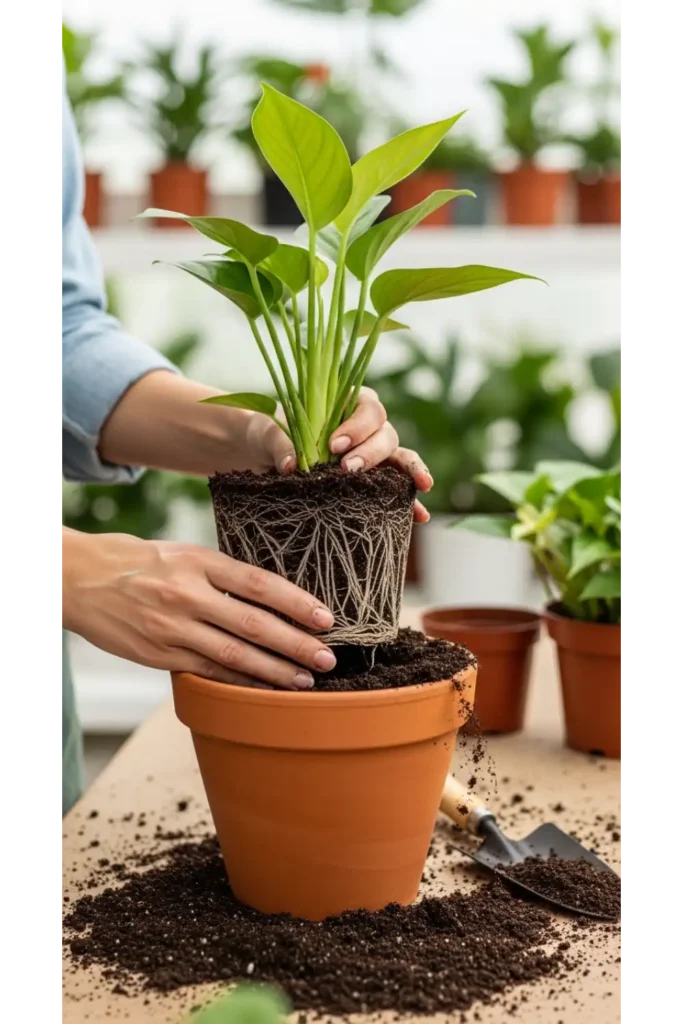
As your plant grows, its roots need more space. Repotting every one to two years allows the roots to expand and access fresh nutrients. Choose a slightly larger pot to support growth without overwhelming the plant.
Fresh soil improves drainage and adds nutrients. Handle the roots gently to avoid stress. This step helps your plant continue growing strong over time.
Pro Tip: Repot during spring for smoother recovery.
10. Avoid Overwatering
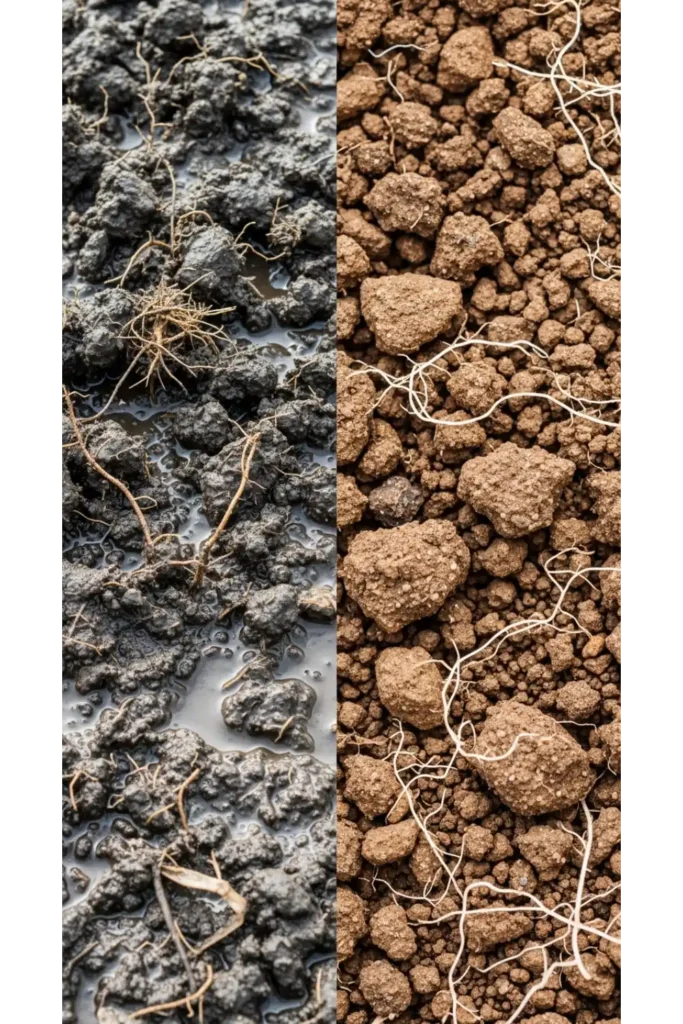
Overwatering is one of the most common mistakes. Too much water suffocates the roots and leads to rot. Always check the soil before watering instead of following a fixed schedule.
Signs of overwatering include yellow leaves and soft stems. Adjust your watering habits quickly if you notice these changes. Healthy roots need both air and water.
Pro Tip: Let the soil dry slightly between watering sessions.
11. Protect Your Plant from Hidden Pests
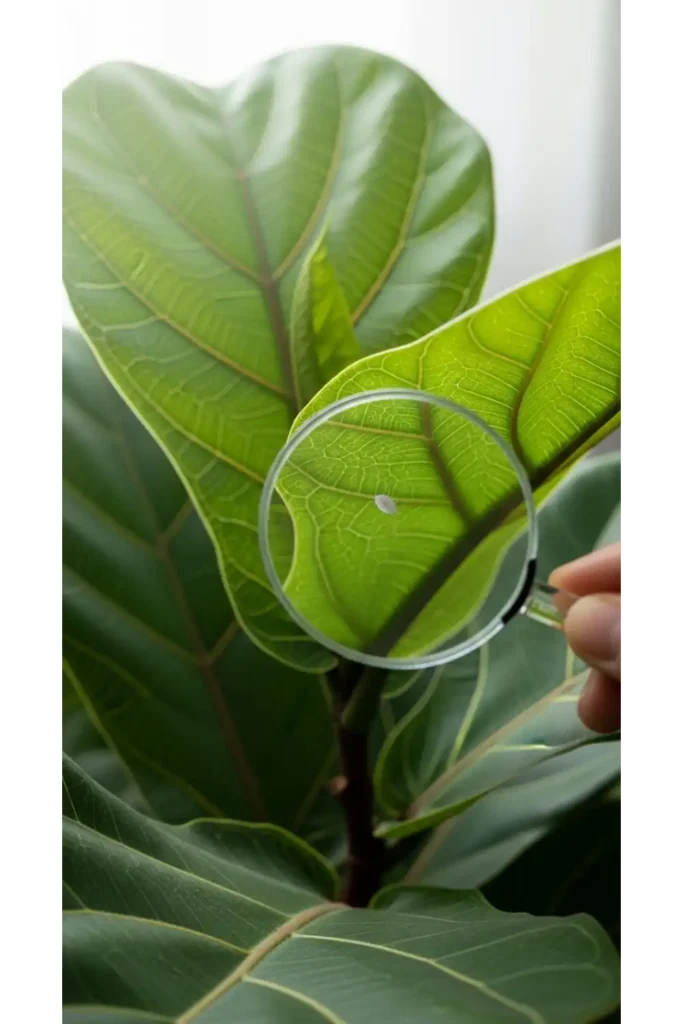
Pests often go unnoticed until damage becomes visible, which makes early prevention important. Instead of waiting for signs, build a habit of observing your plant closely. Look for tiny specks, webbing, or sticky residue on leaves, as these can signal early pest activity before it spreads.
Creating a clean and stable environment reduces the chances of pests settling in. Healthy plants naturally resist problems better, so focus on proper care alongside prevention. Gentle cleaning and regular observation help keep your plant safe without needing harsh treatments.
Pro Tip: Isolate new plants for a few days before placing them near your fiddle leaf fig.
12. Prune for Shape
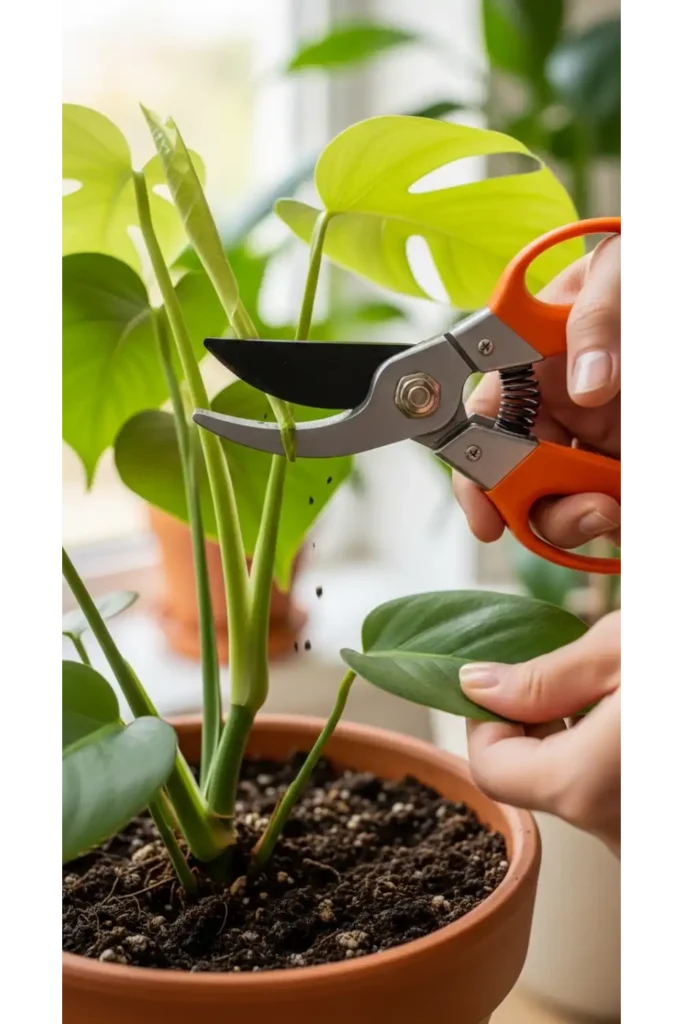
Pruning helps control the shape and encourages fuller growth. Cutting back leggy branches allows new leaves to form and improves overall balance.
Use clean tools and make cuts above a leaf node. This supports healthy regrowth and prevents damage.
Pro Tip: Prune during active growth periods for best results.
13. Avoid Frequent Moving
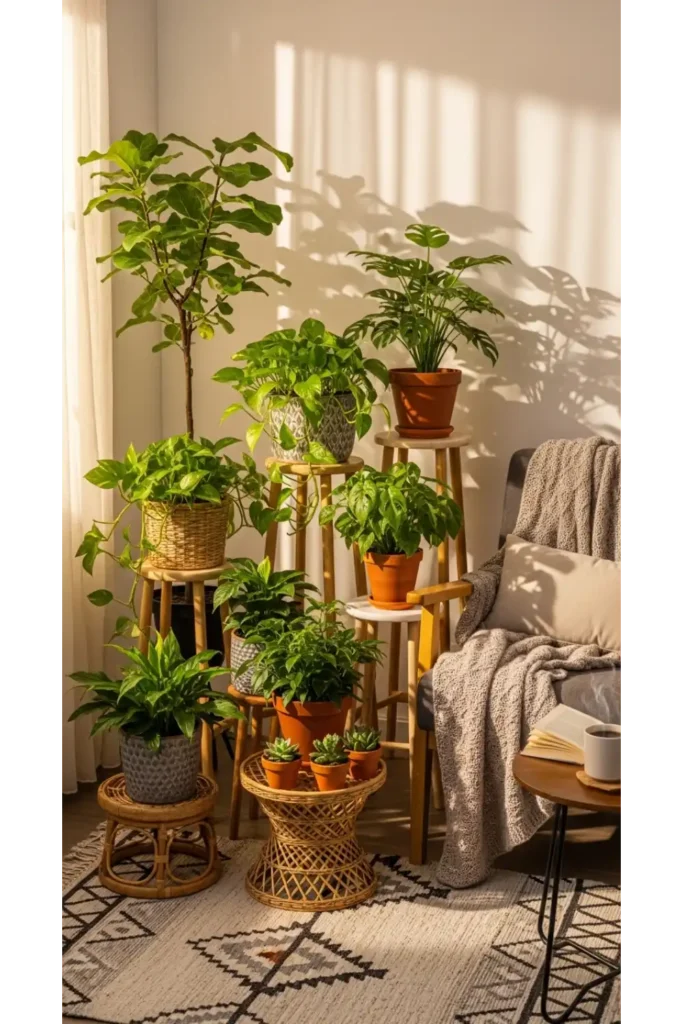
Fiddle leaf figs prefer stability. Moving them too often can cause stress and leaf drop. Choose a good spot and allow your plant to adjust fully.
Once settled, avoid unnecessary changes. Stability helps the plant grow consistently and stay healthy.
Pro Tip: Keep your plant in one place as much as possible.
14. Support New Growth
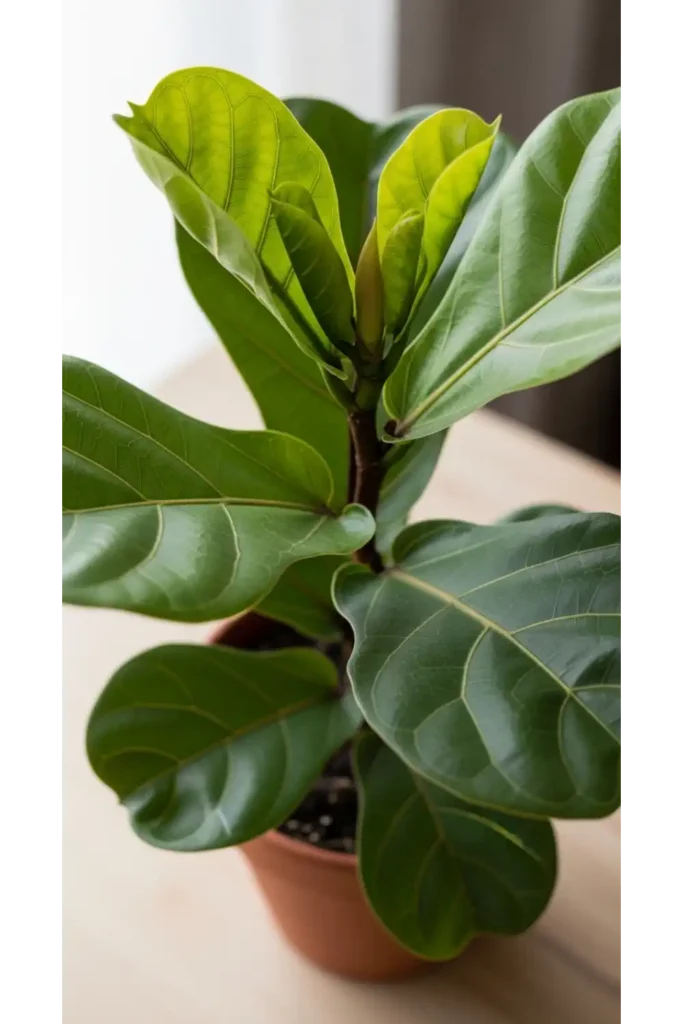
New growth needs the right environment to develop properly. Ensure your plant receives enough light and nutrients during this stage. This helps leaves grow larger and stronger.
Protect new leaves from stress by maintaining stable conditions. Avoid sudden changes that may affect growth.
Pro Tip: Keep watering and light consistent during growth phases.
15. Use Proper Pot Size
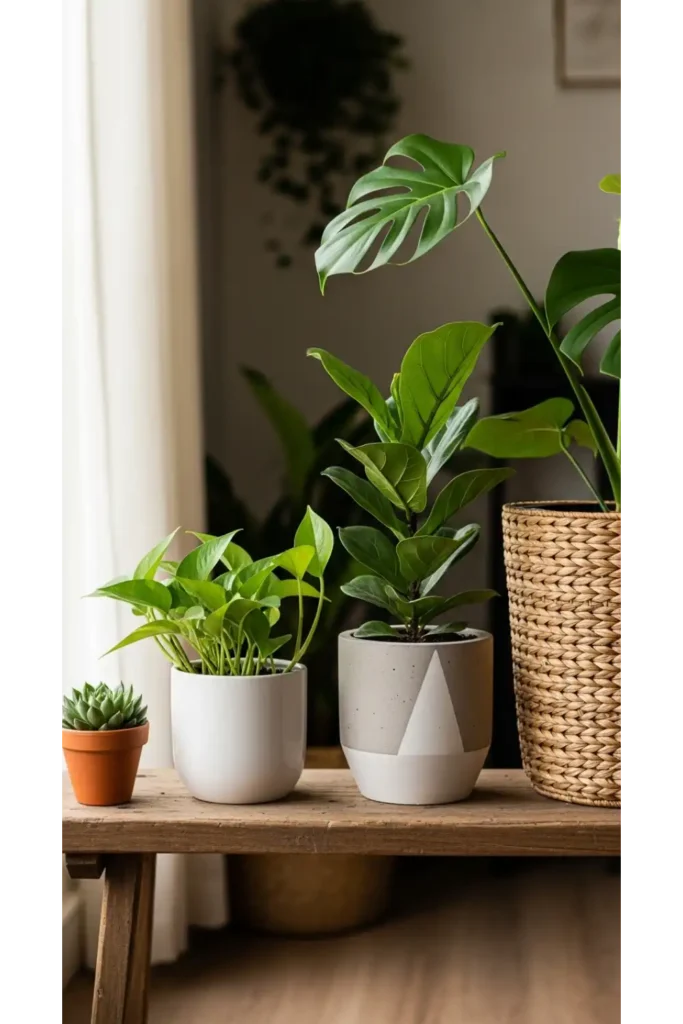
Choosing the right pot size matters. A pot that is too large holds excess moisture, while a small pot restricts root growth. Find a balance that supports steady development.
The right pot size helps control watering and improves overall plant health. It also supports strong root systems.
Pro Tip: Increase pot size gradually, not drastically.
Section 3: Advanced Care and Thriving Growth
16. Ensure Proper Air Circulation
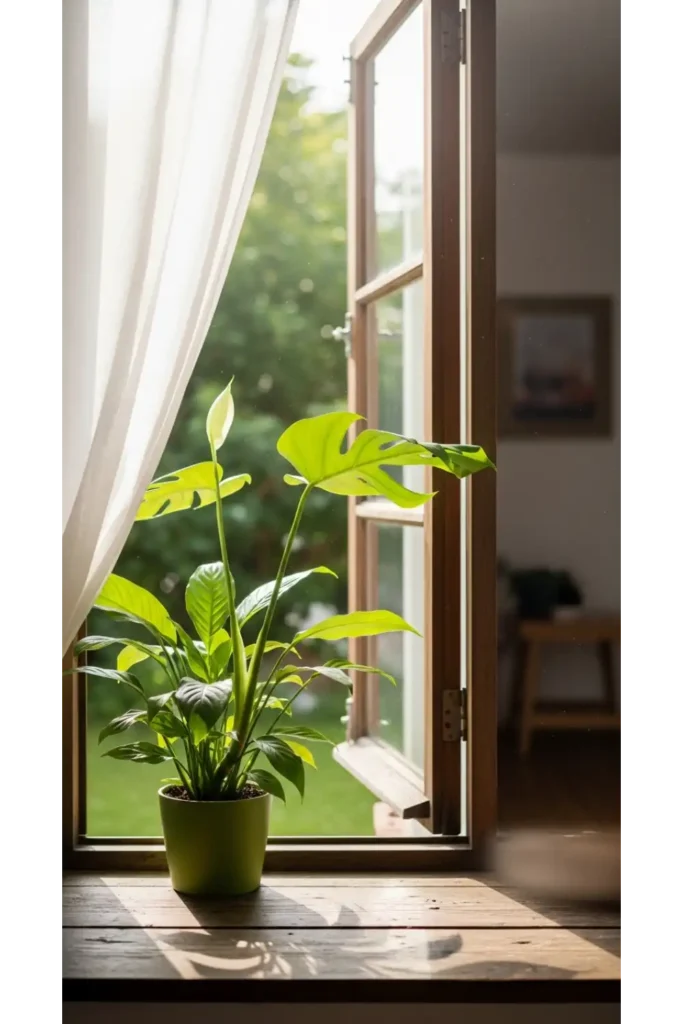
Air circulation plays a quiet but important role in plant health. Fresh air helps prevent fungal issues and keeps leaves strong. A space with gentle airflow allows your plant to breathe without being exposed to harsh drafts.
Stagnant air can lead to moisture buildup on leaves and increase the risk of disease. Opening a window occasionally or keeping the room ventilated supports a healthier environment for long term growth.
Pro Tip: Keep airflow gentle, not direct, to avoid stress on leaves.
17. Avoid Direct Harsh Sunlight

While light is essential, direct harsh sunlight can damage your plant. Strong midday sun can scorch the leaves and cause brown patches. Filtered light works best to protect the plant while still supporting growth.
Using sheer curtains helps soften the intensity of sunlight. This creates a balanced environment where the plant receives enough light without being exposed to damage.
Pro Tip: If leaves show burn marks, move the plant slightly away from the window.
18. Monitor Leaf Health Closely
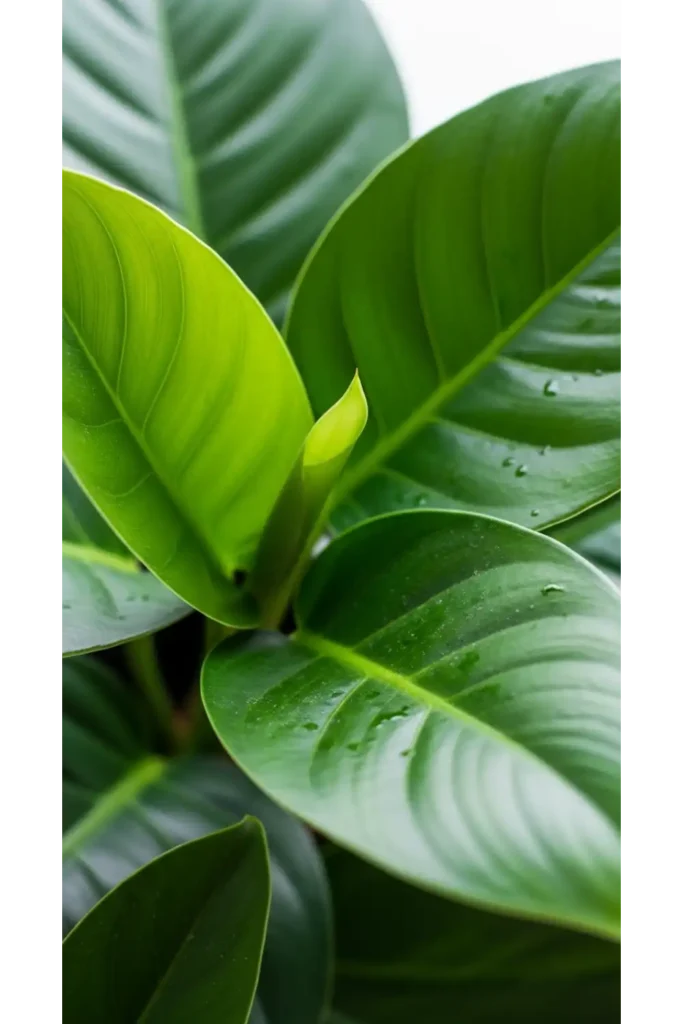
Leaves tell you everything about your plant’s condition. Healthy leaves appear glossy, firm, and rich green. Changes in color or texture often signal an issue that needs attention.
Yellowing, browning, or spots can point to watering problems, pests, or environmental stress. Checking leaves regularly helps you catch problems early and respond quickly.
Pro Tip: Make leaf inspection part of your weekly routine.
19. Use Filtered or Clean Water
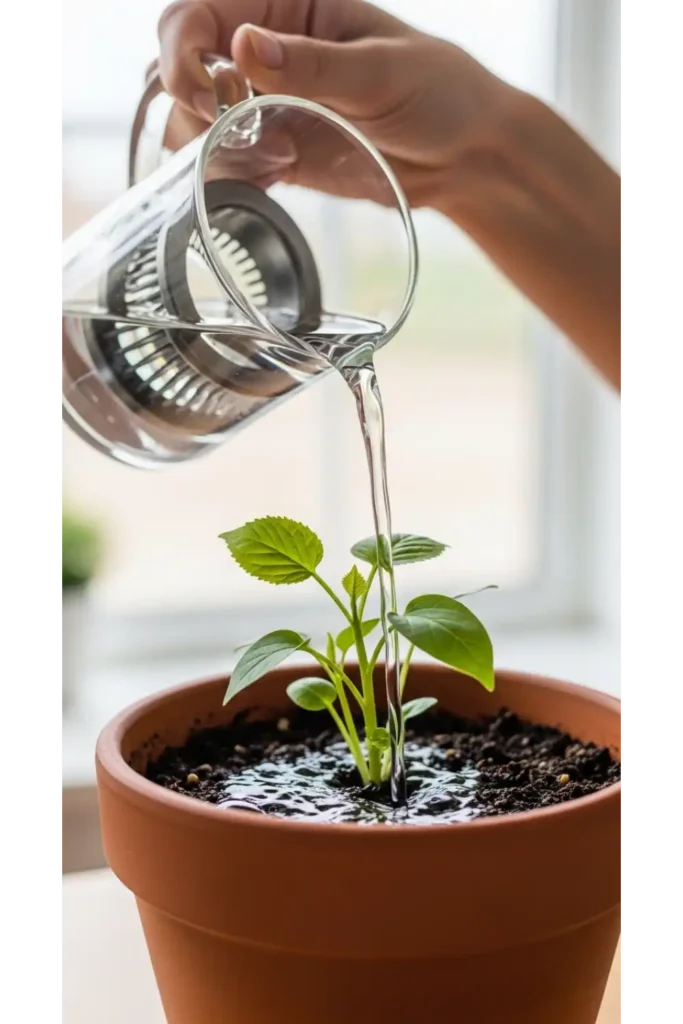
Water quality can affect plant health more than many people realize. Tap water sometimes contains minerals that build up in the soil over time. Using filtered or clean water reduces this risk.
Mineral buildup can lead to brown leaf edges and slow growth. Clean water helps maintain balanced soil conditions and keeps your plant healthier in the long run.
Pro Tip: Let tap water sit overnight before using if filtration is not available.
20. Keep Leaves Dry When Watering
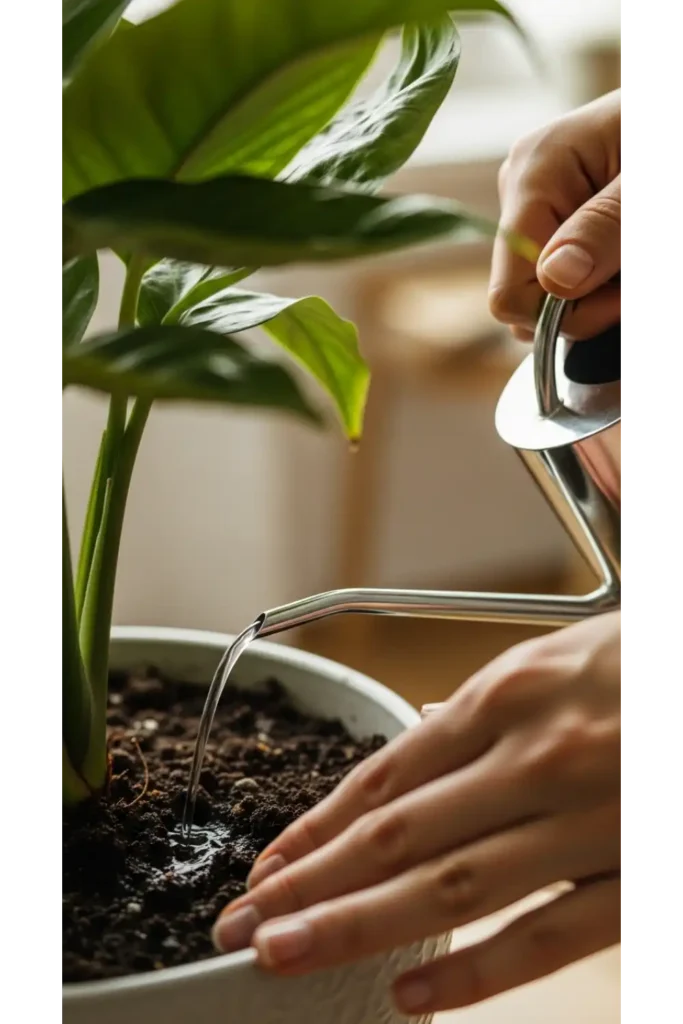
When watering your plant, focus on the soil rather than the leaves. Wet leaves can invite fungal problems and cause spots over time. Keeping foliage dry helps maintain leaf health.
Pour water slowly at the base of the plant. This ensures roots receive moisture without creating unnecessary issues on the surface of the leaves.
Pro Tip: Use a narrow spout watering can for better control.
21. Be Patient with Growth
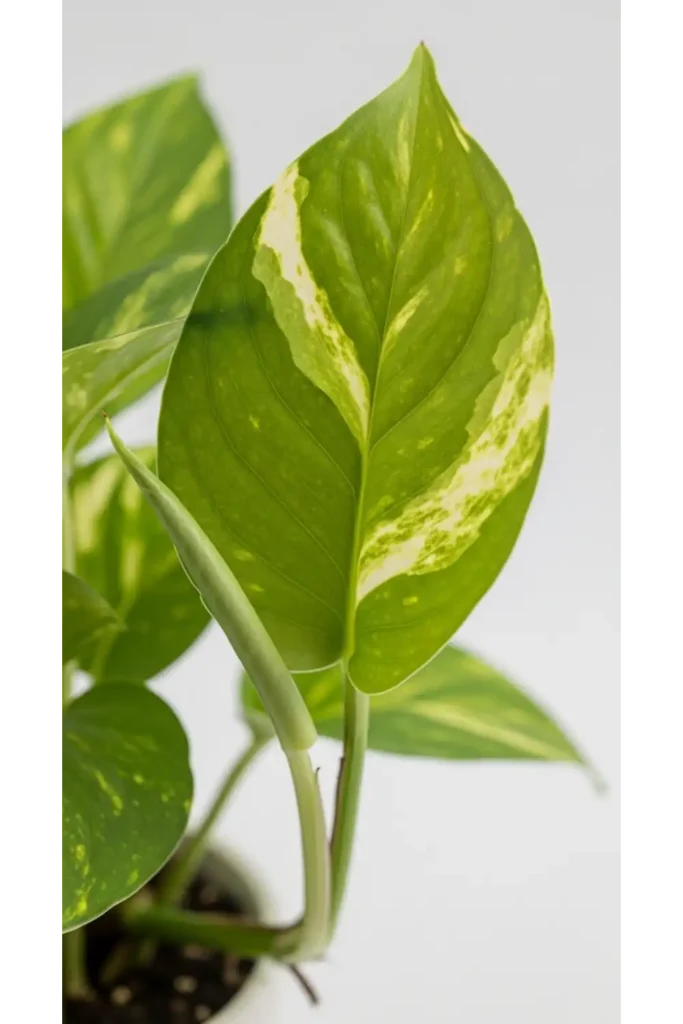
Growth takes time, especially indoors. Your plant may not show rapid changes, but steady progress matters more. Patience allows you to care for your plant without overreacting to small changes.
Avoid adjusting too many things at once. Give your plant time to adapt to its environment and develop naturally. Healthy growth comes from consistent care over time.
Pro Tip: Track growth monthly instead of daily to notice real progress.
22. Understand Seasonal Changes

Plants respond to seasonal shifts in light and temperature. During winter, growth slows down, and the plant needs less water and no fertilizer. Adjusting care routines based on seasons helps maintain balance.
In warmer months, the plant becomes more active and needs more support. Understanding these changes helps you avoid overwatering or overfeeding during slower periods.
Pro Tip: Reduce watering frequency during colder months.
23. Build a Consistent Care Routine
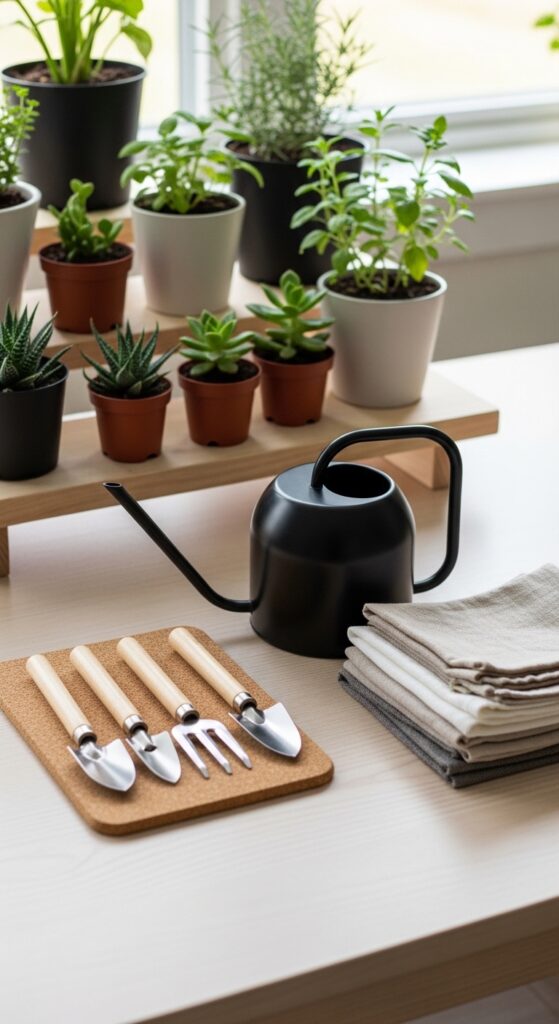
Consistency ties everything together. The most effective tips to keep your fiddle leaf fig thriving rely on regular care habits. Creating a simple routine helps you stay on track without feeling overwhelmed.
Check soil, inspect leaves, and monitor light regularly. Small, consistent actions lead to long term success and a healthy, vibrant plant.
Pro Tip: Set a weekly reminder to check on your plant care routine.
FAQs
How often should I water my fiddle leaf fig?
Water when the top inch of soil feels dry. This usually happens once a week, but it depends on your environment and season.
Why are my fiddle leaf fig leaves falling off?
Leaf drop often happens due to stress from changes in light, watering, or temperature. Keep conditions stable to reduce this issue.
Can a fiddle leaf fig grow indoors long term?
Yes, with proper care and consistent conditions, it can grow indoors for many years and become a large, beautiful plant.
Conclusion
Growing a healthy plant becomes simple when you follow the right habits. These tips to keep your fiddle leaf fig thriving focus on consistency, balance, and understanding your plant’s needs. Small changes in care can lead to big improvements in growth and appearance.
Stay patient and observe how your plant responds. With time, your fiddle leaf fig will reward you with strong stems, lush leaves, and a vibrant presence in your space.