
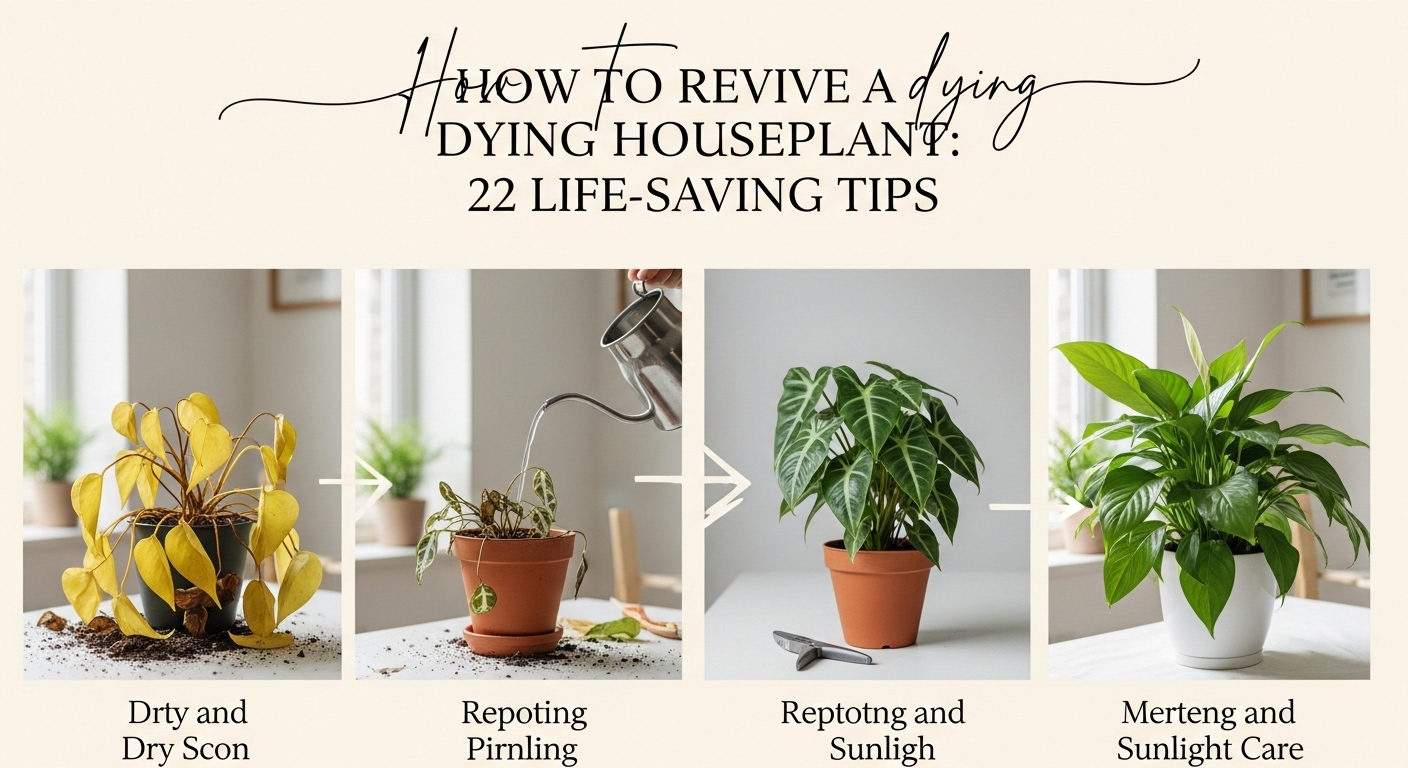
How to Revive a Dying Houseplant: 22 Life-Saving Tips
Bringing a struggling plant back to life can feel stressful, especially when you do not know what went wrong. The good news is that most indoor plants show clear signs when they need help, and small changes can make a big difference. This guide focuses on how to revive a dying houseplant in simple steps so you can act with confidence instead of guesswork.
You will learn practical, proven methods that work for common indoor plants. These tips use simple tools, everyday care routines, and observation skills. Whether your plant has yellow leaves, drooping stems, or dry soil, this guide will help you understand what it needs and how to fix it quickly.
1. Check Soil Moisture First
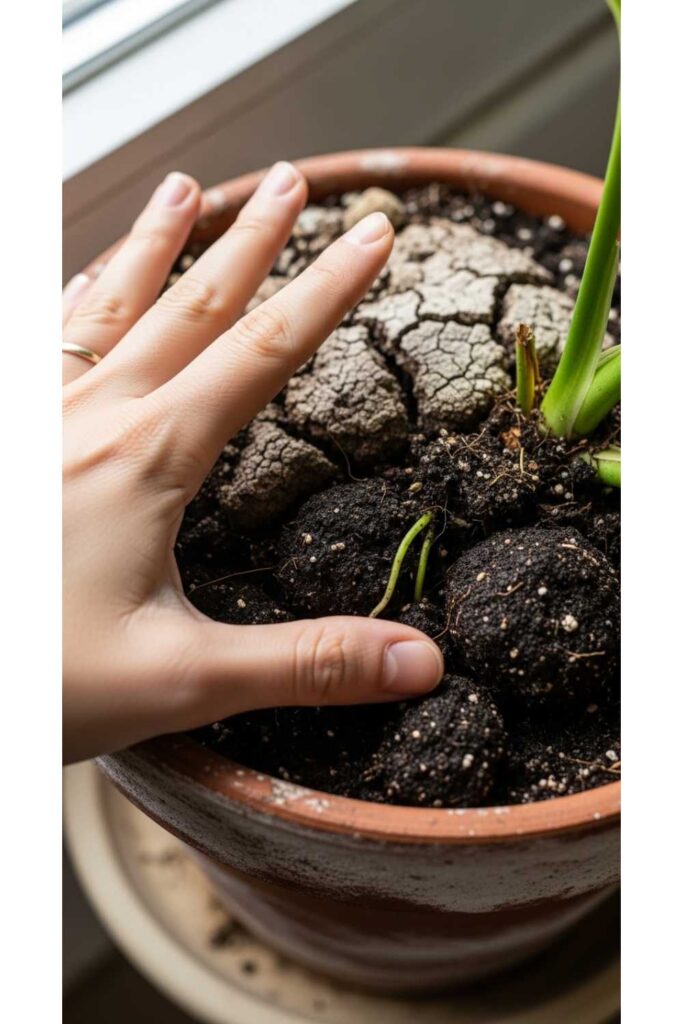
Dry or soggy soil often causes plant stress. Stick your finger about an inch into the soil to test moisture levels. If it feels dry, your plant likely needs water. If it feels wet and heavy, overwatering could be the problem. Plants need balanced hydration to maintain healthy roots and leaves.
Many beginners water on a fixed schedule instead of checking the plant’s needs. This habit harms roots and reduces oxygen flow. Learning to read soil condition helps you respond correctly. Healthy soil should feel slightly moist but not soaked or dusty.
Pro Tip: Use a wooden stick or moisture meter for deeper pots to check root-level moisture accurately.
2. Trim Dead Leaves and Stems
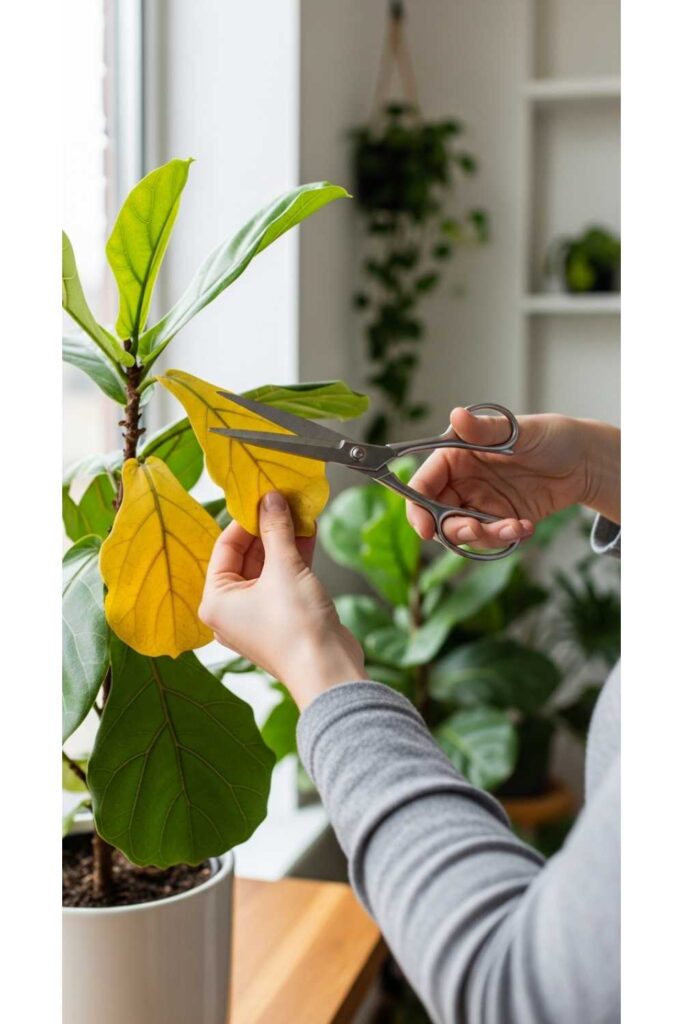
Dead or yellowing leaves drain energy from your plant. Remove them gently using clean scissors to help the plant redirect nutrients toward healthy growth. This simple step improves appearance and supports recovery by reducing stress on the plant.
Pruning also prevents disease spread. Rotting leaves can attract pests and fungus if left unattended. Always cut close to the base without damaging healthy parts. Keep tools clean to avoid transferring infections between plants.
Pro Tip: Sterilize scissors with alcohol before and after trimming to protect plant health.
3. Adjust Watering Routine
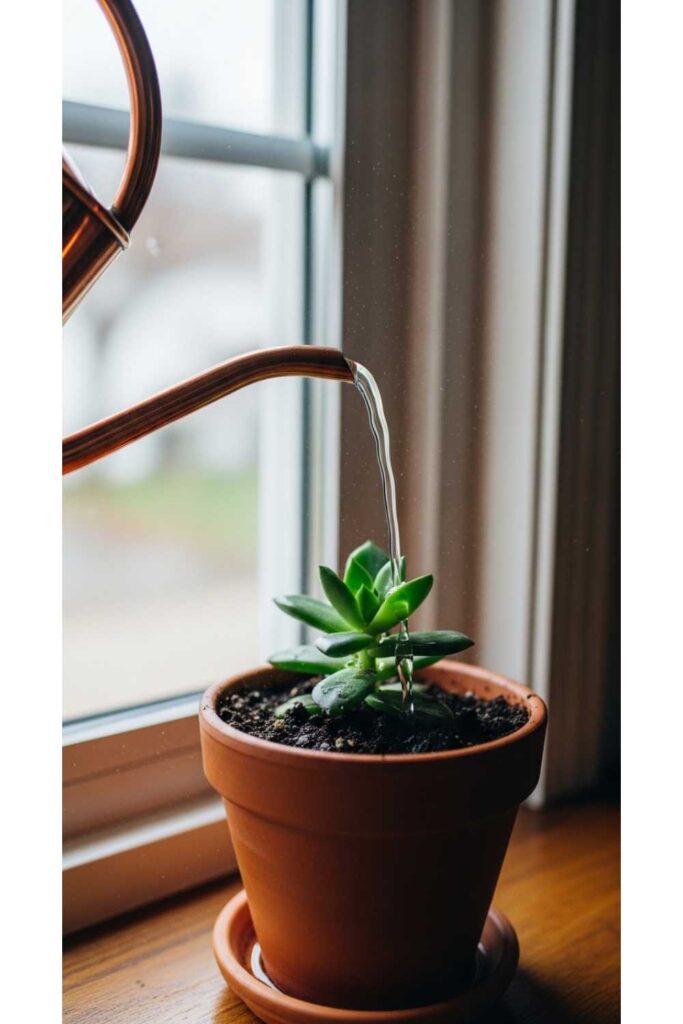
Watering habits often need adjustment. Instead of watering daily, give plants a deep soak and allow the soil to dry slightly before the next watering. This encourages roots to grow deeper and stronger.
Different plants need different schedules. Tropical plants prefer more moisture, while succulents need less. Observing your plant’s response helps you refine your routine and avoid future problems.
Pro Tip: Always water in the morning so excess moisture evaporates during the day.
4. Improve Drainage
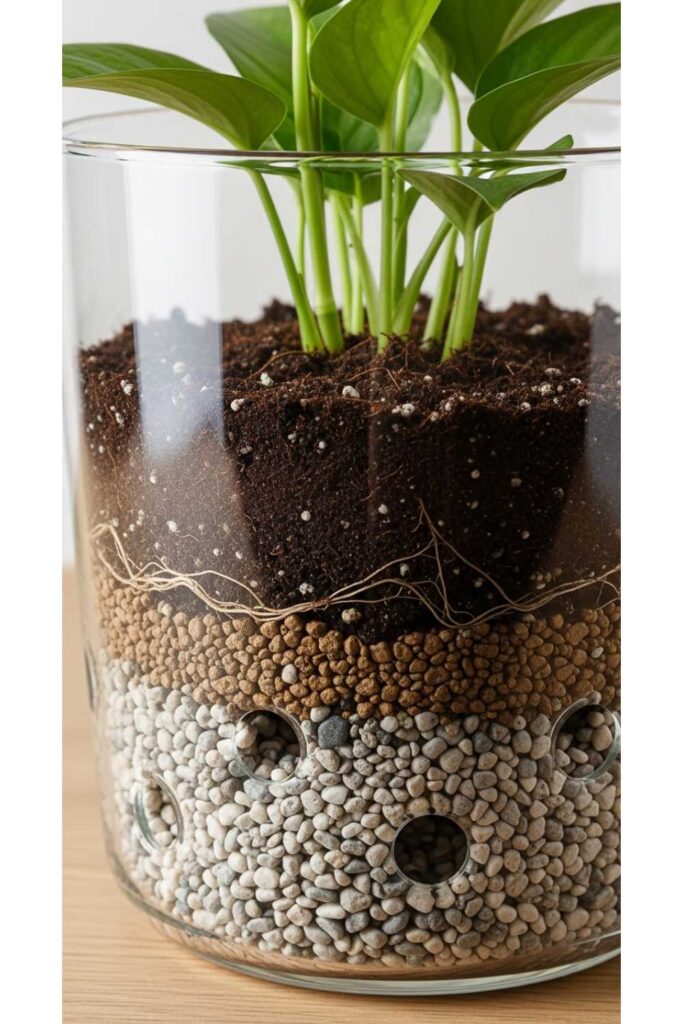
Poor drainage suffocates roots and leads to rot. Make sure your pot has drainage holes so excess water can escape. If water collects at the bottom, roots cannot breathe properly and begin to decay.
You can also improve soil structure by mixing in sand or perlite. This creates air pockets and prevents compaction. Good drainage supports root health and helps plants recover faster.
Pro Tip: Never let your plant sit in standing water after watering.
5. Move to Better Light
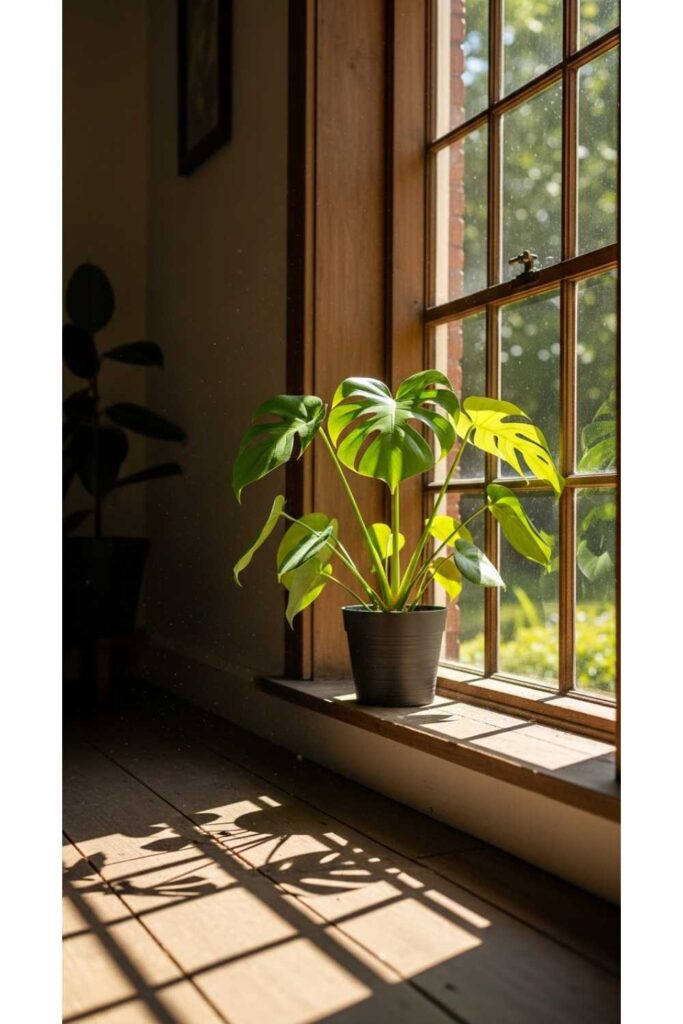
Light plays a key role in plant survival. If your plant looks weak or leggy, it may not be getting enough light. Move it closer to a window with indirect sunlight to boost energy production.
Too much direct sun can burn leaves, especially for delicate plants. Watch for signs like brown spots or fading color. Finding the right light balance helps restore strength and growth.
Pro Tip: Rotate your plant every few days for even light exposure.
6. Clean the Leaves
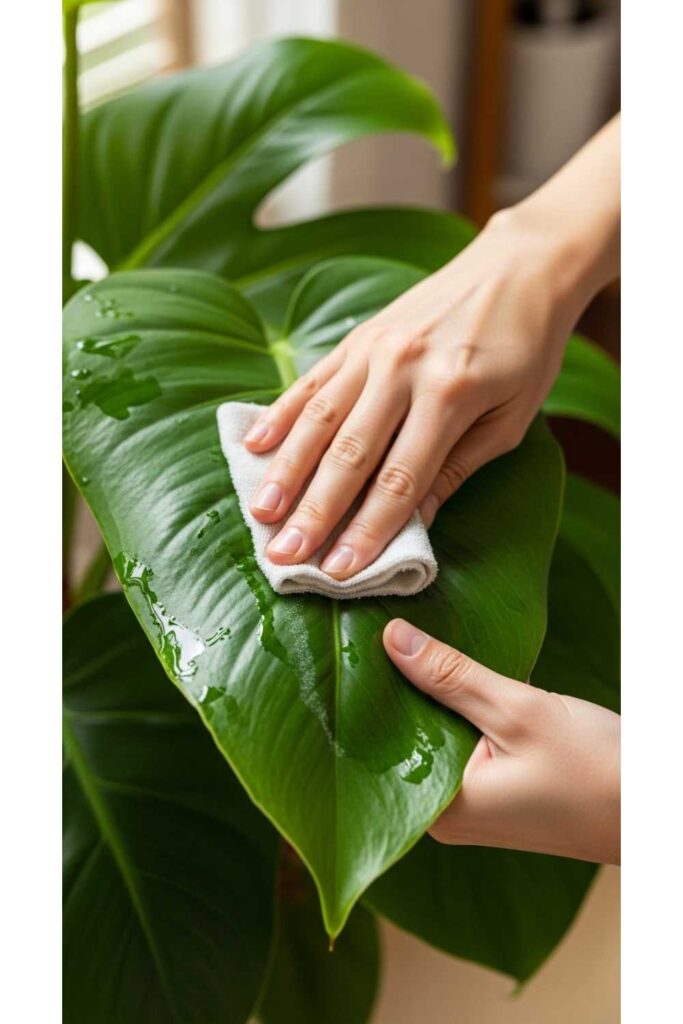
Dust blocks sunlight from reaching leaf surfaces. Wipe leaves gently with a damp cloth to improve photosynthesis. Clean leaves absorb more light and look healthier.
This also helps you inspect for pests or disease. Regular cleaning keeps your plant fresh and reduces buildup that can harm growth.
Pro Tip: Use lukewarm water when cleaning leaves to avoid shock.
7. Check for Pests
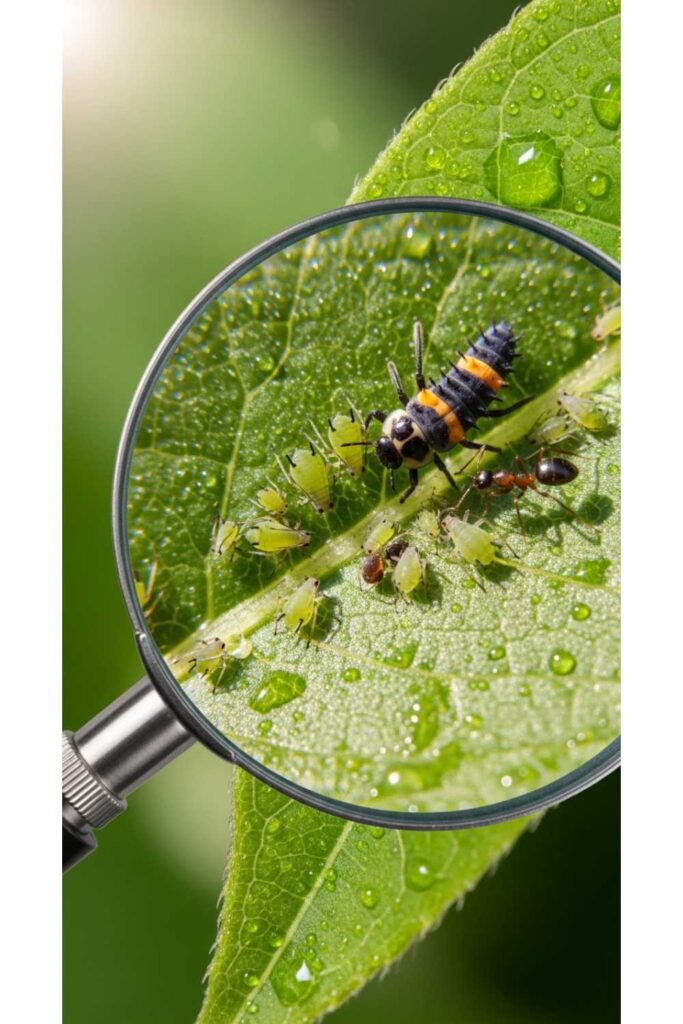
Tiny insects like aphids and spider mites can weaken plants quickly. Inspect leaves, stems, and soil for signs of infestation. Look for sticky residue, tiny webs, or moving dots.
Early detection makes treatment easier. Remove pests using water spray or natural solutions like neem oil. Keeping pests under control supports recovery and prevents spread.
Pro Tip: Isolate infected plants to protect others nearby.
8. Repot If Needed
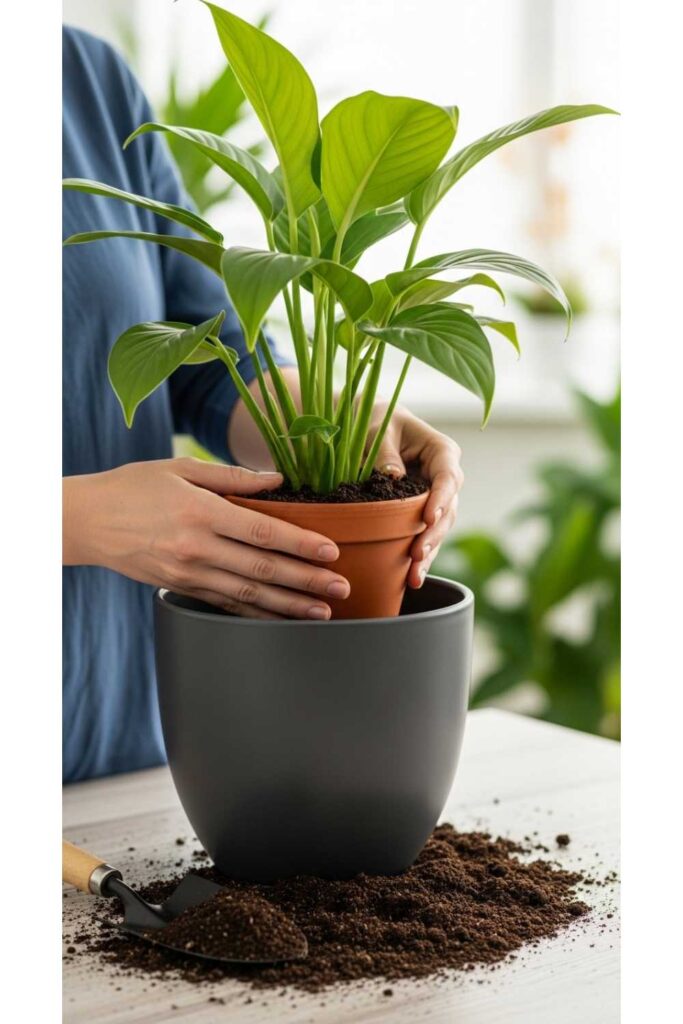
Roots need space to grow. If your plant looks crowded or roots come out of the drainage holes, repotting may help. Use fresh soil and a slightly larger pot.
Repotting refreshes nutrients and improves soil structure. It gives roots room to expand and recover from stress. Handle roots gently to avoid damage.
Pro Tip: Water lightly after repotting to help roots settle.
9. Use Fresh Soil
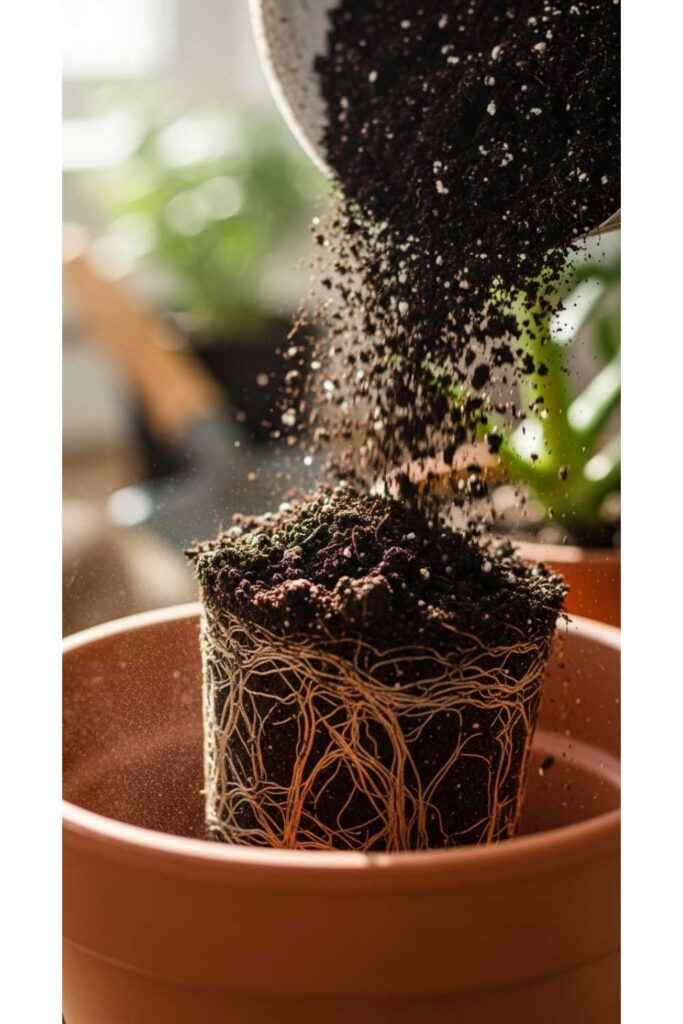
Old soil loses nutrients over time. Replacing it with fresh, nutrient-rich soil helps revive weak plants. Good soil supports healthy root development.
Choose soil suited to your plant type. For example, cactus soil drains faster, while tropical mixes retain moisture. Matching soil to plant needs improves results.
Pro Tip: Avoid reusing old soil without refreshing it.
10. Maintain Proper Temperature
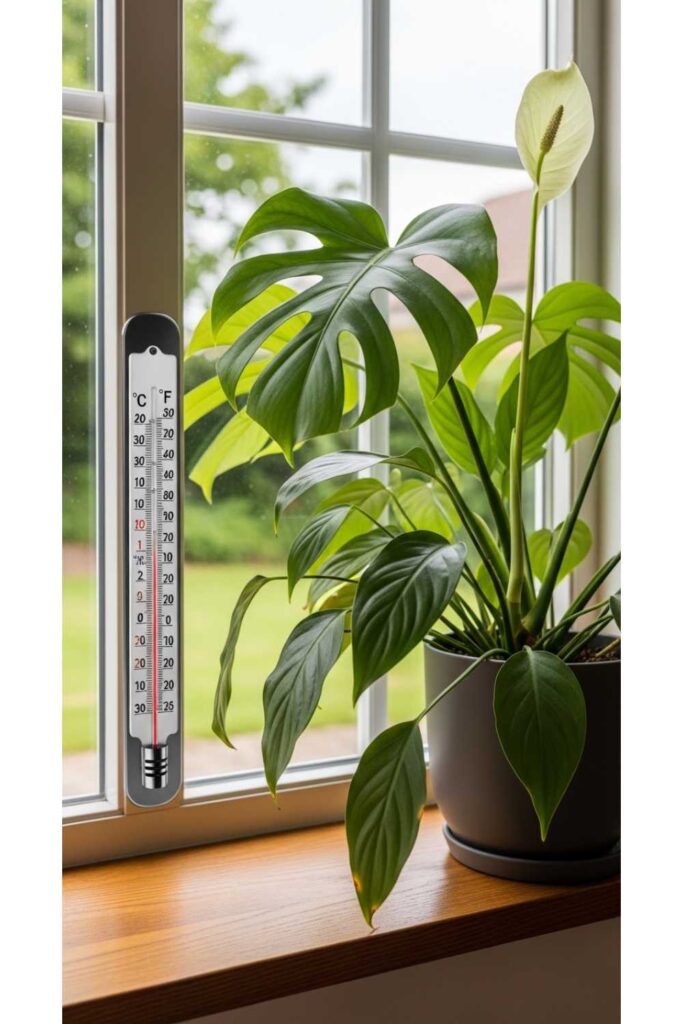
Plants react to temperature changes quickly. Keep them in a stable environment away from drafts or heat sources. Sudden changes can cause leaf drop.
Most houseplants thrive in moderate indoor temperatures. Consistency helps reduce stress and supports recovery.
Pro Tip: Keep plants away from air conditioners and heaters.
11. Increase Humidity
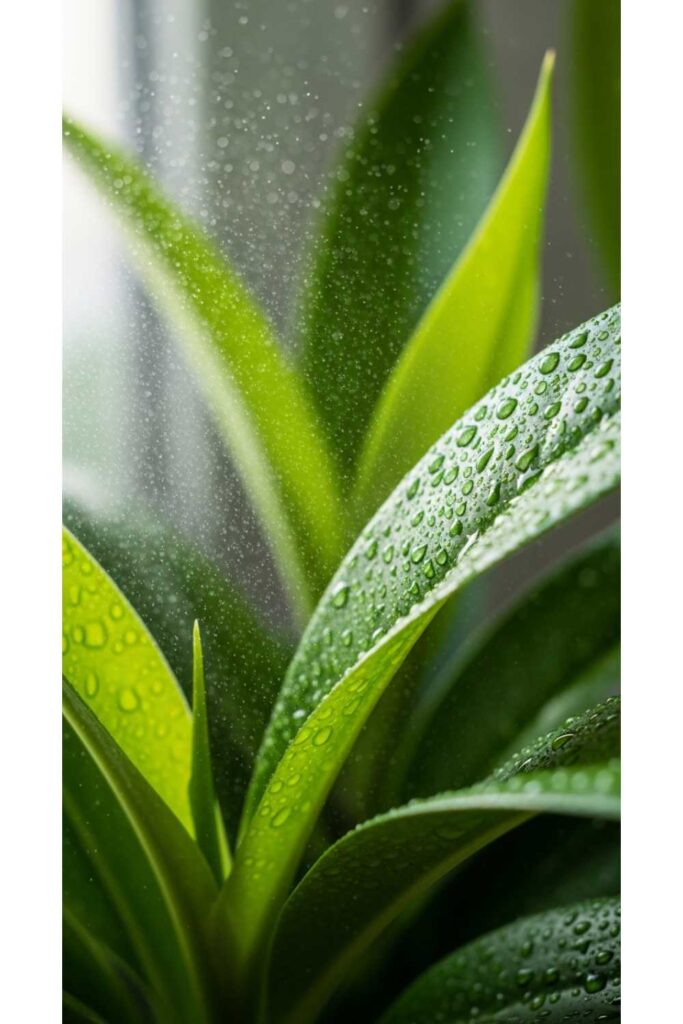
Low humidity dries out leaves. Increase moisture in the air by misting or placing a tray of water nearby. This helps tropical plants especially.
Higher humidity supports leaf health and prevents browning edges. It creates a more natural environment for indoor plants.
Pro Tip: Group plants together to create a humid microclimate.
12. Fertilize Carefully
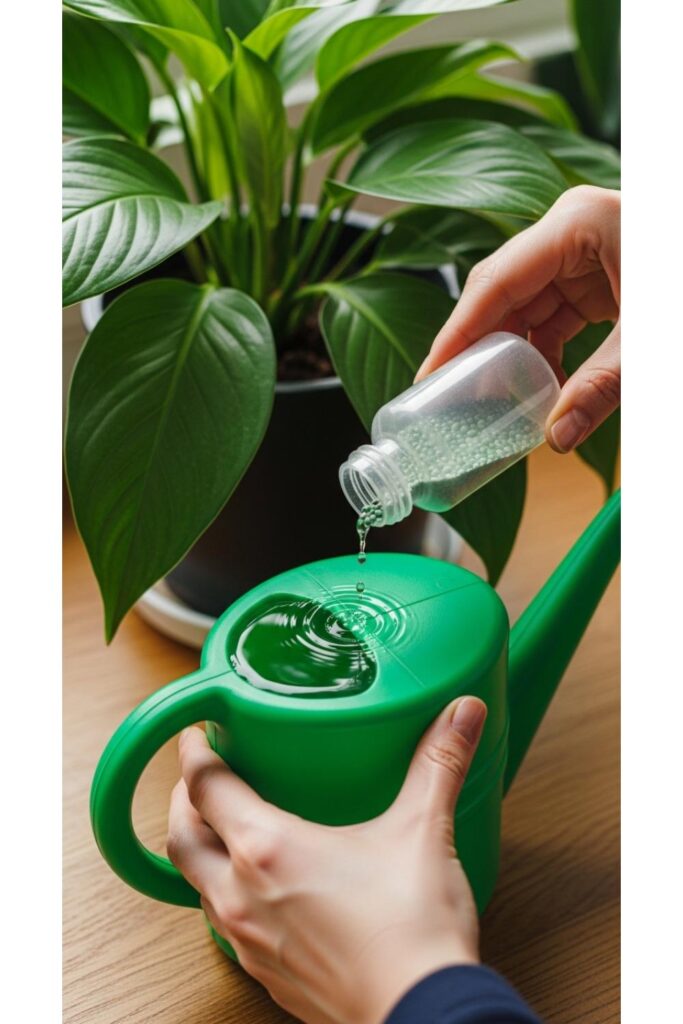
Plants need nutrients to recover. Use a mild fertilizer to support growth, but avoid overfeeding. Too much fertilizer can burn roots.
Feed during the growing season for best results. Balanced nutrients help plants regain strength and produce new leaves.
Pro Tip: Always dilute fertilizer before applying.
13. Remove Root Rot
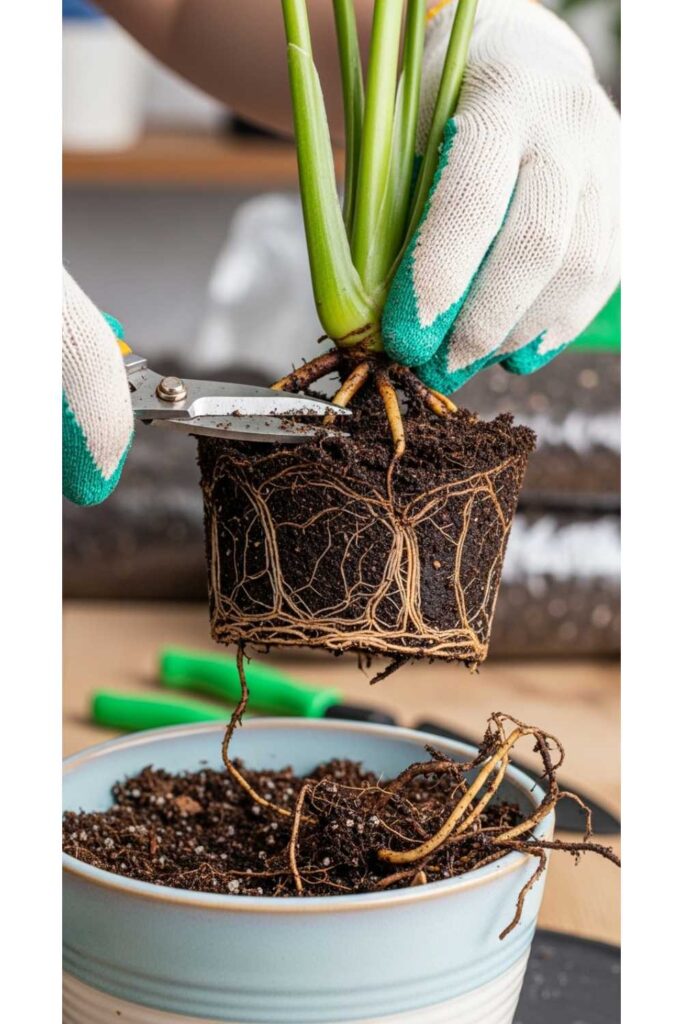
Rotten roots appear dark and soft. Remove them carefully to stop the spread of decay. Healthy roots look firm and light in color.
After trimming, repot in fresh soil. This step can save a plant that looks beyond recovery.
Pro Tip: Let roots dry slightly before replanting.
14. Reduce Stress Factors
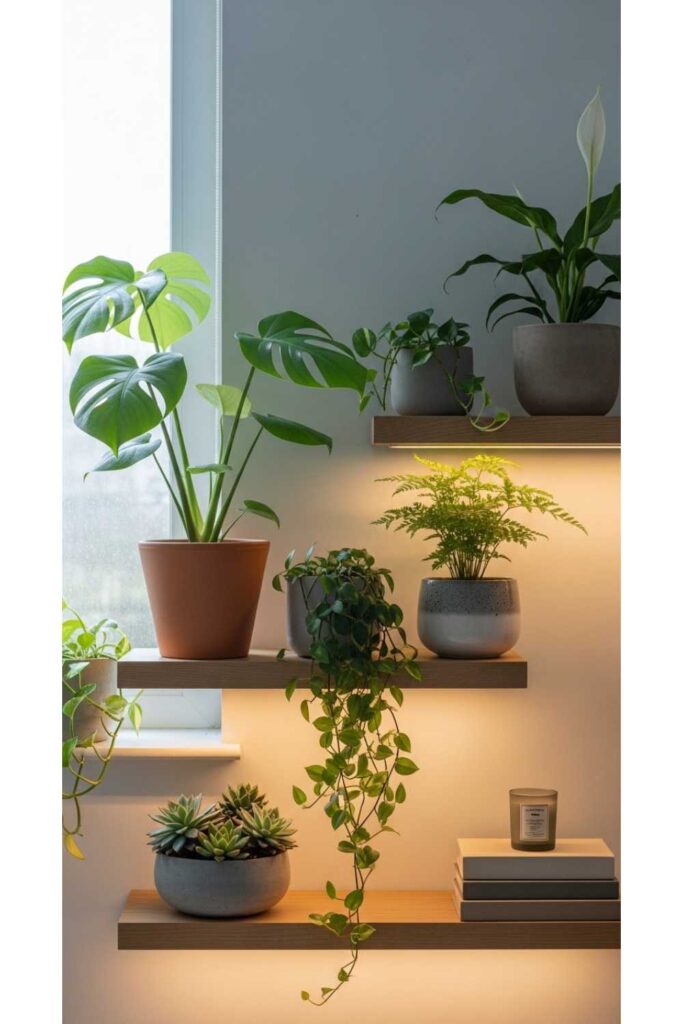
Too many changes at once can stress plants. Avoid moving them frequently or changing care routines suddenly. Stability helps recovery.
Give your plant time to adjust. Slow, steady improvements work better than drastic changes.
Pro Tip: Make one change at a time and observe results.
15. Check Pot Size
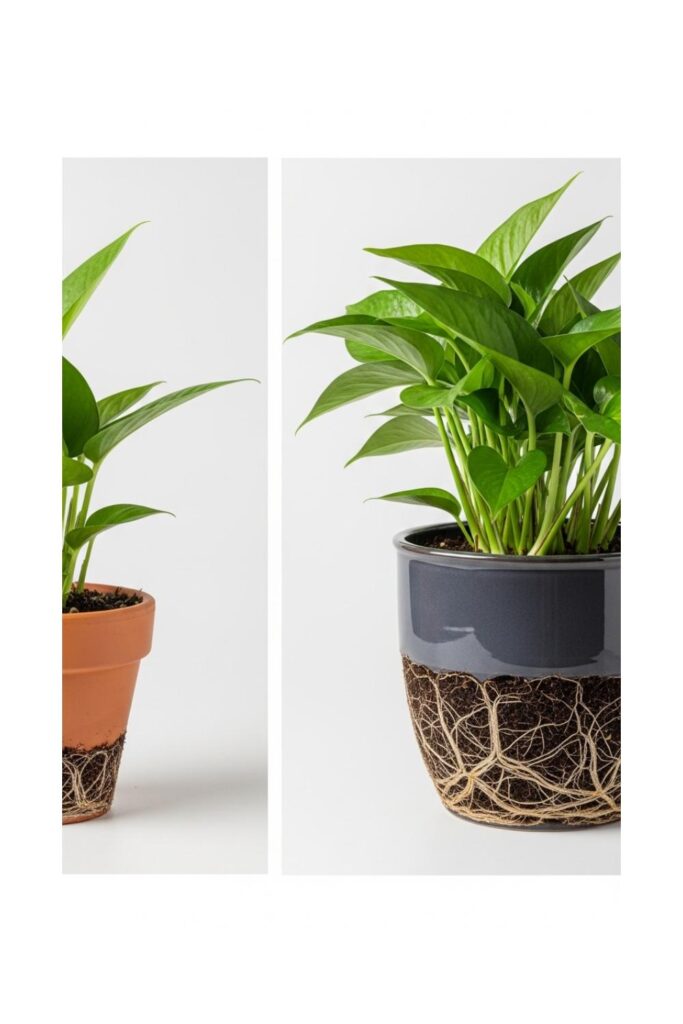
A pot that is too small restricts roots. A pot that is too large holds excess moisture. Choose a balanced size for healthy growth.
Correct pot size improves water control and root development. It plays a key role in plant recovery.
Pro Tip: Increase pot size gradually, not drastically.
16. Ensure Air Circulation
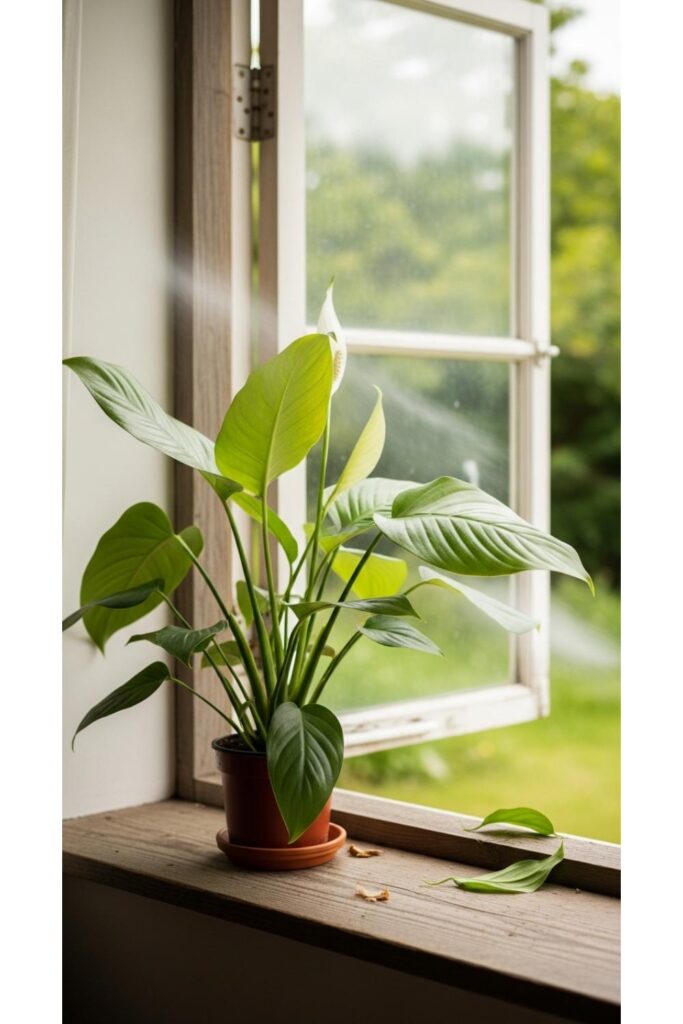
Fresh air helps prevent mold and pests. Keep plants in areas with gentle airflow to support health.
Stagnant air can lead to fungal issues. Good circulation keeps leaves dry and strong.
Pro Tip: Open windows occasionally for fresh air exchange.
17. Avoid Overhandling

Handling plants too often can damage delicate leaves. Limit touching and let the plant rest while it recovers.
Plants respond better when left undisturbed. Too much interference slows healing.
Pro Tip: Observe more, touch less.
18. Monitor Growth Progress
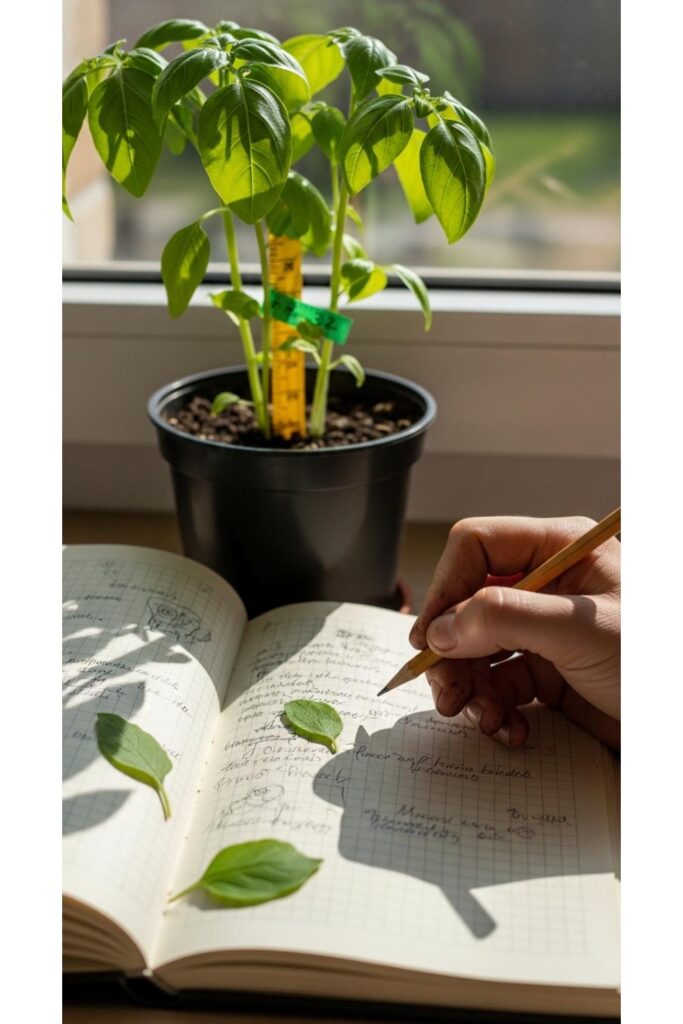
Track changes in leaves and growth patterns. This helps you understand what works and what needs adjustment.
Regular observation builds better care habits. It turns guesswork into informed decisions.
Pro Tip: Take weekly photos to compare progress.
19. Adjust Light Duration
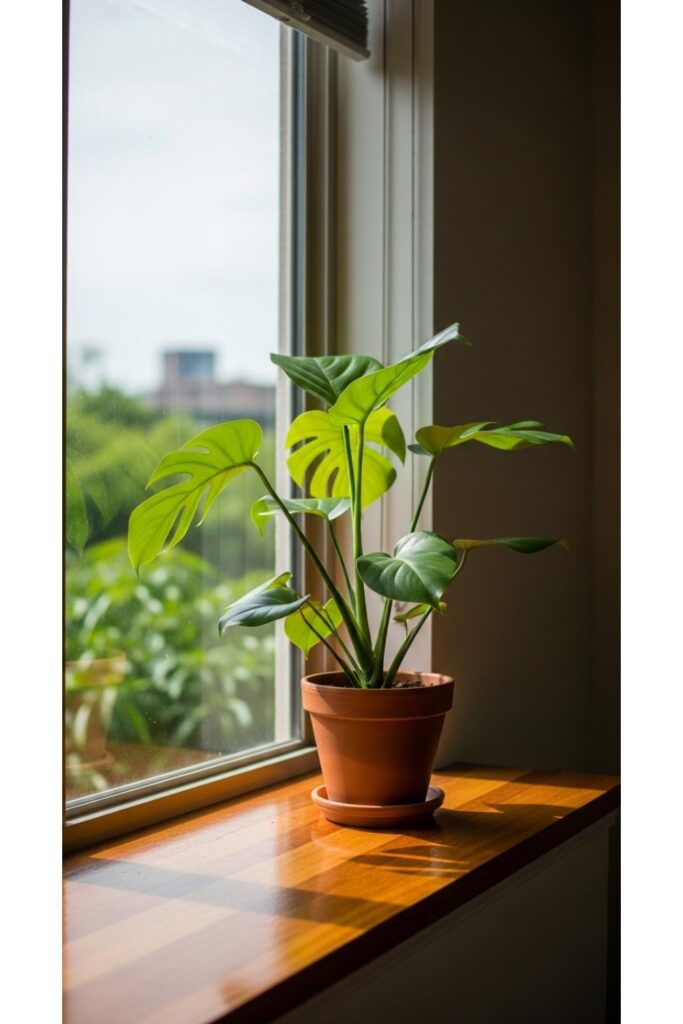
Plants need consistent light cycles. Too little or too much exposure affects growth.
Keep a steady routine for best results. Balanced light supports recovery.
Pro Tip: Use sheer curtains to filter harsh sunlight.
20. Use Support Stakes
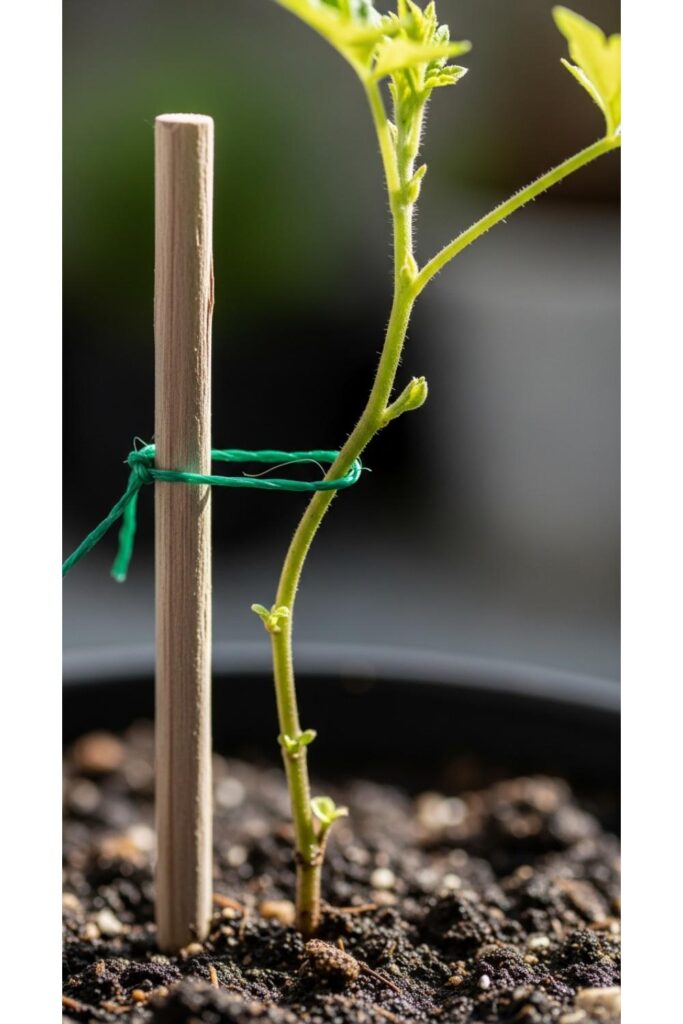
Weak or leaning stems often struggle to hold their shape, especially when a plant is recovering. Adding a support stake helps guide the plant to grow upright and reduces pressure on fragile stems. This simple step protects the structure and allows the plant to focus energy on healing instead of holding itself up.
Support also improves airflow around the plant and prevents stems from bending too much toward light sources. When stems stay upright, leaves receive better exposure to light, which supports healthy growth. Over time, the plant becomes stronger and may no longer need external support.
Pro Tip: Use soft ties like cloth strips instead of tight strings to avoid damaging the stem.
21. Keep Leaves Dry at Night
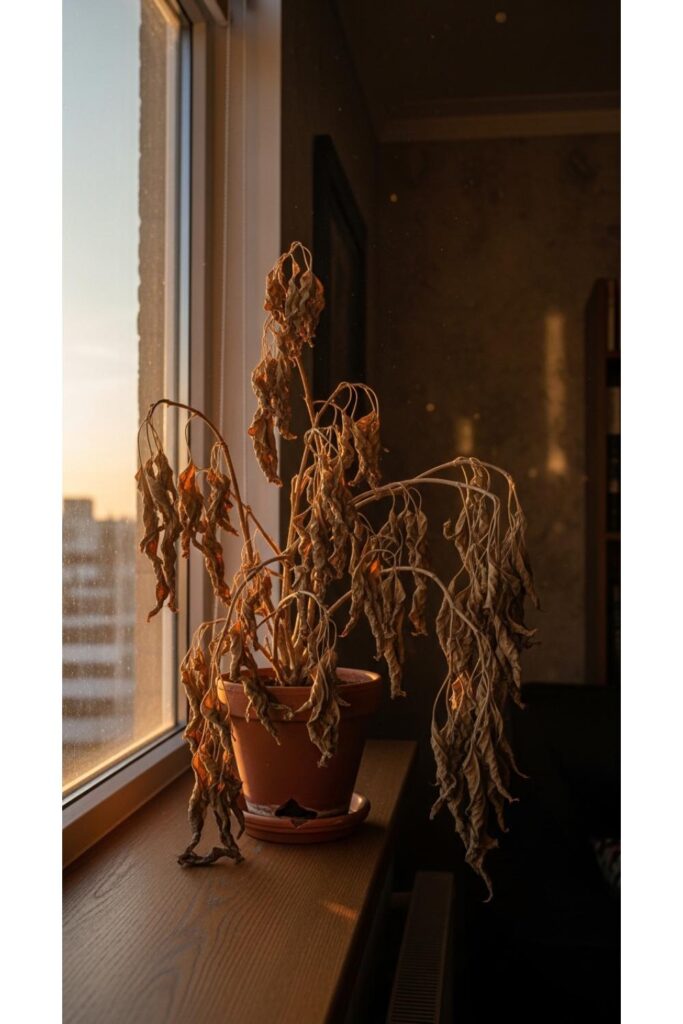
Moisture sitting on leaves overnight creates the perfect environment for fungal diseases. When water remains on the surface for too long, it can lead to spots, rot, or mold. Watering your plant earlier in the day allows time for leaves to dry naturally, which helps maintain overall plant health.
Dry leaves also improve airflow and reduce the chances of pest attraction. Many common plant problems begin with excess moisture on foliage, especially in low-light conditions. Keeping leaves dry at night is a small but powerful step in preventing long-term damage.
Pro Tip: If you mist your plant, always do it in the morning so moisture evaporates during the day.
22. Be Patient and Consistent
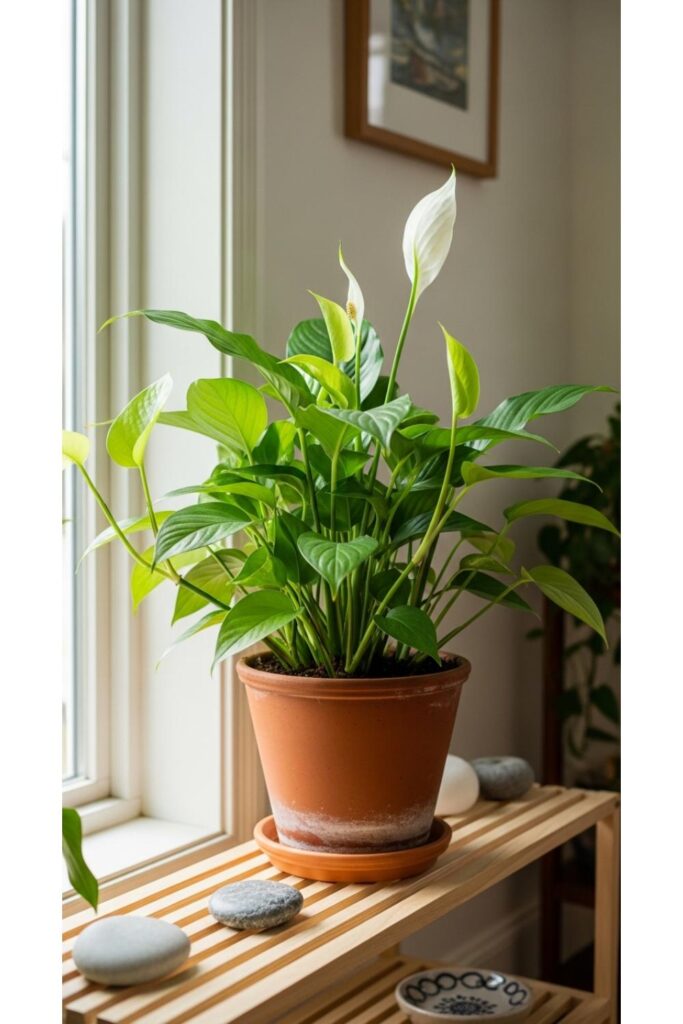
Recovery does not happen overnight, and expecting quick results can lead to overcorrecting mistakes. Plants need time to adjust to new conditions and rebuild strength. Staying consistent with watering, light, and care routines gives your plant the stability it needs to recover fully.
Watching slow progress can feel frustrating, but small improvements like new leaves or stronger stems show that your efforts are working. Consistency builds a healthy environment, and patience allows natural growth to take place without added stress.
Pro Tip: Focus on steady care habits instead of quick fixes, and trust the process of gradual recovery.
FAQs
What is the fastest way to revive a dying houseplant?
Start by checking soil moisture, trimming dead parts, and adjusting light. These steps address the most common problems quickly.
Can overwatering kill a plant?
Yes, overwatering can cause root rot and suffocate roots. Always check soil before watering.
How long does recovery take?
It depends on the damage. Some plants improve in days, while others take weeks to show new growth.
Should I fertilize a weak plant?
Use light fertilizer only after the plant shows signs of recovery. Avoid feeding stressed plants heavily.
Conclusion
Reviving a plant requires attention, patience, and simple adjustments. When you focus on how to revive a dying houseplant in simple steps, you remove guesswork and build confidence. Each small change supports recovery and helps your plant regain strength.
By following these methods, you create a stable environment where plants can heal and grow. With time and care, even the most stressed houseplant can come back to life and thrive again indoors.