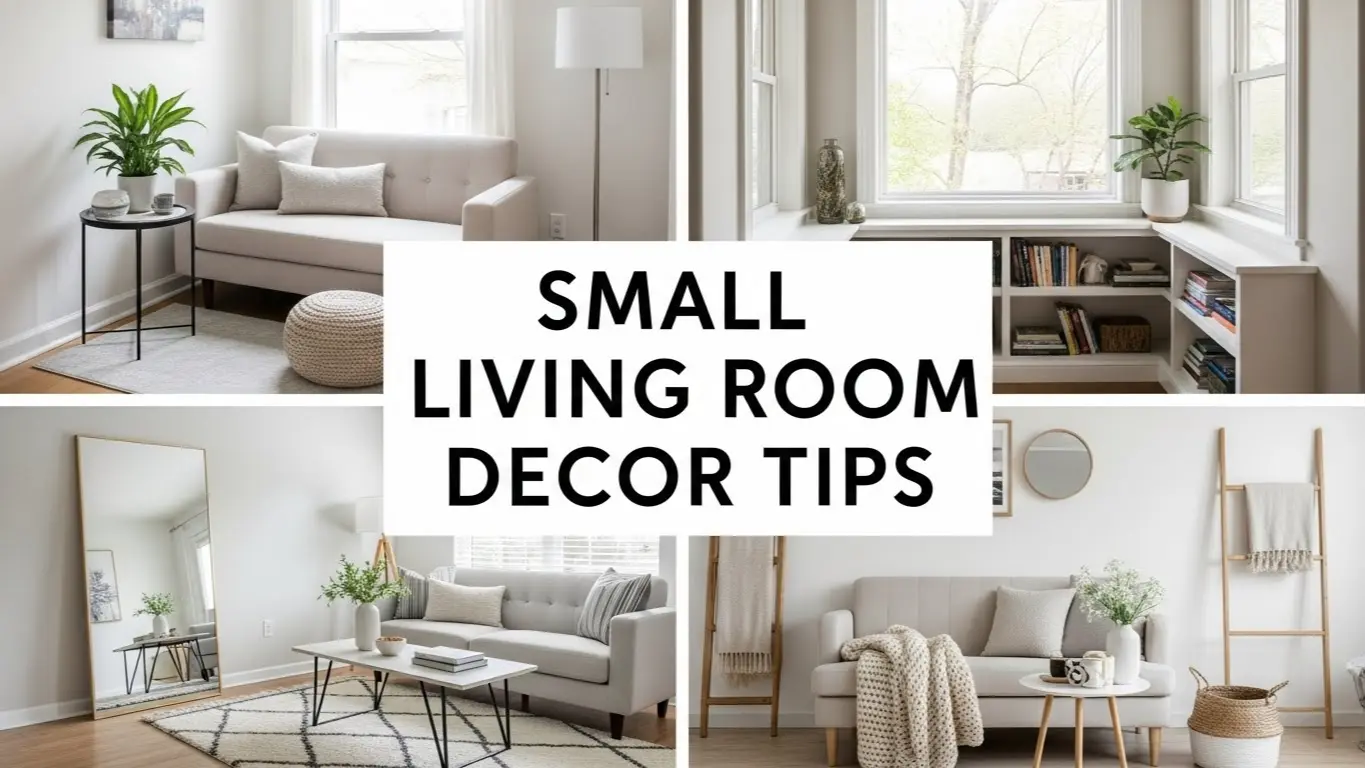
23 Small Living Room Decor Tips for Cozy Spaces
Introduction
Creating a warm, functional home does not require extra square footage. A thoughtful approach helps even the tiniest living area feel welcoming and stylish. This guide shares expert-backed ideas designed for real homes and real life. Each concept strikes a balance between comfort, visual flow, and smart design choices. You will discover how color, layout, lighting, and texture work together to transform compact rooms into spaces that feel open, personal, and easy to live in.
Section One: Foundation and Layout Ideas
1. Small Living Room Decor Tips With a Clear Furniture Plan

Small living room decor tips begin with a furniture layout that respects space and movement. A clear plan prevents clutter and allows the room to breathe. Select seating that suits the room’s scale and arrange it to encourage conversation. Leave visible floor space around major pieces so the room feels open rather than crowded. Balance the layout by spreading visual weight evenly across the room. Discover even more beautiful living room decor inspiration in our full collection here.
A thoughtful furniture plan also improves daily comfort. When pathways stay open, the room feels easier to use and more relaxing. Avoid pushing everything against the walls if it breaks flow. Floating furniture slightly can create depth and warmth. This approach helps the space feel intentional, cozy, and welcoming without sacrificing function or personal style.
2. Use Light Colors to Expand Visual Space
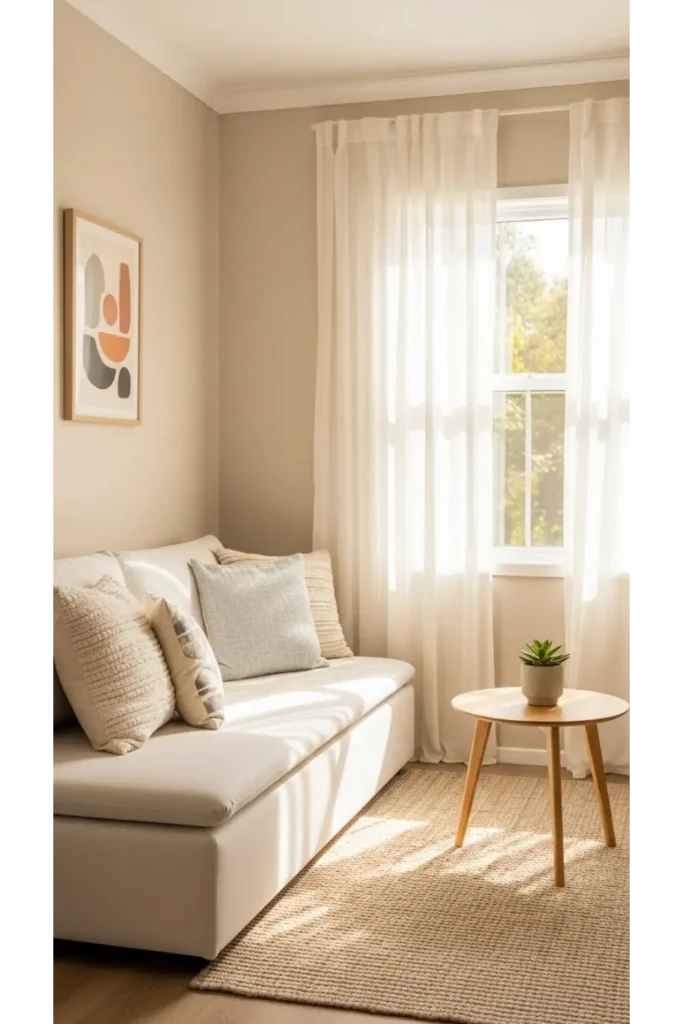
Light colors reflect natural light and make a compact living room feel larger. Soft whites, warm creams, and pale grays create an airy backdrop that opens up the space. These tones reduce visual boundaries and help walls feel less close. When paired with natural light, they give the room a calm and inviting mood that suits everyday living.
Color does not have to feel boring. You can layer texture through fabrics, rugs, and wood finishes to keep the room interesting. A light base also gives you freedom to add accents without overwhelming the space. This approach keeps the room flexible and timeless while supporting a cozy atmosphere that feels easy to maintain.
3. Choose Multi-Functional Furniture
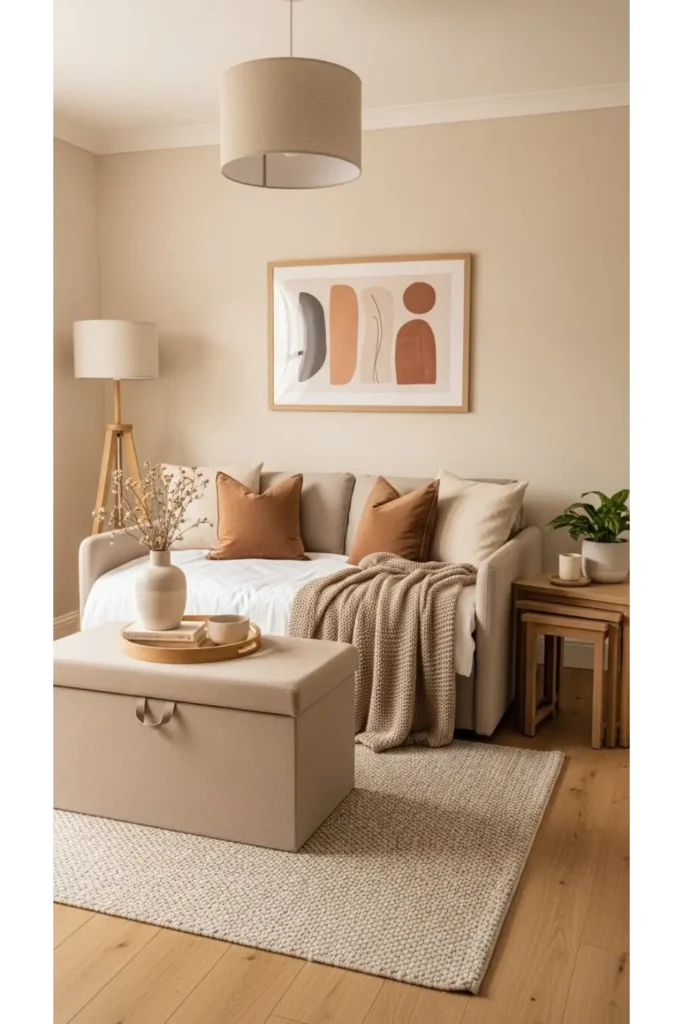
Furniture that serves more than one purpose works hard in a small living room. An ottoman with storage or a sofa bed adds function without adding bulk. These pieces reduce the need for extra furniture, which keeps the room open and organized. Look for clean lines and simple shapes that blend into the room rather than dominate it.
Multi functional furniture supports a clutter free lifestyle. When everything has a place or purpose, the room feels calmer and more comfortable. This design choice helps you adapt the space for guests, work, or relaxation. It also allows you to enjoy a cozy environment that stays practical for daily use.
Section Two: Style, Texture, and Personality
4. Add Vertical Interest With Shelving
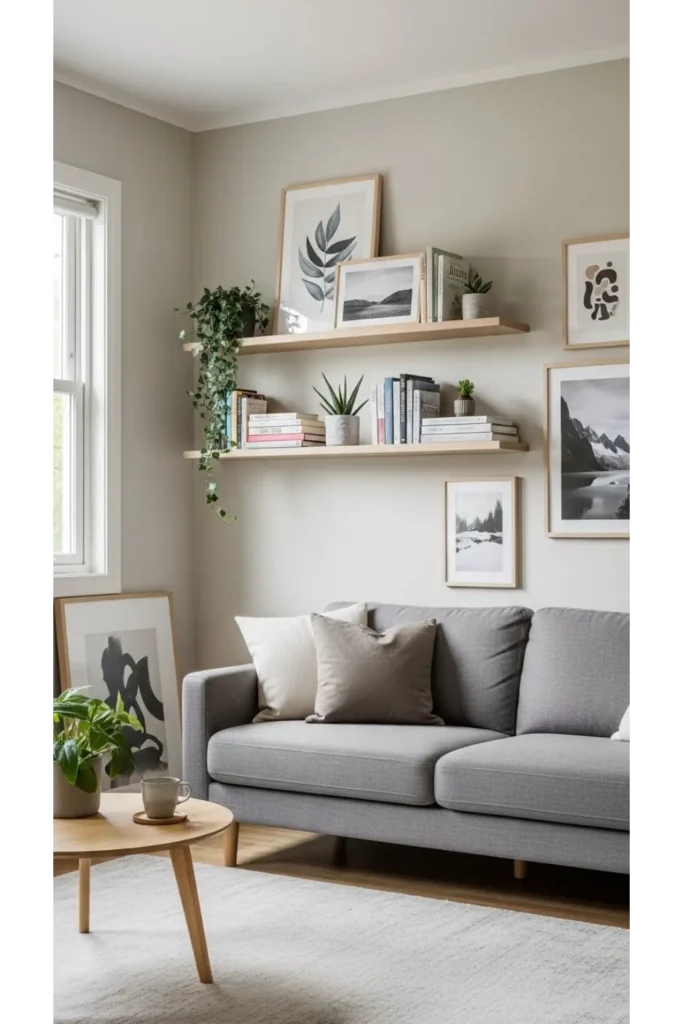
Vertical shelving draws the eye upward and makes a small living room feel taller. Floating shelves offer storage without taking up floor space. They provide room for books, plants, and meaningful decor while keeping the layout open. This approach adds personality without crowding the room.
Well styled shelves balance beauty and function. Avoid overfilling them to maintain a clean look. Mix decorative items with practical storage to keep the room useful. Vertical elements help define the space and give it character while supporting a cozy and lived in feel.
5. Layer Textures for Warmth
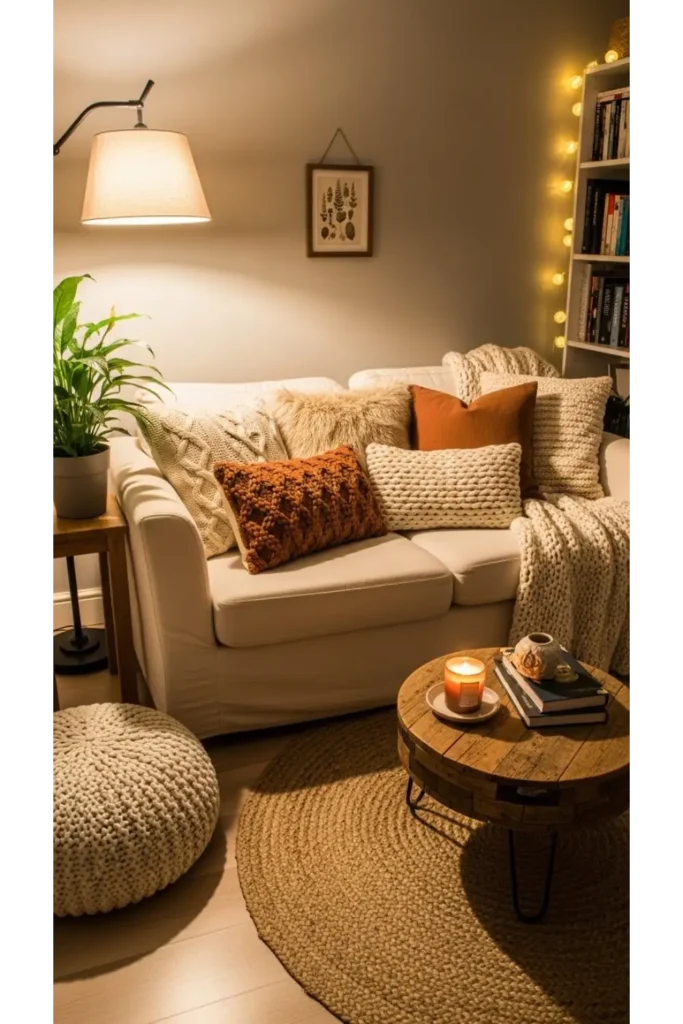
Texture adds depth and comfort to a small living room. Soft throws, woven rugs, and textured pillows make the space feel warm and inviting. These layers prevent the room from feeling flat or cold, especially when using a neutral color palette.
Combining textures creates visual interest without clutter. Stick to a cohesive color scheme and vary materials like fabric, wood, and metal. This approach builds richness and comfort while keeping the room calm. Texture plays a key role in making small spaces feel complete and welcoming.
6. Use Mirrors to Reflect Light
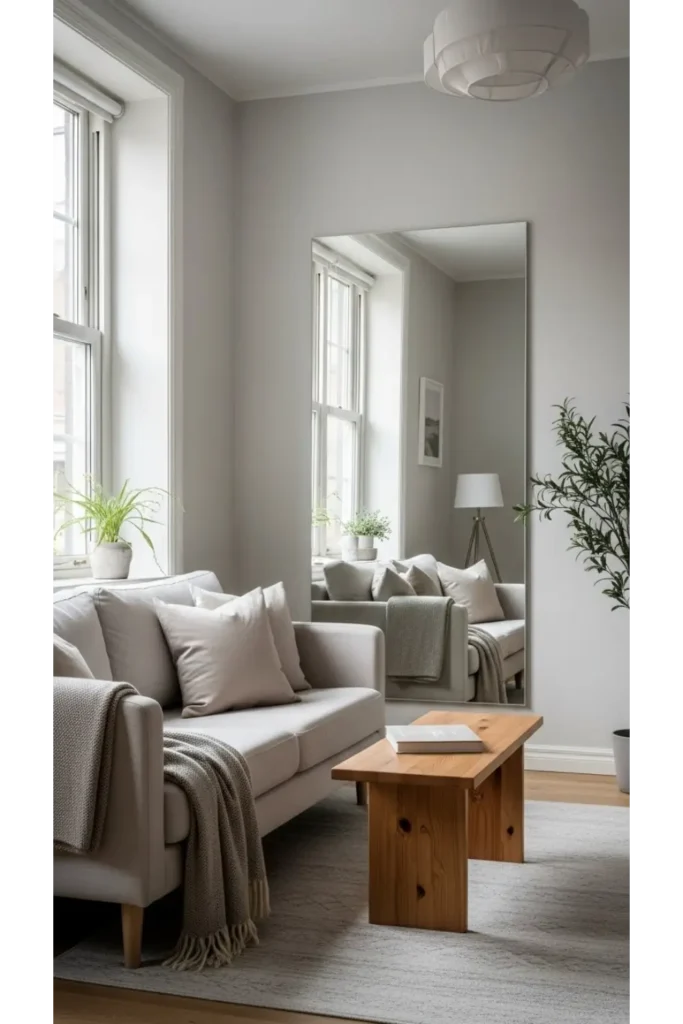
Mirrors enhance light and create the illusion of more space. Placing a mirror across from a window helps bounce natural light throughout the room. This simple addition brightens the space and makes it feel more open and balanced.
Mirrors also act as decorative elements. Choose a frame that matches your style to add character. When used thoughtfully, mirrors support both function and design. They help small living rooms feel brighter, larger, and more comfortable to spend time in.
Section Three: Details That Elevate the Space
7. Define the Space With a Rug
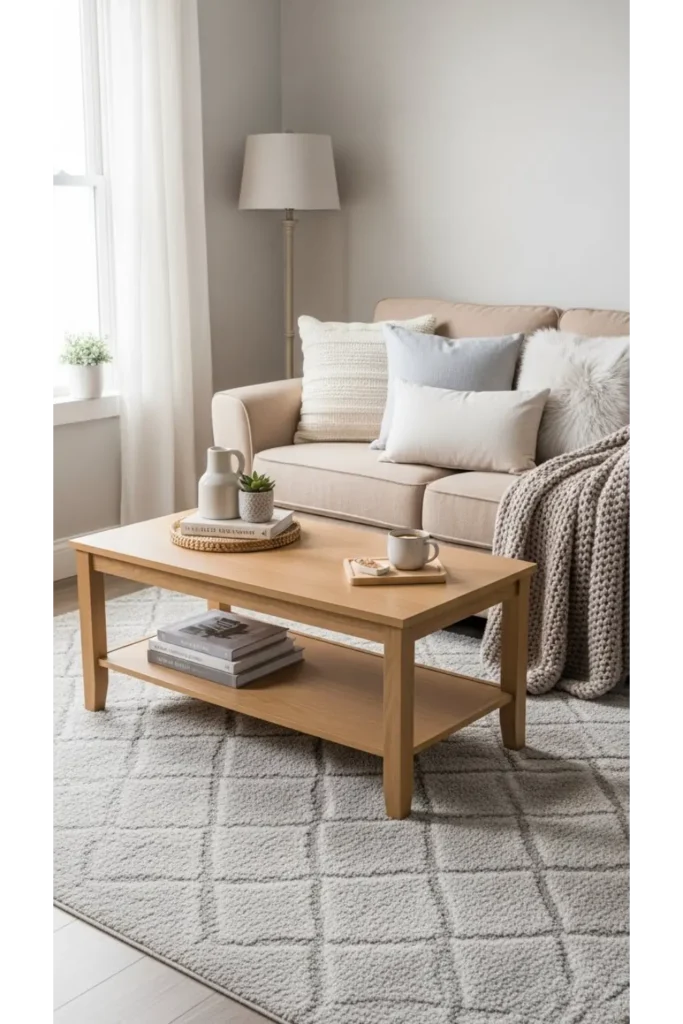
An area rug helps define the living space and anchors furniture. In a small room, it creates a clear zone for relaxation. Choose a rug that fits under key pieces to unify the layout. This helps the room feel intentional and well-designed.
Rugs also add softness and warmth. They absorb sound and improve comfort underfoot. A well chosen rug supports the overall color scheme and adds texture. It plays a quiet but powerful role in making a compact living room feel complete.
8. Keep Window Treatments Light
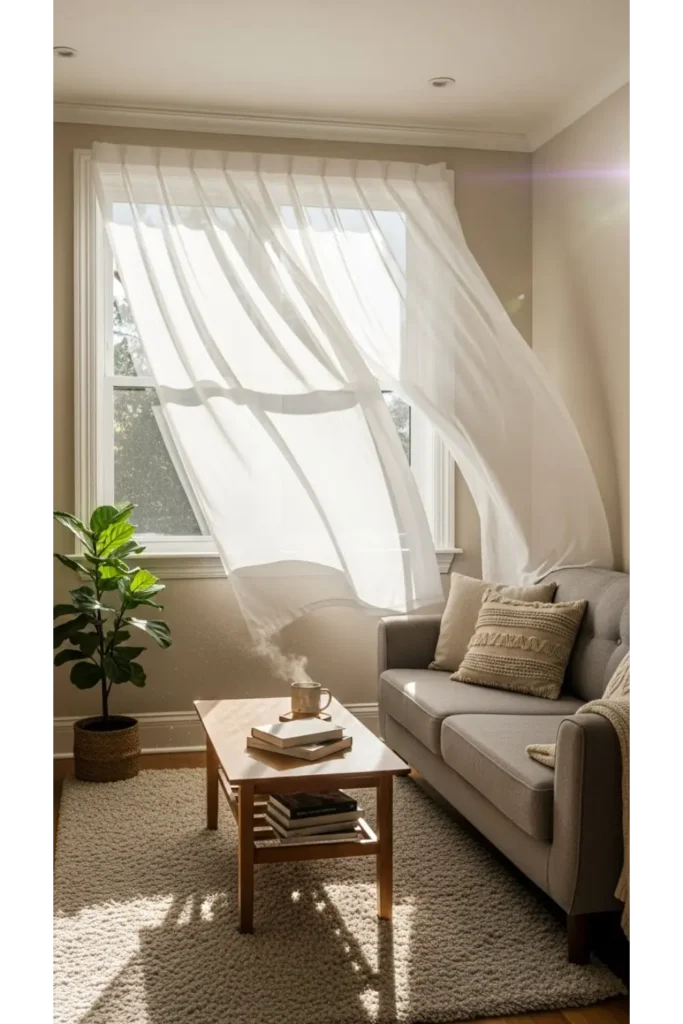
Light window treatments allow natural light to flow freely. Sheer curtains or simple shades keep the room bright and open. Heavy drapes can weigh down a small space and block light.
By keeping windows uncovered or lightly dressed, you enhance the room’s openness. This choice supports a relaxed and airy feel. It also highlights the connection between indoors and outdoors, which adds to the sense of space.
9. Add Personal Art Thoughtfully

Art brings personality to a small living room when used with intention. Choose pieces that reflect your taste and keep the scale appropriate. A small gallery wall can add interest without overwhelming the space.
Limit the number of pieces to avoid visual clutter. Thoughtful placement helps art enhance the room rather than dominate it. Personal touches make the space feel lived in and meaningful while maintaining balance.
10. Repeat Cohesive Color Accents
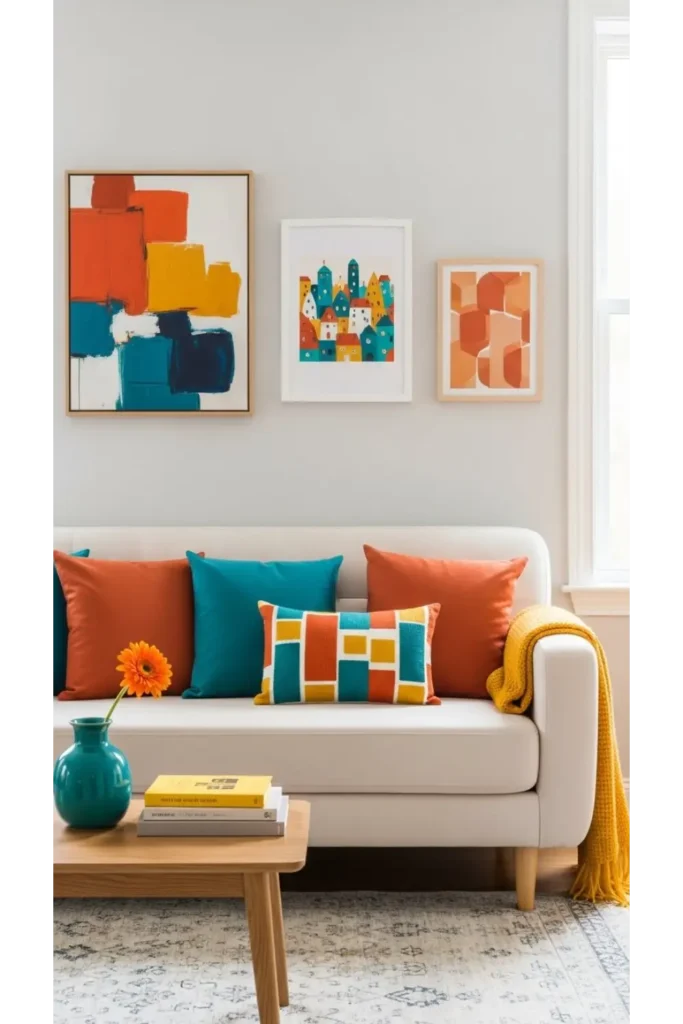
Repeating accent colors creates harmony in a small living room. Choose one or two accent tones and echo them through pillows, art, and accessories. This technique ties the room together visually.
Consistency helps the space feel calm and organized. It also allows small decor items to have more impact. A cohesive color story supports a polished and comfortable environment.
11. Use Slim Profile Furniture
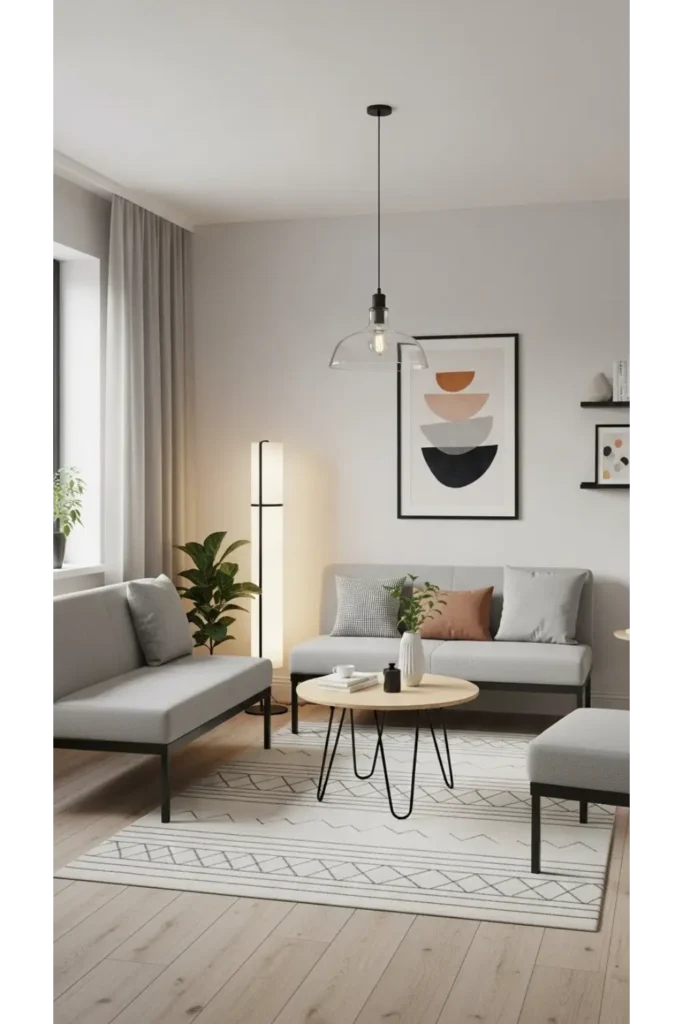
Furniture with slim profiles suits compact spaces. Pieces with exposed legs and narrow arms take up less visual space. They help the room feel lighter and more open.
This choice does not sacrifice comfort. Many modern designs balance support with elegance. Slim furniture keeps the room functional while enhancing its sense of space.
12. Incorporate Natural Elements
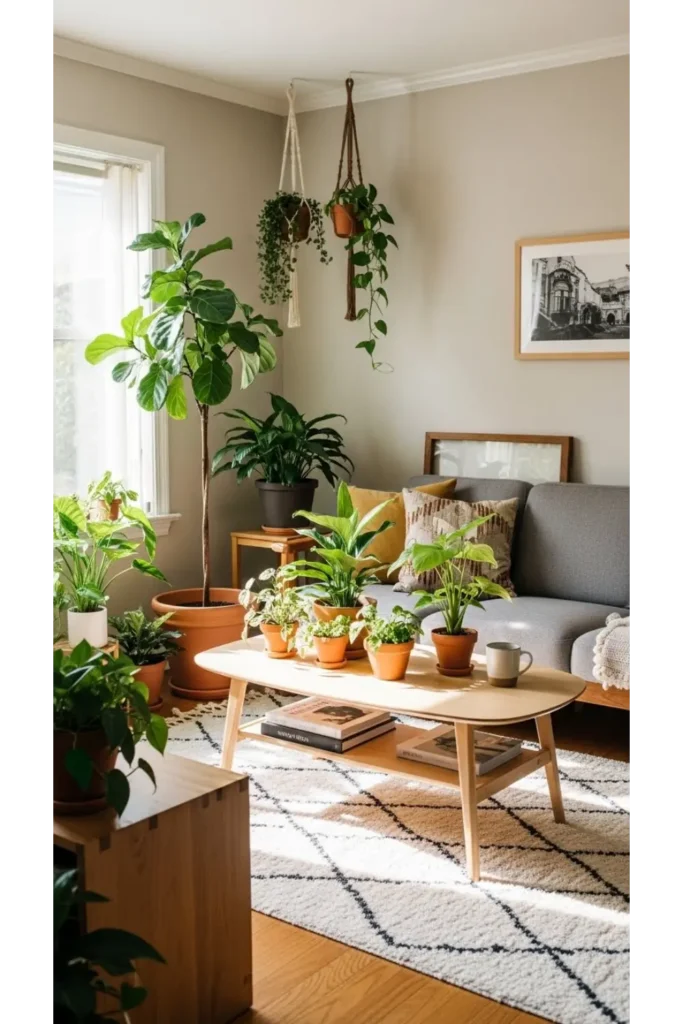
Natural elements bring life and warmth into a small living room. Plants, wood, and natural fibers soften the space and improve mood. Even a few plants can make a big difference.
These elements connect the room to nature and create a calming atmosphere. They also add texture and color in a subtle way. Natural touches support a cozy and healthy living environment.
13. Use Lighting Layers
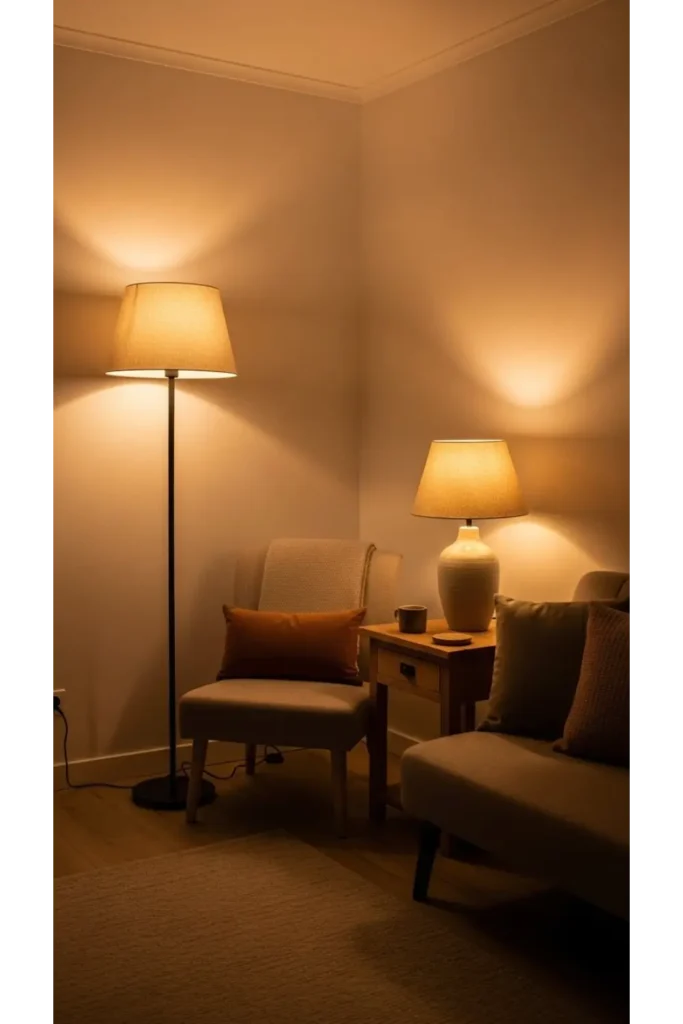
Layered lighting adds depth and flexibility. Combine overhead lighting with floor and table lamps to create a warm glow. This approach allows you to adjust the mood throughout the day.
Good lighting improves comfort and highlights design features. It prevents harsh shadows and makes the room feel inviting. Thoughtful lighting design transforms small spaces into cozy retreats.
14. Choose Compact Coffee Tables
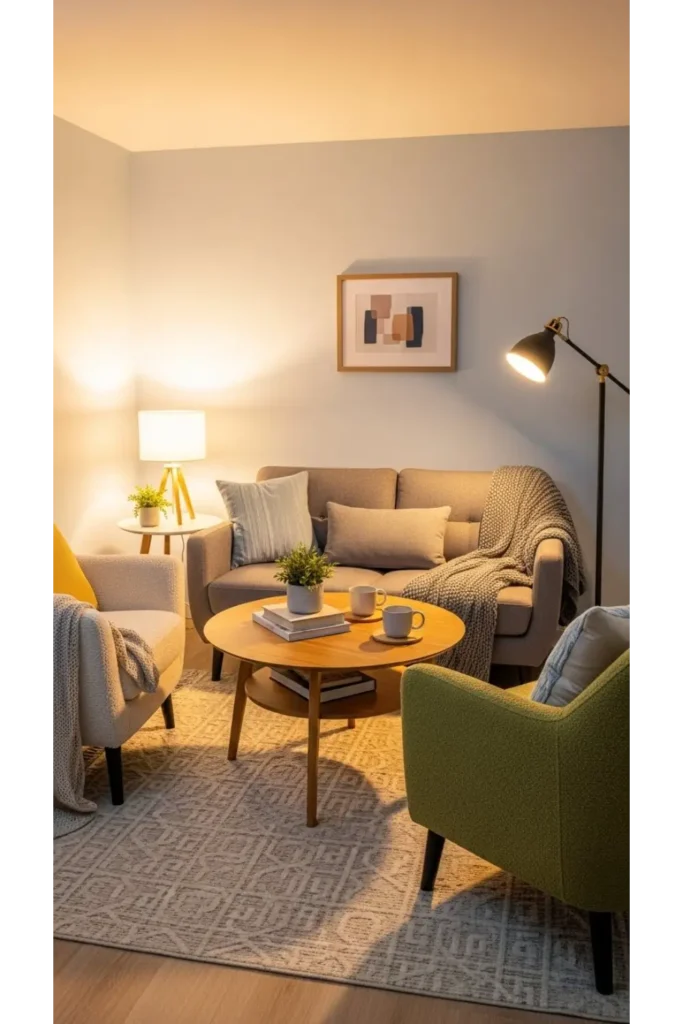
A compact coffee table fits better in a small living room. Round or oval shapes improve flow and reduce sharp edges. This helps the room feel more open and safe.
Choose a table that offers storage or nesting options. This adds function without clutter. A well chosen coffee table supports daily use while maintaining balance.
15. Limit Decorative Accessories
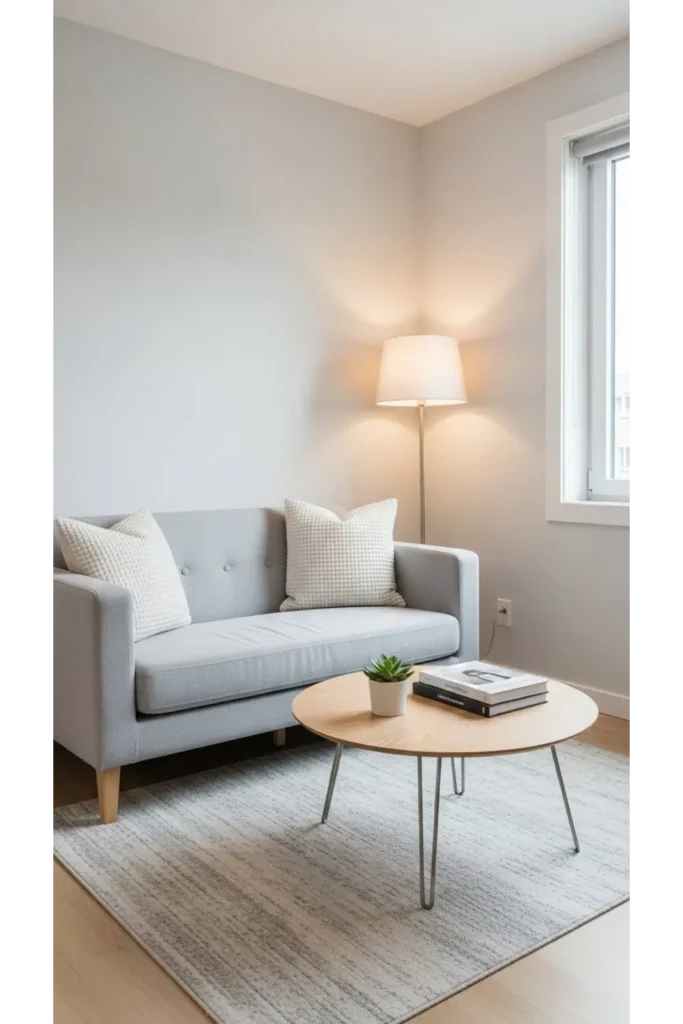
Less decor often works better in small spaces. Choose a few meaningful accessories rather than many small items. This keeps surfaces clear and the room calm.
Intentional decor choices allow each piece to stand out. This approach supports a clean and cozy feel. It also makes the room easier to maintain and enjoy.
16. Use Wall Mounted Storage

Wall mounted storage frees up floor space and keeps the room organized. Floating cabinets and shelves provide storage without visual weight.
This solution works well for media units and books. It keeps the layout clean and functional. Wall mounted storage helps small living rooms feel efficient and stylish.
17. Create a Focal Point
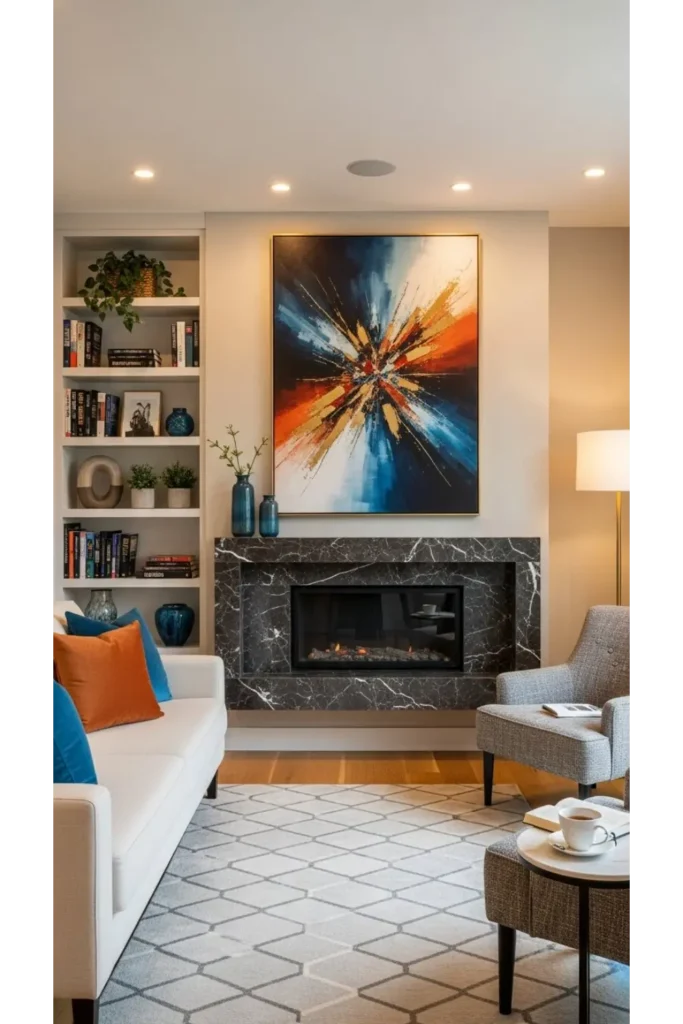
A focal point gives the room direction. It could be artwork, a fireplace, or a feature wall. This draws attention and anchors the design.
Having a clear focal point reduces visual chaos. It helps other elements fall into place. This strategy supports a balanced and inviting space.
18. Use Consistent Materials
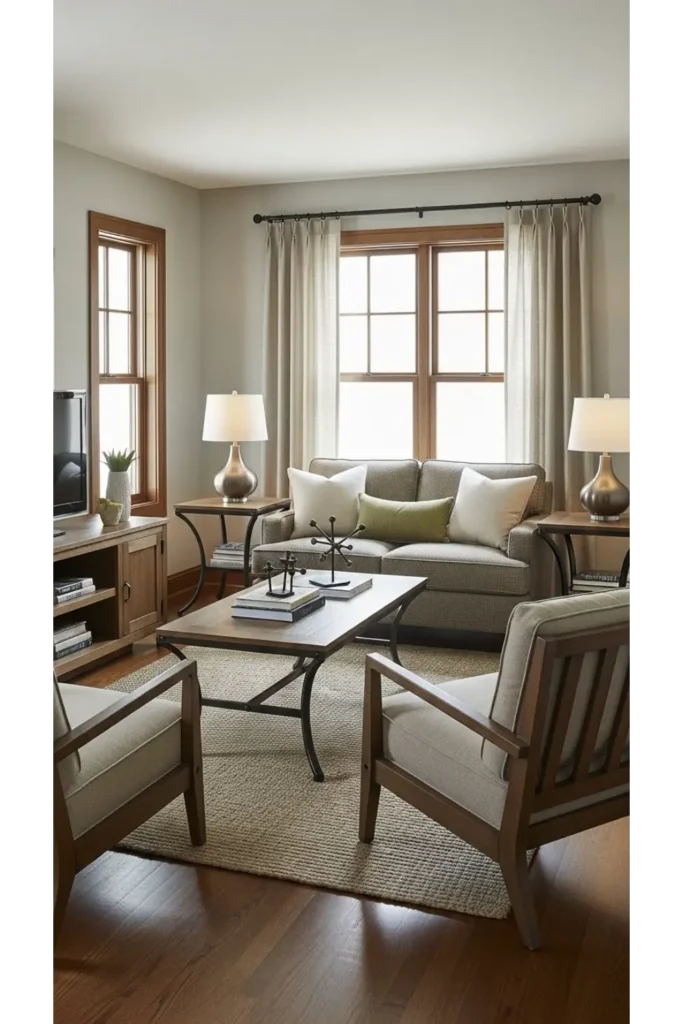
Consistency in materials creates harmony. Repeating wood tones or metal finishes ties the room together. This avoids a fragmented look.
A unified material palette supports a calm and cohesive feel. It allows the room to feel larger and more refined. Consistency builds visual comfort.
19. Optimize Corners

Corners often go unused. A small chair or shelf can turn a corner into a functional spot. This maximizes space without crowding the room.
Using corners wisely improves layout efficiency. It adds function and interest. Every part of the room feels intentional and useful.
20. Keep Technology Minimal

Too much visible technology can clutter a small living room. Hide cables and choose streamlined devices. This keeps the space calm.
Minimal tech presence supports relaxation. It also allows decor and comfort to take center stage. A clean setup enhances the cozy feel.
21. Refresh With Seasonal Textiles
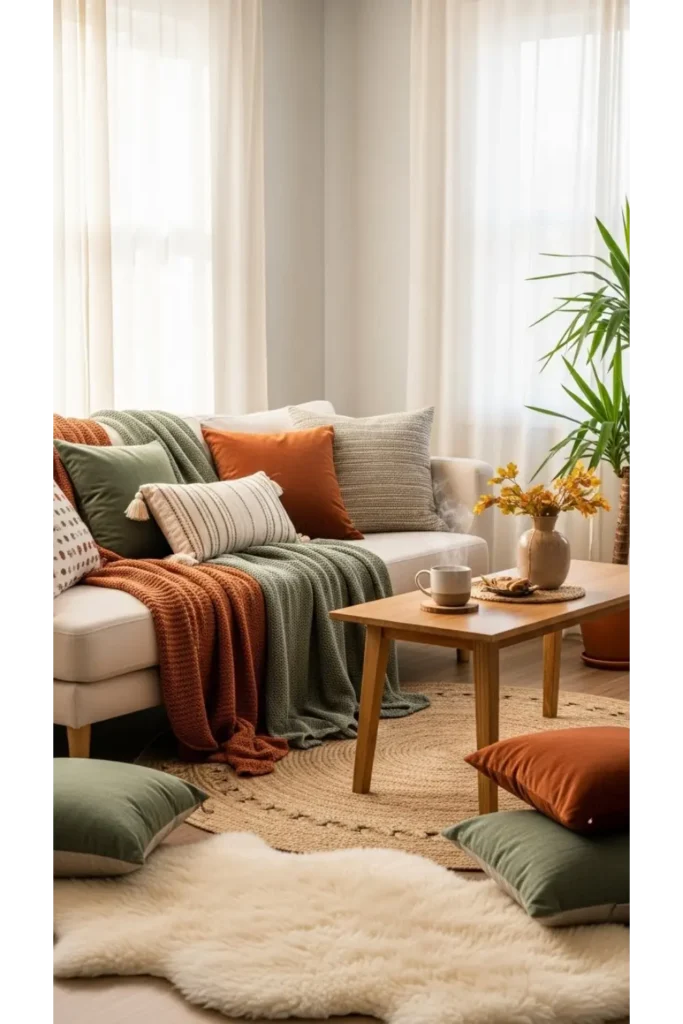
Seasonal textiles give a small living room a fresh look without requiring a full redesign. Lightweight fabrics and softer tones work well in warmer months, while richer textures and deeper colors suit cooler seasons. Changing cushion covers, throws, or even a small accent rug can shift the mood of the space. These subtle updates help the room feel aligned with the time of year and more emotionally inviting.
This approach keeps your living room feeling alive and cared for. Because the base furniture stays the same, the space remains familiar and balanced. Seasonal textiles add just enough contrast to spark interest without creating visual clutter. Over time, these small changes make the room feel intentional, flexible, and enjoyable to live in all year long.
22. Balance Symmetry and Asymmetry
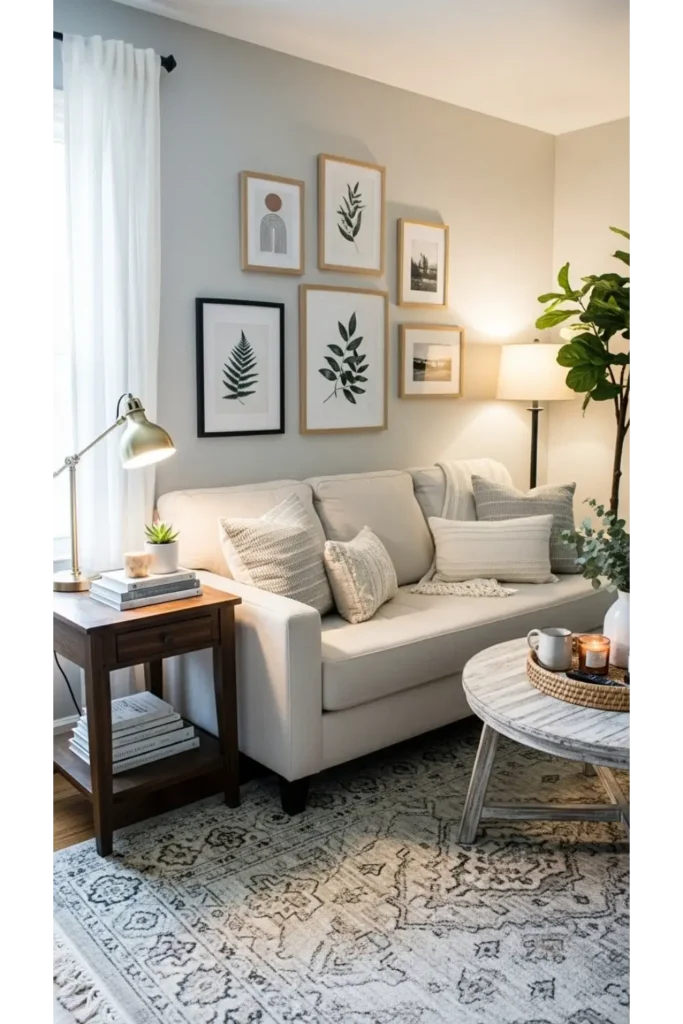
Balance creates comfort. Mix symmetry and asymmetry to keep the room interesting. This prevents stiffness while maintaining order. Don’t miss our complete living room decor guide packed with stylish inspiration.
Thoughtful balance supports visual flow. It helps the room feel relaxed and welcoming. Design feels natural and human.
23. Edit Regularly
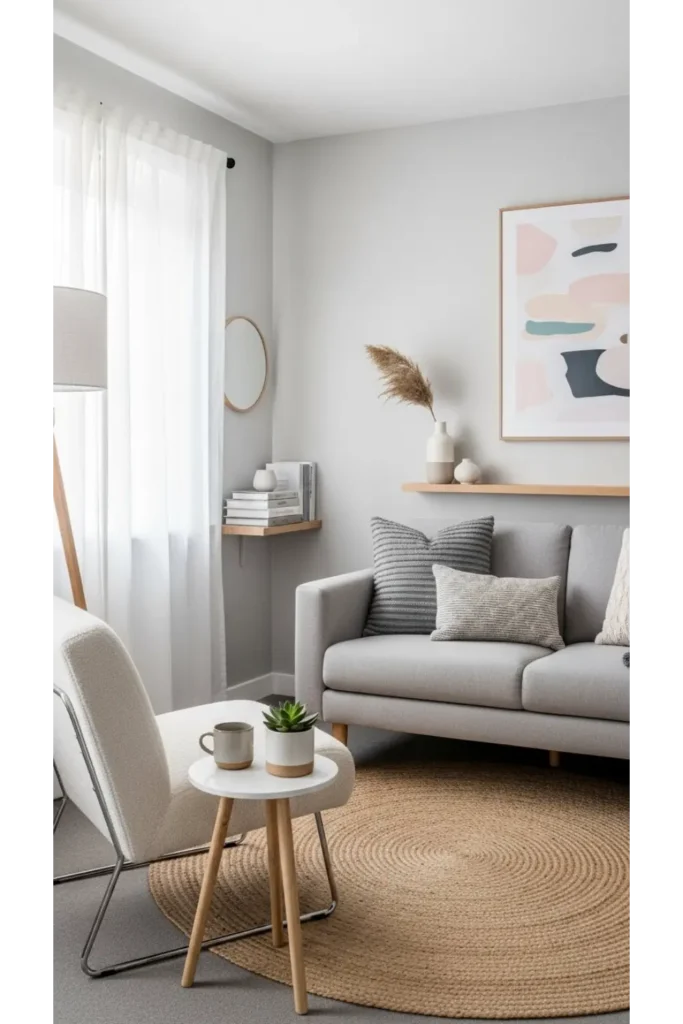
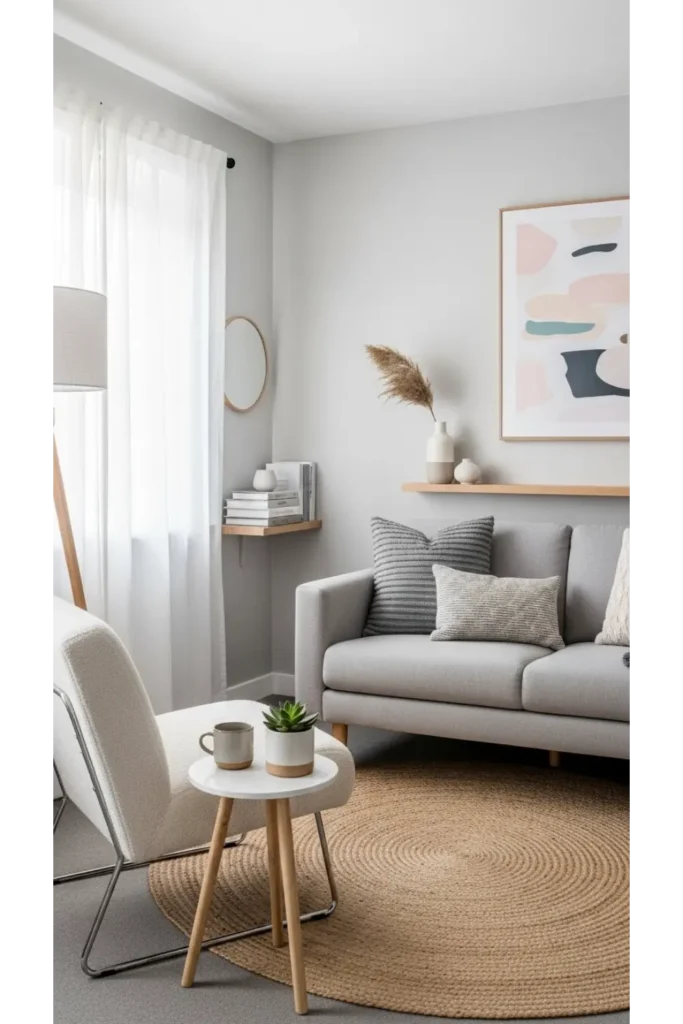
Regular editing keeps a small living room functional. Remove items that no longer serve a purpose. This maintains clarity.
Editing helps the room evolve with your life. It supports comfort and ease. A well edited space always feels better to live in.
Conclusion
Designing a cozy and functional living area comes down to thoughtful choices and intentional design. These small living room decor tips focus on comfort, balance, and smart use of space. By combining layout planning, texture, lighting, and personal touches, you can create a room that feels larger and more welcoming. A small space can still reflect your style and support everyday living with warmth and ease.