23 Kitchen Layout Ideas Improve Space Flow
1. Open Concept Integration
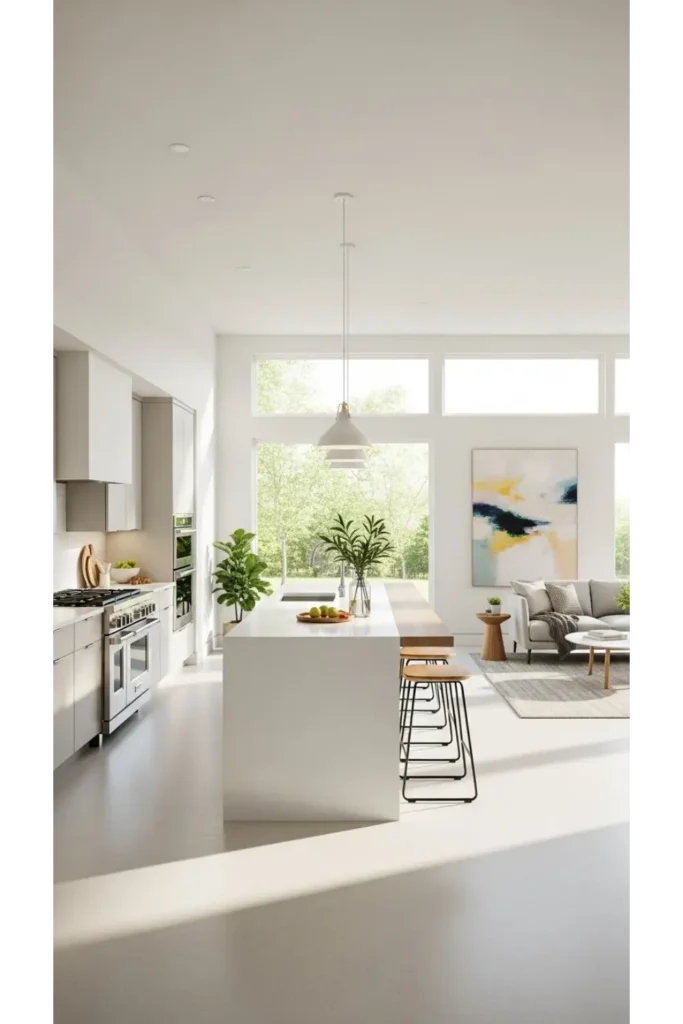
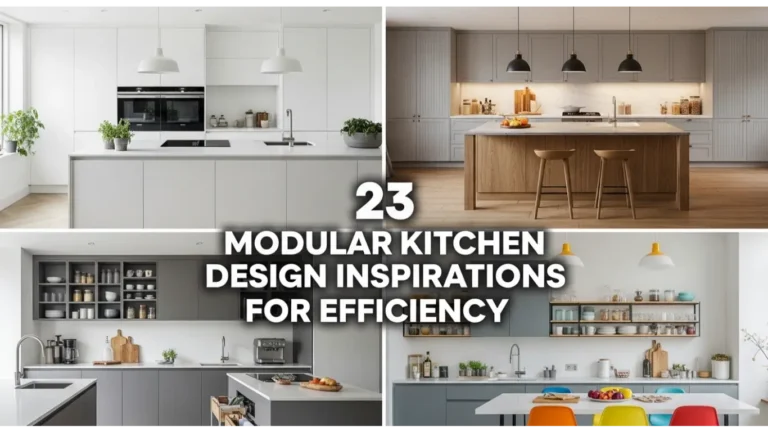
Kitchen layout ideas improve space flow best when the kitchen connects naturally with nearby living areas. Open concept layouts remove visual barriers and create a sense of openness that moves feel effortless. By aligning cabinetry, flooring, and lighting with adjacent rooms, the kitchen becomes part of a larger circulation path instead of a closed-off zone that interrupts daily routines. Discover even more beautiful kitchen decor inspiration in our full collection here.
This layout works especially well for families and entertainers because it supports social interaction while cooking. Traffic paths remain clear, and sightlines stay open, reducing congestion. Strategic placement of islands or peninsulas helps define zones without blocking movement. The result feels spacious, comfortable, and easy to navigate throughout the day.
2. Galley Kitchen Optimization
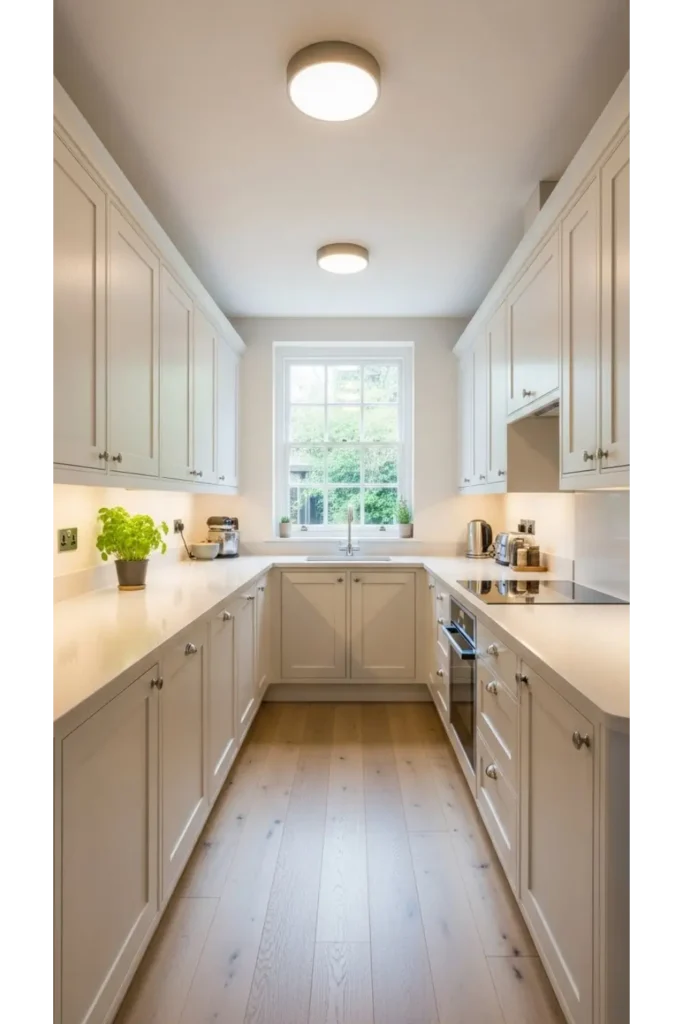
Galley kitchens often get overlooked, yet they can deliver excellent flow when designed with intention. Keeping walkways wide and cabinetry streamlined allows users to move efficiently between prep, cooking, and cleaning zones. Light finishes and reflective surfaces visually widen the space, making the layout feel less confined and more functional.
Proper appliance placement matters most in a galley layout. Positioning the sink, stove, and refrigerator within easy reach reduces unnecessary steps. Continuous countertops support smooth transitions between tasks. With thoughtful design choices, this layout supports focused cooking while maintaining a comfortable circulation pattern.
3. L-Shaped Kitchen Balance
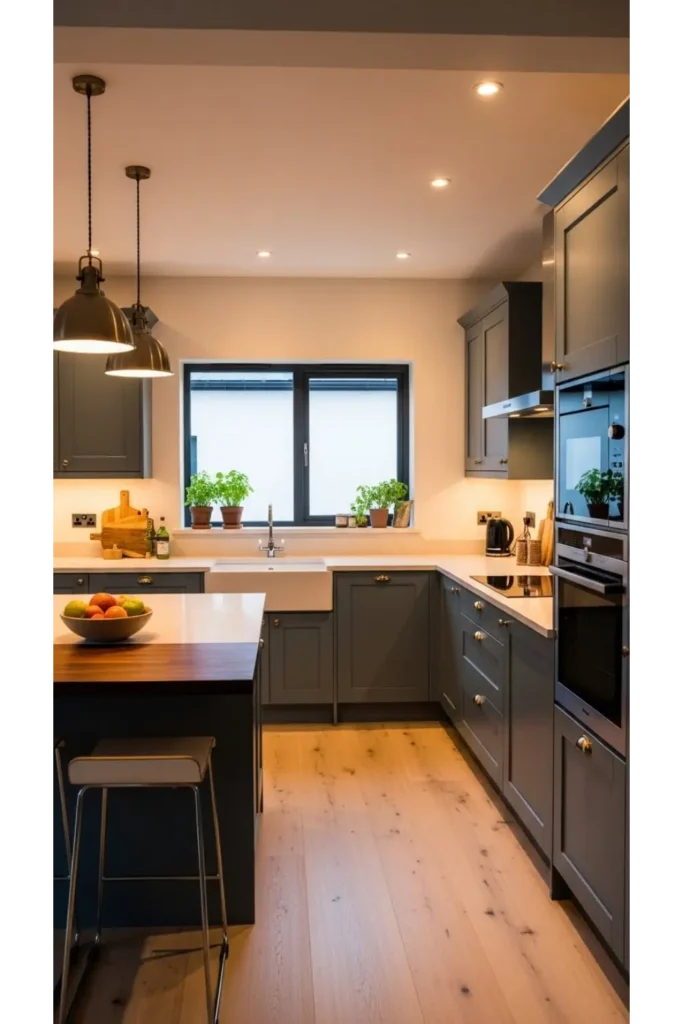
An L-shaped kitchen supports natural movement by keeping work areas connected without crowding the center of the room. This layout opens up floor space, making it easier to move between zones while maintaining visual clarity. Corners can host storage solutions that keep frequently used items accessible but out of the way.
The open side of the L encourages better traffic flow, especially in medium-sized kitchens. It allows for flexible placement of dining areas or islands without blocking pathways. This balance between openness and structure helps the kitchen feel both efficient and welcoming.
4. U-Shaped Kitchen Efficiency
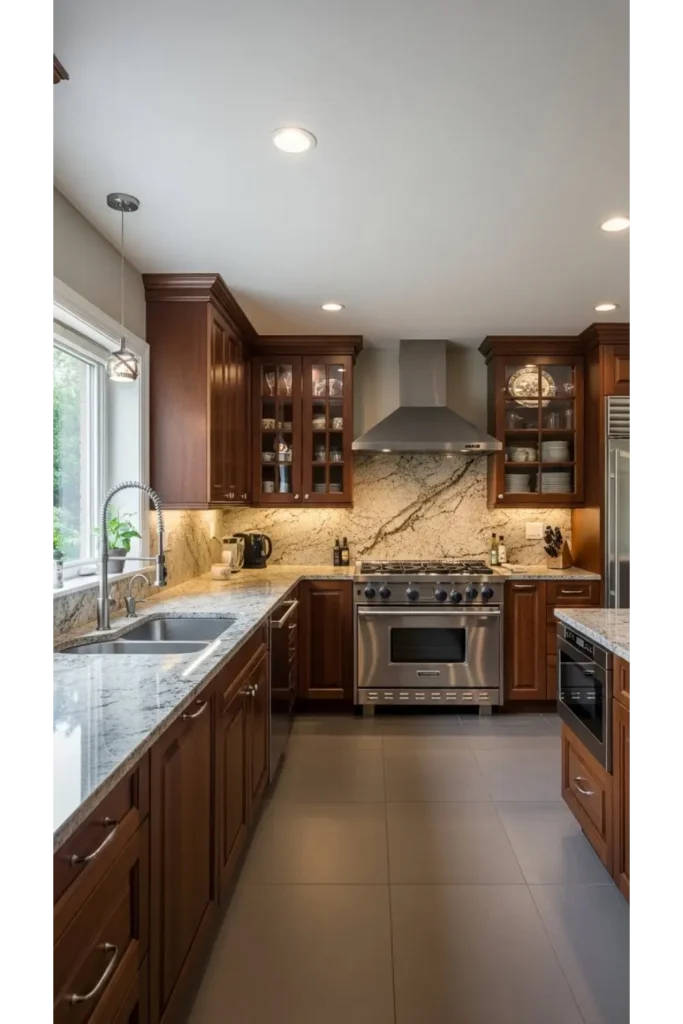
U-shaped kitchens create an enclosed yet highly efficient workspace. By surrounding the user with counters and storage, this layout minimizes walking distance and keeps tools within reach. Clear entry points prevent traffic from cutting through the work zone, preserving flow during busy cooking times.
When designed with adequate spacing, this layout avoids feeling cramped. Open shelving or lighter cabinet finishes help maintain visual openness. The result is a kitchen that supports focused tasks while allowing smooth movement in and out of the space.
5. Island-Centered Layout
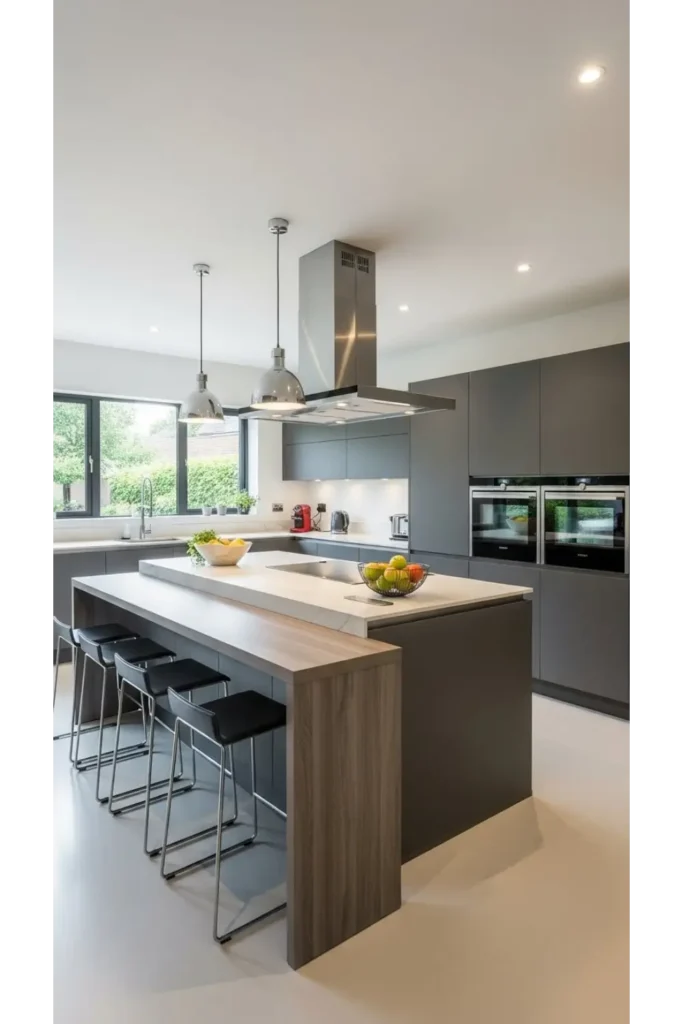
A central island can anchor the kitchen while enhancing movement around it. When sized correctly, the island creates defined circulation paths that guide traffic naturally. It offers additional prep space without disrupting the main workflow between appliances and counters.
Islands also support social interaction without interfering with cooking tasks. Seating placed on one side keeps guests out of work zones. This layout encourages a smooth rhythm between function and gathering, making the kitchen feel dynamic yet controlled.
6. Peninsula Layout Design

Peninsula layouts provide many of the benefits of an island while using less space. Attached counters extend from existing cabinetry, creating a clear boundary that directs movement. This setup keeps the kitchen open while offering additional work surfaces and storage.
The open end of the peninsula improves circulation and prevents bottlenecks. It also works well in transitional kitchens that connect to dining or living areas. With proper spacing, this layout maintains flow without sacrificing functionality.
7. One-Wall Kitchen Simplicity
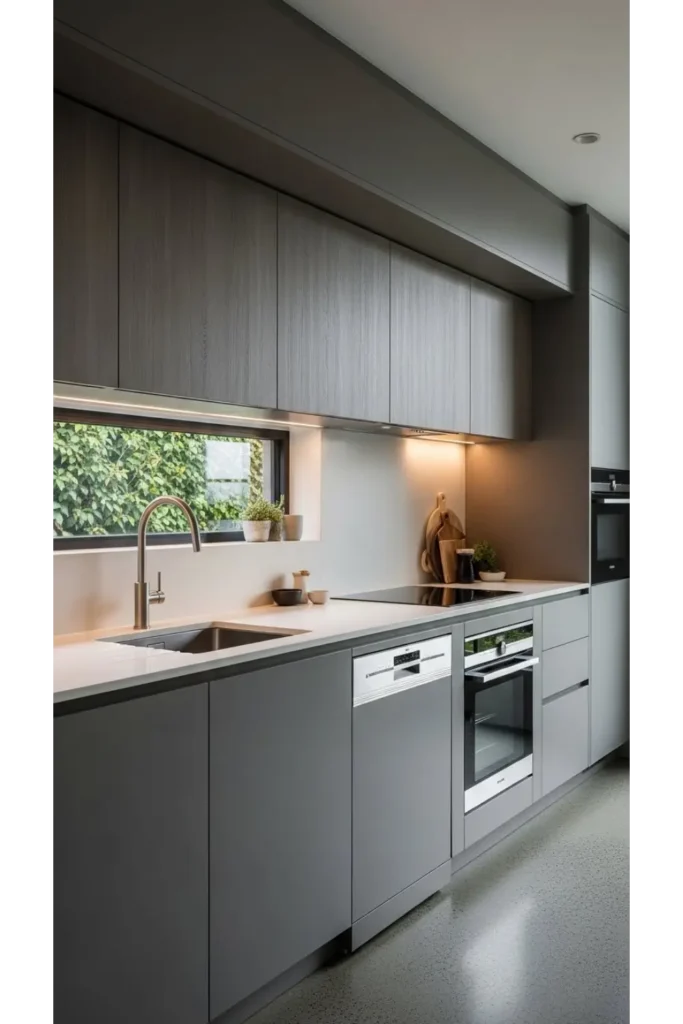
One-wall kitchens streamline movement by placing all functions along a single line. This approach eliminates cross-traffic and keeps everything within easy reach. It works especially well in smaller homes or apartments where space efficiency matters most.
Clear floor space in front of the wall improves circulation and flexibility. Adding vertical storage maximizes capacity without cluttering walkways. This simple layout supports smooth daily use while maintaining a clean, open feel.
8. Zone-Based Kitchen Planning
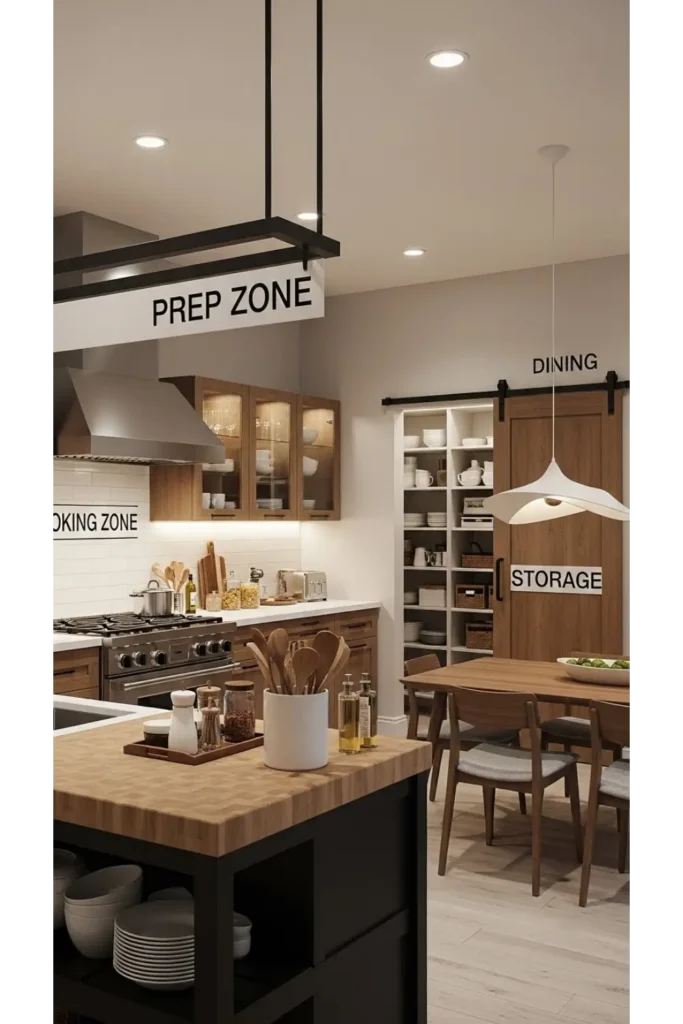
Designing a kitchen around distinct zones improves flow by organizing tasks logically. Prep, cooking, cleaning, and storage areas each serve a clear purpose, reducing overlap and confusion. Movement feels intuitive because each zone connects naturally to the next.
This approach works across many layouts and sizes. Clear zoning reduces congestion during busy times and supports multiple users. When planned carefully, zone-based kitchens feel calm, efficient, and easy to navigate.
9. Work Triangle Refinement
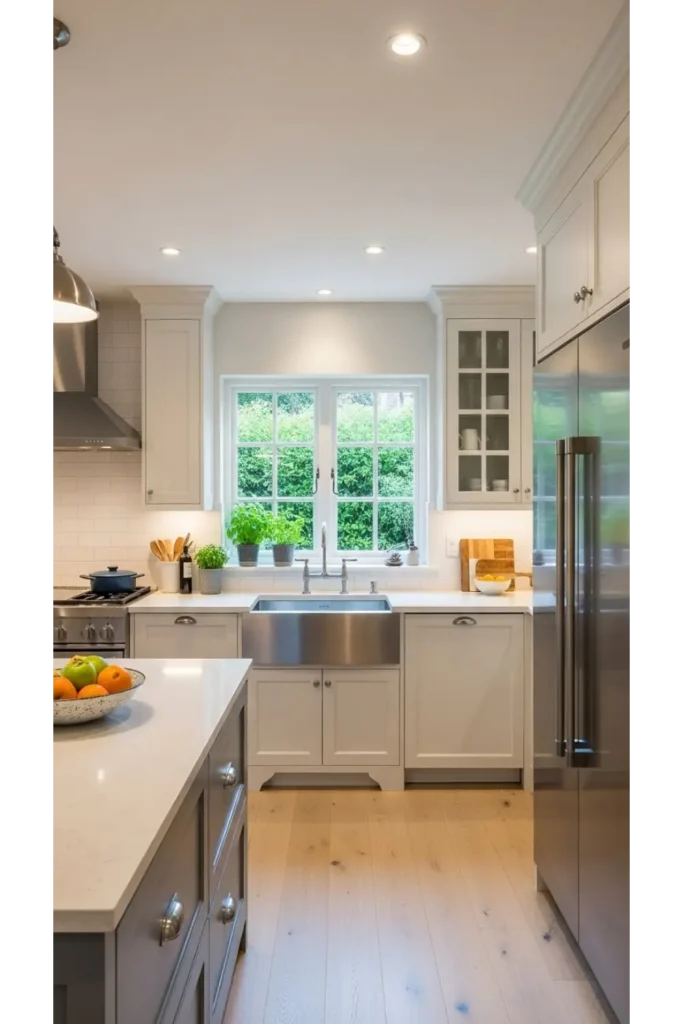
A refined work triangle brings clarity to kitchen movement by keeping the sink, stove, and refrigerator at comfortable distances. This classic planning method reduces unnecessary steps and prevents crossing paths during cooking. When each point connects smoothly, daily tasks feel lighter and more natural, even in smaller kitchens.
Modern kitchens benefit from adapting the triangle to real habits. Wider walkways and flexible spacing help accommodate multiple users. When designed with intention, this approach supports steady flow without forcing rigid layouts that feel outdated.
10. Smart Appliance Placement
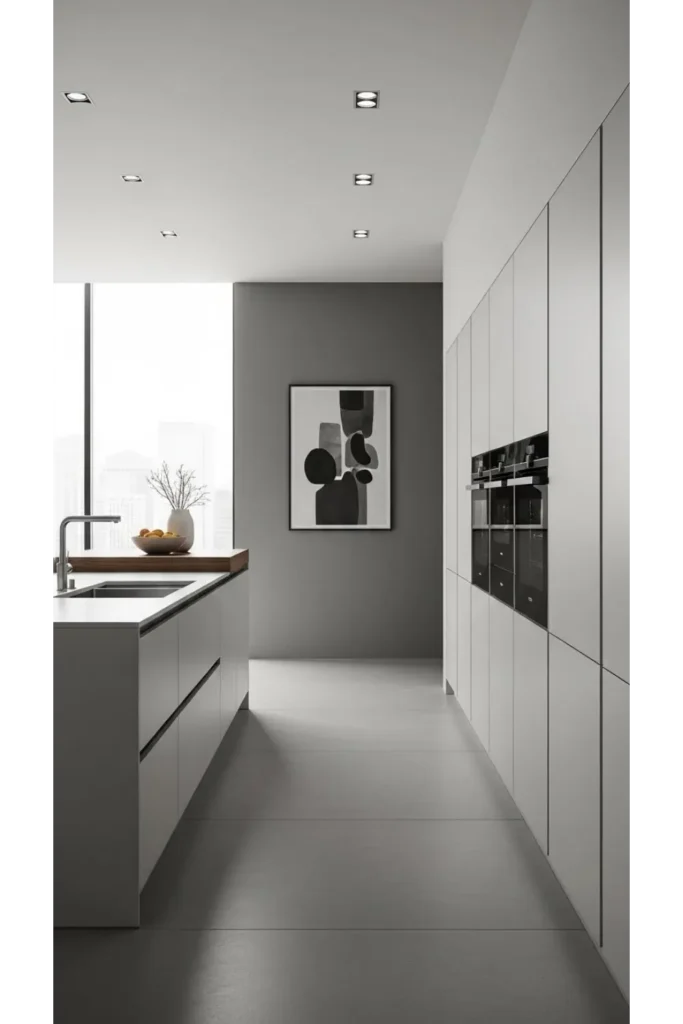
Appliance placement directly affects how easily people move through the kitchen. Built-in ovens, panel-ready refrigerators, and integrated dishwashers reduce visual clutter and physical obstacles. Keeping appliance doors from blocking main paths helps maintain continuous movement during busy moments.
Grouping appliances near related work zones further improves efficiency. For example, placing the dishwasher near the sink limits backtracking. Thoughtful placement ensures the kitchen supports movement instead of interrupting it.
11. Corner Space Utilization
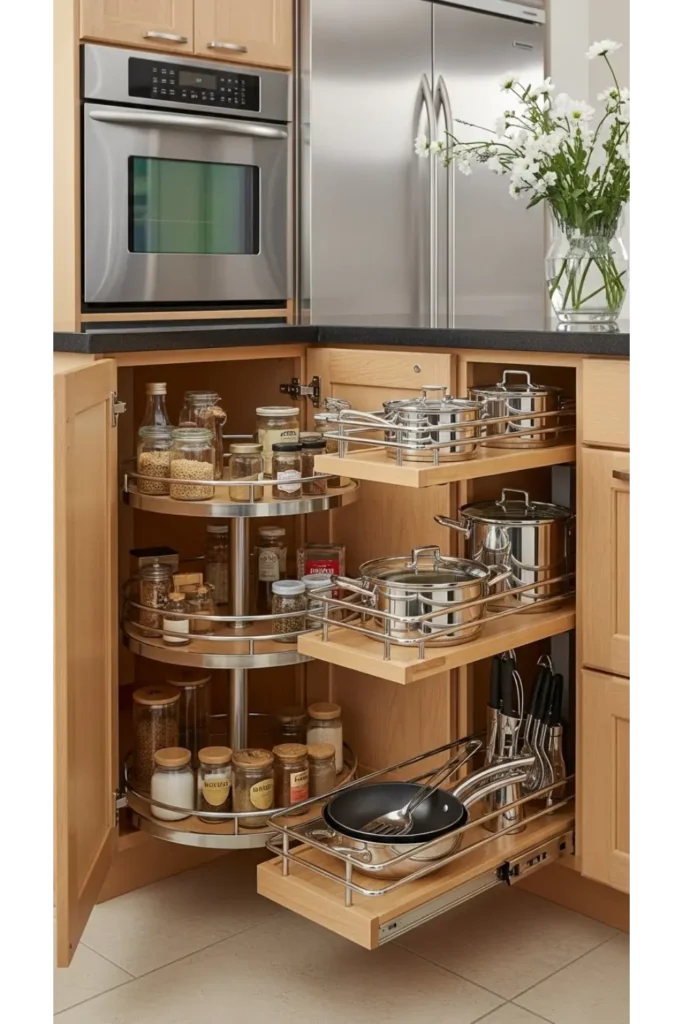
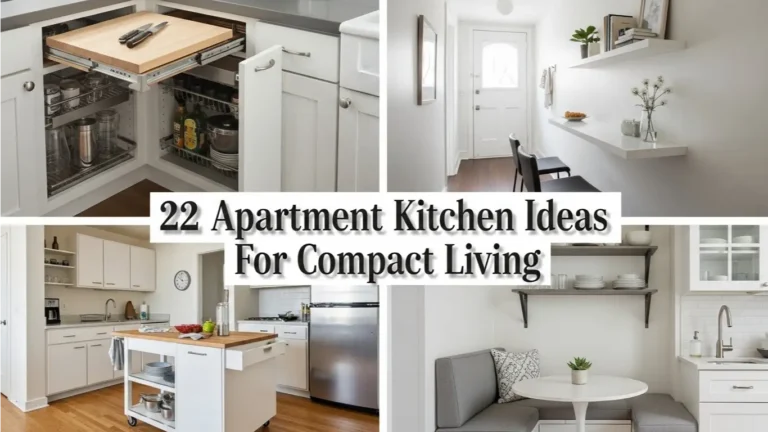
Corners often disrupt flow when left underused or poorly designed. Smart corner solutions like lazy Susans and pull-out drawers turn awkward spaces into functional storage. This keeps essential items accessible without forcing users to bend or reach into tight areas.
By reducing clutter on main counters, corner storage also frees up movement paths. The kitchen feels more open and easier to navigate. Efficient corners support both storage needs and smooth circulation.
12. Clear Entry and Exit Paths
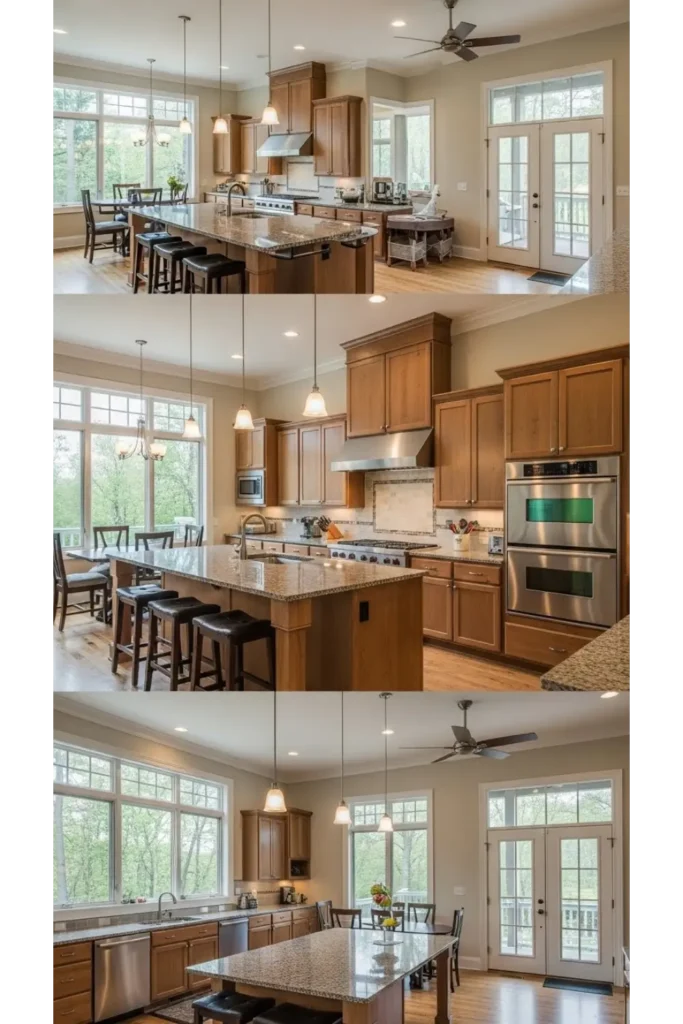
Clear entry and exit points prevent traffic jams and confusion. Kitchens work best when people can enter and leave without crossing primary work zones. Wide openings and logical door placement help guide movement naturally through the space.
This design choice matters most in homes with open layouts. When paths stay predictable, the kitchen feels calm even during gatherings. Clear circulation routes protect workflow and comfort at the same time.
13. Vertical Storage Strategy
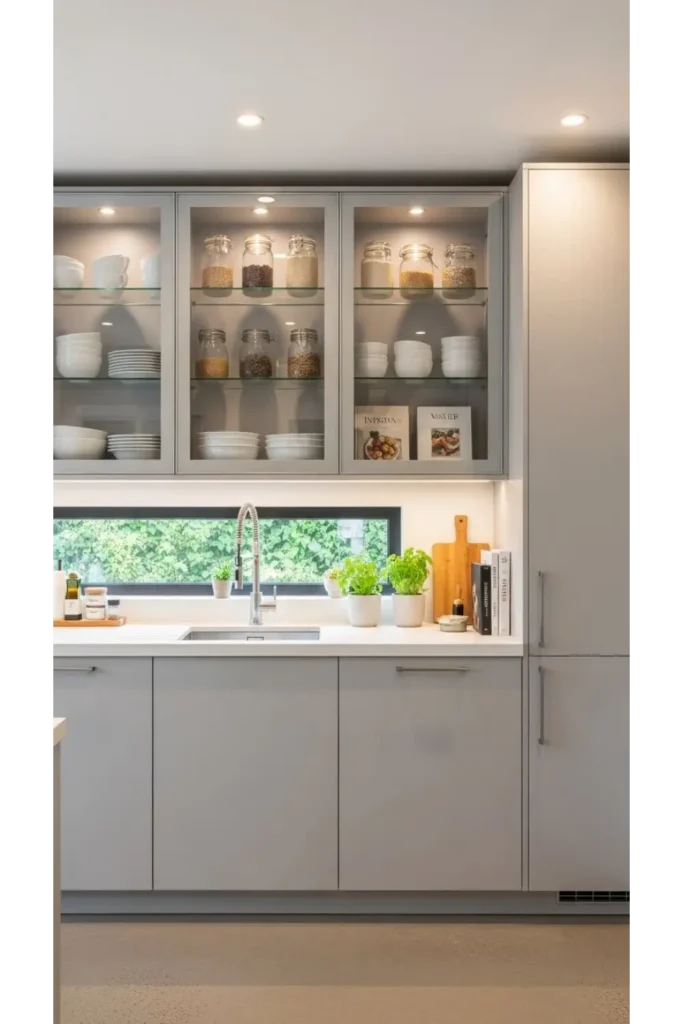
Vertical storage improves flow by keeping frequently used items off counters and out of walkways. Tall cabinets and wall-mounted shelves maximize capacity without increasing the kitchen footprint. This approach reduces clutter that often disrupts movement.
When storage feels organized and accessible, tasks become smoother. Users spend less time searching and more time cooking. Vertical solutions support both efficiency and visual balance.
14. Light and Color Coordination
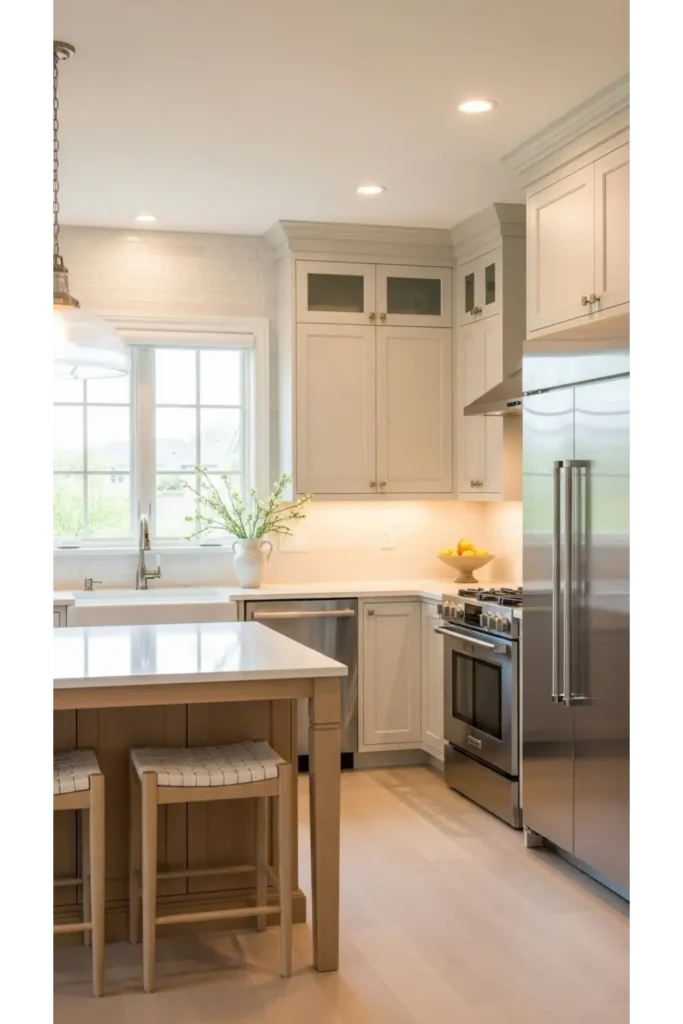
Light and color influence how space feels and how people move through it. Lighter tones reflect natural and artificial light, making kitchens appear larger and more open. Balanced lighting reduces shadows that can make one feel restricted.
Consistent color palettes also guide the eye smoothly across the room. When surfaces flow visually, the kitchen feels cohesive and easier to navigate. Good lighting supports both safety and comfort.
15. Flexible Seating Zones
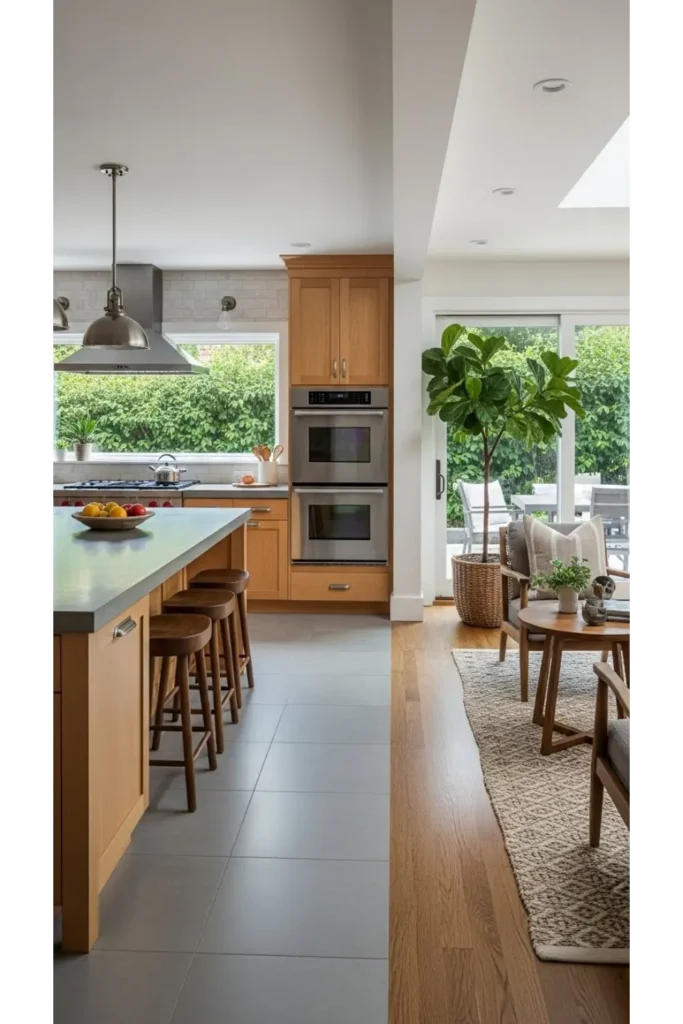
Seating should support flow, not block it. Flexible seating options like tuck-under stools or movable chairs allow quick adjustments based on activity. Keeping seating away from primary work zones prevents interruptions during cooking.
This flexibility makes the kitchen adaptable for daily meals and social moments. Movement stays smooth because people can gather without crowding key paths. Thoughtful seating placement preserves balance.
16. Sliding and Pocket Doors
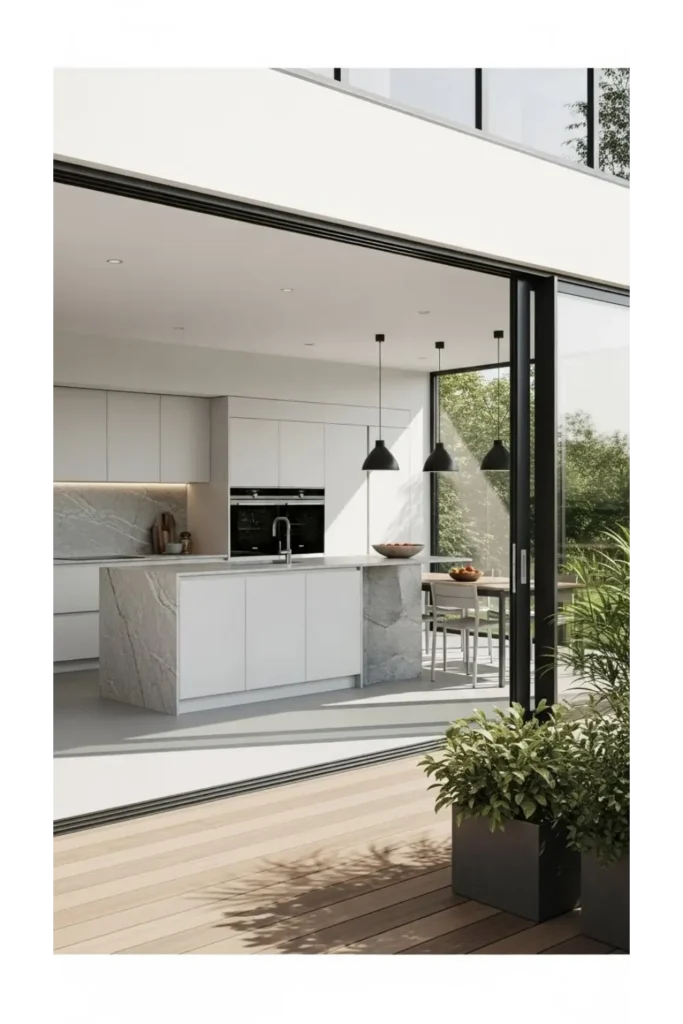
Traditional swinging doors can disrupt kitchen flow by blocking walkways. Sliding or pocket doors eliminate this issue by staying out of the way when open. They allow seamless transitions between rooms without sacrificing privacy when needed.
These doors work especially well in compact layouts. They support uninterrupted movement and maintain visual continuity. Door choice plays a quiet but powerful role in overall flow.
17. Countertop Continuity
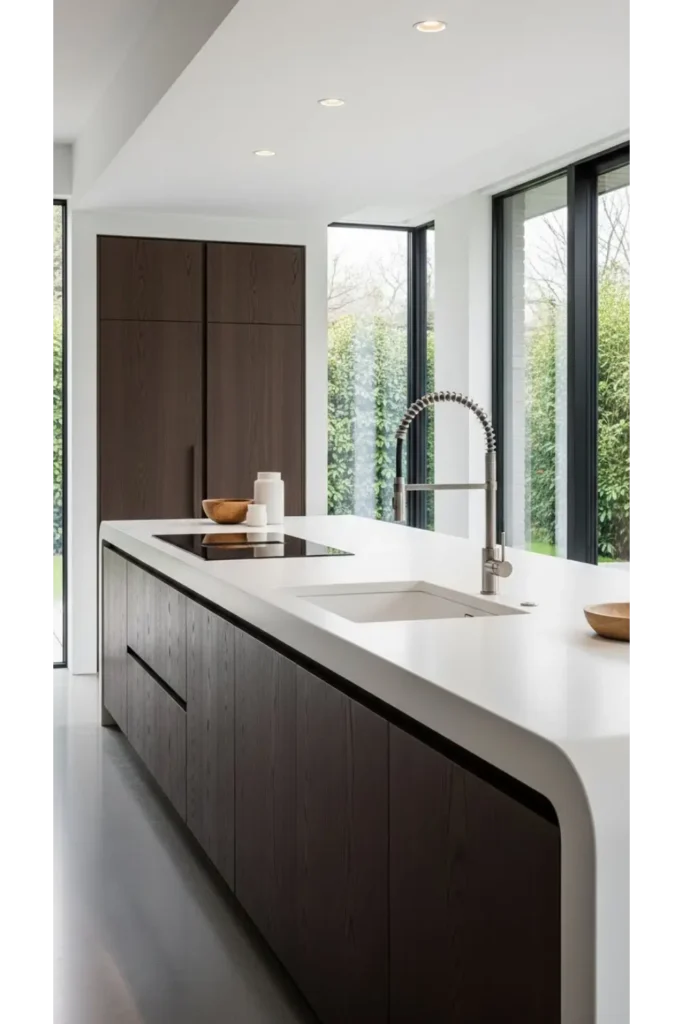
Continuous countertops help movement feel uninterrupted. Fewer breaks and level changes allow users to slide items easily from one task to another. This supports a steady rhythm while cooking and cleaning.
When counters remain clear and connected, the kitchen feels organized. Movement flows naturally along the surface instead of stopping and starting. Continuity supports both efficiency and visual calm.
18. Efficient Storage Zones
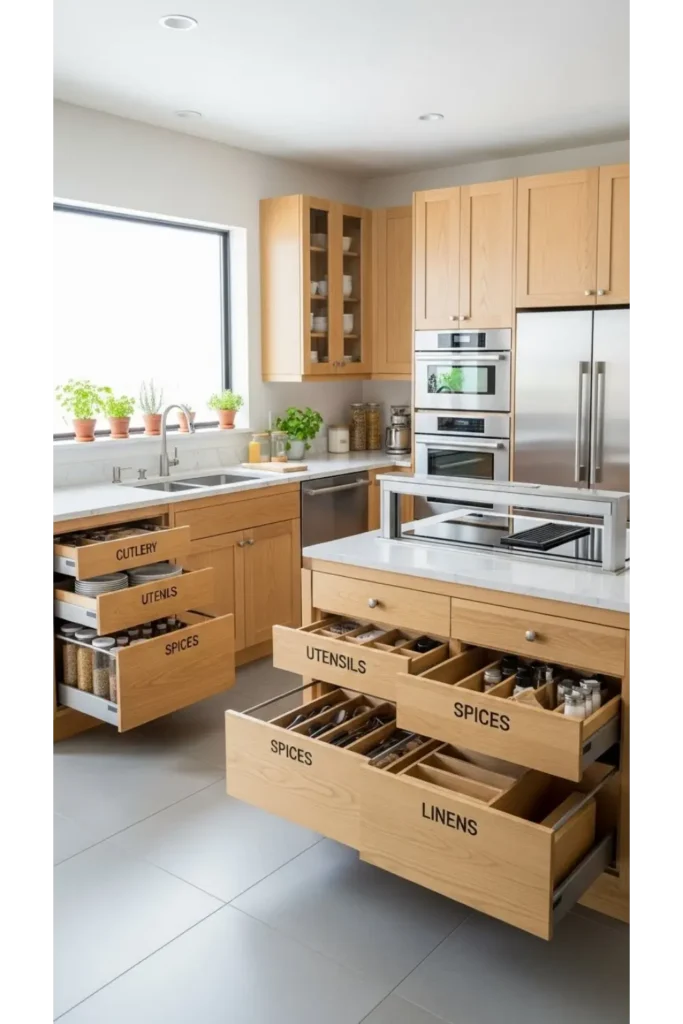
Storage zones improve flow by placing items where they are most needed. Keeping cookware near the stove and dishes near the dishwasher reduces unnecessary steps. This organization supports intuitive movement throughout the kitchen.
Clear storage zones also help multiple users work together without conflict. Everyone knows where things belong. The kitchen feels easier to use because it matches real habits.
19. Minimalist Cabinet Design
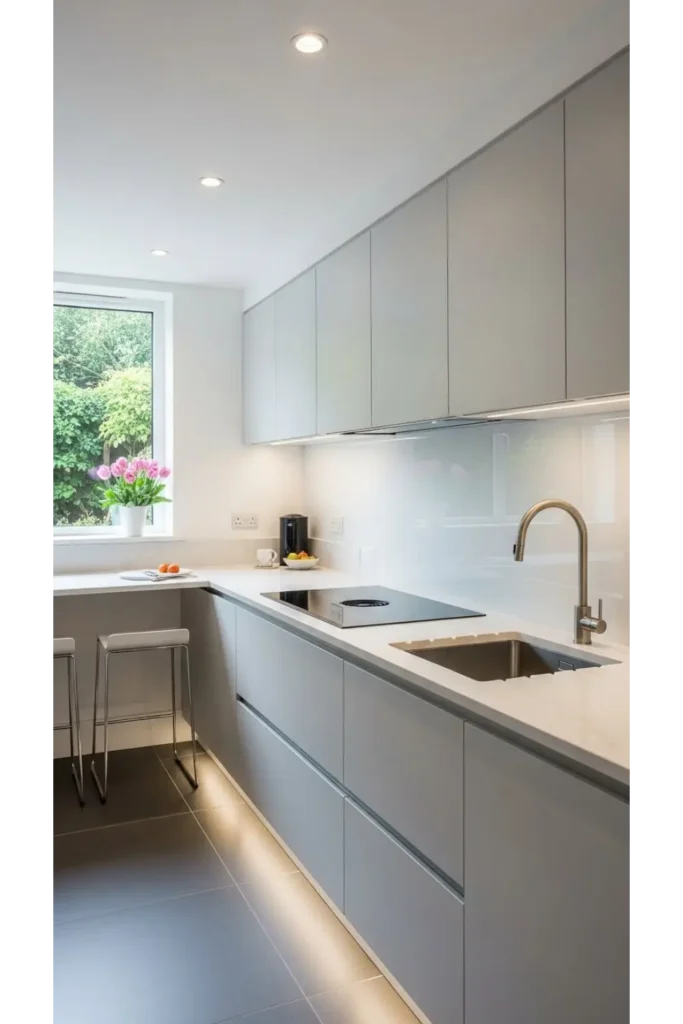
Minimalist cabinets reduce visual noise and physical interruptions. Handleless designs and flat fronts allow movement without catching clothing or bumping into hardware. The space feels smoother and more refined.
This simplicity also highlights the kitchen’s layout rather than distracting from it. When surfaces stay clean and consistent, movement feels effortless. Minimal design supports practical flow.
20. Balanced Island Spacing
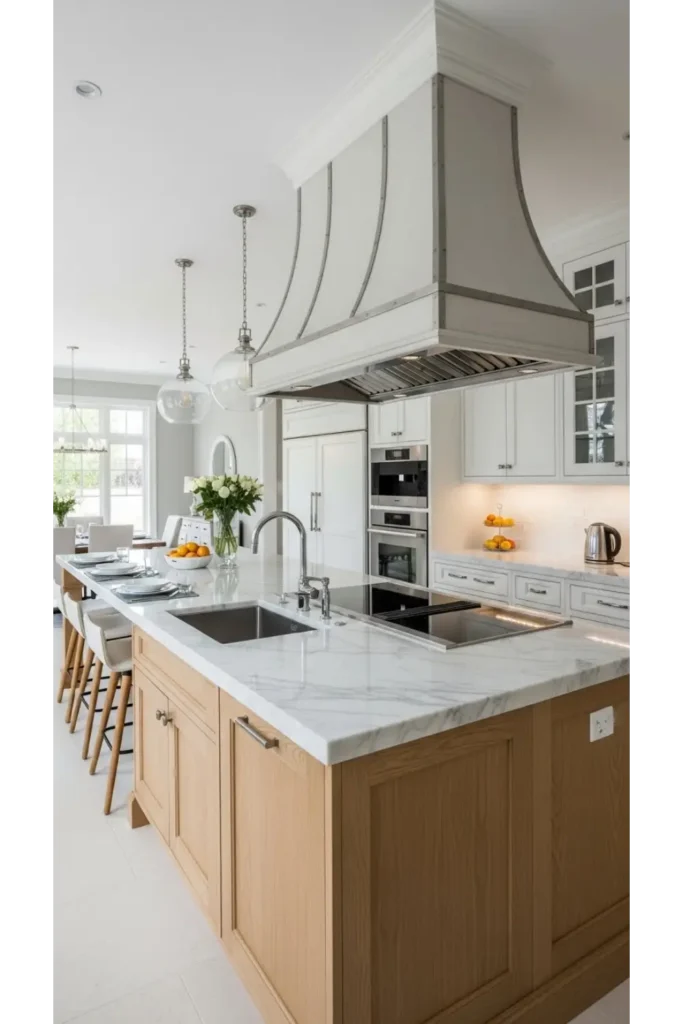
Island spacing matters more than island size. Adequate clearance around the island ensures people can pass comfortably without squeezing. This prevents congestion and keeps circulation steady.
Balanced spacing also allows appliance doors and drawers to open freely. When movement stays predictable, the kitchen feels welcoming and easy to use. Proper planning protects flow.
21. Natural Light Optimization
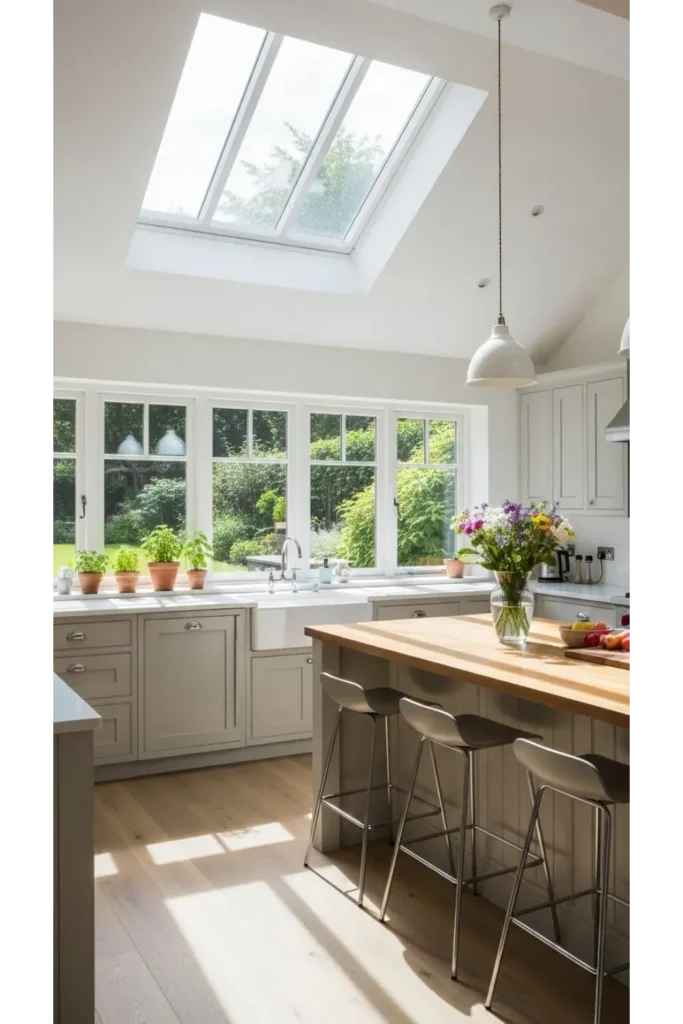
Natural light enhances flow by making spaces feel open and alive. Windows and skylights draw the eye outward, reducing visual barriers. Movement feels lighter in well-lit environments.
Daylight also improves mood and focus, making kitchen tasks more enjoyable. When light spreads evenly, users navigate confidently. Natural light supports both form and function.
22. Integrated Storage Solutions
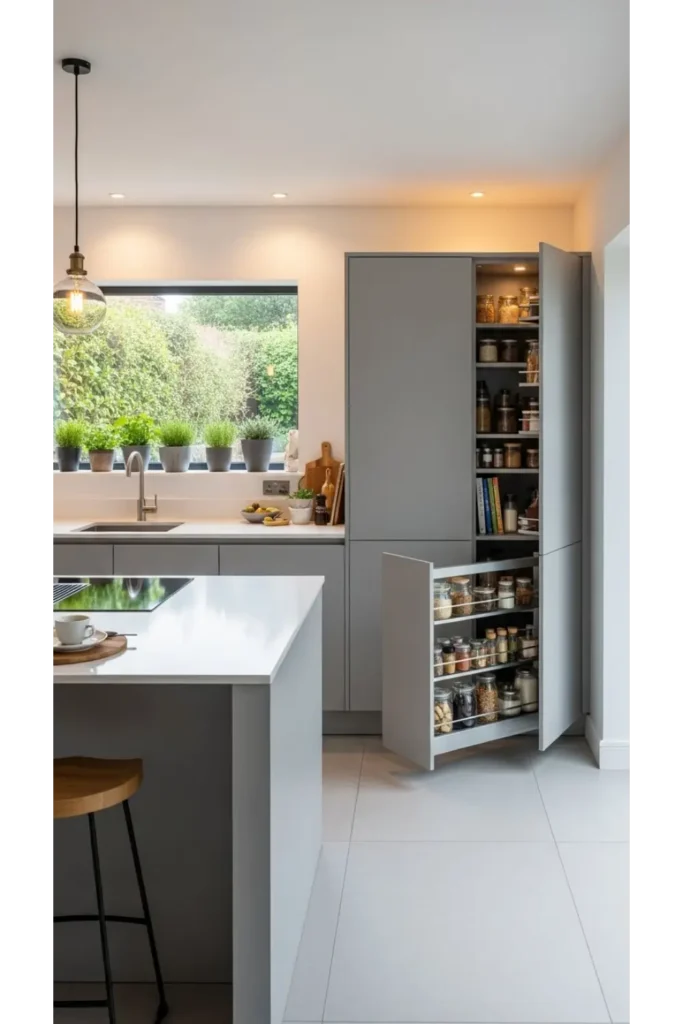
Integrated storage keeps essentials within reach while maintaining clean lines. Pull-out pantries and hidden compartments prevent clutter from spilling into walkways. This organization supports steady movement.
When storage feels seamless, the kitchen appears calmer. Users move with purpose instead of adjusting around obstacles. Integration strengthens both efficiency and comfort. Don’t miss our complete kitchen decor guide packed with stylish inspiration.
23. Personal Habit Mapping
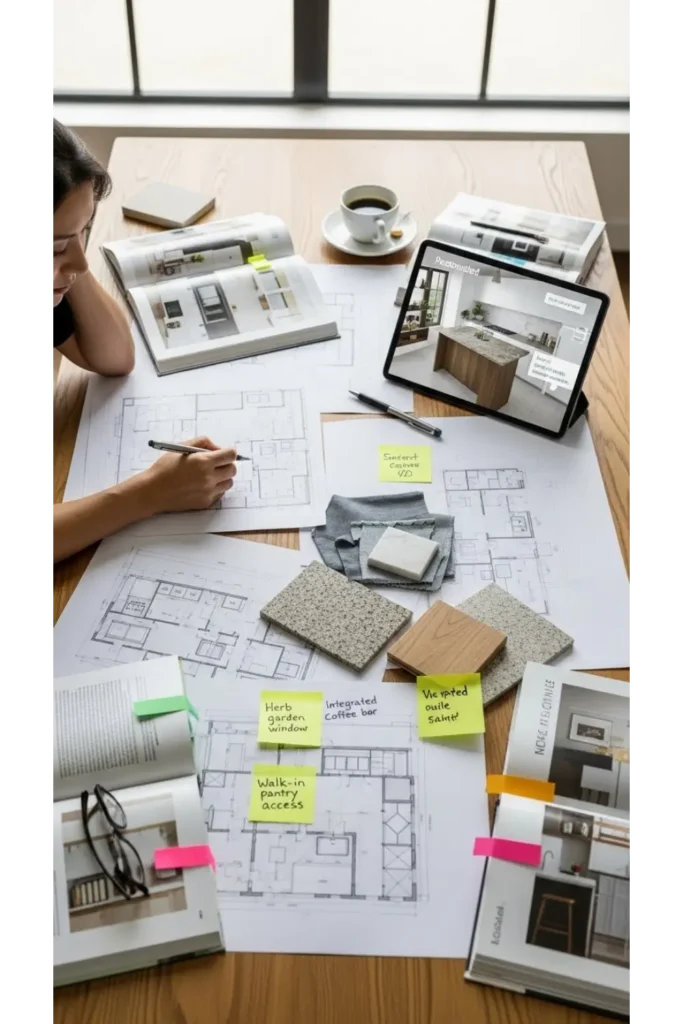
The best layouts reflect how people actually live. Mapping daily habits helps designers place elements where they naturally belong. This personal approach prevents forced movement patterns that disrupt flow.
By designing around routines, the kitchen becomes intuitive. Movement feels natural because the space responds to real needs. Habit-based planning ensures lasting comfort.
Conclusion
A well-planned kitchen supports movement without drawing attention to itself. When layout decisions focus on circulation, storage, light, and daily habits, the space becomes easier to use and more enjoyable to live in. These ideas show how thoughtful design choices can transform kitchens of any size into spaces that feel open, efficient, and human-centered.