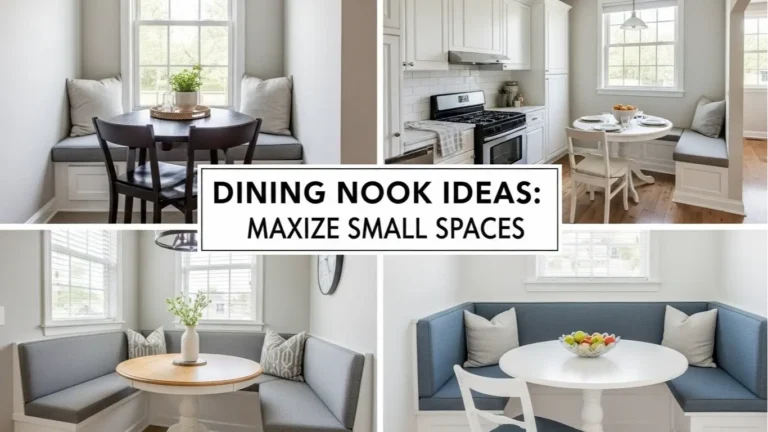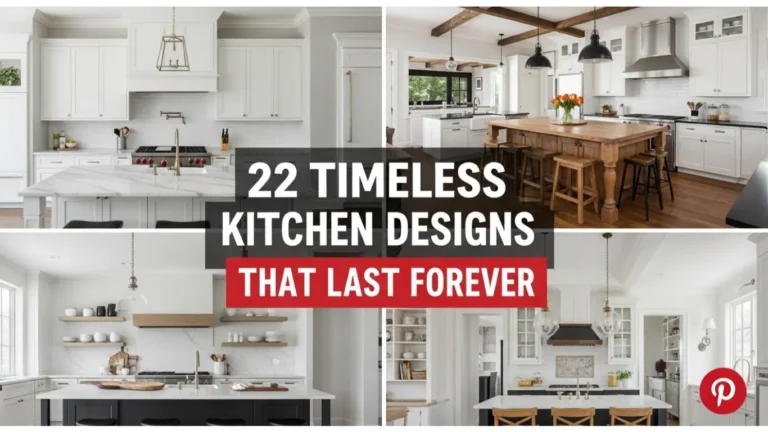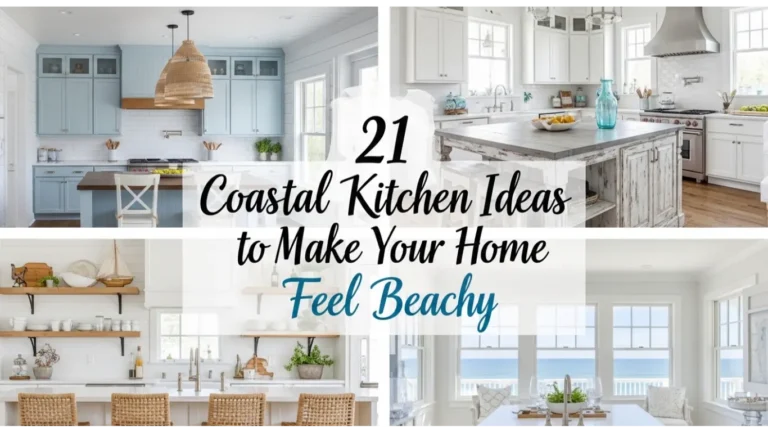
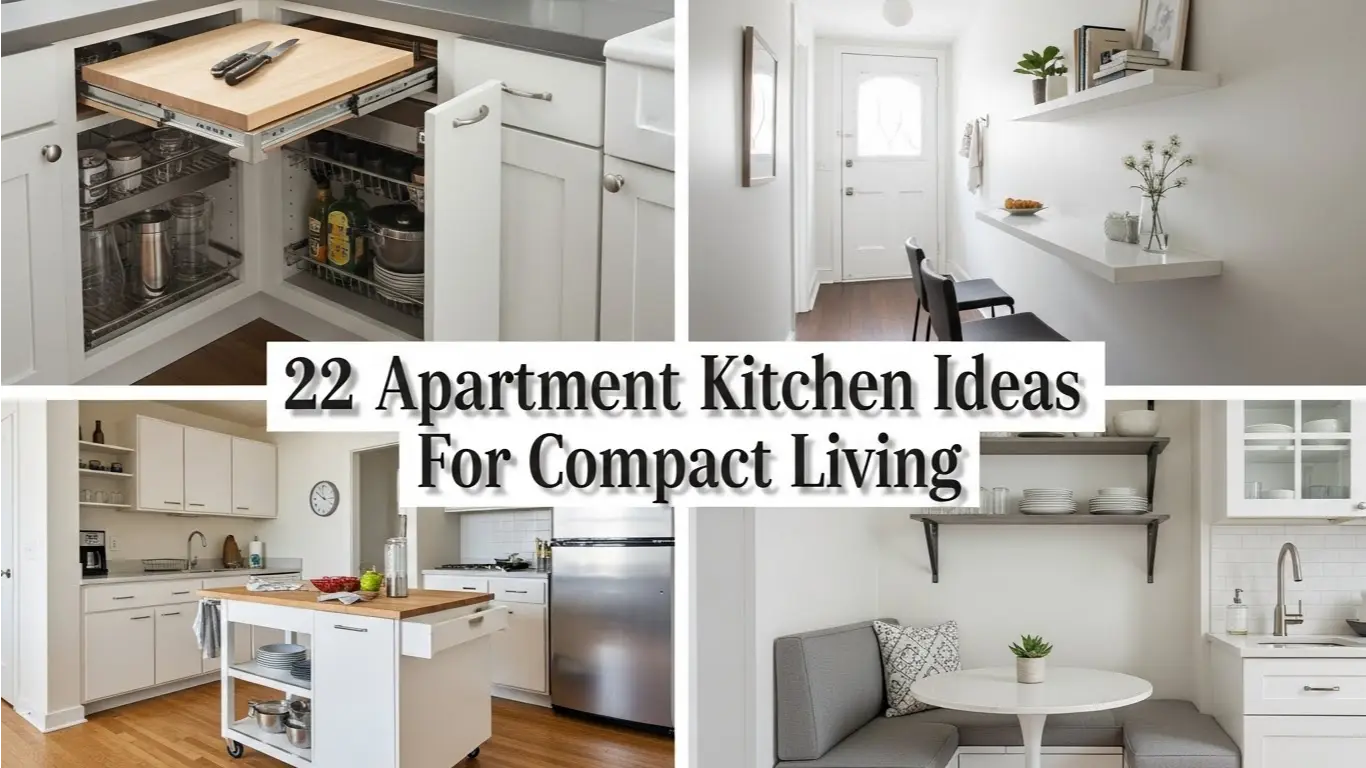
22 Apartment Kitchen Ideas For Compact Living
Living in a small apartment does not mean giving up on a functional or stylish kitchen. With the right planning, even the most compact space can feel efficient, open, and personal. Smart layouts, thoughtful storage, and visual balance make a big difference in daily comfort. This guide explores expert-approved solutions designed for real apartments, real routines, and real budgets. Each idea focuses on usability first while still delivering strong visual appeal for modern compact living.
1. Smart Layout Planning For Small Apartments
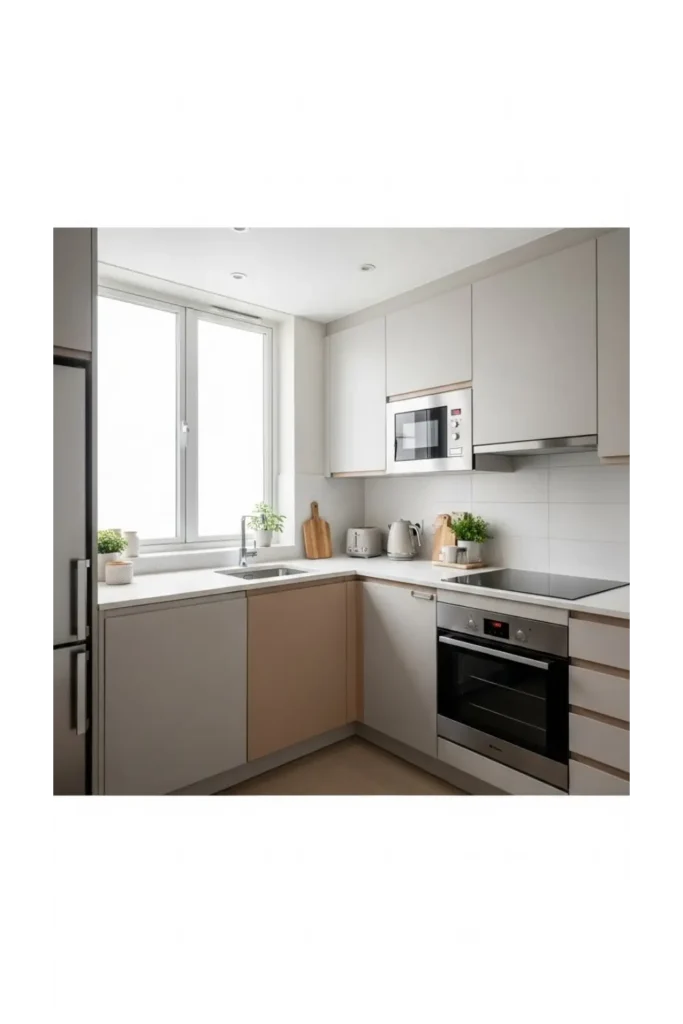
Apartment kitchen ideas for compact living start with a layout that supports how you move and cook every day. A well-planned layout reduces wasted steps and opens up the room visually. L-shaped or galley kitchens work especially well in apartments because they use wall space efficiently while keeping the center area clear and accessible for movement.
A smart layout also supports better storage and appliance placement. Keeping the sink, stove, and refrigerator within close reach improves workflow and saves time. When the layout feels natural, the kitchen becomes easier to use and more enjoyable, even when square footage is limited.
2. Vertical Storage That Uses Every Inch
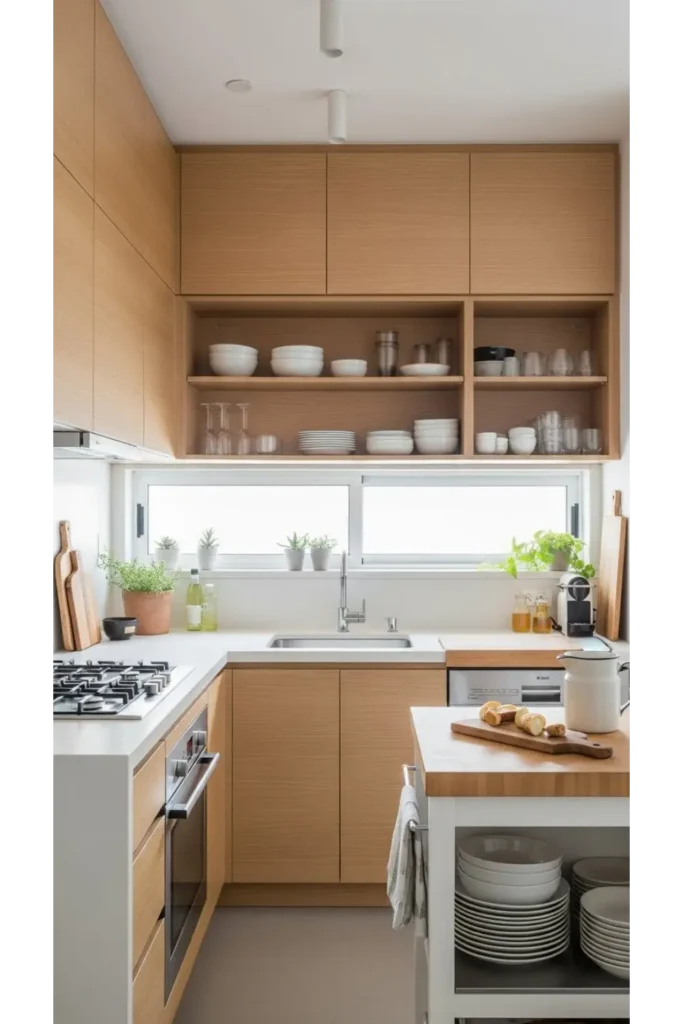
Vertical storage transforms compact kitchens by turning unused wall space into functional storage zones. Tall cabinets draw the eye upward, making the room feel larger while providing room for cookware, pantry items, and rarely used tools. This approach keeps counters clear and reduces visual clutter.
Using upper walls wisely also helps organize daily essentials. Shelving near cooking zones keeps frequently used items within reach. When storage moves upward instead of outward, the kitchen feels more open without sacrificing practicality.
3. Light Color Palettes For Visual Space
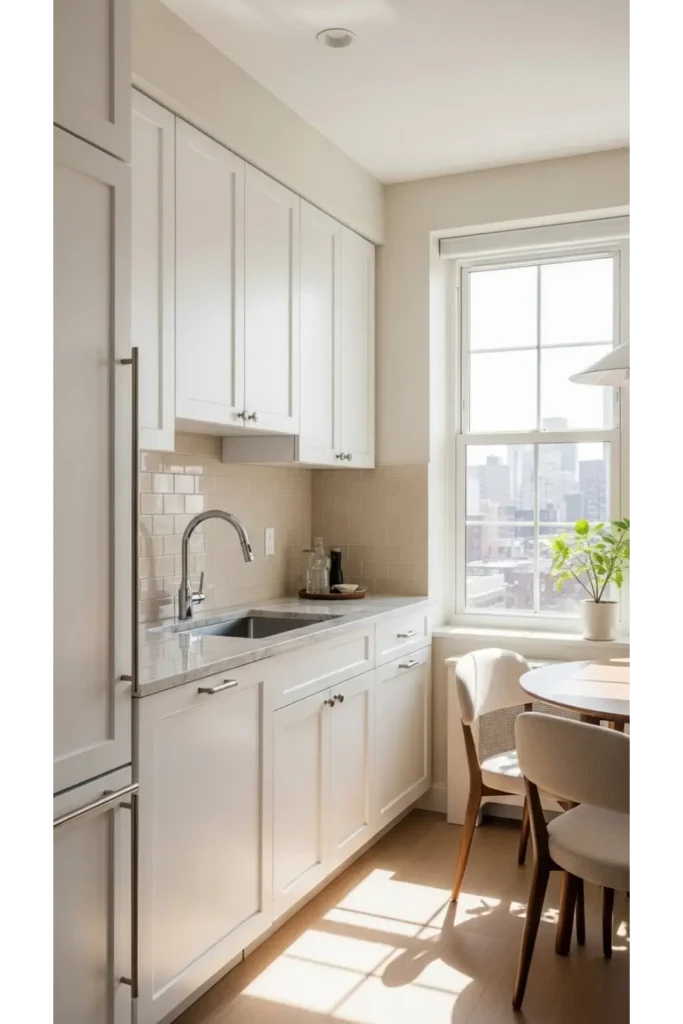
Light colors play a powerful role in compact kitchens. Soft whites, warm creams, and pale grays reflect light and make the space feel airy. These shades blur visual boundaries, which helps a small kitchen appear larger than it actually is.
Pairing light cabinetry with subtle contrast adds depth without overwhelming the room. A balanced color palette supports calm energy and keeps the kitchen inviting. When space is tight, visual openness matters as much as physical layout.
4. Open Shelving With Purpose
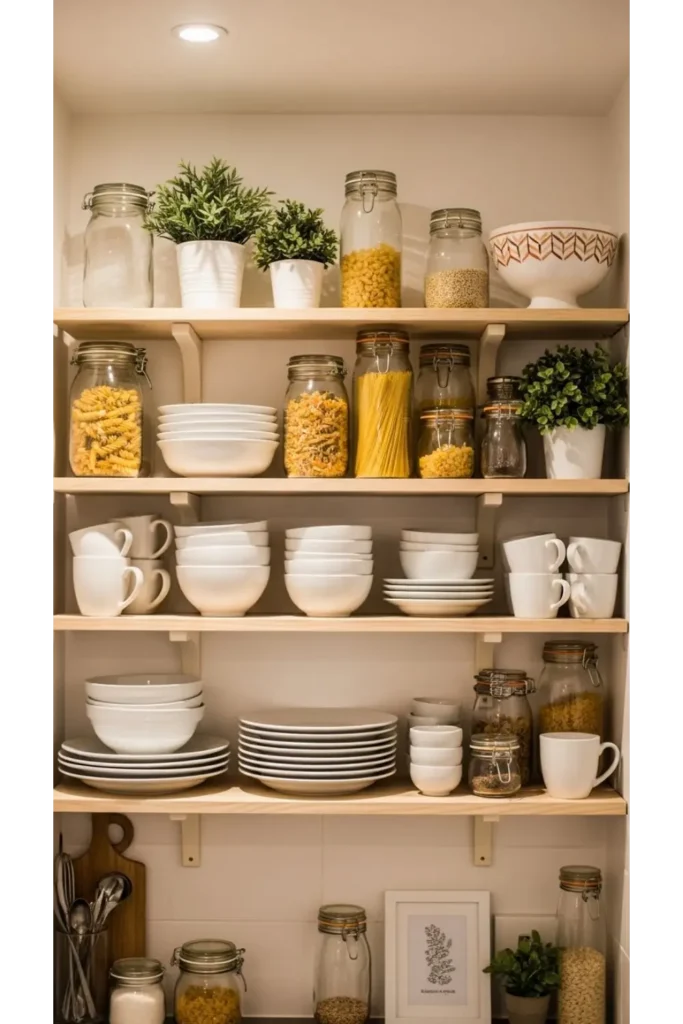
Open shelving works best when it feels intentional. In small kitchens, it replaces bulky cabinets and reduces visual weight. Displaying everyday items like plates and mugs creates a lived-in look while keeping essentials accessible.
To avoid clutter, limit shelves to a few key areas and maintain a consistent color scheme. When styled thoughtfully, open shelves enhance personality while preserving function in compact apartment kitchens.
5. Multi-Functional Furniture Solutions
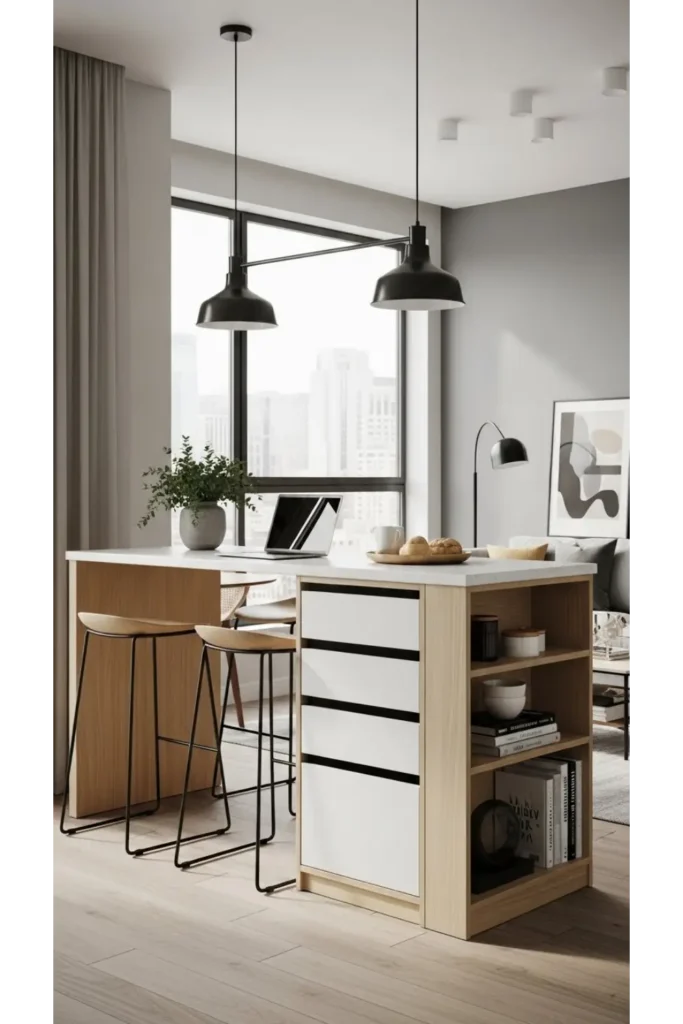
Multi-functional furniture saves space by serving more than one purpose. A kitchen island can double as a prep area, dining surface, and storage unit. Foldable or extendable furniture adapts to different needs throughout the day.
These solutions allow small kitchens to support cooking, eating, and socializing without overcrowding. Flexibility becomes essential when space must work harder to meet everyday demands.
6. Slim Profile Appliances
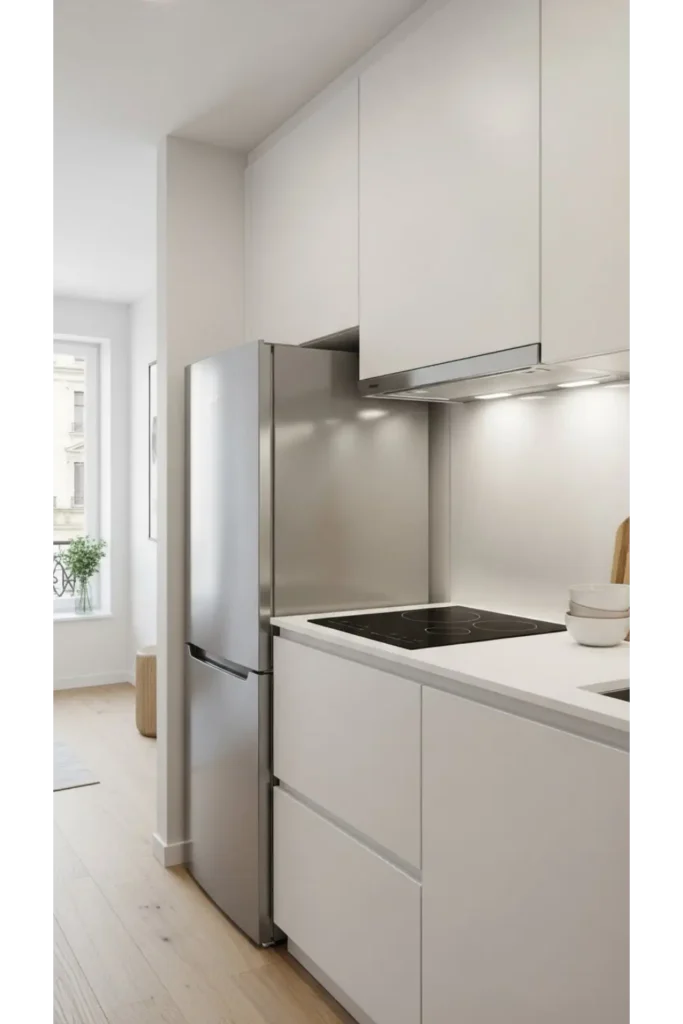
Slim appliances fit seamlessly into compact kitchens without sacrificing performance. Narrow refrigerators, shallow dishwashers, and smaller ranges free up valuable floor space. Their streamlined design supports better movement and cleaner sightlines.
Choosing the right size appliances also improves energy efficiency. When everything fits properly, the kitchen feels balanced rather than cramped, which improves daily usability.
7. Hidden Storage Compartments
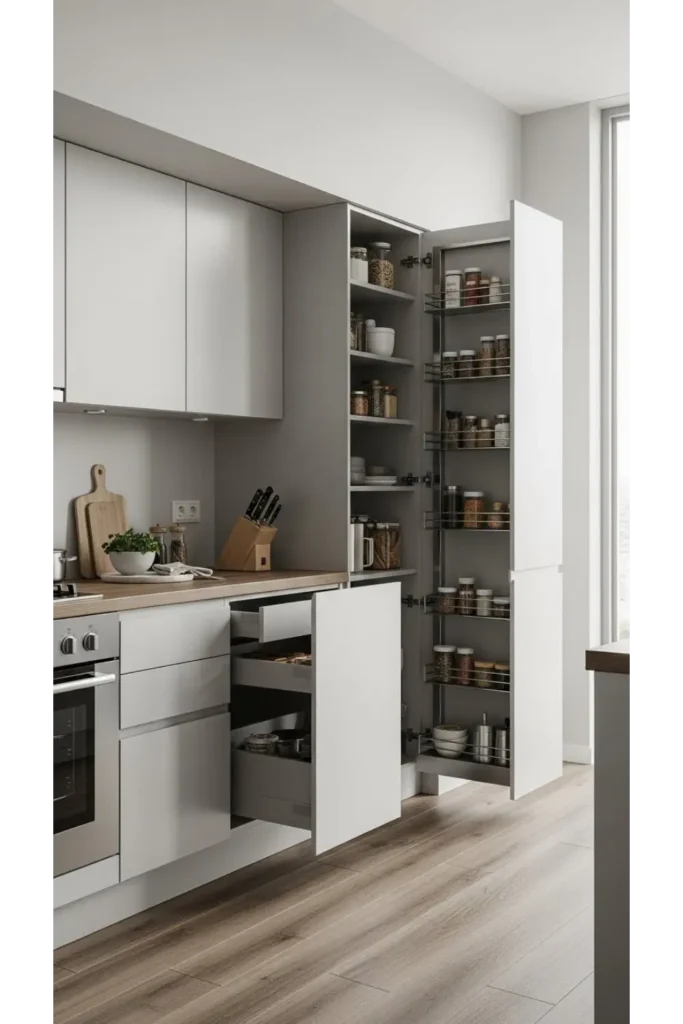
Hidden storage keeps compact kitchens organized while maintaining a clean appearance. Pull-out drawers, toe-kick storage, and concealed cabinets use overlooked areas effectively. These features prevent clutter from taking over visible surfaces.
When storage stays out of sight, the kitchen feels calmer and more spacious. This approach supports both function and visual simplicity in apartment living.
8. Reflective Surfaces For Depth
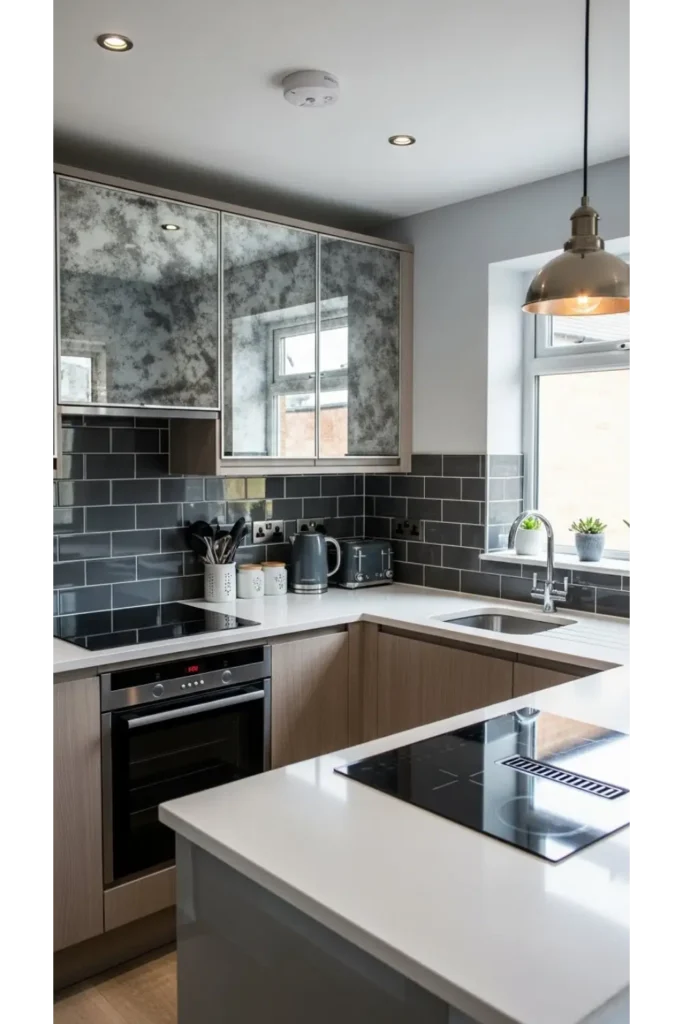
Reflective surfaces bounce light around the room, creating the illusion of depth. Glossy tiles, polished countertops, and subtle mirrored elements expand the visual space without structural changes
Used carefully, reflection adds brightness and sophistication. It enhances compact kitchens by making them feel open and well-lit, even in apartments with limited natural light.
9. Minimalist Cabinet Hardware
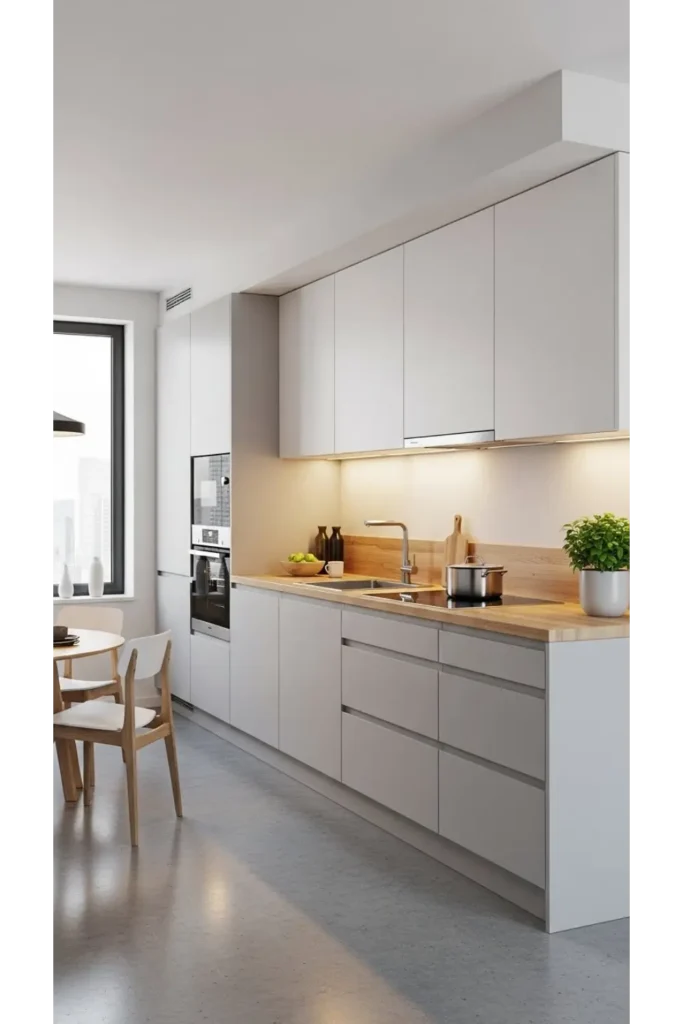
Simple cabinet hardware keeps the design clean and uninterrupted. Handleless or low-profile pulls reduce visual noise and support a streamlined look. This helps small kitchens feel less busy.
Minimal hardware also improves safety and movement in tight spaces. Fewer protrusions mean smoother navigation and a more cohesive appearance overall.
10. Compact Dining Nooks
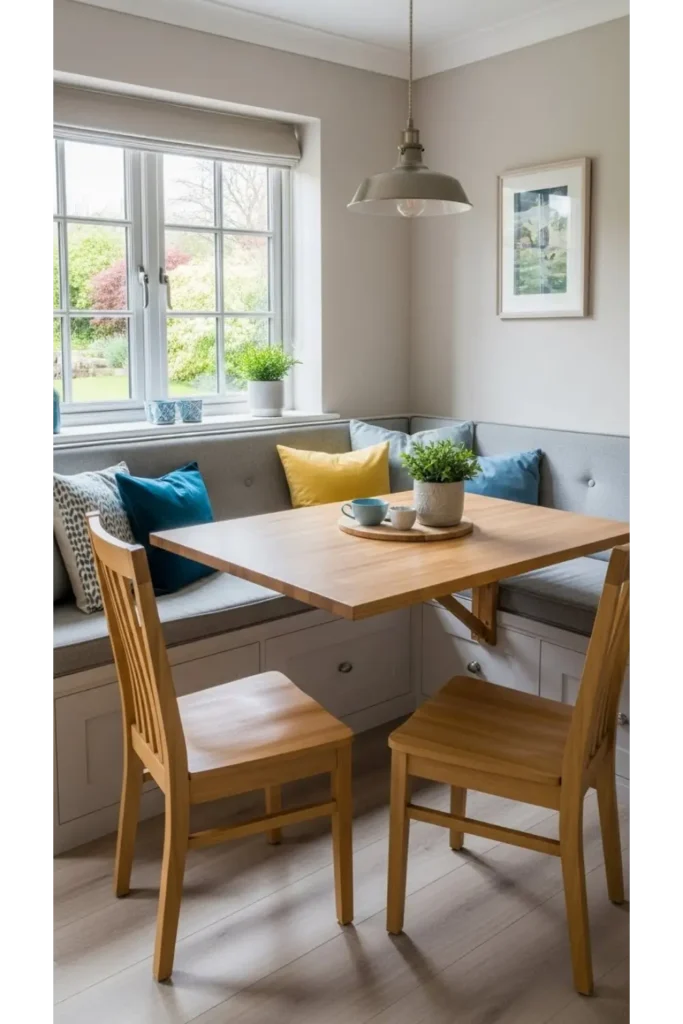
Built-in dining nooks make eating areas possible without consuming extra space. Wall-mounted tables and bench seating tuck neatly into corners. These setups feel intentional and cozy.
Dining nooks also support daily routines without requiring a separate dining room. They turn compact kitchens into complete living spaces.
11. Smart Lighting Layers
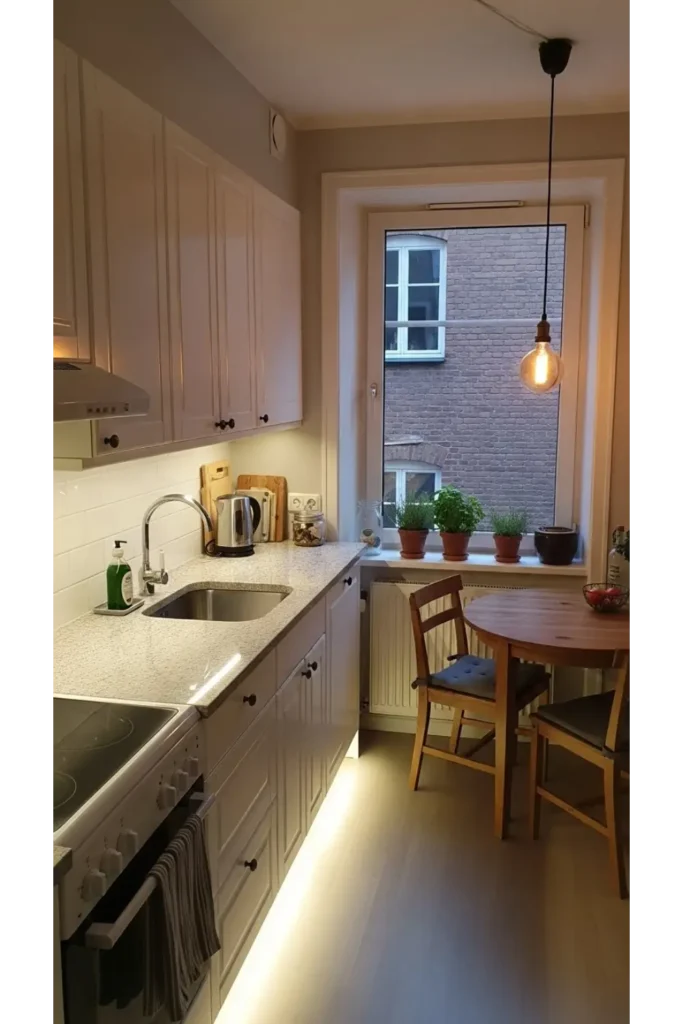
Layered lighting improves both function and mood. Task lighting under cabinets supports food prep, while ambient lighting softens the overall feel. Together, they create balance.
Good lighting prevents small kitchens from feeling closed in. Bright, even illumination makes the space more welcoming and easier to use at any time of day.
12. Integrated Appliances For Seamless Design
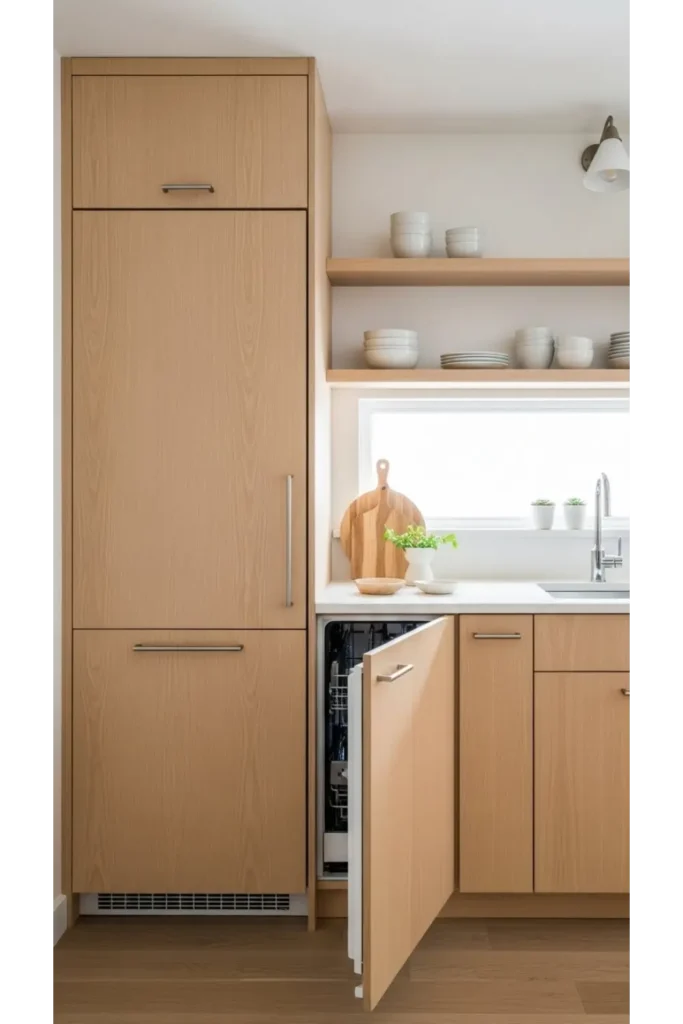
Integrated appliances blend into cabinetry, reducing visual breaks. This seamless look keeps compact kitchens from feeling crowded with bulky elements.
When appliances disappear into the design, the kitchen feels calmer and more spacious. Integration supports both aesthetics and efficient use of space.
13. Fold Down Work Surfaces
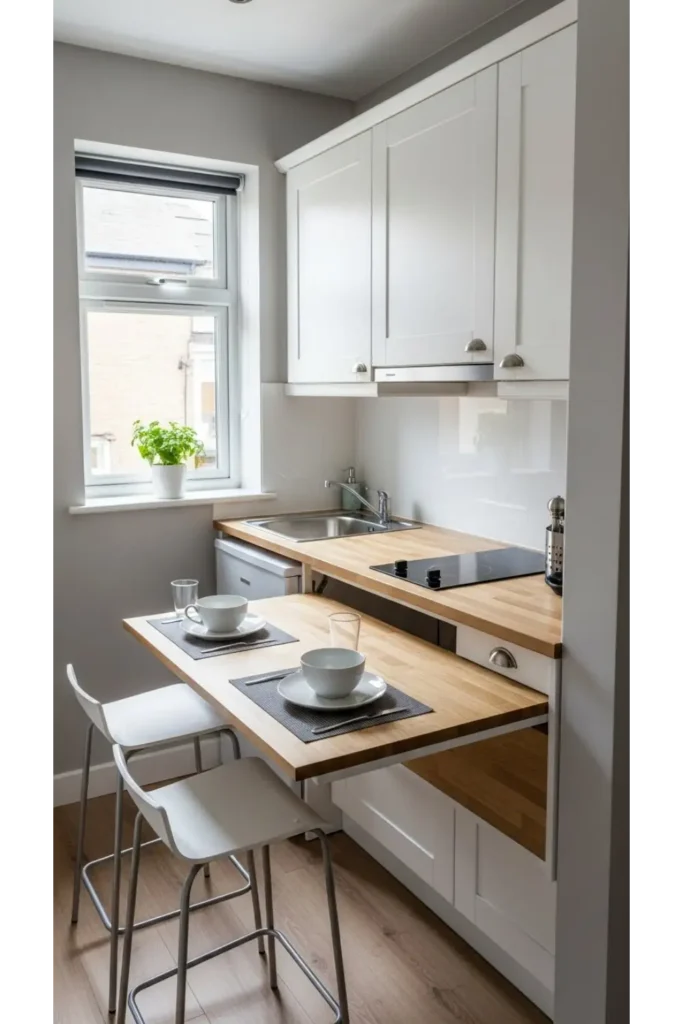
Fold-down work surfaces solve one of the biggest challenges in small kitchens by adding usable prep space without claiming it permanently. When folded up, they provide a sturdy area for chopping, mixing, or plating meals. When folded down, they restore open movement, which is essential in compact apartments where every step and turn matters during daily cooking routines.
These surfaces work especially well near cooking zones or windows, where natural light improves visibility. Many designs also include hidden brackets or slim hardware, keeping the look clean and modern. This balance between flexibility and structure supports efficient cooking while maintaining visual openness in tight kitchen layouts.
14. Corner Storage Optimization
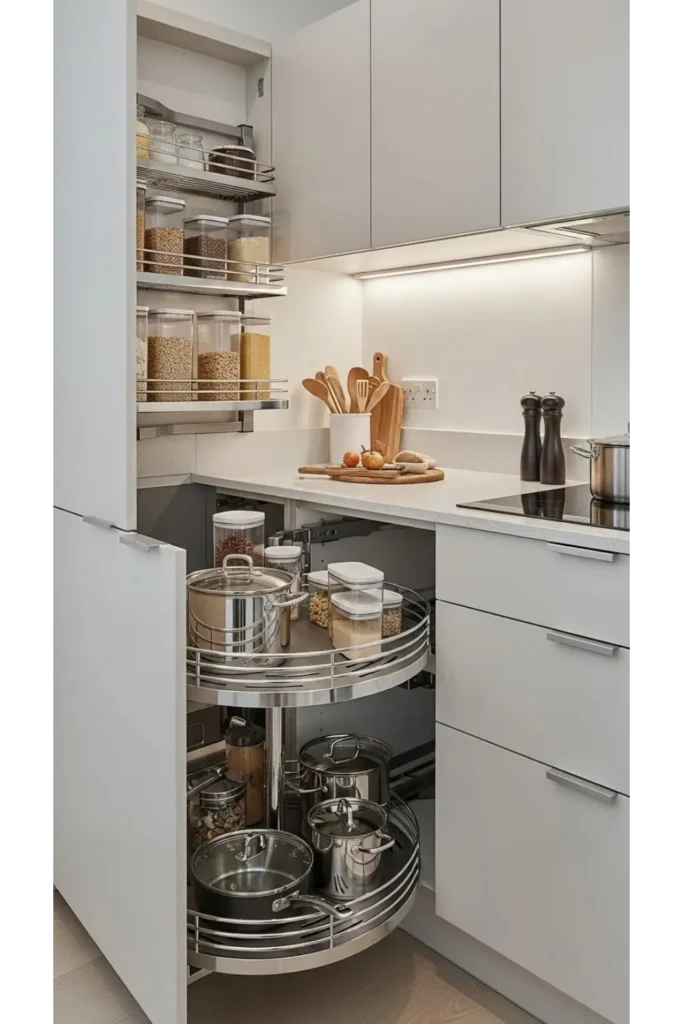
Corner cabinets often become wasted space, but thoughtful storage solutions turn them into high-capacity zones. Rotating shelves, pull-out trays, and angled drawers allow full access to deep corners without strain. This approach improves organization and prevents items from being forgotten or buried behind others.
Optimizing corners increases usable storage without expanding cabinetry. It supports better flow by keeping frequently used items within reach. In compact kitchens, smart corner storage helps maintain order while protecting valuable counter and walkway space.
15. Consistent Material Choices
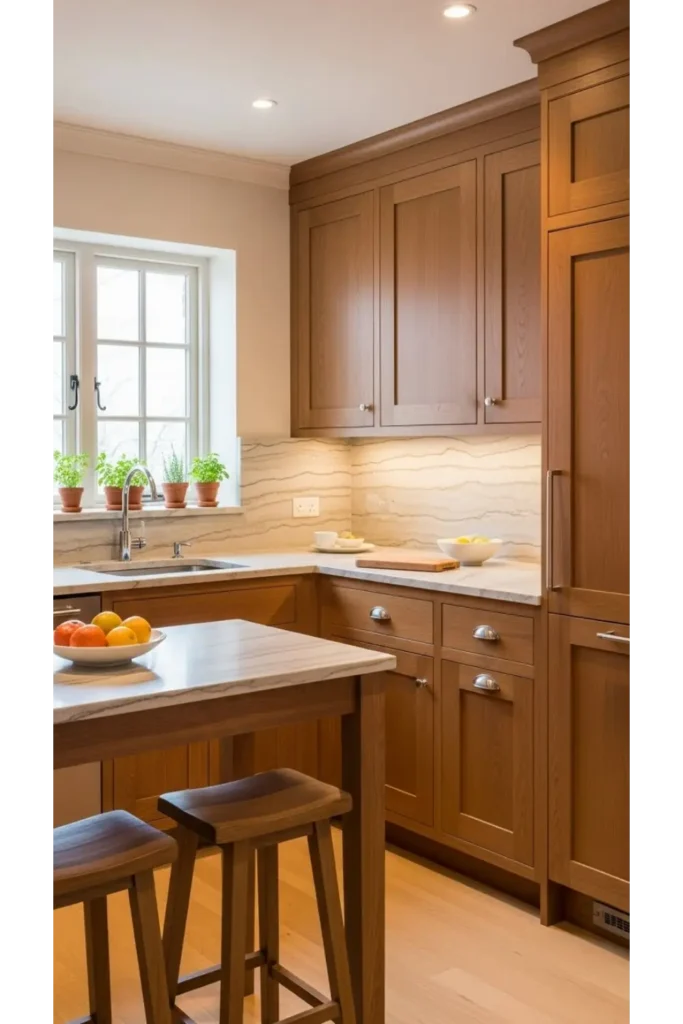
Using consistent materials across cabinetry, counters, and backsplashes creates a sense of unity that visually enlarges a small kitchen. When finishes repeat, the eye moves smoothly across the space instead of stopping at sharp contrasts. This makes compact kitchens feel calmer and more intentional.
Material consistency also simplifies maintenance and long-term upgrades. Whether using wood tones, stone textures, or matte finishes, repetition builds balance. In apartments where space is limited, visual harmony becomes a powerful design tool that enhances comfort and usability.
16. Wall-Mounted Faucets And Fixtures
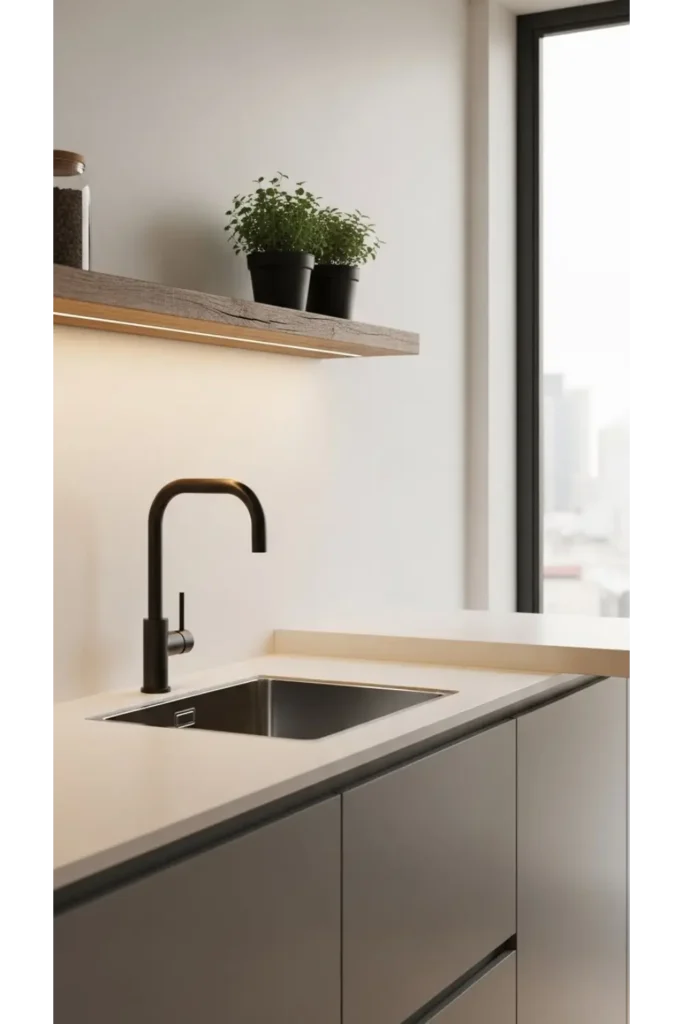
Wall-mounted faucets free up valuable counter space while adding a clean, refined look. By moving fixtures off the countertop, sinks become easier to clean and less cluttered. This setup also allows for slightly smaller sink bases, which helps preserve storage below.
These fixtures work well in modern and transitional kitchens alike. They reduce visual bulk and improve efficiency around the sink area. In compact kitchens, small adjustments like this create noticeable improvements in both function and appearance.
17. Narrow Walkways With Clear Flow
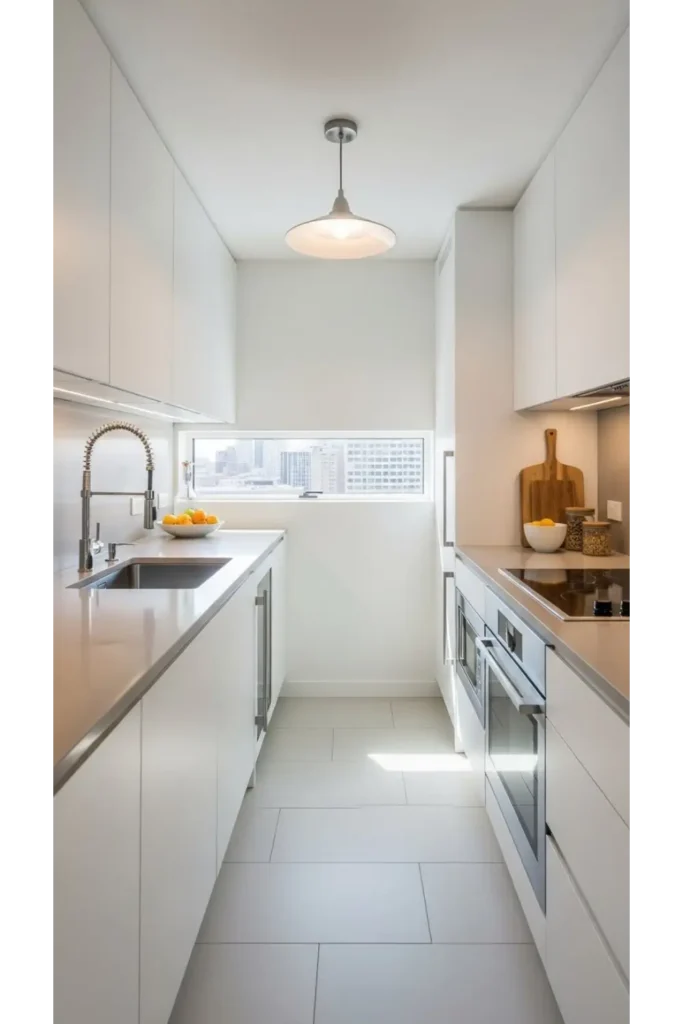
Narrow walkways can work beautifully when planned with intention. Keeping paths clear of obstacles improves safety and comfort, even in tight layouts. Proper spacing between counters and appliances allows smooth movement without bumping or turning sideways.
Clear flow matters more than wide aisles in compact kitchens. Strategic appliance placement and minimal protrusions help maintain rhythm. When movement feels natural, the kitchen becomes easier to use and less stressful during busy cooking moments.
18. Built-In Trash And Recycling
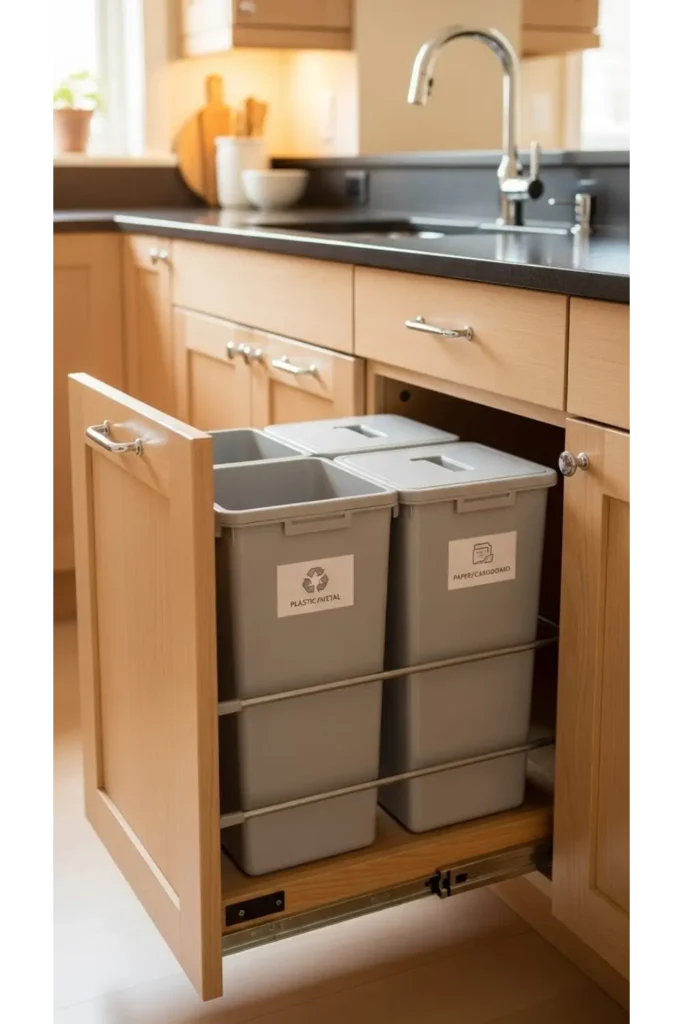
Built-in trash and recycling systems keep waste hidden and kitchens visually clean. Pull-out drawers allow easy access while preventing bins from taking up floor space. This improves hygiene and supports better organization in compact apartments.
Separating waste inside cabinetry also encourages consistent recycling habits. By integrating these systems into daily workflow, kitchens stay tidy without extra effort. Small kitchens benefit greatly from keeping functional elements out of sight.
19. Statement Backsplashes In Small Doses
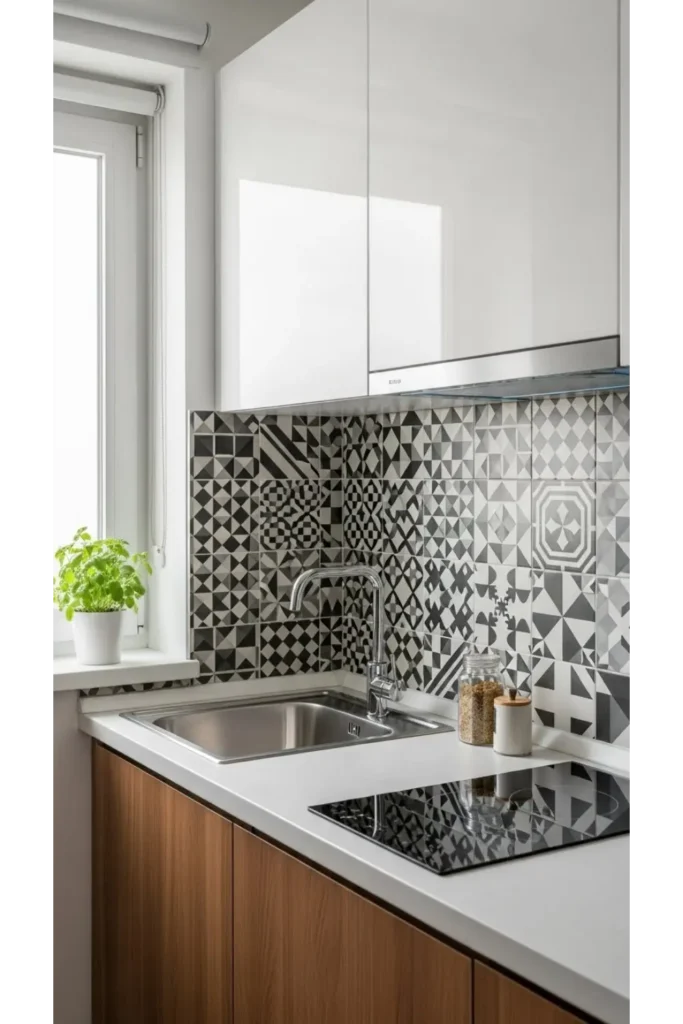
A statement backsplash adds personality without overwhelming a small kitchen when used selectively. Limiting bold tile to one focal area creates visual interest while preserving balance. It draws attention upward and adds depth to otherwise simple layouts.
Choosing durable, easy-to-clean materials ensures long-term practicality. When scaled correctly, a backsplash becomes an artistic element that enhances character without shrinking the space visually.
20. Sliding Doors Instead Of Hinged
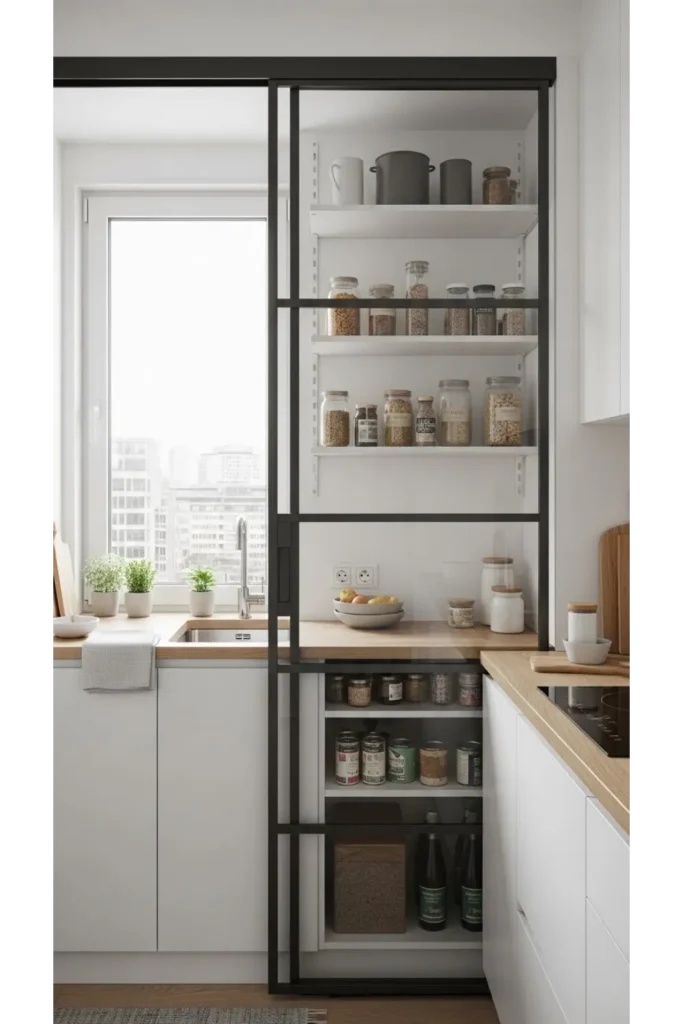
Sliding doors eliminate the clearance needed for traditional hinged doors. This makes them ideal for pantries, utility areas, or kitchen entrances. They improve access while protecting valuable walking and prep space.
These doors also support cleaner layouts and smoother flow. Whether pocket-style or surface-mounted, sliding doors reduce congestion and enhance movement in compact kitchens where every inch matters.
21. Personalized Yet Practical Decor
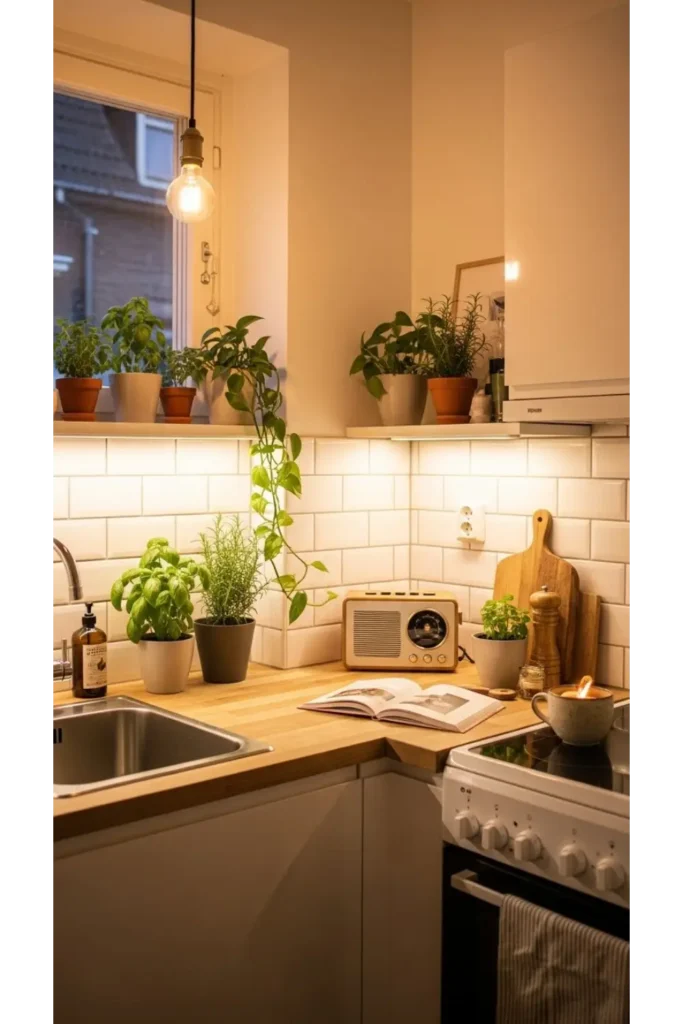
Decor brings warmth to compact kitchens when chosen thoughtfully. Small plants, framed prints, or textured accessories add personality without cluttering surfaces. Keeping decor purposeful ensures the kitchen remains functional first.
Practical decor choices also support daily use. Items that serve both aesthetic and functional roles maintain balance. This approach creates a welcoming kitchen that feels lived-in, not overcrowded.
22. Thoughtful Zoning For Daily Tasks
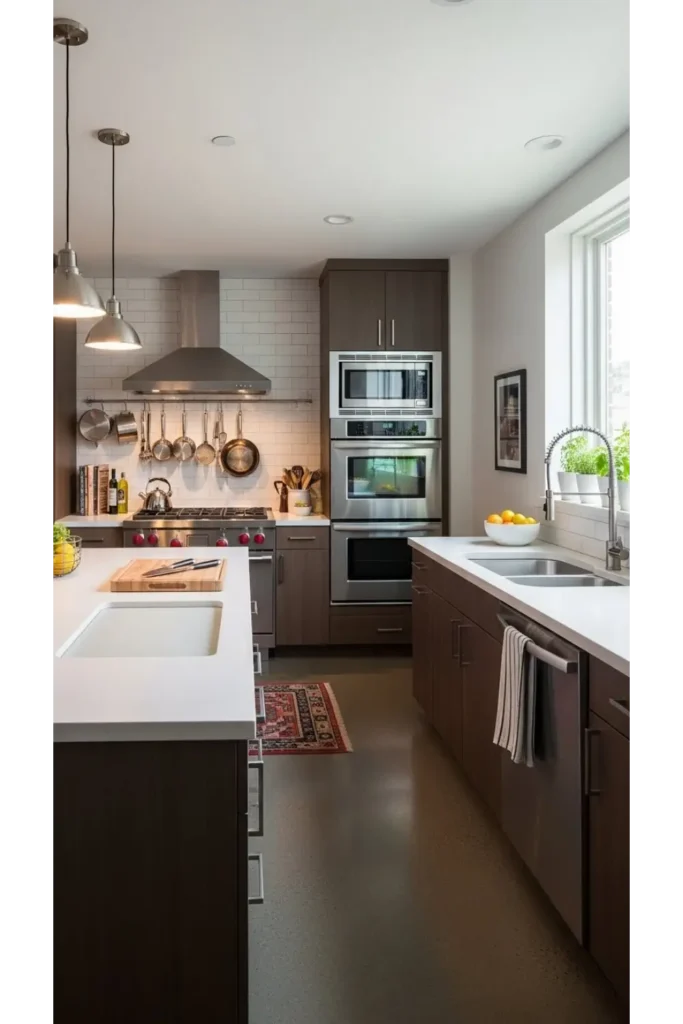
Zoning organizes kitchen tasks into clear, efficient areas. Separating prep, cooking, and cleaning zones reduces overlap and confusion. This structure improves workflow and saves time during meal preparation.
Even in compact kitchens, zoning creates order and rhythm. When tools and supplies stay close to their task areas, the kitchen feels easier to manage. Clear zones support smoother routines and better use of limited space.
Conclusion
Compact kitchens thrive on intention, not size. With smart planning, efficient storage, and thoughtful design choices, small apartment kitchens can feel functional, stylish, and comfortable. These apartment kitchen ideas for compact living focus on real solutions that support daily routines while enhancing visual space. When every decision serves a purpose, even the smallest kitchen can deliver big results for modern apartment life.