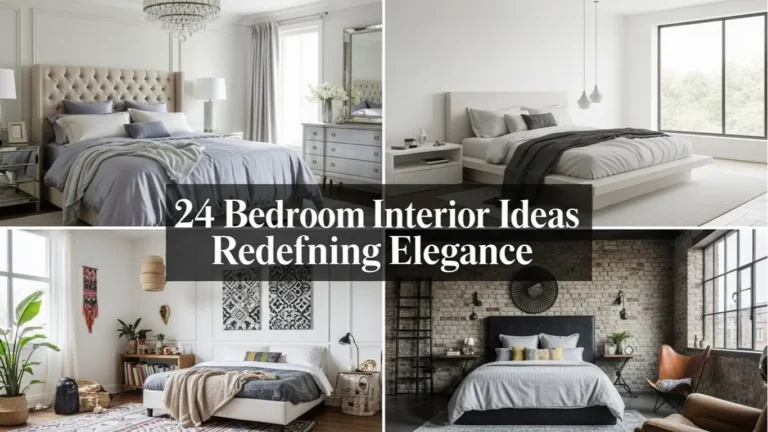

Bedroom aesthetic ideas inspiration grounded in how real people live
Bedroom aesthetic ideas inspiration should feel natural, not staged. A bedroom is not a showroom. It is the place where the day slows down. In many Brooklyn homes near Atlantic Avenue, Clinton Street, and the quieter blocks around Prospect Park, bedrooms reflect routine more than trends. The most inviting bedrooms feel calm because they support rest, light control, and comfort first.
A strong bedroom aesthetic starts with understanding how the space is used. Morning light, evening noise, and daily habits shape every choice. When a room works well, style follows without effort. Inspiration comes from balance, not decoration.
How layout quietly defines bedroom aesthetics
Layout shapes how a bedroom feels more than any decor item. In narrow apartments near Nostrand Avenue or older walk ups close to Fulton Street, the position of the bed sets the tone. When the bed feels balanced, the room feels calm. When it feels forced, nothing else settles.
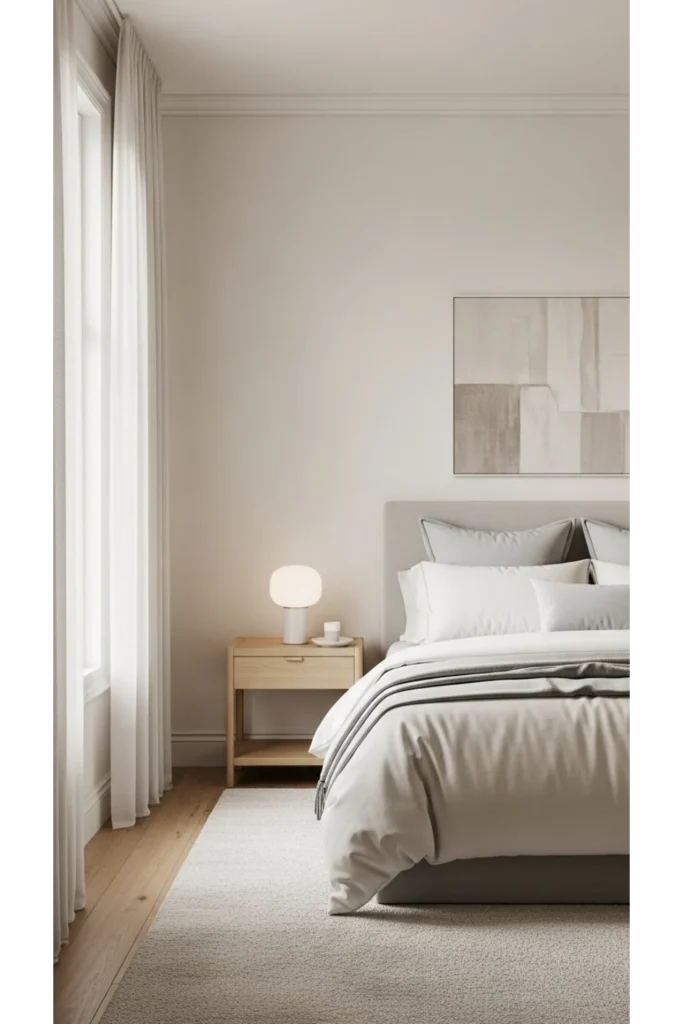
Centering the bed often creates symmetry and visual rest. In tighter rooms, placing the bed along the longest wall improves flow. Clear walkways matter. A bedroom aesthetic feels intentional when movement feels easy and nothing blocks access to windows or doors.
FAQ: Why does layout matter more than decor?
Layout controls comfort, movement, and visual calm before style choices matter.
Color choices that support calm and consistency
Color influences mood quickly. Bedrooms benefit from softer tones that reduce contrast. Homes near Prospect Park often receive gentle natural light and can handle warmer neutrals. Rooms closer to busy roads like Flatbush Avenue feel calmer with lighter shades that soften visual noise.
Limiting the palette creates cohesion. Two or three related tones work better than many competing colors. Neutral walls allow texture and light to define the aesthetic. Color should support rest, not stimulation.
Texture as the quiet layer of style
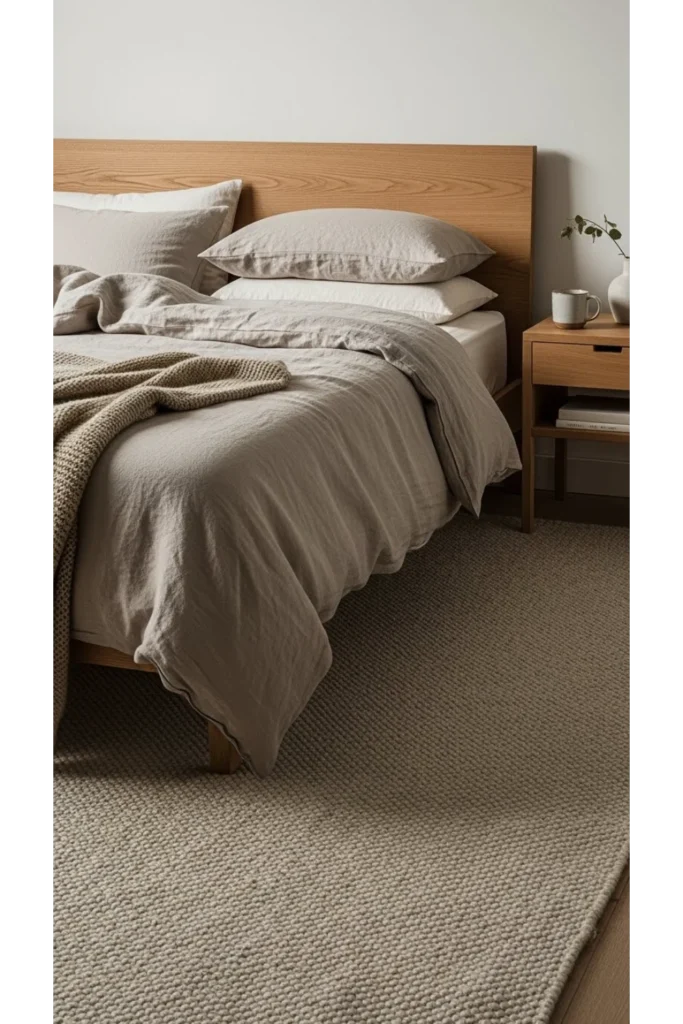
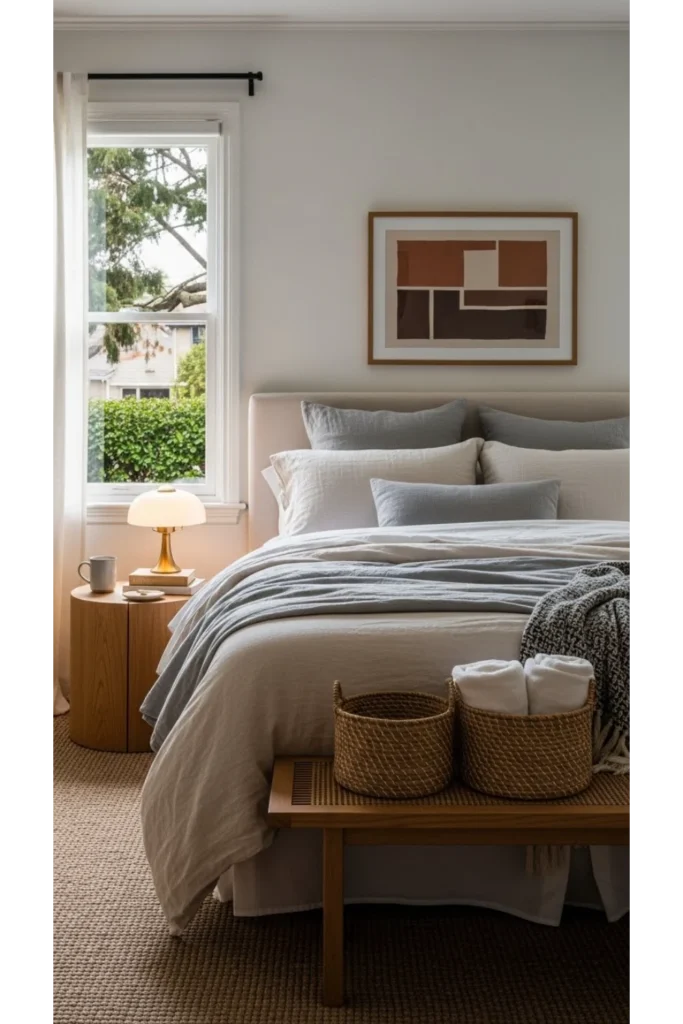
Texture adds depth without clutter. Linen bedding, cotton curtains, wool rugs, and natural wood surfaces bring warmth and comfort. In older apartments near Brooklyn Heights, texture balances architectural details like molding or original floors.
When texture replaces pattern, the bedroom feels grounded. The room looks finished without feeling busy. Texture allows personality to show without raising visual volume.
FAQ: How do you add warmth without clutter?
Use natural textures instead of extra decor.
Lighting that shapes mood and rest
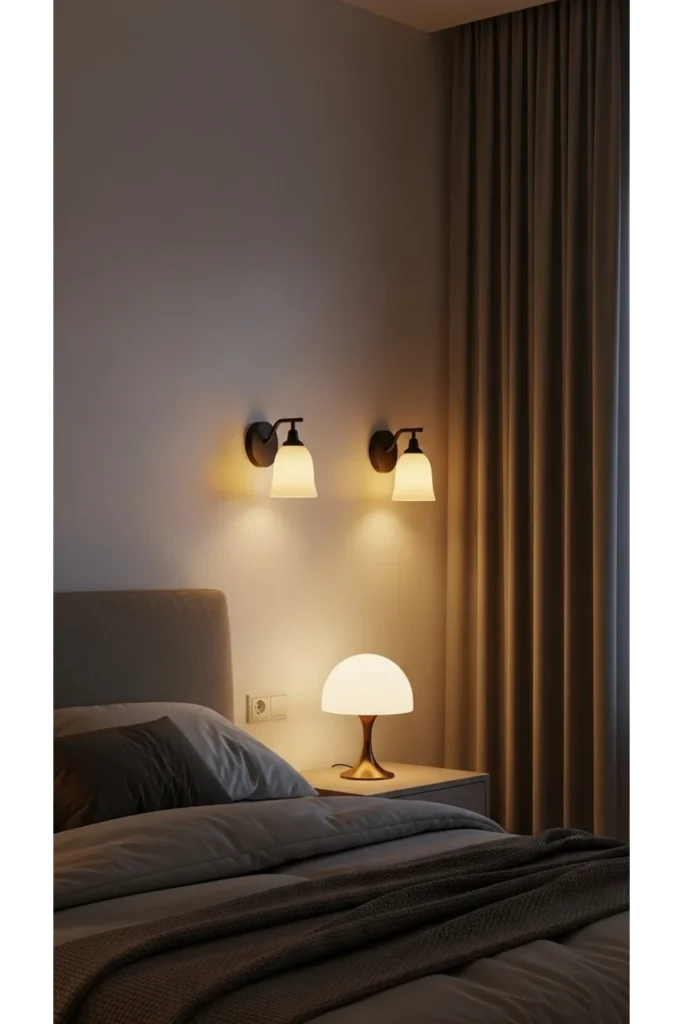
Lighting defines how a bedroom feels at night. Harsh overhead lights disrupt calm. Many homes near the Brooklyn Heights Promenade rely on table lamps, wall sconces, and indirect lighting instead. Light placed at eye level helps the body relax. Warm bulbs soften walls and fabrics. They allow the room to feel welcoming without decoration. In well lit bedrooms, light itself becomes part of the aesthetic.
Bedding as the anchor of bedroom style
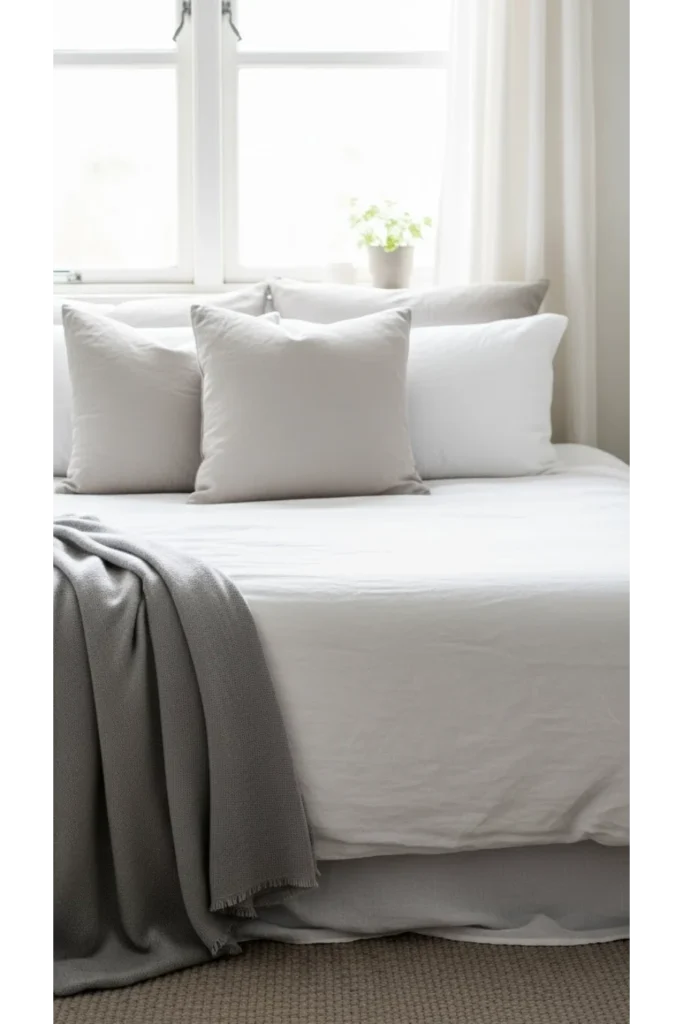
Bedding covers the largest surface in the room. It sets tone instantly. Solid colors feel calm and adaptable. White, cream, and soft gray work across seasons. Texture matters more than pattern. Linen and cotton feel breathable and honest. Too many pillows or layers make the bed feel staged. A few well chosen pieces create a bedroom aesthetic that feels usable and real.
FAQ: Should bedding match the walls?
No. Gentle contrast adds balance and depth.
Decor that adds meaning, not noise
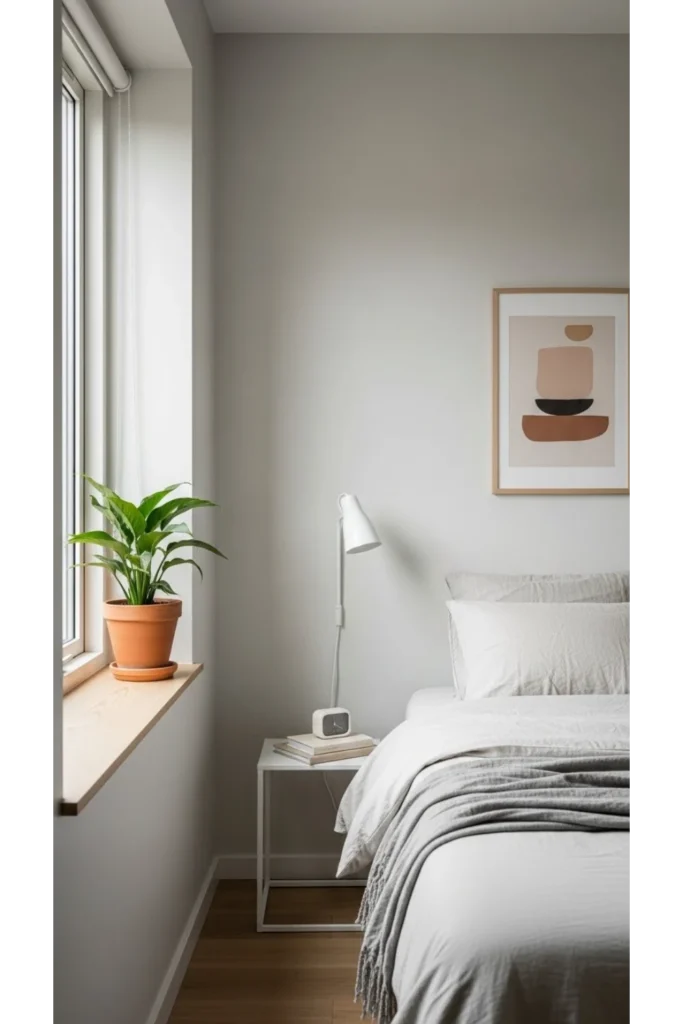
Decor should feel personal and limited. One artwork with meaning carries more weight than many small items. A single plant near a window adds life and softness. In smaller bedrooms near Myrtle Avenue, clear surfaces help the room feel larger and calmer. Decor works best when it feels chosen. Every object should earn its place. When decor feels intentional, the room feels settled.
Bedroom aesthetic inspiration for small spaces
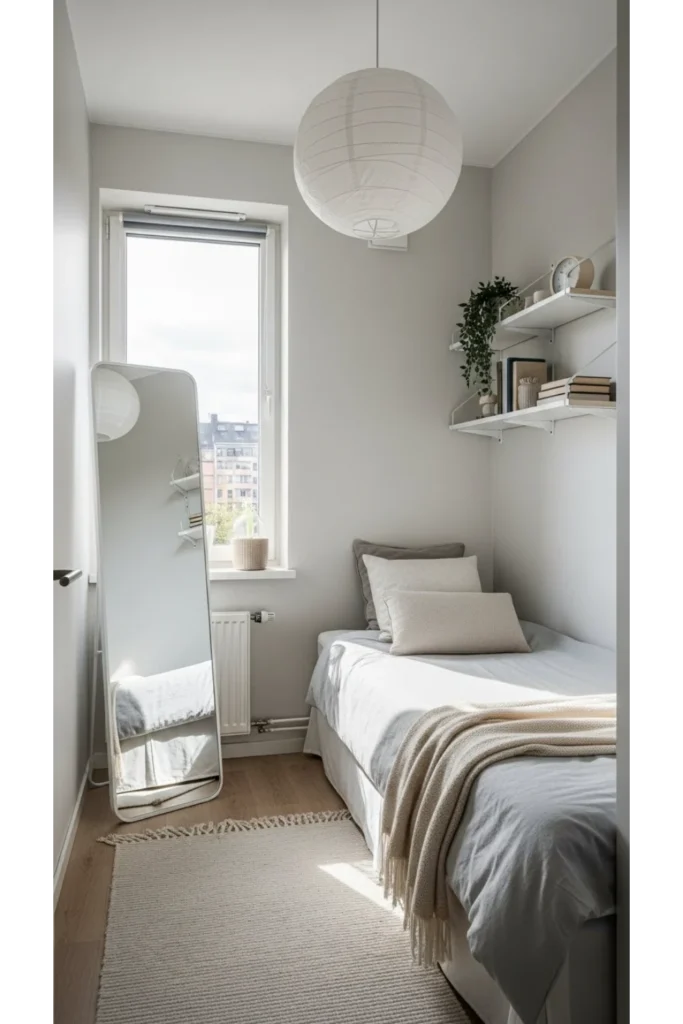
Small bedrooms need clarity. Light colors reflect light and expand space visually. Mirrors placed opposite windows help distribute natural light. Wall mounted shelves and lighting save floor space. Slim furniture profiles keep the room open. In compact apartments near Clinton Avenue, these choices allow style without crowding.
FAQ: Can small bedrooms still feel aesthetic?
Yes. Simplicity creates clarity and style.
Bedroom aesthetics in modern city homes
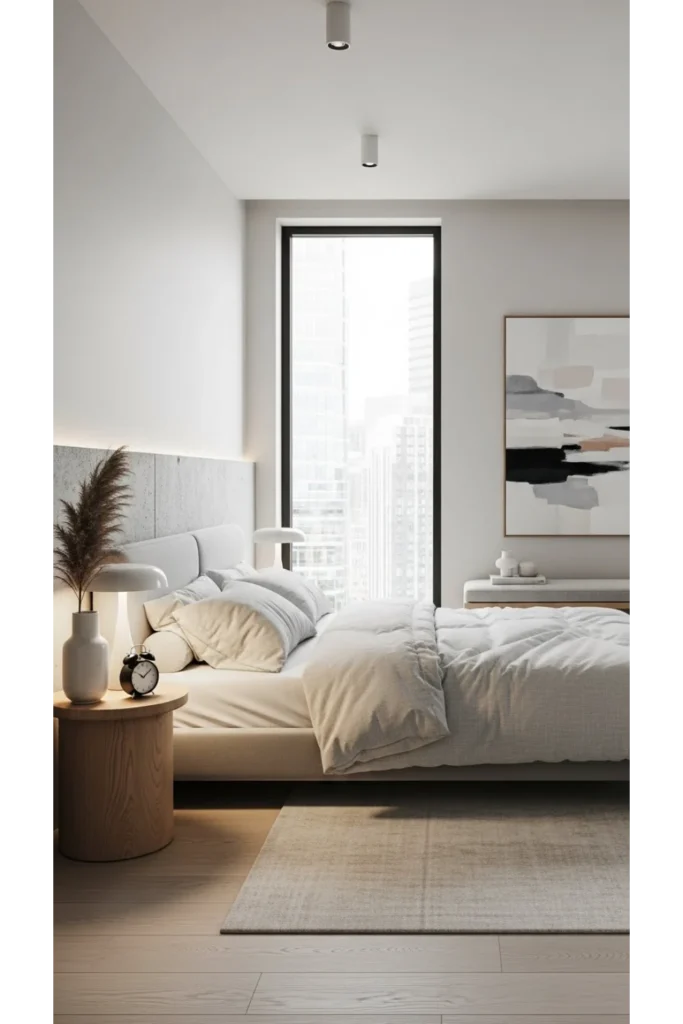
Modern bedrooms focus on function and clean lines. Furniture stays low and simple. Neutral palettes dominate. Texture adds warmth where color stays restrained. In neighborhoods near DUMBO, modern bedrooms often mix concrete, wood, and soft fabric. This balance feels current while staying calm. The aesthetic supports daily life rather than distracting from it.
Bedroom aesthetics in older apartments
Older apartments bring character and history. Minimal interference works best. Light furniture balances heavy architectural features. Neutral colors allow original details to stand out. Homes near Brooklyn Heights often succeed by letting floors, trim, and ceiling height shape the aesthetic. The room feels respectful of its past while still livable.
Seasonal shifts that refresh bedroom aesthetics
A bedroom does not need constant change. Small seasonal shifts keep the space fresh. In summer, lighter bedding and fewer layers help with comfort. In winter, adding texture through throws or rugs adds warmth. Homes near the waterfront benefit from breathable fabrics year round. Seasonal updates should focus on textiles, not furniture.
FAQ: How often should bedroom decor change?
Seasonal updates keep rooms fresh without disruption.
Common mistakes that break bedroom aesthetics
Too much decor creates stress. Oversized furniture overwhelms rooms. Poor lighting flattens even thoughtful design. Ignoring layout leads to discomfort no matter how stylish the room looks. A strong bedroom aesthetic works when every choice supports rest and ease.
Professional guidance on bedroom aesthetics
Design professionals emphasize rest focused spaces. Guidance aligned with the American Society of Interior Designers highlights the value of calm layouts, controlled lighting, and minimal visual distraction. A bedroom should restore energy, not drain it. When aesthetic choices grow from how a space is used daily, the result feels personal and lasting.
FAQ: Do designers prioritize style or comfort?
Comfort comes first. Style follows naturally.
Bedroom aesthetic ideas inspiration that last
Timeless bedrooms feel calm, balanced, and personal. Homes near Prospect Park South and quiet streets off Court Street show this clearly. Thoughtful layout, soft light, honest materials, and limited decor create spaces that support real life. Bedroom aesthetic ideas inspiration should never feel forced. When a room supports rest, the aesthetic feels natural. That is what makes a bedroom last and feel like home.