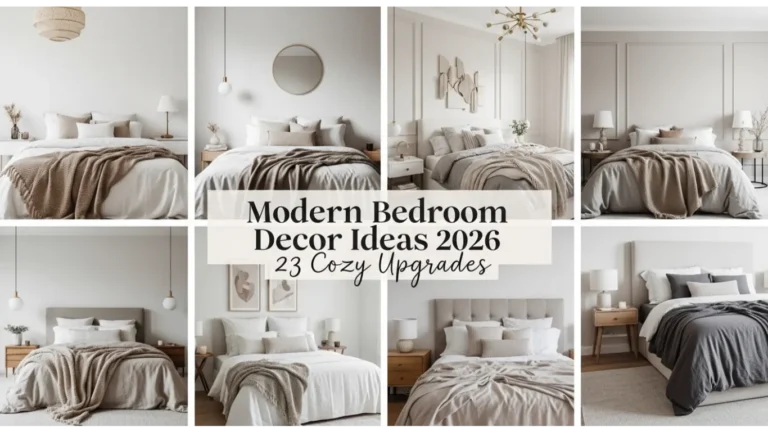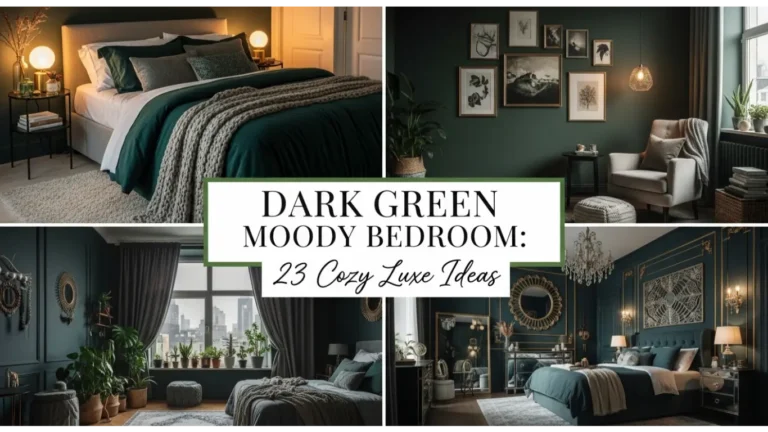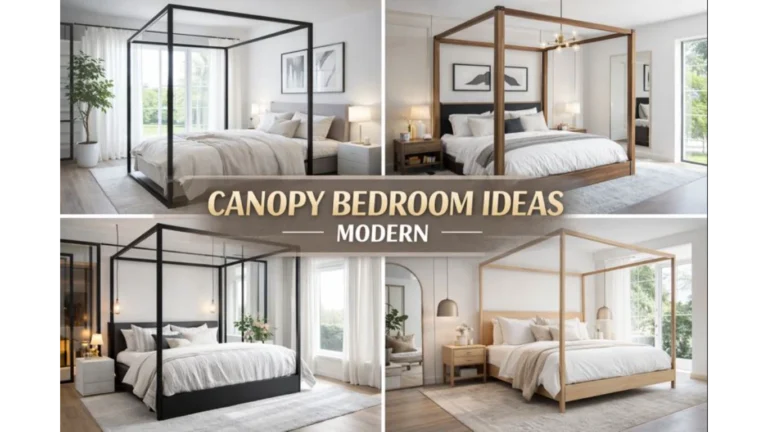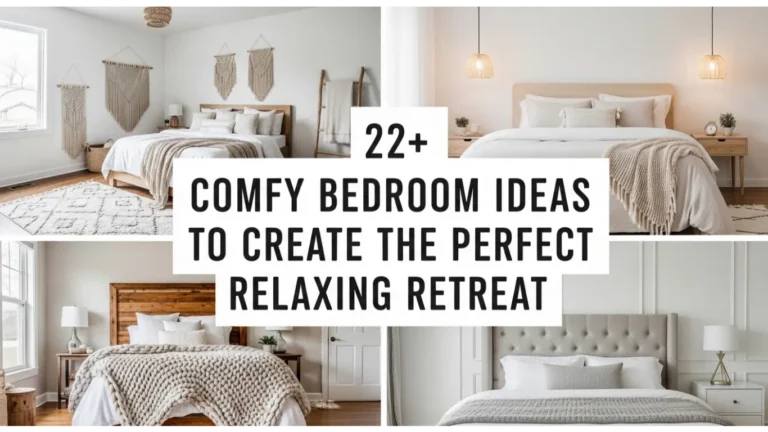
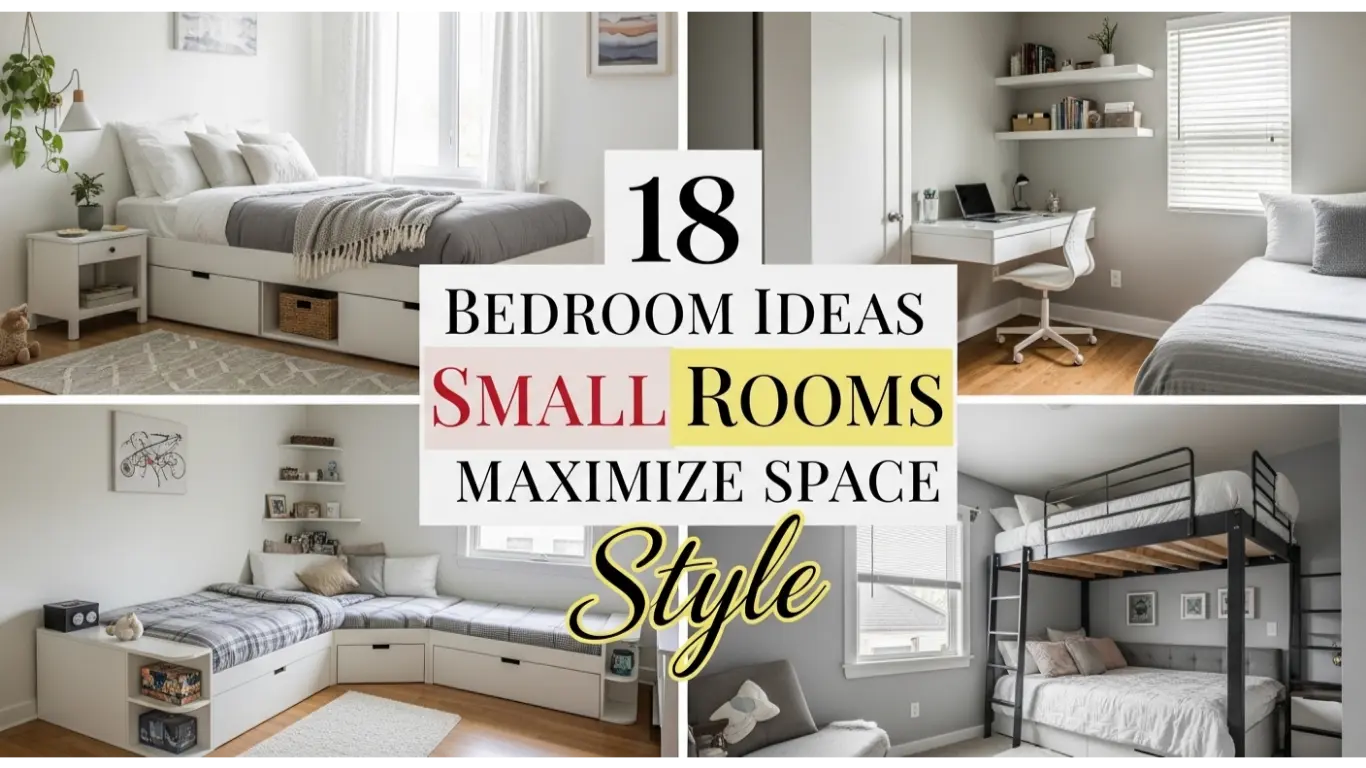
18 Bedroom Ideas Small Rooms Maximize Space Style
A small bedroom can feel tight, cluttered, and limiting when every inch matters. The right design choices change everything. With smart layout planning, layered lighting, and thoughtful storage, you can create a space that feels open, calm, and beautifully styled. These bedroom ideas small rooms maximize space style, and focus on real solutions that improve comfort, increase function, and elevate design without overwhelming the room.
1. Smart Vertical Storage That Expands the Room
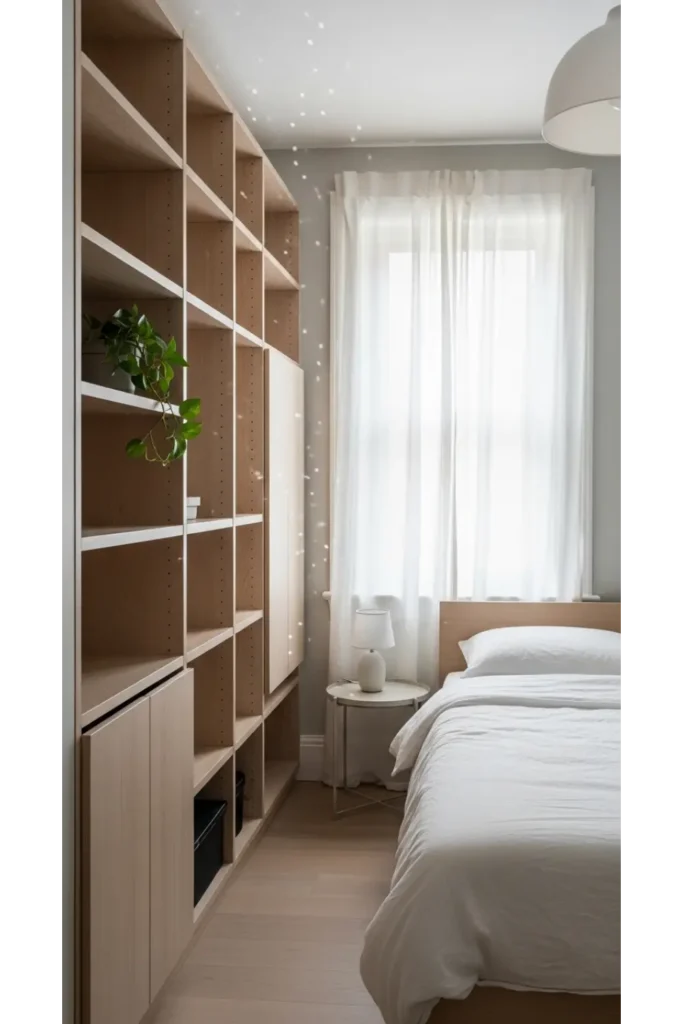
The best bedroom ideas small rooms maximize space style often begin by using height instead of floor area. Install floor to ceiling shelving or slim vertical cabinets to draw the eye upward and create the illusion of higher ceilings. Keep the lower shelves closed for hidden storage and style the upper shelves lightly with books or plants to avoid visual clutter.
Choose shelves in the same tone as your walls to create a seamless look. This reduces visual breaks and keeps the room feeling open. Vertical storage frees up floor space for better movement, making the layout feel intentional and balanced rather than crowded.
2. A Wall Mounted Bedside Solution
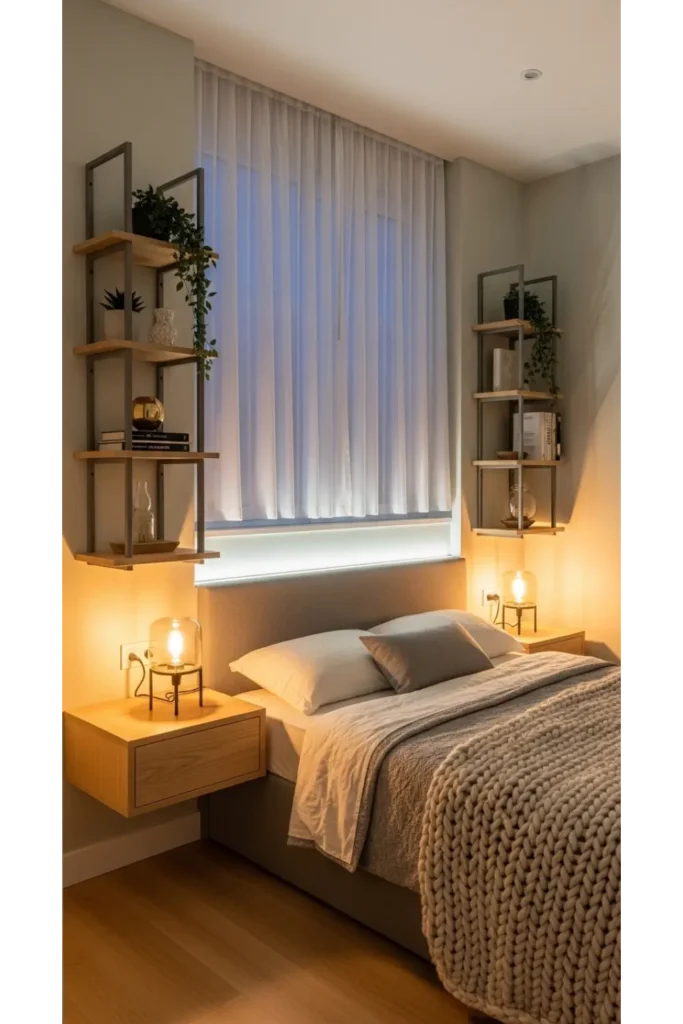
Traditional nightstands often take up valuable space. Replace them with floating shelves or slim wall mounted drawers. This keeps the floor visible, which instantly makes the room feel larger. Install them slightly above mattress height for a clean, modern look that feels custom rather than squeezed in.
Pair floating storage with wall mounted sconces instead of table lamps. This layered approach saves space while improving lighting. The result feels polished, practical, and thoughtfully designed for compact living.
3. The Right Bed Size for Small Layouts
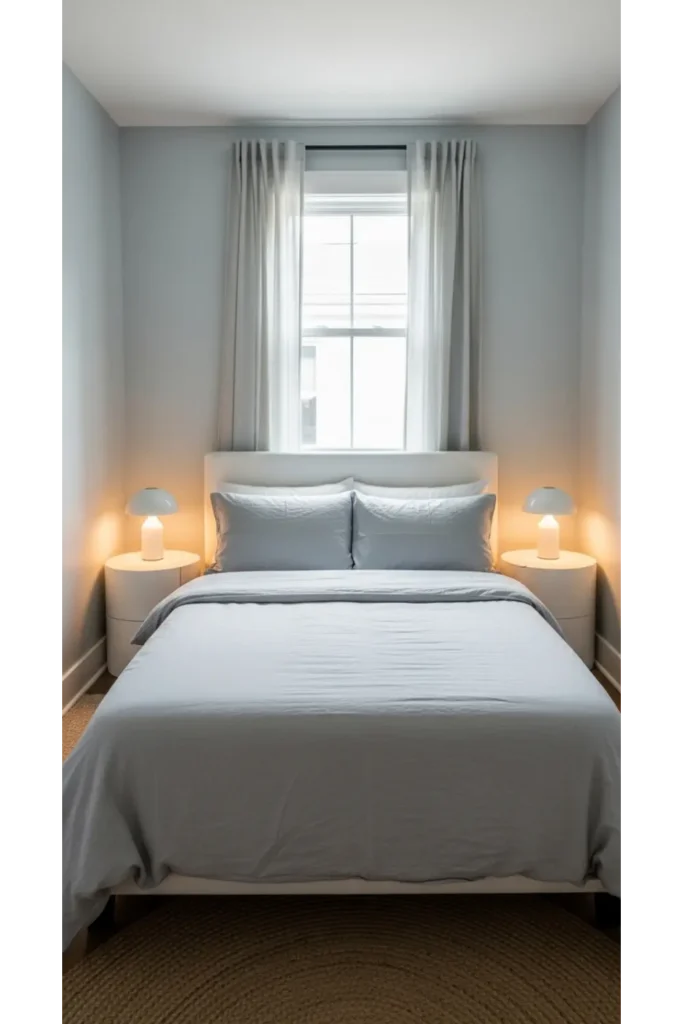
Many small rooms feel cramped because the bed is too large. A full size bed often works better than a queen in tight layouts. Measure walking space around the bed and aim for at least two feet of clearance on one side to maintain flow.
Choose a low profile frame with simple lines. Avoid bulky footboards that block movement. Proportion matters more than trend. When the bed fits the room correctly, the entire space feels calmer and more intentional.
4. Under Bed Storage That Stays Invisible
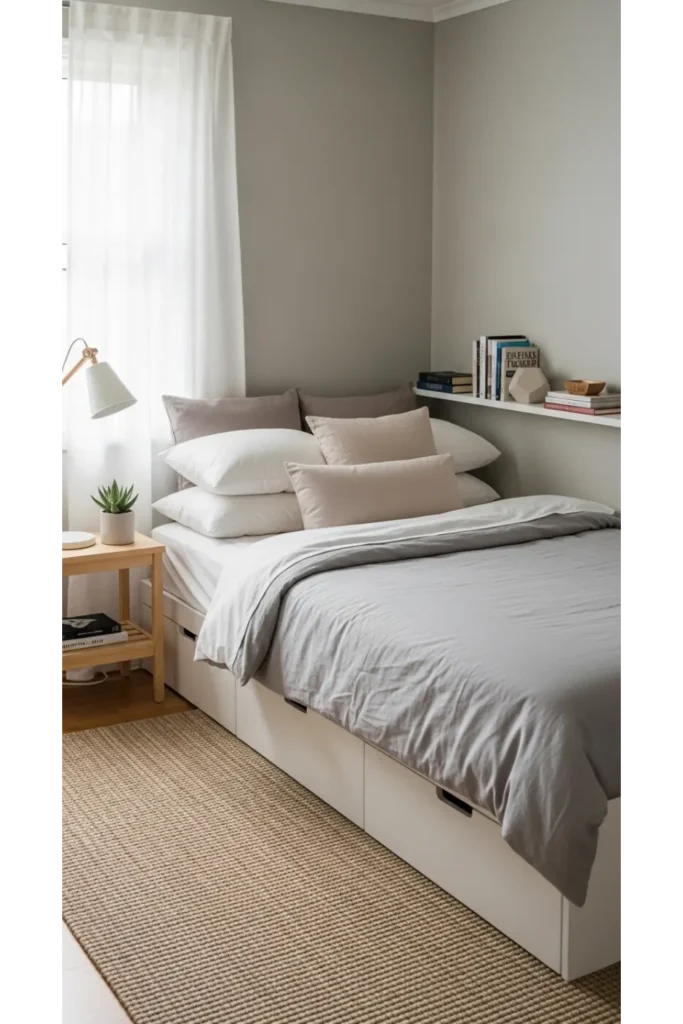
A platform bed with built in drawers creates storage without adding furniture. Store off season clothing, spare linens, or shoes underneath while keeping the room visually clean. This prevents overcrowding with extra dressers or bins.
If your frame does not include drawers, use matching storage boxes that slide fully underneath. Keep colors neutral so they blend in. Hidden storage keeps surfaces clear, which supports a more open and breathable design.
5. Soft Color Palettes That Open the Space
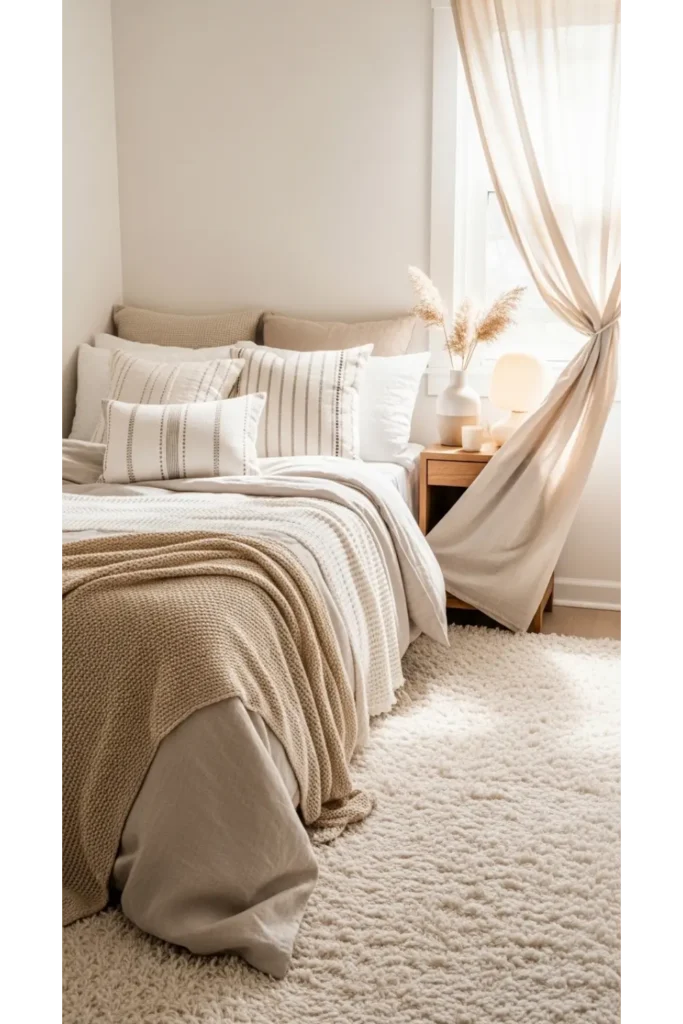
Light colors reflect more light and reduce visual heaviness. Choose warm whites, soft beige, muted sage, or dusty blue to create depth without darkness. Avoid stark white that can feel cold and flat in compact spaces.
Layer similar tones across bedding, walls, and curtains to create harmony. When colors flow smoothly, the eye moves easily across the room. This visual continuity makes small bedrooms feel more expansive.
6. Mirrors Placed With Purpose
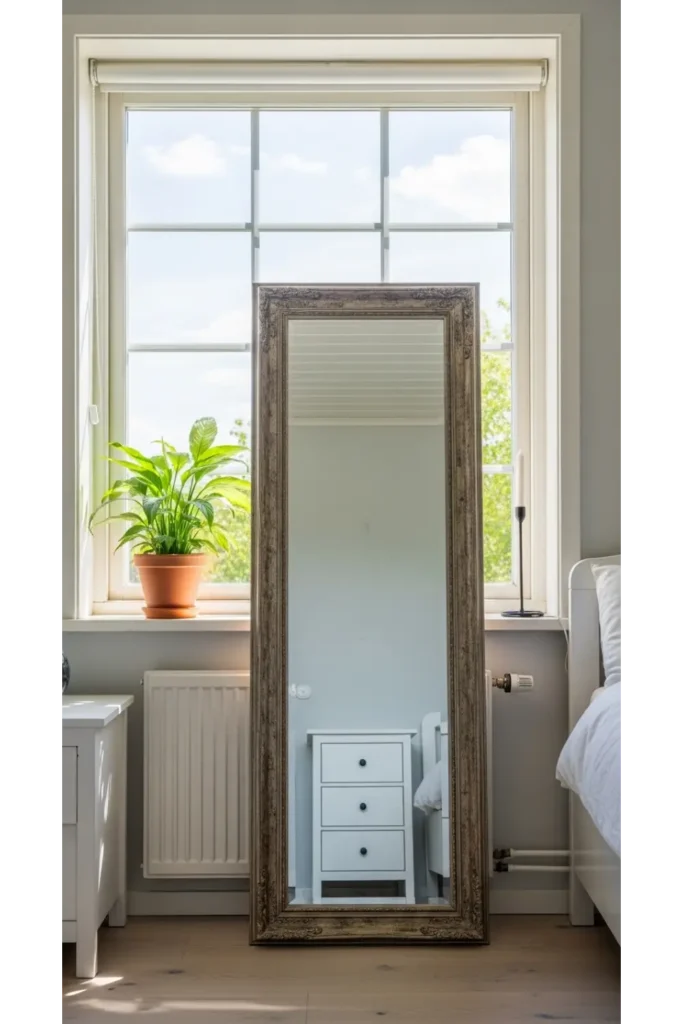
Mirrors expand light when placed correctly. Position a tall mirror across from a window to reflect natural brightness throughout the room. This doubles the impact of daylight and reduces shadows.
Avoid placing mirrors where they reflect clutter or tight corners. Choose slim frames in light finishes for a subtle effect. Strategic placement enhances openness instead of creating visual confusion.
7. Multi Functional Furniture That Works Harder
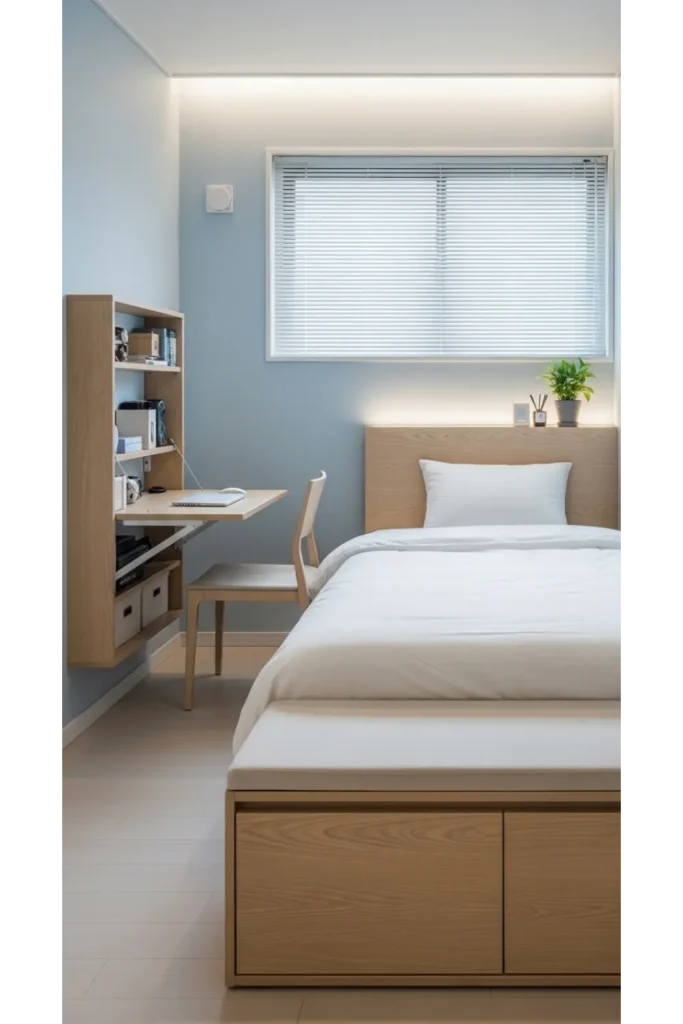
Choose furniture that performs more than one task. A storage bench at the foot of the bed holds blankets while offering seating. A fold down desk transforms a blank wall into a workspace when needed.
This approach keeps the room flexible without overcrowding it. Smart pieces support daily living while maintaining a clean layout. Function and style work together rather than competing.
8. Layered Lighting for Depth
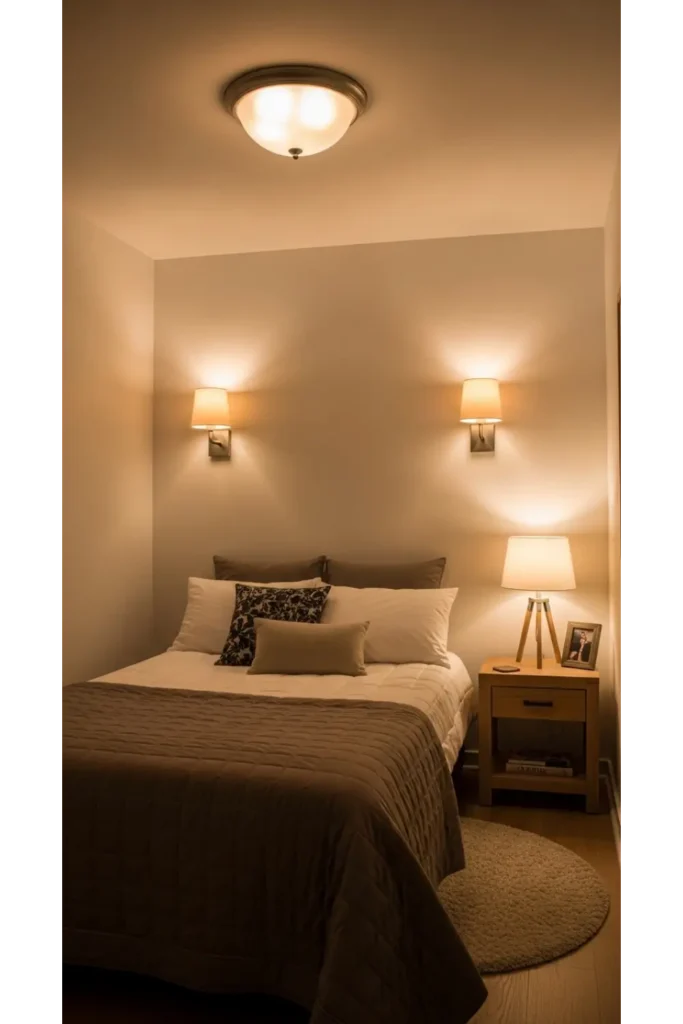
Lighting shapes how large a room feels. Combine ceiling fixtures with wall sconces and soft table lamps to eliminate harsh shadows. Warm bulbs around 2700K create a relaxing glow that feels inviting.
Install dimmers to adjust brightness at night. Balanced lighting prevents dark corners and gives the room dimension. Layering light adds sophistication while keeping the space comfortable.
9. Minimalist Wardrobe Solutions
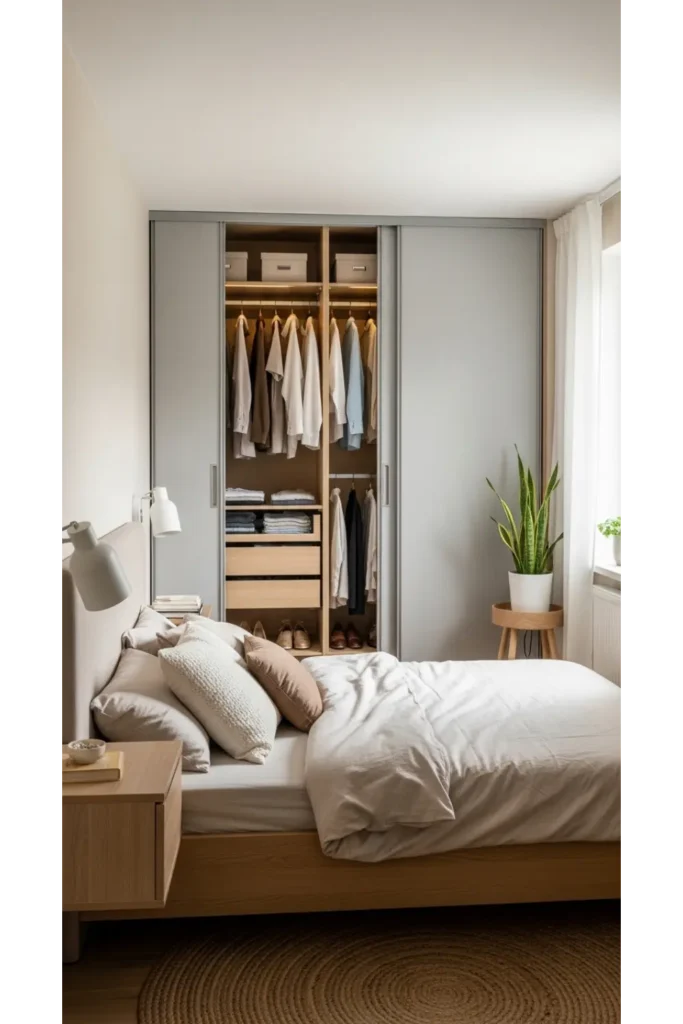
Sliding door wardrobes save space compared to swinging doors. Choose designs with flat panels in soft tones to reduce visual weight. Built in wardrobes that match wall color create a seamless effect.
Organize the interior with slim hangers and dividers to maximize capacity. Efficient storage reduces clutter outside the closet. A tidy wardrobe supports a more spacious atmosphere.
10. Curtains Hung Higher for Height Illusion
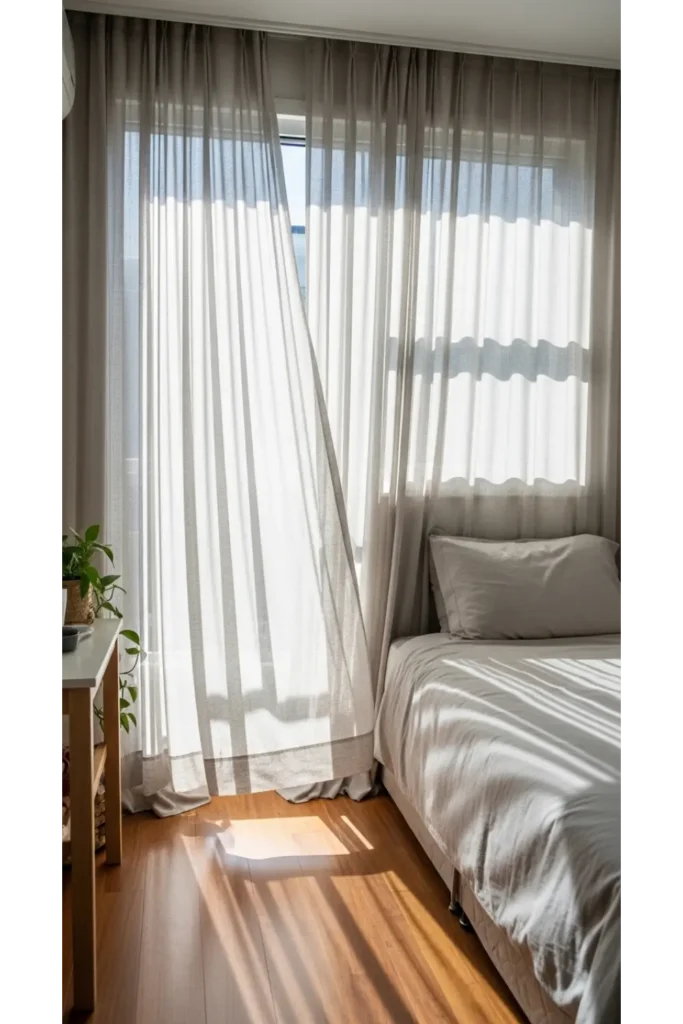
Hang curtains close to the ceiling rather than directly above the window frame. This creates the illusion of taller walls. Use lightweight fabric that allows light to filter through gently.
Choose curtain colors that blend with the wall to maintain visual continuity. The added vertical emphasis makes the room feel more open and elegant.
11. A Compact Window Seat Retreat
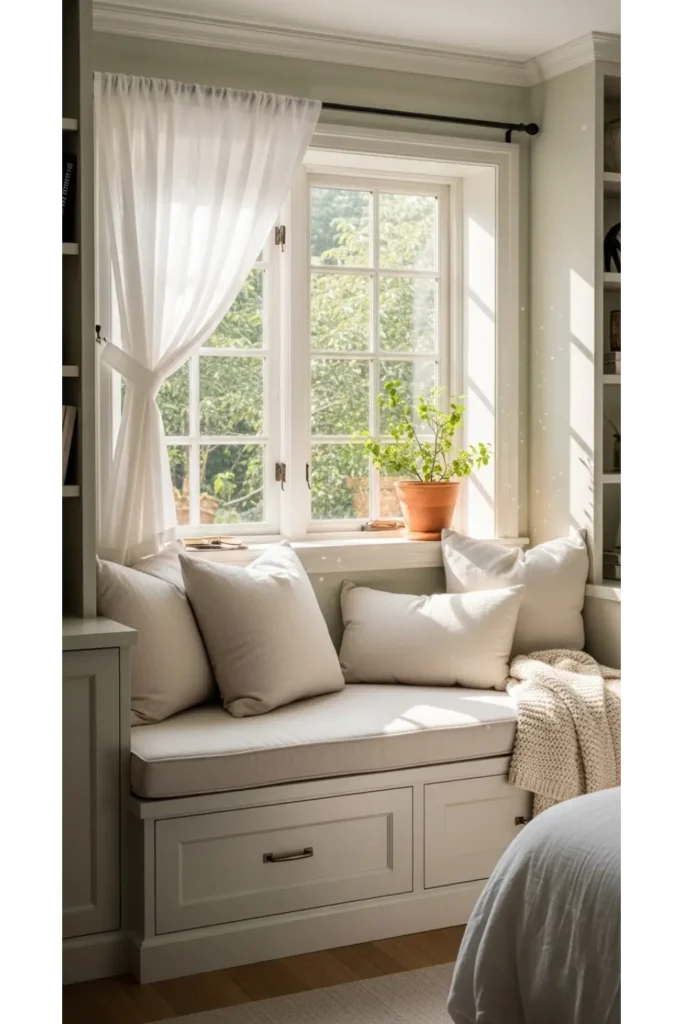
A built in window seat transforms an overlooked area into a functional retreat without crowding the room. Instead of adding a separate chair, use the space beneath a window to install a slim bench with hidden storage inside. This approach saves floor space while adding seating, storage, and architectural charm in one clean solution.
Layer the bench with tailored cushions in soft neutral fabrics and keep patterns subtle to maintain visual calm. Add a small wall mounted reading light to avoid bulky floor lamps. By designing this space thoughtfully, you create a cozy escape that feels integrated into the room rather than added on.
12. Floating Desks for Compact Workspaces

A floating desk creates a functional workspace without stealing valuable floor area. Mount the desk directly into wall studs for stability and choose a design that folds closed when not in use. This keeps the bedroom focused on rest while allowing productivity during the day. A slim profile with built in compartments helps store notebooks, chargers, and essentials without adding visual bulk.
Install floating shelves above the desk to maximize vertical storage and keep the surface clear. Use matching finishes that blend with your wall color so the workspace feels integrated instead of separate. Add a small task lamp with warm lighting to reduce strain and enhance comfort. When designed carefully, a floating desk supports both efficiency and style in a small bedroom.
13. Statement Headboards With Slim Profiles

A headboard shapes the entire sleeping area, especially in compact rooms. Choose a slim upholstered design with clean lines to add softness without overwhelming the wall. Neutral fabrics such as linen or textured cotton introduce warmth while keeping the look light. Avoid heavy wood carvings or thick padding that can visually shrink the space.
Select a headboard that aligns closely with the bed width to maintain proportion. If you want subtle drama, choose a slightly taller design in a muted shade that complements your bedding. Keep bedside decor minimal so the headboard remains the focal point. This balance creates depth and comfort while preserving open visual space.
14. Textured Layers for Depth
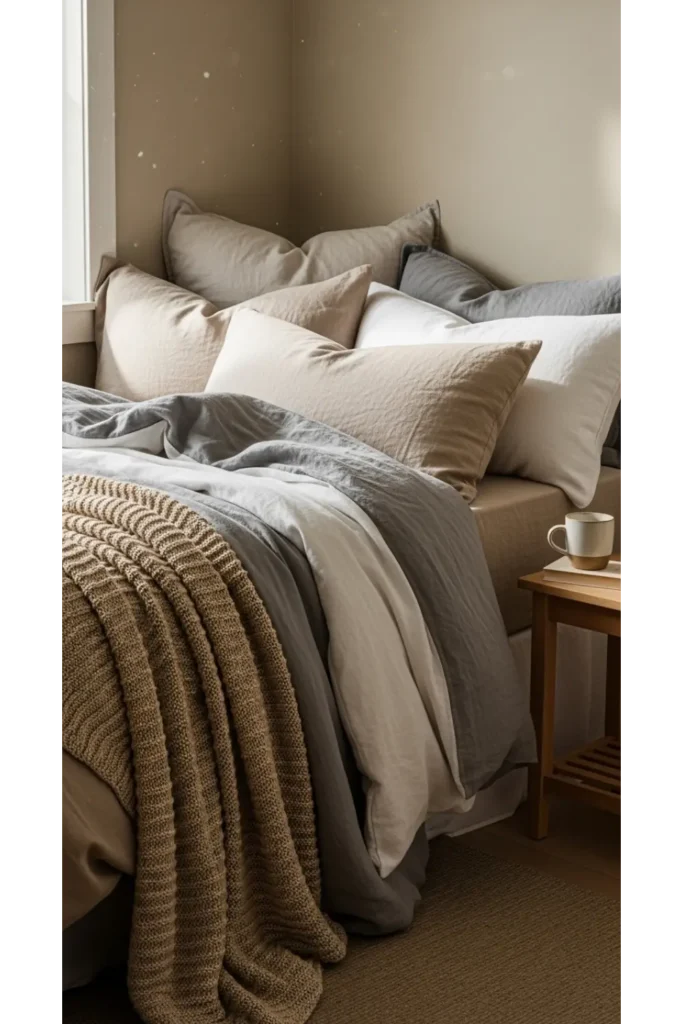
Layered textures add richness to a small bedroom without requiring extra furniture. Combine breathable linen sheets with a quilted coverlet and a chunky knit throw at the foot of the bed. Mixing materials such as cotton, wool, and woven fabrics creates contrast while maintaining a cohesive palette. Keep tones within the same color family to avoid visual clutter.
Use pillows in varied sizes but limit the number to prevent overcrowding. A large lumbar cushion paired with two standard pillows often feels balanced and clean. Texture brings dimension and comfort, which makes the room feel thoughtfully styled rather than sparse. Depth through fabric keeps the space inviting while still light and airy.
15. Wall Art That Creates Focus
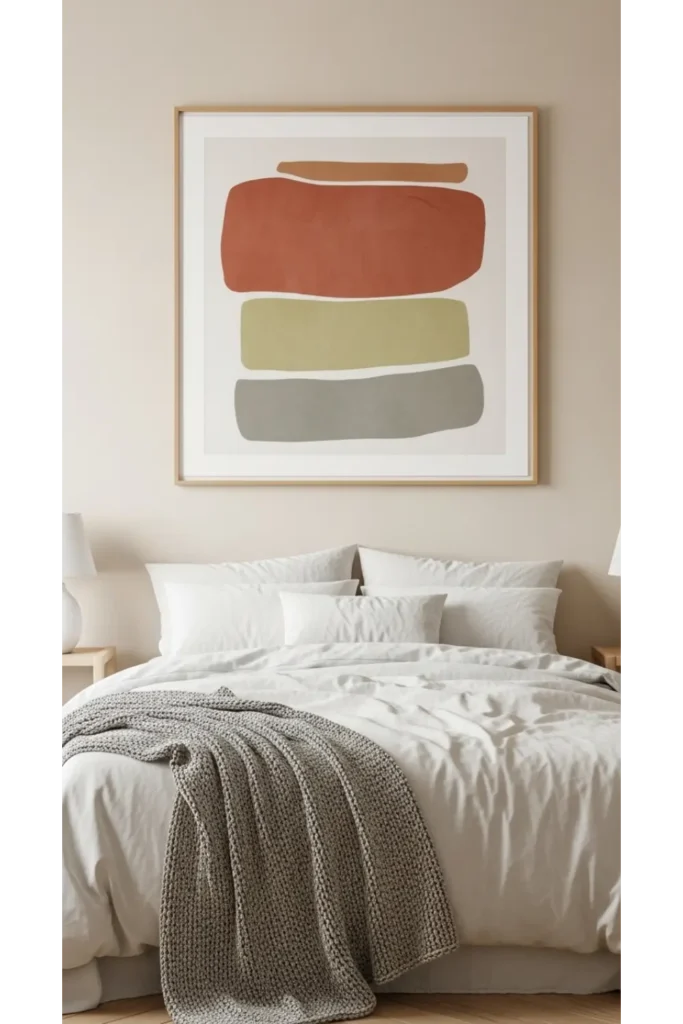
In a small bedroom, less art often makes a stronger impact. Choose one larger piece above the bed to anchor the wall and guide the eye upward. A focused statement avoids the busy look that multiple small frames can create. Select artwork with calming tones that complement your bedding and wall color.
Hang the piece at eye level and keep the frame slim and neutral to maintain balance. If you prefer variety, create a tight gallery arrangement with matching frames and consistent spacing. Controlled composition keeps the room organized while still reflecting personality. Thoughtful placement enhances style without reducing openness.
16. Clear Pathways for Better Flow
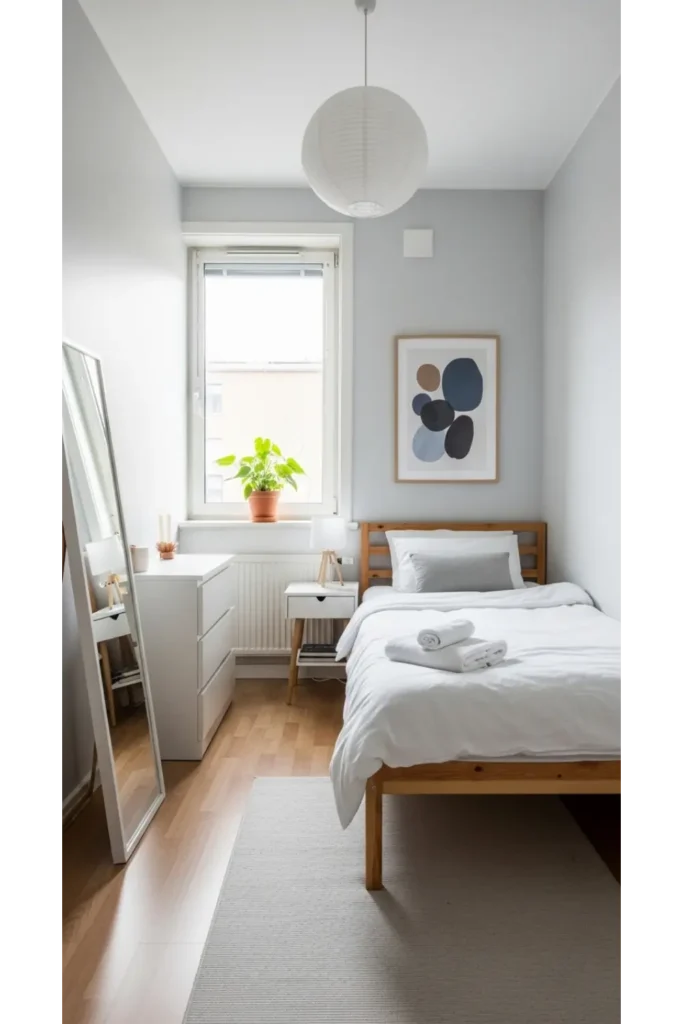
Flow determines how spacious a room feels. Keep at least two feet of walking space along one side of the bed to allow easy movement. Align larger furniture pieces such as dressers or wardrobes against walls to avoid blocking natural pathways. Clear sight lines make the room appear larger than it actually is.
Before adding new furniture, measure carefully and map placement on paper or digitally. Avoid oversized chairs or bulky storage units that interrupt circulation. When you prioritize movement and breathing space, the bedroom feels functional and calm. Smart arrangement improves both daily comfort and overall design harmony.
17. Soft Area Rugs to Anchor the Bed
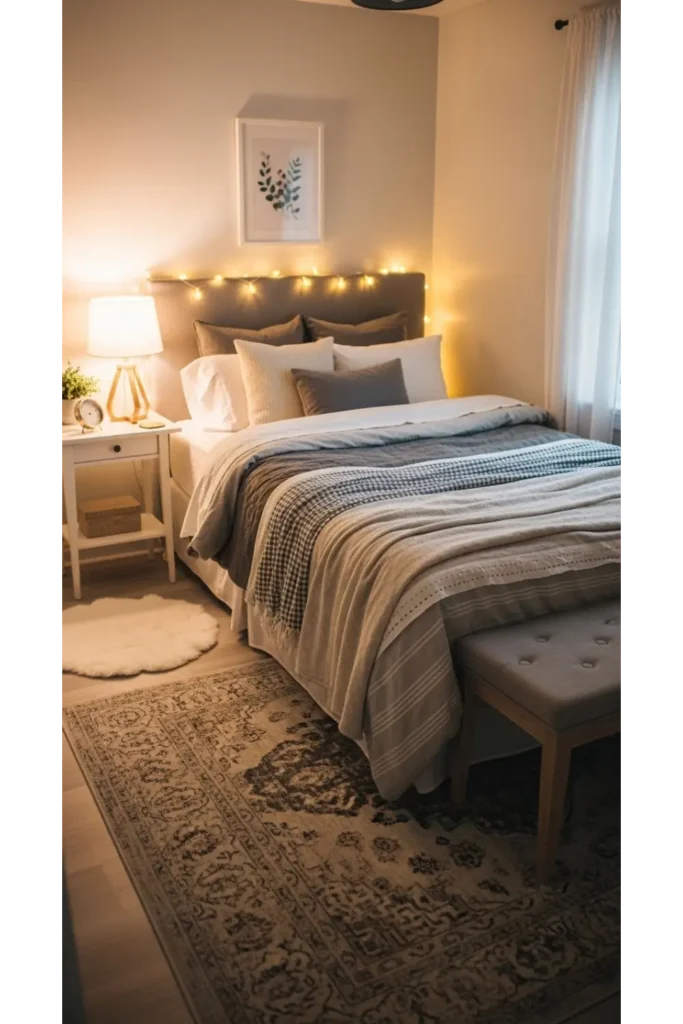
A properly sized rug defines the sleeping zone and adds warmth underfoot. Choose a rug that extends at least eighteen inches beyond each side of the bed to visually widen the space. Neutral shades such as warm beige or soft gray maintain openness while introducing subtle texture.
Low pile rugs work best in small bedrooms because they feel lighter and easier to maintain. Position the rug so the front legs of the bed sit on it for stability and balance. This detail ties the furniture together and softens hard flooring. A well placed rug completes the room without adding clutter.
18. Personalized Decor Without Clutter
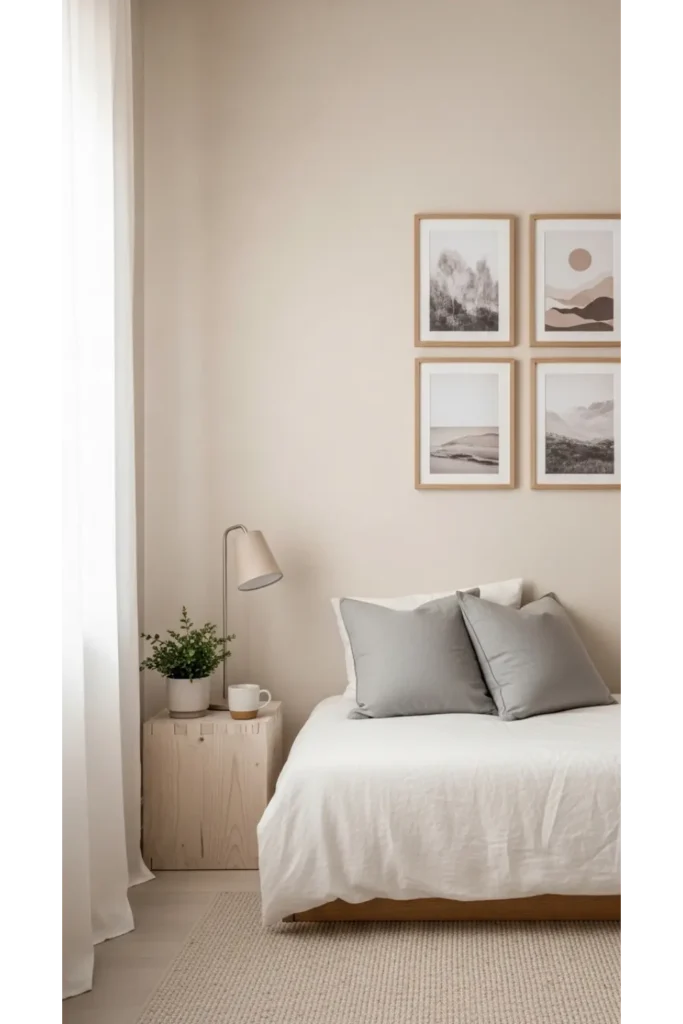
Personal decor adds warmth, but restraint keeps the space breathable. Choose a few meaningful items such as framed photos, a favorite book, or a small plant. Place them intentionally on a dresser or floating shelf instead of scattering objects across every surface. Editing your accessories prevents visual overload.
Stick to a cohesive color scheme so personal items blend naturally into the room. Use similar frame finishes or decorative tones to maintain harmony. When each piece has purpose, the bedroom feels authentic and calm. A curated approach allows personality to shine without sacrificing space or style.
Conclusion
Small bedrooms demand smart decisions, but they never limit style. By focusing on proportion, vertical storage, layered lighting, and thoughtful layout planning, you create a room that feels open and inviting. These bedroom ideas small rooms maximize space style, and combine practical solutions with elevated design, so your space supports daily life while looking beautiful. With intention and balance, even the smallest bedroom can feel spacious, calm, and refined.