23 Challenges of a Small Living Room (Solved)
1. Limited Floor Space

A tight floor plan is often the first frustration homeowners face. When walking space feels restricted, the room can quickly feel uncomfortable. The key is understanding how people move through the area. Clear walkways matter more than extra furniture. Choosing fewer but better scaled pieces creates breathing room and helps the layout feel intentional instead of crowded.
Smart furniture placement changes everything. Floating the sofa slightly off the wall can improve flow. Using leggy furniture exposes more floor visually, which tricks the eye into seeing a larger space. Even in a small living room, thoughtful spacing makes daily use easier and more relaxed. Discover even more living room bedroom decor inspiration in our full collection here.
2. Furniture That Overwhelms the Room

Many living rooms feel cramped because furniture is too bulky. Deep sofas, wide armchairs, and thick tables steal valuable visual space. Scale matters more than style here. Apartment sized furniture fits the room without sacrificing comfort. Once oversized pieces leave, the room instantly feels calmer and more balanced.
Selecting streamlined silhouettes keeps the space light. Low profile seating and narrow arms work well. Avoid furniture sets that force symmetry. Instead, mix pieces that serve real needs. In a small living room, every item must earn its place through function and proportion.
3. Lack of Storage

Storage issues create clutter fast. When everyday items lack a home, surfaces fill up and the room feels chaotic. Closed storage helps control visual noise. The goal is to hide what you do not need to see while keeping essentials accessible.
Multifunctional furniture solves this problem beautifully. Ottomans with storage, media consoles with doors, and shelves that rise vertically maximize space. A small living room benefits from using wall height instead of floor space, keeping the room tidy and easy to maintain.
4. Poor Natural Light
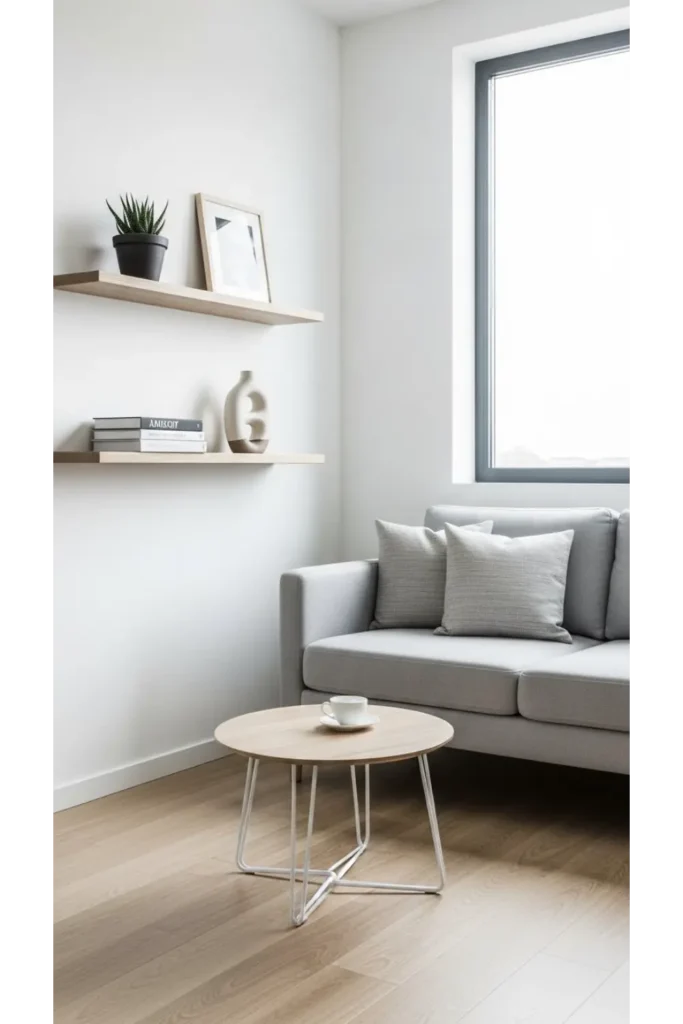
Limited sunlight can make a room feel smaller and dull. Heavy curtains or dark colors block what little light enters. Letting light flow freely changes the mood instantly. Sheer window treatments or simple shades allow brightness without sacrificing privacy.
Reflective surfaces amplify light. Mirrors placed across from windows bounce daylight deeper into the room. Light colored walls and furniture further enhance the effect. In a small living room, brightness creates openness and improves comfort throughout the day.
5. Dark Color Choices
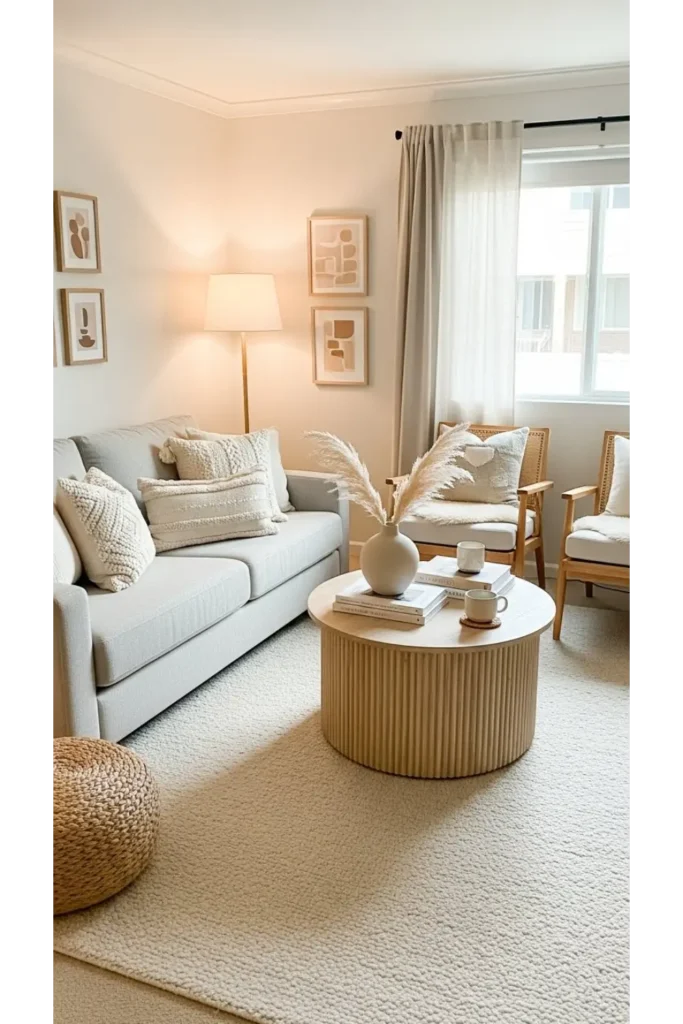
Dark colors absorb light and can shrink a room visually. While they look stylish, they often overwhelm compact spaces. Light neutrals expand the room and create a clean backdrop. This does not mean the space must feel bland.
Texture adds interest without heaviness. Soft fabrics, woven materials, and subtle patterns keep the room warm. Accent colors work best in small doses. A balanced palette allows a small living room to feel welcoming instead of closed in.
6. Awkward Layout
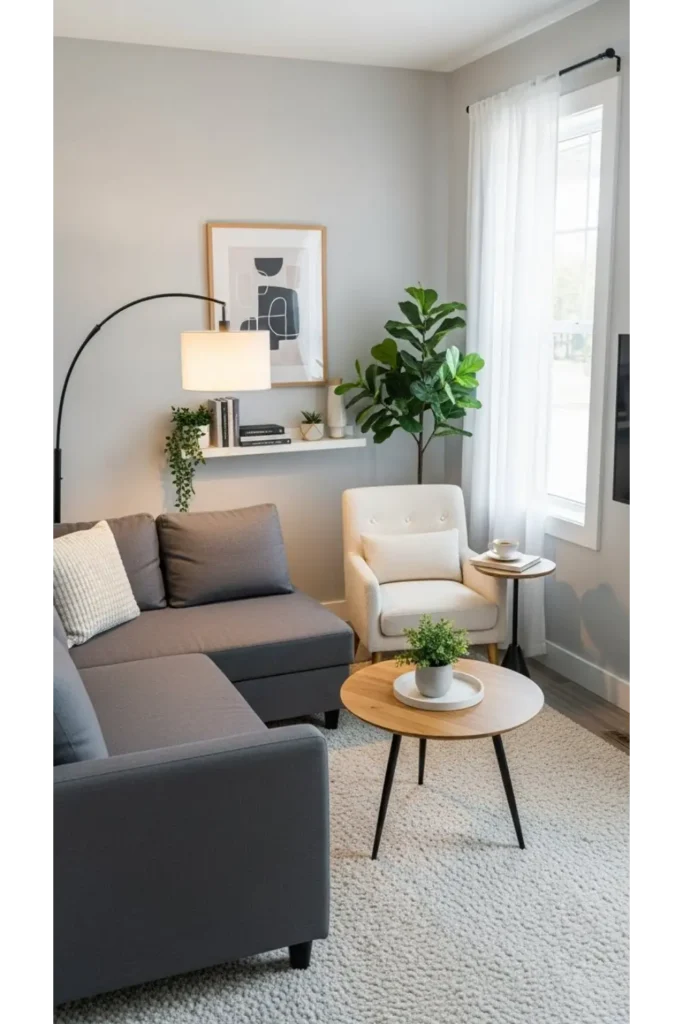
Odd room shapes challenge furniture placement. Windows, doors, and radiators often limit options. Instead of forcing symmetry, work with the room’s natural flow. Identify the main function and build around it.
Creating zones helps organize the space. A reading corner or media area adds purpose without walls. Rugs visually define sections while keeping everything connected. Even an awkward small living room can feel intentional with the right layout strategy.
7. Too Many Decorative Items
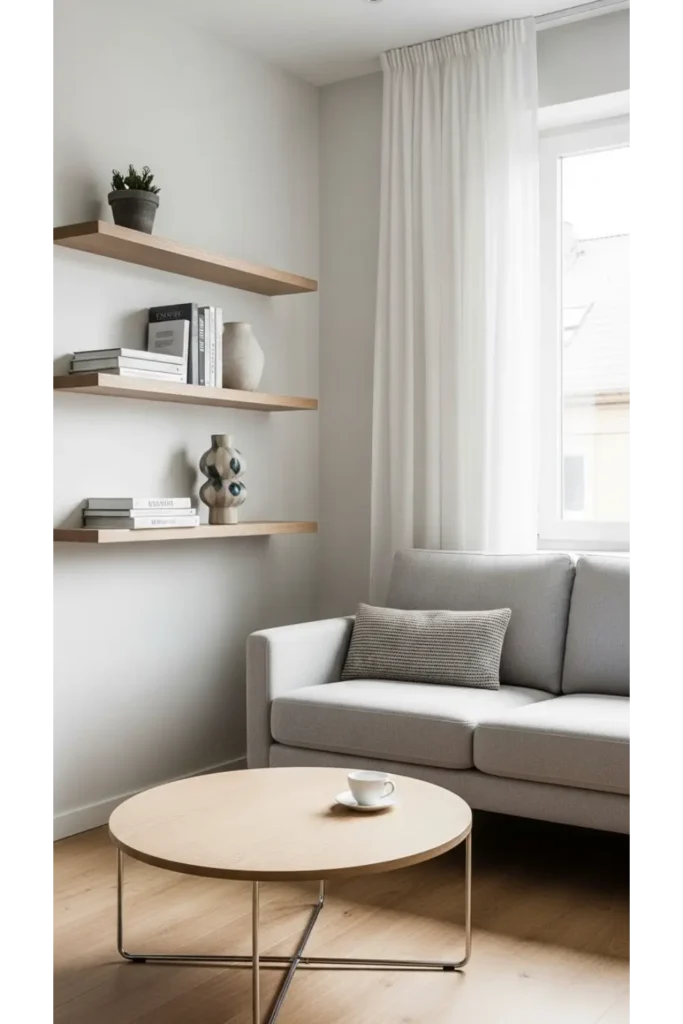
Decor adds personality, but excess creates clutter. Too many small items compete for attention and shrink the room visually. Editing decor allows each piece to shine. Fewer, larger accents feel calmer and more refined.
Choose decor with meaning or function. A statement artwork or sculptural lamp has more impact than multiple trinkets. In a small living room, restraint brings clarity and sophistication.
8. Limited Seating Options
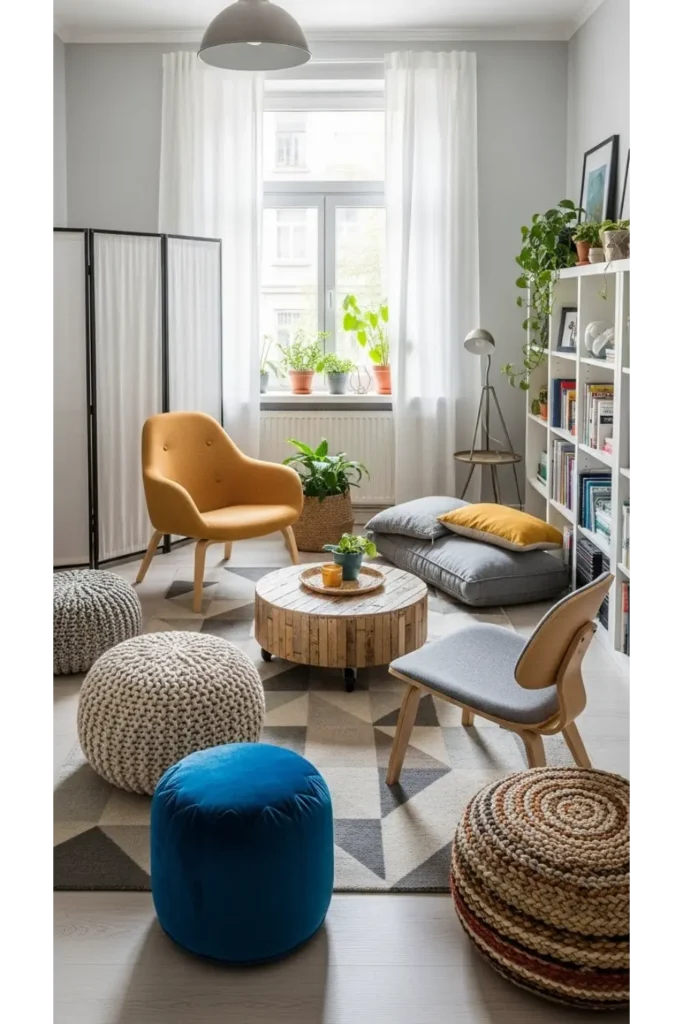
Seating often feels restrictive when space is tight. Large chairs take up room even when unused. Flexible seating offers a smarter solution. Lightweight chairs or poufs move easily when guests arrive.
Benches and stools tuck away neatly. They provide extra seating without crowding the room. A small living room benefits from adaptable furniture that supports both everyday life and entertaining.
9. Lack of Visual Height

Low ceilings can make a room feel compressed. Drawing the eye upward creates a sense of height. Vertical elements help achieve this effect naturally.
Mounting curtains close to the ceiling and using tall shelves elongates the walls. Vertical artwork reinforces the illusion. In a small living room, visual height adds elegance and spaciousness.
10. Media Equipment Takes Over
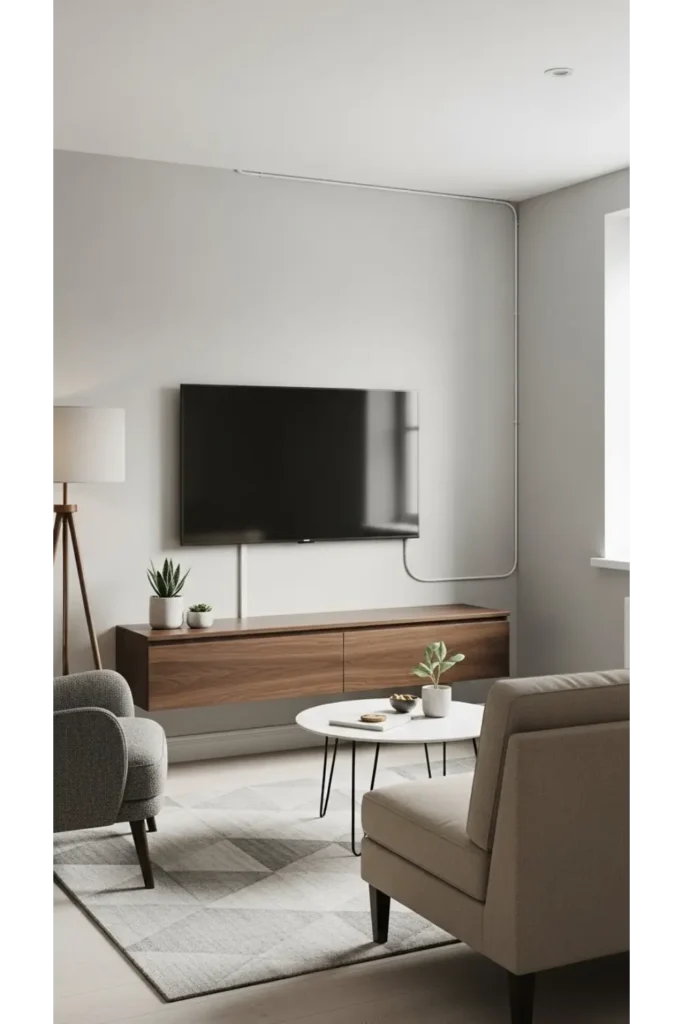
Televisions and electronics often dominate small spaces. Bulky stands and visible cords create visual clutter. Wall mounting the TV frees floor space and looks cleaner.
Choose a slim console for storage without bulk. Conceal wires to maintain a polished look. A small living room feels calmer when technology blends seamlessly into the design.
11. Poor Traffic Flow
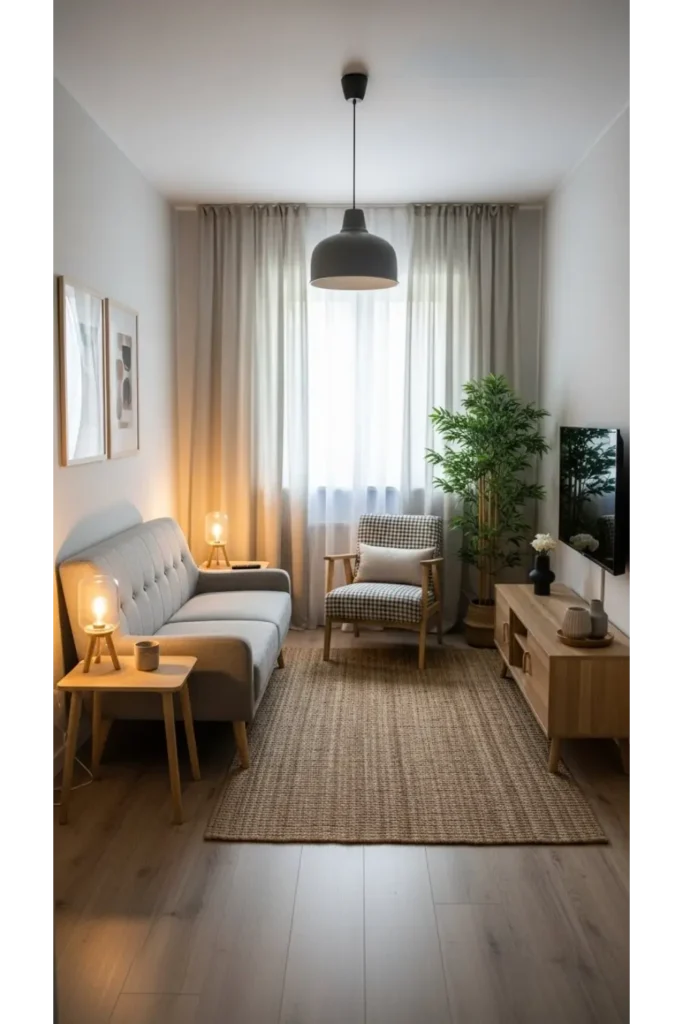
When furniture blocks movement, the room feels stressful. Traffic flow matters more than fitting in extra pieces. Clear paths improve comfort and usability.
Rearranging furniture often solves this issue without buying anything new. Leave enough space to walk easily. A small living room should support movement, not restrict it.
12. Cluttered Walls
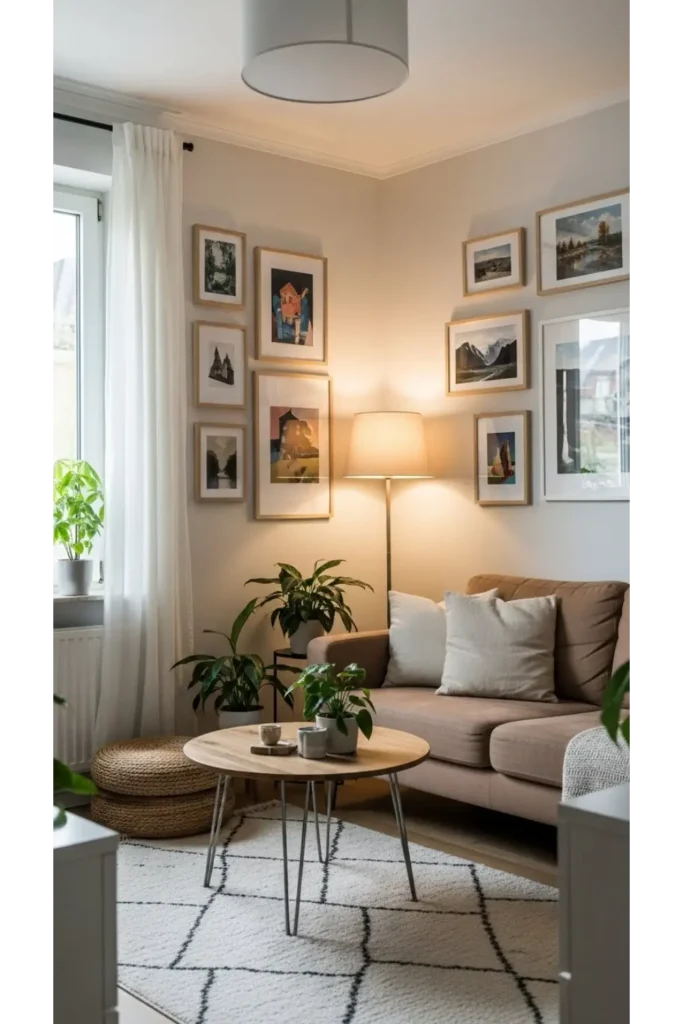
Overloaded walls shrink a space visually. Too many frames or shelves overwhelm the room. Leaving some empty wall space helps the room breathe.
Choose one focal wall for art. Keep other walls simple. In a small living room, negative space is just as important as decoration.
13. Rugs That Are Too Small

Tiny rugs break up the floor and make the room feel disjointed. A larger rug anchors furniture and creates cohesion.
The rug should fit under major pieces. This simple change visually expands the room. In a small living room, the right rug size makes a surprising difference.
14. Lack of Personality

Small does not mean boring. Many people play it too safe and lose warmth. Personality comes from thoughtful details, not excess decor.
Personal items like books, art, and textiles add soul. When curated carefully, a small living room feels intimate and expressive rather than generic.
15. Inefficient Use of Corners
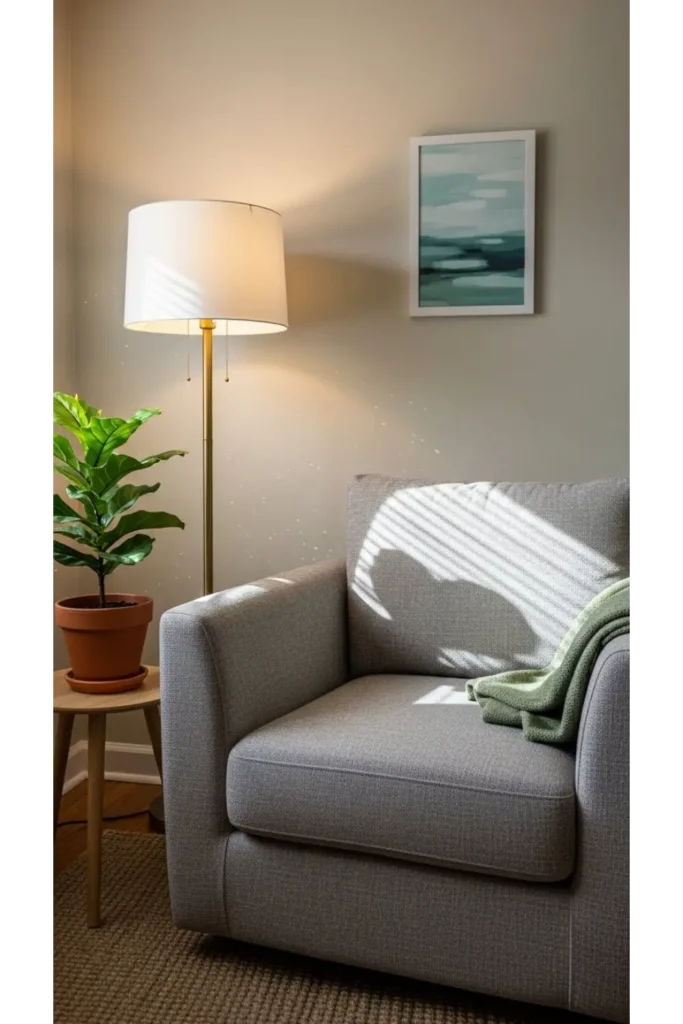
Corners often go unused. Turning them into functional areas adds value. A chair, lamp, and small table can create a cozy nook. Using corners smartly maximizes every inch. In a small living room, no space should feel forgotten.
16. Limited Wall Space

Wall space feels scarce in compact rooms. Using vertical storage solves this challenge. Floating shelves offer storage without bulk.
Keep shelves styled simply to avoid clutter. A small living room benefits from walls that work harder without feeling heavy.
17. Mismatched Furniture Styles

Too many styles confuse the eye. Cohesion makes the room feel larger. Choose a clear design direction and stick to it.
Mix textures instead of styles. This creates depth without chaos. A small living room looks more polished when furniture feels connected.
18. Lack of Defined Focal Point
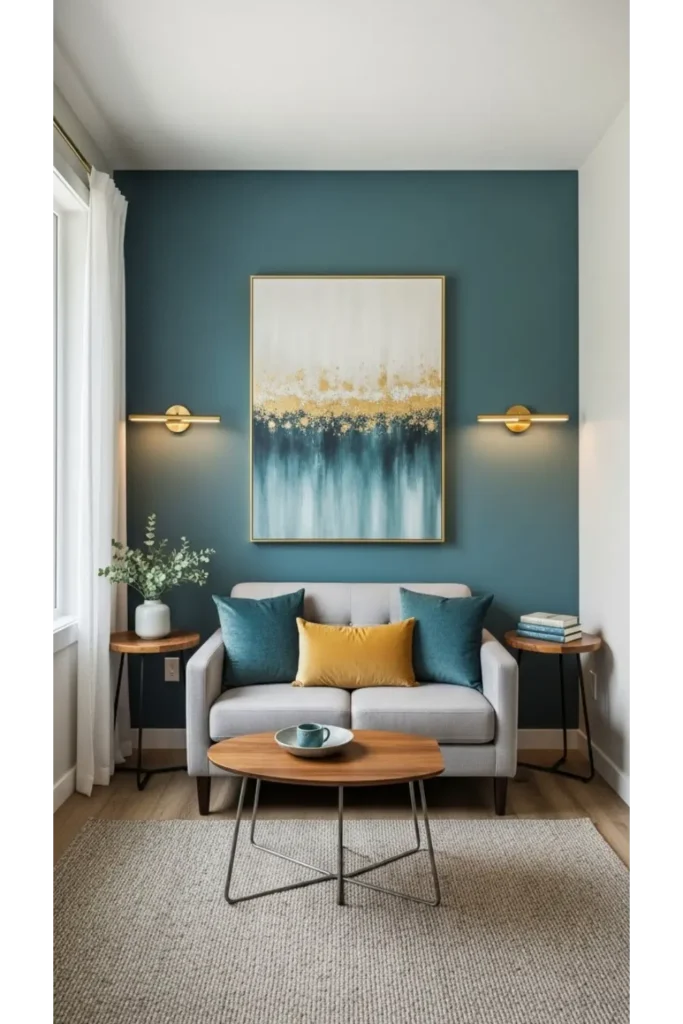
Without a focal point, the room feels scattered. A clear focal area anchors the design and guides furniture placement. Artwork, a fireplace, or a media wall works well. In a small living room, one strong focal point creates harmony.
19. Poor Lighting Design
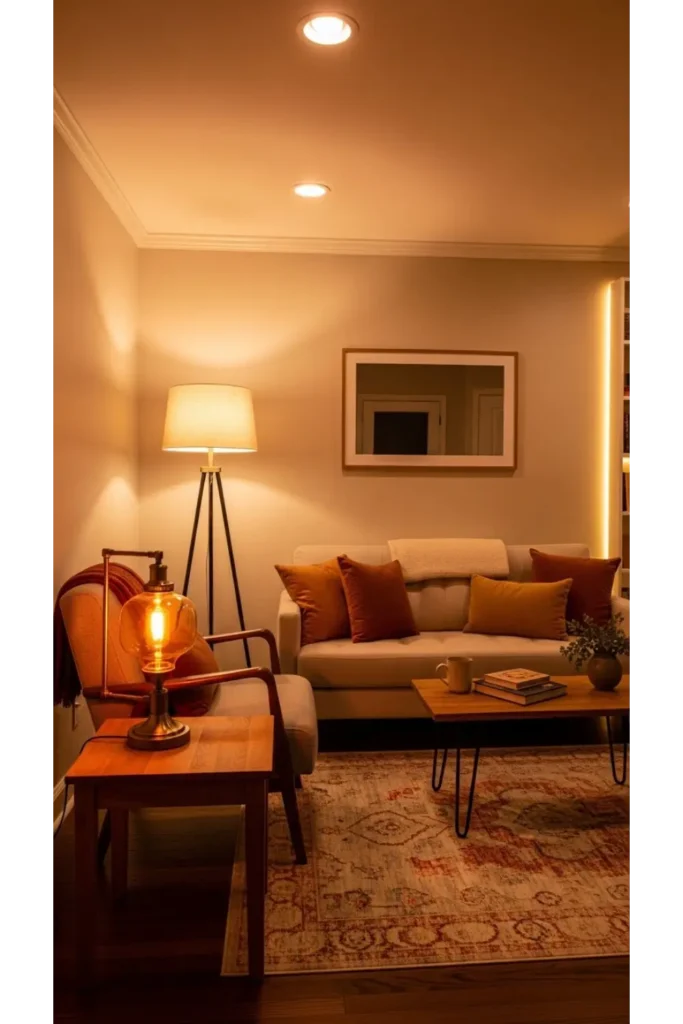
Relying on one overhead light flattens the room. Layered lighting adds depth and warmth. Use a mix of floor lamps, table lamps, and ambient light.
Good lighting enhances comfort and function. A small living room feels larger and more inviting when light sources are balanced.
20. Hard to Entertain Guests
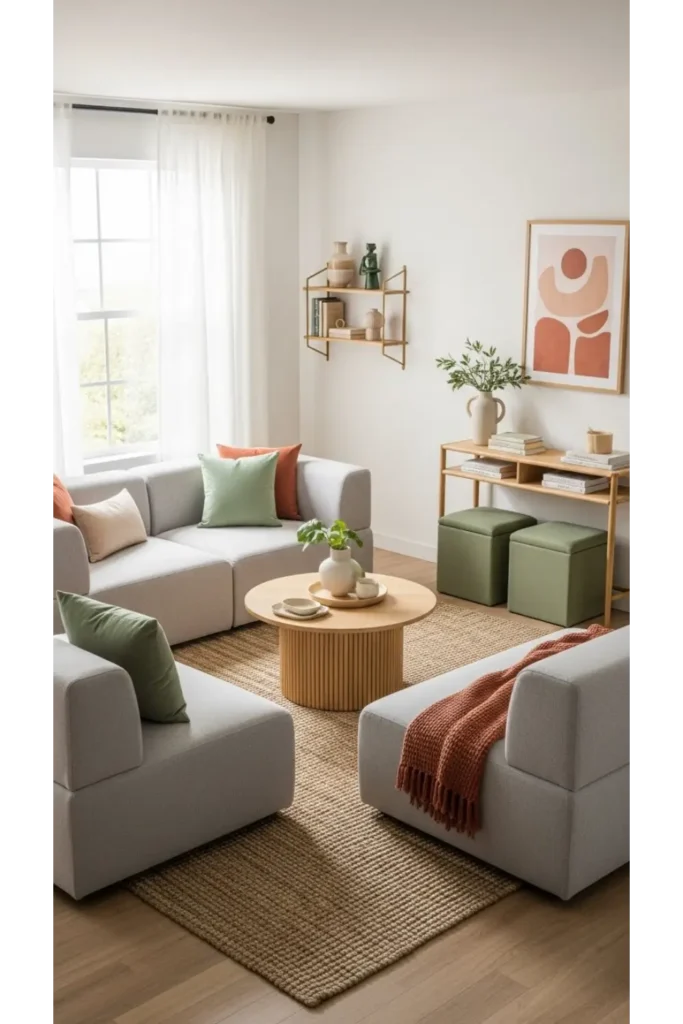
Entertaining feels stressful in tight spaces. Planning flexible layouts solves this issue. Moveable furniture adapts easily.
Keeping surfaces clear creates room for drinks and snacks. A small living room can still feel welcoming with thoughtful planning.
21. Too Much Visual Noise
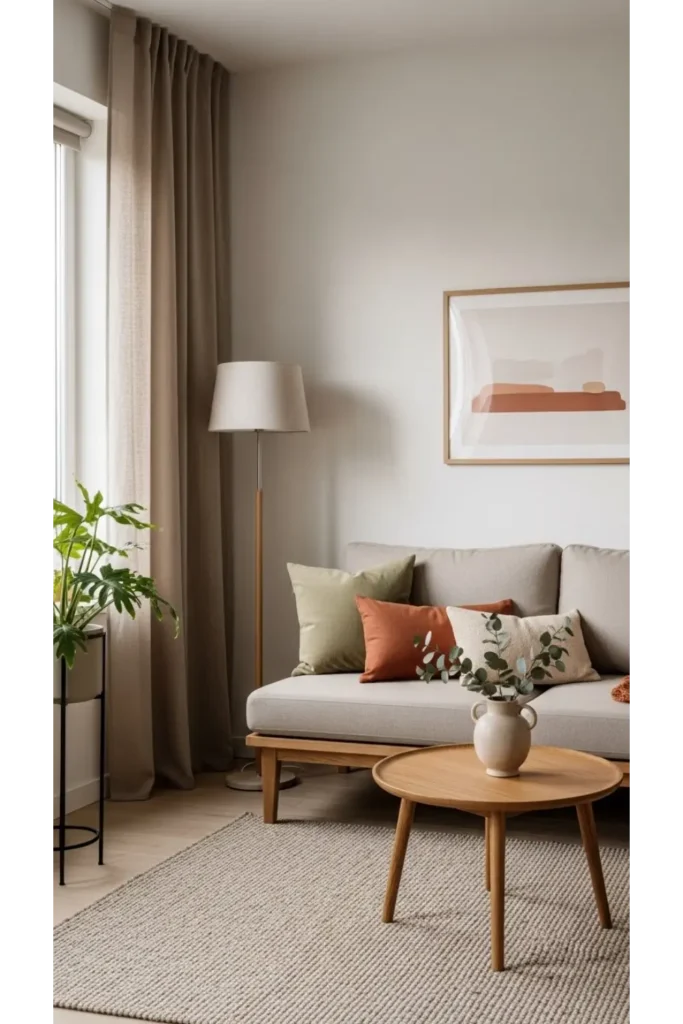
Busy patterns and too many colors overwhelm compact rooms. Simplifying the palette reduces visual noise.
Stick to a few coordinating colors. This creates calm and cohesion. In a small living room, simplicity enhances comfort.
22. Difficulty Making It Cozy
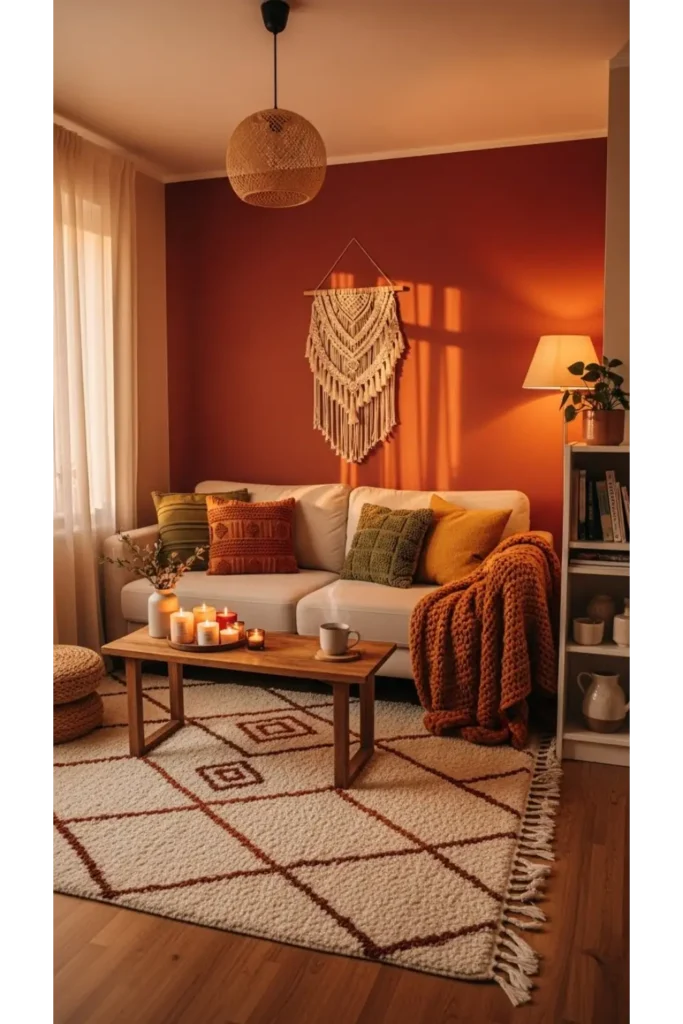
Small rooms can feel cold if not styled well. Soft textures add warmth without bulk. Throws, pillows, and rugs make a big difference. Warm lighting completes the cozy feel. A small living room thrives on comfort and softness. Don’t miss our complete living room decor guide packed with stylish inspiration.
23. Feeling Boxed In
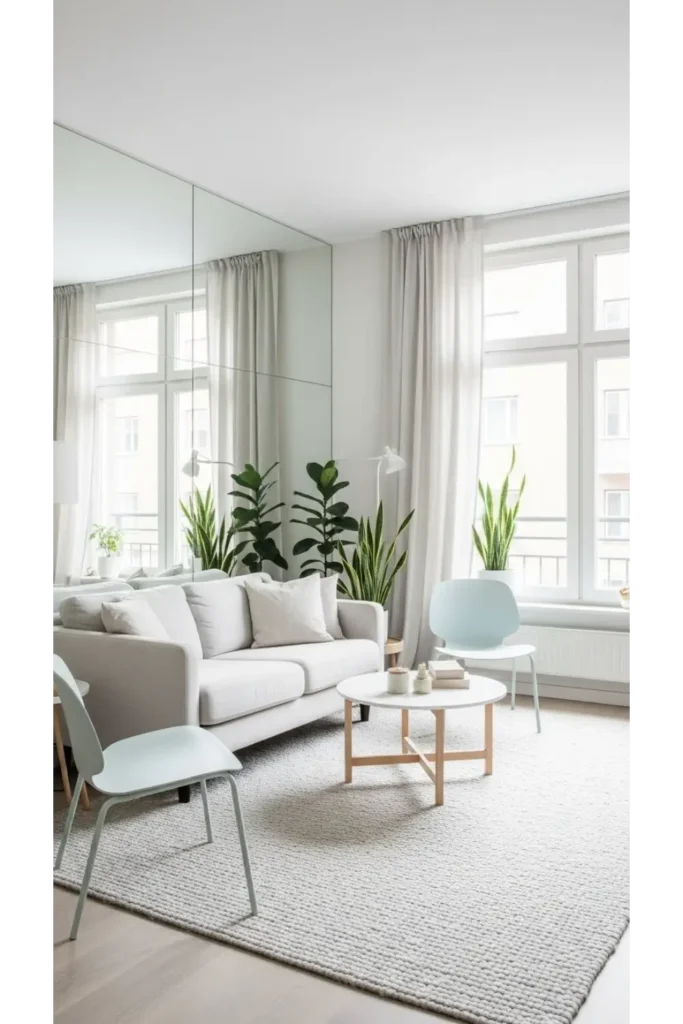
The boxed in feeling comes from visual barriers. Opening sightlines helps. Keep furniture low and avoid blocking windows.
Mirrors and light colors expand the room visually. A small living room feels freer when design choices emphasize openness.
Conclusion
A small living room presents real challenges, but none are unsolvable. With smart furniture choices, thoughtful layouts, and intentional styling, even the tightest space can feel comfortable and beautiful. The key lies in understanding how scale, light, and function work together. When every decision serves a purpose, a small living room becomes a space that supports daily life while reflecting personal style with confidence.