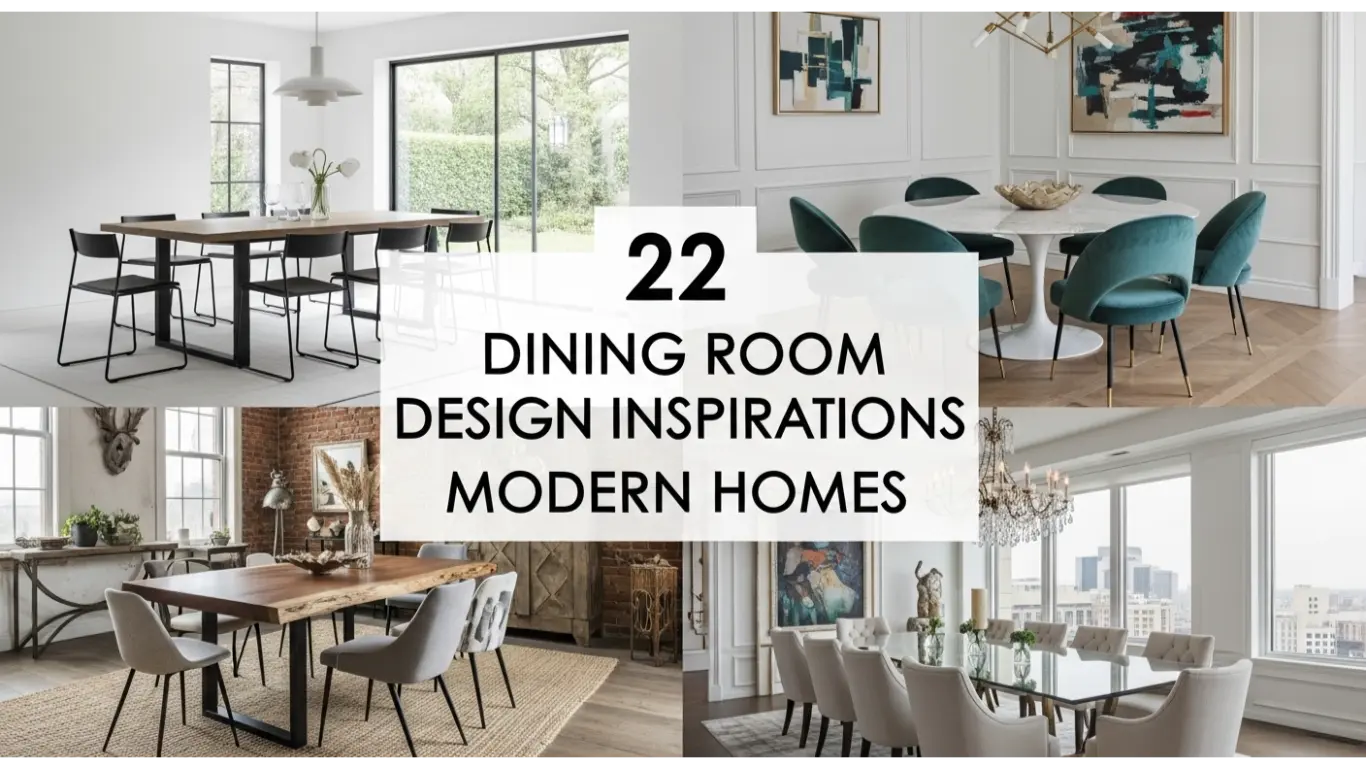
22 Dining Room Design Inspirations Modern Homes
A dining room is more than a place to eat. It is where daily routines and meaningful moments meet. Modern homes need dining spaces that feel stylish, comfortable, and flexible enough for real life. This guide explores dining room design inspirations that modern home owners actually use and love. Each idea blends aesthetics with function, helping you create a space that feels current yet personal, polished yet warm.
1. Open Concept Elegance
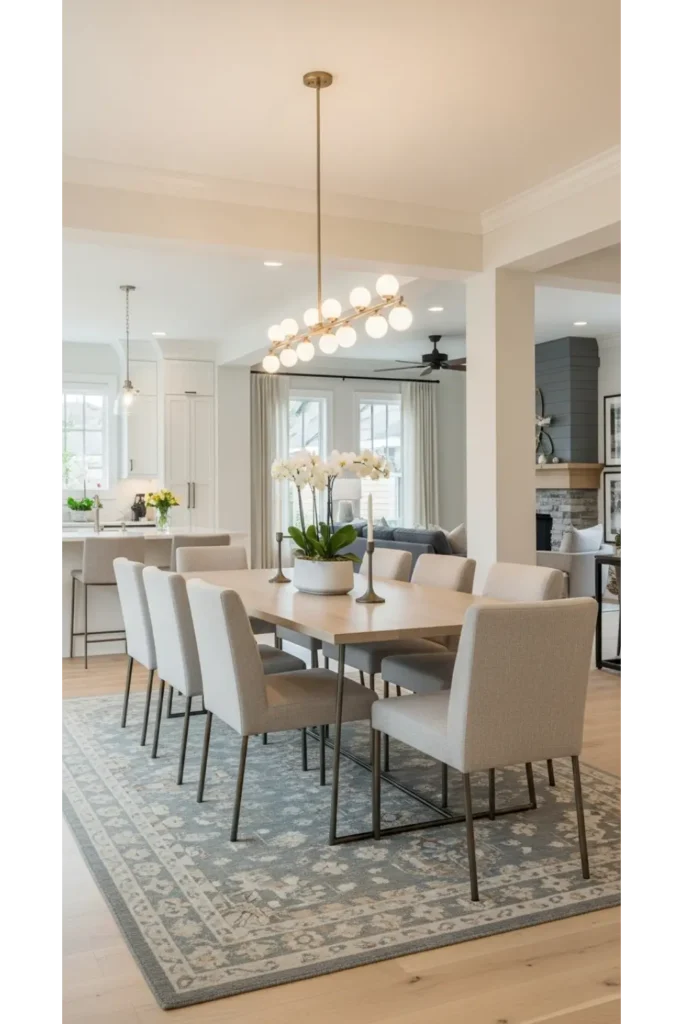
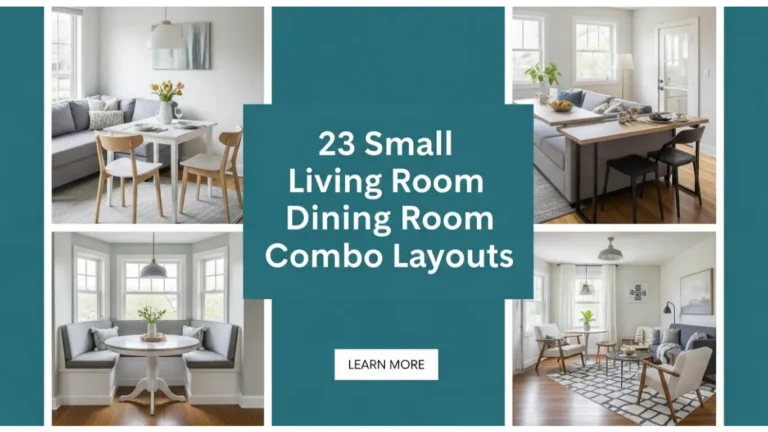
Dining room design inspirations modern homes often begin with open concept layouts that connect dining and living areas. This style creates visual flow and makes small spaces feel larger. Clean lines, neutral colors, and simple furniture allow the room to breathe. A well placed dining table anchors the area without blocking movement, making the space ideal for both everyday meals and entertaining guests.
To elevate the look, designers focus on balance. Soft textures like upholstered chairs or subtle rugs warm up the modern structure. Thoughtful lighting defines the dining zone without closing it off. This approach works especially well in urban apartments and contemporary houses where flexibility matters. The result feels intentional, calm, and easy to live in.
2. Minimalist Warmth
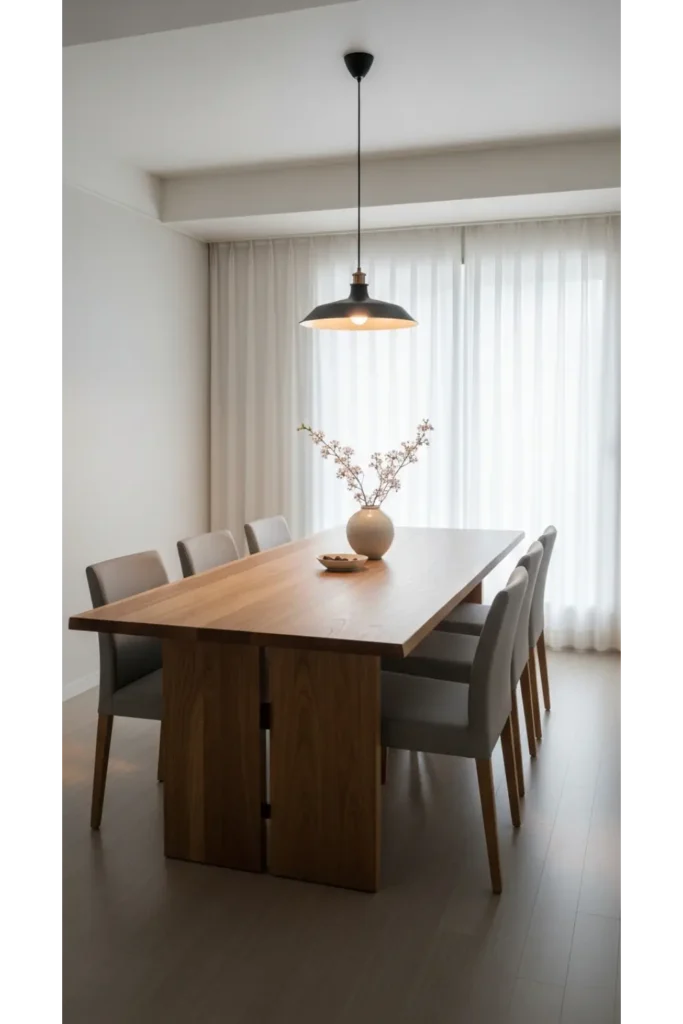
Minimalist dining rooms do not have to feel cold or empty. In modern homes, this style uses warm materials to soften clean design. A solid wood table paired with simple chairs creates a grounded feel. Neutral walls allow textures to stand out, making the space feel intentional rather than sparse. The focus stays on quality instead of quantity.
Lighting plays a big role in adding comfort. Warm toned pendants or wall lights bring a relaxed mood to the room. Small details like handcrafted ceramics or natural fibers keep the space human. This balance between simplicity and warmth makes minimalist dining rooms inviting for everyday use.
3. Statement Lighting Focus
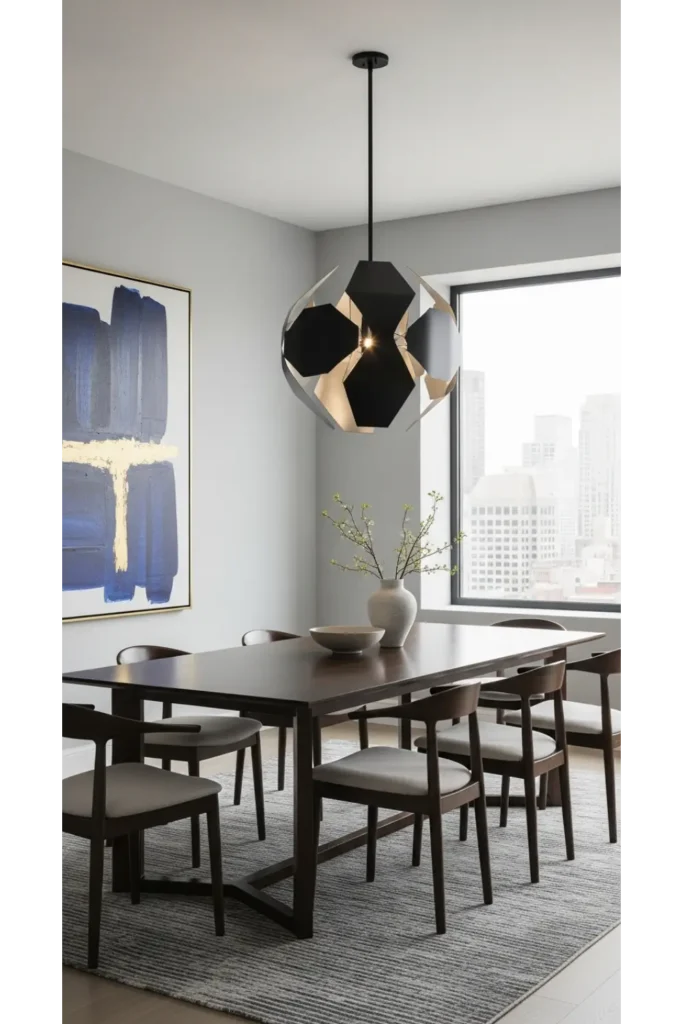
Lighting often defines the personality of a dining room. In modern homes, a bold light fixture becomes the centerpiece of the space. Sculptural pendants or oversized chandeliers draw the eye and set the tone. The rest of the room stays simple so the lighting can shine without feeling overwhelming.
This approach works well in dining rooms with neutral furniture and clean lines. The contrast between functional pieces and artistic lighting creates visual interest. Good lighting also improves the dining experience by setting the mood for meals, gatherings, and conversations.
4. Natural Modern Style
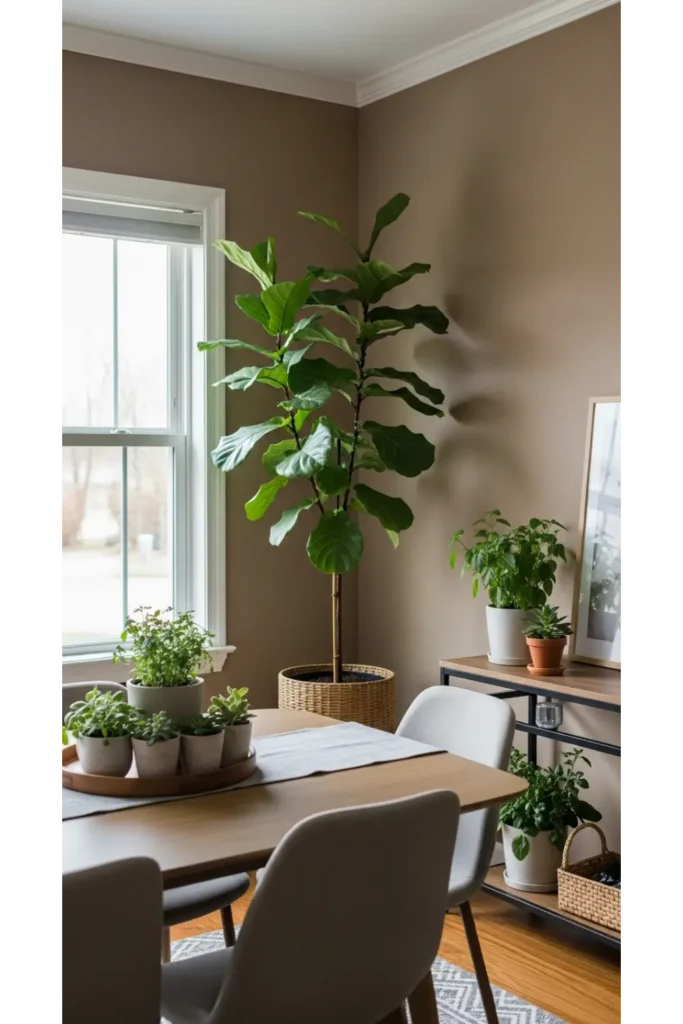
Bringing nature indoors remains a strong trend in dining room design inspirations modern homes rely on. Natural wood, stone accents, and indoor plants create a calm atmosphere. This style connects modern architecture with organic elements, making the space feel balanced and fresh.
Large windows enhance the effect by inviting natural light. Simple furniture shapes keep the look modern while natural finishes add warmth. This combination suits homeowners who want a modern dining room that still feels relaxed and welcoming.
5. Compact Urban Dining
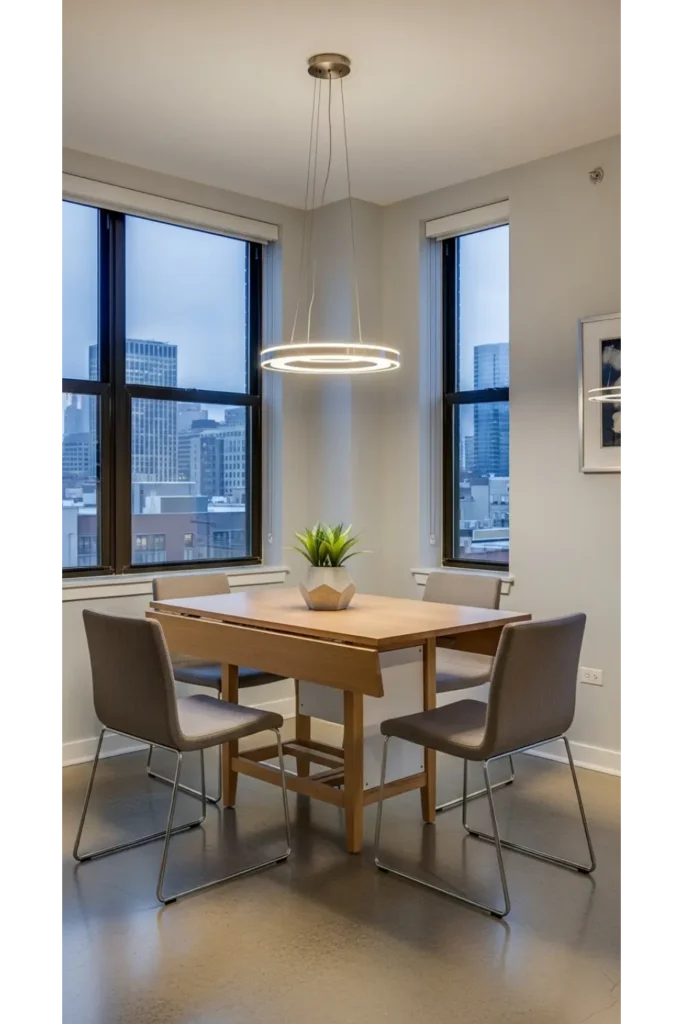
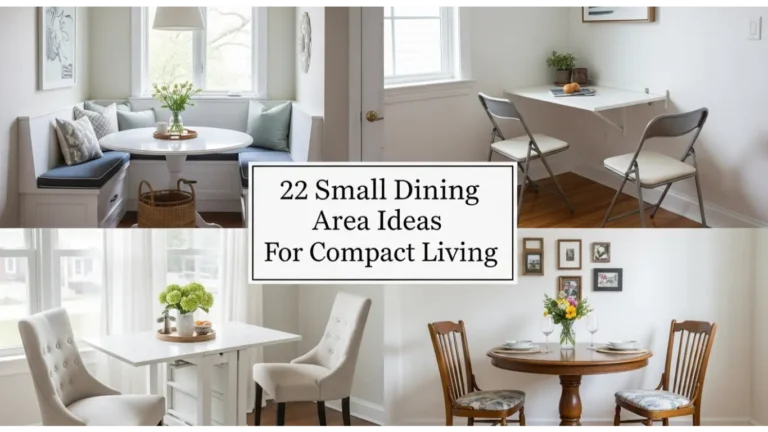
Modern homes in cities often require smart dining solutions. Compact dining rooms focus on efficient layouts without sacrificing style. Round tables, bench seating, and slim chairs help maximize space. Clean design keeps the room from feeling crowded.
Color choice matters in smaller spaces. Light tones reflect light and create openness. Mirrors and minimal decor add depth. This approach proves that even small dining areas can feel intentional and stylish with the right design choices.
6. Bold Color Accents
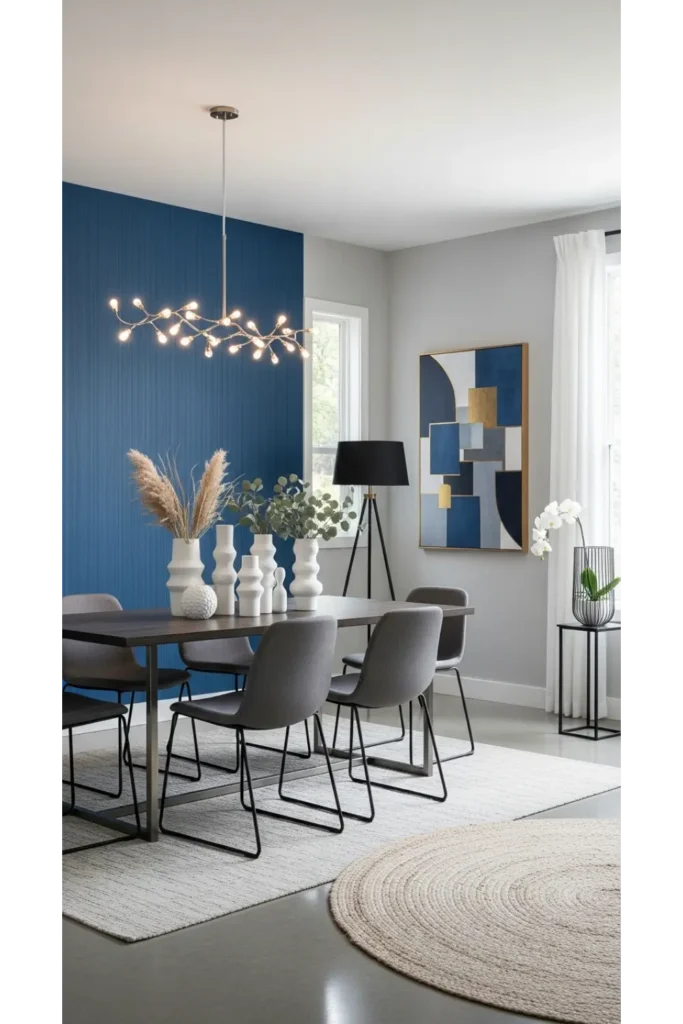
Adding color brings energy into modern dining rooms. Instead of overwhelming the space, designers use controlled accents. A single painted wall or colorful chairs create visual interest. The rest of the room stays neutral, keeping the look balanced.
This method allows homeowners to express personality without losing a modern feel. Color choices often reflect the home’s overall palette, ensuring cohesion. When done well, bold accents make dining spaces feel lively and memorable.
7. Mixed Material Design
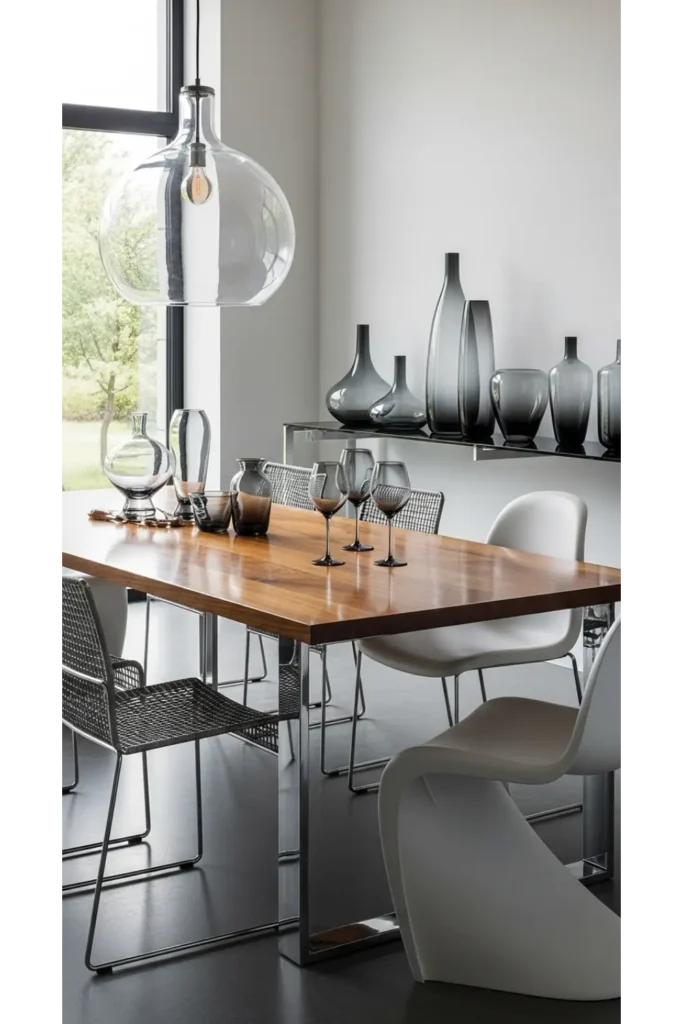
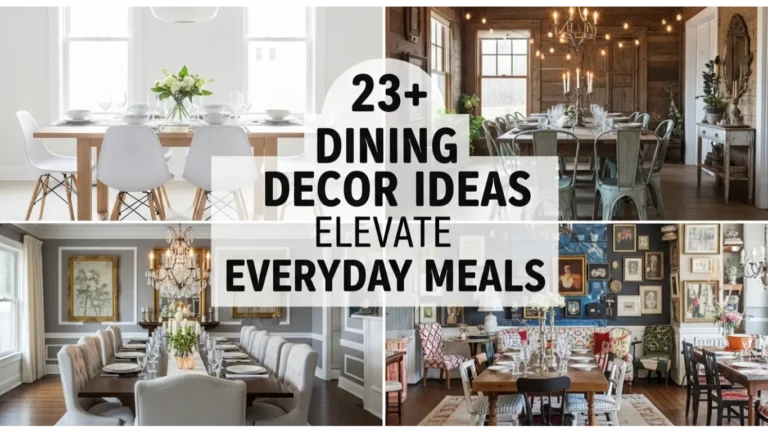
Modern dining rooms often mix materials to add depth. Wood tables paired with metal chairs or glass accents create contrast. This layering of textures makes the room visually rich without clutter. Each material brings its own character to the space.
The key lies in restraint. Designers limit the palette to a few finishes so the room feels cohesive. This approach works well in homes that blend industrial and modern influences, offering a refined yet approachable look.
8. Scandinavian Influence
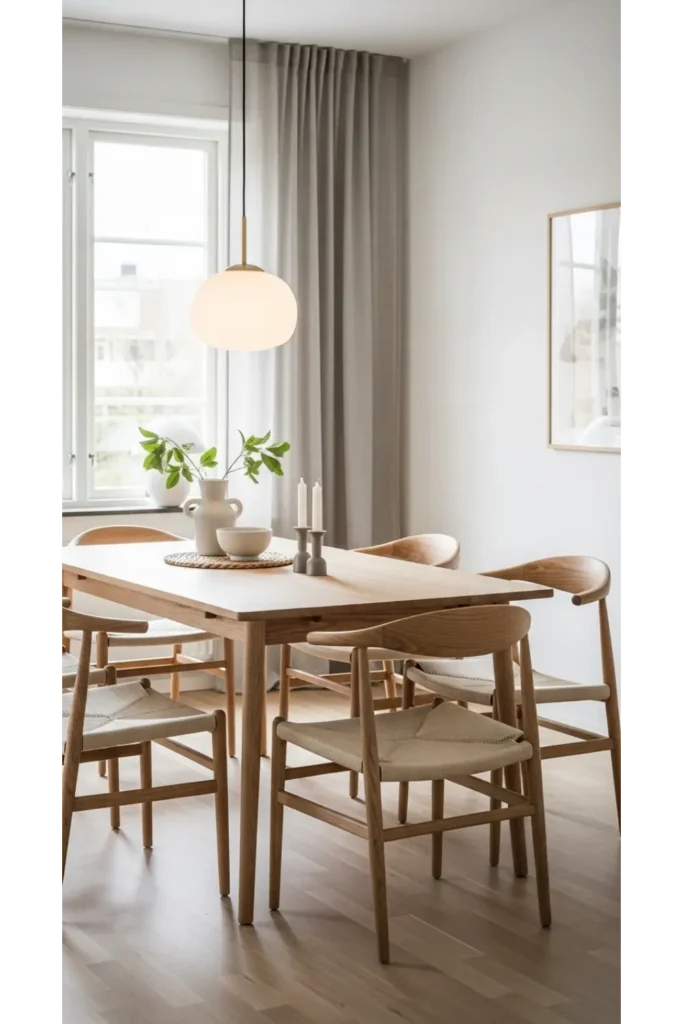
Scandinavian design continues to shape dining room design inspirations modern homes admire. This style emphasizes light, function, and simplicity. Pale wood, white walls, and clean furniture create an airy feel. The focus stays on comfort and usability.
Soft textiles and subtle decor add warmth without clutter. Natural light remains essential, often enhanced by minimal window treatments. This design suits homeowners who value calm spaces that support everyday living.
9. Modern Rustic Blend
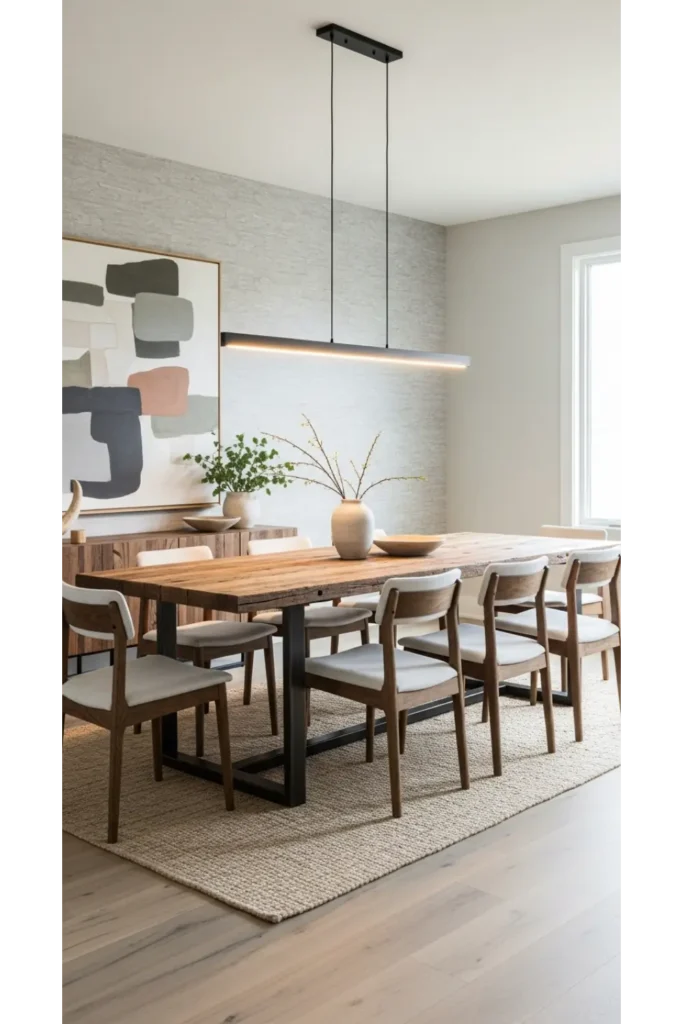
Combining rustic elements with modern design creates a unique dining space. Reclaimed wood tables paired with sleek lighting fixtures strike a balance between old and new. This contrast adds character without feeling dated.
Modern rustic dining rooms feel grounded and welcoming. Neutral colors keep the space current while textured materials add depth. This style works well in homes that value warmth but still want a contemporary edge.
10. Elegant Neutral Palette
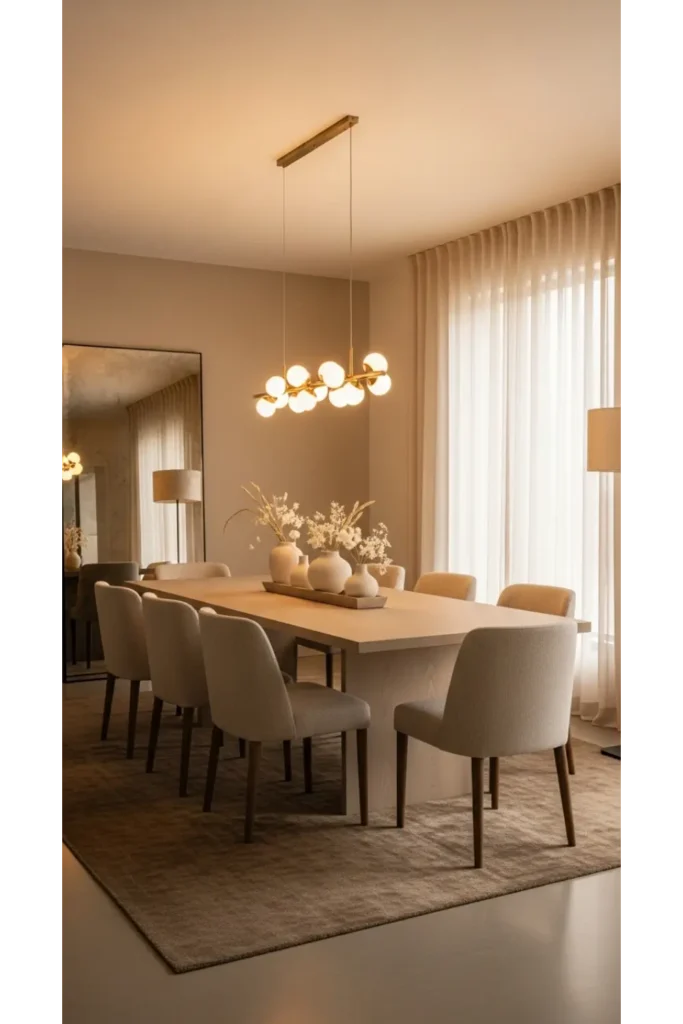
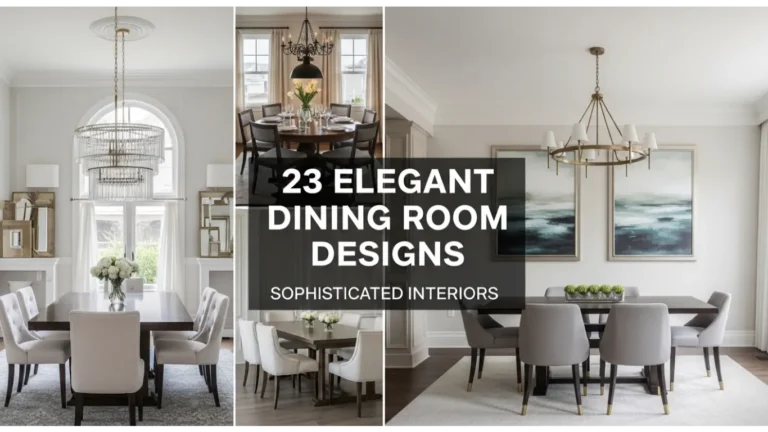
Neutral palettes remain timeless in modern dining rooms. Shades of beige, gray, and soft white create a calm backdrop. Furniture with clean lines enhances the elegant feel. This approach allows the space to adapt as trends change.
Subtle variations in texture prevent the room from feeling flat. Upholstered chairs, stone surfaces, and layered lighting add interest. Neutral dining rooms appeal to homeowners seeking lasting style and flexibility.
11. Artistic Dining Space
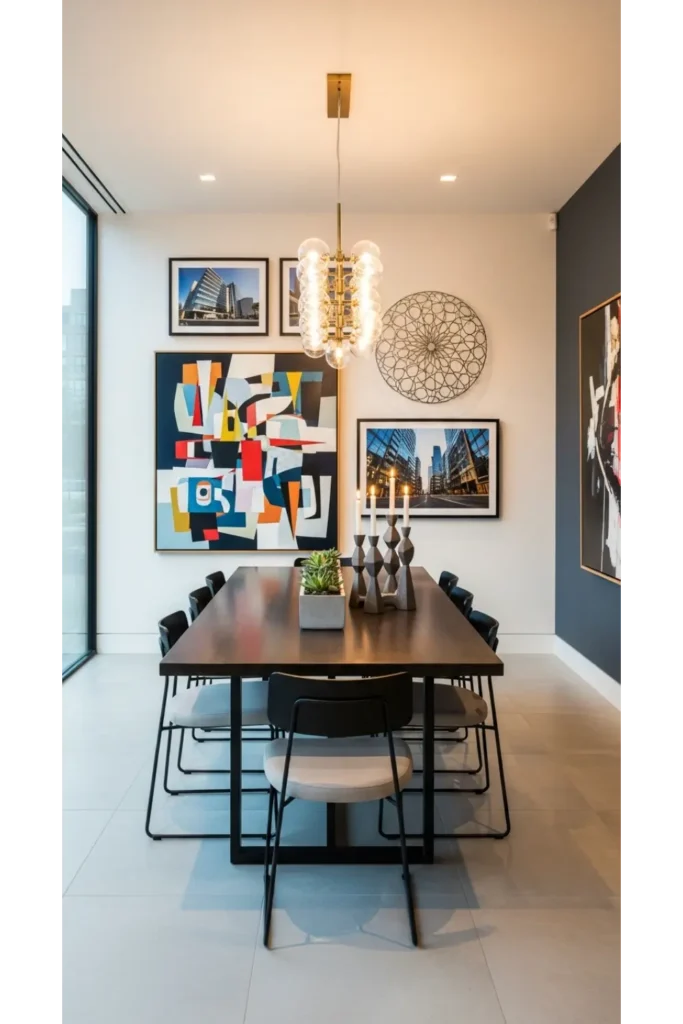
Art plays a growing role in dining room design inspirations modern homes embrace. A curated art wall or statement piece adds personality. The dining table becomes part of a larger visual story rather than standing alone.
Keeping furniture simple allows artwork to stand out. Lighting highlights both the art and the dining area. This approach suits creative homeowners who want their dining room to reflect personal taste.
12. Glass and Light Design
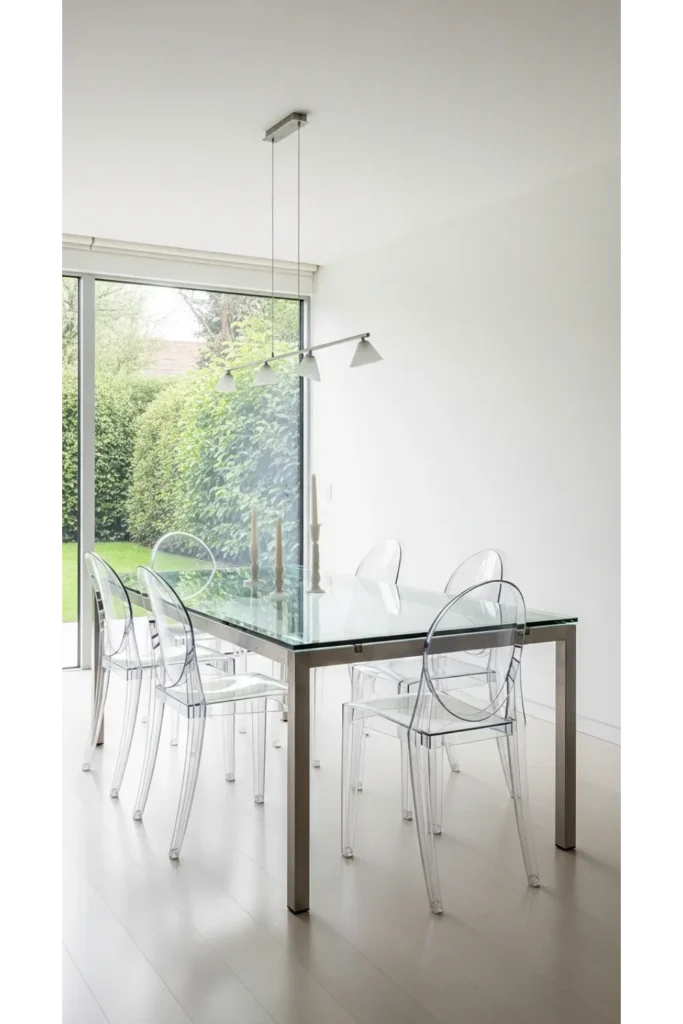
Glass furniture enhances light flow in modern dining rooms. Transparent tables and chairs create a sense of openness. This works especially well in smaller spaces where visual weight matters.
Paired with neutral colors, glass elements keep the room feeling airy. Careful styling ensures the space still feels grounded. This style appeals to those who love clean, modern aesthetics.
13. Family Friendly Modern
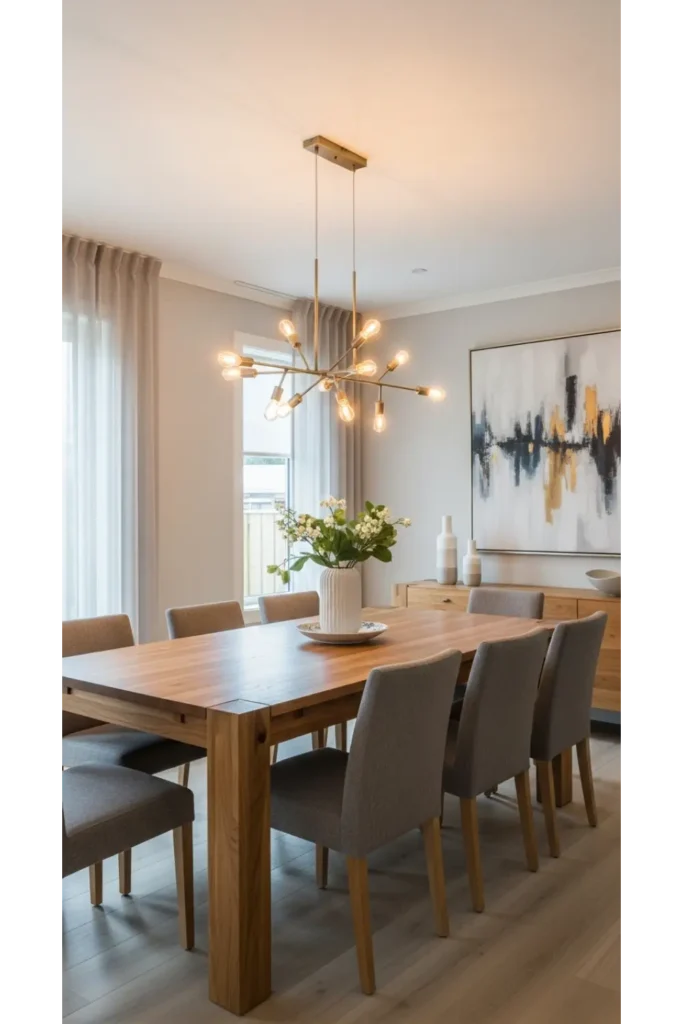
A family friendly modern dining room focuses on durability without losing style. Designers choose solid wood or stone tables that handle daily use while aging gracefully. Comfortable chairs with supportive backs encourage long meals and conversations. Neutral colors help the space stay calm and organized, even during busy days. This type of dining room supports routines, homework sessions, and gatherings while still feeling intentional and well designed.
Storage and layout play an important role in keeping the space functional. Sideboards, built in cabinets, or benches with hidden storage reduce clutter and improve flow. Easy to clean surfaces make maintenance simple, which matters in homes with children. The result feels relaxed, practical, and visually balanced, proving that modern dining spaces can meet real family needs without sacrificing warmth or elegance.
14. High Contrast Design
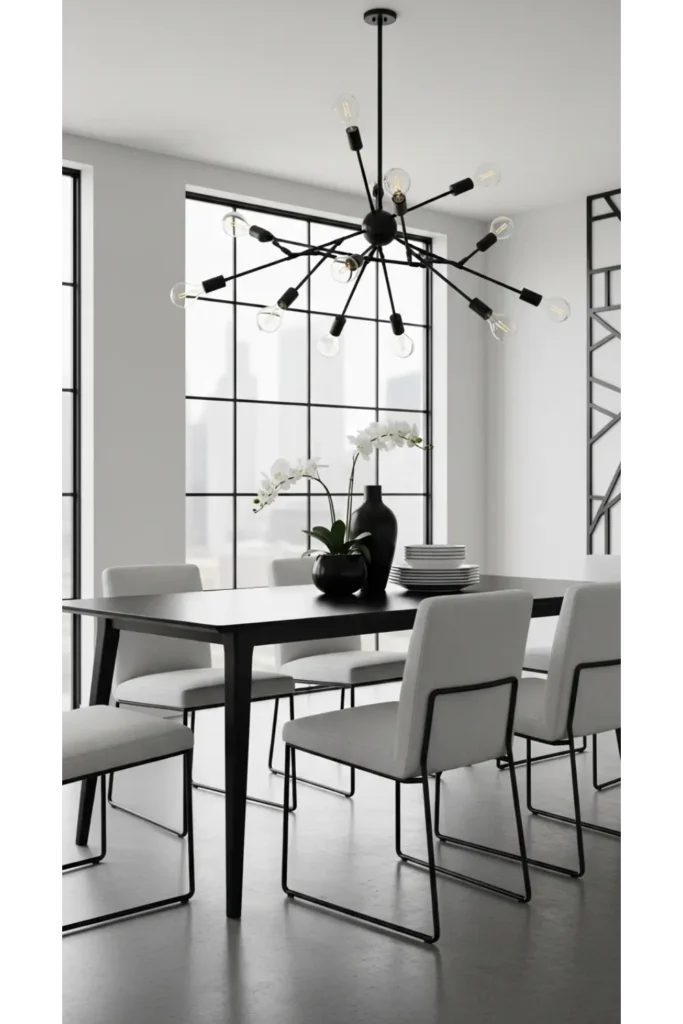
High contrast dining rooms bring bold personality into modern homes. Black and white palettes create sharp visual definition that feels confident and structured. Clean lines and simple furniture prevent the contrast from becoming overwhelming. This style works well in open layouts where the dining area needs a strong identity. High contrast design adds drama while staying grounded in modern simplicity and intentional restraint.
Texture helps soften the intensity of contrast. Matte finishes, natural wood accents, or fabric chairs introduce warmth and balance. Lighting also plays a key role by highlighting surfaces and creating depth. When done thoughtfully, high contrast dining rooms feel striking yet comfortable, offering a refined setting for meals that feels both modern and expressive.
15. Soft Modern Luxury
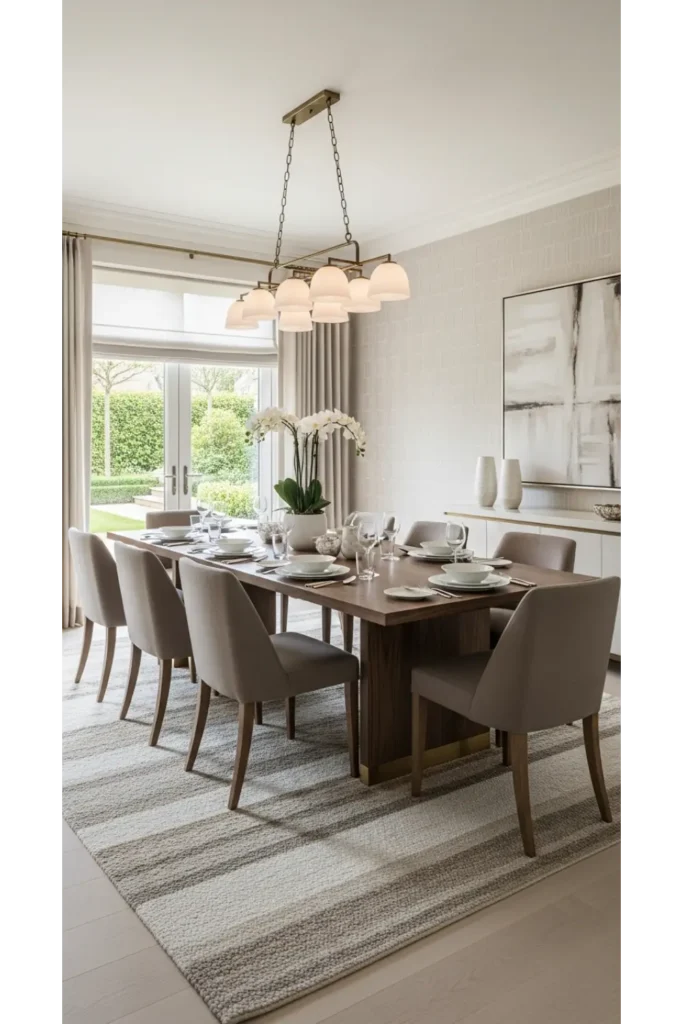
Soft modern luxury focuses on comfort, quality, and subtle refinement. Instead of bold statements, this style uses plush seating, smooth surfaces, and carefully chosen materials. Neutral tones dominate the space, allowing textures and finishes to shine. Everything feels intentional, from the table proportions to the lighting placement. The dining room becomes a place where elegance feels natural rather than formal or distant.
Lighting enhances the sense of calm and sophistication. Warm ambient fixtures create a welcoming glow that supports relaxed dining experiences. Upholstered chairs and layered materials add tactile comfort. This approach suits modern homes that value understated beauty and long term appeal, creating dining spaces that feel elevated yet deeply inviting for everyday use.
16. Industrial Modern Edge
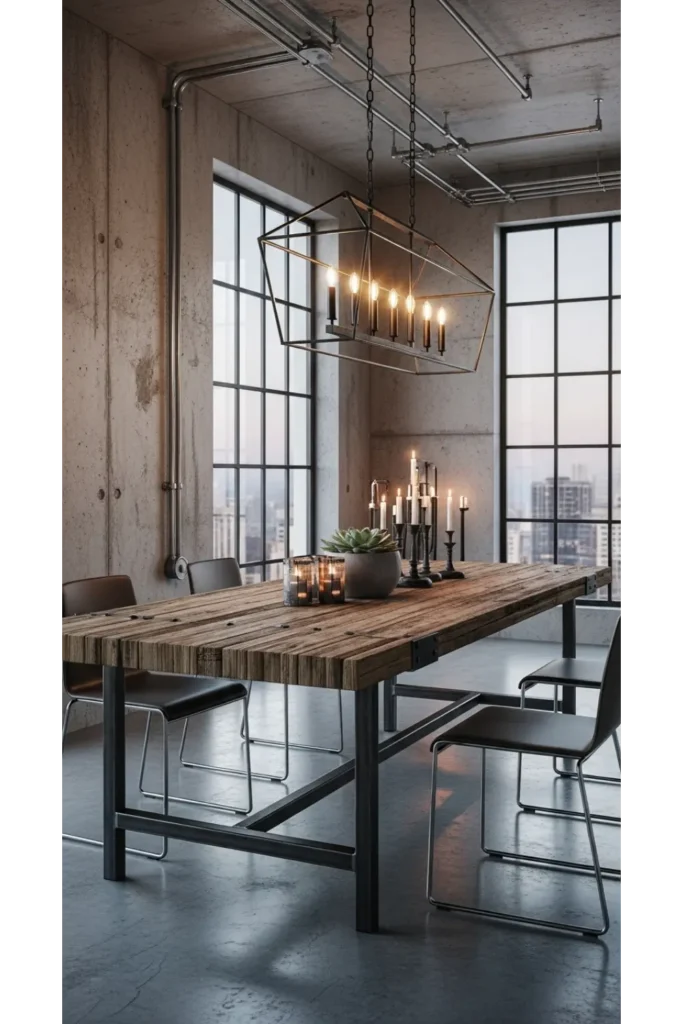
Industrial modern dining rooms draw inspiration from urban architecture and raw materials. Concrete, exposed metal, and natural wood combine to create a strong visual presence. The furniture remains simple and functional, allowing textures to define the space. This style feels grounded and authentic, making it popular in lofts and modern city homes where structure becomes part of the design story.
Warm lighting and natural elements prevent the room from feeling cold. Wood tables, soft seating, and subtle decor balance the harder surfaces. The contrast between rough materials and clean design creates depth and character. Industrial modern dining rooms feel confident and expressive while still supporting comfort and everyday use.
17. Flexible Dining Layout
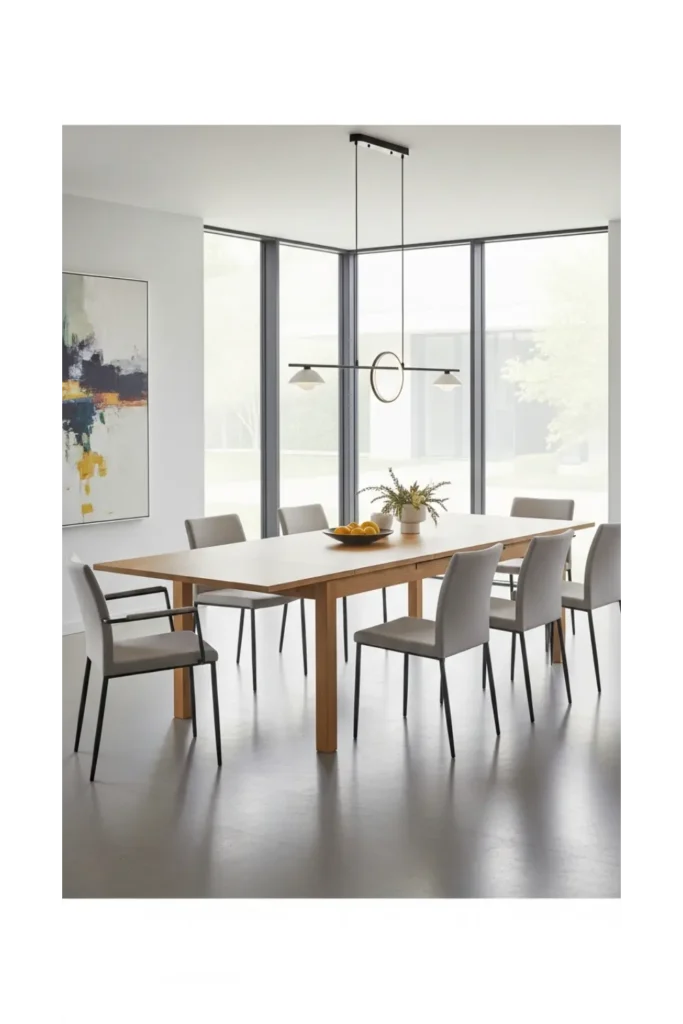
Flexibility defines modern dining rooms that support changing lifestyles. Extendable tables allow the space to adapt from daily meals to larger gatherings with ease. Chairs that move easily or benches that slide under tables improve flow and efficiency. Clean design ensures the room stays visually calm, even when furniture shifts. This adaptability makes the dining room more useful without feeling cluttered.
Thoughtful planning ensures flexibility does not compromise style. Designers maintain balance by keeping materials and colors consistent. Storage solutions help manage extra seating or table leaves. Flexible dining layouts suit modern homes where spaces often serve multiple purposes, creating rooms that respond naturally to real life rather than fixed expectations.
18. Monochrome Harmony
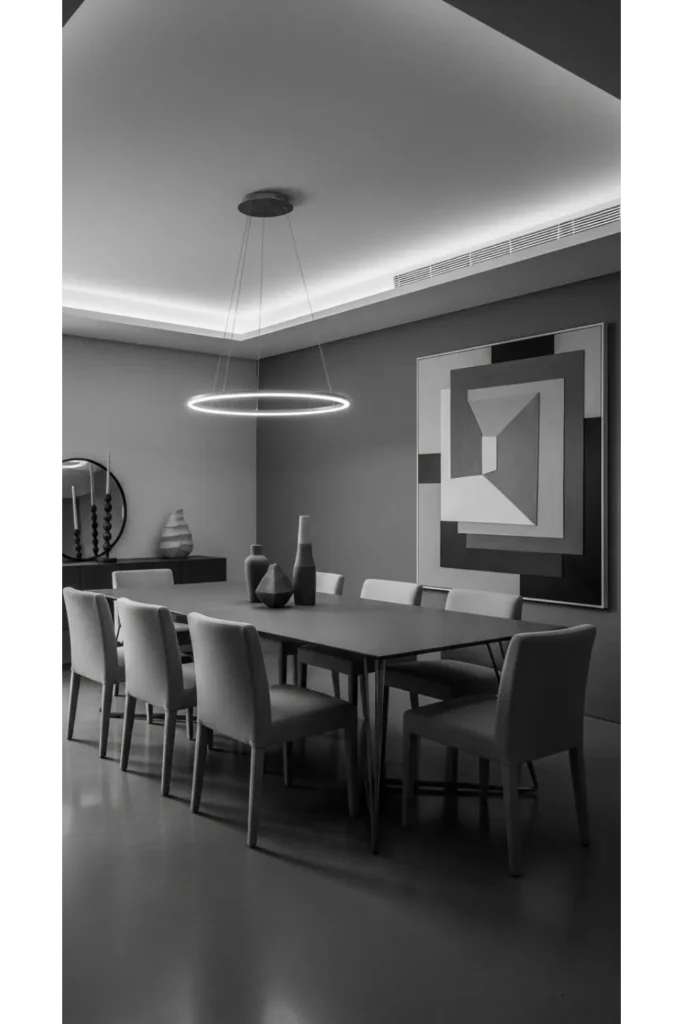
Monochrome dining rooms rely on a single color family to create harmony and calm. Different shades and tones add depth while maintaining a unified look. This approach feels modern and intentional, allowing form and texture to stand out. Furniture shapes and lighting become more noticeable when color remains controlled, creating a space that feels refined and thoughtfully composed.
Texture keeps monochrome spaces engaging. Fabric chairs, stone tables, and matte finishes prevent the room from feeling flat. Lighting enhances subtle contrasts and highlights surfaces. Monochrome dining rooms appeal to homeowners who appreciate quiet sophistication and want a modern space that feels cohesive, balanced, and visually restful.
19. Indoor Outdoor Connection
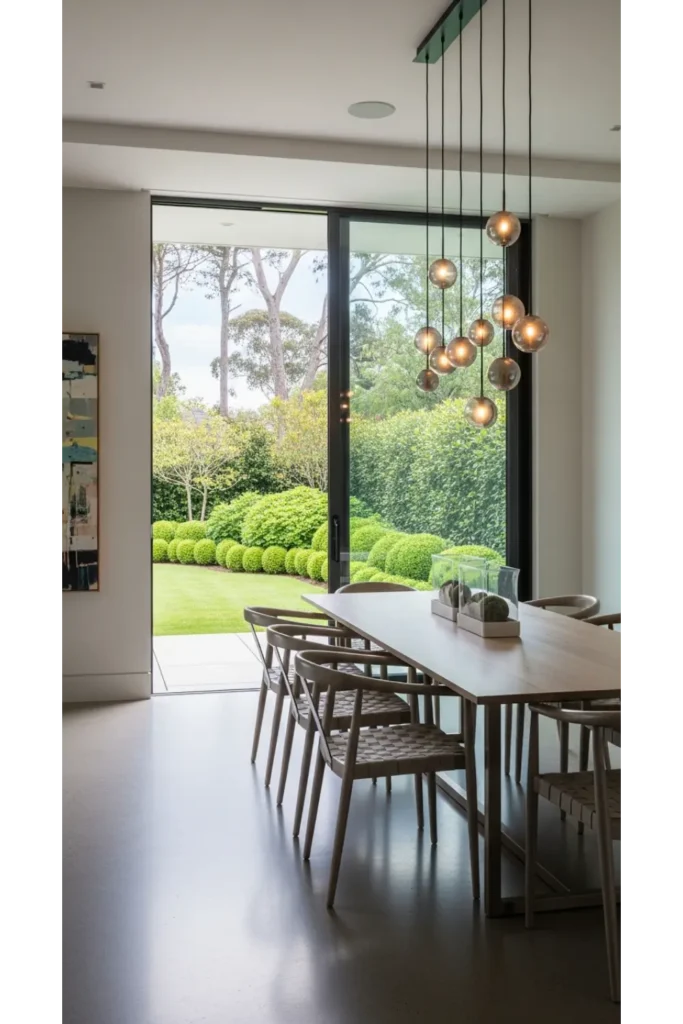
Connecting dining rooms to outdoor spaces enhances how modern homes feel and function. Large sliding doors or expansive windows bring in natural light and extend visual space. The dining area feels more open and relaxed, encouraging longer meals and casual gatherings. This connection supports a lifestyle that values light, air, and a sense of openness throughout the home.
Designers often echo outdoor colors and materials indoors to strengthen the connection. Wood, stone, and neutral tones create continuity. Furniture remains simple to avoid competing with the view. Indoor outdoor dining spaces feel fresh and effortless, offering a modern experience that blends comfort with nature.
20. Custom Built Details
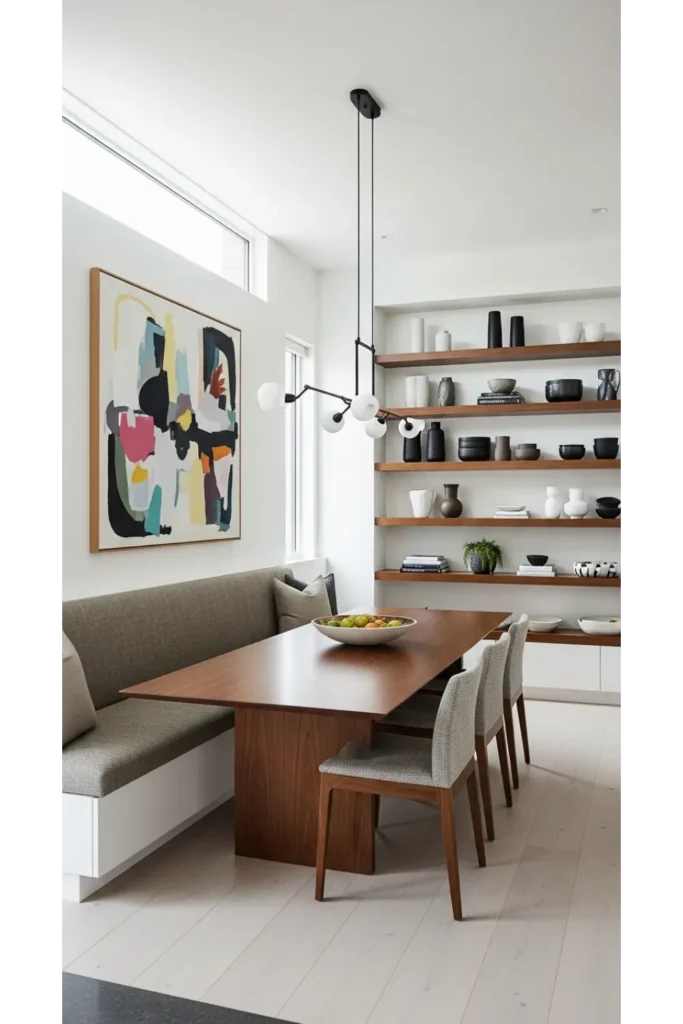
Custom built elements give modern dining rooms a tailored feel. Built in benches, shelving, or storage units maximize space while maintaining clean lines. These details make the dining area feel intentional and well planned. Custom features also help define the room, especially in open layouts where structure matters. The result feels personal without becoming overly decorative.
Function drives the design of custom elements. Storage stays hidden, seating feels integrated, and proportions align with the space. Designers focus on simplicity to preserve a modern look. Custom built dining rooms support everyday living while offering a level of refinement that standard furniture often cannot achieve.
21. Soft Curved Forms
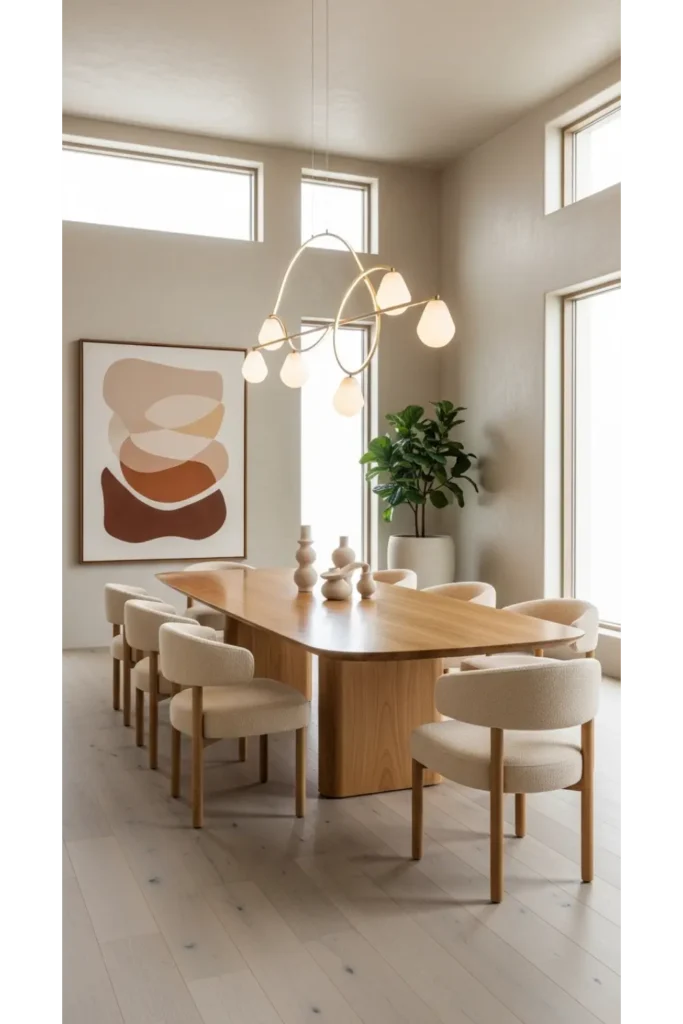
Curved forms introduce softness into modern dining rooms. Rounded tables and chairs create a welcoming atmosphere that feels more relaxed and human. This approach contrasts beautifully with straight architectural lines, adding balance and flow. Curves also improve movement around the table, making the dining experience more comfortable and intuitive for daily use.
Designers often pair curved furniture with warm materials and neutral colors. This combination enhances comfort without losing modern clarity. Soft forms work well in homes that want modern design to feel less rigid. The dining room becomes a place that invites connection, conversation, and ease.
22. Timeless Modern Balance
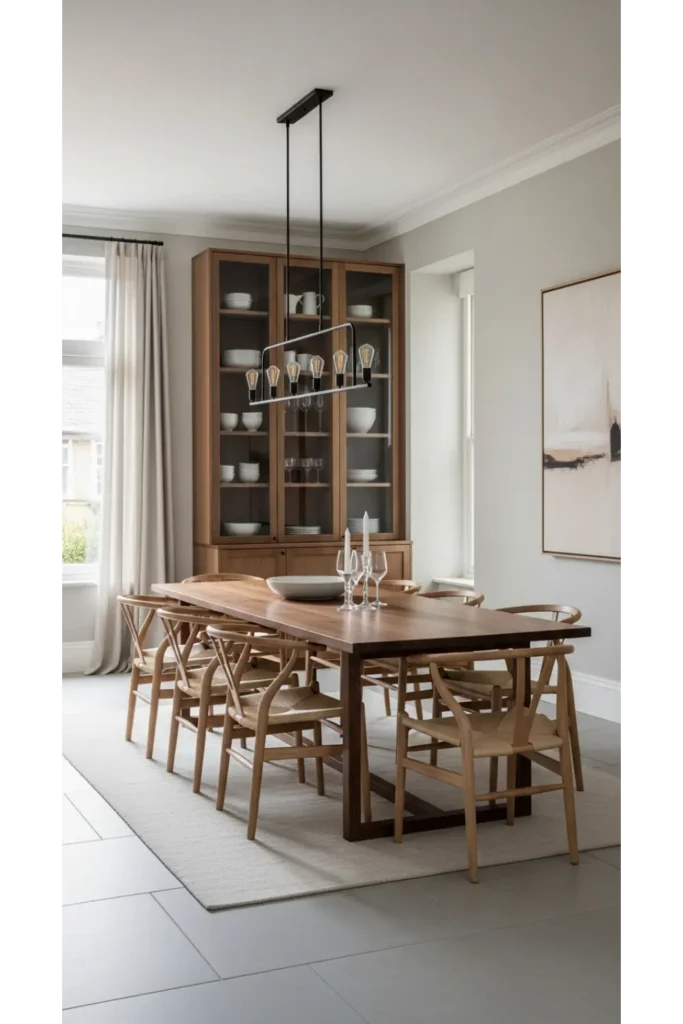
Timeless modern dining rooms blend classic proportions with contemporary simplicity. Furniture stays understated, focusing on shape, balance, and quality materials. Neutral colors create a foundation that adapts as styles evolve. This approach avoids trends that fade quickly, making the dining room feel relevant for years rather than seasons.
Details matter more than decoration in timeless spaces. Thoughtful lighting, comfortable seating, and subtle textures elevate the room. The result feels calm, refined, and dependable. Timeless modern dining rooms suit homeowners who value longevity, comfort, and design that supports daily life without constant change.
Conclusion
Dining room design inspirations modern homes continue to evolve as lifestyles change. The best designs balance beauty, comfort, and function. By choosing ideas that reflect how you live, your dining room becomes more than a design feature. It becomes a space where everyday moments feel meaningful and lasting.