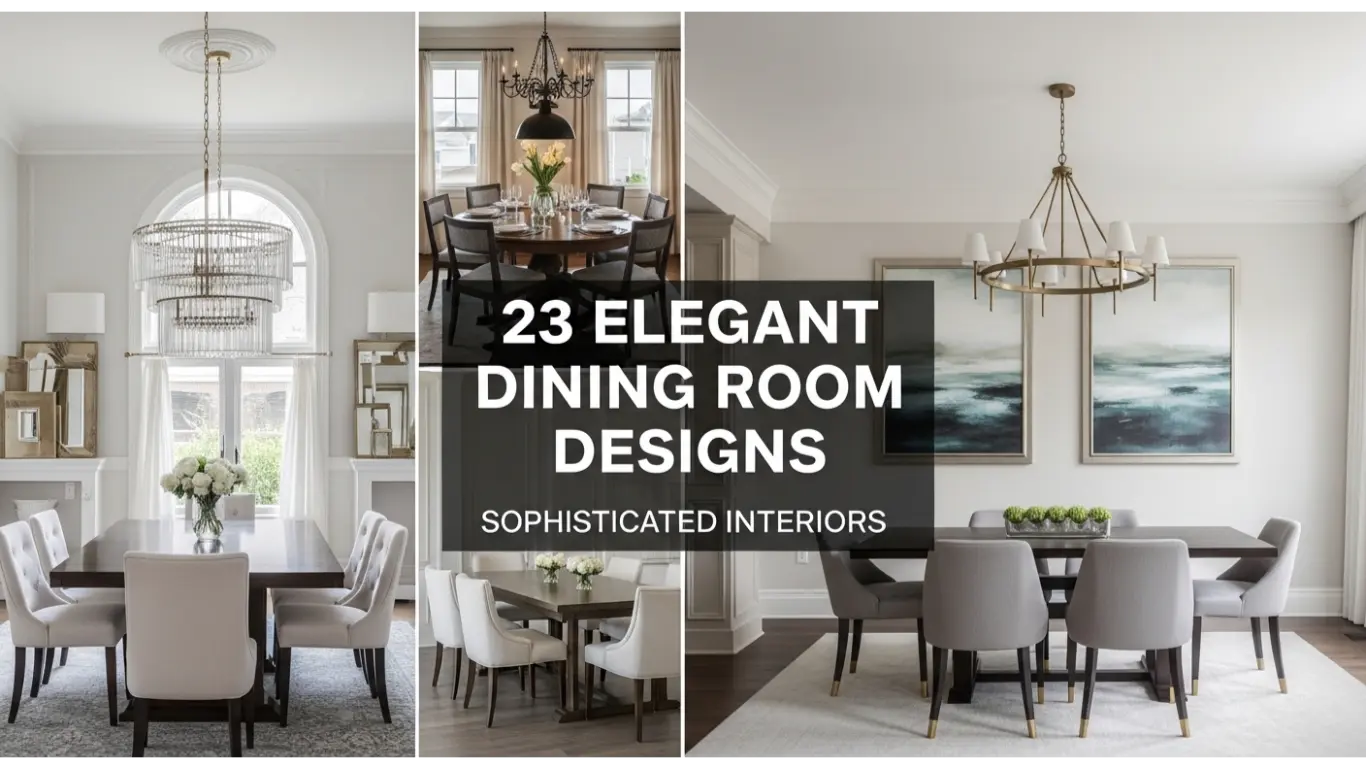
23 Elegant Dining Room Designs, Sophisticated Interiors
A dining room sets the emotional tone for gatherings, conversations, and everyday rituals. The right design balances comfort with visual confidence, creating a space that feels intentional yet inviting. This guide explores refined ideas shaped by craftsmanship, lighting, materials, and proportion. Each concept reflects how bold elegance, refined interiors, and thoughtful details elevate dining spaces for modern homes while remaining warm and livable for real life.
1. Timeless Formal Elegance
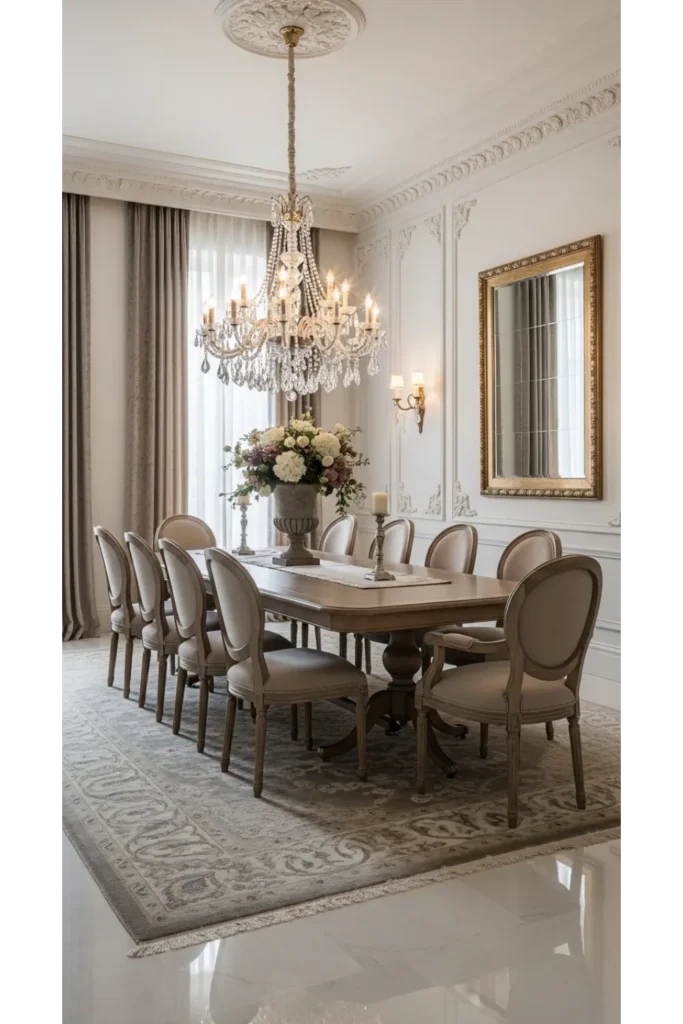
The foundation of elegant dining room designs sophisticated interiors lies in timeless structure. This style leans on symmetry, refined furniture silhouettes, and balanced proportions that never feel dated. Upholstered dining chairs, a solid wood table, and layered lighting create a calm visual rhythm. The room feels polished but not stiff, allowing both formal dinners and relaxed evenings to coexist naturally.
Color choices stay grounded in warm neutrals like ivory, taupe, and soft gray. Subtle textures from drapery, rugs, and wall finishes add depth without visual clutter. Carefully chosen artwork and lighting accents reinforce sophistication while keeping the room approachable. This approach works beautifully in traditional homes and modern spaces craving classic refinement.
2. Modern Minimal Luxe
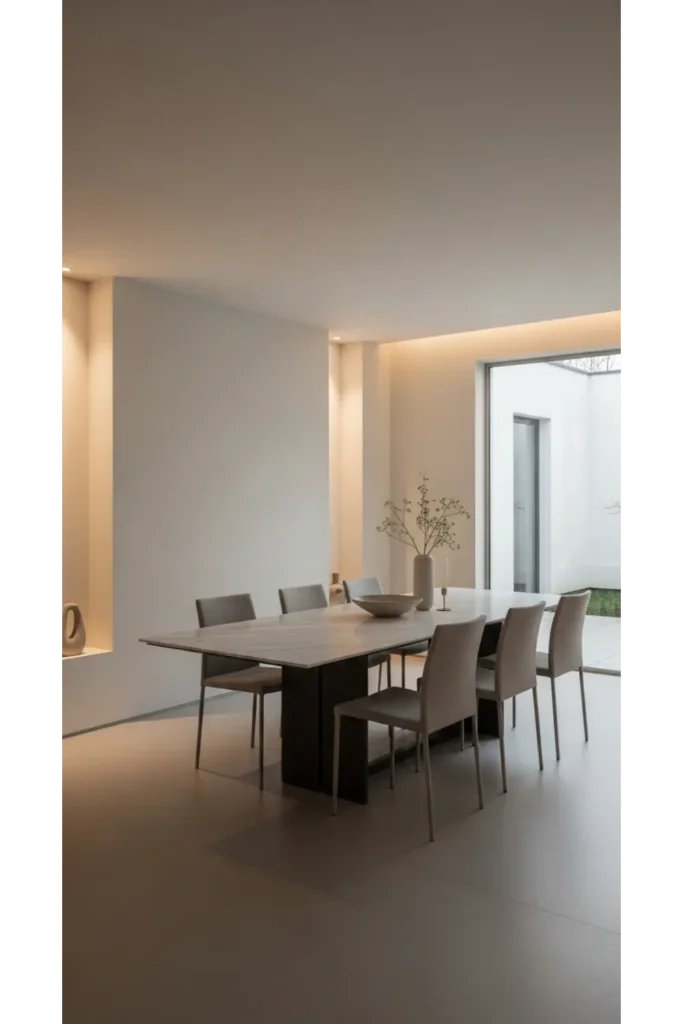
Minimal luxury focuses on restraint and material quality. Clean-lined furniture and negative space let premium finishes stand out. A marble or stone dining table becomes the centerpiece, supported by sculptural chairs that feel light yet intentional. This design proves that luxury does not require excess, only thoughtful editing.
Neutral tones dominate, but texture does the heavy lifting. Polished stone, soft leather, and subtle metallic accents bring quiet drama. Lighting remains soft and architectural, often concealed to maintain a seamless look. This style suits urban homes and open floor plans where calm sophistication feels essential.
3. Dark and Dramatic Refinement
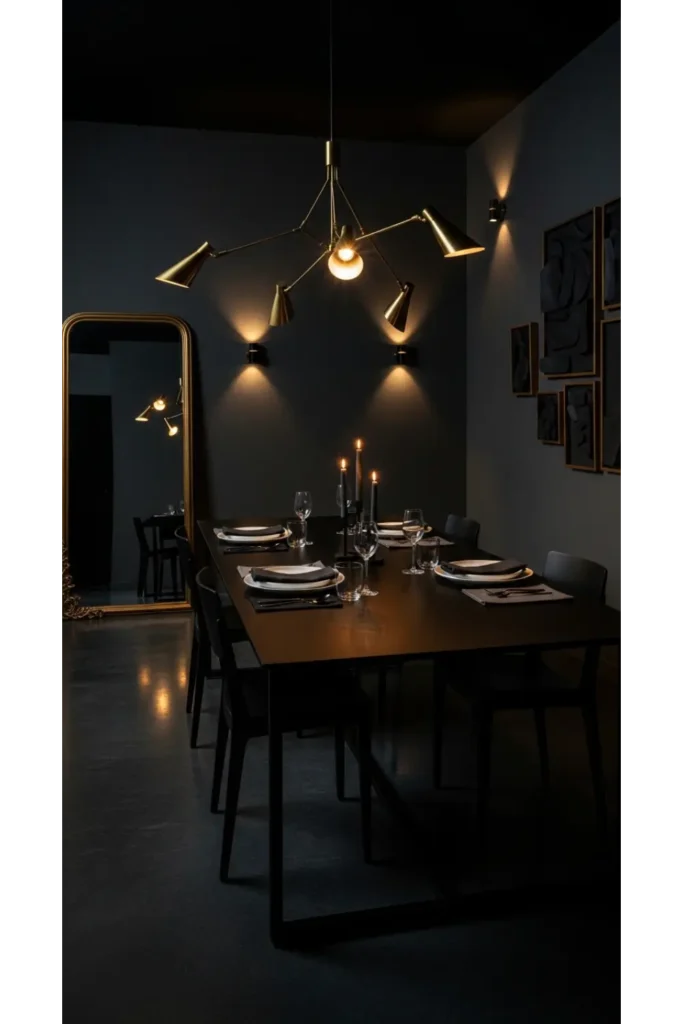
Dark dining rooms create intimacy and visual depth when done correctly. Deep charcoal, espresso, or midnight blue walls anchor the space and make metallic accents glow. A substantial table grounds the room, while warm lighting prevents heaviness. This approach feels bold yet incredibly refined.
Texture plays a crucial role in balance. Matte finishes pair with subtle sheen from brass or bronze details. Upholstered chairs soften the palette and improve comfort. The result feels dramatic but controlled, ideal for homeowners who value statement interiors with a polished edge.
4. Parisian-Inspired Sophistication
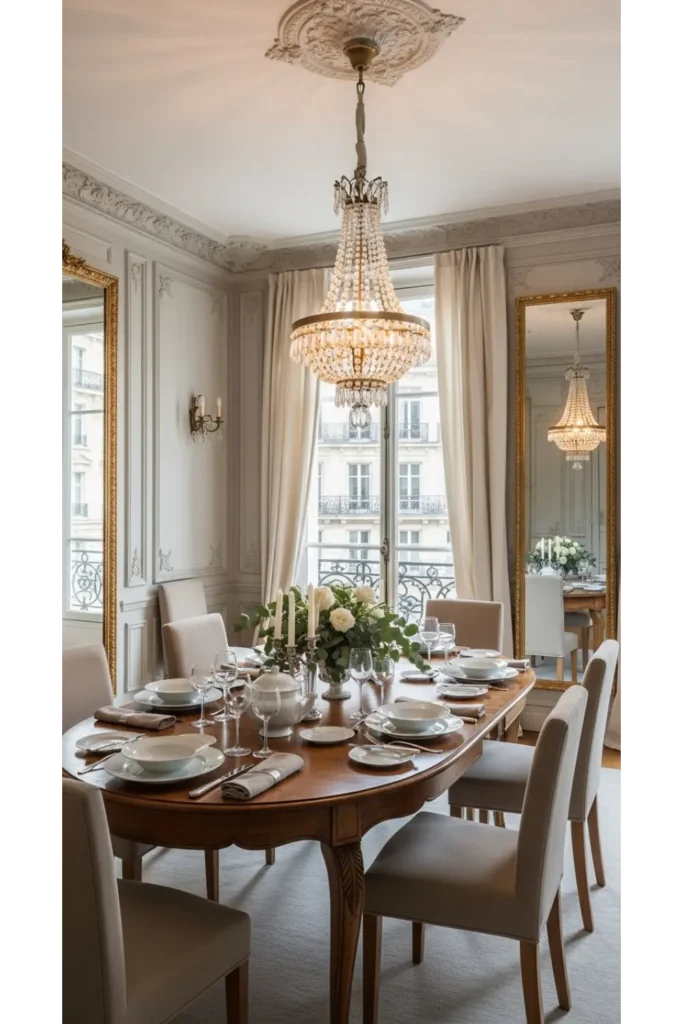
Parisian style blends history with effortless charm. Architectural details like moldings and ceiling medallions set a refined backdrop. A mix of antique and modern furnishings adds character without overwhelming the space. The dining room feels curated, as if it evolved.
Soft neutrals dominate the palette, accented by warm wood and muted metals. Linen textures and classic lighting enhance the romantic atmosphere. This style suits those who love elegance that feels lived in rather than overly staged.
5. Contemporary Glam Dining
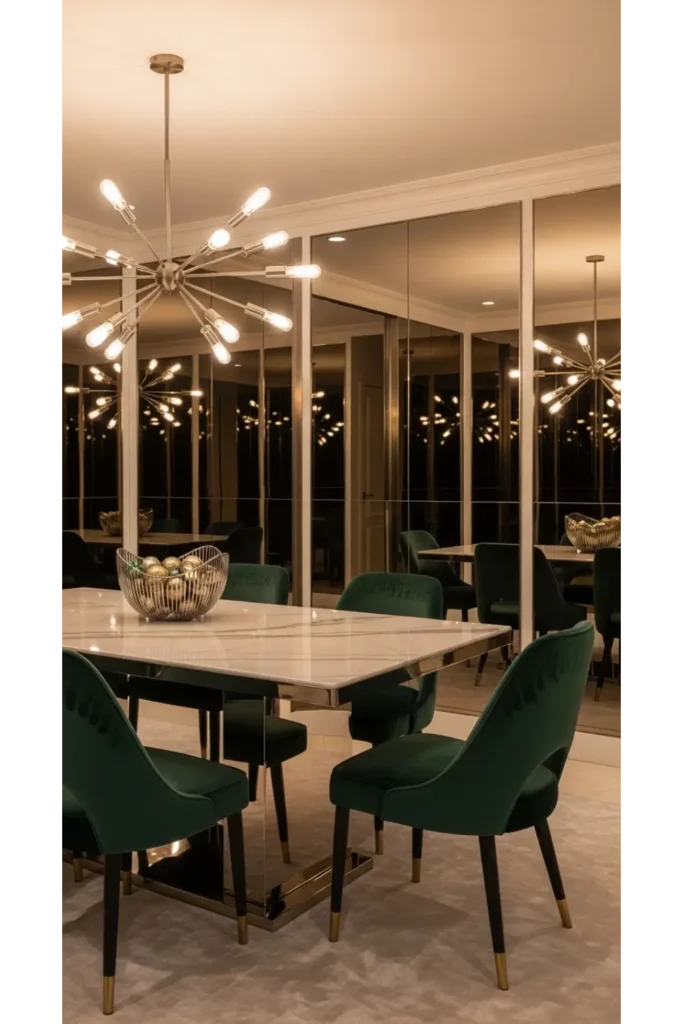
Contemporary glam embraces shine but stays controlled. Velvet chairs, reflective surfaces, and sculptural lighting add personality without excess. The dining table often features a glossy or glass finish to amplify light and visual space.
Color palettes include soft blush, charcoal, or creamy whites layered with gold or chrome accents. The space feels expressive yet refined, perfect for homeowners who enjoy visual drama paired with clean modern lines.
6. Warm Transitional Balance
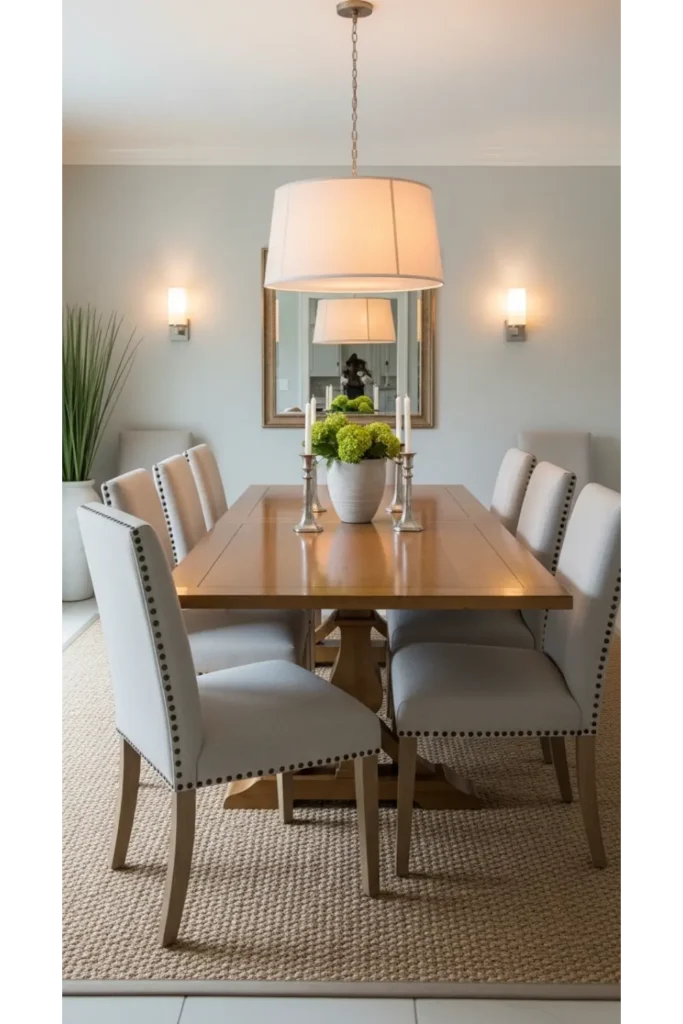
Transitional dining rooms seamlessly blend classic and contemporary elements. Traditional silhouettes meet modern finishes, creating a flexible aesthetic. A solid wood table pairs beautifully with streamlined chairs and simple lighting fixtures.
Warm neutrals keep the space grounded, while subtle contrast adds interest. This style adapts easily over time, making it ideal for families who want longevity without sacrificing sophistication.
7. Sculptural Statement Dining
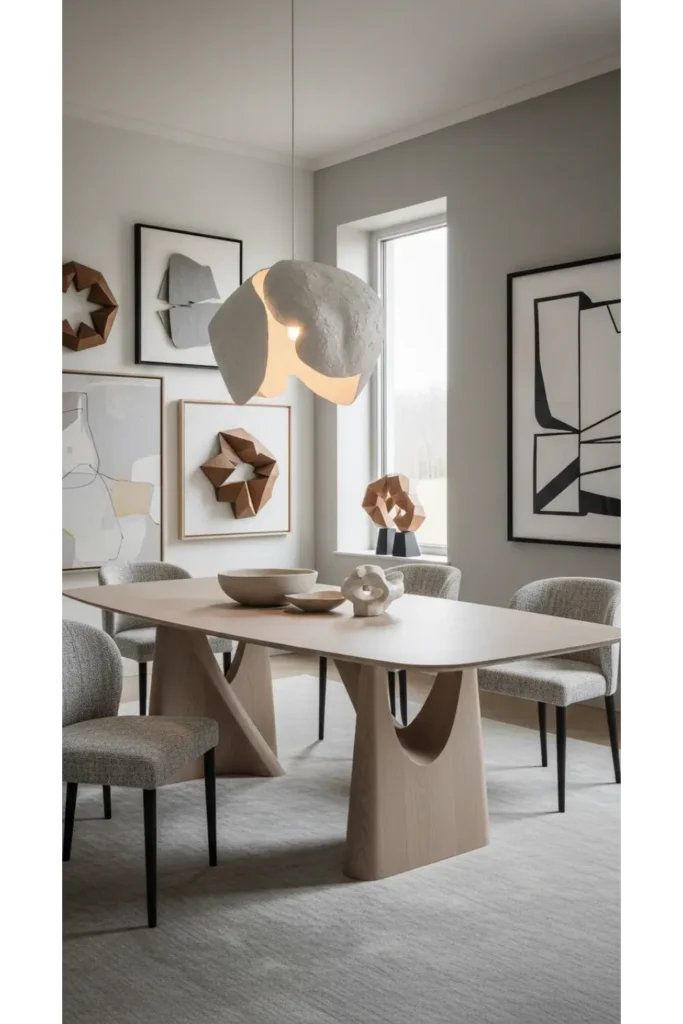
A sculptural dining room treats furniture as art while keeping the space livable. The dining table becomes the visual anchor, often carved, curved, or asymmetrical, commanding attention without overwhelming the room. Surrounding elements stay calm, allowing the form of the furniture to shine. This approach aligns beautifully with sophisticated interiors that value design integrity over decoration.
Natural materials like stone, wood, and plaster help ground the artistic elements and prevent the space from feeling cold. Lighting plays a supporting role, highlighting shapes and textures instead of competing with them. When executed well, this style creates a dining room that feels intentional, curated, and expressive while remaining functional for everyday use and special gatherings alike.
8. Soft Neutral Luxury
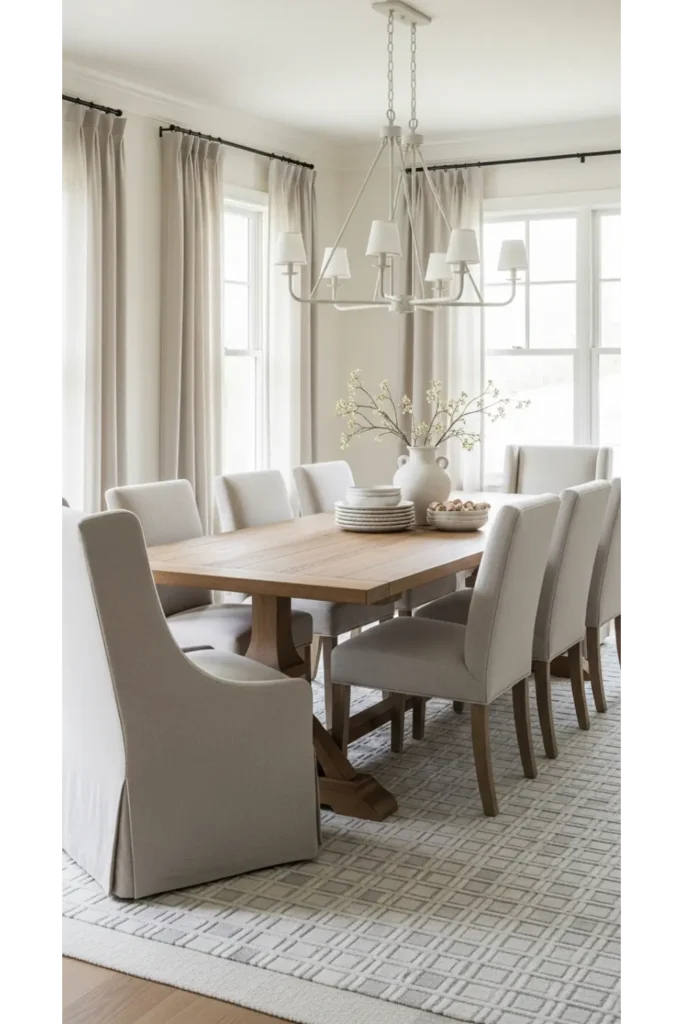
Soft neutral luxury relies on subtlety rather than contrast. Shades of cream, sand, and warm gray work together to create visual calm while allowing textures to add interest. Upholstered seating, natural-fiber rugs, and matte finishes add depth without distraction. This approach supports elegant dining room designs that feel refined yet emotionally comfortable.
Instead of bold color statements, the focus shifts to quality materials and thoughtful layering. Lighting remains warm and diffused, enhancing the softness of the palette. The result is a dining room that feels timeless, serene, and welcoming, making it ideal for homes where elegance should feel effortless and lived in rather than staged.
9. Art Deco Influence
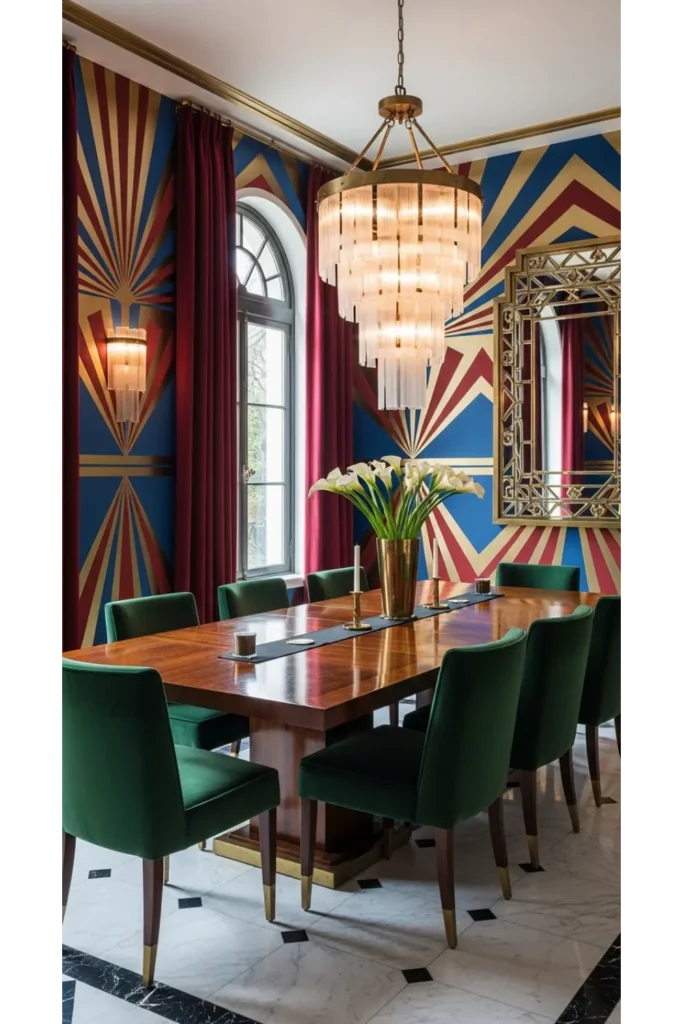
Art Deco dining rooms celebrate structure, symmetry, and confidence. Geometric patterns appear in furniture silhouettes, wall details, and lighting fixtures, creating rhythm throughout the space. Rich tones like emerald, navy, or deep burgundy add visual weight while polished metals bring balance. This style fits naturally into sophisticated interiors that embrace bold character.
The key to modern Art Deco lies in restraint. Rather than recreating the past, designers refine the elements for contemporary living. Clean-lined furniture and controlled color palettes prevent the room from feeling heavy. The result is a dining space that feels luxurious, expressive, and unmistakably intentional.
10. Organic Modern Dining
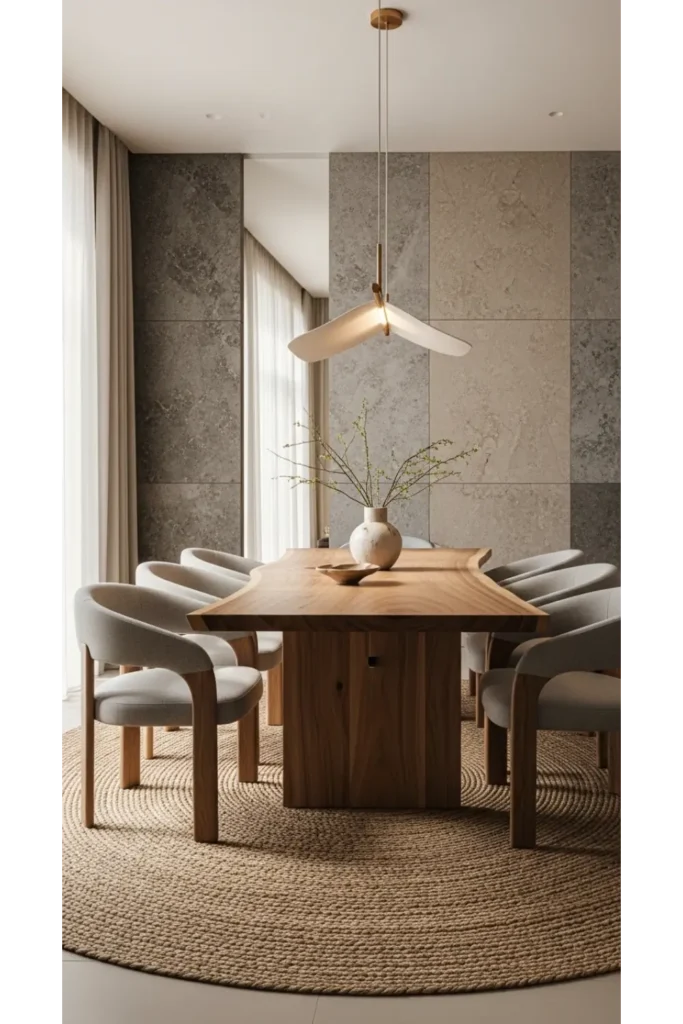
Organic modern dining rooms focus on harmony between form and nature. Wood grain, stone surfaces, and gentle curves replace sharp edges, creating a sense of flow. The atmosphere feels grounded and calm, aligning with elegant dining room designs that prioritize emotional comfort as much as visual appeal.
Neutral tones dominate, but variation in texture keeps the room engaging. Natural light enhances the organic elements, while simple lighting fixtures maintain balance. This approach works especially well in contemporary homes where simplicity, sustainability, and warmth need to coexist without sacrificing refinement.
11. Luxe Coastal Refinement
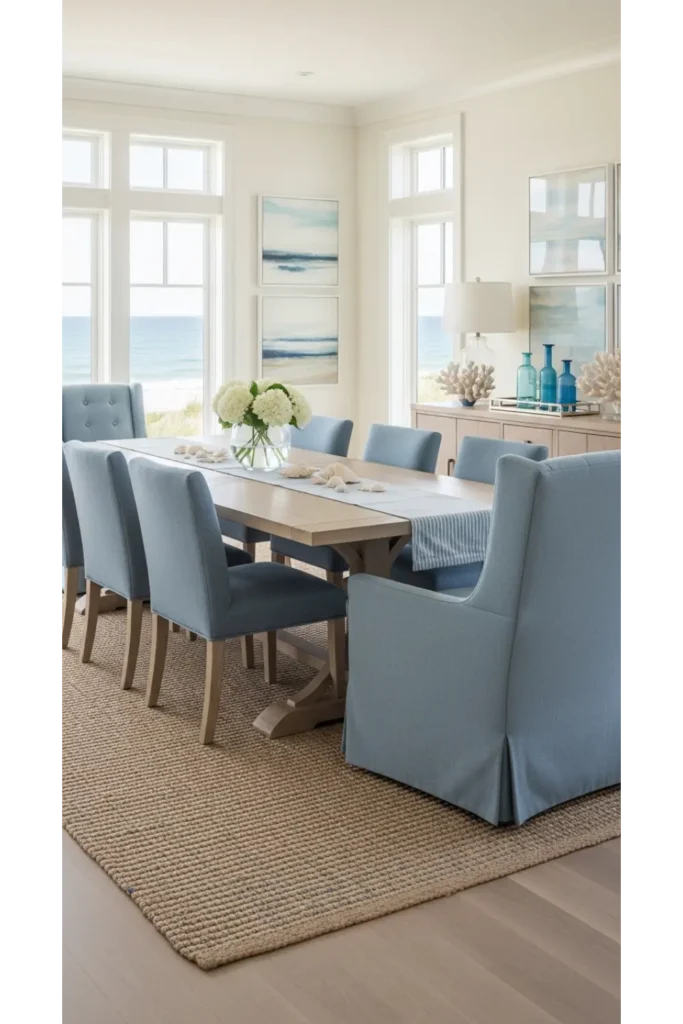
Luxe coastal dining rooms reinterpret seaside inspiration through a refined lens. Light woods and soft blues set an airy foundation, while tailored furniture and structured layouts elevate the space. This design avoids casual clichés, offering a polished interpretation that suits sophisticated interiors.
Textiles remain crisp, and finishes feel intentional rather than rustic. Lighting leans elegant, often using sculptural pendants or chandeliers to anchor the room. The result is a dining space that feels relaxed yet elevated, perfect for homes that want coastal freshness without losing architectural presence.
12. High-Contrast Modern Elegance
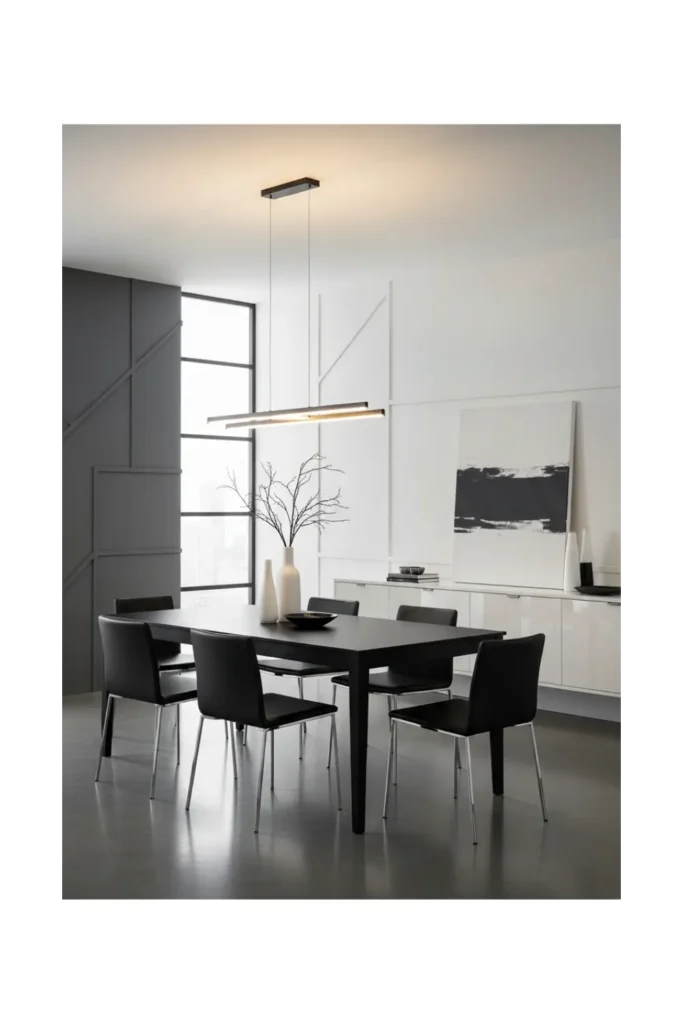
High-contrast dining rooms rely on clarity and precision. Black and white palettes highlight architectural details and furniture forms, creating a crisp visual impact. This approach supports elegant dining room designs where simplicity becomes the statement rather than ornamentation.
Lighting softens the contrast, ensuring the space remains inviting. Textural variation, such as matte finishes paired with subtle sheen, prevents harshness. When done thoughtfully, high-contrast dining rooms feel confident, modern, and timeless without appearing stark or unwelcoming.
13. Heritage-Inspired Dining
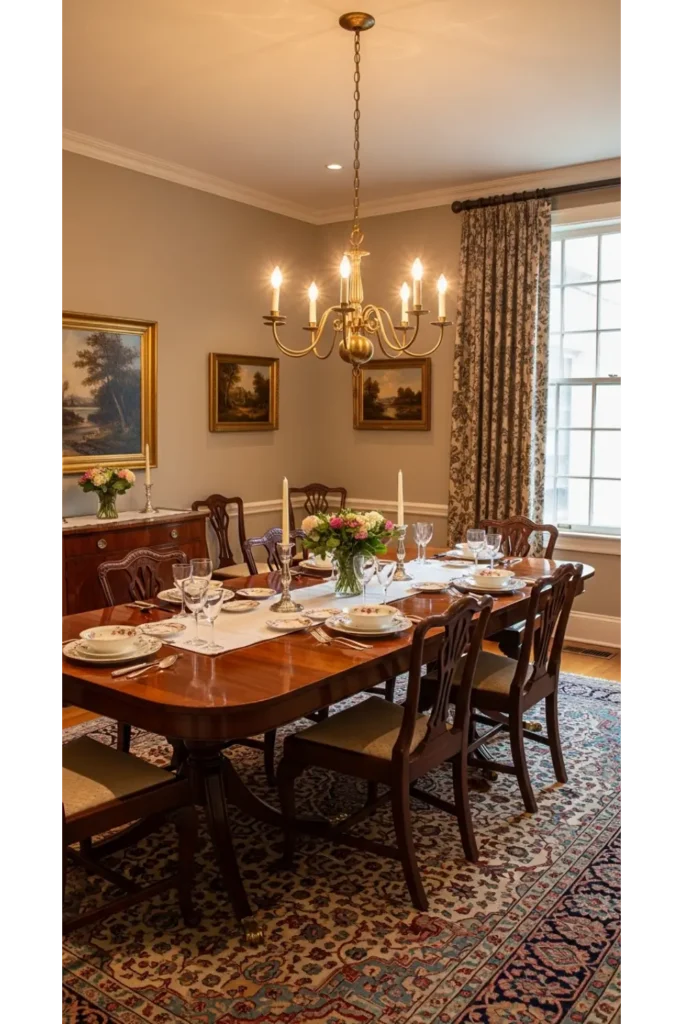
Heritage-inspired dining rooms honor craftsmanship and tradition. Solid wood tables, classic chair profiles, and refined lighting establish a grounded atmosphere. This style resonates deeply within sophisticated interiors that value longevity over trends.
Warm tones and subtle detailing add comfort and familiarity. While rooted in tradition, modern updates in lighting or upholstery keep the space relevant. The dining room becomes a place where history and contemporary living coexist naturally.
14. Curated Hospitality-Inspired Dining
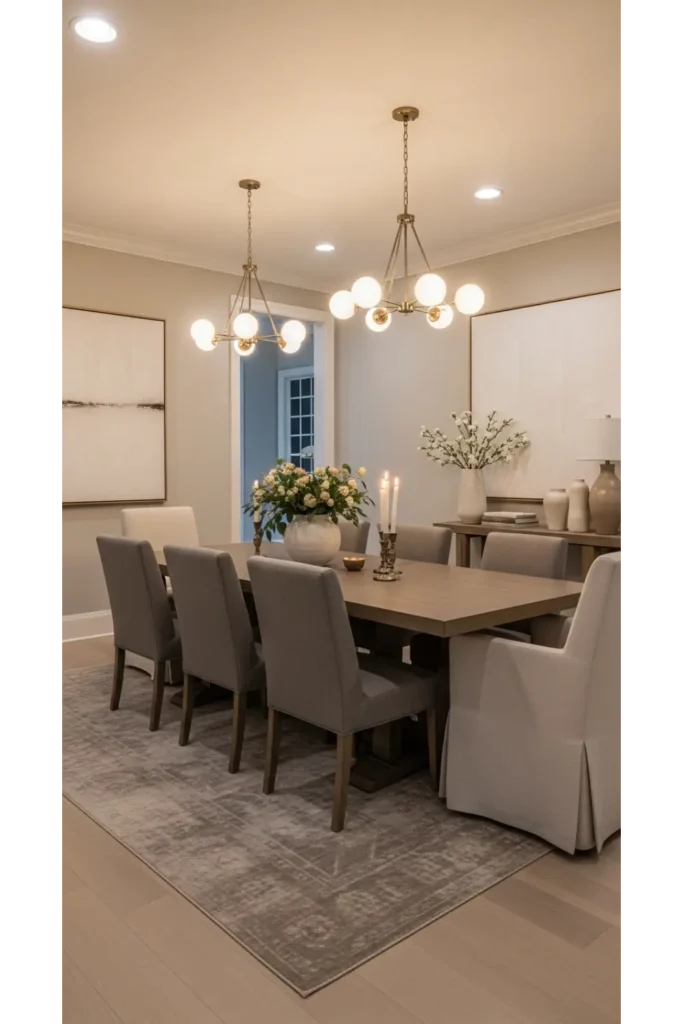
Curated hospitality-inspired dining rooms focus on experience rather than imitation. Instead of copying hotel interiors directly, this style adapts their sense of comfort, flow, and visual confidence into a residential setting. Tailored seating, generous spacing, and intentional lighting create a dining environment that feels composed and welcoming. This approach supports elegant dining room designs that prioritize how people feel in the space.
The color palette remains refined, often built around warm neutrals with subtle tonal variation. Materials feel elevated but durable, supporting both everyday meals and special occasions. The room feels thoughtfully designed rather than decorative, appealing to homeowners who value atmosphere, comfort, and quiet sophistication without leaning too heavily into themed styling.
15. Metallic Accented Dining
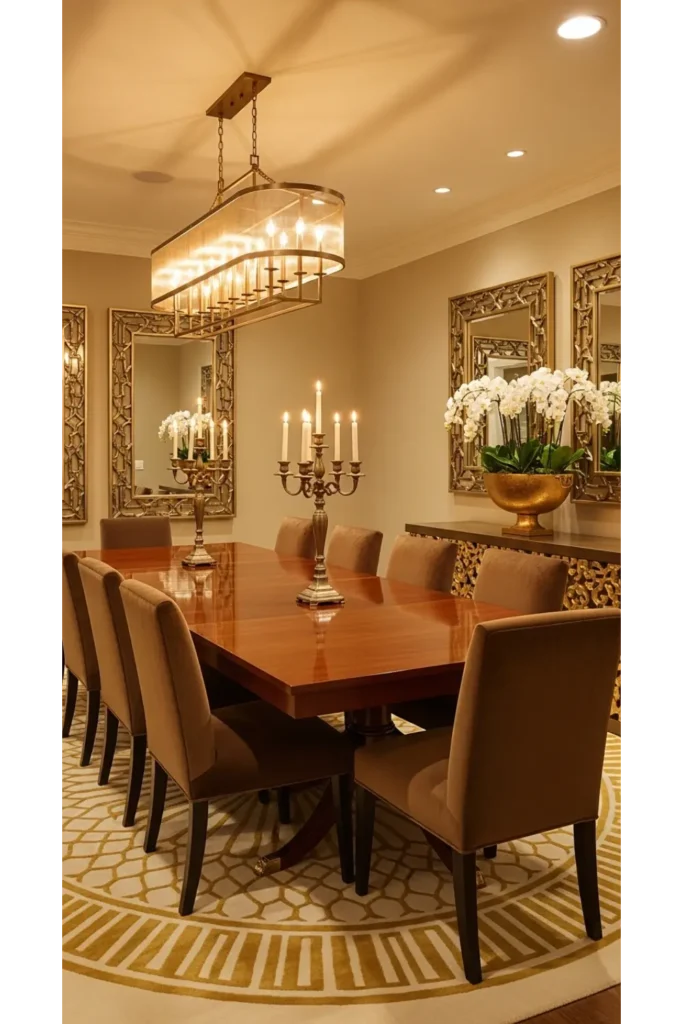
Metallic accents add understated glamour to dining spaces. Gold, bronze, or champagne finishes introduce warmth and reflect light beautifully. Used sparingly, they enhance sophisticated interiors without overpowering the room.
Paired with soft textures and neutral backdrops, metallics feel balanced and refined. Lighting plays a critical role, ensuring the finishes glow rather than glare. This style suits both modern and transitional homes seeking quiet luxury.
16. Earth-Toned Luxury
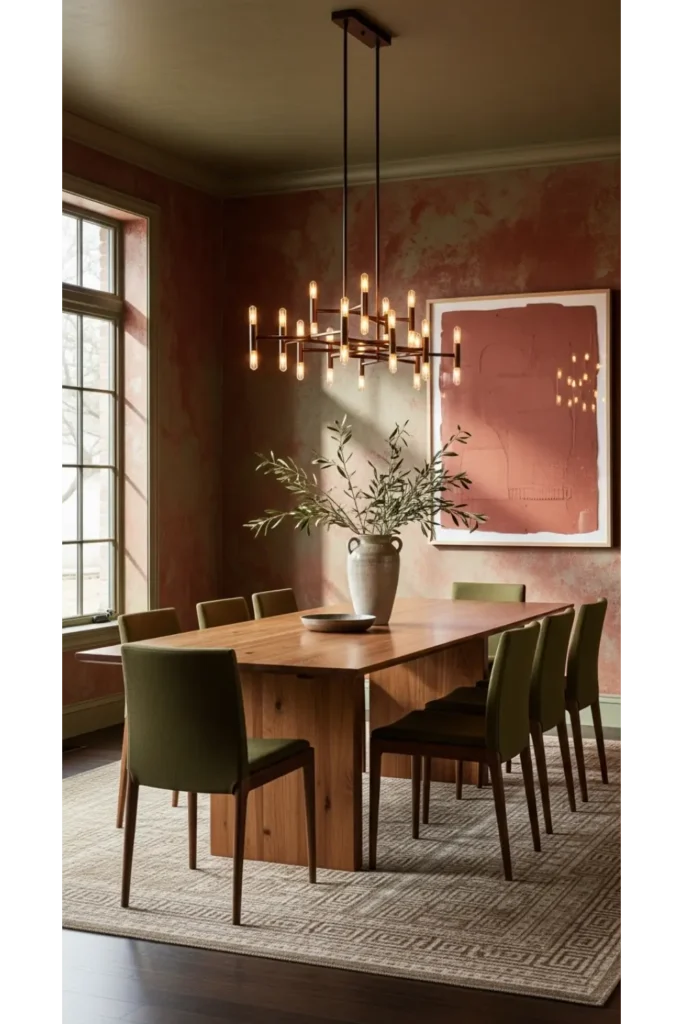
Earth-toned dining rooms create richness through warmth and texture. Shades of clay, olive, and warm brown establish depth while maintaining elegance. This palette supports elegant dining room designs that feel grounded and emotionally inviting.
Layered textures such as plaster walls, wood furniture, and woven textiles add dimension. The result is a dining space that feels both luxurious and approachable, ideal for homes that prioritize comfort alongside refinement.
17. Monochromatic Sophistication
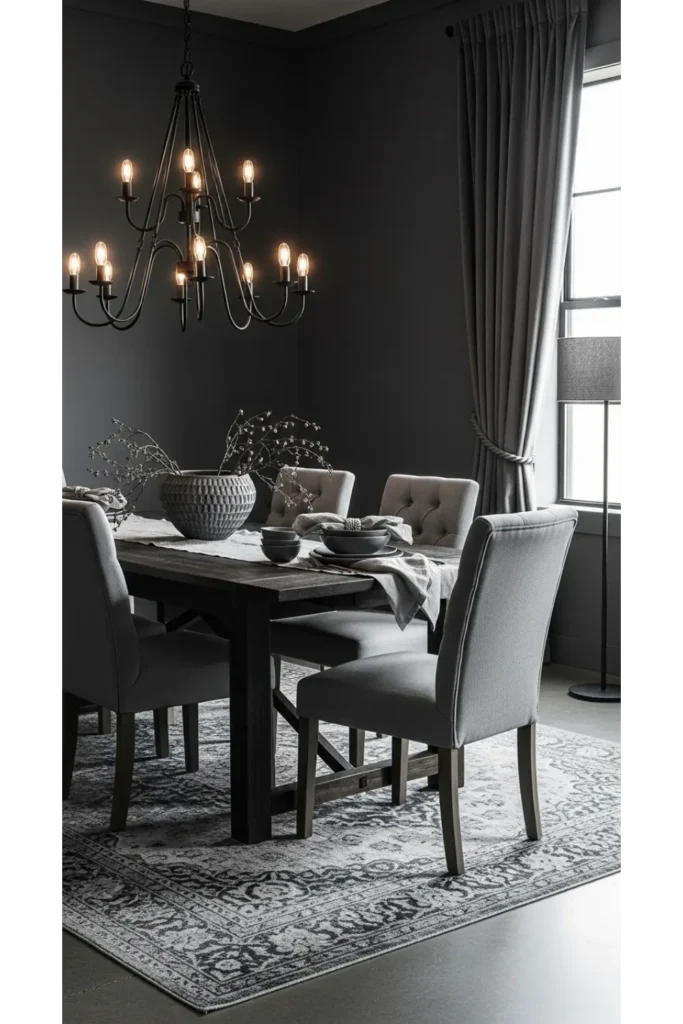
Monochromatic dining rooms rely on variation rather than contrast. Different shades of a single color create harmony, while textures prevent visual flatness. This approach aligns seamlessly with sophisticated interiors focused on balance and restraint.
Materials like fabric, wood, and stone introduce quiet interest. Lighting enhances depth without disrupting cohesion. The result feels calm, intentional, and timeless, perfect for modern homes seeking understated elegance.
18. Architectural Lighting as a Design Anchor
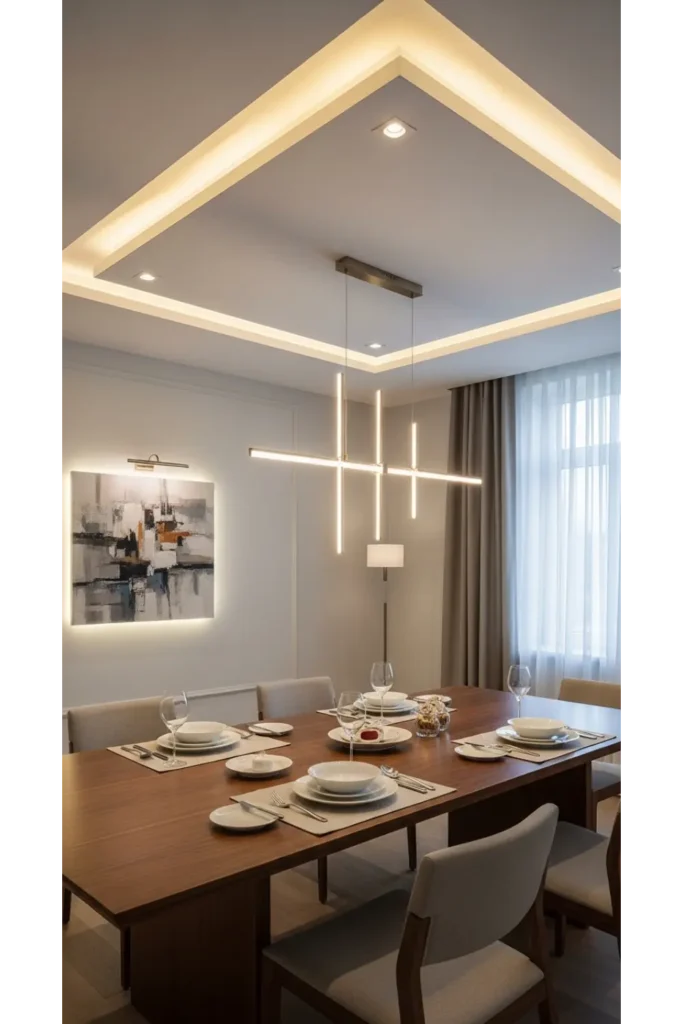
Architectural lighting focuses on how light shapes space rather than stealing attention. Recessed ceiling lights, wall washes, and subtle pendant fixtures work together to define the dining area with intention. Instead of one dramatic focal point, the glow feels balanced and immersive. This approach supports elegant dining room designs that value restraint, proportion, and long-term appeal.
Furniture and finishes remain refined, allowing light to enhance textures, materials, and form. Soft illumination highlights wood grain, fabric, and architectural details without visual noise. The result feels calm, elevated, and cohesive, making it ideal for sophisticated interiors where atmosphere matters as much as aesthetics and functionality.
19. Refined Rustic Elegance
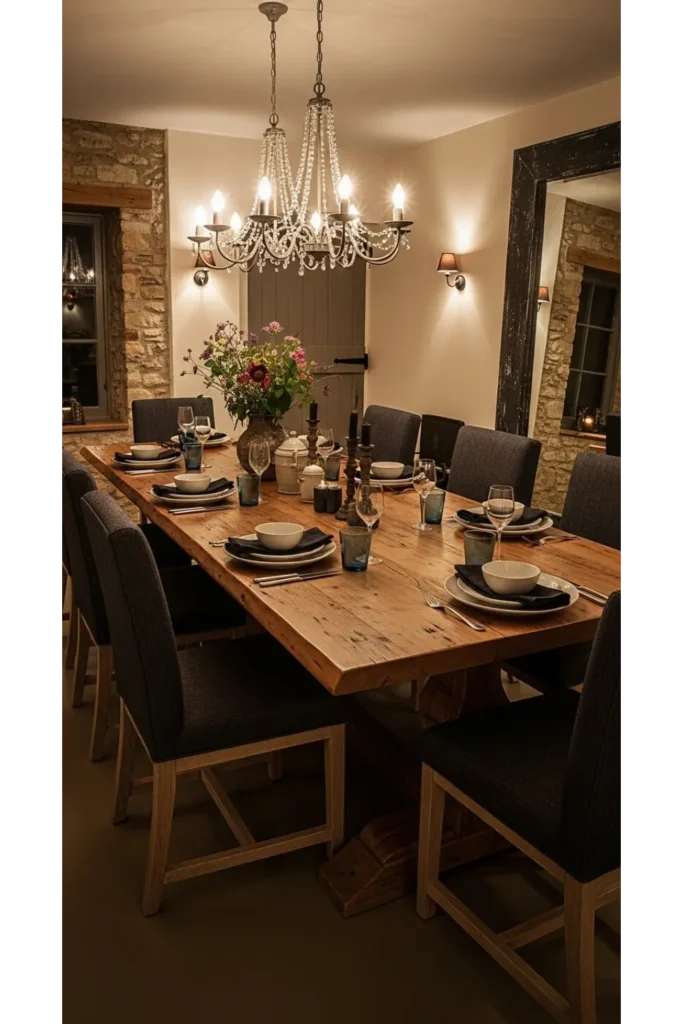
Refined rustic dining rooms balance raw materials with polish. Reclaimed wood tables introduce character, while tailored seating and elegant lighting refine the look. This contrast supports sophisticated interiors that value authenticity and comfort.
Warm tones and natural textures create emotional warmth. Careful styling prevents the room from feeling overly casual. The result feels welcoming, grounded, and elevated, perfect for both urban and countryside homes.
20. Contemporary Classic Blend
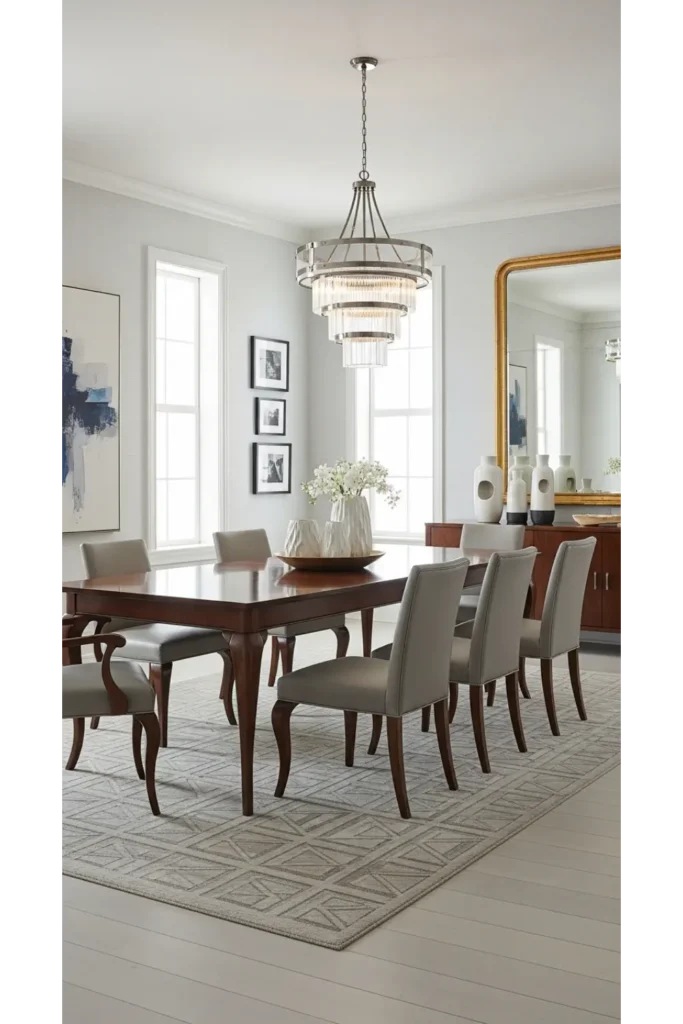
Contemporary classic dining rooms merge tradition with modernity. Familiar silhouettes gain freshness through updated materials and finishes. This balance keeps the space adaptable and timeless, a key trait of elegant dining room designs.
Neutral palettes allow architectural details and proportions to shine. The room feels cohesive and enduring, making it ideal for homeowners who want style longevity without rigidity.
21. Jewel-Toned Dining Room
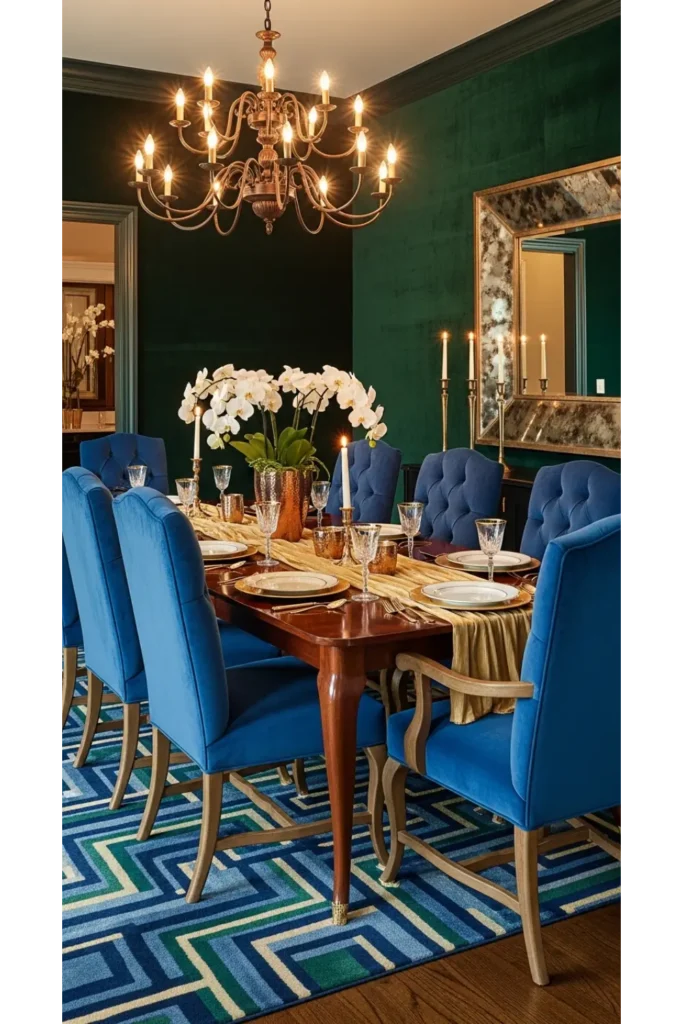
Jewel-toned dining rooms bring depth and drama through color. Emerald, sapphire, or amethyst hues create richness while maintaining elegance. When balanced correctly, this style enhances sophisticated interiors without overwhelming the senses.
Warm metals and soft lighting prevent heaviness. Upholstered seating adds comfort and refinement. The space feels intimate, luxurious, and memorable, ideal for evening gatherings and formal dining moments.
22. Architectural Focus Dining
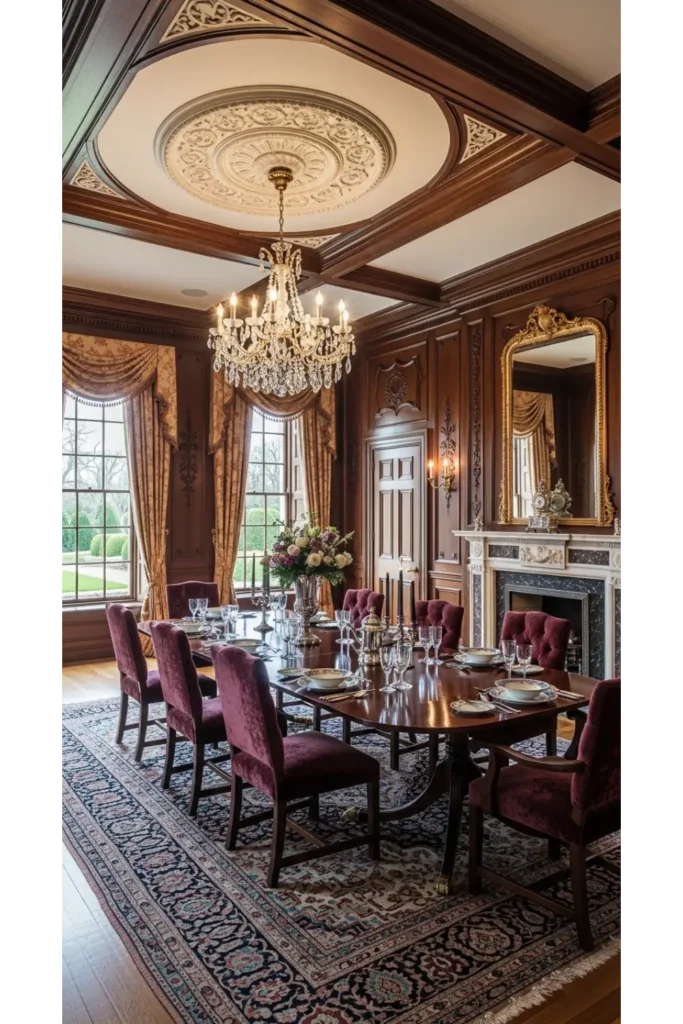
Architectural dining rooms let structure lead the design. Wall paneling, ceiling treatments, and built-ins frame the space with purpose. Furniture remains elegant and supportive, reinforcing elegant dining room designs rooted in proportion.
Materials and finishes stay restrained, allowing craftsmanship to stand out. This approach works best in homes with strong bones, creating dining spaces that feel thoughtful and enduring.
23. Soft Glam Neutral Dining
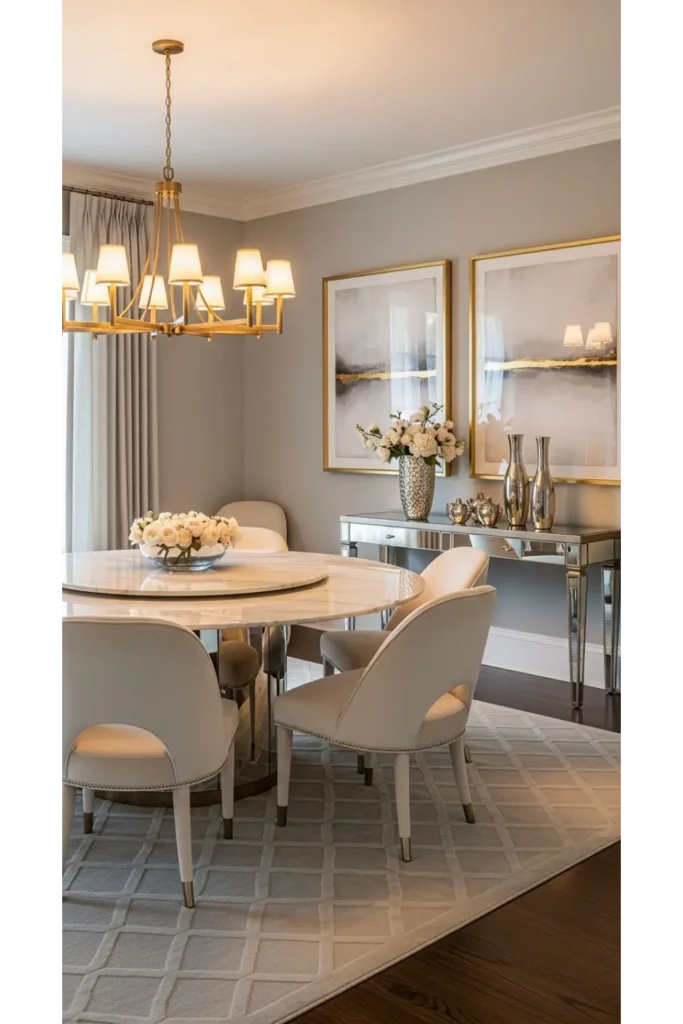
Soft glam dining rooms balance shine with comfort. Neutral palettes dominate, while gentle metallic accents add refinement. This style aligns beautifully with sophisticated interiors that prioritize warmth over excess.
Layered textures such as velvet, linen, and brushed metal keep the room inviting. Lighting remains warm and flattering. The result is a dining space that feels polished yet livable, ideal for daily use and special occasions.
Conclusion
In conclusion, dining rooms thrive when design choices align with lifestyle and atmosphere. These ideas show how materials, lighting, and proportion shape refined spaces that feel personal and timeless. Thoughtful planning transforms dining rooms into environments that support connection, celebration, and everyday elegance without losing warmth or function.