
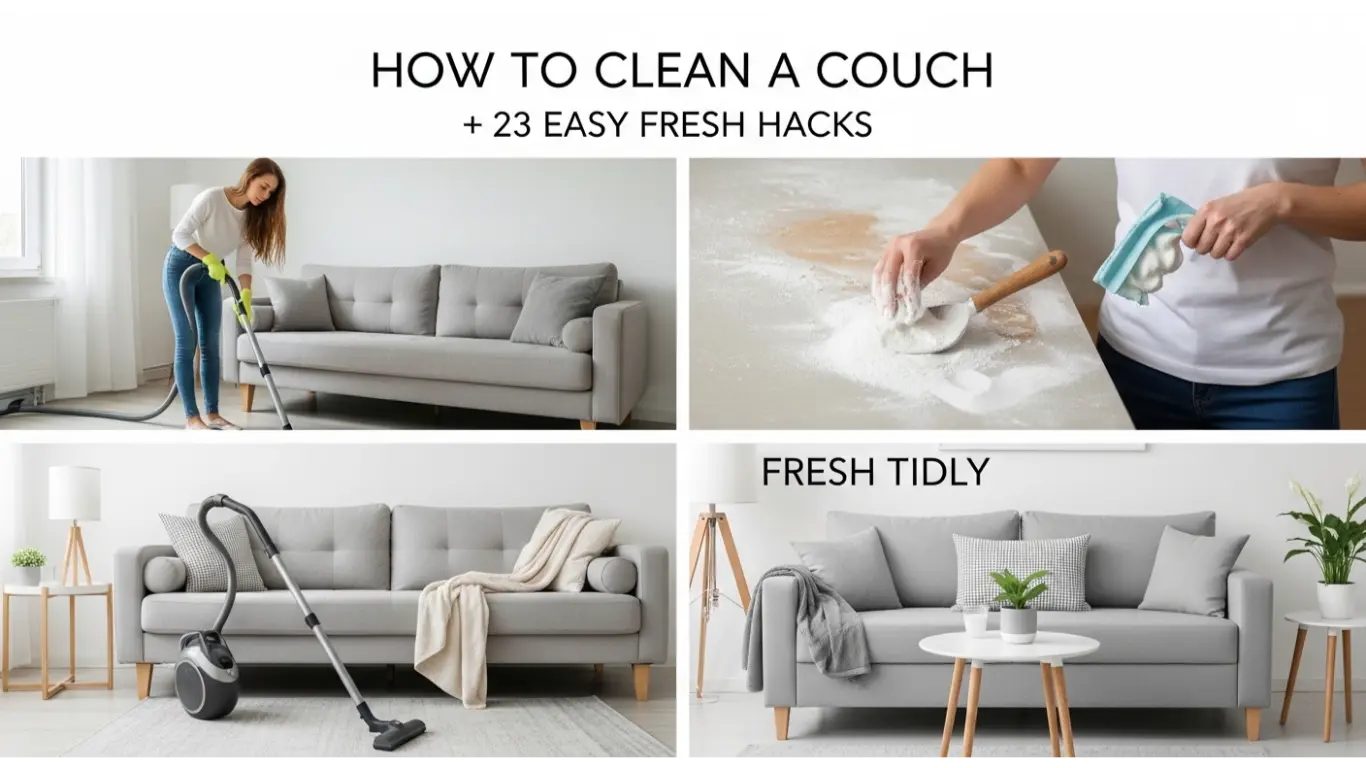
How to Clean a Couch: 23 Easy Fresh Hacks
A clean couch changes how your space feels the moment you walk in. Dust settles deep into fibers, stains appear out of nowhere, and odors slowly build up with daily use. Learning how to clean a couch the right way helps you protect your furniture and create a healthier, more comfortable home. With the right methods, you can keep your sofa looking fresh without relying on expensive services or harsh chemicals.
This guide shares practical, easy to follow ideas that actually work in real homes. Each method focuses on simple actions that fit into your routine while delivering strong results. You will learn how to remove dirt, handle stains, and refresh fabric using safe techniques. With consistency, your couch can stay clean, soft, and inviting for years.
1. Vacuum Deep into Every Crevice
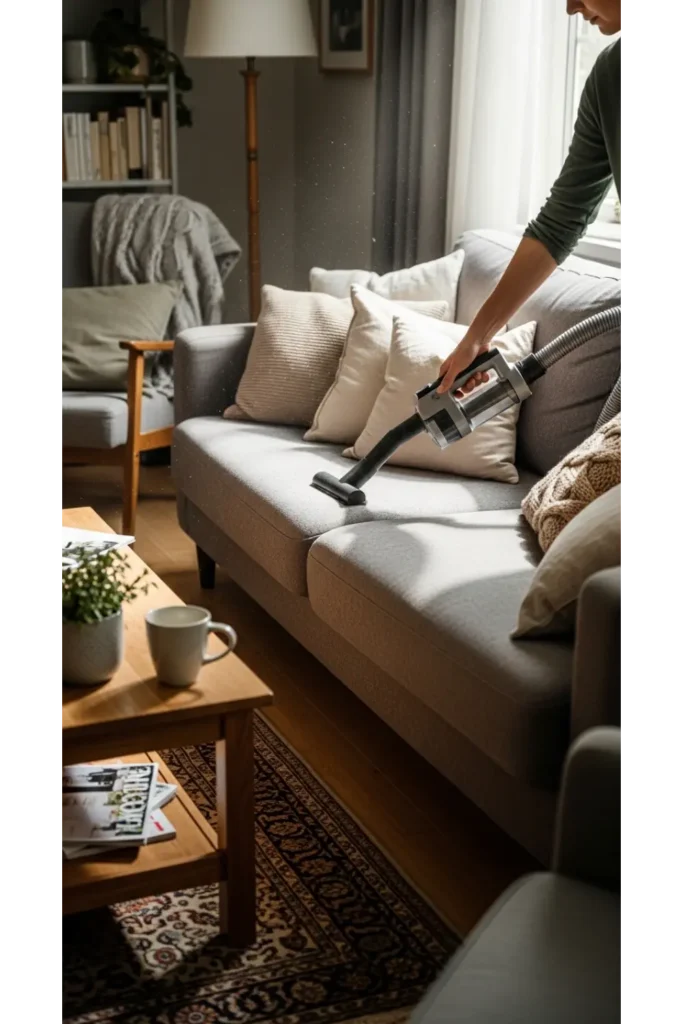
Start by vacuuming your couch slowly and with intention. Dirt, crumbs, and dust collect deep inside seams, under cushions, and along edges where they are not visible at first glance. Use a brush attachment to loosen debris before suction pulls it away. Move across the surface in overlapping strokes to make sure nothing gets left behind. This step sets the base for every other cleaning method that follows.
When you skip proper vacuuming, dirt mixes with moisture and creates stubborn grime that becomes harder to remove later. A thorough clean at this stage improves the effectiveness of every other technique in this guide. It also helps reduce allergens, making your living space feel lighter and fresher.
Pro Tip: Vacuum both sides of cushions to remove hidden dust buildup.
2. Use Baking Soda for Odor Removal
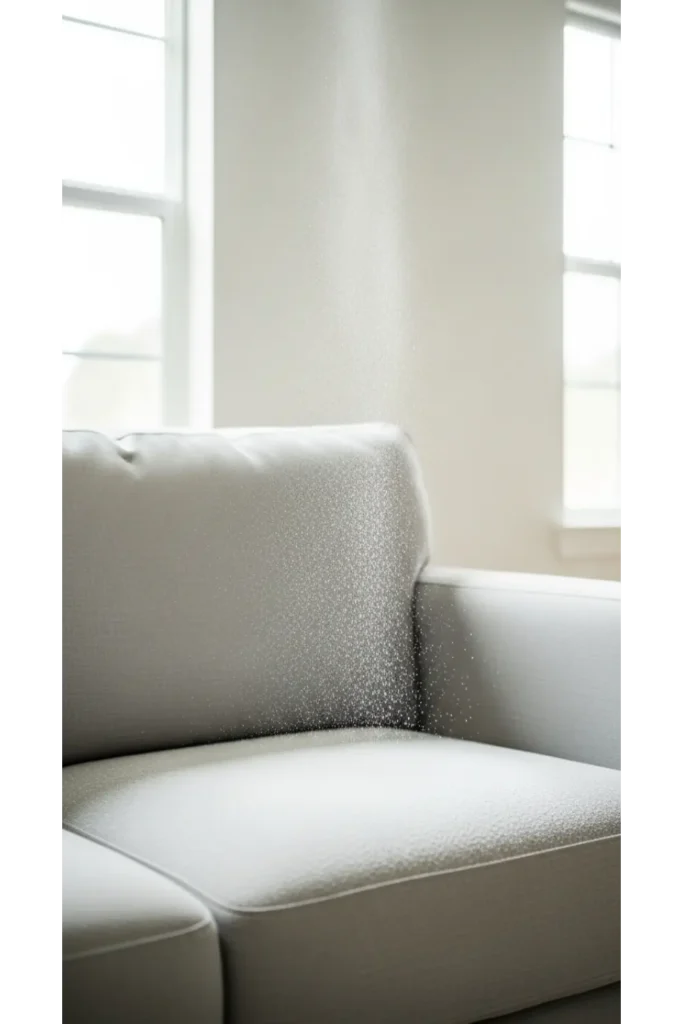
Baking soda works as a natural odor absorber that pulls unwanted smells out of fabric. Sprinkle a light, even layer across your couch and let it sit long enough to absorb moisture and odors trapped inside the fibers. This simple method works well for everyday smells caused by pets, food, or regular use. It is safe for most fabrics and does not leave harmful residue behind.
Once the waiting time is complete, vacuum the couch carefully to remove all the powder. You will notice a fresher scent and a cleaner feel immediately. This method is especially useful when you want a quick refresh without using chemical sprays or strong cleaners.
Pro Tip: For deeper freshness, leave baking soda on overnight before vacuuming.
3. Spot Clean with Mild Soap Solution
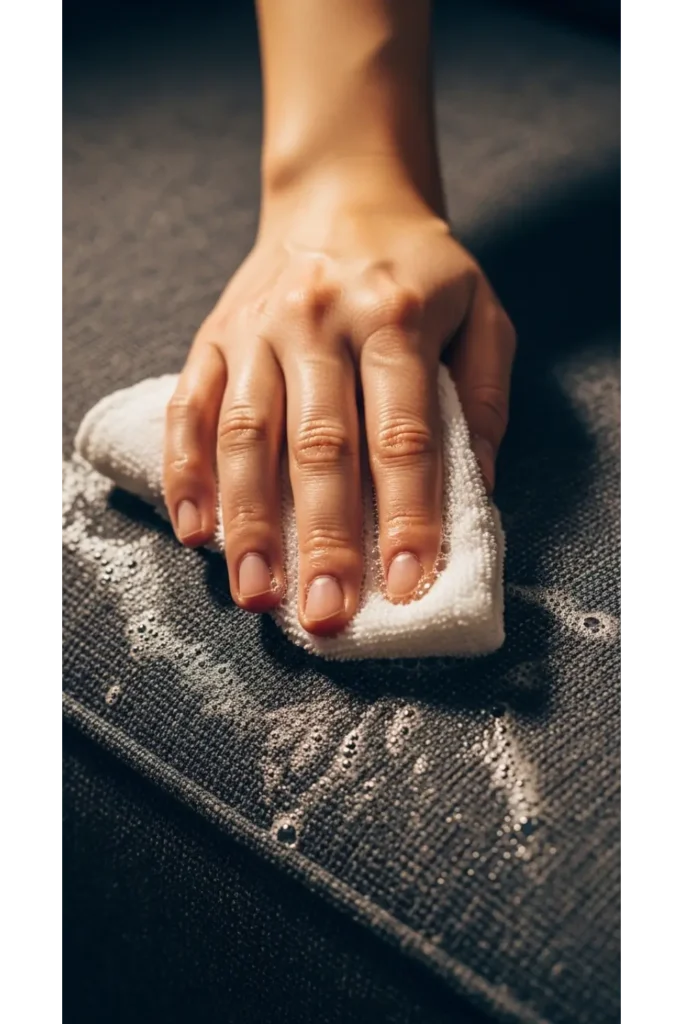
A mild soap solution works well for handling everyday stains without damaging the fabric. Mix a small amount of dish soap with warm water and dip a clean cloth into the mixture. Gently blot the stained area instead of scrubbing harshly. This helps lift the stain while protecting the fibers from wear or fading.
Take your time and work from the outer edges of the stain toward the center. This prevents the stain from spreading further into the fabric. Using gentle pressure keeps the couch safe while still delivering effective results. Always test the solution on a hidden area first to avoid unexpected damage.
Pro Tip: Use a microfiber cloth for better absorption and stain removal.
4. White Vinegar for Tough Stains
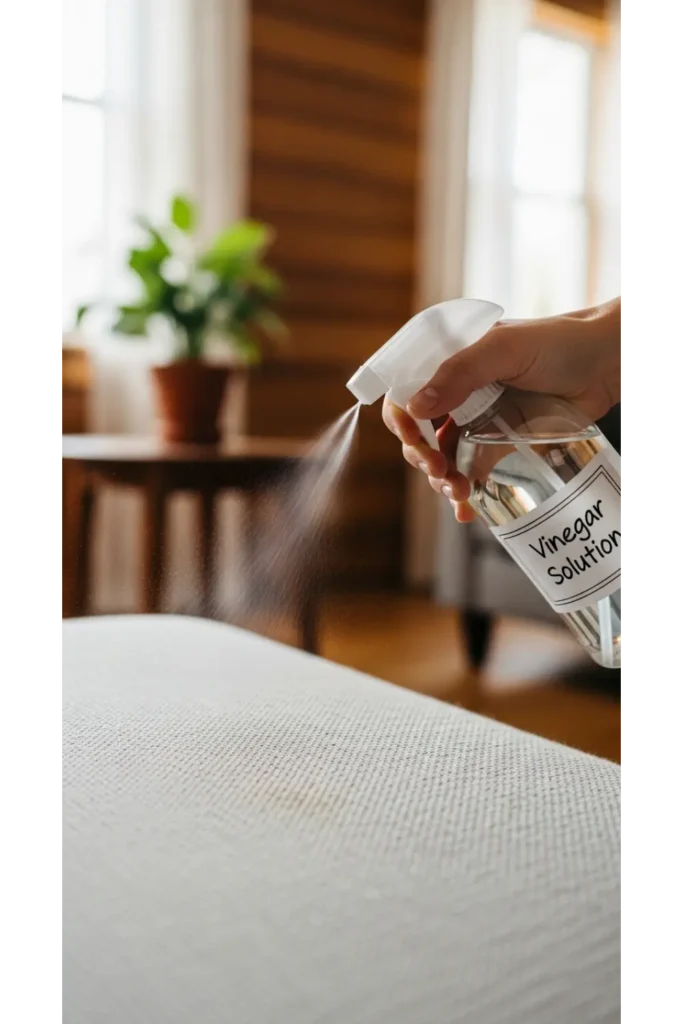
White vinegar offers a natural way to break down tough stains and eliminate odor causing bacteria. Mix equal parts vinegar and water in a spray bottle and apply lightly to the affected area. Let the solution sit briefly so it can work into the stain before blotting it with a clean cloth.
As the vinegar dries, its smell fades, leaving the fabric fresh and clean. This method works well for food spills, drink stains, and light pet messes. It is a reliable option when you want a strong cleaning effect without using harsh chemicals.
Pro Tip: Use a fan or open windows to speed up drying time.
5. Use Steam Cleaning for Deep Refresh
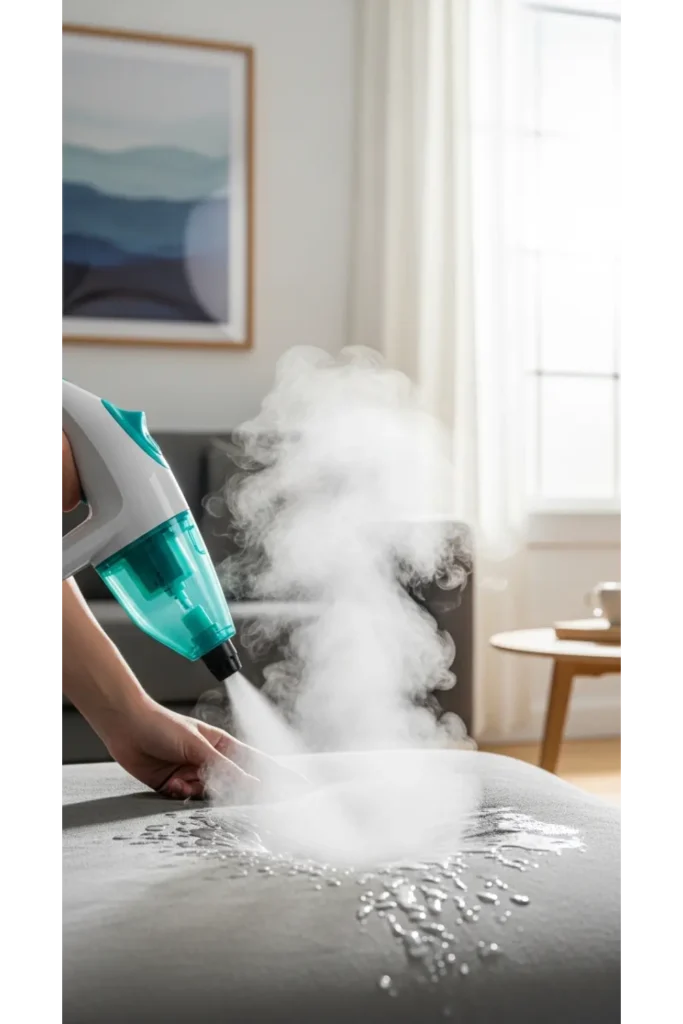
Steam cleaning reaches deep into couch fibers and loosens dirt that regular cleaning cannot remove. The heat helps break down grime while also reducing bacteria and allergens trapped in the fabric. Move the steamer slowly across each section so the heat has enough time to work effectively.
This method not only cleans but also refreshes the texture of your couch. It can make fabric feel softer and look brighter after just one session. Steam cleaning is ideal for high use sofas that need a deeper level of care beyond surface cleaning.
Pro Tip: Allow the couch to dry fully before using it again.
6. Remove Pet Hair with Rubber Gloves
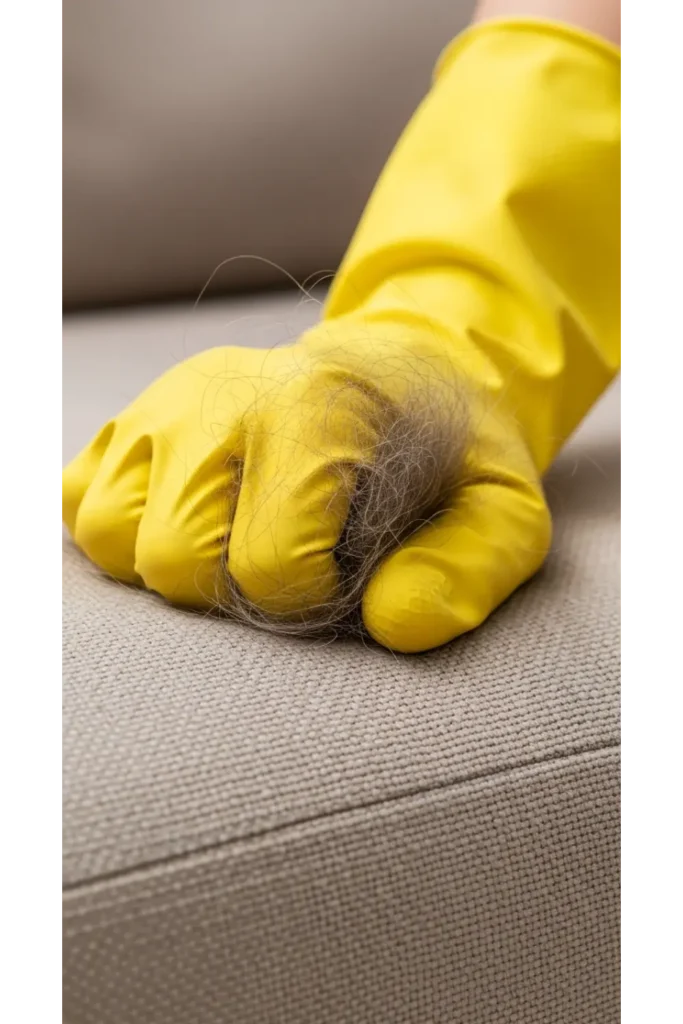
Pet hair often sticks tightly to couch fabric, making it difficult to remove with regular tools. Rubber gloves create friction that helps lift hair away from the surface. Simply put on a pair and run your hands across the couch to gather hair into visible clumps.
This method works especially well on textured fabrics where hair gets trapped deep within fibers. It is quick, simple, and does not require any special equipment. With consistent use, it keeps your couch looking cleaner and more polished.
Pro Tip: Slightly dampen the gloves to improve hair removal.
7. Use a Lint Roller for Quick Cleanups
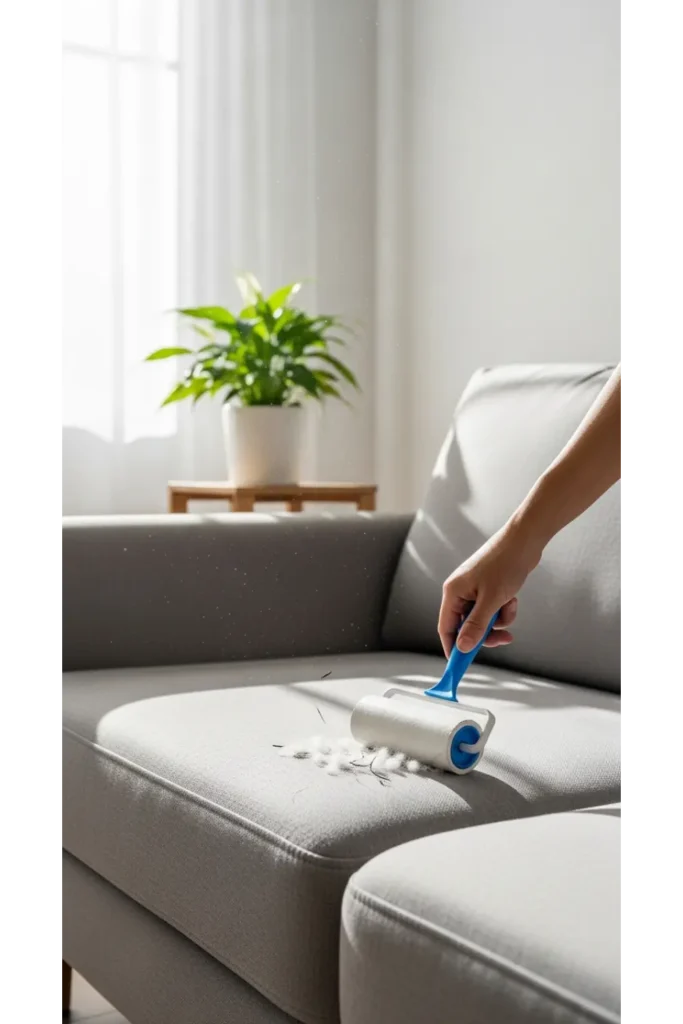
A lint roller offers a fast and easy way to keep your couch clean between deeper cleaning sessions. Roll it across cushions and armrests to pick up dust, lint, and small debris. This simple step helps maintain a neat appearance without much effort.
Regular use of a lint roller prevents buildup that can become harder to remove later. It is especially useful for households with pets or frequent visitors. Keeping one nearby makes it easy to stay consistent with cleaning.
Pro Tip: Replace lint sheets often for maximum effectiveness.
8. Clean Leather with Conditioner
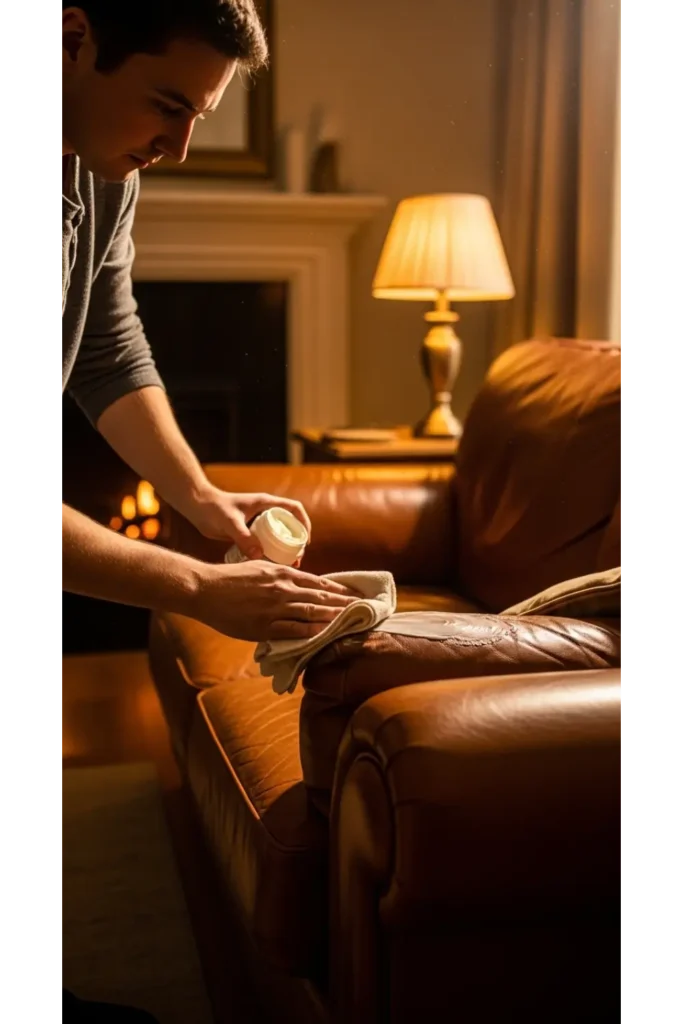
Leather couches require a different approach compared to fabric ones. Start by wiping the surface with a soft cloth to remove dust and dirt. Then apply a leather conditioner to keep the material soft and prevent cracks from forming over time.
Conditioning also helps maintain the natural shine and color of the leather. Regular care protects the surface from drying out and extends the life of your furniture. This method keeps leather looking rich and well maintained.
Pro Tip: Apply conditioner every few months for lasting protection.
9. Remove Ink Stains with Alcohol
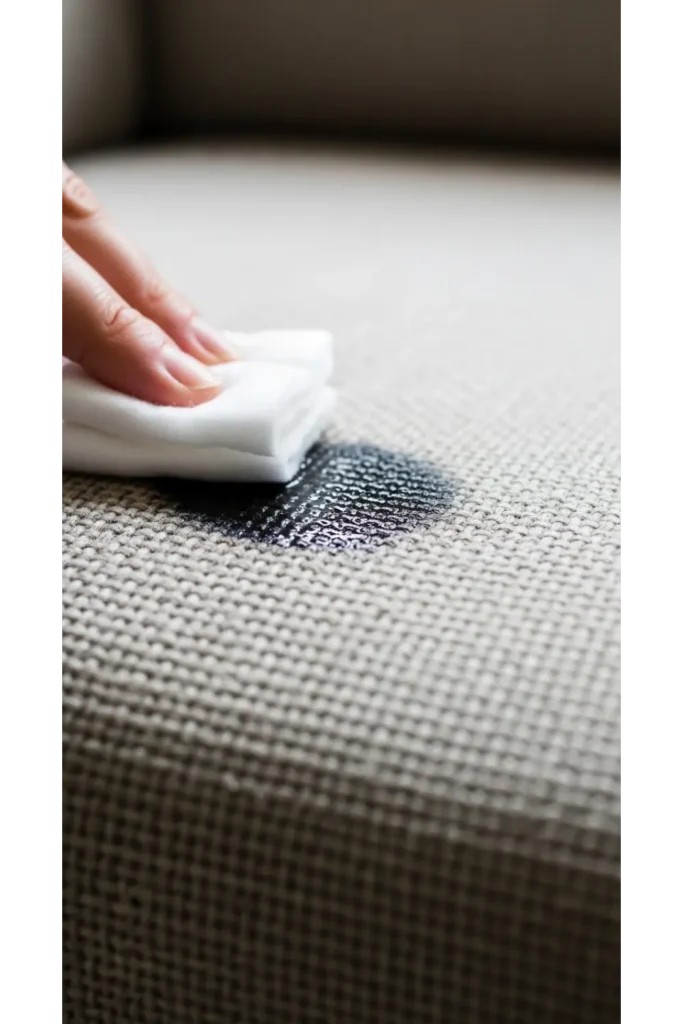
Ink stains can be stubborn, but rubbing alcohol helps break them down effectively. Apply a small amount to a cotton pad and gently dab the stain. Avoid rubbing too hard, as this can spread the ink further into the fabric.
Work slowly and repeat the process if needed until the stain begins to fade. This method is most effective when used as soon as the stain appears. It helps lift ink without causing damage to most couch materials.
Pro Tip: Use a clean section of the pad for each dab to avoid spreading ink.
10. Flip and Rotate Cushions

Flipping and rotating cushions regularly helps maintain even wear across your couch. When one area gets used more often, it can flatten and collect more dirt over time. Rotating cushions balances this out and keeps the sofa looking uniform.
This habit also allows trapped moisture and dust to air out, which improves overall cleanliness. It is a simple step that supports long term durability and comfort. Consistency makes a noticeable difference in how your couch looks and feels.
Pro Tip: Set a weekly reminder to rotate cushions consistently.
11. Use Cornstarch for Grease Stains
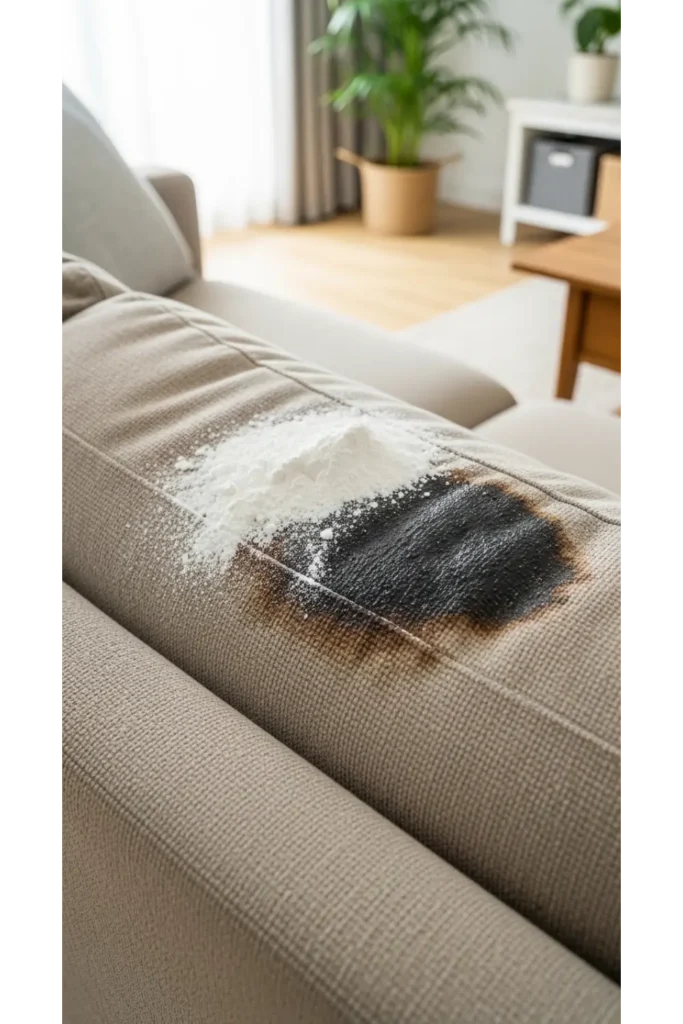
Grease stains can sink deep into couch fabric and become harder to remove over time. Cornstarch works by absorbing oil directly from the fibers without spreading it further. Sprinkle a generous amount over the stain and let it sit undisturbed so it can pull out the grease naturally. This method works well on fresh spills and even older marks that still hold residue.
After enough time has passed, gently brush off the cornstarch and vacuum the area to remove any remaining powder. You may notice a visible improvement after one round, but repeating the process helps with deeper stains. This approach keeps your fabric safe while targeting oily buildup effectively.
Pro Tip: Avoid pressing the powder into the fabric, let it sit lightly on top for better absorption.
12. Use Club Soda for Gentle Fabric Cleaning
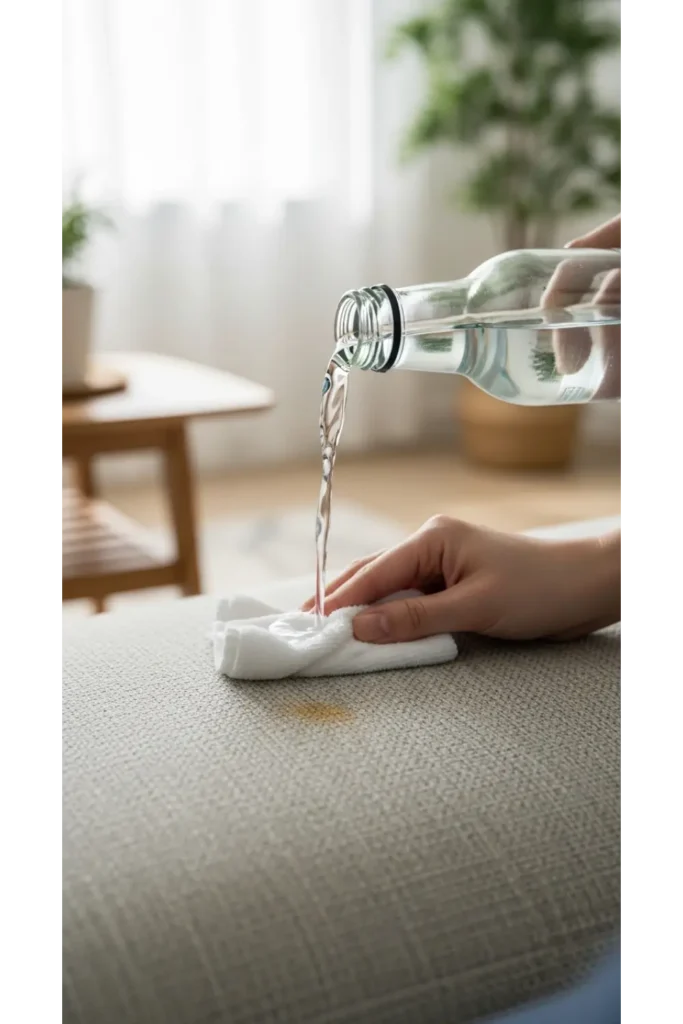
Club soda works as a gentle yet effective cleaner for many fabric couches. Its light carbonation helps lift dirt and minor stains without soaking the material. Pour a small amount onto a clean cloth instead of directly on the couch, then gently blot the surface. This method helps loosen grime while keeping the fabric safe and controlled.
This approach works well for refreshing larger areas without using strong cleaning products. It also helps maintain the natural feel of the fabric while removing light buildup. With consistent use, it supports a cleaner and fresher appearance without adding excess moisture to your couch.
Pro Tip: Always blot gently and avoid scrubbing to protect fabric fibers.
13. Use Baby Wipes for Light Cleaning
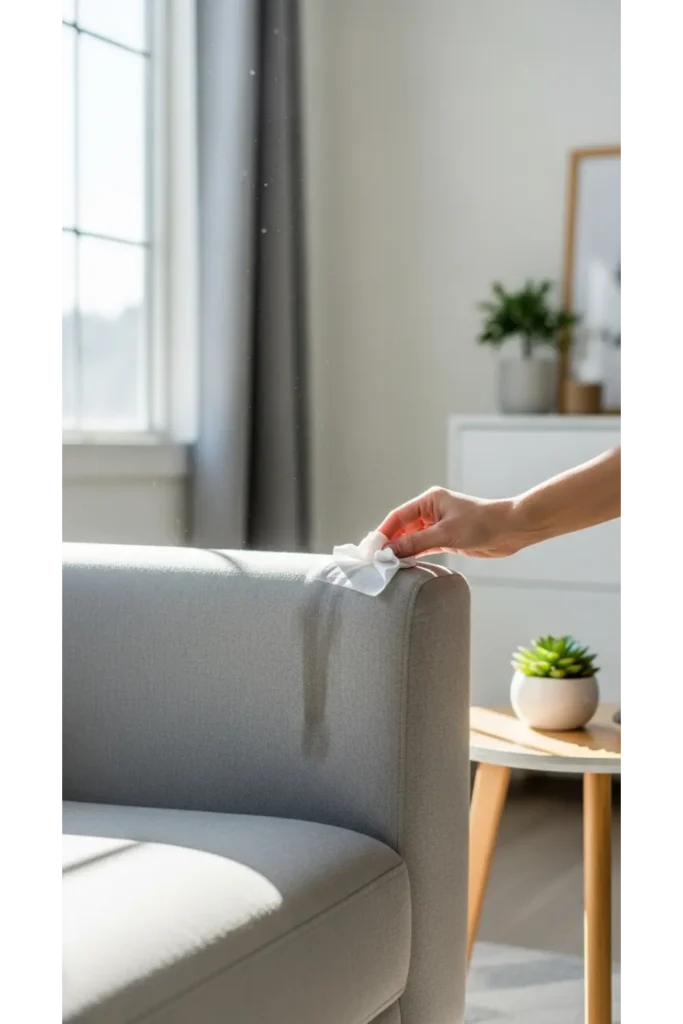
Baby wipes offer a gentle and convenient way to clean small marks and spills. They contain mild cleaning agents that are safe for many couch materials. Use them on armrests, edges, and high touch areas where dirt builds up quickly.
This method is ideal for quick cleanups when you do not have time for a full cleaning session. It helps maintain a neat appearance and prevents stains from setting into the fabric. Regular use keeps your couch looking cared for every day.
Pro Tip: Choose alcohol free wipes to protect delicate fabrics.
14. Refresh with Fabric Spray

Fabric sprays help remove light odors and give your couch a clean scent. Lightly mist the surface after vacuuming to freshen the fabric without soaking it. This works well for daily use and keeps your space feeling inviting.
A good fabric spray enhances the results of other cleaning methods by maintaining freshness between deeper cleans. It is a simple step that improves the overall atmosphere of your living area.
Pro Tip: Spray lightly and allow proper airflow for quick drying.
15. Brush Fabric to Restore Texture
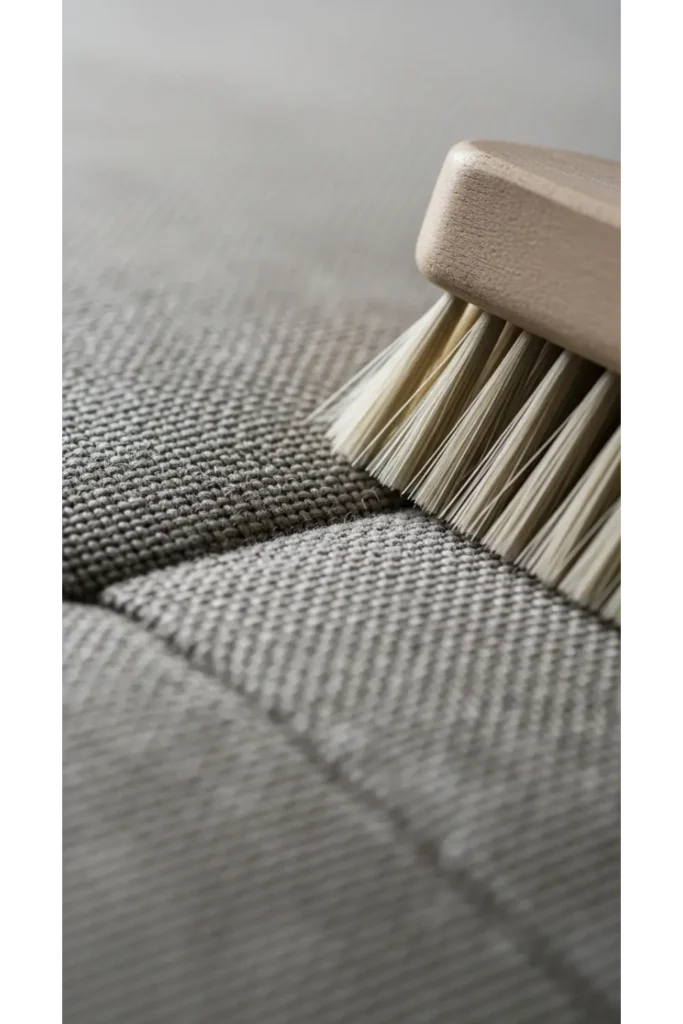
Over time, couch fabric can flatten and lose its soft look. Using a soft brush helps lift the fibers and restore their original texture. Brush gently in one direction to improve the appearance without damaging the material.
This method works especially well after cleaning, as it helps the fabric dry evenly and look refreshed. It also gives your couch a smoother and more polished finish.
Pro Tip: Use a brush designed for upholstery to avoid rough handling.
16. Use Ice to Remove Gum
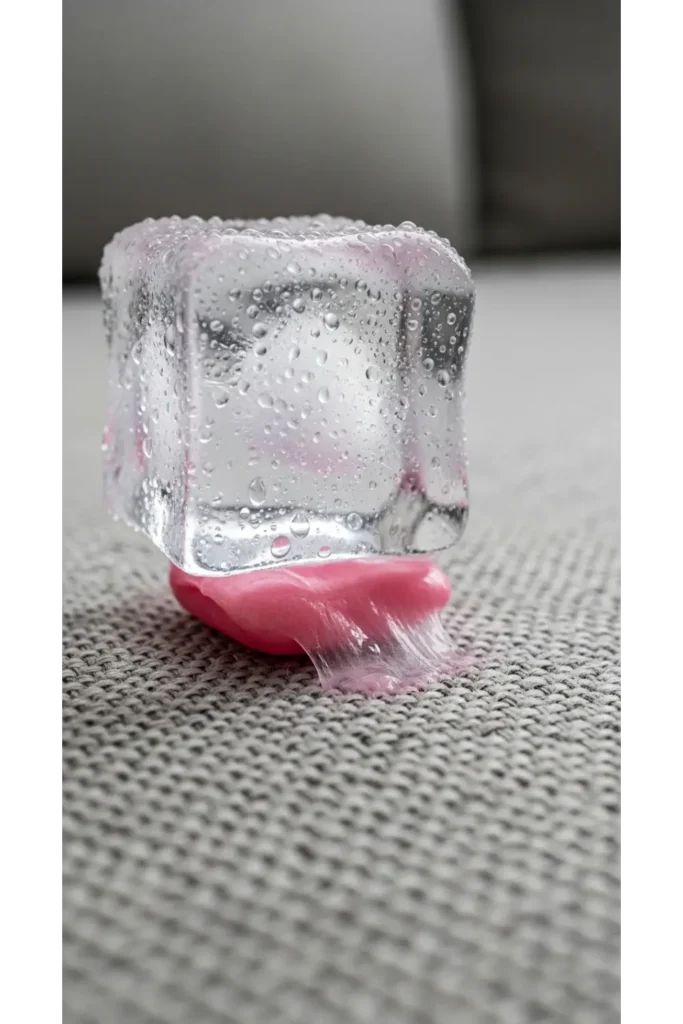
Gum stuck on a couch can feel difficult to remove, but ice makes the process easier. Place an ice cube over the gum until it hardens. This reduces its stickiness and allows you to lift it away without spreading it further into the fabric.
Once the gum becomes firm, gently scrape it off using a dull edge. This method protects the couch surface while removing the problem effectively. It works best when done carefully and patiently.
Pro Tip: Avoid using sharp tools that can damage the fabric.
17. Use Hydrogen Peroxide for Light Stains
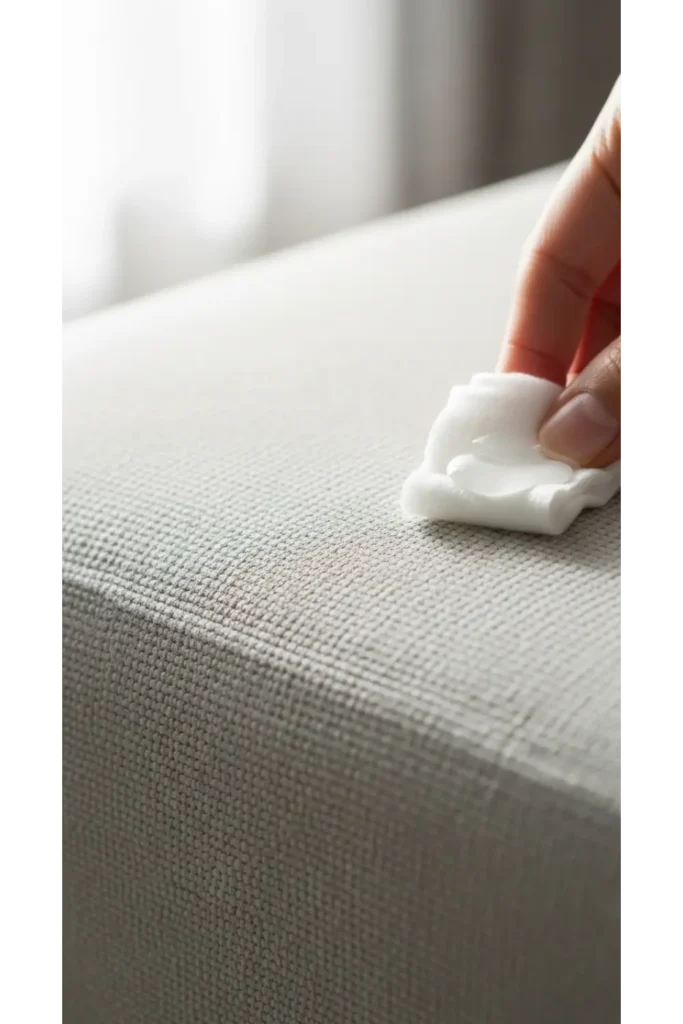
Hydrogen peroxide can help lift light colored stains from fabric couches. Apply a small amount to a cloth and gently dab the stained area. This helps break down the stain without harsh scrubbing.
It is especially useful for organic stains like food or drink spills. Always use it carefully and in small amounts to avoid affecting the fabric color. Testing first ensures safe results.
Pro Tip: Use only on light fabrics to prevent discoloration.
18. Clean Armrests More Often
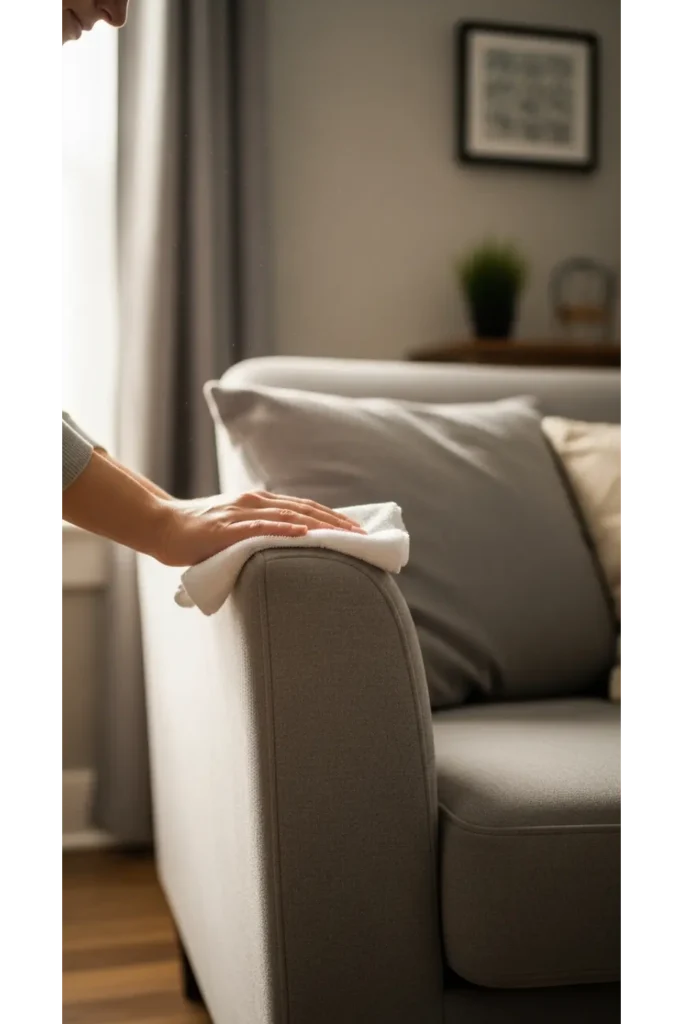
Armrests collect oils, sweat, and dirt faster than other parts of the couch. Cleaning them regularly prevents buildup that can turn into dark stains over time. Use a gentle cleaner or wipes to maintain cleanliness.
Focusing on high touch areas keeps your couch looking newer for longer. It also improves hygiene since these spots get frequent contact. Consistent care makes a noticeable difference.
Pro Tip: Clean armrests at least twice a week for best results.
19. Use a Damp Cloth for Dusting
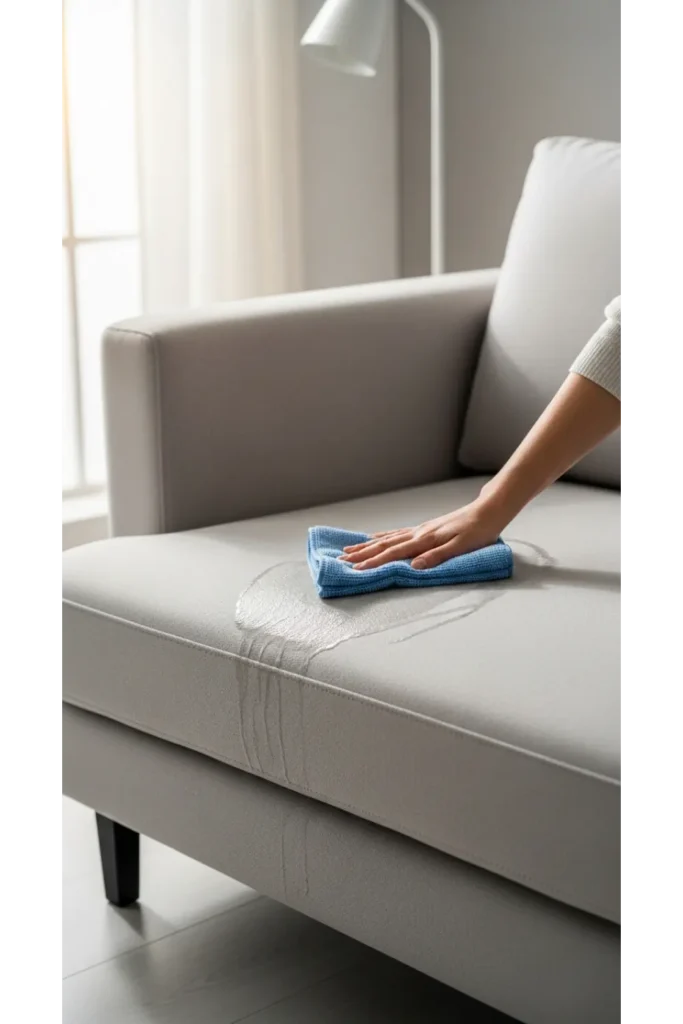
A slightly damp cloth helps capture dust instead of spreading it into the air. Wipe down the couch surface gently to remove fine particles that settle daily. This method works well between vacuuming sessions.
It keeps your couch looking clean and reduces allergens in your space. Regular dusting supports overall maintenance and prevents buildup over time.
Pro Tip: Do not soak the cloth, keep it just lightly damp.
20. Air Out Your Couch

Fresh air helps remove trapped odors and moisture from your couch. Open windows and allow airflow to pass through the room. This simple step refreshes the fabric naturally.
Air circulation prevents musty smells and keeps your couch feeling light and clean. It is an easy habit that supports all other cleaning efforts.
Pro Tip: Air out your couch weekly for better freshness.
21. Use Slipcovers for Protection

Slipcovers protect your couch from spills, dust, and daily wear. They are easy to remove and wash, making maintenance much simpler. This adds an extra layer of protection to your furniture.
Using slipcovers helps extend the life of your couch and keeps it looking fresh. It also allows you to change styles easily without replacing furniture.
Pro Tip: Choose machine washable covers for convenience.
22. Keep Food Away from Couch

Eating on the couch increases the chances of spills and stains. Keeping food away helps reduce mess and keeps your couch cleaner for longer periods. It is a simple habit with big impact.
Less exposure to crumbs and liquids means less frequent deep cleaning. This protects the fabric and maintains a neat appearance over time.
Pro Tip: Create a designated eating area to avoid accidents.
23. Maintain a Weekly Cleaning Routine

Consistency matters more than deep cleaning alone. A weekly routine that includes vacuuming, light wiping, and quick checks keeps your couch in good condition. Small efforts prevent bigger problems later.
Building a routine helps you stay on top of dirt, stains, and odors before they become difficult to manage. It keeps your living space comfortable and welcoming every day.
Pro Tip: Set a fixed day each week for couch care to stay consistent.
FAQs
How often should I clean my couch?
You should vacuum your couch weekly to remove surface dirt and prevent buildup. Deep cleaning can be done every one to three months depending on how often the couch is used. Homes with pets or children may need more frequent care to maintain cleanliness and freshness.
Can I use water on all couches?
Not all couches handle water the same way. Some fabrics can get damaged or stained when exposed to moisture. Always check the care label before using any liquid cleaning method. Testing a small hidden area first helps prevent unwanted results.
What is the best way to remove strong odors?
Baking soda remains one of the most effective and natural ways to remove odors from a couch. It absorbs smells from deep within the fabric and leaves it feeling fresh. Regular use helps maintain a clean and pleasant environment.
Is steam cleaning safe for every couch?
Steam cleaning works well for many fabric couches, but not all materials can handle heat. Delicate fabrics may get damaged if exposed to high temperatures. Always test a small section first and follow the manufacturer guidelines for best results.
Conclusion
Keeping your couch clean does not need to feel overwhelming. With the right approach, you can handle stains, odors, and everyday dirt using simple methods that fit into your routine. Learning how to clean a couch properly allows you to protect your furniture and maintain a comfortable living space without extra stress.
Consistency plays the biggest role in keeping your couch fresh over time. Small habits like vacuuming, spot cleaning, and rotating cushions help prevent larger problems from developing. When you stay consistent, your couch remains clean, inviting, and ready for everyday use.