
How To Clean Your Oven Without Harsh Chemicals: 24 Tips
Keeping your kitchen fresh does not require strong fumes or expensive products. If you are searching for how to clean your oven without harsh chemicals, you are already choosing a safer and smarter approach. Natural methods protect your health, keep your food space pure, and still remove stubborn grease effectively. With simple ingredients and consistent care, you can maintain a spotless oven without stress or damage.
This guide shares practical, proven ideas designed for real homes. Each method focuses on safety, ease, and visible results. You will learn how to break down grime, remove odors, and restore shine using everyday items. These tips also help extend your oven’s life while saving money and effort.
1. Baking Soda Deep Clean Method
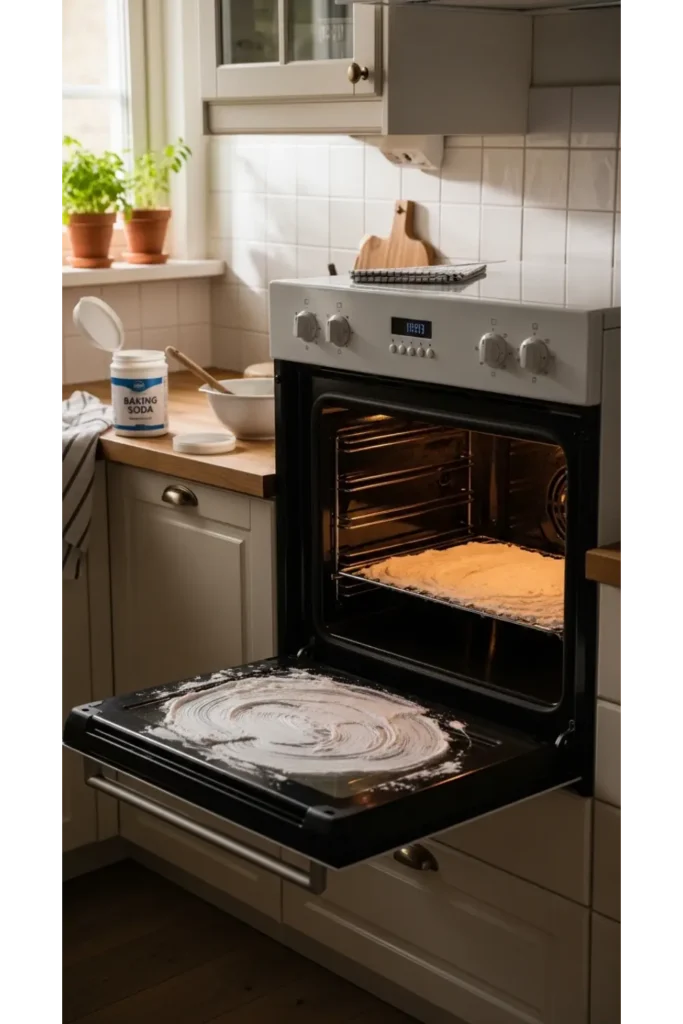
The most reliable method for how to clean your oven without harsh chemicals uses baking soda and water. Mix them into a thick paste and spread it across the oven interior, avoiding heating elements. Let it sit overnight so it can break down grease and baked-on food. This slow process works deeply without damaging surfaces or releasing harmful fumes into your kitchen air.
The next day, wipe away the dried paste with a damp cloth. You will notice how easily grime lifts off after soaking. This method is ideal for heavily used ovens that have layers of buildup. Repeat the process monthly to keep your oven consistently clean without needing aggressive scrubbing or chemical sprays.
Pro tip: Add a few drops of lemon juice to the paste for extra grease-cutting power and a fresh scent
2. Vinegar Steam Cleaning Technique
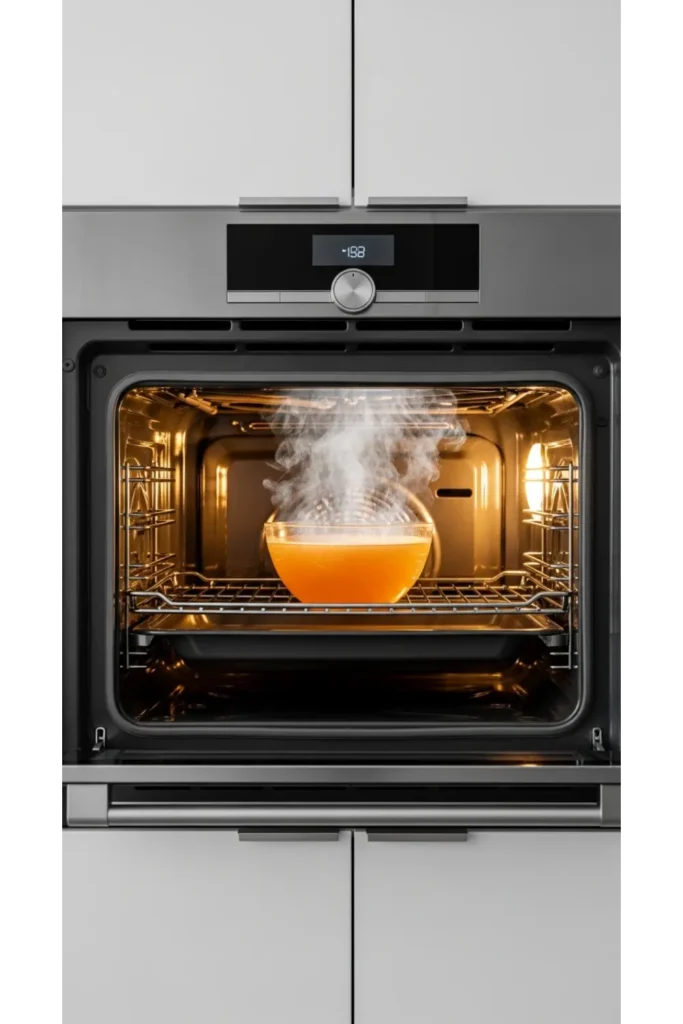
White vinegar works well when you want a quick and effective cleaning boost. Heat a bowl of vinegar inside the oven at a low temperature for about twenty minutes. The steam loosens grease and softens residue, making it easier to wipe away. This method works especially well for light to moderate buildup and adds a natural shine to surfaces.
After heating, carefully remove the bowl and wipe the interior with a soft cloth. The steam will have done most of the work for you. Vinegar also helps neutralize odors, leaving your oven smelling clean without artificial fragrances. This method pairs well with baking soda for deeper cleaning sessions.
Pro tip: Follow with a damp microfiber cloth to remove any vinegar smell completely
3. Lemon Fresh Degreasing Method
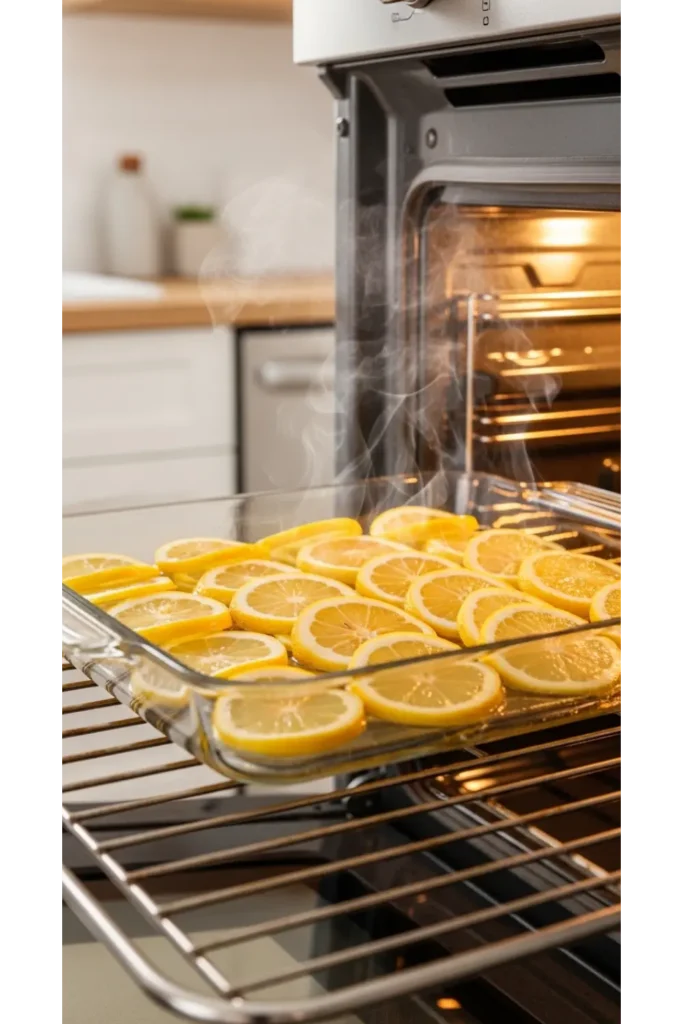
Lemons offer a natural and refreshing way to tackle grease. Slice two lemons and place them in a dish of water, then heat the oven for about thirty minutes. The steam created by the lemon water softens grime while releasing a fresh citrus aroma. This method is gentle and perfect for regular maintenance cleaning.
Once the oven cools slightly, wipe down all surfaces with a cloth. The grease should come off easily after steaming. This technique not only cleans but also removes unpleasant odors that linger after cooking strong-smelling foods. It is simple, safe, and effective for busy households.
Pro tip: Use the leftover lemon water as a surface cleaner for your stovetop and counters
4. Salt Scrub for Fresh Spills
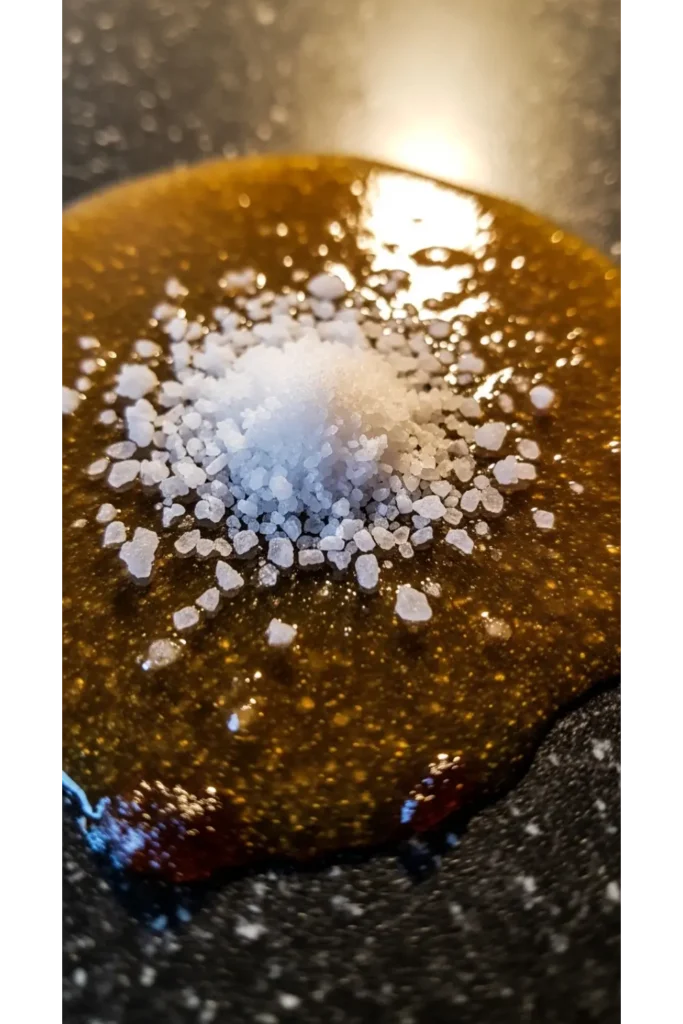
Salt works best when used immediately after a spill occurs. Sprinkle it over the affected area while the oven is still warm but not hot. The salt absorbs grease and prevents stains from setting. This quick action saves time and reduces the need for deeper cleaning later.
After the oven cools, wipe away the salt with a damp cloth. You will find that the spill lifts easily without leaving marks. This simple trick is especially useful for preventing burnt-on messes and maintaining a clean cooking space with minimal effort.
Pro tip: Keep a small container of salt near your oven for quick access after spills
5. Dish Soap and Warm Water Wipe Down
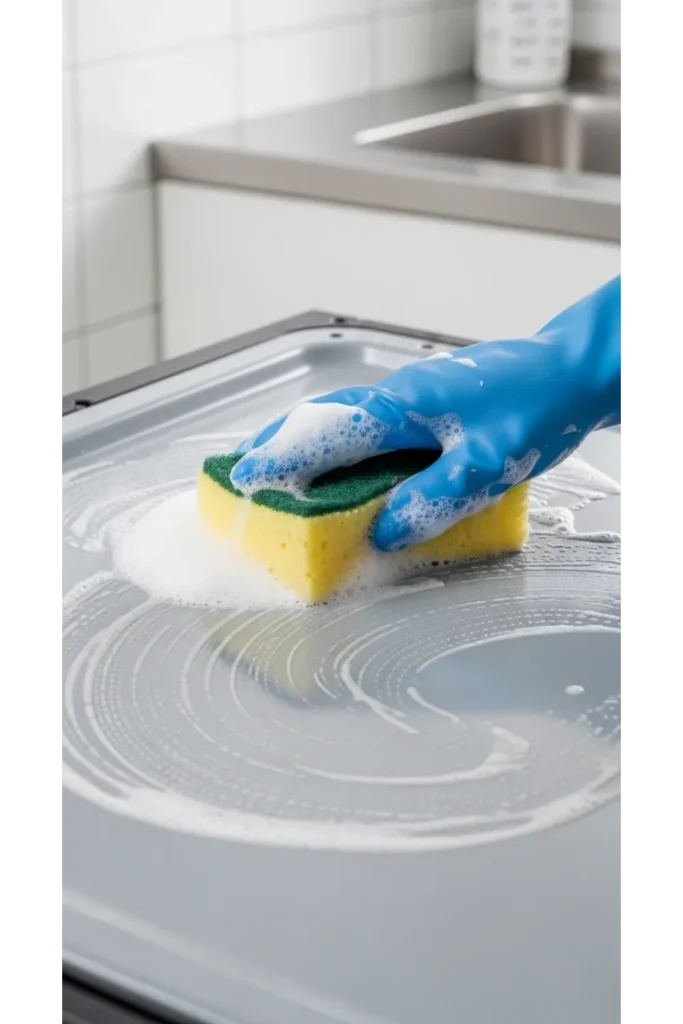
A mild dish soap solution is perfect for regular upkeep. Mix a few drops of soap with warm water and use a sponge to wipe down the oven interior. This method removes light grease and keeps surfaces fresh between deep cleaning sessions. It is gentle enough to use often without damaging finishes.
Consistent use of this method prevents buildup from becoming difficult to remove. It also keeps your oven looking neat and ready for use at any time. Pair this with monthly deep cleaning for best results and long-term maintenance.
Pro tip: Use a non-abrasive sponge to avoid scratching oven surfaces
6. Hydrogen Peroxide Spot Treatment
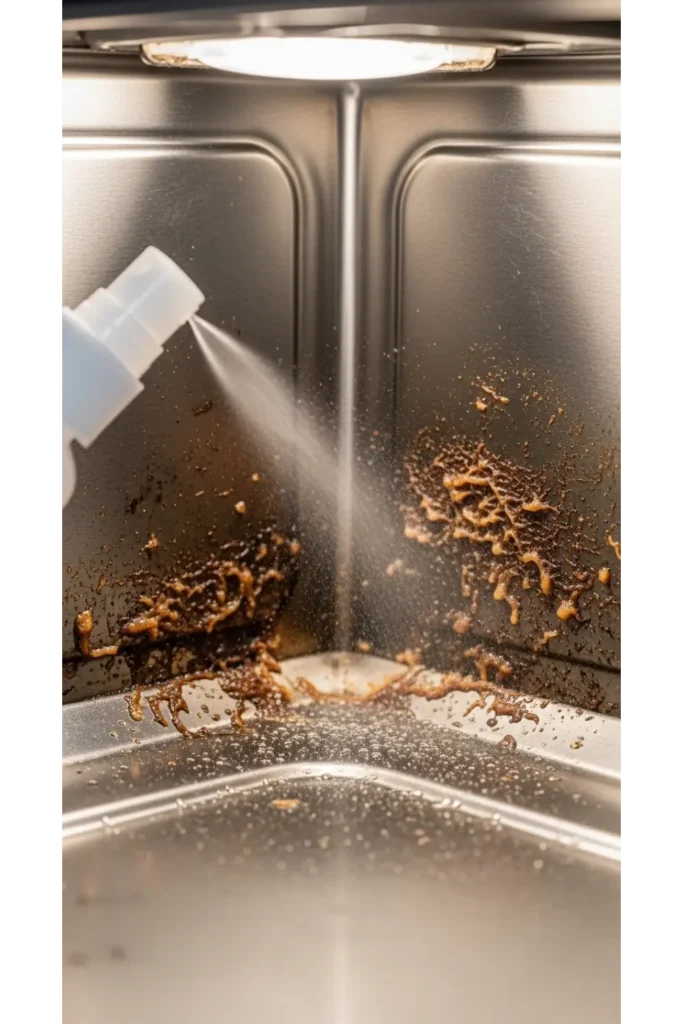
Hydrogen peroxide helps break down stubborn grease spots naturally. Spray a small amount directly onto problem areas and let it sit for ten minutes. It works by loosening grime, making it easier to wipe away without heavy scrubbing or chemical cleaners.
After waiting, wipe the area with a damp cloth. This method works well for targeted cleaning rather than full oven cleaning. It is a useful addition to your routine when dealing with tough spots that need extra attention.
Pro tip: Test on a small hidden area first to ensure surface compatibility
7. Baking Soda and Vinegar Foam Reaction
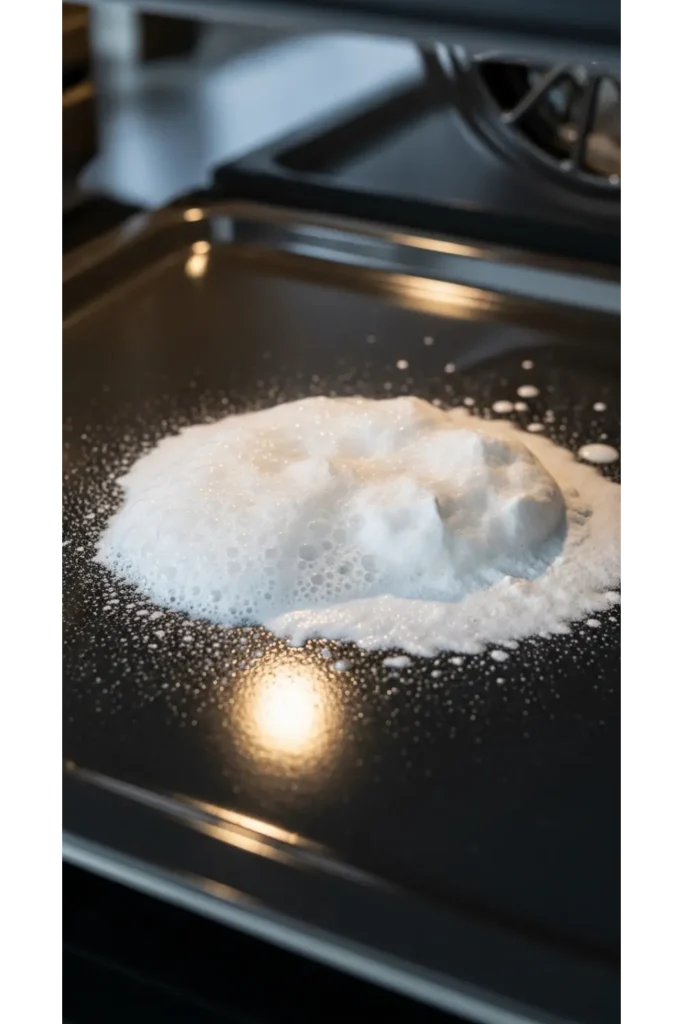
This method builds on the basics of how to clean your oven without harsh chemicals by combining two powerful natural ingredients. After applying baking soda paste, spray vinegar over it to create a foaming reaction. This fizzing action helps lift stubborn grease and baked-on residue without heavy scrubbing. It reaches into corners and edges where grime often collects and stays hidden.
Once the reaction settles, wipe the area with a damp cloth. You will notice that even tough stains become easier to remove. This method works especially well for ovens that have not been cleaned in a long time. It refreshes the interior while keeping the process safe and chemical free.
Pro tip: Use a spray bottle for even vinegar distribution and better foam coverage
8. Cornstarch Grease Absorber Method
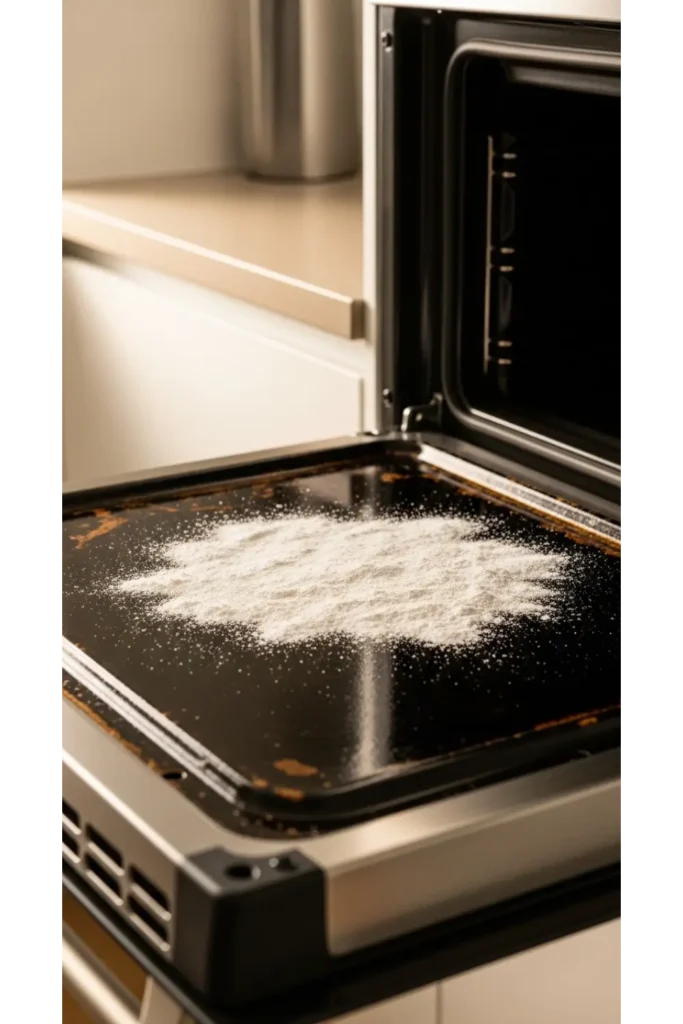
Cornstarch acts as a natural grease absorber and works well for oily spots. Sprinkle it directly onto greasy areas and let it sit for fifteen minutes. It draws out oil and makes it easier to wipe away without spreading the mess further. This method is simple and uses ingredients you likely already have at home.
After waiting, wipe the surface with a damp cloth. You will see how the grease lifts without leaving a residue behind. This technique is useful for quick cleanups and helps maintain a clean oven between deeper cleaning sessions. It keeps surfaces smooth and prevents buildup from forming.
Pro tip: Combine cornstarch with a few drops of water to create a light paste for better adhesion
9. Steam Cleaning with Water Only
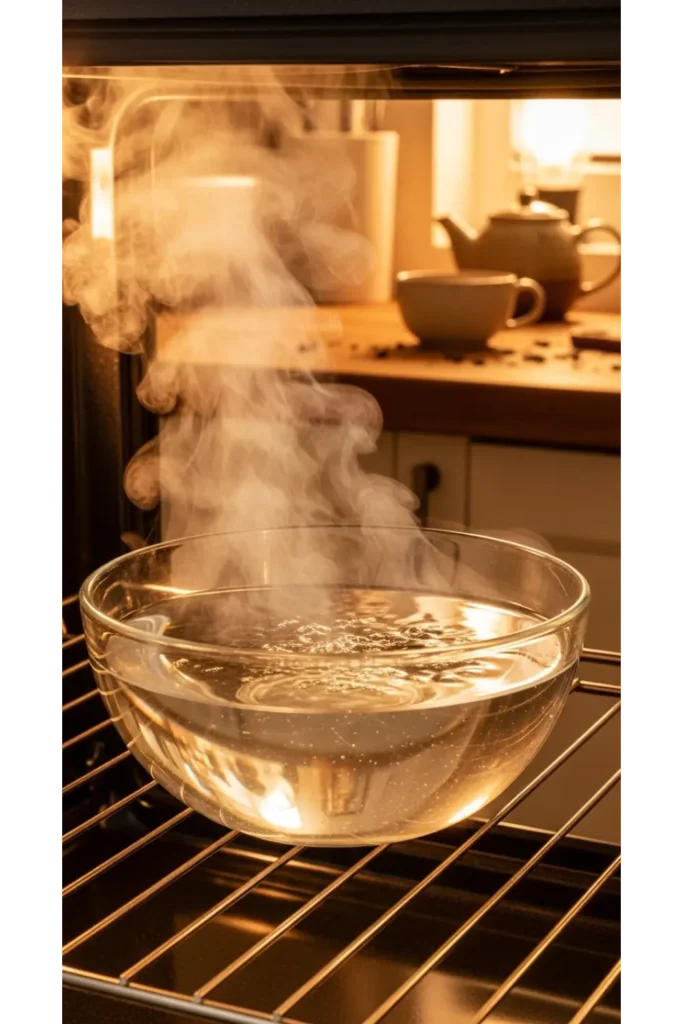
Steam cleaning with plain water is one of the simplest ways to approach how to clean your oven without harsh chemicals. Place a bowl of water inside the oven and heat it for twenty to thirty minutes. The steam softens grime and loosens baked-on food, making it easier to wipe away.
After turning off the oven, let it cool slightly before cleaning. Use a soft cloth to wipe down the interior. This method is gentle and safe for regular use. It is perfect for maintaining cleanliness without needing additional ingredients or tools.
Pro tip: Add a splash of vinegar to the water for stronger cleaning power
10. Essential Oil Freshening Touch
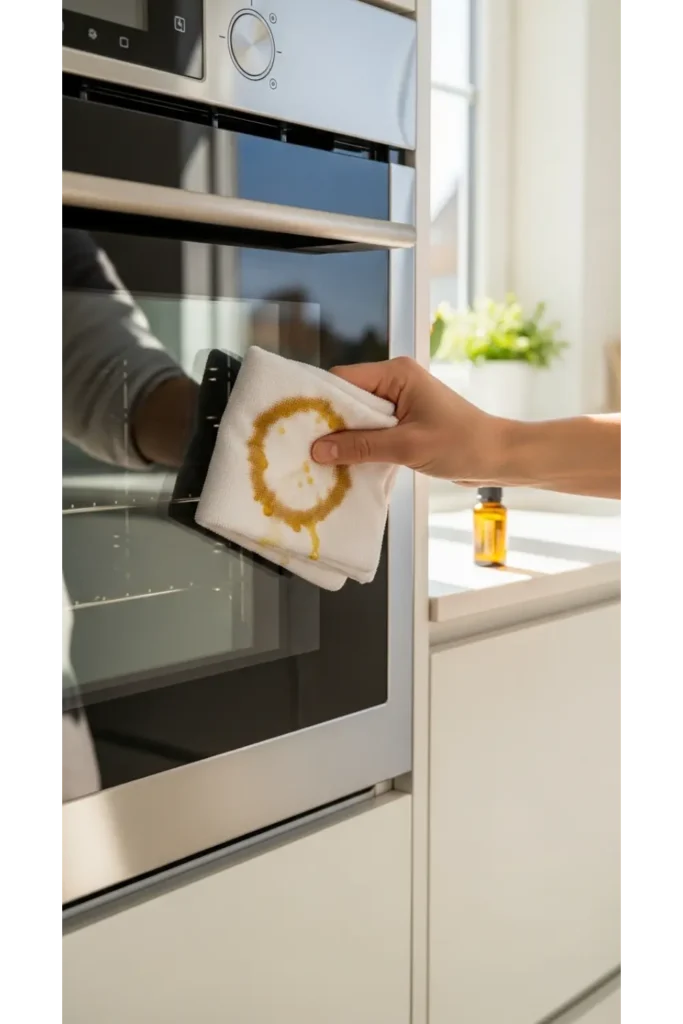
Essential oils add a fresh finish after cleaning. Once your oven is clean, apply a few drops of lemon or orange oil to a damp cloth and wipe the interior lightly. This step removes lingering odors and leaves a pleasant natural scent without artificial chemicals.
This method does not replace cleaning but enhances the final result. It creates a welcoming kitchen environment and keeps your oven smelling fresh after every use. Choose oils that you enjoy for a personalized touch.
Pro tip: Use food-safe essential oils and apply sparingly to avoid residue
11. Glass Door Vinegar Polish
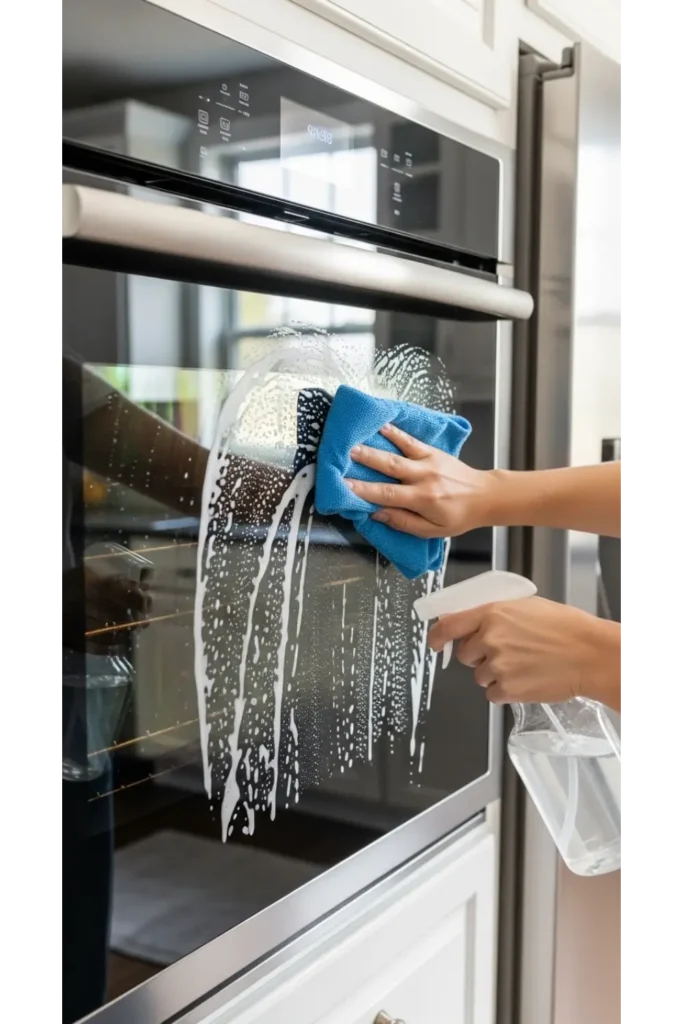
The oven door often shows grease and streaks clearly. Spray vinegar onto the glass and wipe with a microfiber cloth. This method removes smudges and restores clarity without using harsh cleaners. It also prevents buildup that can make the glass look cloudy over time.
Repeat the process if needed for stubborn spots. A clean oven door improves visibility and gives your kitchen a polished look. Regular cleaning keeps the glass clear and easy to maintain.
Pro tip: Buff the glass with a dry cloth for a streak-free finish
12. Toothbrush Detail Cleaning
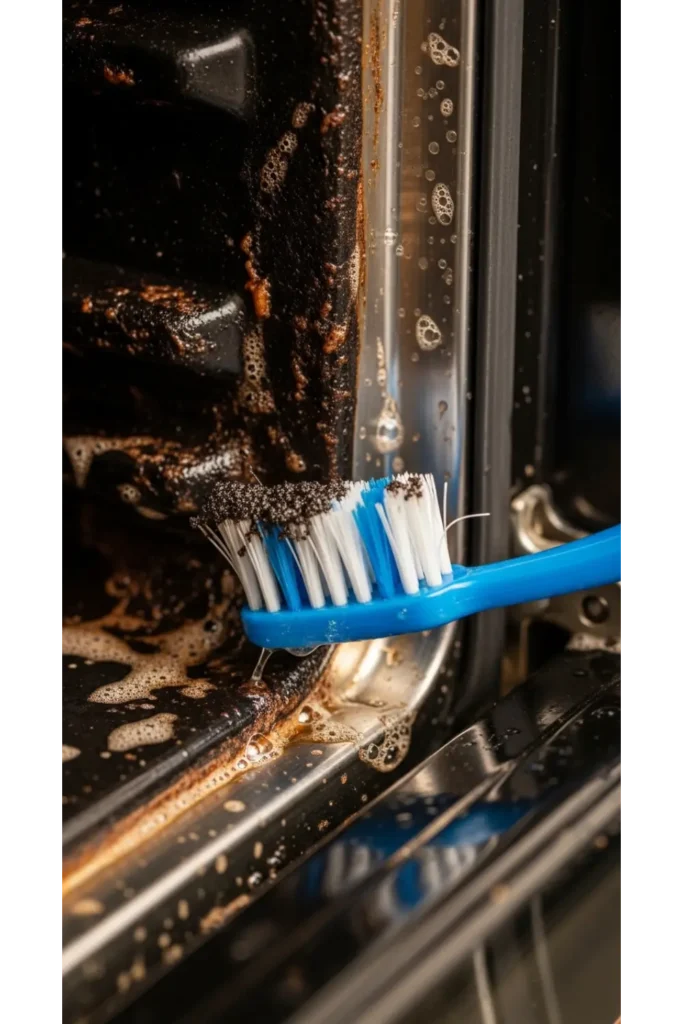
A toothbrush helps clean tight spaces that larger tools cannot reach. Dip it in a baking soda solution and scrub around edges, racks, and corners. This method targets hidden grime and ensures every part of your oven stays clean and well maintained.
After scrubbing, wipe the area with a damp cloth to remove residue. This small step makes a big difference in overall cleanliness. It is especially useful for older ovens with detailed interiors.
Pro tip: Use a soft-bristled toothbrush to avoid scratching surfaces
13. Oven Rack Soaking Method
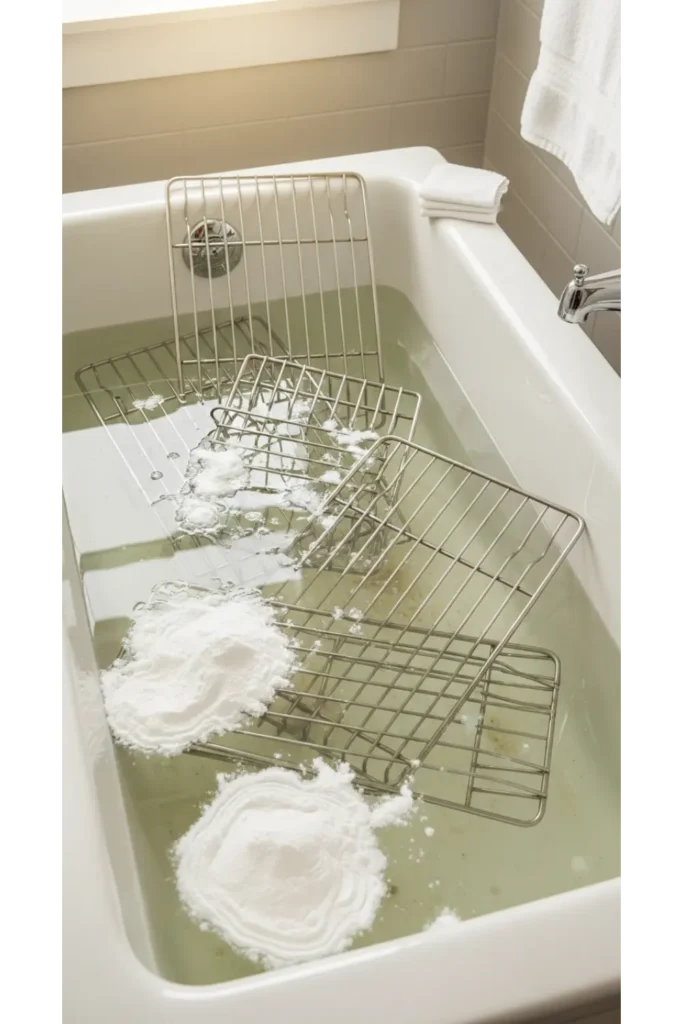
Remove oven racks and soak them in warm water mixed with baking soda. Let them sit for a few hours to loosen grease and food residue. This process reduces the need for scrubbing and helps restore the racks to a clean condition.
After soaking, scrub lightly and rinse thoroughly. Dry the racks before placing them back in the oven. Clean racks improve airflow and cooking performance while keeping your oven looking neat.
Pro tip: Add a small amount of dish soap to boost cleaning power
14. Flour Paste for Stubborn Spots
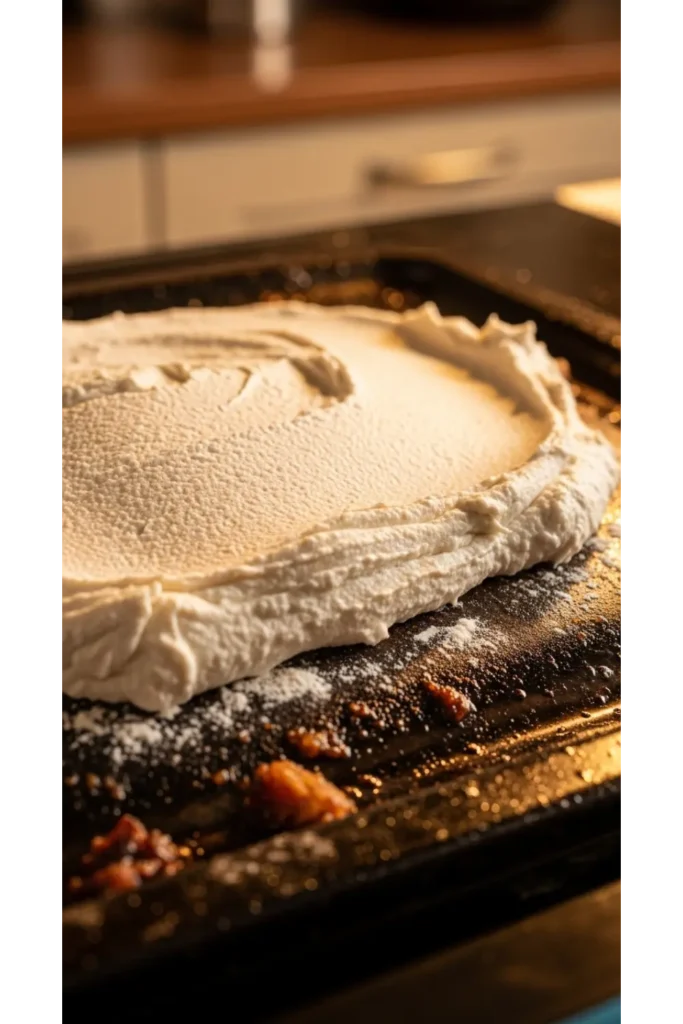
Flour can be used to create a thick paste that clings to stubborn stains. Mix it with water and apply it directly to problem areas. Let it sit until it dries, allowing it to absorb grease and loosen residue.
Once dry, wipe it away with a damp cloth. This method works well for targeted cleaning and avoids the need for strong chemicals. It is a creative and effective solution for tough spots.
Pro tip: Apply a thicker layer for deeper stains to improve results
15. Baking Soda Spray Maintenance Method
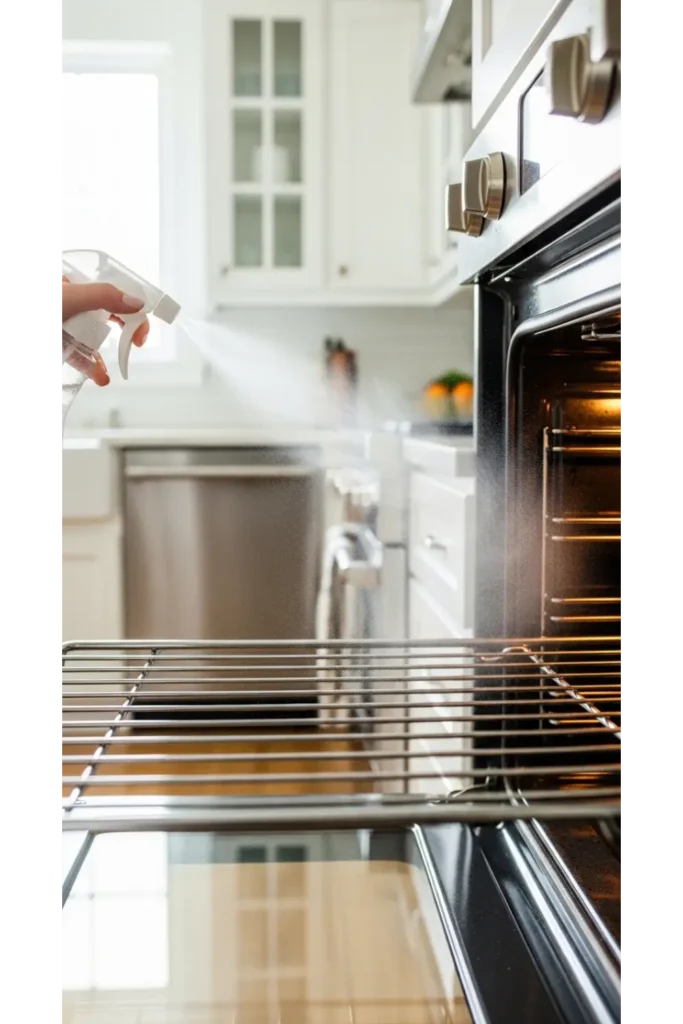
For ongoing care, a light baking soda spray helps maintain cleanliness between deep sessions. Mix a small amount of baking soda with water in a spray bottle and mist the oven interior after use. This approach supports how to clean your oven without harsh chemicals by preventing grease from building up over time. It keeps surfaces fresh and reduces the need for heavy scrubbing later.
Wipe the interior gently with a soft cloth after spraying. This quick routine takes only a few minutes but makes a noticeable difference. It helps preserve the oven’s condition and keeps it ready for cooking at any time. Regular maintenance is key to avoiding stubborn stains.
Pro tip: Use warm water in the spray for better dissolving and quicker results
16. Warm Towel Steam Press Method
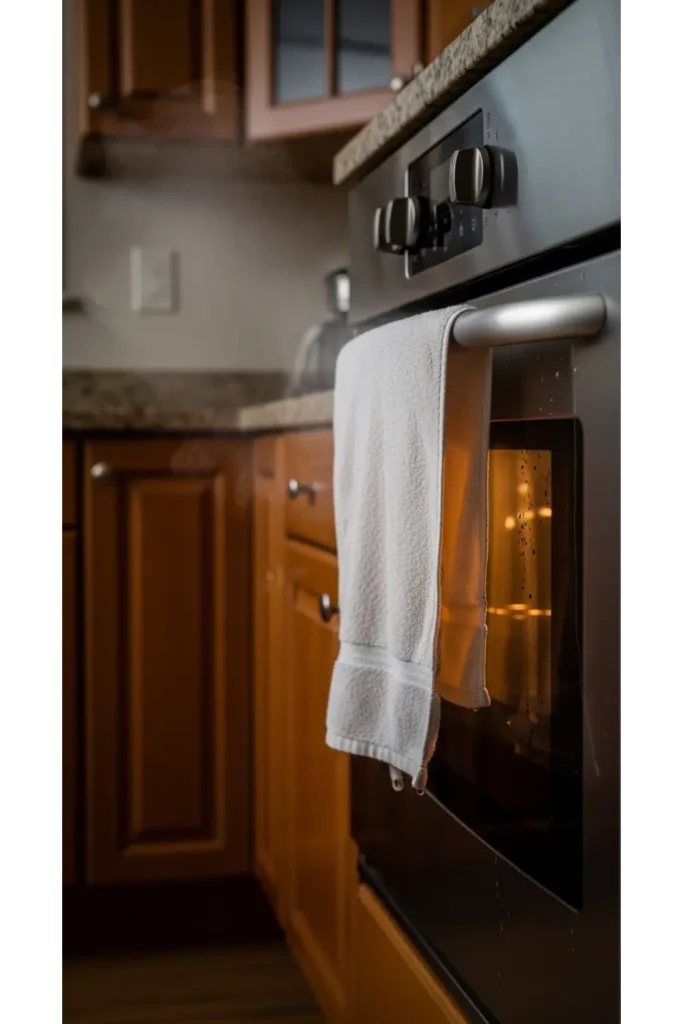
A warm towel can act like a natural steam treatment for tough spots. Soak a towel in hot water, wring it out, and place it directly on greasy areas. The heat and moisture loosen grime, making it easier to wipe away. This method fits perfectly with how to clean your oven without harsh chemicals because it uses only water and heat.
After a few minutes, remove the towel and wipe the area clean. You will notice that residue lifts more easily without force. This gentle method protects oven surfaces and works well for quick touch-ups.
Pro tip: Reheat the towel if needed to maintain consistent warmth during cleaning
17. Apple Cider Vinegar Deodorizing Clean
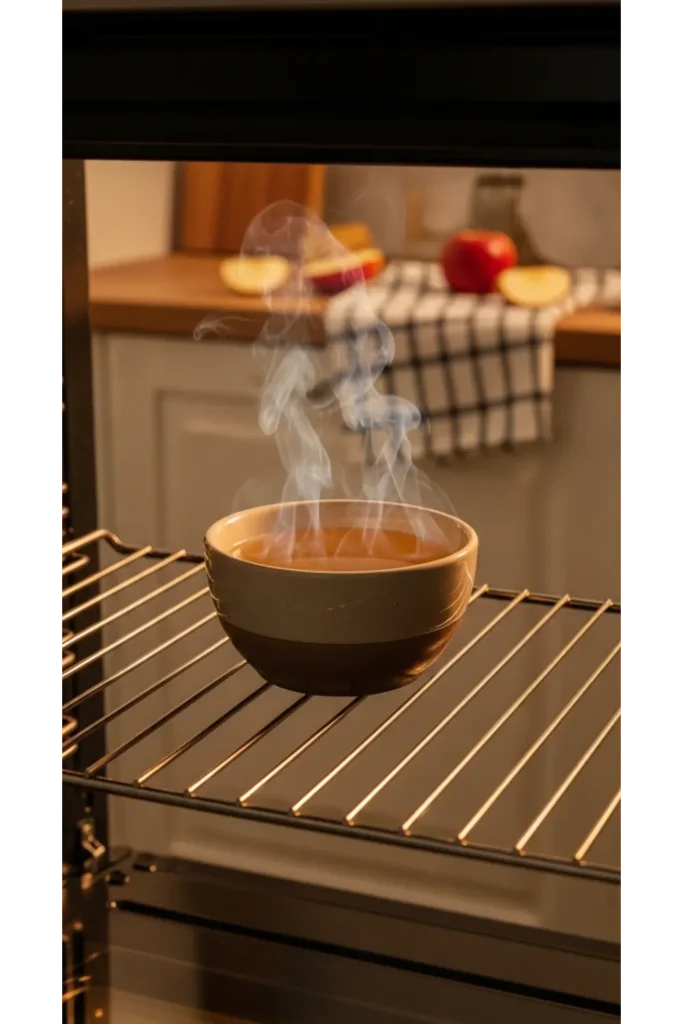
Apple cider vinegar offers both cleaning and deodorizing benefits. Place a small bowl inside the oven and heat it slightly to release steam. This helps loosen grime while neutralizing odors naturally. It is a great alternative when you want a softer scent compared to regular vinegar.
Once done, wipe down the interior with a damp cloth. The oven will feel cleaner and smell fresher without artificial fragrances. This method works well after cooking strong-smelling foods and keeps your kitchen environment pleasant.
Pro tip: Dilute the vinegar with water for a milder scent while still cleaning effectively
18. Baking Paper Scrub Technique
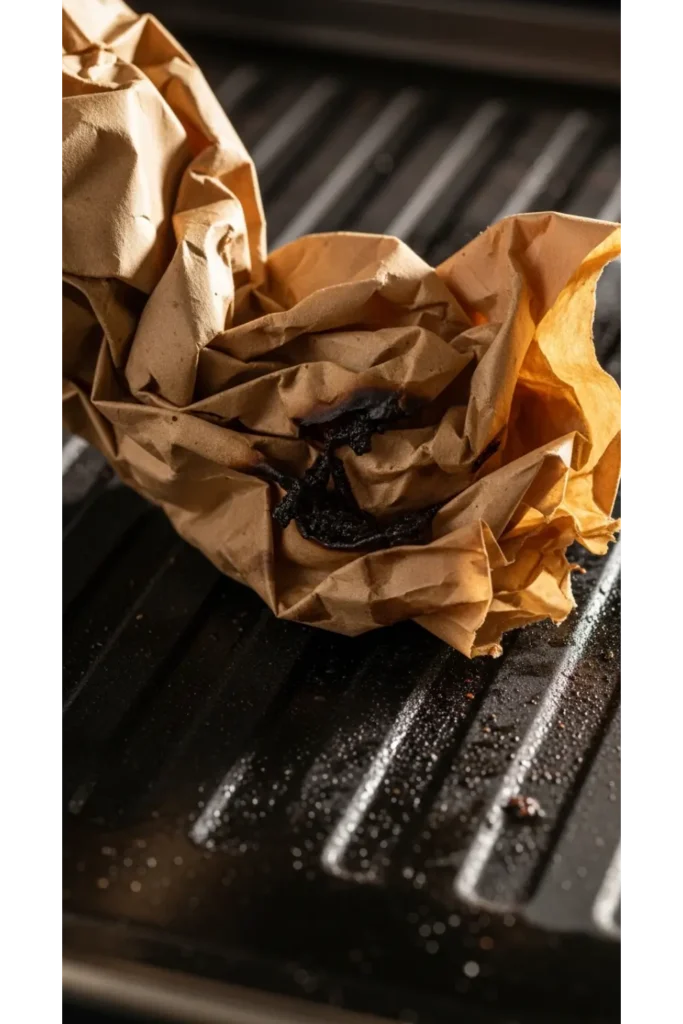
Crumpled baking paper can act as a gentle scrubber for oven surfaces. It provides enough texture to remove grime without scratching. Dip it in a mild cleaning solution and use it to scrub areas with buildup. This method is simple and uses materials already available in most kitchens.
After scrubbing, wipe the surface with a clean cloth. You will find that the paper helps lift residue effectively. It is especially useful for cleaning racks and flat surfaces where grease tends to settle.
Pro tip: Slightly dampen the paper for better grip and cleaning performance
19. Charcoal Odor Absorption Method
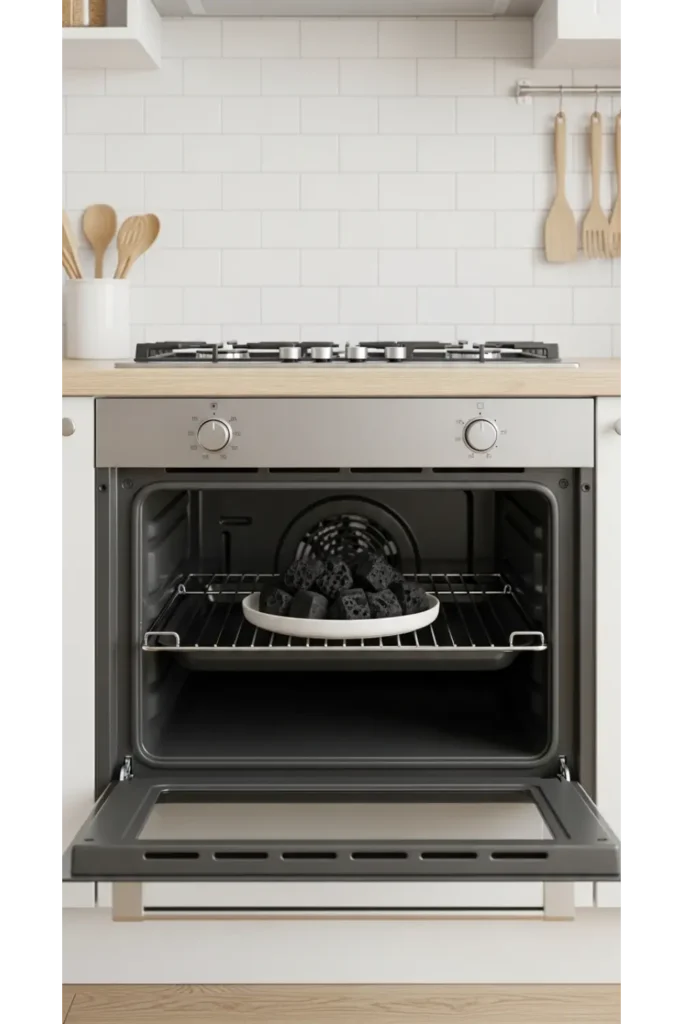
Charcoal naturally absorbs odors and helps keep your oven smelling clean. Place a few pieces inside the oven when it is not in use. Over time, they draw out unwanted smells and improve air quality. This method supports a clean environment without adding any chemicals or fragrances.
Replace the charcoal periodically to maintain effectiveness. It is a low-effort solution that works quietly in the background. This approach is ideal for maintaining freshness between cleaning sessions.
Pro tip: Use activated charcoal for stronger odor absorption
20. Rice Water Gentle Cleaning Solution
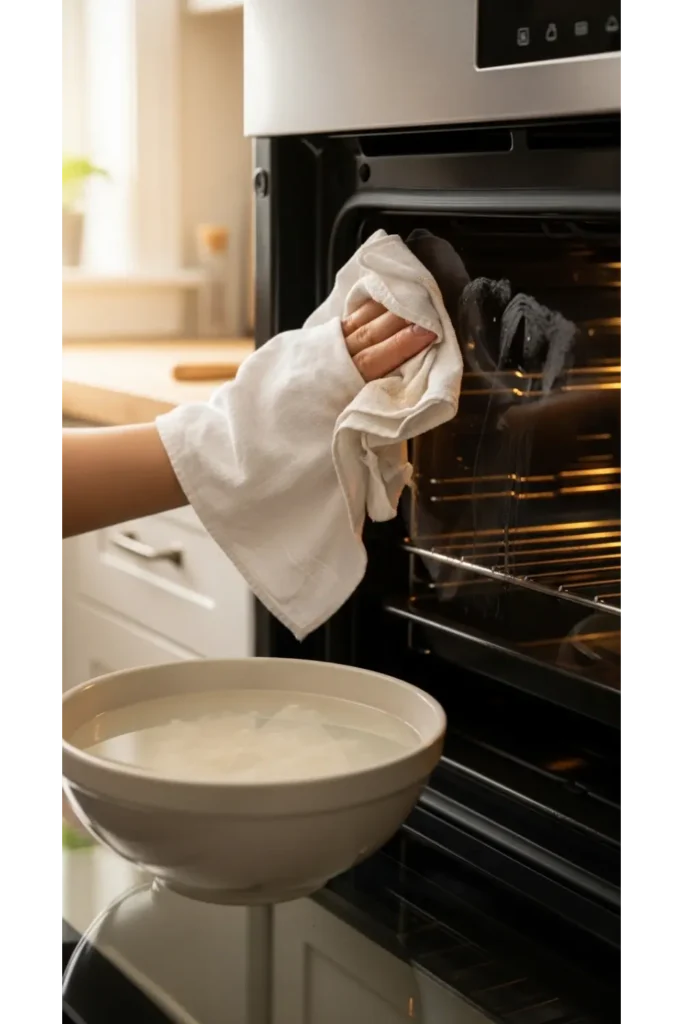
Rice water contains mild starches that help break down dirt. Use leftover rice water to wipe oven surfaces gently. It removes light grease while being safe and eco-friendly. This method aligns with how to clean your oven without harsh chemicals by using simple kitchen byproducts.
After wiping, follow with a clean damp cloth to remove residue. This technique is best for routine cleaning and helps maintain a smooth surface. It is a smart way to reuse something that would otherwise go to waste.
Pro tip: Use freshly prepared rice water for best cleaning results
21. Clay-Based Natural Scrub
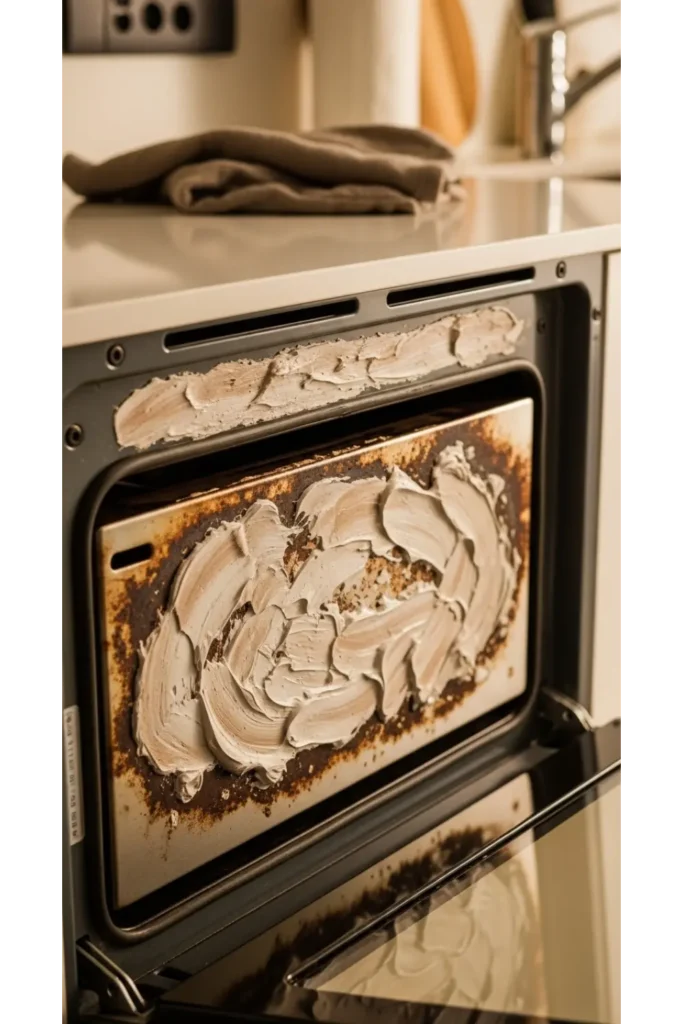
Natural clay can act as a gentle abrasive cleaner. Mix it with water to form a paste and apply it to stained areas. It lifts grime without scratching surfaces, making it a safe option for ovens. This method works well for moderate buildup and adds variety to your cleaning routine.
Once the paste dries slightly, wipe it away with a damp cloth. The surface will feel smoother and cleaner. This technique is effective and environmentally friendly, making it a great alternative to synthetic cleaners.
Pro tip: Test a small area first to ensure compatibility with your oven finish
22. Herbal Steam Infusion Clean

Fresh herbs like rosemary or mint can enhance steam cleaning. Place them in a bowl of water and heat the oven gently. The steam loosens grime while releasing a pleasant natural aroma. This method combines cleaning with a refreshing sensory experience.
After steaming, wipe the oven interior with a cloth. The herbs leave behind a subtle scent that feels clean and inviting. This approach is perfect for those who enjoy natural fragrances without artificial products.
Pro tip: Combine herbs with lemon slices for a stronger effect
23. Microfiber Cloth Polishing Method
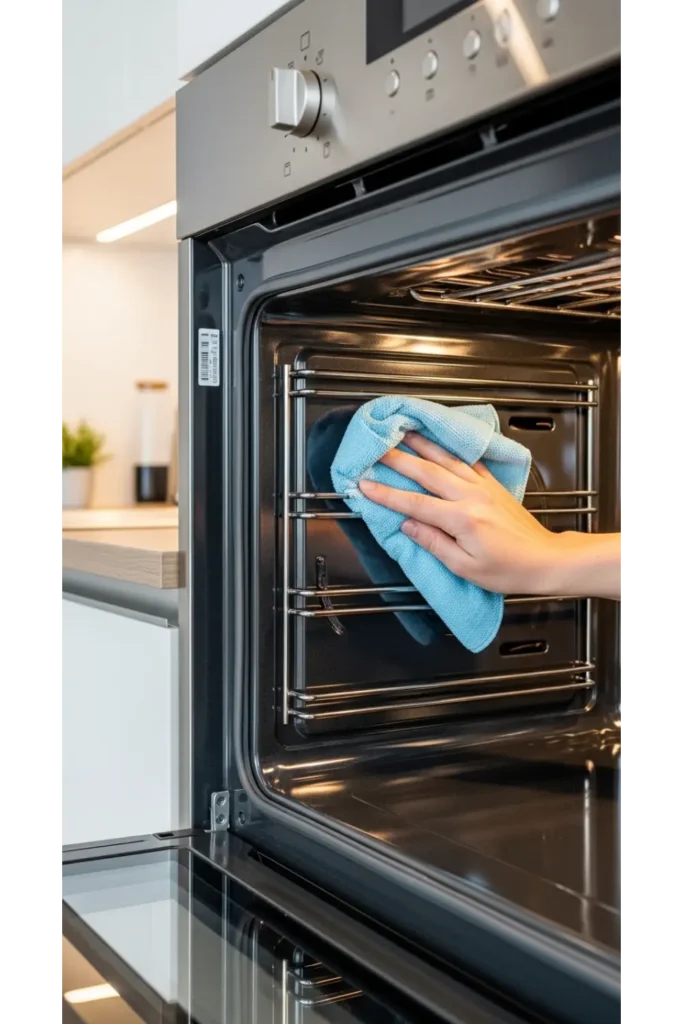
Microfiber cloths are excellent for final cleaning and polishing. They trap dirt and grease effectively without spreading it around. After cleaning, use a dry microfiber cloth to buff the oven interior. This step enhances shine and removes any remaining residue.
Regular use of microfiber cloths keeps your oven looking neat and well cared for. They are reusable and gentle on surfaces, making them a practical choice for everyday maintenance.
Pro tip: Keep separate cloths for cleaning and polishing to avoid cross-contamination
24. Regular Cleaning Routine Strategy
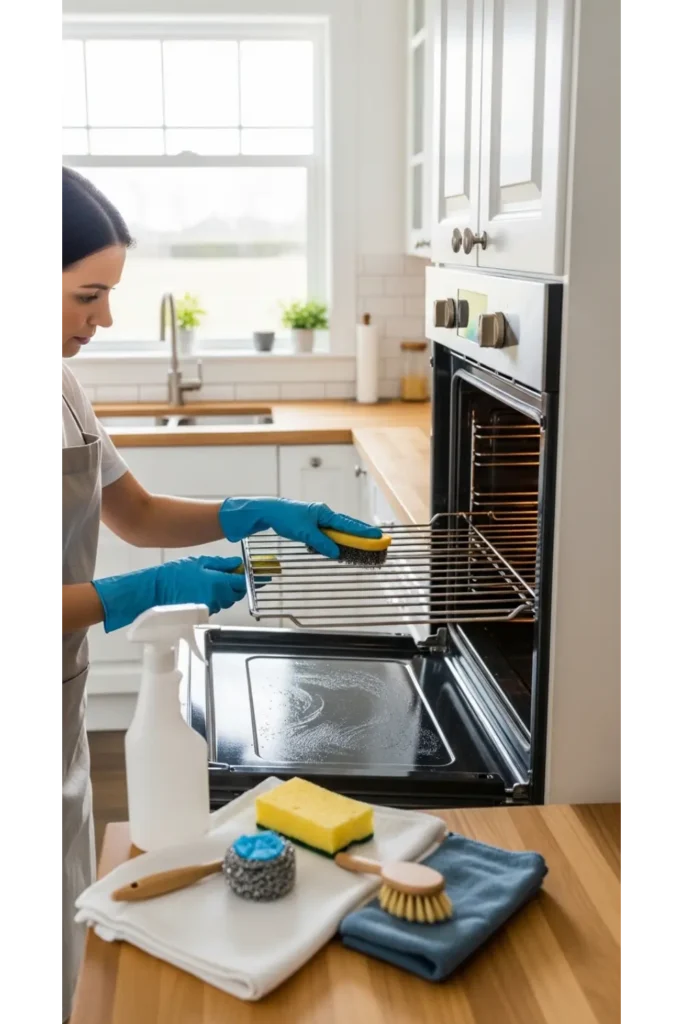
The most effective approach to how to clean your oven without harsh chemicals is consistency. Create a simple routine that includes quick weekly wipe-downs and monthly deep cleaning. This prevents buildup and keeps your oven in excellent condition year-round.
By staying consistent, you reduce effort and avoid tough stains. A clean oven improves cooking results and creates a healthier kitchen space. Small actions done regularly lead to lasting cleanliness and peace of mind.
Pro tip: Set a reminder each week to maintain your cleaning schedule
FAQs
What is the safest way for how to clean your oven without harsh chemicals?
The safest way combines baking soda and vinegar. These ingredients break down grease naturally without releasing harmful fumes, making them ideal for regular use in any home
How often should I clean my oven naturally?
You should do light cleaning weekly and deep cleaning once a month. This keeps buildup under control and reduces effort over time
Can natural cleaning remove strong burnt smells?
Yes, lemon and vinegar steam methods work well to neutralize odors and leave your oven smelling fresh
Do natural methods take longer than chemical cleaners?
They may take slightly longer but provide safer and longer-lasting results without damaging surfaces or affecting indoor air quality
Conclusion
Choosing how to clean your oven without harsh chemicals gives you control over your kitchen environment while protecting your health. Natural methods are simple, affordable, and highly effective when used consistently. With ingredients like baking soda, vinegar, and lemon, you can remove grease, eliminate odors, and maintain a spotless oven without relying on harsh solutions.
These techniques not only clean but also build a healthier routine for your home. When you stay consistent and use the right approach for each type of mess, your oven stays in excellent condition for years. Clean smarter, stay safe, and enjoy a fresher kitchen every day.