
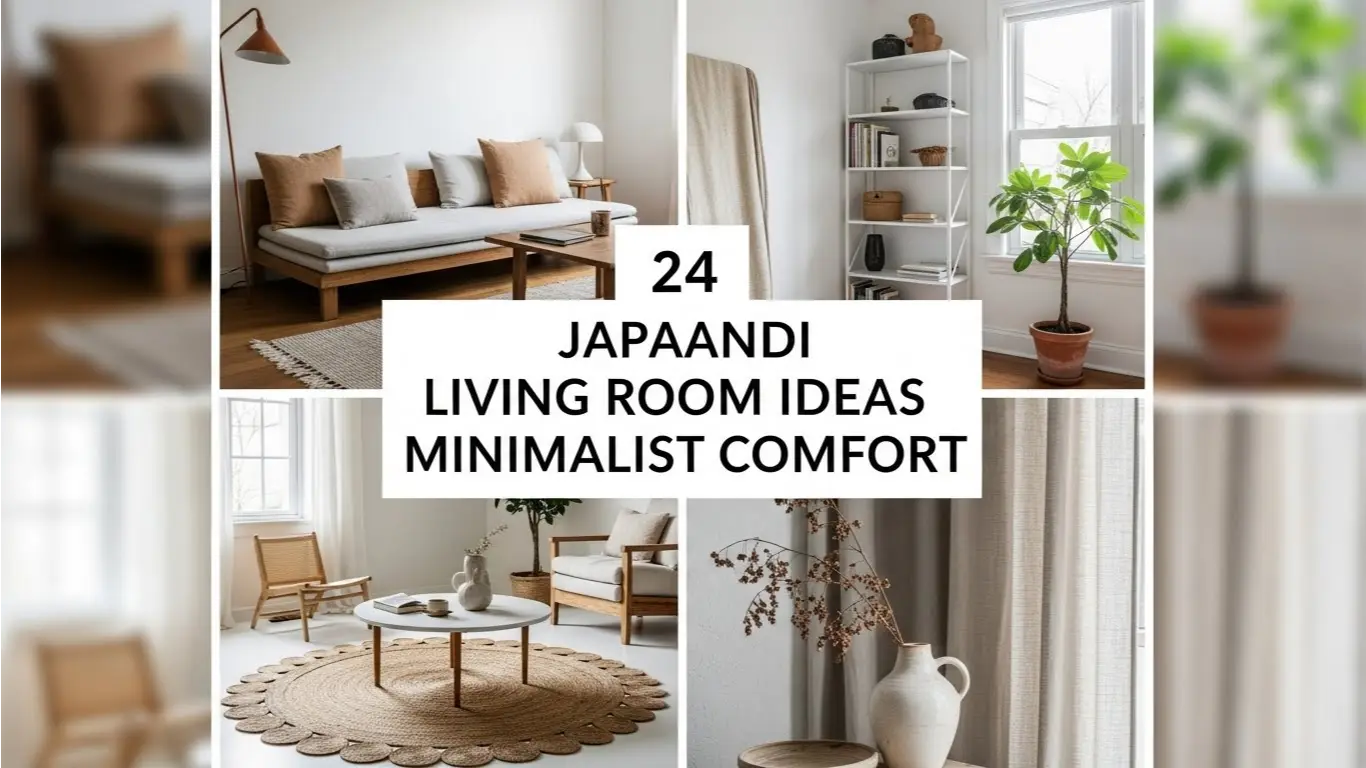
24 Japandi Living Room Ideas for Minimalist Comfort
1. Calm Neutrals With Natural Balance
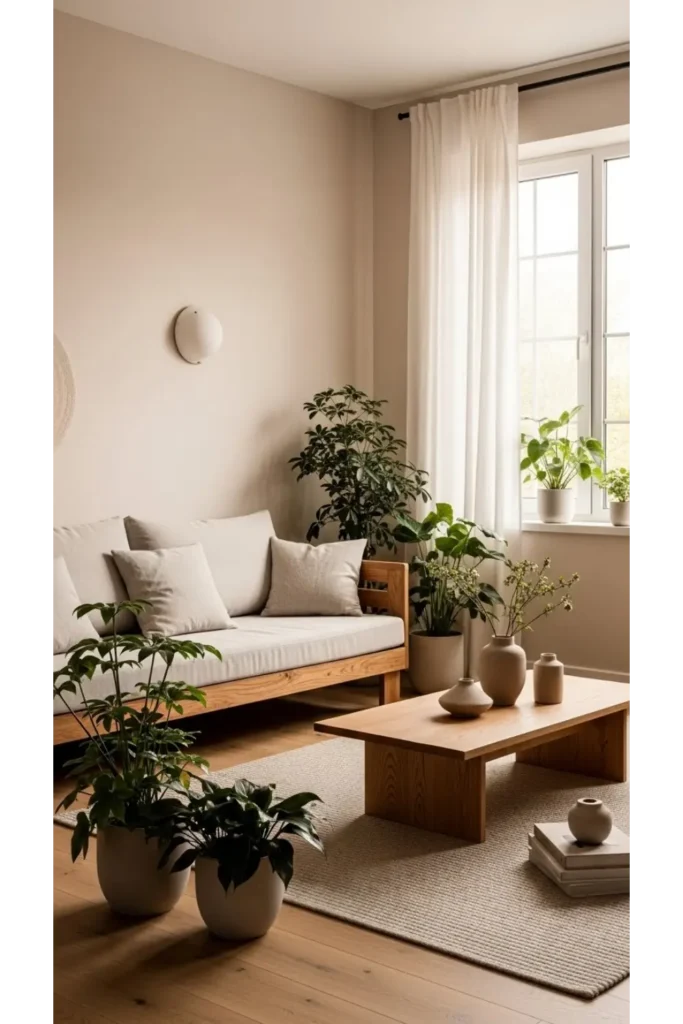
Japandi living room ideas for minimalist comfort begin with a neutral base that feels warm, not empty. Soft beige, warm white, and light wood tones create a peaceful backdrop that calms the mind. Keep furniture low and grounded to echo Japanese design while using cozy textures inspired by Scandinavian interiors. The result feels intentional, simple, and welcoming without visual noise. Explore more inspiring living room decor ideas in our complete style guide here.
Natural light plays a key role in this style. Large windows, sheer curtains, and open layouts help the space breathe. Instead of filling the room, allow negative space to shine. Each element earns its place, creating comfort through clarity. This balance supports relaxation while keeping the room visually refined and emotionally grounding.
2. Low Profile Seating With Cozy Textures
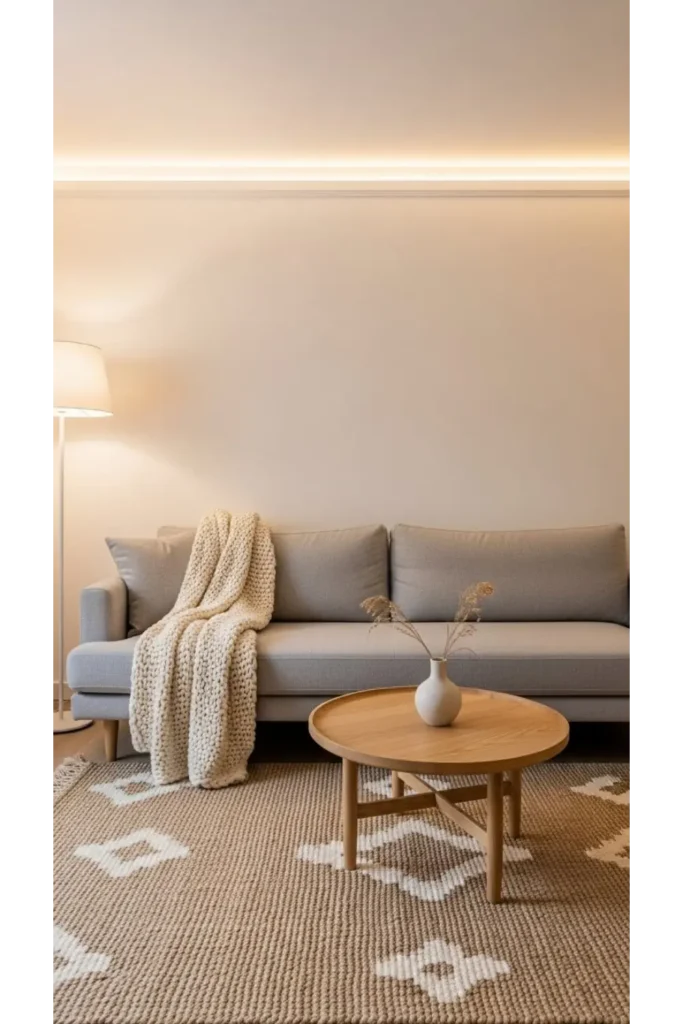
Low seating anchors the room and encourages a slower pace of living. A low profile sofa paired with a simple wooden coffee table keeps sightlines open and grounded. Add comfort through texture rather than excess decor. Wool throws, cotton cushions, and a woven rug soften the look without breaking the minimalist feel.
This approach works well for smaller spaces too. The room feels open yet intimate, which is essential for everyday comfort. Keep shapes simple and materials honest. When textures do the work, the living room feels layered and warm while staying clean and uncluttered.
3. Light Wood Furniture As the Foundation
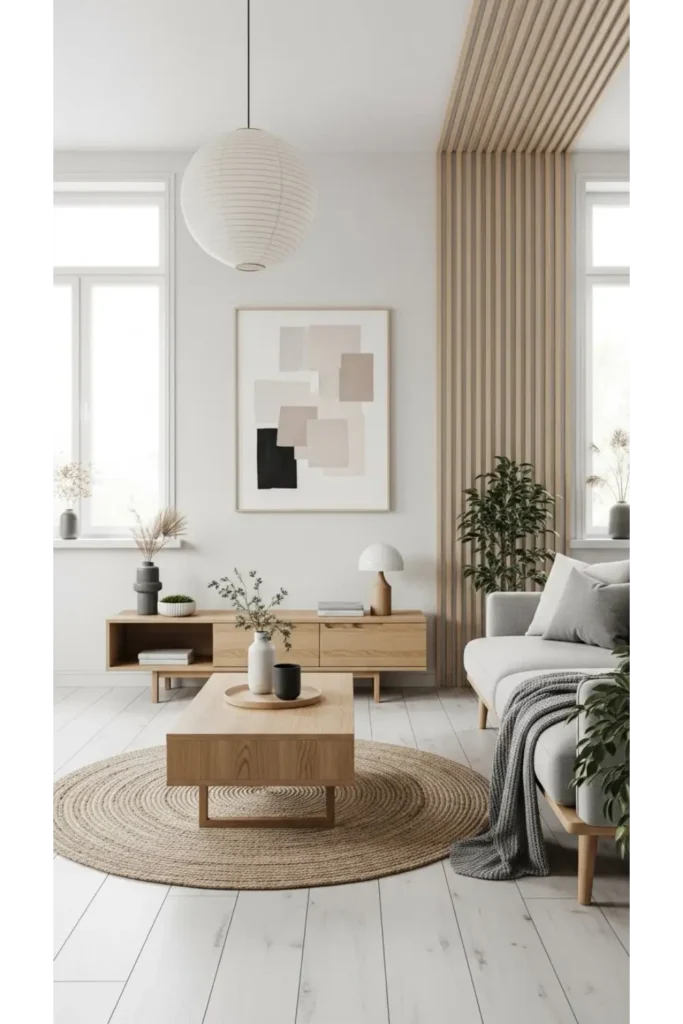
Light wood defines Japandi interiors and sets a calm, organic tone. Oak, ash, or birch furniture brings warmth without heaviness. Choose pieces with clean lines and visible grain to celebrate natural beauty. This keeps the space grounded and authentic while supporting a minimalist lifestyle.
Balance the wood with soft textiles and subtle contrast. Linen upholstery and matte ceramics prevent the room from feeling flat. The combination feels timeless and soothing, making the living room a place where you naturally want to unwind and spend time.
4. Soft Contrast With Black Accents
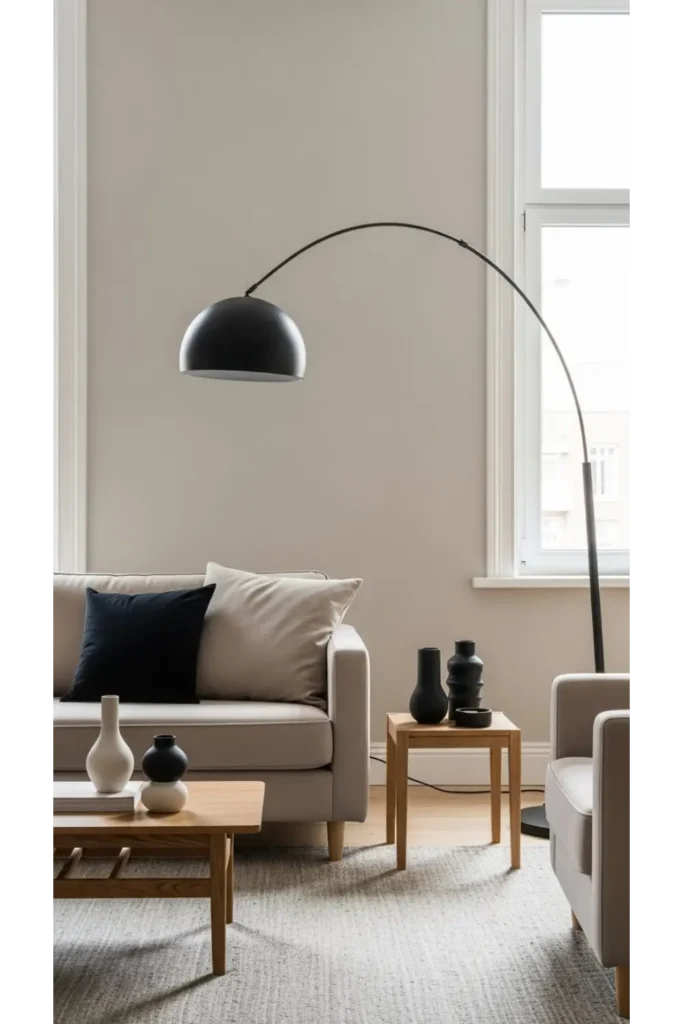
Black accents add quiet strength when used sparingly. A black floor lamp, slim frame, or small decor piece grounds the lighter elements in the room. This contrast keeps the space from feeling washed out while staying true to minimalist values.
The key is restraint. Let black guide the eye without dominating the palette. Paired with warm wood and soft neutrals, these accents add depth and structure, enhancing comfort through visual balance rather than decoration overload.
5. Minimal Decor With Purpose
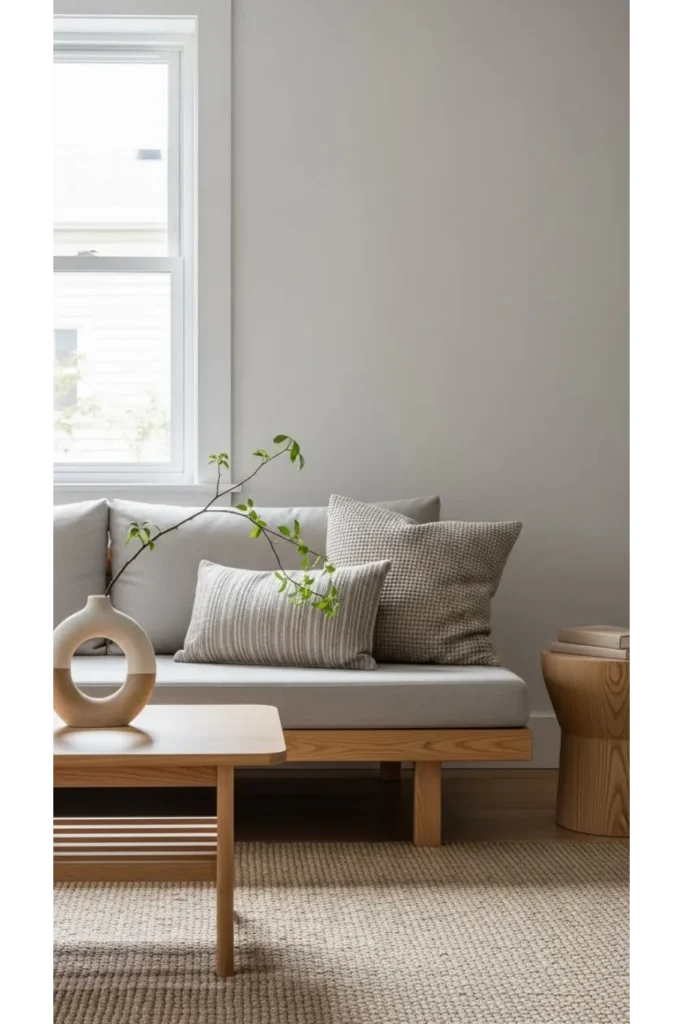
Decor in a Japandi living room should feel meaningful. One ceramic vase, a simple bowl, or a handcrafted object adds character without clutter. Each item should tell a quiet story through form or material rather than color or trend.
This mindful approach creates emotional comfort. The room feels calm because nothing competes for attention. Purposeful decor supports a lifestyle that values quality over quantity, helping the living room feel restful and deeply personal.
6. Natural Fabrics For Everyday Comfort
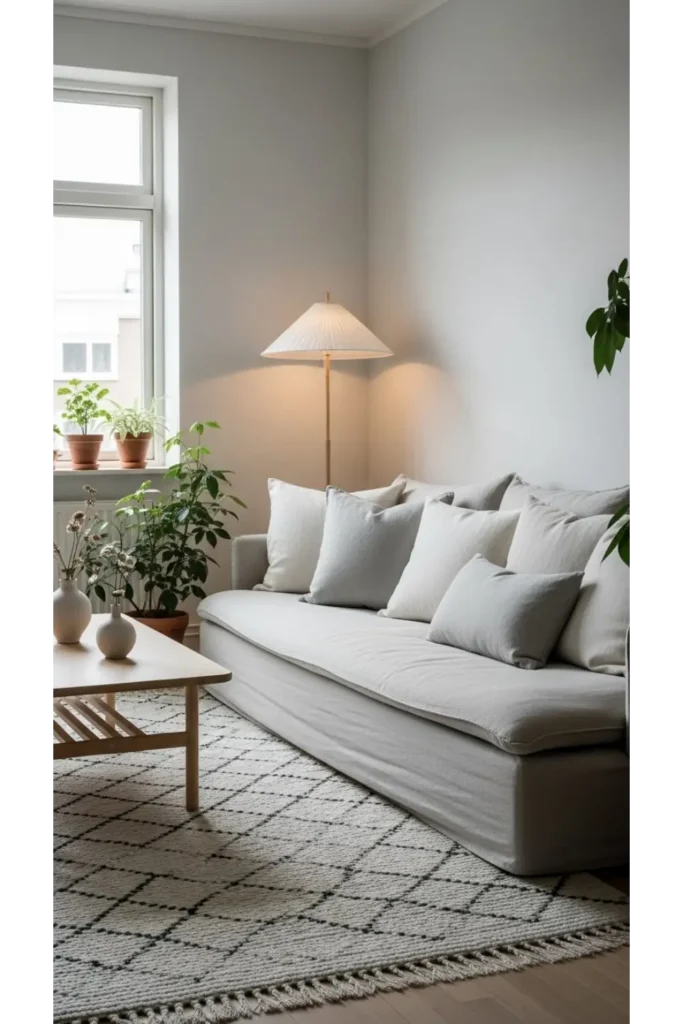
Natural fabrics bring softness and breathability into the space. Linen sofas, cotton cushions, and wool rugs age beautifully and feel good year round. These materials connect the room to nature while supporting daily comfort.
Stick to neutral tones to maintain harmony. Texture becomes the star instead of color. This creates a living room that feels cozy, lived in, and calm, perfect for quiet mornings or relaxed evenings.
7. Open Space With Thoughtful Layout
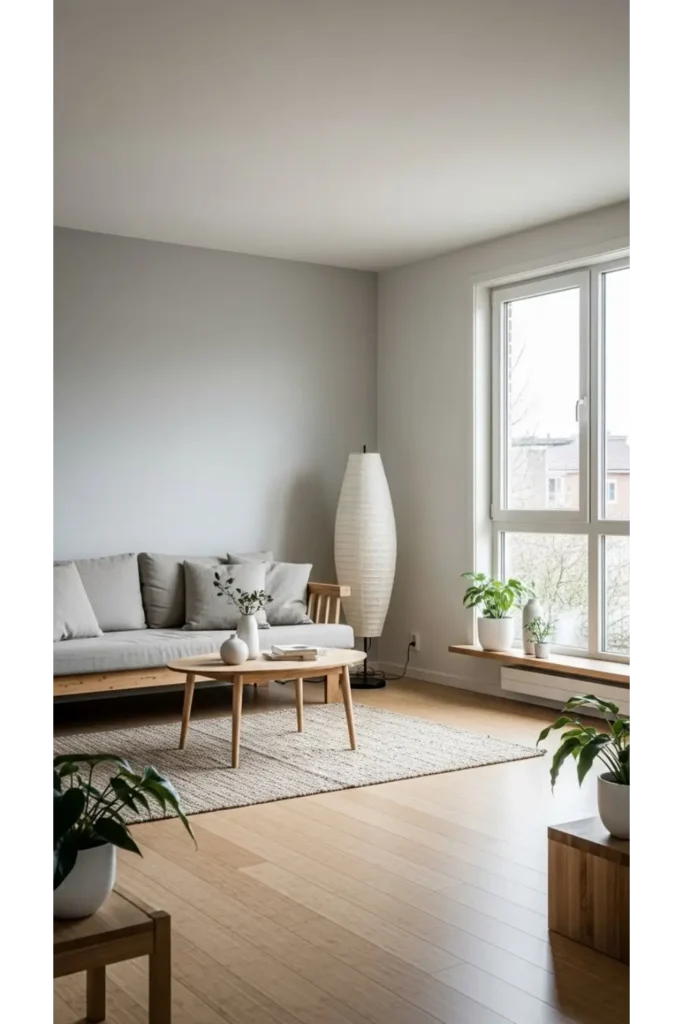
An open layout helps minimalist design shine. Avoid crowding the room and focus on flow. Place furniture to encourage movement and conversation while keeping visual weight evenly distributed.
This openness reduces stress and supports mental clarity. When the room feels easy to navigate, it also feels easier to relax in. Thoughtful spacing turns simplicity into comfort rather than emptiness.
8. Earth Tones Inspired by Nature
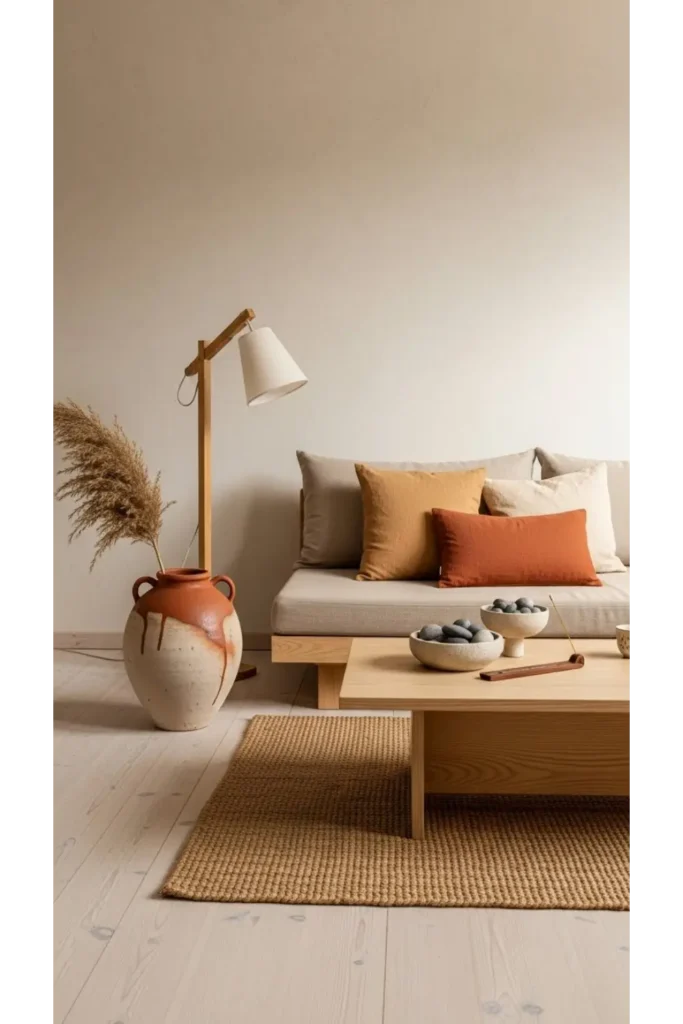
Earth tones like clay, sand, and soft brown deepen the connection to nature. These colors feel grounding and timeless, helping the space stay relevant beyond trends.
Use them subtly through cushions, rugs, or wall art. When paired with light wood and neutral walls, earth tones add warmth while preserving the clean Japandi aesthetic.
9. Simple Coffee Table Styling
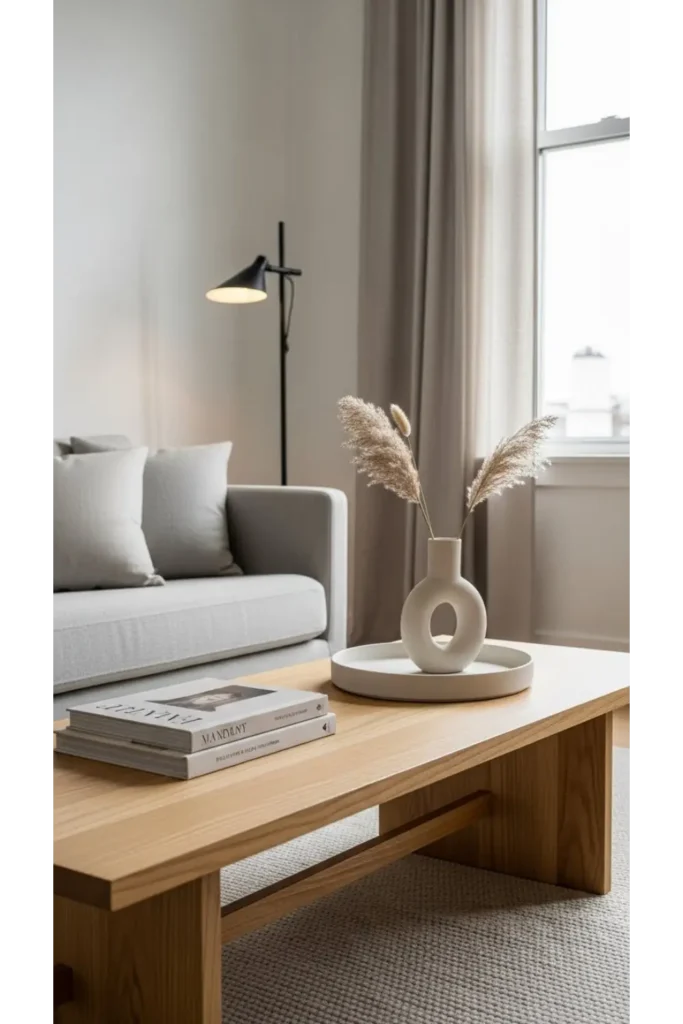
A coffee table sets the tone for the room. Choose a simple wooden design and keep styling minimal. A small stack of books and a ceramic tray are enough.
This keeps the focus on calm living rather than display. A clean surface supports daily use and visual peace, reinforcing the minimalist comfort Japandi interiors are known for.
10. Floor Cushions for Flexible Seating
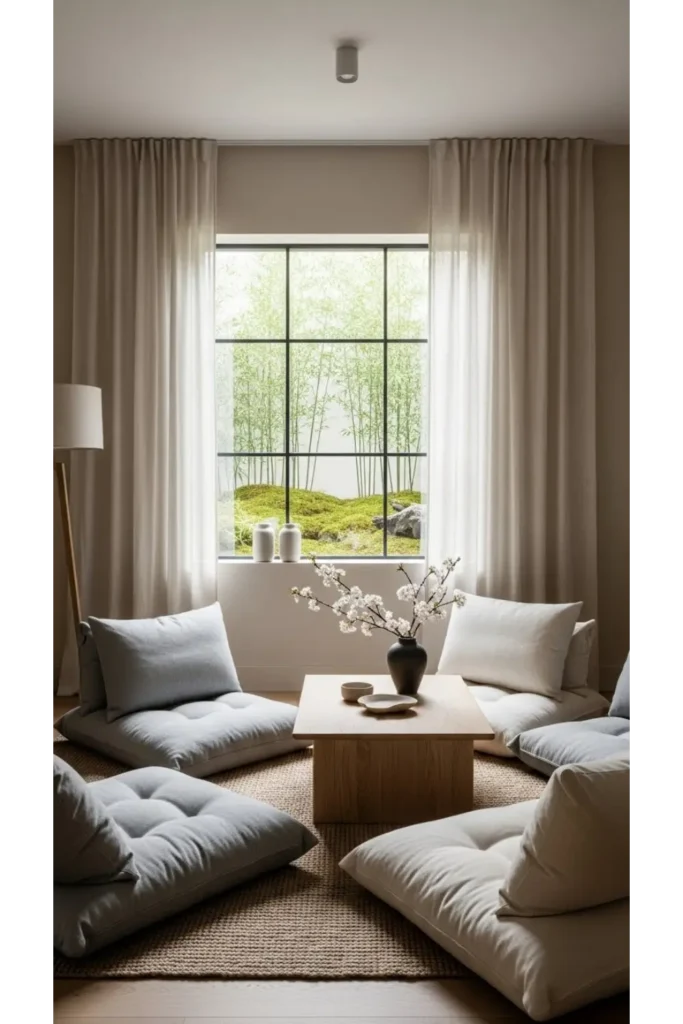
Floor cushions introduce flexibility and a Japanese influence. They encourage informal seating and create a relaxed atmosphere. Choose neutral fabrics to blend seamlessly with the rest of the room.
This seating option works well for gatherings or quiet moments. It adds comfort without adding bulky furniture, keeping the space adaptable and open.
11. Soft Lighting for Evening Calm
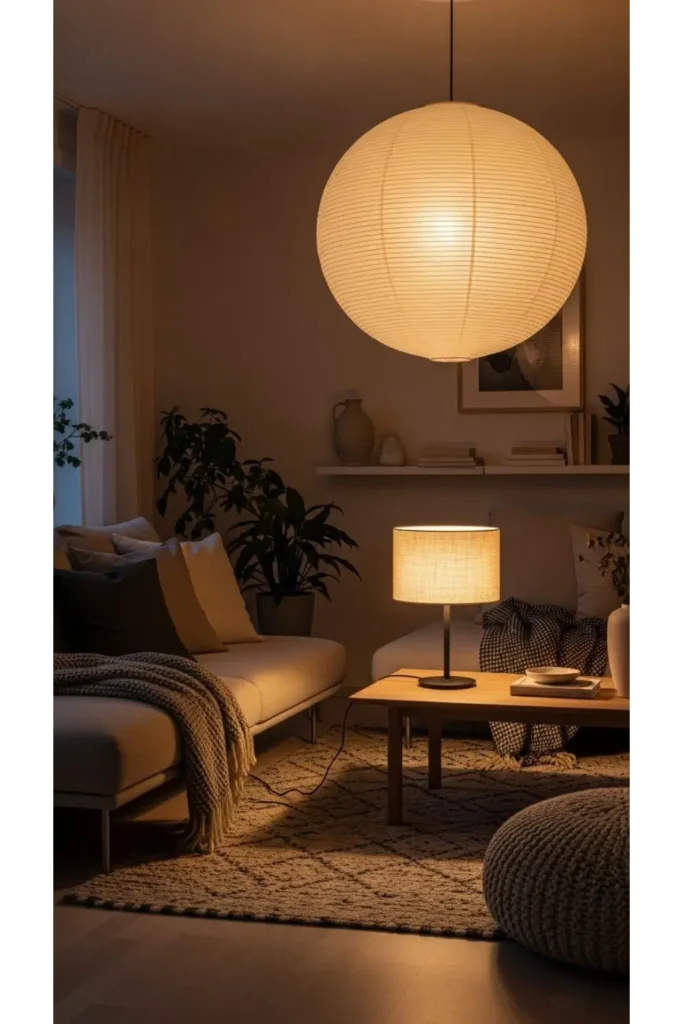
Lighting shapes the mood of the room. Warm, soft lighting creates a sense of calm and intimacy. Paper lanterns or simple table lamps work well in Japandi spaces.
Avoid harsh overhead lights. Layered lighting supports relaxation and makes the living room feel inviting after sunset. Comfort often starts with how a space feels at night.
12. Minimal Wall Art With Meaning
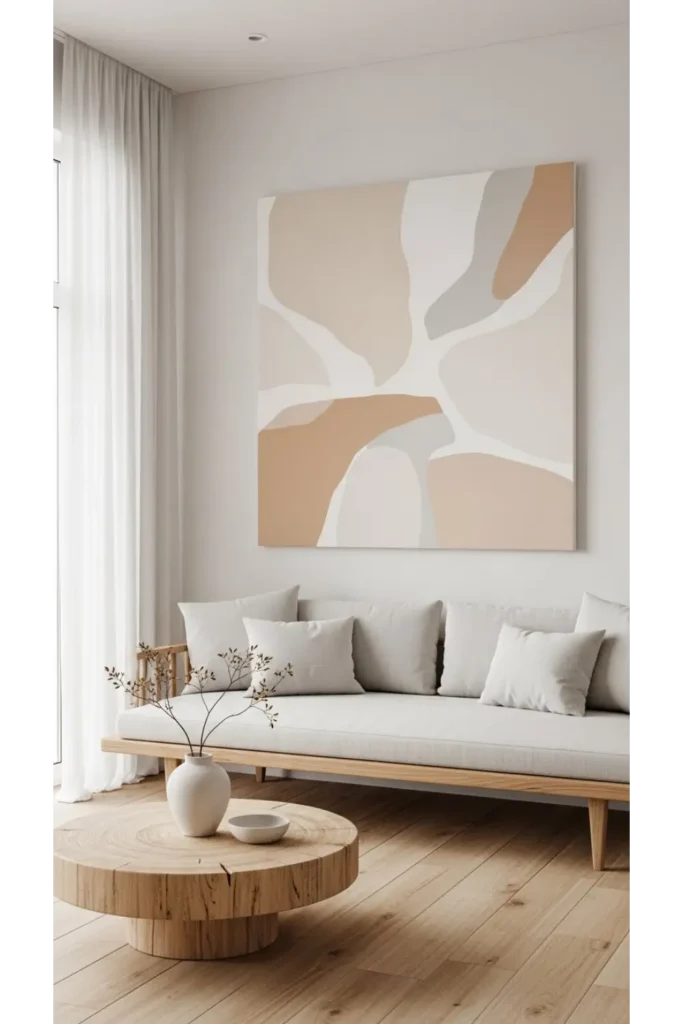
Wall art should enhance, not dominate. Choose one or two pieces with subtle colors and organic forms. This keeps walls feeling open while adding personality.
Meaningful art creates emotional comfort. It gives the room character without disrupting the minimalist flow, making the space feel complete yet calm.
13. Indoor Plants for Organic Warmth
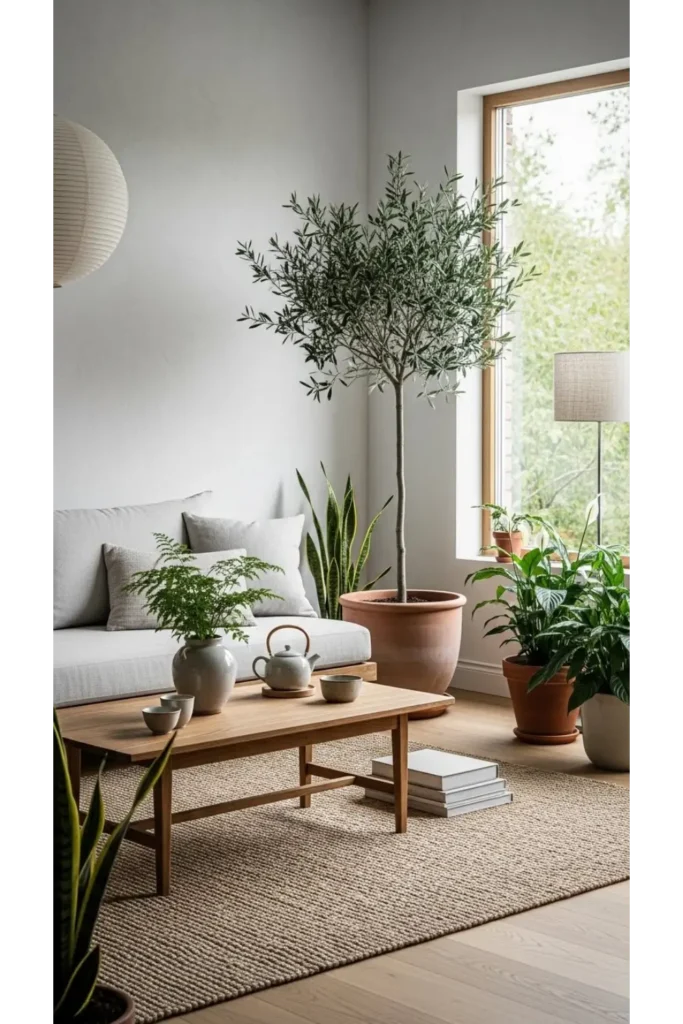
Plants bring life and softness into the room. A single potted tree or a few small plants add freshness without clutter.
They connect the interior to nature and improve the atmosphere. In a minimalist space, greenery feels intentional and soothing rather than decorative.
14. Neutral Rugs With Subtle Texture
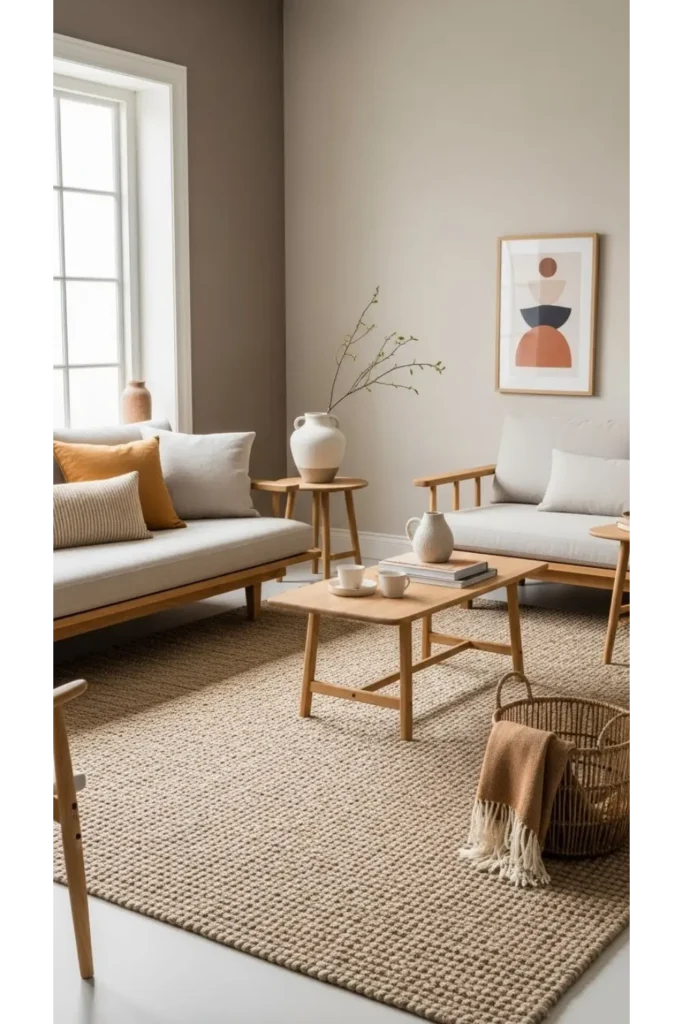
A neutral rug grounds the seating area and adds comfort underfoot. Look for subtle texture instead of bold patterns.
This approach keeps the room cohesive. Texture adds interest while preserving visual calm, which is essential for a relaxing living space.
15. Built-In Storage for Clean Lines
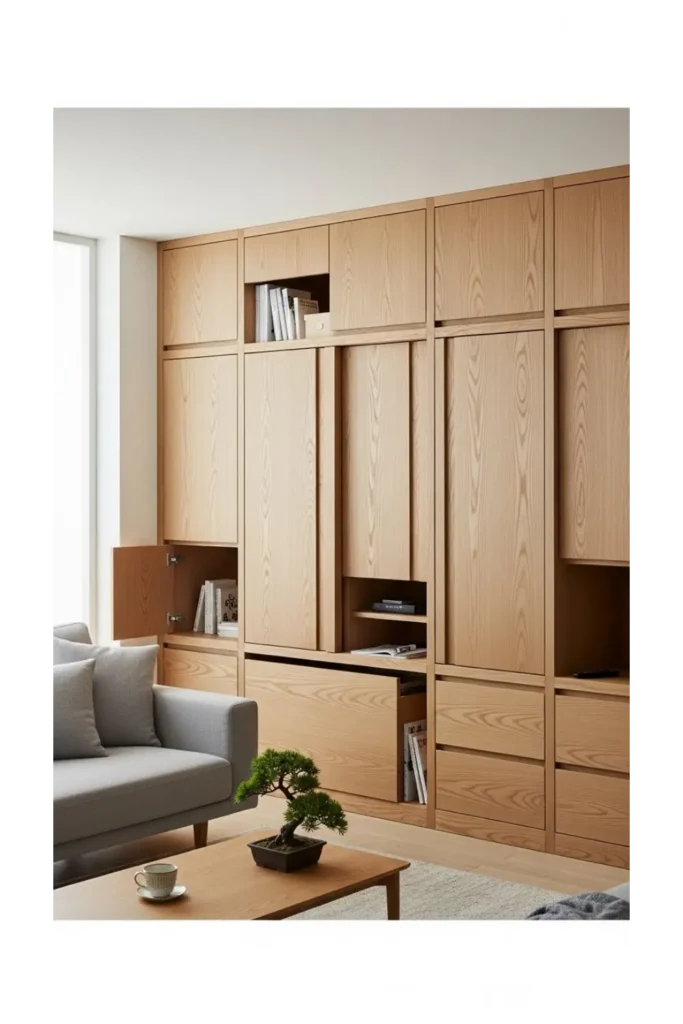
Built-in storage helps maintain a clutter-free environment. Hidden storage keeps everyday items out of sight while preserving clean lines.
This supports a minimalist lifestyle without sacrificing practicality. The room feels peaceful because everything has a place.
16. Soft Curves in Furniture Design
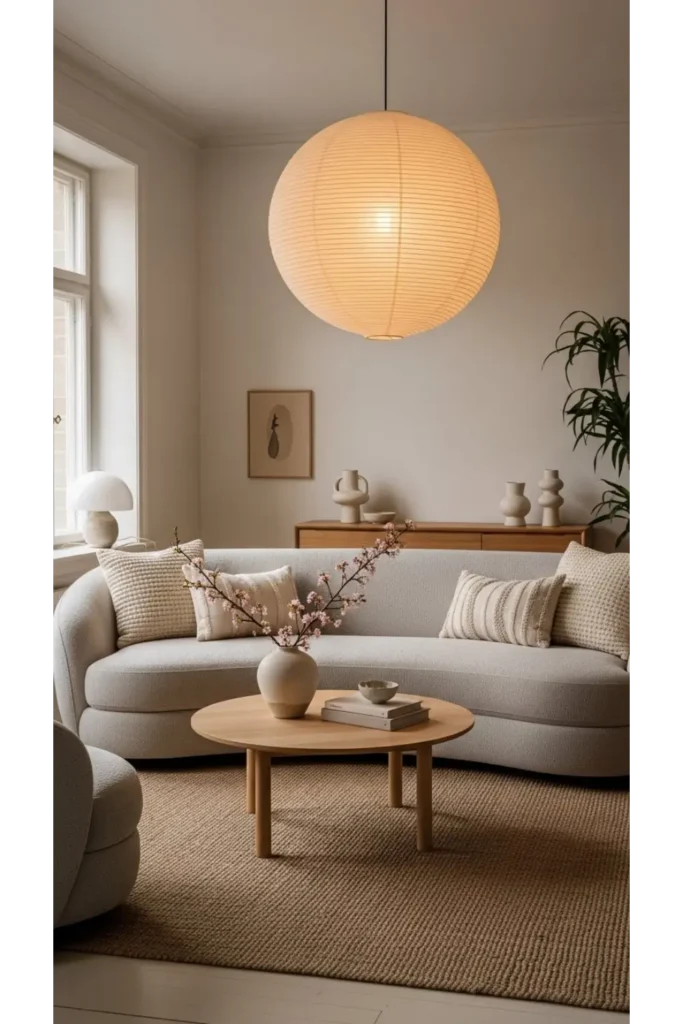
Soft curves balance the straight lines common in minimalist design. Rounded sofas or tables add a gentle, welcoming feel.
These shapes enhance comfort and prevent the room from feeling rigid. Subtle curves create harmony without breaking simplicity.
17. Matte for Quiet Elegance
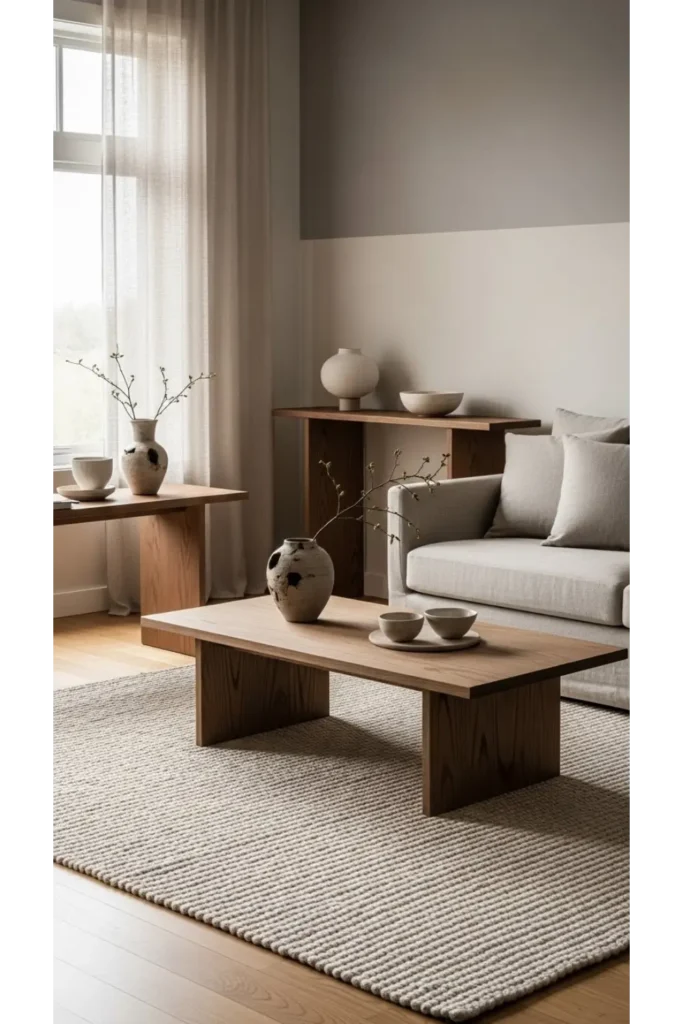
Matte finishes bring a quiet elegance that aligns perfectly with Japandi living room aesthetics. Unlike glossy surfaces, matte materials absorb light and reduce visual distraction, helping the space feel calm and grounded. Matte wood tables, soft finished cabinets, and low sheen walls create a soothing environment that feels intentional rather than styled for show. This subtle quality supports minimalist comfort by letting form, texture, and proportion take the lead.
Using matte finishes also enhances the sense of warmth in the room. Natural wood grains, clay ceramics, and stone elements feel more tactile and authentic when they lack shine. These surfaces age beautifully and hide wear, making them practical for daily living. The result is a living room that feels refined yet relaxed, where elegance comes from restraint and thoughtful material choices rather than decorative excess.
18. Minimal Shelving With Breathing Room
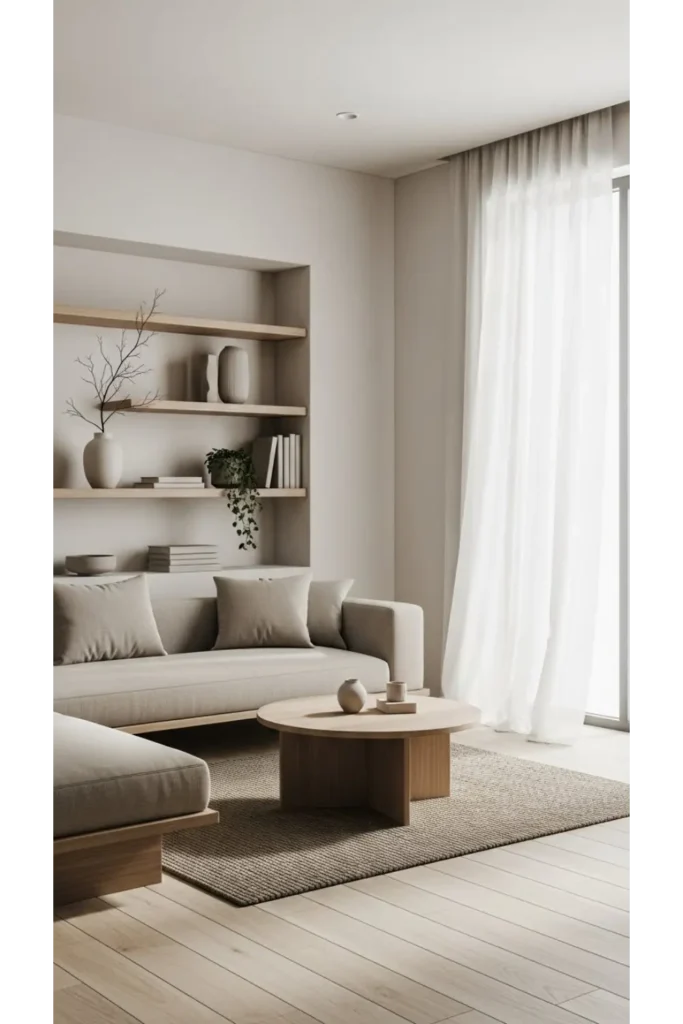
Minimal shelving works best when space itself becomes part of the design. Open shelves should never feel full. Leaving breathing room between objects allows the eye to rest and keeps the living room from feeling cluttered. Choose shelves made from light wood with simple profiles to maintain visual flow. Display only items that serve a purpose or hold meaning, such as ceramics, books, or natural elements.
This approach turns storage into a calming feature instead of visual noise. Shelving becomes a reflection of mindful living, where less truly feels better. When shelves remain airy and intentional, they support both organization and mental clarity. The living room feels open and balanced, reinforcing minimalist comfort through simplicity and thoughtful spacing rather than decoration.
19. Neutral Curtains That Filter Light
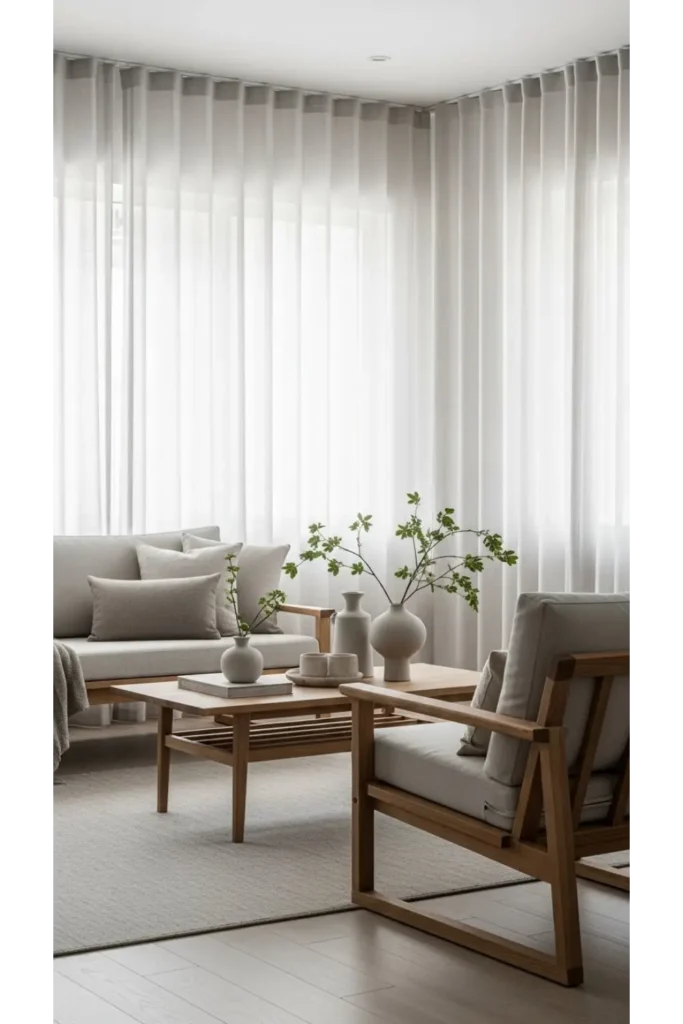
Curtains play a major role in shaping the mood of a Japandi living room. Neutral curtains made from linen or cotton gently filter natural light, creating a soft glow that feels calm and welcoming. Instead of blocking light, they diffuse it, allowing the room to stay bright while maintaining privacy. This balance supports a peaceful atmosphere that feels connected to nature throughout the day.
Keeping curtain colors close to the wall tone helps maintain visual continuity. Avoid heavy fabrics or bold patterns that interrupt the minimalist flow. When curtains quietly frame the windows, they enhance the room without demanding attention. This subtle treatment of light adds comfort, warmth, and softness, making the living space feel open, relaxed, and naturally inviting.
20. Simple Fireplace as a Focal Point
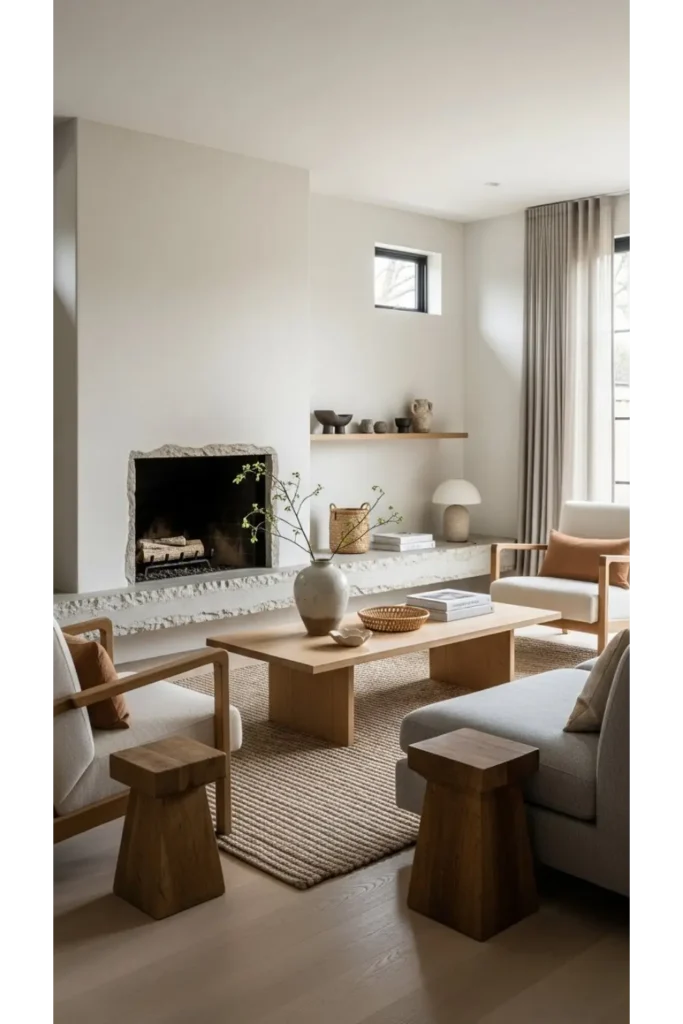
A simple fireplace creates a natural focal point without overpowering the room. In Japandi interiors, the fireplace should feel calm and grounded, built with materials like stone, plaster, or concrete. Clean lines and a low profile help it blend seamlessly into the space. Rather than decoration, the fireplace adds emotional warmth and a sense of quiet presence.
This understated focal point encourages gathering and rest. When paired with low seating and natural textures, the fireplace becomes a place to slow down rather than a dramatic statement. Its simplicity supports minimalist comfort by offering warmth and balance, proving that a strong design feature can still feel soft, restrained, and deeply calming.
21. Balanced Symmetry for Visual Calm
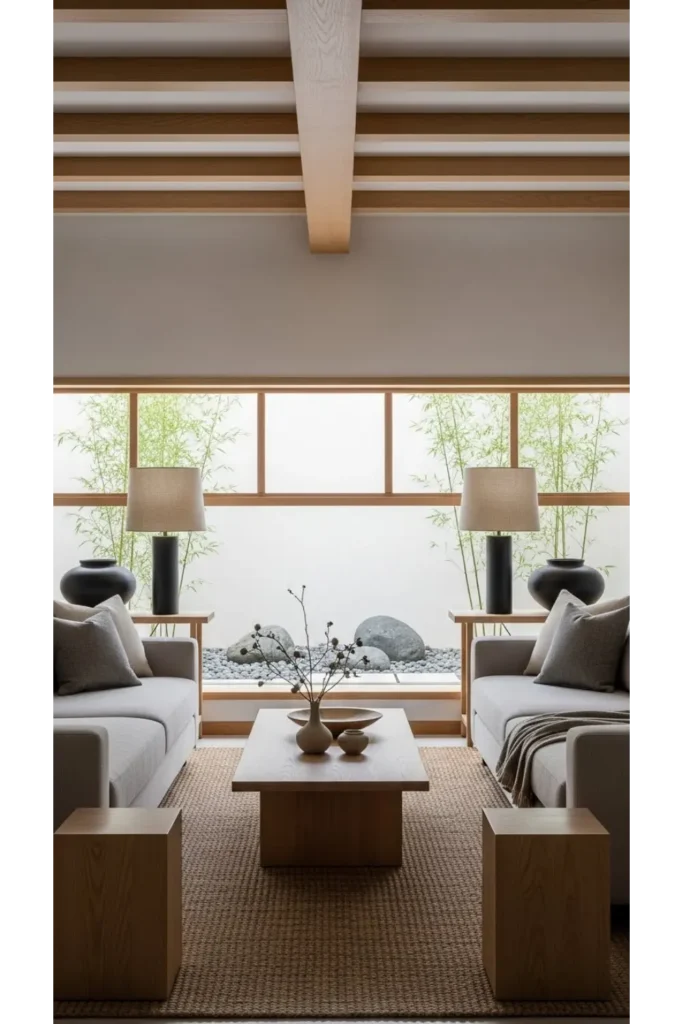
Symmetry brings order and ease to a minimalist living room. Balanced furniture placement, such as matching side tables or evenly spaced seating, creates a sense of stability that feels naturally calming. This does not mean the room feels rigid or formal. Instead, symmetry works quietly in the background, helping the space feel composed and intentional without drawing attention to itself.
In Japandi design, this balance supports mental clarity. When the room feels visually stable, it becomes easier to relax. Symmetry also helps small spaces feel more organized and open. By keeping arrangements simple and evenly weighted, the living room achieves comfort through structure, allowing the mind to rest along with the body.
22. Handmade Elements for Character
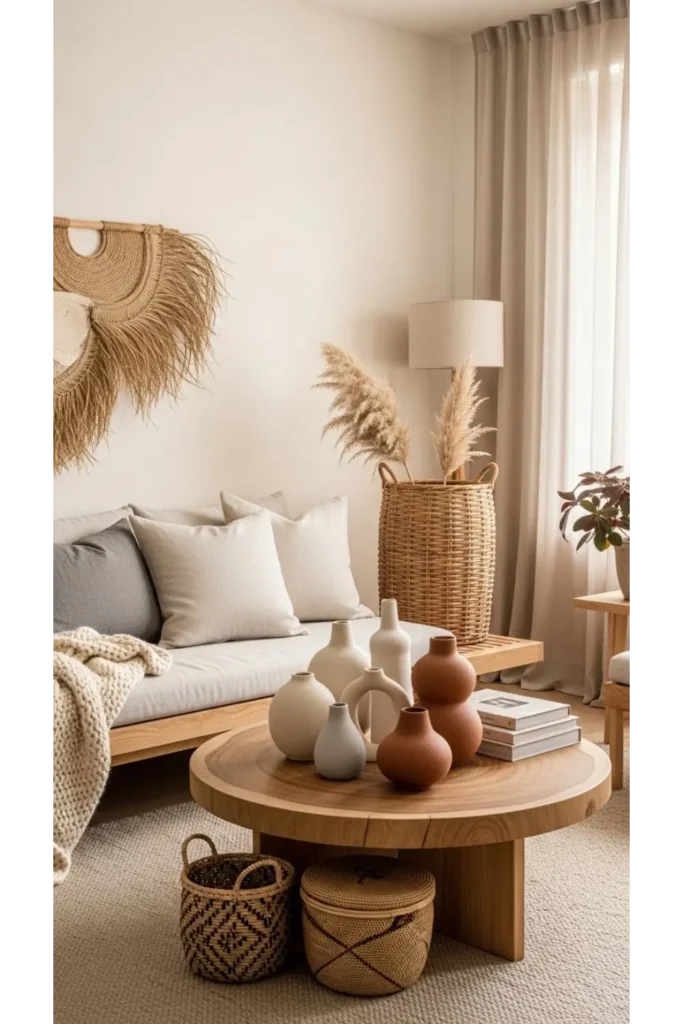
Handmade elements bring soul to a minimalist space. In a Japandi living room, artisan ceramics, woven baskets, or handcrafted wood pieces add warmth and individuality. These items introduce subtle imperfections that make the space feel human and lived in. Rather than filling the room, they act as quiet accents that tell a story through texture and craftsmanship.
This approach prevents minimalism from feeling cold or impersonal. Handmade objects create emotional connection and depth without adding clutter. When used sparingly, they enrich the living room with character and authenticity. The space feels calm yet meaningful, where comfort comes not only from simplicity but also from the presence of thoughtful, well made pieces.
23. Soft Color Accents in Moderation
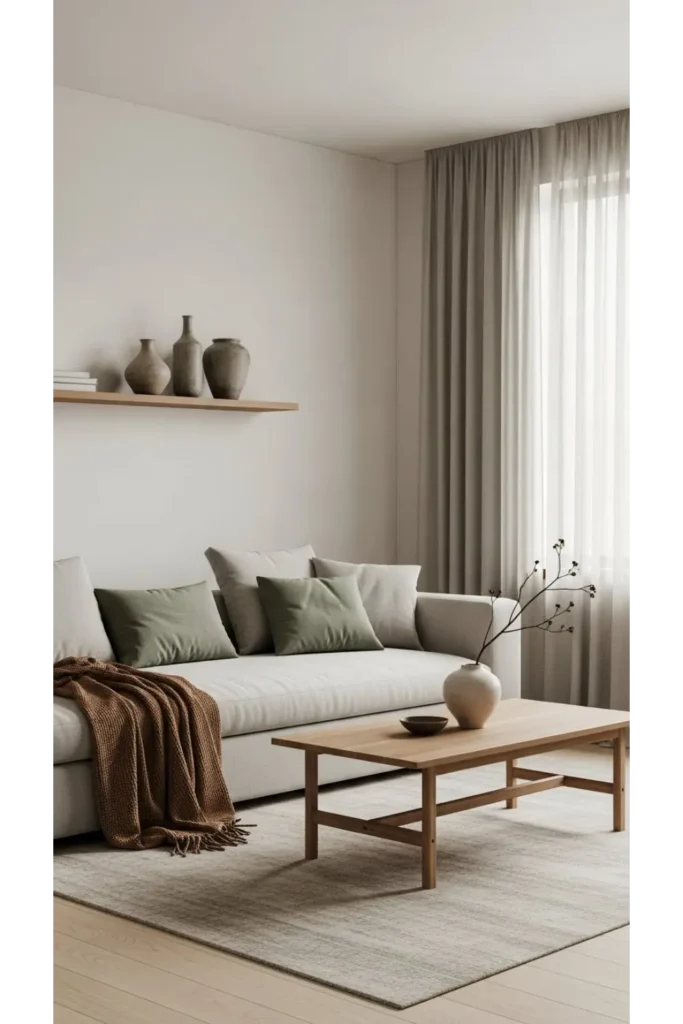
Soft color accents add depth while preserving calm. Muted shades like sage green, warm clay, or soft taupe work best in a Japandi living room. Introduce them through cushions, throws, or small decor pieces rather than large surfaces. This keeps the overall palette grounded while allowing gentle variation that feels natural and soothing. Browse our full living room decor inspiration hub for even more ideas.
Moderation is essential. Too much color disrupts the minimalist balance, while subtle accents enhance it. These tones should echo nature and blend easily with wood and neutral fabrics. When applied thoughtfully, soft color accents bring warmth and personality to the living room, making the space feel complete, comfortable, and quietly expressive.
24. Quiet Luxury Through Restraint
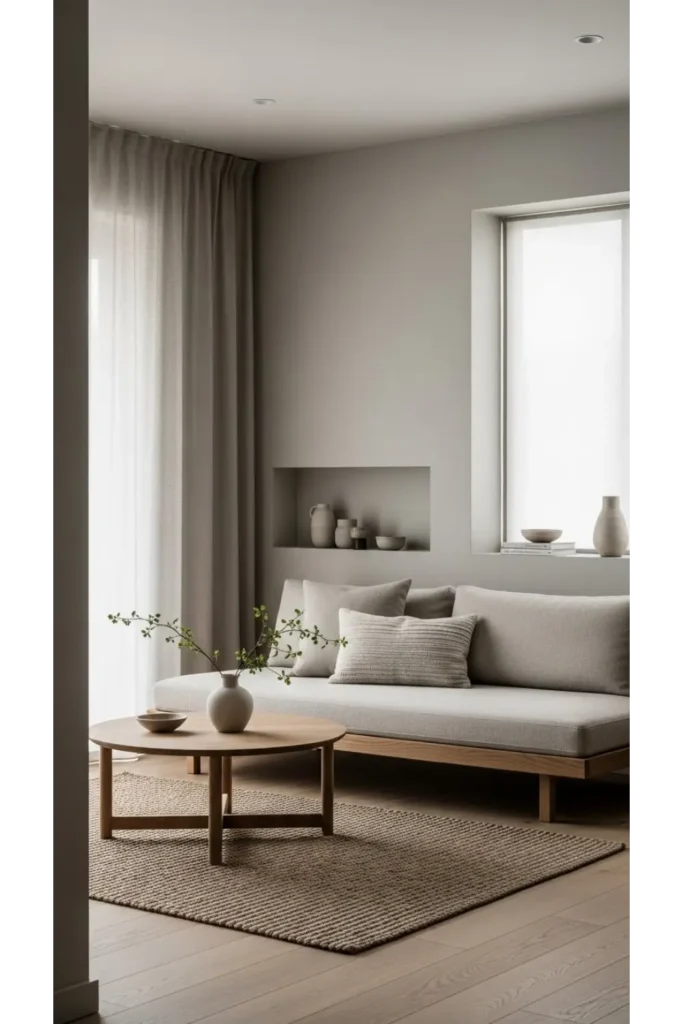
Quiet luxury comes from restraint and quality. Invest in fewer, better pieces made from natural materials. This mindset creates lasting comfort. The living room feels rich in experience, not objects, making it a true place of rest.
Conclusion
Japandi living room design proves that comfort does not require excess. By blending Japanese calm with Scandinavian warmth, you create a space that supports daily life and mental ease. Focus on natural materials, thoughtful layout, and purposeful choices. When every element serves a function or feeling, the living room becomes more than a space. It becomes a place to slow down, breathe deeply, and feel at home.