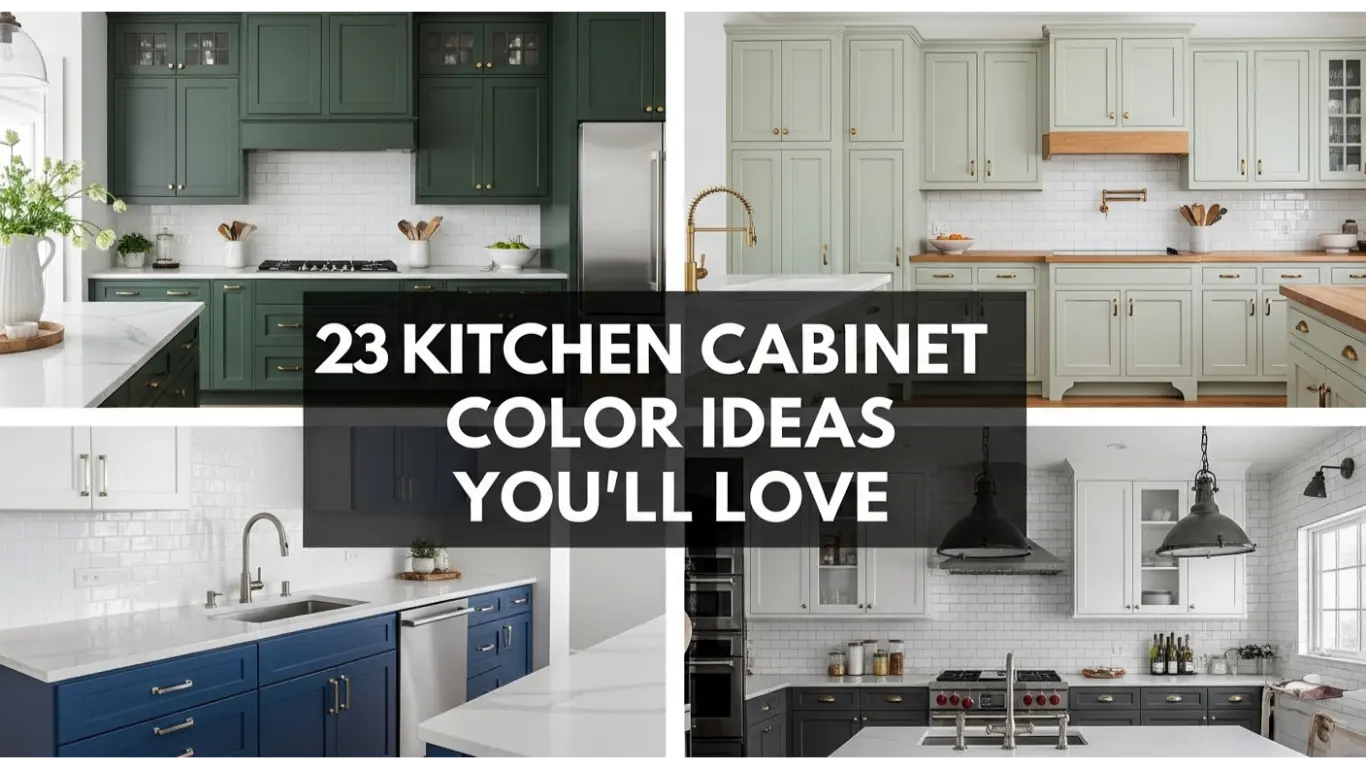
23 Kitchen Cabinet Color Ideas You’ll Love
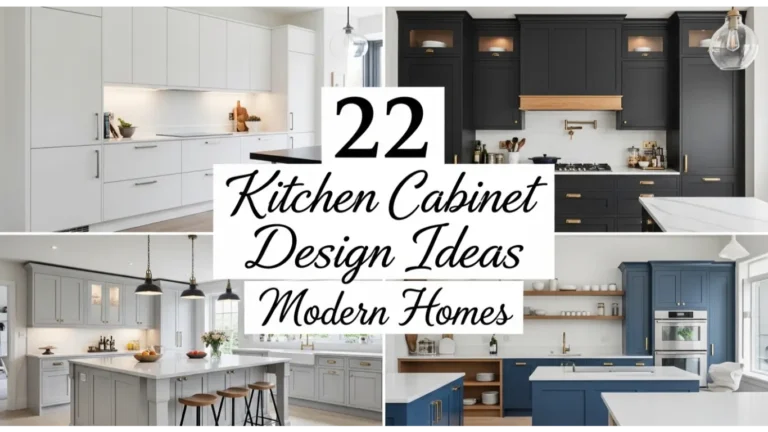
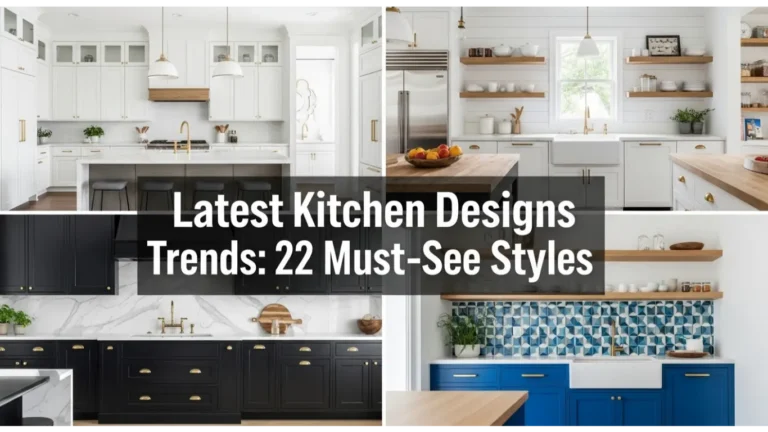
Choosing the right cabinet color can significantly alter the ambiance and functionality of your kitchen. Color influences light, mood, and even the perception of space in a room. Whether you love warm neutrals, bold modern tones, or timeless classics, the right shade can tie your entire kitchen together. This guide explores carefully selected styles that balance beauty and practicality, helping homeowners make confident, lasting choices that suit real life, not just trends.
Each idea below blends design expertise with everyday usability. You will find inspiration rooted in popular design movements, material pairings, and lighting considerations. These kitchen cabinet color ideas focus on long term appeal, resale value, and personal expression, so your kitchen feels current today and comfortable for years ahead.
1. Warm White Cabinets
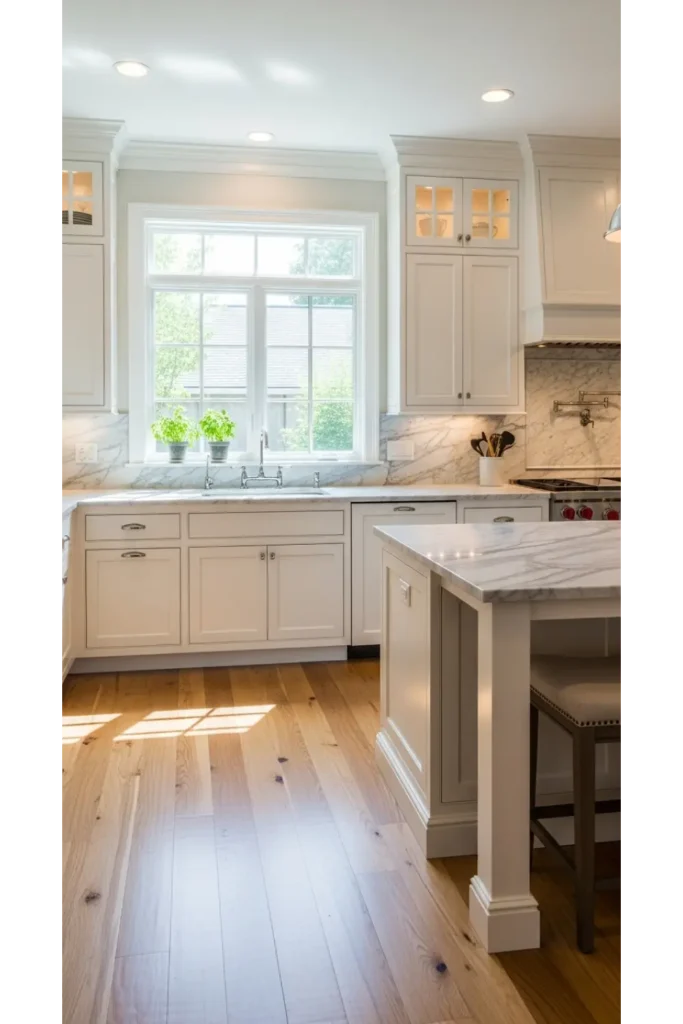
Warm white remains one of the most trusted kitchen cabinet color ideas because it works with nearly every layout and style. This shade softens harsh lighting and avoids the sterile look of pure white. It pairs beautifully with stone countertops, wood accents, and brushed metal hardware. Homeowners appreciate how warm white reflects light while still adding subtle depth to the space.
In everyday use, warm white cabinets hide minor wear better than cooler whites. They create a welcoming atmosphere that feels clean but not cold. Designers often recommend this tone for smaller kitchens or homes with limited natural light. It supports both modern and traditional kitchens, making it a safe yet refined choice that adapts easily as decor trends evolve.
2. Soft Greige Cabinets
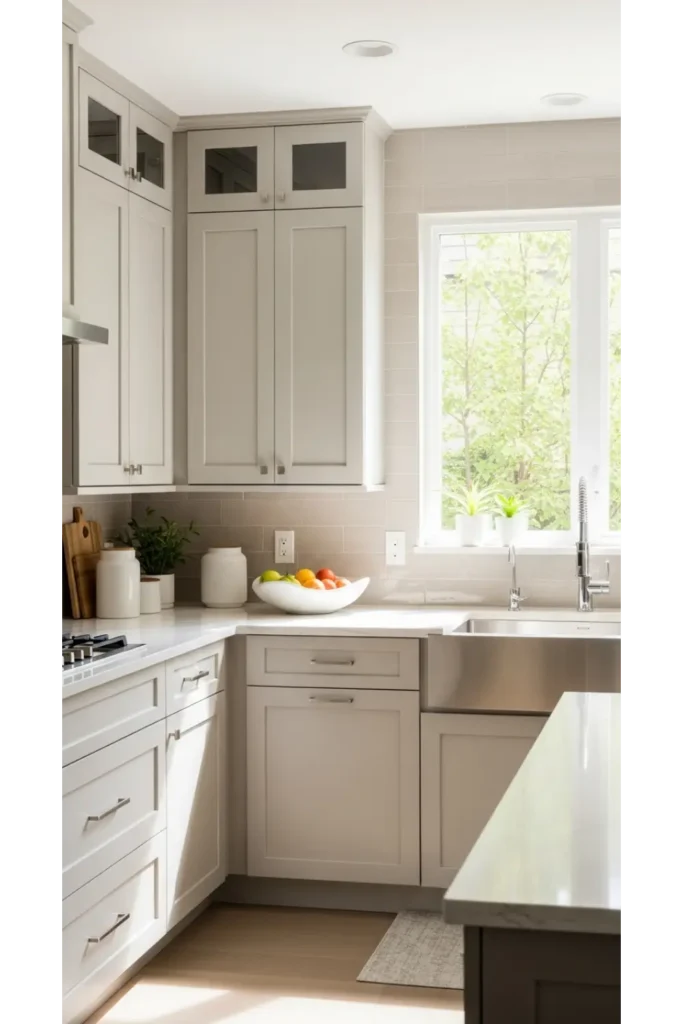
Soft greige blends gray and beige into a balanced neutral that feels calm and grounded. This color works well in open concept homes because it transitions smoothly between kitchen and living spaces. Greige cabinets complement warm wood floors and cooler stone surfaces, offering flexibility many homeowners value when mixing materials.
From a practical standpoint, greige hides smudges and fingerprints better than lighter shades. It also adds warmth without overpowering the room. Designers often use greige to anchor kitchens with bold backsplashes or statement lighting. The result feels modern but livable, making it ideal for families who want style without constant upkeep.
3. Classic Navy Blue
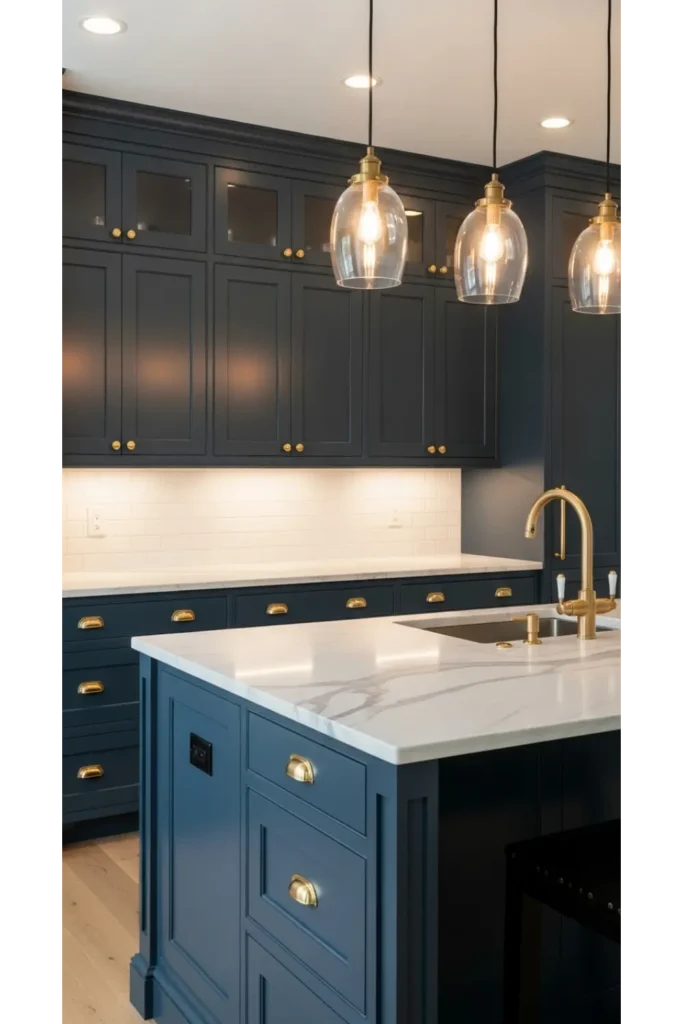
Navy blue cabinets bring depth and confidence to a kitchen without feeling overwhelming. This color adds a sense of structure and pairs especially well with brass or gold hardware. In larger kitchens, navy creates visual interest while maintaining a polished, timeless look that resists fast changing trends.
Functionally, navy works best when balanced with lighter countertops and walls. This contrast prevents the space from feeling heavy. Many designers recommend navy for lower cabinets or kitchen islands, where it grounds the design. It suits both traditional and contemporary homes, offering richness that feels intentional and enduring.
4. Sage Green Cabinets
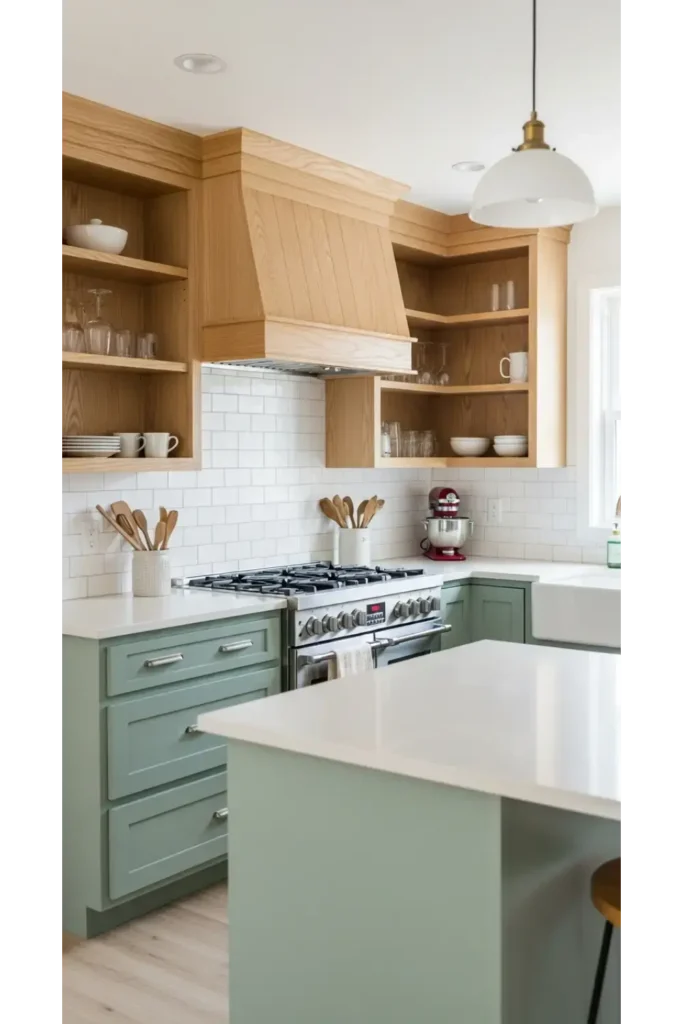
Sage green introduces a soft, nature inspired tone that feels calming and fresh. This shade connects the kitchen to outdoor elements, making it especially popular in homes that value comfort and wellness. Sage pairs well with natural wood, matte black hardware, and warm whites.
In daily use, sage green cabinets age gracefully. They avoid the boldness of darker greens while still offering color. Designers often suggest sage for homeowners who want something different but not risky. It works across farmhouse, transitional, and modern kitchens, providing a gentle pop that remains soothing over time.
5. Charcoal Gray Cabinets
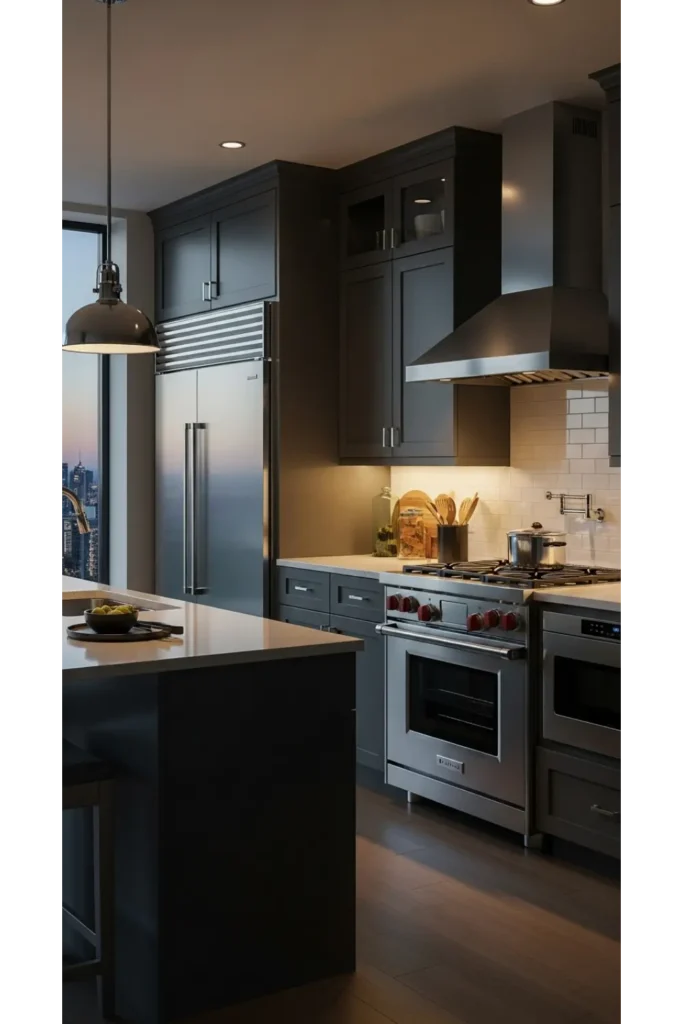
Charcoal gray delivers a strong, modern statement without the harshness of black. It brings sophistication and contrast, especially in kitchens with sleek appliances and minimal detailing. Charcoal works well in urban homes or contemporary designs where clean lines matter most.
To keep the kitchen balanced, designers pair charcoal cabinets with light countertops and reflective surfaces. This approach prevents the room from feeling closed in. Charcoal also hides wear effectively, making it a smart choice for busy households. Its versatility allows it to shift easily between industrial and elegant styles.
6. Creamy Beige Cabinets
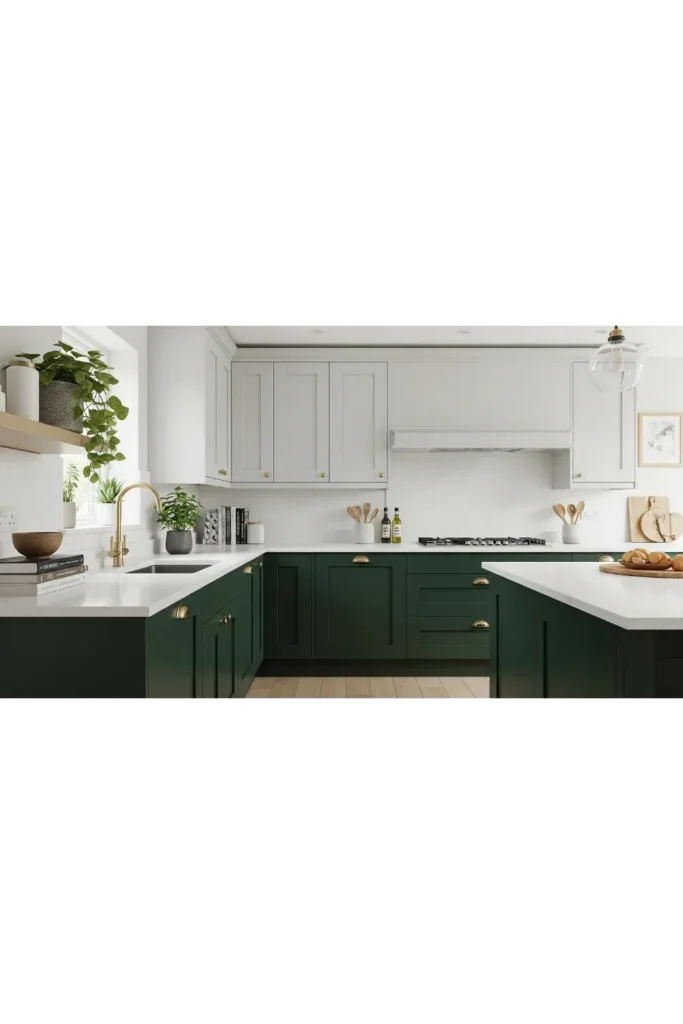
Creamy beige cabinets offer warmth and softness that many homeowners crave. This color feels inviting and works beautifully in traditional or transitional kitchens. Beige complements stone textures and warm metals, creating a cohesive, comfortable environment.
From a usability perspective, beige cabinets remain forgiving in everyday life. They mask dust and minor stains better than white. Designers often recommend beige for kitchens meant to feel relaxed and family friendly. It supports long term appeal and blends effortlessly with evolving decor choices.
7. Matte Black Cabinets
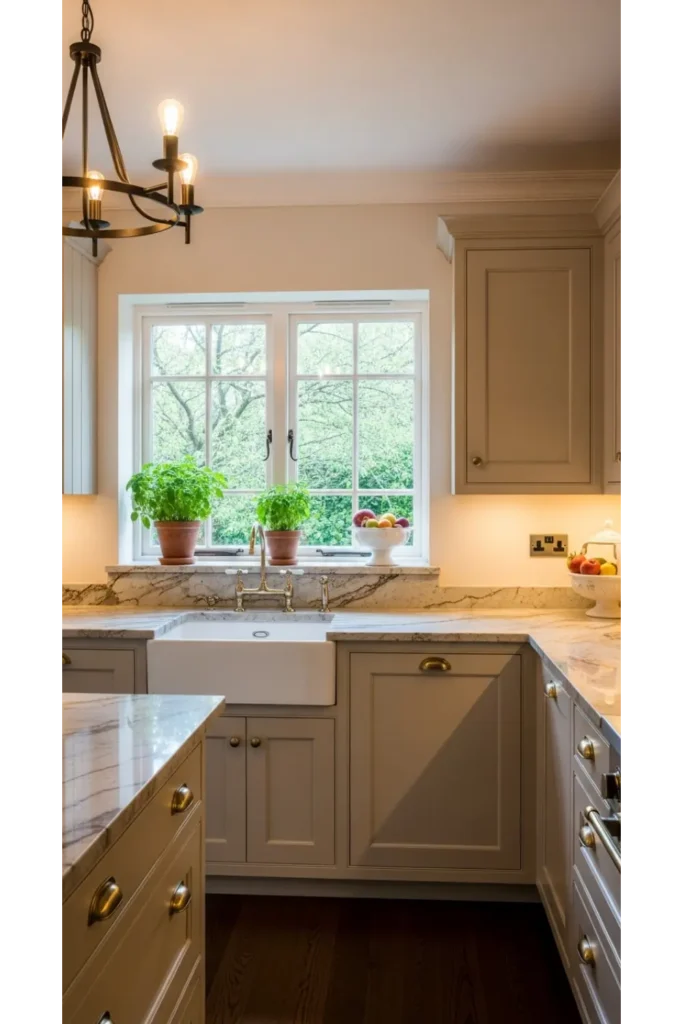
Matte black cabinets create a bold, architectural look that feels modern and intentional. This color works best in kitchens with strong lighting and contrasting textures like wood or stone. Matte finishes reduce glare and fingerprints, improving practicality.
Designers often use black cabinets to define space and add drama. When paired with lighter walls and countertops, black feels balanced rather than heavy. It suits contemporary homes and open layouts where contrast enhances visual flow. Matte black offers confidence and clarity for homeowners seeking standout design.
8. Light Blue Cabinets
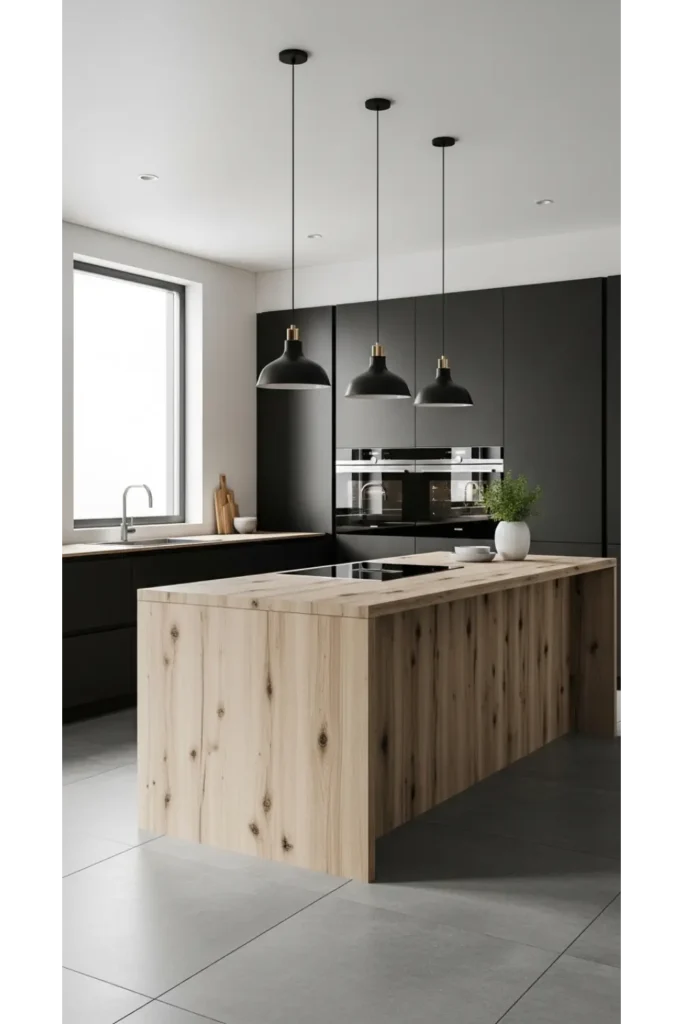
Light blue cabinets bring a fresh, airy quality to kitchens. This shade works well in coastal or cottage inspired homes, where brightness and openness matter. Light blue reflects natural light and creates a relaxed atmosphere that feels uplifting.
In practical terms, light blue adds color without dominating the space. Designers often pair it with white countertops and simple hardware. This keeps the kitchen feeling clean and cheerful. Light blue suits homeowners who want gentle color that remains timeless and approachable.
9. Taupe Cabinets
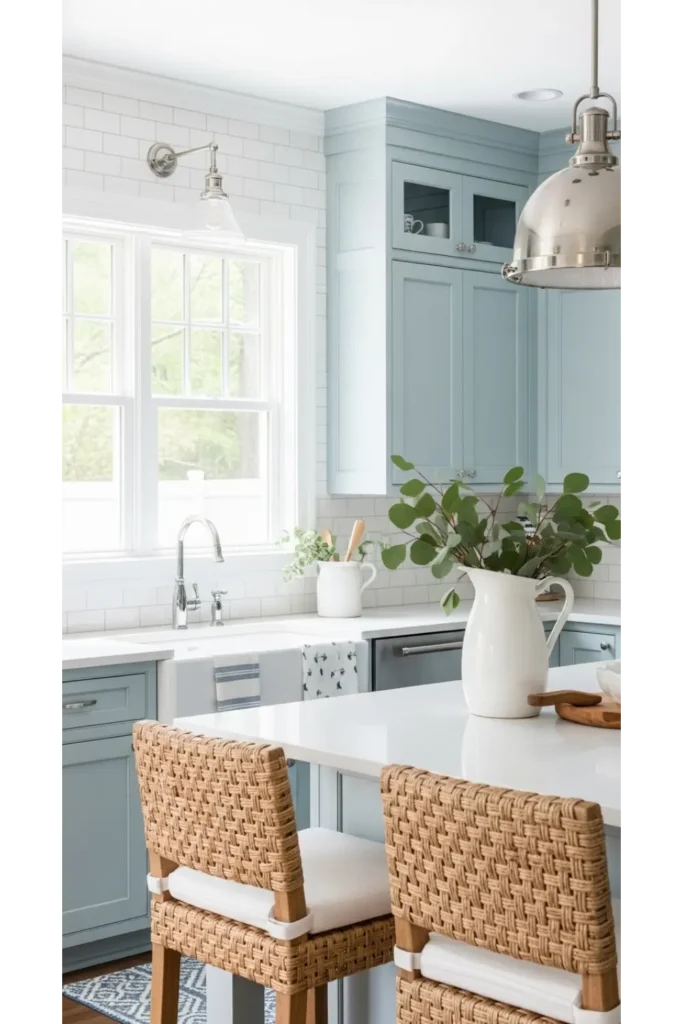
Taupe cabinets offer a refined neutral that sits between gray and brown. This balance allows taupe to adapt to many materials and finishes. It works well in kitchens that aim for understated elegance rather than bold contrast.
Taupe performs well in daily use because it conceals marks and wear. Designers value taupe for its flexibility and warmth. It pairs nicely with both warm and cool tones, making it ideal for homeowners who want a neutral foundation with room to personalize through decor.
10. Forest Green Cabinets
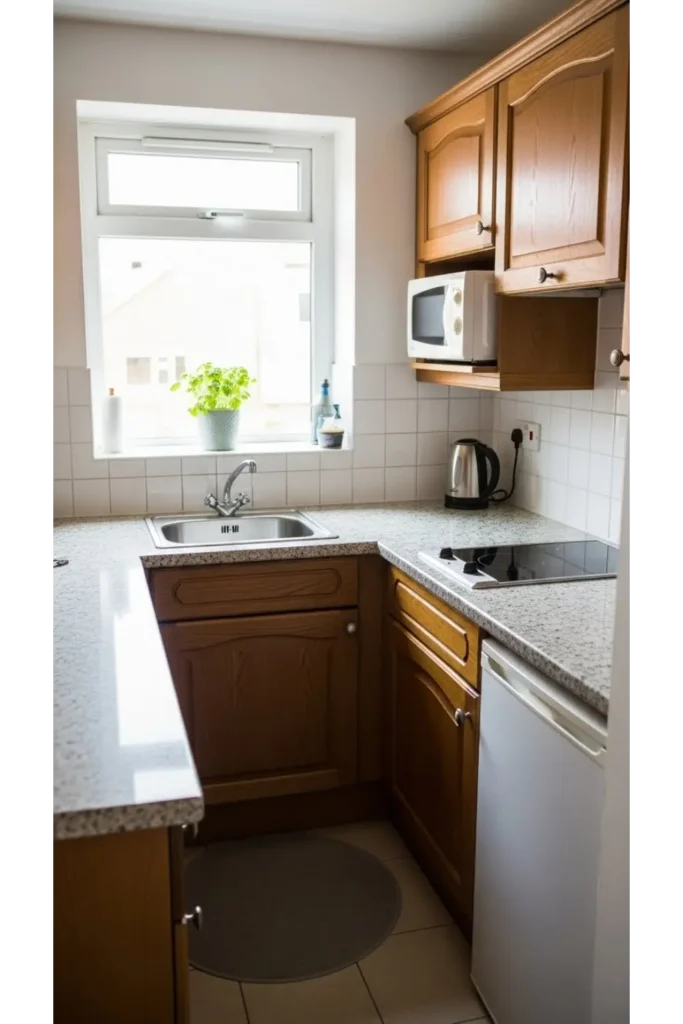
Forest green cabinets bring richness and depth inspired by nature. This color creates a grounded, luxurious feel that works especially well in larger kitchens. It pairs beautifully with brass accents and natural wood tones.
Designers recommend forest green for homeowners seeking a dramatic yet classic look. When balanced with lighter surfaces, it feels elegant rather than dark. Forest green holds visual interest over time and supports kitchens designed for entertaining and gathering.
11. Pale Gray Cabinets
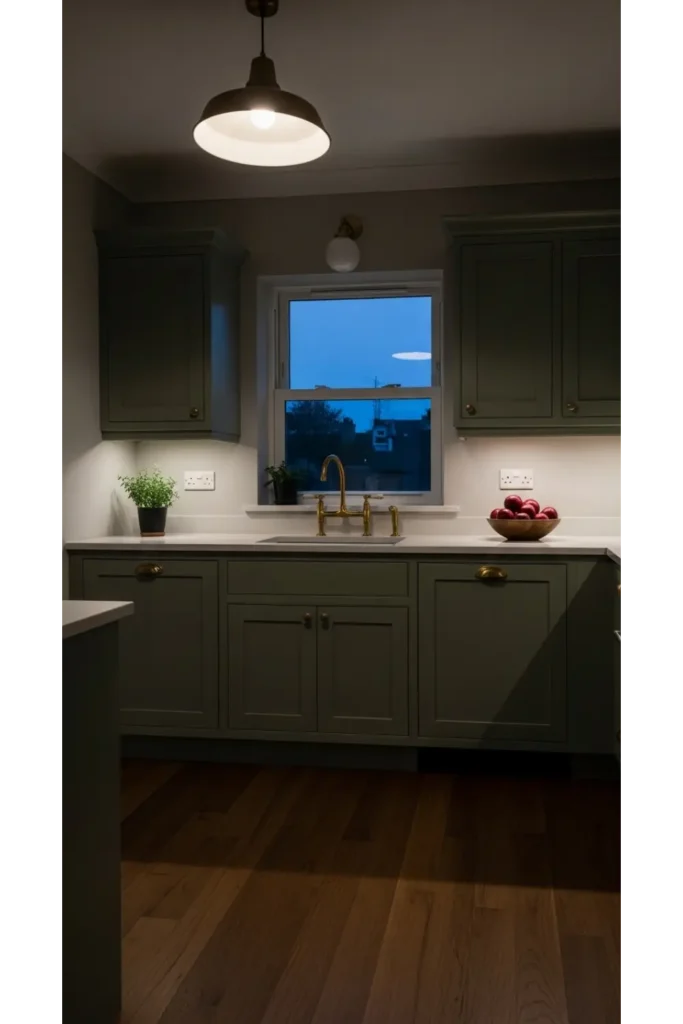
Pale gray cabinets offer a clean, modern neutral that feels calm and balanced. This shade avoids the coldness of darker grays while still providing structure. It suits minimalist kitchens that value simplicity and light.
In everyday kitchens, pale gray performs well under varied lighting. Designers often use it to complement stainless steel appliances and white surfaces. Pale gray supports a wide range of styles, making it a reliable option for long term satisfaction.
12. Blush Tone Cabinets
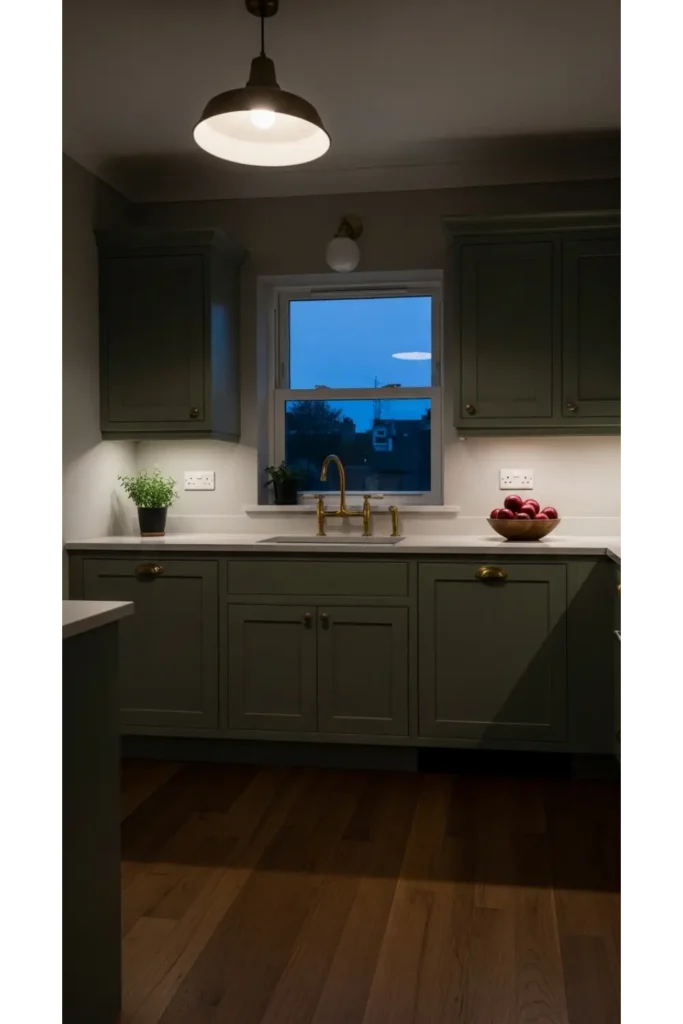
Blush cabinets add warmth and subtle personality without overwhelming the kitchen. This soft tone works best when applied thoughtfully with neutral countertops and understated hardware. Blush feels modern yet approachable.
Designers use blush to soften sharp lines and introduce gentle color. It suits homeowners who want something unique but tasteful. In daily use, blush creates a welcoming environment that feels fresh and creative, especially in smaller or well lit kitchens.
13. Natural Wood Cabinets
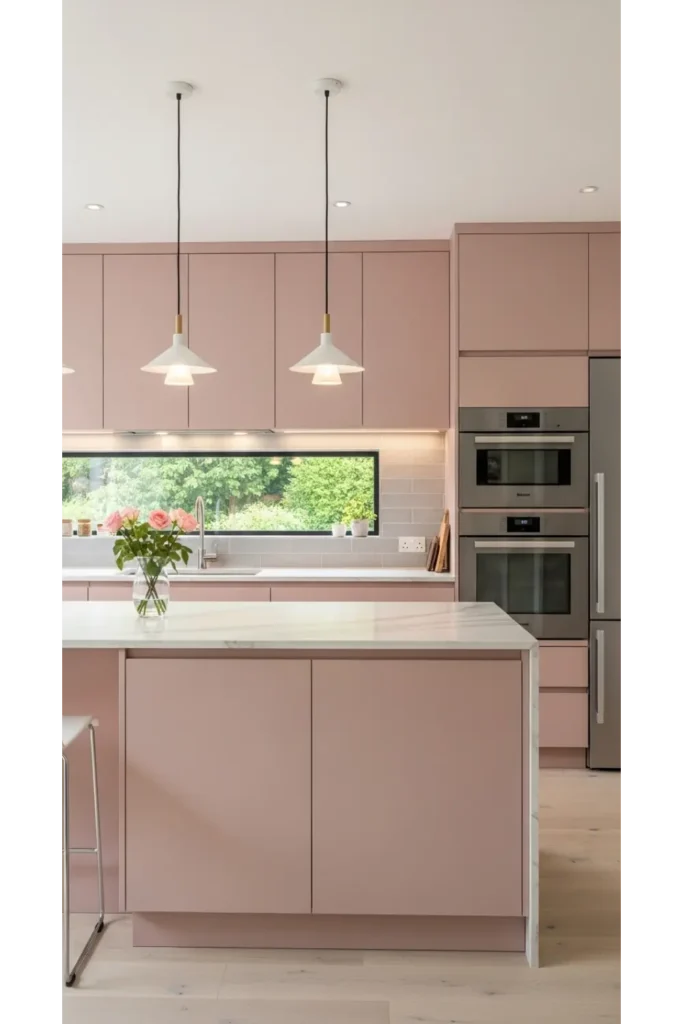
Natural wood cabinets celebrate texture and grain, bringing authenticity into the kitchen. This approach works well in Scandinavian and modern designs where simplicity matters. Wood adds warmth that paint cannot replicate.
From a functional view, wood cabinets age with character. Designers often choose sealed finishes for durability. Natural wood pairs well with neutral countertops and simple backsplashes, creating a timeless look rooted in craftsmanship and honesty.
14. Two Tone Cabinets
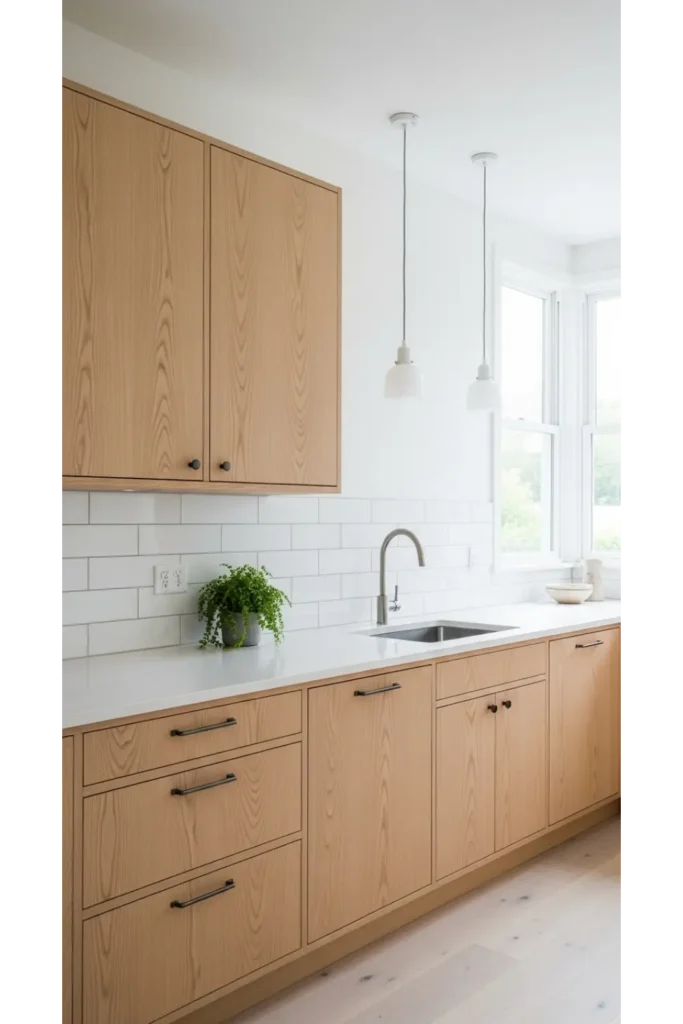
Two tone cabinets create visual interest by separating upper and lower colors. This technique helps balance light and weight in the kitchen. Designers often pair light uppers with darker lowers to ground the space.
This approach improves functionality by hiding wear on lower cabinets while keeping the room bright. Two tone designs allow homeowners to enjoy color without full commitment. It offers flexibility and personalization within a cohesive layout.
15. Soft Yellow Cabinets
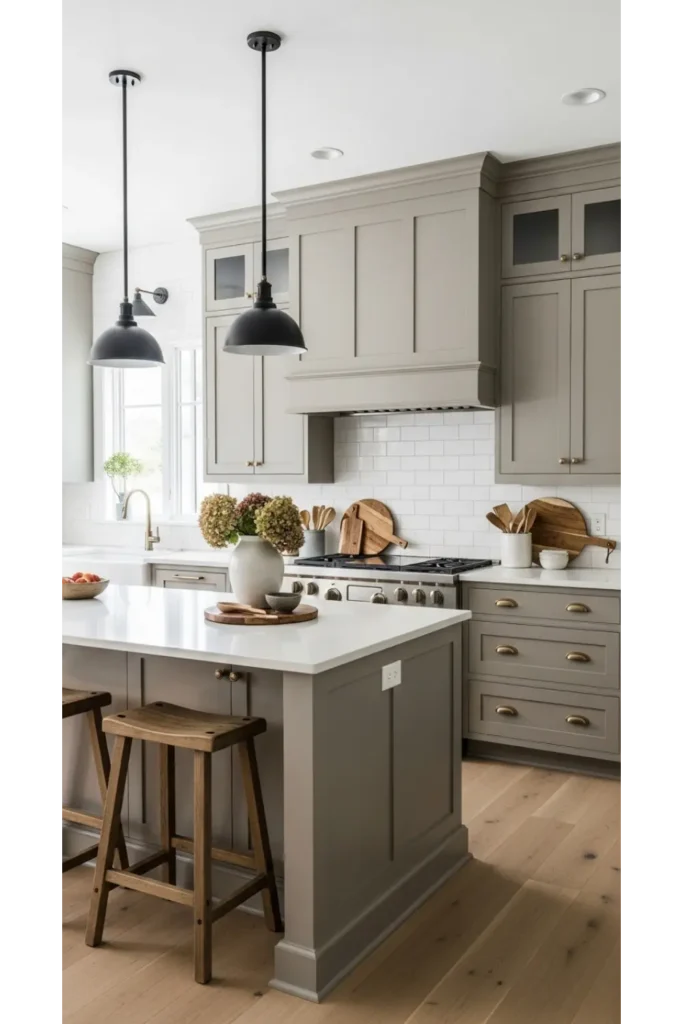
Soft yellow cabinets bring warmth and optimism into the kitchen. This color works best in homes that value brightness and cheer. Soft yellow reflects light and creates a welcoming mood.
Designers recommend muted yellow tones to avoid overpowering the space. When paired with white or wood, yellow feels balanced and joyful. It suits kitchens that aim to feel lively and inviting without sacrificing comfort.
16. Mushroom Gray Cabinets
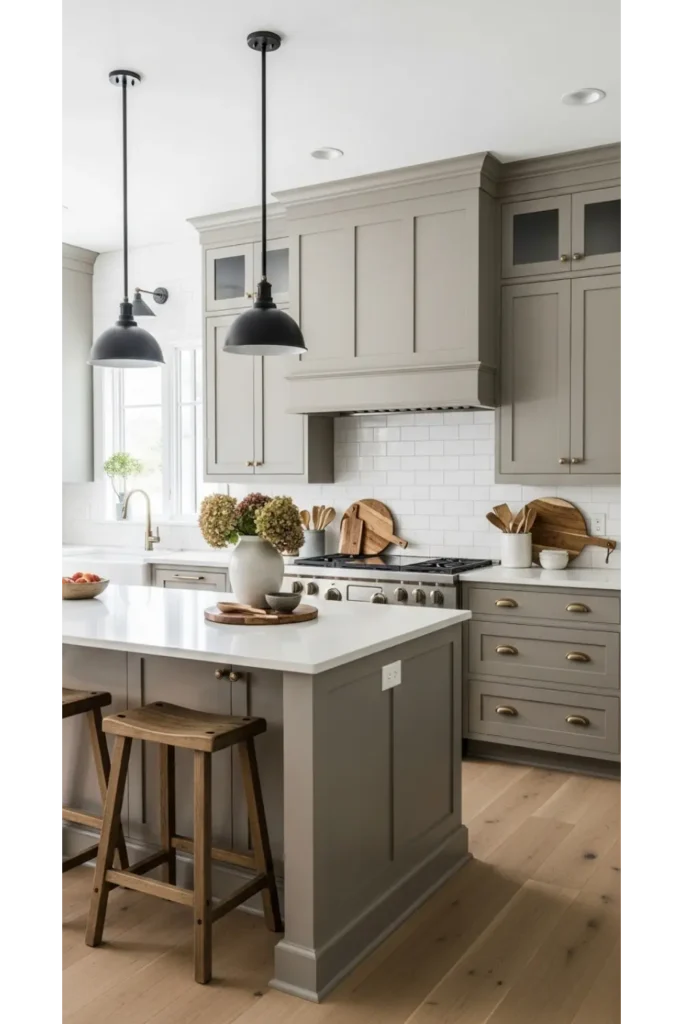
Mushroom gray blends earthy tones with soft gray for a grounded neutral. This color feels organic and modern at the same time. It works well in kitchens inspired by natural materials.
From a usability standpoint, mushroom gray hides wear and adapts to changing decor. Designers appreciate its subtle complexity. It supports calm, cohesive kitchens designed for daily living.
17. Dusty Blue Gray Cabinets
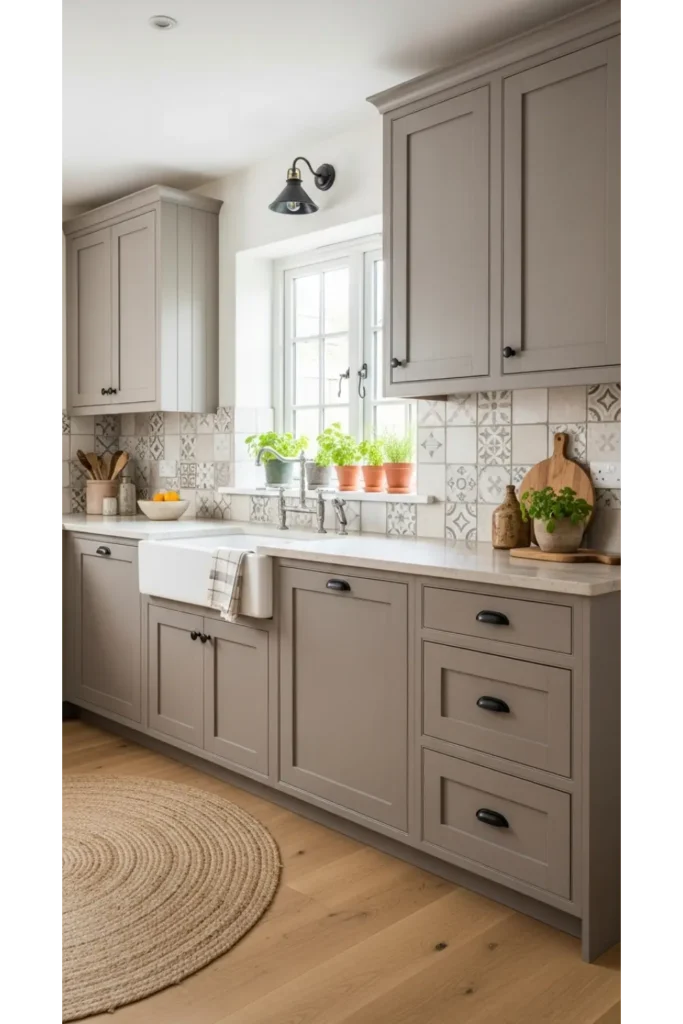
Dusty blue gray offers a refined color with calming undertones. This shade feels sophisticated without being bold. It works well in transitional kitchens that blend traditional and modern elements.
Designers pair dusty blue gray with stone counters and warm metals. It provides depth while remaining approachable. This color suits homeowners seeking subtle character and lasting appeal.
18. Terracotta Cabinets
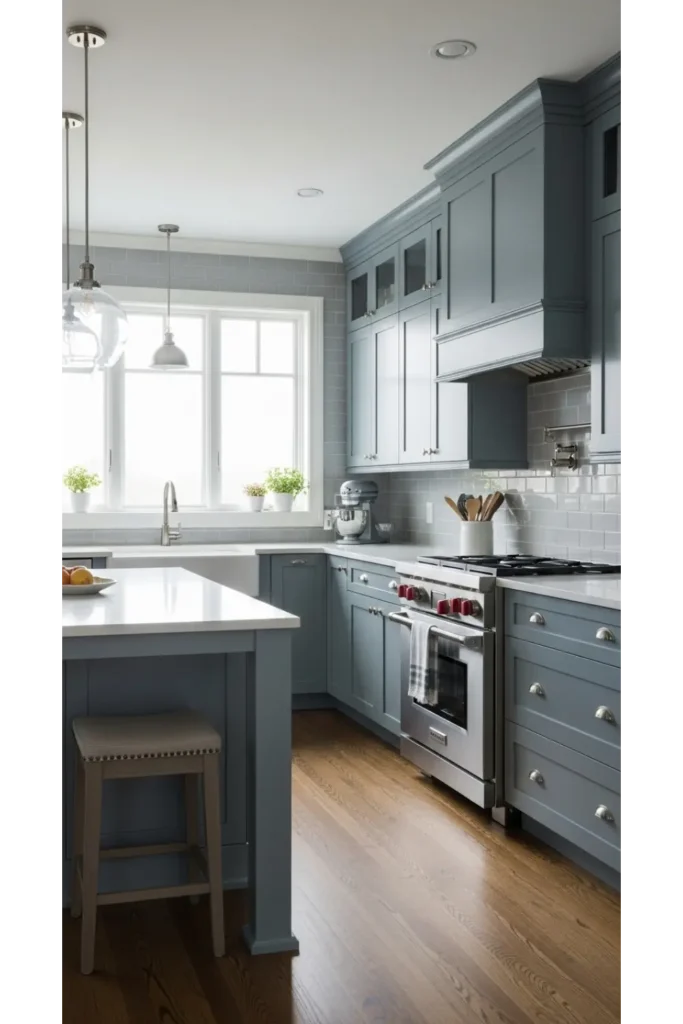
Terracotta cabinets bring warmth inspired by clay and earth. This color creates a cozy, grounded atmosphere. It works well in kitchens that embrace rustic or Mediterranean influences.
Designers balance terracotta with light surfaces to avoid heaviness. In daily use, it feels comforting and unique. Terracotta supports kitchens designed for connection and warmth.
19. Soft Black Brown Cabinets
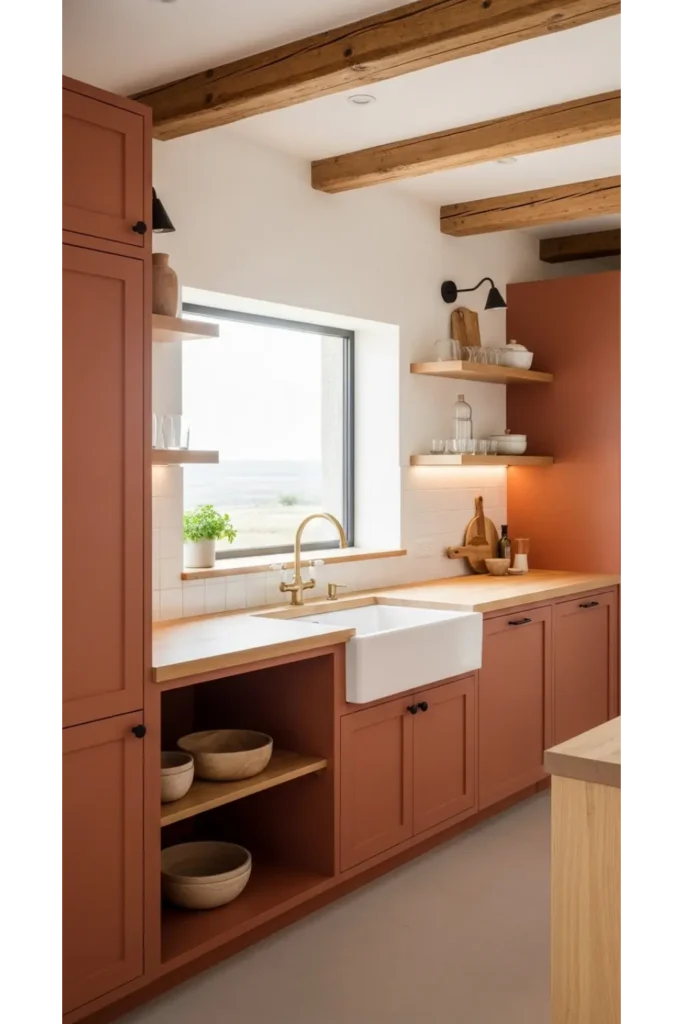
Soft black brown cabinets offer depth with warmth. This color avoids the starkness of black while still providing drama. It suits elegant, modern kitchens.
Designers recommend this shade for spaces with good lighting. It hides wear well and adds richness. Soft black brown feels intentional and refined.
20. Ivory Cabinets
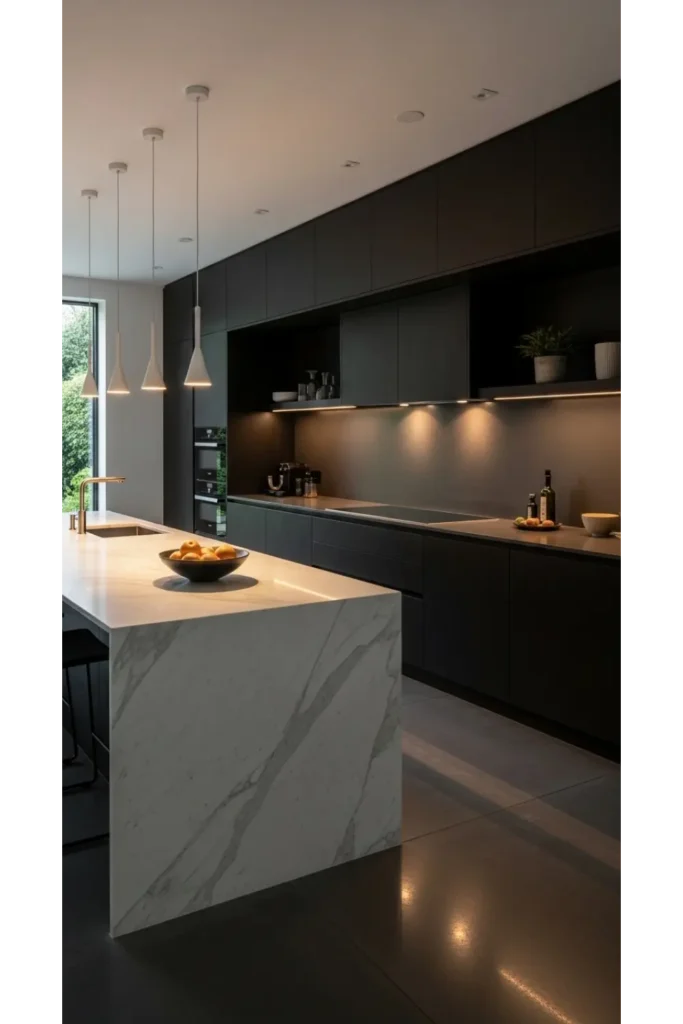
Ivory cabinets bring a refined softness that feels warmer and more welcoming than bright white. This color works beautifully across classic, transitional, and modern kitchens because it reflects light gently without looking stark. Ivory pairs naturally with stone countertops, wood flooring, and warm metal finishes. Designers often choose it to create an elegant backdrop that allows textures and architectural details to stand out without competing for attention.
From a daily living perspective, ivory cabinets feel forgiving and practical. They hide small imperfections better than pure white while still maintaining a clean appearance. Homeowners appreciate how ivory adapts to changing decor, seasonal accents, and evolving styles. Whether paired with bold backsplashes or subtle neutrals, ivory supports long term design goals by creating a kitchen that feels timeless, comfortable, and consistently inviting.
21. Cool Stone Gray Cabinets
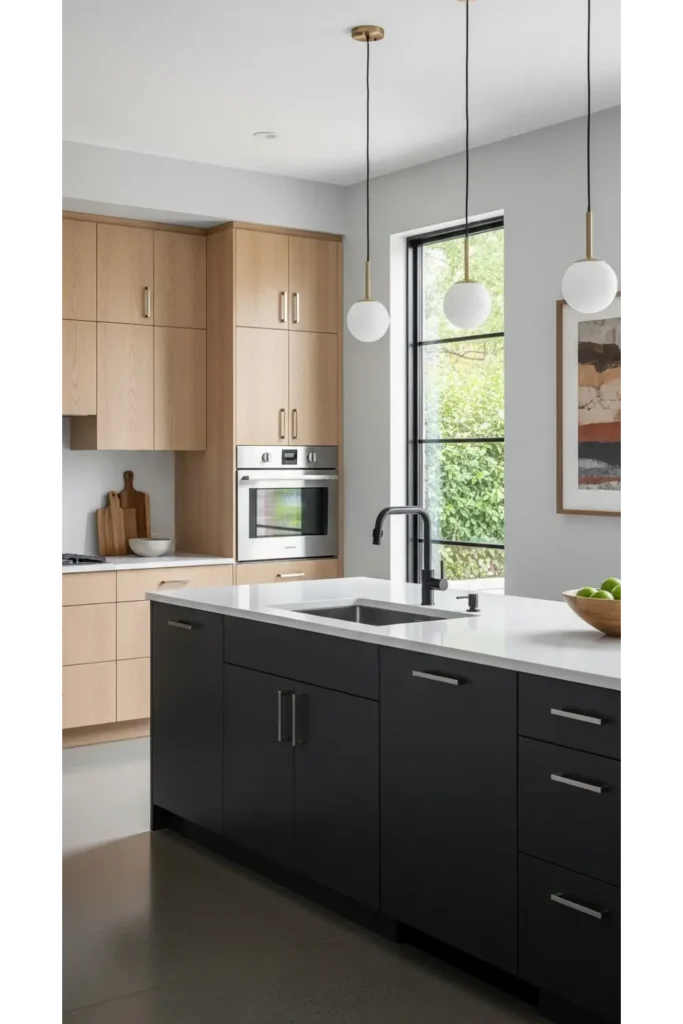
Cool stone gray cabinets deliver a sleek and modern aesthetic that feels structured and intentional. This shade works especially well in contemporary kitchens where clean lines and simplicity define the space. Stone gray pairs effortlessly with stainless steel appliances, concrete surfaces, and minimalist hardware. Designers often use it to create a calm, balanced environment that feels sophisticated without appearing cold or overly industrial.
In practical use, stone gray performs well under varied lighting conditions, maintaining its tone without harsh shifts. It conceals wear, smudges, and daily use better than lighter neutrals. Homeowners who prefer uncluttered spaces appreciate how this color supports a streamlined look. Stone gray cabinets help kitchens feel organized, grounded, and visually consistent, making them ideal for modern lifestyles.
22. Olive Green Cabinets
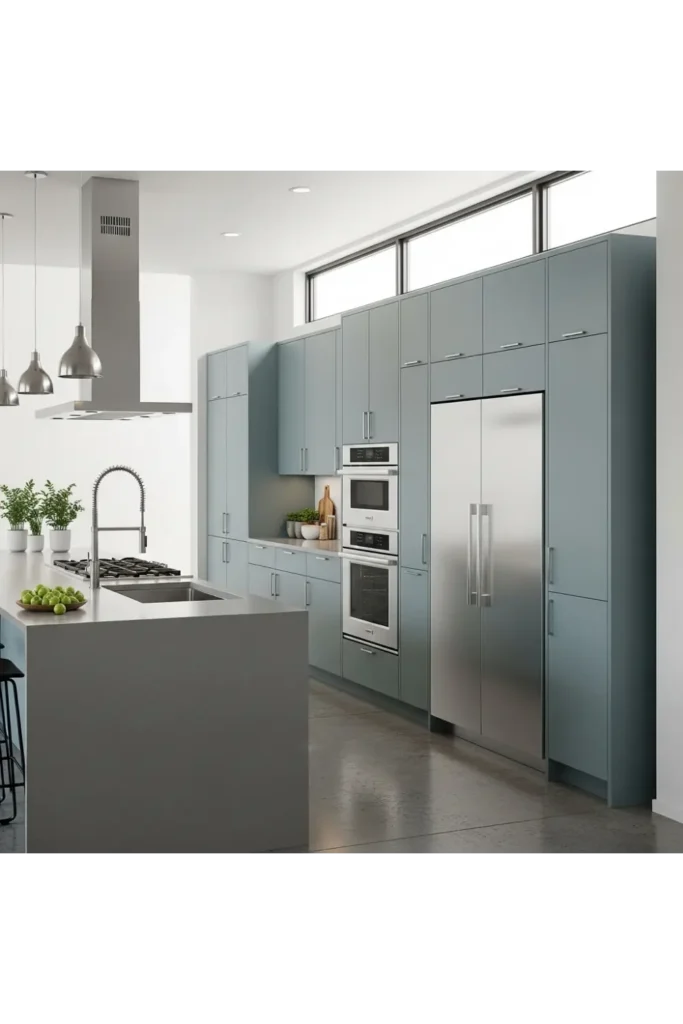
Olive green cabinets introduce warmth and depth inspired by nature, creating a kitchen that feels grounded and relaxed. This shade carries an earthy quality that works beautifully with natural materials like wood, stone, and clay finishes. Designers often recommend olive green for homeowners who want color with maturity, avoiding trends that feel too bold or fleeting while still adding character and richness.
In everyday kitchens, olive green ages gracefully and feels comforting rather than dramatic. It pairs especially well with brass or bronze hardware, adding subtle contrast and warmth. Homeowners find this color easy to live with because it supports a calm atmosphere while still feeling distinctive. Olive green cabinets suit kitchens designed for gathering, cooking, and long conversations around shared meals.
23. Soft Lavender Gray Cabinets
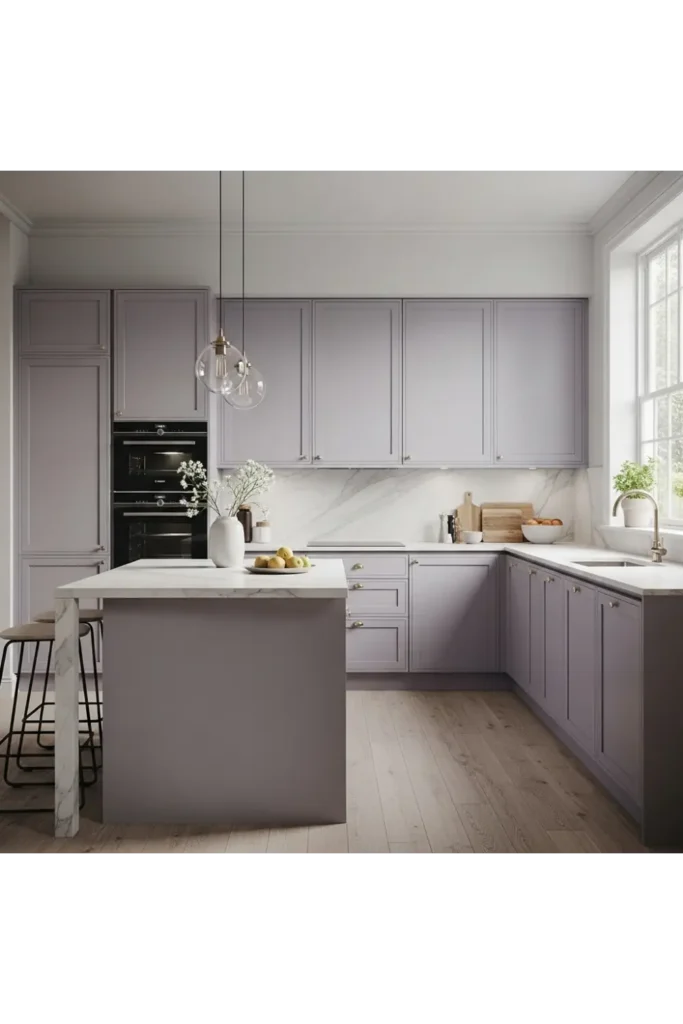
Soft lavender gray cabinets offer a refined blend of gray with gentle violet undertones, creating a look that feels both fresh and sophisticated. This color adds quiet interest without overwhelming the space, making it ideal for homeowners who want something unique yet restrained. Designers often use it in kitchens with ample natural light, where the subtle hue can shift beautifully throughout the day.
From a functional standpoint, lavender gray provides balance and versatility. It pairs smoothly with white countertops, chrome fixtures, and light wood accents. The tone feels calming and polished, supporting kitchens that aim for elegance without formality. Homeowners appreciate how this color remains timeless while still offering personality, making it a thoughtful choice for long term satisfaction.
Conclusion
The right cabinet color shapes how your kitchen looks, feels, and functions every day. Thoughtful choices balance beauty with practicality, ensuring your kitchen supports real life while reflecting personal style. By exploring these ideas and understanding how color interacts with light, materials, and layout, homeowners can create kitchens that feel timeless, welcoming, and uniquely their own.