
Latest Kitchen Designs Trends: 22 Must-See Styles
Today’s kitchens do much more than cook meals. They shape daily routines, support family time, and reflect personal style. Homeowners now look for spaces that feel warm, practical, and visually timeless. This guide explores expert-approved styles shaping modern homes right now. Each idea connects design, function, and emotion in a way that feels real and livable. If you want inspiration that works beyond photos and trends, this article delivers depth, clarity, and trusted direction.
1. Modern Organic Balance

The latest kitchen designs trends highlight a strong move toward organic modern spaces. This style blends clean-lined cabinetry with natural textures like wood and stone. The goal is calm, not cold. Soft beige, warm oak, and matte finishes replace stark white. Every surface feels intentional and tactile, creating a kitchen that looks refined but still welcoming.
Function matters as much as beauty here. Hidden storage keeps countertops clear, while natural light defines the space. Designers favor durable stone countertops and subtle grain patterns that age gracefully. This approach suits open-plan homes and works well for families who want a modern kitchen that feels grounded, relaxed, and genuinely livable.
2. Warm Minimalist Kitchens
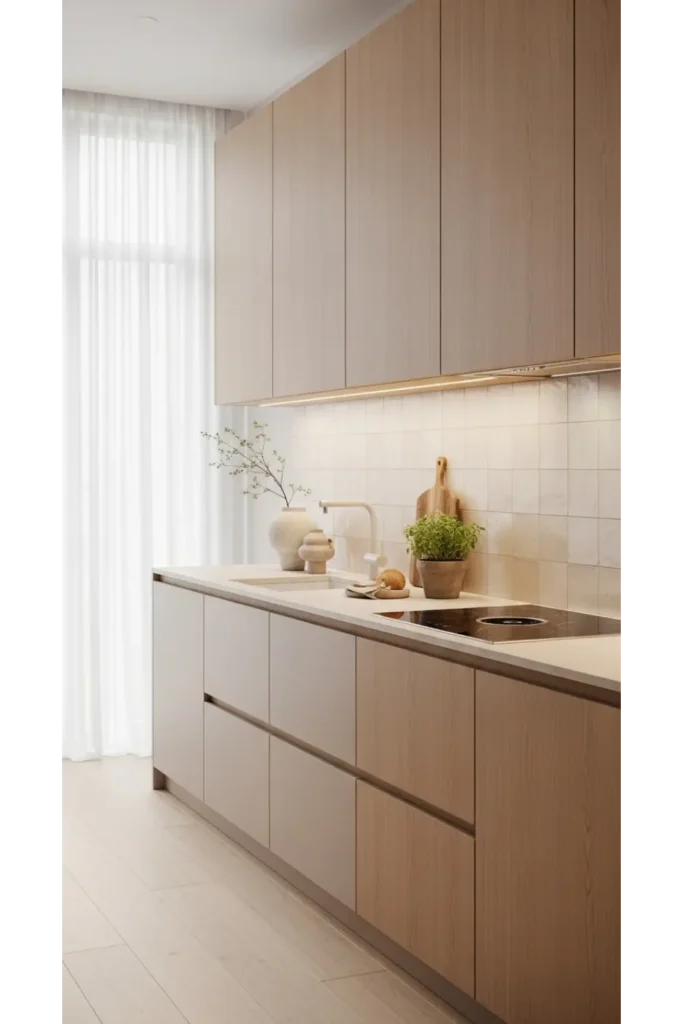
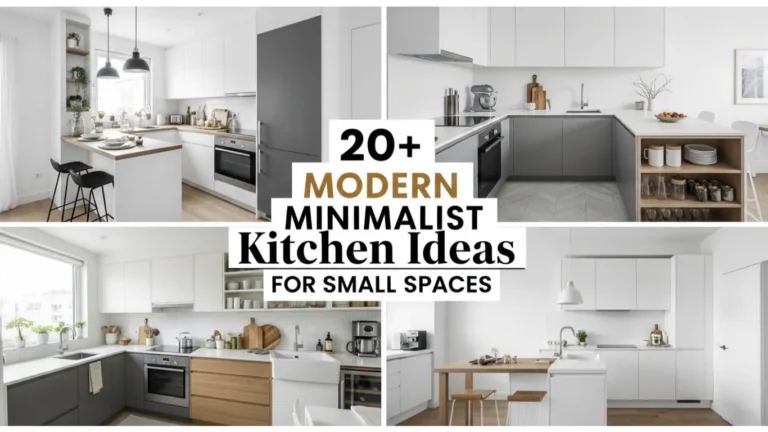
Warm minimalism removes visual clutter without removing personality. Unlike older minimalist spaces, this style adds softness through color and texture. Creamy whites, soft taupe, and light wood tones dominate. Cabinets appear seamless, yet the room feels far from sterile. The focus stays on balance, proportion, and quiet elegance.
This style works well in both small and large kitchens. Smart storage solutions keep everyday tools hidden but accessible. Lighting plays a key role, often layered with under-cabinet illumination and gentle ceiling fixtures. The result feels calm and organized, ideal for homeowners who want clarity without sacrificing warmth or comfort.
3. Statement Stone Countertops
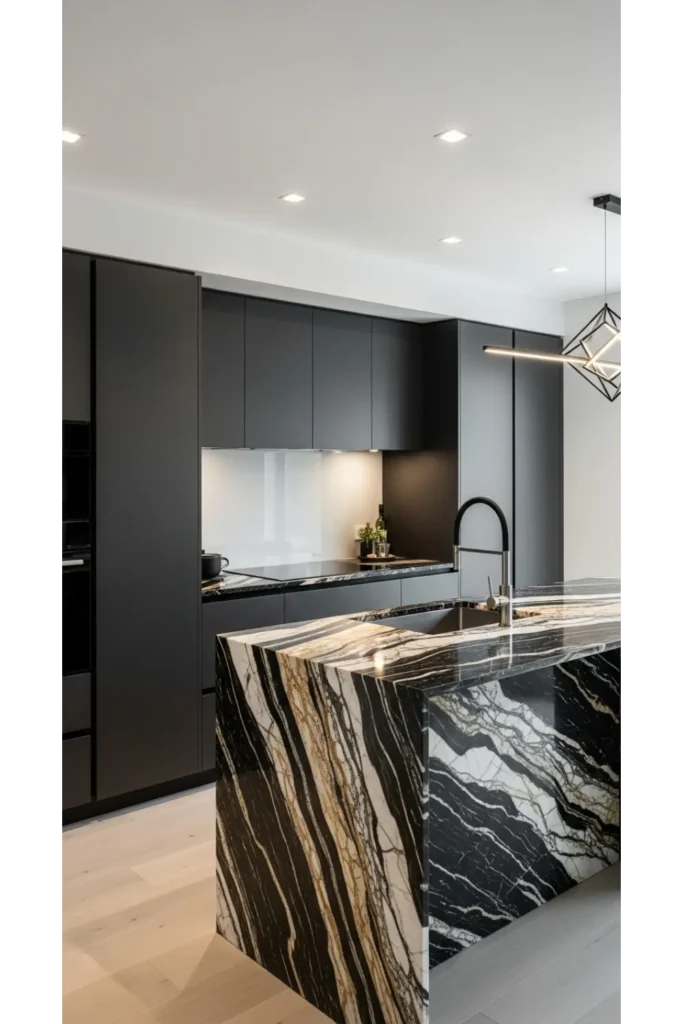
Bold stone surfaces now act as the centerpiece of many kitchens. Designers choose marble, quartzite, and granite with expressive veining. These countertops bring natural movement and depth into the room. Instead of competing elements, cabinetry stays simple to let the stone shine.
Durability remains a priority. Many homeowners choose engineered stone for lower maintenance while keeping a natural look. Waterfall islands continue to grow in popularity, especially in open kitchens. This trend adds instant visual impact while maintaining long-term value and everyday practicality.
4. Soft Color Cabinetry
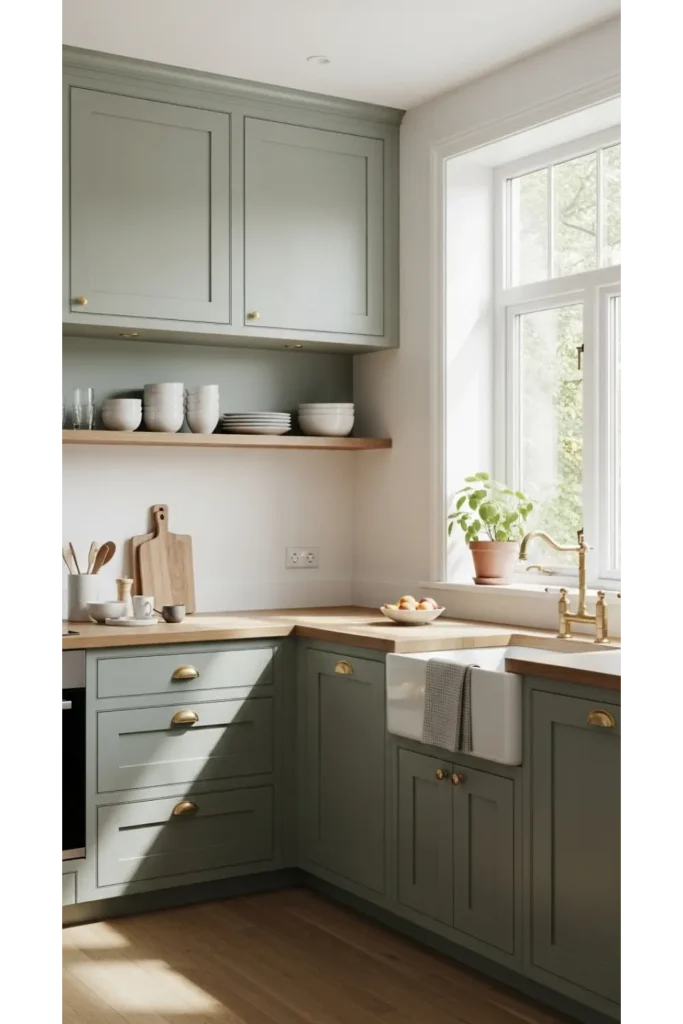
Neutral kitchens still dominate, but soft color is quietly returning. Muted greens, dusty blues, and warm clay tones add character without overwhelming the space. These hues connect the kitchen to nature and create a soothing atmosphere that feels timeless rather than trendy.
Color appears most often on lower cabinets or islands. Upper cabinets stay light to maintain openness. Paired with warm metals and natural wood, these kitchens feel personal and refined. This approach suits homeowners who want subtle expression while keeping resale appeal strong.
5. Concealed Appliances
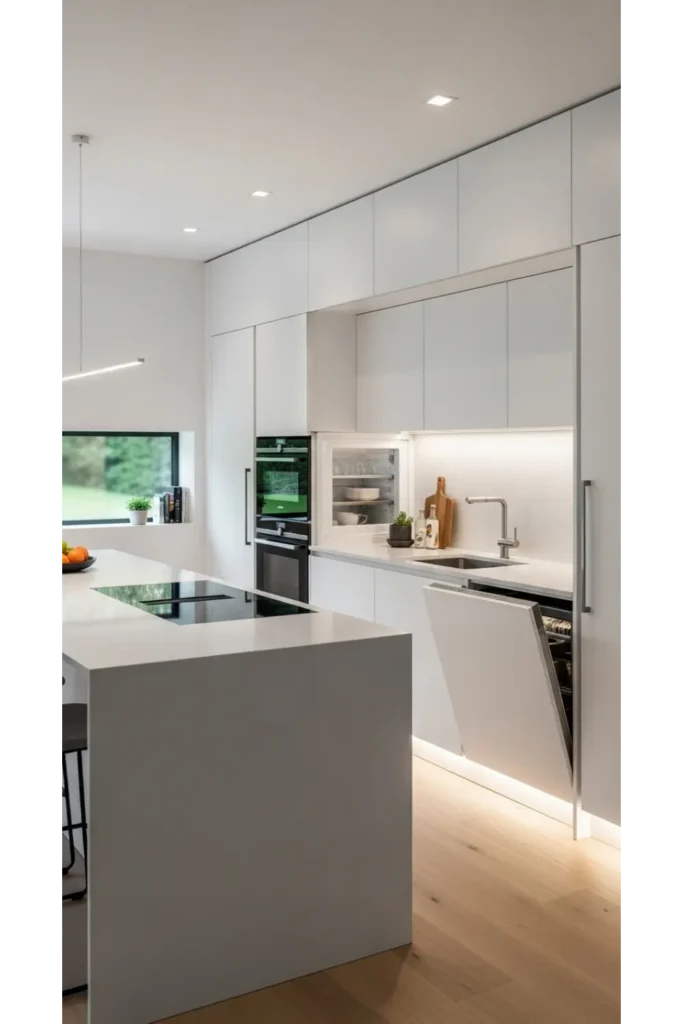
Seamless design now drives appliance choices. Integrated refrigerators, dishwashers, and even range hoods disappear behind cabinetry. This creates a cohesive look that feels custom and high-end. Visual noise fades, allowing materials and proportions to take center stage.
Beyond aesthetics, concealed appliances support better flow in open layouts. Kitchens blend smoothly into living spaces without looking utilitarian. This style suits modern homes where the kitchen shares space with dining and lounging areas, keeping the entire room visually calm and connected.
6. Mixed Material Kitchens

Designers now layer materials instead of matching everything. Wood cabinets pair with stone counters, metal accents, and glass features. This mix adds depth and personality while avoiding a flat appearance. The key lies in balance and repetition.
Each material serves a purpose. Wood warms the space, stone anchors it, and metal adds contrast. When done well, the kitchen feels collected rather than designed all at once. This approach allows homeowners to personalize their space while maintaining a cohesive, professional look.
7. Large Functional Islands
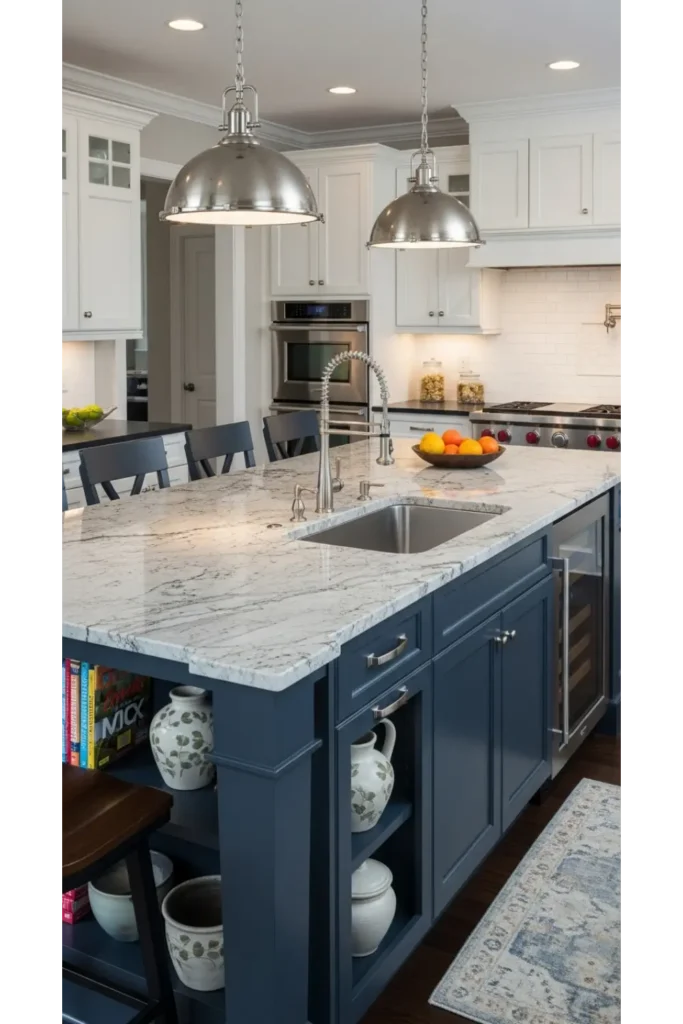
Kitchen islands have evolved into true workstations. They now include prep sinks, storage, seating, and charging outlets. Larger islands support both cooking and social interaction, making them central to modern home life.
Designers focus on proportion and clearance to keep movement easy. Waterfall edges and contrasting finishes help define the island visually. This feature works best in open layouts, where the island acts as a bridge between cooking, dining, and gathering spaces.
8. Textured Backsplashes
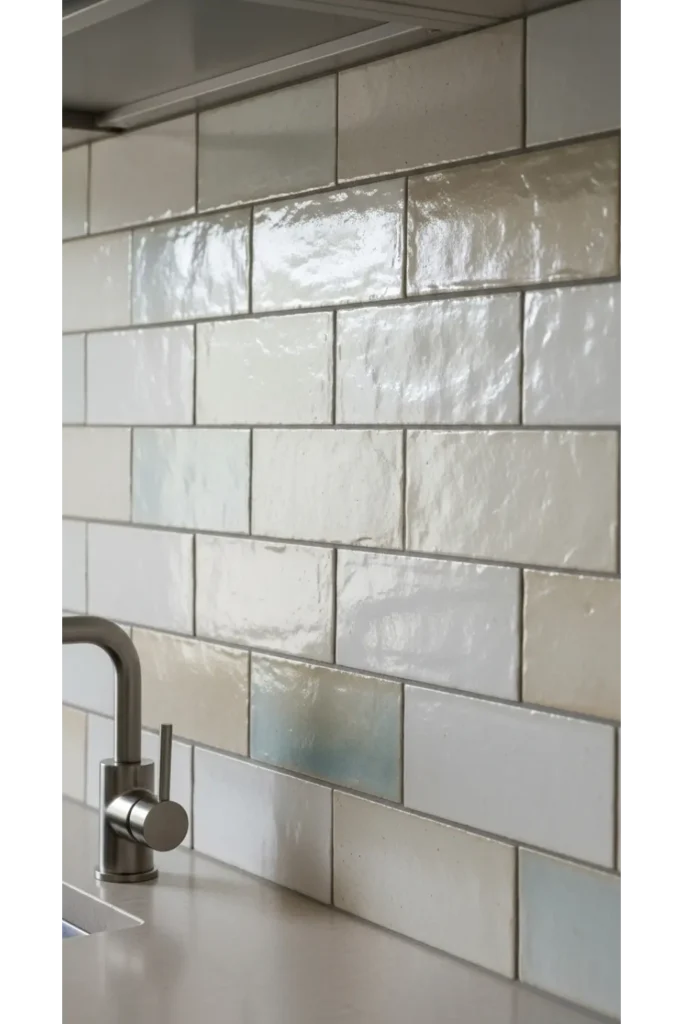
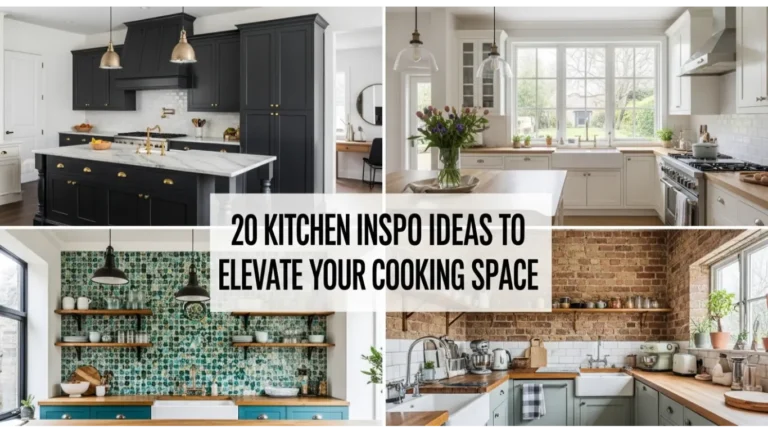
Backsplashes are no longer just practical surfaces. Texture now plays a major role, with handmade tiles, vertical stacking, and subtle relief patterns. These surfaces catch light differently, adding depth without bold color.
Designers favor neutral tones with tactile interest. This keeps the kitchen timeless while still visually engaging. Textured backsplashes pair well with simple cabinetry and stone countertops, offering a refined layer of detail that elevates the entire space.
9. Smart Storage Solutions
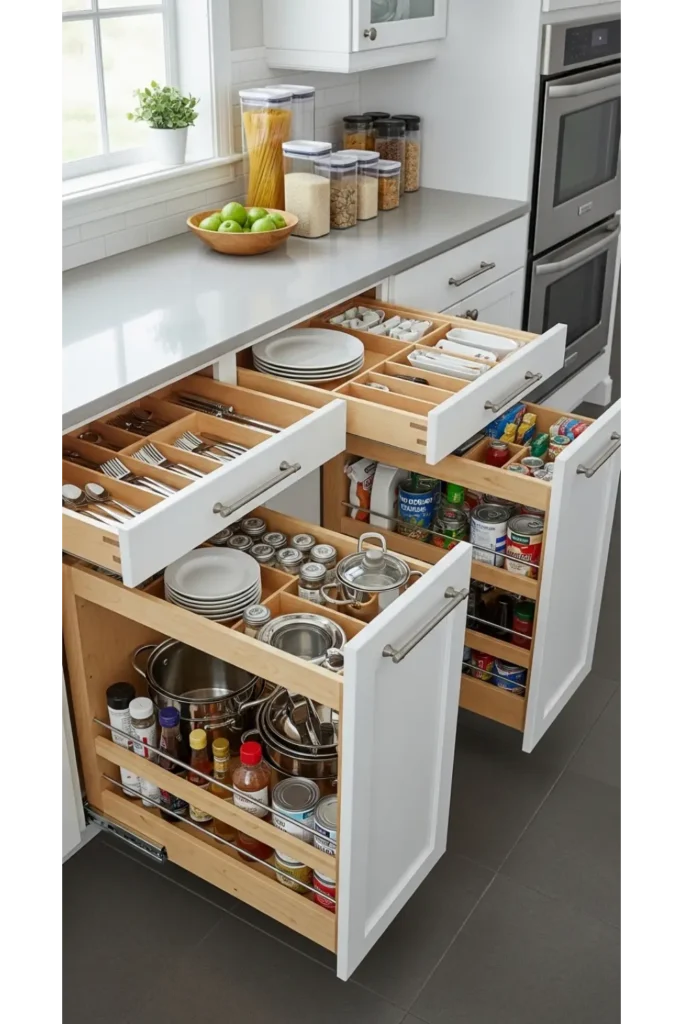
Efficient storage defines successful kitchen design. Deep drawers, pull-out pantries, and custom inserts maximize every inch. These features improve daily use while keeping countertops clear and calm.
Modern storage focuses on accessibility. Everything has a place, reducing clutter and stress. This approach supports busy households and makes cooking more enjoyable. Smart storage often goes unnoticed visually, but it transforms how the kitchen functions over time.
10. Natural Light Focus

Natural light now drives layout decisions. Larger windows, skylights, and glass doors bring daylight deep into the kitchen. Light enhances materials, improves mood, and reduces reliance on artificial lighting.
Designers often position sinks and prep areas near windows. This connects indoor spaces with the outdoors. Natural light also makes kitchens feel larger and more inviting, supporting both daily routines and entertaining.
11. Matte Finishes

Glossy surfaces are giving way to matte finishes. Matte cabinetry, countertops, and hardware feel softer and more contemporary. These surfaces reduce glare and hide fingerprints better than high-shine options.
Matte finishes work well across many styles, from modern to transitional. They pair beautifully with textured materials and warm lighting. This trend emphasizes understated elegance and long-term usability rather than flashy appeal.
12. Open Shelving Done Right
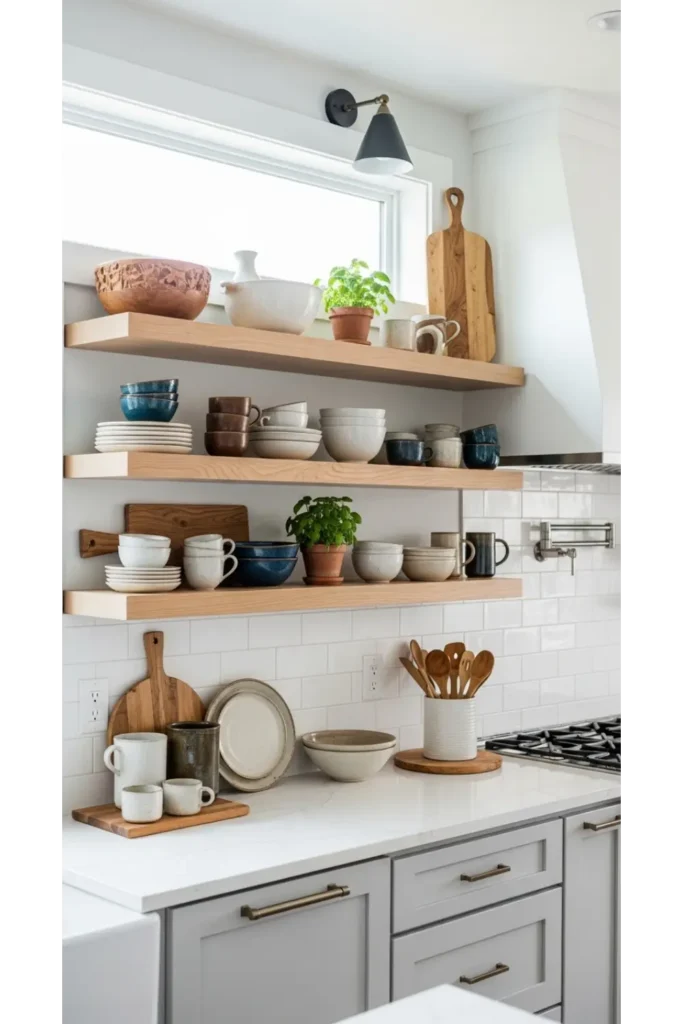
Open shelving remains popular when used thoughtfully. Designers limit shelves to specific zones, balancing them with closed storage. This keeps the kitchen functional while adding visual openness.
Shelves display everyday items like dishes and glassware. Natural materials and neutral colors keep the look cohesive. When styled with intention, open shelving adds personality without creating clutter or maintenance challenges.
13. Dark and Moody Kitchens

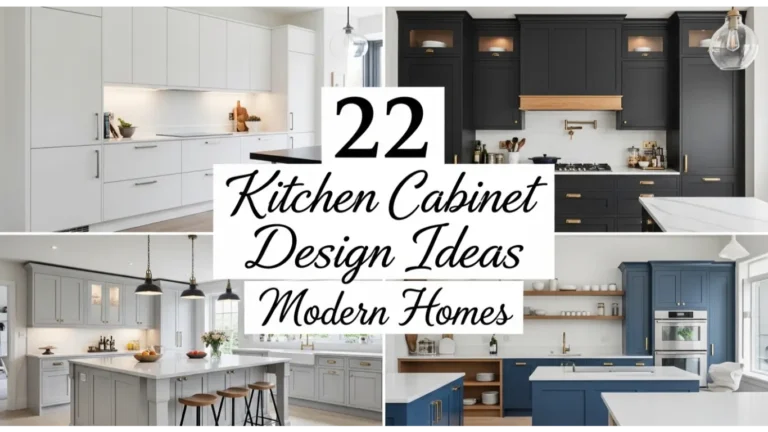
Dark kitchens continue to rise in popularity. Charcoal, deep green, and navy cabinets create drama and sophistication. Paired with warm metals and soft lighting, these spaces feel rich rather than heavy.
Designers offset dark finishes with lighter countertops or backsplashes. Good lighting becomes essential here. This style suits homeowners who want bold expression while maintaining elegance and depth.
14. Sustainable Materials

Sustainability now shapes many design choices. Reclaimed wood, recycled surfaces, and low-emission finishes support healthier homes. These materials also bring character and authenticity.
Sustainable kitchens focus on longevity rather than short-term trends. Durable materials reduce waste over time. This approach appeals to homeowners who value responsibility, craftsmanship, and thoughtful consumption.
15. Curved Design Elements
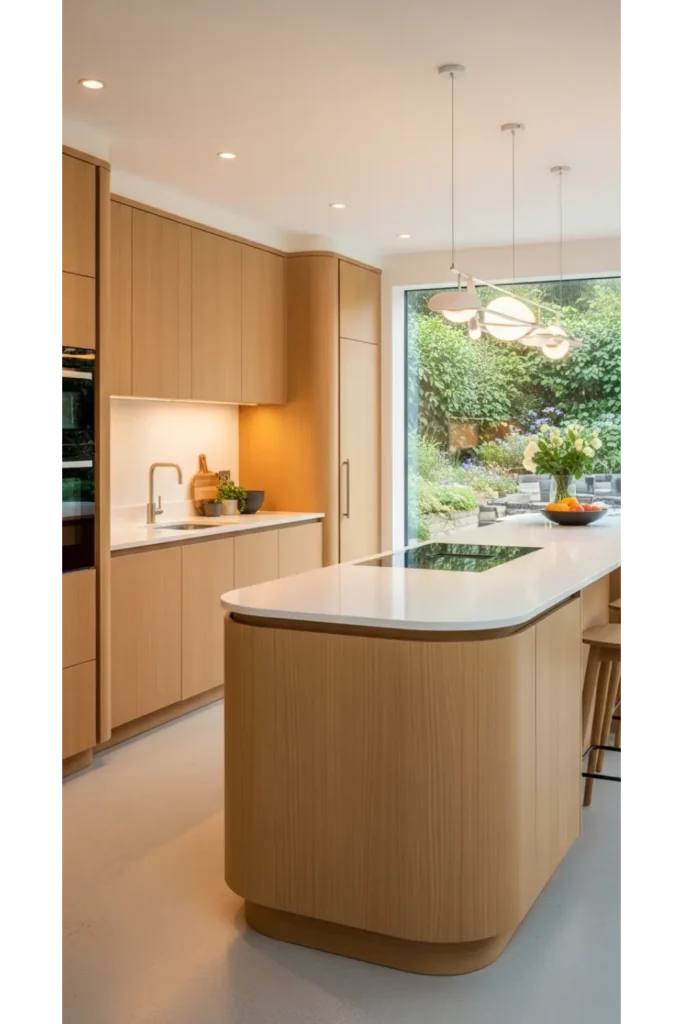
Soft curves are replacing sharp angles in modern kitchens. Rounded islands, arched niches, and curved cabinetry create flow and comfort. These shapes feel more natural and approachable.
Curves also improve movement through the space. They reduce visual rigidity and add subtle elegance. This trend works especially well in open-plan homes where the kitchen connects to living areas.
16. Statement Lighting Fixtures

Lighting now serves as functional art. Sculptural pendants and oversized fixtures draw attention and define zones. Designers use lighting to express personality without overwhelming the space.
Layered lighting remains essential. Task, ambient, and accent lighting work together. Statement fixtures add character while ensuring the kitchen stays practical and well-lit.
17. Hidden Pantries

Hidden pantries represent a refined shift in modern kitchen design, where storage works hard without interrupting visual flow. These pantries sit discreetly behind cabinetry panels or flush doors, preserving clean lines and symmetry. From the outside, the kitchen feels uncluttered and intentional. This approach supports the growing demand for calm, streamlined interiors that feel spacious even in compact homes.
Inside the pantry, function takes priority. Adjustable shelving, vertical storage, and dedicated zones for appliances help maintain order. Homeowners appreciate how hidden pantries reduce countertop clutter while keeping essentials close. This solution works beautifully in both contemporary and transitional kitchens, supporting daily efficiency while elevating the overall design experience through thoughtful concealment.
18. Mixed Metal Accents
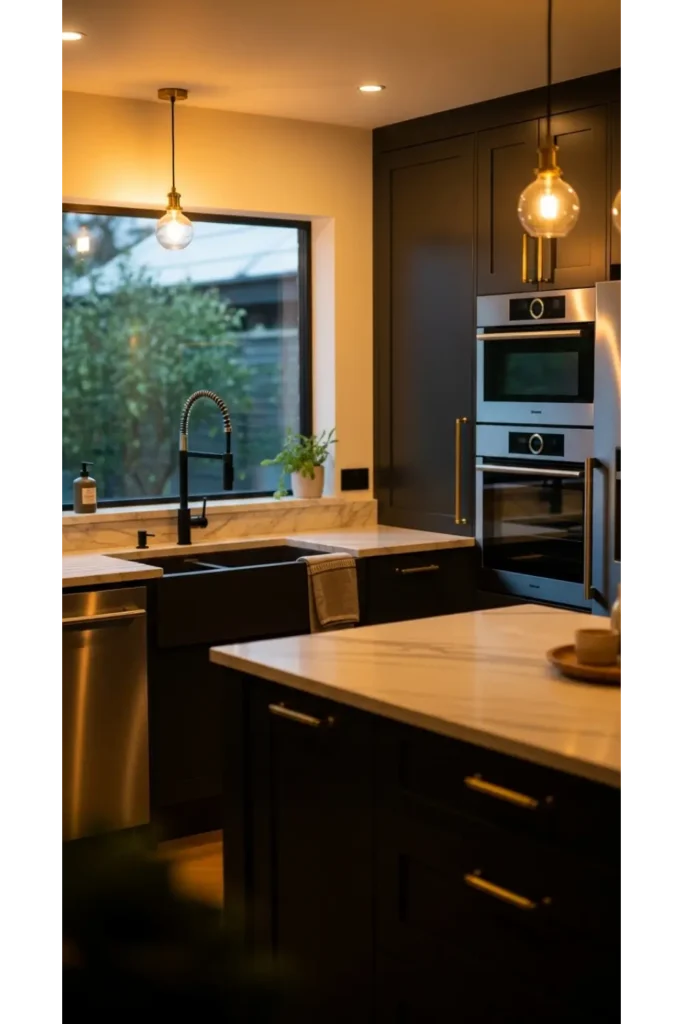
Mixed metal accents bring depth and personality to today’s kitchen interior design without overwhelming the space. Instead of matching every finish, designers intentionally combine metals like brushed brass, matte black, and soft stainless steel. This layered approach feels curated rather than rigid. When done well, mixed metals create visual rhythm and help guide the eye across the room naturally.
Balance remains essential. Designers often anchor one dominant metal and use others as subtle accents through lighting, hardware, or fixtures. Repeating each finish at least twice maintains cohesion. This strategy allows homeowners to personalize their kitchens while keeping the design timeless, flexible, and visually engaging rather than trend-driven or overly styled.
19. Appliance-Free Sightlines
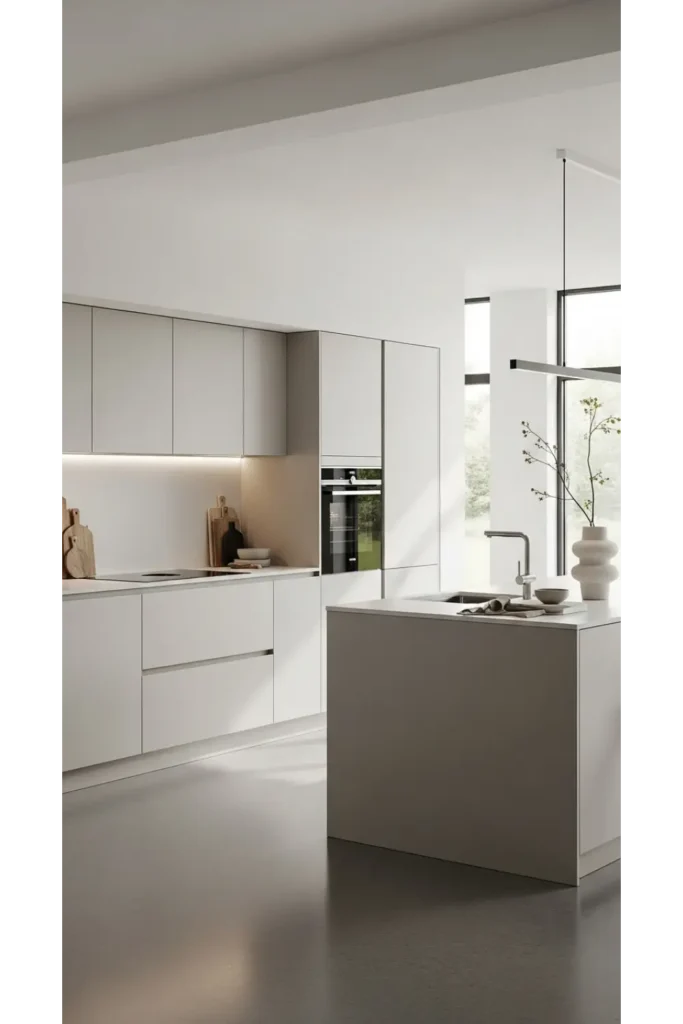
Appliance-free sightlines reflect a growing preference for kitchens that blend seamlessly into living spaces. By integrating ovens, refrigerators, and ventilation systems behind cabinetry, designers reduce visual noise. The kitchen no longer reads as a work zone first. Instead, it feels like an extension of the home’s architecture, supporting open-plan layouts and modern lifestyles.
This approach improves both aesthetics and comfort. Clear sightlines create a sense of order and spaciousness, especially in shared living areas. Hidden appliances also allow materials like wood grain and stone to take center stage. For homeowners who value calm environments and cohesive interiors, this design choice delivers lasting visual harmony.
20. Personalized Layouts
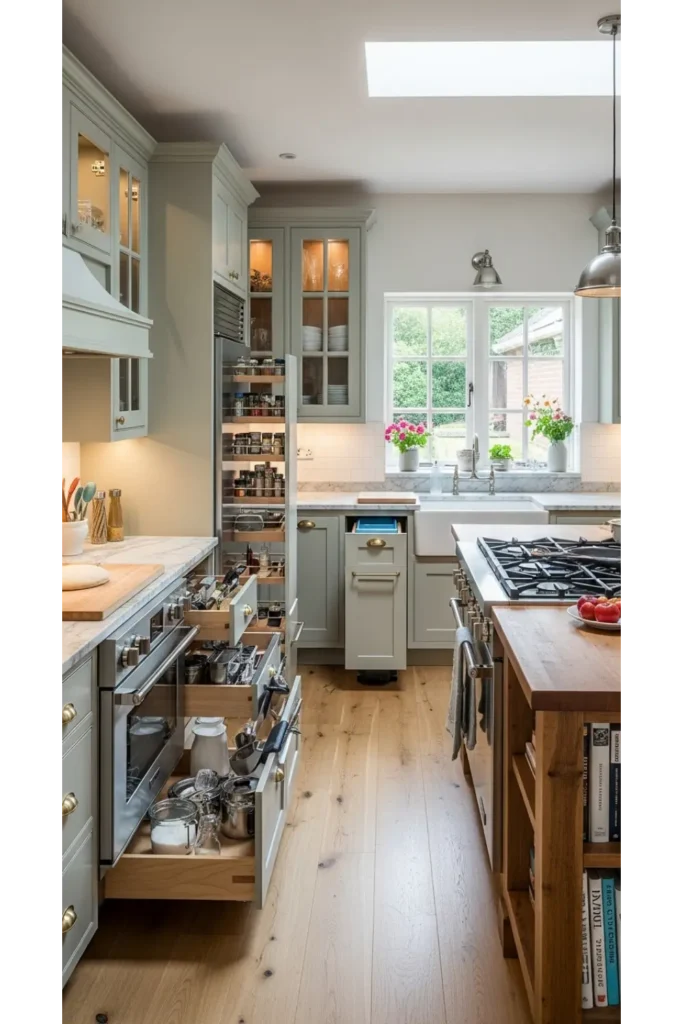
Personalized layouts have become essential in the latest kitchen designs trends, as homeowners move away from generic solutions. Designers now study how people cook, entertain, and move through their space. The result is a kitchen shaped around real habits, not assumptions. Prep zones, storage locations, and appliance placement all respond directly to daily routines.
This level of customization improves efficiency and long-term satisfaction. A well-planned layout reduces unnecessary movement and supports smoother workflows. Families, frequent cooks, and entertainers all benefit from layouts that feel intuitive. Personalization ensures the kitchen evolves from a showpiece into a space that genuinely supports everyday life.
21. Timeless Transitional Style

Transitional kitchens continue to appeal because they strike a thoughtful balance between classic and contemporary design. Clean cabinetry lines pair with traditional proportions, creating spaces that feel familiar yet current. Neutral palettes support longevity, allowing the kitchen to age gracefully without feeling dated as trends shift.
This style offers flexibility. Homeowners can refresh the look through lighting, hardware, or decor without major renovations. Transitional kitchens also appeal to a broad audience, making them a smart choice for resale value. Their enduring quality lies in restraint, balance, and a focus on comfort over fleeting design statements.
22. Calm Neutral Palettes

Calm neutral palettes remain central to kitchen design trends because they support both visual peace and versatility. Instead of flat white, designers layer warm beiges, soft creams, and muted taupe tones. These subtle variations add depth while maintaining a cohesive, soothing atmosphere that feels easy to live with over time.
Texture plays a key role in keeping neutral kitchens interesting. Natural wood, stone surfaces, and matte finishes provide contrast without relying on color. This approach allows the kitchen to adapt as tastes evolve. Neutral palettes create a timeless foundation that supports personalization through art, lighting, and seasonal accents.
Conclusion
The kitchen continues to evolve into a space that balances beauty, function, and emotion. These styles reflect how people truly live today, blending practicality with thoughtful design. Whether you prefer bold expression or quiet simplicity, the right kitchen supports daily life and long-term comfort. By focusing on materials, layout, and light, homeowners can create spaces that feel personal, enduring, and deeply connected to how they live every day.