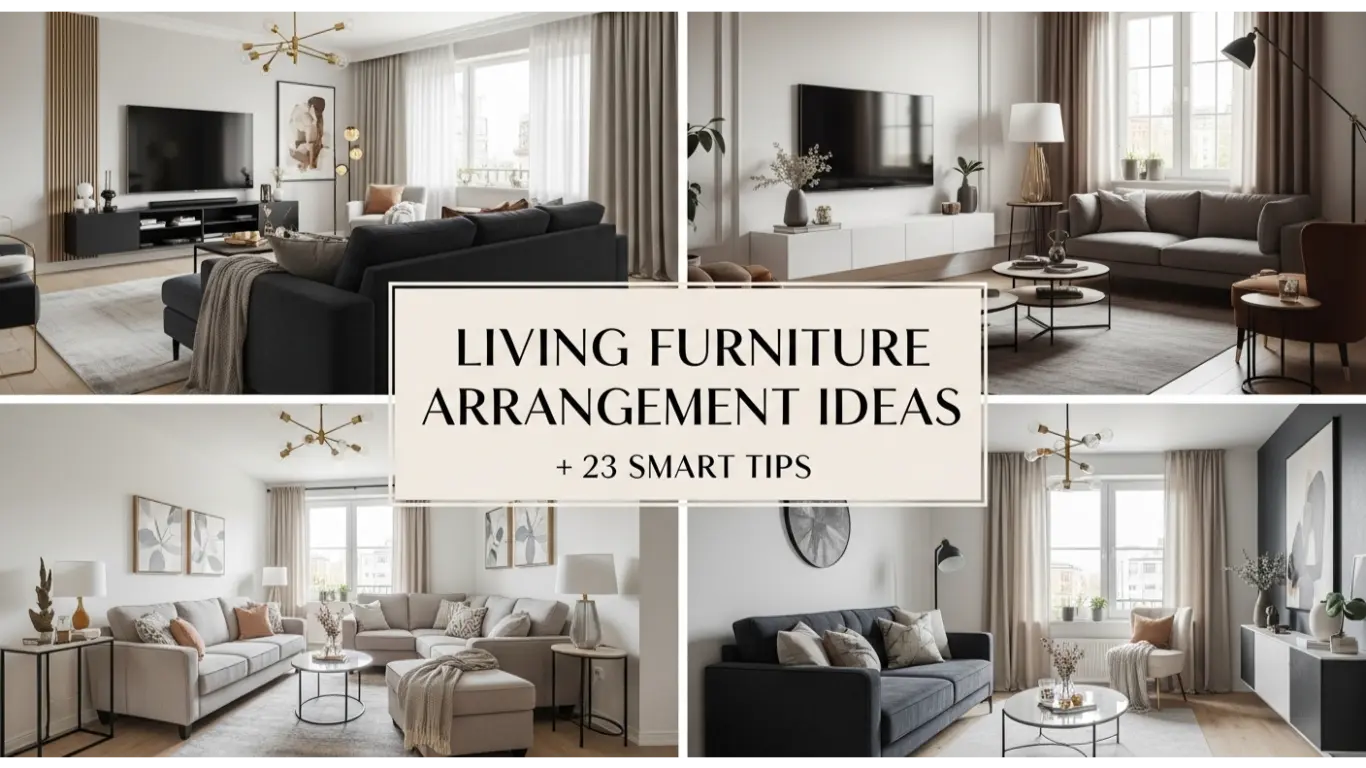
Living Room Furniture Arrangement Ideas 23 Smart Tips
A well planned living space can change how your home feels every single day. These living room furniture arrangement ideas focus on comfort, flow, and style without making things complicated. Whether your space is small, open, or oddly shaped, the right layout helps you relax, entertain, and enjoy your home more.
This guide shares practical and fresh living room layout ideas, smart placement tricks, and modern styling inspiration. Each idea comes with a visual prompt so you can easily turn inspiration into reality. Let’s get into designs that feel good and work even better.
1. Centered Sofa Layout
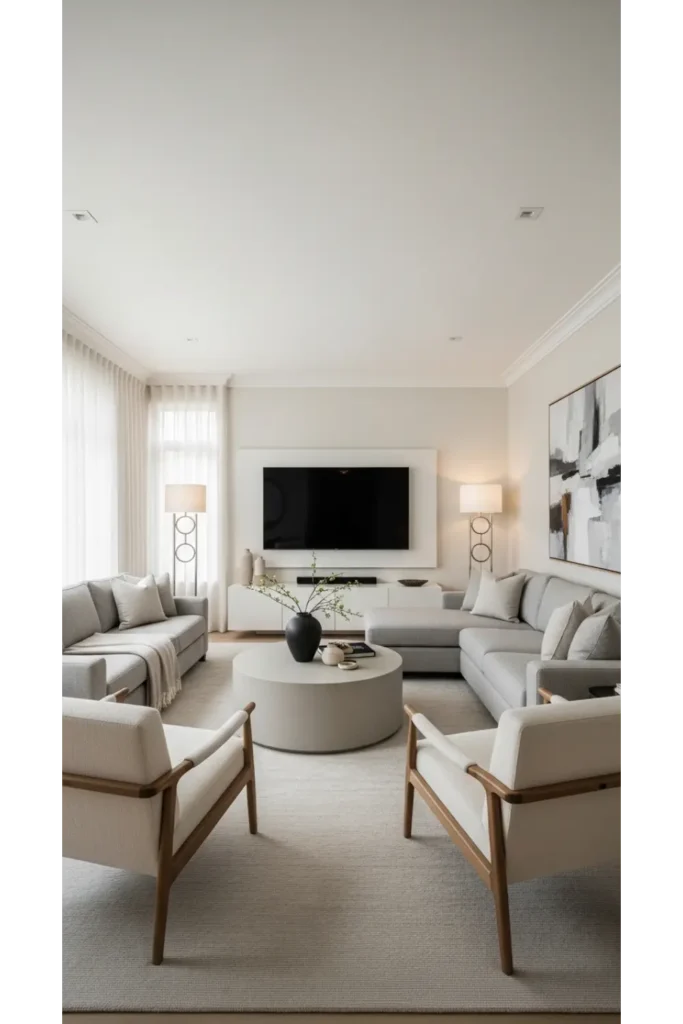
The simplest of all living room furniture arrangement ideas starts with placing your sofa directly facing a focal point like a TV or fireplace. This creates a natural sense of order and comfort. It works well in both small and large rooms because it keeps everything visually grounded and easy to navigate.
Add two chairs or a loveseat opposite or beside the sofa to build conversation zones. Keep the coffee table within easy reach. This layout feels welcoming and works well for daily living and casual hosting without needing complex design changes.
Pro tip: Keep at least 18 inches between seating and the coffee table for easy movement.
2. Floating Furniture Style
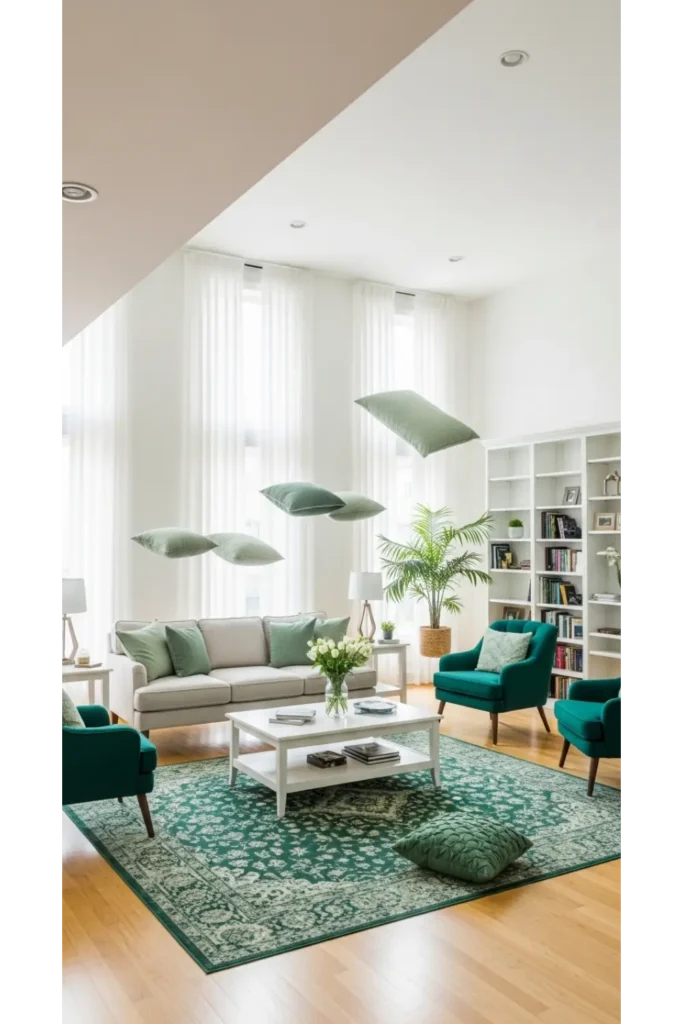
Pull furniture away from the walls to create a more designer look. Floating arrangements make the room feel larger and more intentional. This approach works especially well in open spaces where you want to define zones without using walls.
Use a rug to anchor the seating area and keep everything visually connected. Position sofas and chairs around the rug to create a cozy island. This method improves flow and makes your space feel curated instead of pushed together.
Pro tip: Choose a rug large enough so all front legs of furniture sit on it.
3. L Shape Seating Plan
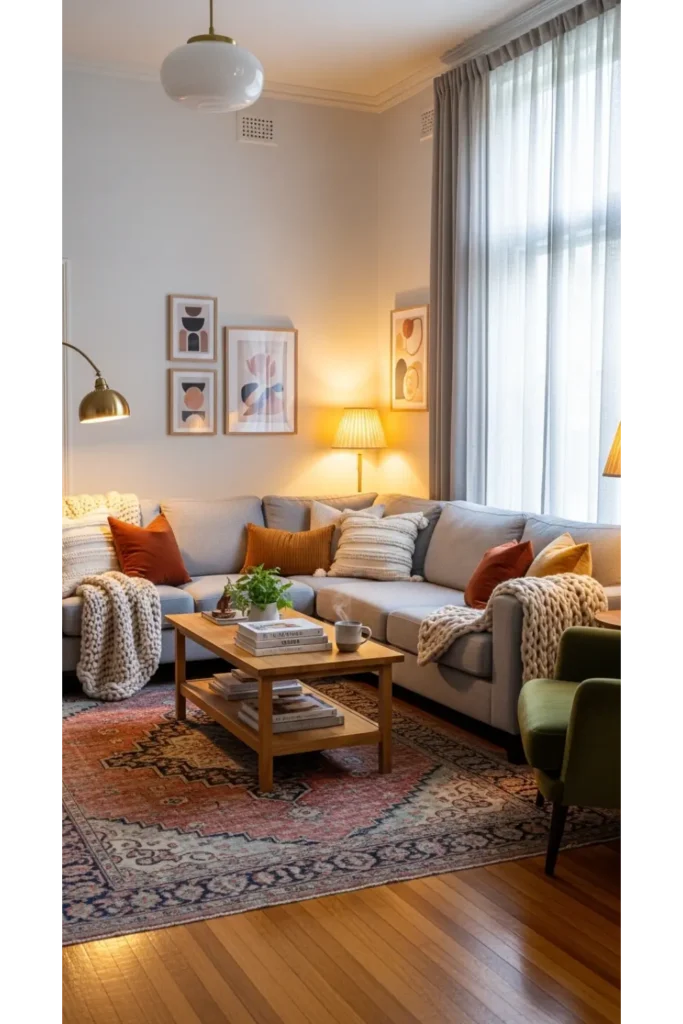
An L shape layout is one of the most practical living room layout ideas. It naturally creates a cozy corner that feels intimate without closing off the room. This setup works great for movie nights and everyday lounging.
You can use a sectional or combine a sofa with a loveseat to achieve this look. Keep the open side facing the room entrance to maintain flow. This arrangement also allows space for extra chairs or side tables if needed.
Pro tip: Place a floor lamp in the corner to enhance warmth and function.
4. Symmetrical Arrangement
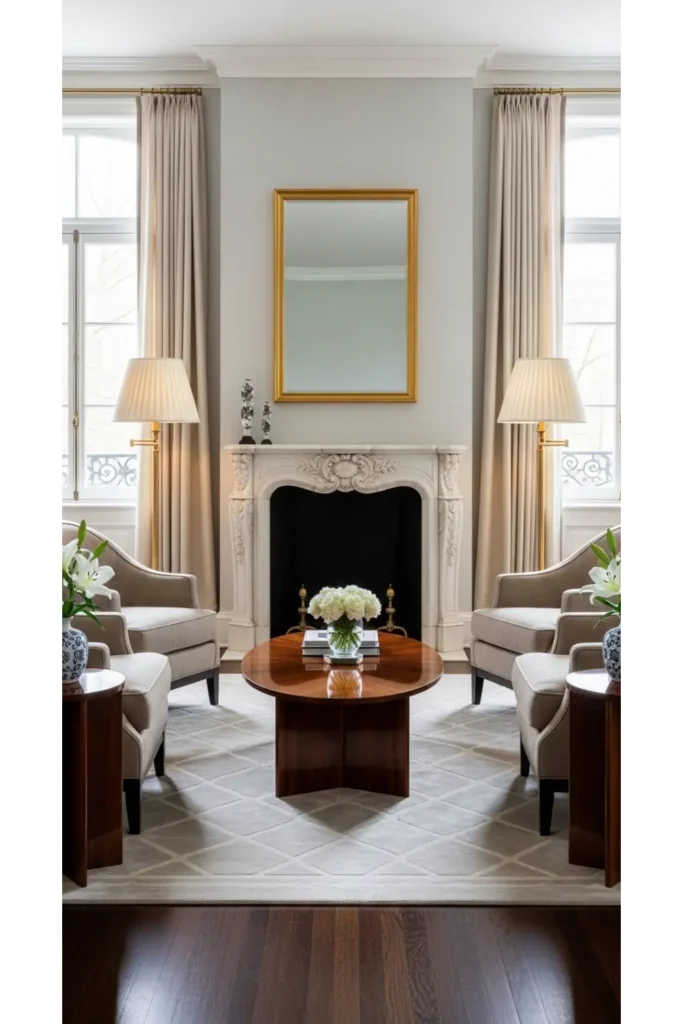
Symmetry creates a calm and polished look. Place identical chairs on both sides of a sofa and balance the space with matching lamps or tables. This setup works well in formal living rooms or spaces meant for entertaining guests.
The key is balance, not perfection. Keep the focal point centered and align furniture evenly. This makes the room feel structured and easy on the eyes, which is ideal for creating a relaxing environment.
Pro tip: Use matching cushions or decor to reinforce the balanced look.
5. Conversation Circle Layout
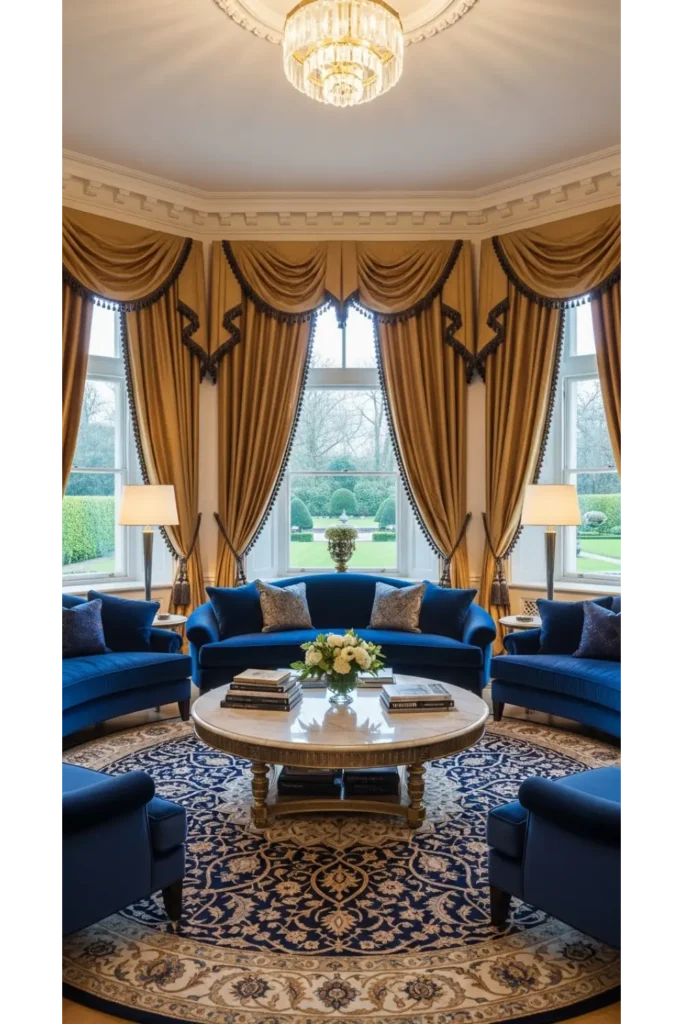
Arrange seating in a circular or semi circular shape to encourage conversation. This layout removes the focus from screens and puts people at the center. It works well for social homes or gatherings.
Place chairs and sofas facing each other with a central table. Keep distances close enough for easy interaction. This setup feels warm and inviting while making the most of your available space.
Pro tip: Add a round coffee table to enhance the circular flow.
6. Small Space Smart Layout
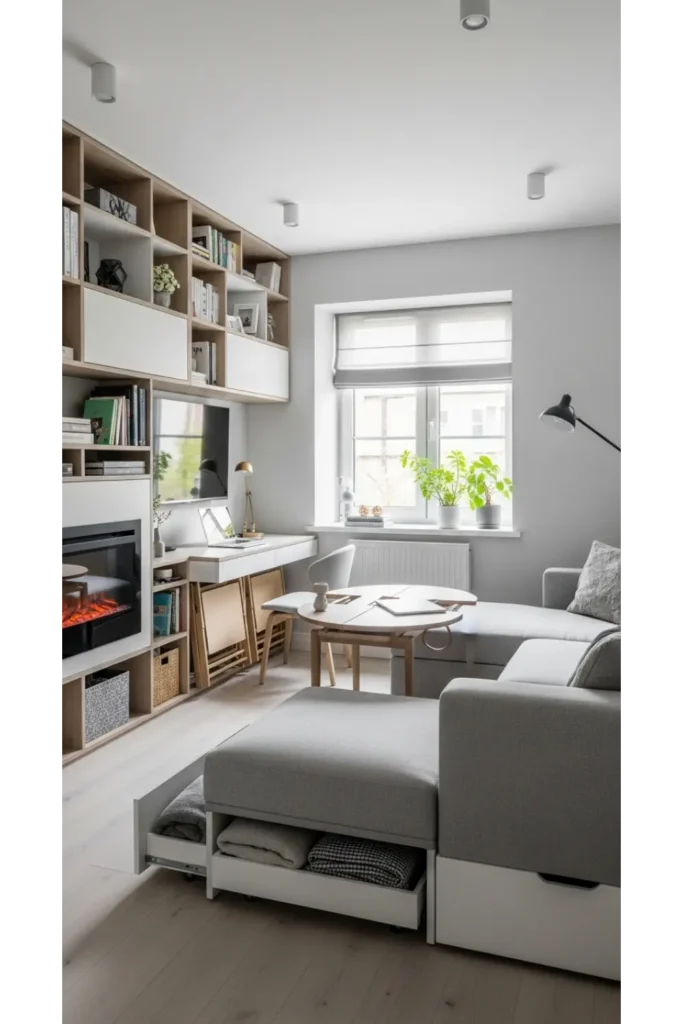
In small spaces, every inch matters. Choose compact furniture and avoid blocking pathways. Keep the layout simple and open to make the room feel larger than it is.
Use multifunctional pieces like storage ottomans or nesting tables. Keep furniture light in color to reflect more light. This approach makes even the smallest rooms feel comfortable and usable.
Pro tip: Use mirrors to visually expand the space.
7. TV Focused Layout
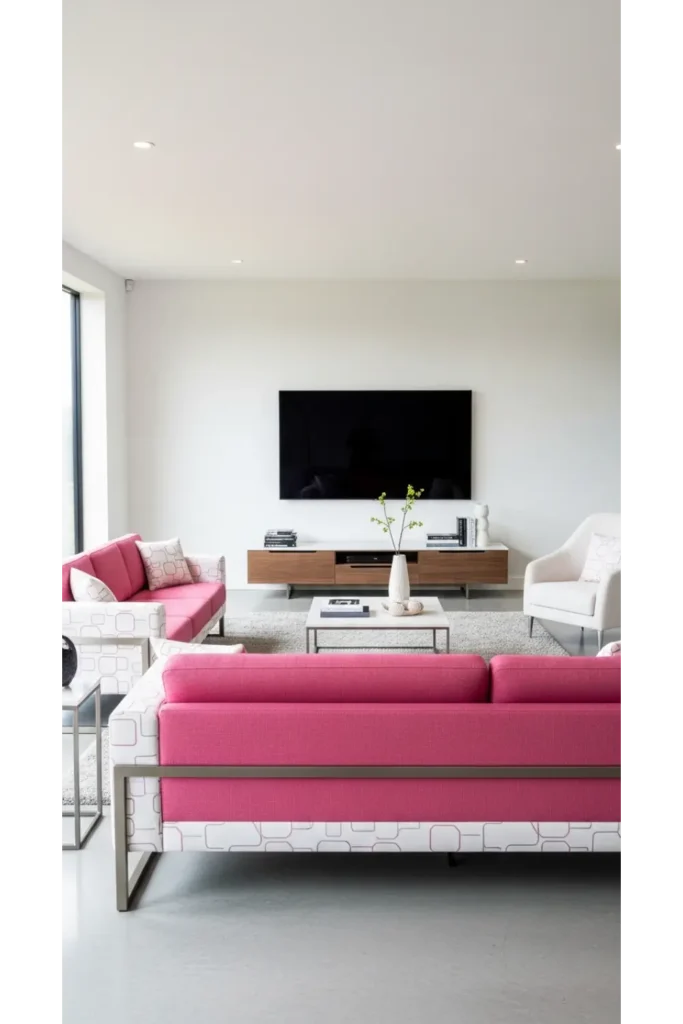
When your space revolves around entertainment, one of the most practical living room furniture arrangement ideas is to center everything around the television. Place the sofa directly facing the screen to create a comfortable viewing experience. This setup supports daily routines like watching shows, gaming, or relaxing with family. Keep sightlines clear and avoid placing tall furniture that may block the view.
Balance the room by adding chairs or side seating at slight angles so the space still feels social. Include a media console with storage to reduce clutter and keep things organized. Lighting also plays an important role, so use soft ambient lighting to reduce glare while keeping the room cozy and functional for both day and night use.
Pro tip: Keep the viewing distance about 1.5 to 2.5 times the screen size for comfort.
8. Fireplace Centered Design
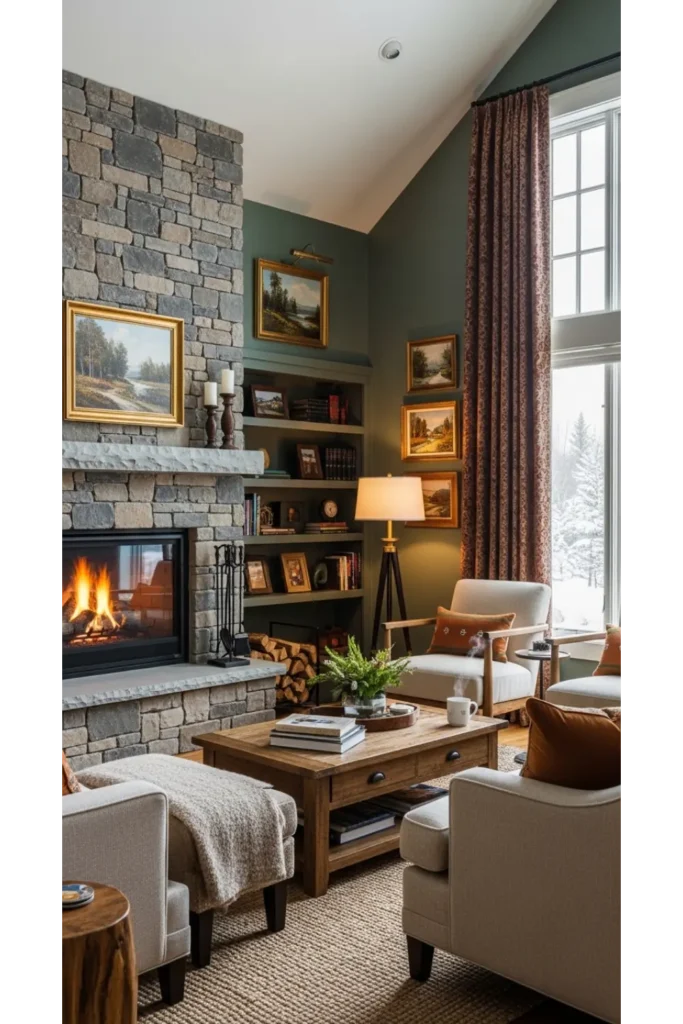
A fireplace creates a natural focal point that instantly draws attention and warmth. Arrange your seating so it faces or surrounds the fireplace, making it the heart of the room. This is one of the most timeless living room layout ideas because it builds a cozy and inviting environment that works well for both quiet evenings and social gatherings.
Place sofas and chairs in a semi circle or angled formation to maintain flow while still highlighting the fireplace. Add a coffee table in the center to connect the seating area. Soft textures like rugs and cushions enhance comfort, while layered lighting helps maintain a warm atmosphere throughout the space.
Pro tip: Keep decor on the mantel simple to avoid distracting from the focal point.
9. Open Plan Zoning
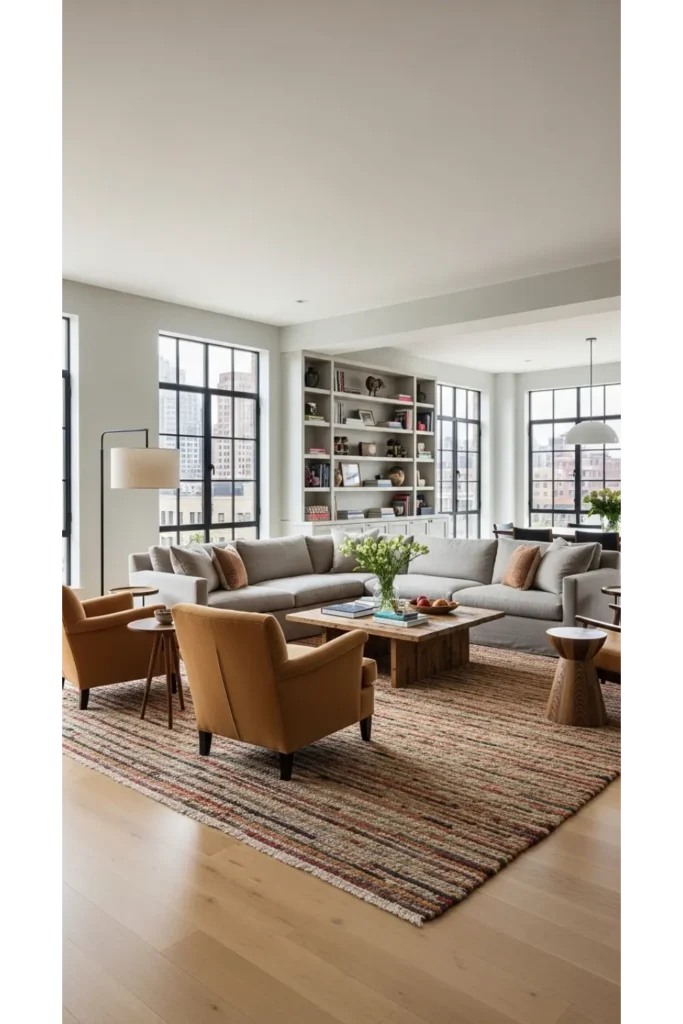
Open spaces can feel overwhelming without structure, so zoning becomes essential. Use furniture placement to define your living area clearly within a larger space. Position a sofa to act as a divider between the living room and dining or kitchen area. This creates visual separation while maintaining an open and airy feel.
Anchor the seating area with a rug and arrange chairs and tables around it to form a clear zone. Keep pathways open so movement feels natural and uninterrupted. This method helps organize the space while still allowing light and energy to flow freely throughout the home.
Pro tip: Use ceiling lights or pendant lights to visually separate each zone.
10. Window Facing Layout
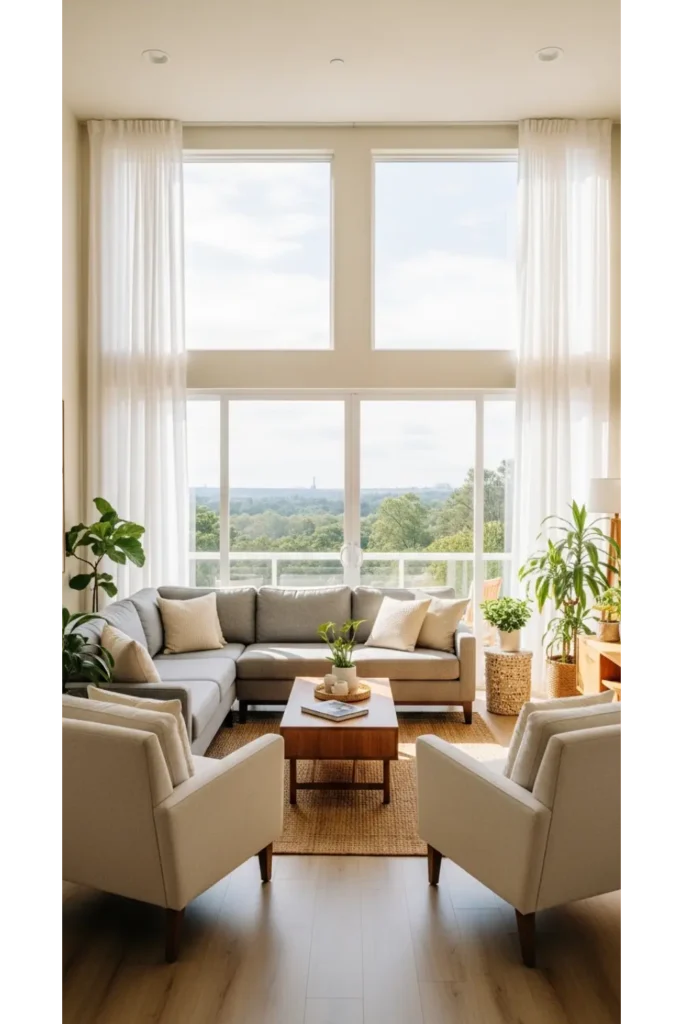
Natural light can transform any room, so it makes sense to design your layout around it. Arrange your seating so it faces large windows, allowing you to enjoy the view and daylight. This approach creates a calm and uplifting atmosphere, making the space feel more open and connected to the outdoors.
Avoid blocking windows with bulky furniture. Instead, use low profile pieces that allow light to pass through easily. Add light curtains or sheer fabrics to soften the sunlight while maintaining brightness. This layout works especially well in homes where natural light is a key feature.
Pro tip: Place a mirror opposite the window to reflect light and brighten the room further.
11. Minimalist Layout
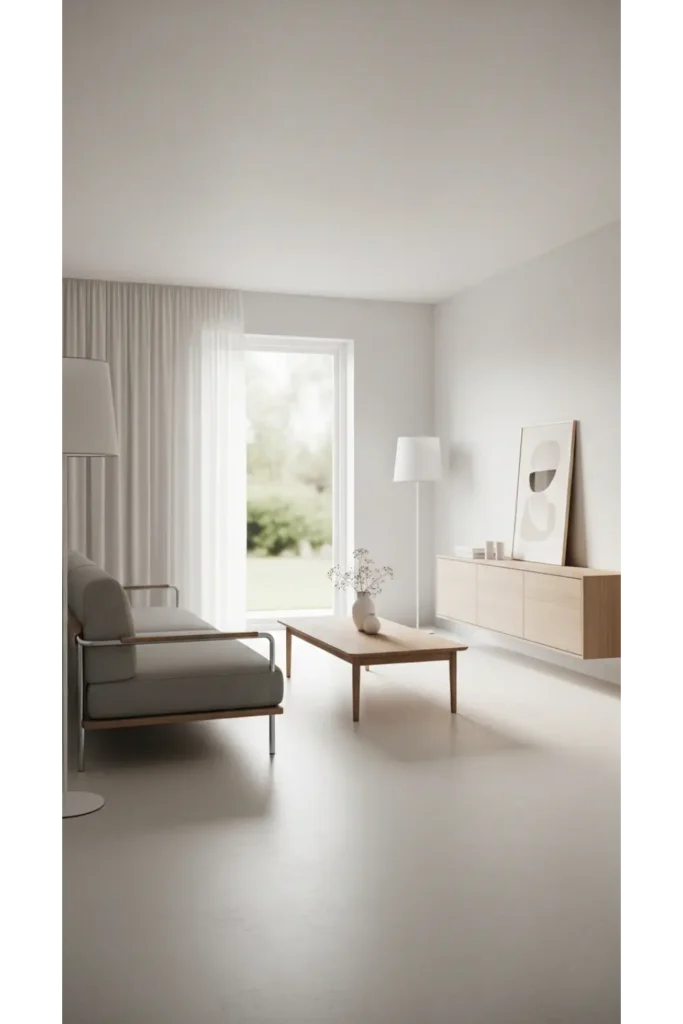
A minimalist approach focuses on simplicity, clarity, and function. Choose only essential furniture pieces and avoid overcrowding the space. This creates a clean and calming environment that feels easy to maintain and visually relaxing. It is one of the most effective modern living room ideas for creating a clutter free lifestyle.
Stick to neutral tones and simple shapes to keep the design cohesive. Each piece should serve a purpose, whether functional or aesthetic. Leave enough empty space so the room can breathe, which enhances both comfort and visual appeal.
Pro tip: Use hidden storage to keep surfaces clean and organized.
12. Multi Functional Setup
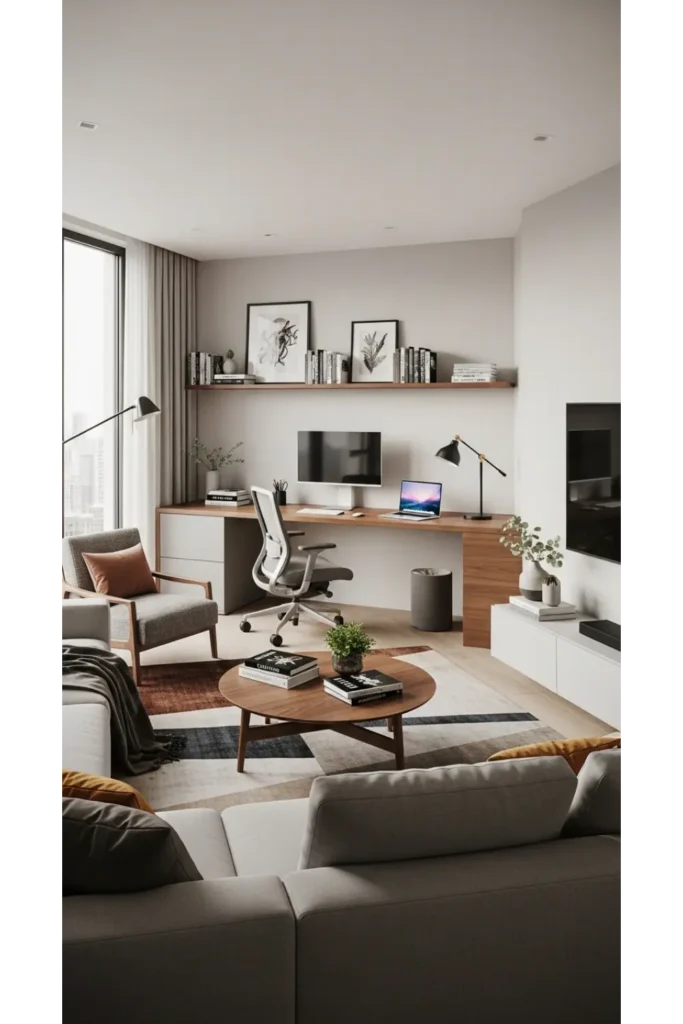
Modern homes often need to serve multiple purposes, so a flexible layout is essential. Combine your living area with a workspace by choosing furniture that adapts easily. A desk can sit behind a sofa or along a wall without disrupting the overall flow of the room.
Use pieces like storage ottomans or foldable tables to maximize usability. Keep the design cohesive so the space feels unified instead of divided. This setup allows you to switch between work and relaxation without needing separate rooms.
Pro tip: Use a consistent color scheme to tie both functions together visually.
13. Corner Sofa Layout
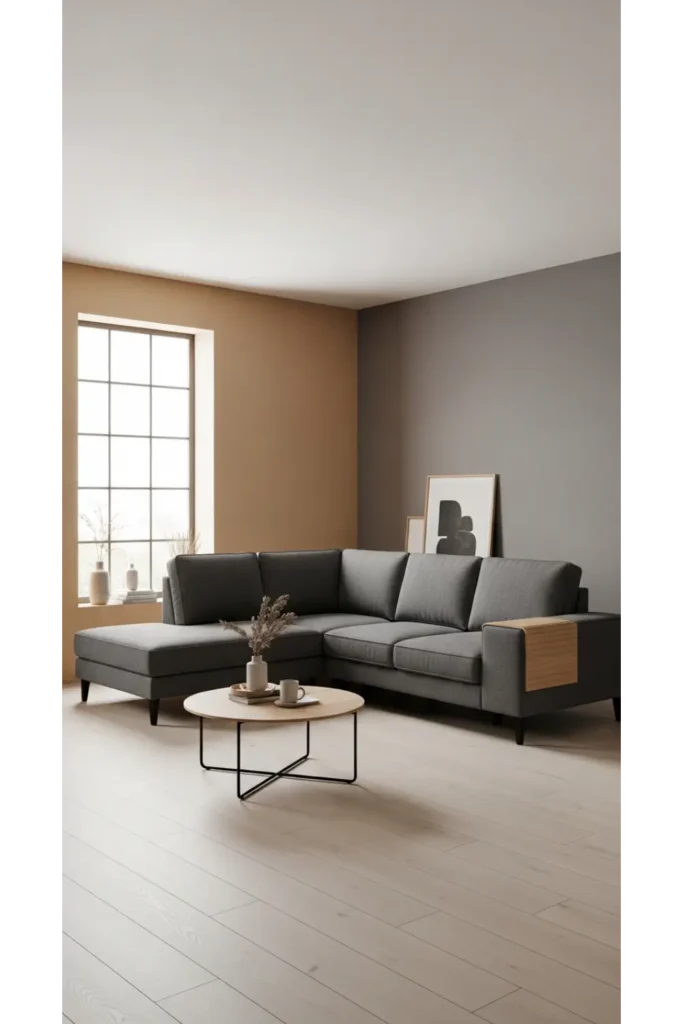
Corner sofas are perfect for maximizing seating while keeping the layout efficient. Place the sofa along two adjoining walls to create a defined seating area without taking up too much floor space. This setup works especially well in compact rooms or apartments.
Keep the center area open to maintain flow and add a coffee table for functionality. You can enhance the look with cushions and throws to make the space feel more inviting. This layout offers both comfort and practicality in a simple way.
Pro tip: Choose a corner sofa with built in storage for added functionality.
14. Dual Sofa Setup
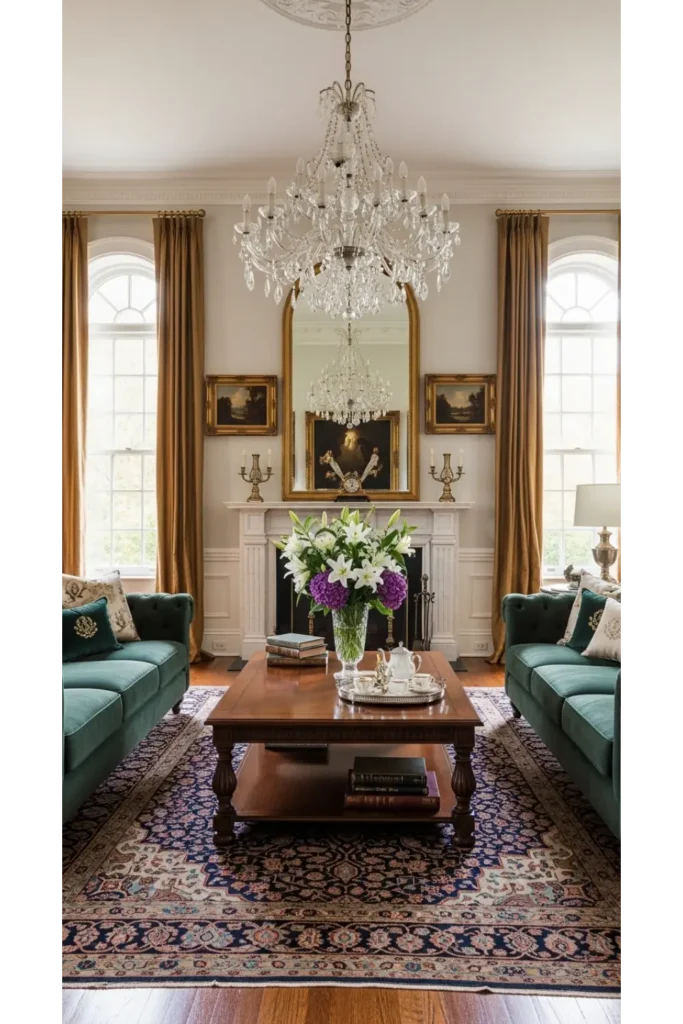
Using two sofas facing each other creates a balanced and symmetrical layout. This arrangement encourages conversation and makes the room feel structured and welcoming. It works well in medium to large spaces where you want to create a strong visual impact.
Place a coffee table between the sofas to anchor the arrangement. Add side tables and lighting to complete the look. This setup is ideal for entertaining guests or creating a formal yet comfortable living space.
Pro tip: Keep enough space between sofas to allow easy movement.
15. Angled Furniture Layout
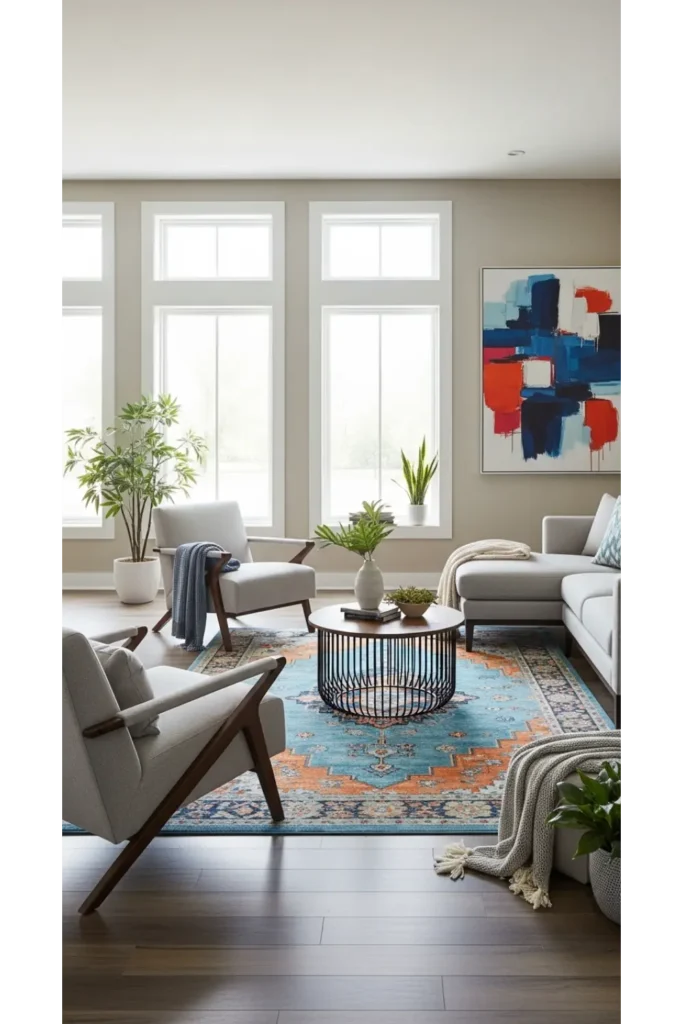
Angling furniture slightly can add movement and visual interest to your space. Instead of placing everything parallel to the walls, try positioning chairs or sofas at a slight angle. This works well in rooms with unusual shapes or layouts.
Keep the angles subtle so the room still feels organized. Use a rug or central table to tie everything together. This approach breaks monotony and gives your living room a more dynamic and relaxed feel.
Pro tip: Use angled placement to highlight a focal point like a fireplace or artwork.
16. Rug Anchored Layout
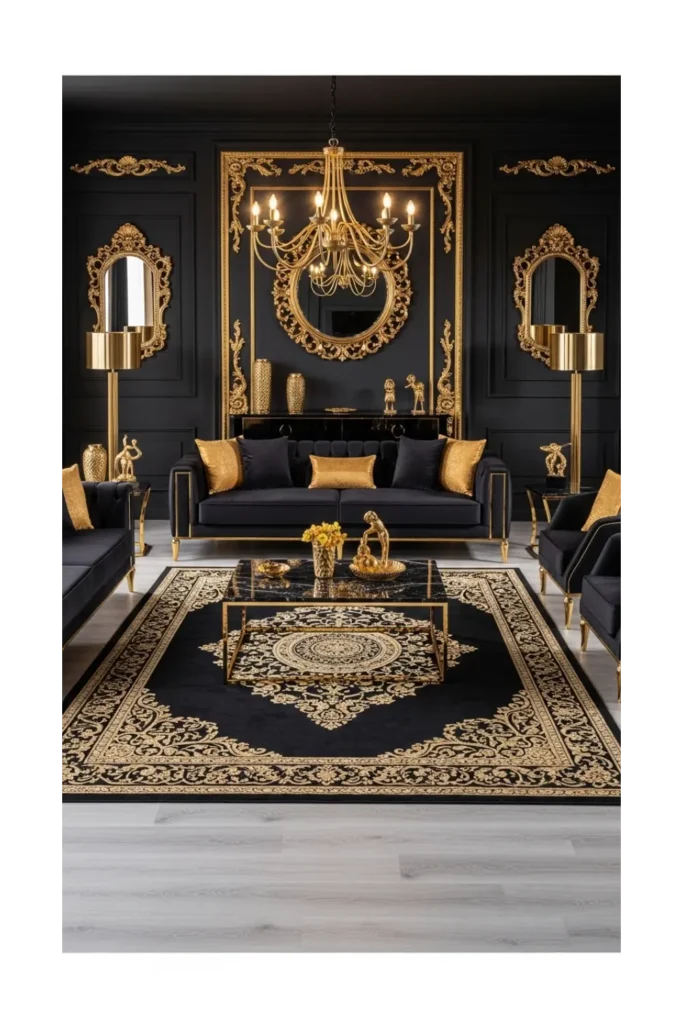
A rug can act as the foundation of your entire layout. Choose a large rug and place your main furniture pieces on or around it. This creates a clear and cohesive seating area that feels intentional and complete.
Make sure the rug is large enough to connect all seating elements visually. This helps unify the space and prevents the room from feeling scattered. It also adds warmth and texture, making the room more comfortable.
Pro tip: Ensure at least the front legs of all furniture sit on the rug.
17. Gallery Wall Focus
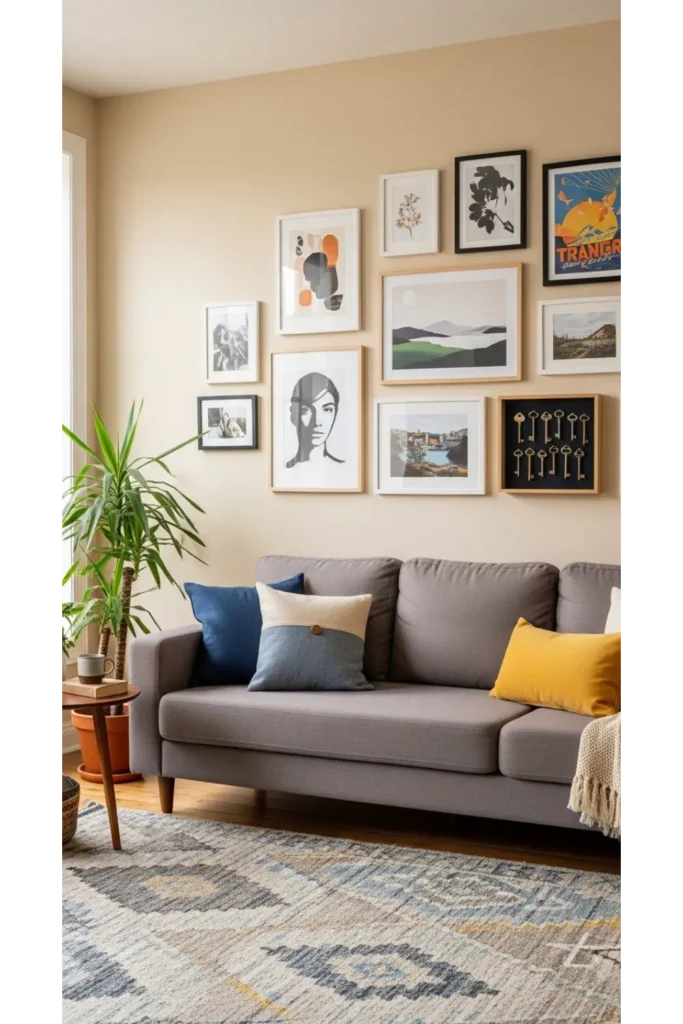
A gallery wall can become a strong focal point that adds personality to your living room. Arrange your seating so it highlights this feature, usually by placing a sofa directly in front of the wall.
Choose artwork that reflects your style and keep the arrangement balanced. This adds depth and visual interest without needing major changes to your layout. It is a great way to make your space feel unique and curated.
Pro tip: Lay out frames on the floor first to plan your arrangement.
18. Low Seating Layout
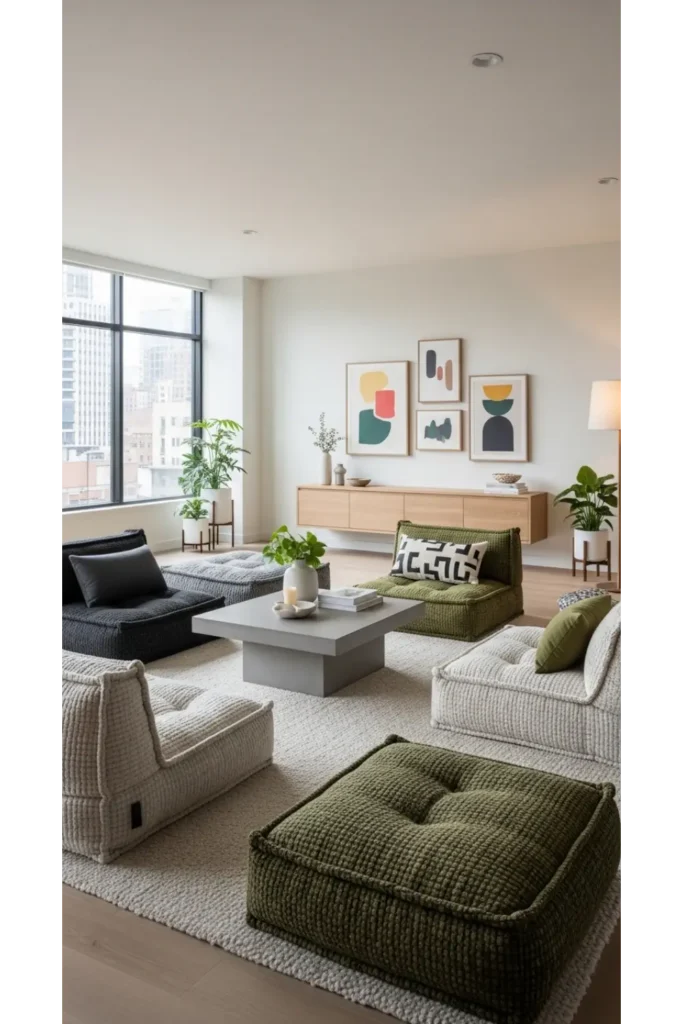
Low seating creates a relaxed and modern vibe that feels open and comfortable. Use low sofas, floor cushions, or poufs to bring the seating closer to the ground. This makes the room feel more spacious and less crowded.
Pair this layout with soft textures and warm lighting to enhance comfort. Keep furniture minimal to maintain the open feel. This style works well in contemporary homes or spaces focused on relaxation.
Pro tip: Use layered rugs to add warmth and dimension.
19. Classic Formal Layout
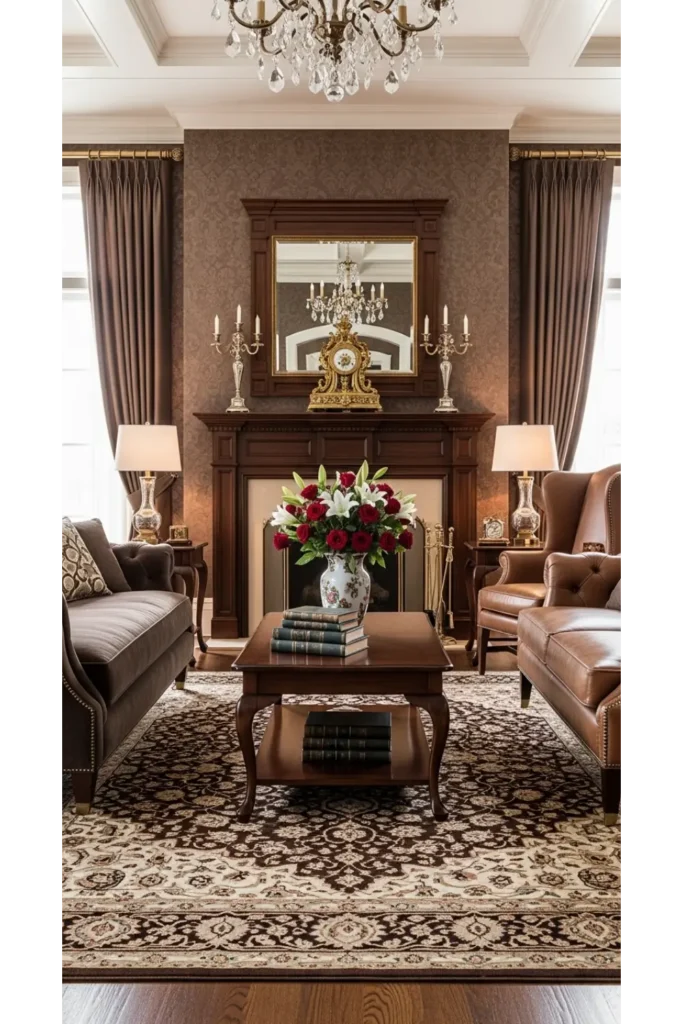
A formal layout focuses on structure, symmetry, and elegance. Arrange furniture in a balanced way, often centered around a focal point like a fireplace or table. This creates a polished and refined look.
Use matching pieces and rich materials to enhance the formal feel. Keep the layout organized and uncluttered. This style works well for hosting guests or creating a sophisticated atmosphere.
Pro tip: Incorporate statement pieces like a chandelier or artwork.
20. Cozy Nook Setup
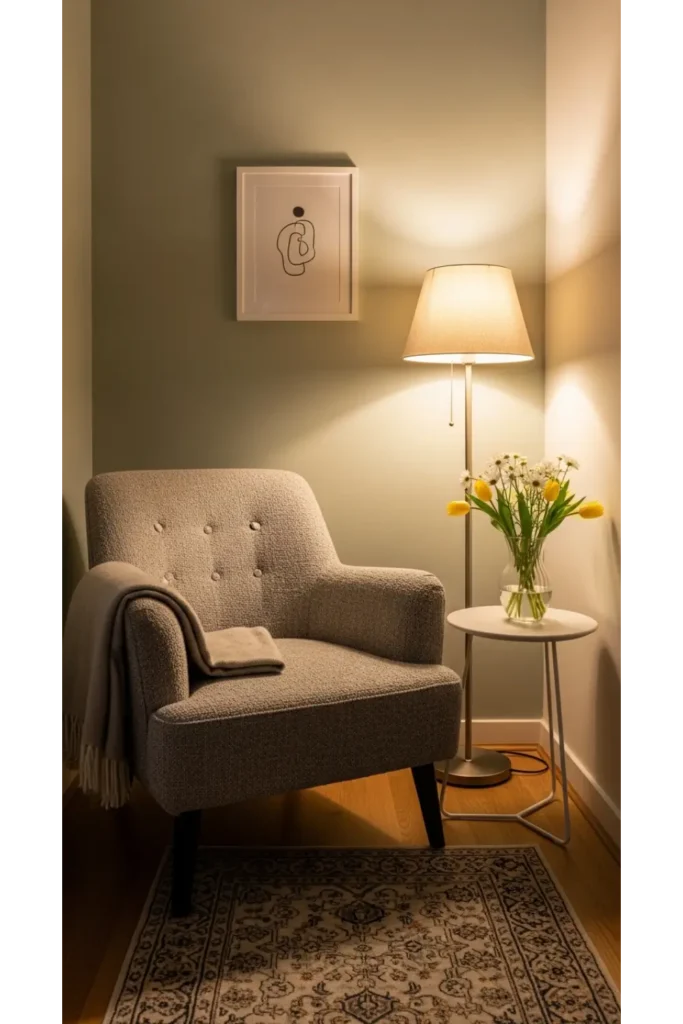
Creating a cozy nook adds a personal and relaxing corner to your living room. Use a comfortable chair, a small table, and a lamp to define the space. This setup is perfect for reading or quiet moments.
Place the nook near a window or in an unused corner to maximize space. Add soft textures like cushions or blankets to enhance comfort. This small addition can make your living room feel more complete and inviting.
Pro tip: Use warm lighting to create a calming atmosphere.
21. Scandinavian Style Layout
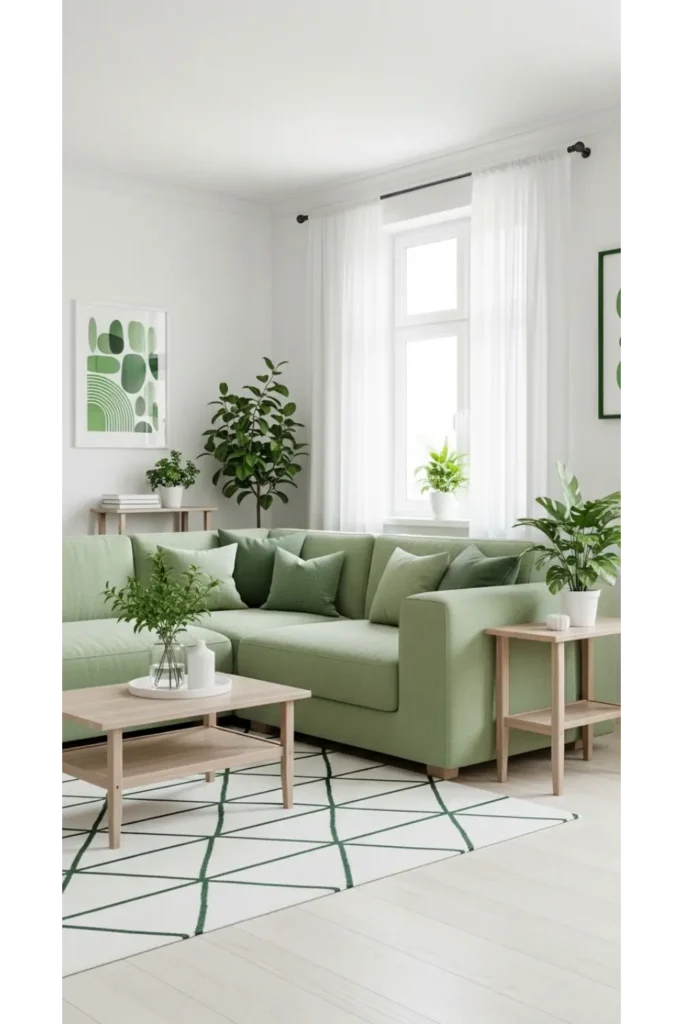
Scandinavian design focuses on simplicity, light, and function. Arrange furniture to keep the space open and uncluttered. Use light colors and natural materials to create a fresh and airy feel.
Keep decor minimal and purposeful. This layout emphasizes comfort while maintaining a clean look. It works well in both small and large spaces by enhancing light and openness.
Pro tip: Add plants to bring life and softness to the room.
22. Eclectic Mix Layout
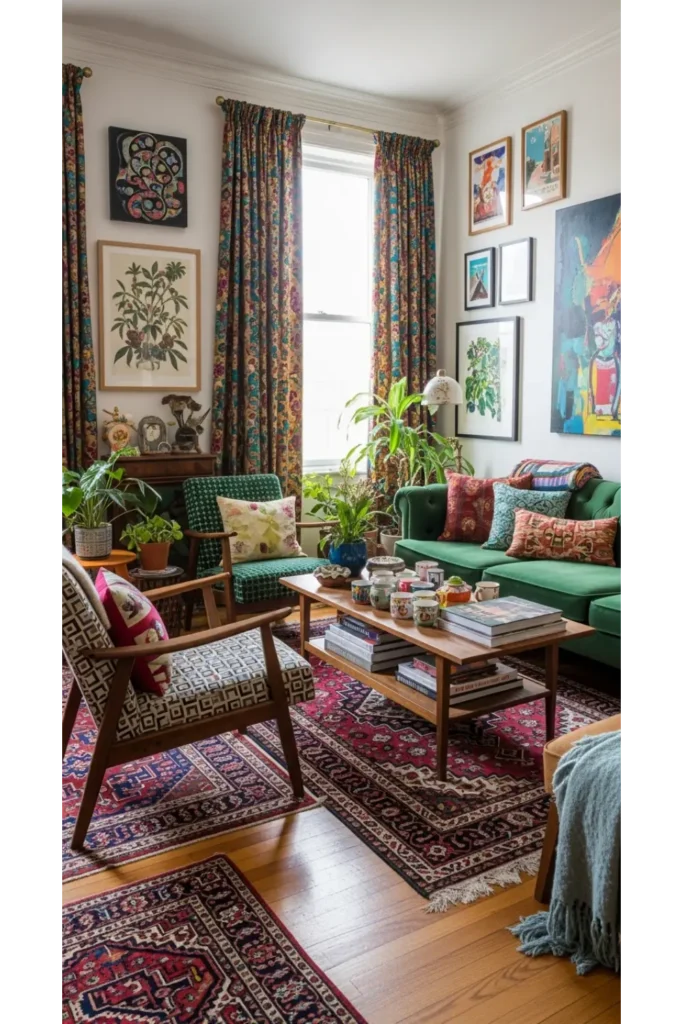
An eclectic layout allows you to mix different styles, colors, and textures. Arrange furniture in a way that feels balanced while still showing personality. This approach creates a lively and unique space.
Keep a common element like color or material to tie everything together. This prevents the room from feeling chaotic. It is a great way to express creativity while maintaining harmony.
Pro tip: Limit your color palette to keep the design cohesive.
23. Luxury Lounge Layout
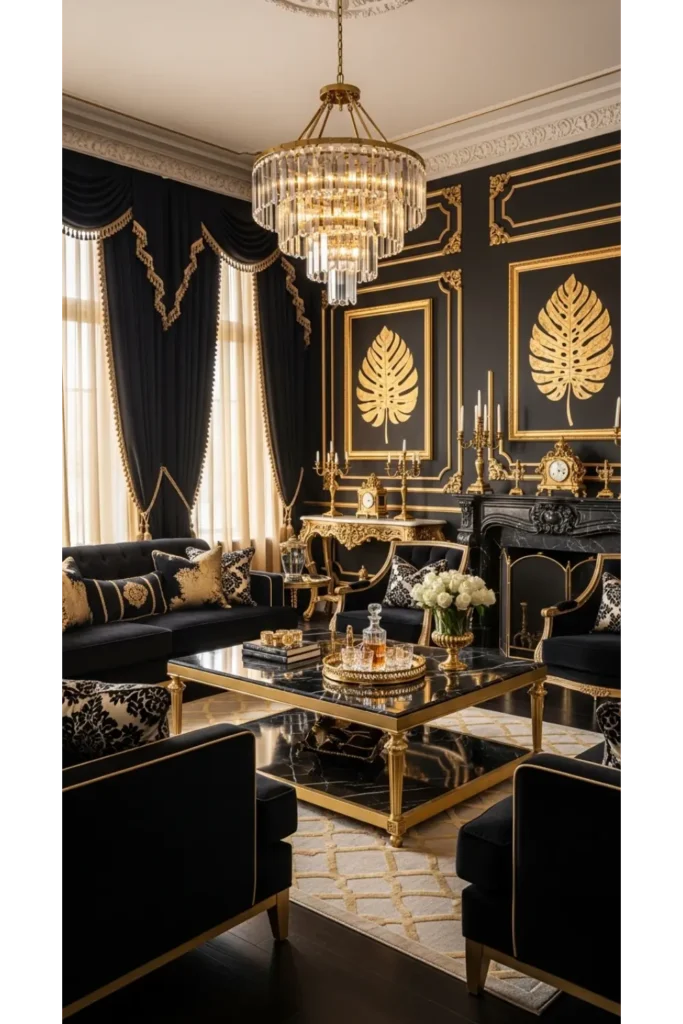
A luxury layout focuses on comfort and elegance. Use plush seating, rich fabrics, and spacious arrangements to create a high end feel. Keep furniture well spaced to maintain an open and refined look.
Incorporate elements like statement lighting, textured rugs, and elegant decor to elevate the space. This layout works best when every piece feels intentional and high quality.
Pro tip: Use layered lighting to create depth and ambiance.
FAQs
What is the best way to arrange furniture in a small living room?
Focus on simplicity and flow. Use fewer pieces and keep pathways clear. Choose furniture that serves more than one purpose.
How do I choose the right layout?
Start with your focal point and build around it. Consider how you use the room daily and arrange furniture to support that.
Should furniture always go against the wall?
No. Floating furniture often creates a better and more modern layout.
What size rug should I use?
Choose a rug large enough to connect all seating pieces visually.
Conclusion
Great design starts with smart choices. These living room furniture arrangement ideas help you create a space that feels comfortable, stylish, and practical. The right layout improves how your room looks and how it works every day.
Try different setups, trust your space, and adjust as needed. A well arranged living room is not just about style. It is about living better in your space.