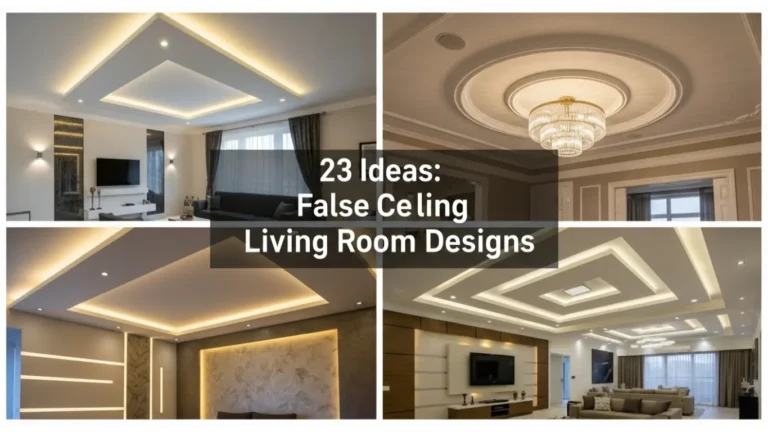
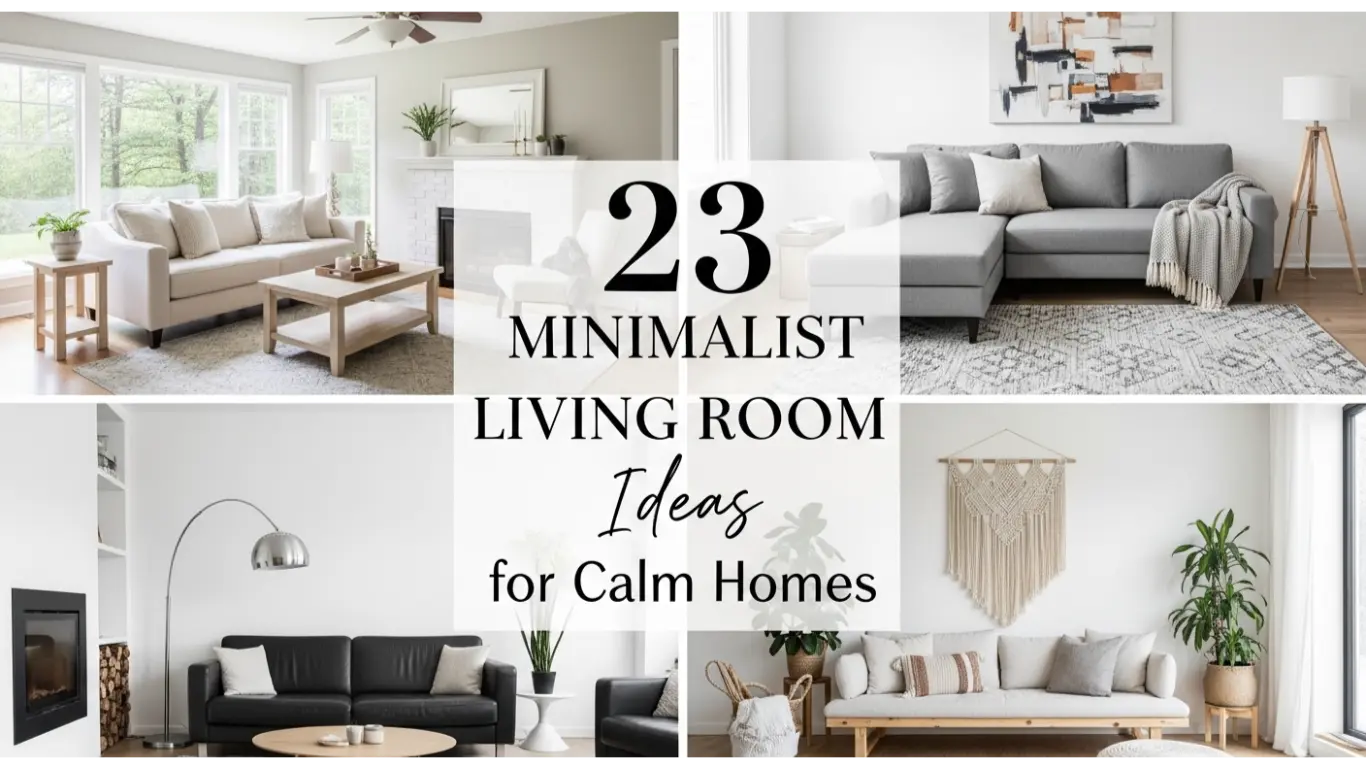
23 Minimalist Living Room Ideas for Calm Homes
A calm home starts with intention, and the living room sets that tone more than any other space. Minimalist design is not about emptiness. It is about clarity, comfort, and choosing what truly matters. When done right, it creates rooms that feel open, grounded, and easy to live in every day.
This guide shares fresh, practical minimalist living room ideas designed for real homes and real people. Each idea focuses on balance, warmth, and function, using thoughtful layouts, natural materials, and timeless choices. Whether you live in a small apartment or a spacious house, these ideas help you build a living room that feels calm, personal, and lasting.
1. Purpose First Minimal Layout
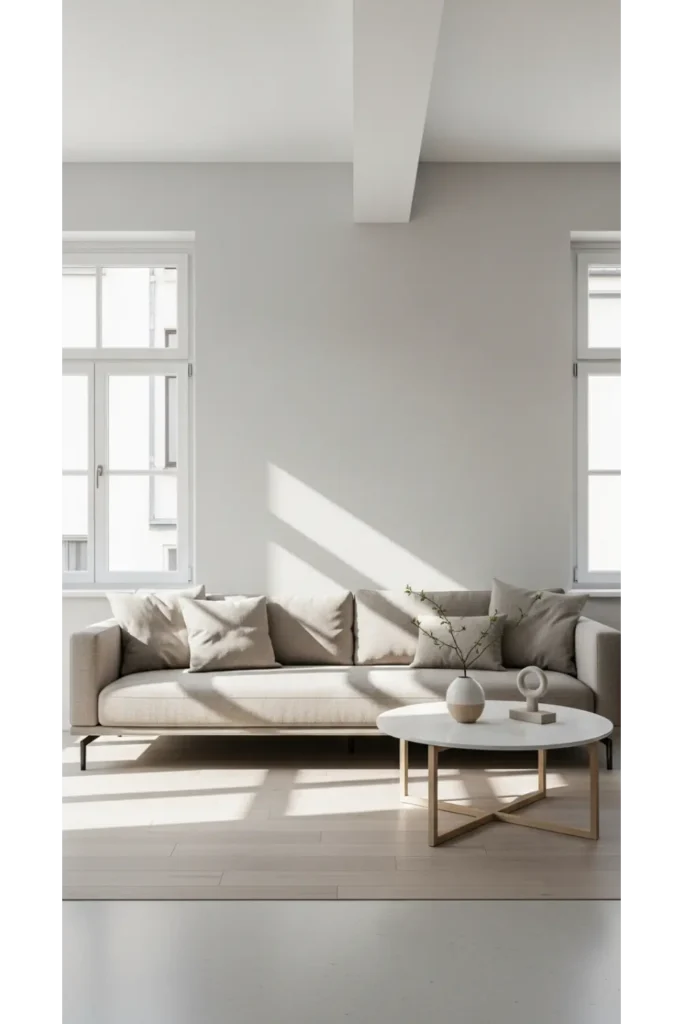
This approach to minimalist living room ideas starts by removing anything that does not serve a purpose. Furniture stays limited to essentials, allowing the room to breathe. A simple sofa, a functional coffee table, and open floor space create a sense of ease that feels welcoming rather than empty.
By focusing on function, the room becomes easier to maintain and more enjoyable to use. Clear surfaces reduce visual noise, while thoughtful spacing improves flow. This style works especially well for busy households that want a calm space without constant upkeep or complicated decor choices.
2. Soft Neutral Color Harmony
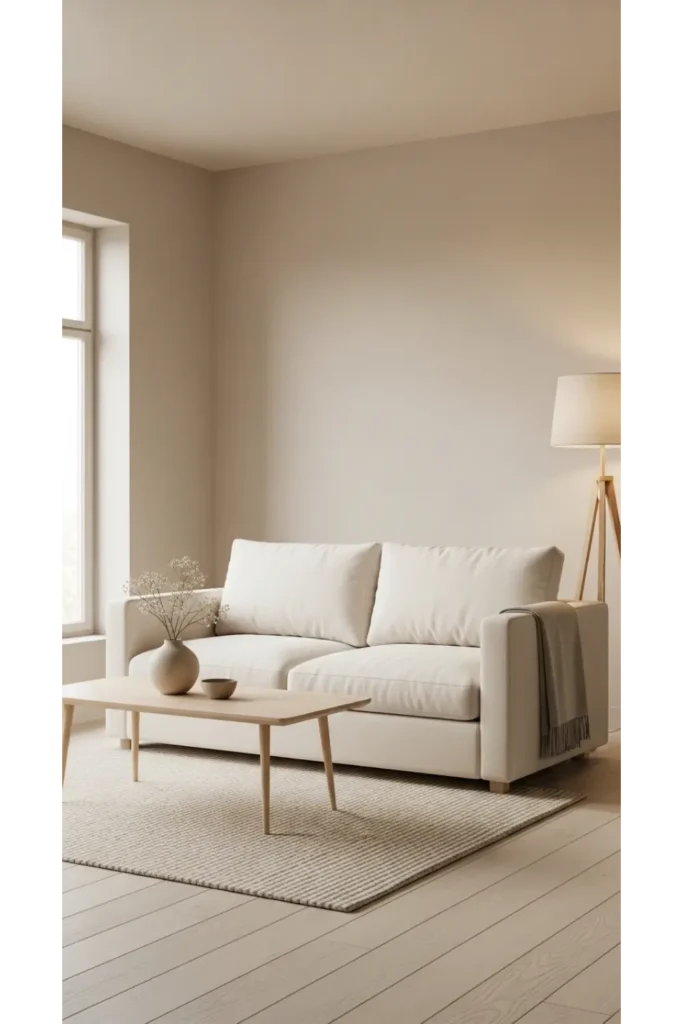
Neutral tones anchor many successful minimalist decor spaces because they calm the eye instantly. Soft whites, warm beiges, and gentle greys create a balanced backdrop that never overwhelms the senses. These colors reflect light well and make even small living rooms feel open and airy.
Layering similar shades adds depth without clutter. Textured fabrics, subtle variations in tone, and natural finishes prevent the room from feeling flat. This color approach supports long term design since neutrals adapt easily as furniture or accents change over time.
3. Low Profile Furniture Choice
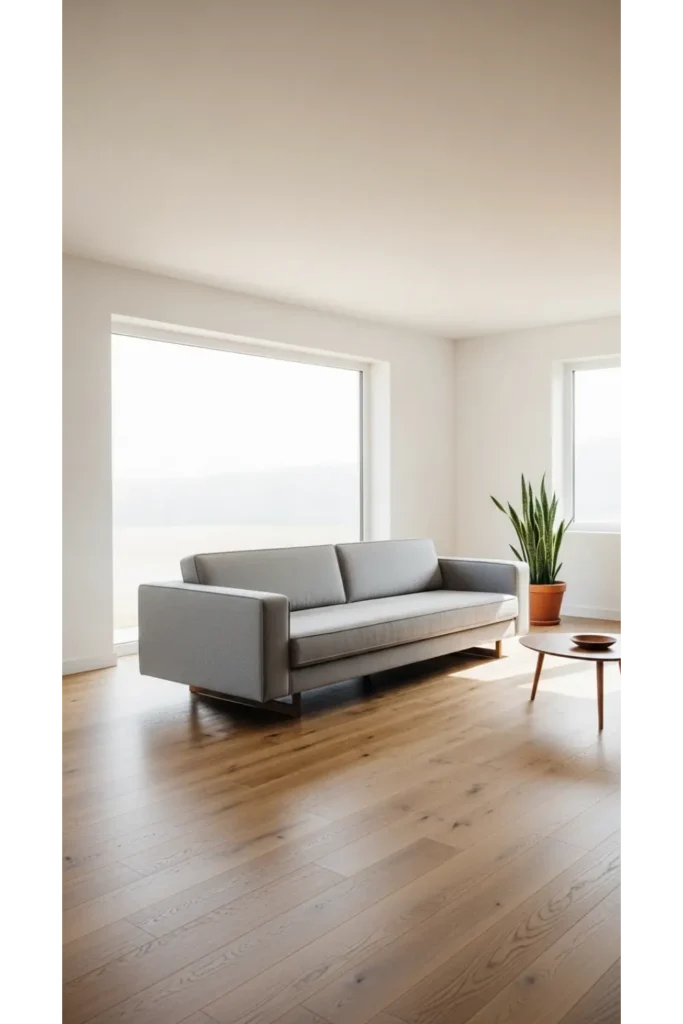
Low profile furniture visually lowers the weight of a room. Sofas and chairs that sit closer to the floor create a relaxed, grounded feel that fits perfectly within calm interiors. This design choice helps ceilings feel taller and spaces feel wider.
Beyond aesthetics, low furniture encourages comfort and casual living. It supports a slower pace and invites people to sit and stay. Paired with simple forms and neutral upholstery, this style blends modern sensibility with everyday livability.
4. Natural Light as a Design Element
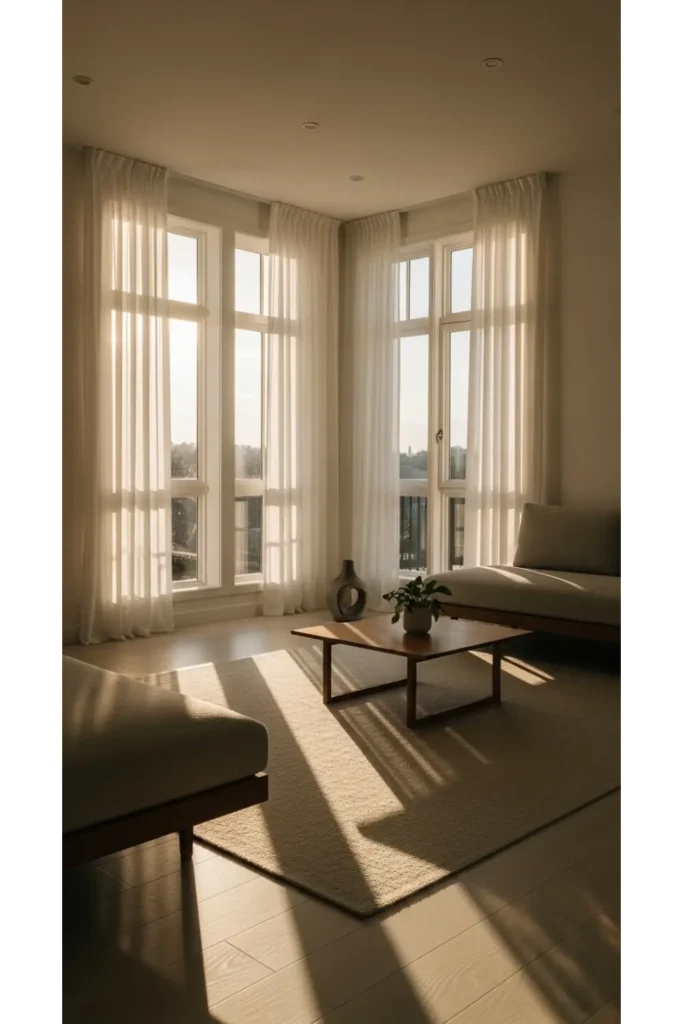
Natural light plays a key role in strong minimalist living room ideas. Large windows, sheer curtains, and open layouts allow daylight to shape the mood of the room throughout the day. Light becomes part of the design rather than something to control.
By reducing heavy window treatments, the room feels more connected to the outdoors. Sunlight highlights textures, softens edges, and enhances neutral palettes. This creates a living room that feels alive and balanced without relying on extra decor.
5. Natural Wood Warmth with Restraint
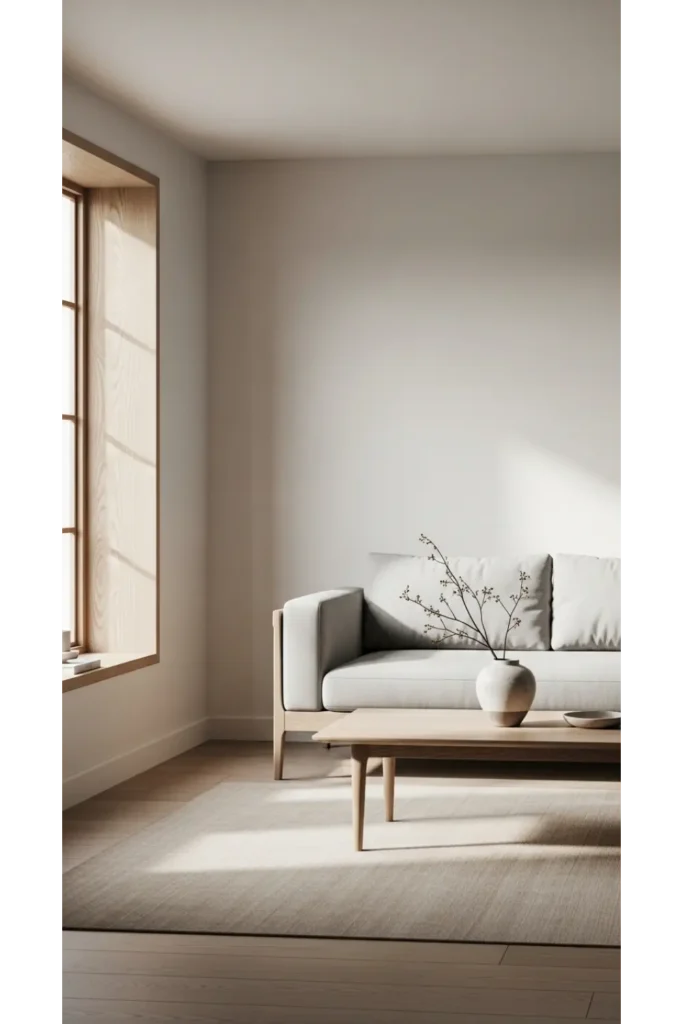
Natural wood brings a quiet sense of comfort to minimalist living room ideas when used with intention. Instead of multiple wooden elements, focus on one or two pieces that highlight grain and tone. Light woods like birch or pale walnut add warmth while keeping the space visually light. These finishes pair beautifully with neutral walls and soft textiles, creating balance without overpowering the room’s simplicity.
The goal is to let wood feel intentional, not decorative. A single console, bench, or accent chair can introduce warmth and authenticity. This restrained approach supports modern minimalist living rooms by adding depth through material rather than excess objects. Wood becomes a grounding element that connects the space to nature while preserving calm, clarity, and long term visual harmony.
6. Open Floor Breathing Room
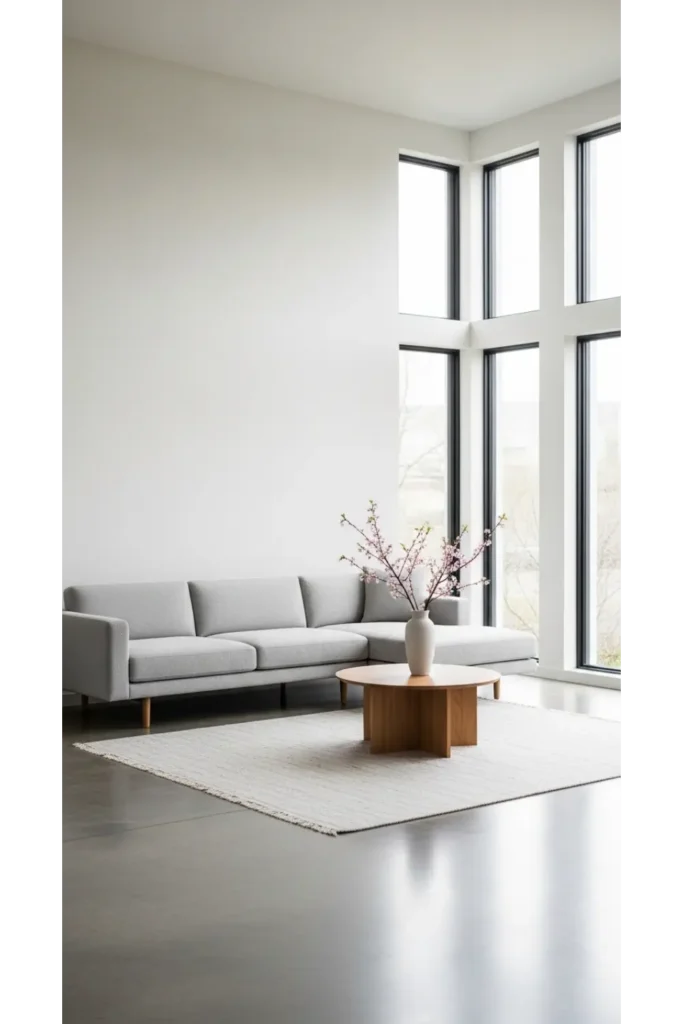
Leaving intentional space is one of the most powerful minimalist design choices. Open floor areas help the room feel calm and organized, allowing movement without obstacles. This breathing room supports both visual clarity and physical comfort.
Space is not wasted space. It gives the eye a place to rest and highlights the furniture you choose to keep. This approach works well in both large and small homes, creating balance through simplicity.
7. One Statement Art Piece
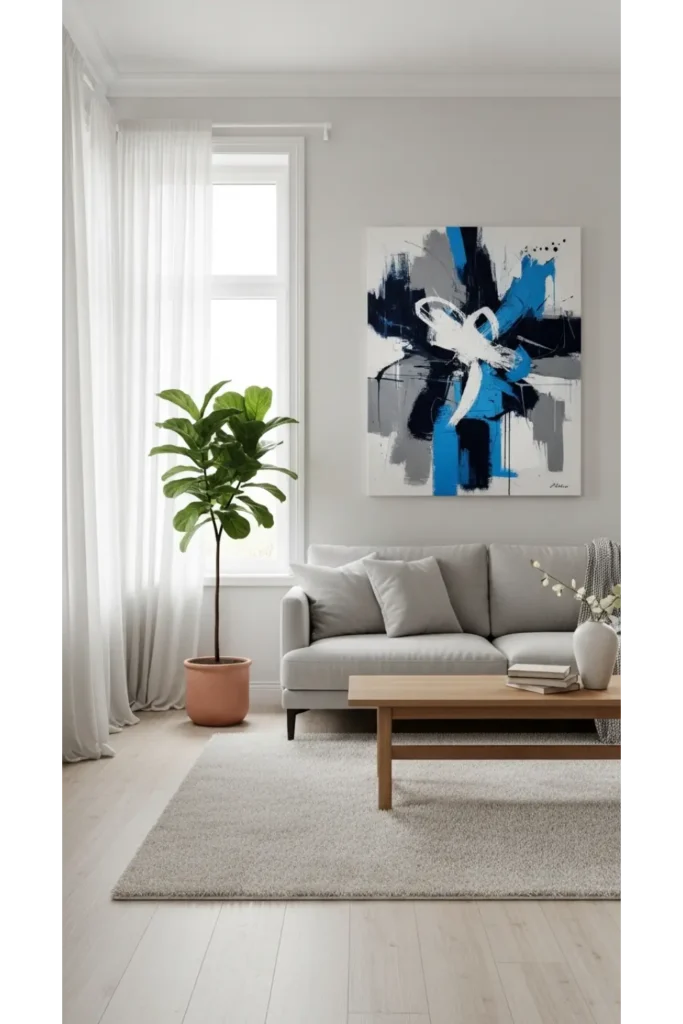
Minimalism does not mean avoiding art. It means choosing intentionally. One strong artwork can anchor the entire room and replace multiple smaller decorations. This approach fits naturally within thoughtful minimalist living room ideas.
A single piece creates focus and emotional impact. It allows personal taste to shine without clutter. Neutral surroundings help the artwork stand out, making the space feel curated rather than decorated.
8. Textured Fabrics for Depth
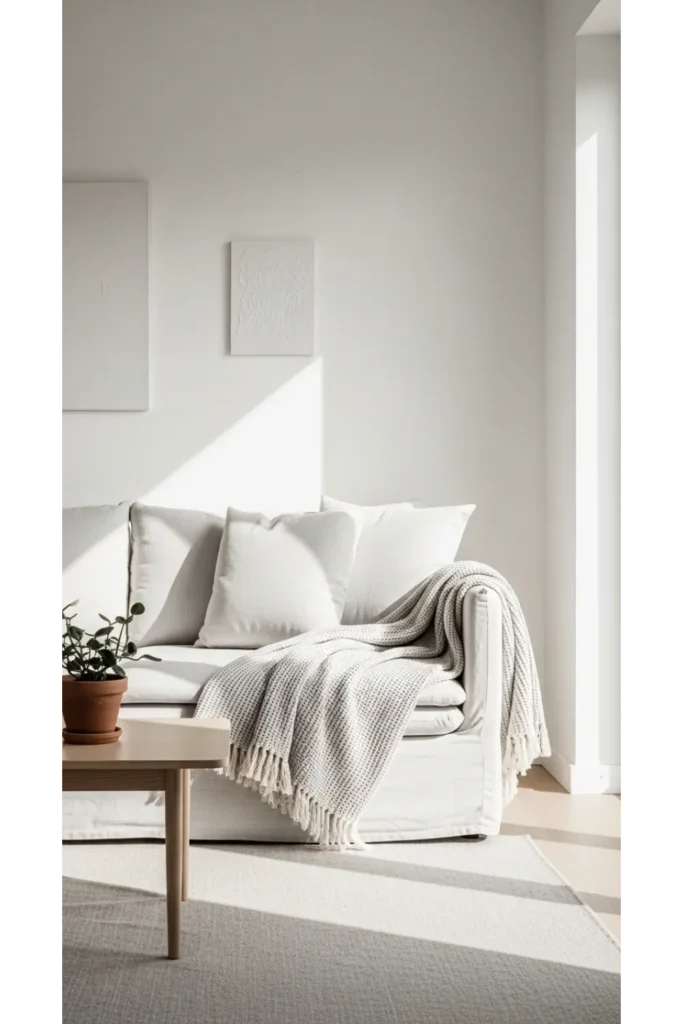
Texture keeps minimalist spaces from feeling flat. Linen, wool, cotton, and subtle weaves add comfort while maintaining visual calm. These materials support cozy minimalist interiors that still feel clean and modern.
Using texture instead of bold color adds interest without distraction. A simple throw or cushion can change the feel of the room while staying true to minimalist values. Texture creates warmth through touch and sight.
9. Hidden Storage Solutions
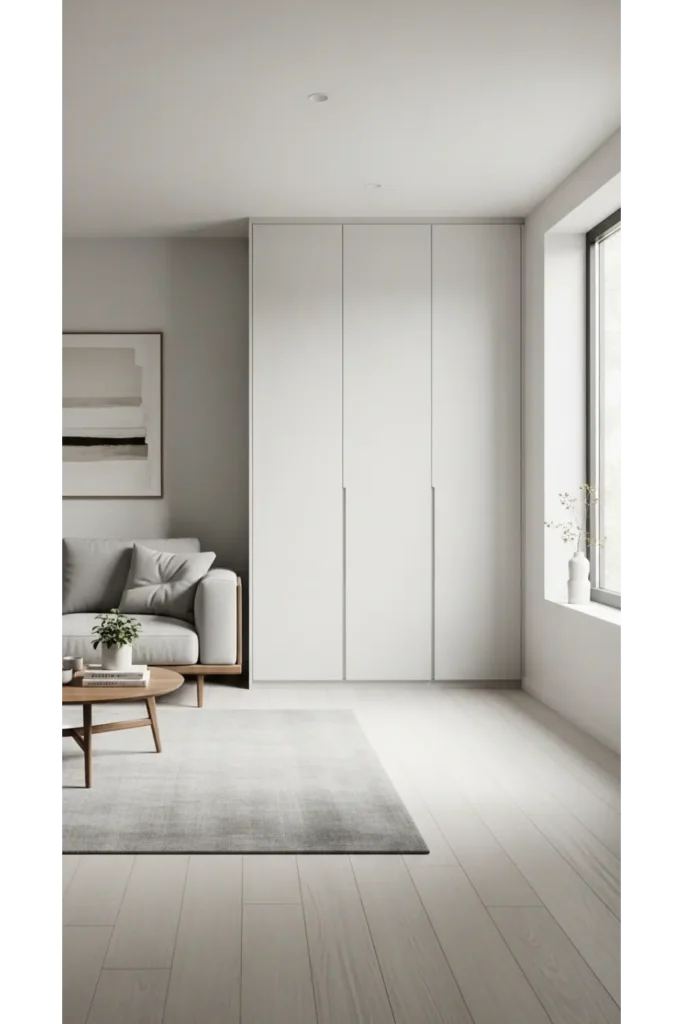
Clutter disrupts calm more than almost anything else. Hidden storage supports long lasting minimalist living room ideas by keeping daily items out of sight. Built in cabinets, storage ottomans, and closed shelving work well.
When storage blends into the room, the design feels seamless. This allows you to live comfortably without sacrificing aesthetics. A clutter free space supports focus, relaxation, and easier daily routines.
10. Balanced Symmetry
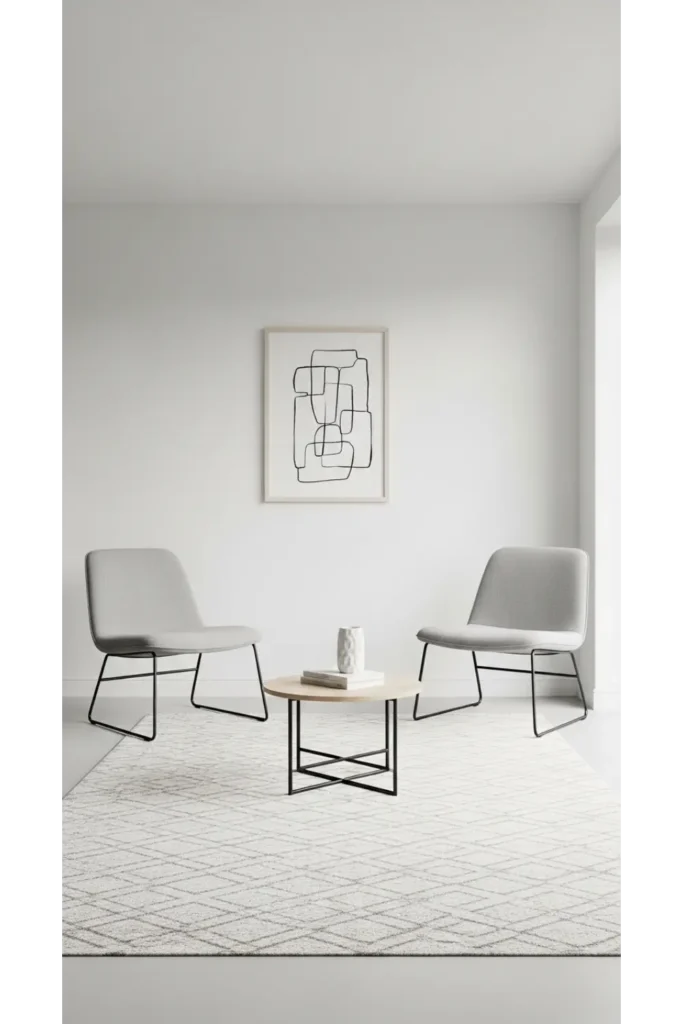
Symmetry brings order and calm to minimalist spaces. Balanced layouts feel intuitive and restful. When furniture aligns visually, the room feels stable and intentional, supporting a peaceful atmosphere.
This does not require perfect matching. Similar shapes, heights, or spacing can create balance without rigidity. Symmetry works especially well in shared living spaces where harmony matters most.
11. Neutral Area Rugs
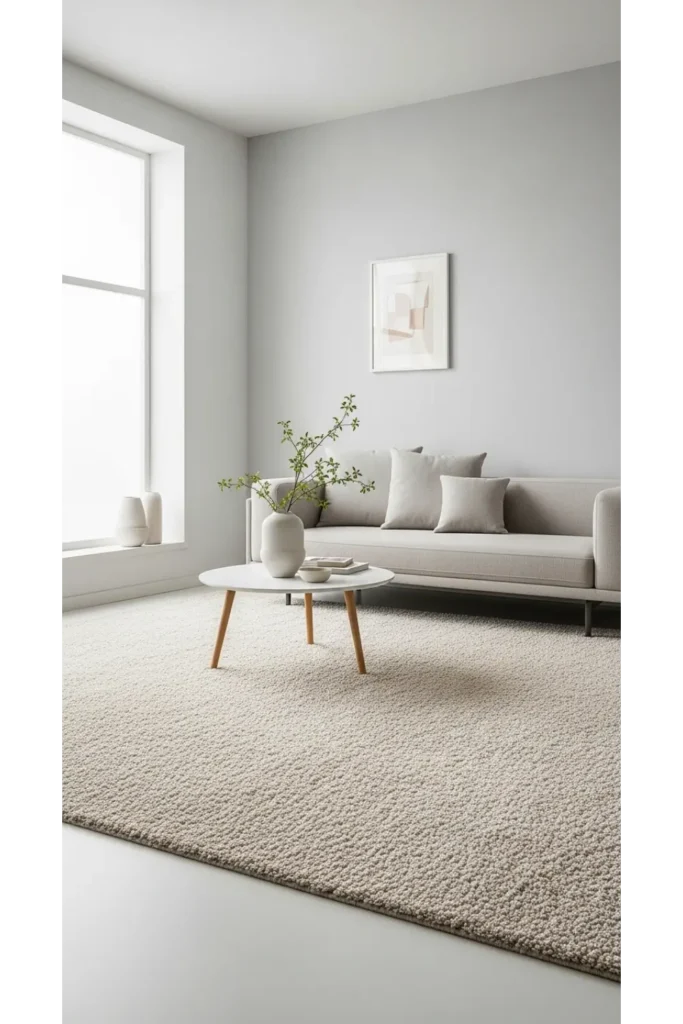
A rug can define the living area while adding softness underfoot. Neutral rugs support minimalist decor by grounding furniture without overpowering the room. Simple patterns or solid tones work best.
Rugs also improve comfort and acoustics. They help absorb sound and make the room feel warmer. Choosing natural fibers adds durability and visual softness that aligns with minimalist principles.
12. Soft Finish Surfaces for Visual Calm
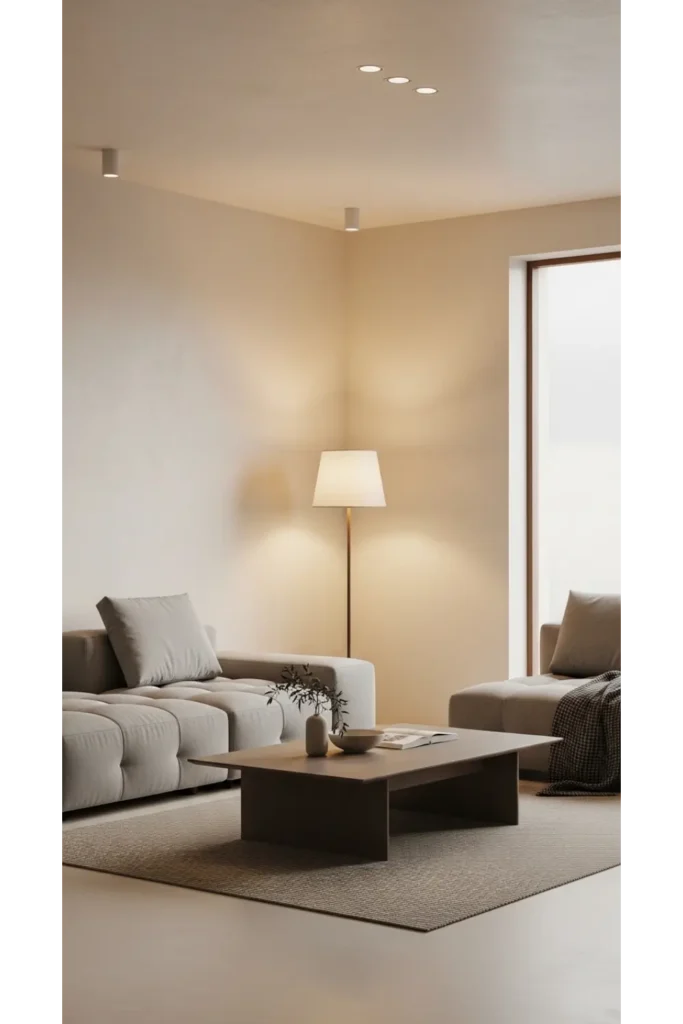
Surfaces play a quiet but powerful role in shaping minimalist living room ideas. Choosing soft finish walls and furniture helps absorb light instead of reflecting it harshly. This creates a gentle, settled atmosphere that feels easy on the eyes. Low sheen paints, smooth plaster walls, and subtle fabric finishes reduce visual sharpness and support a more relaxed, grounded living space.
These finishes also support real life living. They feel warmer, more forgiving, and less distracting over time. Instead of drawing attention to themselves, they allow furniture, light, and layout to lead the experience. This approach fits perfectly within calm interiors where comfort, longevity, and visual balance matter more than shine or surface drama.
13. Indoor Plants with Restraint
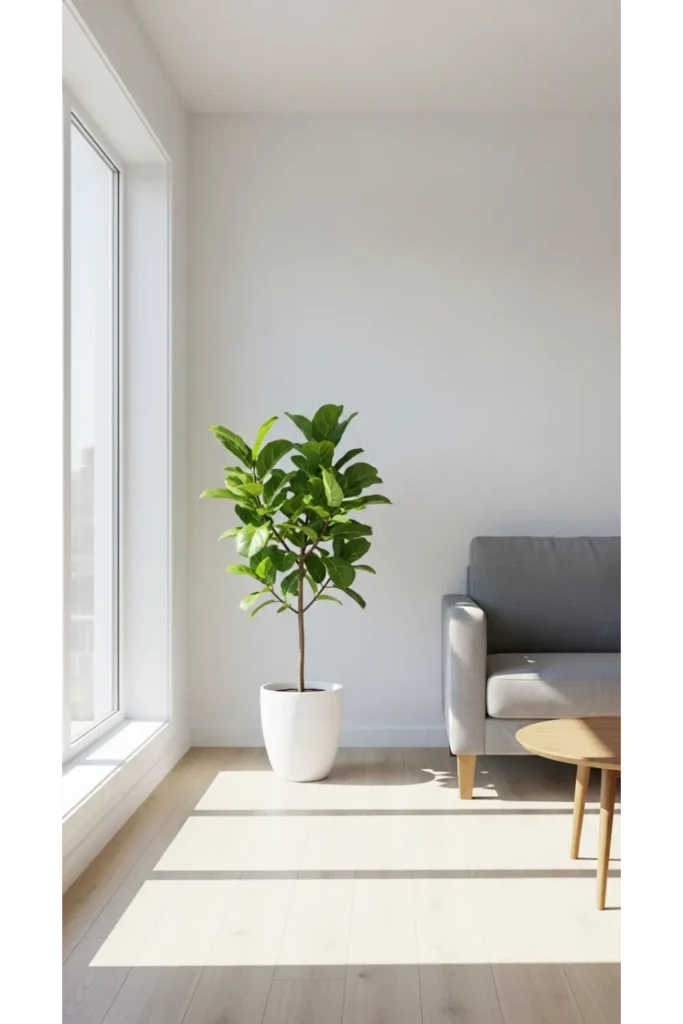
Plants add life and movement to minimalist spaces when used thoughtfully. One or two well chosen plants create freshness without clutter. This approach supports calm interiors that still feel alive.
Simple planters and clean shapes keep the look cohesive. Plants improve air quality and mood, making them both aesthetic and functional additions to the living room.
14. Minimal Window Treatments
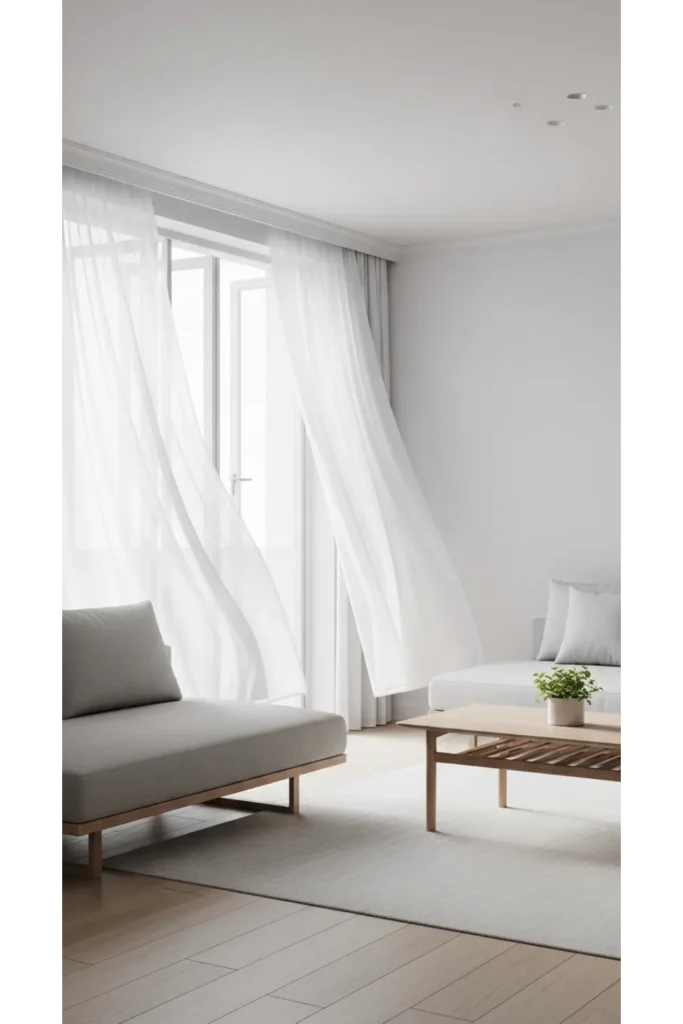
Light window treatments keep the room feeling open. Sheer curtains or simple blinds allow privacy without blocking daylight. This supports bright and breathable minimalist living room ideas.
Reducing layers around windows also simplifies the visual frame. The room feels less boxed in and more connected to the outdoors, enhancing overall calm.
15. Thoughtful Lighting Layers
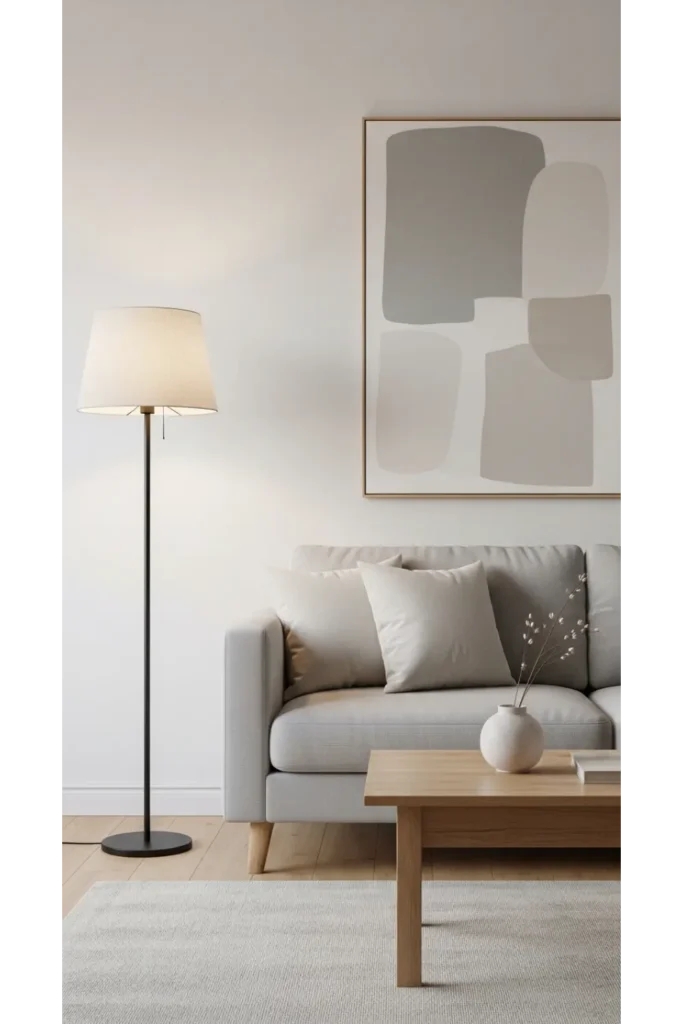
Lighting shapes mood more than decor alone. Layered lighting creates flexibility without clutter. Floor lamps, wall lights, and subtle ambient sources support comfortable evenings.
Warm light tones work best in minimalist spaces. They soften edges and create a welcoming feel without visual distraction. Lighting becomes functional art when chosen carefully.
16. Clean Lined Shelving
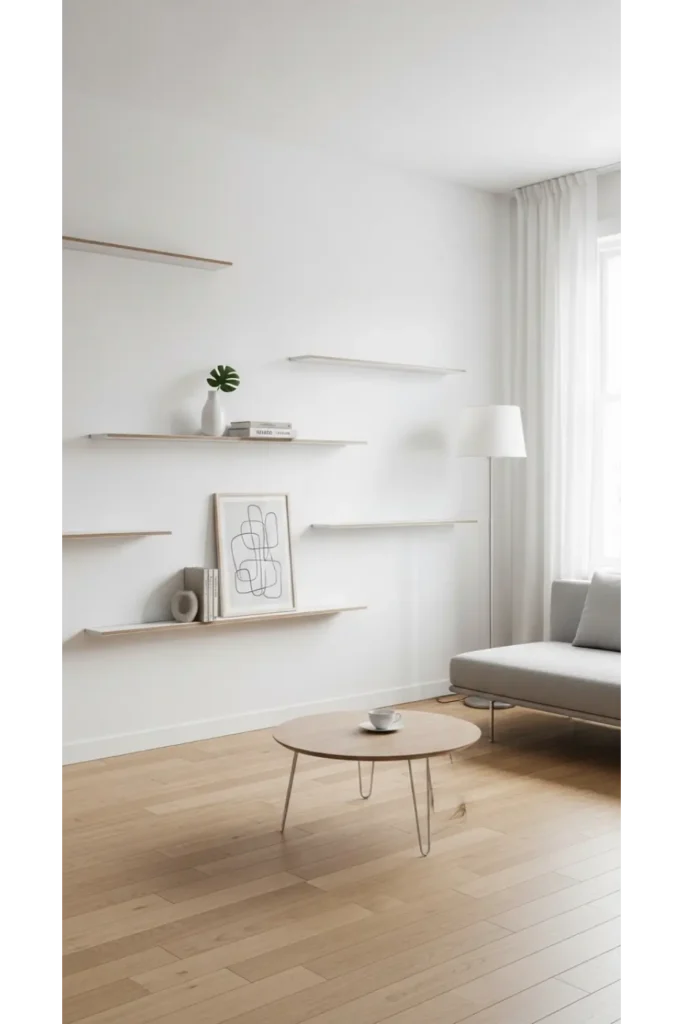
Shelving in minimalist spaces should feel light and intentional. Floating shelves with limited items prevent visual overload. This supports organized and breathable minimalist decor.
Each object earns its place. Books, ceramics, or small art pieces add personality without chaos. Open shelving works best when edited regularly.
17. Neutral Wall Art Themes
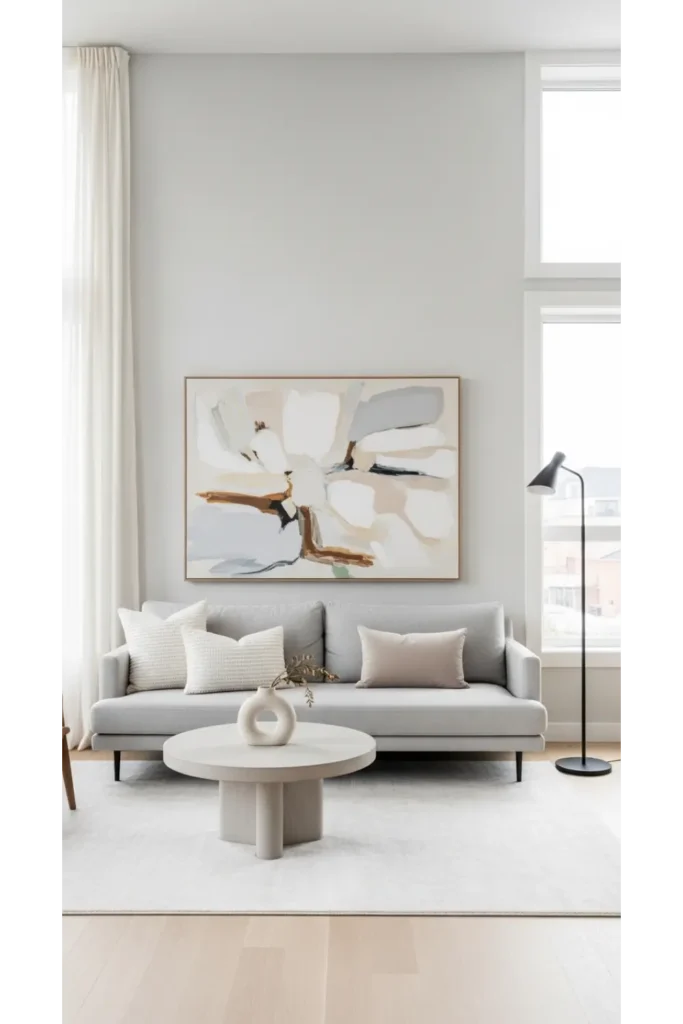
Art in soft tones blends seamlessly into minimalist rooms. Nature inspired prints, abstract shapes, or monochrome photography work well. They add interest without demanding attention.
This approach keeps the room visually calm while still expressive. Neutral art supports long term design flexibility and timeless appeal.
18. Simple Coffee Table Styling
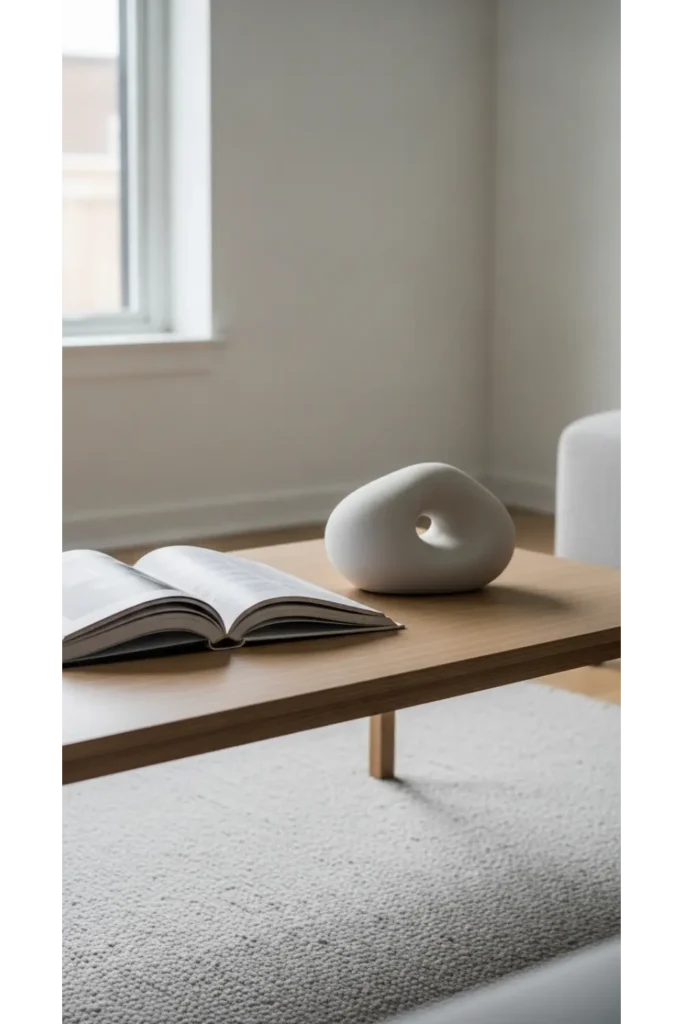
Coffee tables often attract clutter. Minimal styling keeps them functional and calm. One book or object is enough to add interest without distraction.
This habit supports daily tidiness and reinforces minimalist values. Clear surfaces invite use and make the room feel ready for real life.
19. Consistent Material Palette
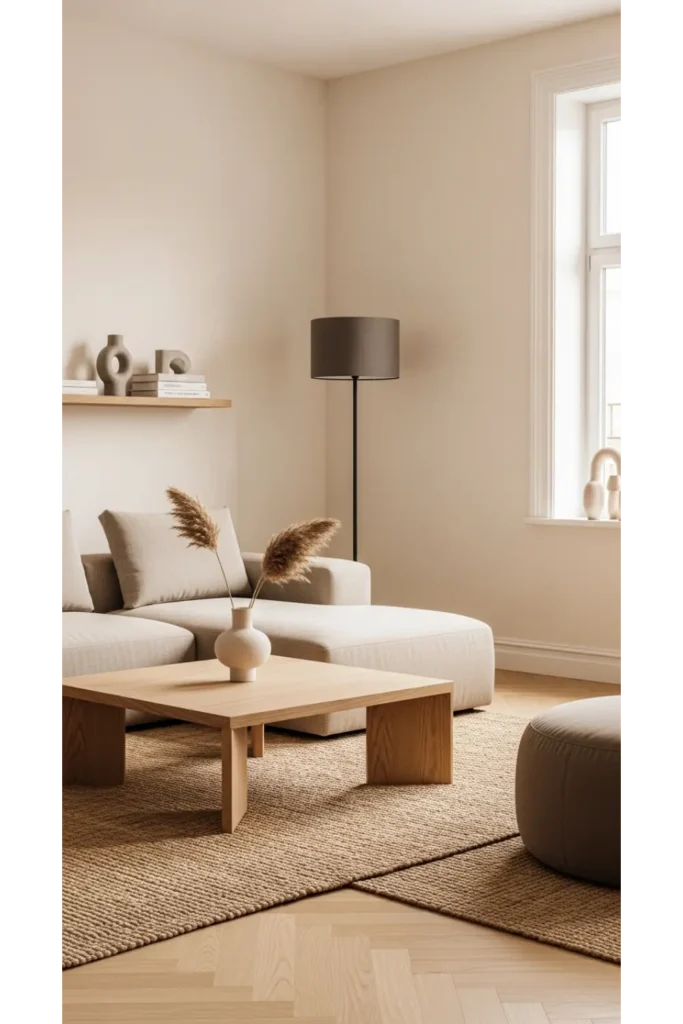
Limiting materials creates visual harmony. Repeating wood tones, fabrics, and finishes supports cohesive minimalist living room ideas that feel intentional.
Consistency reduces decision fatigue and strengthens the overall design. The room feels calmer because the eye does not jump between competing elements.
20. Soft Curved Shapes
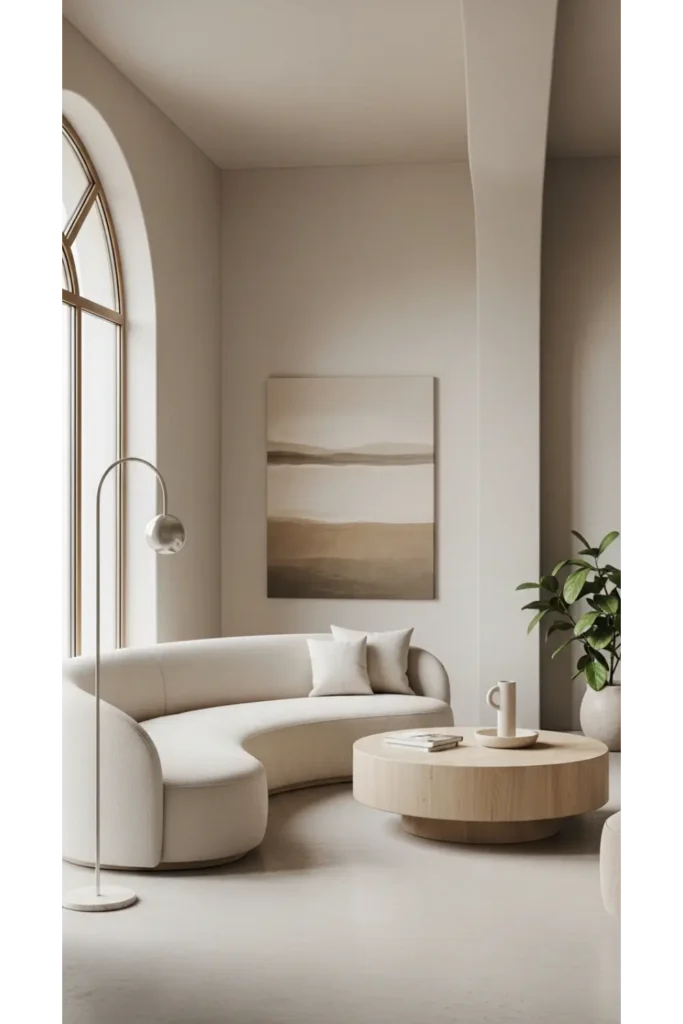
Curves soften minimalist spaces dominated by straight lines. Rounded furniture and decor add warmth and approachability. This balance supports comfortable, human centered design.
Curves also improve flow. They guide movement naturally and reduce sharp visual stops. This makes the living room feel more inviting.
21. Minimal Technology Presence
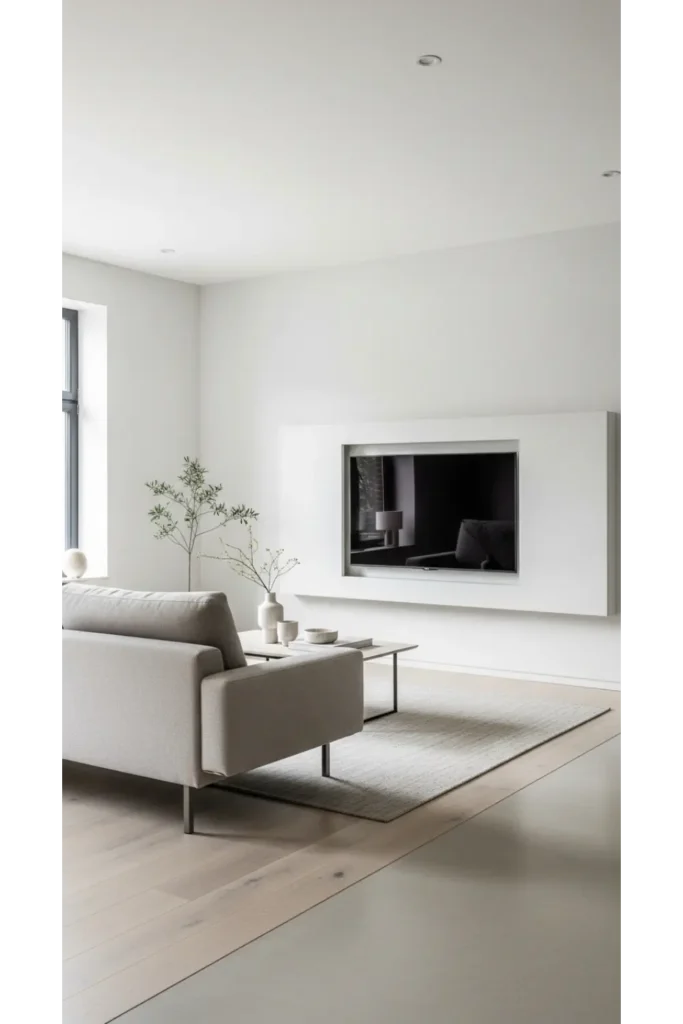
Technology can disrupt calm if not managed well. Concealing cables and choosing simple media units keeps the focus on living rather than screens. This approach supports mindful use of space. The room remains flexible for conversation, rest, and connection.
22. Neutral Ceiling Treatment
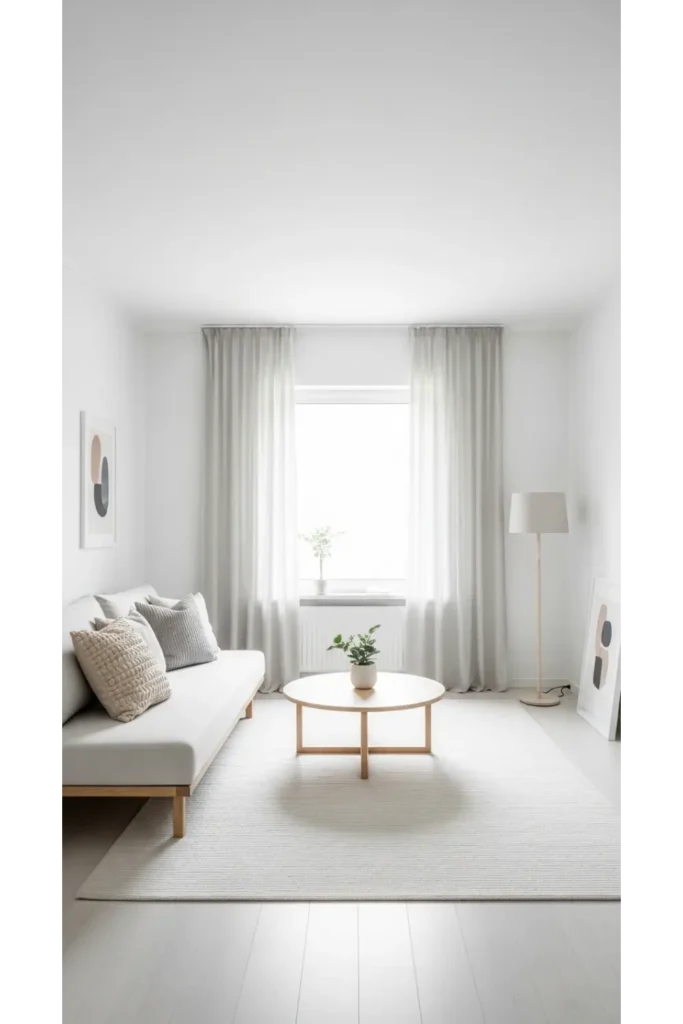
Ceilings often get overlooked. Keeping them light and simple enhances openness. Neutral ceilings reflect light and support spacious minimalist interiors. Avoid heavy textures or colors overhead. Simplicity above helps the entire room feel lighter and more relaxed.
23. Personal Meaning Over Trends
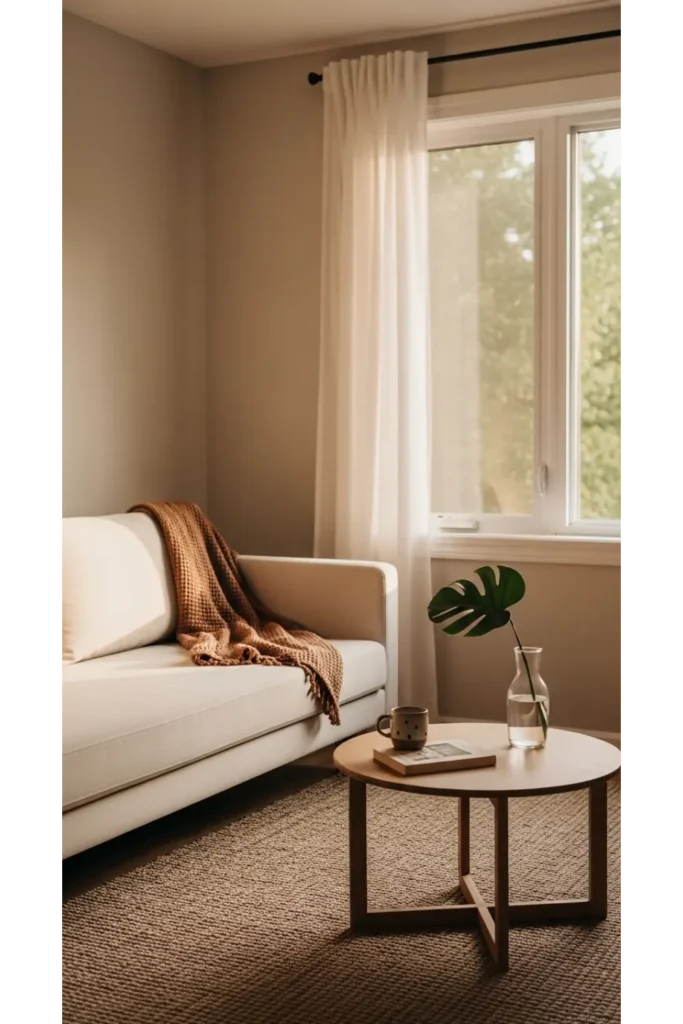
The most successful minimalist spaces feel personal. Choosing items with meaning creates emotional comfort without clutter. This idea grounds all minimalist living room ideas in real life.
Trends fade, but personal value lasts. A meaningful object connects the space to its owner, making calm feel genuine rather than styled.
A minimalist living room is not about rules. It is about clarity, comfort, and intention. When you focus on purpose, light, and thoughtful choices, calm follows naturally. These ideas show how minimalism can feel warm, livable, and deeply human. By choosing what matters and letting go of the rest, your living room becomes a place where calm is not designed, but lived.