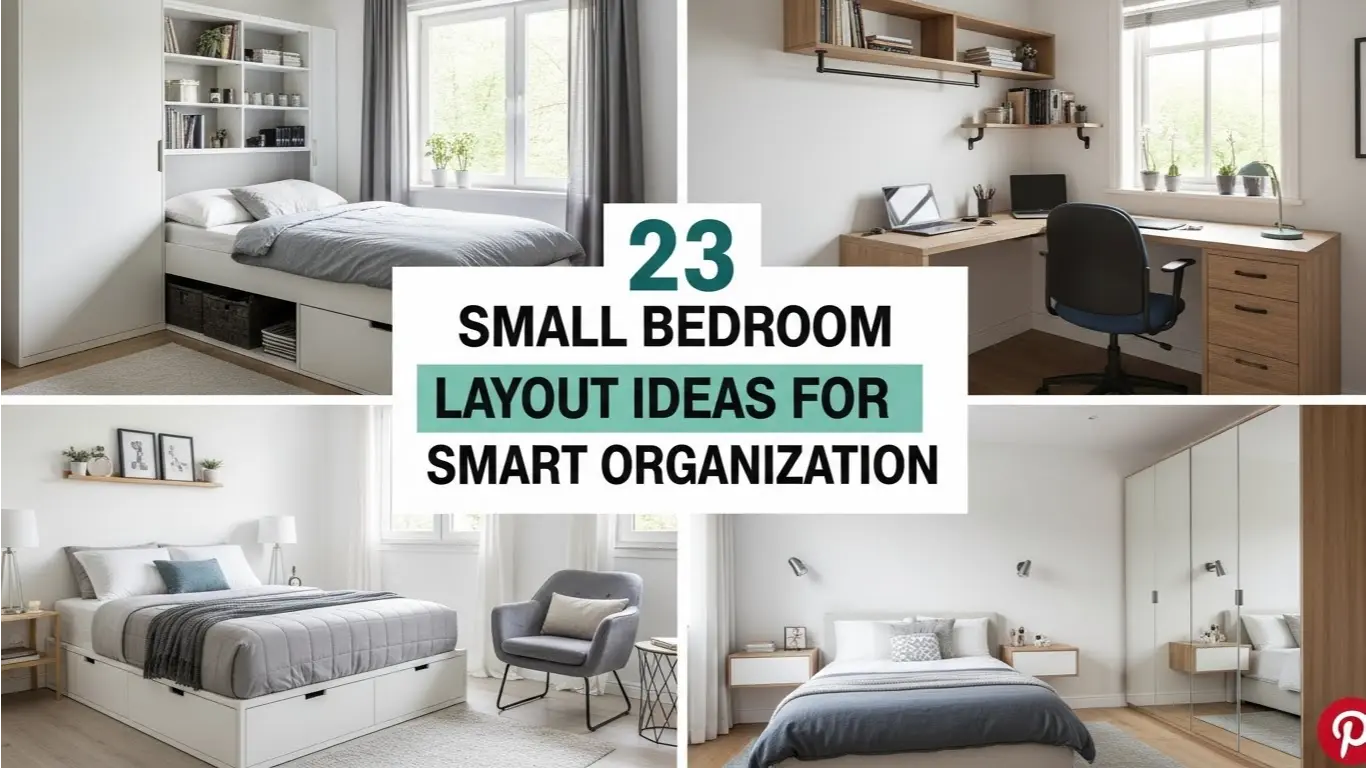
23 Small Bedroom Layout Ideas for Smart Organization
Small bedrooms can feel challenging, but the right layout changes everything. With smart organization and thoughtful design, even the smallest space can feel open, calm, and highly functional. The key lies in how you place furniture, use storage, and guide movement within the room. These ideas focus on real solutions that improve daily living, not just visual appeal. Get ready to rethink your space and make every square foot work harder for you.
1. Layout That Centers the Bed for Balance

Small bedroom layout ideas for smart organization start with balance, and centering the bed creates an instant sense of order. This layout allows equal space on both sides, making the room feel calmer and easier to move through. Nightstands with drawers or shelves replace bulky furniture and give you everyday storage without visual clutter. The centered layout also helps anchor the room, which improves flow in tight spaces. Explore more inspiring bedroom decor ideas in our complete style guide here.
When the bed becomes the visual anchor, everything else works around it more efficiently. Wall-mounted lighting frees up surface space and keeps the look clean. Storage benches at the foot of the bed add hidden function without blocking pathways. This layout suits renters and homeowners alike because it works with almost any room shape while keeping organization practical and intuitive.
2. Corner Bed Layout for Maximum Floor Space
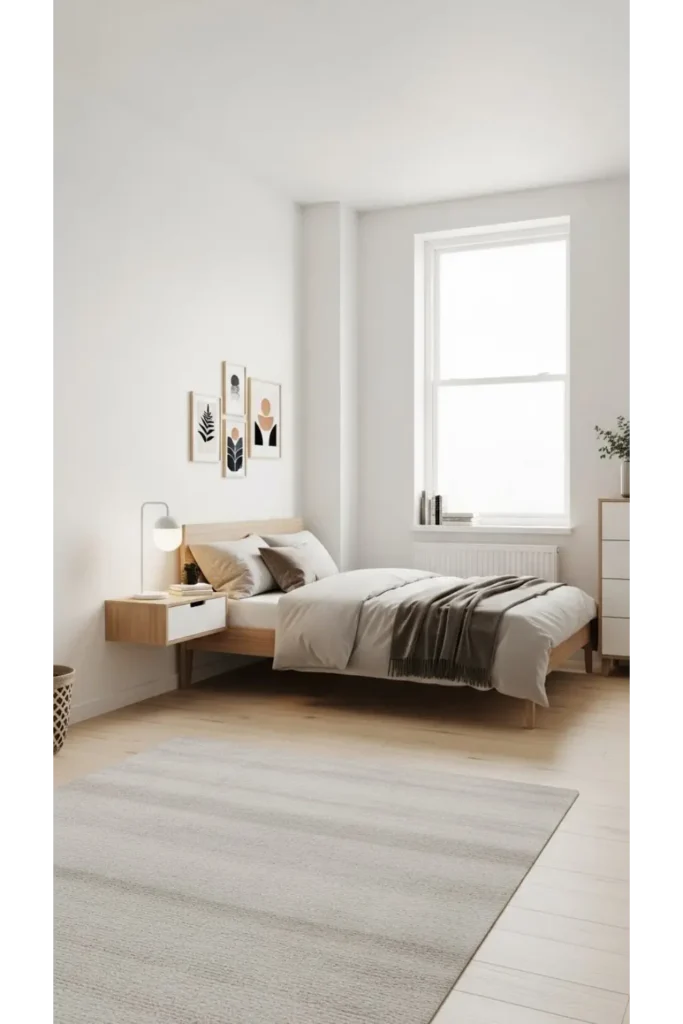
Placing the bed in a corner opens up valuable floor space, which matters in a compact bedroom. This layout works well for single sleepers or guest rooms where movement matters more than symmetry. By tucking the bed against two walls, you create room for a desk, wardrobe, or reading chair. It instantly makes the space feel less cramped and more flexible.
To keep this layout organized, use wall shelves above the bed instead of nightstands. A tall storage unit near the open side balances the room visually. Soft bedding and light colors prevent the corner placement from feeling boxed in. This approach supports smart storage while keeping the bedroom practical and easy to maintain.
3. Floating Furniture Layout for Visual Space
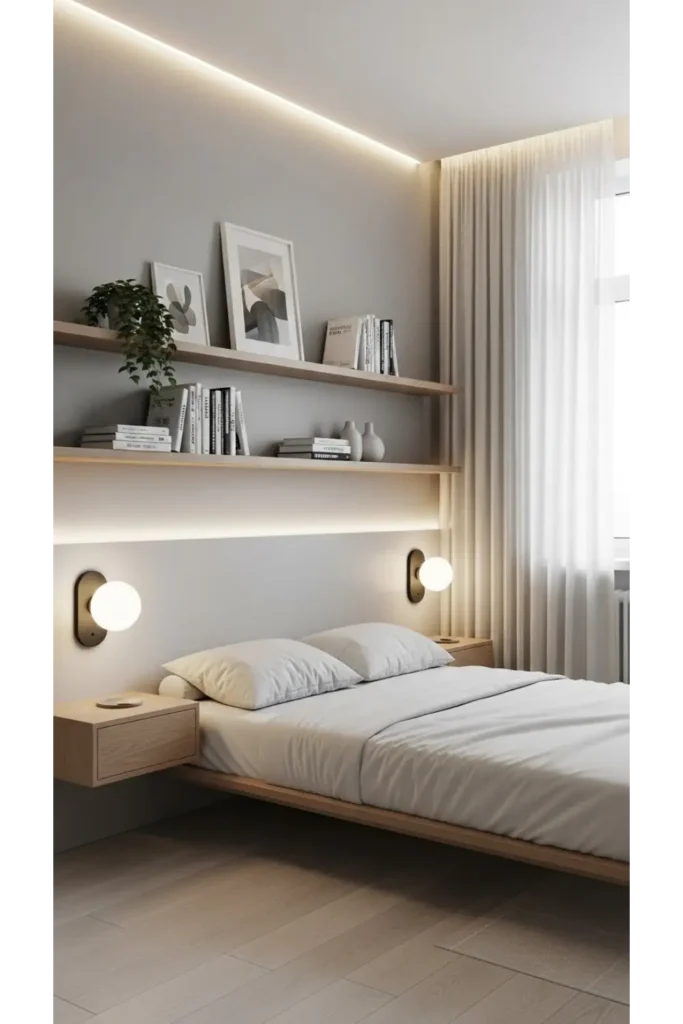
Floating furniture changes how a small bedroom feels by exposing more floor area. Wall-mounted nightstands, desks, and shelves reduce visual weight and make cleaning easier. This layout works best in modern or minimalist homes where clean lines matter. By lifting furniture off the floor, the room feels larger and more breathable.
Organization improves because everything has a clear place without overcrowding. Floating shelves can hold daily items while keeping surfaces clear. Pair this layout with under bed storage to maximize function. The result feels intentional and calm, helping you maintain order without sacrificing comfort or style.
4. Under Bed Storage Focused Layout
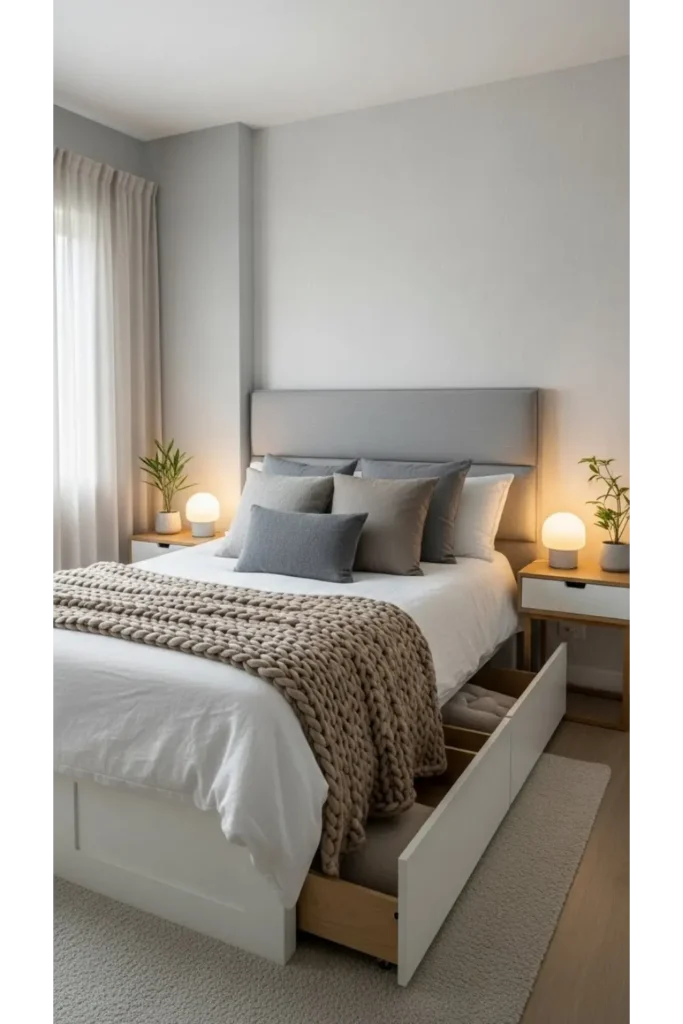
Using under bed storage transforms wasted space into a powerful organization zone. This layout prioritizes beds with built in drawers or rolling storage bins. It works especially well in rooms with limited closet space. Seasonal clothes, extra bedding, and shoes stay hidden but easy to access.
To support this layout, keep surrounding furniture minimal. Slim dressers and wall hooks prevent overcrowding. Choose a bed height that allows smooth drawer access. This layout supports long term organization by reducing the need for extra storage furniture, making the room feel more open and functional.
5. Vertical Storage Wall Layout
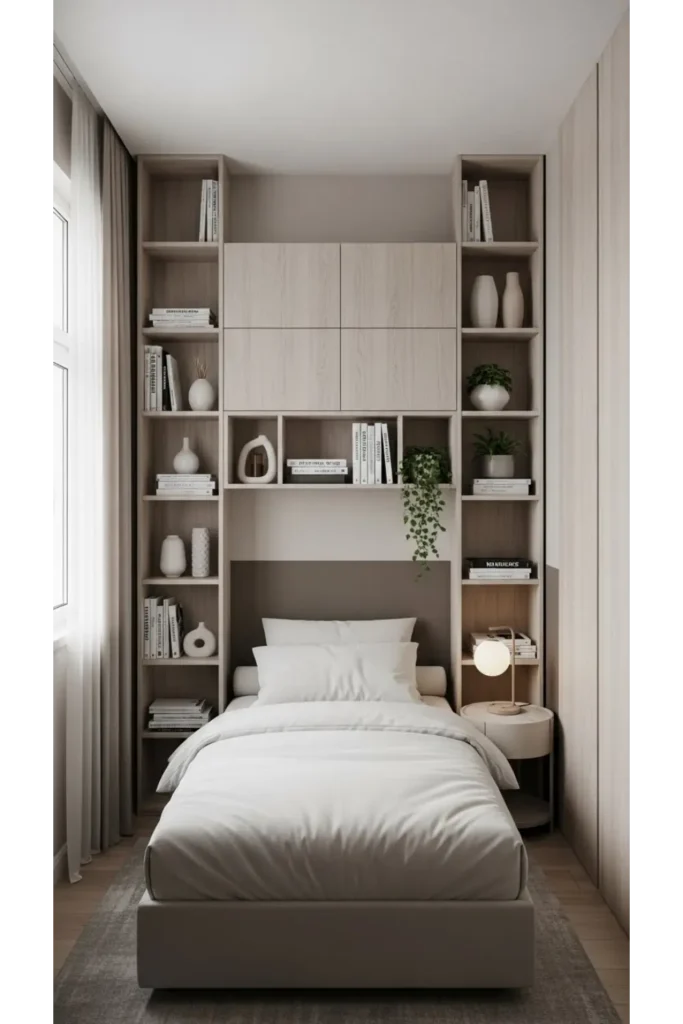
Vertical storage uses height instead of floor space, which is ideal for compact bedrooms. A full wall of shelves or cabinets keeps belongings organized while leaving the room open. This layout works well for people who need storage but want a clean footprint. Tall units draw the eye upward, making ceilings feel higher.
Keep frequently used items at eye level and store less used items higher up. Closed cabinets reduce visual clutter and create a calmer atmosphere. This layout supports smart organization by turning one wall into a functional storage system without overwhelming the room.
6. Built-In Closet Layout for Seamless Flow
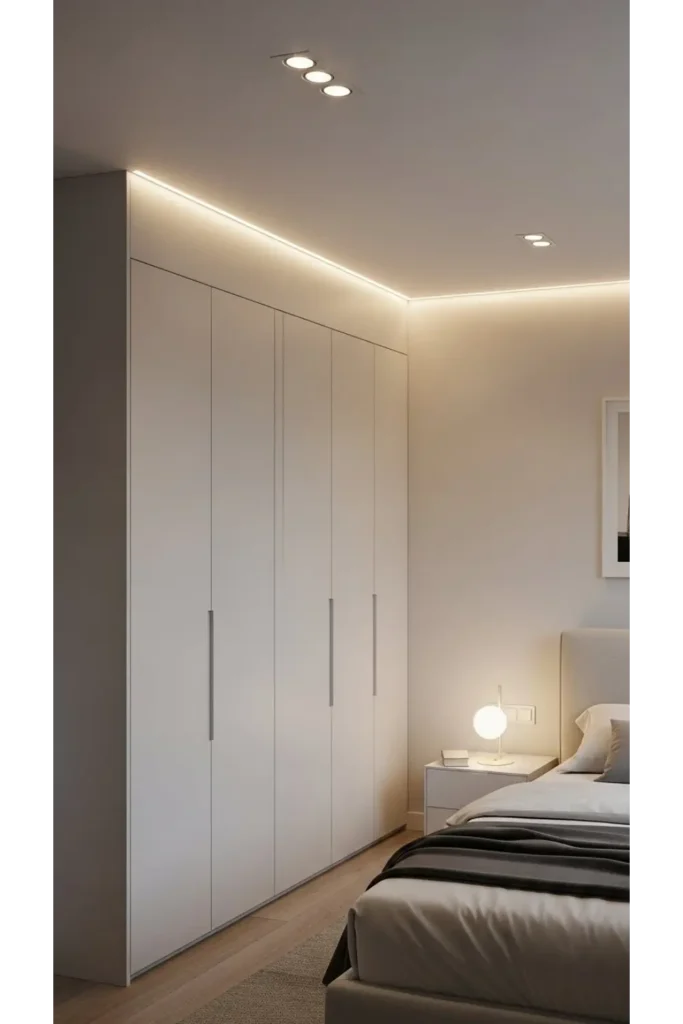
A built-in closet creates a smooth, uninterrupted layout in a small bedroom. Unlike freestanding wardrobes, built-ins blend into the wall and save space. This layout improves organization by offering customized sections for clothing, shoes, and accessories. It also makes the room feel more cohesive.
Choose sliding or flush doors to avoid blocking walkways. Interior organizers like drawers and dividers keep everything accessible. This layout works well in long or narrow bedrooms where every inch counts. The result feels polished, efficient, and easy to live with daily.
7. Desk and Bed Combo Layout
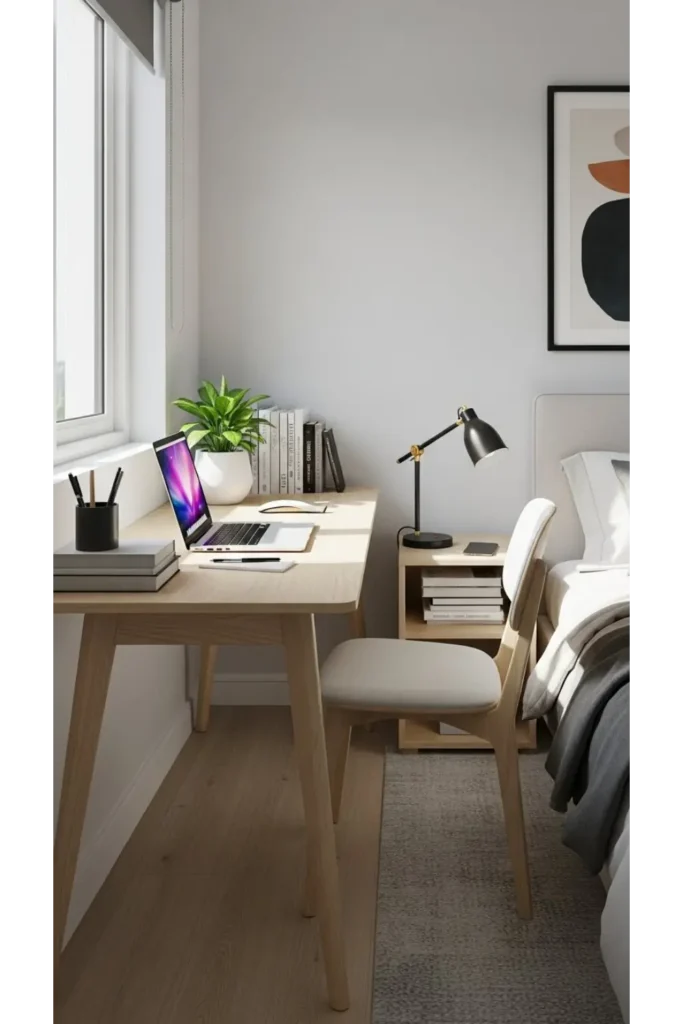
Combining a bed and desk in one layout supports multifunctional living. This setup works well for students or remote workers with limited space. Position the desk near a window and keep the bed along the opposite wall to separate rest and work zones visually.
Use shelving above the desk for supplies and keep cables hidden. A streamlined chair that tucks under the desk saves space. This layout supports productivity while maintaining bedroom comfort, proving that smart organization can support multiple daily needs.
8. Minimalist Layout with Fewer Pieces
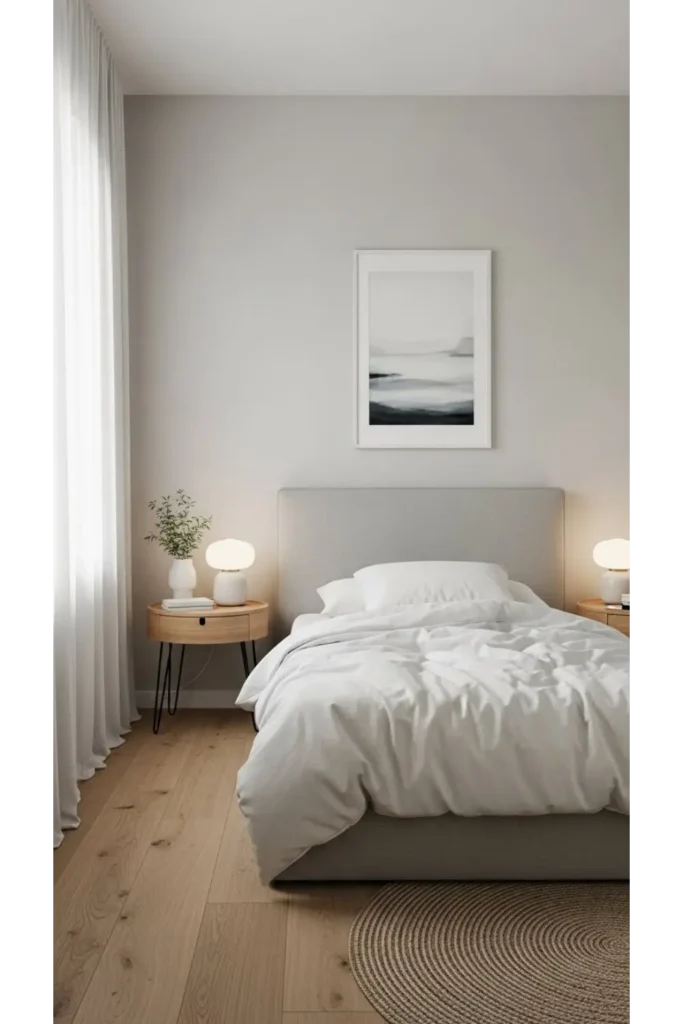
A minimalist layout relies on fewer but smarter furniture choices. By reducing excess pieces, the room feels more open and easier to organize. This approach focuses on essentials like a bed, one storage unit, and lighting. Everything else stays intentional.
Storage works best when hidden, such as inside the bed or behind closed doors. Neutral colors and clean lines enhance the sense of space. This layout supports organization by making clutter harder to accumulate and easier to manage over time.
9. Window Side Bed Layout

Placing the bed near a window creates a natural focal point and frees up wall space. This layout works well in rooms with good natural light. It allows other walls to hold storage or desks without blocking light flow.
Use sheer curtains to maintain brightness while adding privacy. Low profile headboards prevent blocking the window visually. This layout feels fresh and open, supporting smart organization through better light and flexible furniture placement.
10. Storage Headboard Layout
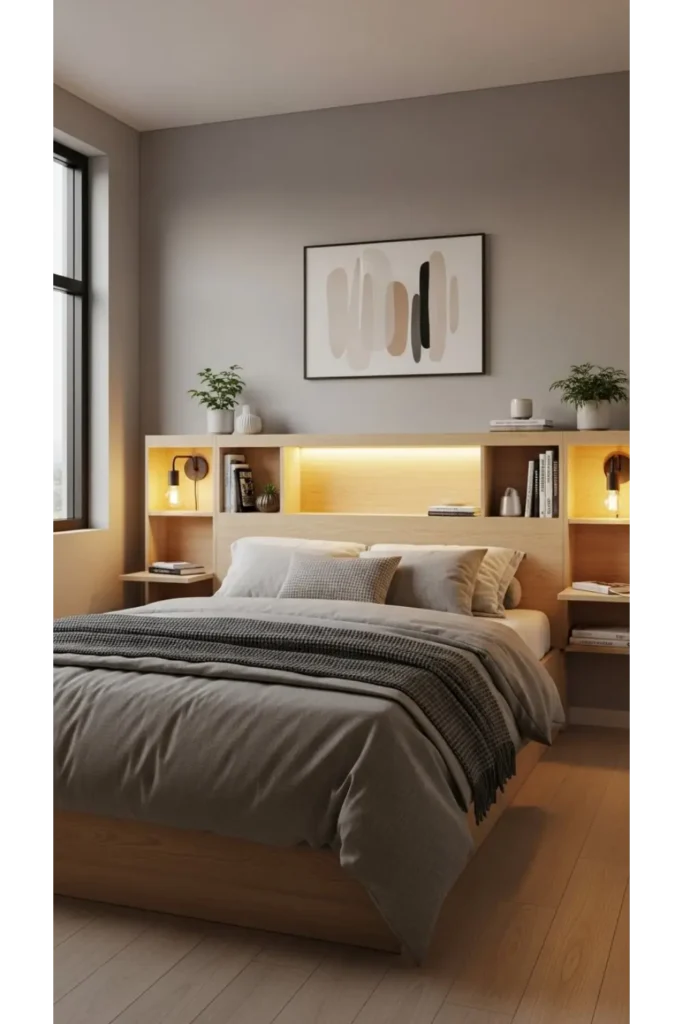
A storage headboard replaces the need for nightstands and extra shelves. This layout centralizes essentials like books, lamps, and decor around the bed. It works especially well in very small rooms where space feels limited.
Choose a headboard with closed and open sections for balance. Keep frequently used items within reach and store clutter behind doors. This layout supports organization by turning the bed into a functional storage hub.
11. Murphy Bed Layout for Flexibility
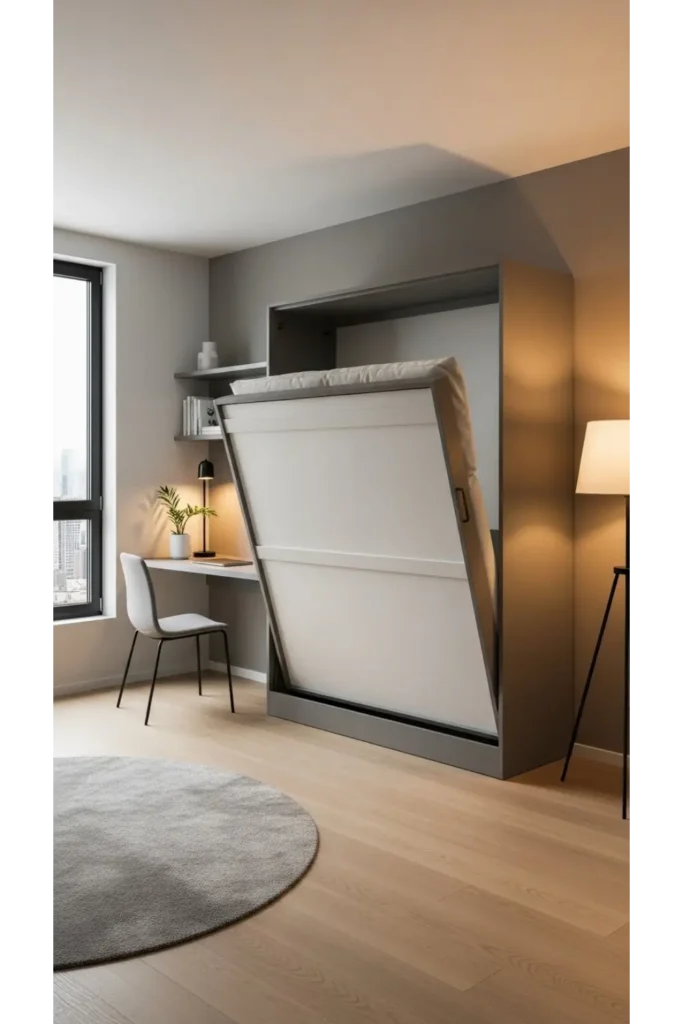
A Murphy bed layout offers flexibility for multi use spaces. When folded up, the room becomes open for work, exercise, or hobbies. This layout suits studio apartments or guest rooms where space must adapt.
Built in cabinets around the bed provide storage while maintaining a clean look. Organization improves because everything has a dedicated zone. This layout proves that small bedrooms can adapt without feeling crowded.
12. Symmetrical Storage Layout

Symmetry creates calm in a small bedroom. Matching shelves or cabinets on both sides of the bed offer equal storage and visual balance. This layout feels organized because everything appears intentional and aligned.
Use identical lighting and storage containers to maintain consistency. This layout works well for couples who want equal space. Organization becomes easier when the room follows a clear, balanced structure.
13. Sliding Door Storage Layout
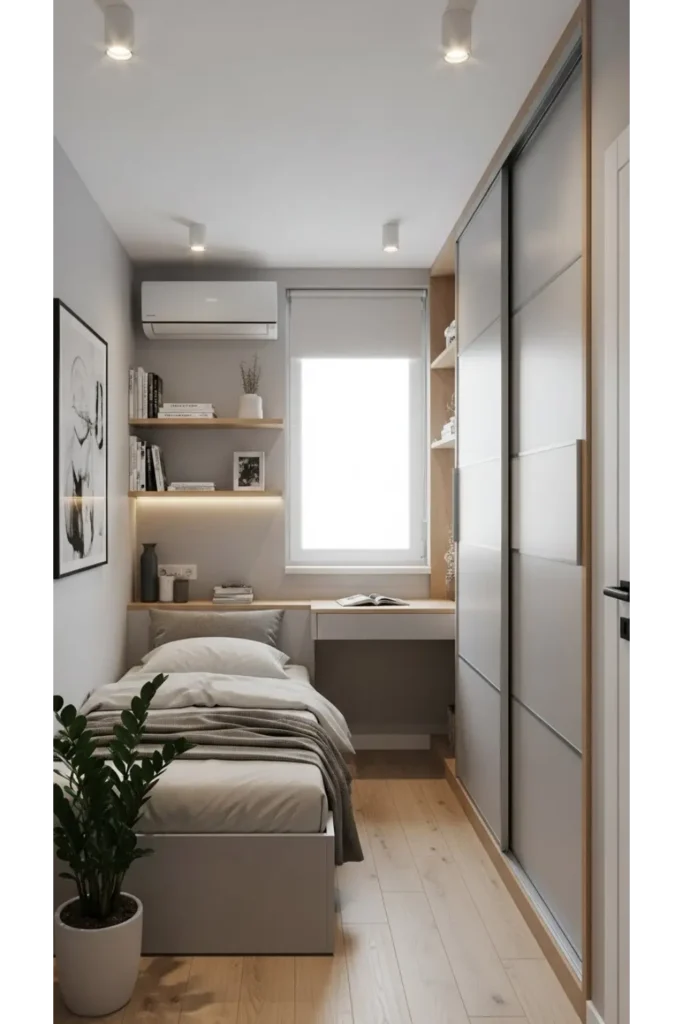
Sliding doors save space by removing swing clearance. This layout supports better movement and furniture placement. Closets or storage units with sliding doors fit well in narrow rooms.
Inside, use modular organizers to keep items visible and accessible. The smooth exterior keeps the room feeling open. This layout supports smart organization while improving daily usability.
14. Low Profile Furniture Layout
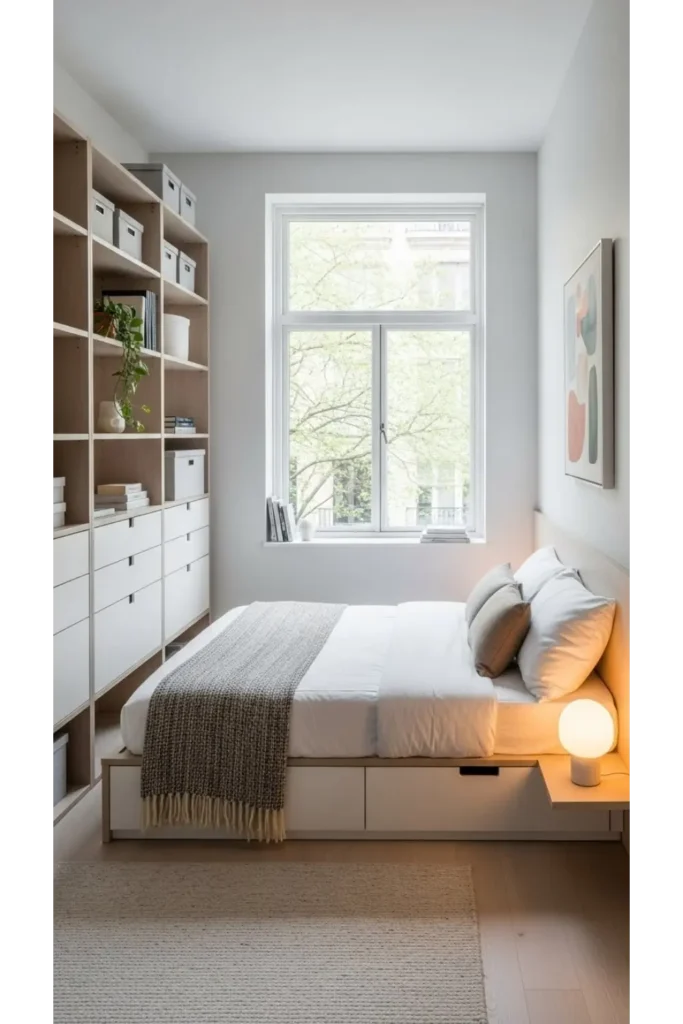
Image Prompt: Small bedroom with low bed, low storage units, airy modern design.
Low profile furniture keeps sightlines open, making a small bedroom feel larger. This layout works well in rooms with low ceilings. Beds, dressers, and shelves stay closer to the ground.
Storage remains effective through wide drawers and hidden compartments. This layout supports organization while maintaining a relaxed, open feel that reduces visual clutter.
15. Open Closet Layout
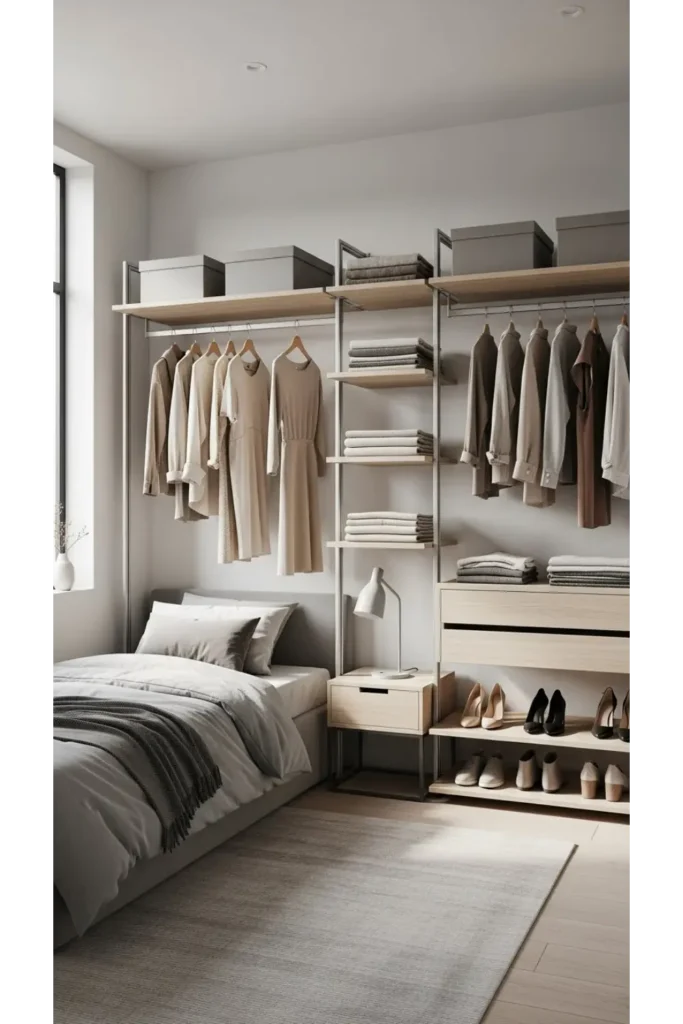
An open closet layout removes bulky doors and creates easy access. This setup works best for organized wardrobes. Clothing becomes part of the room design, encouraging tidiness.
Use matching hangers and storage bins for consistency. This layout supports smart organization by making clutter visible and easier to manage daily.
16. Bed Alcove Layout

A bed alcove creates a defined sleeping zone within a small room. Built in shelves around the alcove provide storage without extra furniture. This layout feels cozy and intentional.
Keep decor simple to avoid crowding. This layout supports organization by combining rest and storage in one compact area.
17. Drawer Focused Dresser Wall
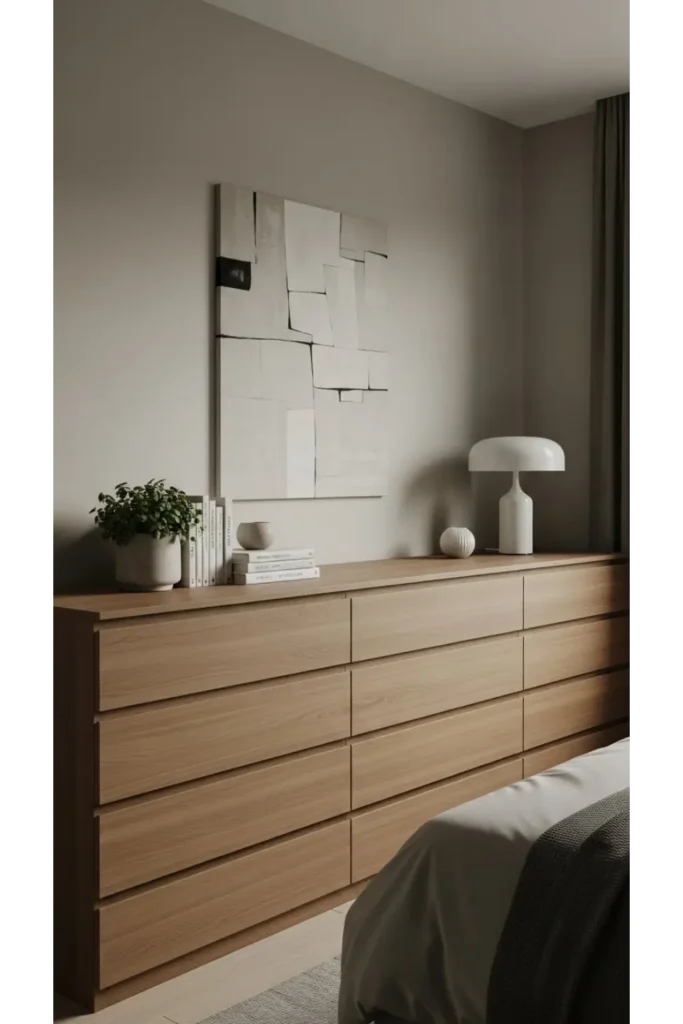
A full dresser wall provides organized storage without spreading furniture around the room. This layout works well in narrow bedrooms. Drawers keep items hidden and sorted.
Use the top surface sparingly to avoid clutter. This layout supports organization by centralizing storage and simplifying daily routines.
18. Multi-Functional Furniture Layout
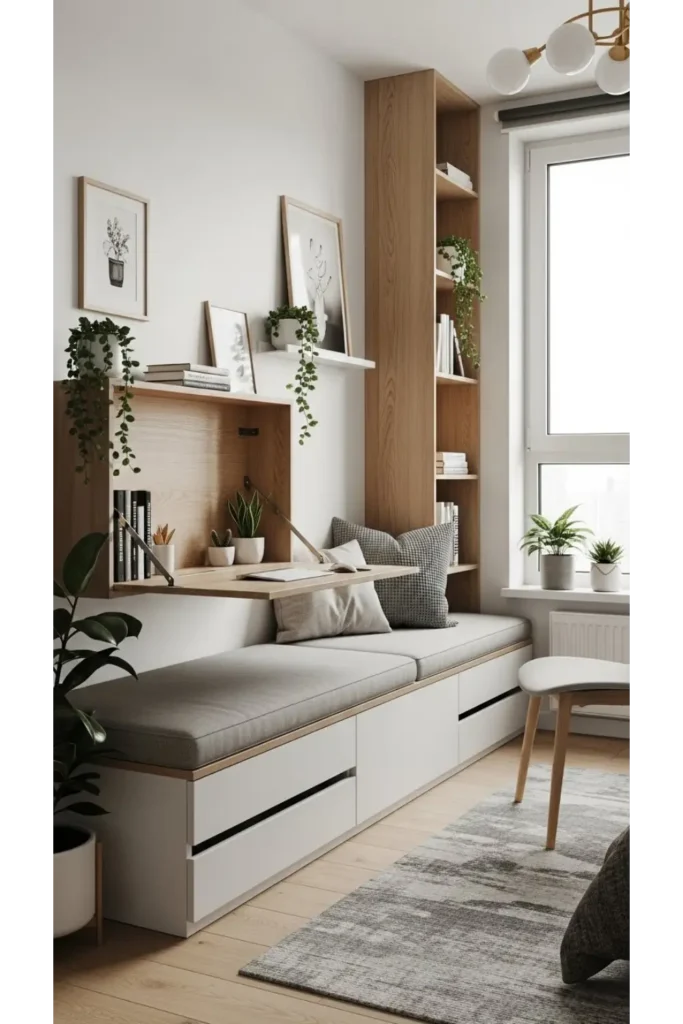
Multi-functional furniture reduces the number of pieces needed. Beds with storage, benches with compartments, and foldable desks support flexibility. This layout adapts to changing needs.
Organization improves because each item serves more than one purpose. This layout suits busy lifestyles where efficiency matters.
19. Light Color Layout for Visual Space

A light-colored focused layout plays a major role in making a compact bedroom feel open and breathable. Soft whites, warm beiges, pale grays, and light wood finishes reflect natural and artificial light more effectively. This reduces shadows and visual breaks, which often make small rooms feel tight. When walls, storage units, and bedding stay within a similar light palette, the eye moves smoothly across the room without stopping.
From an organizational perspective, light colors help storage blend into the room instead of standing out. Wardrobes, drawers, and shelving appear less bulky, even when they offer generous storage. This layout supports mental clarity by reducing visual noise, which makes it easier to keep the space tidy. A calm, bright environment naturally encourages better organization habits and a more restful bedroom experience.
20. Narrow Room Layout Solution
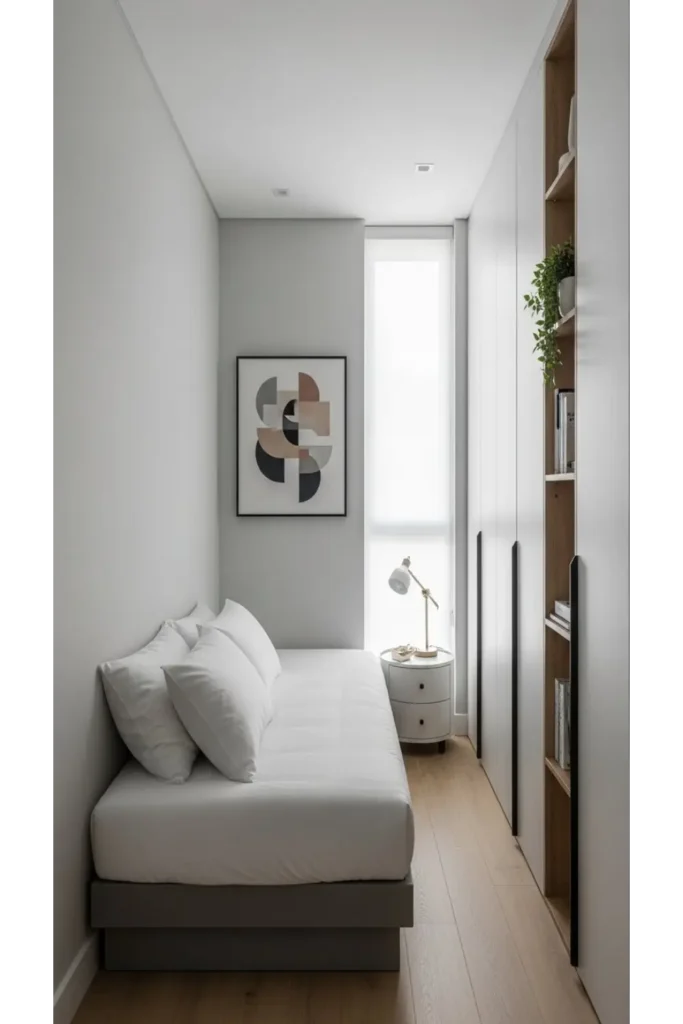
Narrow bedrooms require intentional layout planning to avoid a boxed in feeling. Placing the bed lengthwise along the longest wall creates a clear walkway and improves movement. Slim furniture such as narrow dressers or wall mounted storage keeps pathways open. This layout allows the room to feel functional without forcing furniture into awkward positions that limit usability.
Vertical storage becomes especially important in narrow spaces. Tall shelving, wall mounted cabinets, and sconces replace bulky floor lamps and nightstands. This keeps the floor clear and improves flow from one end of the room to the other. When movement feels natural, organization becomes easier to maintain because every element has a clear and practical purpose.
21. Hidden Storage Layout
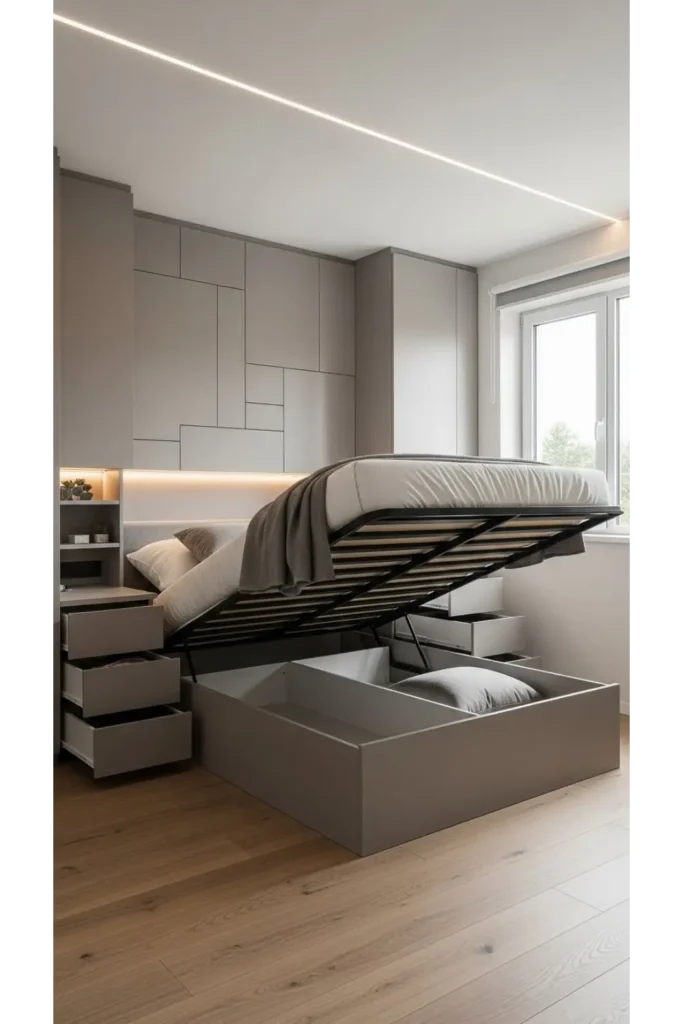
A hidden storage layout focuses on keeping everyday clutter completely out of sight. Beds with lift up platforms, drawers built into walls, and concealed cabinets allow you to store a large number of items without visually crowding the room. This approach works well for small bedrooms that need to feel calm and uncluttered despite limited square footage. Browse our full bedroom decor inspiration hub for even more ideas.
The strength of this layout lies in how it balances access and appearance. Items remain easy to reach, yet the room maintains a clean and simple look. By removing visual distractions, the bedroom feels more spacious and restful. This layout supports long term organization by making clutter harder to leave out and easier to put away.
22. Cozy Layered Storage Layout
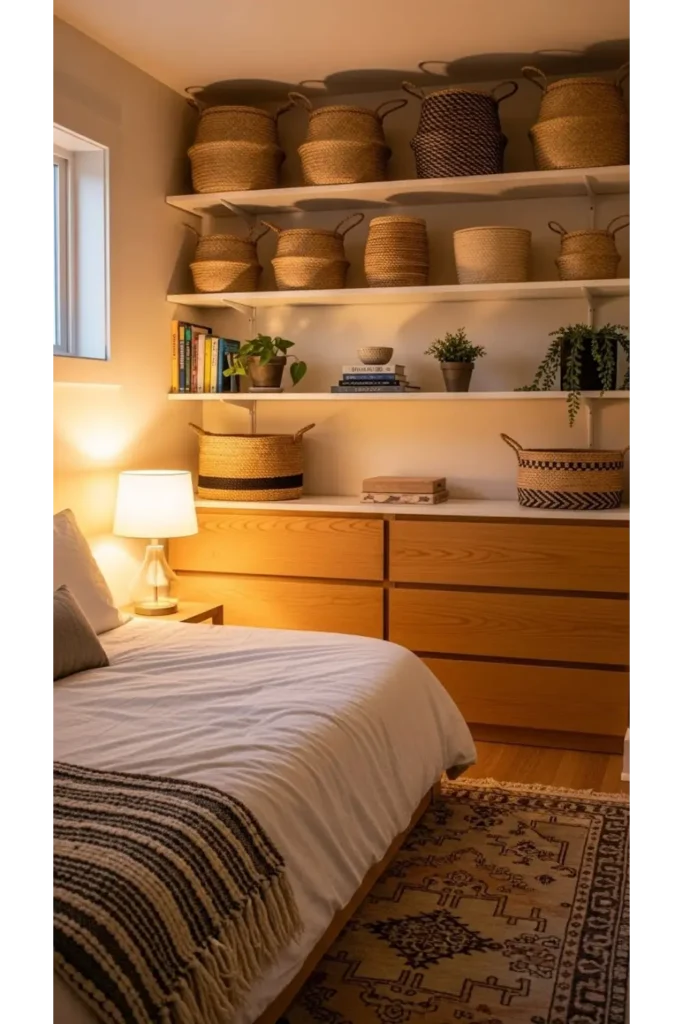
A cozy layered storage layout combines different storage types to create both function and warmth. Open shelves, baskets, drawers, and small cabinets work together to hold items of different sizes. This layered approach adds depth to the room while keeping belongings organized. It suits bedrooms that aim to feel comfortable, personal, and lived in rather than minimal.
To keep this layout from feeling busy, consistency matters. Using similar colors, materials, or textures helps the layers feel intentional instead of cluttered. Baskets hide smaller items, while shelves display essentials neatly. This layout supports smart organization while allowing personality and softness to shine through the space.
23. Personalized Smart Layout
A personalized smart layout starts by observing how the room is actually used every day. Storage placement depends on habits, not trends. Clothes go where dressing happens, charging stations sit near the bed, and daily essentials stay within arm’s reach. This makes the room easier to use and reduces the chances of clutter building up over time.
This layout evolves with lifestyle needs, which makes it one of the most sustainable organization approaches. Instead of forcing routines to match furniture, the furniture supports real behavior. When a bedroom reflects personal habits, organization feels natural rather than forced. That comfort makes the space easier to maintain and far more enjoyable to live in.
Conclusion
Smart layouts transform small bedrooms into organized, livable spaces. By choosing designs that support storage, movement, and daily habits, you create a room that feels larger and calmer. These ideas show that thoughtful planning matters more than square footage. When layout and organization work together, small bedrooms become efficient, comfortable, and easy to live in every day.