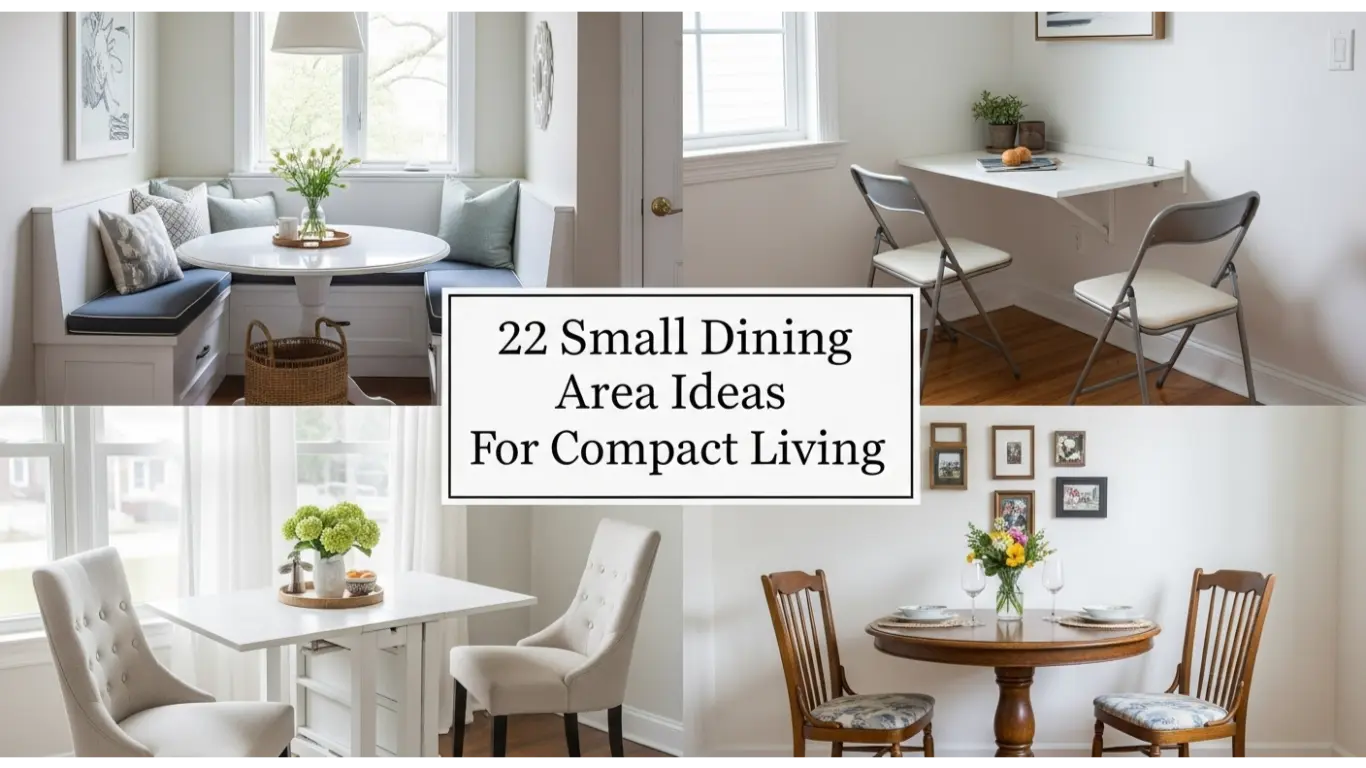
22 Small Dining Area Ideas For Compact Living
Living in a smaller home does not mean giving up on comfort or style. A thoughtfully designed dining space can feel inviting, practical, and even spacious when every detail works with the room instead of against it. This guide explores smart, realistic ways to design dining zones that fit naturally into compact homes while still supporting daily meals, hosting, and everyday living.
These ideas focus on layout, furniture choices, lighting, storage, and visual balance. Each concept reflects how real people live, not showroom perfection. Whether you live in a studio apartment or a small family home, these solutions help you create a dining area that feels intentional, warm, and easy to use.
1. Small dining area ideas for compact living with wall-mounted tables
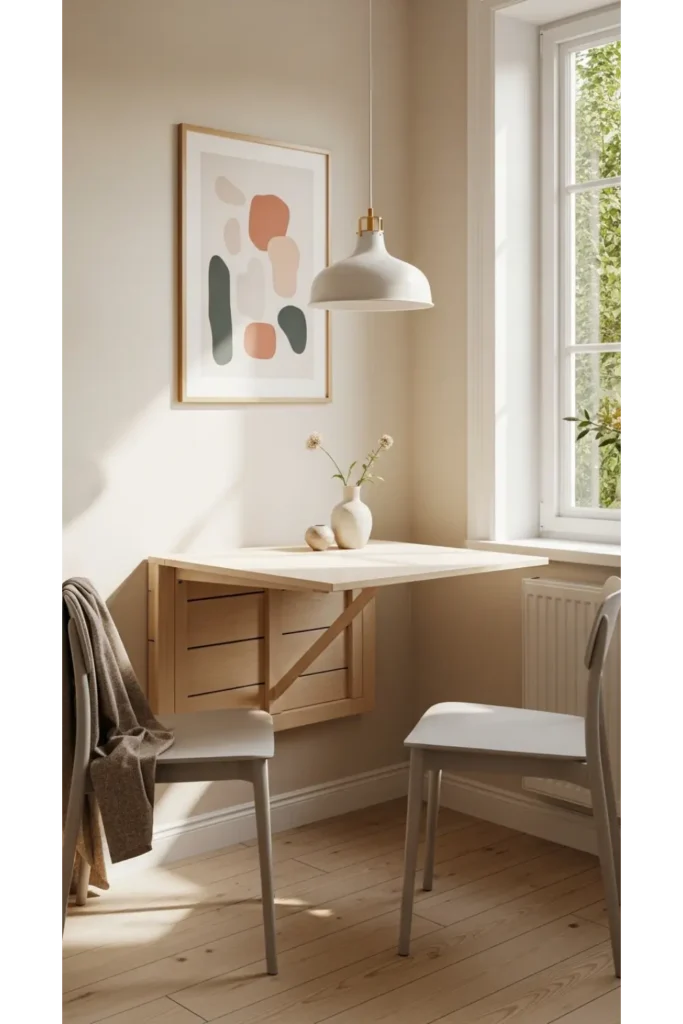
Designing small dining area ideas for compact living often starts with freeing up floor space. A wall-mounted dining table folds down only when needed, making it perfect for tight layouts. It works well in kitchens, studios, or hallways where permanent furniture feels overwhelming. This solution keeps the room open while still offering a proper place to eat, work, or enjoy coffee.
The key is choosing a sturdy design with quality hinges and a surface that suits daily use. Pair it with lightweight chairs that tuck away easily. When styled with simple wall art or a small shelf above, the area feels purposeful rather than temporary. This approach blends function with clean visual flow, which matters most in compact homes.
2. Built-in banquette seating for space efficiency
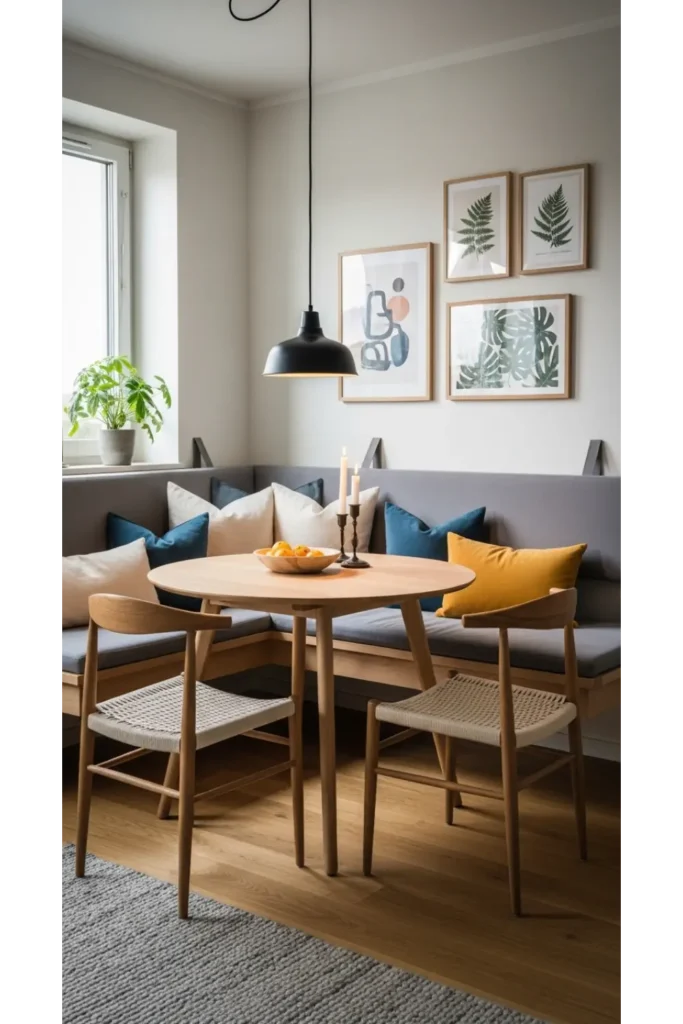
Built-in banquette seating turns overlooked corners into valuable dining zones. Hugging the wall, it removes wasted gaps caused by standard chairs. This idea suits apartments where every inch counts. The seating can double as hidden storage, which helps reduce clutter and keeps the dining area visually calm and organized.
Comfort matters just as much as efficiency. Thick cushions, supportive backs, and washable fabrics make banquettes practical for everyday meals. A small rectangular or round table completes the setup without crowding the space. With thoughtful lighting and warm textures, banquette seating creates an inviting place that feels larger than its actual footprint.
3. Round dining tables for better flow
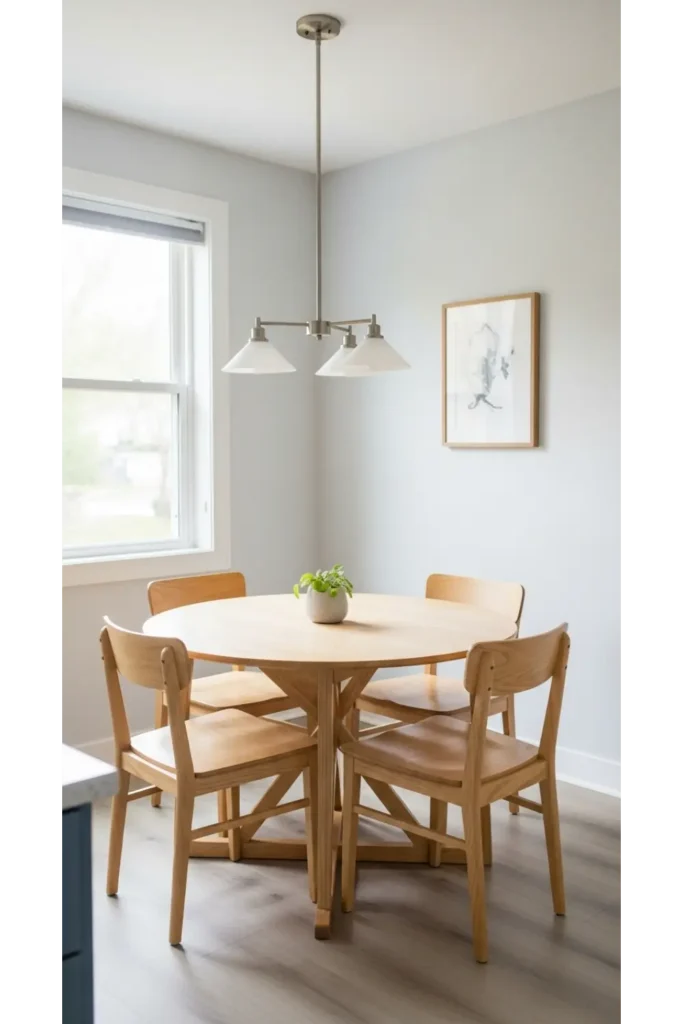
Round dining tables work beautifully in compact layouts because they improve movement. Without sharp corners, people can walk around more easily, which reduces the feeling of tightness. This shape encourages conversation and flexibility, making it ideal for small households or frequent entertaining in limited space.
Choosing a pedestal base instead of four legs adds even more legroom. Light wood or glass surfaces help maintain visual openness. When paired with slim chairs, the dining area feels balanced rather than crowded. This design choice proves that smart geometry plays a major role in small-space comfort.
4. Dining nooks under windows
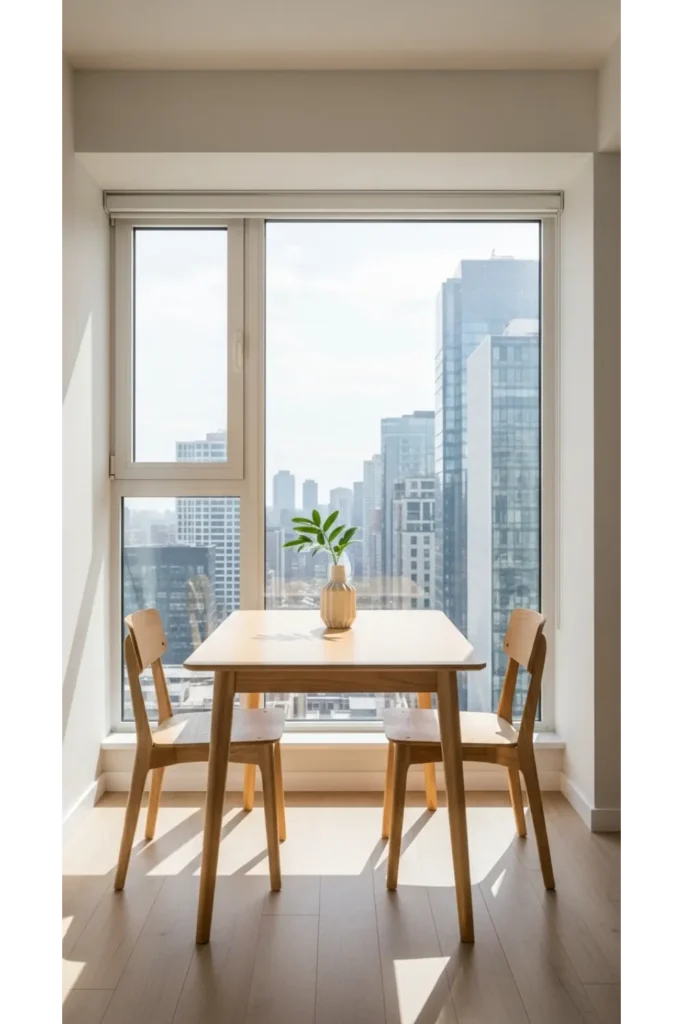
Placing a dining table under a window uses natural light to your advantage. This setup visually expands the space and creates a pleasant dining experience. Even small tables feel more open when positioned near daylight. It also keeps dining zones from interrupting the main living area flow.
Window seating works especially well with narrow tables or benches. Add light curtains or blinds to control brightness without blocking the view. The combination of sunlight and thoughtful placement helps compact dining areas feel airy, relaxed, and more connected to the rest of the home.
5. Extendable tables for flexible living
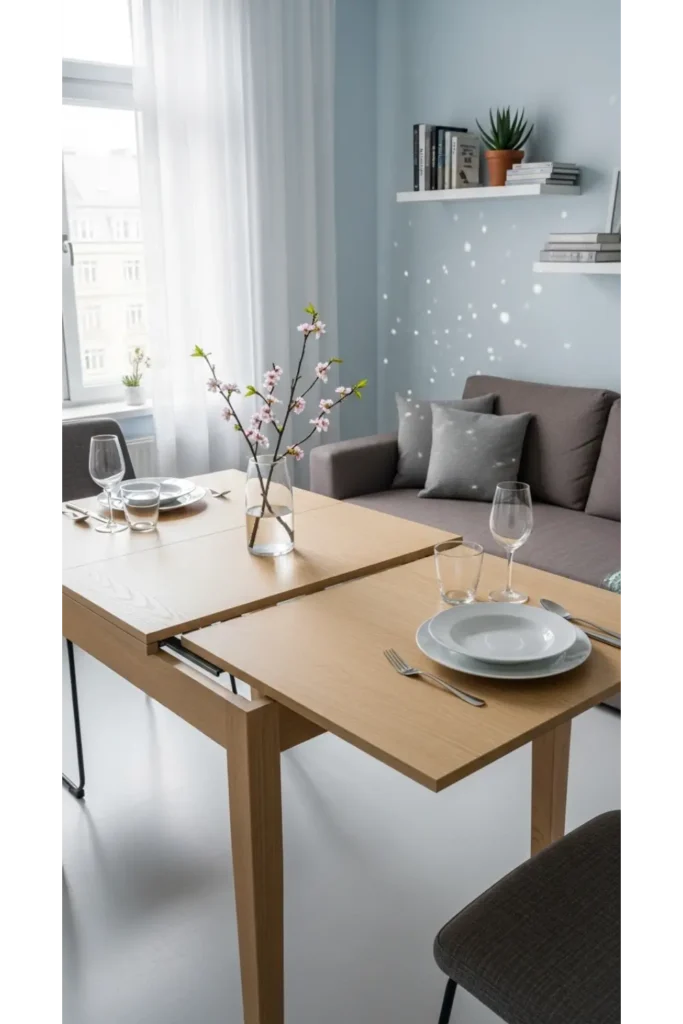
Extendable dining tables offer flexibility without permanent bulk. When closed, they suit daily meals. When opened, they accommodate guests comfortably. This adaptability makes them ideal for compact living where hosting still matters but space remains limited.
Look for smooth extension mechanisms and materials that handle frequent use. Keep the surrounding furniture minimal so the table can expand easily. This solution supports both everyday routines and social moments, proving that small homes can still welcome people comfortably.
6. Bar-height dining setups
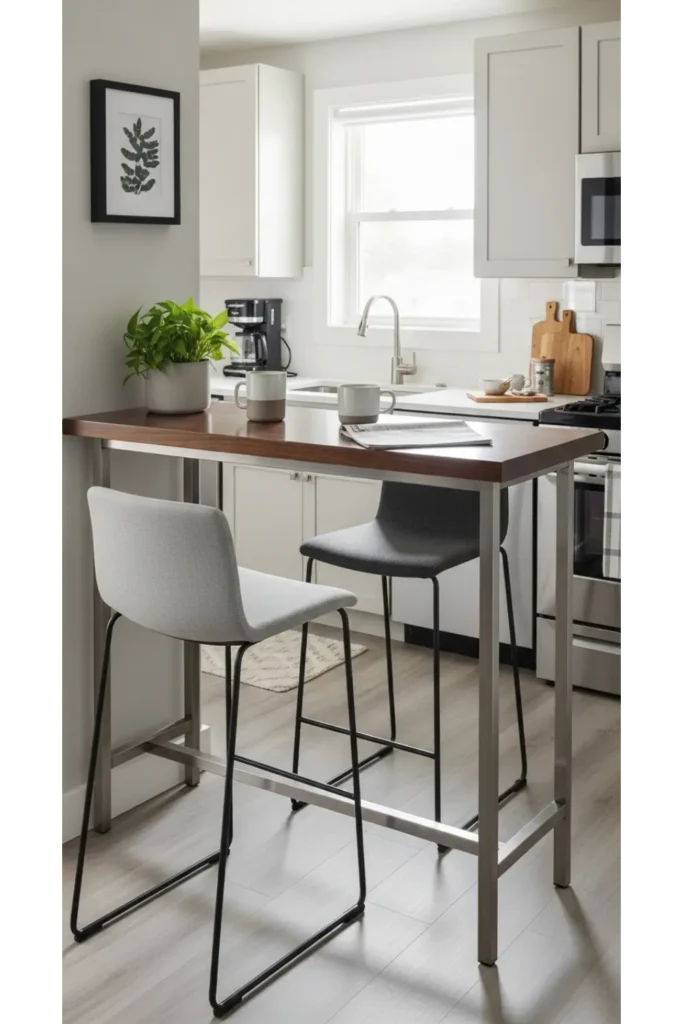
Bar-height dining tables create a casual, multifunctional zone that blends dining with kitchen use. They work well in open-plan apartments where separation feels unnecessary. The elevated height visually lightens the space and allows stools to slide fully underneath when not in use.
Comfort depends on choosing the right stool height and foot support. Add warm lighting above to define the dining zone without walls. This setup supports quick meals, work sessions, and casual gatherings while maintaining an uncluttered look.
7. Slim profile furniture choices
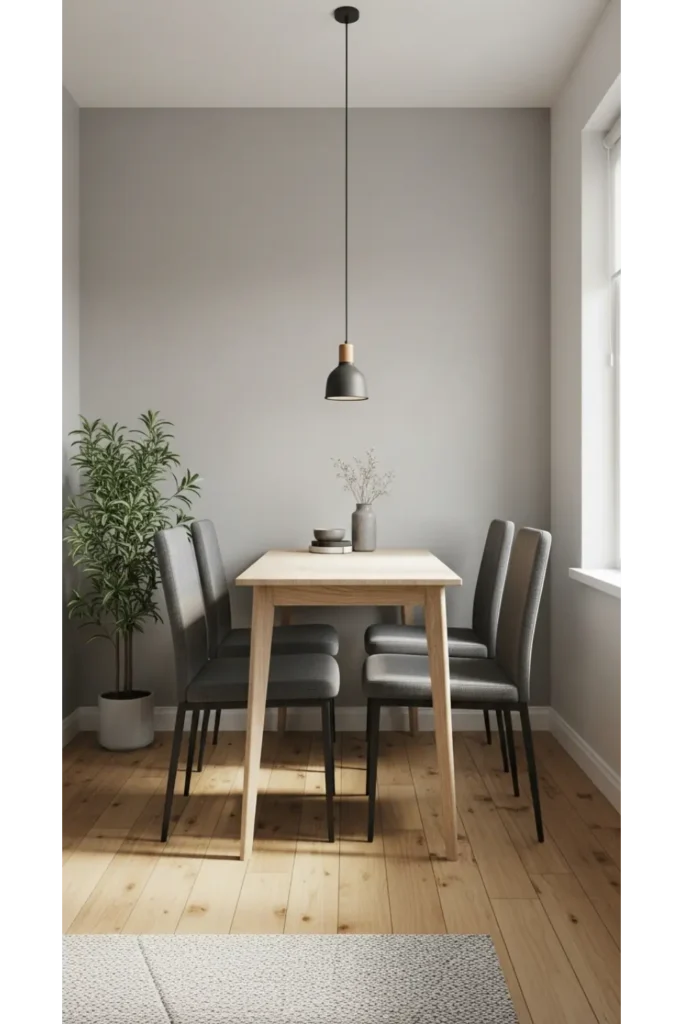
Furniture with slim profiles reduces visual weight. Thin tabletops, narrow chair frames, and open bases prevent the dining area from feeling boxed in. This approach works especially well in small dining area ideas for compact living where heavy furniture overwhelms quickly.
Materials like metal, light wood, or molded plastic keep designs streamlined. Pairing slim furniture with soft textures elsewhere maintains comfort. The result feels intentional and modern without sacrificing usability or warmth.
8. Corner dining arrangements
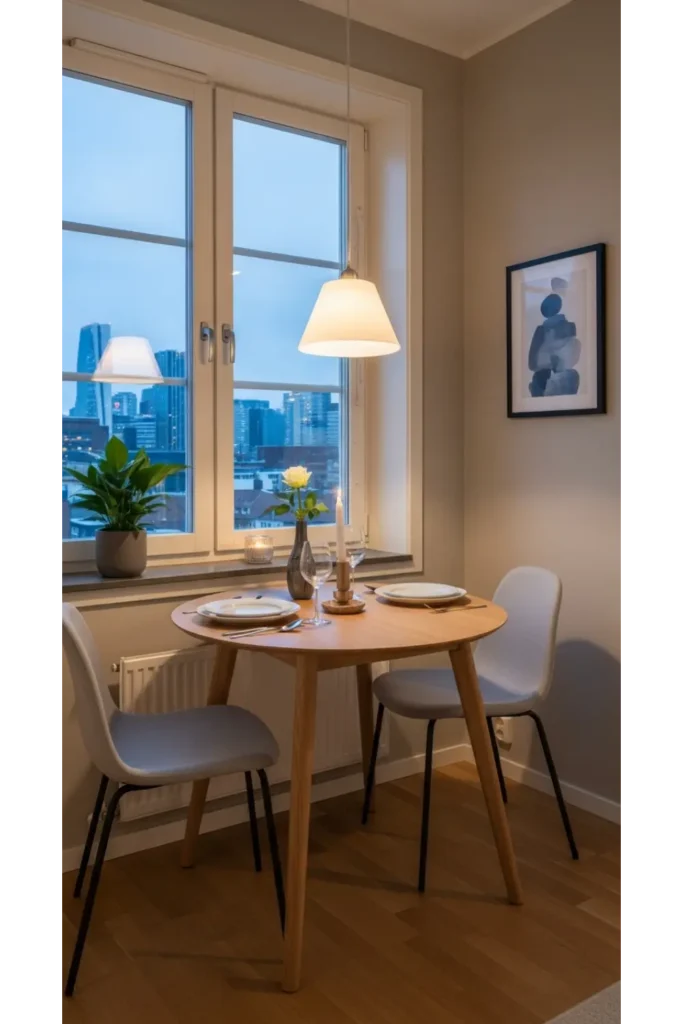
Corner dining arrangements maximize unused spaces. Corners often sit empty, yet they provide natural boundaries for a dining zone. A compact table with two chairs fits neatly without blocking walkways or doors.
This setup suits couples or solo dwellers who value efficiency. Adding a corner shelf or wall art helps define the area visually. With proper lighting, corner dining spaces feel cozy and well-integrated rather than like an afterthought.
9. Multifunctional dining and work areas

In compact homes, dining tables often serve multiple purposes. Designing them to function as both eating and working surfaces makes daily life smoother. Choosing the right height, surface durability, and lighting supports this dual role effectively.
Storage nearby helps transition between tasks easily. When work ends, clearing the surface restores the dining atmosphere. This flexibility reflects real living needs and keeps small spaces adaptable without constant rearranging.
10. Glass tables for visual openness
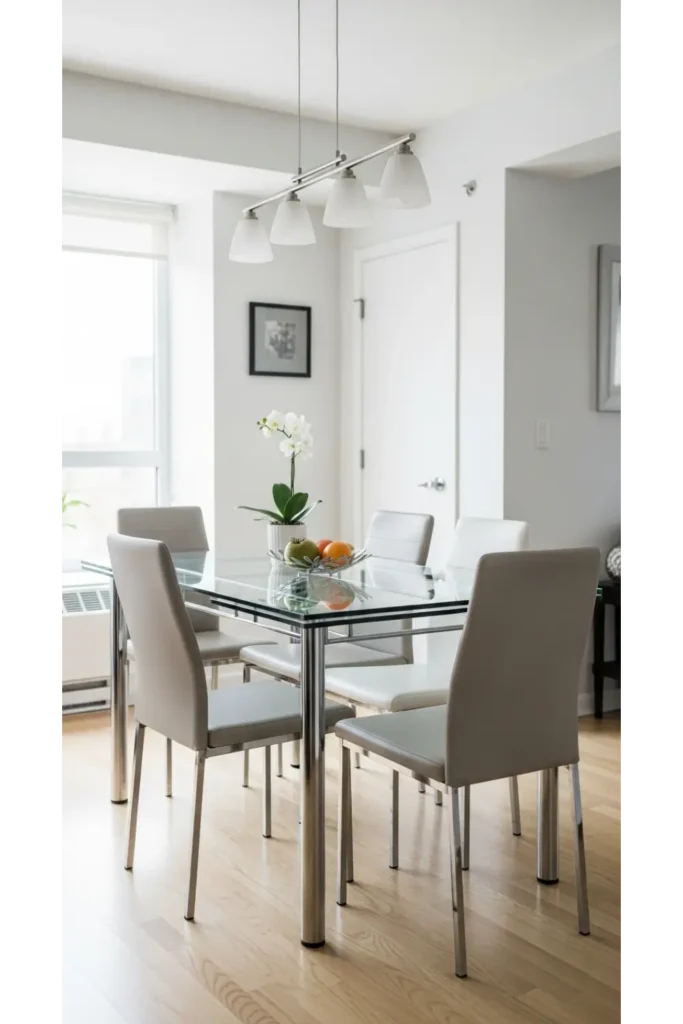
Glass dining tables reduce visual clutter by allowing light to pass through. They make small rooms feel larger and less crowded. This effect works well in apartments with limited square footage and minimal natural light.
Maintenance matters, so choose tempered glass for durability. Pair it with understated chairs to maintain balance. Glass tables suit modern interiors and help dining areas blend seamlessly into surrounding spaces.
11. Wall-integrated dining shelves
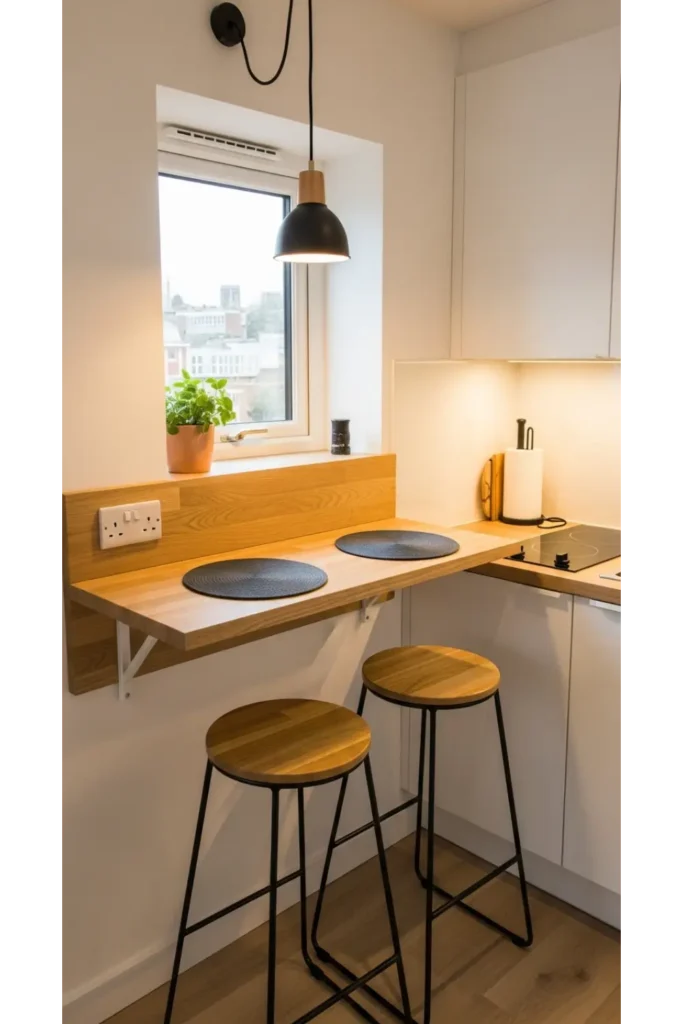
Wall-integrated dining shelves act as narrow tables without heavy bases. They work well in kitchens or studio apartments where traditional tables feel intrusive. This idea supports quick meals while preserving open floor space.
Comfort improves with proper stool height and footrests. Adding warm finishes prevents the setup from feeling too utilitarian. This solution balances efficiency and style in tight layouts.
12. Using rugs to define dining zones
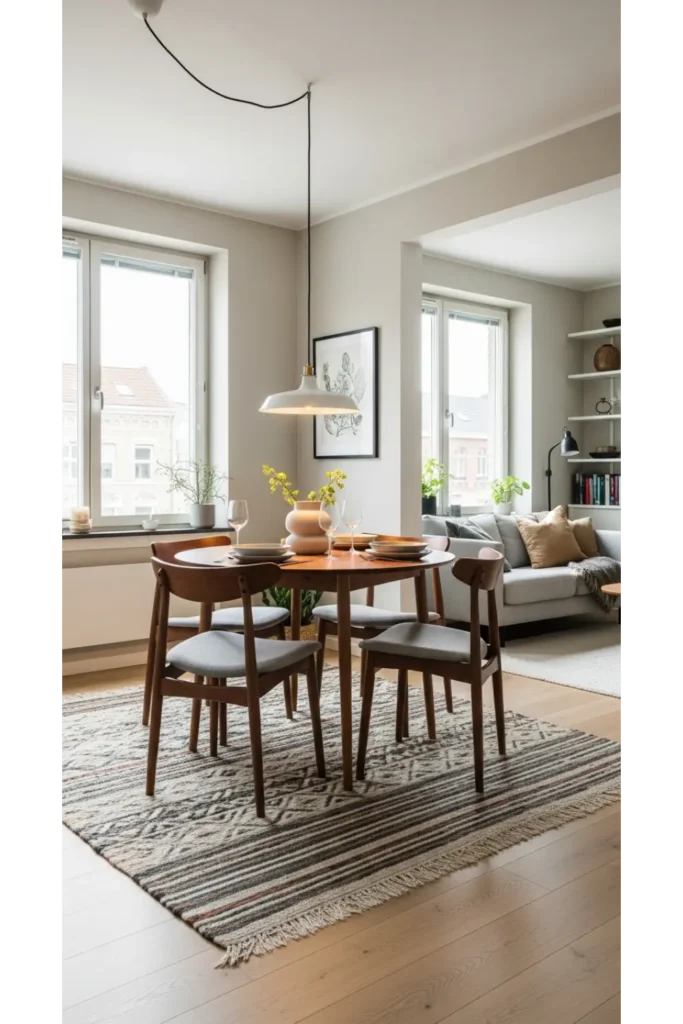
Rugs visually anchor dining areas without physical barriers. In open-plan spaces, they help separate functions while maintaining flow. A properly sized rug makes even small dining setups feel intentional.
Choose low-pile materials for easy cleaning. Keep patterns subtle to avoid visual overload. Rugs add warmth and structure, which supports comfort in compact homes.
13. Built-in storage seating
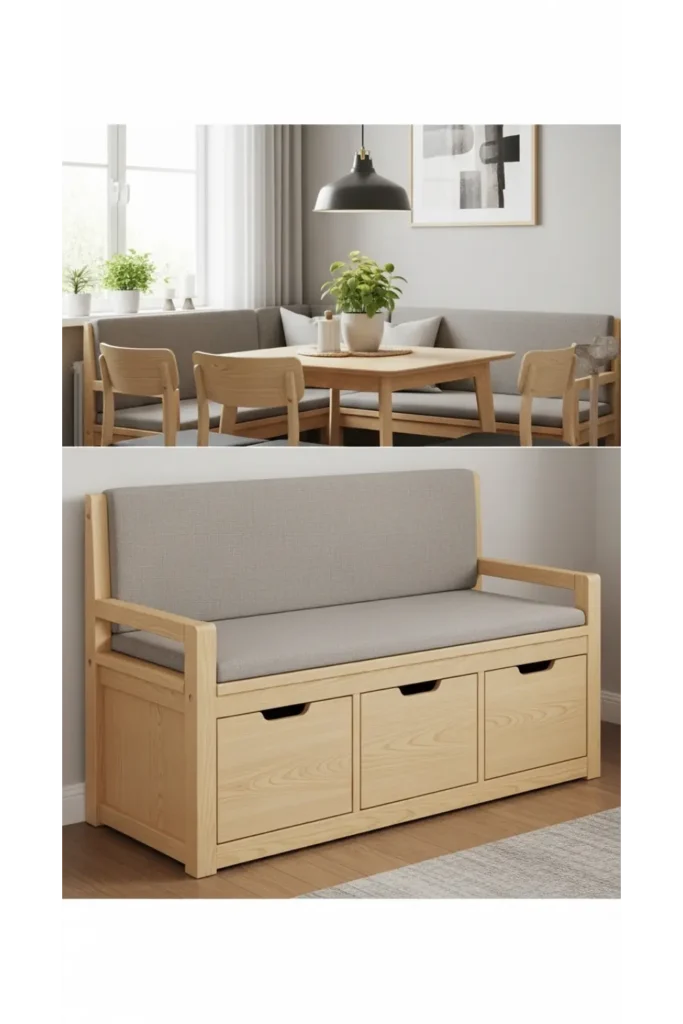
Built-in seating with storage solves two problems at once. It provides seating while hiding items that would otherwise cause clutter. This idea suits families or anyone needing extra organization.
Comfort improves with padded cushions and supportive backs. Storage keeps the dining area calm and functional, which is essential in small living environments.
14. Vertical wall decor to add height
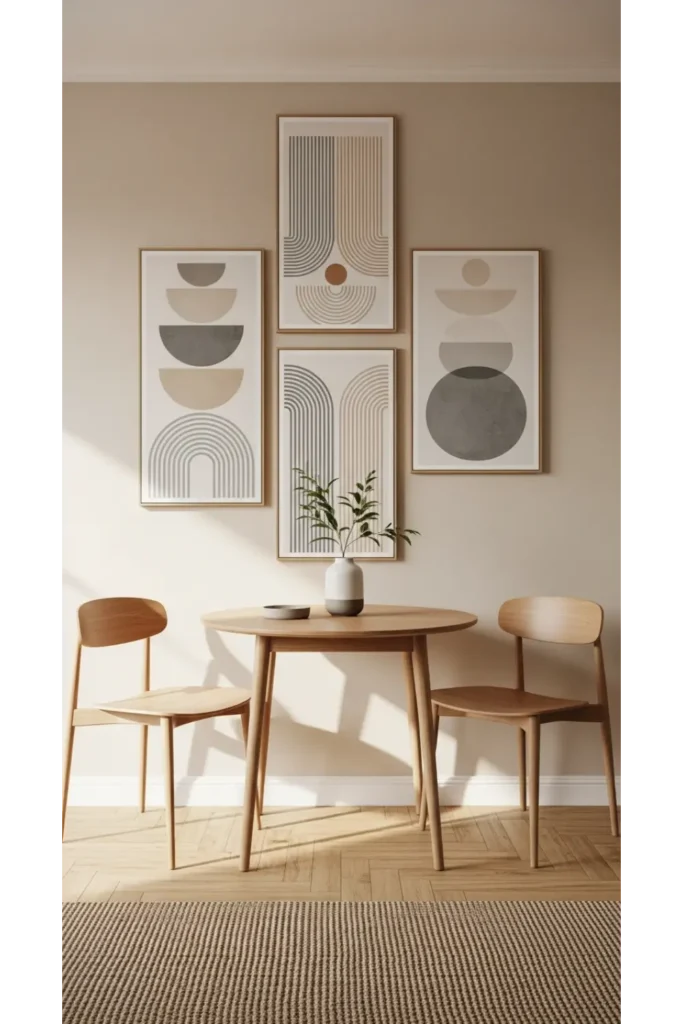
Vertical wall decor helps visually stretch a compact dining space by guiding the eye upward instead of outward. Tall artwork, slim shelving, or vertically arranged frames create the illusion of height, which makes low ceilings feel less restrictive. This approach works especially well in apartments where widening the dining footprint is not possible. When walls feel taller, the dining area automatically feels more breathable and less boxed in.
The key is restraint. Choosing one strong vertical element works better than crowding the wall with decor. Slim shelves with a few intentional objects or a single elongated art piece keeps the space calm and refined. When paired with lighter wall colors and simple furniture, vertical decor quietly enhances proportion without overwhelming the dining zone.
15. Minimalist color palettes
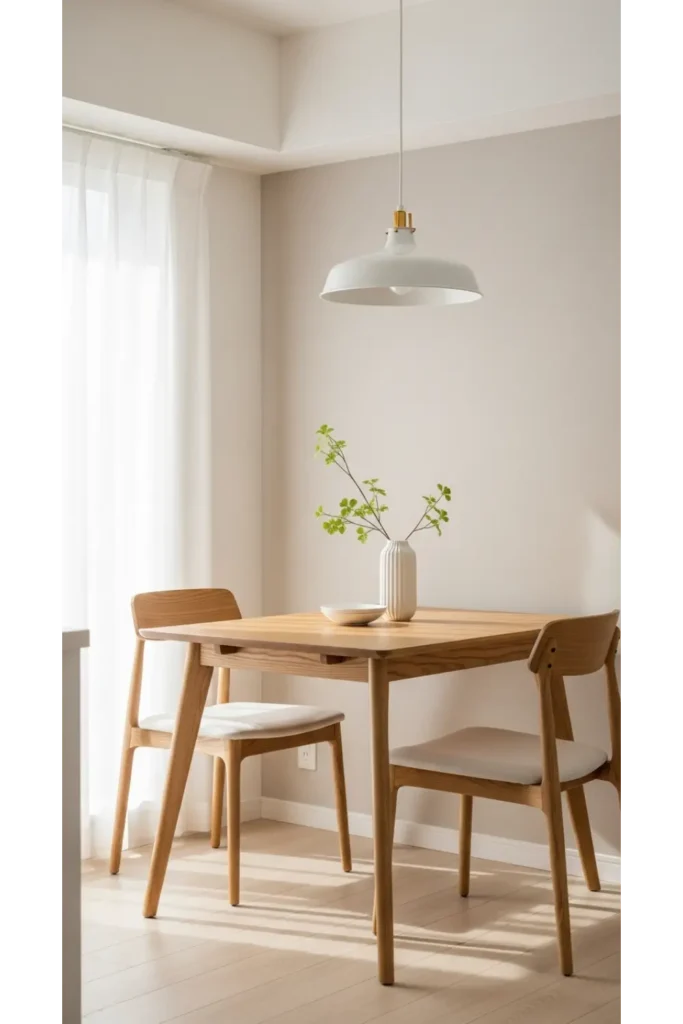
Minimalist color palettes play a powerful role in making small dining areas feel larger and more comfortable. Light, cohesive tones such as soft whites, warm beiges, and pale grays reflect light instead of absorbing it. This reduces visual noise and helps the dining area blend smoothly into the surrounding space, which is especially important in open-plan or studio layouts.
A minimalist palette does not mean flat or boring. Subtle texture through wood grain, woven fabrics, or matte finishes adds depth without clutter. Keeping colors consistent across walls, furniture, and decor creates a calm rhythm that supports daily use. The result feels intentional, warm, and easy to live with in compact homes.
16. Compact drop-leaf tables
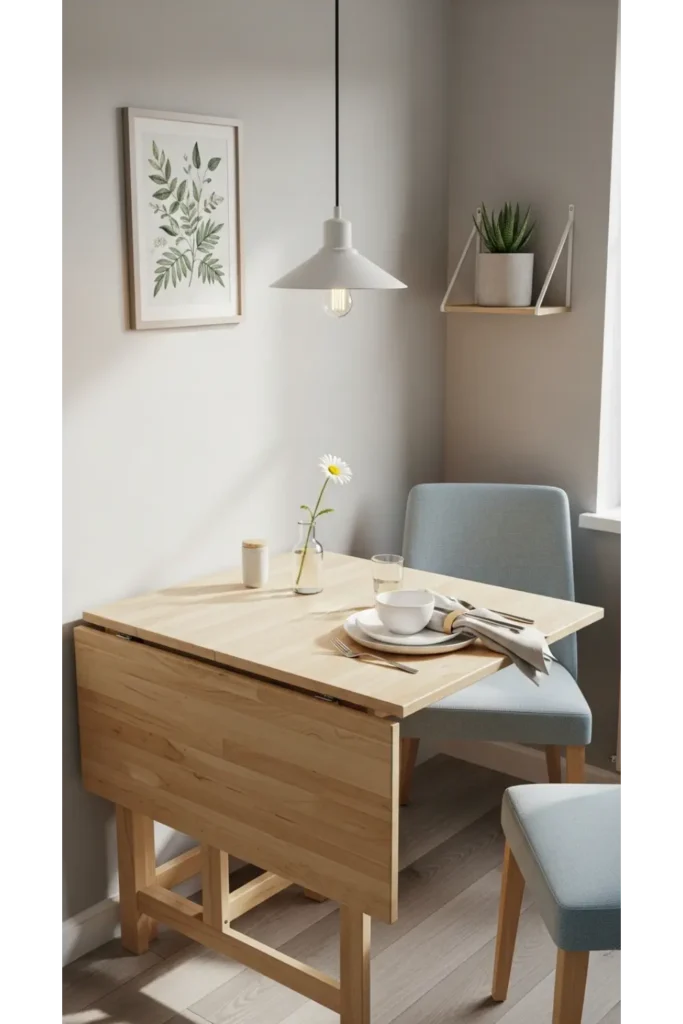
Compact drop-leaf tables offer one of the most practical solutions for flexible dining in small homes. When folded down, they take up very little space, allowing clear walkways and open movement. When extended, they provide enough surface for meals, work, or hosting guests. This adaptability makes them ideal for households that need their dining area to change throughout the day.
Durability and balance matter when choosing a drop-leaf table. Solid hinges and stable legs ensure the table feels secure when fully opened. Pairing it with lightweight chairs keeps the setup easy to adjust without strain. This type of table supports real-life needs while respecting the limits of compact living.
17. Statement lighting for focus
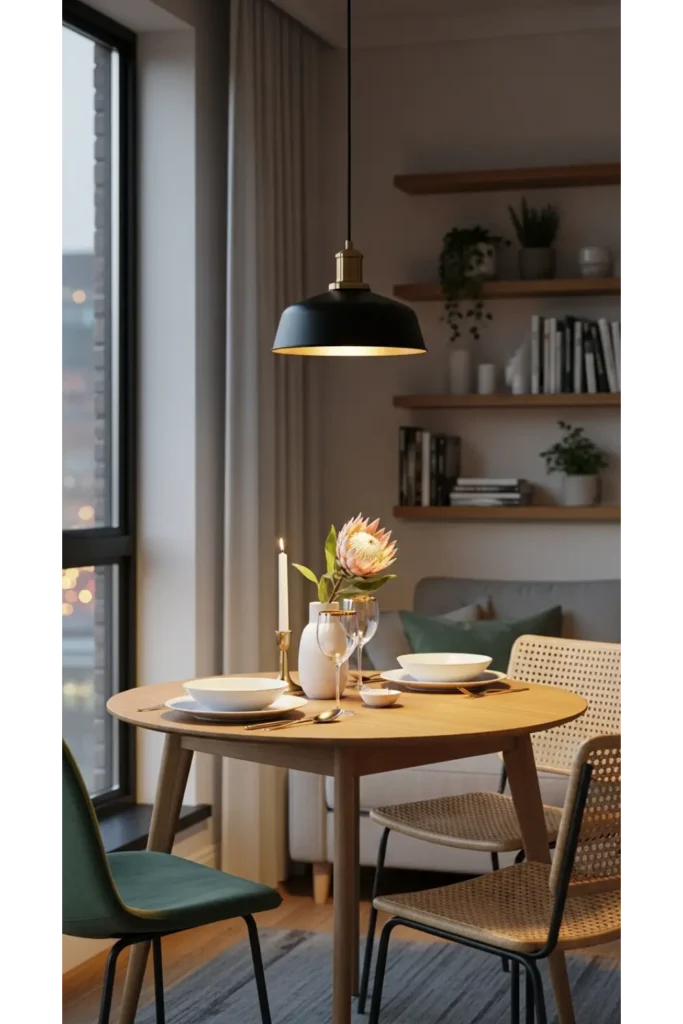
Statement lighting helps define a dining area without using walls or bulky furniture. A well-placed pendant or hanging light draws attention to the table, making it feel like a destination rather than an afterthought. In compact homes, this visual focus creates structure and gives the dining zone a clear identity within the room.
Scale and placement make all the difference. A light that is too large can overwhelm the space, while one that is too small gets lost. Choosing a fixture that fits the table size keeps everything balanced. Warm lighting tones also enhance comfort, making small dining areas feel intimate and welcoming.
18. Transparent seating options
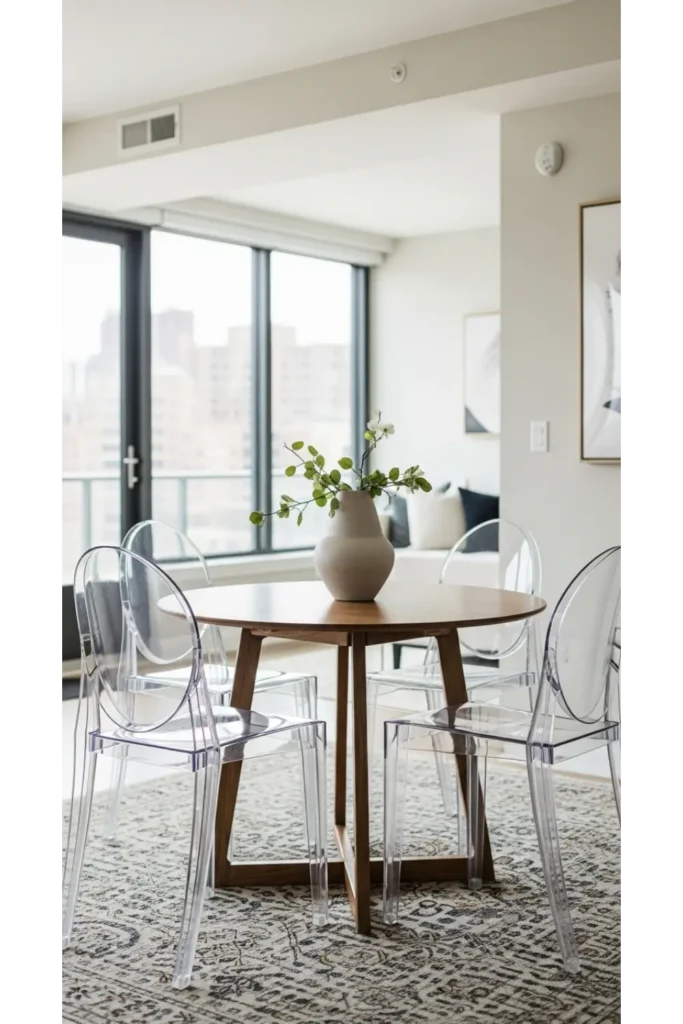
Transparent seating reduces visual weight, which is crucial in tight dining spaces. Chairs made from acrylic or clear materials allow light to pass through, helping the room feel more open and less crowded. This works especially well in modern or minimalist interiors where clean lines and simplicity matter.
Comfort should never be sacrificed for appearance. Many transparent chairs now offer ergonomic shaping and subtle curves for better support. When paired with a solid or textured table, they create contrast without heaviness. This balance keeps the dining area functional while maintaining a light, airy feel.
19. Foldable chairs for flexibility
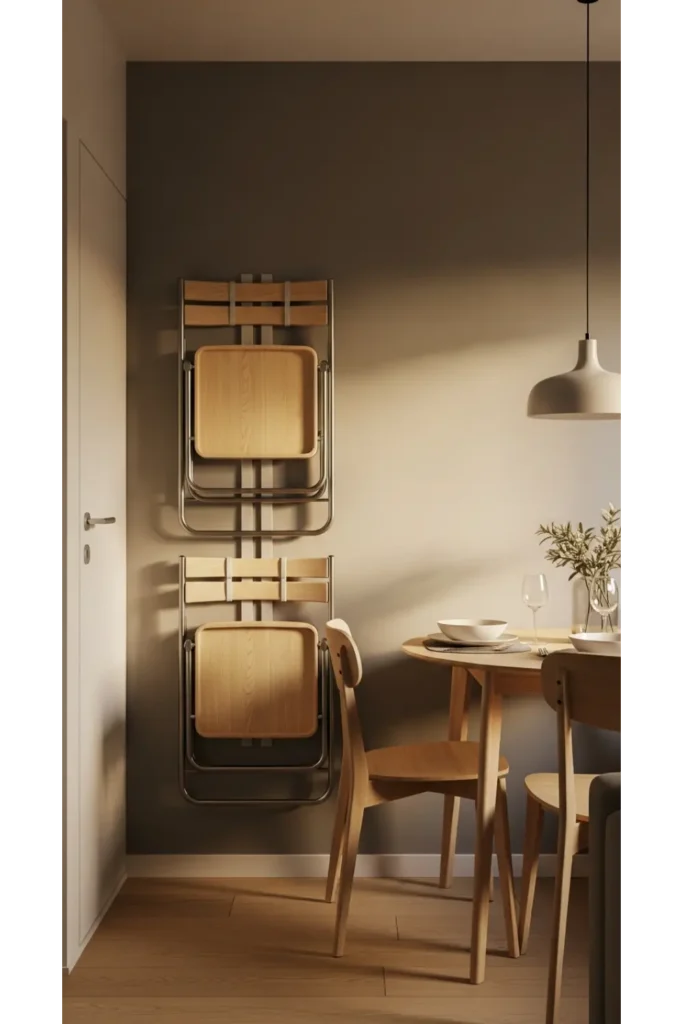
Foldable chairs bring flexibility to dining areas that cannot support permanent seating. They allow homeowners to keep the space open most of the time, then quickly add seating when needed. This solution works well for entertaining, shared apartments, or homes where the dining area serves multiple purposes.
Quality matters with foldable furniture. Chairs should feel sturdy, comfortable, and easy to store without damage. Slim designs that hang on walls or slide into closets keep clutter under control. This approach supports spontaneous hosting while keeping everyday living streamlined and efficient.
20. Dining spaces in entryways
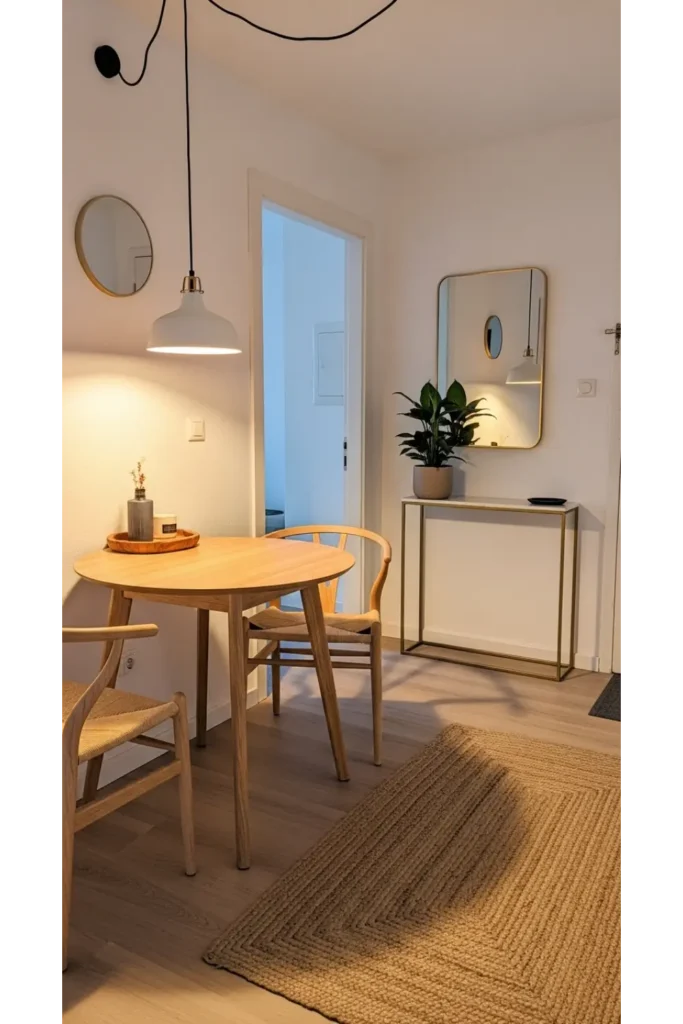
Entryways often go unused beyond basic storage, yet they can host compact dining setups with smart planning. A narrow table and two chairs can fit comfortably without disrupting circulation. This placement works especially well in apartments where the living area needs to stay open and uncluttered.
Good lighting helps soften the transition between entry and dining. Wall-mounted lights or a small pendant can define the area without crowding it. Choosing slim furniture keeps the entry functional while giving the dining space a clear purpose. The result feels practical, not forced.
21. Window ledge dining counters
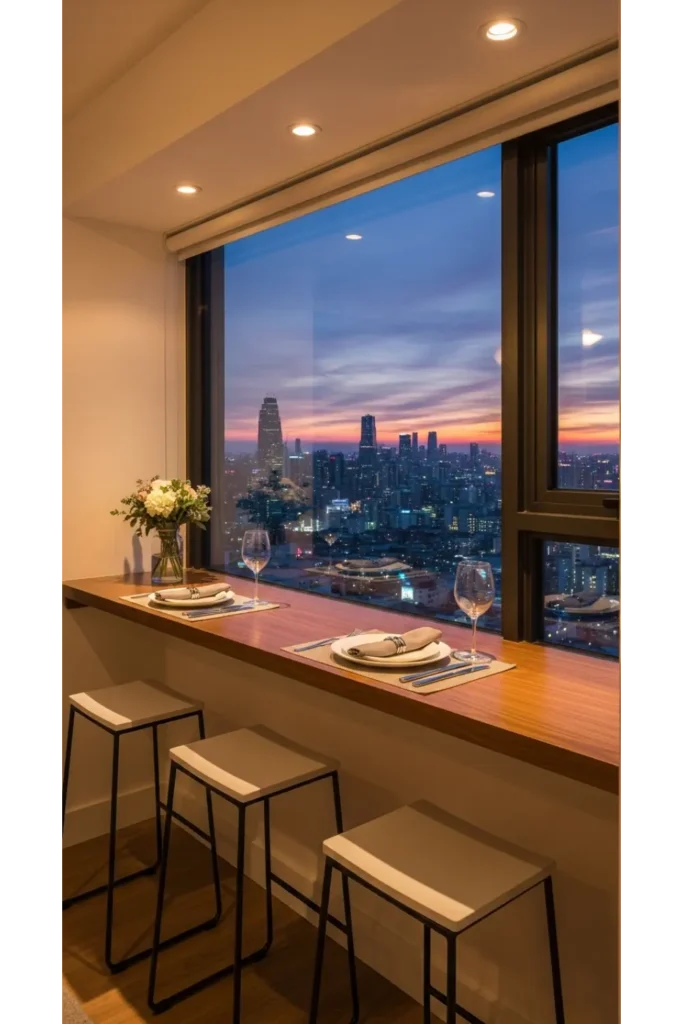
Window ledge dining counters transform existing architectural features into usable dining surfaces. They eliminate the need for a traditional table while offering natural light and outdoor views. This setup works particularly well in studios or kitchens where floor space is limited but wall length is available.
Proper depth and height are essential for comfort. The counter should support plates and elbows without feeling cramped. Pairing it with stools that tuck neatly underneath keeps the area tidy. This solution feels casual, efficient, and well-suited to modern compact living.
22. Layered textures for warmth
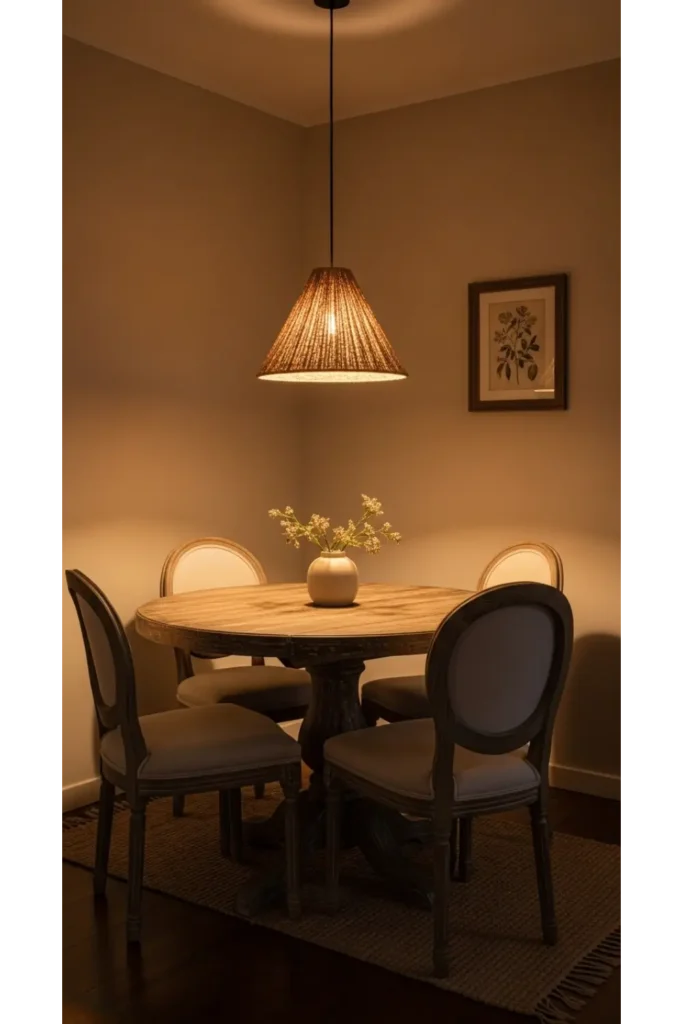
Layered textures bring warmth and personality to small dining spaces without adding bulk. Mixing materials like wood, fabric, ceramics, and soft lighting creates depth that makes the area feel inviting. This approach prevents compact dining zones from feeling temporary or overly minimal.
Balance is key when layering textures. Too many competing elements can overwhelm a small space. Choosing a few complementary materials keeps the look cohesive and comfortable. When textures work together, even a modest dining area feels grounded, livable, and thoughtfully designed.
Conclusion
Designing a dining space in a small home requires intention, not sacrifice. These small dining area ideas for compact living show how thoughtful choices in layout, furniture, lighting, and materials can create spaces that feel complete and welcoming. By focusing on flexibility, comfort, and visual balance, compact dining areas can support real life while enhancing the overall home experience.