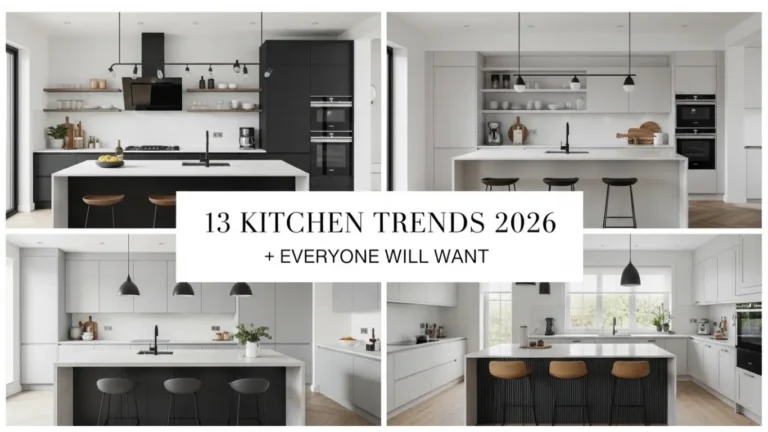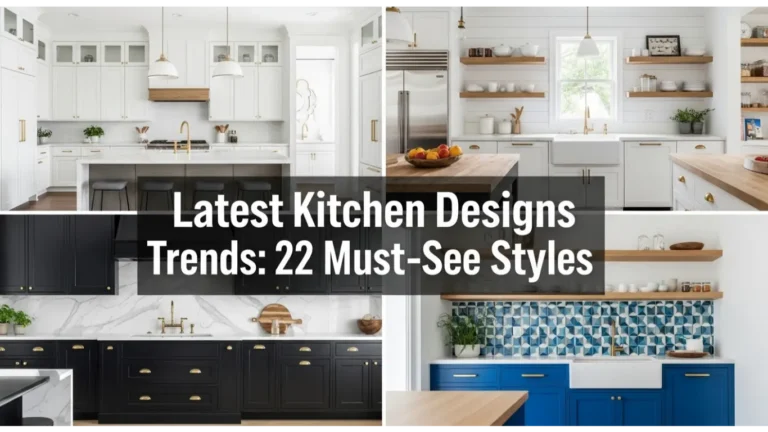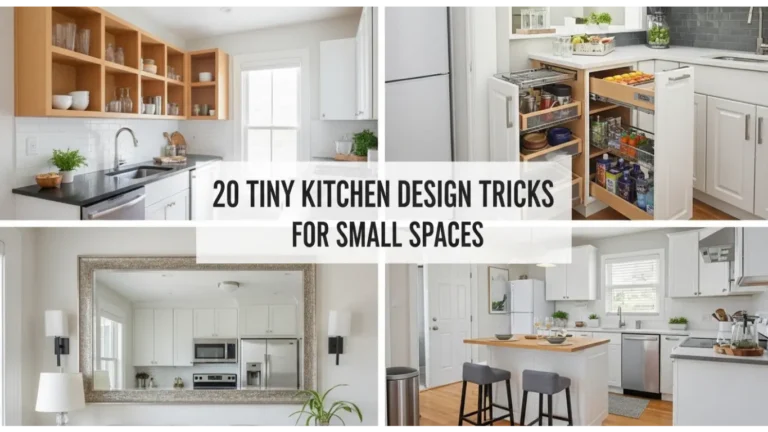
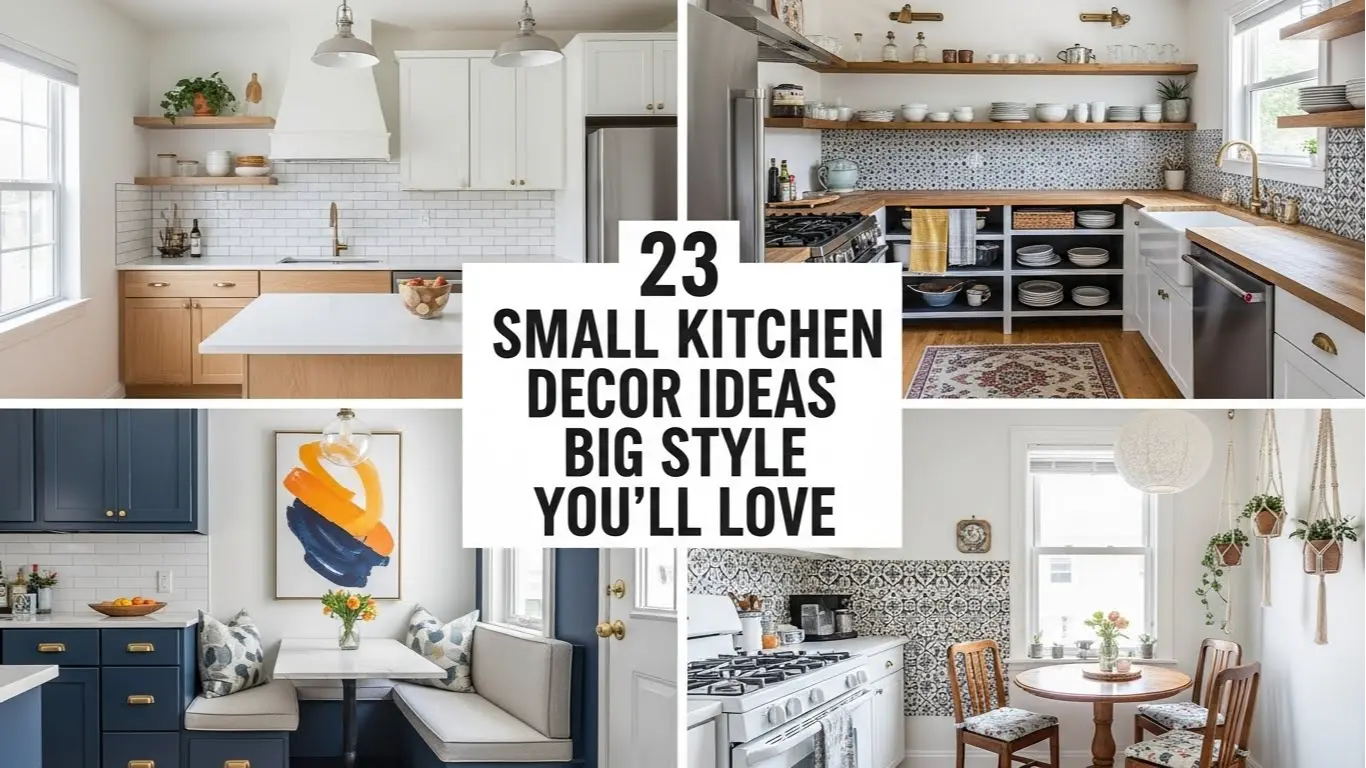
23 Small Kitchen Decor Ideas Big Style You’ll Love
A small kitchen does not limit creativity. It sharpens it. With the right decor choices, even the most compact kitchen can feel layered, expressive, and intentional. This guide goes beyond quick tips and surface styling. Each idea focuses on visual impact, daily function, and long term appeal. If you want a kitchen that feels personal, polished, and inviting without adding square footage, these ideas will help you create big style in a small space.
1. Open Shelving With Curated Character
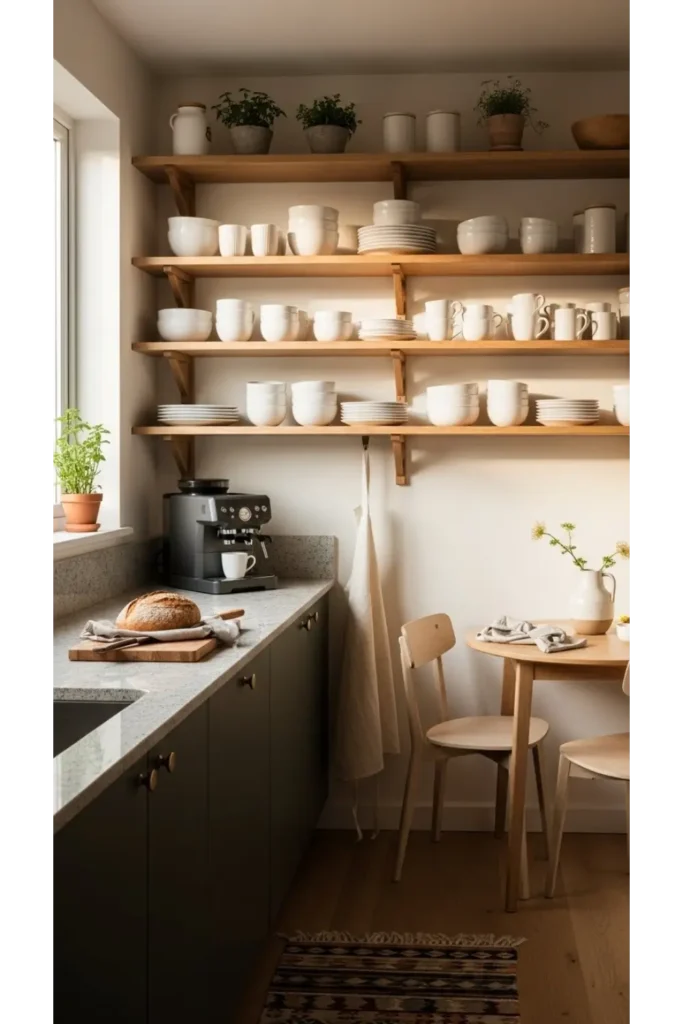
Small kitchen decor ideas, big style begin with open shelving that replaces bulky cabinets and brings personality forward. Open shelves create visual breathing room while allowing you to display meaningful items. Use a limited color palette and mix everyday dishes with a few decorative pieces. This balance keeps shelves useful while still feeling styled rather than crowded or unfinished.
When styling open shelves, think in layers and height variation. Stack plates horizontally, lean cutting boards vertically, and add a small plant or ceramic piece for softness. Leave negative space so the eye can rest. In a small kitchen, restraint matters. The goal is a collected look that feels intentional, warm, and easy to maintain over time.
2. Statement Backsplash in a Compact Space
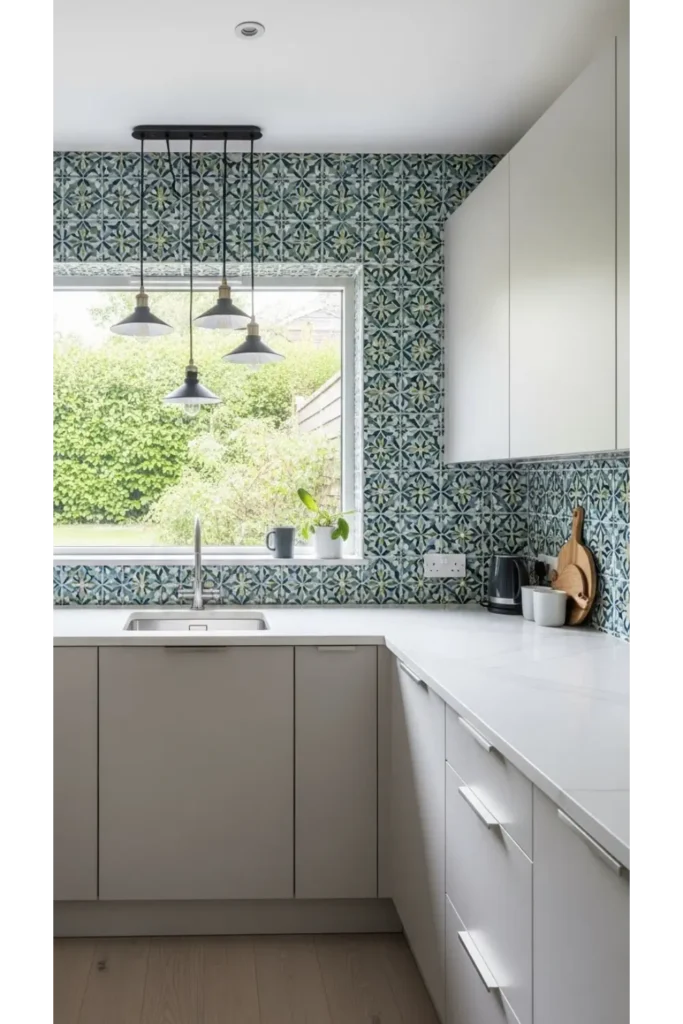
A bold backsplash instantly anchors a small kitchen and sets the tone for the entire space. Because the area is limited, you can afford to choose a striking tile or pattern without overwhelming the room. Glossy finishes reflect light, making the kitchen feel brighter and more open. Even simple cabinetry gains depth when paired with a thoughtful backsplash choice.
Choose materials that add texture and movement, such as handmade tiles or subtle geometric patterns. Keep grout lines clean and consistent to avoid visual clutter. Let the backsplash act as functional art that protects walls while elevating the overall design. In small kitchens, one strong design feature often carries the whole room.
3. Vertical Storage That Doubles as Decor
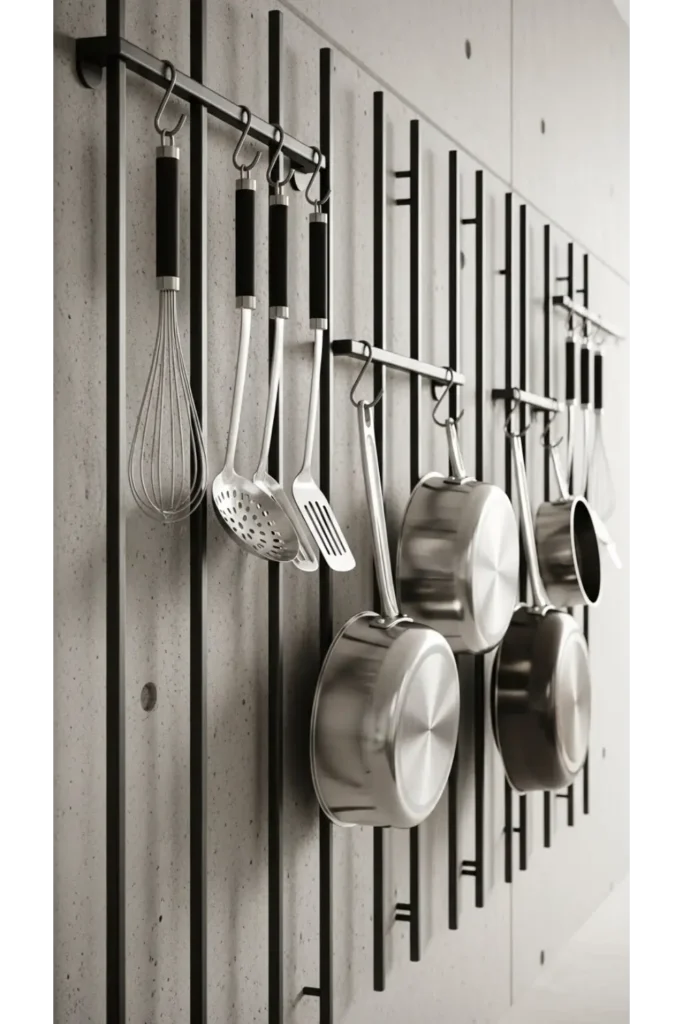
Vertical storage transforms unused wall space into a design feature. Hanging rails, pegboards, or slim shelves draw the eye upward, making the kitchen feel taller. When everyday tools are displayed thoughtfully, they add rhythm and texture instead of clutter. This approach blends practicality with visual interest, which is essential in compact kitchens.
Stick to a cohesive finish for hooks and hardware to keep the look clean. Group items by size and function so the display feels intentional. Copper, wood, or matte black elements add warmth and contrast. Vertical storage works best when it feels organized, accessible, and visually balanced rather than purely utilitarian.
4. Warm Lighting Layers for Depth
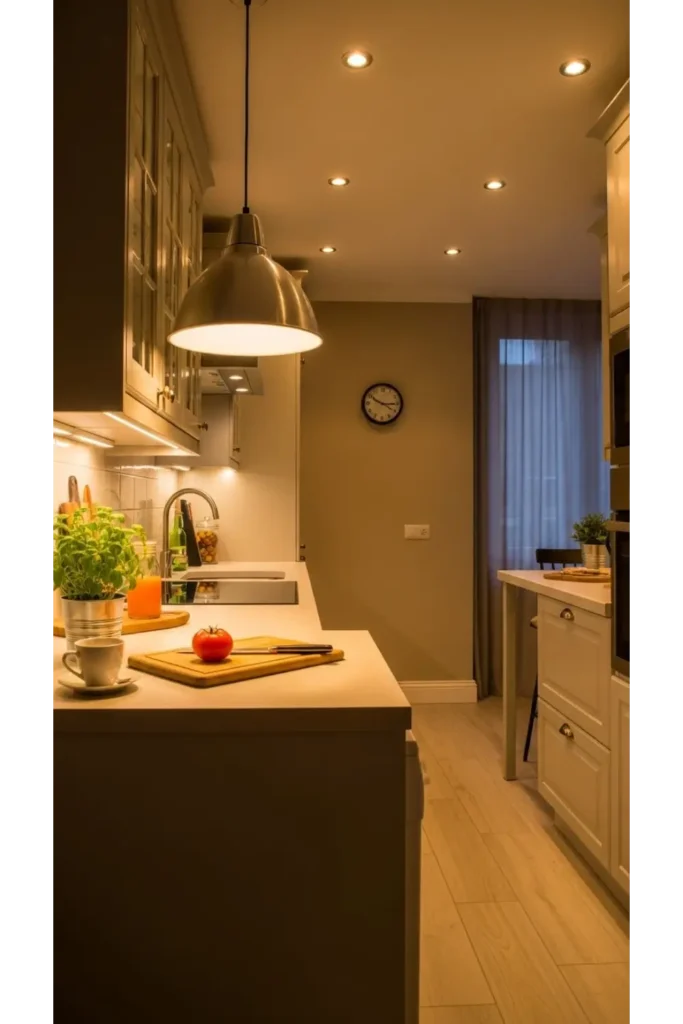
Lighting shapes how a small kitchen feels more than almost any other element. Relying on a single overhead light flattens the space. Layered lighting adds depth and comfort. Under cabinet lights improve function while creating a soft glow. A small pendant or sconce introduces personality without taking up visual space.
Choose warm light temperatures to avoid a harsh or sterile feel. Lighting should highlight textures like wood, tile, or stone. In a small kitchen, every light source should serve both form and function. Thoughtful lighting makes the room feel intentional and welcoming at any hour of the day.
5. Compact Kitchen Island With Personality
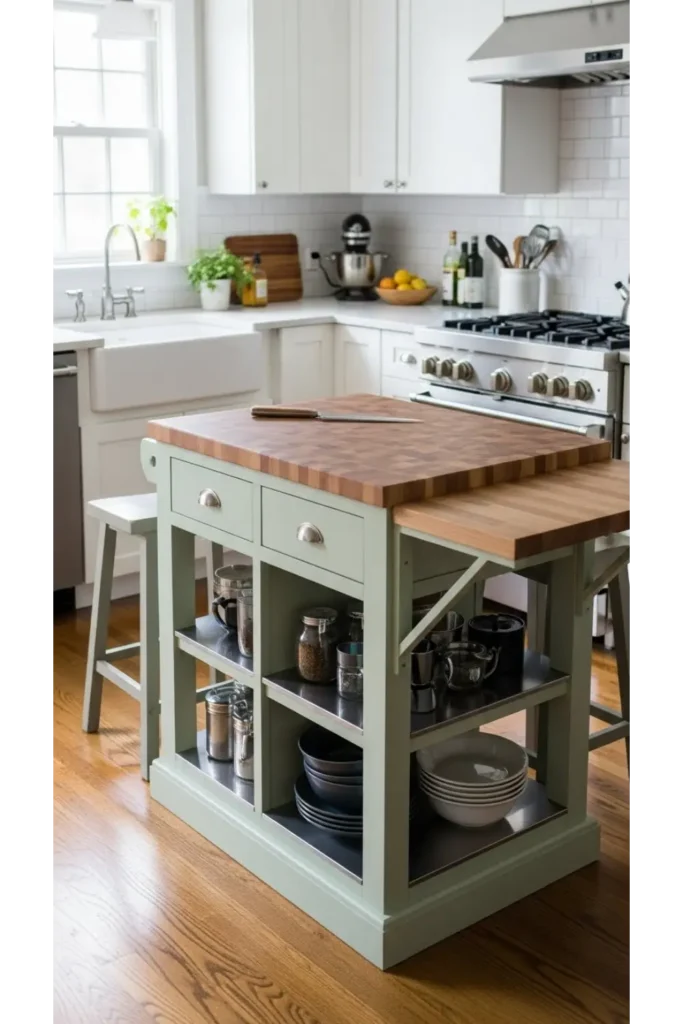
A compact island can become the heart of a small kitchen when designed with care. Look for slim profiles with built in storage or open shelving underneath. A butcher block or stone top adds texture and warmth. Even a small island can offer prep space, casual seating, and visual grounding.
Keep surrounding pathways clear to maintain flow. Choose stools that tuck in fully to reduce clutter. The island should feel proportional, not forced. When styled with a bowl, book, or tray, it becomes both functional and decorative. In small kitchens, versatility is the ultimate luxury.
6. Color Drenched Cabinets for Bold Impact
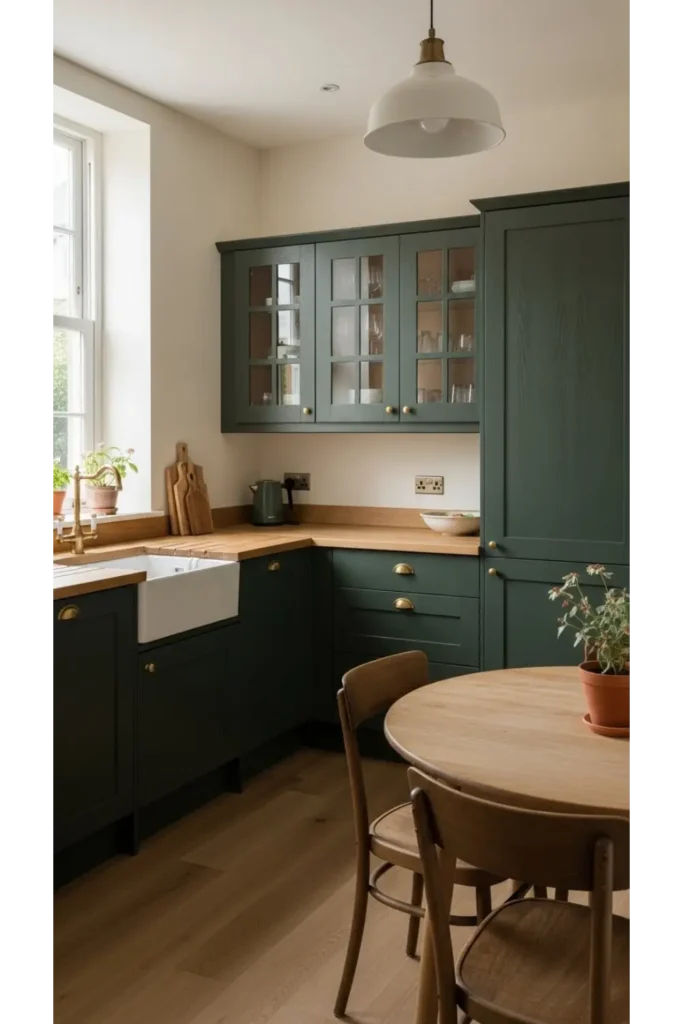
Color drenching cabinets create a bold, cohesive look that works surprisingly well in small kitchens. When upper and lower cabinets share the same color, the eye moves smoothly across the space. Deep tones add richness, while lighter hues keep things airy. The key lies in choosing a color with depth rather than brightness.
Balance bold cabinetry with simple countertops and minimal hardware. Let the color speak without competing elements. In small kitchens, consistency reduces visual noise. A confident cabinet color can elevate the entire room and make it feel thoughtfully designed rather than simply small.
7. Reflective Surfaces to Expand Space
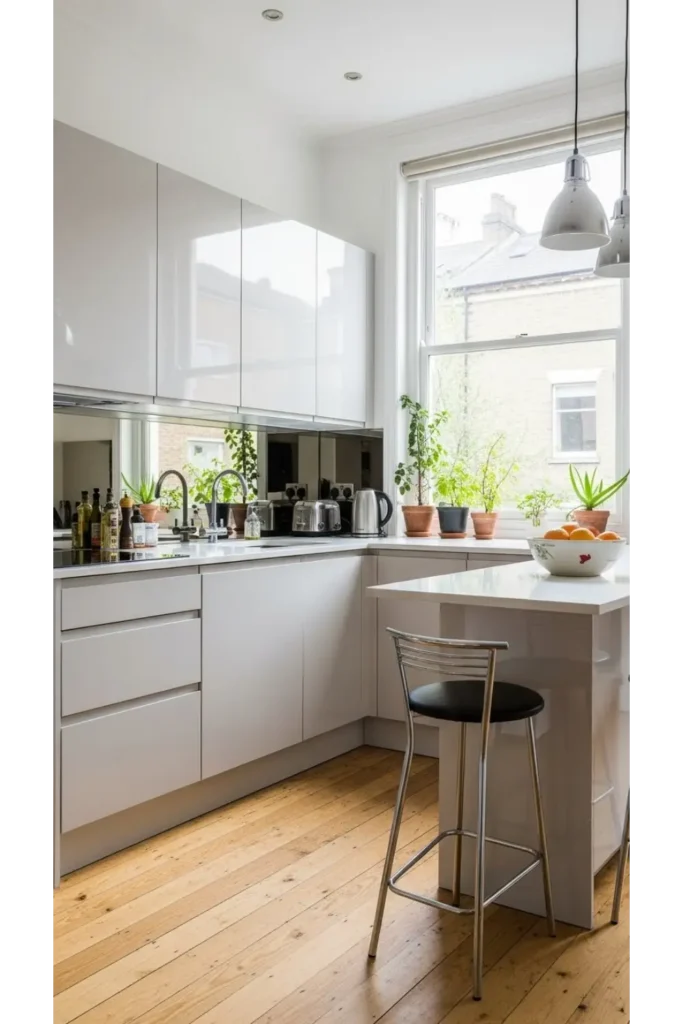
Reflective surfaces amplify light and create the illusion of space. Glossy tiles, polished stone, or even mirrored panels bounce light around the room. This trick works especially well in kitchens with limited natural light. Reflection adds dimension without adding physical bulk.
Use reflective elements strategically rather than everywhere. A single mirrored backsplash or high gloss cabinet finish often does enough. Pair with matte textures to avoid an overly shiny look. In small kitchens, contrast creates balance and keeps the design grounded and comfortable.
8. Slim Furniture With Visual Lightness
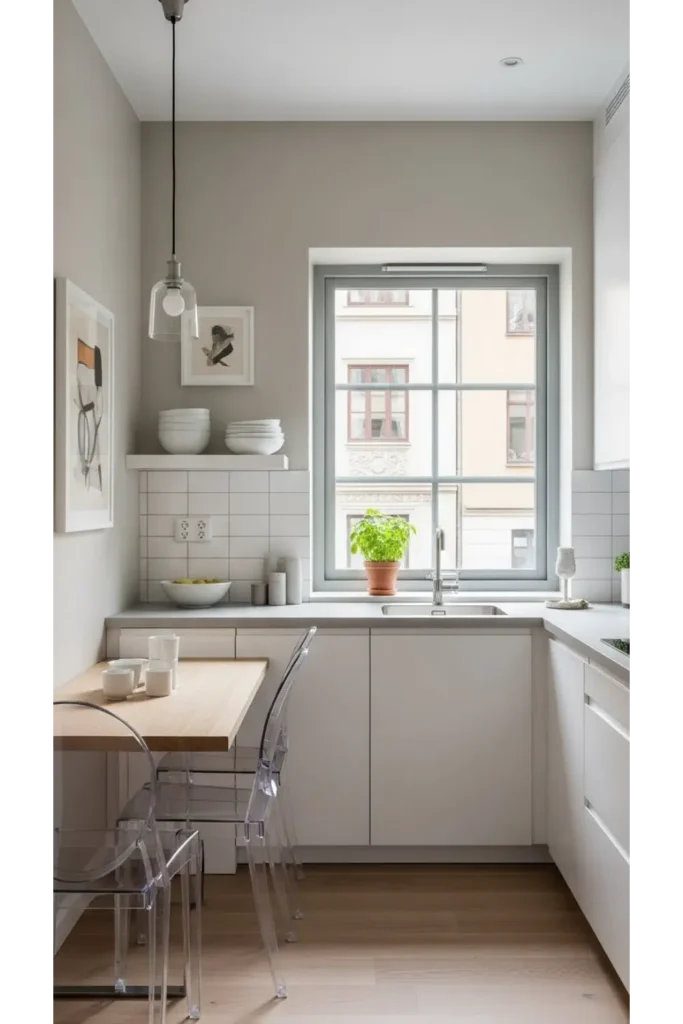
Furniture choice matters more in small kitchens. Opt for pieces with slender legs and open profiles. Visual lightness helps maintain flow and prevents the room from feeling cramped. Glass, acrylic, or thin metal elements almost disappear, allowing the eye to move freely.
Avoid oversized tables or bulky chairs. Even a small breakfast nook benefits from scaled furniture. When everything fits comfortably, the kitchen feels calm and usable. Smart furniture choices support both daily function and overall style without demanding attention.
9. Natural Wood Accents for Warmth
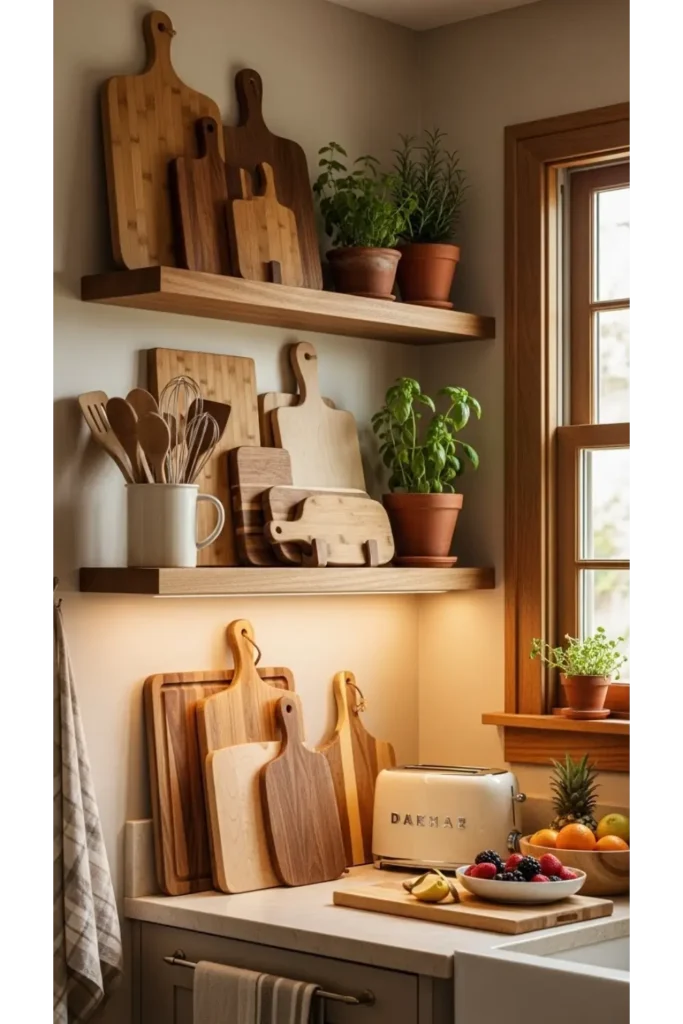
Natural wood introduces warmth and texture into small kitchens dominated by hard surfaces. Even subtle wood accents soften the space and make it feel lived in. Cutting boards, shelves, or stools add organic contrast that balances modern finishes.
Stick to one wood tone for cohesion. Too many variations can feel busy. Wood works best when repeated in small doses throughout the kitchen. This repetition creates rhythm and ties the design together while keeping the space visually calm and inviting.
10. Minimal Hardware With Strong Presence
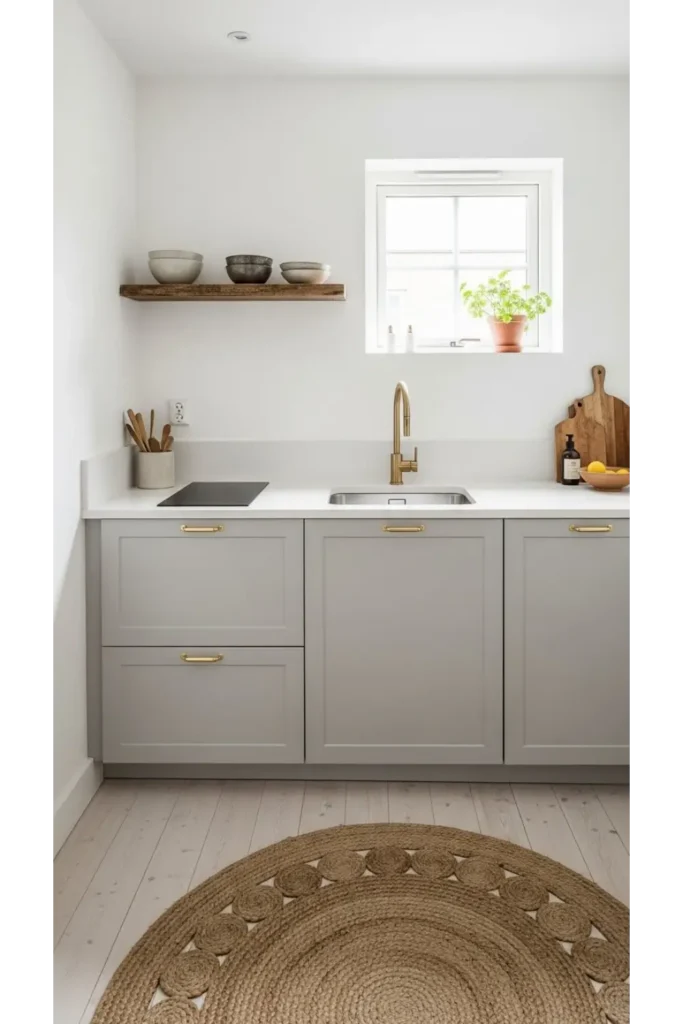
Cabinet hardware often gets overlooked, yet it plays a major role in small kitchens. Minimal hardware keeps surfaces clean while still offering tactile interest. Simple shapes in quality finishes like brass or black add quiet sophistication.
Consistency matters. Use the same hardware style throughout the kitchen to reduce visual clutter. In compact spaces, fewer design elements make a stronger impact. Thoughtfully chosen hardware enhances cabinets without competing for attention.
11. Art That Fits the Scale
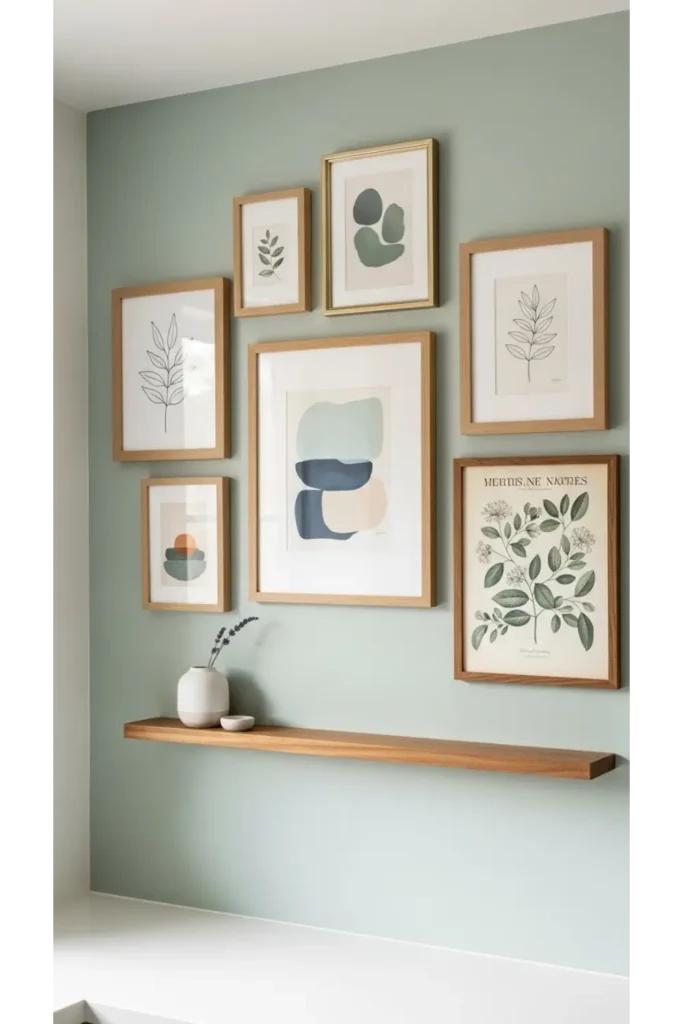
Art brings personality into a small kitchen when chosen with care. Small scale pieces or a tight gallery arrangement work better than oversized artwork. Art should complement the kitchen’s color palette and mood rather than dominate it.
Use art to introduce color or storytelling. Even one framed print can elevate a blank wall. Keep frames simple and finishes consistent. In small kitchens, art feels most effective when it enhances the atmosphere quietly and intentionally.
12. Functional Decor on Countertops
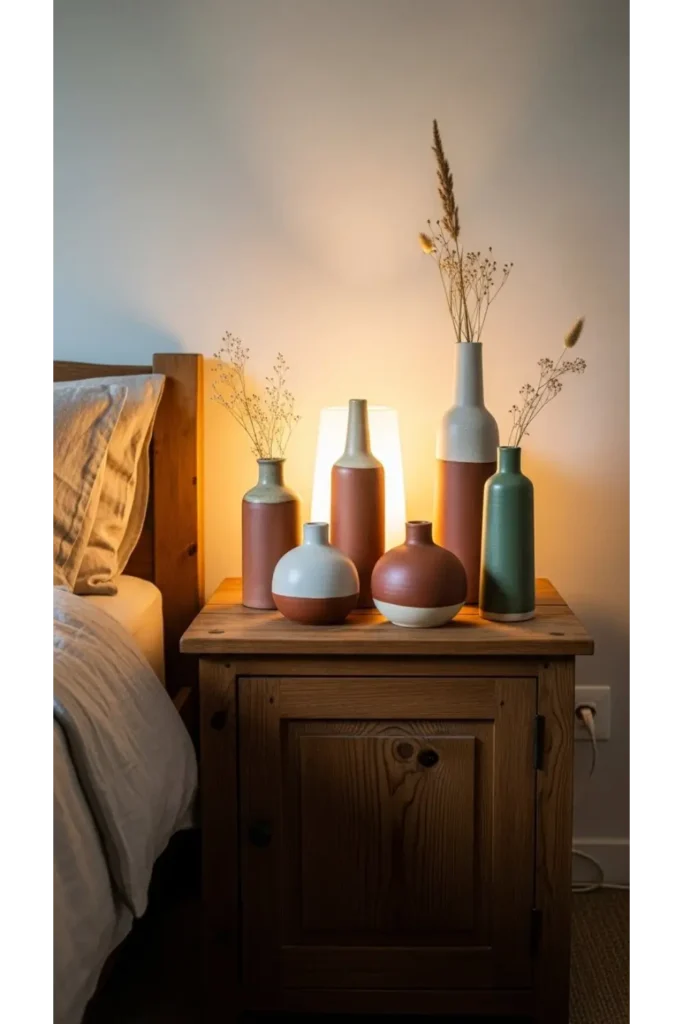
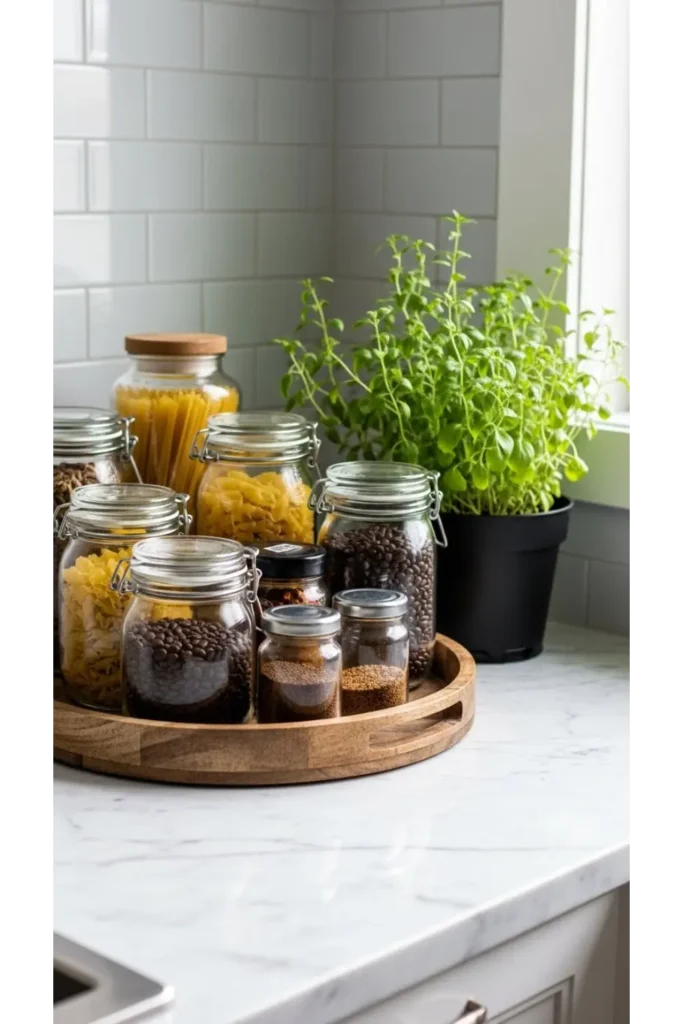
Countertops in small kitchens need breathing room, but that does not mean they must be bare. Functional decor like trays, jars, and bowls adds style while serving a purpose. Group items to create order rather than spreading them out.
Limit countertop decor to one or two zones. This keeps surfaces usable and visually clean. Choose materials that complement the kitchen finishes. When decor earns its place, it supports both daily routines and overall design.
13. Textured Rugs for Soft Contrast
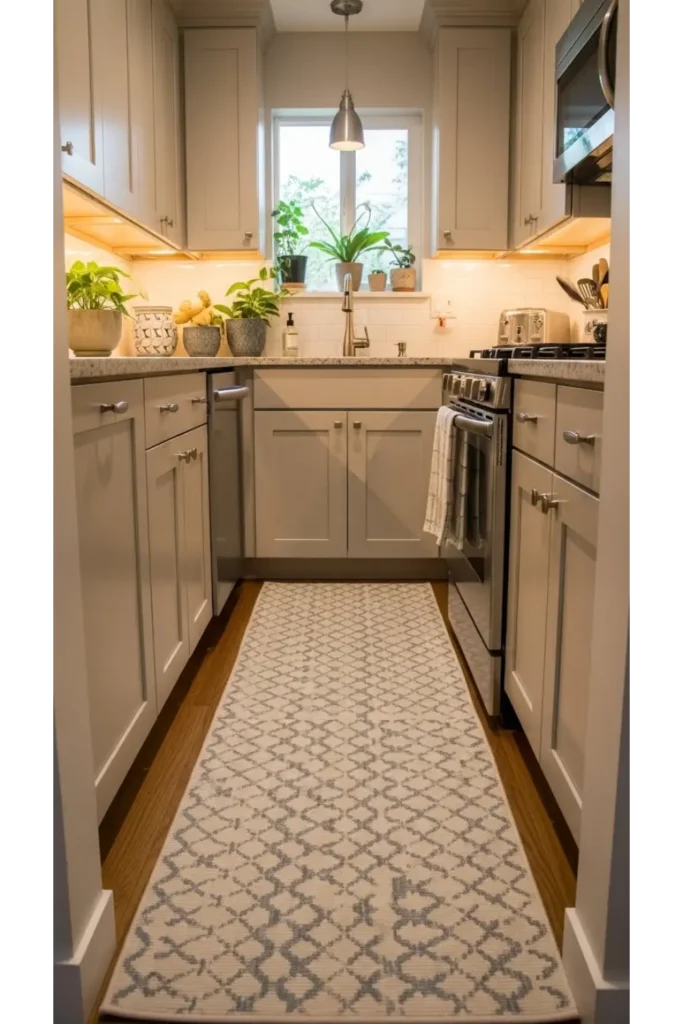
A slim runner rug adds comfort and pattern to a small kitchen. Texture underfoot softens hard surfaces and introduces warmth. Choose low pile rugs that handle foot traffic and spills easily.
Patterns help disguise wear while adding visual interest. Keep colors connected to the rest of the kitchen palette. A well chosen rug grounds the space and makes it feel complete without overwhelming it.
14. Glass Front Cabinets for Openness
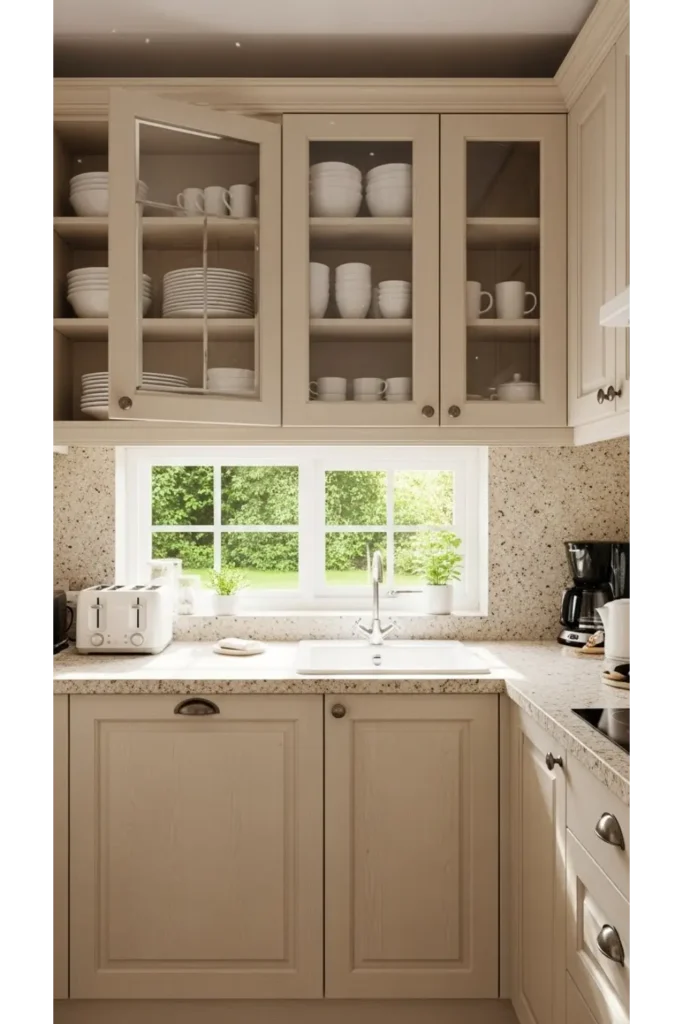
Glass front cabinets lighten the look of upper storage. They break up solid surfaces and add depth. When styled simply, they make a small kitchen feel more open and airy.
Keep contents organized and minimal. Too much inside glass cabinets can feel cluttered. Frosted or reeded glass offers privacy while still allowing light through. This balance works well in compact kitchens.
15. Integrated Appliances for Clean Lines
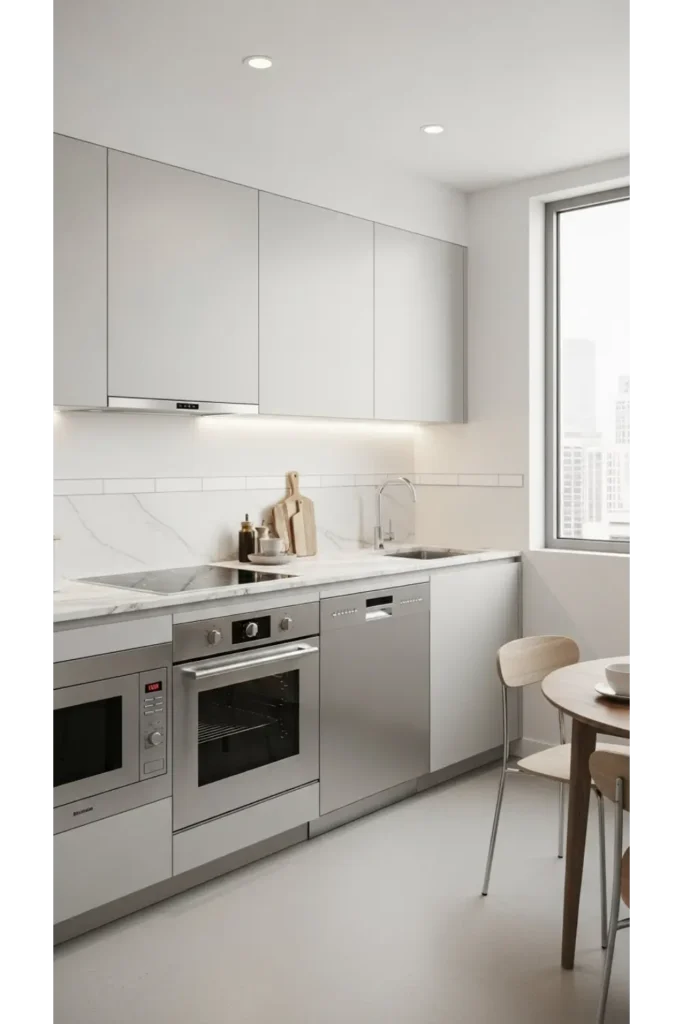
Integrated appliances reduce visual interruptions. When appliances blend into cabinetry, the kitchen feels calmer and more cohesive. This approach works especially well in small spaces where every break in line feels amplified.
Prioritize the most visible appliances first. Even partial integration improves flow. Clean lines help the kitchen read as one unified space rather than a collection of parts.
16. Statement Hardware as Jewelry
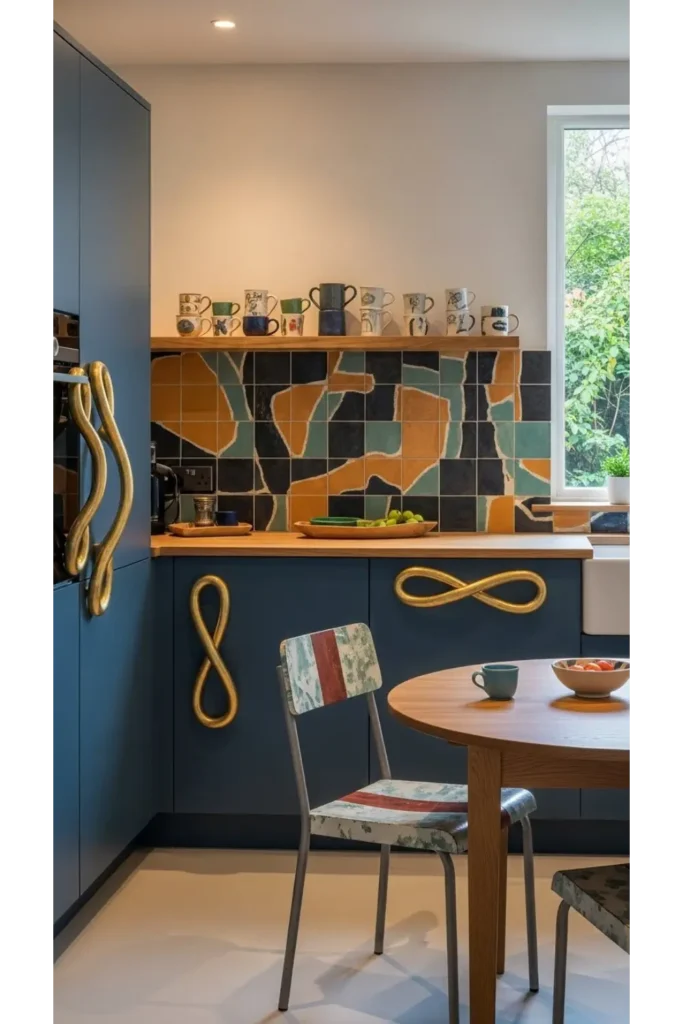
When cabinetry stays simple, hardware can become the statement. Oversized or sculptural handles act like jewelry for the kitchen. They add character without taking up space.
Limit the statement of hardware to key areas to avoid visual overload. Pair bold hardware with restrained finishes elsewhere. This contrast keeps the kitchen balanced and intentional.
17. Ceiling Details That Elevate
The ceiling often gets ignored in small kitchens, yet it offers design potential. Subtle texture, paint, or wood detail draws the eye upward. This creates a sense of height and completeness.
Keep ceiling treatments light to avoid closing in the space. Even a slight variation adds interest. Thoughtful ceiling design rounds out the room without competing with other elements.
18. Built-In Breakfast Nook
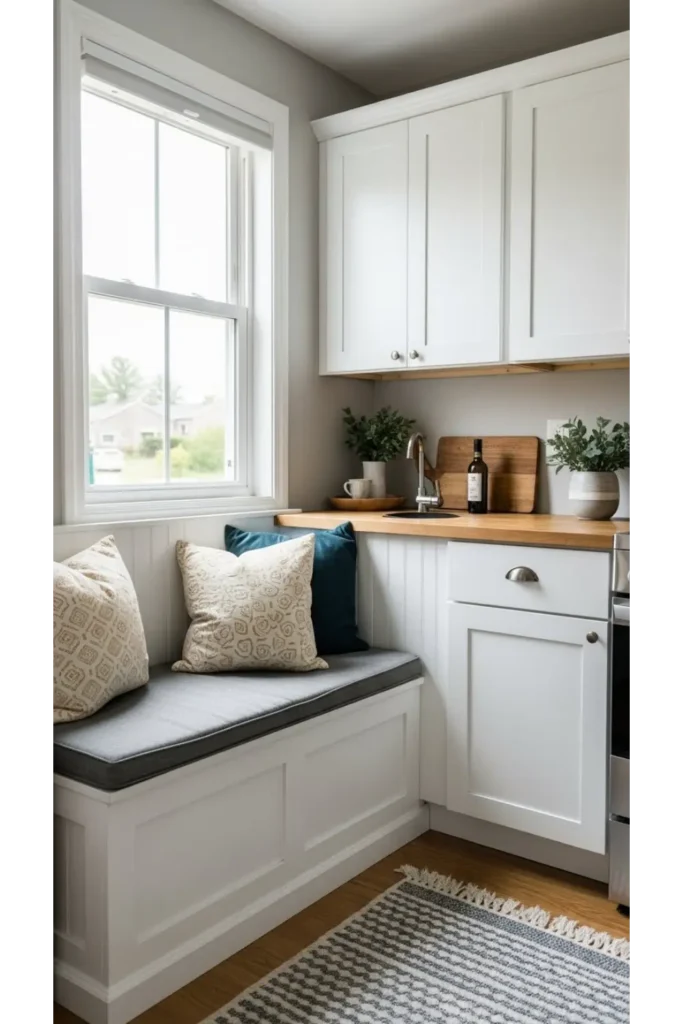
A built-in nook maximizes seating without clutter. Bench seating hugs the wall and offers hidden storage. It turns unused corners into functional, inviting spaces.
Use cushions and textiles to add softness. Keep the table proportional and simple. A nook adds charm and makes a small kitchen feel purposeful and welcoming.
19. Neutral Base With One Accent Color
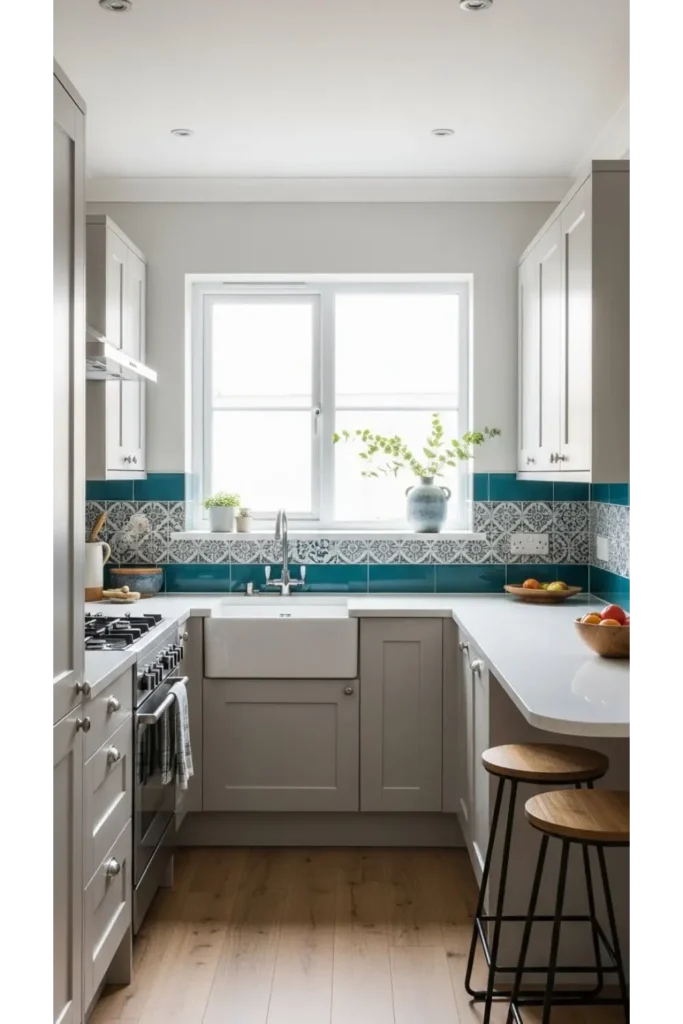
A neutral foundation keeps small kitchens calm and adaptable. Adding one accent color introduces personality without overwhelming the space. This approach allows for easy updates over time.
Use the accent sparingly through accessories or small surfaces. Consistency creates cohesion. In compact kitchens, clarity of color helps maintain visual balance.
20. Slim Open Pantry Storage

Open pantry shelving works well when space is tight. Slim shelves hold essentials while keeping everything visible. This encourages organization and reduces overbuying.
Use matching containers for a clean look. Open storage feels best when it looks intentional and orderly. It also adds texture and rhythm to blank walls.
21. Window Treatments That Stay Light
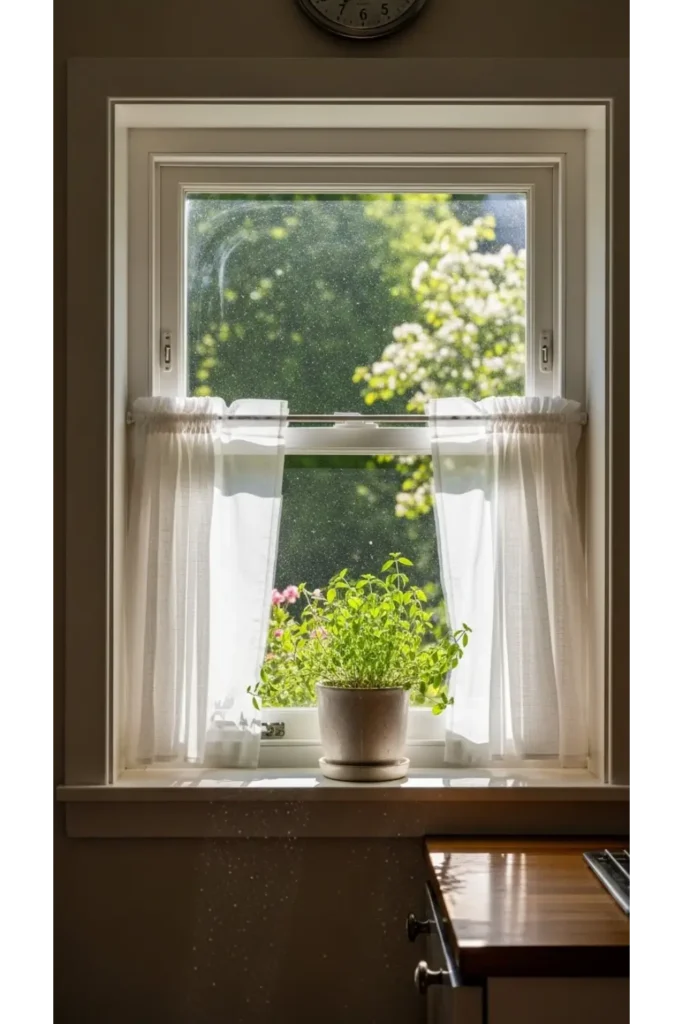
Window treatments should frame light, not block it. Sheer curtains or simple shades soften the window without darkening the space. Natural light makes small kitchens feel larger and more inviting.
Avoid heavy fabrics or bold patterns. Let the window remain a focal point. Light treatments support both function and atmosphere.
22. Layered Neutrals for Depth
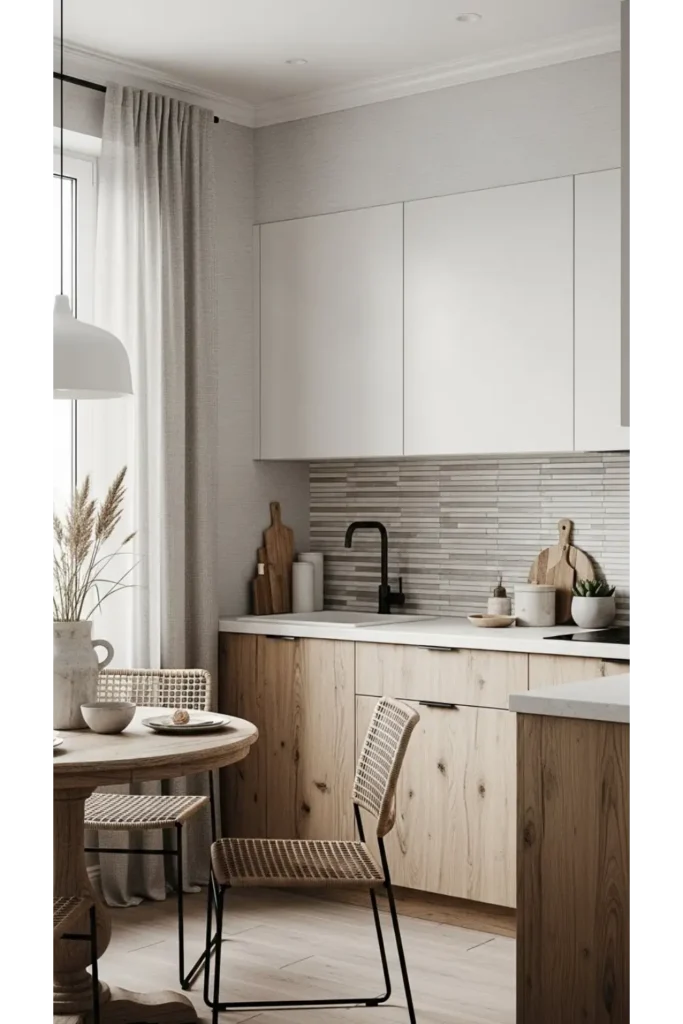
Layering neutrals adds richness without relying on color. Different textures and finishes create depth while keeping the palette calm. This approach works well in small kitchens where simplicity matters.
Mix matte and soft sheen surfaces. Repetition of tones ties everything together. Layered neutrals feel timeless and adaptable.
23. Personal Touches That Tell a Story
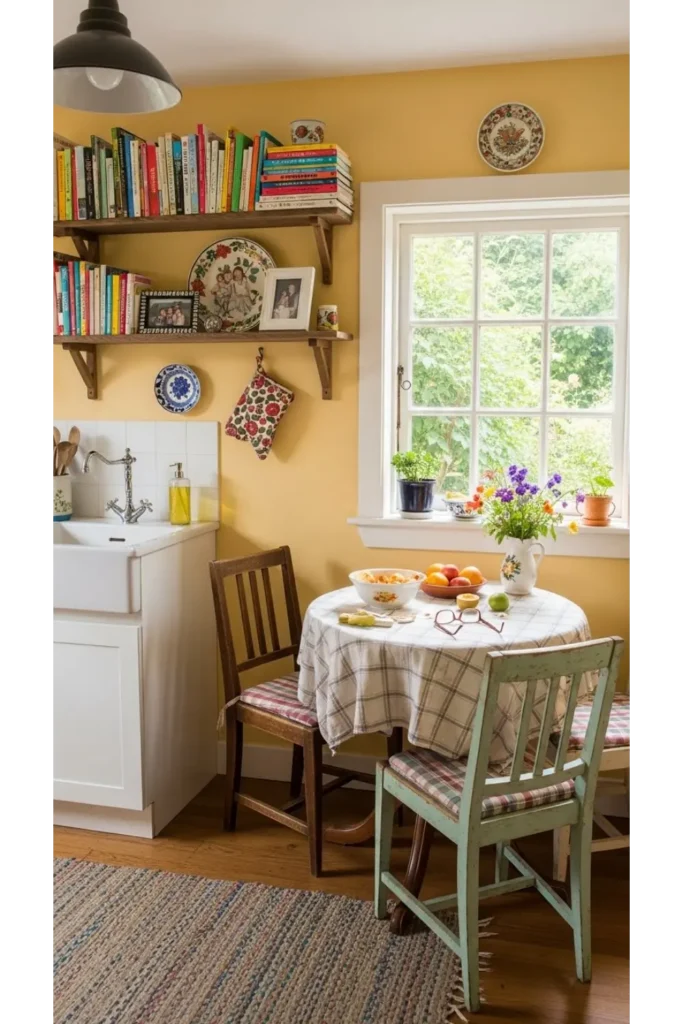
Personal items make a small kitchen feel meaningful. Cookbooks, heirlooms, or travel finds add soul. These touches turn a functional space into a lived in one.
Edit carefully. Too many personal items can feel cluttered. Choose pieces that spark joy and conversation. Authenticity always elevates design.
Conclusion
Small kitchens thrive on intention. Every choice carries more weight, and thoughtful decor creates impact far beyond square footage. By combining function, restraint, and personal expression, you can design a kitchen that feels expansive, stylish, and deeply yours. Big style does not require more space. It requires better decisions.