
23 Small Kitchen Remodel Ideas For Tight Spaces
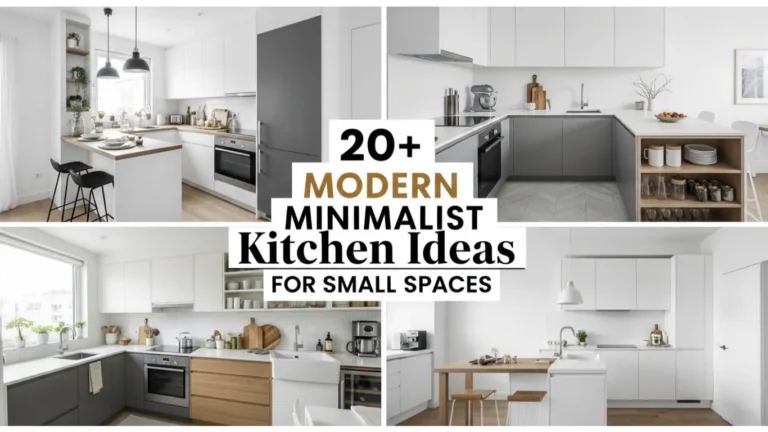
A compact kitchen does not limit style, comfort, or function. With the right planning, even the smallest layout can feel open, efficient, and inviting. This guide explores smart, realistic upgrades that work specifically for tight kitchens. Each idea focuses on space efficiency, visual balance, and daily usability without overwhelming the room. These small kitchen remodel ideas are designed to help homeowners make confident decisions that add lasting value while keeping the space practical and beautiful.
1. Light Color Cabinets For Visual Expansion
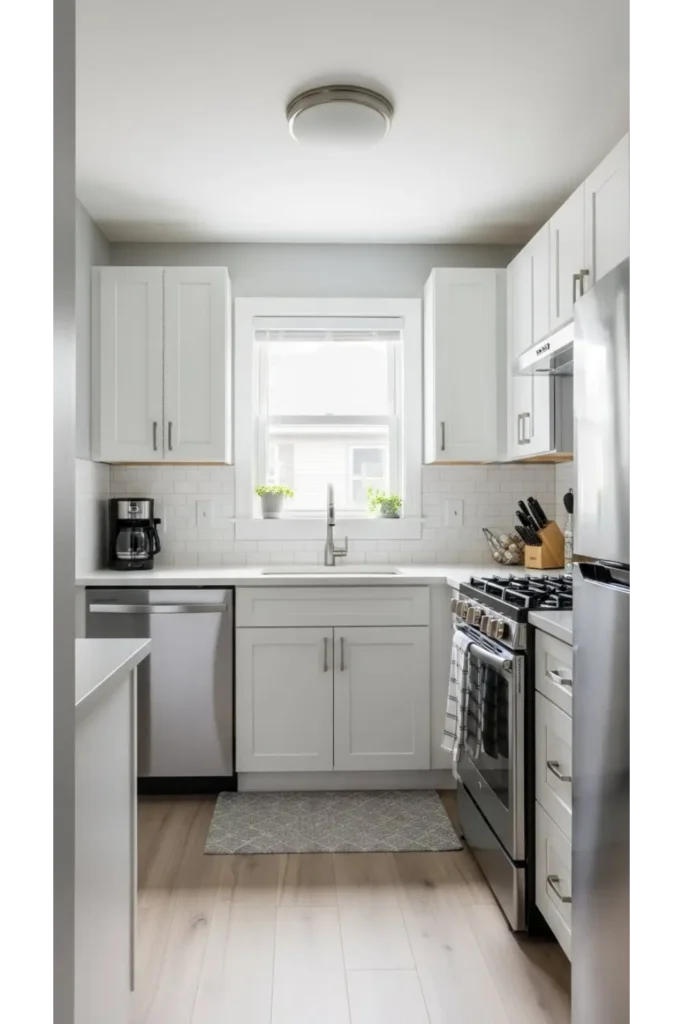
Light colored cabinetry instantly makes tight kitchens feel more open and breathable. White, soft beige, or pale gray surfaces reflect light across the room, reducing visual clutter. This approach helps walls recede visually, creating a sense of depth without changing the footprint. Gloss or satin finishes work especially well in smaller layouts where light is limited.
Beyond appearance, lighter cabinets also improve functionality. They make it easier to spot items quickly, which reduces daily friction in a compact cooking space. Pairing them with simple hardware keeps the look clean and balanced. This is one of the most effective small kitchen remodel ideas for creating openness without structural changes.
2. Vertical Storage That Uses Full Wall Height

Using vertical space transforms how a small kitchen functions. Cabinets that extend to the ceiling eliminate wasted gaps and provide extra storage for seasonal or less used items. This strategy draws the eye upward, making the room appear taller while maximizing every available inch.
Tall storage also reduces countertop clutter, which is essential in narrow kitchens. When frequently used tools have dedicated storage, the workspace feels calmer and more efficient. Incorporating vertical organization is a practical solution that supports both aesthetics and daily routines in limited square footage.
3. Slim Appliances Designed For Compact Layouts
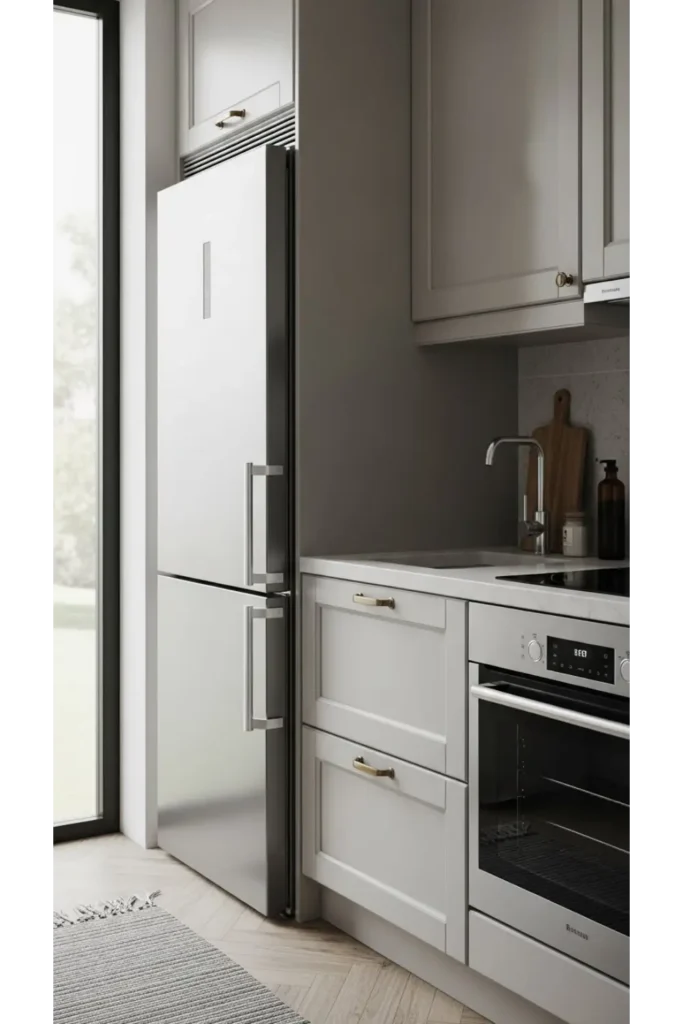
Slim appliances fit perfectly in tight kitchens without sacrificing performance. Compact refrigerators, narrow dishwashers, and shallow-depth ranges offer full functionality in a smaller footprint. These appliances allow better traffic flow and prevent the kitchen from feeling cramped.
Choosing integrated or panel-ready models further streamlines the look. When appliances blend with cabinetry, the kitchen appears more cohesive and spacious. This approach helps homeowners balance modern convenience with smart space planning, making it a reliable remodeling strategy.
4. Open Shelving For Airy Visual Flow

Open shelving removes visual barriers that bulky cabinets can create. Shelves allow light to move freely through the kitchen, which helps the space feel lighter and more open. They also encourage intentional organization, keeping only useful or attractive items on display.
When styled thoughtfully, open shelves add personality without overwhelming the room. Using consistent dishware and limiting decorative elements maintains balance. This idea works best when combined with closed storage elsewhere, creating a functional mix that suits compact kitchens.
5. Reflective Backsplash Materials
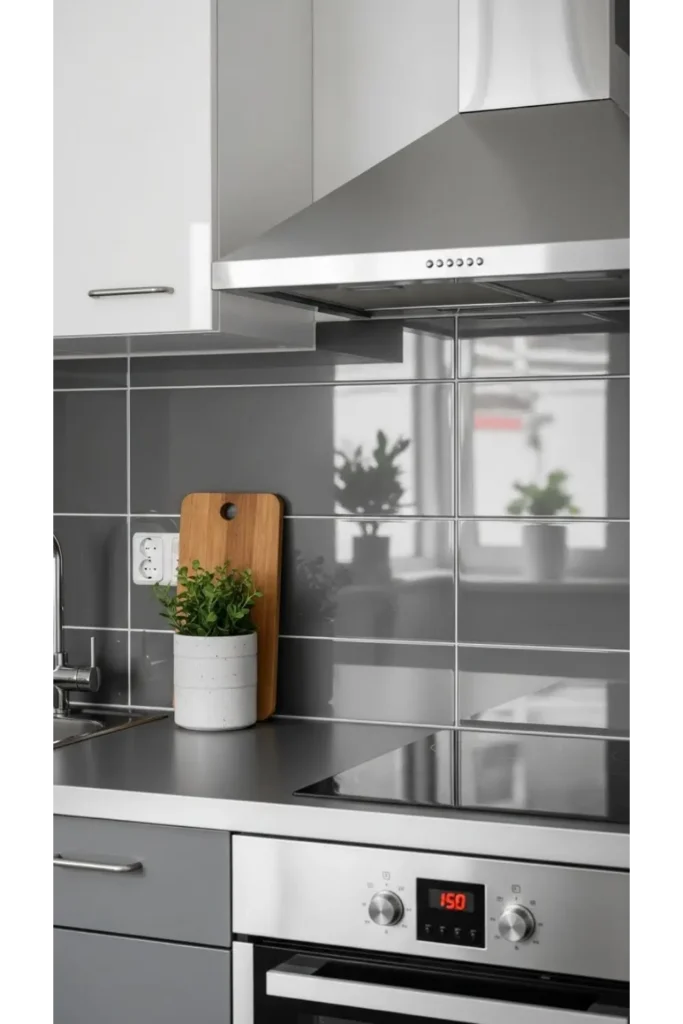
A reflective backsplash amplifies available light and adds dimension to tight kitchens. Glossy tiles, glass panels, or polished stone surfaces bounce light across the room, helping it feel brighter and larger. This visual trick works especially well in kitchens with limited windows.
Beyond aesthetics, smooth backsplash materials are easy to clean and maintain. They protect walls while enhancing style. Selecting subtle patterns or solid tones prevents visual overload, keeping the focus on openness and flow.
6. Handleless Cabinet Design
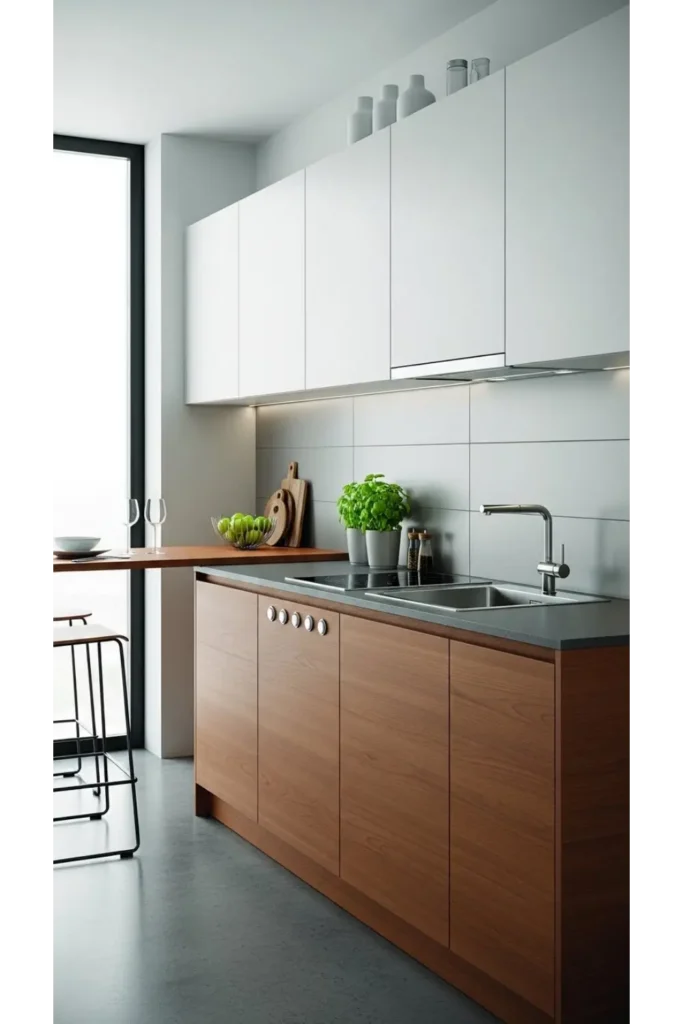
Handleless cabinets create clean lines that reduce visual noise. Without protruding hardware, the kitchen feels smoother and more streamlined. This design minimizes interruptions, which is important in narrow spaces where every detail stands out.
Touch-latch or recessed pulls maintain functionality while preserving a modern look. These cabinets also make movement easier in tight areas, reducing the chance of catching clothing or bumping into handles during cooking.
7. Compact Kitchen Island With Storage

A compact island adds function without overcrowding the kitchen. When designed properly, it provides extra prep space, storage, and even seating. Slim islands with open sides maintain visual flow while still offering practical benefits.
In small layouts, mobile or narrow islands work best. They adapt to daily needs and can be repositioned when necessary. This flexibility supports both cooking and social interaction in limited spaces.
8. Integrated Lighting Under Cabinets
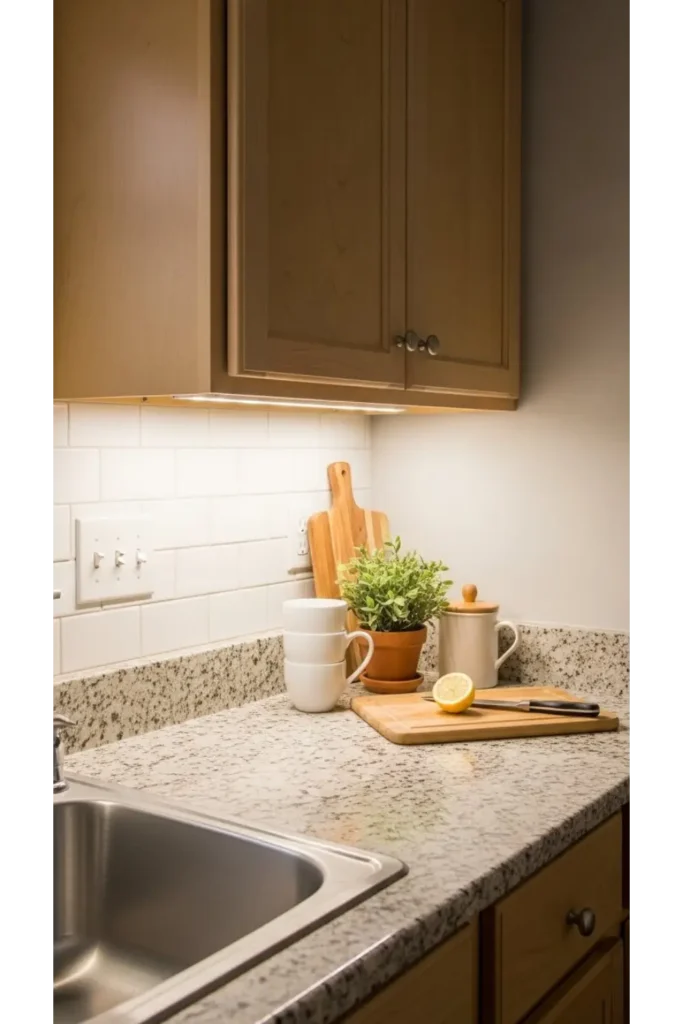
Under-cabinet lighting improves visibility and enhances ambiance. Focused light on countertops makes food preparation safer and easier, especially in kitchens with limited overhead lighting. It also adds depth by highlighting surfaces.
LED strips or puck lights remain discreet while offering strong illumination. This layered lighting approach creates warmth and functionality without taking up space, making it ideal for compact remodels.
9. Single Bowl Sink For More Counter Space
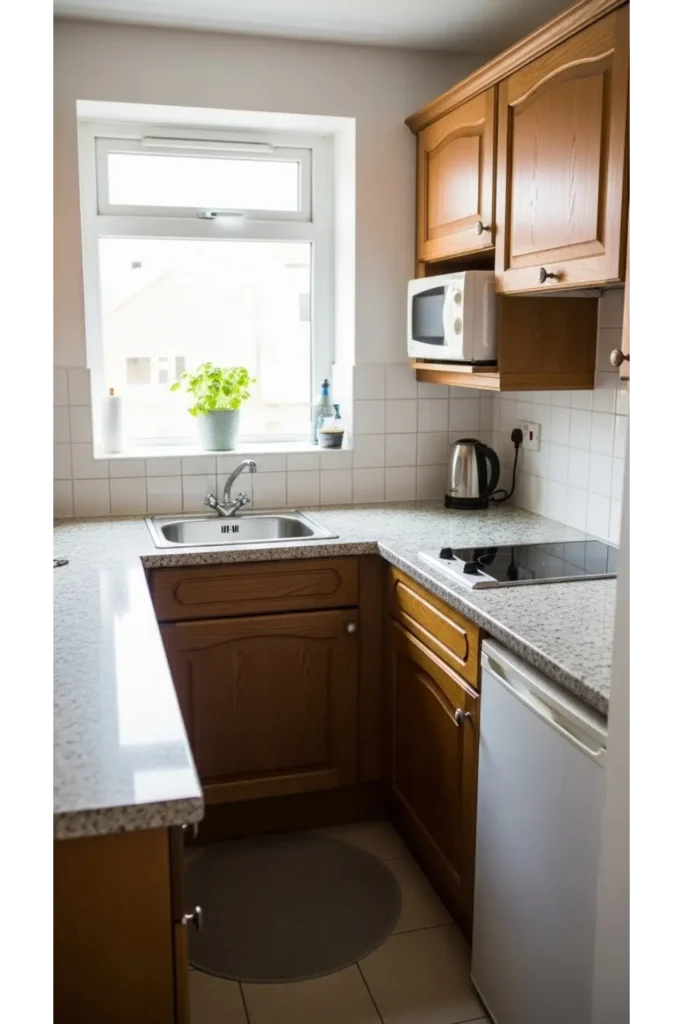
A single bowl sink uses less space than traditional double basins. It frees up valuable counter area while still accommodating large cookware. This design supports efficient workflow in tight kitchens.
Modern single bowl sinks come in deep profiles, increasing capacity without expanding width. Pairing them with a pull-down faucet further improves usability and keeps the design streamlined.
10. Glass Cabinet Doors
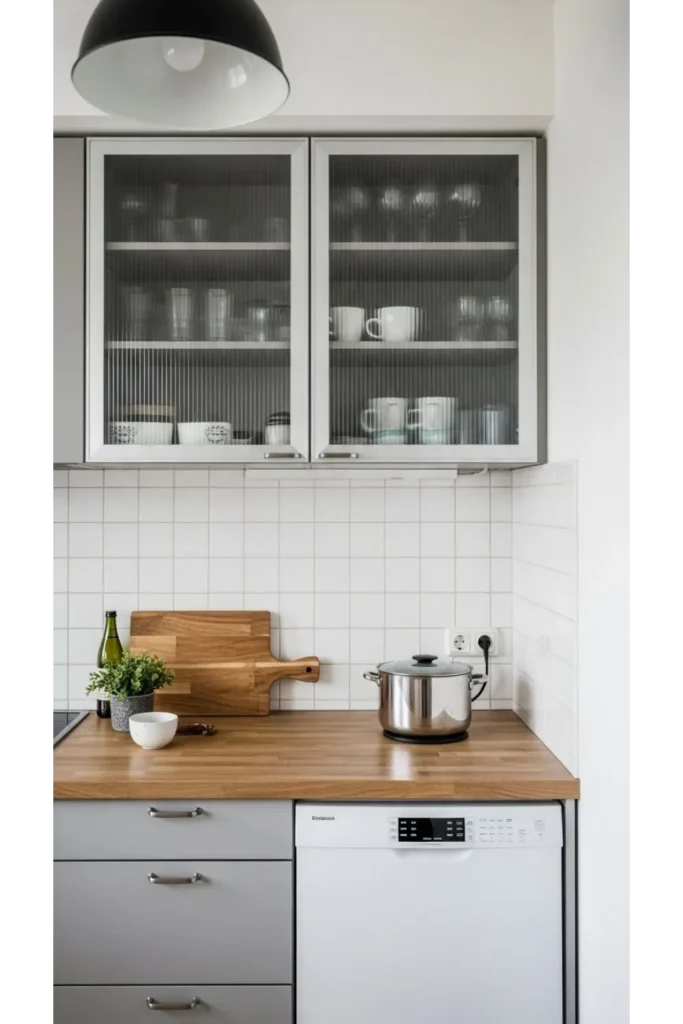
Glass cabinet doors reduce visual heaviness by allowing the eye to see through storage areas. This transparency makes the kitchen feel more open and less boxed in. Frosted or ribbed glass offers privacy while still reflecting light.
These doors work well on upper cabinets, balancing closed storage below. They add elegance without clutter and help maintain a light, breathable atmosphere.
11. Neutral Countertops With Subtle Texture
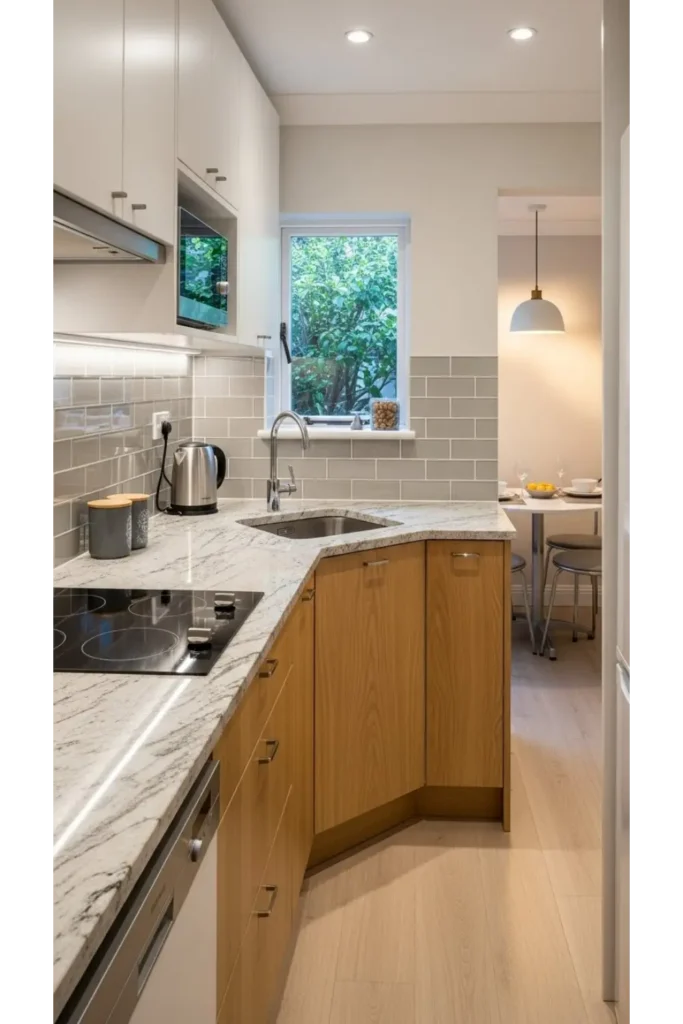
Neutral countertops ground the design while keeping the space calm. Soft stone patterns or matte finishes add interest without overpowering the room. This balance is important in kitchens with limited square footage.
Light toned surfaces also reflect light, enhancing brightness. They pair easily with various cabinet styles, offering flexibility for future updates.
12. Built-In Seating Solutions
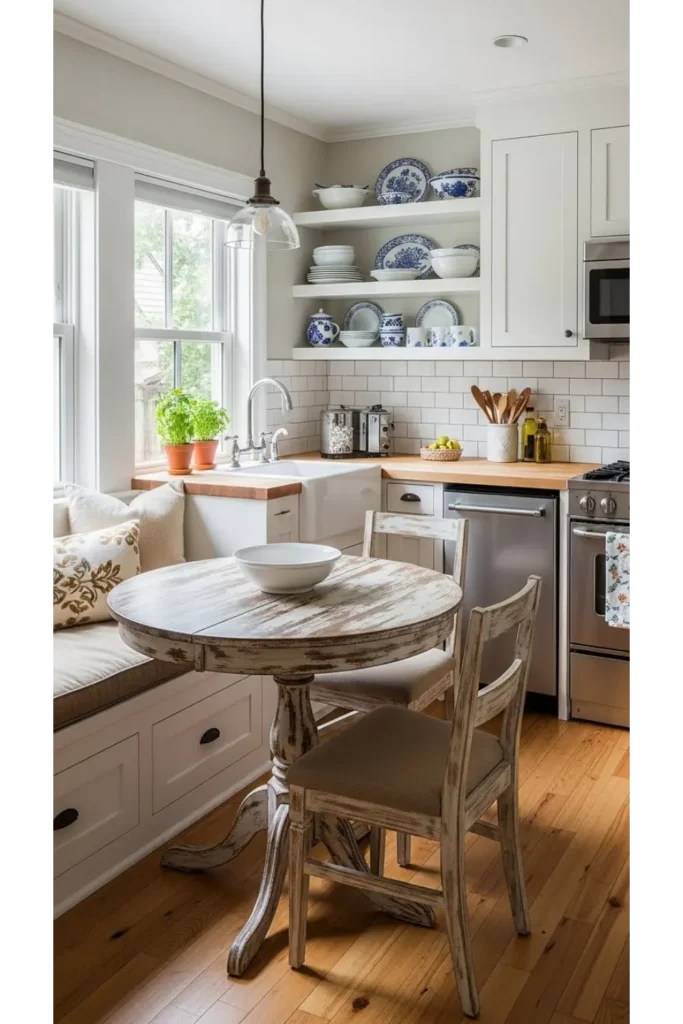
Built-in seating maximizes unused corners and walls. Breakfast nooks or banquettes create functional dining areas without requiring bulky furniture. This approach keeps pathways clear and improves flow.
Custom seating can include hidden storage, adding another layer of efficiency. It turns overlooked spaces into practical features that support daily living.
13. Pull-Out Pantry Cabinets
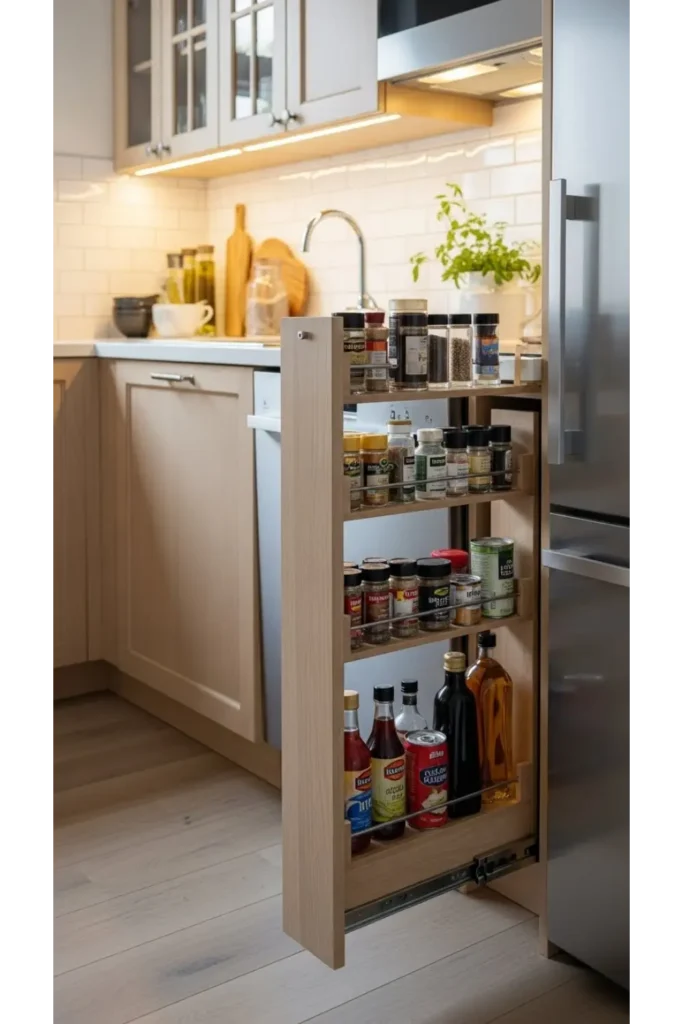
Pull-out pantries offer high storage capacity in narrow spaces. These cabinets keep items accessible and organized without consuming floor space. Vertical pull-outs work well beside appliances or in tight gaps.
They reduce clutter and improve visibility, which saves time during meal prep. This solution supports both efficiency and cleanliness.
14. Matte Finishes To Reduce Glare
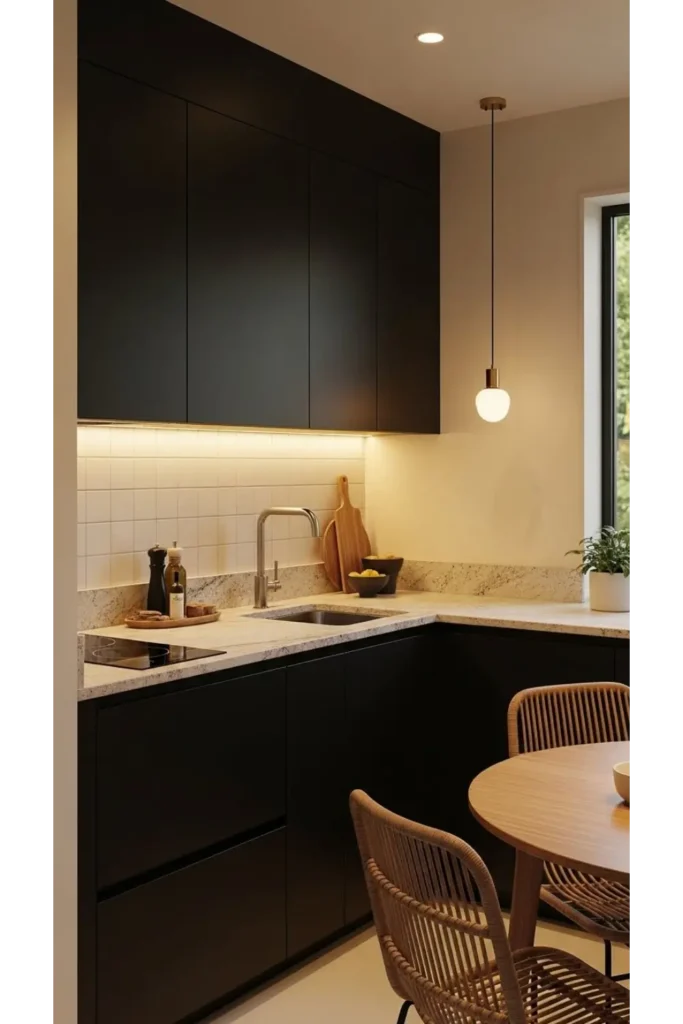
Matte finishes absorb light softly, reducing harsh reflections in compact kitchens. This creates a calm, balanced environment that feels comfortable and intentional. Matte surfaces also hide fingerprints and smudges better.
When combined with good lighting, matte textures add depth without heaviness. They support a refined look that suits modern compact spaces.
15. Compact Range Hood Designs
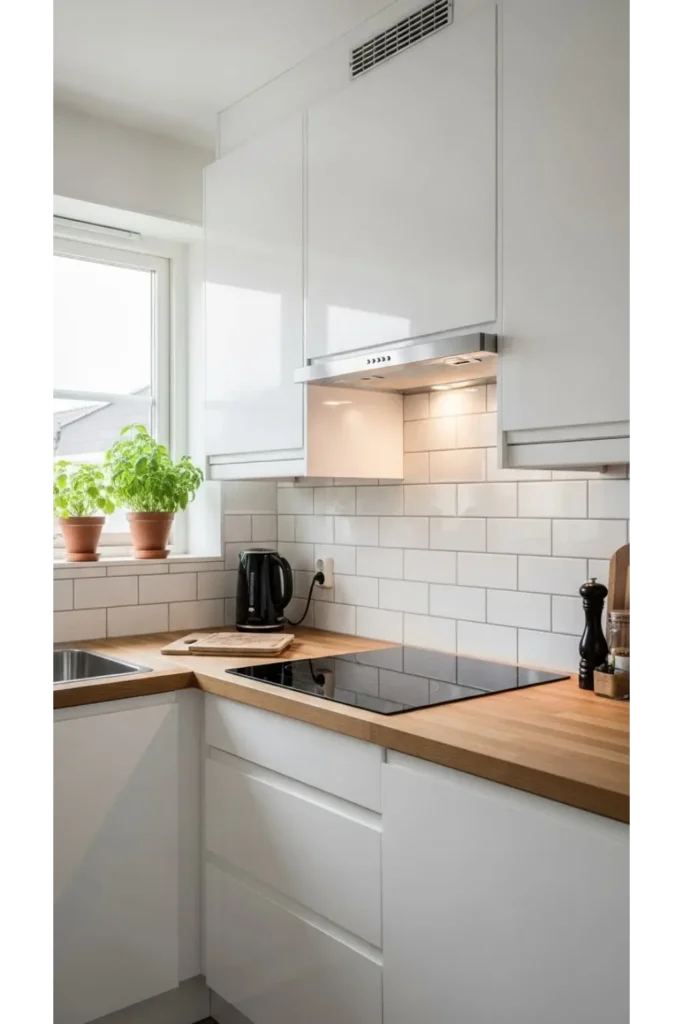
Slim range hoods provide ventilation without dominating the space. Built-in or concealed designs blend into cabinetry, maintaining visual continuity. This keeps the kitchen feeling cohesive and uncluttered.
Efficient ventilation improves air quality while preserving aesthetics. Choosing a quiet model enhances comfort in close quarters.
16. Fold-Down Work Surfaces
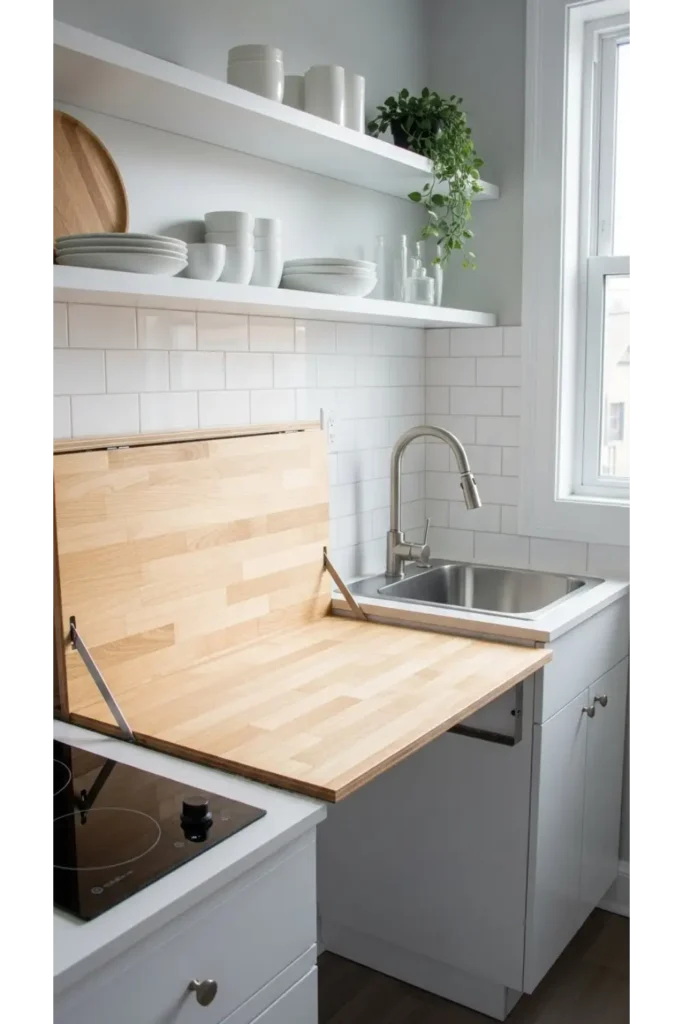
Fold-down surfaces add temporary workspace when needed. These features tuck away neatly, freeing up space when not in use. They are ideal for prep tasks or quick meals.
Wall-mounted or cabinet-integrated designs maintain clean lines. This flexibility supports changing needs without permanent bulk.
17. Consistent Flooring Throughout
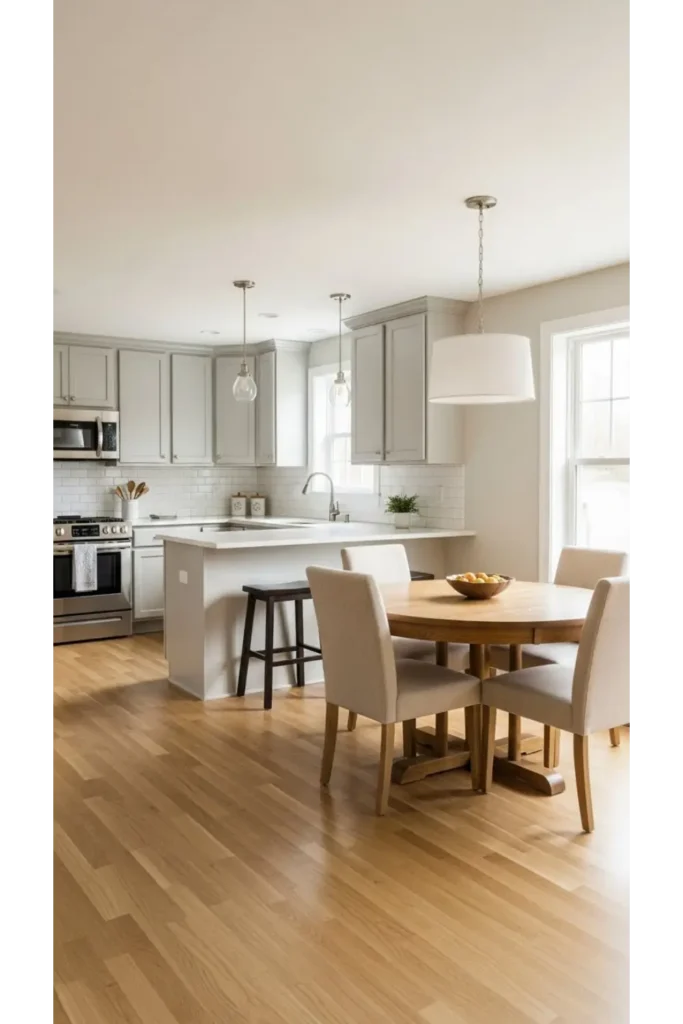
Using the same flooring material throughout the kitchen and adjacent spaces helps remove visual boundaries that make tight rooms feel boxed in. When the eye moves freely without stopping at floor transitions, the kitchen appears wider and more open. This approach works especially well in open layouts where the kitchen connects to a dining or living area.
Durable materials like porcelain tile, luxury vinyl, or sealed hardwood hold up well in busy kitchens while maintaining visual continuity. Neutral or lightly textured finishes keep the space grounded without pulling attention downward. Consistent flooring supports a cohesive design and helps small kitchens feel like part of a larger, connected home.
18. Minimalist Hardware Choices
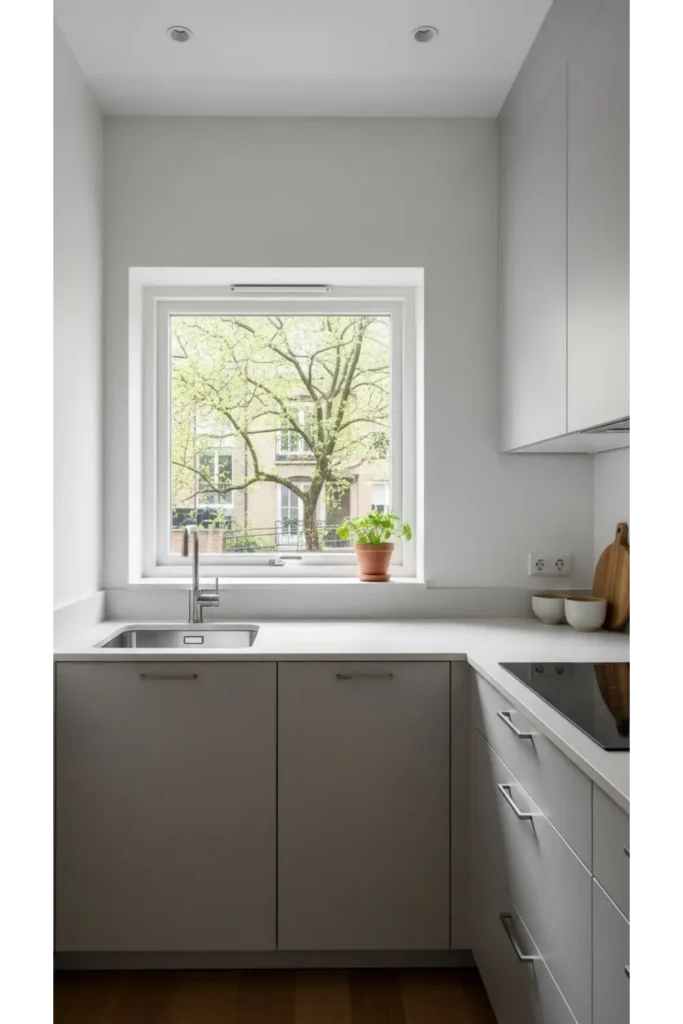
Minimalist hardware reduces visual noise in compact kitchens where details quickly add up. Slim pulls, recessed grips, or handle-free designs keep cabinet faces clean and uninterrupted. This simplicity allows cabinetry, lighting, and layout to stand out instead of competing for attention, which helps the space feel calmer and more intentional.
Choosing one finish and repeating it consistently builds harmony across the kitchen. Matte black, brushed nickel, or soft brass work well without overpowering the design. In small spaces, these subtle choices have a big impact by supporting flow, ease of movement, and a refined overall look.
19. Mirrored Accents For Depth
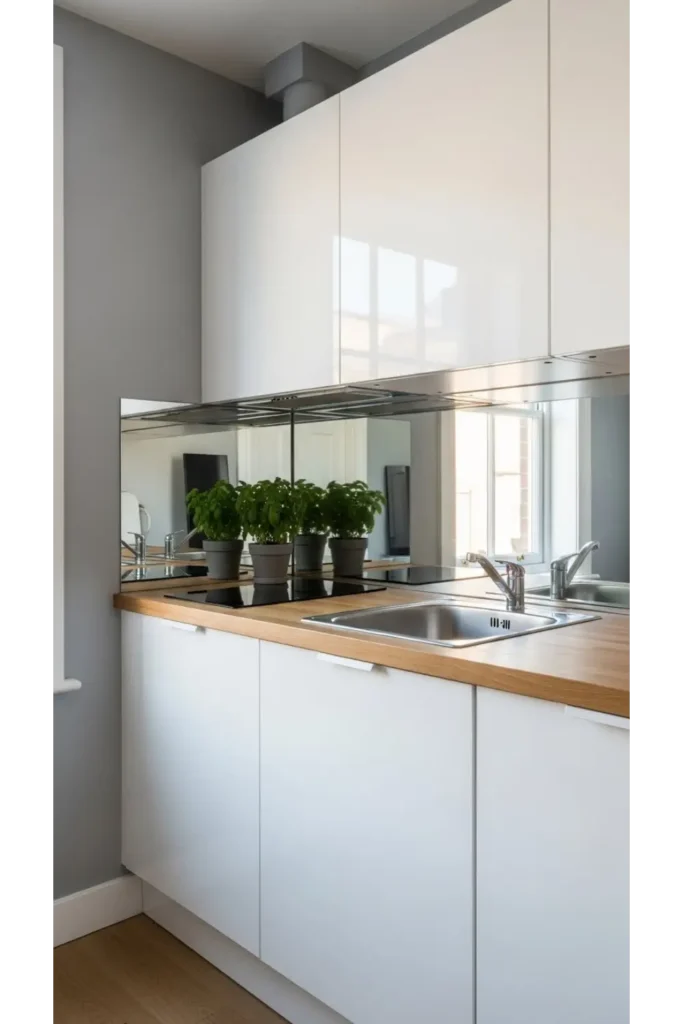
Mirrored accents add visual depth by reflecting light, color, and movement within a small kitchen. When placed strategically, such as on a backsplash or a narrow wall section, mirrors create the illusion of extra space without structural changes. They are especially effective in kitchens with limited natural light.
The key is to use mirrored surfaces with intention. Subtle finishes like antiqued or lightly tinted glass prevent the space from feeling overly reflective. When balanced with matte cabinetry and simple lines, mirrored accents enhance openness while maintaining warmth and visual comfort.
20. Compact Corner Solutions
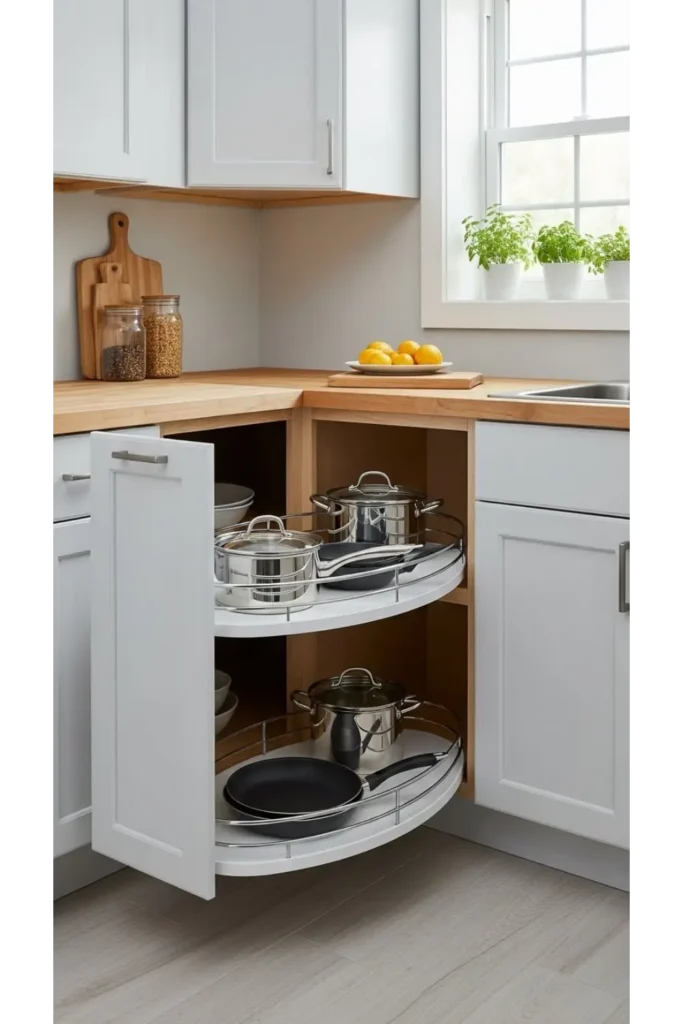
Corners often become wasted space in tight kitchens, but smart storage solutions can turn them into highly functional zones. Pull-out shelves, lazy Susans, or swing-out racks make deep corners easy to access. These systems prevent items from getting lost and reduce the need to overreach or overcrowd other cabinets.
By improving access and organization, corner solutions support a smoother workflow. They keep frequently used cookware within reach while freeing up nearby storage. This efficiency helps small kitchens feel less cluttered and more enjoyable to use every day.
21. Two-Tone Cabinet Schemes

Two-tone cabinetry adds depth and visual structure without overwhelming a small kitchen. Lighter upper cabinets help the space feel open and airy, while darker lower cabinets ground the design and hide daily wear. This contrast draws the eye upward, which subtly increases the sense of height.
Staying within a coordinated color family keeps the look cohesive. Soft neutrals paired with natural wood or muted darker tones work well in compact layouts. This design choice adds personality and style while still supporting the goal of visual balance and openness.
22. Window Expansion Or Clear Treatments
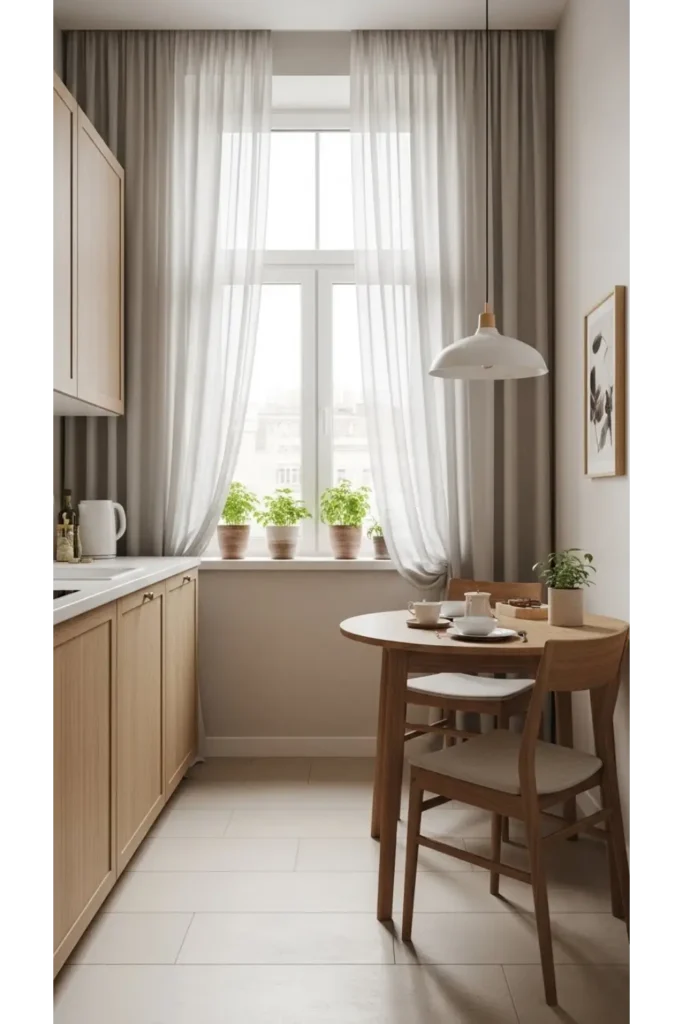
Natural light plays a major role in how spacious a kitchen feels. Expanding a window or choosing clear, lightweight treatments allows more daylight to enter, instantly improving brightness. Light-filled kitchens feel more welcoming and less confined, even when square footage is limited.
Sheer curtains, simple shades, or uncovered windows work best in tight spaces. They preserve privacy while maximizing light and outdoor connection. Avoid heavy fabrics that block views or weigh down the room. Clear treatments help small kitchens feel fresh, open, and energized throughout the day.
23. Built-In Trash And Recycling
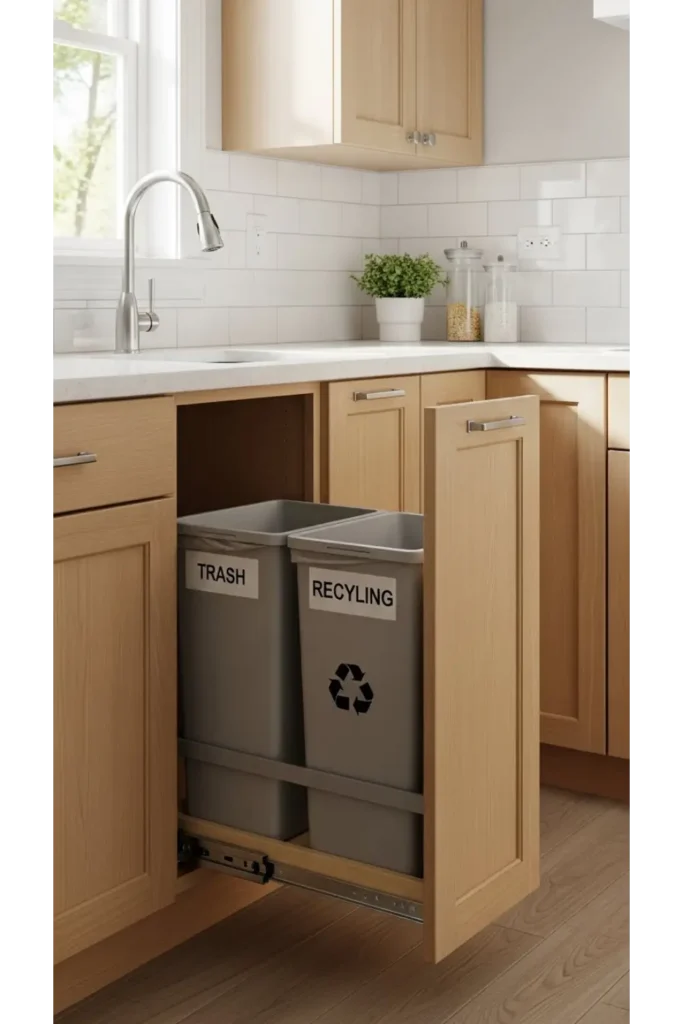
Built-in trash and recycling systems keep floors clear and surfaces uncluttered, which is essential in small kitchens. Pull-out bins hidden inside base cabinets maintain a clean appearance while keeping waste management convenient. This integration supports better hygiene and a more organized workflow.
Placing these systems near prep or sink areas improves efficiency during cooking and cleanup. By eliminating visible bins, the kitchen feels more streamlined and intentional. Small functional upgrades like this make a noticeable difference in how comfortable and polished a compact kitchen feels.
Conclusion
A well-planned compact kitchen balances beauty and function through intentional choices. These small kitchen remodel ideas focus on real-world solutions that enhance comfort, efficiency, and visual space. By prioritizing smart storage, light, and flow, homeowners can transform tight kitchens into spaces that feel generous, practical, and welcoming for years to come.