

20+ Bedroom Decor Ideas to Elevate Home Interior
Your bedroom should feel calm, personal, and inspiring at the same time. The right design choices can shift the mood of your entire space without a full renovation. These bedroom decor ideas to elevate home interior focus on smart styling, layered comfort, and thoughtful details. Each concept blends beauty with function, so your room feels curated, not crowded. Explore fresh ways to upgrade your layout, lighting, texture, and personality while keeping everything cohesive and timeless.
1. Statement Upholstered Headboard
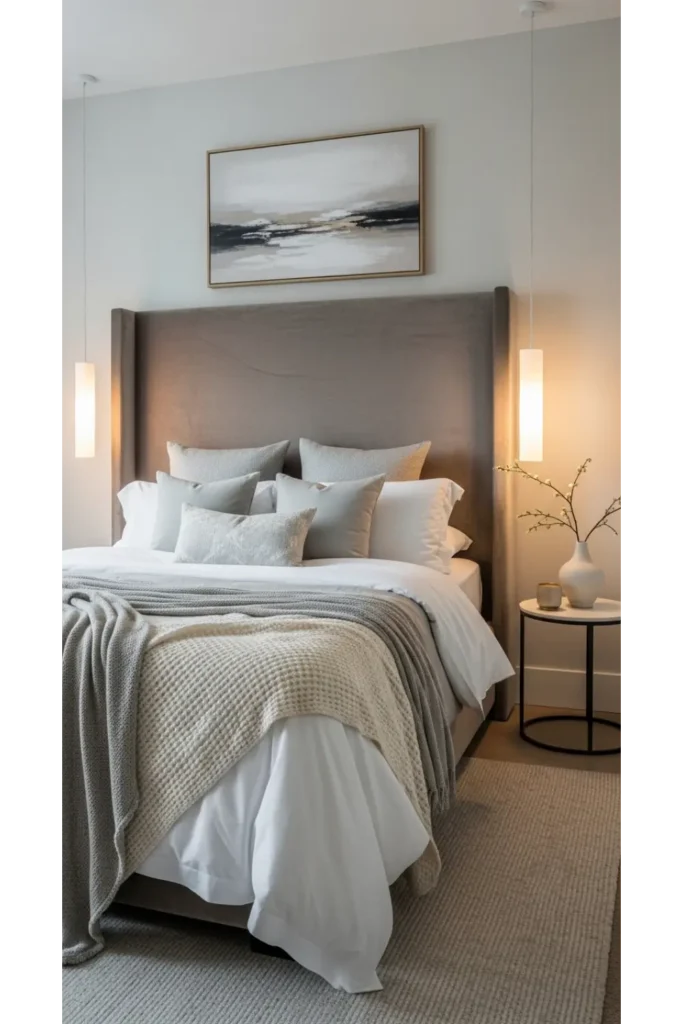
The first of these bedroom decor ideas to elevate home interior starts with a bold headboard. A tall upholstered design instantly anchors the room and creates a focal point behind the bed. Choose velvet for a luxe feel or linen for a relaxed look. Soft curves feel inviting, while clean lines suit modern interiors. Keep the color neutral if you want flexibility with future decor updates.
Layer crisp white sheets with textured throws to highlight the headboard’s presence. Add matching bedside lamps to frame the bed evenly. This setup improves visual balance and makes the space feel intentional. A strong headboard design works especially well in small bedrooms because it adds impact without taking up extra floor space.
2. Layered Ambient Lighting
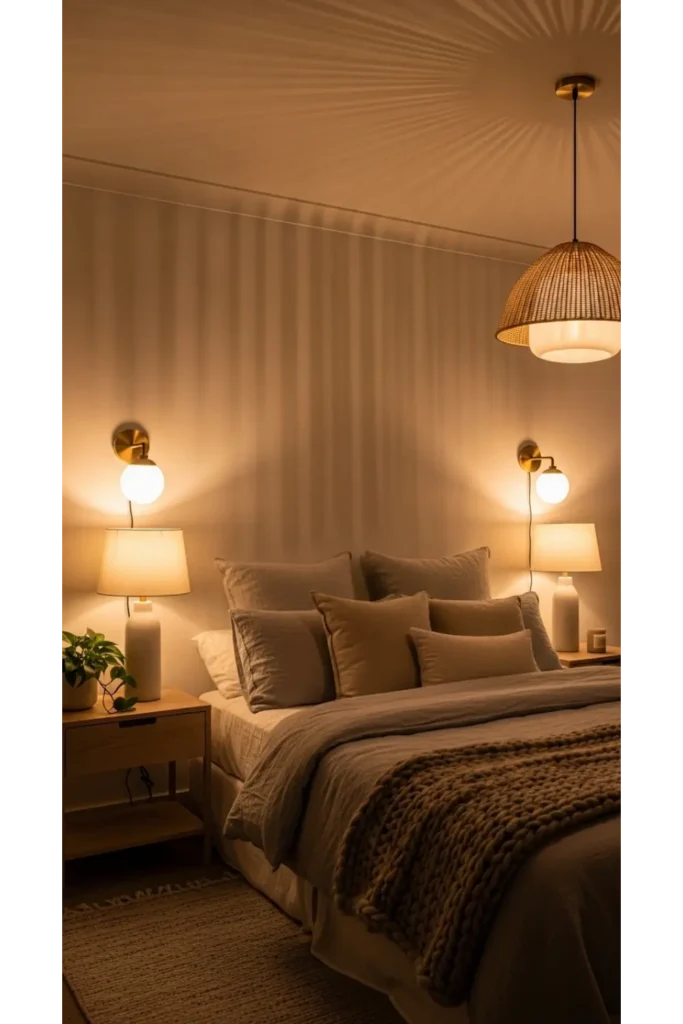
Lighting shapes mood more than most people realize. Instead of relying on one overhead fixture, mix table lamps, wall sconces, and soft ceiling lights. This layered approach creates depth and comfort. Warm light bulbs help the room feel restful. Place reading lights near the bed and a soft glow in darker corners to avoid harsh shadows.
Smart lighting systems allow you to adjust brightness based on time of day. Dim lights in the evening to prepare for sleep and brighten them in the morning to boost energy. Thoughtful lighting design supports both function and style, turning your bedroom into a peaceful retreat.
3. Design a Curated Feature Wall
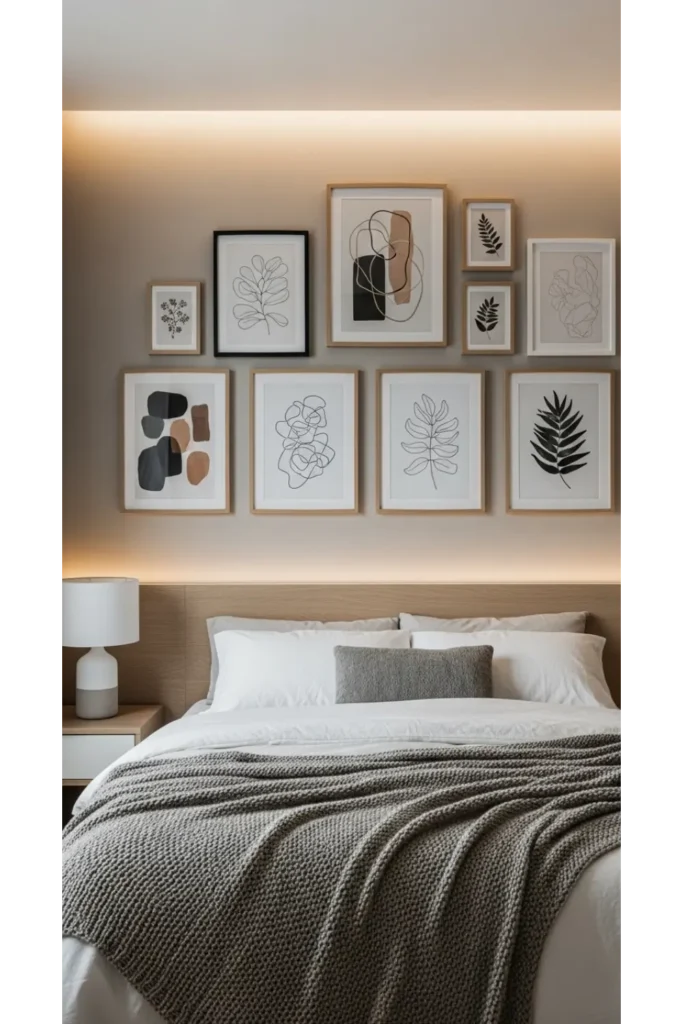
A curated feature wall adds depth and personality without overwhelming the room. Instead of random placement, plan a balanced arrangement that blends art prints, personal photos, and subtle decorative objects. Keep a consistent color theme so the wall feels cohesive. Leave enough breathing space between frames to avoid visual clutter and help each piece stand out clearly.
You can experiment with layout before hanging by arranging frames on the floor first. This prevents unnecessary wall damage and improves proportion. A well styled feature wall becomes a natural focal point that enhances the bedroom’s overall atmosphere while keeping the design intentional and refined.
4. Invest in Smart Space Saving Pieces

Smart furniture choices transform even compact bedrooms into efficient spaces. Choose beds with built in storage drawers or hydraulic lift systems. Foldable desks and nesting tables help you adjust functionality when needed. These solutions maintain style while supporting everyday use.
When furniture serves more than one purpose, the room feels organized and breathable. This approach reduces the need for extra cabinets and bulky units. A thoughtful layout improves movement flow and keeps the bedroom visually calm and clutter free.
5. Build a Soft Lighting Plan
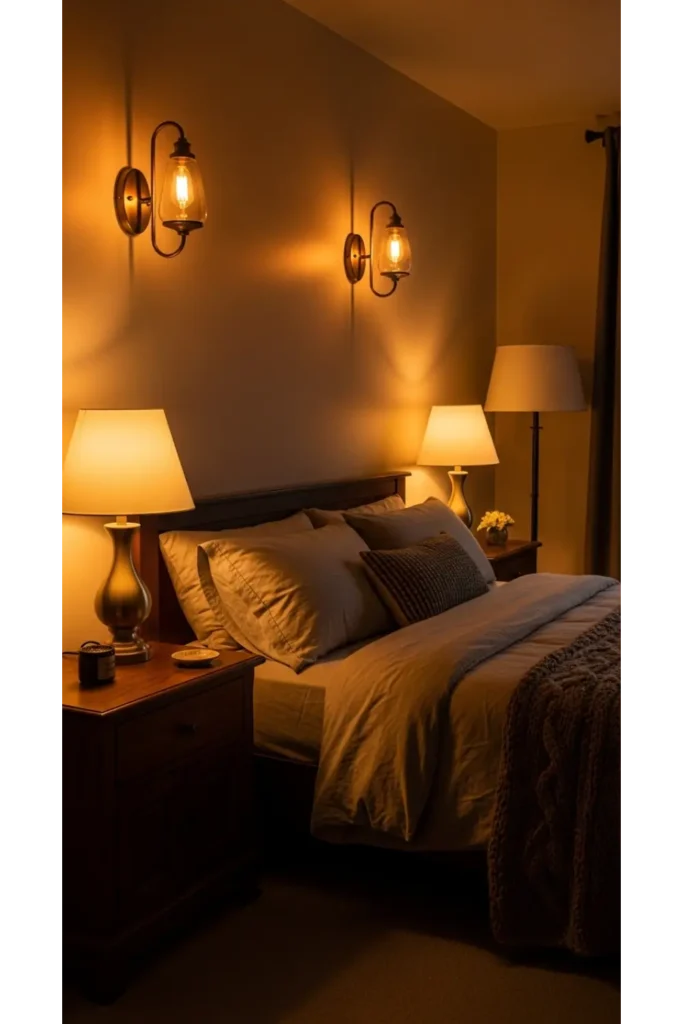
Lighting shapes mood more than any decorative object. Combine bedside lamps, subtle wall lights, and warm overhead fixtures to create a layered effect. Soft lighting supports relaxation and makes the space feel welcoming after a long day. Avoid harsh white bulbs and choose warm tones for comfort.
Place light sources at different heights to create depth. Use dimmers where possible so you can control brightness easily. A well planned lighting setup enhances both function and emotional comfort in your bedroom.
6. Highlight the Bed With a Focal Frame
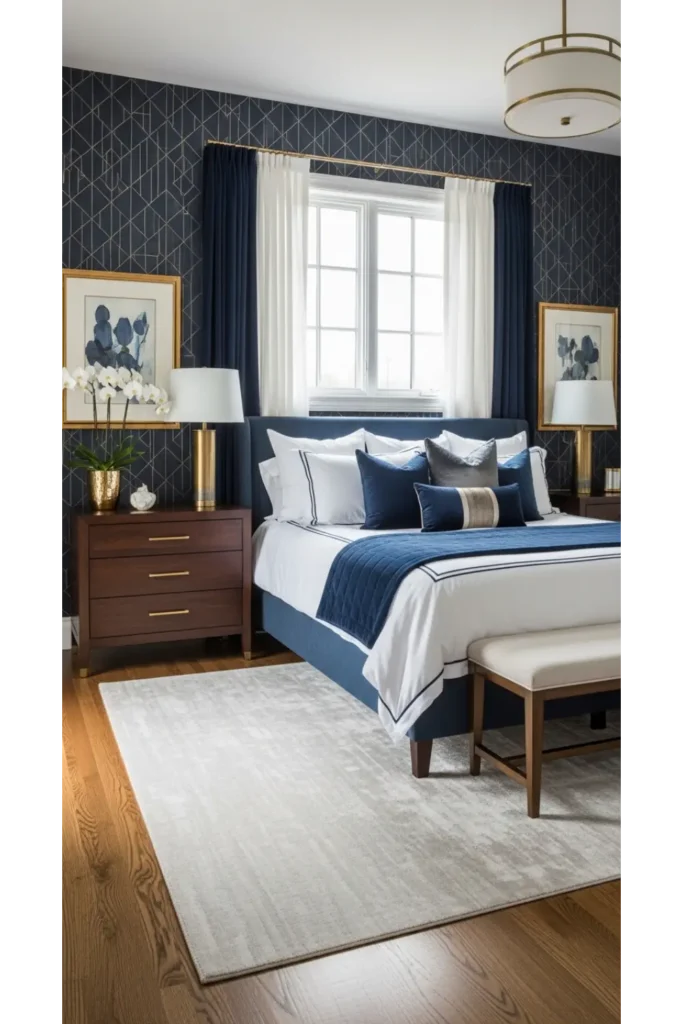
The bed naturally anchors the bedroom, so framing it thoughtfully creates structure. You can paint the wall behind it in a contrasting shade or use subtle panel detailing. Keep surrounding decor balanced to allow the focal area to shine.
Symmetry strengthens the visual impact. Matching side tables and lamps create harmony. When the sleeping zone feels intentional, the entire bedroom design appears elevated and well composed.
7. Simplify With Clean Design Lines

Clean lines and open space encourage mental clarity. Remove unnecessary decorative items and focus on essential pieces that offer both beauty and function. Choose neutral colors that reflect light and keep the environment soothing.
This approach does not mean the room feels empty. It feels controlled and peaceful. When every item has purpose, the bedroom becomes a space that supports rest and mindful living.
8. Bring Natural Materials Indoors
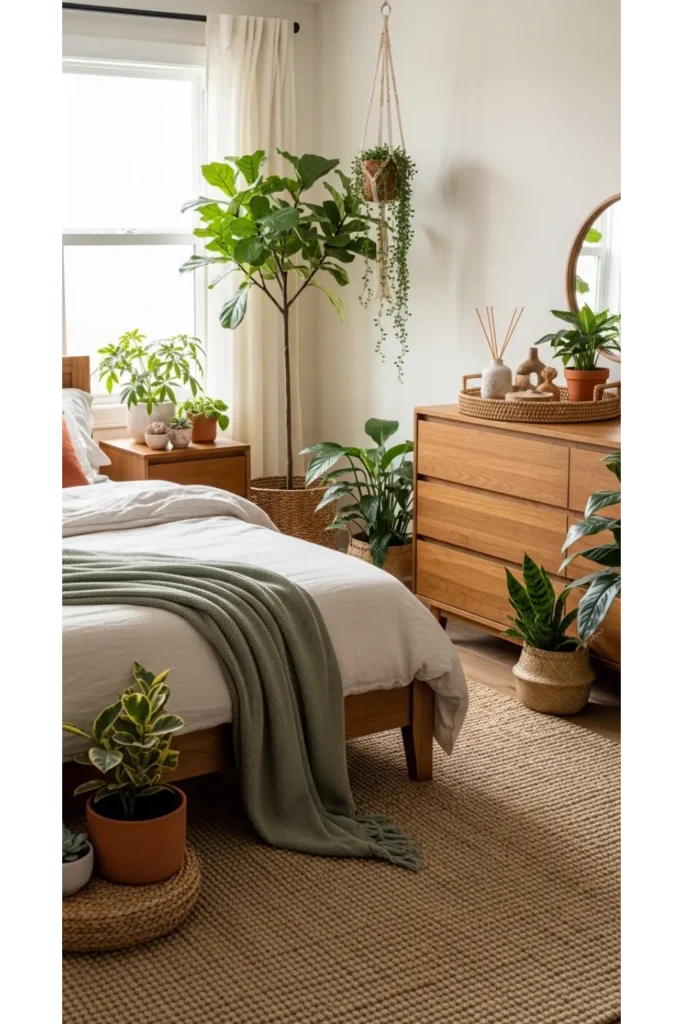
Natural materials introduce warmth and texture into the bedroom. Wood furniture, woven baskets, and linen bedding create a grounded atmosphere. Earth inspired tones such as beige, olive, and soft brown strengthen this calming effect.
Indoor plants further enhance the space by adding freshness. Choose low maintenance varieties to keep upkeep simple. Nature based elements soften modern interiors and make the room feel connected and balanced.
9. Elevate Comfort Through Layered Bedding
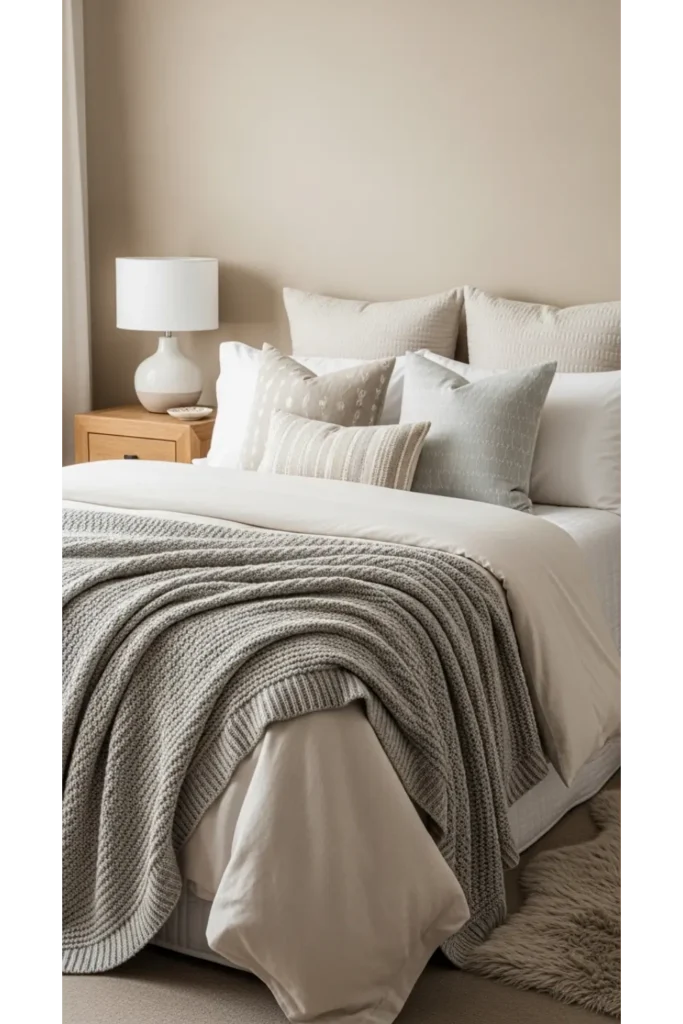
Layering bedding adds both comfort and visual richness. Start with breathable sheets, then add a structured duvet. Finish with textured throws and a few supportive pillows. Keep colors coordinated to avoid chaos.
This technique makes the bed feel inviting and complete. Balanced layers also improve sleep comfort while giving the bedroom a polished and intentional appearance.
10. Expand the Room With Reflective Surfaces
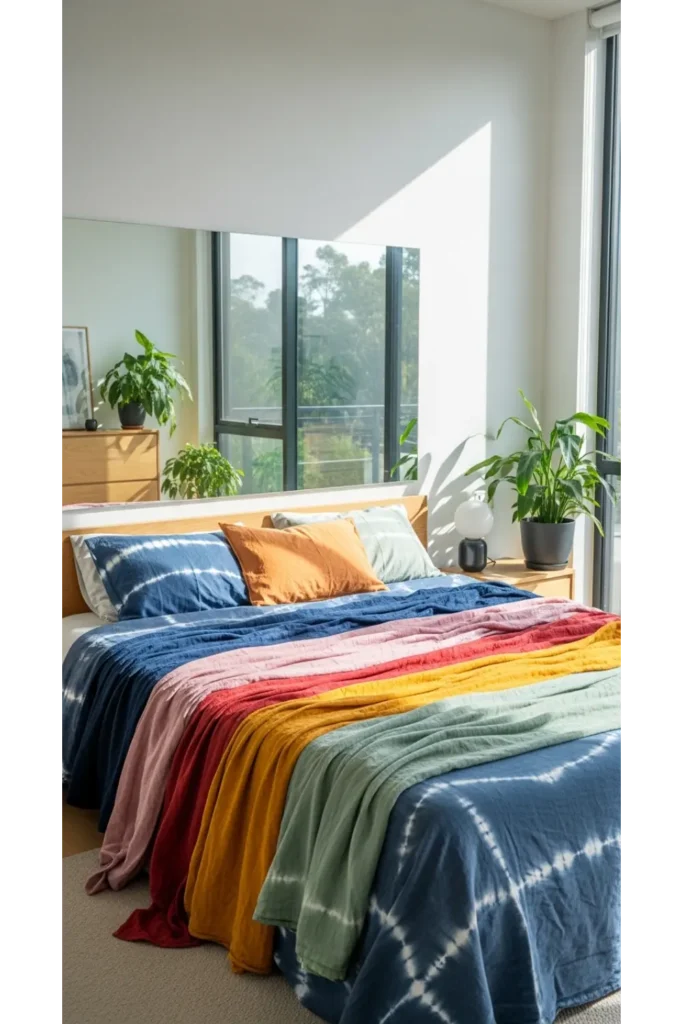
Strategically placed mirrors create the illusion of space. Position a large mirror across from a window to reflect daylight. This makes the room appear brighter and more open without structural changes.
Choose a frame style that complements your overall decor theme. Reflective surfaces amplify light and subtly enhance depth, especially in smaller bedrooms.
11. Express Personality Through Art Details
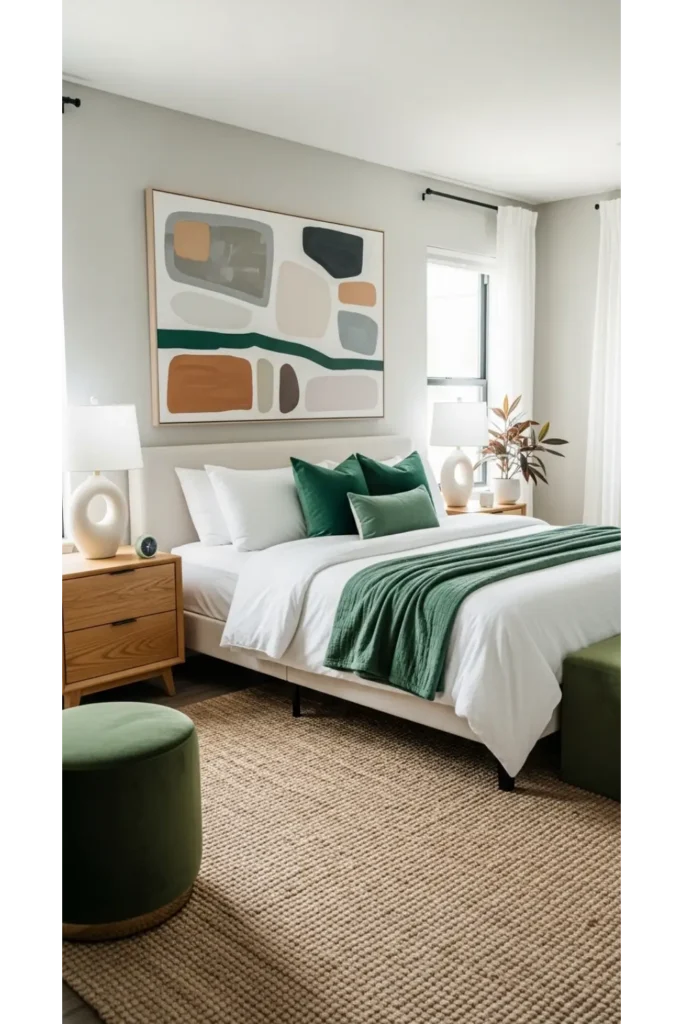
Artwork gives your bedroom identity. Select pieces that resonate emotionally and align with your color palette. One larger artwork above the bed can create stronger impact than multiple smaller pieces.
Avoid overcrowding walls. Let each piece breathe within the space. Art should support the room’s mood rather than distract from it. Thoughtful placement enhances sophistication and personal expression.
12. Upgrade Bedside Styling
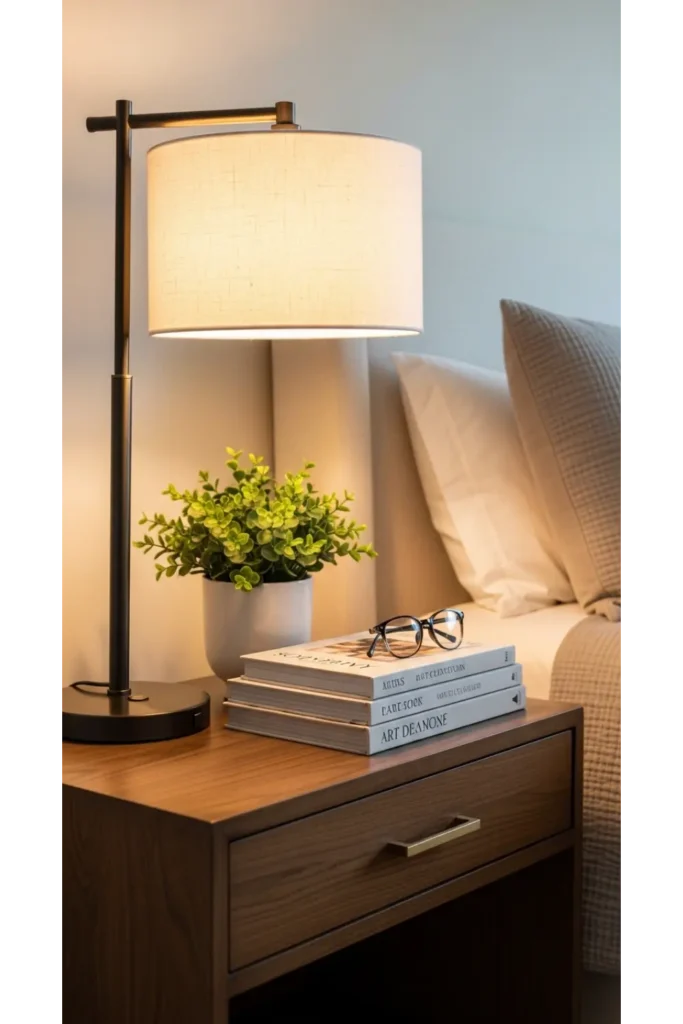
Nightstands offer an opportunity to refine small details. Choose functional yet stylish designs that include drawers or shelves. Keep the surface minimal with one lamp, a book, and perhaps a small plant.
Consistency in material and color helps tie the room together. Even subtle upgrades in bedside styling can strengthen the overall design language of the bedroom.
13. Style With Sculptural Decor Accents
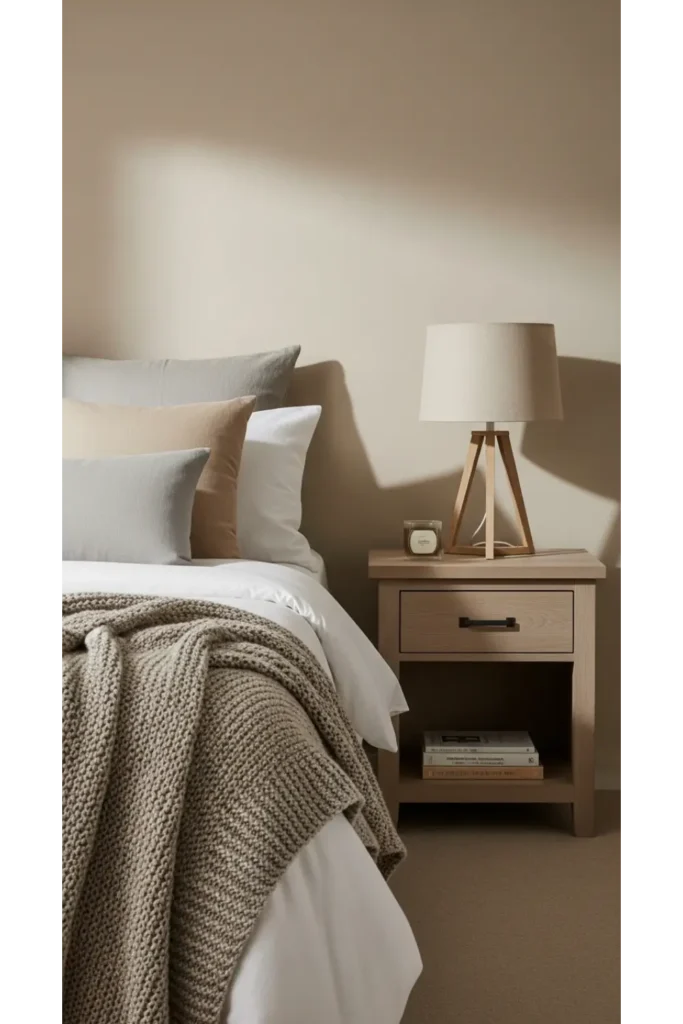
Sculptural decor accents add depth without creating clutter. Instead of filling surfaces with small random items, choose one or two statement pieces with strong shape and texture. A ceramic vase, abstract object, or carved wooden piece can instantly elevate a plain corner. Focus on form and proportion so the decor feels intentional rather than decorative.
Place sculptural accents where the eye naturally pauses, such as on a dresser or open shelf. Keep surrounding elements minimal to allow the piece to stand out. This approach enhances visual interest while maintaining the calm and refined atmosphere every bedroom needs.
14. Experiment With Wall Finishes
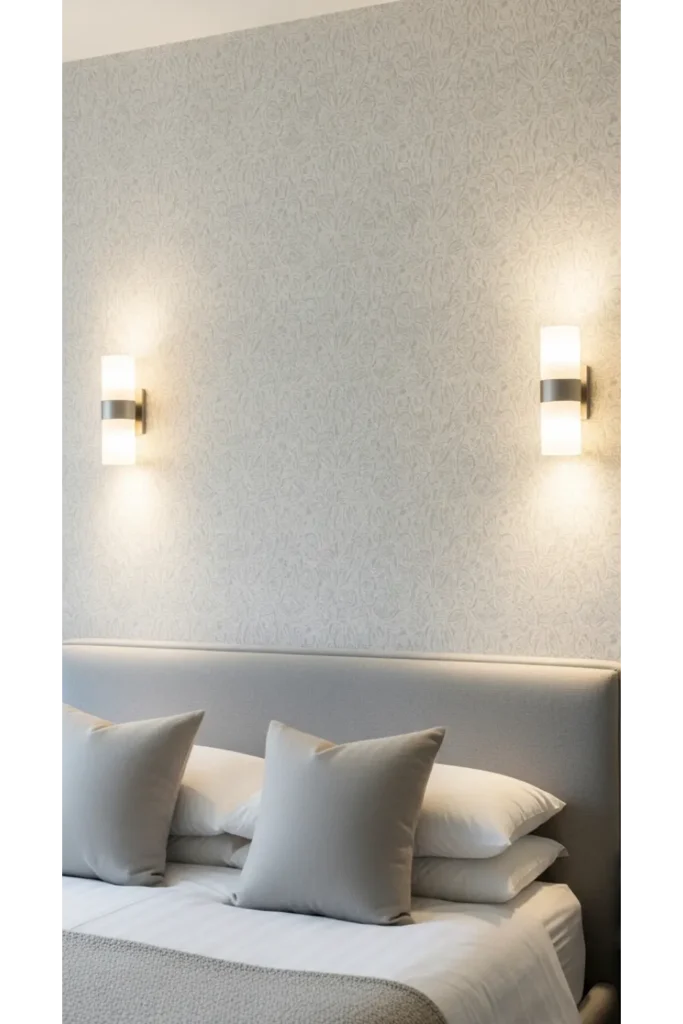
Wall finishes shape the character of a bedroom. Instead of bold colors, consider subtle patterns or textured wallpaper. Choose designs that add depth without overwhelming the senses.
Accent walls work best when limited to one section. This keeps the room balanced and visually clean. Refined wall treatments elevate the space while maintaining harmony.
15. Create a Personal Relaxation Corner
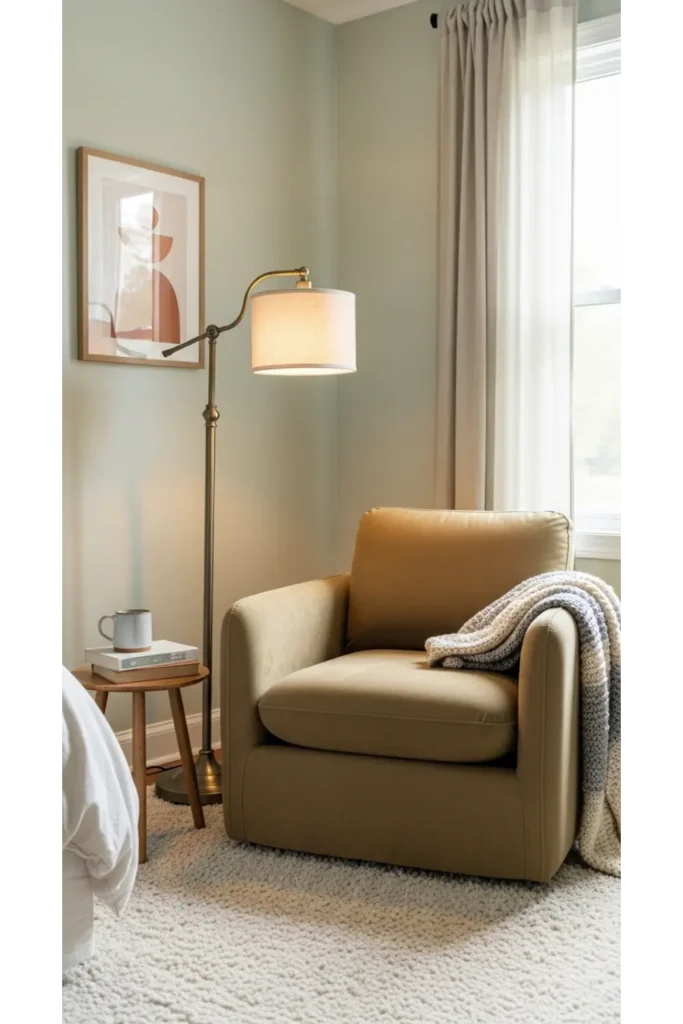
A small relaxation corner enhances functionality. Place a comfortable chair near natural light and add a soft rug underneath. Include a side table for books or tea.
This dedicated space supports quiet moments beyond sleep. It transforms the bedroom into a multi use sanctuary without disrupting flow.
16. Blend Old and New Elements

Mixing vintage pieces with modern furniture adds character. An antique mirror or retro side table can introduce depth and storytelling. Pair them with contemporary bedding for balance.
Contrast creates interest while preventing the room from feeling flat. A thoughtful blend of eras gives your bedroom a unique and layered identity.
17. Maximize Vertical Organization
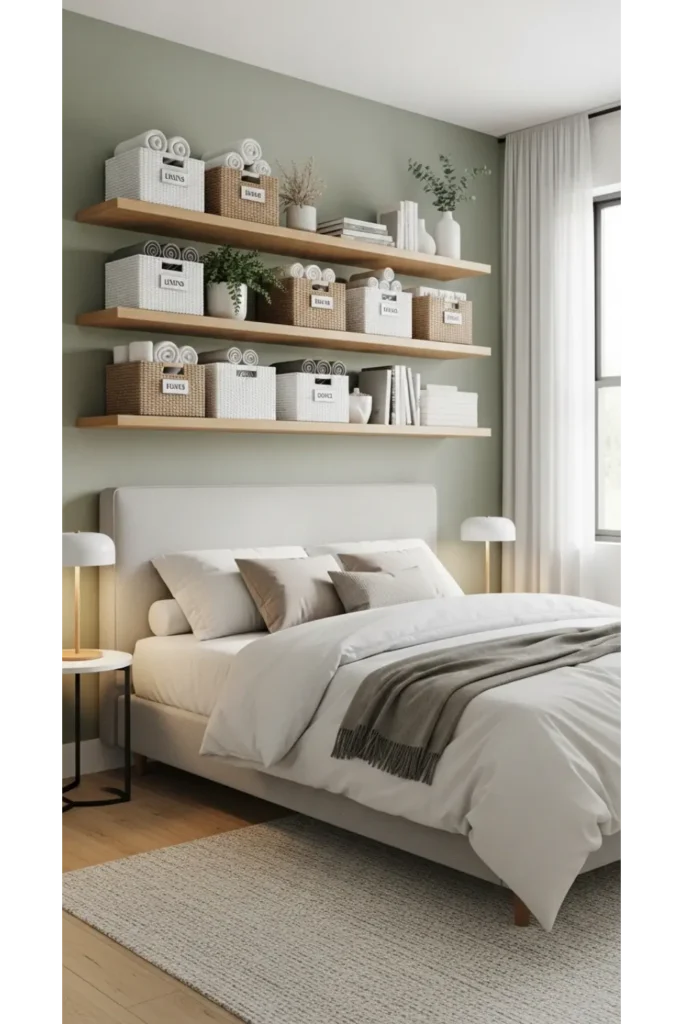
Use vertical space to maintain order. Wall mounted shelves hold books and decor without consuming floor area. Tall wardrobes optimize storage in compact rooms.
Efficient organization supports a clutter free environment. When everything has a place, the bedroom feels more spacious and calm.
18. Define Zones With Subtle Dividers
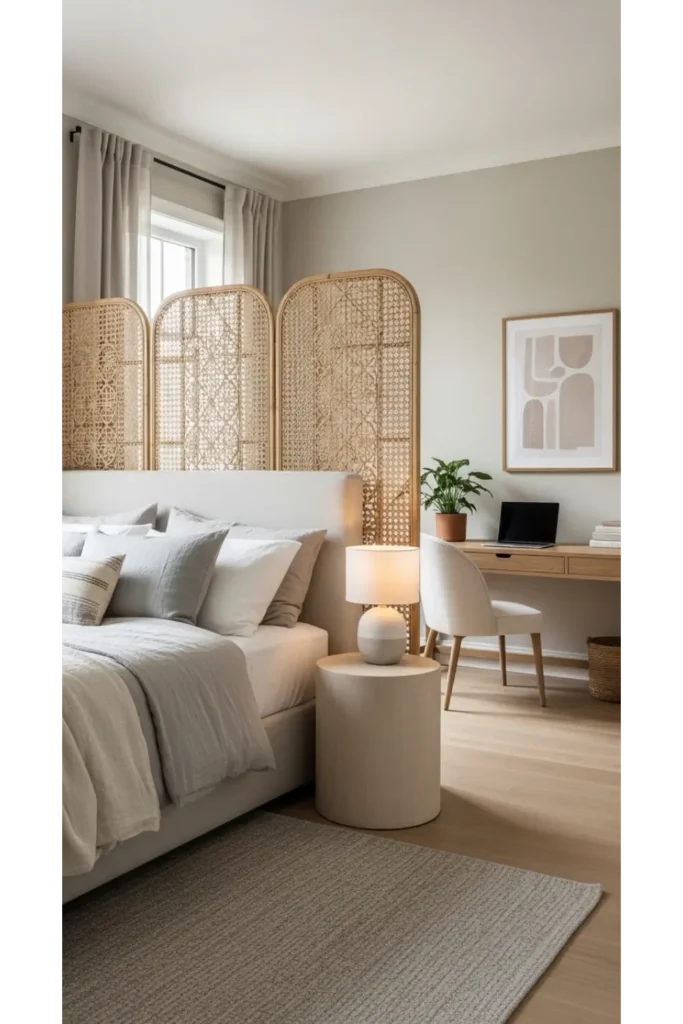
Room dividers help create functional zones within larger bedrooms. A decorative screen or open shelf unit separates sleeping and working areas without blocking light.
This setup improves structure and privacy. Defined zones make the space feel purposeful while maintaining aesthetic continuity.
19. Anchor the Room With the Right Area Rug
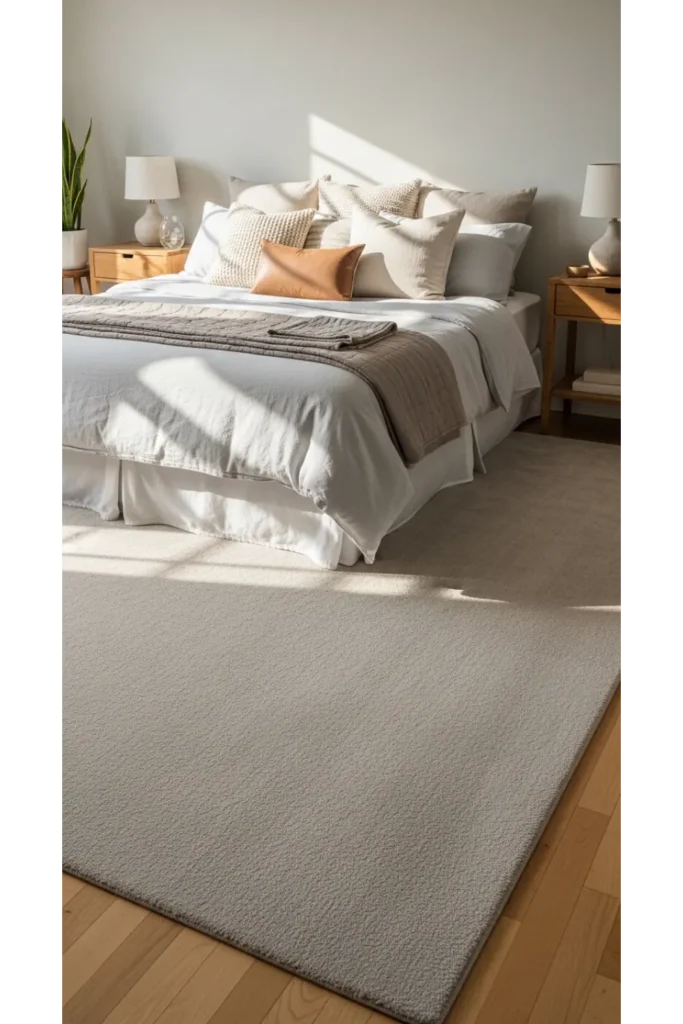
An area rug grounds the entire layout and connects furniture pieces visually. Choose a size large enough to extend beyond both sides of the bed so it frames the sleeping zone properly. Neutral tones create flexibility, while subtle patterns add interest without overpowering the design. Soft textures such as wool or blended fibers increase comfort underfoot.
Placement matters as much as material. Slide the rug far enough under the bed so it feels intentional rather than decorative. A properly sized rug reduces echo, warms up hard flooring, and enhances the overall composition of your space in a quiet yet powerful way.
20. Introduce Subtle Pattern Play
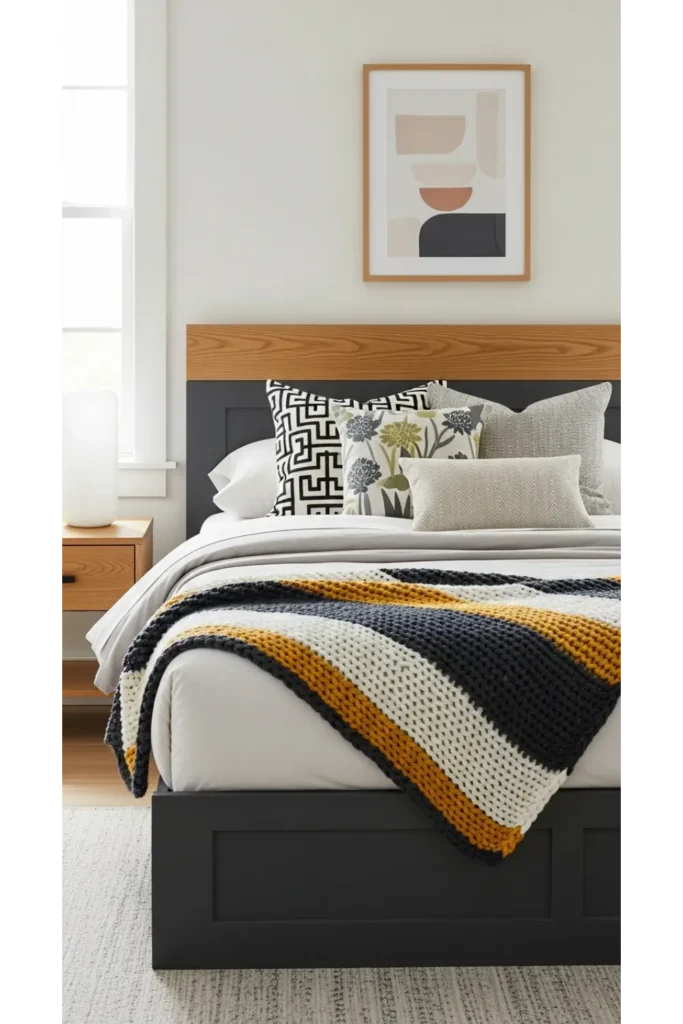
Patterns add personality when used with restraint. Start with a neutral bedding base and layer in patterned cushions or a textured throw. Combine simple stripes with soft florals or geometric designs in a shared color palette to maintain balance. This approach prevents the room from feeling chaotic.
Keep one dominant pattern and let supporting prints stay understated. When you control scale and color, pattern mixing feels curated instead of overwhelming. Subtle variation adds movement and energy while preserving the calm mood every bedroom needs.
Conclusion
Refreshing your bedroom requires thoughtful choices rather than dramatic changes. Focus on balance, lighting, smart storage, and personal details. Each design decision should support both comfort and style. When elements work together harmoniously, the bedroom becomes more than just a sleeping area. It becomes a calm and refined retreat that reflects your lifestyle and creativity.