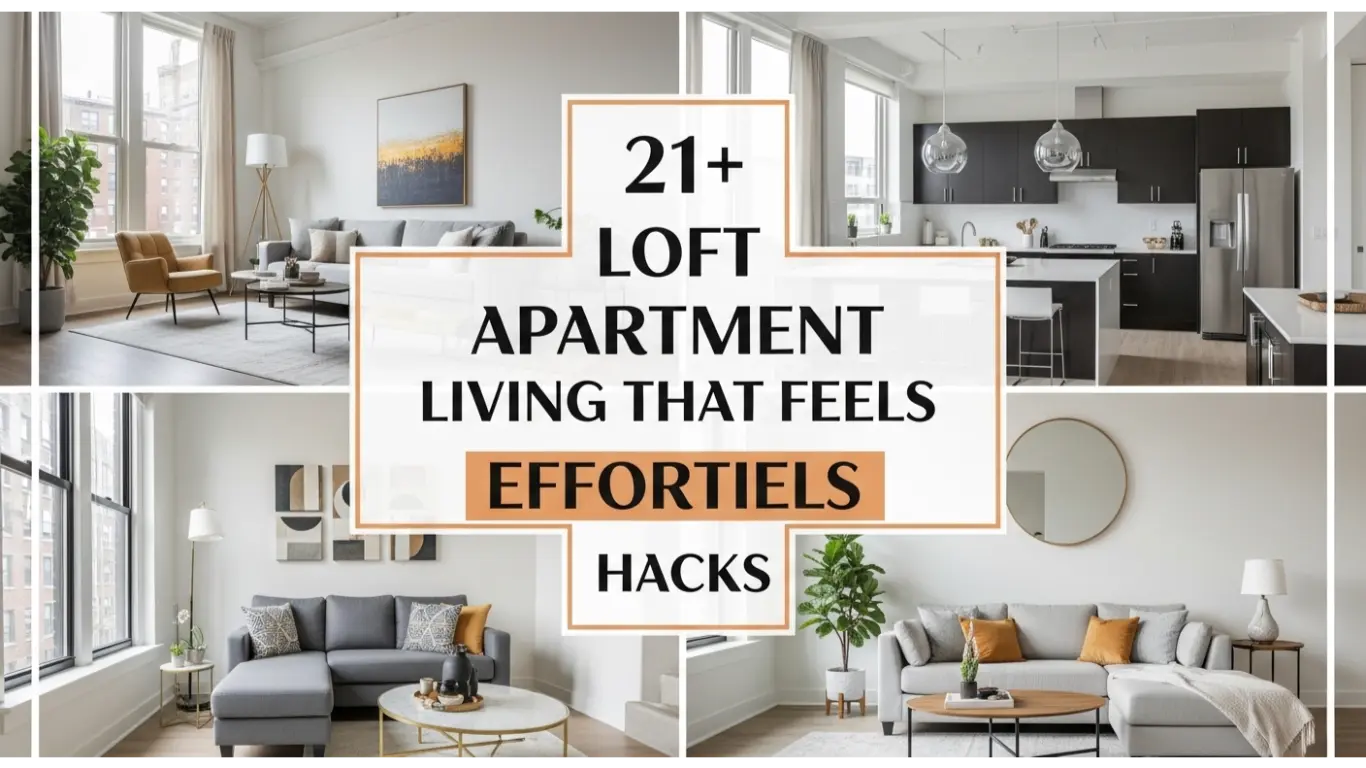
21+ Loft Apartment Living That Feels Effortless Hacks
Lofts attract people who love open space, tall ceilings, and architectural character. Exposed brick, metal beams, and wide windows create a striking environment. Yet the same openness can feel overwhelming without thoughtful design. The goal is not to fill the space with more furniture but to shape it with intention. With smart choices, loft apartment living that feels effortless becomes simple, organized, and calm.
The following ideas help turn open loft spaces into homes that feel balanced and easy to maintain. Each concept blends comfort with visual clarity while supporting everyday routines. These strategies reflect proven approaches used in loft interior design, modern apartment styling, industrial loft decor, and open concept living spaces.
1. Layered Lighting for an Easy Atmosphere
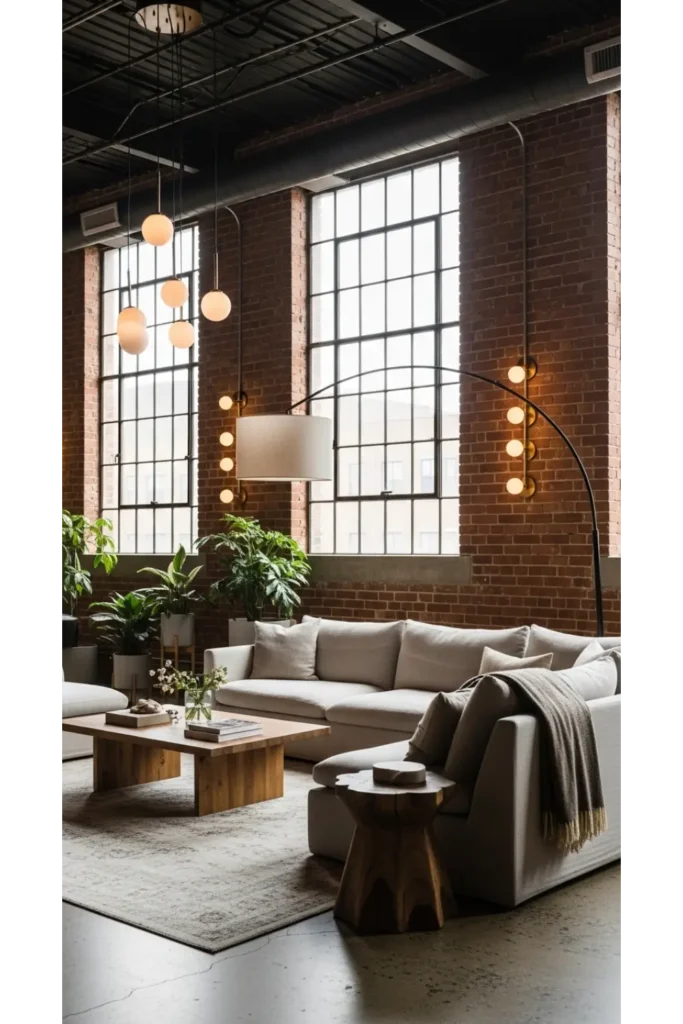
Good lighting shapes the mood of an open loft. Many lofts rely on one overhead light, which often leaves areas dim or flat. Layered lighting creates depth and warmth across the space. Pendant lights define seating or dining areas, while floor lamps brighten reading corners. Wall sconces soften large brick or concrete surfaces.
This layered effect helps break the large room into visual zones without adding walls. It also makes evening lighting feel relaxed instead of harsh. Designers often use layered lighting to support comfortable open concept apartment ideas where different activities share one large room.
Pro Tip: Place dimmer switches on key fixtures so lighting can shift from bright daytime energy to calm evening relaxation.
2. Define Zones With Large Area Rugs
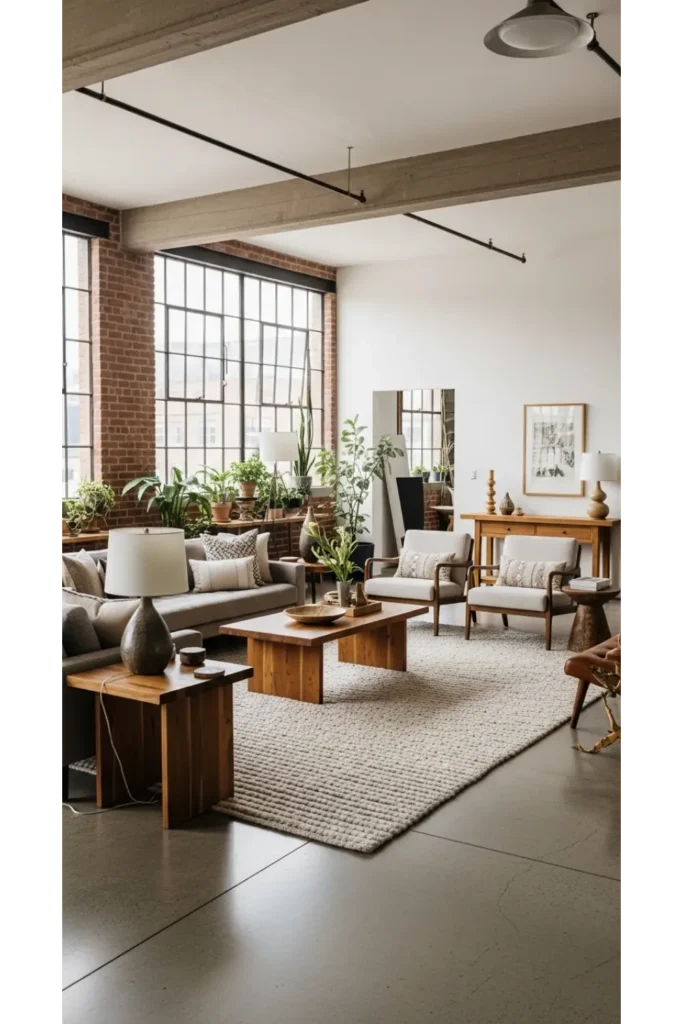
Open lofts feel clearer when each activity has a defined place. Large rugs help organize the space without closing it off. A rug under the sofa and chairs marks the living room, while another beneath the dining table creates a separate dining area.
Rugs also soften hard flooring such as polished concrete or wood. This improves acoustics and comfort while adding texture. Many modern loft apartments rely on oversized rugs to create natural structure in wide open rooms.
Pro Tip: Choose rugs large enough so the front legs of sofas and chairs sit on the rug for a balanced layout.
3. Use Tall Curtains to Emphasize Height
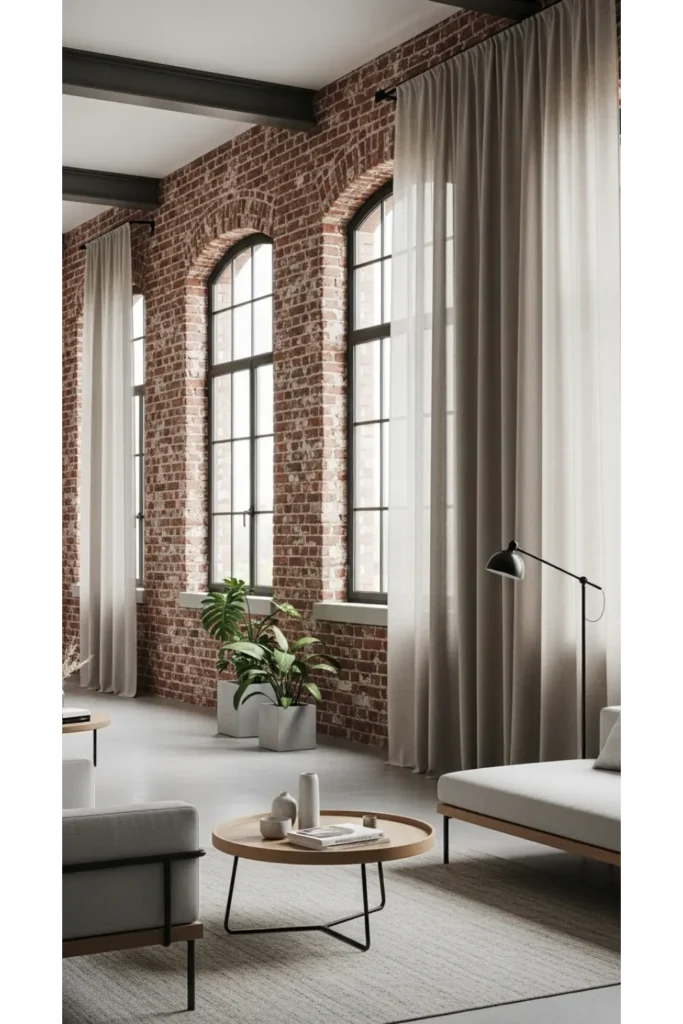
Tall windows bring dramatic light into loft homes. Hanging curtains close to the ceiling highlights that vertical space. Long curtains guide the eye upward and make the room feel even larger.
Light fabrics such as linen diffuse sunlight and soften the industrial character of brick and steel. Many designers use this technique in industrial loft decor to create balance between strong architecture and soft textures.
Pro Tip: Choose neutral curtain colors so natural light remains the main visual feature.
4. Floating Shelves for Light Storage
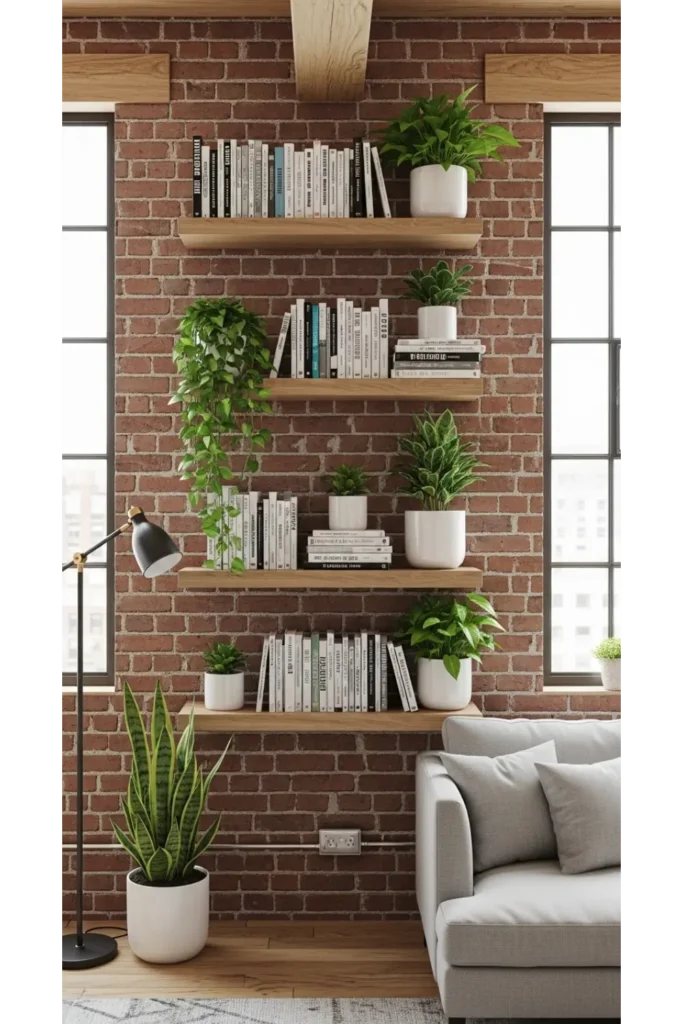
Storage can overwhelm a loft when bulky cabinets block open sight lines. Floating shelves solve this problem by offering storage without visual weight. Books, ceramics, and plants can sit neatly while the floor remains open.
These shelves also highlight the space’s architecture. Mounted against brick or concrete, they create contrast between warm wood and raw materials. Many urban loft apartments use floating storage to maintain an airy atmosphere.
Pro Tip: Leave some empty space on shelves to keep the styling calm and intentional.
5. Multipurpose Furniture for Open Living
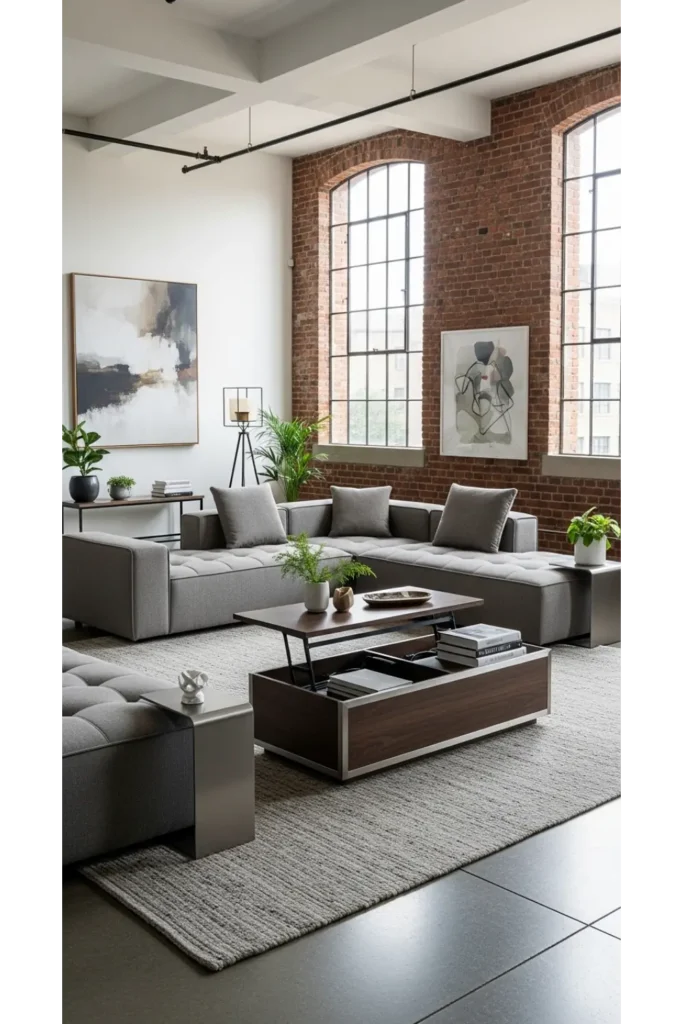
Flexible furniture supports the changing needs of a loft home. Storage coffee tables hide clutter while modular sofas shift easily for gatherings or quiet evenings. Extendable dining tables work well for both everyday meals and larger dinners.
This flexibility reduces the need for extra furniture. In many small loft apartment layouts, multifunctional pieces keep the space organized without crowding the room.
Pro Tip: Choose furniture with simple lines to create a visually calm room.
6. Vertical Greenery for Fresh Energy
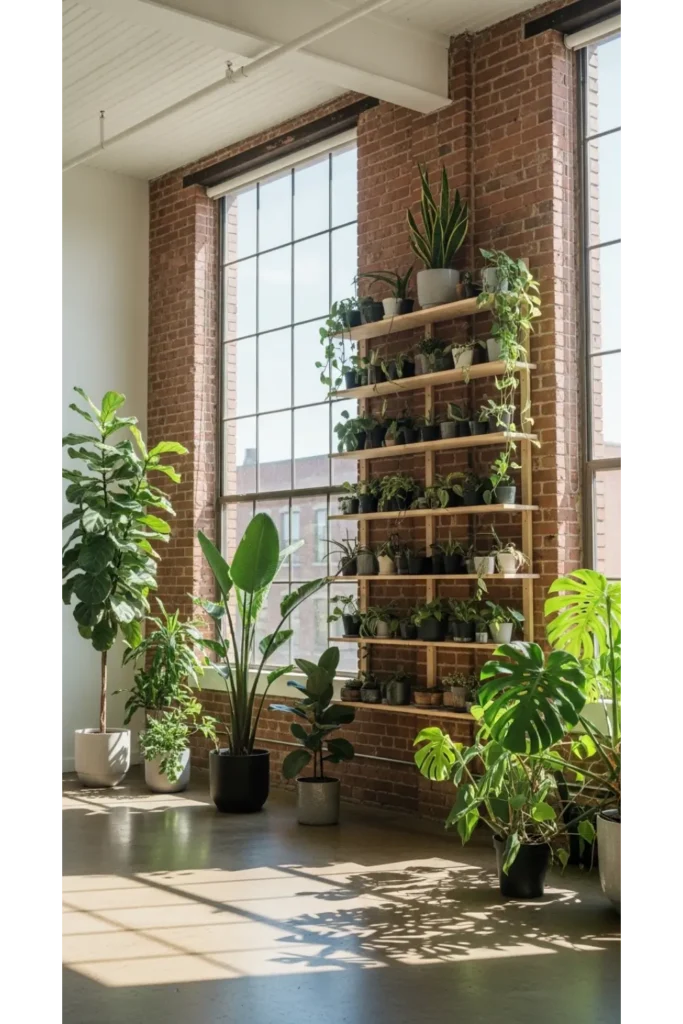
Plants introduce color and life into large loft spaces. Instead of spreading many small plants across surfaces, use vertical greenery. Tall plants fill corners while hanging planters add interest near windows.
Greenery softens industrial textures and improves air quality. Many contemporary loft homes rely on plants to bring natural warmth into modern interiors.
Pro Tip: Group plants with similar light needs so care remains simple.
7. Neutral Color Palette for Calm Balance
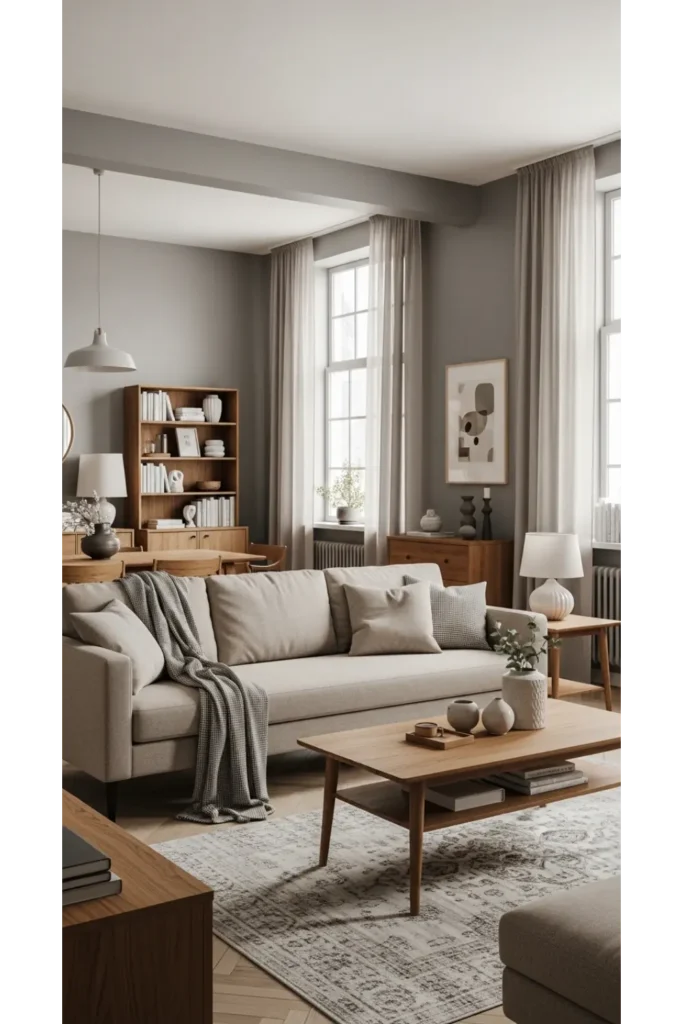
A neutral palette helps large spaces feel peaceful. Colors like cream, soft gray, beige, and warm white allow architectural elements to stand out naturally. This prevents visual overload in an already large room.
Neutral tones also make it easier to mix textures and materials. Designers often use this approach in minimalist loft design to maintain clarity and simplicity.
Pro Tip: Add warmth with textured fabrics rather than strong colors.
8. Statement Art to Anchor the Room
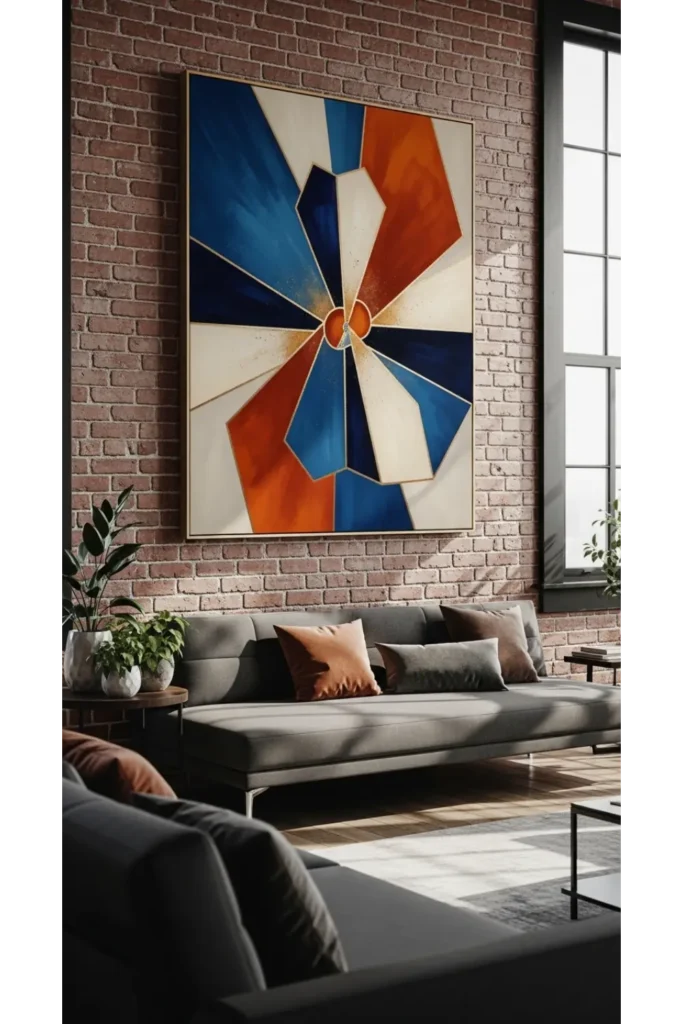
Large walls need strong focal points. A single oversized artwork anchors the living area better than many small pieces. It draws the eye and balances the scale of the room.
Art also introduces personality and color. In many loft decorating ideas, bold artwork helps soften the industrial environment.
Pro Tip: Hang art at eye level from the main seating area for the best visual balance.
9. Minimal Entry Zones for Smooth Flow
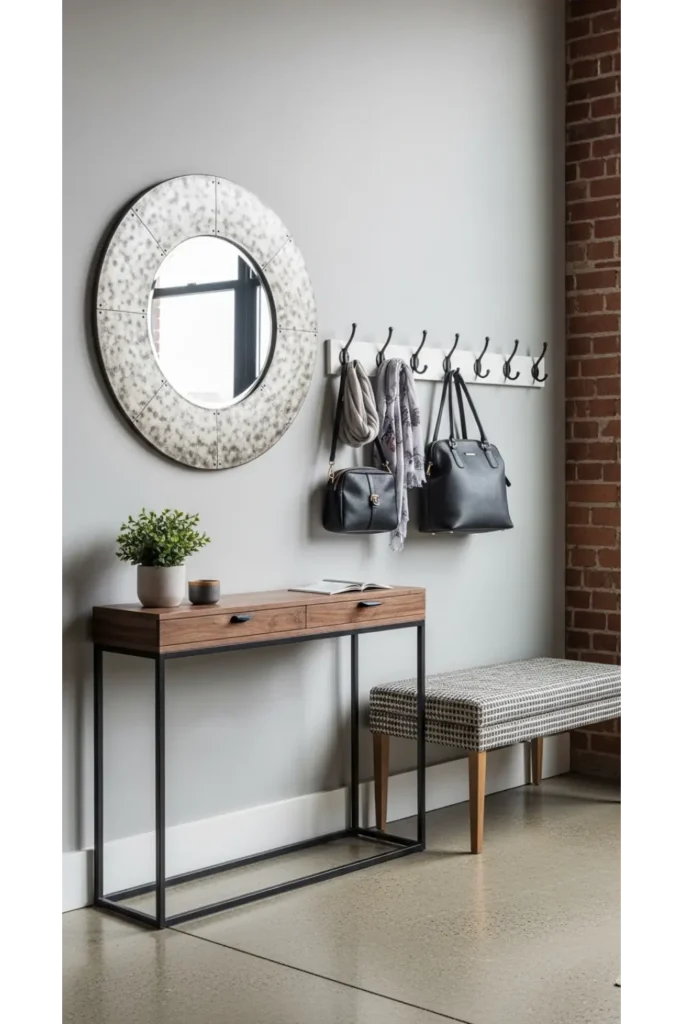
Lofts rarely include formal entryways. Creating a small landing zone near the door keeps daily life organized. A console table for keys and a bench for shoes help maintain order.
This small system prevents clutter from spreading across the entire open space. Organized entrances support effortless apartment living because routines remain simple.
Pro Tip: Use wall hooks for bags and jackets to keep surfaces clear.
10. Glass Dividers for Subtle Separation
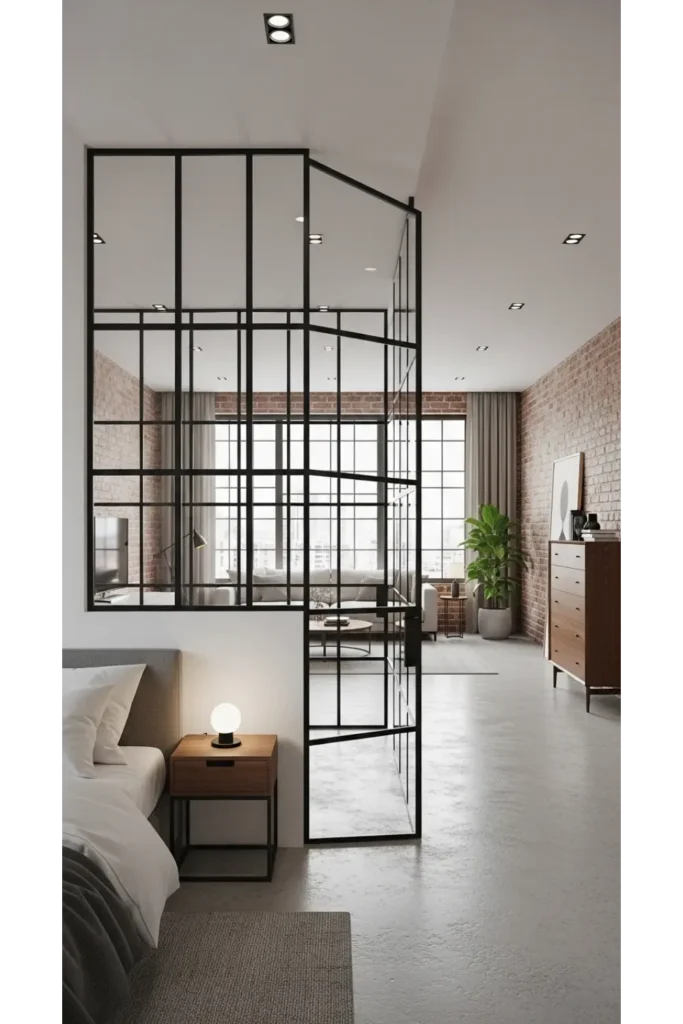
Glass dividers allow subtle separation without losing openness. A framed glass wall can divide sleeping and living areas while still allowing light to travel through the room.
These panels also complement industrial loft architecture. Designers often include them in modern loft interiors where flexibility and light remain priorities.
Pro Tip: Sliding glass panels allow privacy when needed while maintaining openness.
11. Built In Wall Storage
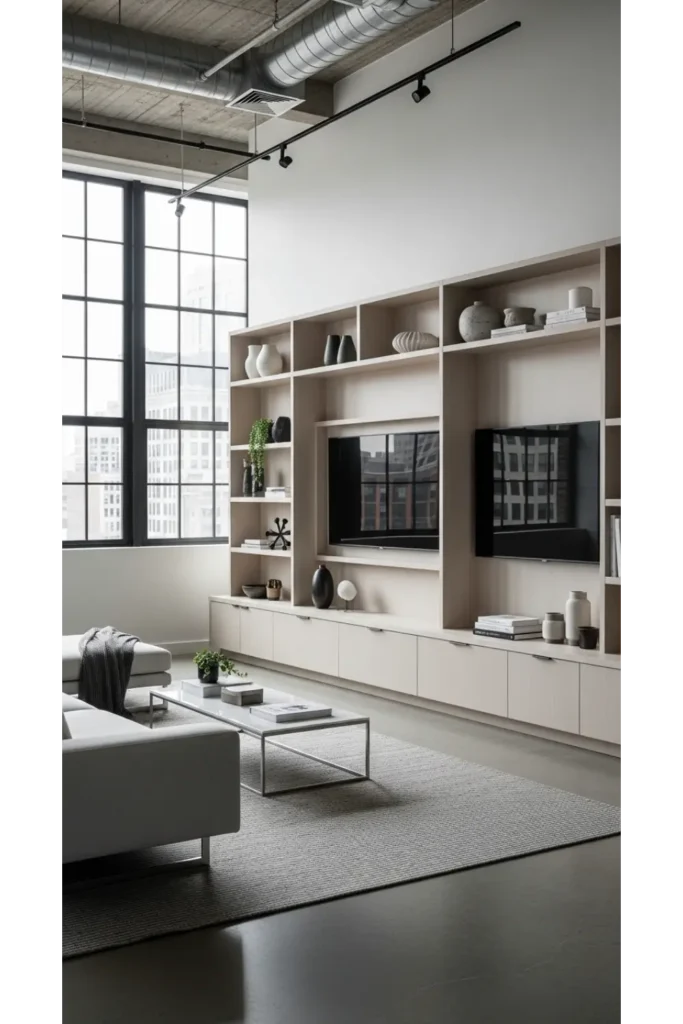
Built in storage keeps loft interiors clean and organized. When shelves and cabinets integrate into the wall, they avoid the bulky look of freestanding furniture. This preserves open floor space.
Built ins also create a polished architectural feel. Many urban loft layouts rely on this solution to combine storage with strong visual design.
Pro Tip: Match cabinet color with the wall color for a seamless appearance.
12. Natural Texture Layering for a Balanced Loft
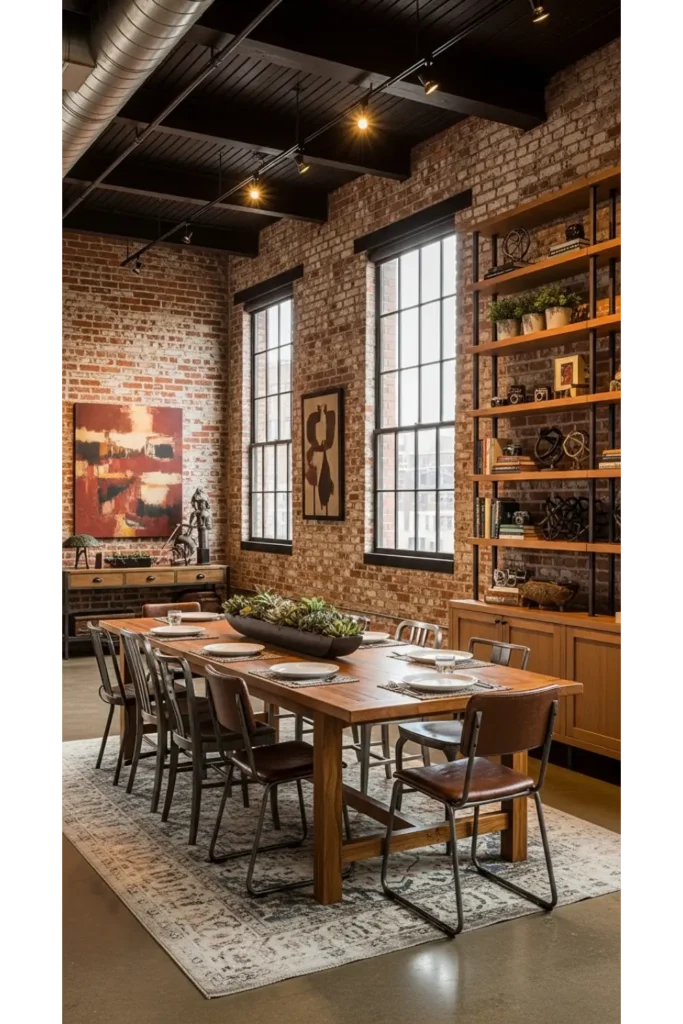
Industrial lofts often feature strong materials such as brick, steel, and concrete. While these materials add character, they can also make the room feel a bit cold. Introducing natural textures helps soften the environment and creates a comfortable balance. Linen upholstery, woven rugs, and clay or ceramic decor bring subtle warmth while still respecting the architectural style of the space.
Layering textures also makes the room visually interesting without relying on heavy decoration. Soft fabrics, natural fibers, and handcrafted objects create depth that feels relaxed and welcoming. Designers often rely on texture layering in loft interior design because it keeps the space calm while supporting the open structure of modern loft apartments.
Pro Tip: Combine three different textures such as linen, woven fiber, and ceramic to create warmth without adding visual clutter.
13. Open Kitchen Shelving
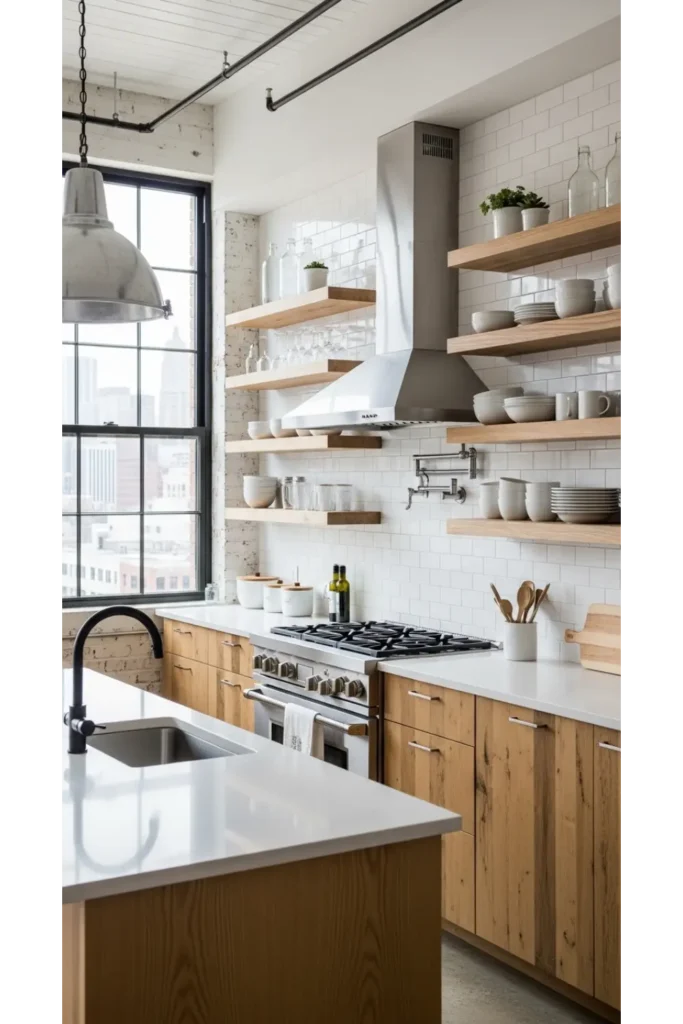
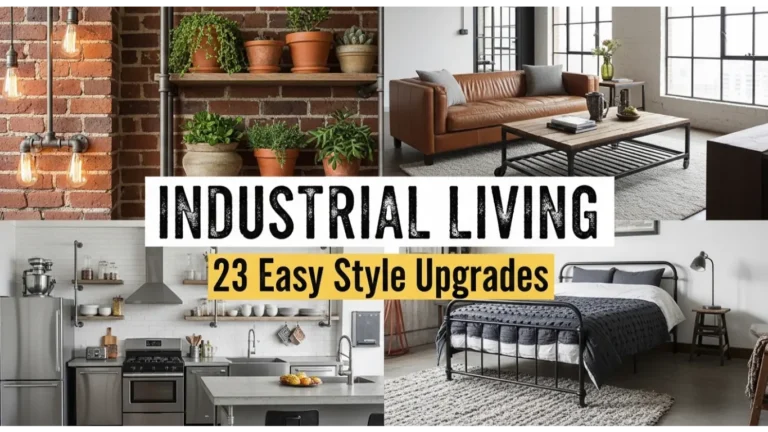
Open shelving in loft kitchens keeps the design light and accessible. Instead of closed cabinets everywhere, a few shelves display everyday dishes and cookware.
This style also reflects the relaxed nature of open loft kitchens where cooking and social spaces connect visually.
Pro Tip: Keep shelf styling minimal so the kitchen remains clean and functional.
14. Low Profile Furniture
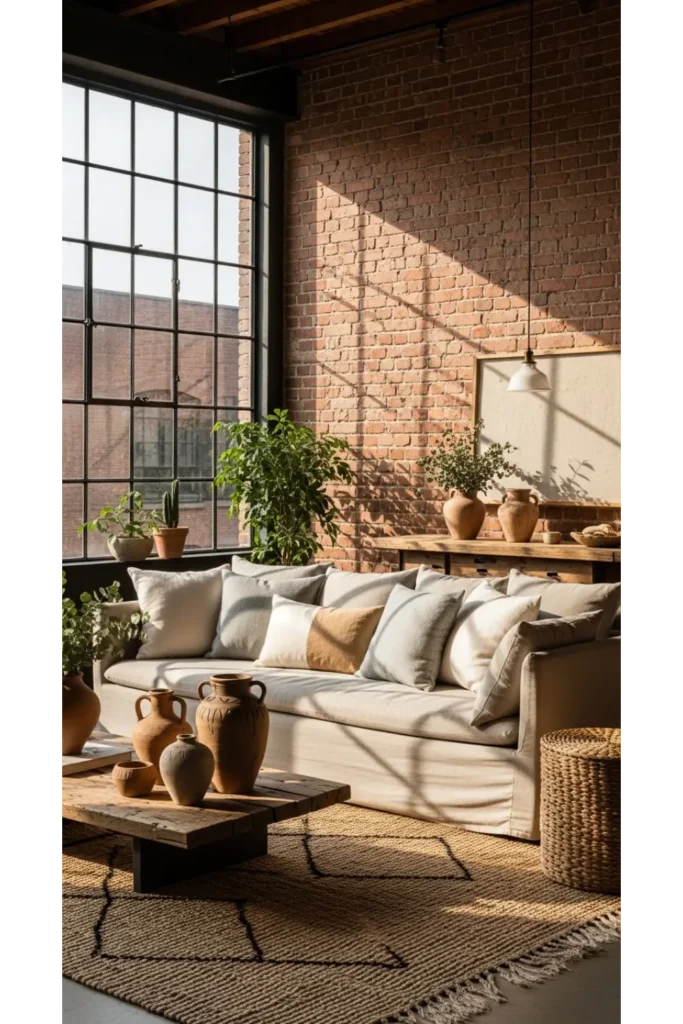
Low furniture emphasizes the height of loft ceilings. Sofas and tables with lower profiles keep the room feeling open and expansive.
This layout strategy works well in modern loft living rooms where tall ceilings remain the star feature.
Pro Tip: Pair low furniture with tall plants or art to maintain visual balance.
15. Industrial Pendant Lighting
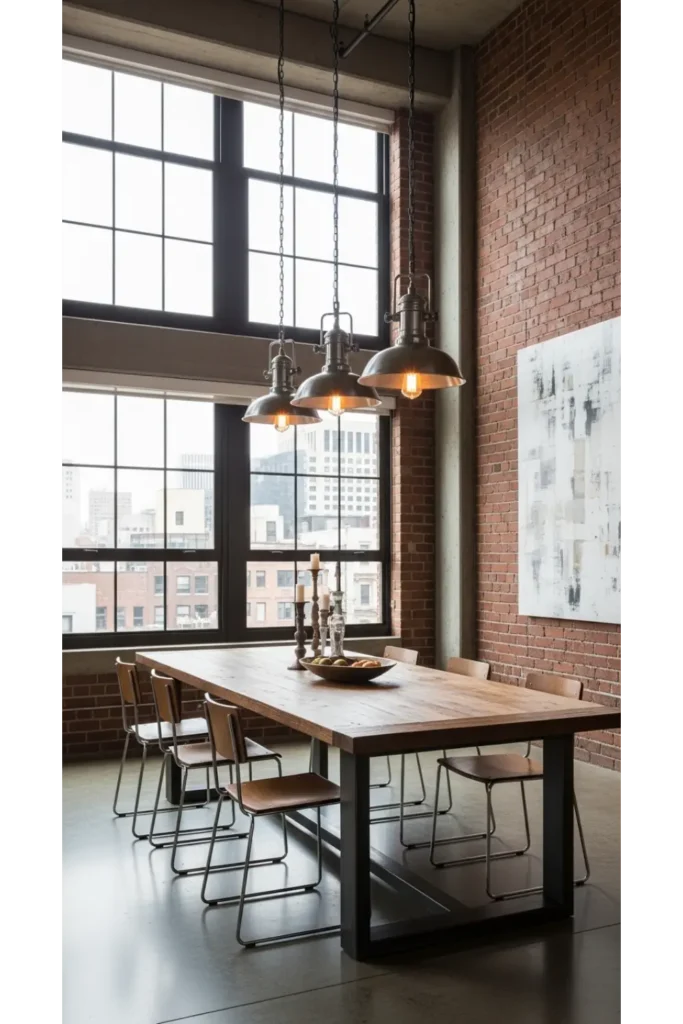
Pendant lighting adds strong design character while defining key areas. Industrial metal pendants work well above dining tables or kitchen islands.
These lights reinforce the architectural identity of industrial loft interiors while adding practical lighting.
Pro Tip: Hang pendants slightly lower above dining tables to create intimacy.
16. Sliding Barn Doors
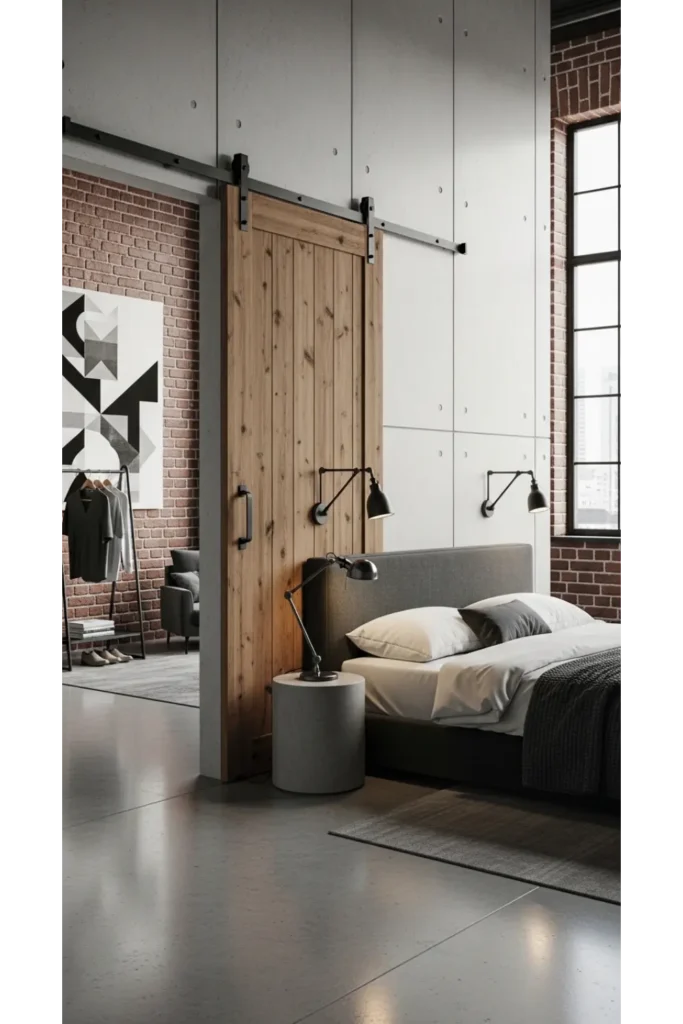
Sliding doors save space compared to traditional swing doors. They also add visual interest through texture and materials.
Many loft bedroom designs use sliding doors to maintain openness while offering privacy.
Pro Tip: Choose doors with simple hardware to match the loft aesthetic.
17. Elevated Sleeping Platforms
Some loft layouts benefit from raised sleeping platforms. Elevating the bed creates subtle separation between living and sleeping zones.
This design also adds architectural interest while improving spatial organization in studio loft apartments.
Pro Tip: Add storage drawers beneath the platform to maximize space.
18. Soft Textile Layers
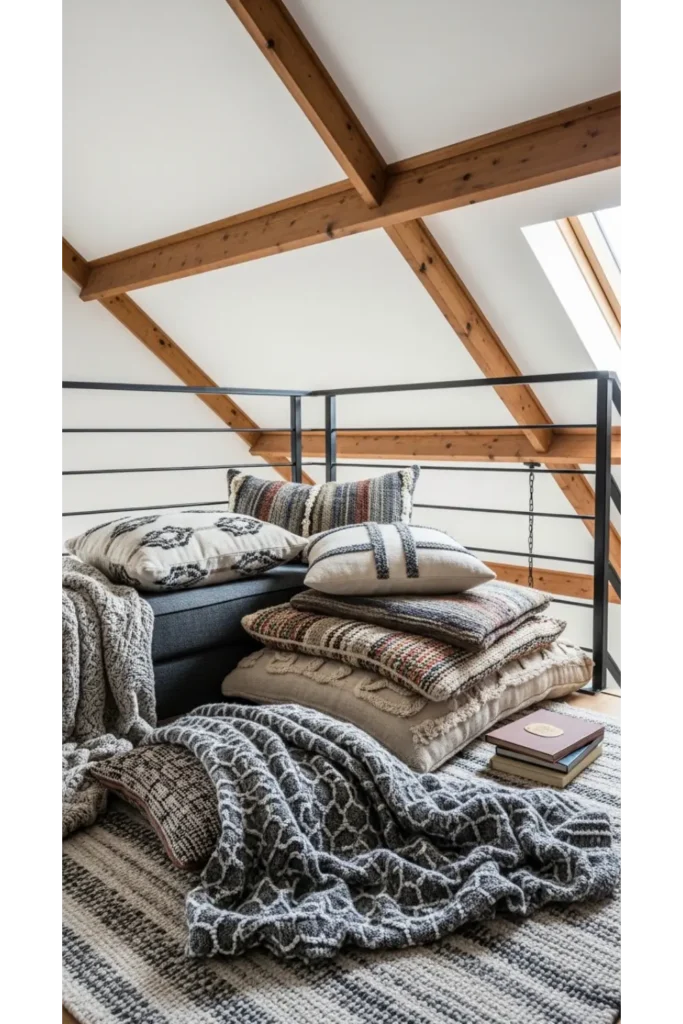
Textiles bring comfort to open industrial spaces. Throw blankets, pillows, and textured fabrics soften the strong lines of loft architecture.
Layered textiles create warmth in modern loft interiors where materials like brick and metal dominate.
Pro Tip: Use neutral fabrics with subtle textures for a relaxed look.
19. Mirror Placement for Light
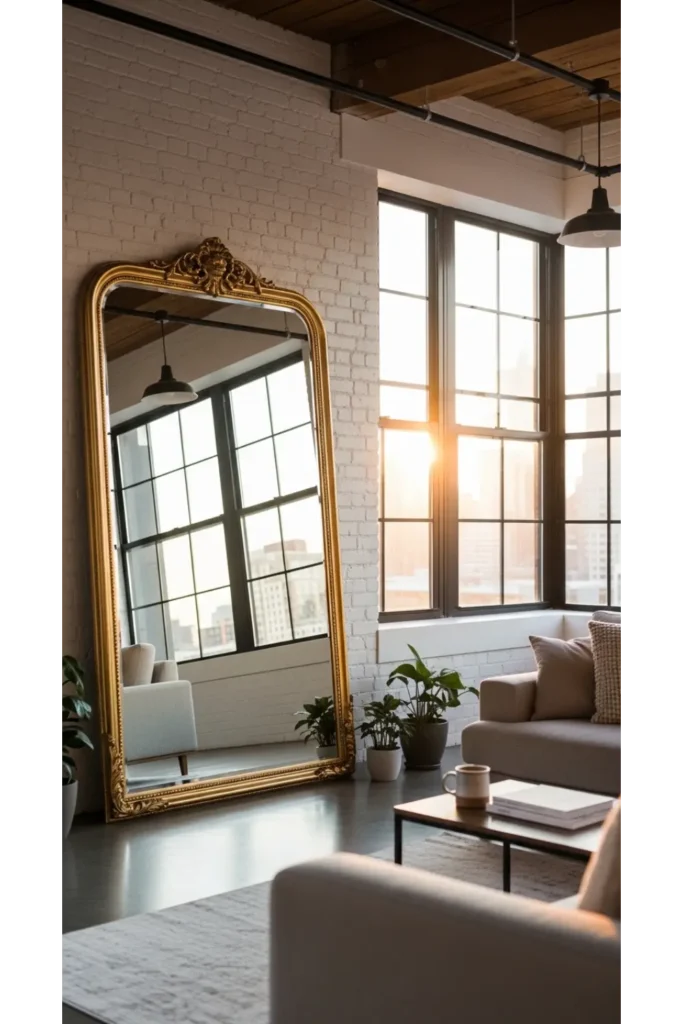
Mirrors expand light across large spaces. Placing a mirror opposite windows spreads daylight deeper into the room.
Many open loft apartments use mirrors to enhance brightness and visual depth.
Pro Tip: Choose large mirrors with thin frames to keep the look modern.
20. Flexible Work Corners
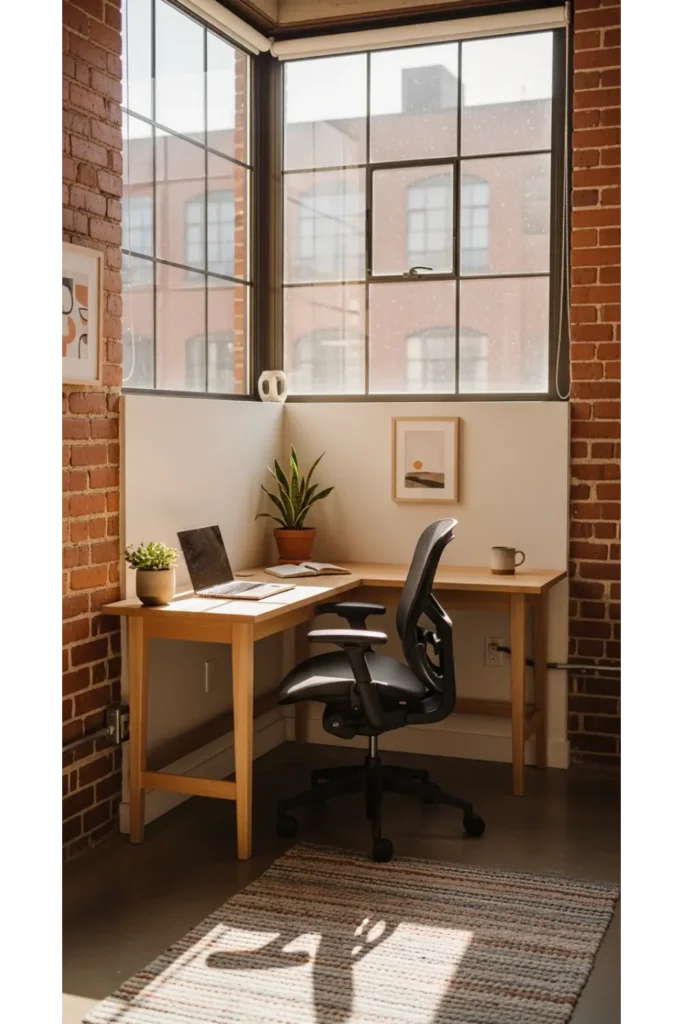
Lofts adapt easily to flexible work areas. A compact desk near a window creates a productive corner without dominating the room.
Clear boundaries between work and relaxation support balance in live work loft spaces.
Pro Tip: Use a small rug or lamp to visually separate the workspace.
21. Calm Bedroom Corners
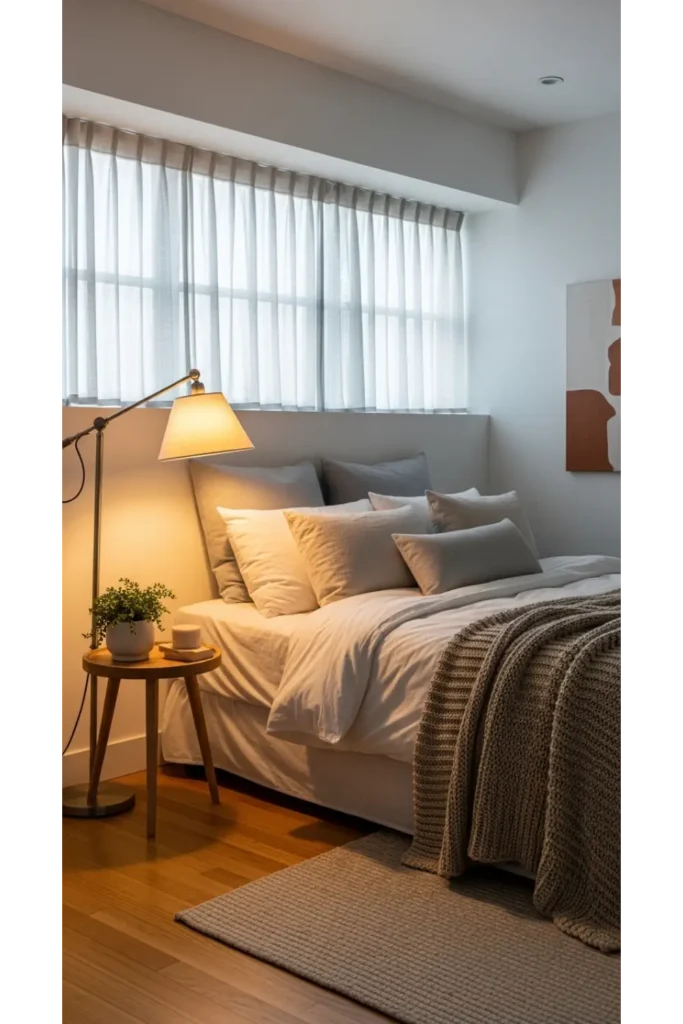
Bedroom zones in lofts benefit from calming design choices. Soft bedding, warm lighting, and minimal furniture create restful energy.
Many loft bedroom interiors focus on simplicity to balance the openness of the surrounding space.
Pro Tip: Keep bedside surfaces clear to maintain a peaceful atmosphere.
Frequently Asked Questions
How do you decorate a loft apartment without making it cluttered?
Focus on fewer but larger design elements. Oversized rugs, large artwork, and well placed furniture define spaces clearly. Avoid too many small decor pieces. This approach keeps loft interior design clean and balanced.
What furniture works best in loft spaces?
Choose pieces with simple shapes and flexible functions. Modular seating, storage tables, and slim shelving help maintain openness in open concept apartment layouts.
How do you separate spaces in a loft apartment?
Use rugs, lighting, furniture placement, glass dividers, or raised platforms. These techniques create subtle separation while keeping the open feel of modern loft apartments.
What style suits loft apartments the most?
Industrial and modern styles often work best because they complement raw materials such as brick, steel, and concrete. Soft textures and neutral tones balance the look.
Conclusion
Creating a beautiful loft home does not require complex design. Thoughtful details shape the experience of the space. Lighting, texture, furniture placement, and natural materials all play a role in making large rooms feel calm and organized.
When each element works together, the home becomes easier to live in every day. With these ideas, open loft spaces transform into welcoming environments that support comfort, creativity, and modern living.