

Spring Cleaning Aesthetic 24 Fresh Ideas That Transform Home
A transition in seasons offers the perfect opportunity to realign our living spaces with a sense of clarity, elegance, and visual harmony. Elevating your home with a curated Spring Cleaning Aesthetic goes far beyond superficial tidying; it is an intentional practice in interior styling that optimizes spatial flow, maximizes natural light, and introduces high-quality, sustainable materials. By focusing on the relationship between form and function, you can transform your home into a sanctuary that feels both visually soothing and deeply restorative.
This comprehensive guide offers 24 professional design strategies, home refresh inspiration, and sophisticated decluttering tips to help you cultivate an authentic, elevated interior. By replacing low-quality synthetic accessories with natural textures, balanced layouts, and thoughtful lighting, you will create a home that exudes quiet luxury and timeless appeal.
1. Light Filled Living Reset
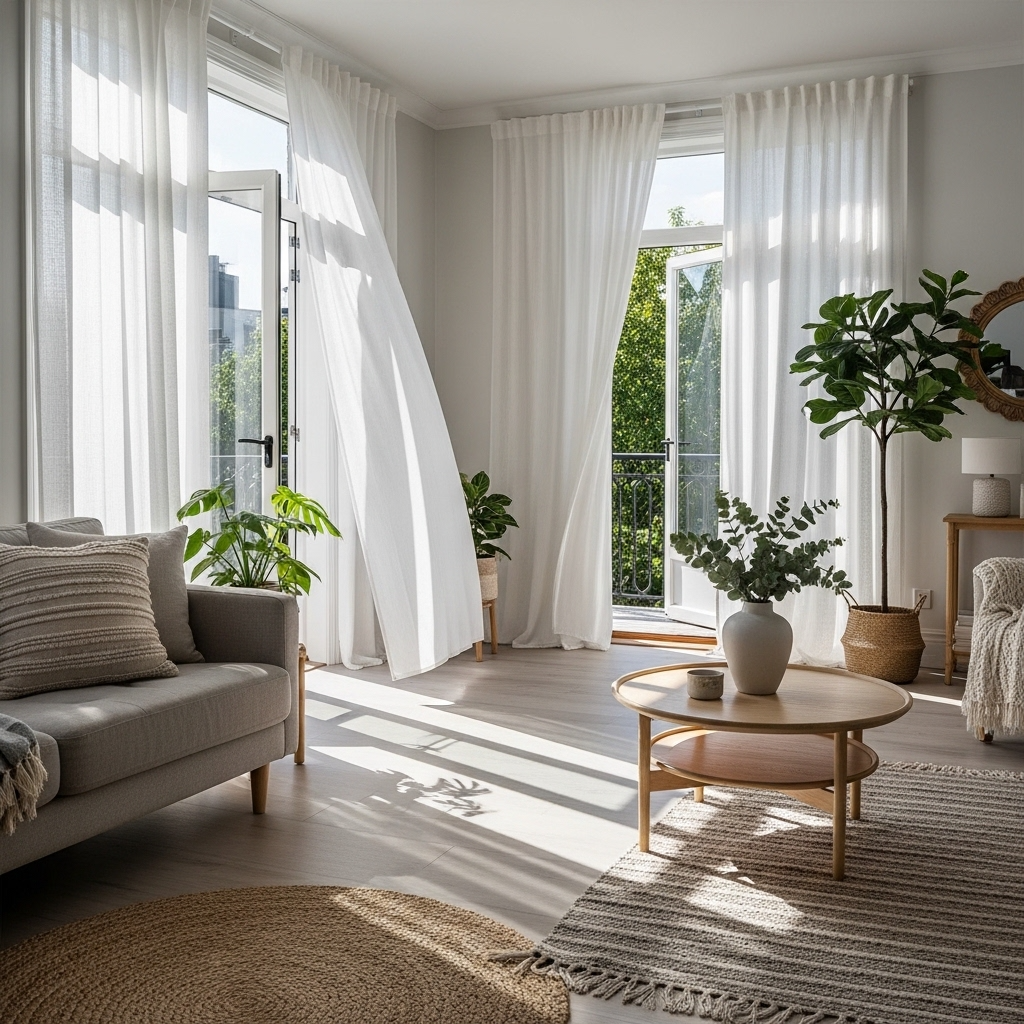
The foundation of a sophisticated Spring Cleaning Aesthetic begins with optimizing the natural light within your living spaces. Rather than relying on heavy, light-absorbing drapery, consider swapping dark velvet or synthetic curtains for sheer Belgian linen panels. Linen allows sunlight to diffuse gently throughout the room while maintaining privacy. To maximize this effect, clean your window panes thoroughly to remove the microscopic film of dust that accumulates during winter, which significantly lowers the Light Reflectance Value (LRV) of your space.
Position your primary seating arrangements to follow the natural path of the sun, ensuring that walkways remain unobstructed. By keeping the areas around windows clear of bulky furniture, you allow light to penetrate deeper into the floor plan, reflecting off soft neutral walls and creating an airy, expansive atmosphere that instantly elevates the mood of the room.
Pro tip: Clean your windows on an overcast day; direct sunlight dries cleaning solutions too quickly, leaving unsightly streaks on the glass.
2. Declutter With Visual Balance
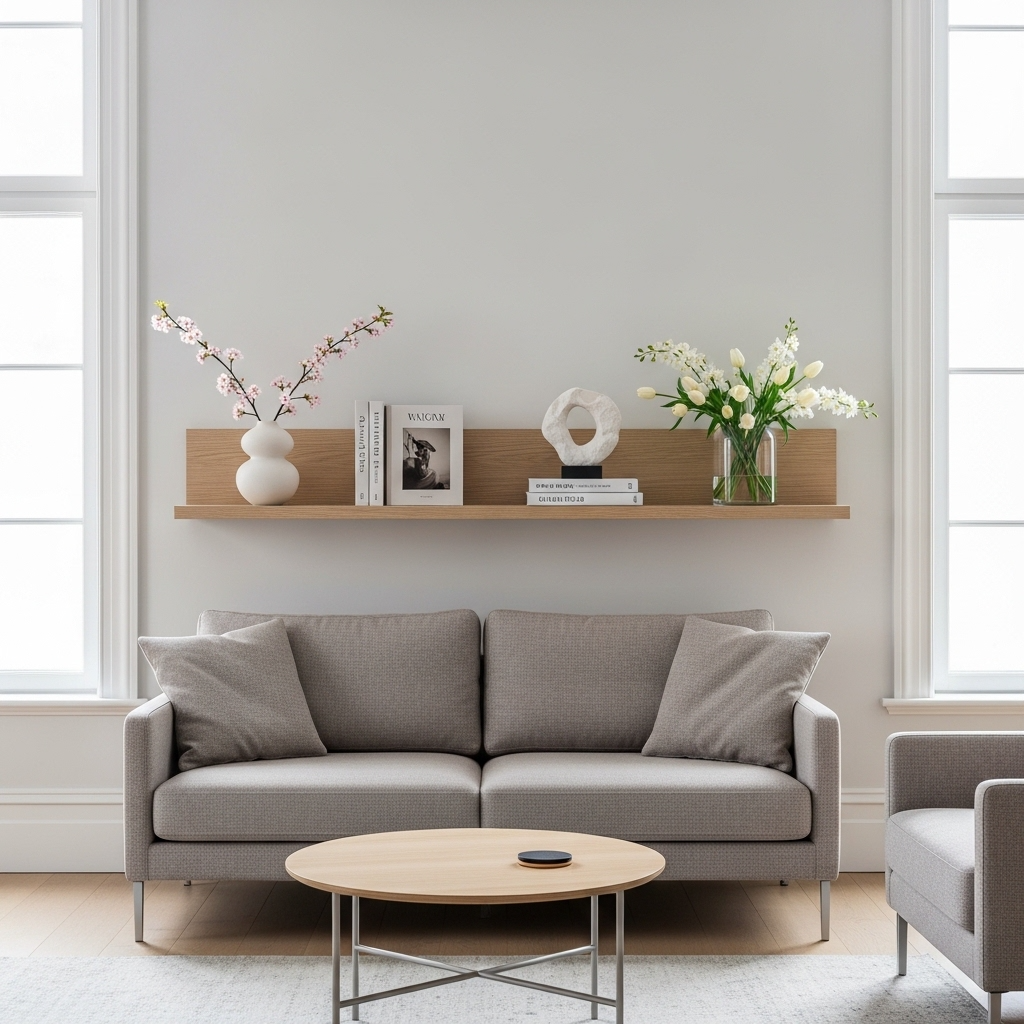
True decluttering is an exercise in visual editing and spatial composition. Instead of simply hiding items away in cheap plastic bins, focus on creating a sense of negative space—the areas left empty that allow your eyes to rest. When styling console tables or mantelpieces, apply the interior design “Rule of Thirds” by grouping curated objects in odd numbers, varying their heights and textures to create a dynamic yet balanced vignette.
To maintain an elegant aesthetic, replace synthetic storage boxes with artisanal, sustainable alternatives. Opt for hand-woven seagrass baskets, solid white oak boxes, or linen-wrapped storage trays. These natural materials add warmth and tactile interest to your shelving while keeping everyday essentials neatly tucked away out of sight.
Pro tip: When styling a surface, ensure at least thirty percent of the area remains entirely empty to preserve a sense of luxury and breathing room.
3. Soft Neutral Color Refresh
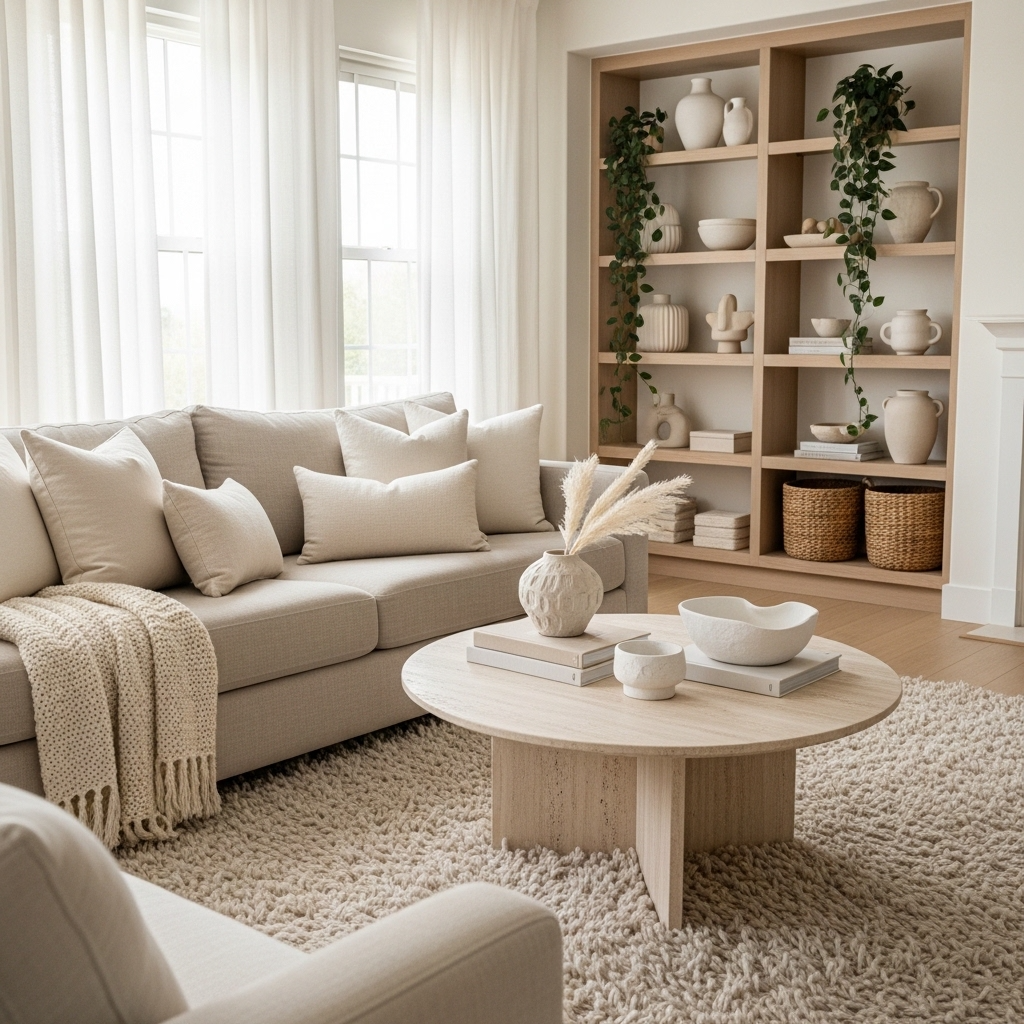
Refreshing your color palette is a powerful tool in any home decor refresh. To transition your home into the warmer months, move away from heavy, saturated winter tones and embrace a palette of sophisticated, warm neutrals. Think of mineral-inspired shades such as alabaster, warm stone, pale travertine, and soft linen. These colors reflect natural light beautifully, making rooms feel larger and more cohesive.
To prevent a neutral color scheme from feeling flat or sterile, layer rich, tactile textures. Combine a slubby linen throw blanket with brushed cotton cushion covers and a low-pile wool rug. This contrast of materials adds depth and sensory richness to your living room without introducing visual clutter or jarring colors.
Pro tip: Look for paint and textile colors with warm, yellow or green undertones rather than cool blue undertones to keep neutral spaces feeling inviting rather than clinical.
4. Open Shelf Styling
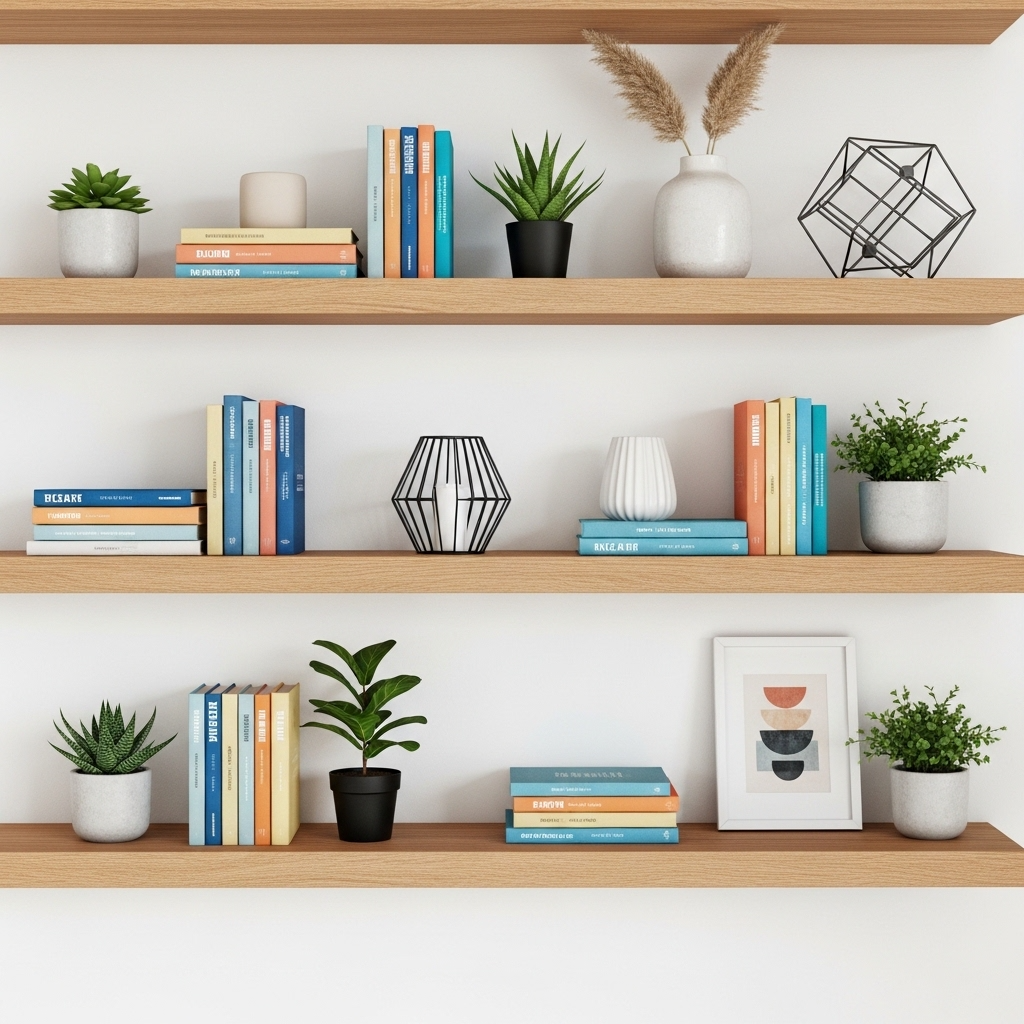
Open shelving offers a wonderful canvas for curated self-expression, but it can easily become a magnet for clutter. Begin by completely clearing your shelves and wiping them down. When rebuilding the display, treat each shelf as an art gallery. Mix functional kitchenware or books with sculptural elements, such as hand-thrown ceramic vessels, matte stoneware, and small pieces of original art framed in natural wood.
Ensure there is a balance of visual weight across the shelves. Place heavier items, like large art books or thick ceramic bowls, on the lower shelves, while reserving the higher shelves for delicate glassware or trailing plants. Leave ample empty space around each group of objects to highlight their unique forms.
Pro tip: Group books both vertically and horizontally, using the horizontal stacks as pedestals to elevate small decorative objects.
5. Fresh Linen Swap
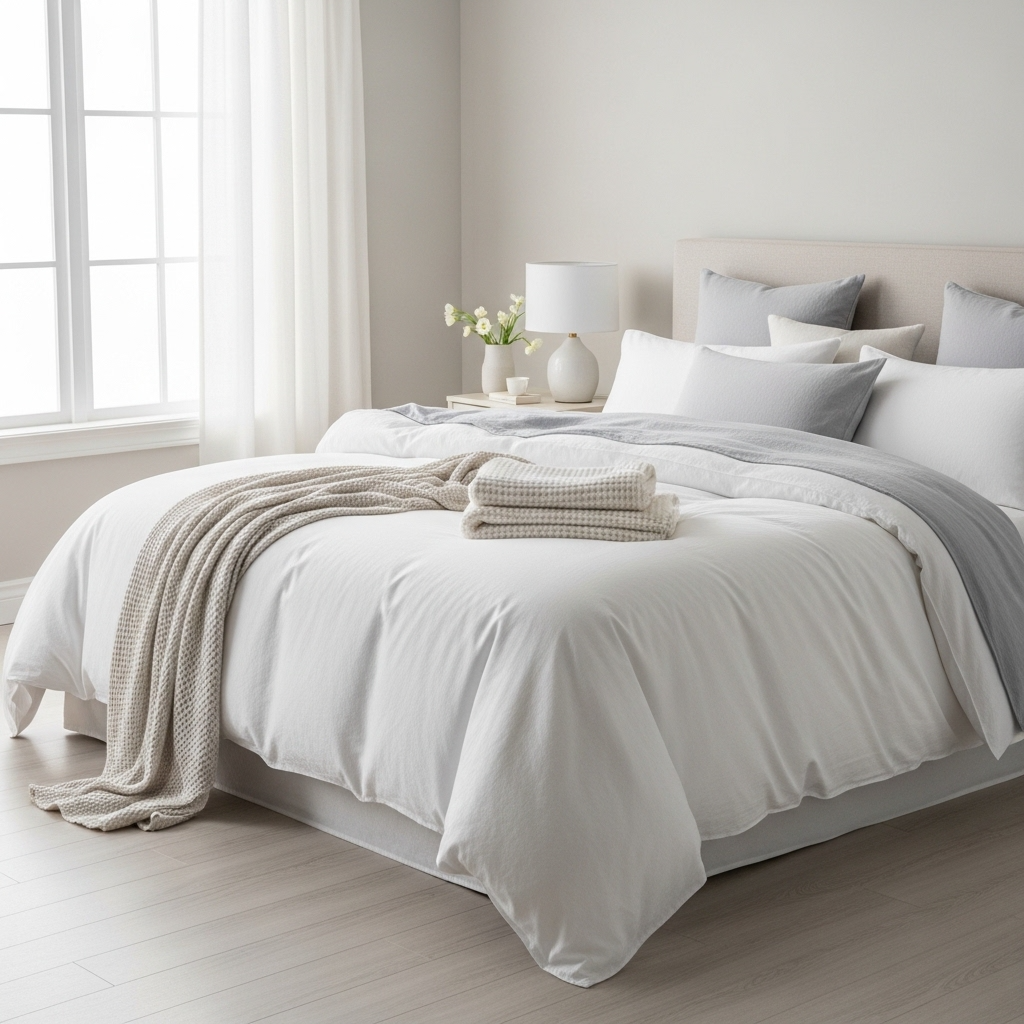
One of the most impactful sensory upgrades you can make for spring is transitioning your bedding and household linens. Replace heavy winter duvets and flannel sheets with high-quality, breathable European flax linen or long-staple organic cotton. Linen is naturally thermoregulating and moisture-wicking, making it the ideal fabric for warmer spring nights while offering a beautiful, relaxed drape that embodies effortless elegance.
Stick to a soothing, nature-inspired color palette for your bedding, such as soft ivory, sage green, or muted terracotta. Layering a lightweight waffle-weave coverlet over your sheets adds just enough texture to make the bed look inviting and professionally styled without feeling overly formal.
Pro tip: Wash your linen bedding with a gentle, plant-based detergent and tumble dry on low with wool dryer balls to maintain its signature soft, textured loft.
6. Indoor Plant Refresh
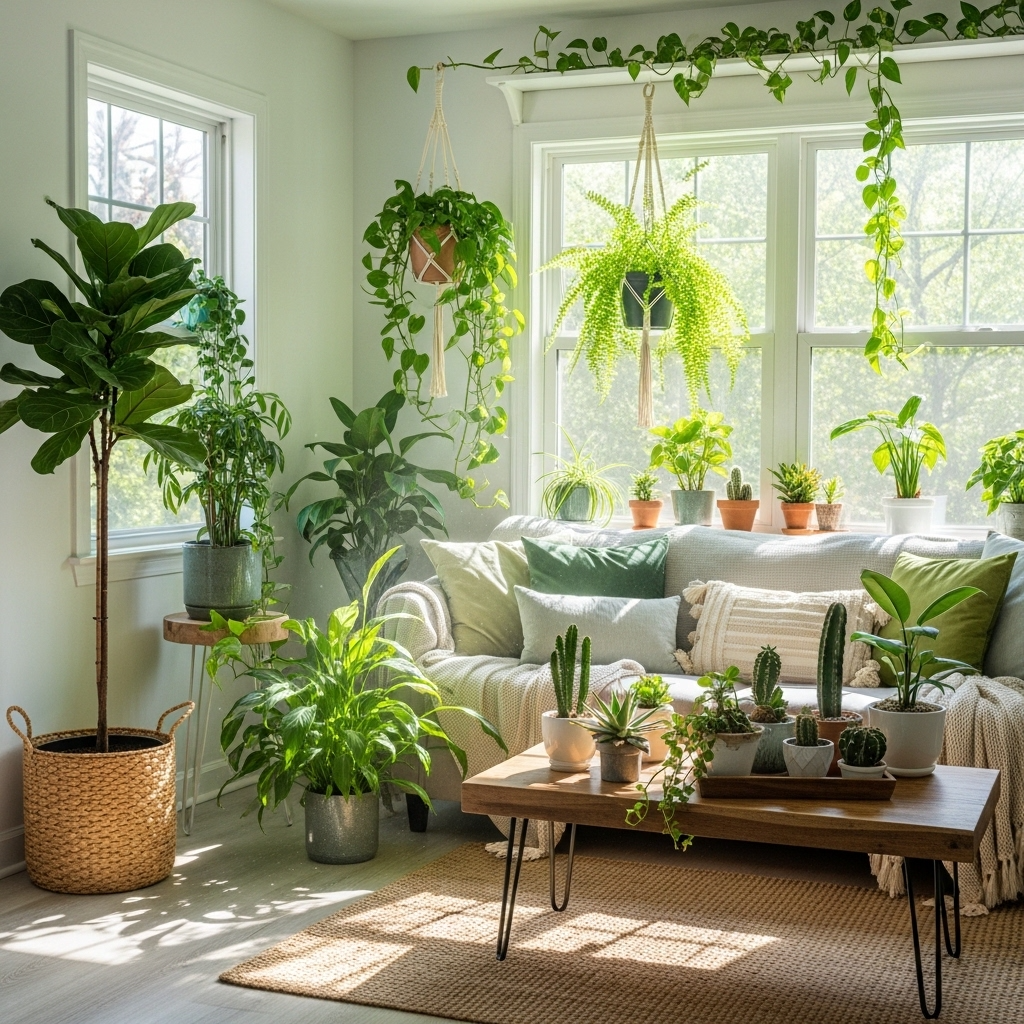
Incorporating biophilic design principles into your home styling brings a vibrant, organic energy that perfectly aligns with a spring reset. Rather than scattering small, mismatched plants on every available surface, invest in a few high-impact, architectural plants. A tall Fiddle Leaf Fig, a structural Kentia Palm, or a delicate Olive Tree can anchor an empty corner and draw the eye upward, emphasizing the room’s vertical height.
To maintain a cohesive and sophisticated aesthetic, house your plants in high-quality pots made of natural materials, such as raw terracotta, unglazed stoneware, or hand-carved stone. These earthy textures complement the organic form of the plants and integrate seamlessly into a neutral interior design scheme.
Pro tip: Gently wipe your plants’ leaves with a damp microfiber cloth to remove dust, which improves their ability to photosynthesize and keeps them looking vibrant.
7. Clear Surface Rule
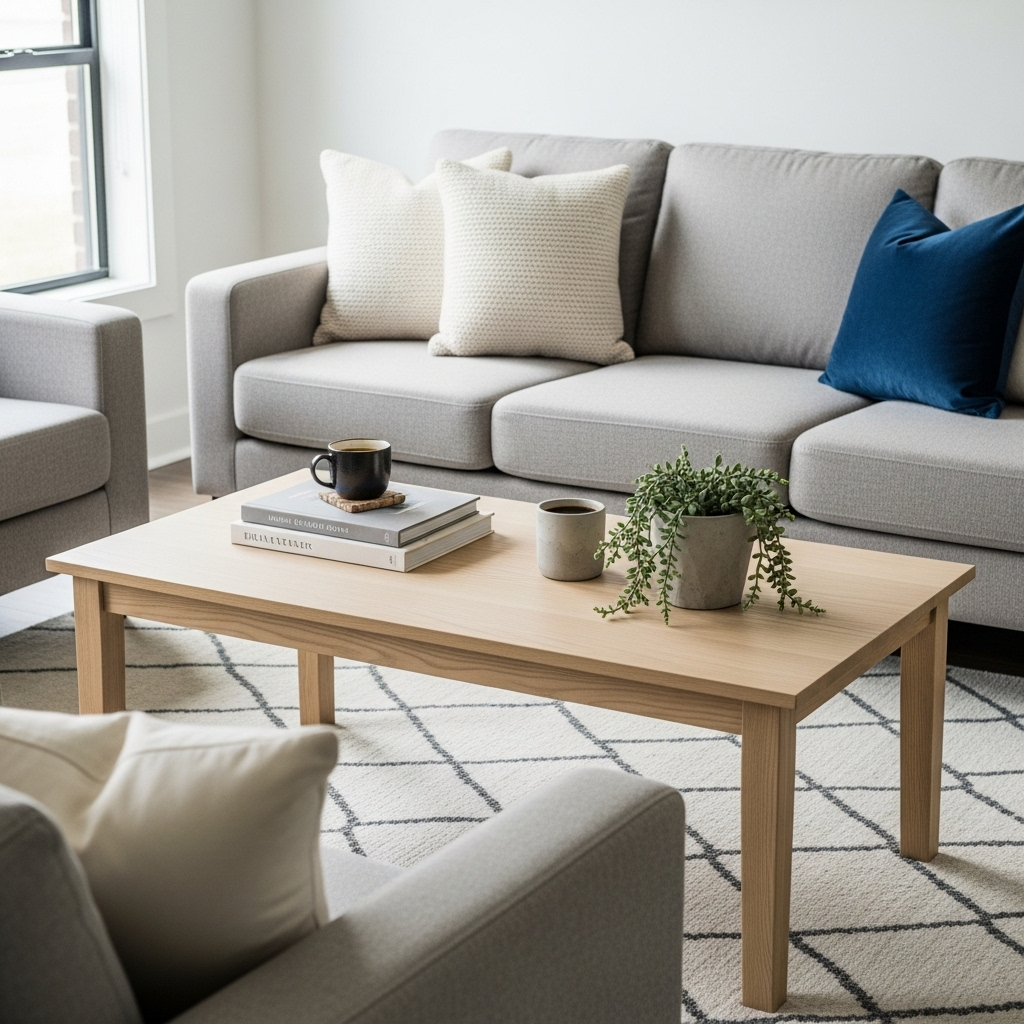
To maintain a serene, minimalist aesthetic, adopt the “less but better” philosophy on all major surfaces. Kitchen islands, dining tables, and coffee tables should not become dumping grounds for daily mail, keys, and charging cables. Keep these high-traffic surfaces clear of daily clutter, leaving only a singular, high-impact decorative element to anchor the space.
For example, style a dining table with a single, large-scale ceramic bowl filled with seasonal green moss, or place a beautiful travertine tray on your coffee table to hold a single candle and a design book. This intentional approach reduces visual noise and makes daily cleaning effortless.
Pro tip: Implement a strict “one-in, one-out” rule for decorative objects on flat surfaces to prevent clutter from slowly reclaiming your home.
8. Entryway Reset
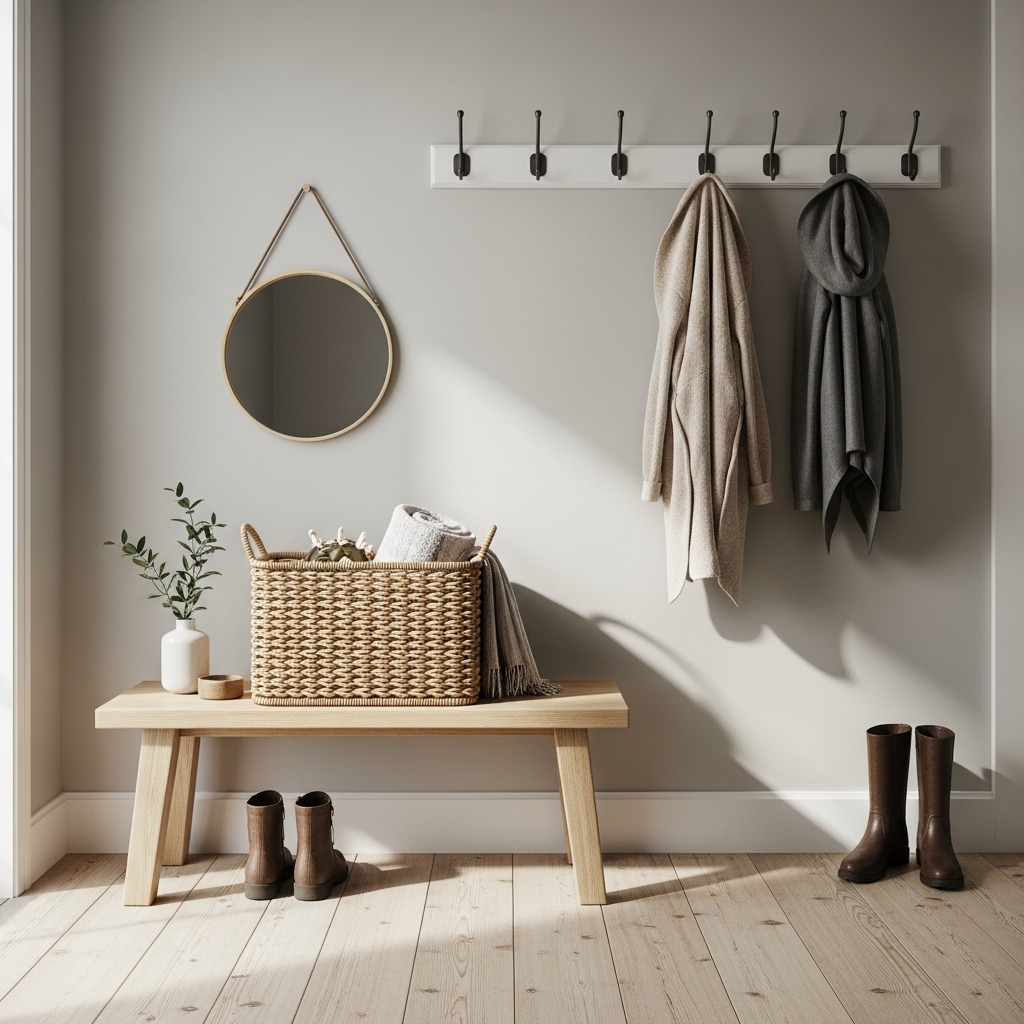
The entryway is the threshold of your home, establishing the design narrative and atmosphere for anyone who steps inside. To create a welcoming, organized entry, focus on both spatial flow and functional storage. Replace cluttered coat racks with a sleek, wall-mounted oak peg rail, and position a minimalist console table made of solid wood or metal near the door.
Incorporate a dedicated catch-all tray made of honed marble, solid brass, or genuine leather to hold keys and daily essentials. Underneath the console, place a structured woven basket to neatly store shoes, ensuring the walkway remains entirely clear and visually open.
Pro tip: Hang a large, wood-framed mirror above your entryway console to bounce light down the hallway and create the illusion of a grander entrance.
9. Kitchen Counter Reset

A beautifully styled kitchen is a cornerstone of a functional Spring Cleaning Aesthetic. Begin by removing everything from your countertops and deep cleaning the surfaces, paying special attention to the grout lines and the area behind the sink. When organizing your counters, store bulky appliances in cabinets to maximize your usable workspace and highlight the beauty of your countertops, whether they are marble, quartz, or butcher block.
For items that must remain on the counter, choose beautiful, high-quality containers. Store dry goods in borosilicate glass jars with airtight acacia wood lids. Group your daily cooking oils and salt cellars on a small marble or ceramic pedestal near the stove to keep them organized and visually unified.
Pro tip: Use a small, hand-woven linen hand towel draped over the sink instead of a synthetic sponge to maintain a clean, organic look.
10. Closet Light Edit

An organized closet is essential for a calm morning routine and a clutter-free mind. Begin your seasonal edit by removing all garments and assessing them with honesty. Donate or sell items that no longer fit your personal style, and store off-season winter coats and heavy knits in breathable cotton garment bags on higher shelves or in under-bed storage.
To instantly elevate the look of your closet, replace mismatched plastic or wire hangers with a uniform set of solid cedarwood or slim velvet hangers. Group your clothing by category (e.g., shirts, trousers, dresses) and then by color from light to dark. This simple visual alignment creates a boutique-like experience every time you open your wardrobe.
Pro tip: Turn all your hangers backward at the start of the season; when you wear an item, flip the hanger forward. At the end of the season, you will easily see which clothes you actually wear.
11. Bathroom Fresh Reset
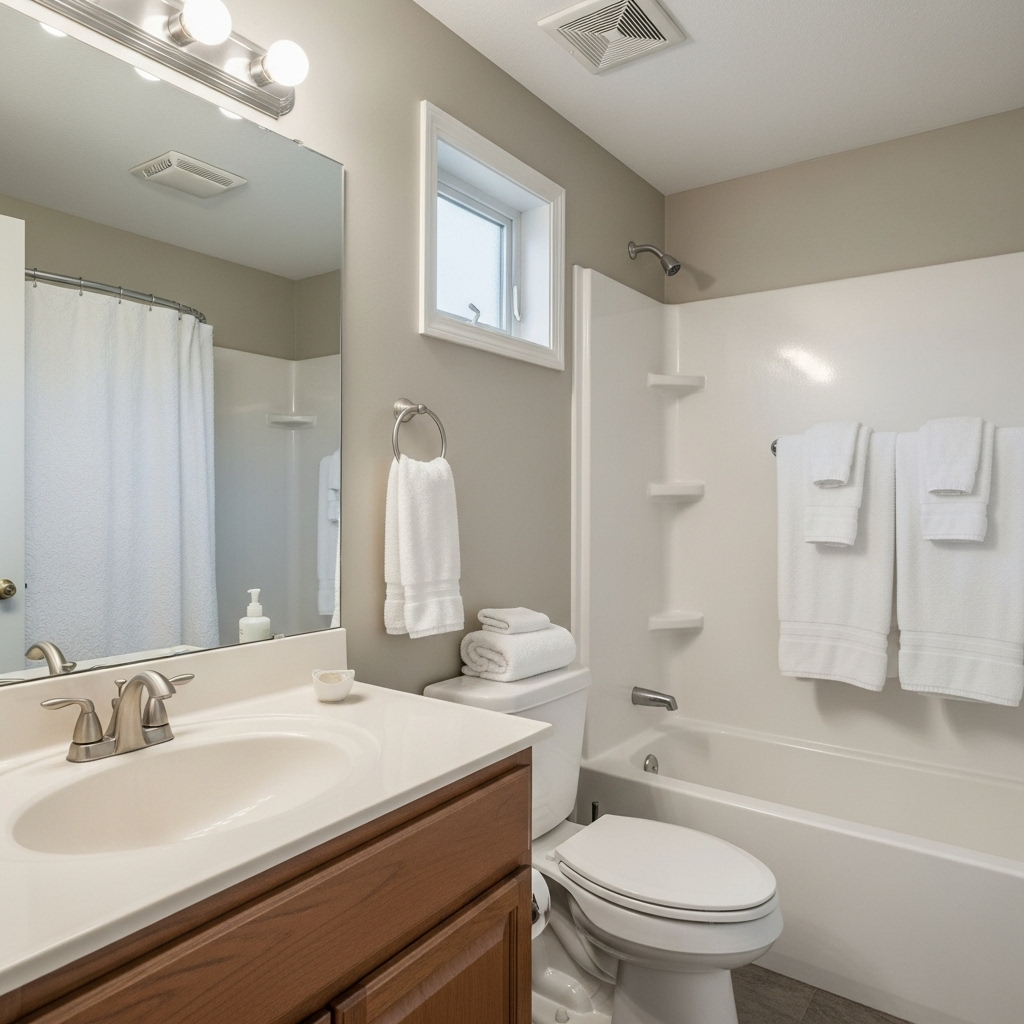
Transform your bathroom into a serene, spa-like sanctuary by focusing on clean lines and luxurious textures. Start by deep cleaning the tile grout, polishing the chrome or brass fixtures, and clearing the vanity of half-empty plastic bottles. Replace worn, mismatched bath mats and towels with plush, high-GSM organic cotton Turkish towels in soft, earthy tones like sand, sage, or charcoal.
Style your vanity with intention. Place your daily skincare products in a beautiful travertine tray, and decant liquid hand soap into a reusable amber glass pump bottle. Introduce a small vase with a single eucalyptus branch to add a touch of natural beauty and a subtle, refreshing scent.
Pro tip: Roll your extra bath towels and store them in a large, open wicker basket next to the tub for a high-end hotel aesthetic.
12. Scent Layering Touch
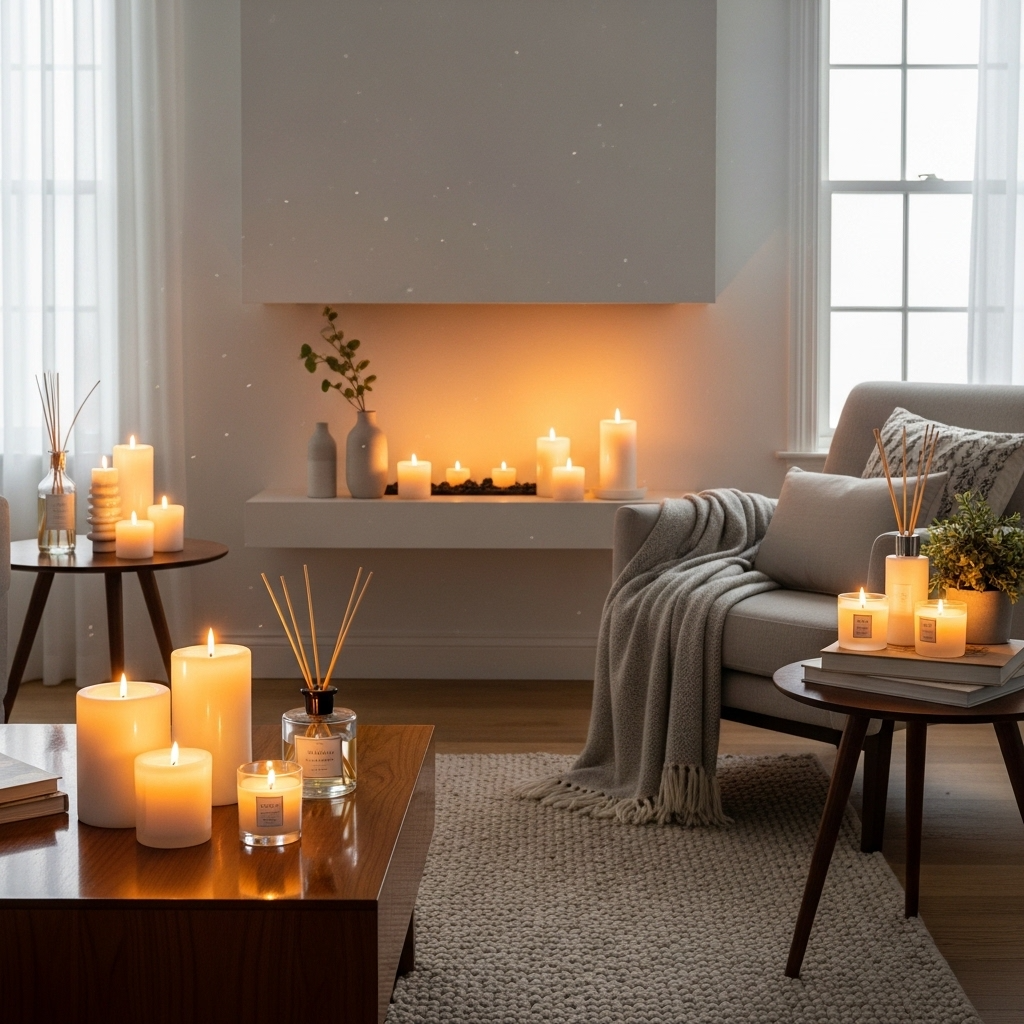
A truly immersive spring cleaning aesthetic engages all the senses, and fragrance plays a vital role in how we perceive a space. Avoid synthetic aerosol sprays or cheap plug-in air fresheners, which can introduce harmful chemicals into your home. Instead, focus on natural, high-quality scent layering using pure essential oils, soy or coconut wax candles, and natural reed diffusers.
For spring, select light, uplifting scent profiles such as bergamot, white tea, cedarwood, and lavender. Place a reed diffuser in high-traffic areas like the entryway or powder room for a continuous, subtle fragrance, and light a hand-poured wood-wick candle in the living room during the evening to create a warm, cozy ambiance.
Pro tip: Simmer a pot of water on the stove with lemon slices, rosemary sprigs, and a splash of vanilla extract for an all-natural, chemical-free home fragrance.
13. Drawer Organization Upgrade

While drawers are hidden from plain sight, organizing them brings a profound sense of order and efficiency to your daily life. Empty each drawer completely, discard expired or broken items, and vacuum out any dust or debris. To keep items from shifting, invest in high-quality, adjustable drawer dividers made of sustainable bamboo or solid maple rather than cheap plastic organizers.
In kitchen drawers, arrange utensils by frequency of use, keeping daily flatware easily accessible. In dresser drawers, use the file-folding method for t-shirts and knitwear, which allows you to see every garment at a glance without disrupting the entire stack when you pull an item out.
Pro tip: Place a small cedar block or a linen sachet filled with dried lavender in your clothing drawers to keep garments smelling fresh and protect them from pests.
14. Mirror Cleaning Focus
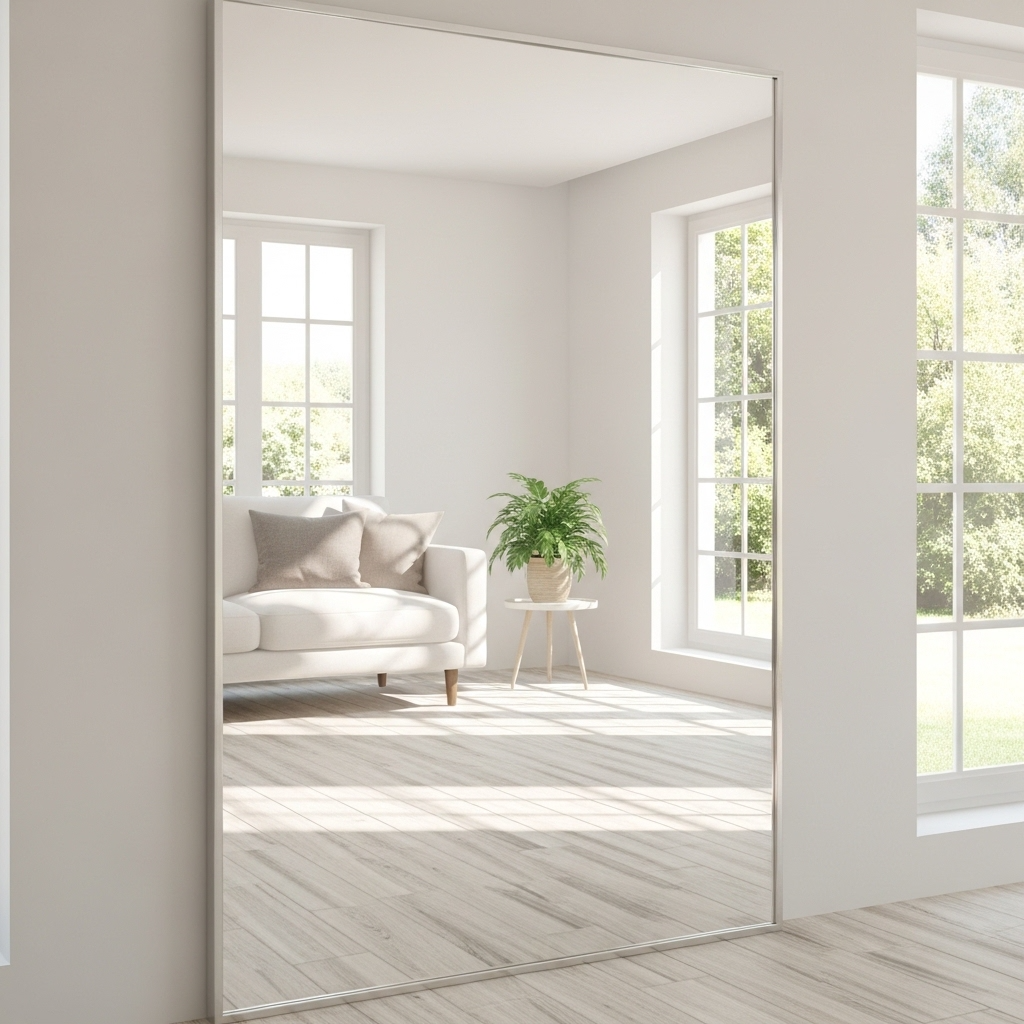
Mirrors are powerful design tools that can double the perceived size of a room and amplify natural light, but only when they are kept pristine. Wipe down all mirrors in your home using a mixture of equal parts distilled water and white vinegar, which cuts through grease and dust without leaving a chemical residue. Use a clean microfiber cloth to buff the glass to a brilliant, streak-free shine.
Consider the placement of your mirrors. Position a large, floor-length mirror opposite a window to capture the outdoor view and bounce natural light into darker corners of the room. A beautifully framed mirror in brass, black metal, or natural oak can also serve as a stunning focal point in a minimalist living space.
Pro tip: Avoid using paper towels to clean mirrors, as they leave behind tiny lint fibers and static electricity that attracts dust.
15. Floor Deep Clean Routine
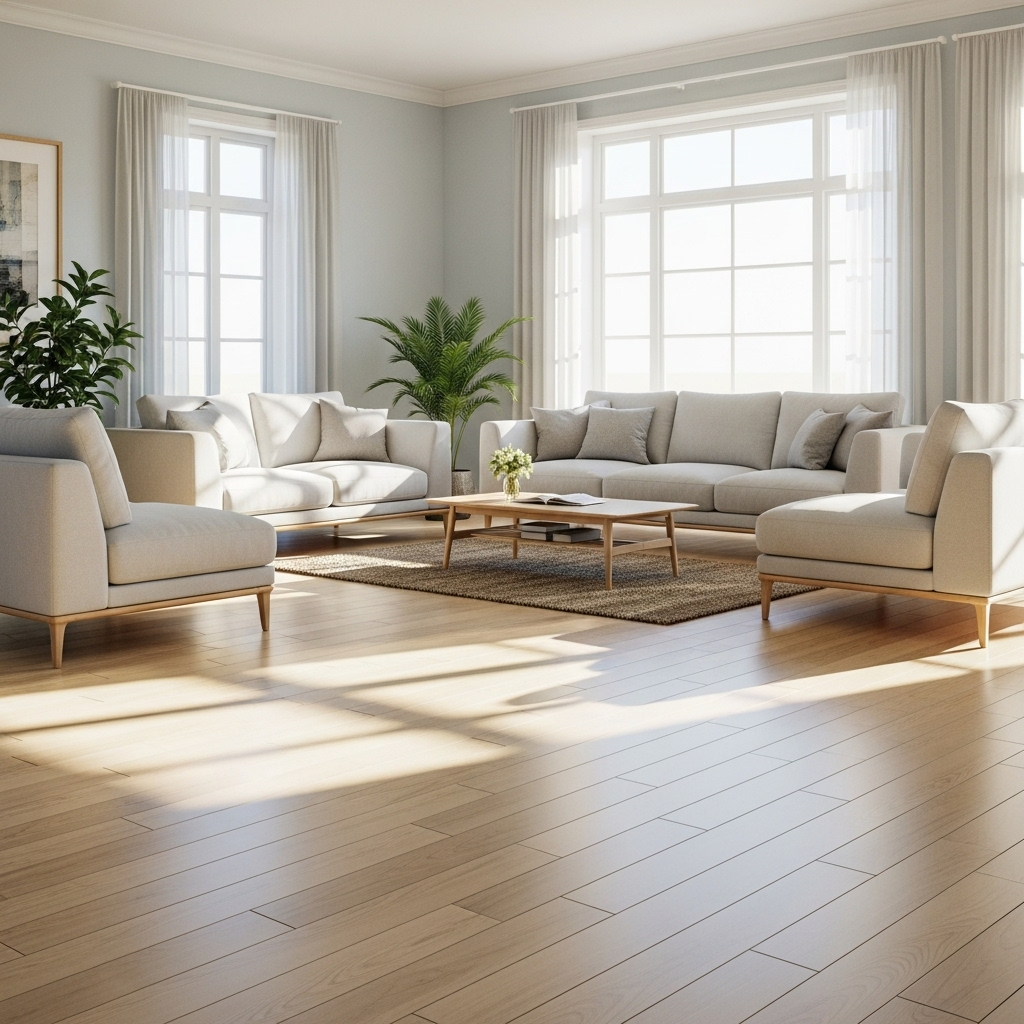
Floors endure the most wear and tear in any home, and a deep clean is essential to restore their original beauty and improve indoor air quality. For solid hardwood floors, use a specialized, pH-neutral wood cleaner and a damp (never soaking wet) microfiber mop to protect the wood’s finish. For natural fiber rugs like jute, sisal, or wool, vacuum thoroughly using a brush-free attachment to avoid pulling the delicate fibers.
If you have stone or tile floors, pay special attention to the grout lines, which can darken over time. Use a natural paste of baking soda and water to gently scrub the grout back to its original color. Clean, polished floors instantly make the entire home feel brighter, fresher, and more cohesive.
Pro tip: Place high-quality, natural-fiber doormats both inside and outside every entrance to trap dirt and moisture before it reaches your interior floors.
16. Minimal Wall Decor Refresh
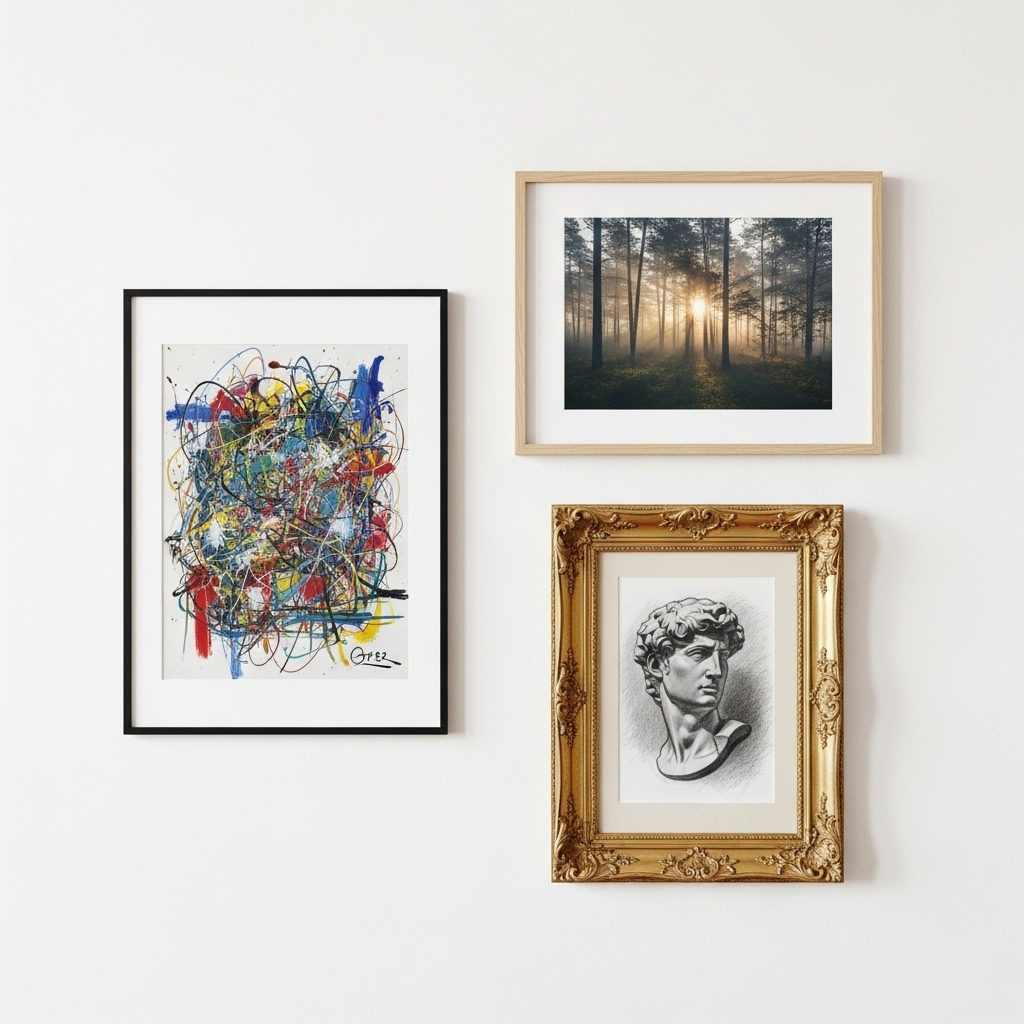
Walls can easily become visually cluttered if they are covered in too many small, mismatched frames. To create a more sophisticated, gallery-like feel, edit your wall decor down to a few meaningful, large-scale pieces. A single, oversized abstract painting or a pair of minimalist architectural prints can make a much stronger design statement than a cluttered gallery wall.
Choose high-quality frames made of solid wood (such as oak, walnut, or maple) or thin, matte black metal. Ensure your art is framed with acid-free mats, which protect the artwork and provide a professional, curated look that elevates the entire room.
Pro tip: Hang your artwork so that the center of the piece is at eye level—typically about 57 to 60 inches from the floor—to maintain proper spatial proportions.
17. Lighting Update Touch
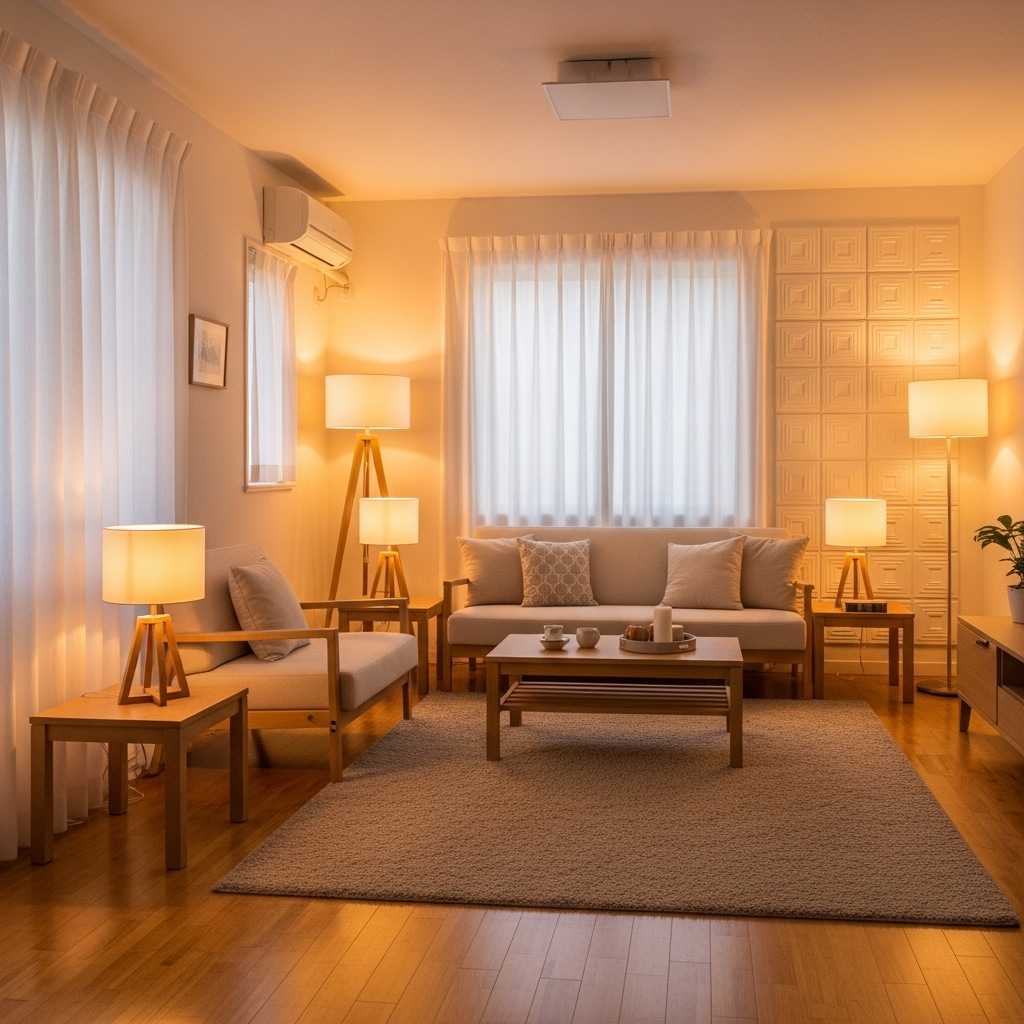
Lighting is one of the most critical elements in interior design, shaping the mood and functionality of every room. To transition your home for spring, replace harsh, cool-toned fluorescent bulbs with warm, dimmable LED bulbs (ideally around 2700K). Warm lighting mimics the gentle glow of late afternoon sun, creating a cozy, inviting atmosphere that encourages relaxation.
Layer your lighting by combining ambient ceiling fixtures with task lighting (like a sleek brass reading lamp) and accent lighting (such as a small ceramic table lamp on a bookshelf). This creates depth and allows you to adjust the light levels throughout the day to suit your needs.
Pro tip: Swap out standard light switches for dimmer switches to gain complete control over the ambiance and energy consumption of your home.
18. Seasonal Decor Swap
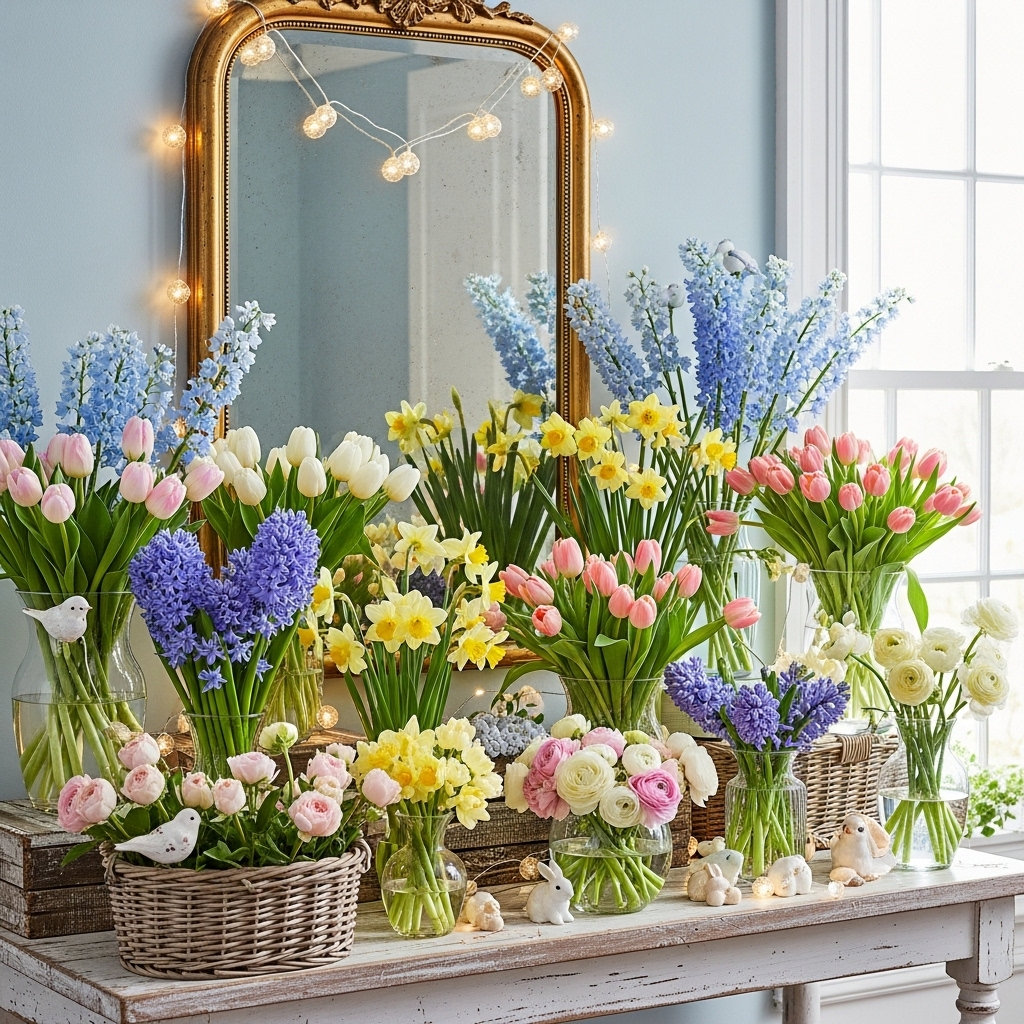
As the weather warms, it is time to retire heavy winter decor and introduce lighter, nature-inspired elements. Pack away thick wool blankets, faux-fur pillows, and heavy brass candlesticks. In their place, introduce lightweight linen throws, ceramic vases in soft pastel or earthy tones, and delicate glass vessels that catch the sunlight.
Bring the beauty of the outdoors inside by styling your vases with fresh, seasonal botanicals. Instead of formal, tightly packed floral arrangements, opt for a few loose branches of cherry blossoms, eucalyptus, or olive branches. These organic shapes add a sense of life and movement to your decor.
Pro tip: Store your off-season decor in clearly labeled, airtight containers in a dry closet so they remain clean and ready for next winter.
19. Entry Storage Simplification
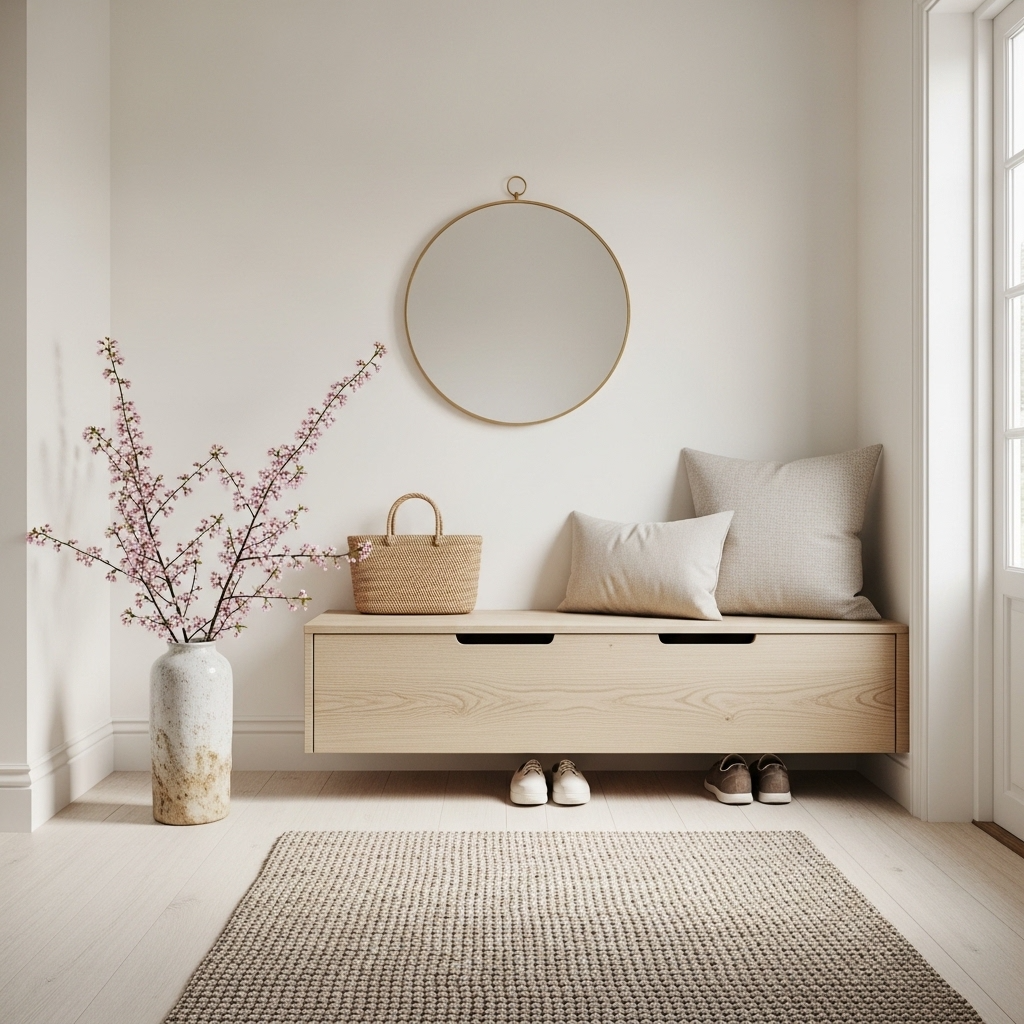
Because the entryway handles a high volume of daily traffic, it requires a highly efficient storage system to remain tidy. Simplify this area by evaluating what actually needs to be kept at the door. Limit the coats on display to one or two seasonal jackets per person, and store the rest in a hallway closet.
Incorporate a solid wood bench that offers both a place to sit and integrated shoe storage underneath. Use structured, natural-fiber baskets to keep umbrellas, dog leashes, and outdoor gear neatly organized and out of sight. A simplified entryway ensures a calm, clutter-free transition into your home.
Pro tip: Dedicate one basket specifically for mail and paper clutter, and commit to sorting through it once a week to prevent build-up.
20. Fabric Lightening Swap
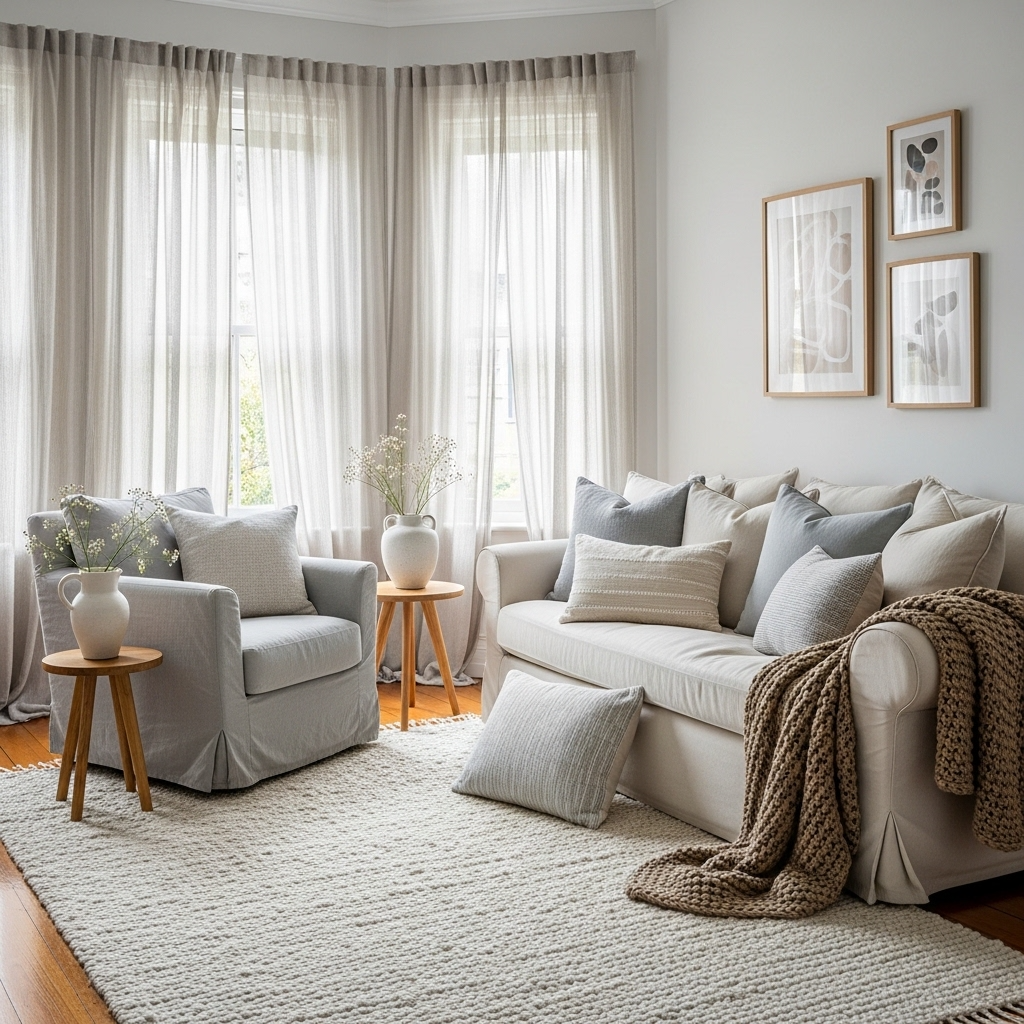
The textiles in your home have a significant impact on its visual weight and temperature. To prepare your home for spring, swap out heavy, dense fabrics for lighter, more breathable options. Replace thick velvet cushion covers with washed linen, cotton canvas, or silk-noil covers in soft, light-reflecting colors.
This fabric swap should also extend to your window treatments and dining linens. A simple linen table runner and matching cloth napkins can instantly elevate your dining room, making everyday meals feel like a special, curated experience while embracing a sustainable, low-waste lifestyle.
Pro tip: Choose textiles that are machine washable and made from 100% natural fibers, which wear beautifully over time and are easy to maintain.
21. Hidden Storage Use
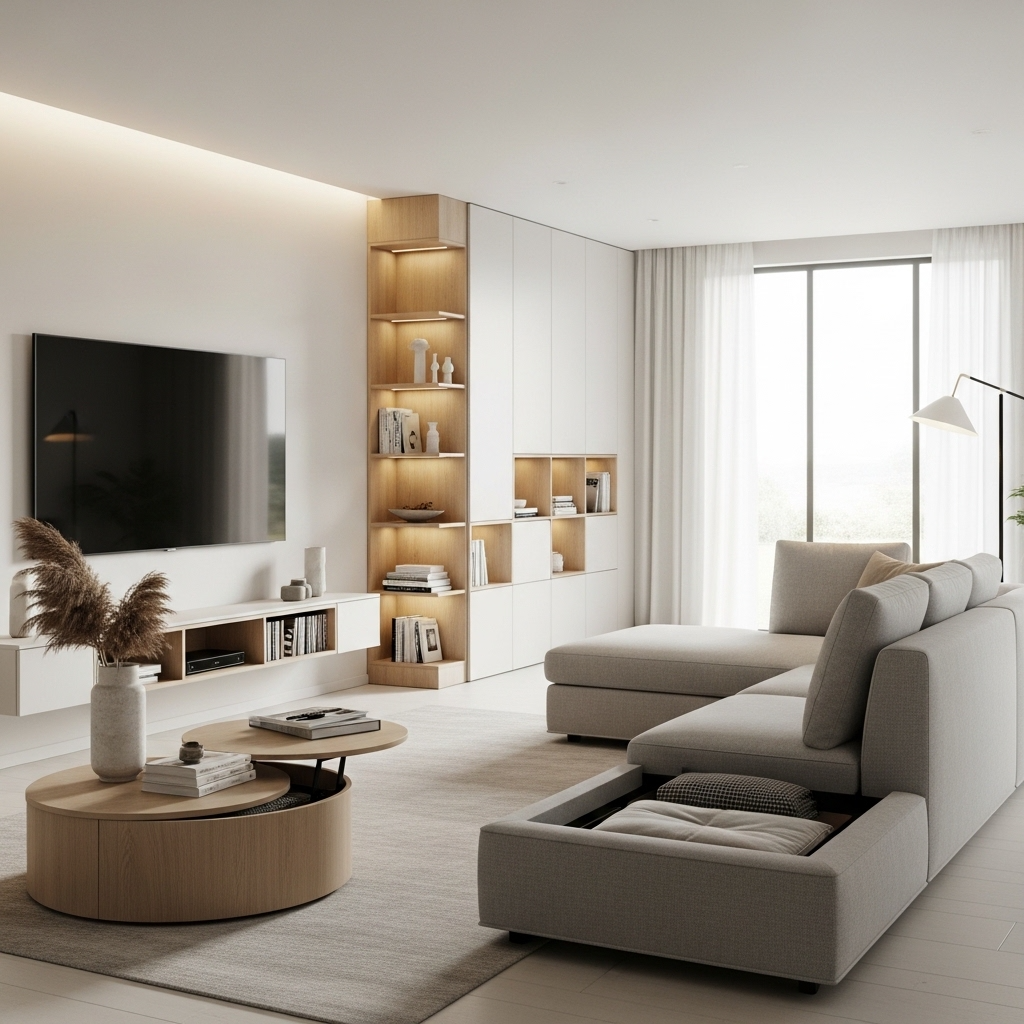
To maintain a clean, minimalist aesthetic without sacrificing functionality, make strategic use of hidden storage. Invest in multi-functional furniture pieces, such as a custom upholstered storage ottoman in a neutral linen blend, a solid wood coffee table with concealed drawers, or a beautiful credenza that hides media equipment and cables.
Inside these storage units, use small trays and boxes to keep items organized. This prevents hidden spaces from becoming chaotic junk drawers, ensuring that every item has a dedicated home and can be easily retrieved when needed.
Pro tip: Use cable management boxes to hide unsightly power strips and cords behind your TV console or desk for a clean, professional look.
22. Daily Reset Habit

Maintaining a beautiful Spring Cleaning Aesthetic is not a one-time event; it is a daily practice of spatial maintenance. Establish a simple, 10-minute evening reset routine to restore your home to its design baseline before you go to bed. This involves putting away stray items, wiping down kitchen counters, and plumping sofa cushions.
By starting each day with a clean, organized space, you reduce morning stress and create a supportive environment for productivity and relaxation. This small, consistent habit prevents clutter from accumulating and makes deep cleaning sessions much easier to manage.
Pro tip: Involve the whole family in the evening reset by turning it into a quick, collaborative 10-minute activity before bed.
23. Air Flow Improvement
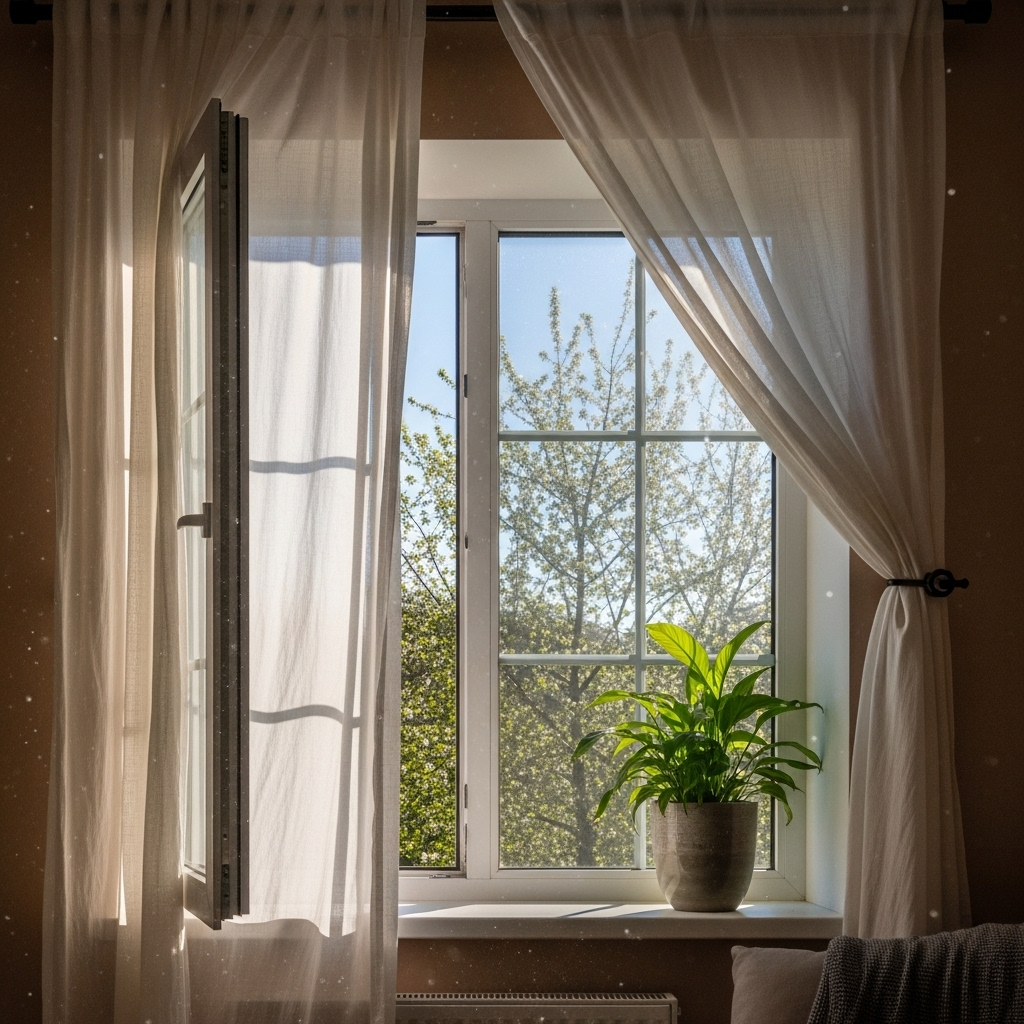
Fresh air is essential for a healthy, vibrant home environment, especially after months of winter confinement. Open your windows for at least 15 to 20 minutes every morning to allow stale indoor air to escape and fresh, oxygen-rich air to circulate throughout your living spaces. This natural ventilation helps remove indoor air pollutants, moisture, and lingering odors.
To further improve indoor air quality, consider pairing natural ventilation with a high-performance air purifier. Choose a model with a sleek, minimalist design and a fabric or wood-grain finish that integrates seamlessly into your home decor rather than looking like a clinical appliance.
Pro tip: Create cross-ventilation by opening windows on opposite sides of your home to encourage a gentle, cooling breeze to flow through the space.
24. Final Styling Touch
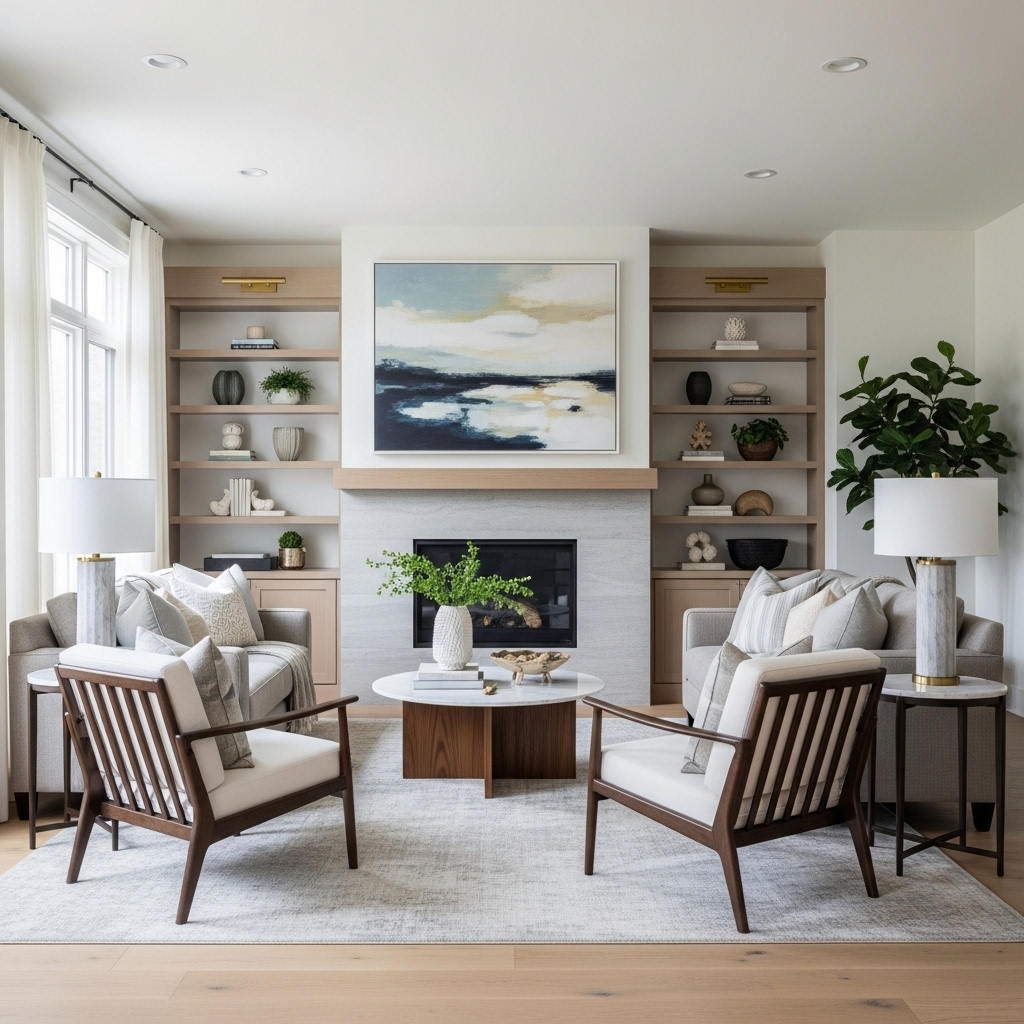
Once your home is clean, organized, and filled with light, take the time to perform a final “editorial sweep” to style your space with intention. Walk through each room and evaluate the sightlines from different angles. Adjust the placement of your decorative objects, ensuring that everything feels balanced, proportional, and visually connected.
Remember that the goal of styling is not to create a sterile showroom, but to curate a space that feels lived-in, warm, and uniquely yours. Display a few cherished personal items, such as a travel souvenir or a favorite book, alongside your natural decor to add character and soul to your beautifully refreshed home.
Pro tip: Take a photo of your styled space on your phone; viewing your home through a lens often makes it easier to spot areas that need adjustment or simplification.
FAQs
What is a spring cleaning aesthetic?
A spring cleaning aesthetic is an interior design philosophy that focuses on creating a bright, organized, and visually harmonious home. It emphasizes natural light, clean lines, negative space, and the use of high-quality, sustainable materials like linen, solid wood, and ceramics to foster a calm and restorative living environment.
How do I start spring cleaning?
The most effective way to start is by focusing on one room at a time, beginning with high-traffic areas like the entryway or kitchen. Start by decluttering and editing your belongings, followed by a deep clean of all surfaces, and finish by styling the space with curated, natural decor elements.
How often should I refresh my home?
While a deep clean is ideal for spring, minor seasonal refreshes should be done quarterly. Swapping out textiles, updating botanical arrangements, and rotating decorative objects with the changing seasons keeps your home feeling fresh, current, and aligned with the natural world.
Conclusion
Cultivating a Spring Cleaning Aesthetic is a holistic approach to home styling that honors both beauty and function. By moving away from cheap, mass-produced accessories and embracing sustainable, natural materials, you can design a home that feels sophisticated, timeless, and deeply comforting. Through intentional decluttering, strategic lighting, and thoughtful spatial planning, your living space becomes a true sanctuary that supports your well-being and inspires your daily life.