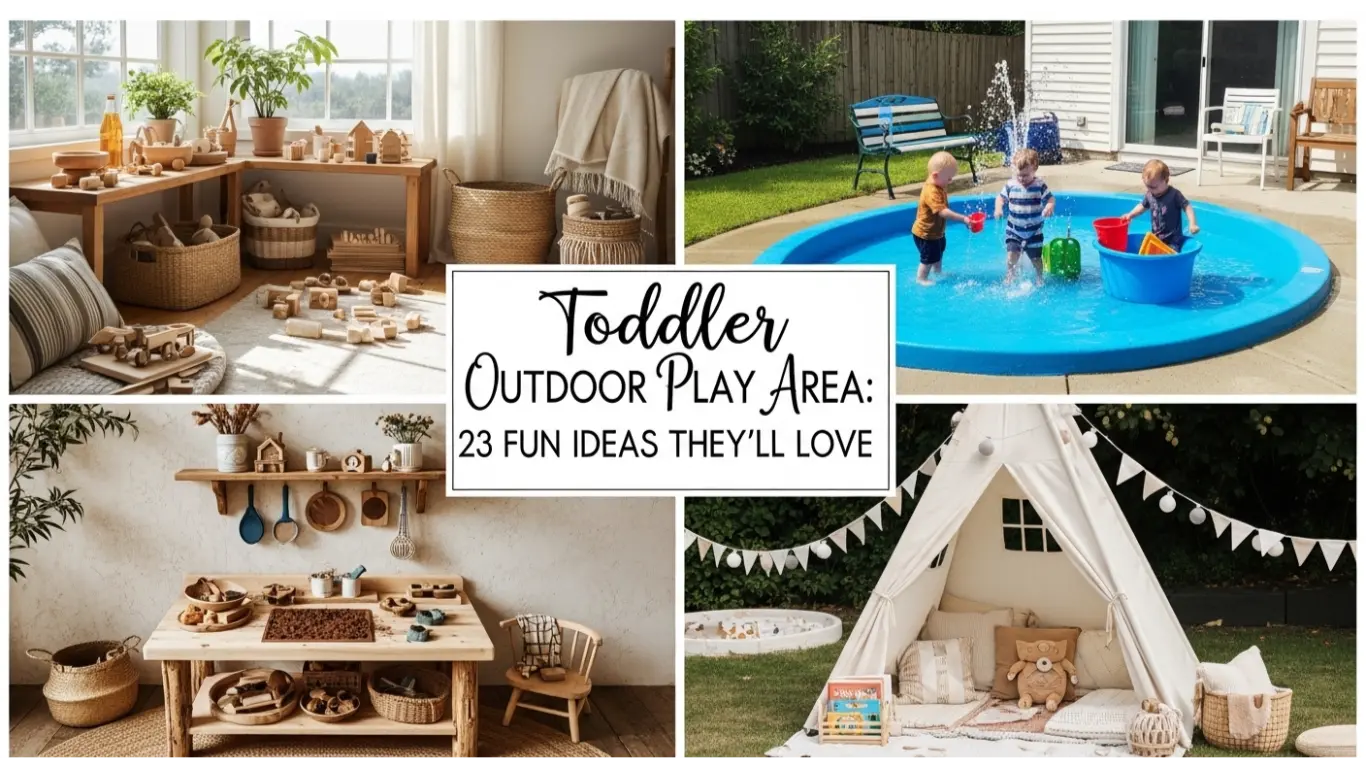
Toddler Outdoor Play Area: 23 Fun Ideas They’ll Love
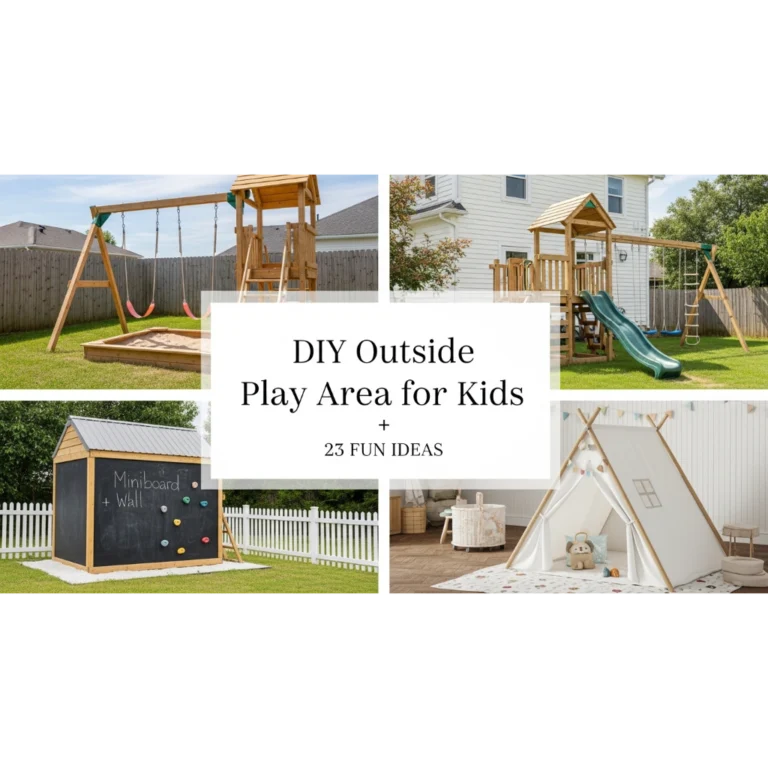
A well-designed toddler outdoor play area can turn any backyard, patio, or shared space into a place for movement, learning, and joy. Toddlers need safe ways to climb, explore, dig, splash, and imagine. The right setup helps build balance, confidence, creativity, and focus while making outdoor time easier for parents. This guide shares fresh, practical ideas that feel exciting for kids and realistic for families.
Each idea below includes an image prompt, a rich description, and a practical pro tip so you can create a space that feels fun, calm, and easy to maintain.
1. Nature Discovery Corner
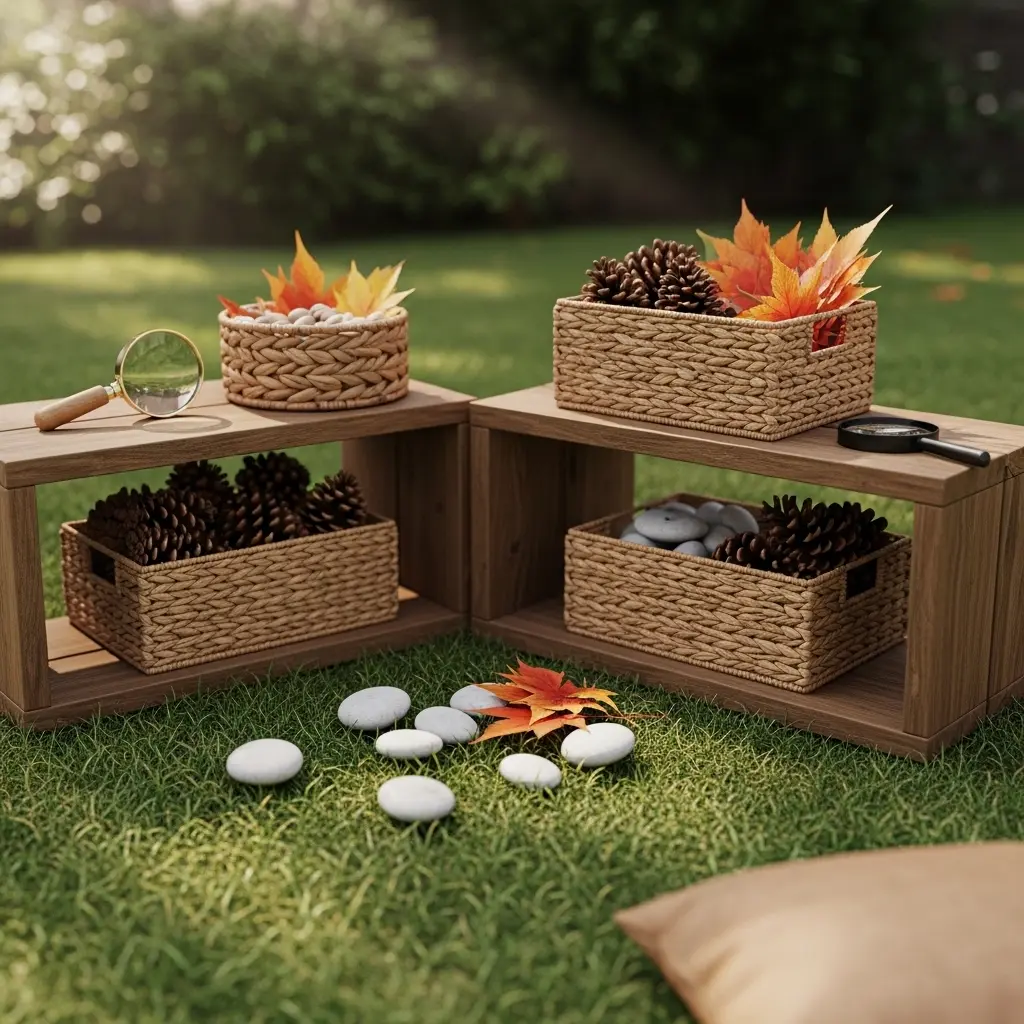
A nature discovery corner gives toddlers a safe place to touch, sort, and explore outdoor treasures. Use shallow baskets for leaves, flowers, pinecones, and smooth rocks. Add a child-safe magnifying glass and a small wooden table so they can inspect textures and shapes. This setup encourages curiosity and helps children slow down and notice details in the world around them.
This type of sensory play also supports language growth because toddlers often ask questions and describe what they feel. A simple discovery corner feels fresh every week because nature changes with the weather. It is easy to update, low cost, and works well in small spaces. Parents can join in without needing to plan a complicated activity every time.
Pro Tip: Rotate natural items weekly to keep the space exciting without buying new toys.
2. Mud Kitchen Station
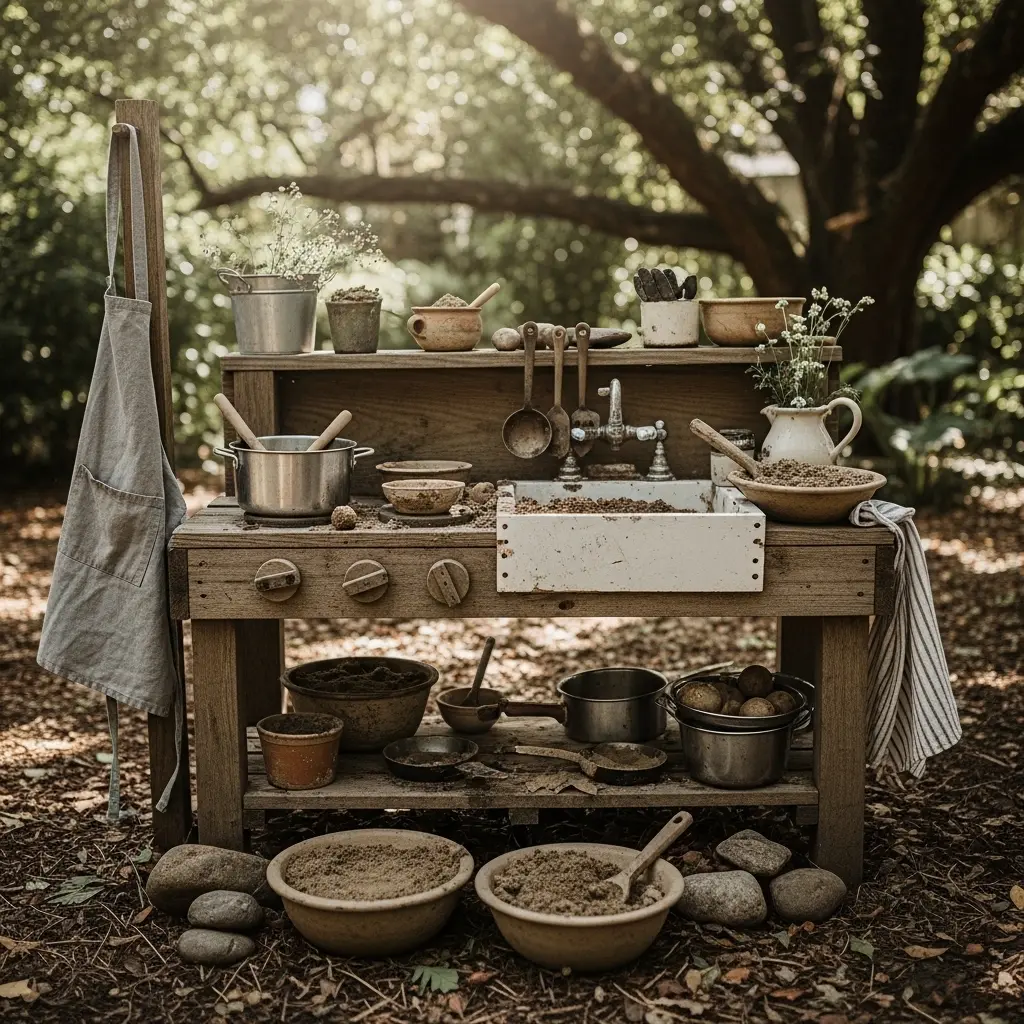
A mud kitchen gives toddlers freedom to mix, pour, scoop, and pretend. Set up a low counter with bowls, spoons, old muffin tins, and water access. Children love making pretend soups, cakes, and nature potions. This hands-on space supports sensory development and builds confidence because kids can create without worrying about making a mess.
The best mud kitchens feel simple and open-ended. Add herbs, flower petals, or sticks for more variety. Outdoor messy play often keeps toddlers engaged longer than indoor toys because it feels active and new. It also helps reduce screen time while giving children a healthy outlet for energy and imagination.
Pro Tip: Place a washable mat underneath to make cleanup quick after rainy play.
3. Mini Climbing Hill
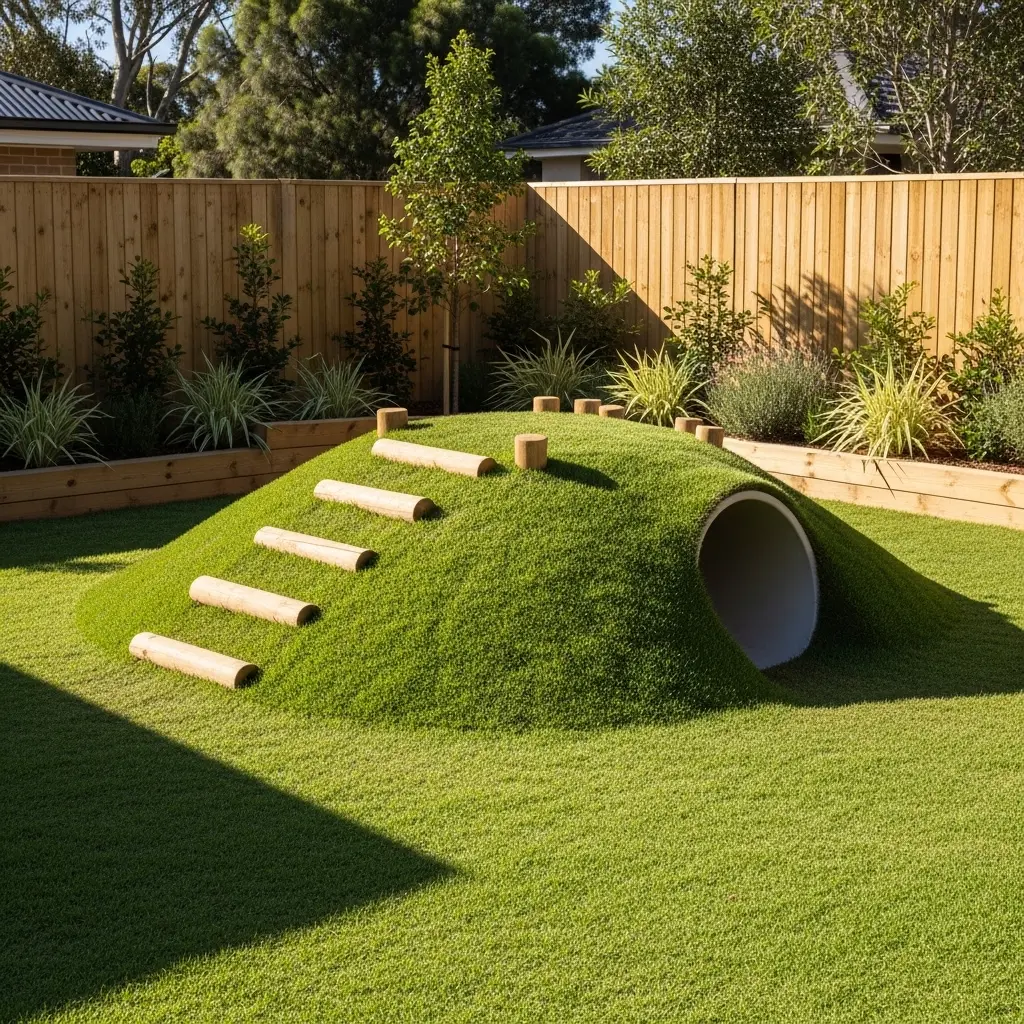
A small climbing hill adds movement and adventure to your outdoor space. Toddlers naturally love to climb, crawl, and balance. A soft grass mound or padded incline gives them a safe challenge that builds strength, coordination, and body awareness. Even a small slope can feel exciting when seen from a toddler’s height.
This idea also grows with your child. Younger toddlers may crawl up slowly, while older ones run, roll, and create games. Add stepping logs or a short tunnel to make it more interactive. A mini hill helps toddlers practice risk in a controlled way, which supports better confidence and safer movement over time.
Pro Tip: Keep landing zones soft with mulch, grass, or foam tiles.
4. Water Wall Play
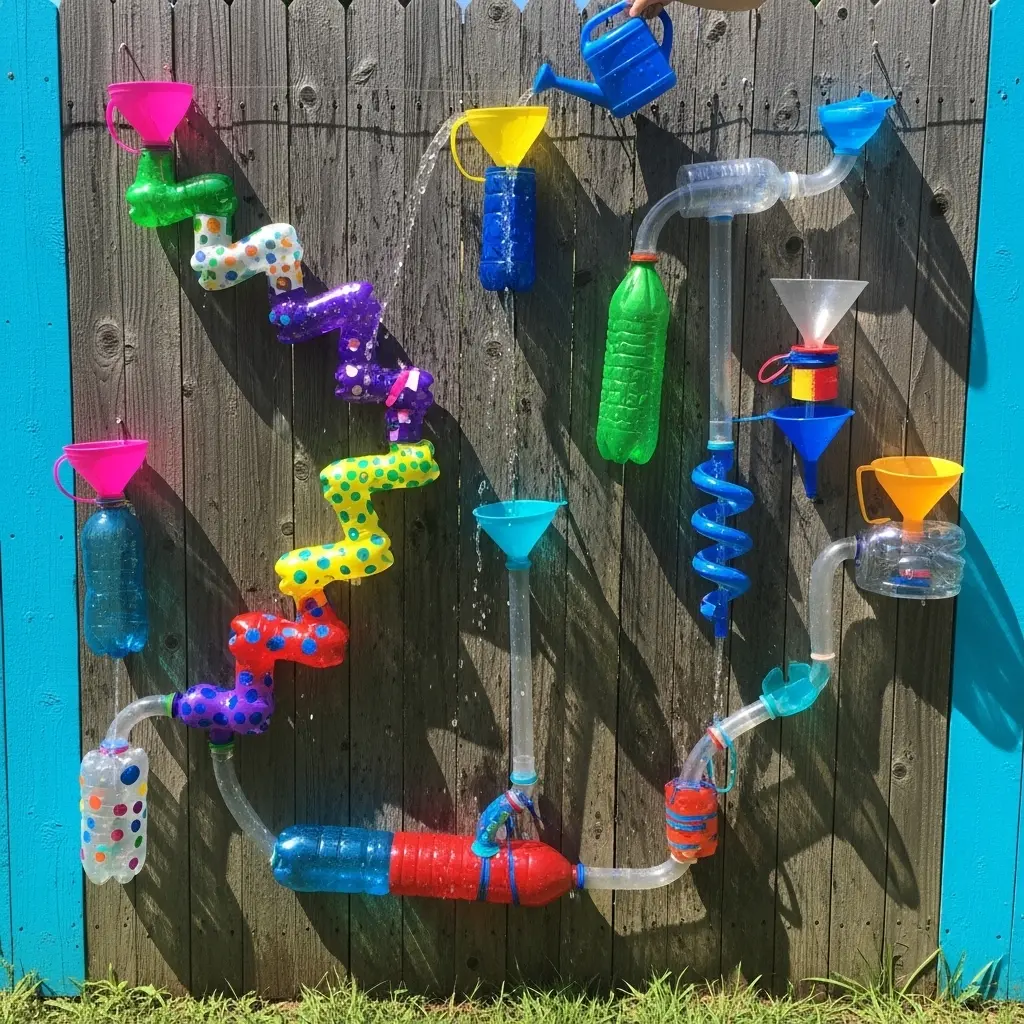
A water wall turns simple pouring into a learning activity. Attach funnels, tubes, cups, and recycled bottles to a fence or board. Toddlers can pour water and watch it move through different paths. This supports hand control, cause and effect learning, and early problem-solving skills in a fun and calming way.
Water play also helps children stay cool and focused during warm weather. The sounds and movement of water feel soothing, which makes this a great option for active toddlers who need sensory regulation. You can change the layout often, so the activity stays fresh without needing major updates.
Pro Tip: Use large containers underneath to catch water and reduce waste.
5. Sandbox Adventure Zone
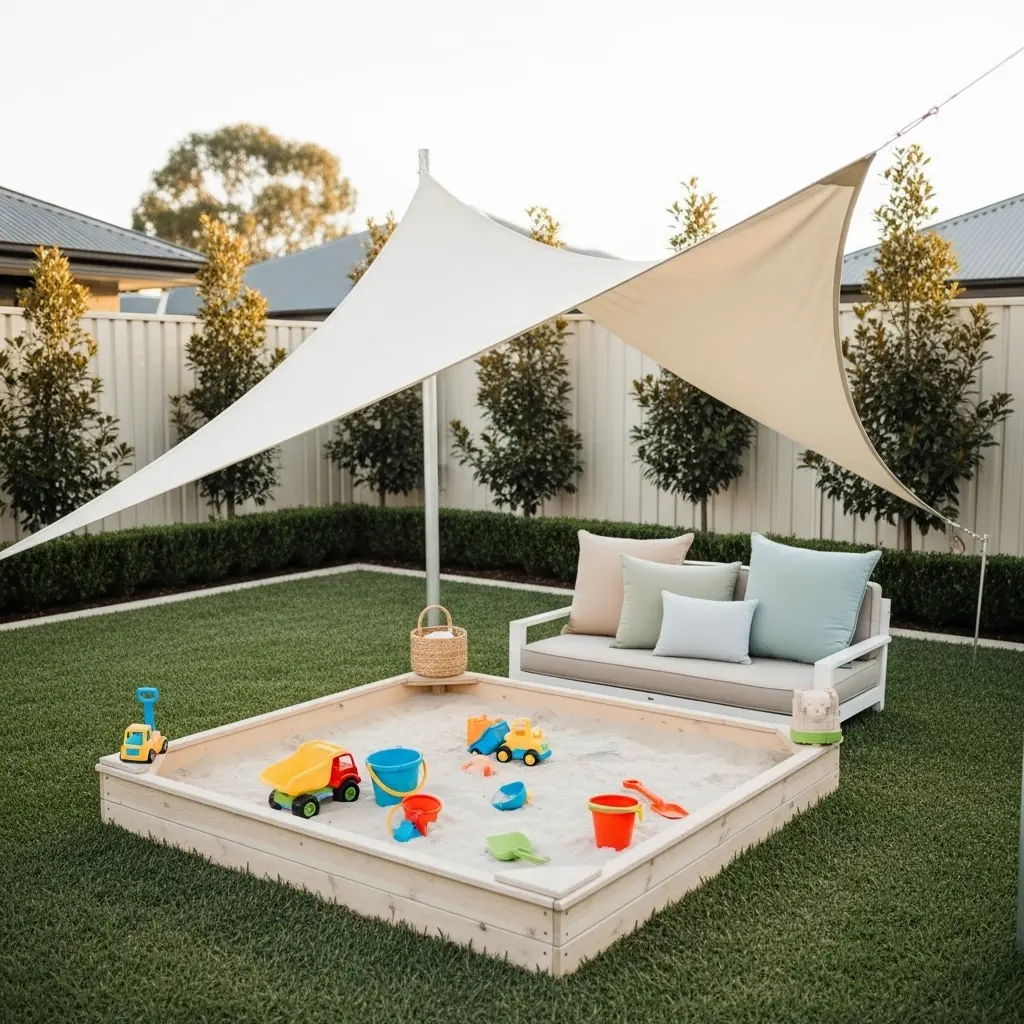
A sandbox gives toddlers endless ways to dig, scoop, build, and imagine. Sand supports fine motor skills while helping children practice focus and patience. Add scoops, cups, toy animals, and small trucks to create a space that feels playful and rich. A covered sandbox also keeps the area clean and safer for daily use.
This setup works especially well for independent play because toddlers can stay engaged for long stretches. Sand also offers a calming sensory experience that can reduce frustration and help children settle. By changing tools or themes, you can keep the sandbox exciting without making major changes.
Pro Tip: Add a shade sail to keep the sand cool and more comfortable.
6. Chalk Art Path
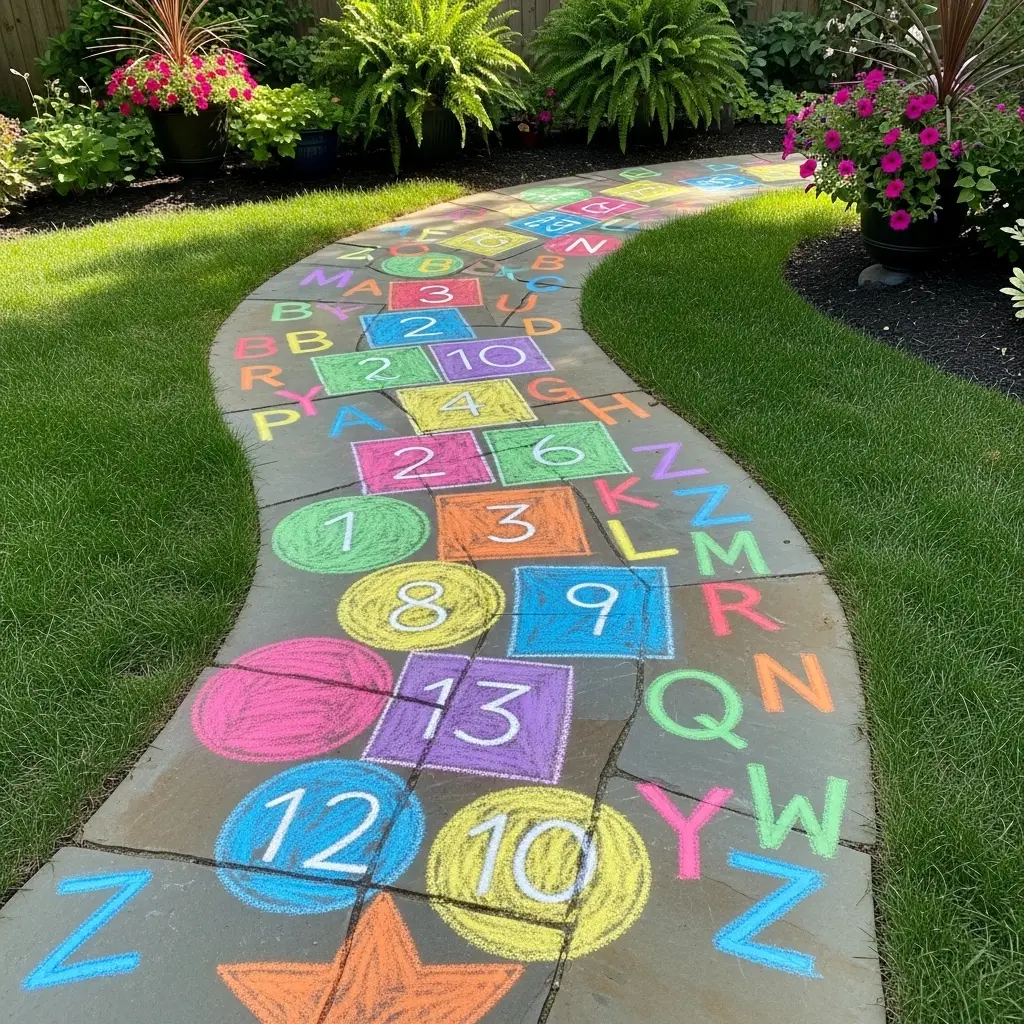
A chalk art path turns a walkway into an active learning space. Draw shapes, lines, circles, and simple games that encourage toddlers to jump, follow, and explore. This helps with movement, balance, and early shape recognition while making the yard feel more interactive.
Chalk is also low pressure and easy to refresh. Toddlers can scribble freely, which supports creativity and hand strength. Parents can add letters, animal tracks, or color games to create new ways to learn through play. It feels fresh often and works well for all seasons.
Pro Tip: Use washable outdoor chalk designed for smoother surfaces.
7. Sensory Garden Path
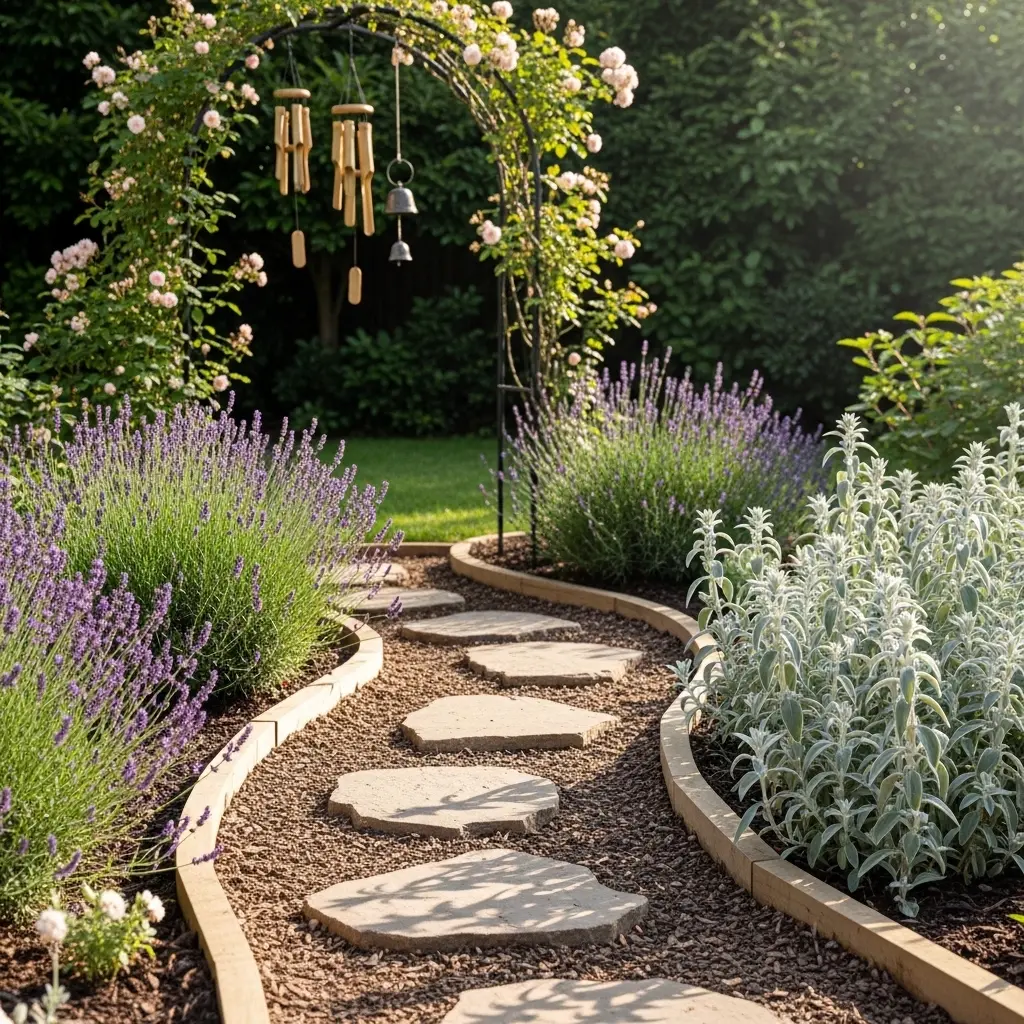
A sensory garden path invites toddlers to explore with their feet, hands, and eyes. Use flat stepping stones, soft plants, and textured borders to create a path that feels gentle and exciting. Toddlers can stop to touch leaves, smell herbs, and listen to natural sounds. This simple setup helps children slow down and stay present while learning through movement.
The path also supports balance and confidence because toddlers learn to walk with care on different surfaces. Add safe sensory stops like bells, pebbles, or smooth logs for more variety. This idea works in small yards too because even a short path can feel like an adventure when it is designed at a child’s level.
Pro Tip: Choose non-toxic plants and avoid sharp gravel or thorny greenery.
8. Bubble Play Station
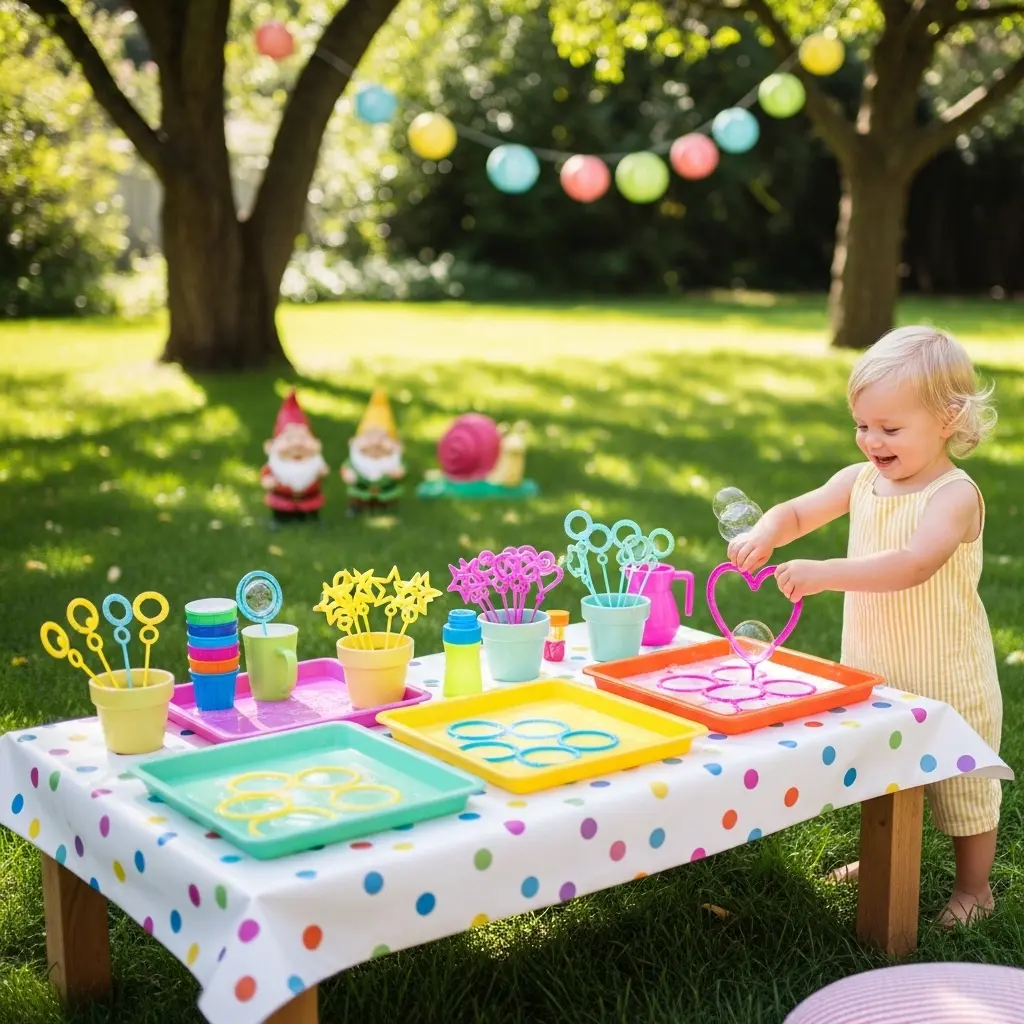
A bubble play station brings instant joy and movement to an outdoor space. Set up bubble trays, large wands, and toddler-safe soap mix at a low table. Chasing, popping, and blowing bubbles helps toddlers build coordination, breath control, and visual tracking. It also keeps them moving in a way that feels light and playful.
Bubble play works well for solo fun or group playdates. Toddlers love the surprise of floating bubbles and often stay engaged longer than expected. This idea feels special without needing much setup. You can also pair it with music or a fan on low speed to make the experience even more exciting.
Pro Tip: Keep extra towels nearby to avoid slippery surfaces.
9. Cozy Reading Tent
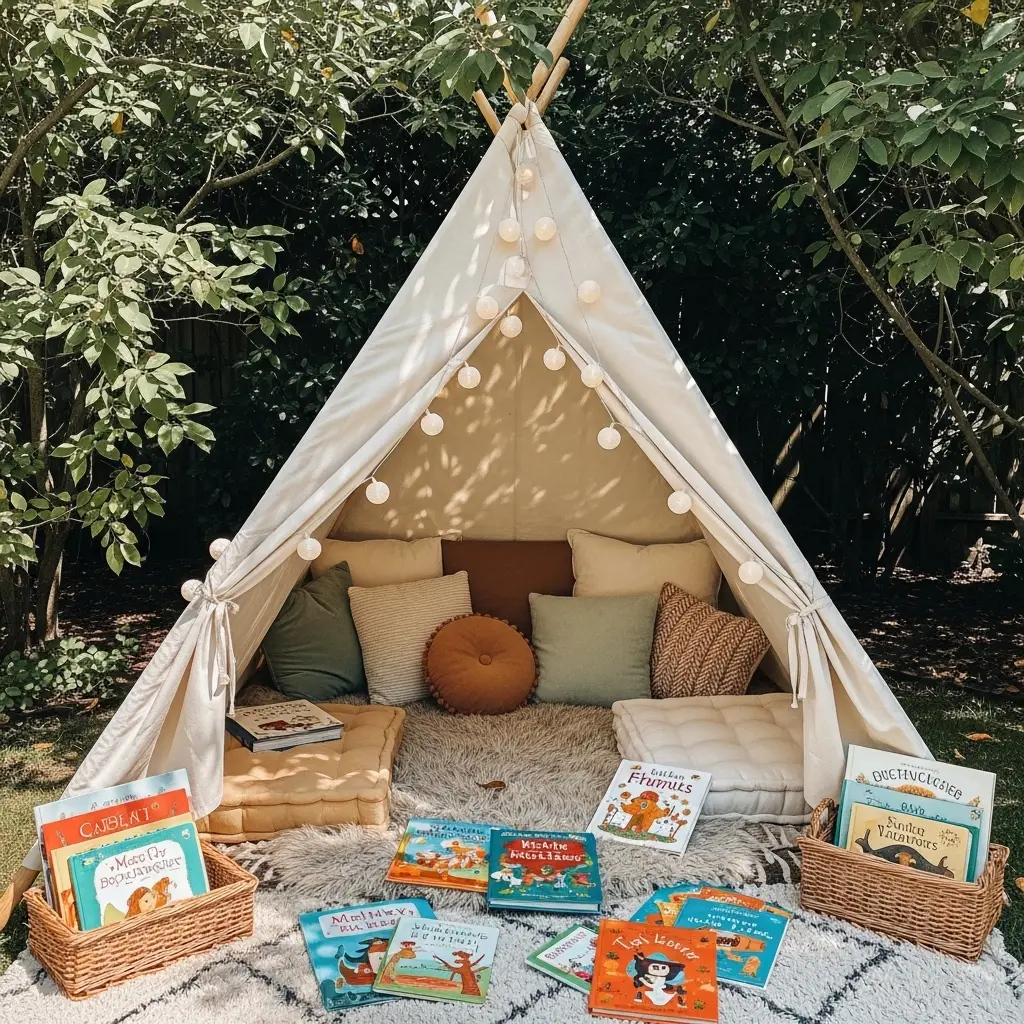
A reading tent creates a peaceful break in an active outdoor space. Use a soft mat, floor cushions, and weather-friendly books inside a shaded tent or canopy. Toddlers enjoy having a calm corner where they can rest, flip pages, and feel secure. This setup supports early literacy and gives outdoor play more balance.
A quiet nook also helps toddlers reset when they feel overstimulated. Parents can use this space for story time, songs, or quiet cuddles. It makes the outdoor area feel thoughtful and complete because it supports both energy and calm. A simple reading tent often becomes a child’s favorite comfort zone.
Pro Tip: Store books in a weatherproof bin to keep them fresh.
10. Mini Balance Beam Trail
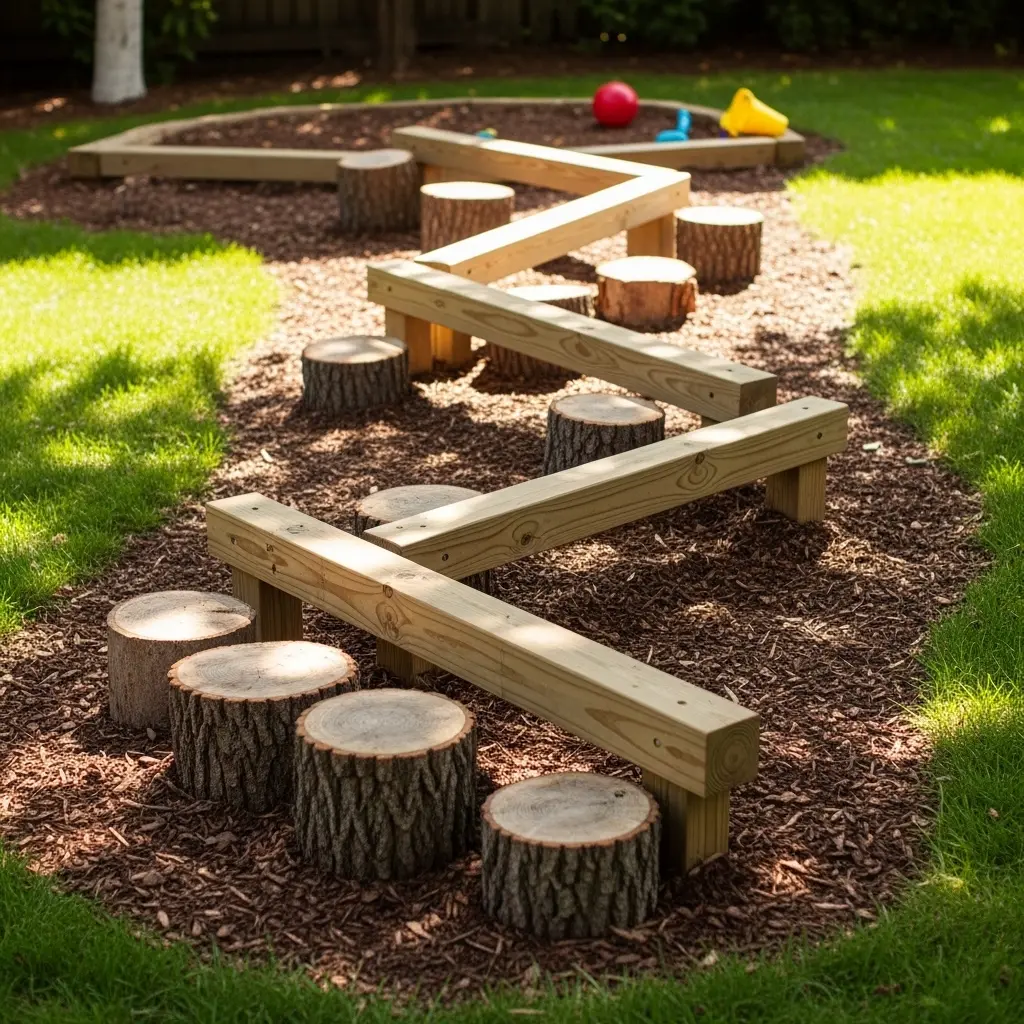
A low balance beam trail helps toddlers build coordination in a fun way. Use short beams, stepping rounds, or foam blocks close to the ground. Walking across simple obstacles helps strengthen core muscles and improve body control. Toddlers love repeating the challenge as they gain confidence.
This type of active play teaches patience and focus without feeling like practice. You can change the layout often to keep it fresh. A simple trail also encourages pretend play because toddlers may imagine bridges, paths, or jungle adventures. It makes the play area feel bigger and more exciting.
Pro Tip: Keep every element low and stable for safer practice.
11. Outdoor Music Wall
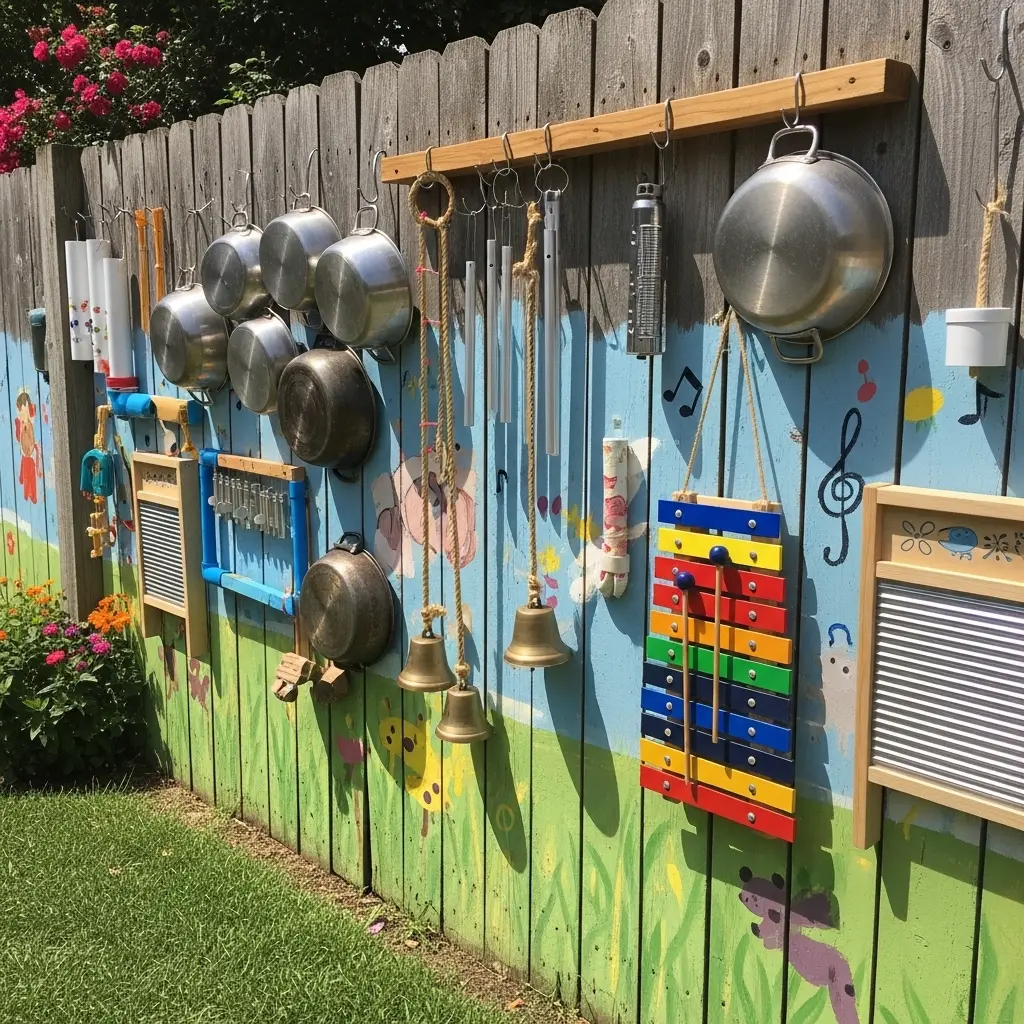
An outdoor music wall lets toddlers positively make noise. Hang pots, pans, bells, wooden spoons, and simple percussion tools on a fence. Toddlers can tap, shake, and explore sound patterns while building hand control and rhythm. This setup supports creativity and sensory development at the same time.
Music play also helps toddlers express feelings and burn energy. Because the sounds change with each object, the wall stays interesting over time. It works well in small spaces and gives children a sense of control as they create their own songs and sounds in a safe setting.
Pro Tip: Use secure hooks and smooth materials for safety.
12. Fairy Garden Corner
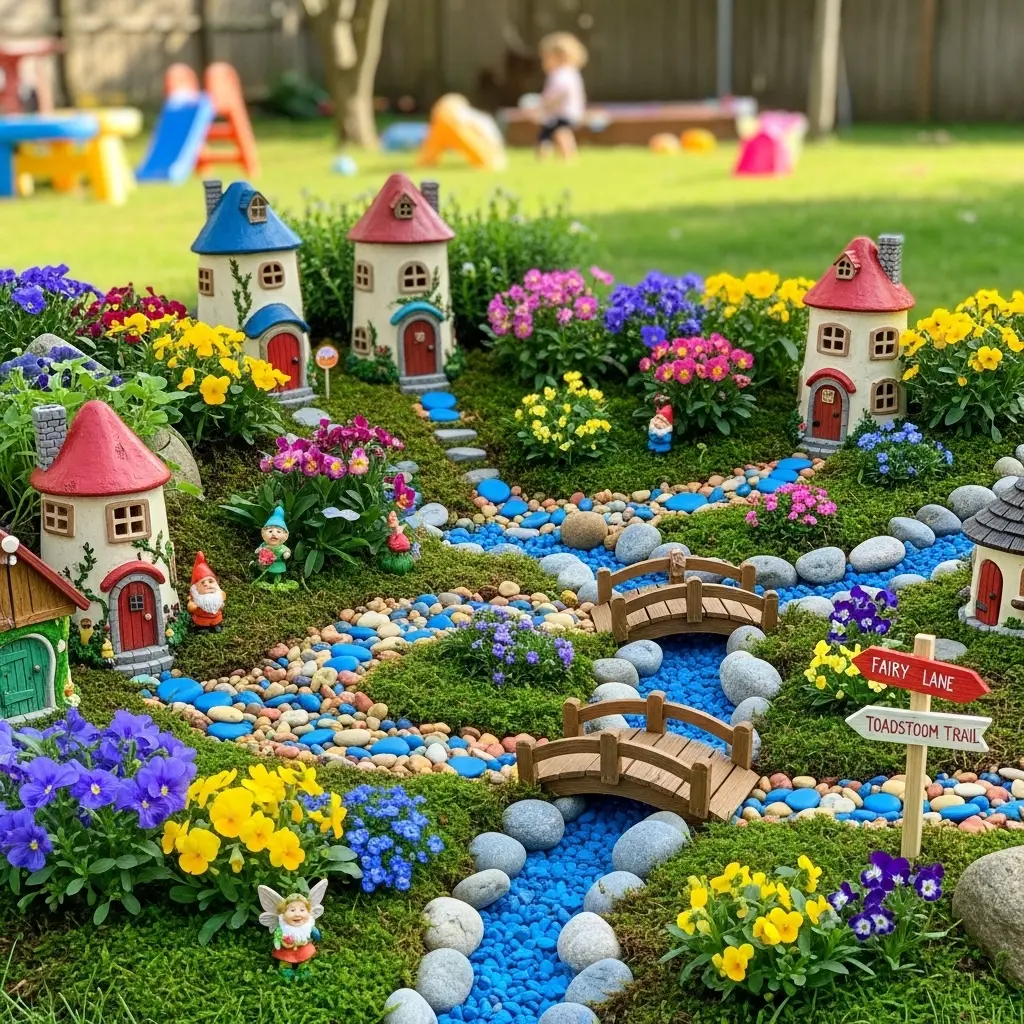
A fairy garden corner sparks imagination and gentle play. Use small planters, toy houses, pebbles, and child-safe flowers to create a tiny magical world. Toddlers love arranging pieces, spotting details, and inventing little stories. This kind of play supports language growth and attention.
A fairy garden also encourages slower, calmer outdoor moments. It is especially useful for toddlers who enjoy collecting, sorting, and pretending. You can refresh the space with seasonal flowers or new small objects. The result feels charming, creative, and deeply engaging without being overstimulating.
Pro Tip: Anchor small pieces well so they stay in place outdoors.
13. Ride On Track Loop
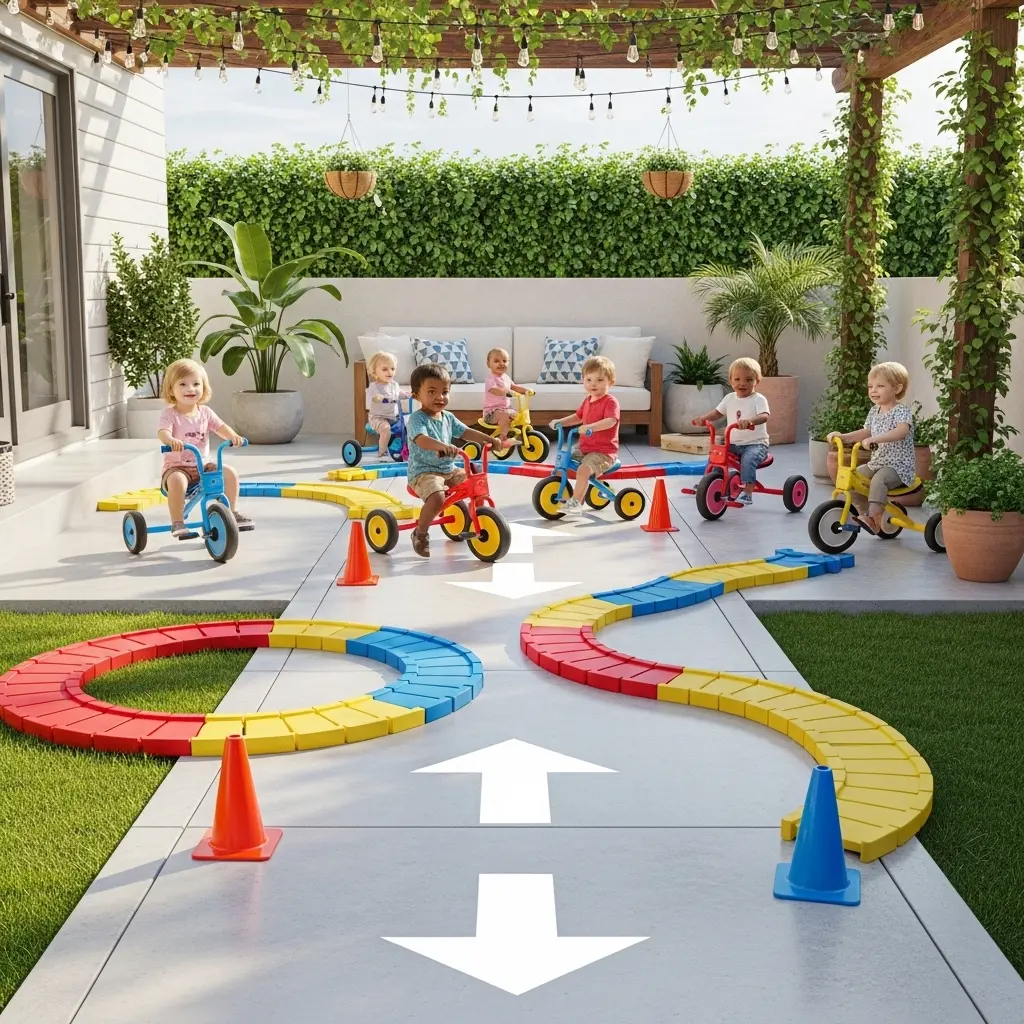
A ride-on track gives toddlers a safe way to move and explore. Mark a loop with chalk, cones, or soft borders for scooters, trikes, and push cars. This supports leg strength, balance, and coordination while giving toddlers a fun sense of independence. Repeating the route helps them feel confident.
Tracks also make outdoor play more structured without feeling strict. Add signs, pretend gas stops, or simple tunnels for extra fun. Toddlers enjoy knowing where to go and often create games around the route. This setup works well for burning energy before naps or meals.
Pro Tip: Choose smooth surfaces and clear obstacles before use.
14. Splash Pad Nook
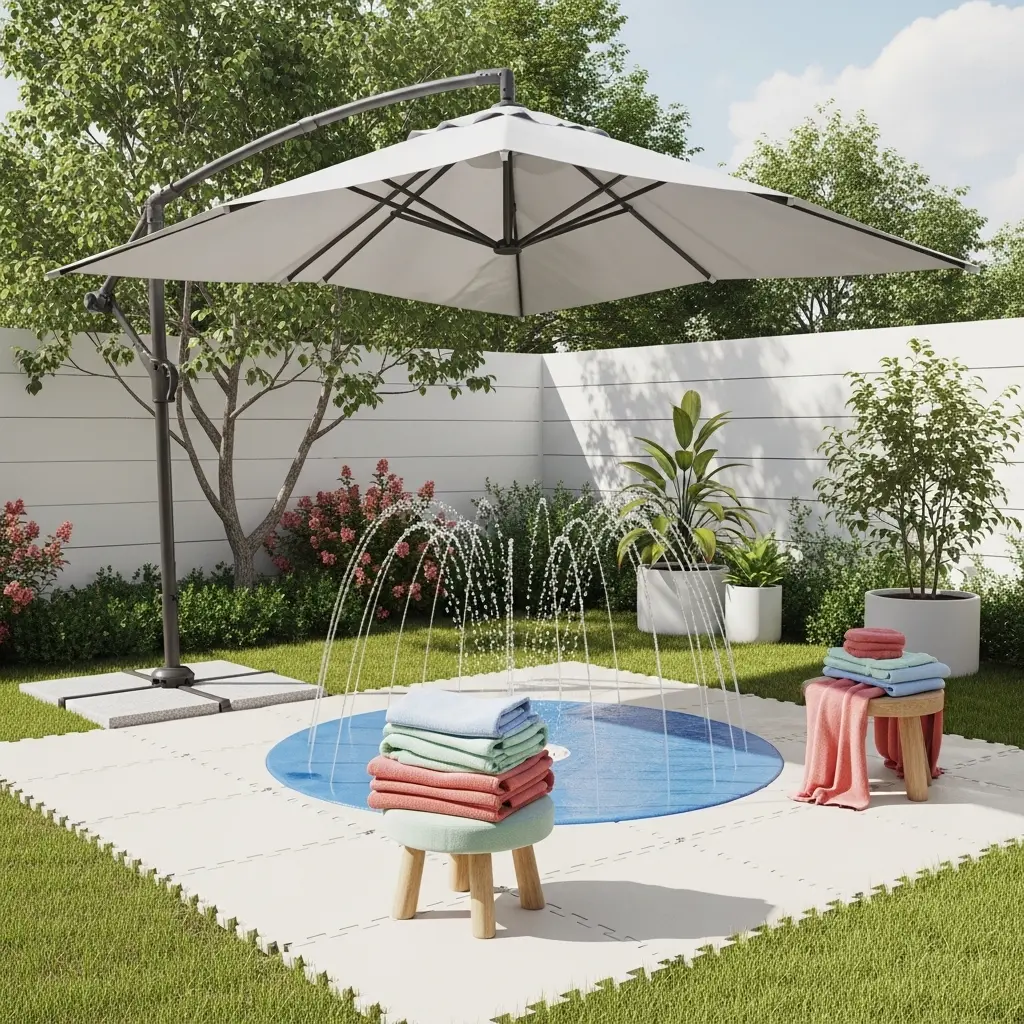
A splash pad nook gives toddlers a fun way to cool off while staying active. A soft spray mat or shallow splash area creates safe water play without the worry of a deep pool. Toddlers can run, stomp, and laugh while building coordination and confidence. This kind of movement feels exciting and refreshing on warm days.
Water play also supports sensory development and helps toddlers healthily release energy. A dedicated nook keeps the mess in one place and makes cleanup easier. Add towels, shade, and simple water toys to make the area more inviting and practical for daily use.
Pro Tip: Place the splash zone on non-slip mats for extra safety.
15. Garden Helper Bed
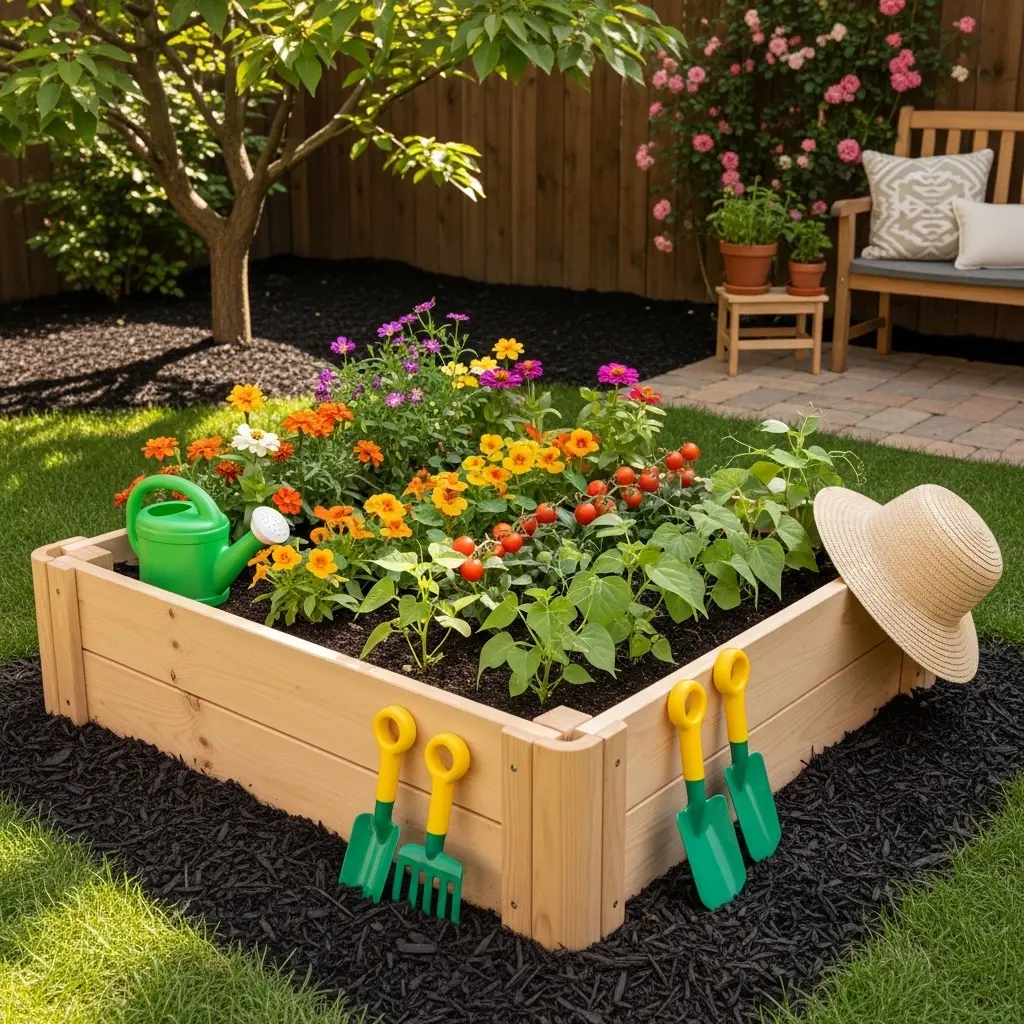
A small garden bed helps toddlers connect with nature while learning patience. Give them a raised planter with easy plants like herbs, lettuce, or marigolds. Digging, watering, and watching growth teaches responsibility simply and joyfully. Toddlers feel proud when they help care for something real.
Gardening also supports fine motor skills and curiosity. Children notice bugs, textures, and changes in the soil, which makes learning feel natural. This space can become a calming daily routine and gives families a reason to spend more time outside together.
Pro Tip: Choose fast-growing plants so toddlers see results sooner.
16. Picnic Craft Table
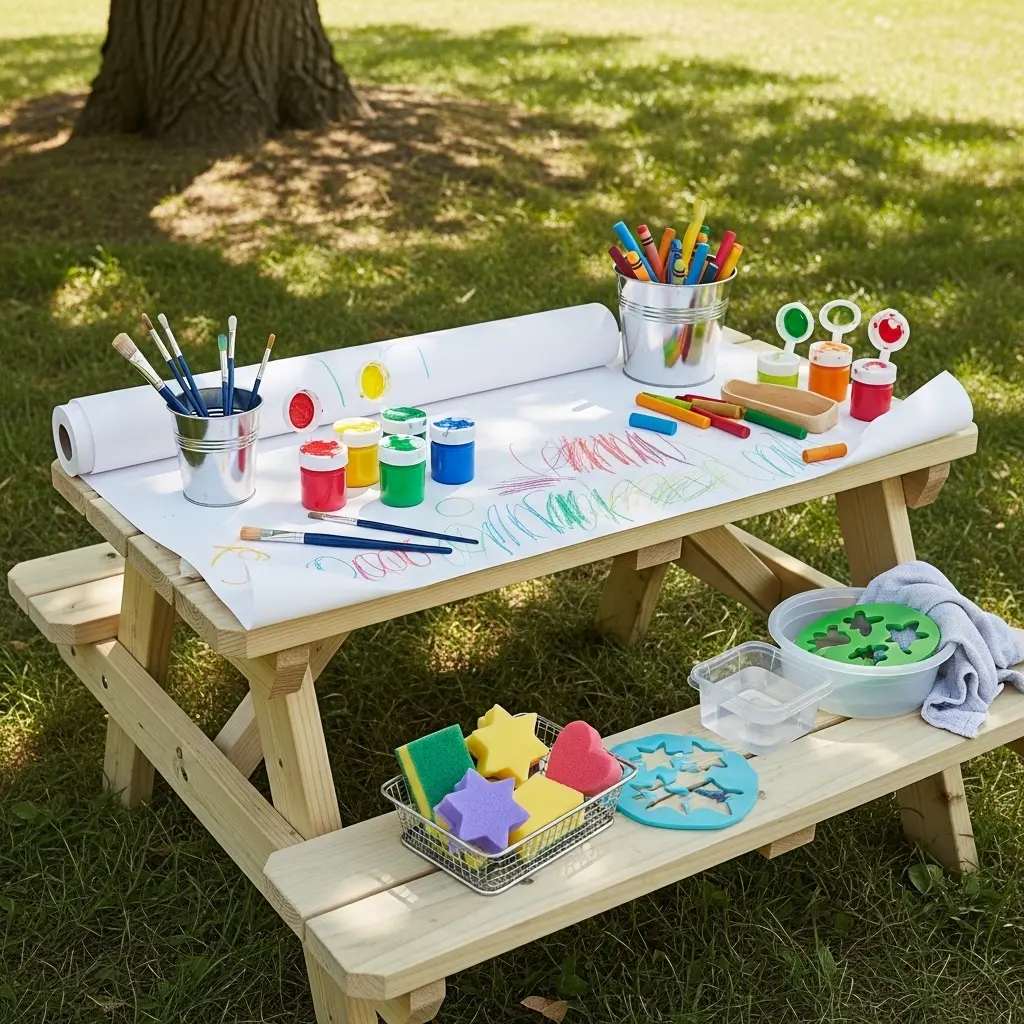
A picnic craft table blends fresh air with creativity. Set up a low table with crayons, washable paints, stickers, and natural items like leaves or petals. Toddlers can draw, stamp, and make simple art while staying connected to the outdoors. This setup helps strengthen hand skills and creative confidence.
Outdoor crafting feels less stressful for parents because cleanup is easier. Toddlers also feel more freedom to explore colors and textures when they are not worried about making a mess indoors. A dedicated table makes art feel like a special part of everyday play.
Pro Tip: Keep supplies in a lidded bin nearby for quick setup.
17. Loose Parts Builder Zone
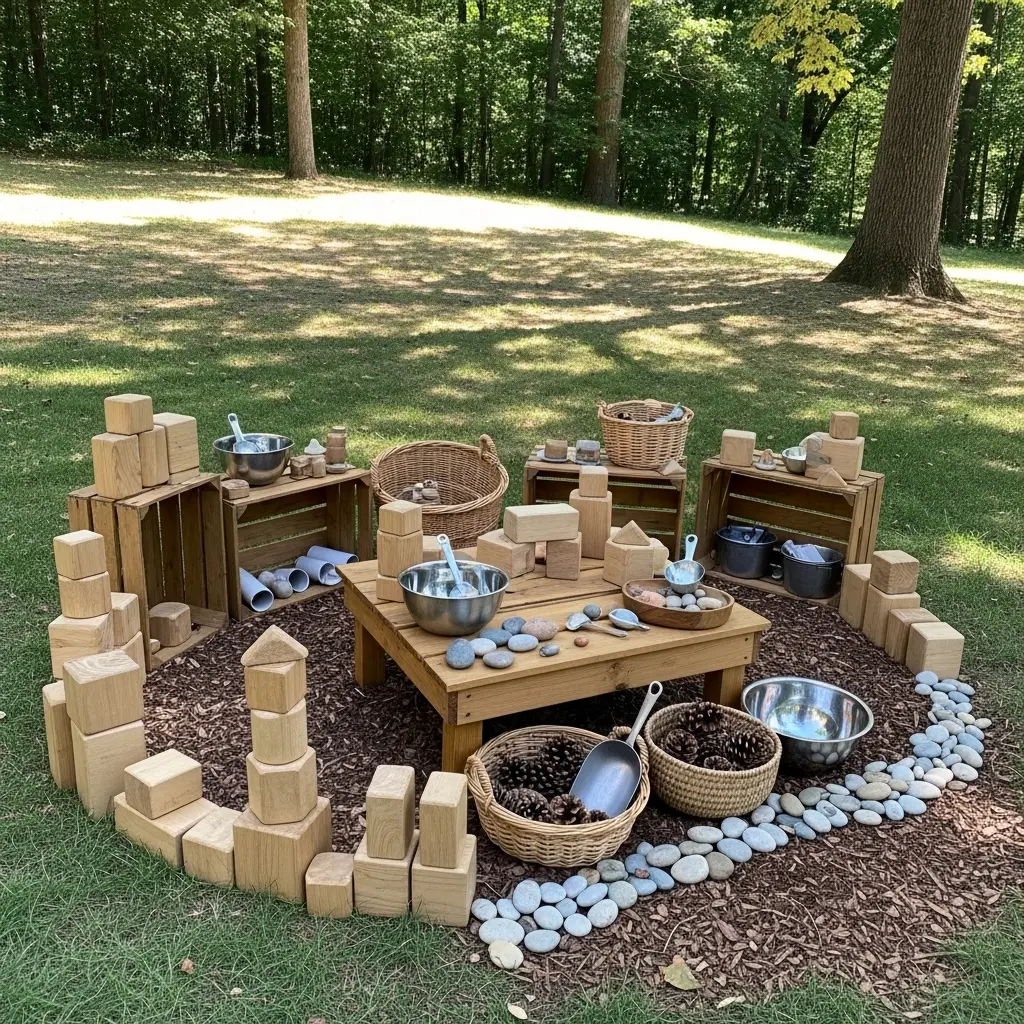
A loose parts zone encourages toddlers to build, stack, and explore freely. Use safe items like wooden blocks, crates, tubes, and large recycled containers. Open-ended materials help children create their own ideas instead of following one fixed game. This supports creativity, problem solving, and focus.
Toddlers often return to loose parts because each day feels different. They may build roads, towers, or pretend homes using the same pieces. This kind of flexible play builds confidence because children feel in charge of what they create and how they play.
Pro Tip: Stick to large, lightweight pieces that are easy to handle.
18. Shaded Hammock Nook
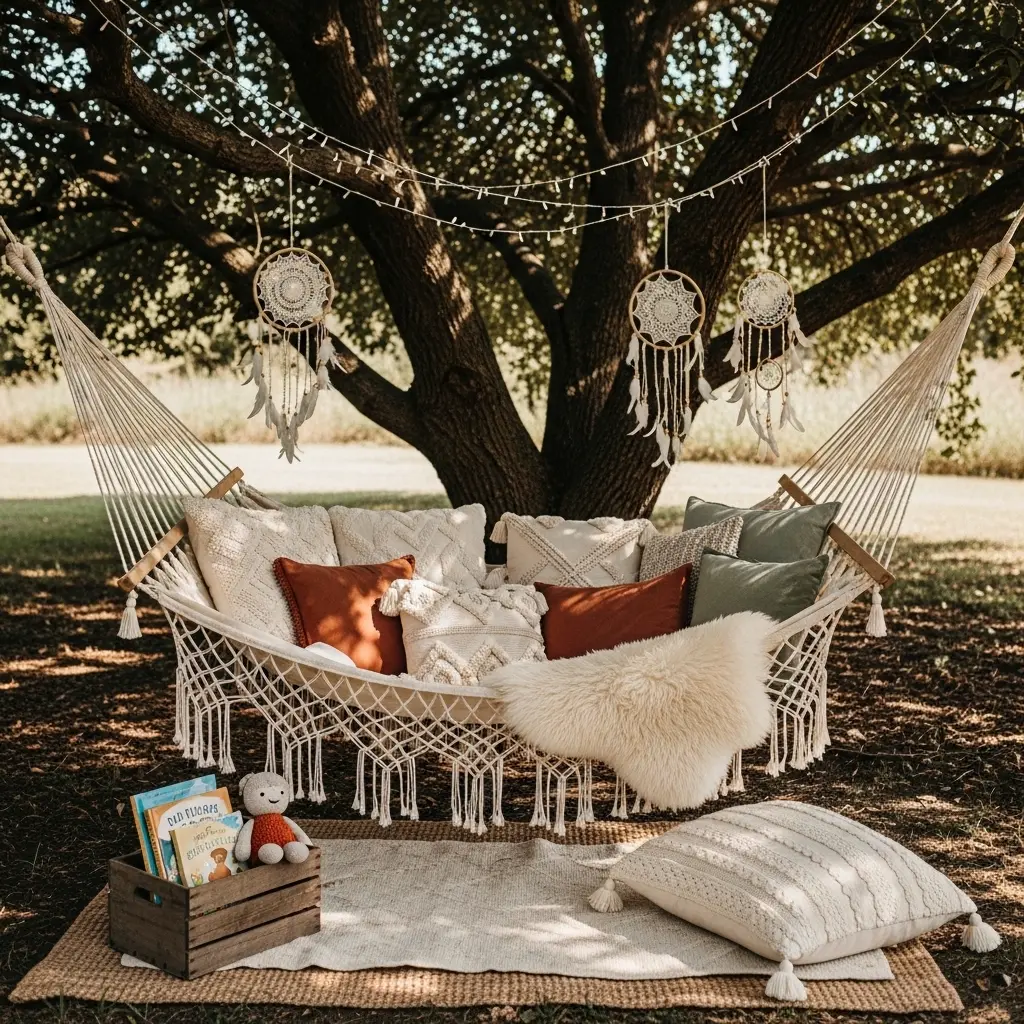
A shaded hammock nook creates a gentle space for rest and quiet play. A low hammock or hanging chair with cushions gives toddlers a place to sway, cuddle, or look at the sky. This kind of calm space supports emotional regulation and helps balance more active outdoor play.
Toddlers often need small breaks even when they are having fun. A peaceful nook gives them a safe place to reset without going indoors. It also works well for parent bonding, soft music, or simple wind-down routines in the late afternoon.
Pro Tip: Keep the hammock low and supervised at all times.
19. Obstacle Crawl Tunnel
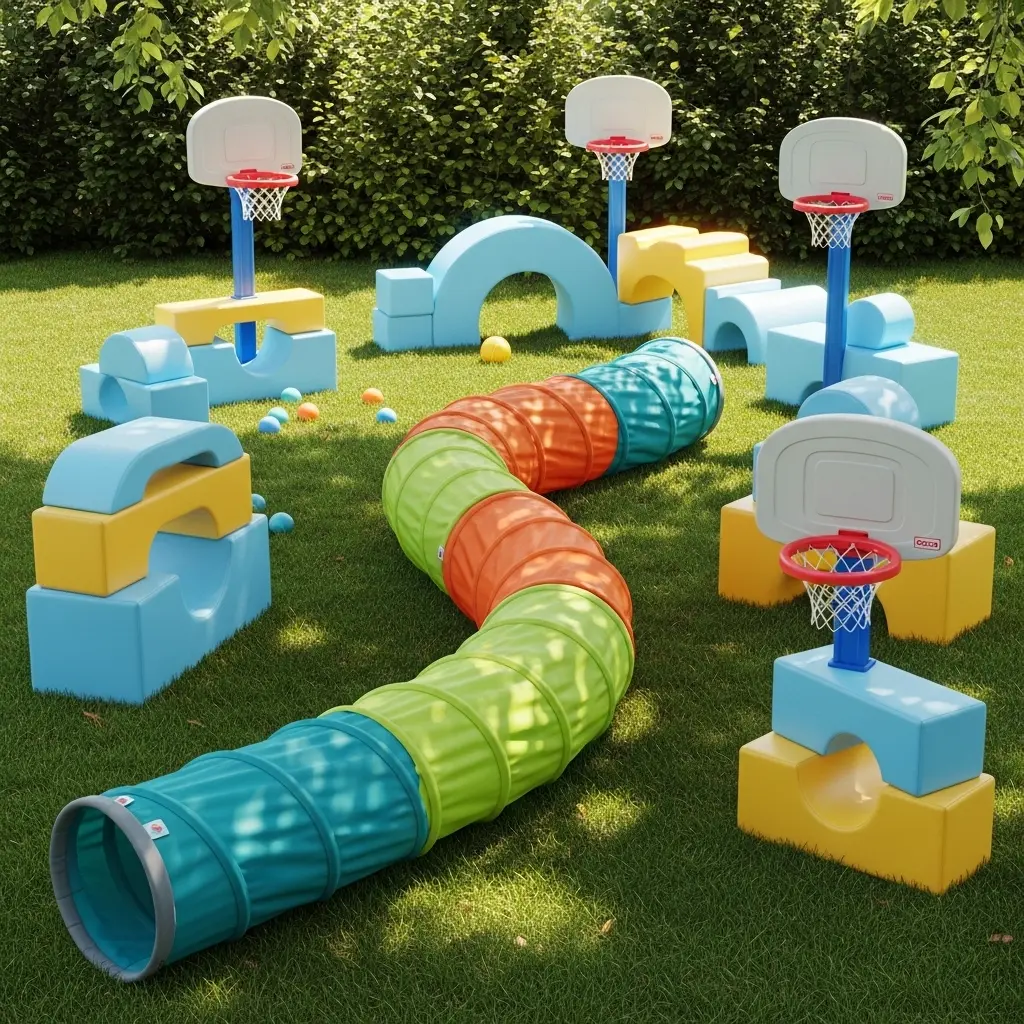
An obstacle crawl tunnel adds movement and adventure to your yard. Use soft tunnels, foam blocks, and low hoops to create a safe course. Crawling, ducking, and climbing through simple challenges helps toddlers build strength, coordination, and confidence through active play.
This setup also supports focus because toddlers learn to follow steps and complete small tasks. Changing the layout keeps it exciting and prevents boredom. A simple obstacle course can turn even a small outdoor space into a playful challenge toddlers want to repeat.
Pro Tip: Rearrange pieces weekly to keep interest high.
20. Pretend Market Stand
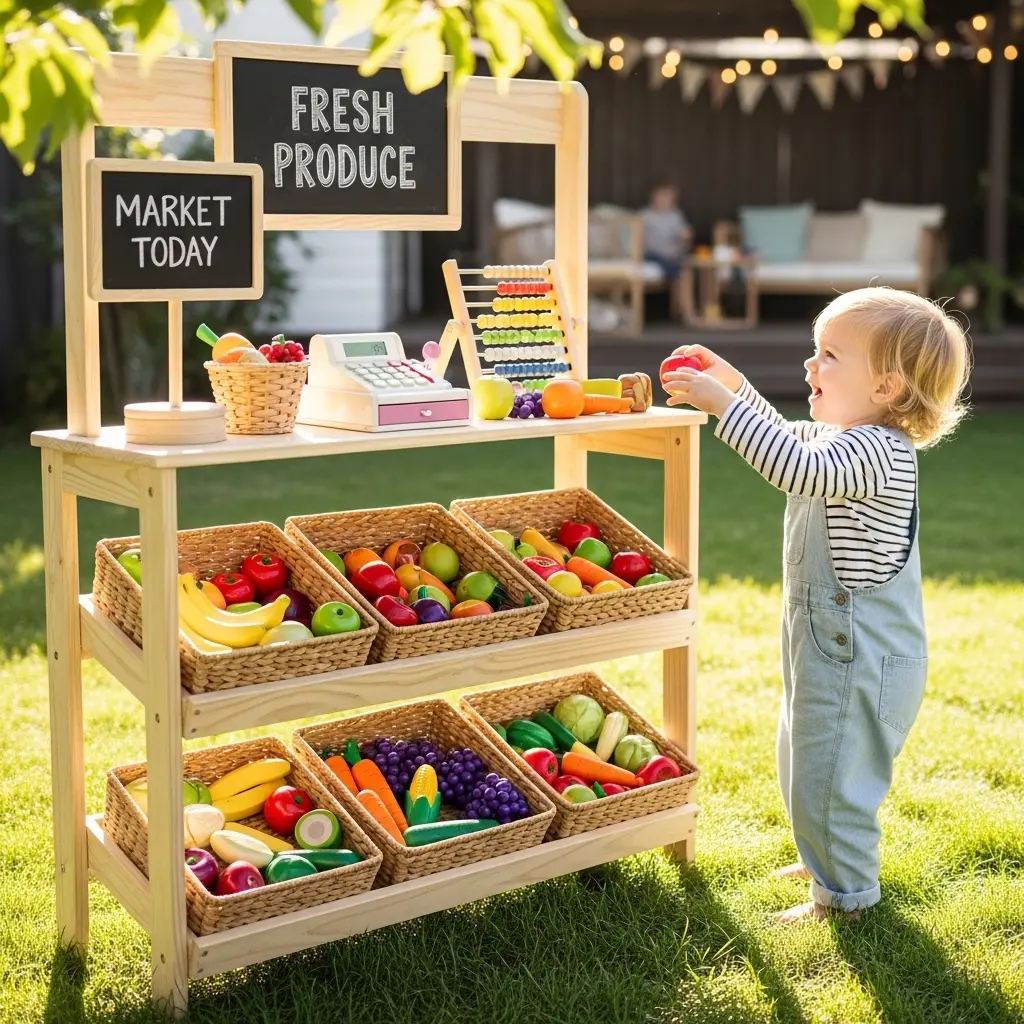
A pretend market stand helps toddlers practice social and language skills through play. Set up a small table with baskets, toy produce, and simple signs. Toddlers can pretend to shop, sell, and organize items, which builds confidence and imagination in a fun and natural way.
This type of role play also supports early math and sorting skills. Children enjoy copying what they see adults do every day. A market stand feels fresh because you can switch themes, items, or colors often without needing to buy much.
Pro Tip: Use real empty containers for more realistic play.
21. Story Circle Stump Seats
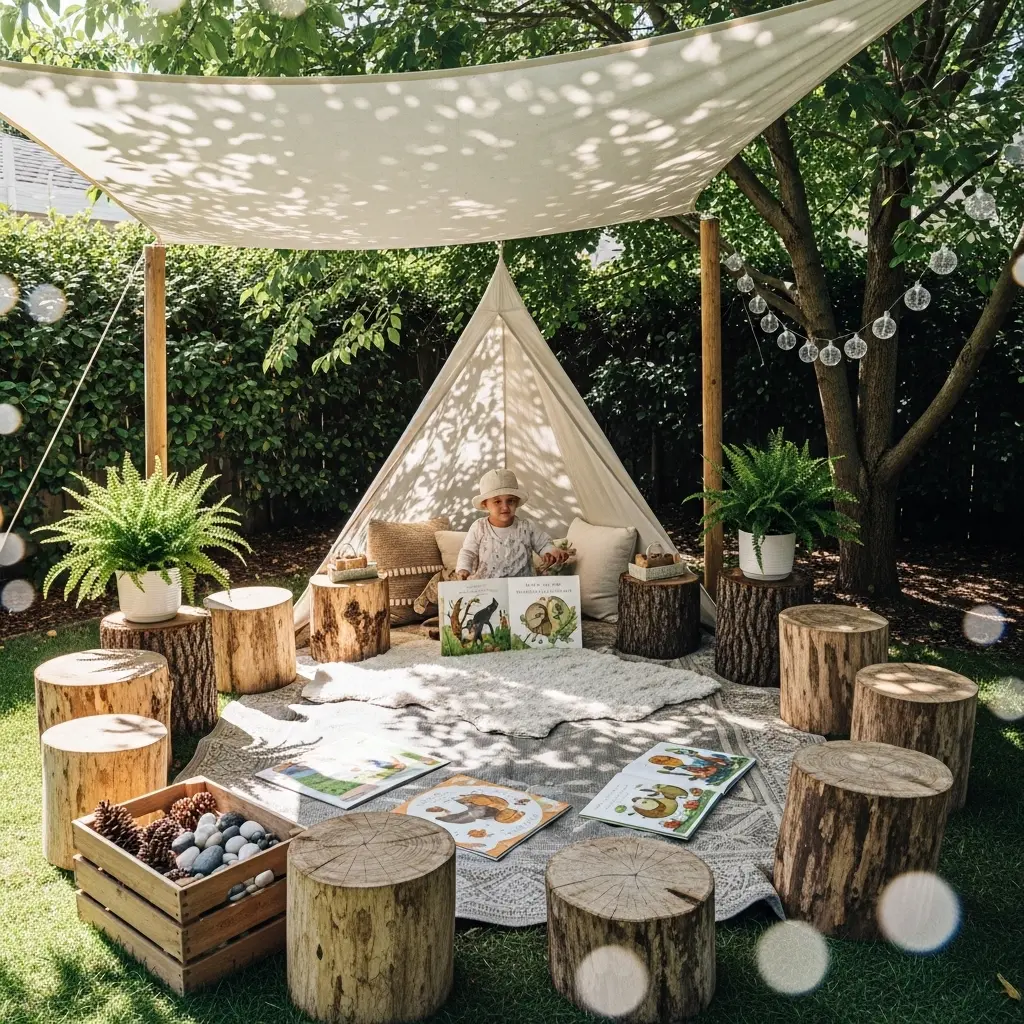
A story circle creates a welcoming space for connection and learning. Arrange small stump seats or cushions in a circle under shade. Toddlers can gather for stories, songs, or simple games. This setup supports attention, listening, and social comfort in a gentle way.
A dedicated circle also makes outdoor routines feel more meaningful. It can become a daily place for snacks, calm moments, or family check-ins. This simple idea brings warmth to the yard and helps toddlers feel safe, included, and excited to participate.
Pro Tip: Add a weatherproof basket for books and puppets nearby.
22. Texture Stepping Path
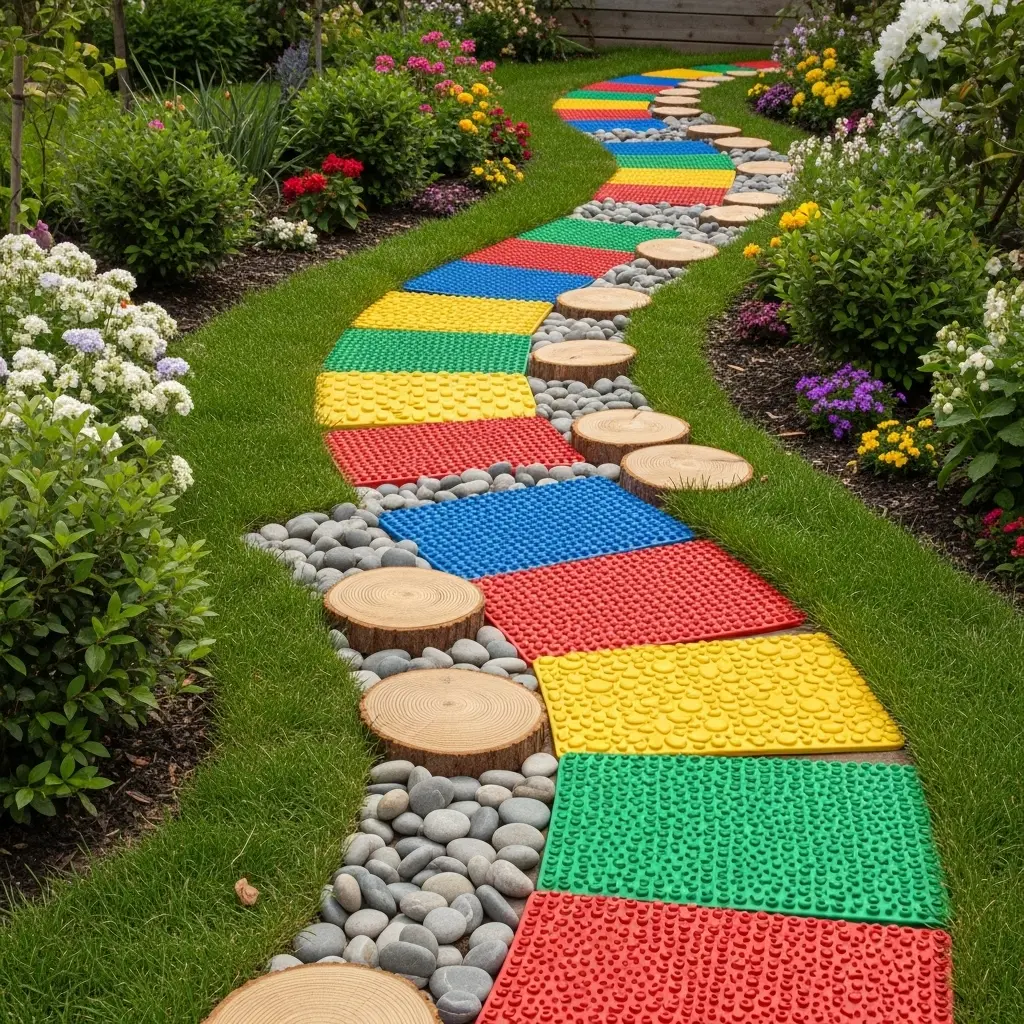
A texture stepping path helps toddlers explore movement through touch. Create sections with grass, foam, wood slices, and smooth pebbles so children feel different surfaces under their feet. This supports sensory awareness, balance, and confidence while turning walking into a fun activity.
Toddlers enjoy repeating this kind of path because it feels playful and surprising. It also helps them notice their body movements and improve coordination over time. A texture path works well in both small and large spaces and adds visual interest to the yard.
Pro Tip: Test every surface barefoot first to check comfort.
23. Family Play Picnic Zone
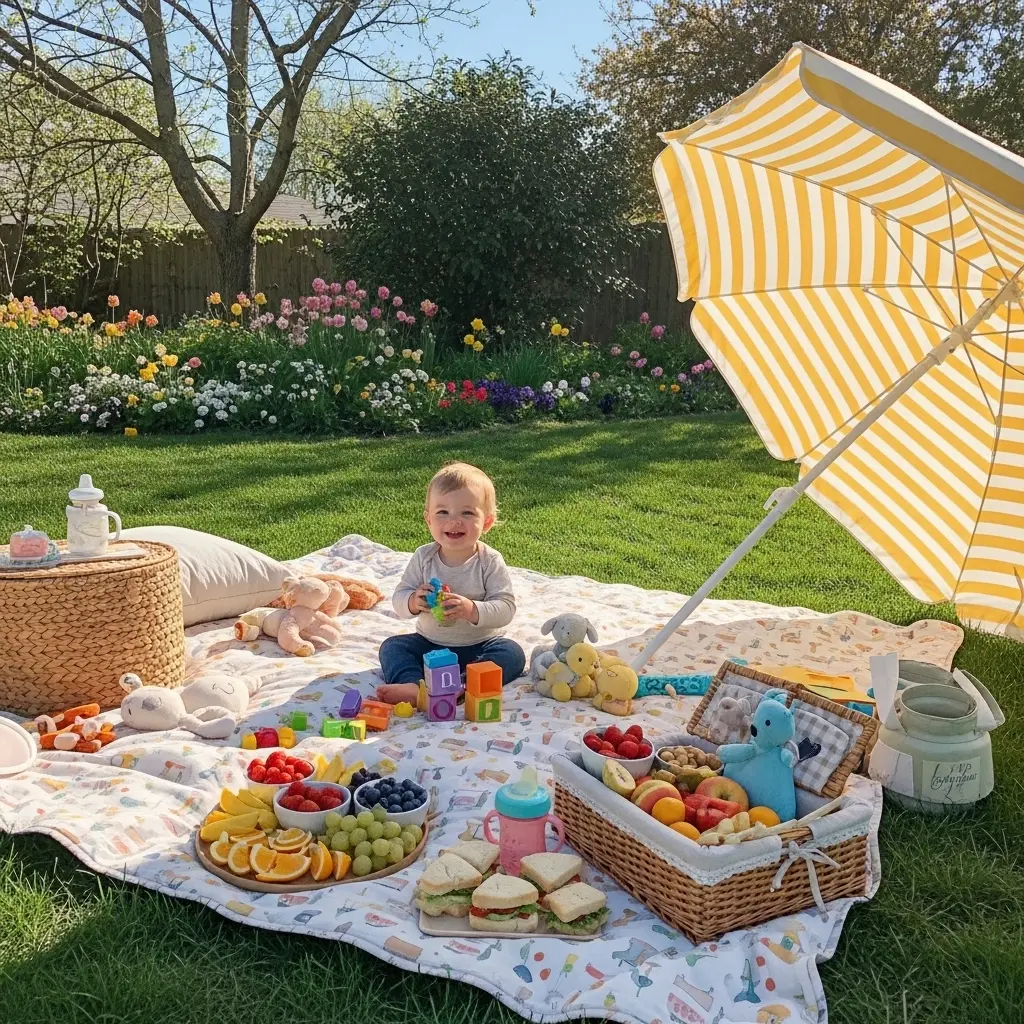
A family play picnic zone brings everyone together in one simple outdoor space. Use a large blanket, soft pillows, low snacks, and a few favorite toys. Toddlers feel secure when parents join their outdoor routine, and shared play helps build trust, language, and joyful memories.
This space also makes it easier to spend longer outside without stress. Families can move from play to snacks to rest without going indoors. A picnic zone feels relaxed, practical, and welcoming, which makes outdoor time feel less like a task and more like a daily rhythm.
Pro Tip: Keep a basket packed with essentials for easy setup anytime.
FAQs
What is the safest surface for a toddler outdoor play area?
Soft grass, rubber mulch, foam tiles, and playground mulch are all safer choices. Pick a surface that cushions falls and drains well.
How can I make a small outdoor space fun for toddlers?
Use vertical play, sensory bins, water tables, chalk walls, and movable toys. Small spaces can still feel exciting with variety.
How often should I update the play area?
Small weekly changes work best. Rotate toys, themes, or sensory materials to keep interest high.
What outdoor toys help toddler development most?
Open-ended toys like sand tools, water toys, ride-ons, and climbing items support movement, creativity, and confidence.
Conclusion
The best toddler outdoor play area feels safe, flexible, and joyful. You do not need a huge yard or expensive equipment to create meaningful play. With thoughtful zones for movement, sensory fun, creativity, and quiet moments, outdoor time becomes easier and more rewarding for the whole family. Start with one idea, build slowly, and create a space your toddler will love returning to every day.