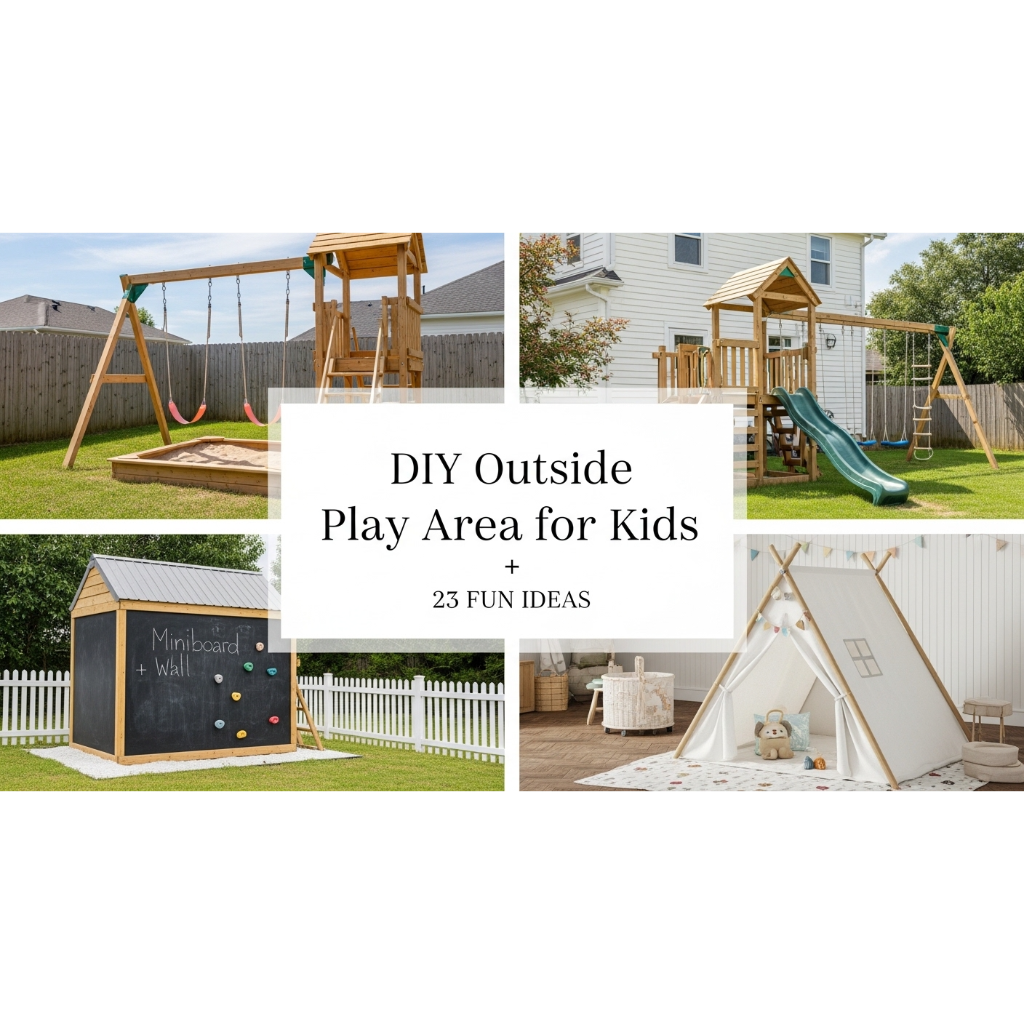
DIY Playground Backyard: 23 Fun Ideas Kids Love
A well-planned diy playground backyard can turn an ordinary outdoor space into a place where kids stay active, build confidence, and create lasting memories. The best part is that you do not need a huge budget or a massive yard to make it happen. With smart design, safe materials, and creative play zones, you can build a backyard setup that feels exciting every day.
The ideas below are made for real families who want fun, practical, and beautiful outdoor play spaces. Each one is designed to help children move more, explor
1. Classic Swing Zone
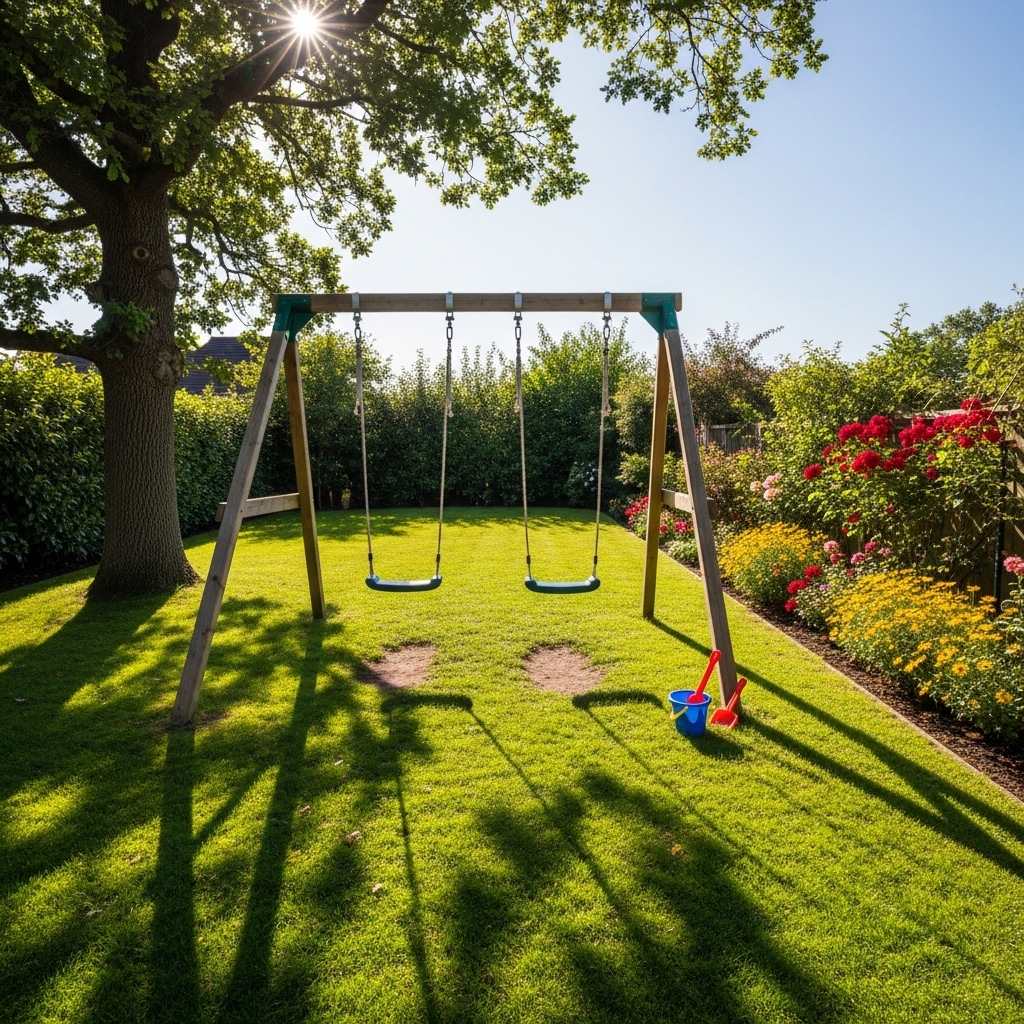
A classic swing area is one of the most loved features in a diy playground backyard because it gives kids instant fun and helps them build balance. A sturdy wooden frame with soft rope swings creates a timeless setup that children can enjoy every day. Place the swing set where you can see it from the house, which helps you supervise while still giving kids room to play freely.
This idea also grows well with your family because swings work for different age groups. You can start with toddler bucket seats and later switch to flat swings as children get older. Add mulch, rubber mats, or soft grass underneath to improve safety and comfort. A simple swing zone often becomes the heart of the backyard because kids naturally return to it again and again.
Pro Tip: Leave at least six feet of clear space around swings to reduce bumps and improve safe movement.
2. Wooden Climbing Wall Adventure Corner
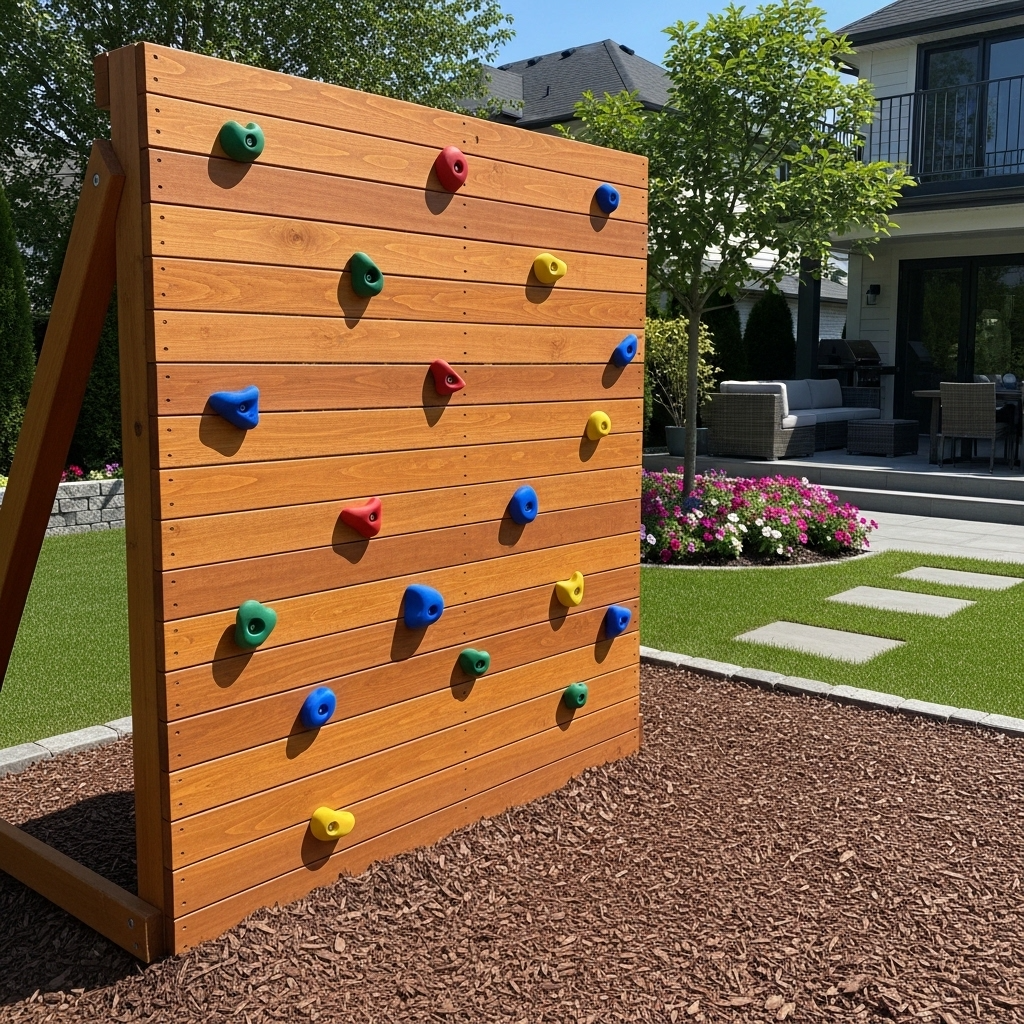
A small climbing wall adds challenge, movement, and confidence-building fun to your backyard. Kids enjoy testing their strength while learning how to plan each step and hand placement. You can build a simple wall with weather-treated wood and bright climbing holds sized for children. This setup keeps kids active while helping improve coordination and focus during play.
Place the wall in a corner to save space and create a clear adventure zone. Soft ground cover such as rubber mulch or sand helps make falls less harsh. A low beginner wall works well for younger children, while older kids may enjoy angled sections for extra challenge. This type of play feature keeps children engaged longer because it feels like a real obstacle they can master.
Pro Tip: Start with easy handhold spacing first, then add harder routes as kids improve.
3. Sand Pit Play Station
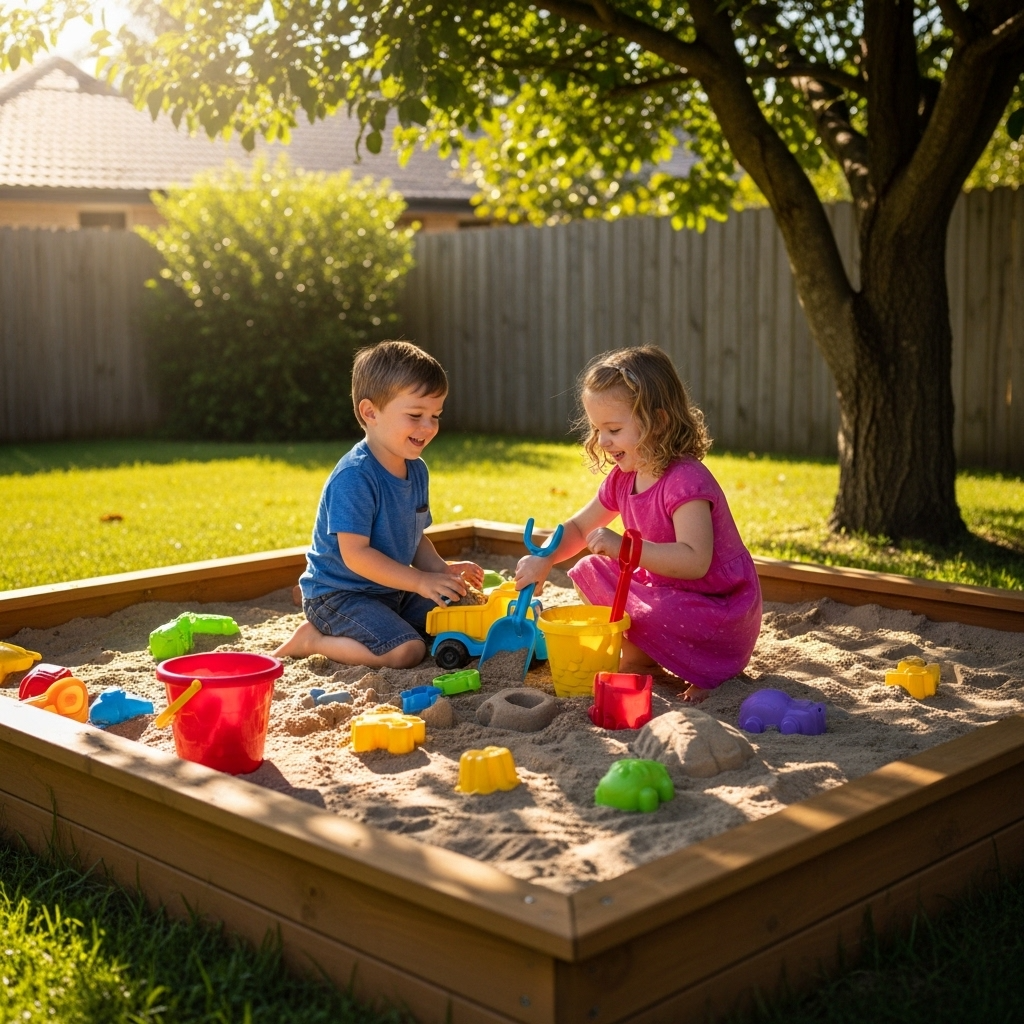
A sand pit brings open-ended outdoor play that keeps children busy for hours. Kids can dig, build, scoop, and create imaginary worlds while using their hands and minds. A simple wooden border filled with clean play sand can fit into even a small backyard. Adding a shade cover helps keep the sand cooler and more comfortable on sunny days.
This type of sensory play supports creativity and fine motor skills in a natural way. Add buckets, molds, toy trucks, and small shovels to make the area more engaging. A nearby bench gives parents a comfortable spot to supervise. A covered lid also helps keep pets and leaves out, which keeps the space cleaner and more inviting.
Pro Tip: Use landscape fabric underneath the sand to help with drainage and weed control.
4. Backyard Obstacle Course Trail
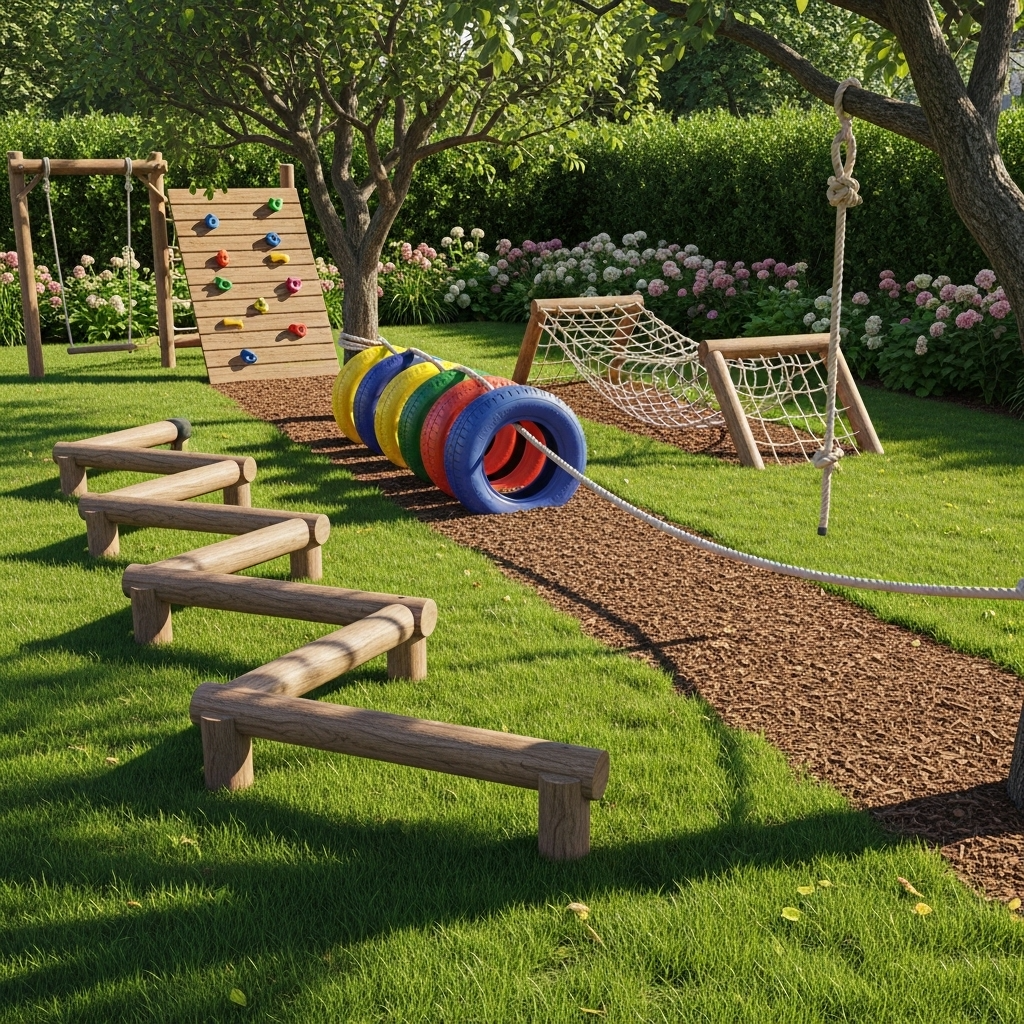
A backyard obstacle course creates movement, problem-solving, and nonstop excitement. Use simple items like stepping logs, balance beams, tunnels, and rope paths to build a play trail that feels fresh every time. Children love moving from one station to another because it gives them goals and keeps play active instead of repetitive.
This setup is also easy to change over time. You can add new sections as your child grows or switch layouts to keep it interesting. A good obstacle course helps build coordination, strength, and confidence while making the backyard feel more interactive. It is ideal for siblings and playdates because multiple children can enjoy different parts at once.
Pro Tip: Keep the course low to the ground for younger kids to make it safer and less intimidating.
5. Treehouse Reading and Play Loft
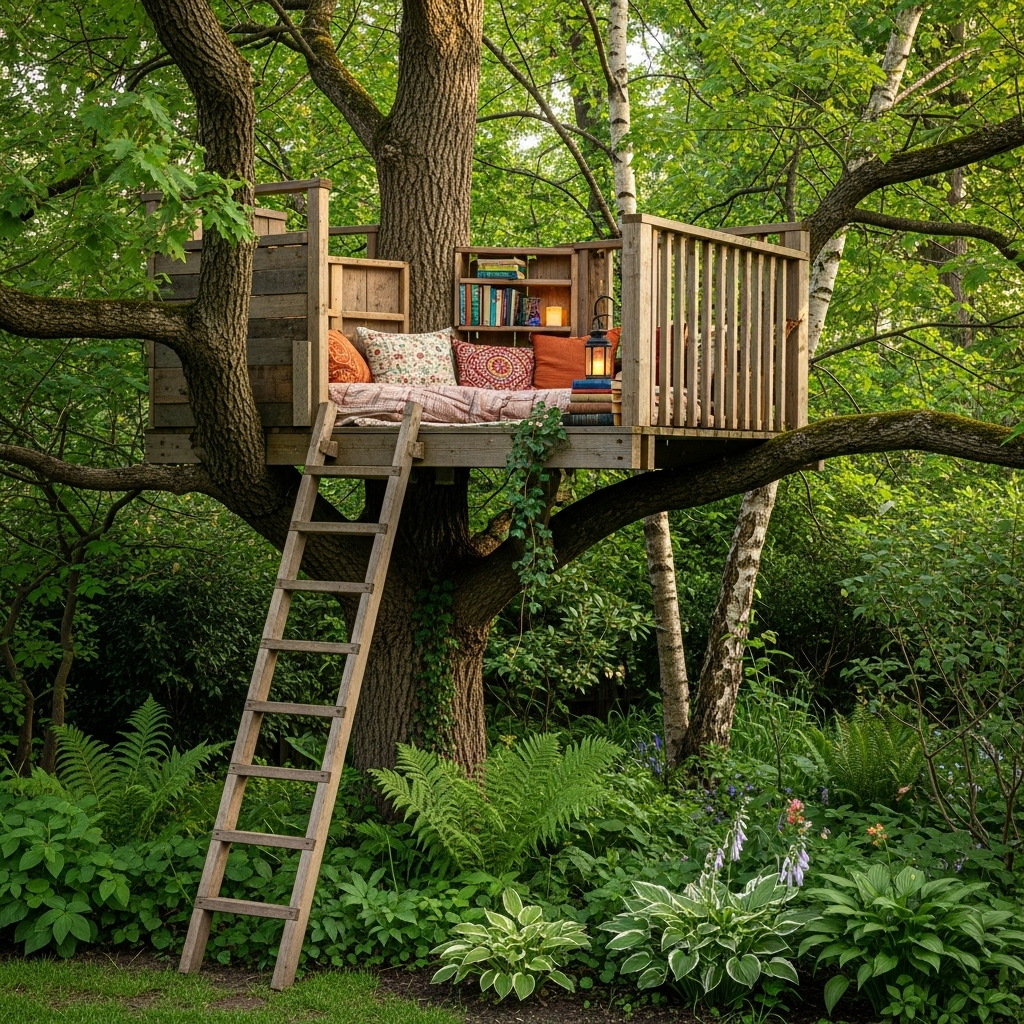
A treehouse or raised play loft gives children a sense of independence and adventure. Even a simple platform with railings can feel like a private world where kids read, imagine, and relax. This feature turns your backyard into a special place that feels different from everyday indoor routines.
Add cushions, a small shelf, or weather-safe toys to make the space more inviting. A shaded treehouse also works well in warm weather because it gives children a cooler spot to play. The elevated view makes it feel exciting while still being practical for quiet time, pretend play, or small group activities.
Pro Tip: Keep railings high and ladder steps wide for better safety and easier climbing.
6. Mud Kitchen Outdoor Play Space
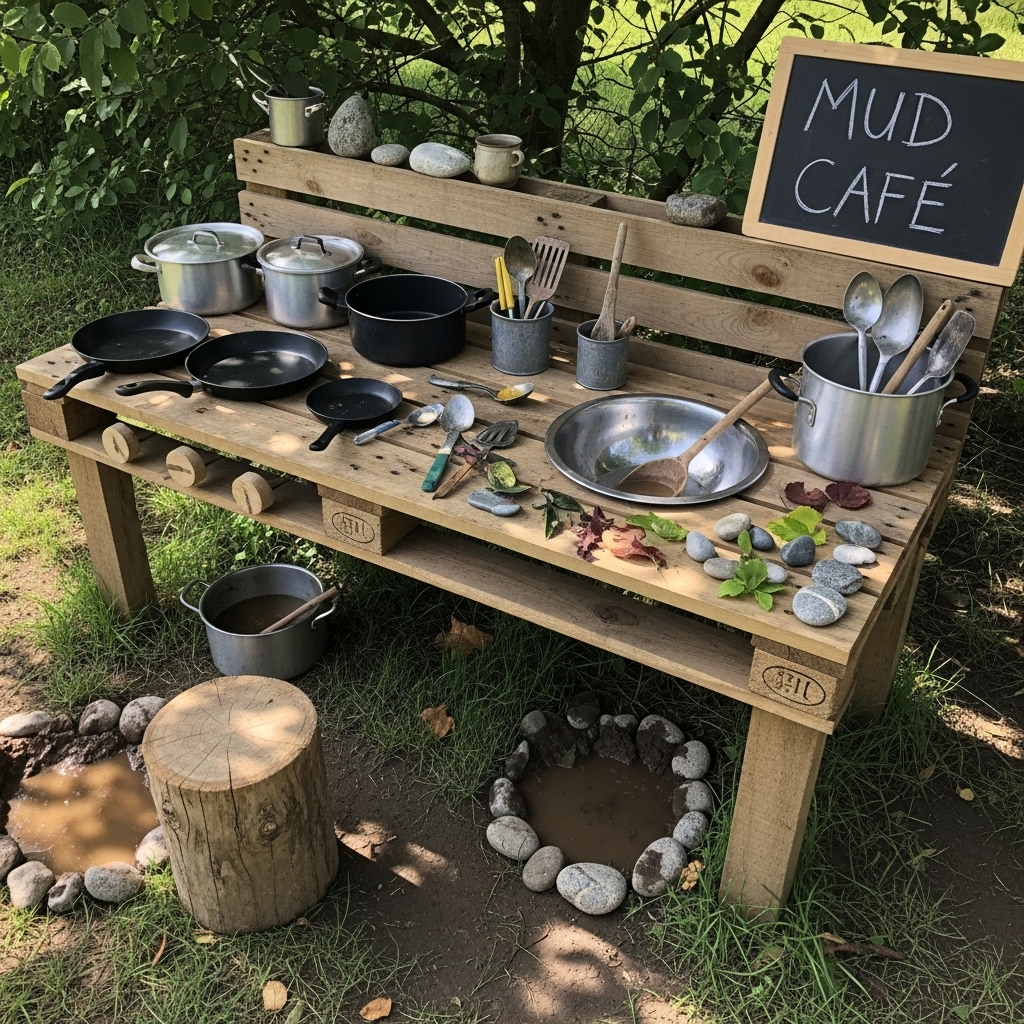
A mud kitchen is perfect for children who love hands-on pretend play. A simple setup with shelves, bowls, old pans, and water access gives kids endless ways to mix, pour, and create. This type of outdoor play encourages imagination while letting children connect with nature in a fun and messy way.
You do not need expensive materials to make it work. Repurpose pallets, crates, or an old table to build a rustic station. Place it near a water source or use a refillable bucket system. The freedom to create their own recipes and games keeps kids engaged for long stretches without screens.
Pro Tip: Use washable containers and keep a small towel hook nearby for easier cleanup.
7. Mini Zip Line for Thrill and Motion
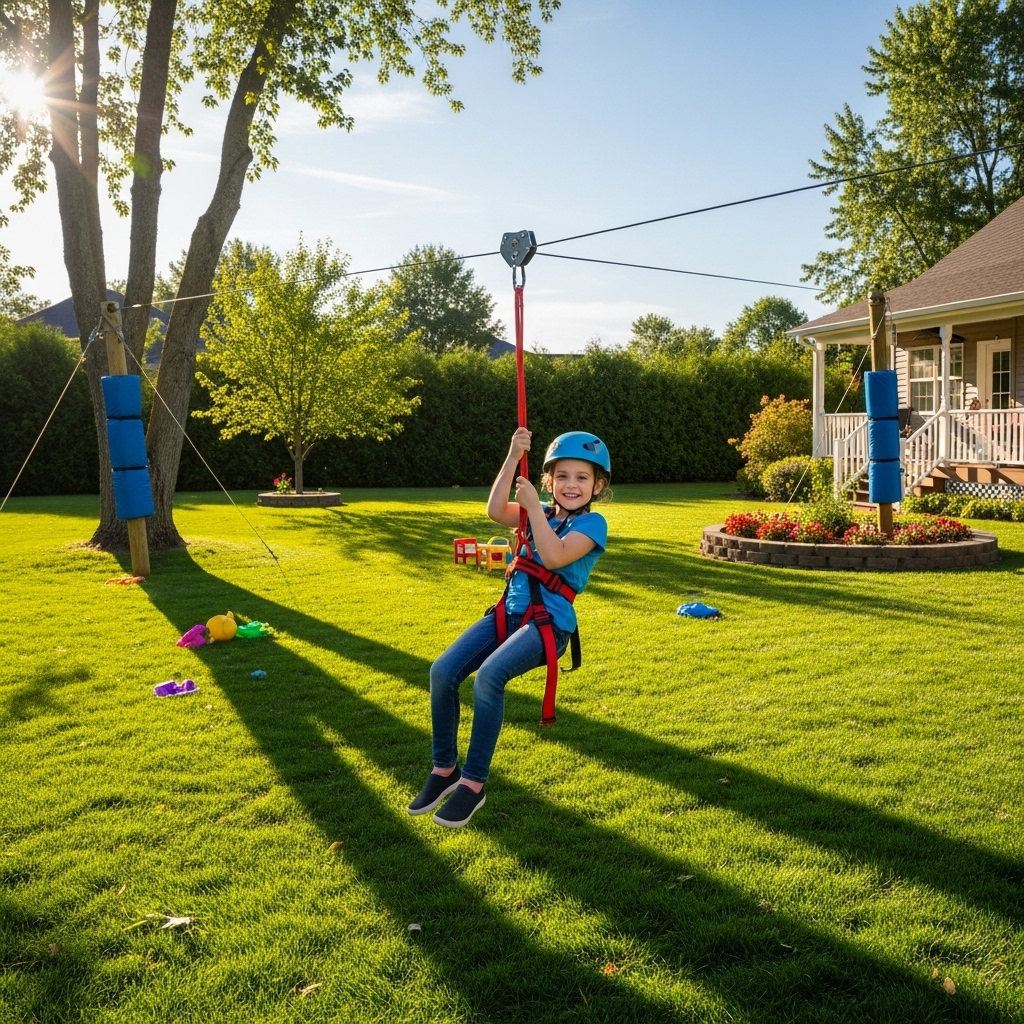
A mini zip line adds energy and excitement that many kids instantly love. It gives them the thrill of speed while helping improve grip strength and coordination. A short backyard zip line can fit in medium-sized yards and still feel like a major adventure feature.
Safety matters most with this setup, so use quality hardware and follow weight limits carefully. Install over grass or soft ground and keep the ride low. This feature often becomes a favorite because it feels active and different from standard play equipment.
Pro Tip: Add a soft stopping zone with mulch or mats where kids land.
8. Rope Bridge Adventure Path
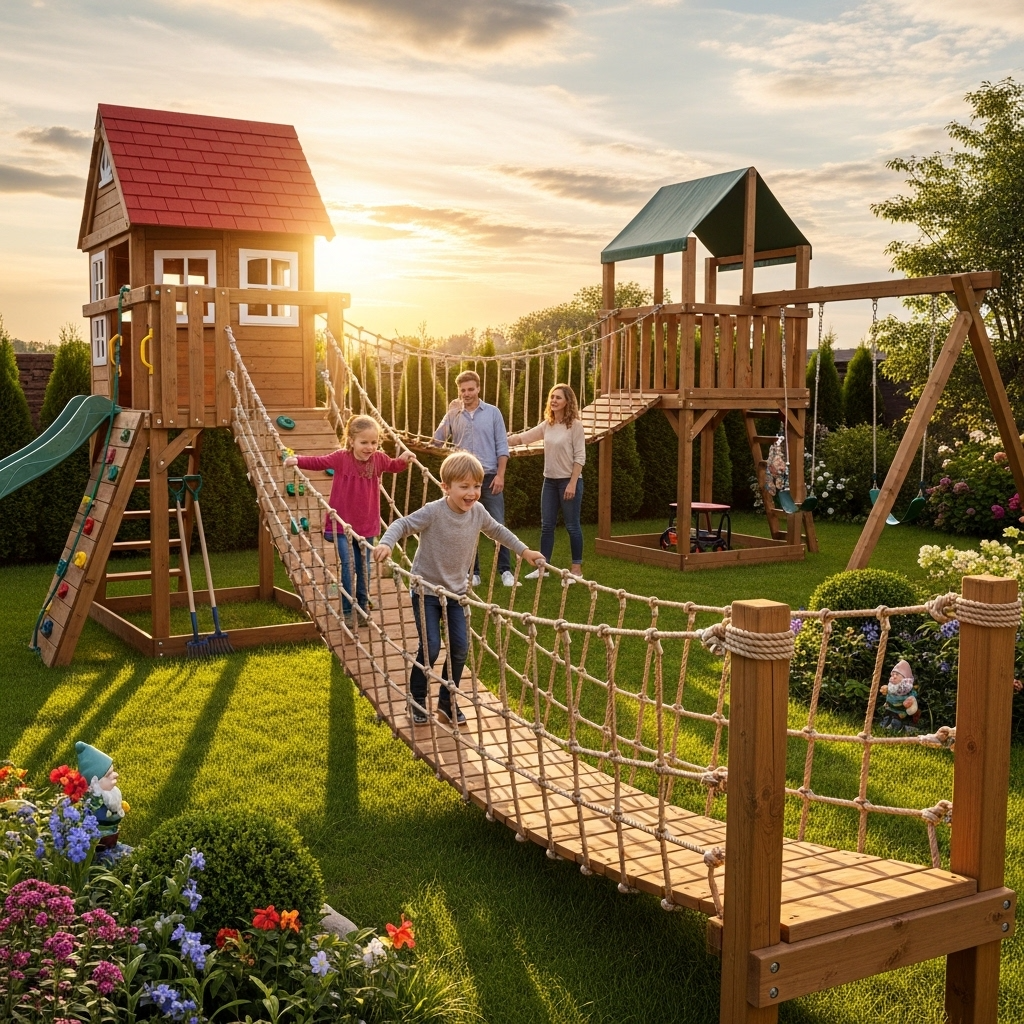
A rope bridge adds movement and challenge without taking much space. Kids enjoy the slight wobble because it feels exciting and helps improve balance. It also connects different play zones in a fun way, making the whole yard feel more adventurous.
Build it low and sturdy with side ropes for support. This works well between a platform and climbing area. It creates a natural flow in your backyard design while adding one more way for kids to stay active and engaged.
Pro Tip: Test rope tension often so the bridge stays secure and stable.
9. Nature Sensory Path
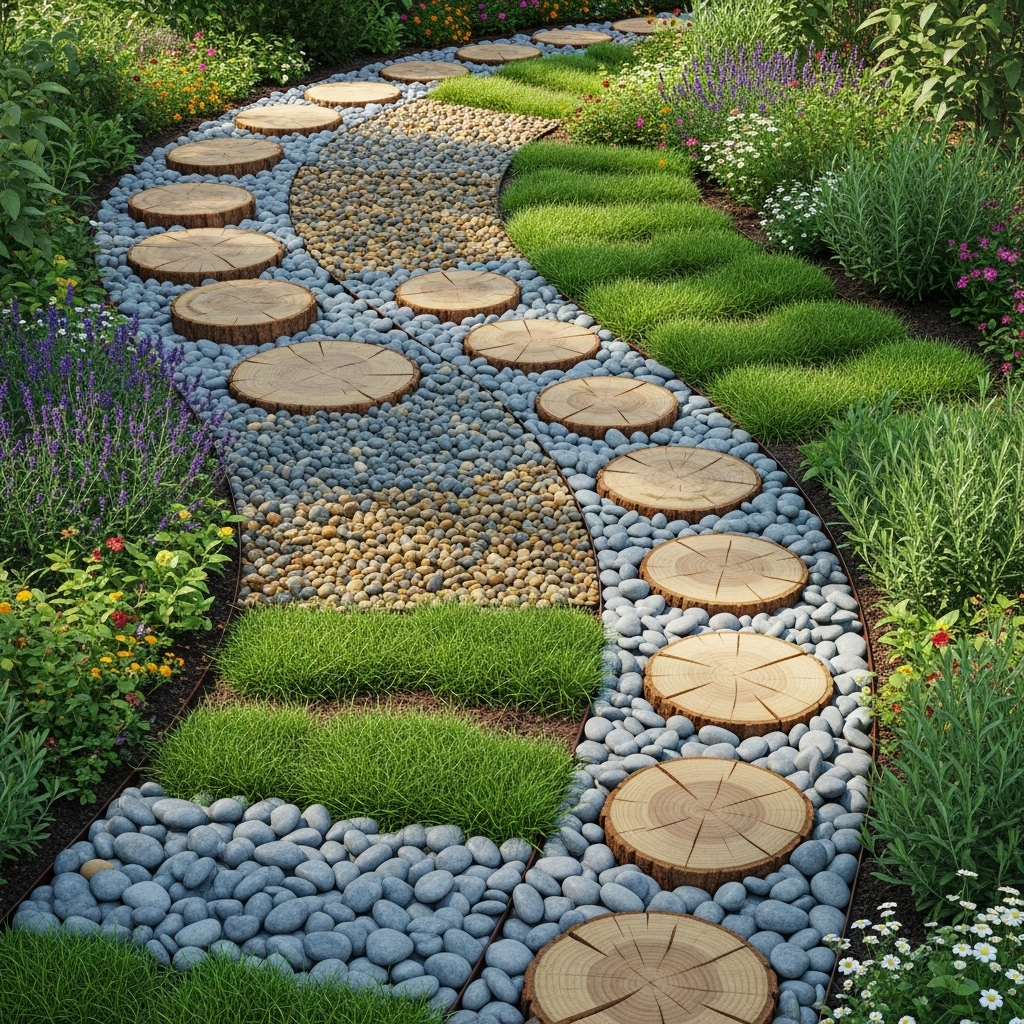
A sensory path encourages kids to explore textures, balance, and movement. Use wood rounds, smooth stones, mulch, grass, and soft stepping pads to create a path that feels fun underfoot. Children enjoy discovering how each section feels.
This idea supports both active and calming play. It works well for younger kids who love sensory experiences and older children who enjoy imaginative outdoor routes. It also makes your backyard feel more creative and inviting.
Pro Tip: Keep sharp edges out and choose soft, child-safe natural materials.
10. Water Play Splash Corner
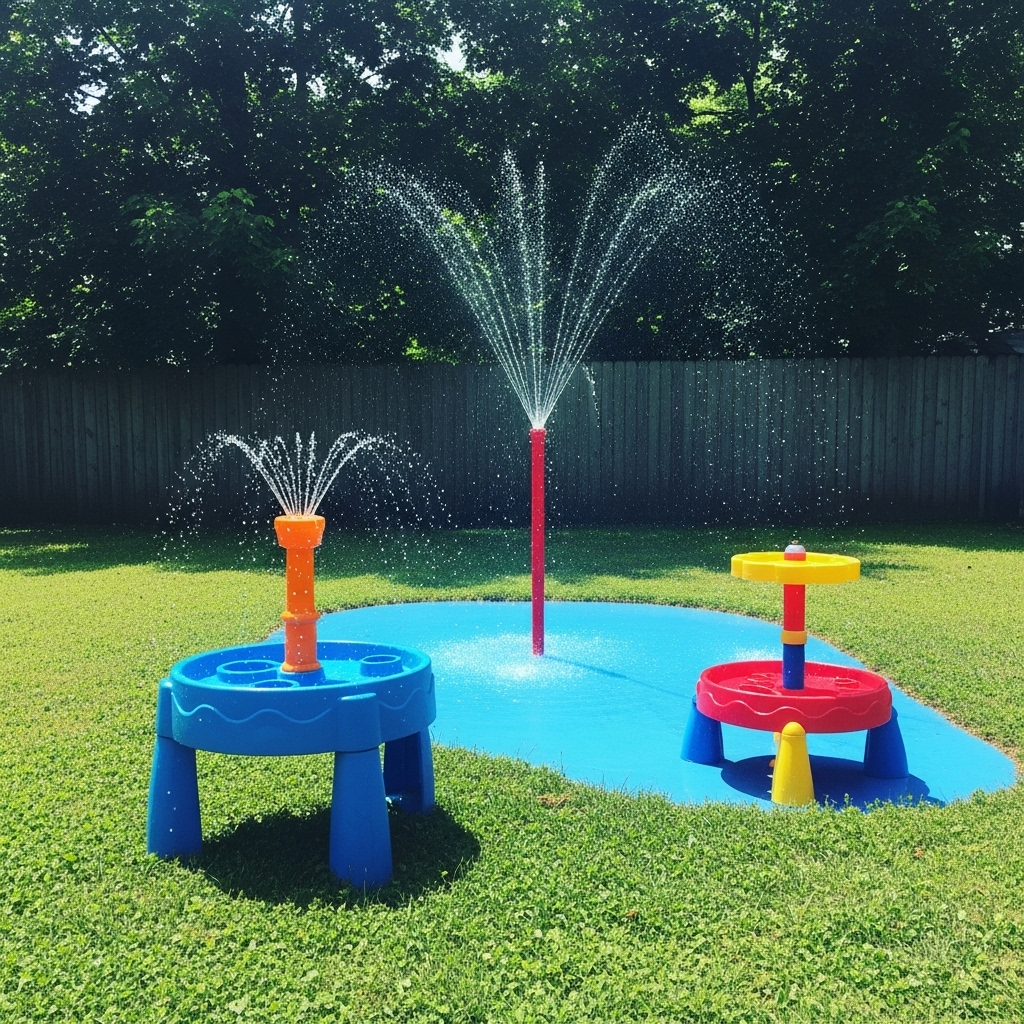
A water play zone is one of the best ways to keep kids happy in warm weather. Add a water table, splash pad, or simple sprinkler setup to create an instant summer favorite. Water play keeps children moving and helps them stay cool.
This setup also supports sensory learning and creative games. Children love pouring, splashing, and building mini water worlds. Keep towels nearby and place the area where drainage is easy for less mess.
Pro Tip: Use non-slip mats nearby to reduce slips after splashing.
11. Tire Climbing Stack
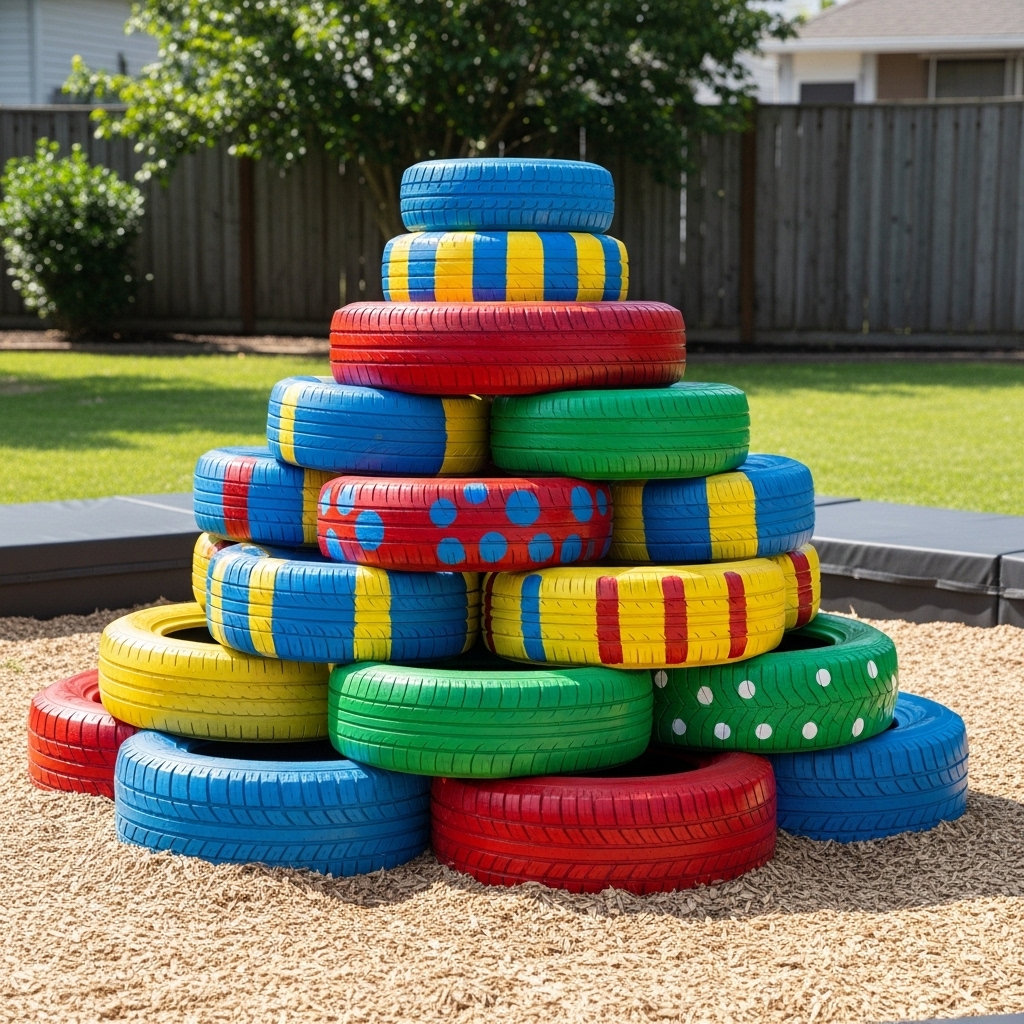
Stacked tires create a low-cost climbing feature with great play value. Kids can climb over, crawl through, and jump around them. The different heights add challenge while still feeling manageable.
Paint the tires in bright colors to make the area more playful. Arrange them securely and add soft ground below. This idea works well in smaller yards because it uses vertical space without needing a big footprint.
Pro Tip: Anchor tires well so they stay stable during active play.
12. Backyard Fort Building Zone
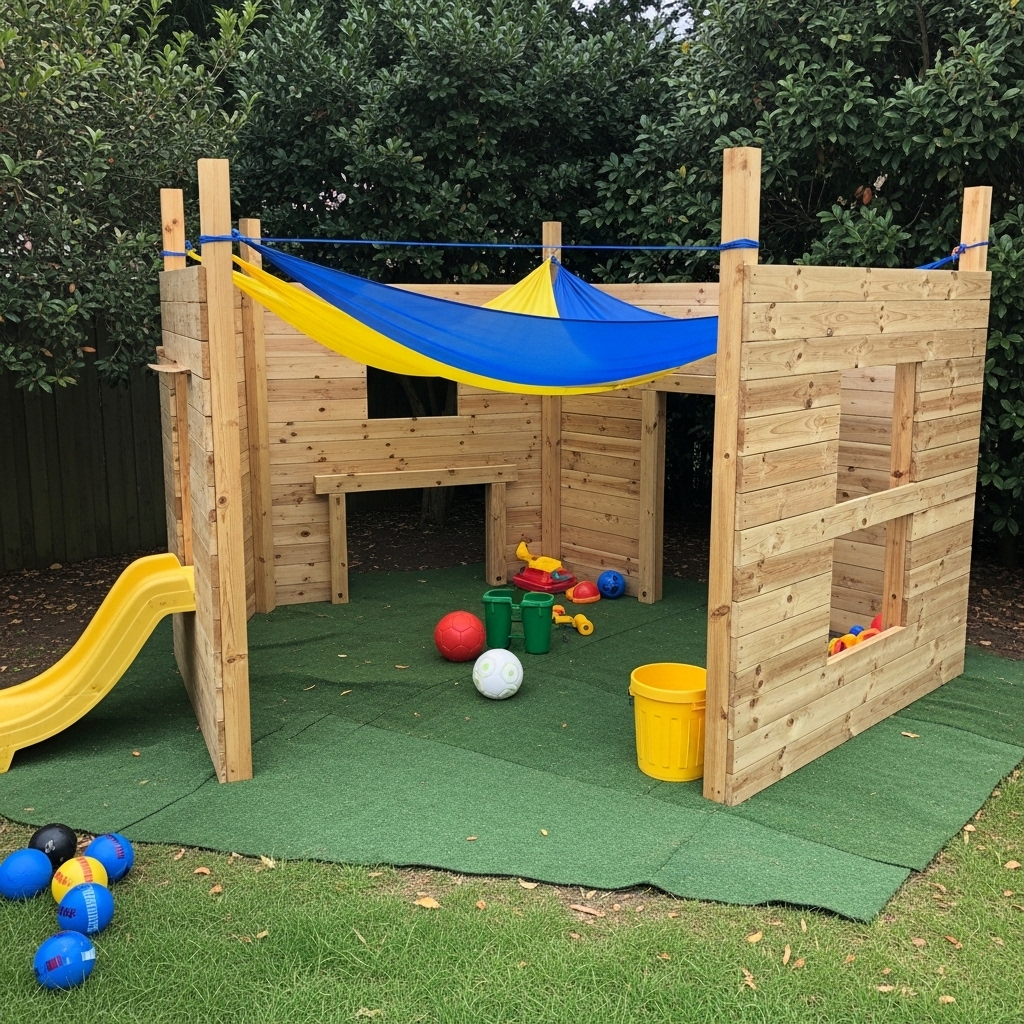
A fort zone gives children a space to build, imagine, and create. Use loose wood panels, fabric, crates, and clips so kids can make their own hideouts. This helps problem-solving and keeps play fresh.
Unlike fixed structures, a fort area changes often. Kids enjoy the freedom to build something new each time. It also supports group play and creative teamwork.
Pro Tip: Store extra blankets and clips in a weather-safe bin nearby.
13. Trampoline Corner
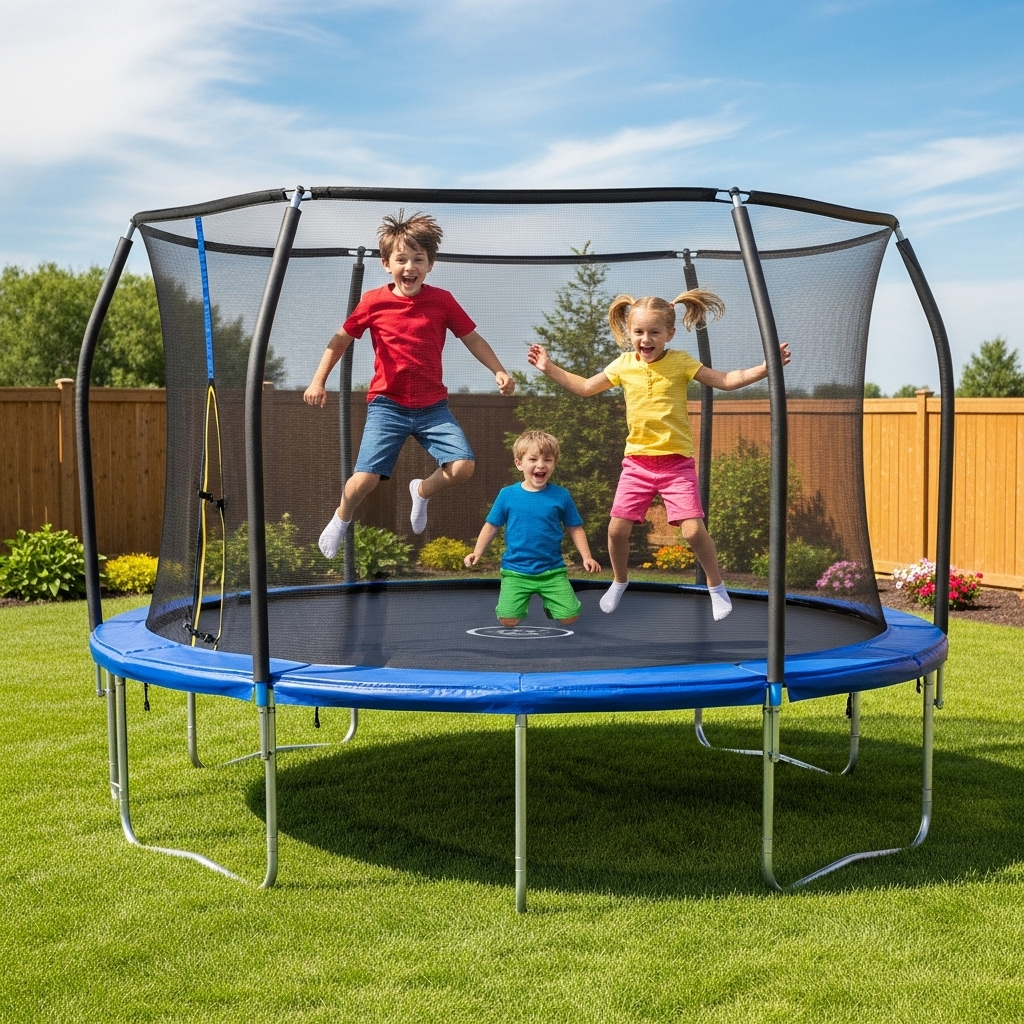
A trampoline adds high-energy fun that keeps kids active. It supports balance, coordination, and confidence while giving children a fun outlet. A compact trampoline works well for many family yards.
Place it in an open space away from fences and trees. Use a safety net and ground anchors for better stability. This feature can become a daily favorite for kids who love movement.
Pro Tip: Set simple jumping rules early to make play safer.
14. Backyard Slide Hill
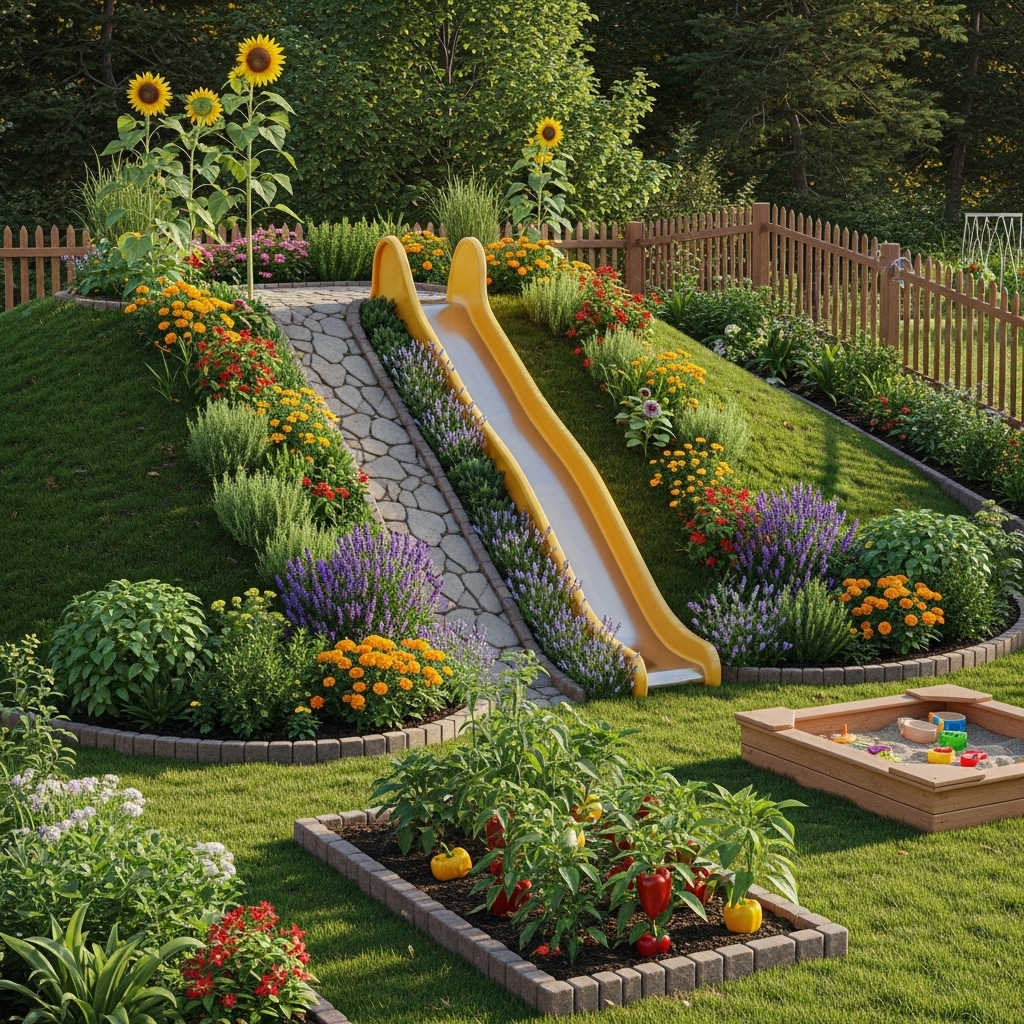
A slide built into a gentle backyard slope feels natural and exciting. It blends into the yard while giving kids a fun way to move and play. Even a small mound can work.
This feature looks more custom than a standard play set. Add soft grass or mulch at the bottom for safety. It also makes your yard look more creative and family-friendly.
Pro Tip: Choose a wide slide for better comfort and easier use.
15. Outdoor Art Wall
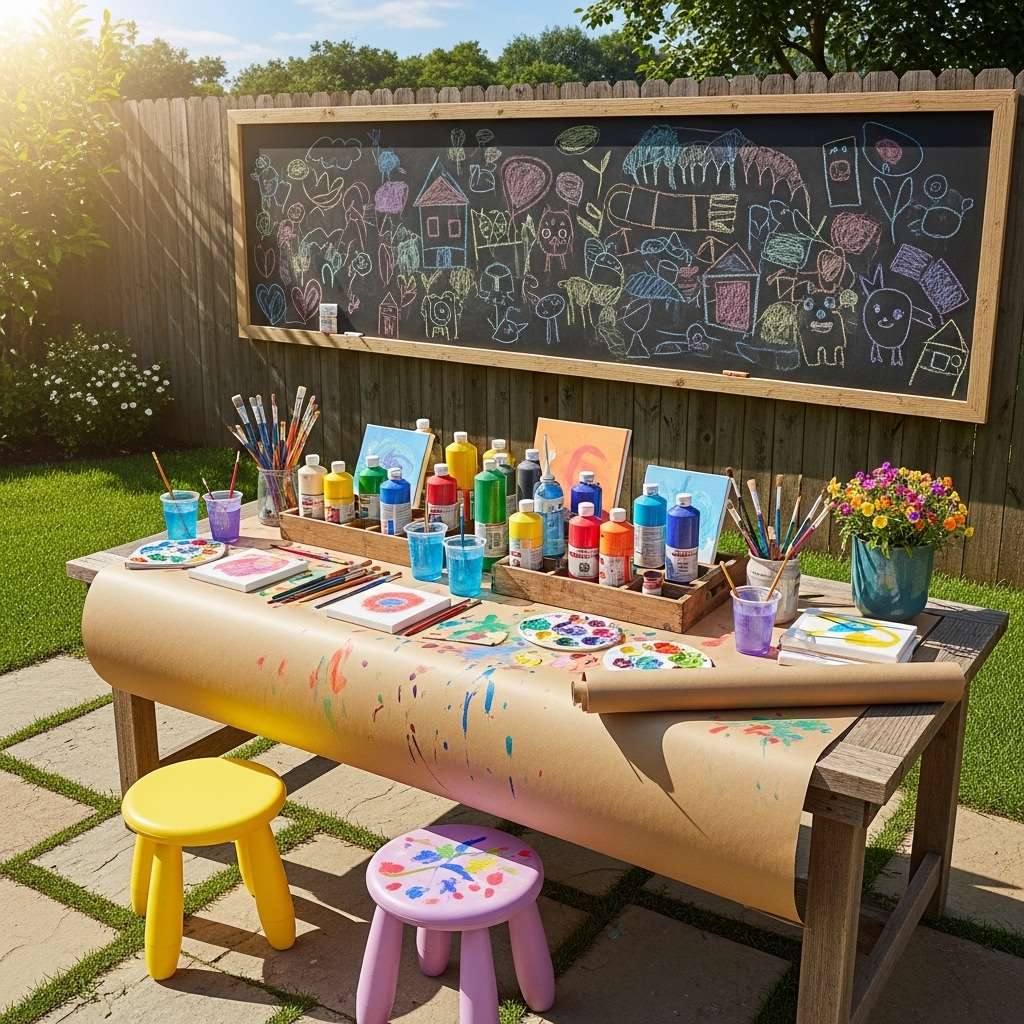
An outdoor art wall supports creativity and quieter play. Add chalkboard panels, easels, or washable paint boards so kids can draw freely. This gives them a space to create without making a mess indoors.
It also balances more active play zones. Children can move between physical and creative activities, which keeps the backyard more versatile and useful.
Pro Tip: Keep art supplies in a sealed storage bench nearby.
16. Backyard Balance Beam Course
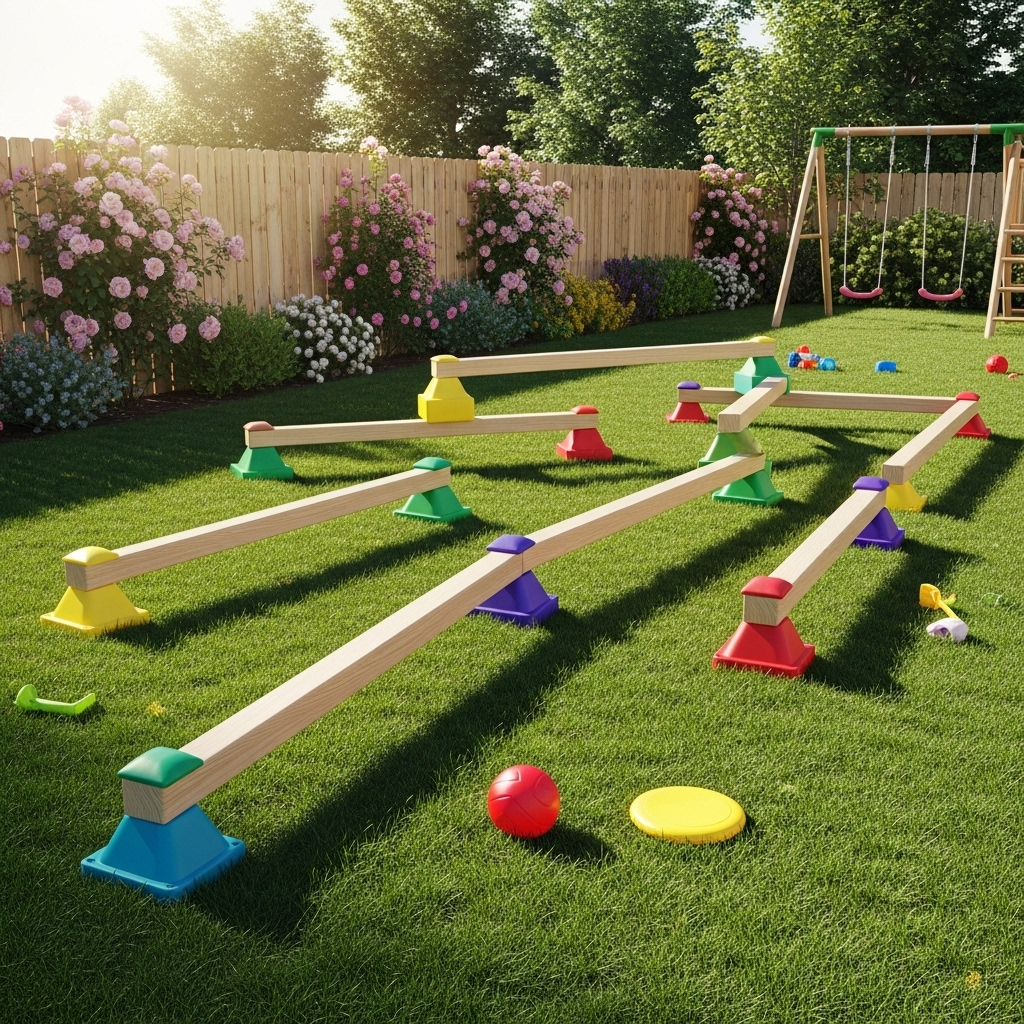
A balance beam path helps kids improve coordination while staying active. Use low wooden beams placed over grass to create a simple but engaging challenge. Children enjoy testing themselves in a safe way.
This feature fits into almost any yard layout and can connect with other zones. It adds movement without needing much space or cost.
Pro Tip: Start with wider beams first for younger children.
17. Mini Soccer and Sports Corner
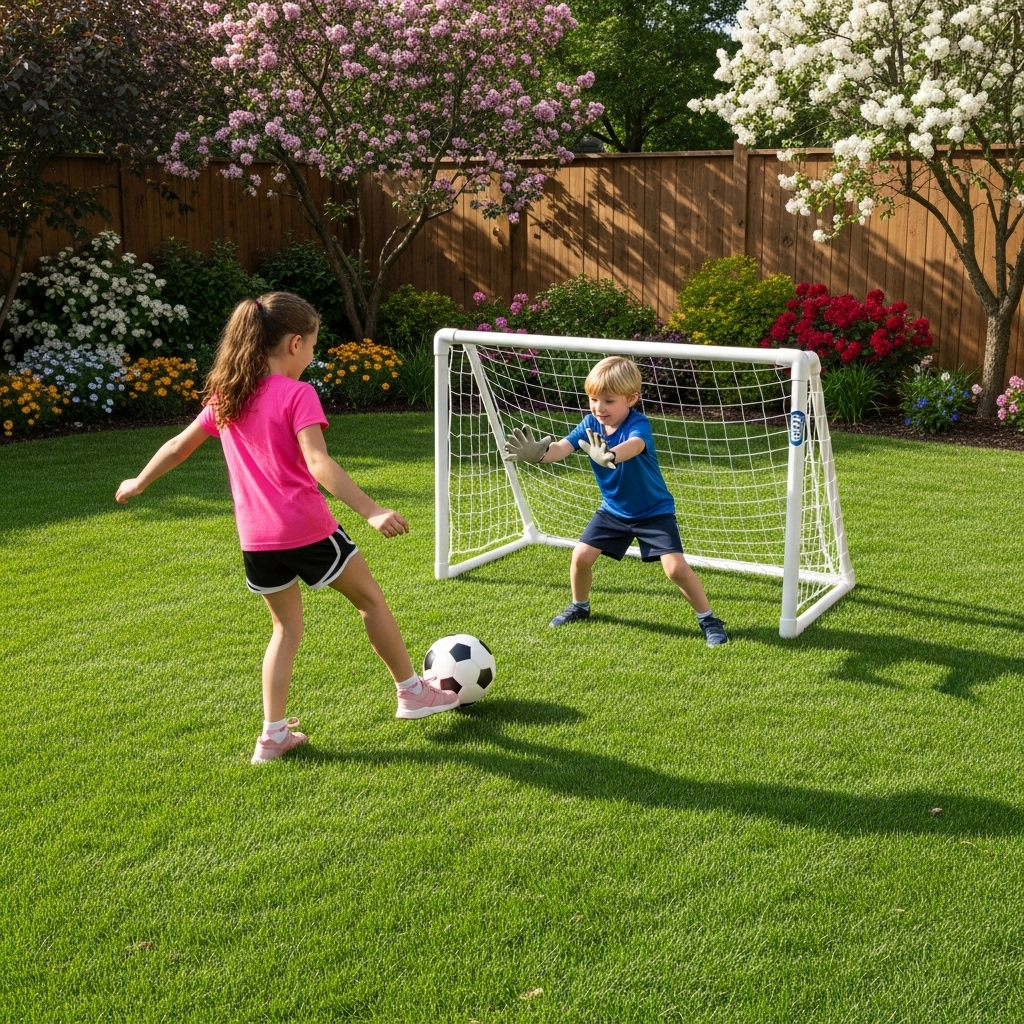
A small sports area helps kids burn energy while building teamwork and skills. Add mini goals, cones, or a soft turf patch for soccer and active games. This works especially well for school-age children.
It also makes the yard more useful for family time and group play. A flexible sports corner keeps kids moving and away from screens.
Pro Tip: Use soft balls to make play safer around fences and windows.
18. Backyard Camping Nook
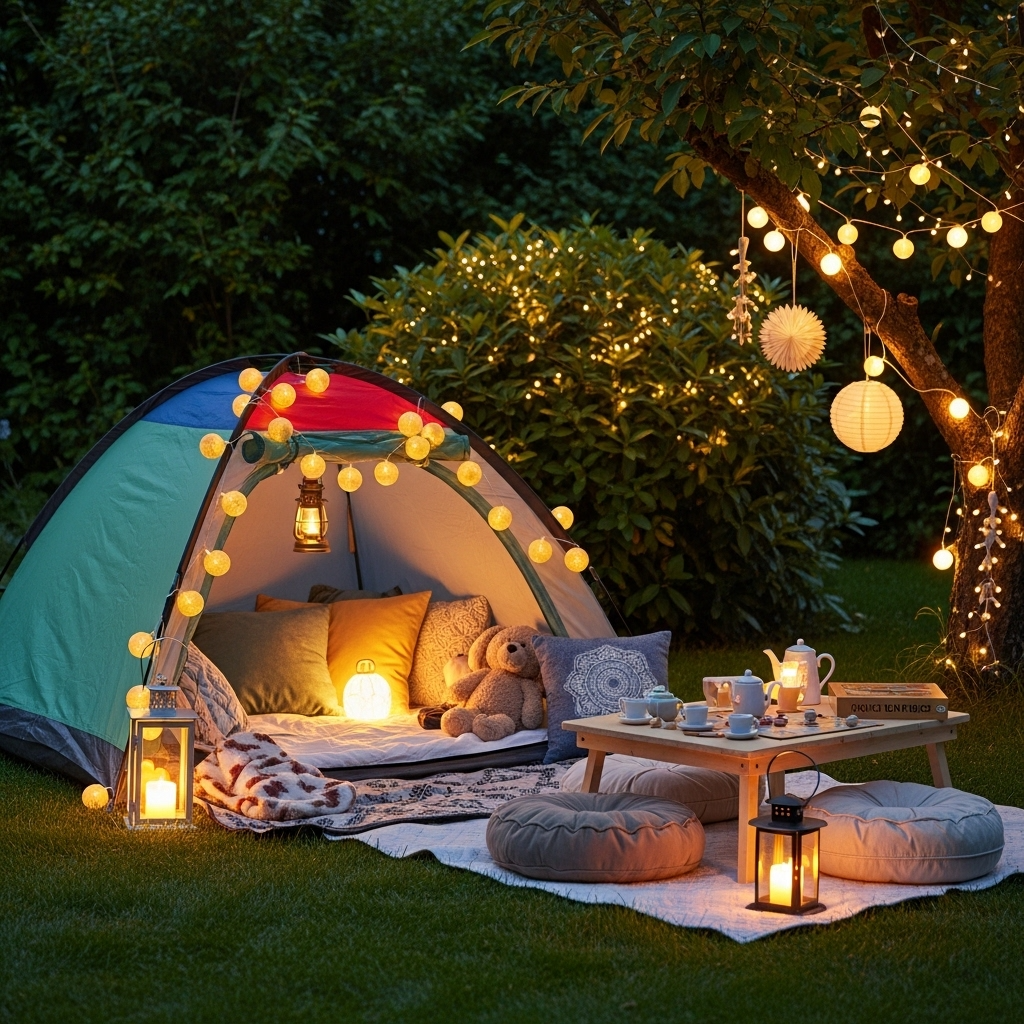
A camping corner makes the backyard feel magical and new. Add a weather-safe tent, floor cushions, and lantern-style lights for a cozy hideaway. Kids love having a place that feels like a mini escape.
This area supports quiet play, reading, and sleepover fun. It adds a different kind of experience that balances active features in your outdoor setup.
Pro Tip: Choose washable fabrics for easier outdoor maintenance.
19. Stepping Stone Treasure Trail
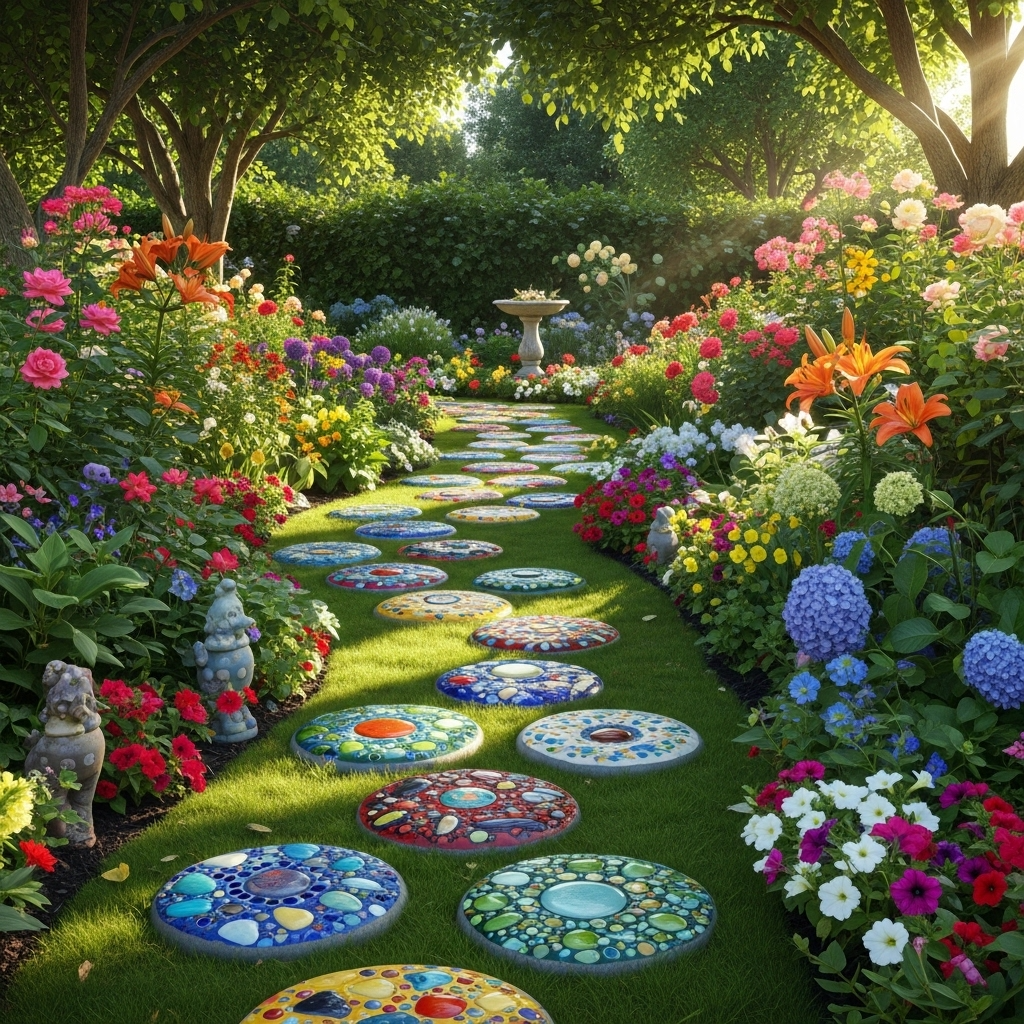
A stepping stone path adds movement and adventure in a simple way. Create a winding trail with colorful stones, wood rounds, or shaped pavers. Kids enjoy following paths and turning simple walks into games.
This feature also helps connect different play zones while making the yard look more polished. It adds structure without making the space feel crowded.
Pro Tip: Space stones based on your child’s stride for easier movement.
20. Backyard Music Wall
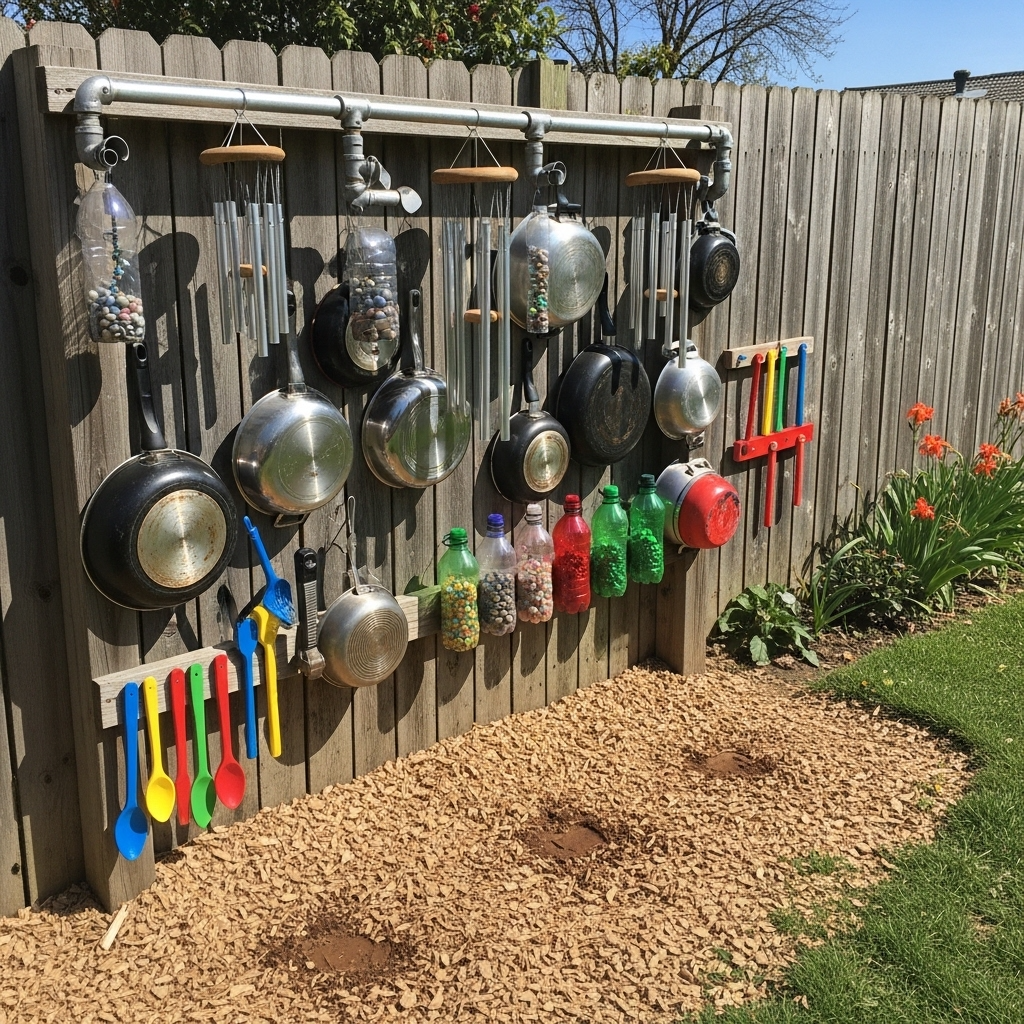
A music wall turns sound into outdoor fun. Hang metal pans, chimes, bamboo pieces, and safe percussion items on a fence or frame. Children enjoy making rhythms and exploring sound.
This setup supports creativity and sensory play. It is especially helpful for younger children who love hands-on interaction and simple cause-and-effect play.
Pro Tip: Secure items tightly so they stay safe during use.
21. Secret Garden Hideout
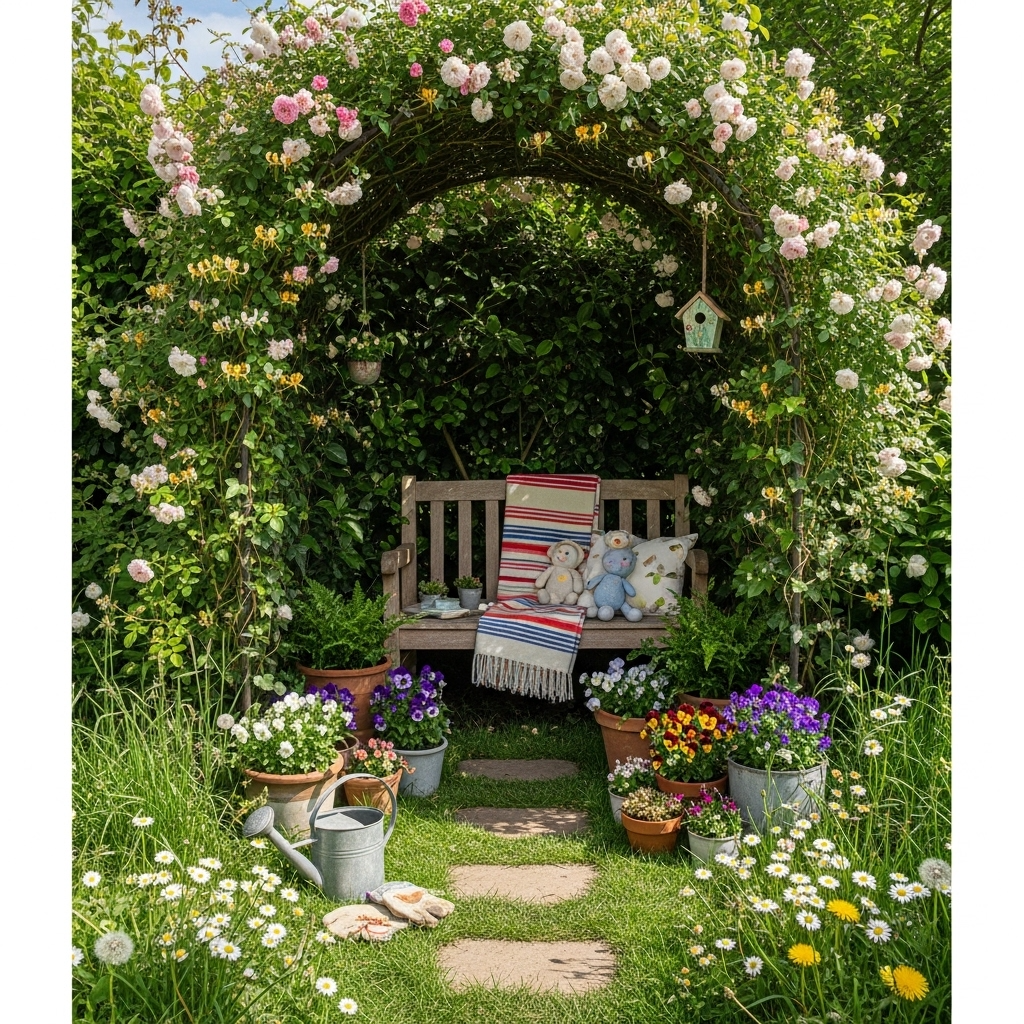
A hidden garden corner creates a peaceful space for kids to relax and imagine. Use trellises, tall plants, and a small bench to create a tucked-away retreat. It feels private while still staying within view.
This type of space supports calm play and gives children a sense of ownership. It also adds beauty and softness to the overall backyard design.
Pro Tip: Choose child-safe plants without thorns or toxic leaves.
22. Backyard Bike Track Loop
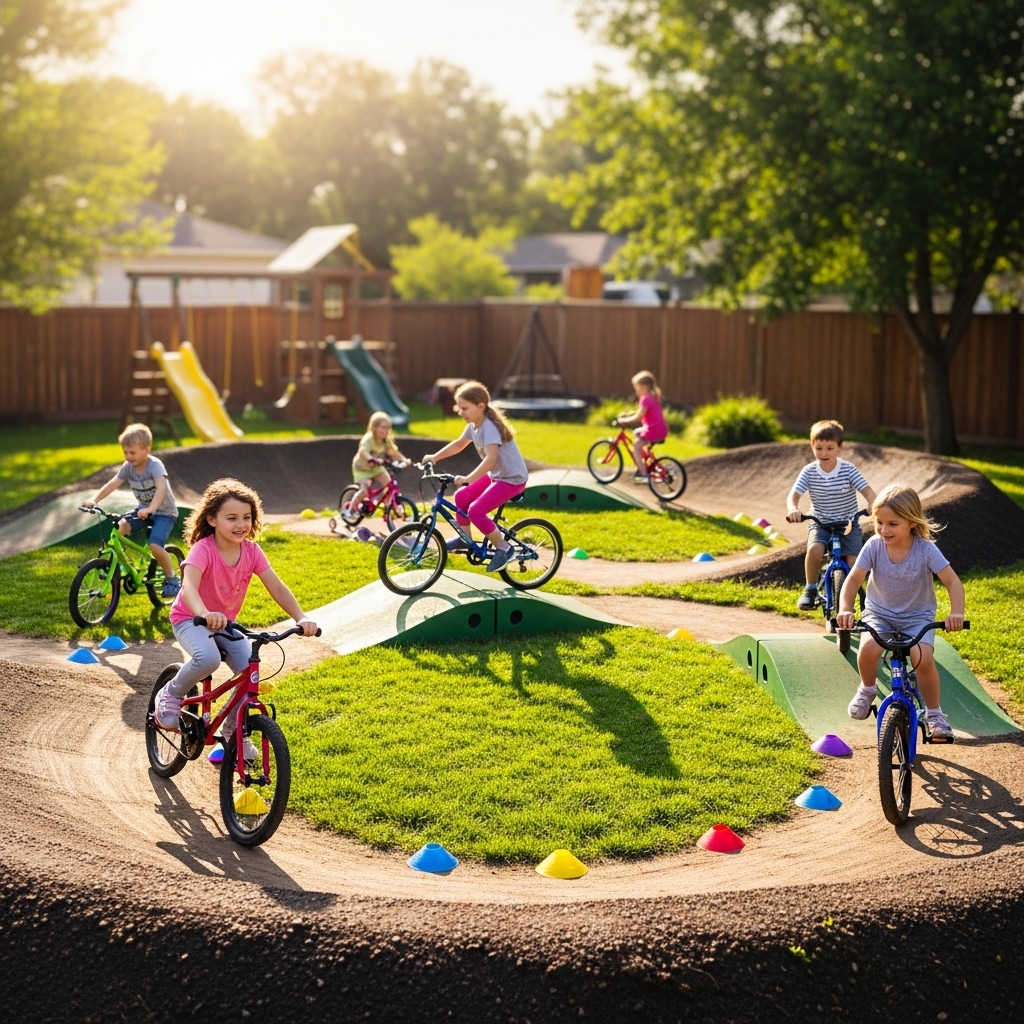
A bike loop helps kids stay active while practicing control and confidence. Use cones, painted paths, or edging to create a simple route around the yard. This gives riding more purpose and makes the space feel dynamic.
It works well for scooters and balance bikes too. A loop design keeps kids engaged longer because they enjoy repeating the course and improving skills.
Pro Tip: Keep the route clear of sharp turns for younger riders.
23. Multi-Zone Playhouse Hub
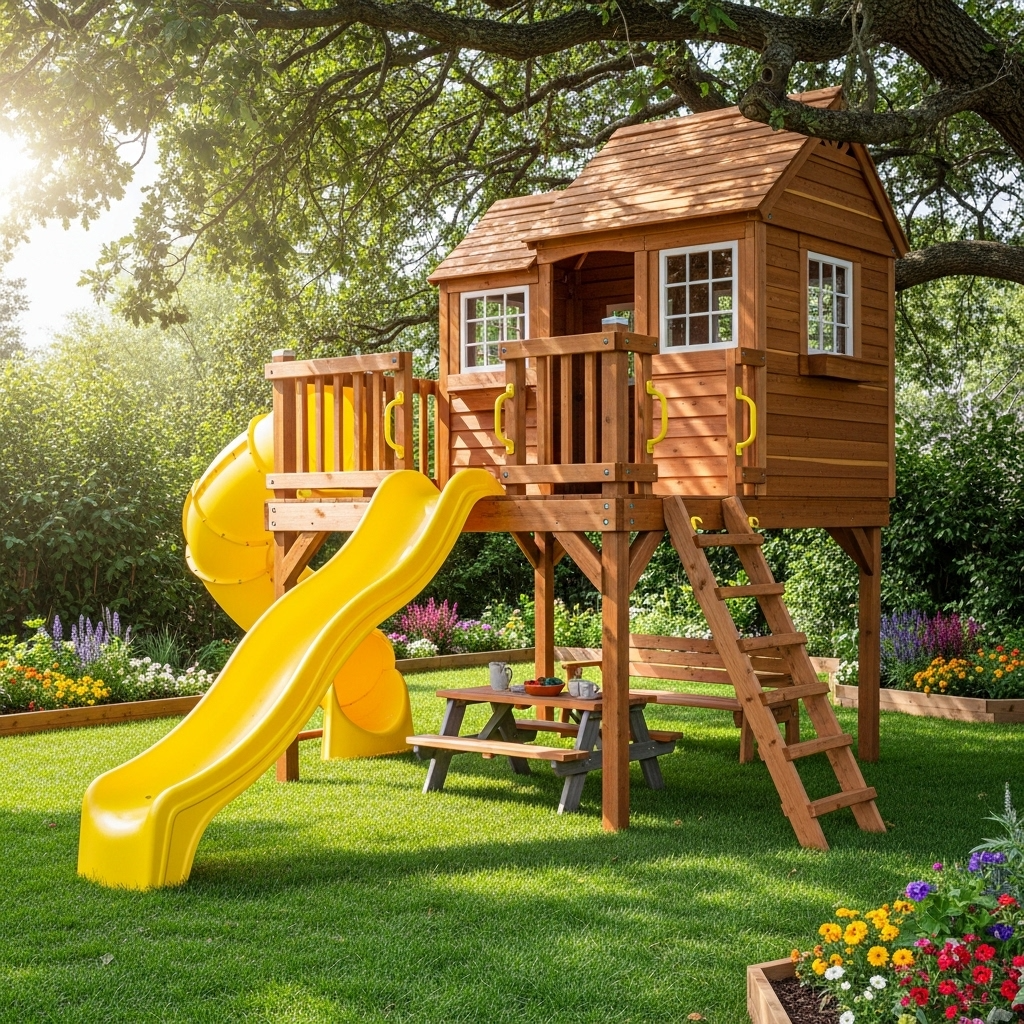
A playhouse hub combines several activities in one space. Include a small slide, climbing steps, pretend shop window, and shaded nook to create a feature kids can use in many ways. This keeps play fresh every day.
A central playhouse helps organize your backyard while making it more exciting. It works well for siblings because children can enjoy different parts at once. This often becomes the most loved feature in the whole yard.
Pro Tip: Add built-in storage under the playhouse to keep toys neat and easy to access.
FAQs
What is the safest surface for a backyard playground?
Rubber mulch, wood chips, and soft grass are great options. They help cushion falls and make play more comfortable.
How much space do I need for a diy playground backyard?
Even a small yard can work. Smart zoning and compact play features can create a fun setup without needing a large area.
What backyard play feature do kids use most?
Swings, climbing areas, and sand pits are usually top favorites because they offer repeat play.
How can I make a backyard playground budget-friendly?
Use repurposed wood, pallets, tires, and simple DIY builds. Focus on a few high-use features first.
Conclusion
A thoughtful diy playground backyard gives kids more than entertainment. It gives them freedom, confidence, movement, and meaningful time outdoors. The best backyard play spaces do not need to be expensive. They need to feel safe, inviting, and full of possibilities.
Start with one or two ideas that match your space, then build over time. With the right mix of fun, comfort, and creativity, your backyard can become the place your kids never want to leave.
24. Mini Garden Dig Zone
A digging and gardening zone helps children connect with nature while learning patience and responsibility. Kids enjoy watching seeds grow and seeing the results of their effort over time. This kind of outdoor play supports gentle learning while keeping little hands busy in a healthy way.
Pro Tip: Start with fast-growing plants like basil or marigolds to keep kids engaged.
25. Backyard Reading Nook
A backyard reading nook gives children a peaceful place to relax, read, and reset. Use a small tent, canopy, or shaded corner with soft cushions and a basket of books. This setup balances active outdoor play with quiet time and helps children build focus while still enjoying the outdoors. Pro Tip: Choose washable outdoor fabrics that can handle dust and weather.
Pro Tip: Choose washable outdoor fabrics that can handle dust and weather.
**26. Outdoor Chalk Zone.** A chalk zone gives children freedom to draw, write, and invent games outside. Set aside a patio, fence, or sidewalk where kids can draw hopscotch grids, obstacle paths, and art murals. This simple area supports imagination and costs almost nothing to set up. Pro Tip: Keep chalk in a sealed bucket to protect it from moisture.
**27. DIY Splash and Pour Wall.** A splash and pour wall gives kids a fun way to explore movement, flow, and cause and effect. Attach cups, pipes, and funnels to a fence or board so kids can pour water and change how it moves each time they play. It stays exciting because the setup can be rearranged again and again. Pro Tip: Place gravel or outdoor mats below the wall to improve drainage and make cleanup faster.
**28. Backyard Discovery Lab.** A backyard discovery lab turns outdoor play into hands-on learning. Set up a small table or bench with themed items like magnifiers, jars, and nature finds that kids can explore. The best part is how easily you can refresh the space by changing themes with the seasons. Pro Tip: Keep tools in labeled weatherproof bins so kids can use the station anytime.
**29. Backyard Treasure Hunt Zone.** A backyard treasure hunt zone adds excitement and adventure to outdoor play. Create a dedicated area where you can hide clues and small treasures for kids to find. You can keep the zone feeling fresh by changing themes often, from pirate treasure one week to a nature detective hunt the next. Pro Tip: Use waterproof clue cards and reusable containers to make setup faster each time.
**30. Rope Swing Corner.** A rope swing adds excitement and movement to any outdoor play area. Hang a sturdy rope swing from a strong tree branch or secure frame, and place it in a clear area with soft landing space underneath. This feature also creates a classic backyard feel that kids love. Pro Tip: Check ropes and hardware often for wear.
**31. Backyard Stage and Dress-Up Spot.** A backyard stage gives kids a place to perform, imagine, and tell stories. Use a small deck corner, flat platform, or even a painted circle on the grass as the stage. Children often return to dramatic play because it feels personal and expressive. Pro Tip: Add a bench with hidden storage for costumes and props.
**32. Nature Discovery Corner.** A nature discovery corner gives toddlers a gentle place to touch, sort, and explore outdoor treasures. Add baskets, trays, and natural pieces like pinecones, smooth stones, and leaves for little hands to investigate. It encourages curiosity at a calm, toddler-friendly pace. Pro Tip: Rotate the natural items weekly to keep the corner feeling new.
**33. Mini Climbing Hill.** A small grassy mound or toddler-safe climbing hill adds gentle adventure for little legs. Toddlers love scrambling up and rolling or sliding back down. It builds leg strength and confidence without the height of a climbing wall. Pro Tip: Place soft grass or mats around the base for safer landings.
**34. Bubble Play Station.** Bubbles bring instant joy to any play area. Set up a bubble station with wands, trays, and bubble mix where toddlers can chase and pop bubbles for ages. It is simple, affordable, and works for a wide range of ages. Pro Tip: Use non-slip mats nearby and keep bubble mix in sealed containers to avoid spills.
**35. Fairy Garden Corner.** A fairy garden corner adds a touch of magic to the backyard. Use a shallow planter or corner bed with tiny doors, fences, and miniature plants to create a small world. Let toddlers help arrange the pieces and change themes to keep it exciting. Pro Tip: Choose weatherproof pieces so the garden survives rain and sun.
**36. Splash Pad Nook.** A splash pad nook is perfect for warm days. Use a spray mat or shallow splash pad with gentle water flow where toddlers can splash, stomp, and cool off. Keep the surface non-slip and the water shallow for safe toddler play. Pro Tip: Place the splash pad on grass or a soft mat to cushion little feet.
**37. Picnic Craft Table.** A low picnic table becomes a creative hub for outdoor crafts. Stock it with washable paint, stickers, and paper so kids can make art in the fresh air. Creating outside means less worry about mess indoors. Pro Tip: Use a washable tablecloth for fast cleanup after craft time.
**38. Shaded Hammock Nook.** A hammock or hanging chair in a shady corner creates a calm spot for rest. Use a toddler-safe low hammock where the gentle swinging motion helps little ones relax. It is perfect for quiet breaks between active play sessions. Pro Tip: Hang the hammock low and always supervise toddlers while they use it.
**39. Pretend Market Stand.** A pretend market stand encourages role play and social skills. Set up a small table or crate with play food and a toy cash register where kids can take turns as shopkeeper and customer. It is a wonderful way to practice counting and sharing. Pro Tip: Use real baskets and reusable play food for a more realistic setup.
**40. Story Circle Stump Seats.** Create a cozy story circle with sturdy stump seats or low logs arranged in a ring. Add a small outdoor rug in the center for extra comfort. Story time outdoors helps children connect reading with nature and fresh air. Pro Tip: Treat the wood with child-safe sealant so the seats last longer outdoors.
**41. Family Play Picnic Zone.** Set up a family picnic zone with a large outdoor mat or low table where everyone can gather. This shared space encourages connection, and kids love eating and playing together outside. It turns everyday meals into small celebrations. Pro Tip: Keep a dedicated outdoor blanket and basket ready so picnics can happen anytime.