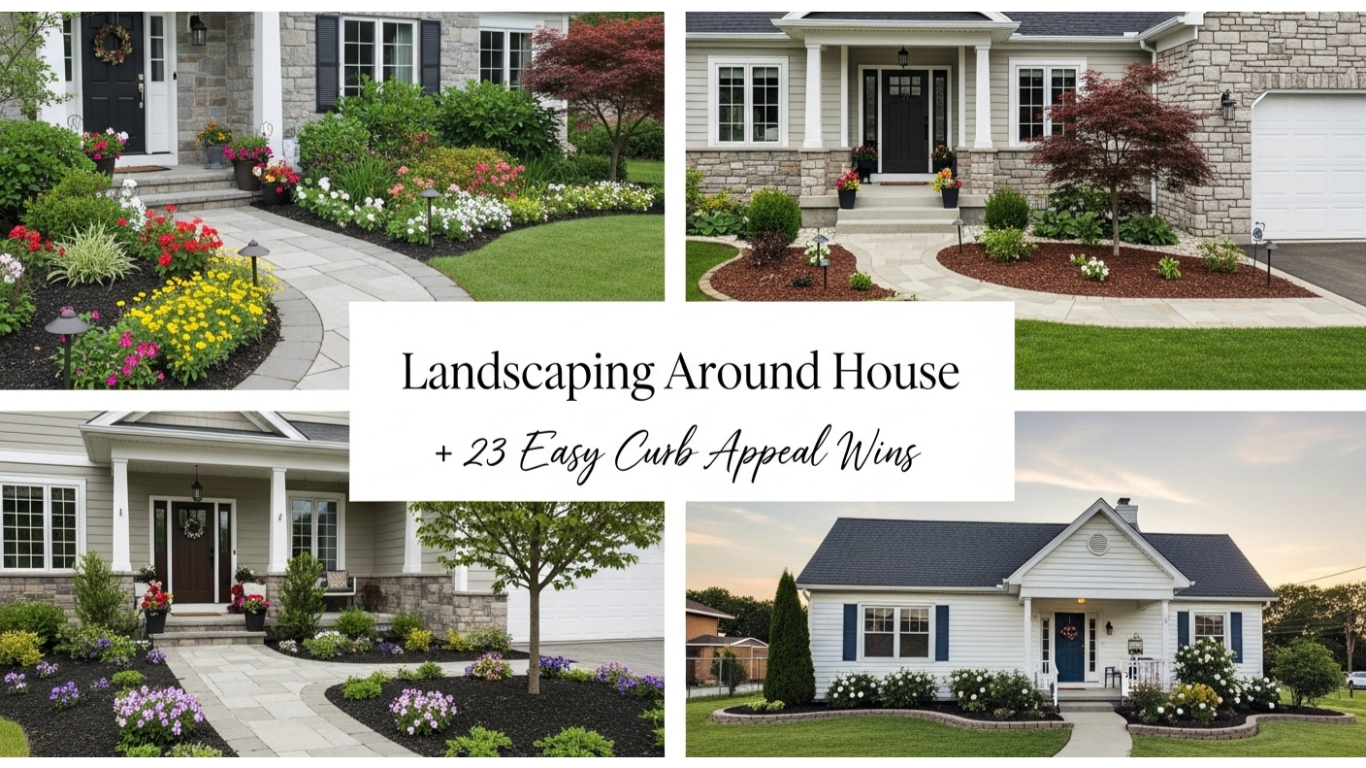
Landscaping Around House: 23 Easy Curb Appeal Wins
Creating a welcoming exterior does more than make a home look beautiful. Smart landscaping around house areas can improve comfort, raise visual appeal, and help your outdoor space feel more useful every day. The right mix of plants, paths, lighting, and simple design choices can make your home feel polished without turning your yard into a full-time project.
This guide shares fresh, practical ideas that work for different home styles, budgets, and yard sizes. Each idea includes a detailed explanation, a helpful image prompt, and a pro tip so you can create a front yard that feels inviting, balanced, and easy to maintain.
1. Layered Foundation Planting for a Soft, Finished Look
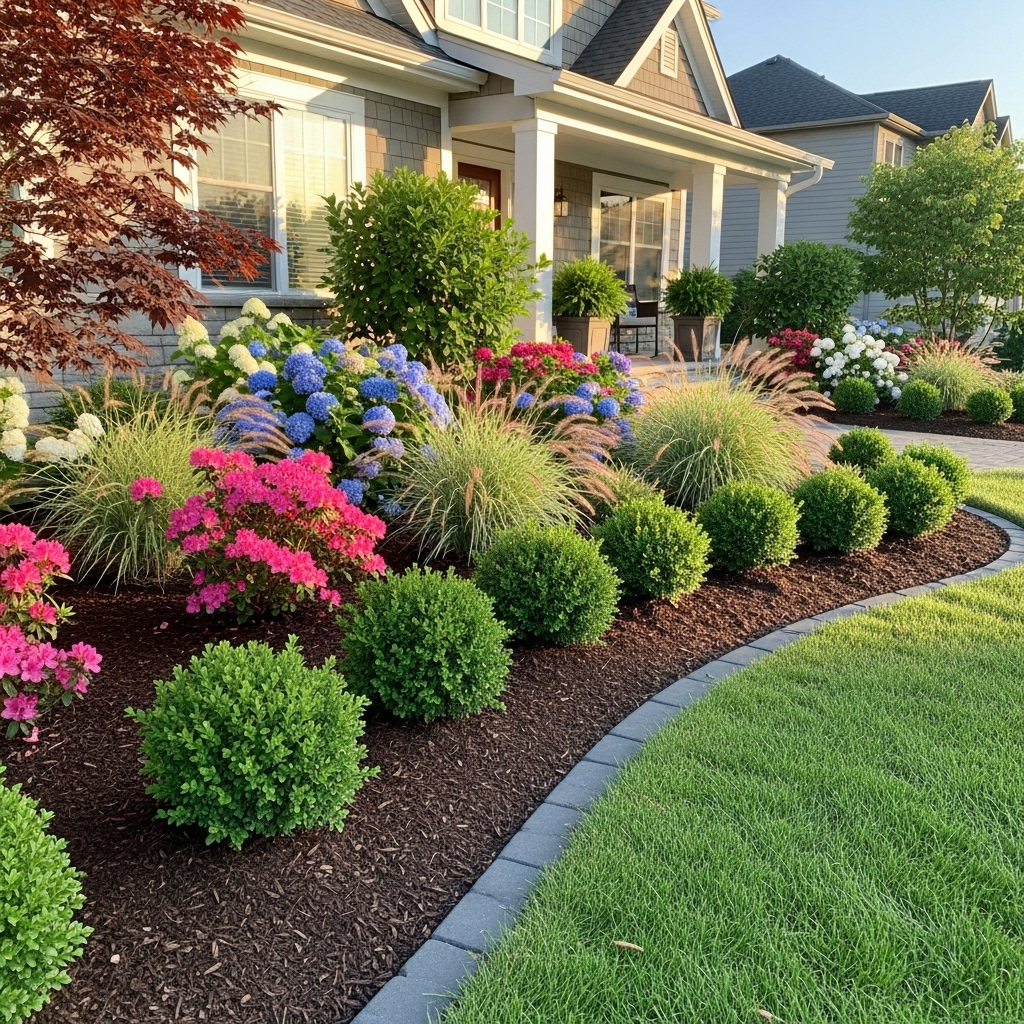
One of the best ways to improve landscaping around house areas is to soften the base of the home with layered planting. Start with taller shrubs near corners, medium plants near windows, and low border flowers near the front edge. This creates depth and helps the house blend naturally into the yard instead of looking boxed in. Layering also helps break up plain walls and adds color through the seasons.
Choose plants that match your climate and sun exposure. Mix evergreen structure with seasonal blooms so the space looks full year round. A clean mulch bed helps plants stand out while reducing weeds and water loss. This simple update makes even a basic home look cared for and more welcoming from the street.
Pro Tip: Leave at least 12 to 18 inches between plants and your siding so airflow stays strong and future trimming stays easy.
2. Curved Walkway Borders That Guide the Eye
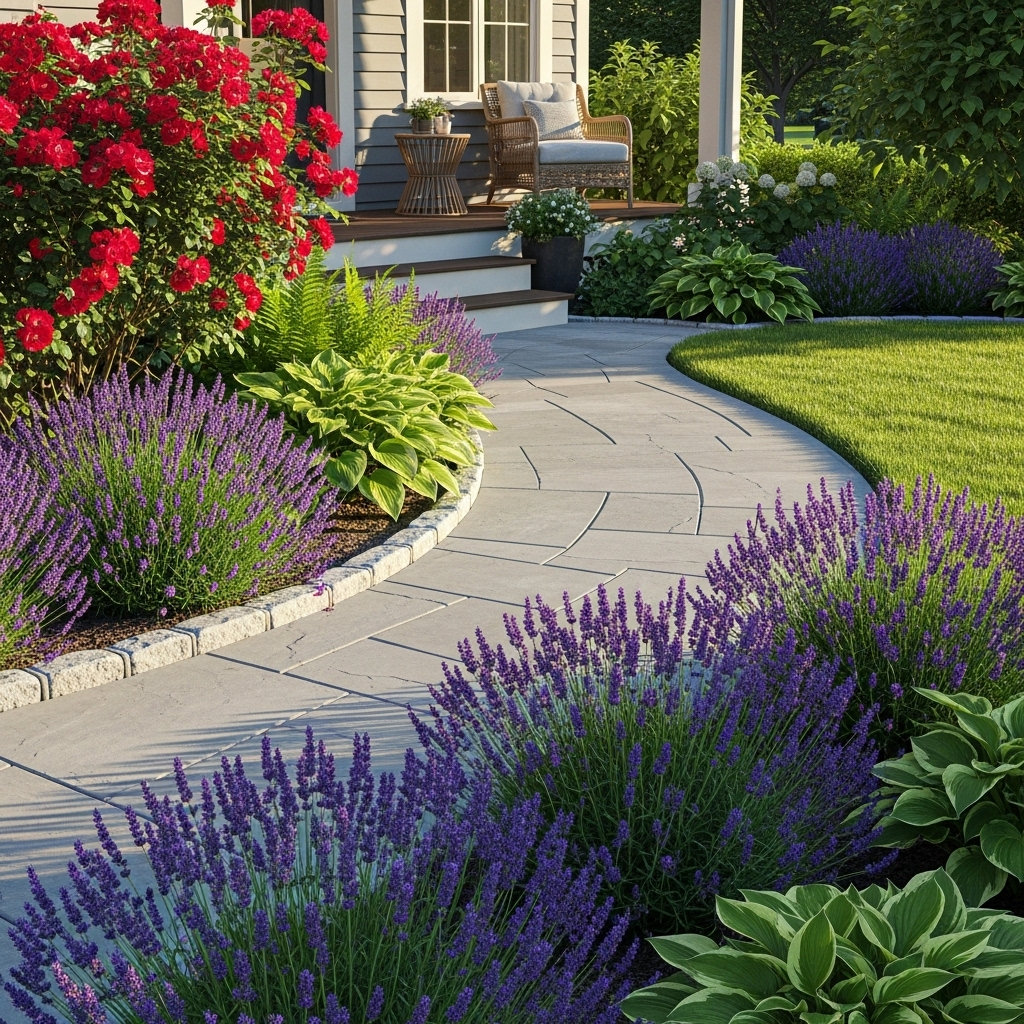
A curved walkway adds movement and helps your front yard feel more custom. Straight paths can look stiff, but soft curves guide the eye naturally toward your front door. Use stone, brick, gravel, or pavers depending on your home style. A well-shaped path also helps organize the yard and creates a strong first impression.
Plant low-growing flowers, herbs, or ornamental grasses along the edge for a softer look. Border planting makes the walkway feel intentional and polished. Keep the path wide enough for comfort and safe footing. This idea works well in both small and large yards and adds visual interest without needing a full yard makeover.
Pro Tip: Use solar path lights along curves to highlight the shape at night and improve safety.
3. Statement Planters by the Entry
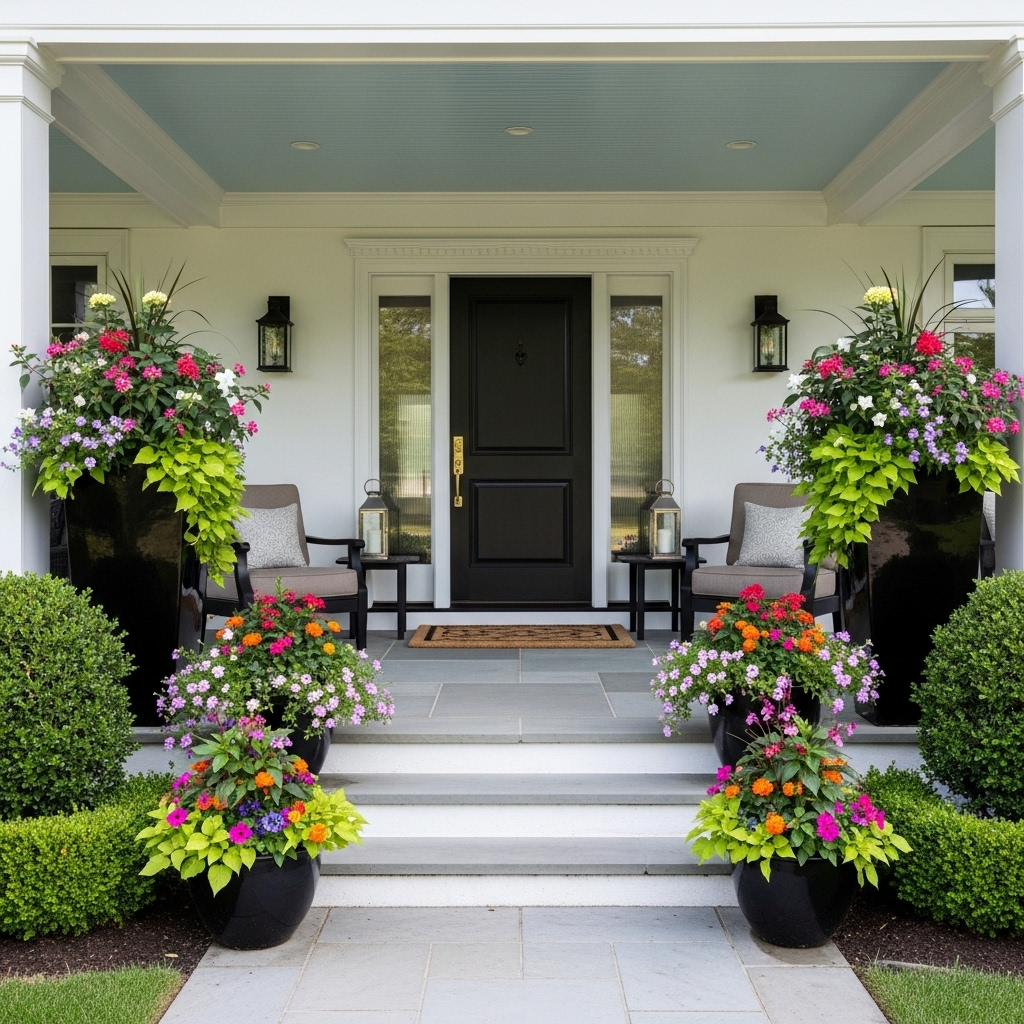
Large entry planters instantly make a front door feel styled and welcoming. They create a focal point and add height, color, and texture near the entrance. Choose planters that match your home’s finish, whether modern, farmhouse, or classic. Symmetry often works best for a balanced look.
Fill them with a mix of upright plants, filler blooms, and trailing greenery for a full arrangement. Switch plants by season to keep the space fresh. This is one of the easiest upgrades for homeowners who want impact without major digging or hardscape work.
Pro Tip: Use lightweight containers with drainage holes so they are easier to move and protect plant roots.
4. Low Maintenance Rock Beds for Clean Structure
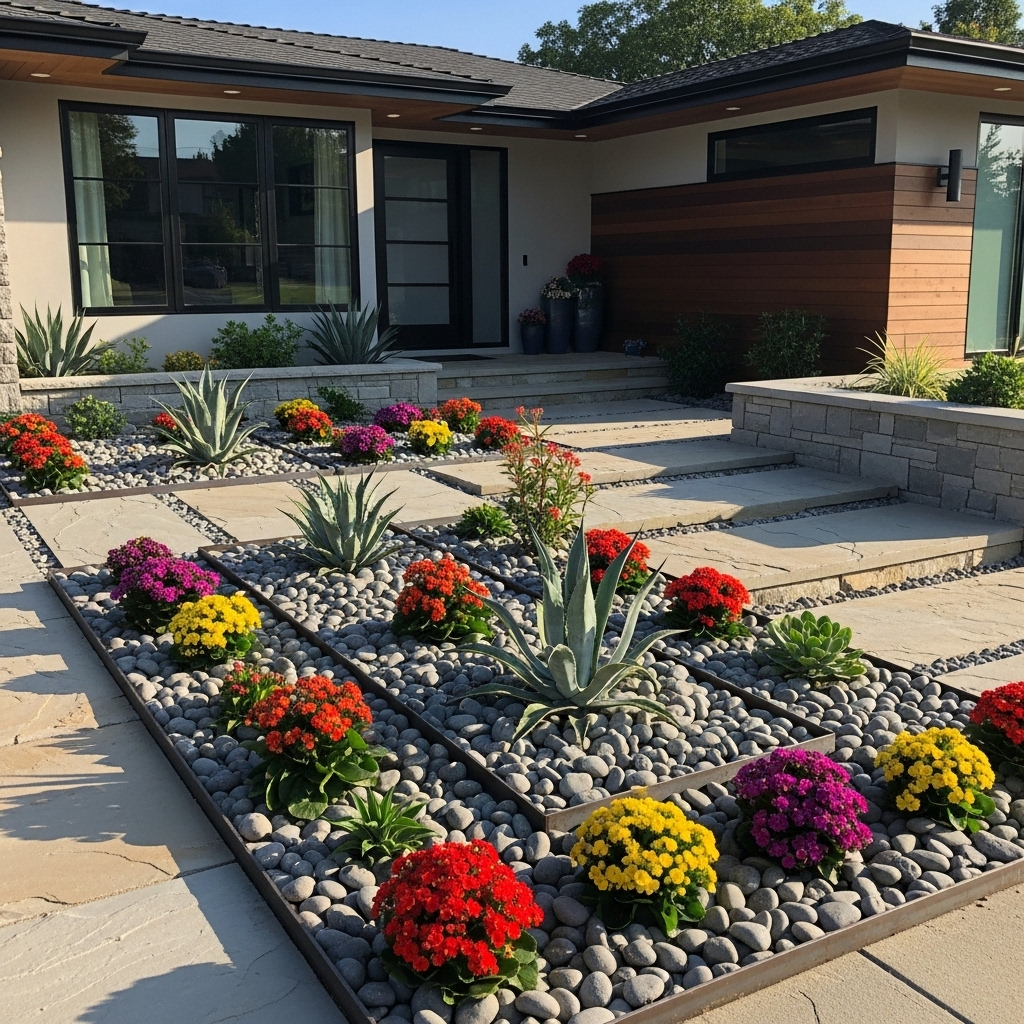
Rock beds give your yard a clean, organized look while cutting back on maintenance. They work especially well in dry climates or areas where grass struggles. Use decorative gravel, river rock, or crushed stone around plants and borders. Rock also adds texture that looks sharp in every season.
Pair rock beds with drought-friendly plants like grasses, lavender, agave, or native shrubs. This creates a landscape that stays attractive with less water and less weekly upkeep. Strong edging helps keep materials in place and gives the design a more finished appearance.
Pro Tip: Install landscape fabric underneath rock beds to reduce weeds and keep the area neat longer.
5. Warm Outdoor Lighting for Evening Curb Appeal
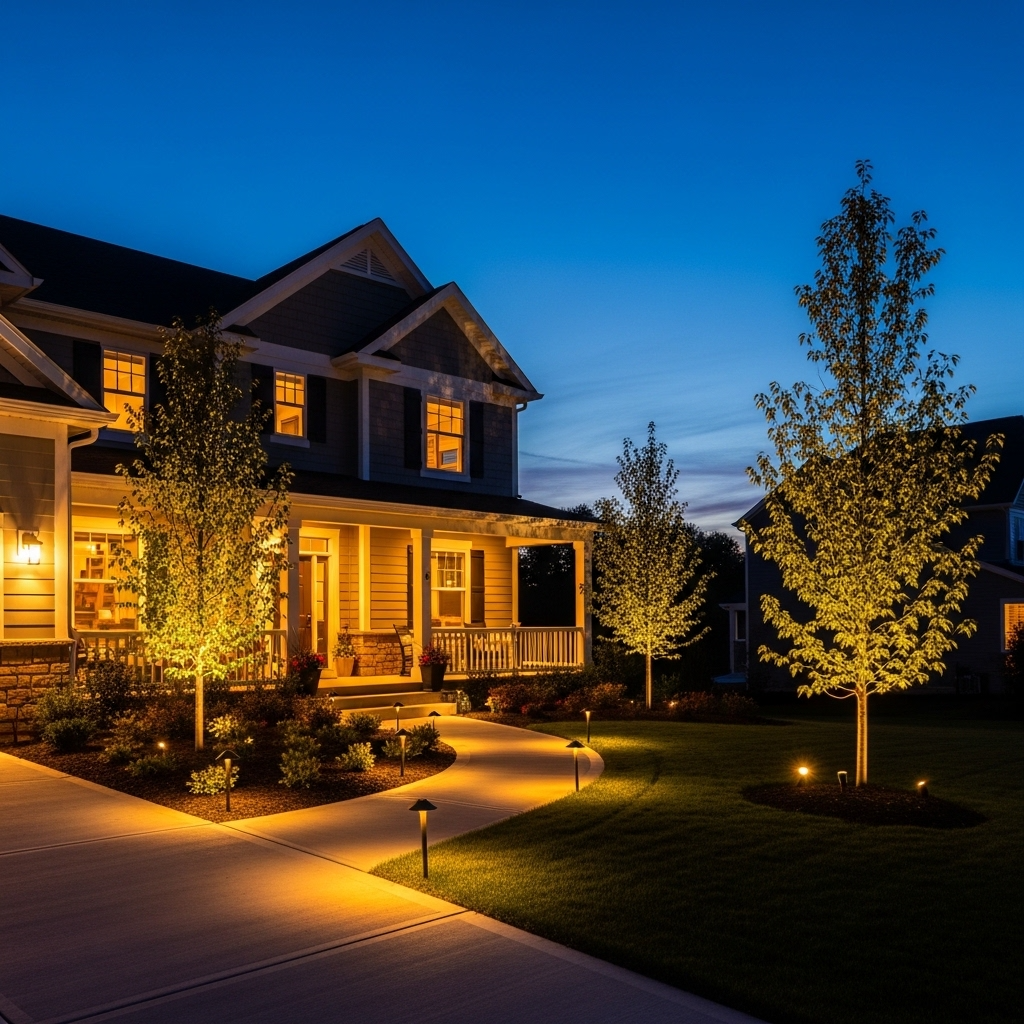
Outdoor lighting changes how your home feels after sunset. Soft lighting makes your home safer while also highlighting the best parts of your landscape. Focus on pathways, entry steps, trees, and textured walls. Warm lighting feels welcoming and gives the front yard a calm, upscale look.
Layer different types of lights instead of relying on one bright source. Use path lights for safety, uplights for trees, and sconces for entry zones. Good lighting makes details stand out and extends the enjoyment of your outdoor space into the evening.
Pro Tip: Choose warm white bulbs instead of cool tones for a softer and more natural look.
6. Window Box Gardens for Instant Charm
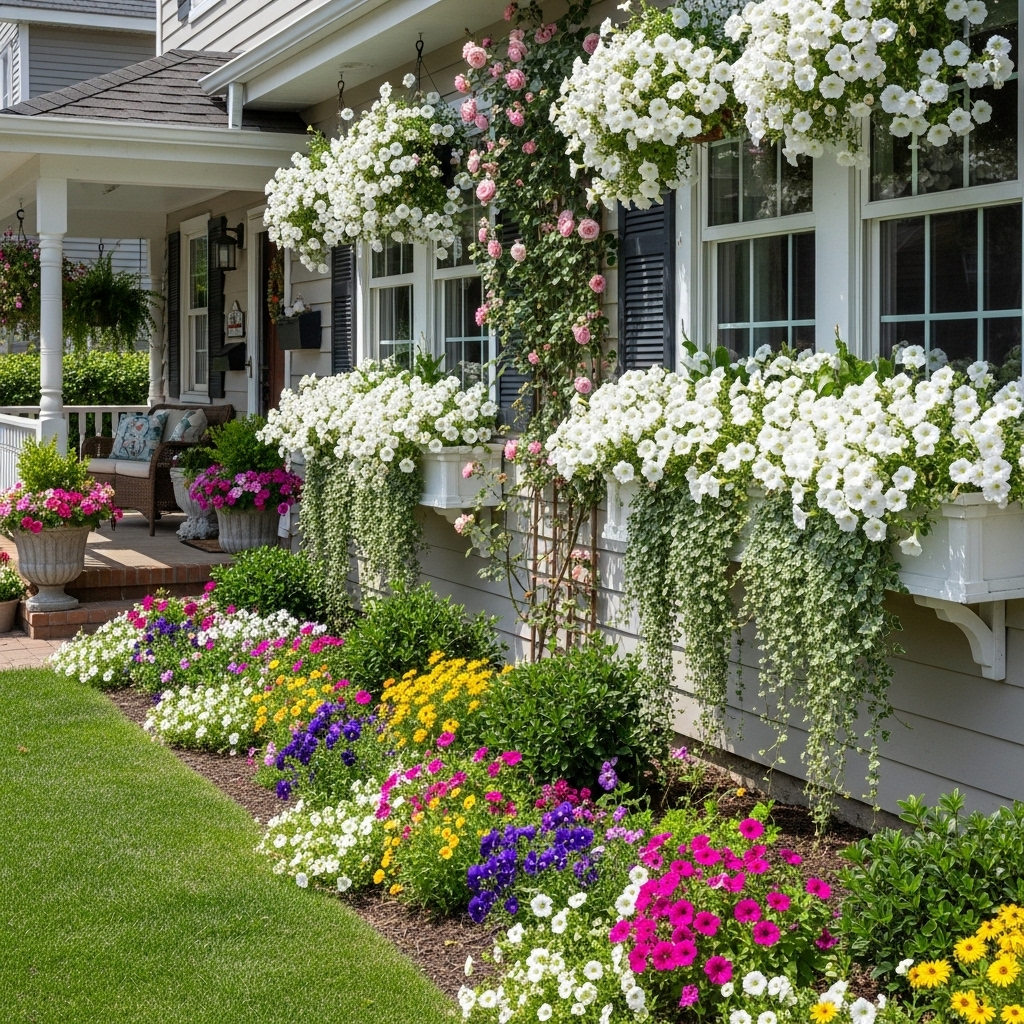
Window boxes add life and color at eye level, which helps your home feel warm and inviting from the street. They work especially well on homes with simple siding or large blank wall areas. By placing flowers and greenery under windows, you create balance and make the front elevation feel more finished.
Choose flowers that suit your sunlight conditions and mix upright blooms with trailing plants for texture. Keep colors in sync with your home’s exterior for a more polished look. This update can make older homes feel refreshed without major changes.
Pro Tip: Add drip trays or liners to protect your siding and make watering easier.
7. Defined Garden Edging for a Cleaner Finish
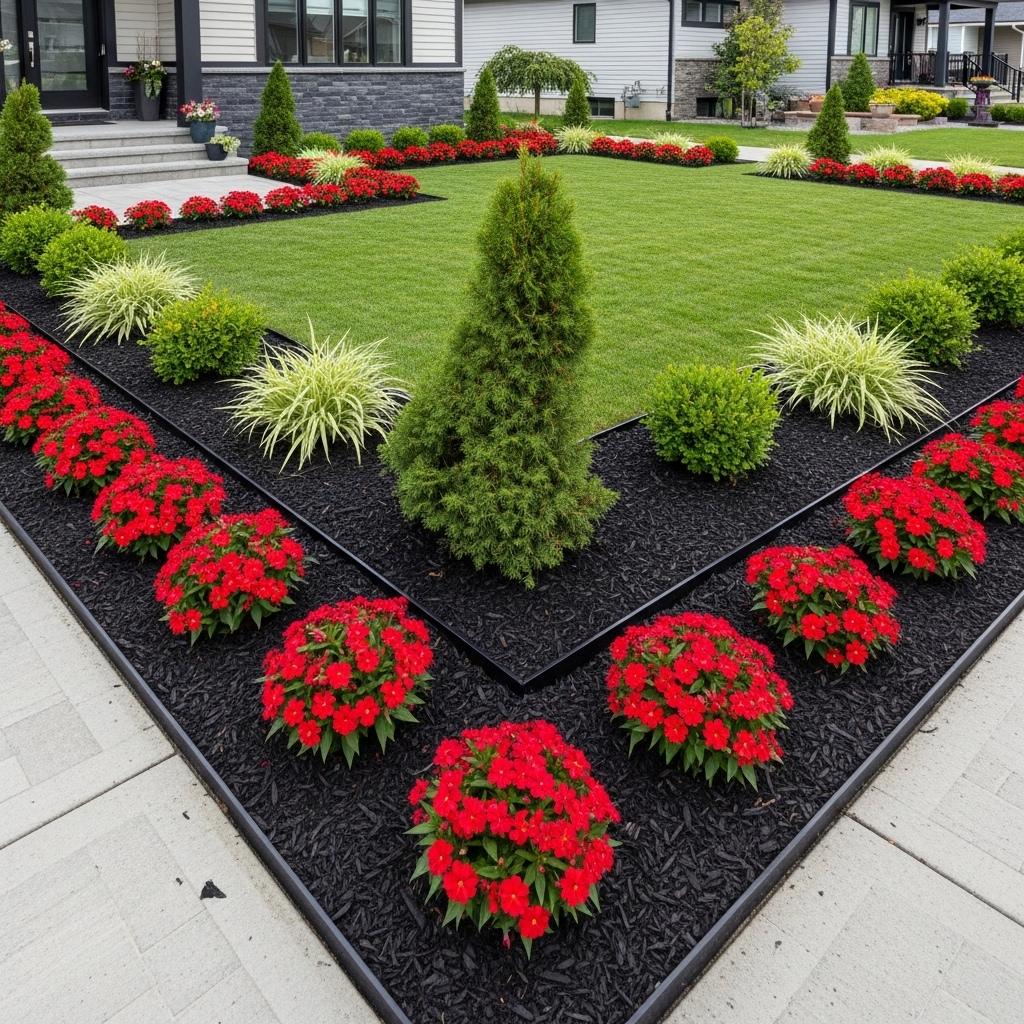
Clean edging creates clear boundaries between grass, beds, and walkways. It gives the yard a sharp, intentional look that instantly improves curb appeal. Even simple planting looks more attractive when borders look neat and well maintained.
Use metal, stone, brick, or trench edging depending on your style. Good edging also helps keep mulch in place and prevents grass from spreading into beds. This small detail often makes the biggest visual difference.
Pro Tip: Refresh edges every season to keep lines crisp and prevent overgrowth.
8. Small Accent Tree for Height and Structure
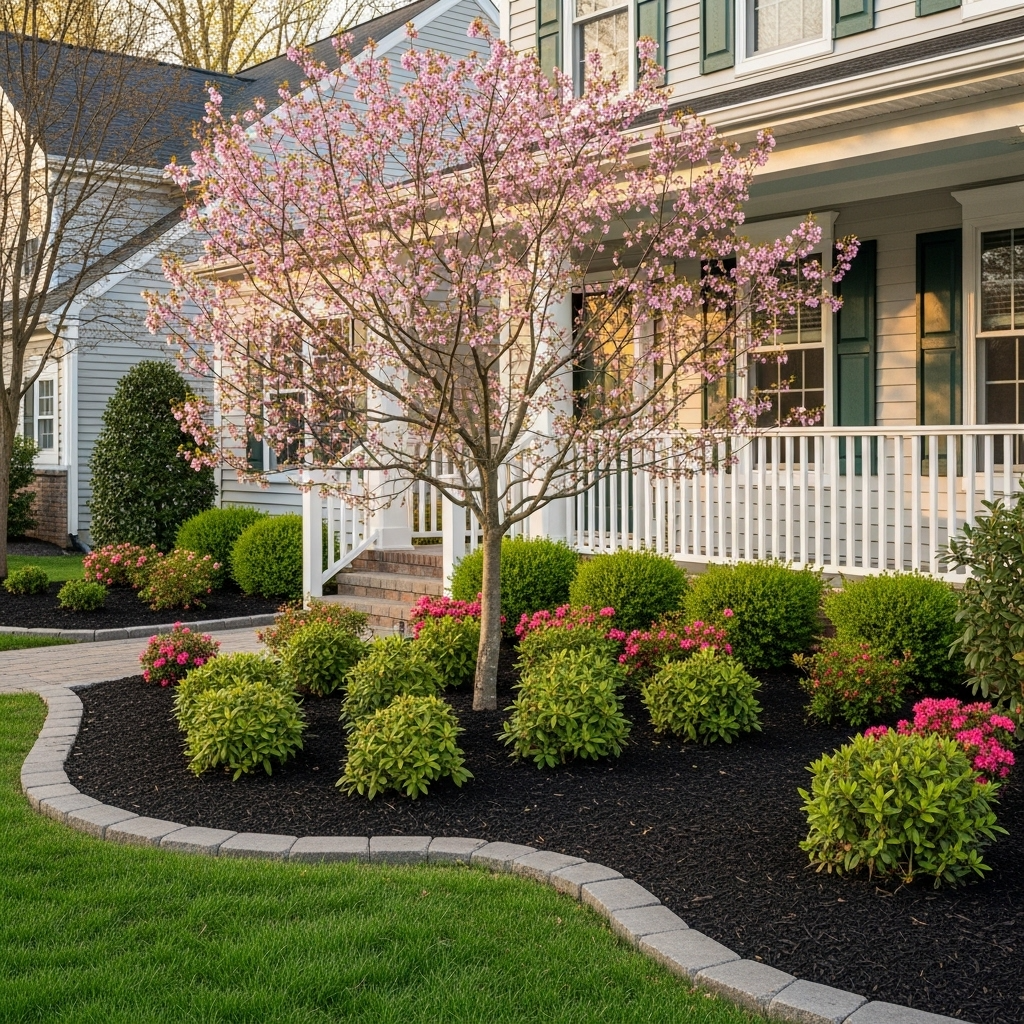
A small accent tree adds height, shape, and visual balance to your yard. It helps draw attention upward and can soften hard rooflines or empty corners. Trees also add seasonal beauty through blooms, foliage, or bark texture.
Choose a tree that fits the scale of your house and does not overwhelm windows or walkways. Ornamental trees like Japanese maple, dogwood, or crape myrtle can add beauty without taking over the space.
Pro Tip: Plant far enough from the foundation to protect roots and allow healthy growth.
9. Mixed Texture Planting for Year Round Interest
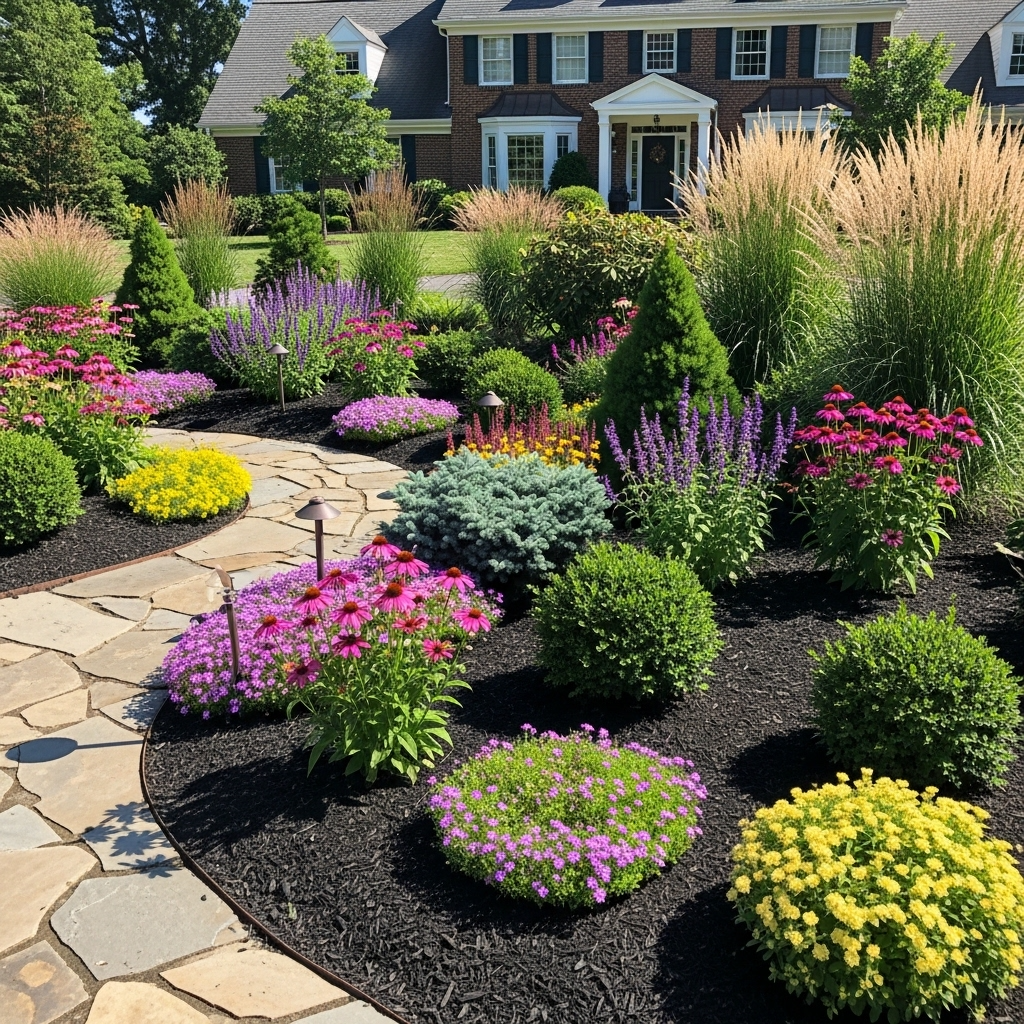
A front yard feels more dynamic when you mix textures instead of relying on one plant type. Blend soft grasses, glossy shrubs, broad leaves, and seasonal flowers to create depth. This keeps the landscape interesting in every season.
Texture also helps smaller spaces feel fuller without looking crowded. Focus on contrast in shape and size rather than using too many colors. This approach creates a more professional, designer look.
Pro Tip: Repeat plant groupings to create rhythm and make the yard feel cohesive.
10. Cozy Seating Nook Near the Entry
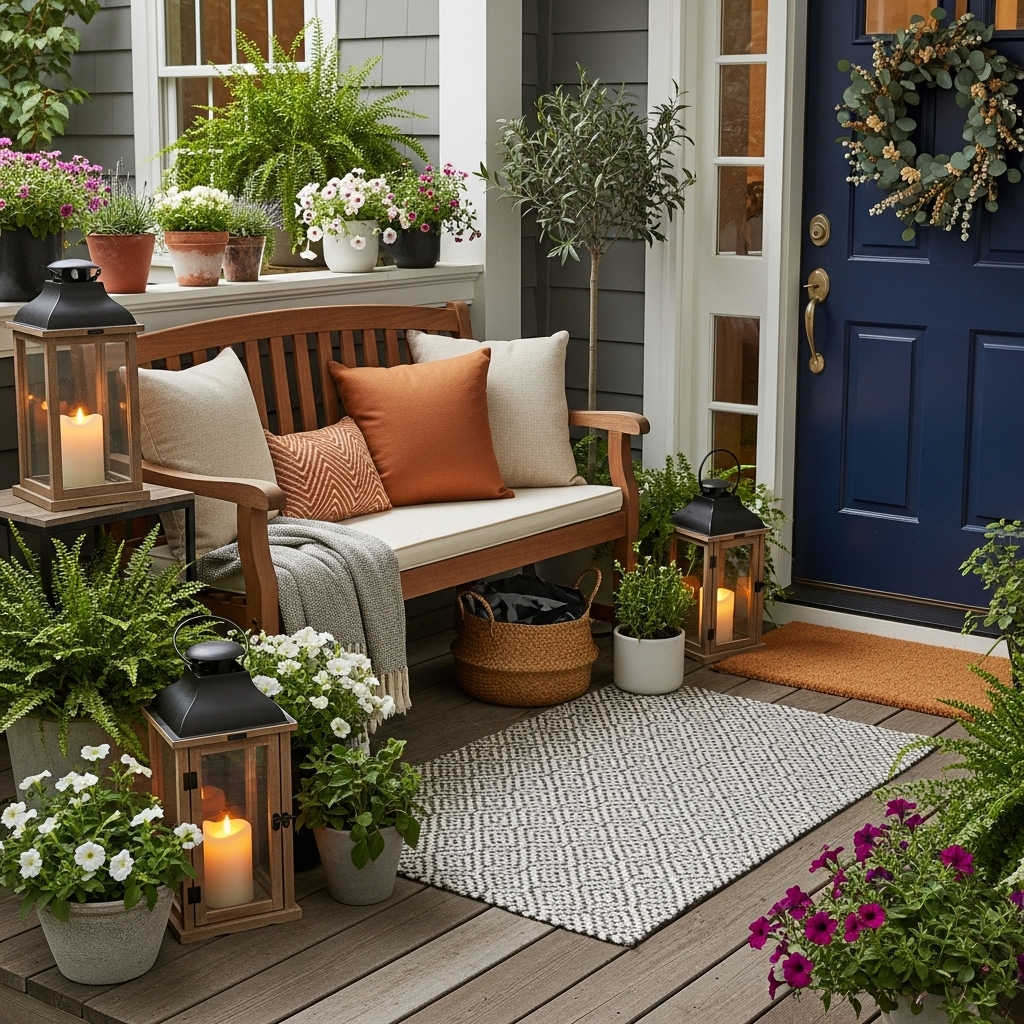
A small seating area near the front entry makes your home feel warm and lived in. A bench, pair of chairs, or porch swing can create a welcoming first impression. It also makes the space more useful for quiet mornings or evening relaxation.
Add soft touches like planters, cushions, and simple lighting to connect the seating area with the rest of your landscape. This idea helps the front of your home feel personal instead of purely decorative.
Pro Tip: Choose weather resistant materials that can handle sun, rain, and dust.
11. Mulch Beds That Instantly Refresh the Yard
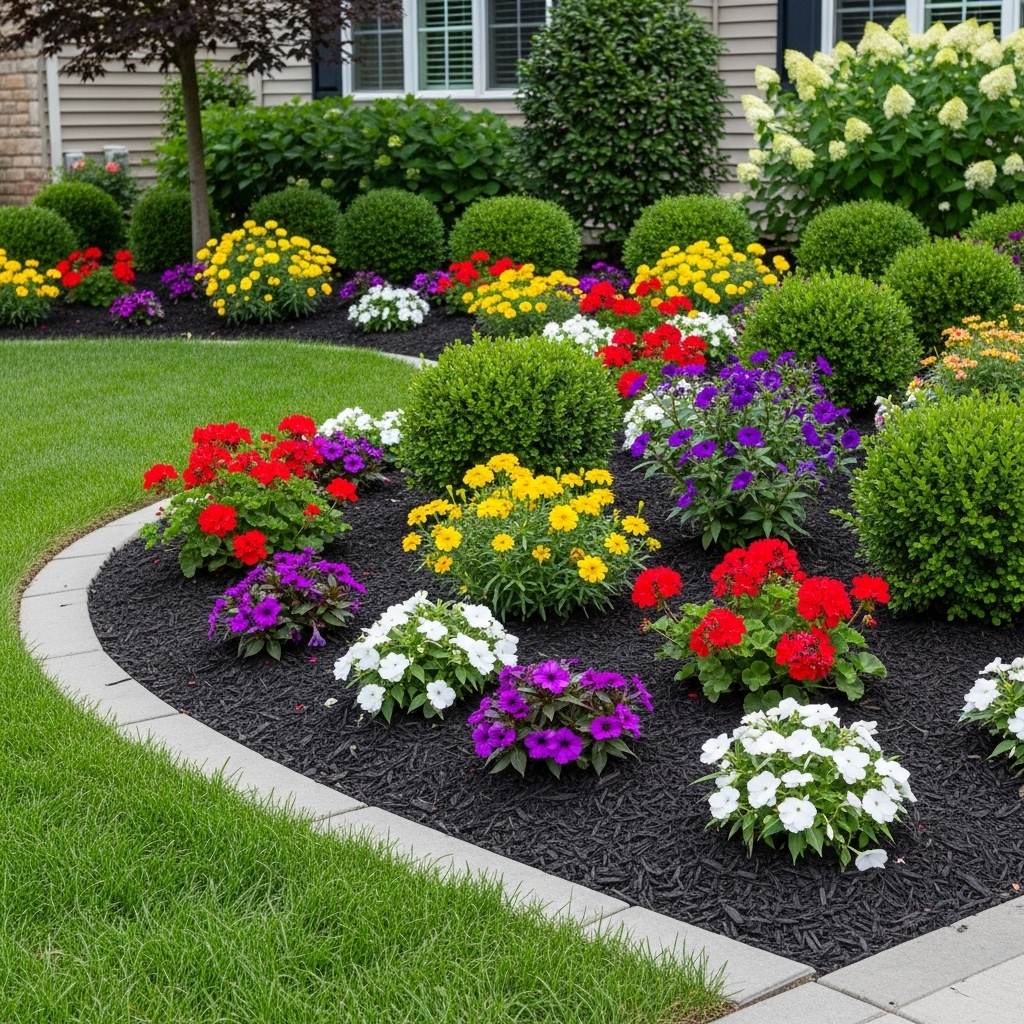
Fresh mulch can change the look of your front yard in a single day. It gives flower beds a clean, rich finish that makes plants stand out right away. Mulch also helps the soil stay cooler, keeps moisture in place, and cuts down on weeds. When the beds around your home look neat, the whole property feels more polished and better maintained.
Choose a mulch color that works with your home’s exterior. Dark brown or black mulch often creates strong contrast with green plants and flowers. Spread it evenly and keep it a few inches away from stems and tree trunks. This simple update makes older beds look fresh again and adds depth to your overall landscaping around house design.
Pro Tip: Add a two to three inch layer for the best mix of moisture control and clean curb appeal.
12. Native Plants for Easy Care Beauty
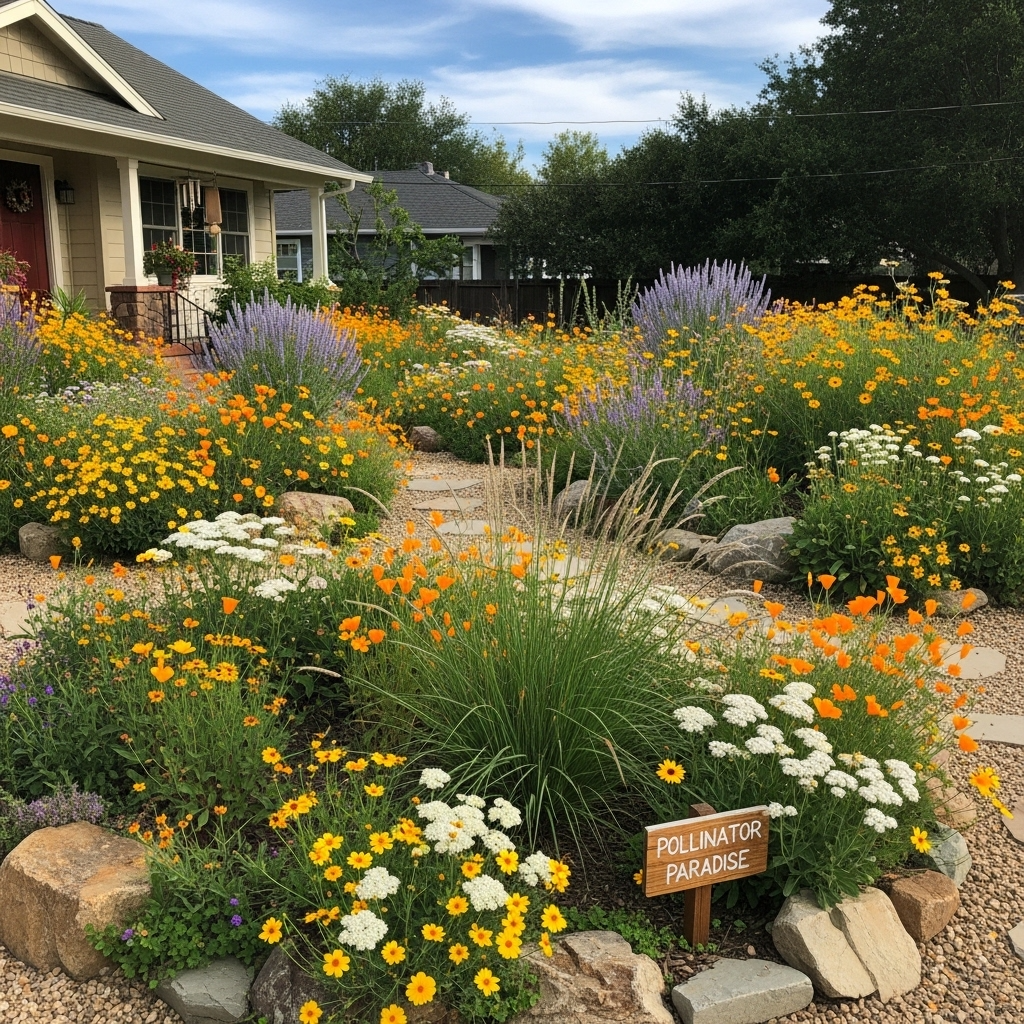
Native plants make front yard landscaping easier because they already suit your local climate. They usually need less water, less fertilizer, and less attention than plants that are not meant for your area. That makes them a smart choice if you want a beautiful yard without constant upkeep.
They also support pollinators like bees and butterflies, which helps create a healthier outdoor space. Mix native grasses, shrubs, and flowers with different bloom times so the yard stays colorful through the seasons. This idea keeps your yard attractive while making long term care much simpler.
Pro Tip: Ask a local nursery which native plants grow best in your sunlight and soil conditions.
13. Stone Borders for a Timeless Look
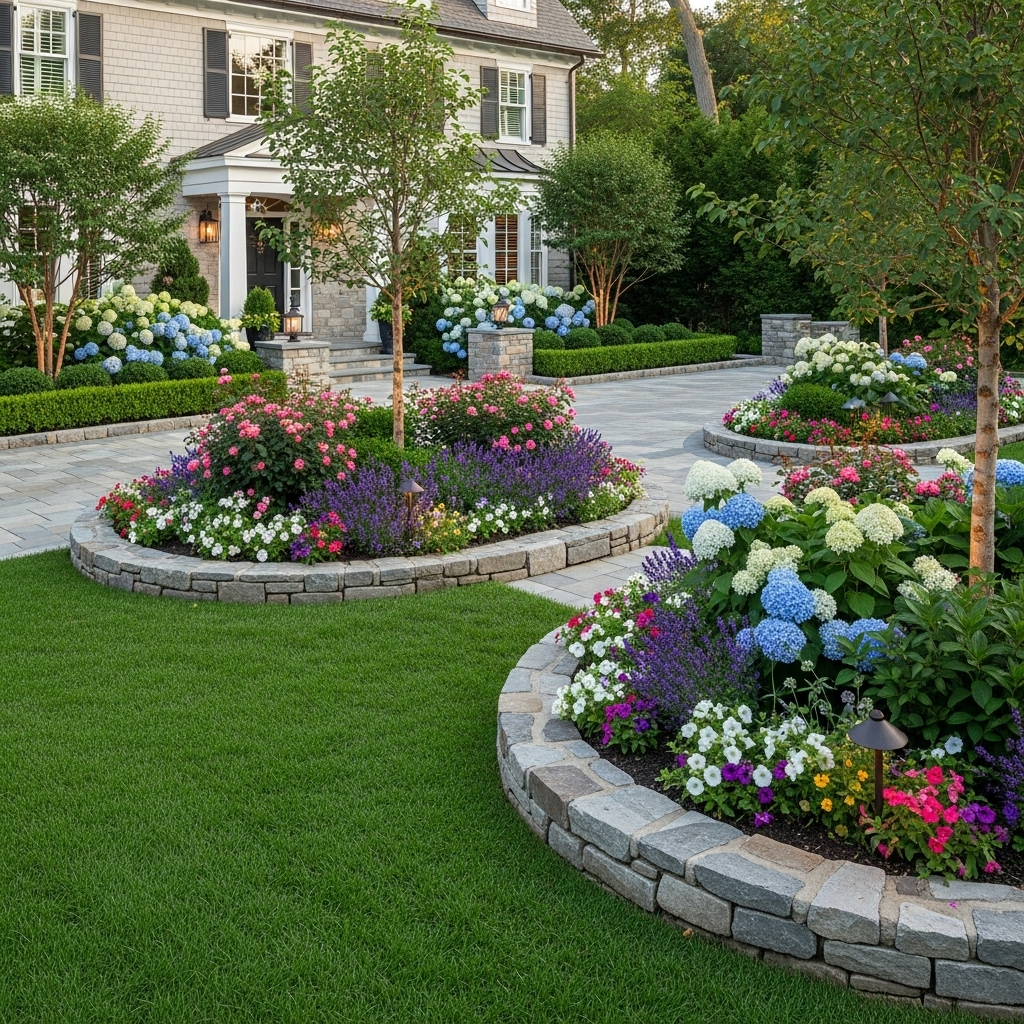
Stone borders give your landscape clear structure and make planting beds feel more intentional. They separate grass from flowers and shrubs in a way that looks clean and refined. Stone also adds texture that works with almost every home style, from traditional to modern.
Use curved lines if you want a softer, more welcoming look. Straight stone edges work well for a sleek design. Pick tones that match your walkway, siding, or trim for a cohesive finish. This small upgrade adds lasting curb appeal and helps keep beds neat.
Pro Tip: Set stones slightly into the ground so they stay stable and look professionally installed.
14. Front Porch Greenery for a Welcoming Entry
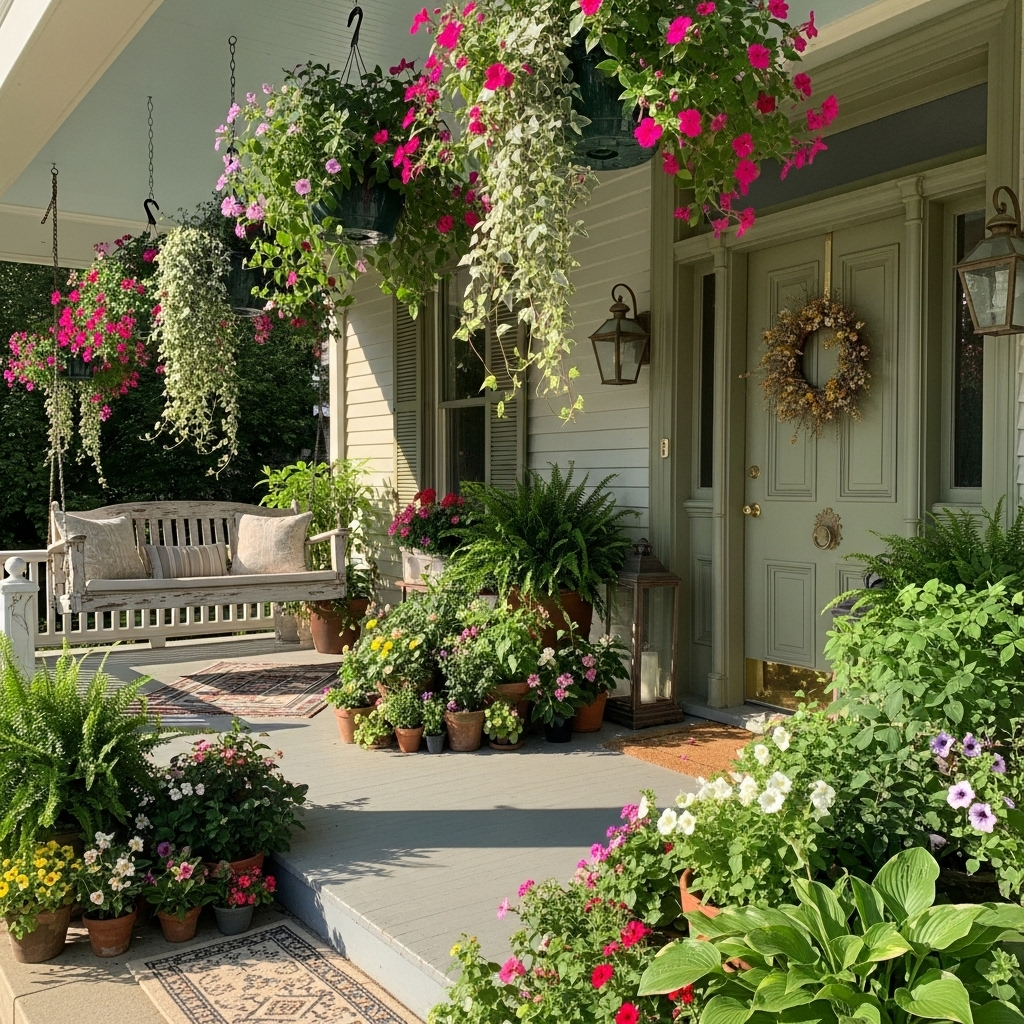
Adding plants to your porch helps connect your home to the rest of the yard. Greenery near the front door softens hard surfaces and makes the entrance feel warmer. Even a few pots near steps or corners can make a big difference in first impressions.
Mix plant heights to create a balanced look. Use tall planters by the door, medium pots near steps, and hanging baskets if space allows. Keep the look simple so the porch feels styled but not crowded. This is an easy way to add charm without changing the full landscape.
Pro Tip: Choose containers in similar colors or materials to keep the entry looking polished.
15. Privacy Shrubs That Still Feel Stylish
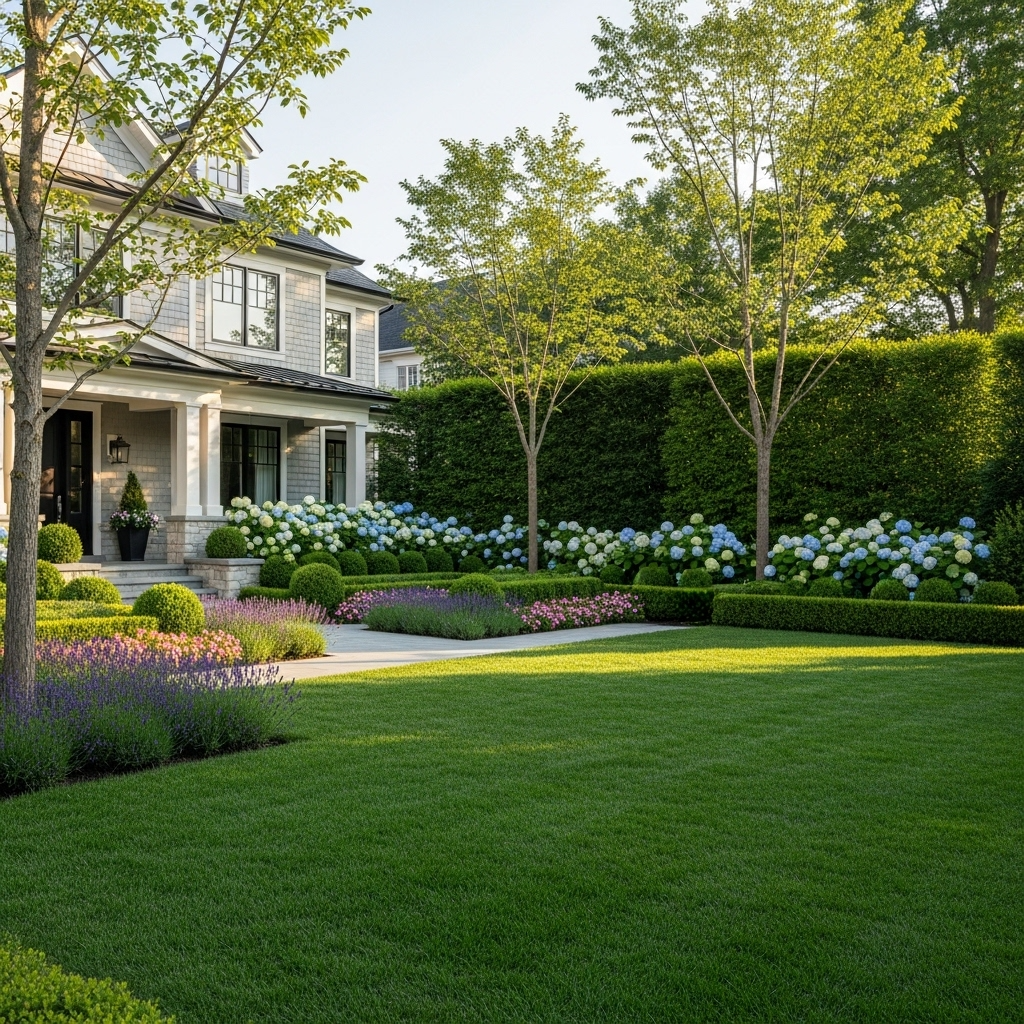
Privacy shrubs help create a more peaceful front yard while still looking attractive. They can soften fences, screen views from the street, and make the space feel more comfortable. The right placement adds beauty without making the yard feel closed off.
Choose shrubs that fit your maintenance level and yard size. Evergreen shrubs offer year round coverage, while flowering varieties add seasonal interest. Leave enough space for plants to mature naturally. Well placed privacy shrubs make the front of your home feel more complete.
Pro Tip: Plant in loose layers instead of rigid rows for a softer, more natural design.
16. Decorative House Numbers with Plant Framing
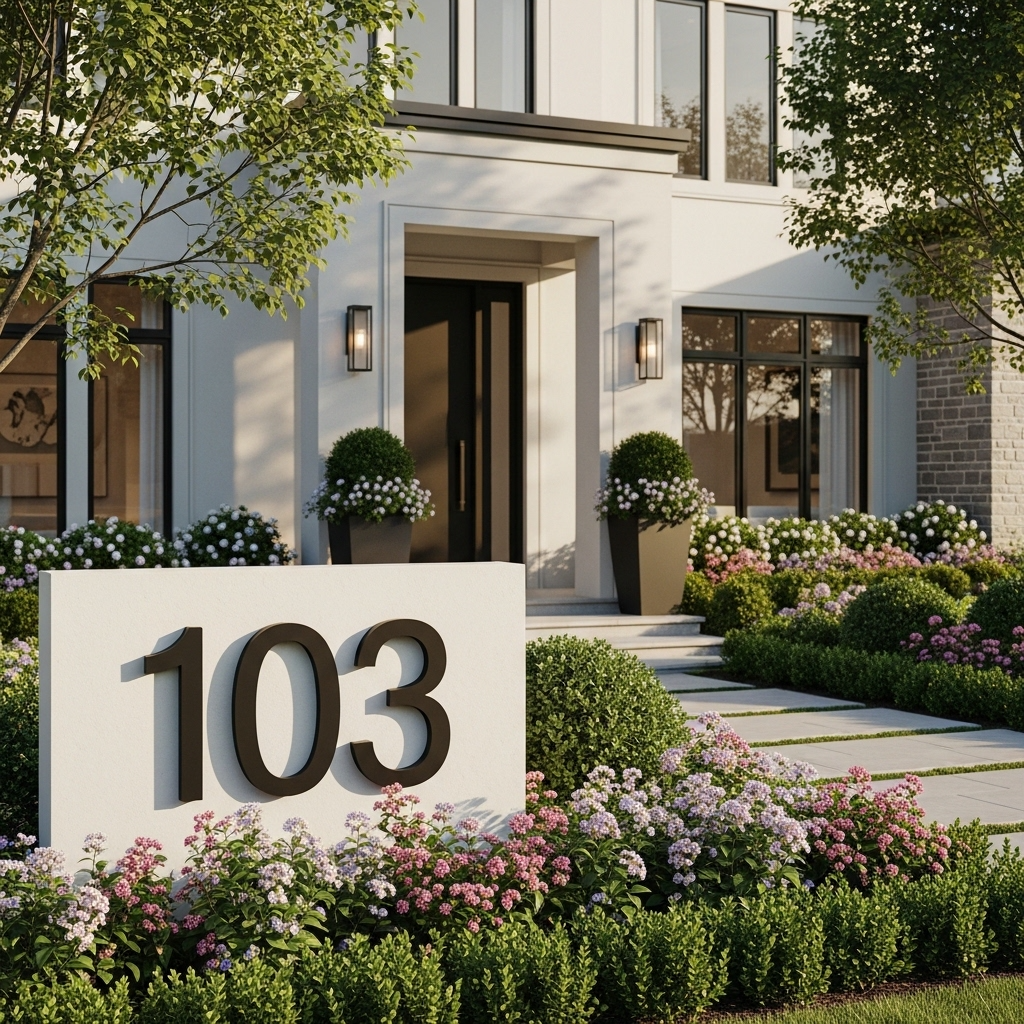
Decorative house numbers can do more than help visitors find your home. When chosen well, they become part of the overall exterior design. Bold, easy to read numbers add personality and make the front entry look more polished. This small detail can lift the entire appearance of your home without requiring a large project.
Framing the area with low greenery or compact flowers helps the numbers stand out while blending them into the landscape. Keep the surrounding plants tidy so the feature feels intentional. This simple upgrade improves both style and function, especially when your front wall or entry area feels plain.
Pro Tip: Pick a finish that matches your door hardware or outdoor lighting for a more cohesive look.
17. Rain Garden for Beauty and Better Drainage
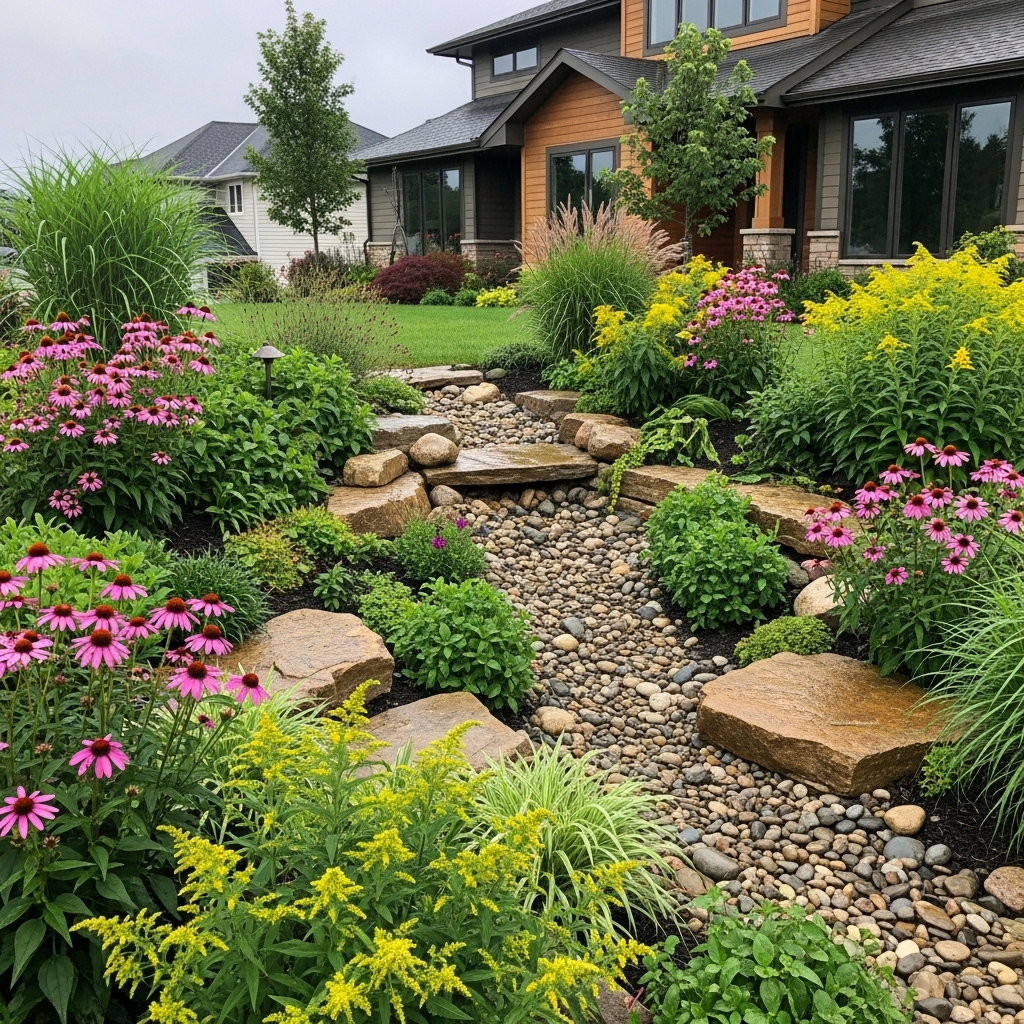
A rain garden is a smart solution if water collects near your driveway, downspouts, or front beds. It captures runoff and helps it soak into the soil slowly instead of pooling near your home. This protects your foundation and keeps muddy spots from ruining your yard’s appearance.
Use moisture loving plants, native grasses, and decorative stone to make the area look attractive. A well designed rain garden can feel like a natural feature rather than a drainage fix. It adds texture, supports pollinators, and solves a common problem in a beautiful way.
Pro Tip: Place the rain garden where water already flows naturally, but keep it away from your home’s foundation.
18. Raised Flower Beds for Added Depth
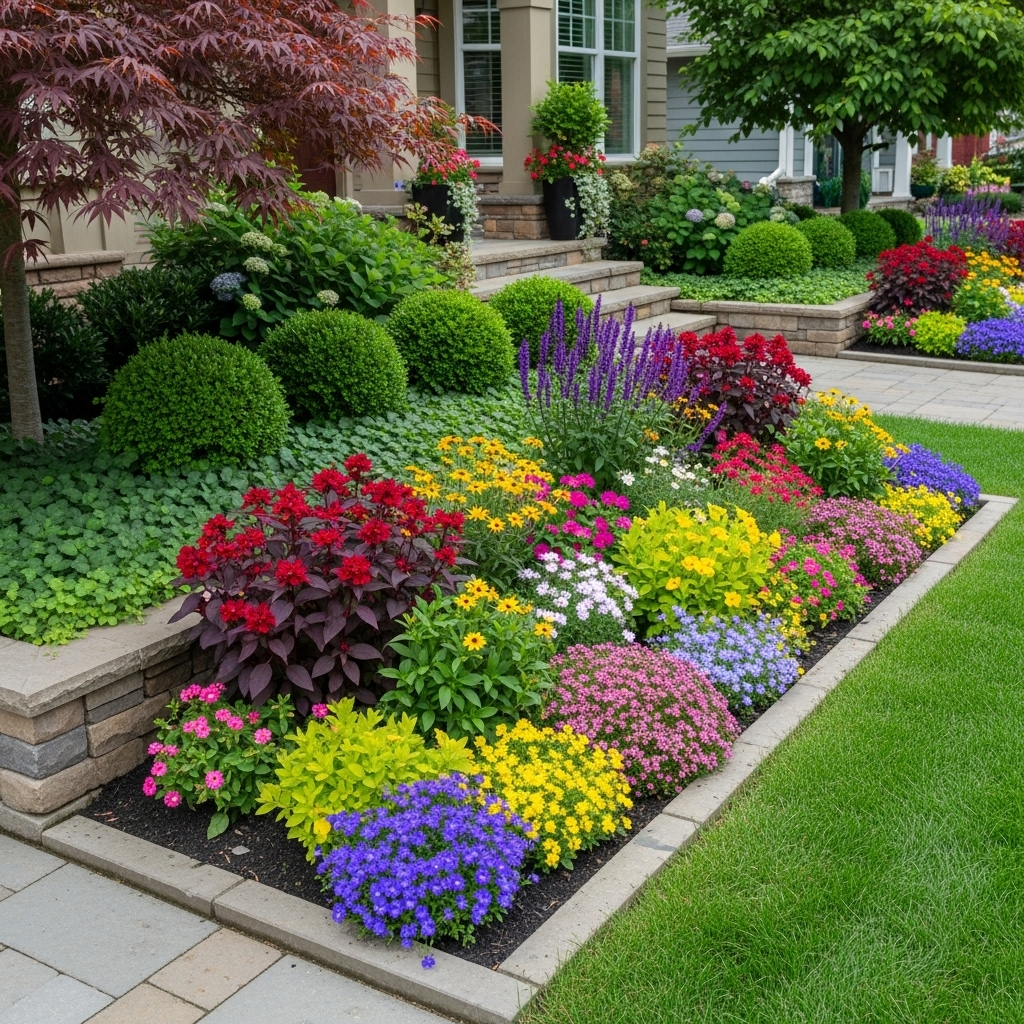
Raised flower beds help flat front yards feel more layered and interesting. They create height, define planting zones, and make flowers easier to see from the street. Raised beds also improve drainage, which helps plants grow better and stay healthier.
Choose materials that match your home’s style, such as wood for a softer look or stone for a classic finish. Fill beds with a mix of evergreen structure and seasonal color so they stay attractive all year. This idea adds dimension and makes the front yard feel more thoughtfully designed.
Pro Tip: Keep raised beds proportional to your home so they enhance the space without overpowering it.
19. Vertical Trellis Accents for Blank Walls
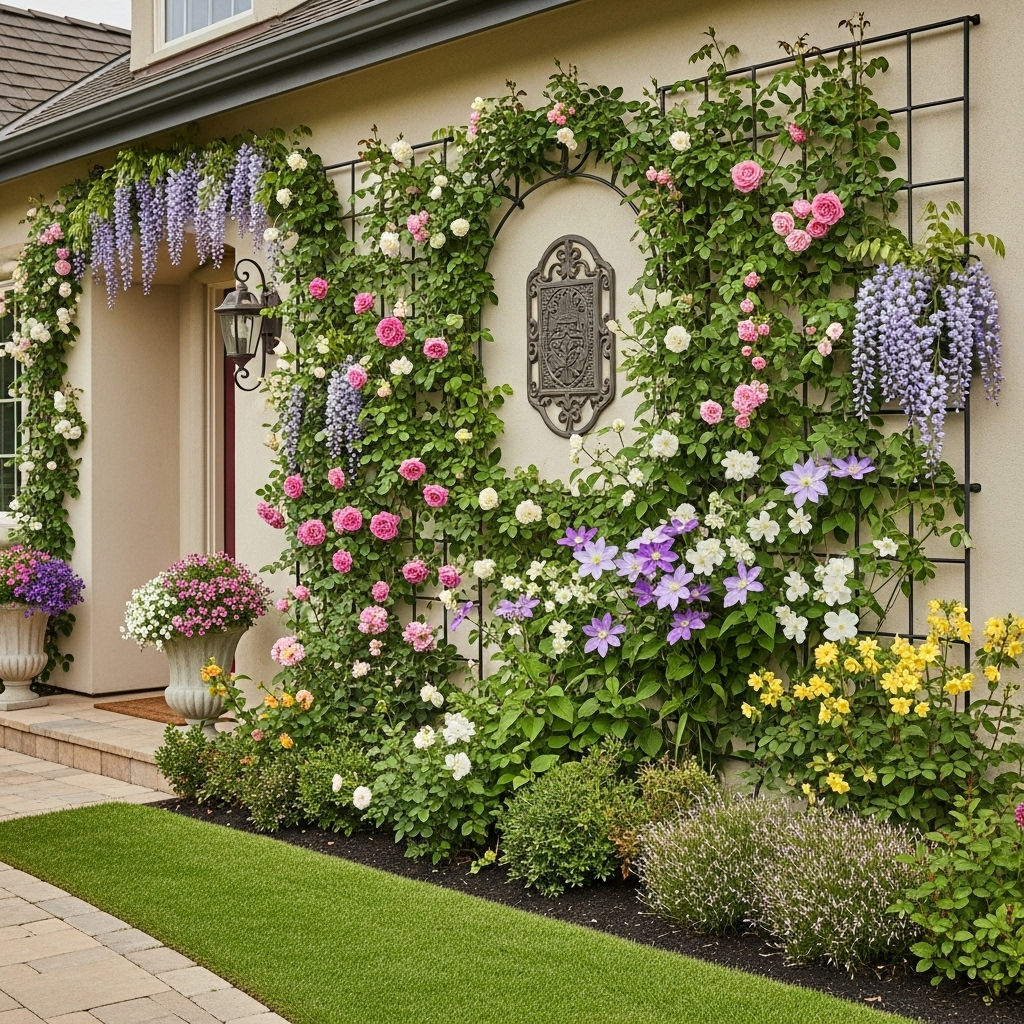
Blank exterior walls can make the front of a home feel flat or unfinished. A vertical trellis adds height, texture, and charm without taking up much space. It helps soften hard surfaces and draws the eye upward, which can make the home feel more balanced.
Choose climbing plants that suit your climate and light conditions. Flowering vines, ivy, or trained greenery can all work well. Keep the trellis secure and allow airflow between the wall and plants. This is a simple way to make unused wall space feel intentional and beautiful.
Pro Tip: Choose non invasive climbing plants that are easy to prune and control.
20. Seasonal Color Rotation for Fresh Appeal
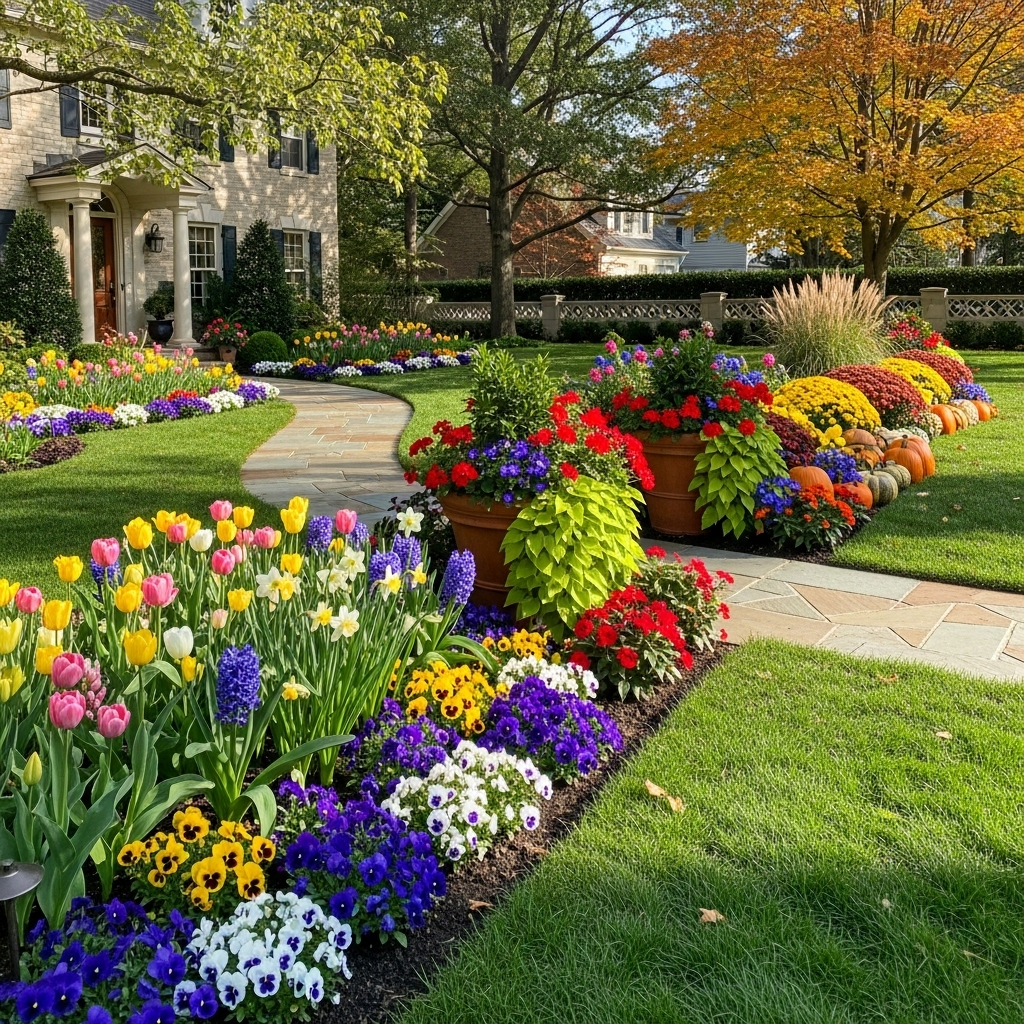
Changing a few plants with the seasons keeps your front yard looking lively all year. Spring flowers bring freshness, summer blooms add fullness, and fall plants add warmth and texture. Even winter greenery can help the yard feel cared for when everything else looks bare.
Focus on key spots like planters, porch steps, and front beds so updates feel manageable. Keeping a simple color palette helps the changes feel coordinated instead of busy. Seasonal rotation is an easy way to keep your home looking current and welcoming.
Pro Tip: Choose one main accent color each season to create a cleaner, more stylish look.
21. Decorative Gravel Side Paths for Function and Style
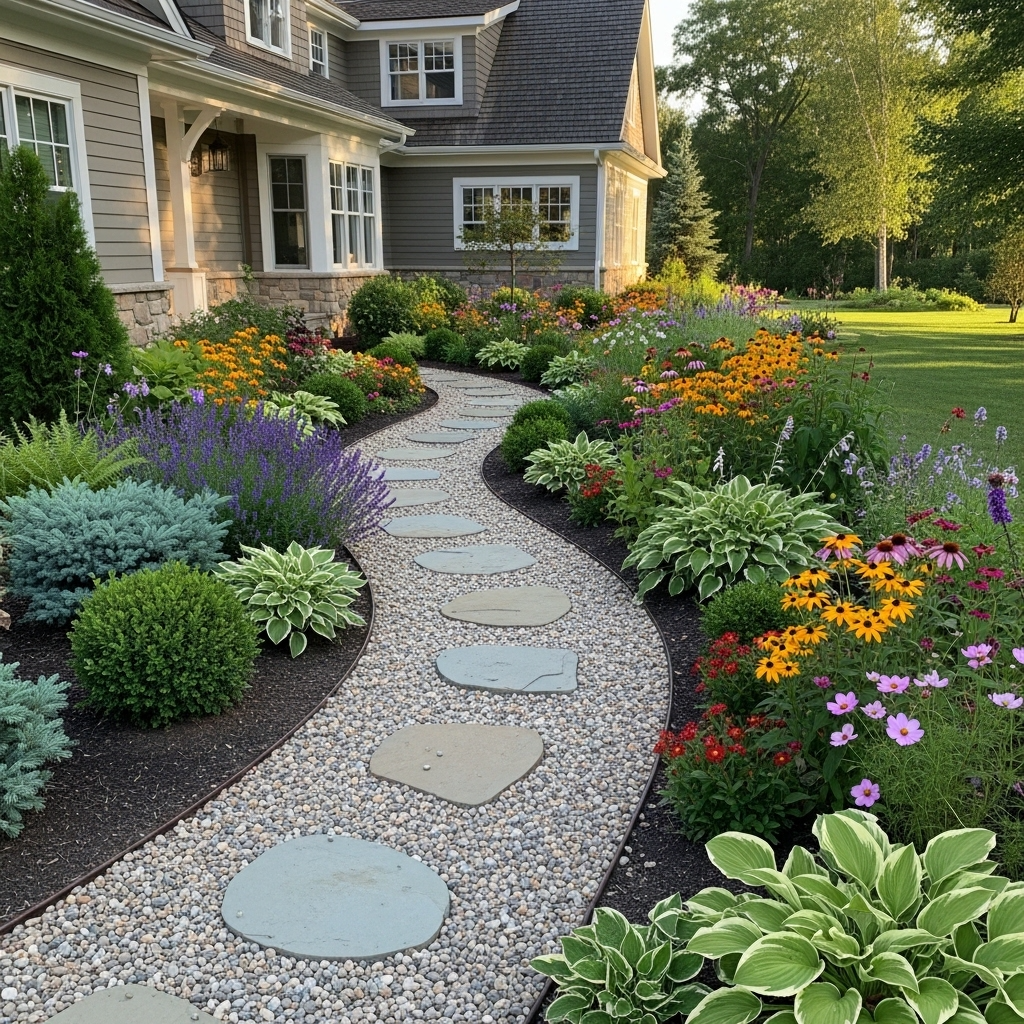
Side yards often get overlooked, but they affect how finished your home feels. A gravel side path adds clean access while improving drainage and reducing muddy areas. It also helps tie the front and back of the home together in a more intentional way.
Use edging to keep gravel in place and add stepping stones for easier walking. A few simple plants along the path can soften the look and make the area feel less forgotten. This practical upgrade improves both everyday use and overall curb appeal.
Pro Tip: Use a compacted base layer under gravel so the path stays level over time.
22. Bird Friendly Garden Touches for a Lively Yard
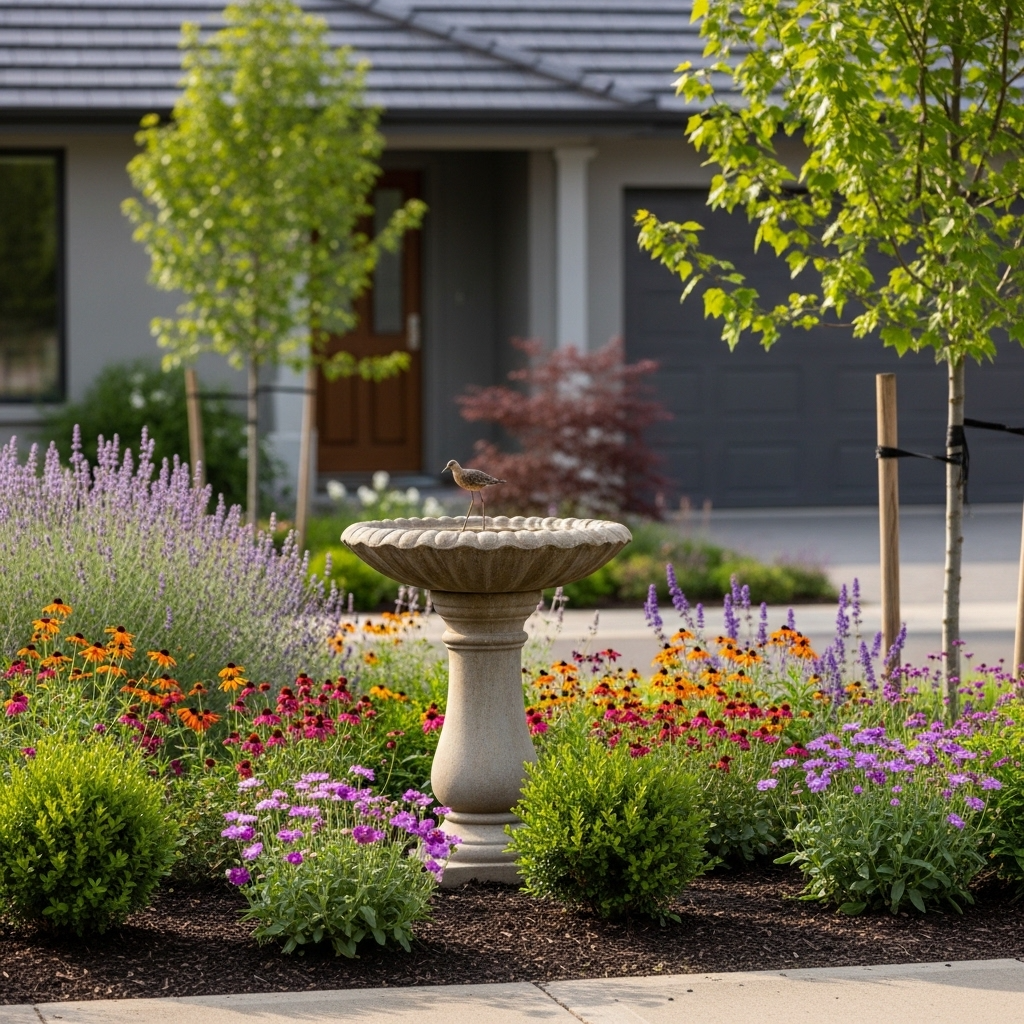
A bird friendly front yard adds movement and life that makes the space feel more peaceful. Simple touches like a bird bath, feeder, or native flowers can attract birds and pollinators. These features make your yard feel more inviting and enjoyable without requiring a major redesign.
Blend bird friendly elements into your existing landscape so they feel natural. Place them where you can enjoy the view from a window or porch. Small details like this make your front yard feel more personal and connected to nature.
Pro Tip: Keep bird baths clean and place them near shrubs so birds feel safer.
23. Fresh Lawn Edges and Regular Trimming for a Finished Look
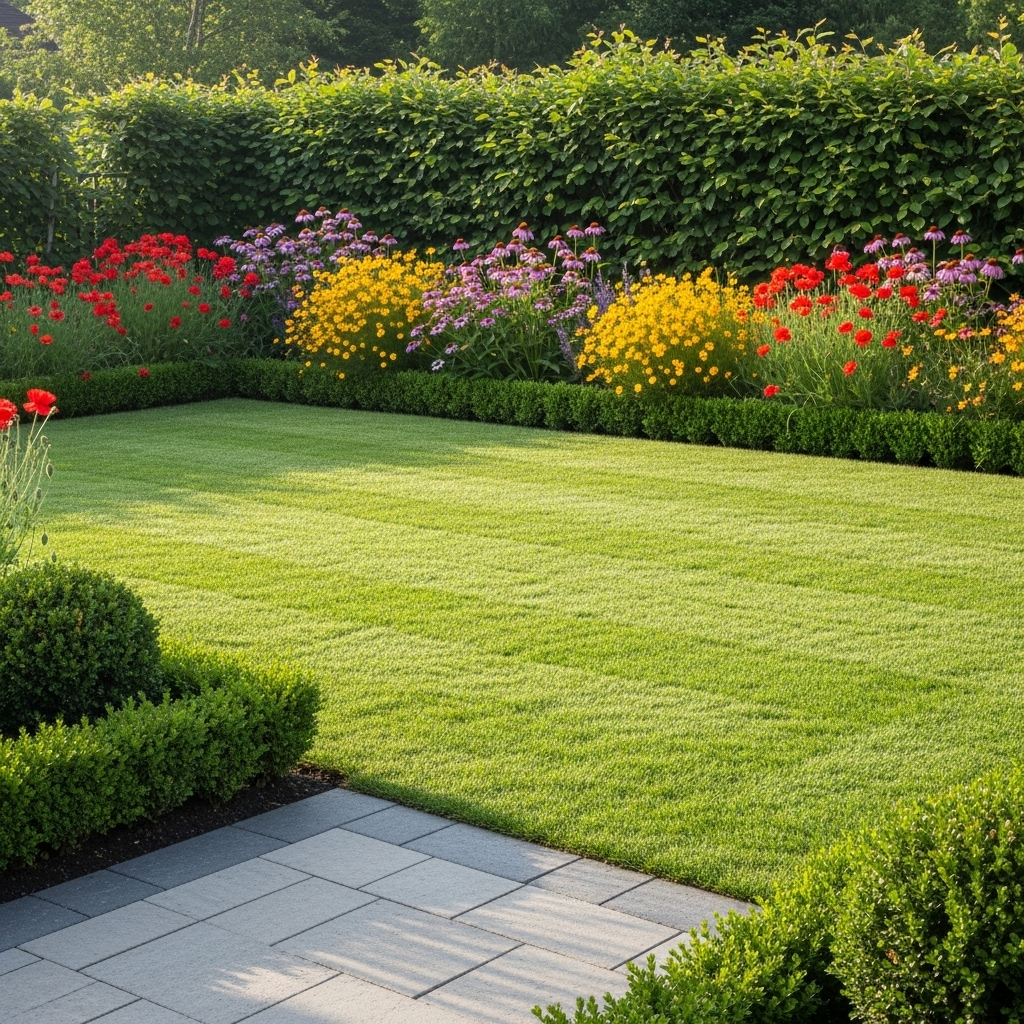
Even beautiful landscaping can lose its impact if the lawn looks overgrown. Sharp edges, trimmed grass, and clean borders instantly make the whole yard look more polished. This basic habit brings all your other landscaping work together and keeps the front of your home looking cared for.
Focus on edging along sidewalks, driveways, and flower beds. Clean lines create structure and make the yard feel intentional. Regular trimming may seem simple, but it often makes the biggest difference in how neat and welcoming your home feels.
Pro Tip: Trim edges after mowing so the final look feels crisp and complete.
FAQs
What is the easiest way to improve curb appeal fast?
Start with fresh mulch, trimmed plants, clean edging, and updated lighting. These changes create instant visual impact without a large budget.
How do I choose the right plants for my front yard?
Match plants to your local climate, sunlight, soil type, and maintenance goals. Native plants often perform best.
Does landscaping increase home value?
Yes. Well-planned exterior upgrades can improve first impressions and support stronger resale value.
How often should front yard landscaping be updated?
Refresh mulch yearly, prune seasonally, and review plant health every few months to keep the space looking cared for.
Conclusion
Beautiful landscaping around house spaces do not require a massive renovation. Thoughtful updates like layered planting, curved paths, statement containers, rock beds, and warm lighting can completely change how your home looks and feels. Focus on choices that match your lifestyle, climate, and maintenance comfort. Small smart changes often create the biggest long-term results.