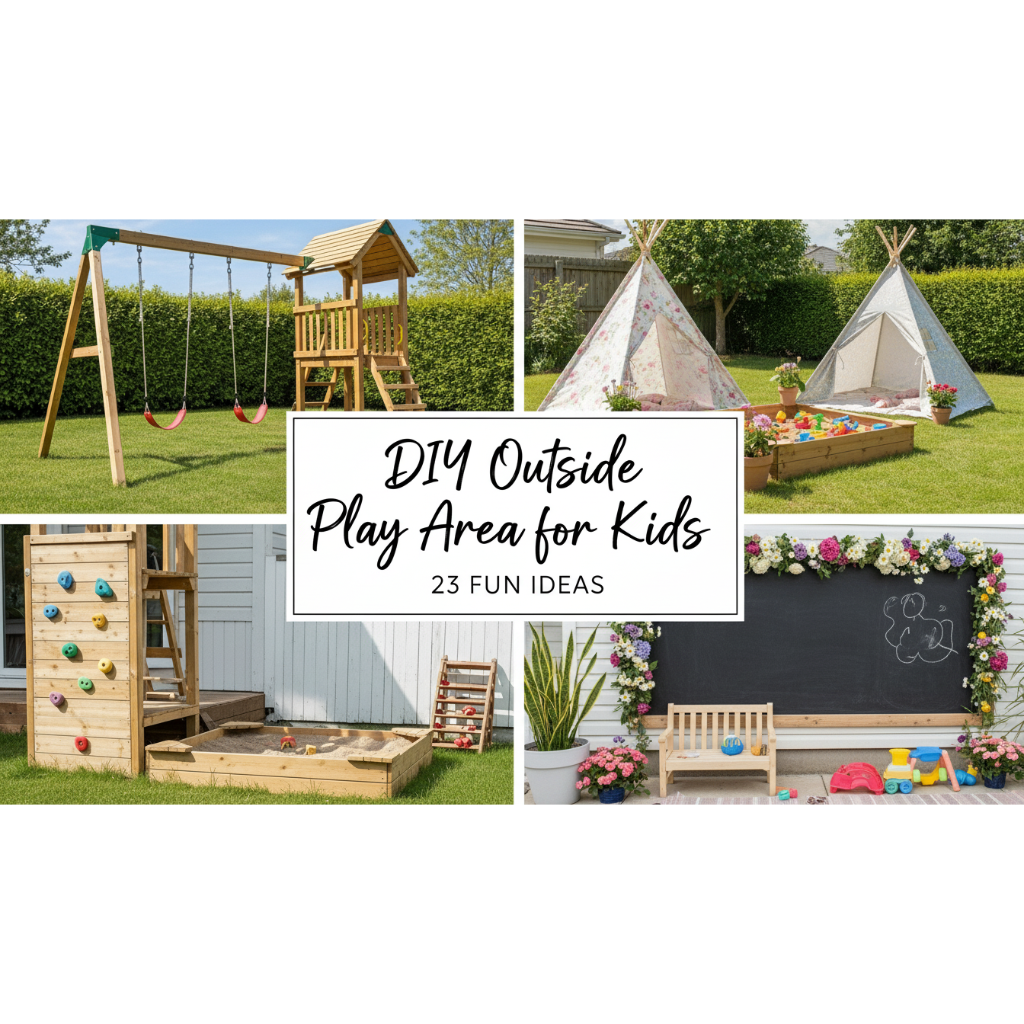
DIY Outside Play Area for Kids: 23 Fun Ideas
Creating a DIY outside play area for kids can turn an ordinary backyard into a space full of adventure, learning, and daily joy. A thoughtful outdoor play zone helps children stay active, build confidence, and explore their imagination in a safe setting. The best part is that you do not need a huge budget or a professional setup to make it work.
This guide shares fresh and practical ideas that are easy to build, family friendly, and designed for real homes. Each idea includes a clear image prompt, rich descriptions, and a practical tip so you can create a fun outdoor space that your children will want to use every day.
1. Backyard Mud Kitchen
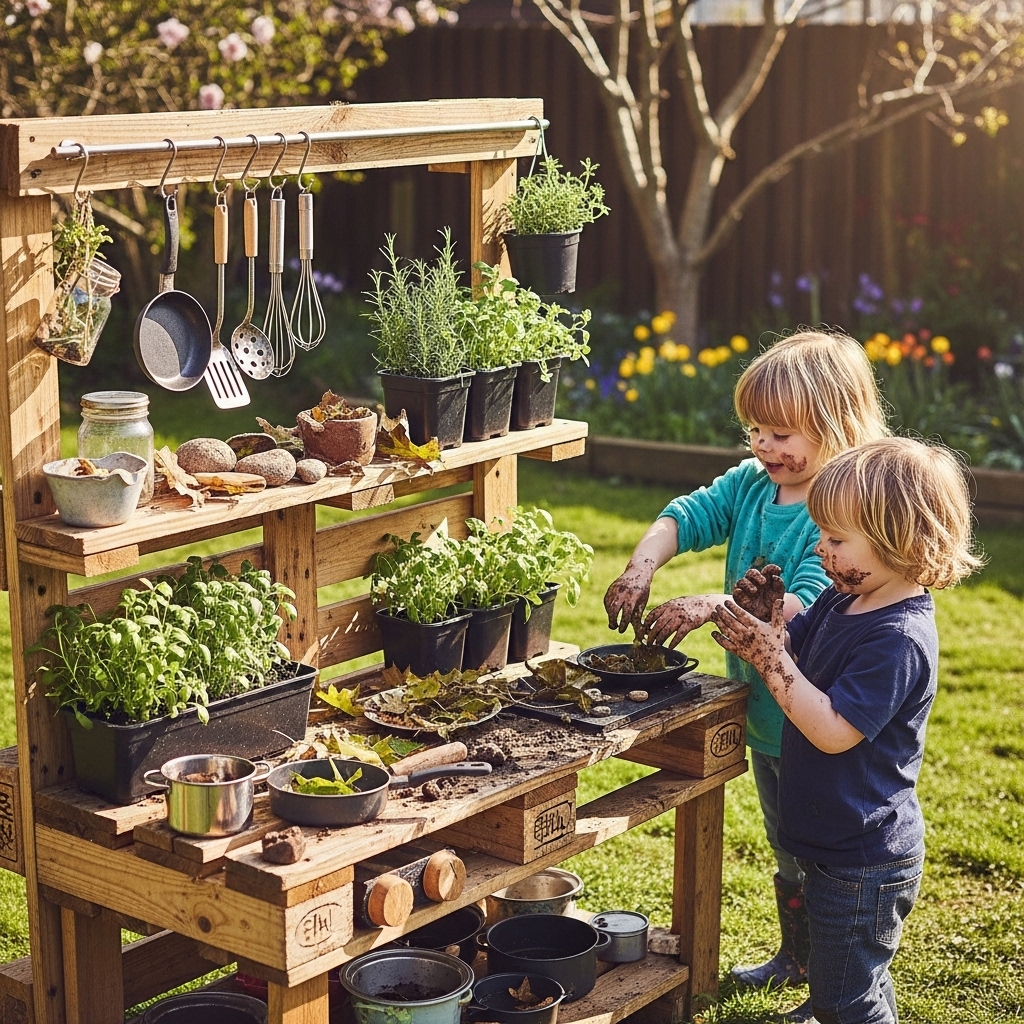
A mud kitchen gives children a hands-on space to mix, pour, scoop, and create. It encourages sensory play while helping them explore textures, water, and natural materials. You can build one from old pallets, crates, or a small bench. Add bowls, spoons, and recycled containers to create a setup that feels exciting and useful.
This type of outdoor play area also supports pretend play and social skills. Kids often spend hours making pretend meals, collecting leaves, and creating little recipes. Place the kitchen in a shaded corner to keep it cool and comfortable. A simple mud station can become one of the most loved parts of your backyard.
Pro Tip: Add hooks and baskets to keep tools organized and make cleanup easier.
2. DIY Sandbox Corner
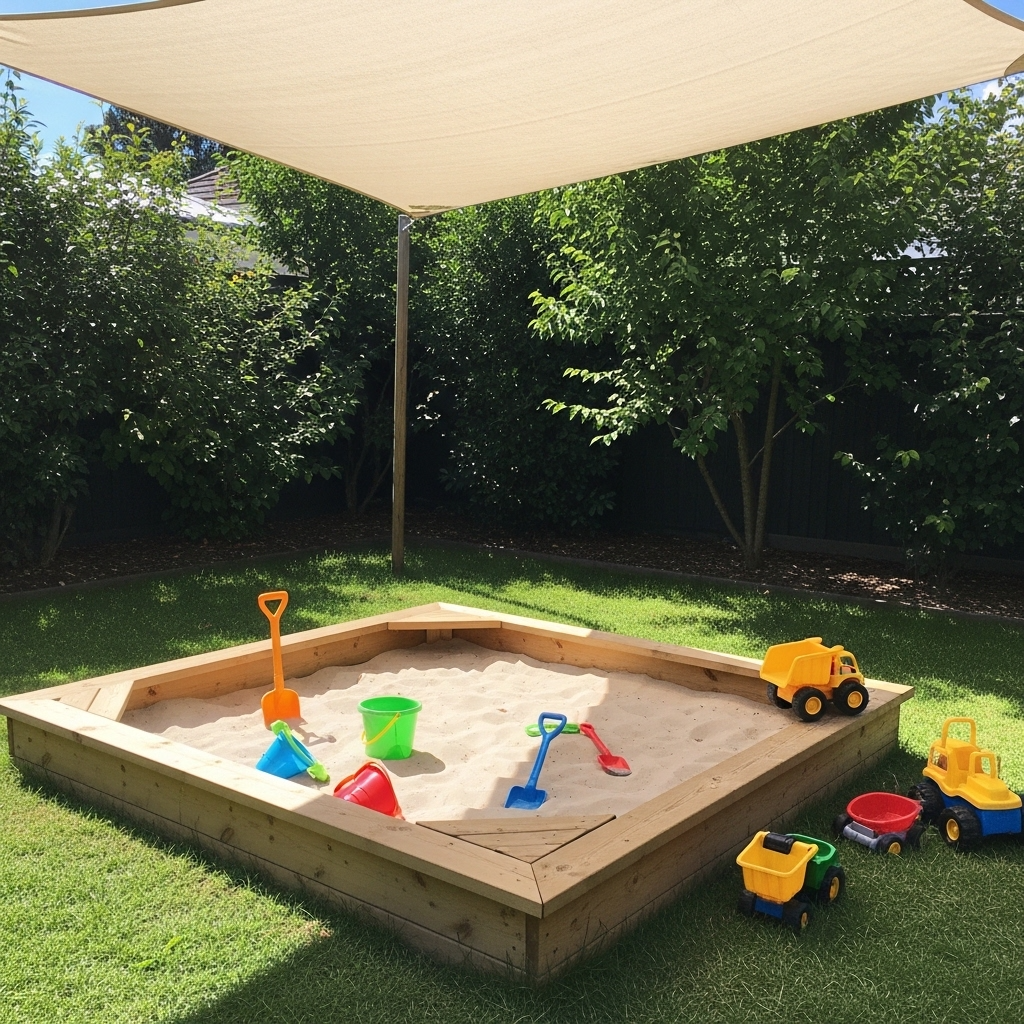
A sandbox creates endless chances for digging, building, and creative play. Kids can make castles, roads, and little worlds using simple tools and toys. A framed wooden sandbox is easy to build and can fit into small or large spaces. Use soft play sand and make sure the area drains well after rain.
To make it more inviting, add a bench edge where children can sit and play comfortably. Shade matters in warmer weather, so consider a canopy or umbrella. A covered sandbox also keeps it clean when not in use. This simple setup supports focus, fine motor skills, and open-ended play every day.
Pro Tip: Use a fitted cover to protect the sand from pets, rain, and debris.
3. Tire Climbing Zone
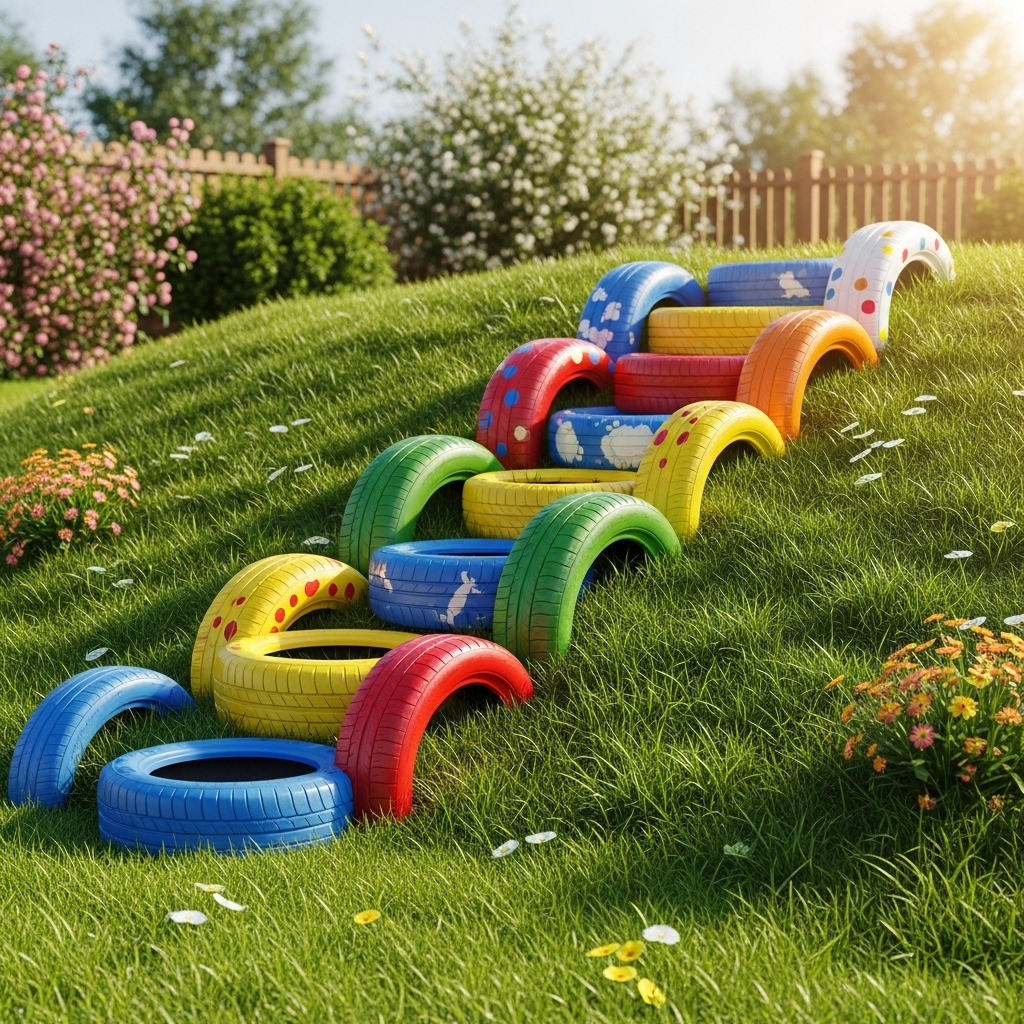
Old tires can become a fun climbing and balance area with very little effort. You can stack them, half bury them, or place them in a trail pattern. Children love stepping, jumping, and balancing across different levels. This kind of play improves strength, coordination, and confidence while making outdoor time more exciting.
Paint the tires in bright colors to make the space feel lively and playful. Make sure each tire is secure and spaced for safe movement. You can combine the area with stepping stones or logs for more variety. This setup works well in corners that might otherwise go unused.
Pro Tip: Place soft mulch or rubber mats around the tires for added safety.
4. Water Play Station
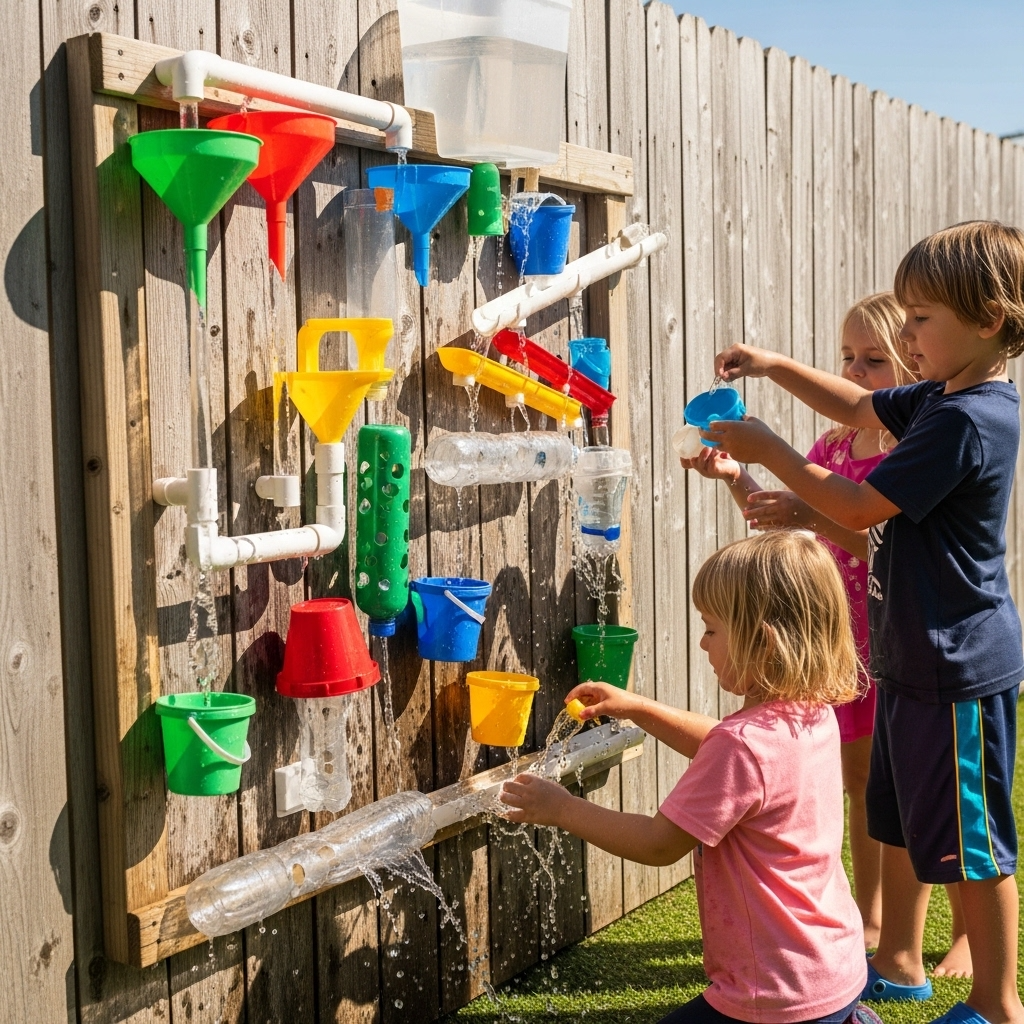
A water play station is perfect for warm days and keeps children active outdoors for longer. Use funnels, plastic tubes, and recycled bottles attached to a wall or fence. Kids can pour, splash, and test how water moves through each section. This kind of play supports curiosity and simple problem solving.
You do not need a large setup to make it effective. Even a small wall with cups and pipes can feel exciting. Place the station on grass or near a drain-friendly area to avoid muddy buildup. It is one of the easiest ways to make an outdoor play area feel fresh and interactive.
Pro Tip: Keep a towel basket nearby so kids can dry off quickly after play.
5. Nature Art Wall
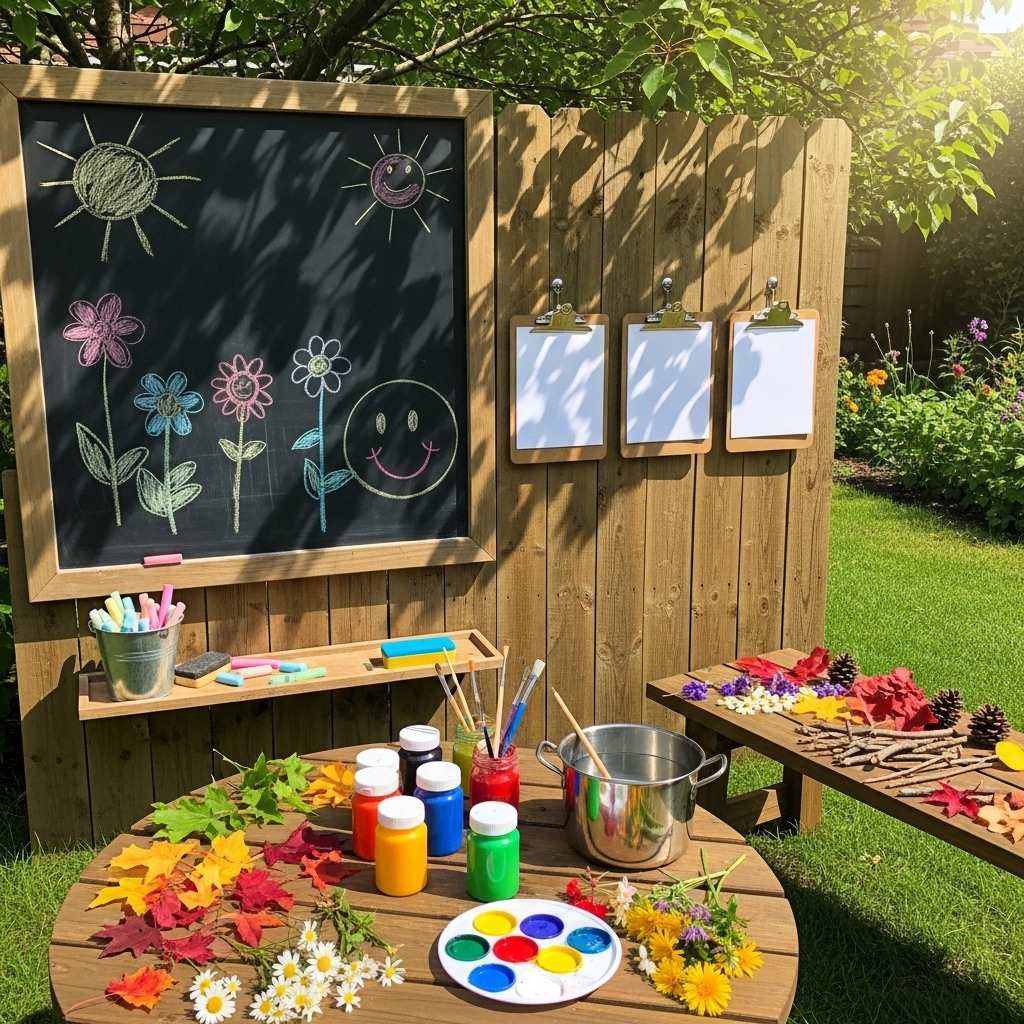
A nature art wall gives children a place to draw, paint, and create outside without worrying about indoor mess. Mount a chalkboard, attach clipboards, or hang paper rolls on a fence. Add baskets with chalk, brushes, and washable paints to make the space easy to use.
This setup also encourages kids to use leaves, flowers, and stones in their art projects. It blends creativity with outdoor exploration in a natural way. A simple art wall can help children slow down, focus, and express themselves while enjoying fresh air and sunshine.
Pro Tip: Use weatherproof storage bins to protect art supplies from moisture.
6. Mini Garden Dig Zone
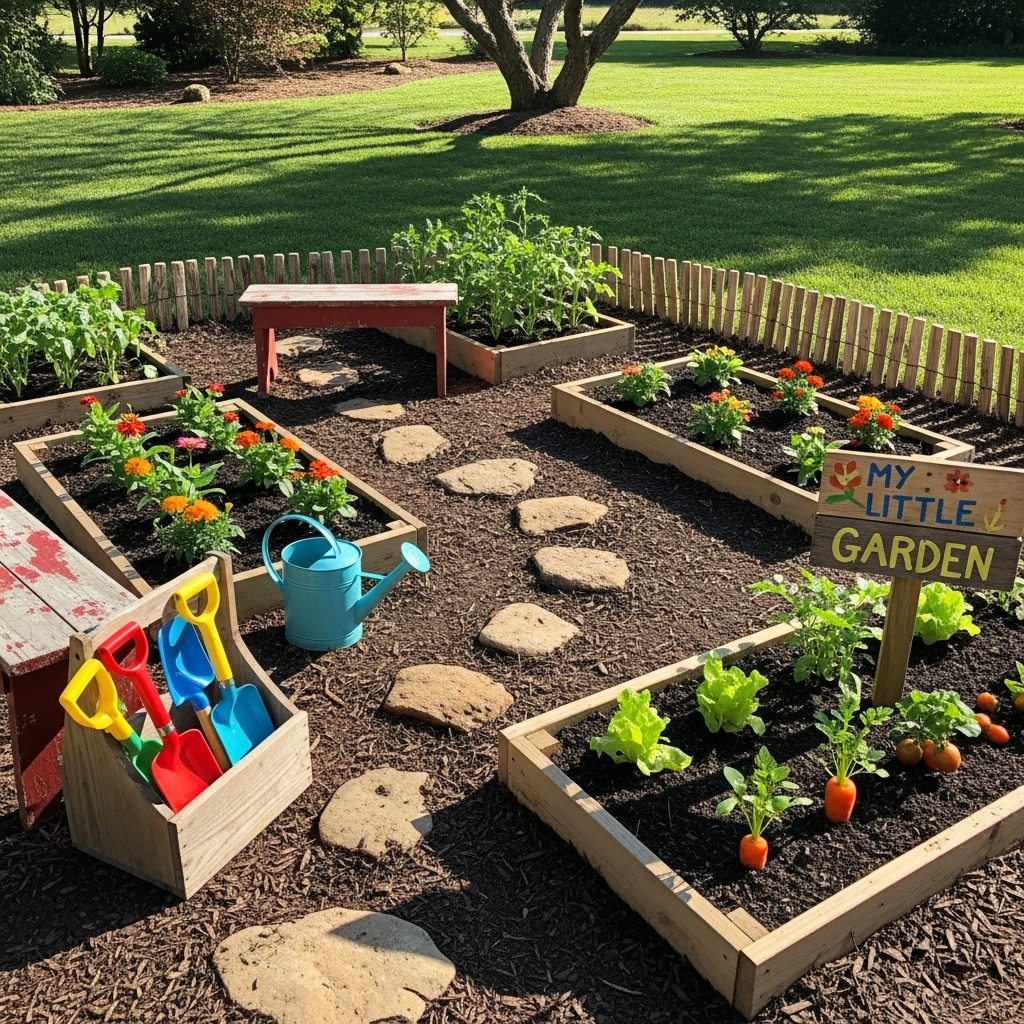
A digging and gardening zone helps children connect with nature while learning patience and responsibility. Set up a small patch of soil or raised bed where they can plant flowers, herbs, or vegetables. Give them child-safe tools so they can dig, water, and care for their own little area.
Kids enjoy watching seeds grow and seeing the results of their effort. This kind of outdoor play supports focus and teaches simple life skills. It also creates quiet moments away from screens. A small garden corner can become both fun and educational throughout the year.
Pro Tip: Start with fast-growing plants like basil or marigolds to keep kids engaged.
7. Backyard Reading Nook
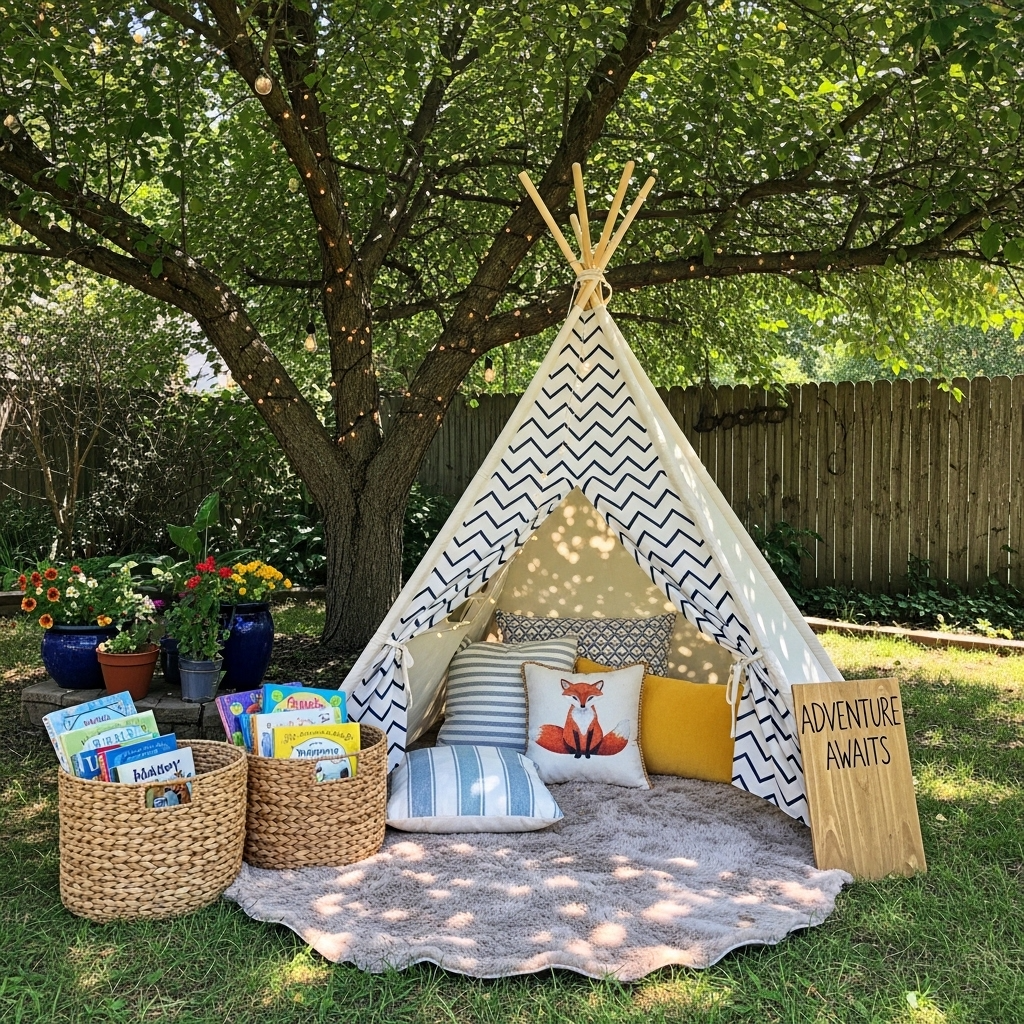
A backyard reading nook gives children a peaceful place to relax, read, and reset. Use a small tent, outdoor cushions, or a shaded corner with soft seating. Add a low basket of favorite books and a few blankets to make the space feel cozy and special.
This setup balances active outdoor play with quiet time. It helps children build focus while still enjoying fresh air. A calm reading corner can also become a perfect spot for storytelling, drawing, or winding down after energetic play in the yard.
Pro Tip: Choose washable outdoor fabrics that can handle dust and weather.
8. Obstacle Course Trail
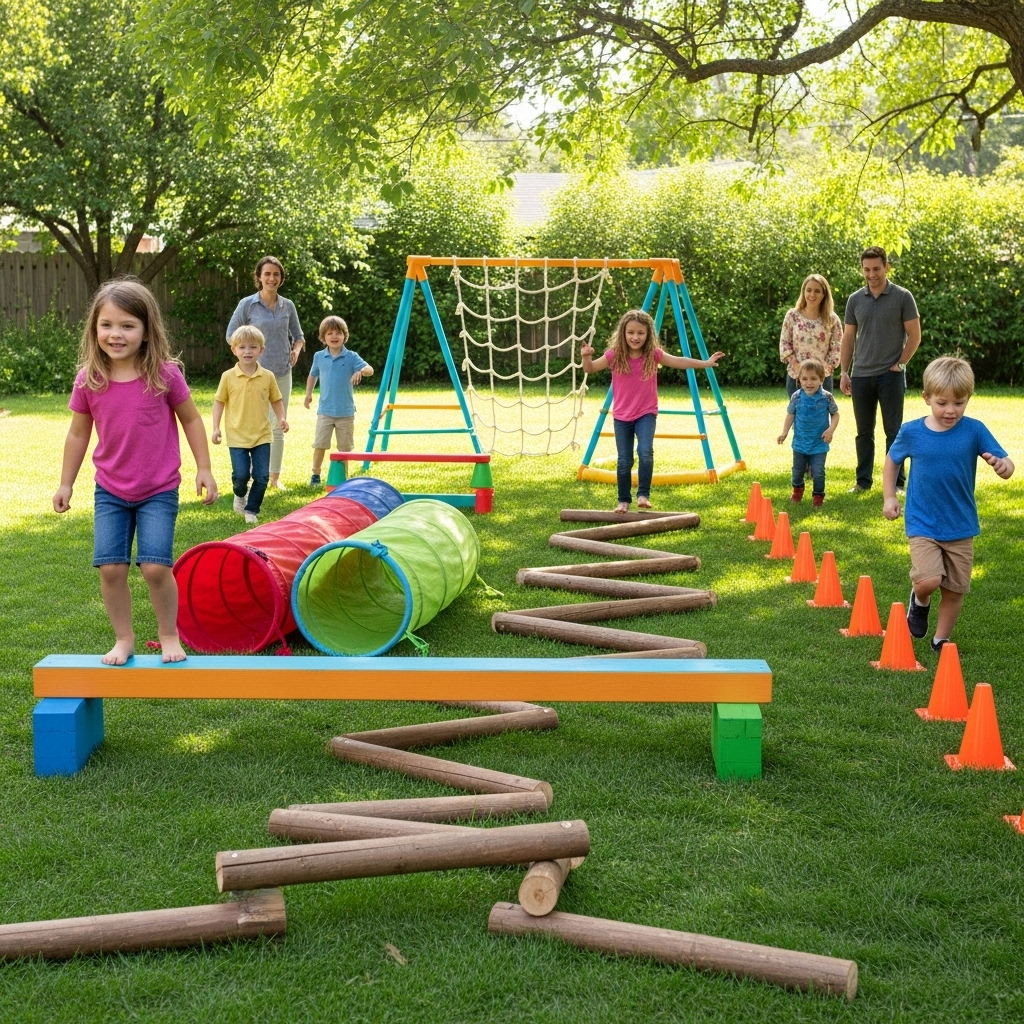
An obstacle course turns any yard into an exciting adventure space. You can use logs, cones, ropes, hula hoops, and tunnels to create different challenges. Kids love racing through simple courses that test balance, speed, and movement in a fun and playful way.
This idea keeps children active and helps build confidence. You can change the layout often to keep things fresh. A flexible obstacle trail works for many ages and makes outdoor play feel more exciting without needing expensive equipment.
Pro Tip: Rotate one challenge every week so the course always feels new.
9. Outdoor Chalk Zone
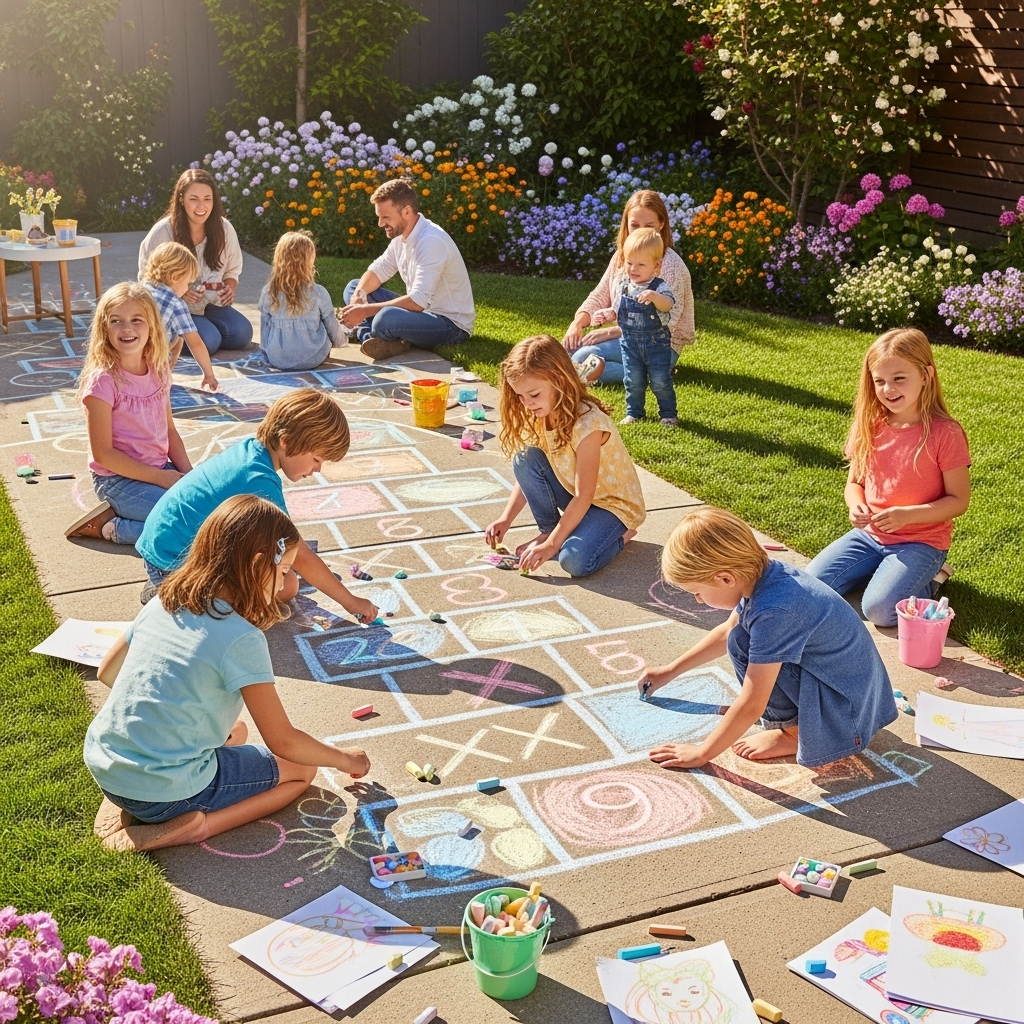
A chalk zone gives children freedom to draw, write, and invent games outside. Set aside a patio, pathway, or painted chalkboard wall where they can create safely. Sidewalk chalk is easy to use, low mess, and perfect for daily creative play.
Kids can draw hopscotch grids, obstacle paths, and art murals. This simple area supports imagination and movement at the same time. It also gives them a safe place to express ideas and try new activities without needing screens.
Pro Tip: Keep chalk in a sealed bucket to protect it from moisture.
10. Sensory Path Walk
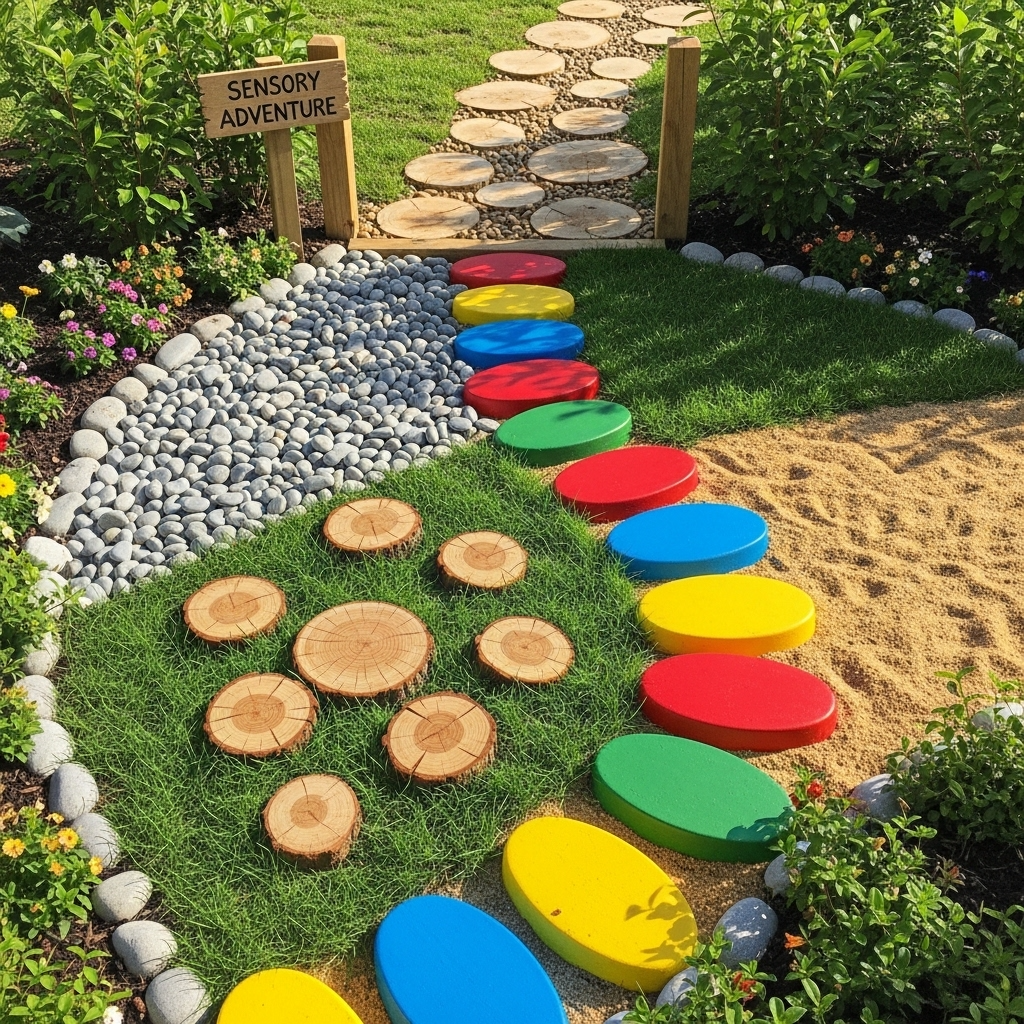
A sensory path adds texture and discovery to your outdoor setup. Create a walkway using pebbles, grass, wood slices, rubber mats, or sand sections. Kids can walk barefoot or step carefully across each surface while exploring different feelings under their feet.
This kind of play supports balance, coordination, and sensory development. It also encourages mindfulness and curiosity in a simple way. A sensory path works well between play stations and helps make the whole backyard feel more connected.
Pro Tip: Smooth rough edges and check materials often for comfort and safety.
11. DIY Fort Building Corner
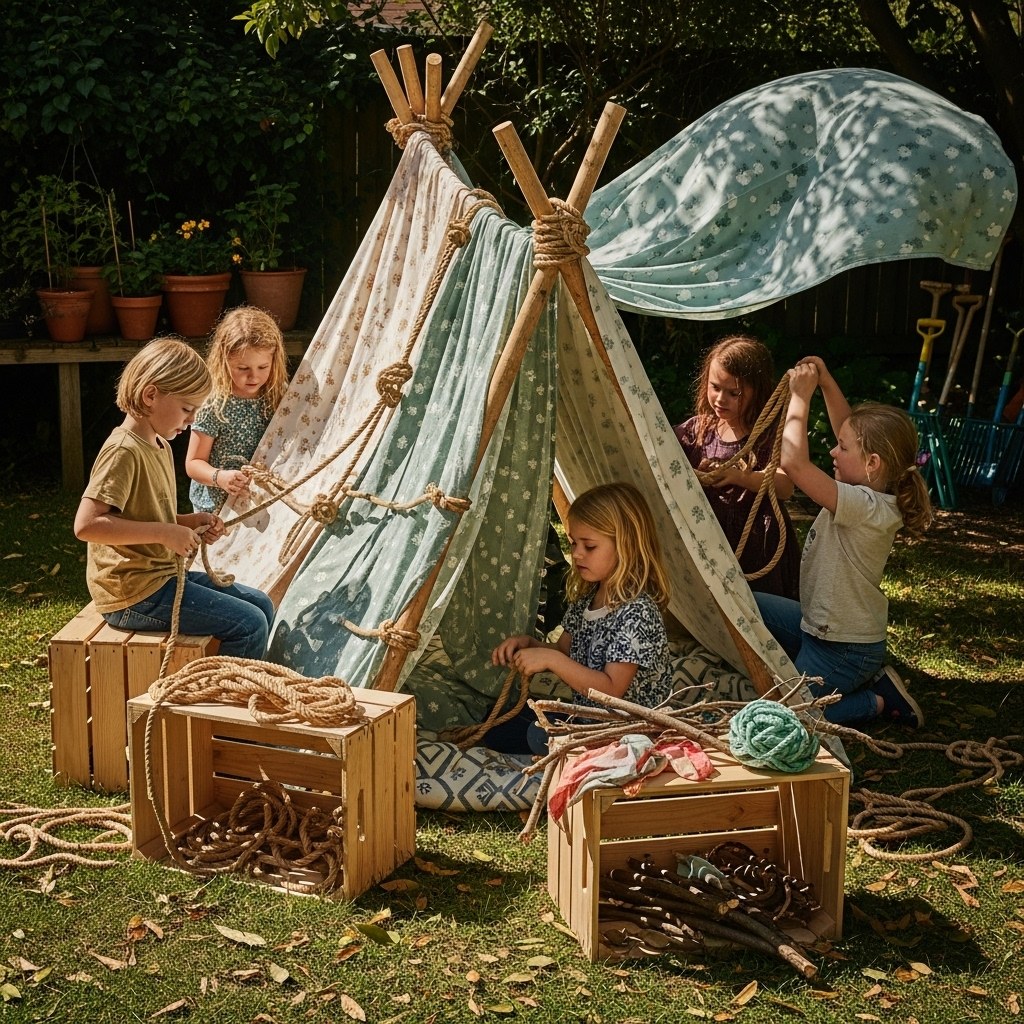
A fort building corner gives kids the freedom to create their own hideouts and secret spaces. Use lightweight fabric, wooden poles, crates, and clips so they can build safely. This kind of open play encourages imagination, teamwork, and creative problem solving.
Children enjoy changing the setup often, which keeps the area interesting. A fort zone also supports social play and storytelling. It can become a pirate ship one day and a reading cave the next, making it one of the most flexible outdoor ideas.
Pro Tip: Store sheets and clips in a weather-safe bin nearby for quick setup.
12. Nature Art Wall
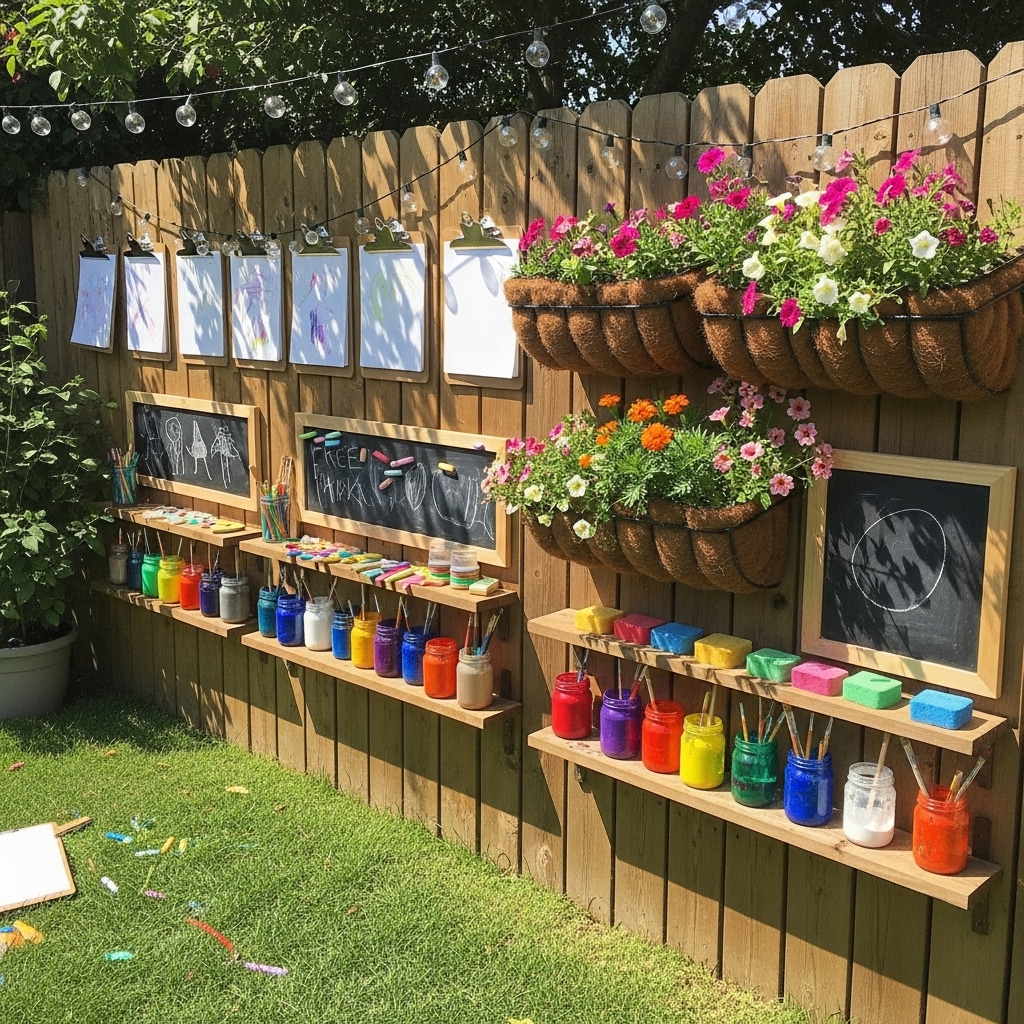
A nature art wall gives kids a space to create without bringing the mess indoors. Use a fence panel, pallet wall, or mounted board as the base. Add chalkboard paint, clipboards, or hanging pockets for brushes and paper. Children can draw, paint, and display their work while spending more time outside.
This idea supports creativity and keeps kids engaged for longer stretches. You can rotate supplies by season and even add leaves, flowers, or twigs for nature collages. It turns a blank wall into an inspiring play feature that also makes your backyard feel more personal and colorful.
Pro Tip: Keep art supplies in sealed bins nearby so setup stays simple.
13. DIY Splash and Pour Wall
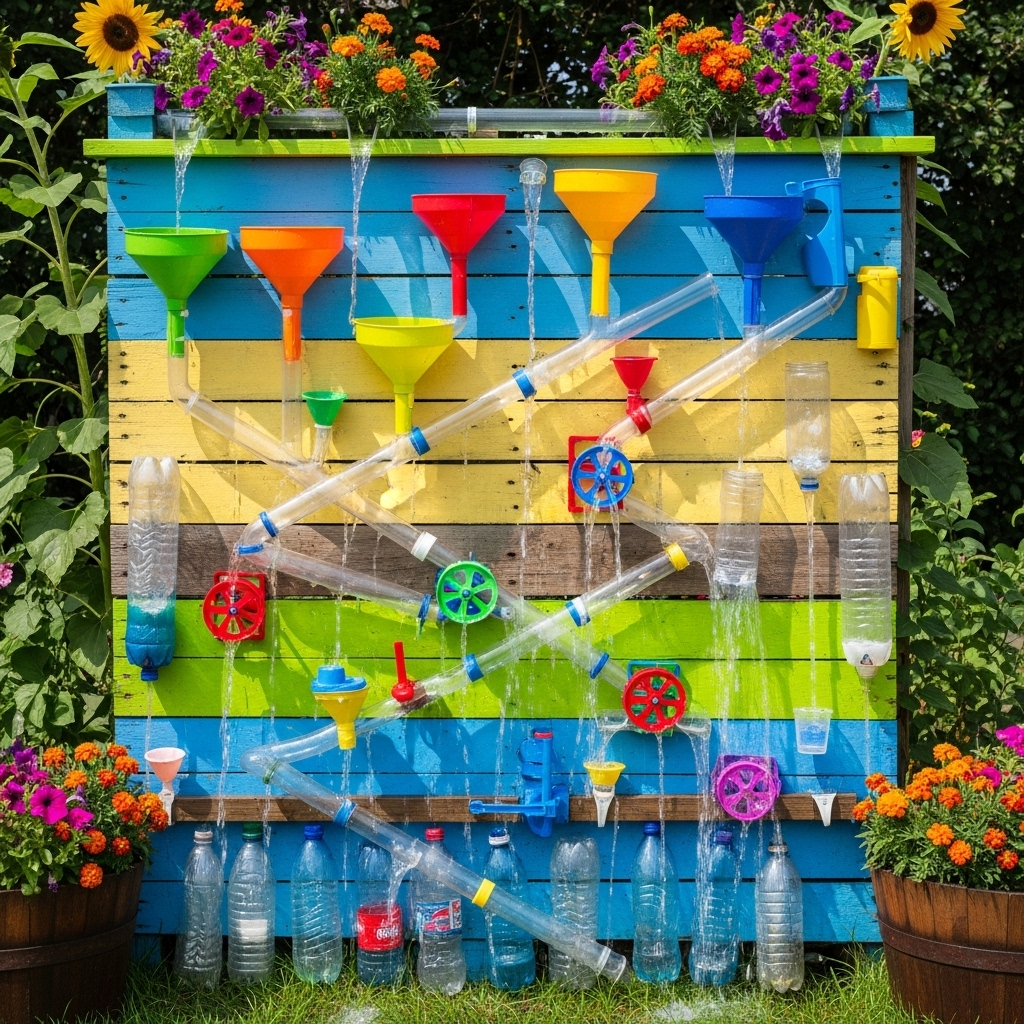
A DIY splash and pour wall gives kids a fun way to explore movement, flow, and cause and effect. Mount clear tubes, funnels, plastic bottles, and small channels onto a fence or wooden board. Children can pour water from the top and watch it travel through each section. This keeps them engaged while helping build coordination and problem solving skills.
This setup feels exciting because kids can change how the water moves each time they play. Add measuring cups, floating toys, or colorful spinners to make the wall more interactive. It works well in small backyards because it uses vertical space and creates less mess than open splash zones. Kids stay cool, active, and curious for longer.
Pro Tip: Place gravel or outdoor mats below the wall to improve drainage and make cleanup faster.
14. Sandbox Discovery Corner
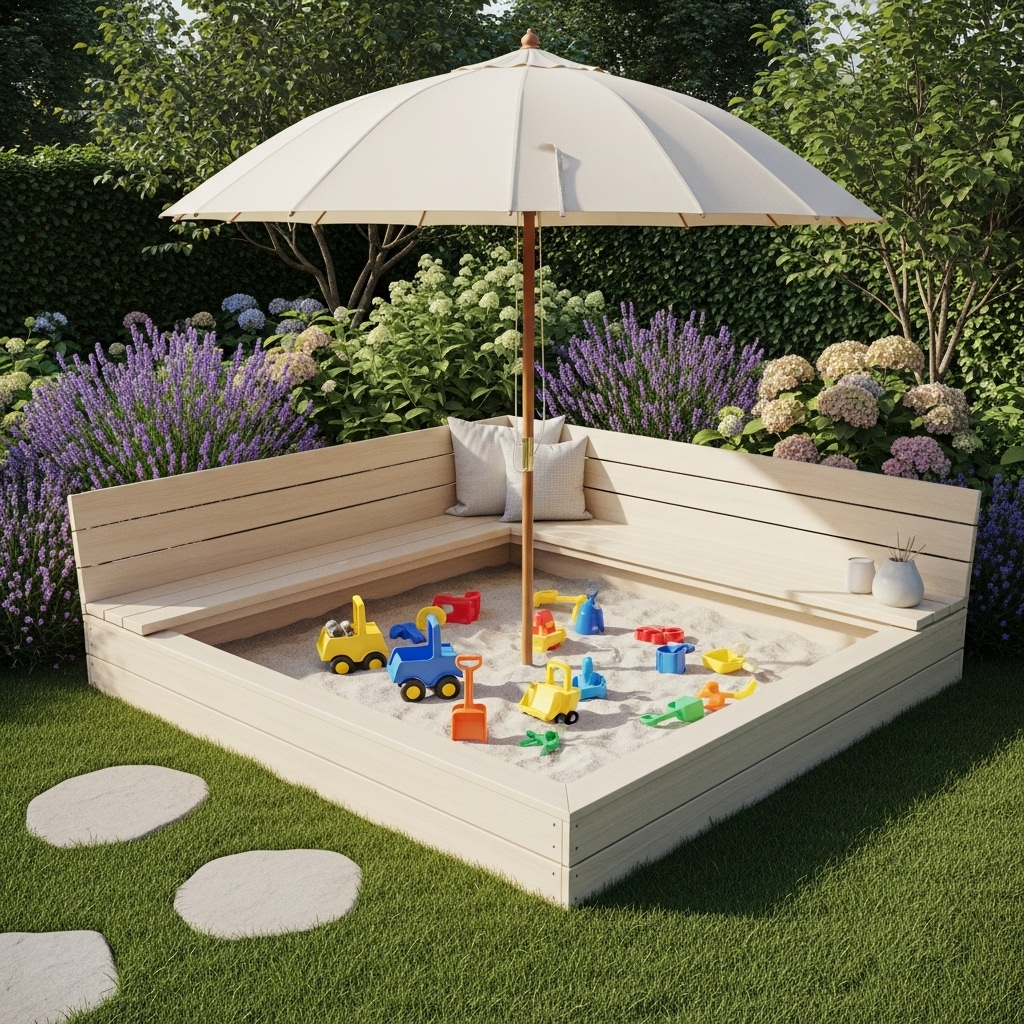
A sandbox gives kids endless ways to dig, build, and imagine. Build a framed box with smooth wood and fill it with clean play sand. Add scoops, molds, toy trucks, and buried treasures to create a hands on learning space. It supports sensory development and pretend play at the same time.
To keep it fresh, change the theme often. One week can be construction play, and the next can be beach adventures. A shaded sandbox stays cooler and more comfortable. This simple setup often becomes one of the most used areas in an outdoor play space.
Pro Tip: Add a fitted cover to keep sand clean between uses.
15. Balance Beam Path
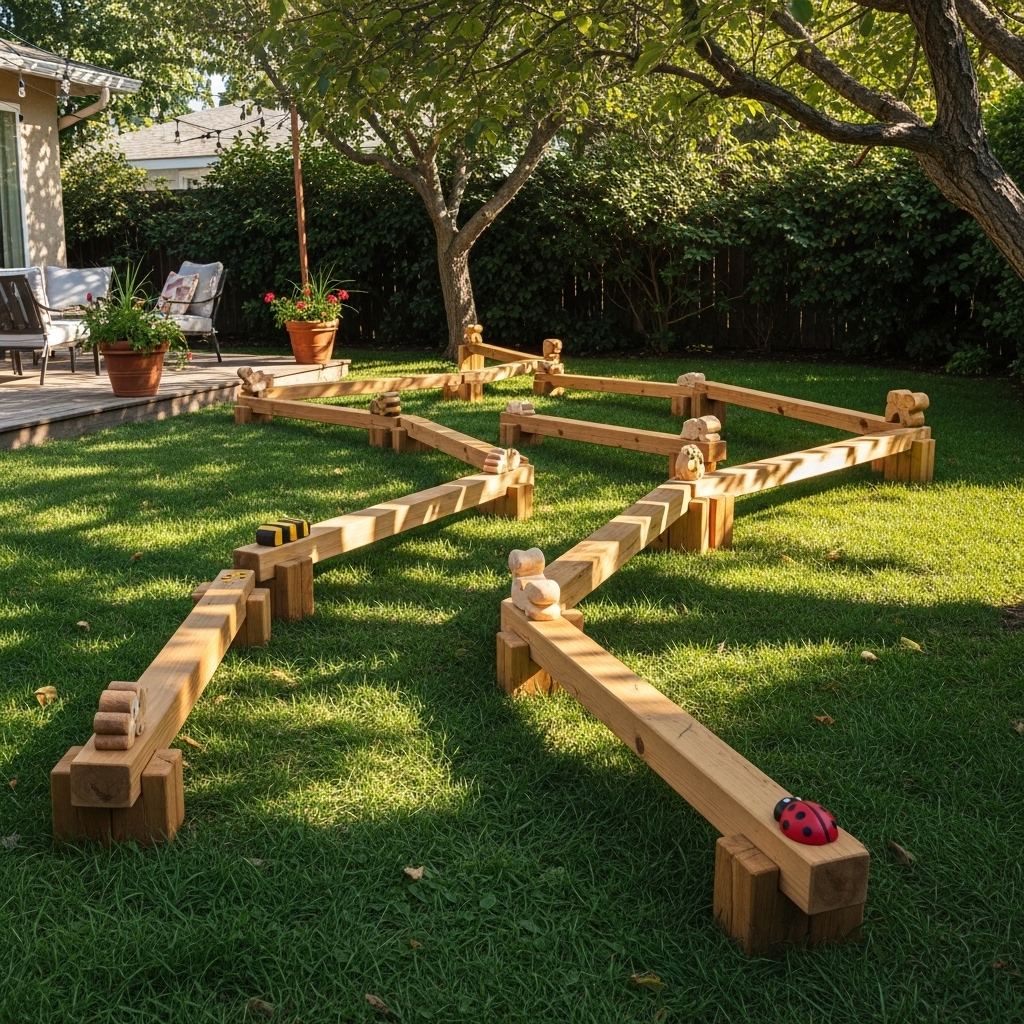
A balance beam path helps kids build strength, focus, and coordination through active play. Use pressure treated wood or smooth logs placed low to the ground. Arrange straight lines, curves, or stepping sections to create different challenges. This setup adds movement without taking up much room.
Children enjoy creating games around balancing, hopping, and racing. You can place the path near other play zones to make it part of an obstacle course. It encourages confidence and physical control while still feeling fun and low pressure.
Pro Tip: Keep beams low and secure for safer daily use.
16. Mini Garden Patch
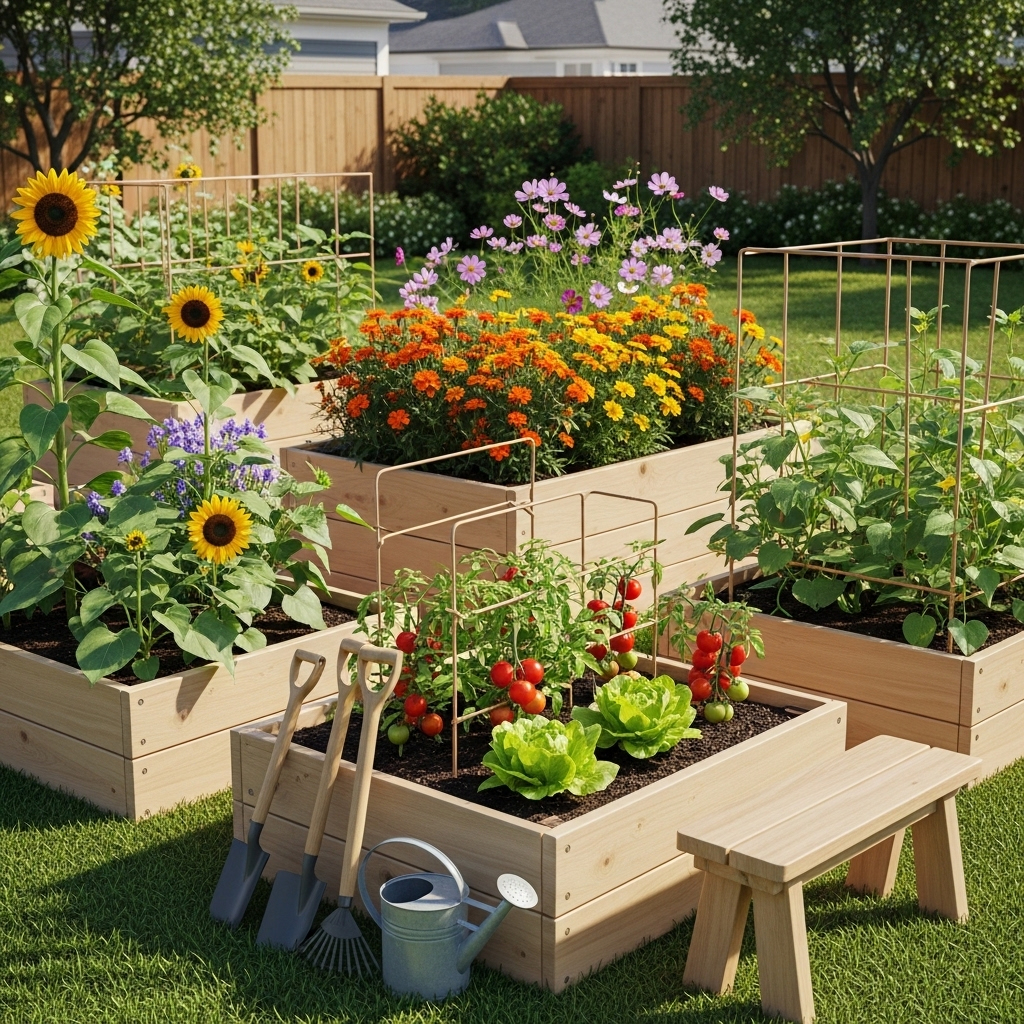
A mini garden patch teaches patience, care, and curiosity. Set up a small raised bed or container area where kids can plant herbs, flowers, or easy vegetables. Children love watering, digging, and watching plants grow over time. It adds a calm and rewarding activity to outdoor play.
This idea also helps kids connect with seasons and nature. Choose fast growing plants to keep them interested. Add stepping stones and labeled markers to make the space feel special. A garden patch blends beauty with learning in a natural way.
Pro Tip: Start with hardy plants like mint, basil, or marigolds.
17. Backyard Discovery Lab
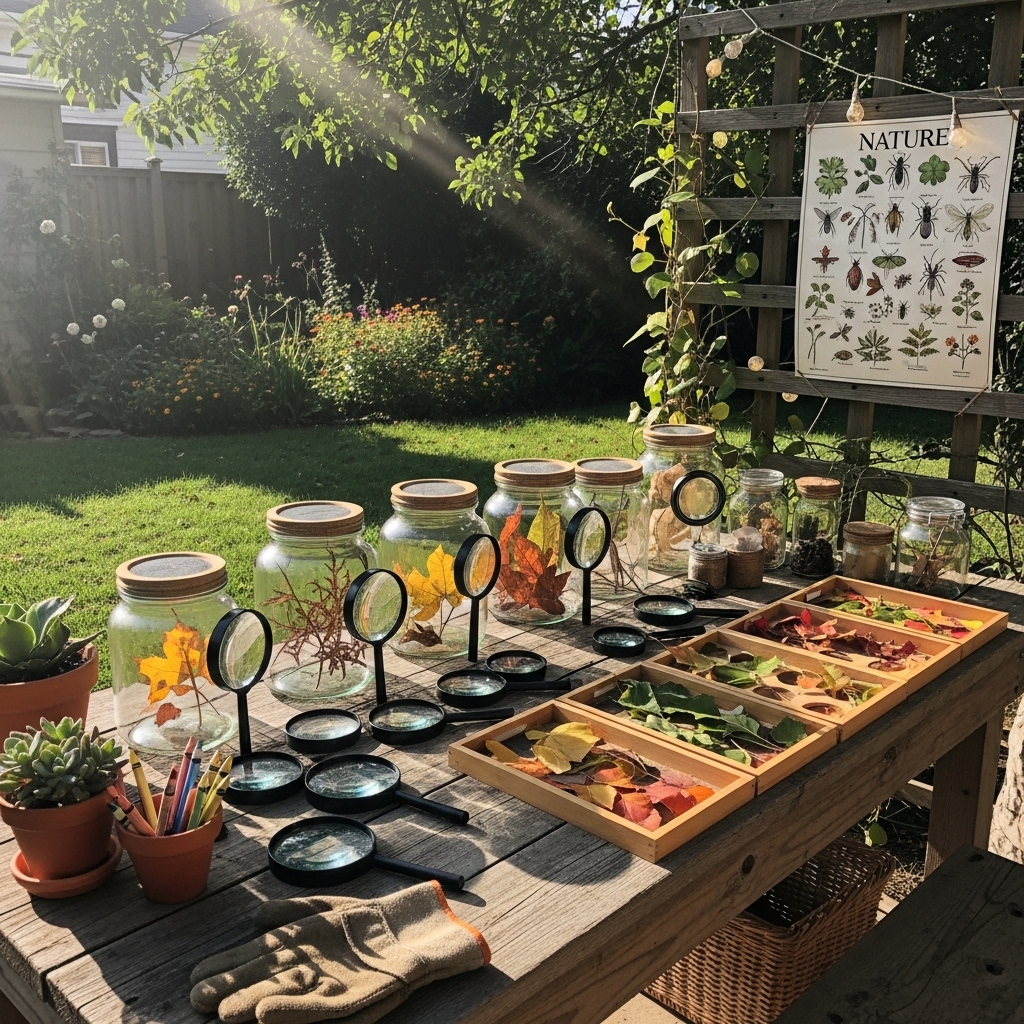
A backyard discovery lab turns outdoor play into hands on learning. Set up a small table or bench with magnifying glasses, bug viewers, trays, and simple nature tools. Kids can collect leaves, rocks, flowers, and safe insects to observe up close. This kind of play builds curiosity while helping children slow down and notice the world around them.
The best part is how easily you can refresh the space. Change the theme with seasons by adding seed pods, feathers, or weather journals. Children stay engaged because every day brings something new to explore. This setup works well for both quiet play and shared sibling activities in any size yard.
Pro Tip: Keep tools in labeled weatherproof bins so kids can use the station anytime.
18. Adventure Tent Zone
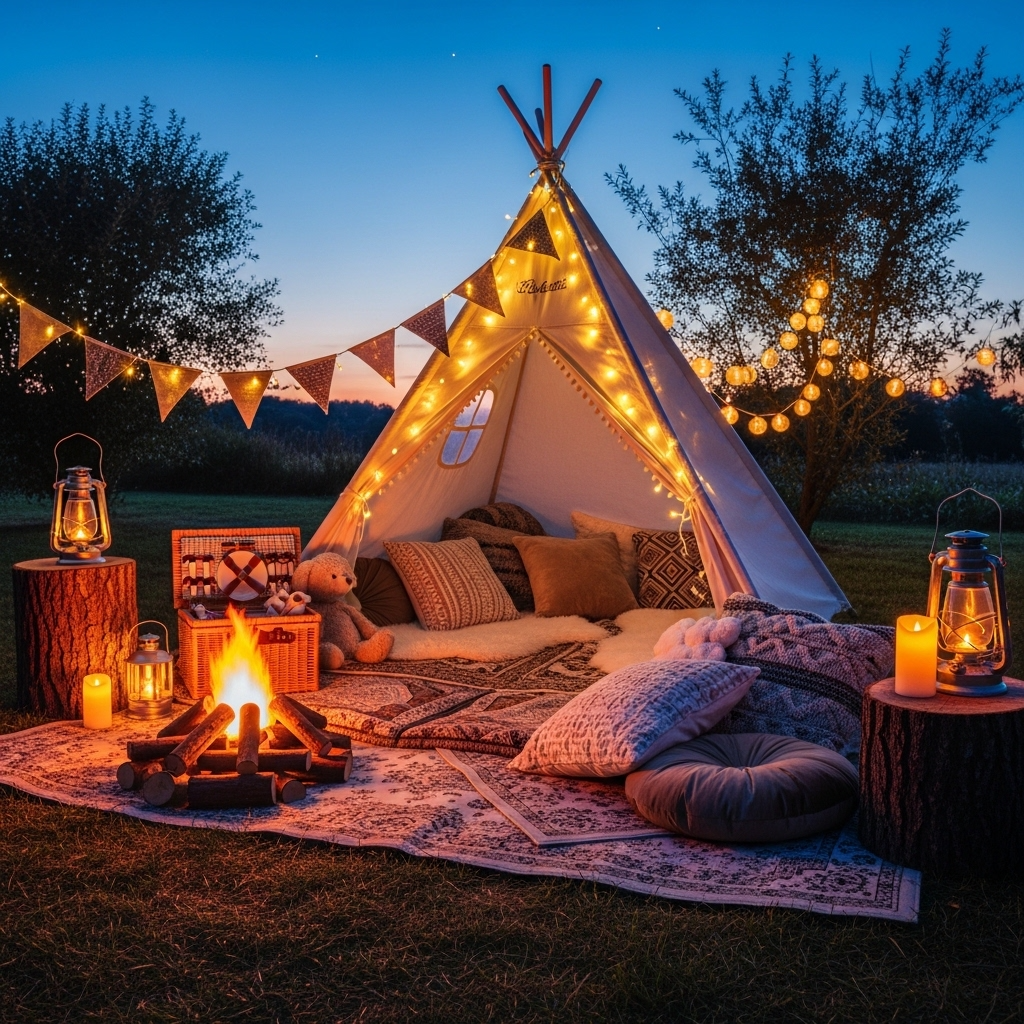
An adventure tent creates a space for pretend camping, storytelling, and quiet play. Use a weather friendly tent, teepee, or DIY canopy. Add rugs, cushions, and a few toys to make it feel cozy. This simple feature helps children create their own worlds and games.
Tents also work well as a retreat when kids need calm time. Set one up in a shaded area and rotate themes like safari, camping, or reading hideout. It makes the backyard feel magical and gives children a place that feels private and exciting.
Pro Tip: Choose washable fabrics that dry quickly outdoors.
19. DIY Backyard Treasure Hunt Zone
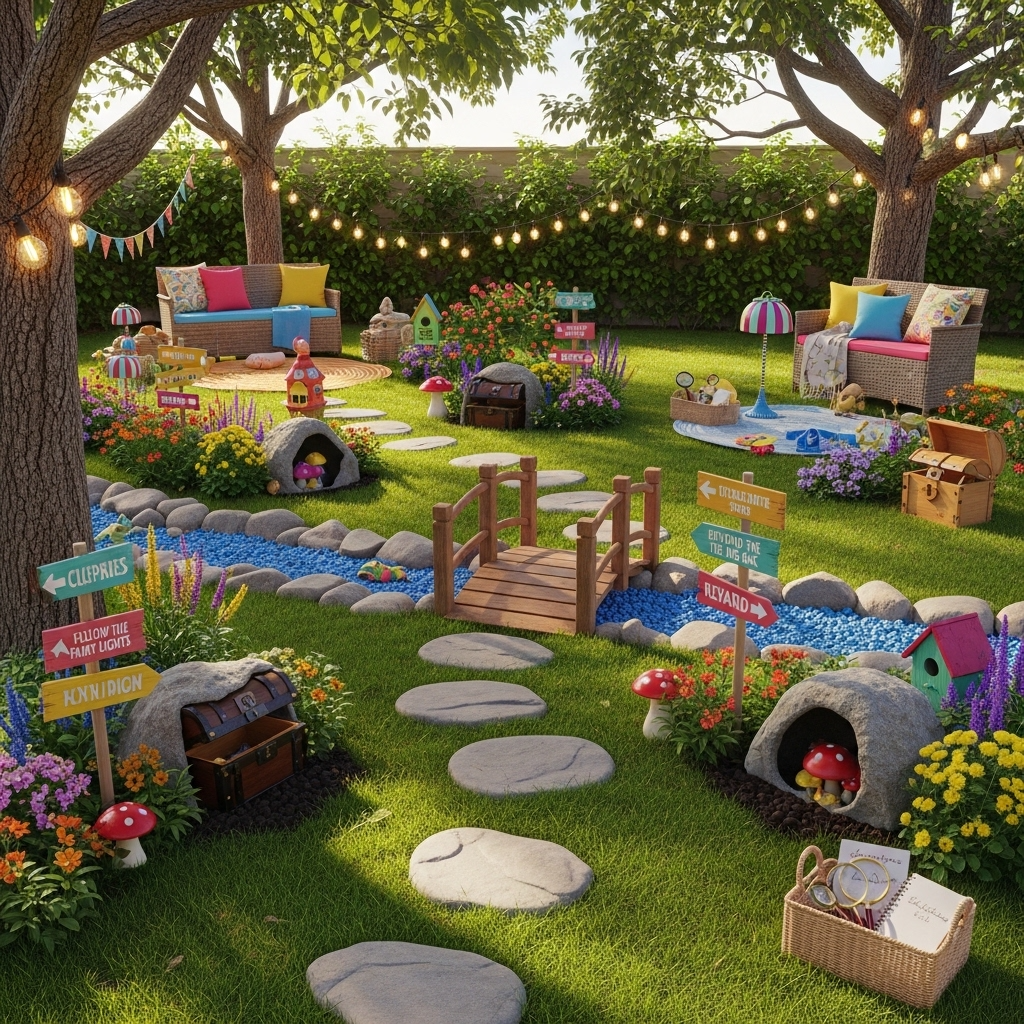
A backyard treasure hunt zone adds excitement and adventure to outdoor play. Create a dedicated area with hidden clue spots, mini treasure boxes, stepping stones, and simple signs. Kids can follow maps, solve clues, and search for surprises while moving around the yard. This type of play keeps children active and helps build problem solving skills.
You can make the zone feel fresh by changing themes often. One week can be pirate treasure, and the next can be jungle explorers or fairy garden quests. It works well in both large and small yards because the fun comes from imagination, not space. Children stay engaged because each hunt feels new.
Pro Tip: Use waterproof clue cards and reusable containers to make setup faster each time.
20. Rope Swing Corner
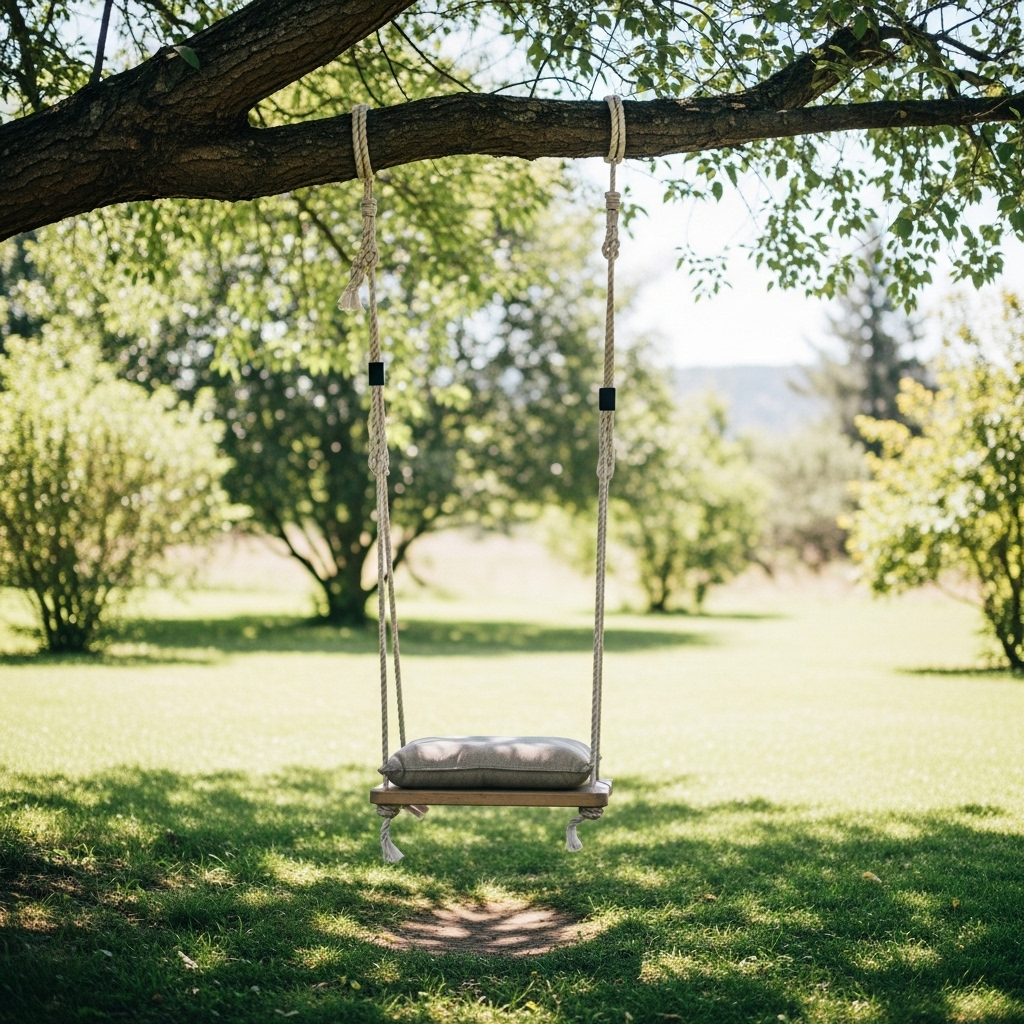
A rope swing adds excitement and movement to any outdoor play area. If you have a sturdy tree or secure frame, install a child safe swing with proper hardware. Swinging helps kids build balance, core strength, and confidence while giving them a fun way to enjoy fresh air.
This feature also creates a classic backyard feel. Place it in a clear area with soft landing space below. Children love returning to swings because they feel relaxing and adventurous at the same time. It is a simple idea with long lasting appeal.
Pro Tip: Check ropes and hardware often for wear.
- Sensory Walking Trail
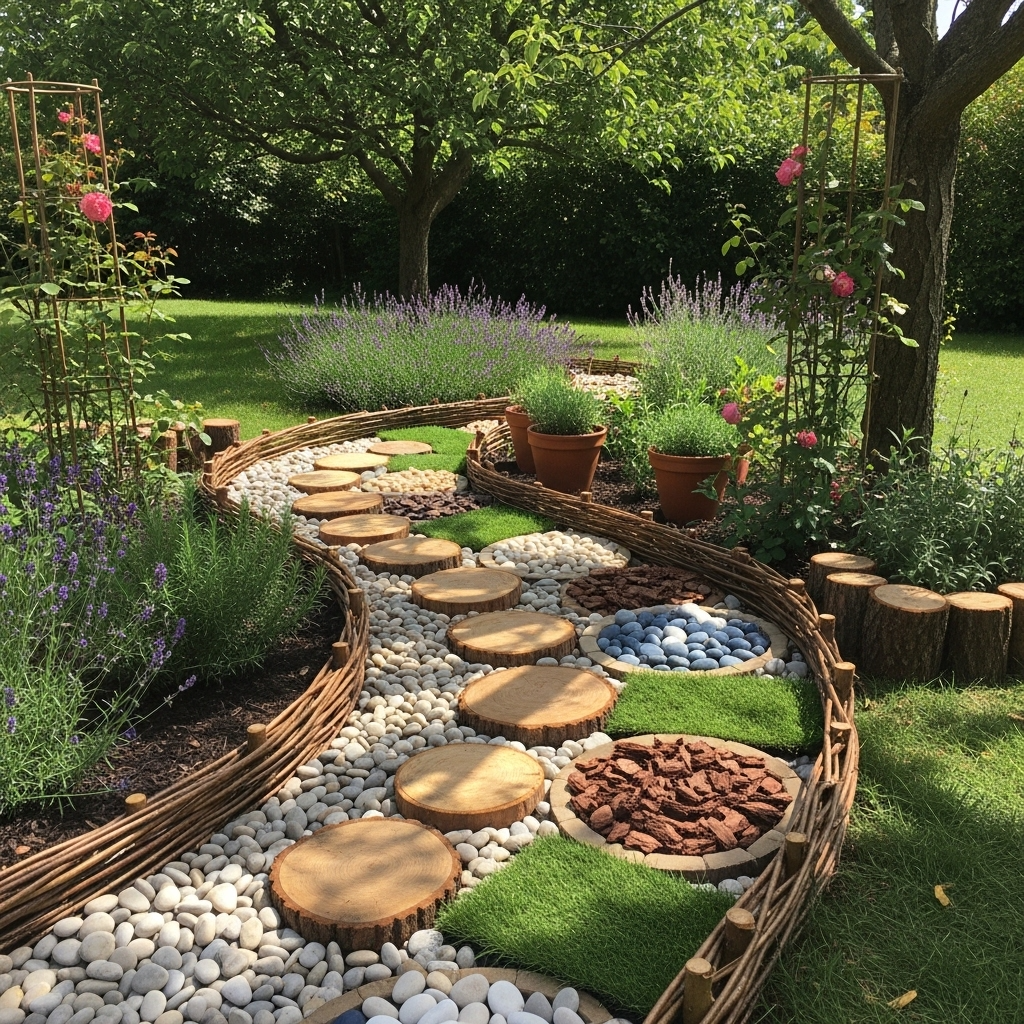
A sensory walking trail helps children explore texture, balance, and movement in a fun way. Use smooth pebbles, bark, grass squares, rubber mats, and wood slices to create short walking sections. Kids can step slowly, hop across surfaces, and notice how each one feels. This supports sensory development while making the yard feel more interactive.
You can place the trail near garden beds or between play zones to connect the whole space. Children enjoy repeating the path and turning it into games. Even a small trail adds variety and helps make outdoor play feel more exciting every day.
Pro Tip: Test every surface first and avoid sharp or slippery materials.
- Backyard Obstacle Course
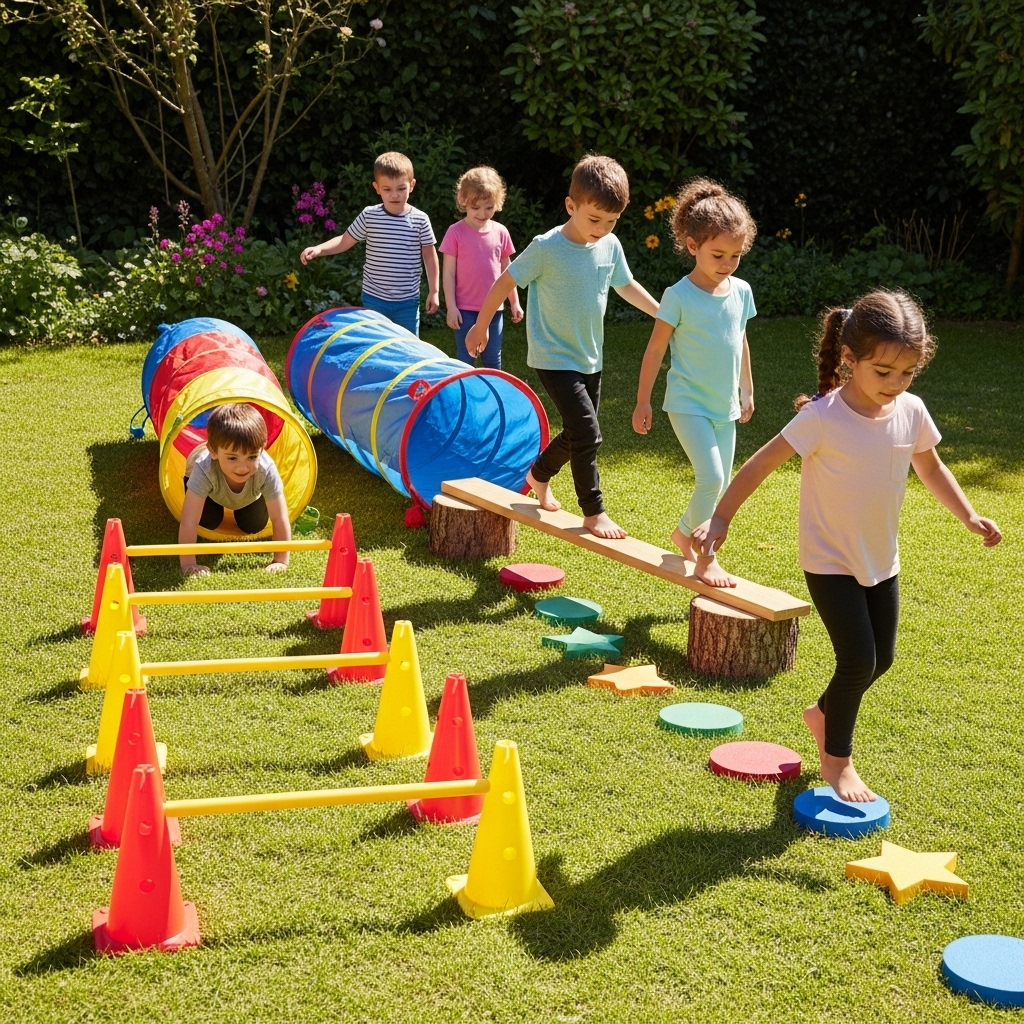
A backyard obstacle course keeps children active while helping them build confidence and coordination. Use simple items like cones, tunnels, stepping stones, and low balance beams to create a fun route. Kids can crawl, jump, balance, and race through the course while staying engaged for longer periods.
This setup works well because you can change it anytime. Move the pieces around each week to create fresh challenges. Children love repeating favorite routes and trying to beat their own time. It is one of the best ways to make outdoor play feel new without spending much.
Pro Tip: Change one obstacle weekly so the course always feels fresh.
- Backyard Stage and Dress Up Spot
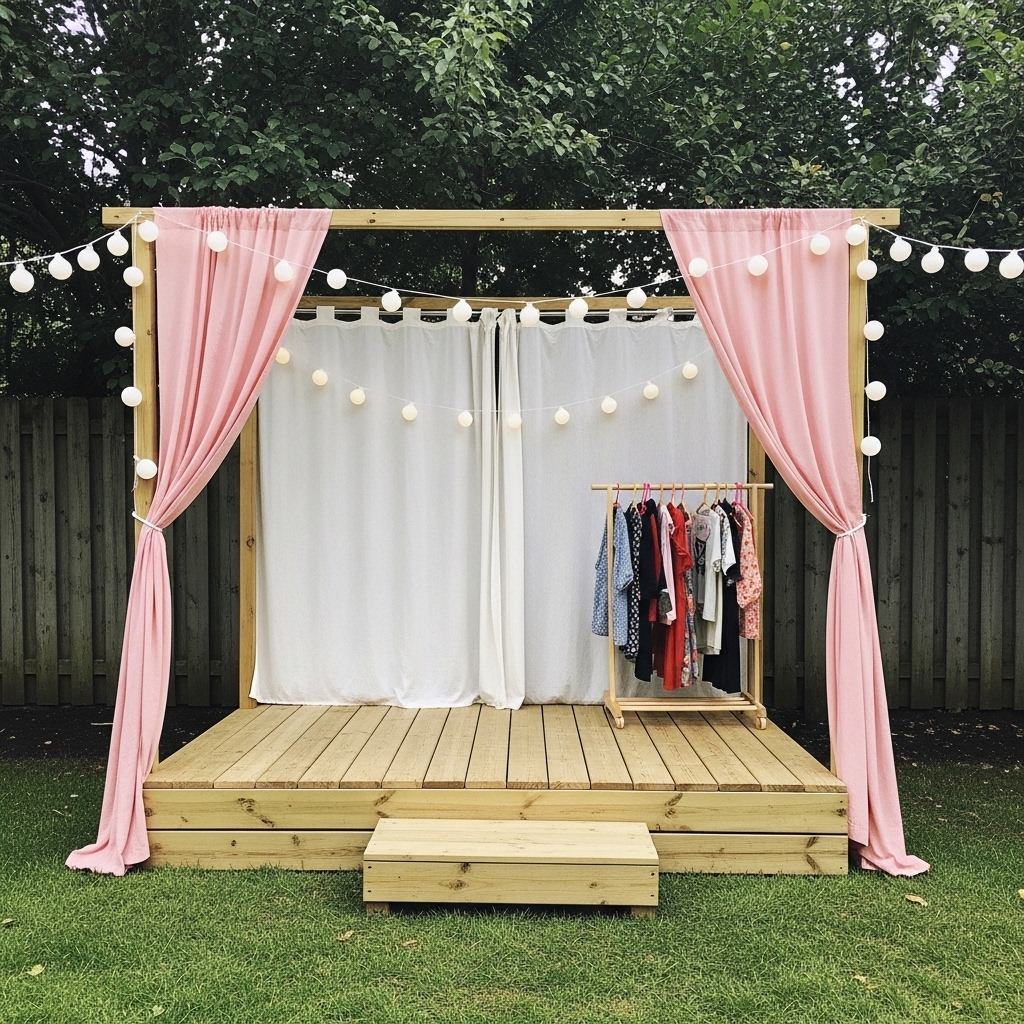
A backyard stage gives kids a place to perform, imagine, and tell stories. Use a small deck corner, wooden platform, or flat patio space as the base. Add curtains, costumes, props, and soft lighting to make it feel special. This creates a fun zone for pretend shows, music, and creative role play.
Children often return to dramatic play because it feels personal and expressive. A stage also grows with them over time. Younger kids can use it for pretend games, while older kids may enjoy dance, skits, or family talent shows. It adds lasting value to your outdoor space.
Pro Tip: Add a bench with hidden storage for costumes and props.
FAQs
How can I make a DIY outside play area for kids safe?
Start by choosing soft ground surfaces such as grass, mulch, or rubber mats. Keep sharp tools, rough edges, and hard corners out of the space. Check swings, climbing items, and loose parts often so the area stays safe as kids play.
What is the best low budget outdoor play idea?
Mud kitchens, chalk paths, sensory bins, and tire play zones give children hours of fun without costing much. Focus on open ended activities that let kids use imagination instead of expensive toys that only do one thing.
How do I make a small backyard fun for kids?
Use corners, fences, and vertical space wisely. Add compact features like a reading nook, water wall, chalk zone, or garden patch. Small yards can feel exciting when each space has a purpose.
What age is best for an outdoor play area?
Outdoor play areas can work for toddlers, preschoolers, and older children. The key is choosing age appropriate features and making sure each zone matches your child’s abilities and interests.
Conclusion
A thoughtful DIY outside play area for kids can turn even a simple backyard into a space full of joy, movement, and creativity. You do not need a big budget or a perfect yard to create something special. Start with one idea that fits your space, then build over time. The best outdoor play spaces grow with your family and create everyday moments your kids will remember for years.