Home Decor on a Budget: 18 Ideas That Look Expensive for Less
Home decor on a budget is not about buying the cheapest version of everything. It is about spending where it shows, saving where it does not, and letting a few good choices do the work of many small ones. A room with one good rug, one good lamp, and clear surfaces will look better than a room with twenty cheap decorations and no plan, even if the second room cost more.
This guide gives you 18 home decor on a budget ideas, in the order that makes the biggest difference first, with a sample budget breakdown at the end. It covers paint, second hand finds, textiles, lighting, art, plants, and the small styling habits that make a home look intentional. The full list, budget breakdown, and room by room plan are in this post, because a photo cannot show you which change to do first or how to split a small budget across a whole home.
Start with a budget and a plan, not a shopping trip
Decide the total budget before you shop, and decide which room matters most. A budget that is spread across five rooms will change none of them, while the same budget spent on one room will change it completely.
Make a list in three groups. Group one: things that are broken, dirty, or make the room hard to use, like a stained rug, a broken lamp, or a curtain that does not close. Group two: things that date the room or make it feel tired, like a yellowed lampshade, a faded cushion, or a wall colour you no longer like. Group three: things that would make the room nicer, like art, a plant, or a new throw. Do group one first, then group two, and only then group three.
Keep a simple record of what you spend, so you can see where the money went. A budget that is written down is a budget you can keep, while a budget in your head will drift by the third shop.
1. Paint one room, or one wall
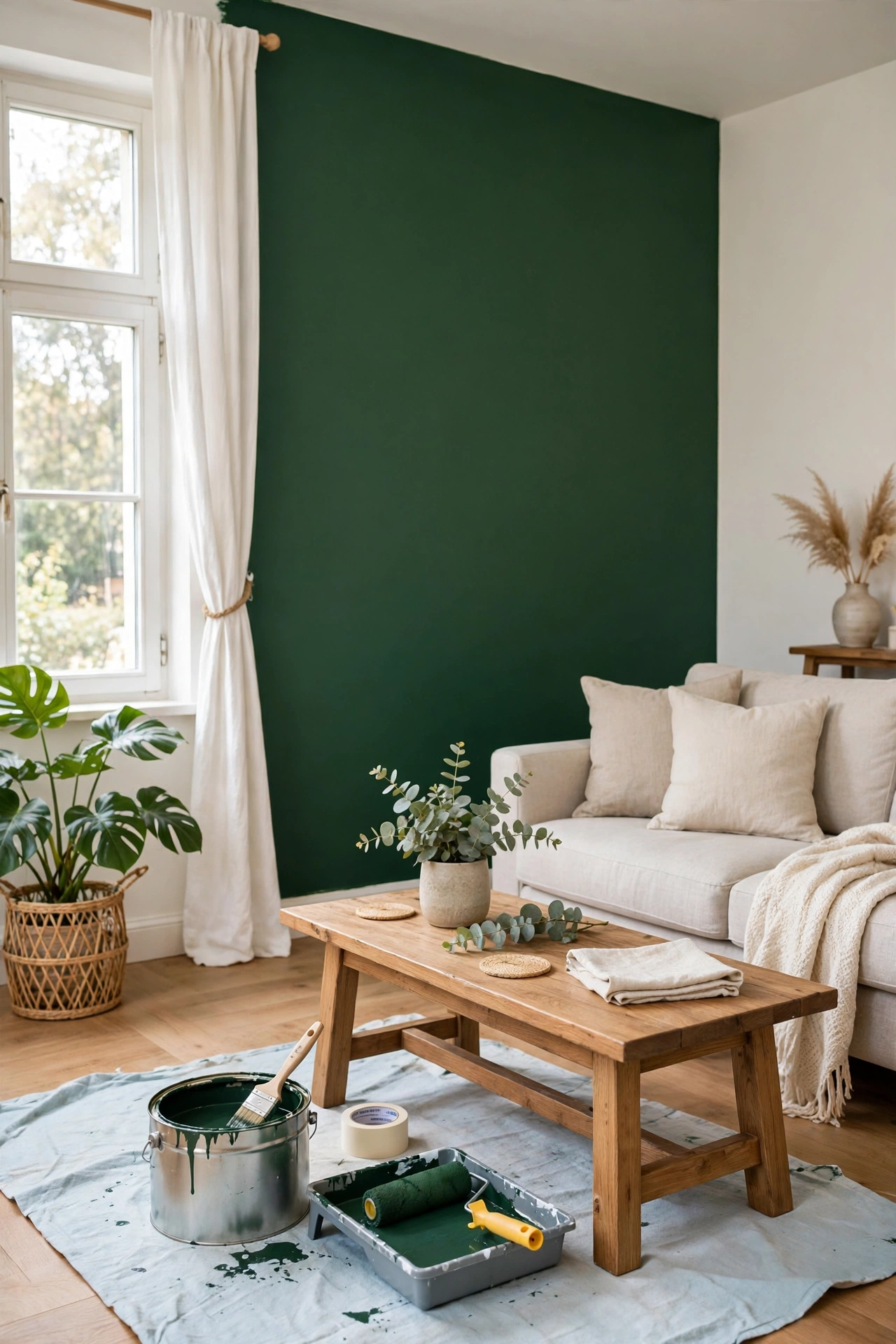
Paint is the cheapest large change you can make in a home. A fresh coat of paint on the walls in a light warm white, a soft pale colour, or a warm neutral will brighten the whole room and cover the marks that cleaning cannot remove.
If you cannot paint the whole room, paint one wall, the wall you see first when you enter, in a deeper colour, and keep the other walls light. A single accent wall in a deep green, navy, or warm terracotta will give the room a focal point for the cost of one tin of paint.
Clean the walls first, fill any holes, and use a primer if you are painting over a dark colour or a glossy surface. Ventilate the room well while the paint dries.
2. Move the furniture before you buy furniture
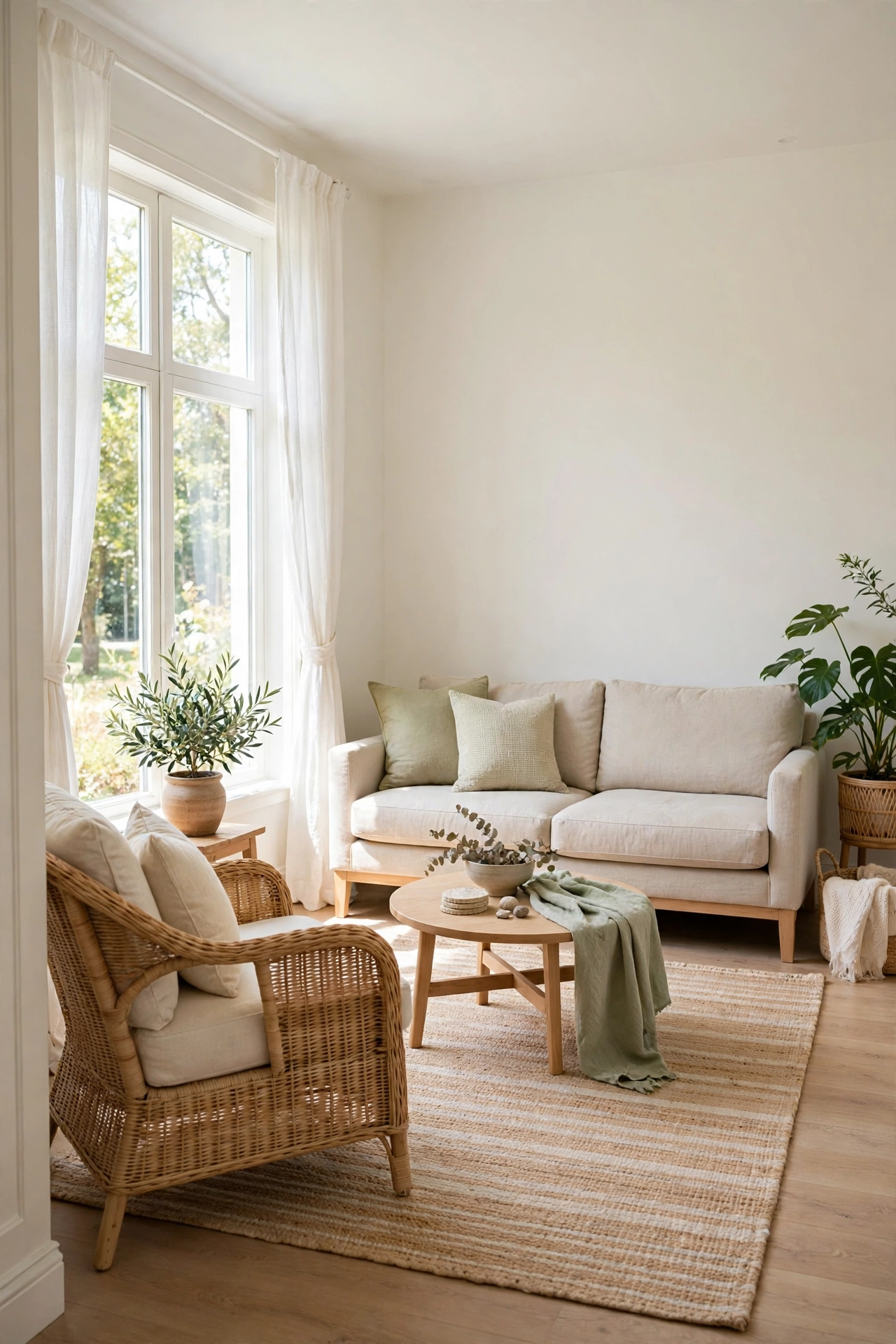
Many rooms feel tired because the furniture has not moved in years, not because the furniture is wrong. Try a new layout before you buy anything: move the sofa to the opposite wall, angle the armchair toward the window, move the dining table nearer the light.
A new layout costs nothing, and it will show you what the room actually needs. You may find that the room needs a lamp, not a new sofa, or that the dining table works better in the brightest part of the room, not in the darkest corner.
3. Second hand first: the best value in home decor
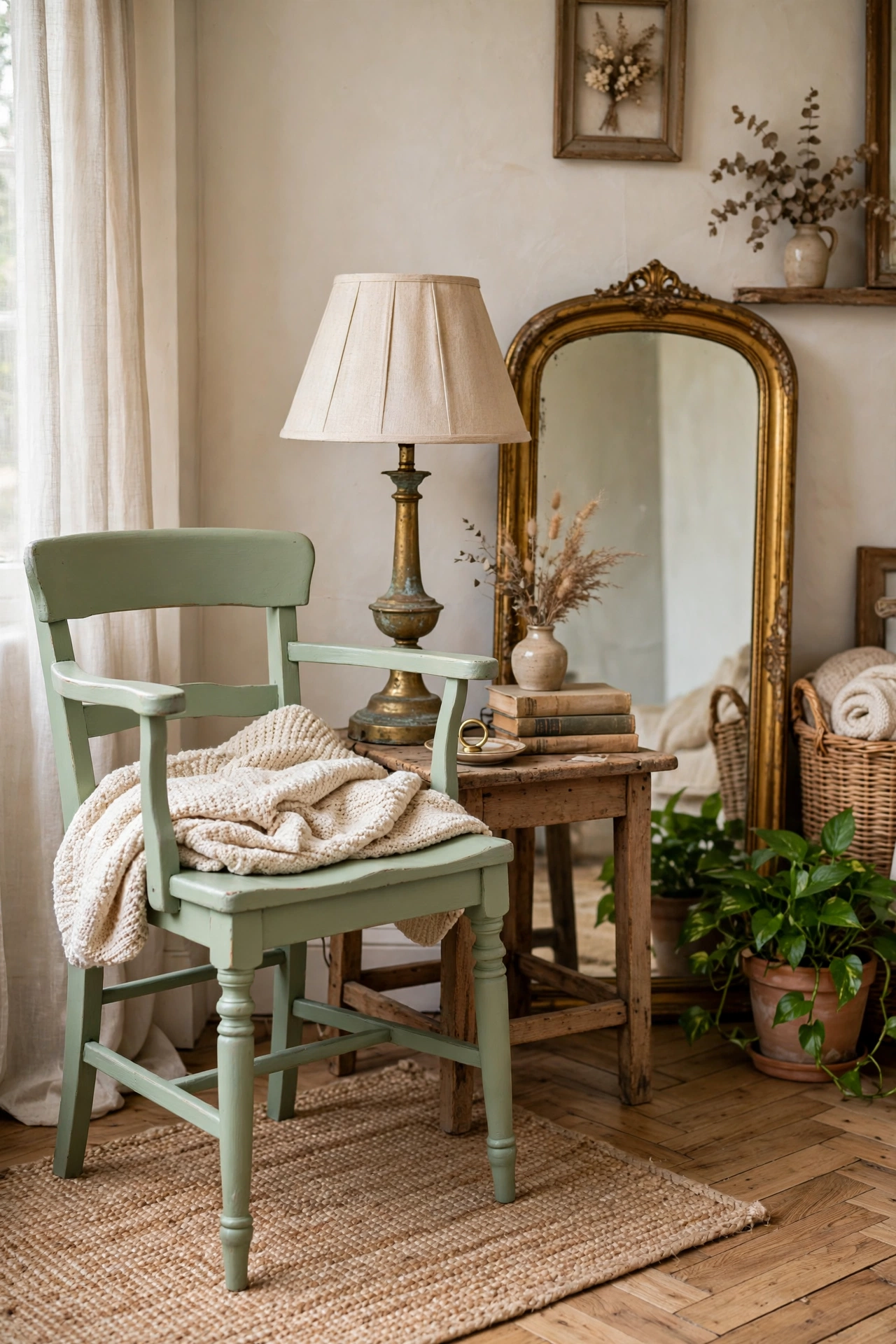
Second hand shops, charity shops, online marketplaces, and local selling groups are the best value in home decor, because furniture and decor are often sold for a fraction of their original price when someone moves or redecorates.
Look for solid wood furniture, good quality lamps, mirrors, picture frames, and baskets second hand, because those pieces are hard to damage and easy to clean. Avoid second hand soft furnishings that you cannot wash, like a stained sofa or a mattress, and check any electrical item before you buy it.
Clean second hand furniture thoroughly, and paint or reupholster it if needed. A second hand wooden chair painted in a colour that suits your room will look like a new chair, for a small fraction of the price.
4. A rug that is large enough
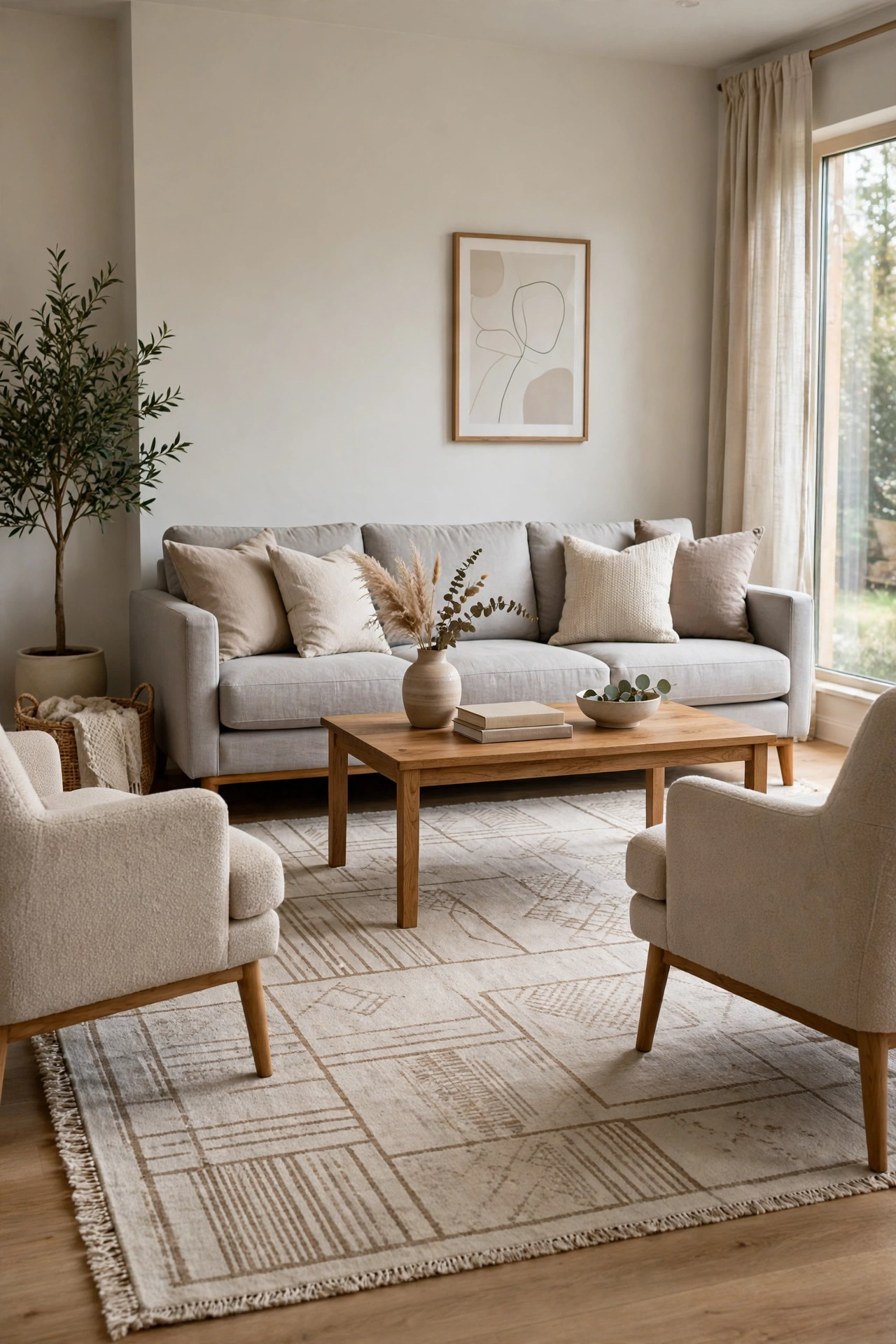
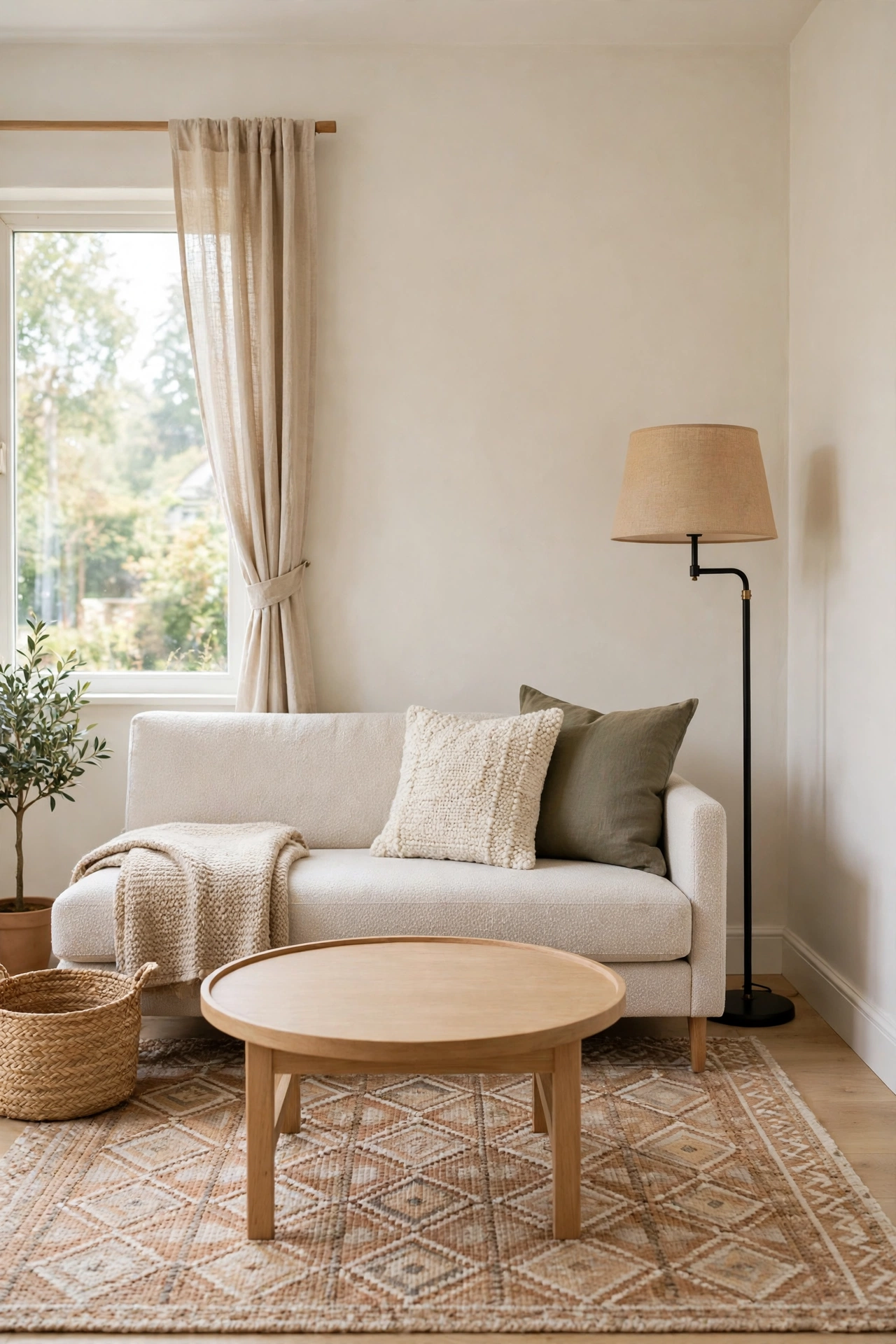
A rug is one of the best value decor pieces, because it changes the whole floor. Choose a rug large enough for the front legs of the sofa and the chairs to sit on it, usually at least 160 by 230 centimetres for a living room, or 120 by 170 centimetres for a small room.
A rug that is too small makes a room look smaller and makes the furniture look disconnected. A rug in a simple pattern or a solid colour is easier to live with than a busy pattern, and it will suit more furniture if you change the room later. Choose a low pile rug if you have a dining table on it, so chairs can move easily.
5. Change the textiles: cushions, throws, and curtains
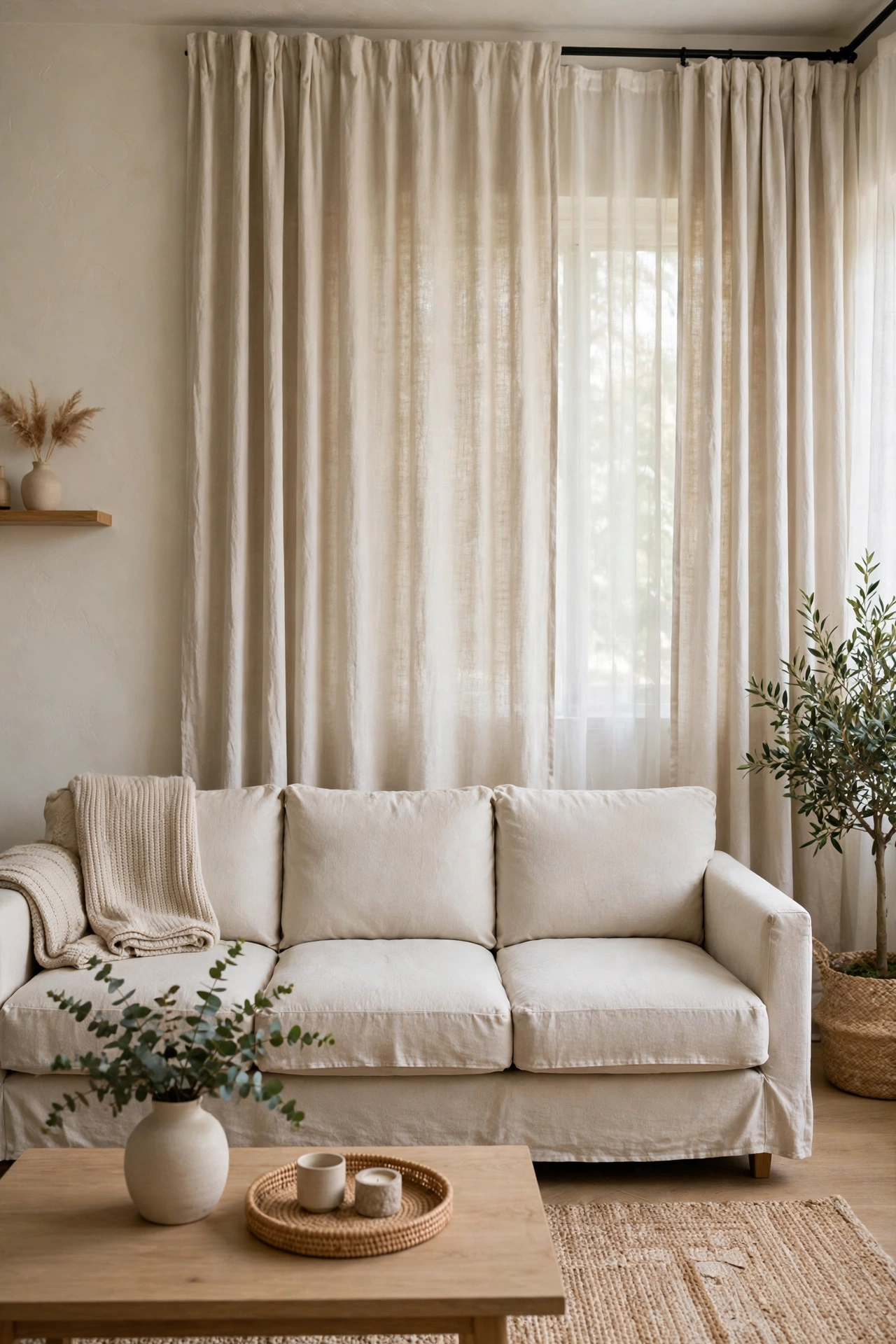
Textiles are the fastest way to change the colour and the feel of a room, and they are cheaper than furniture. A new cushion cover, a throw in a different colour, and a curtain that hangs properly will make a room feel new.
Choose cushion covers you can wash, in a colour that suits the room, and change them with the seasons if you like: warm colours in autumn and winter, lighter colours in spring and summer. A throw folded over the arm of a sofa is more inviting than a throw draped across the seat, and it does not slide onto the floor.
Hang curtains from close to the ceiling, 10 to 15 centimetres below the ceiling, and let them fall to the floor. Curtains that are too short, or hung just above the window frame, will make the window and the ceiling feel smaller.
6. Lighting: one good lamp changes a room
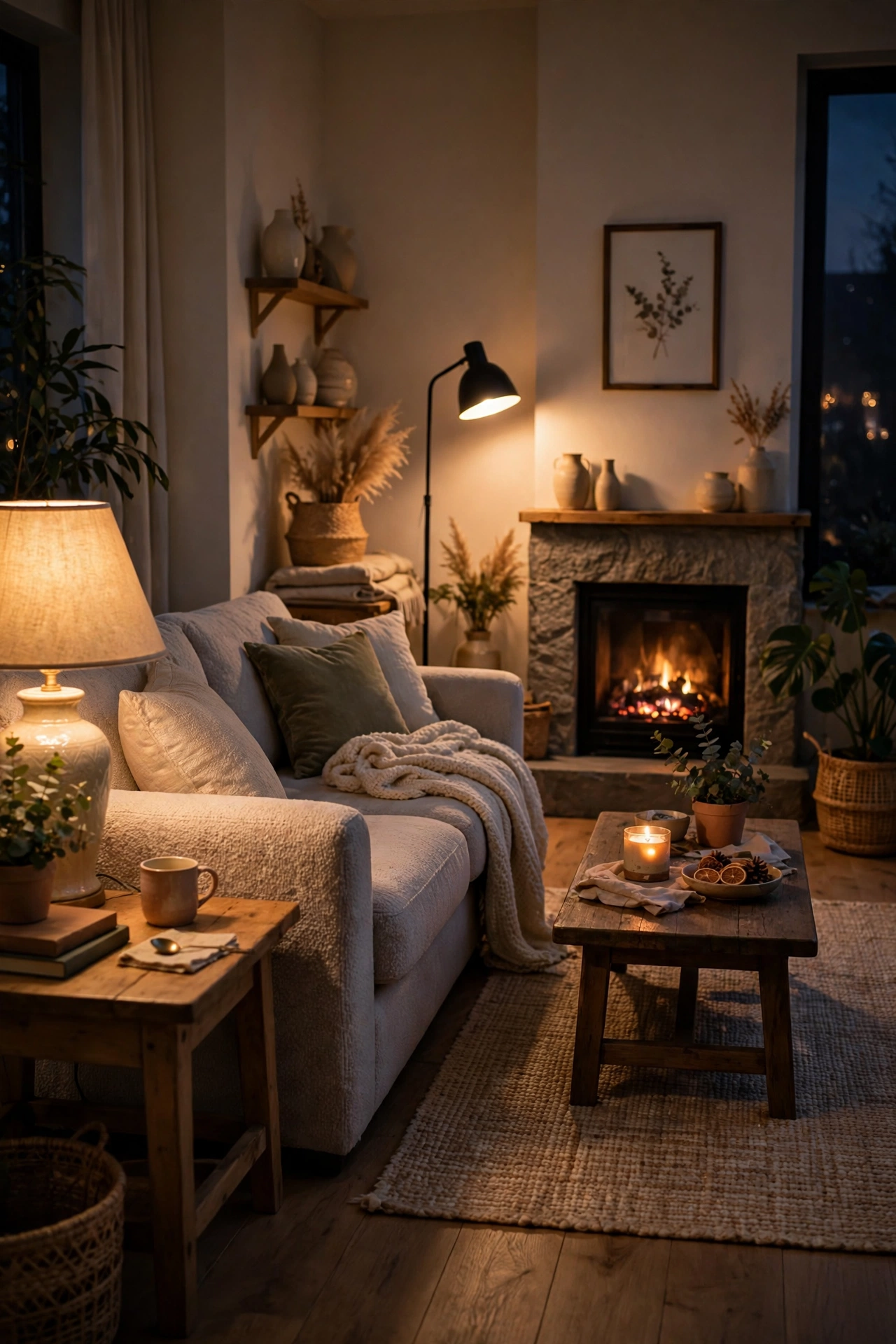
A room with one dim ceiling light will feel cold, even if the furniture is good. Add a second light source, a table lamp, a floor lamp, or a wall light, and use warm white bulbs.
A lamp with a shade that directs light down, or a lamp that you can angle, is more useful than a bare bulb. Place a lamp beside the sofa, on a side table, or behind an armchair, so you can read by it in the evening. A lamp is also a decor piece, so choose one with a shape you like, even if it is second hand, and replace the shade if it is yellowed or torn.
7. Art that you actually like, in frames that match
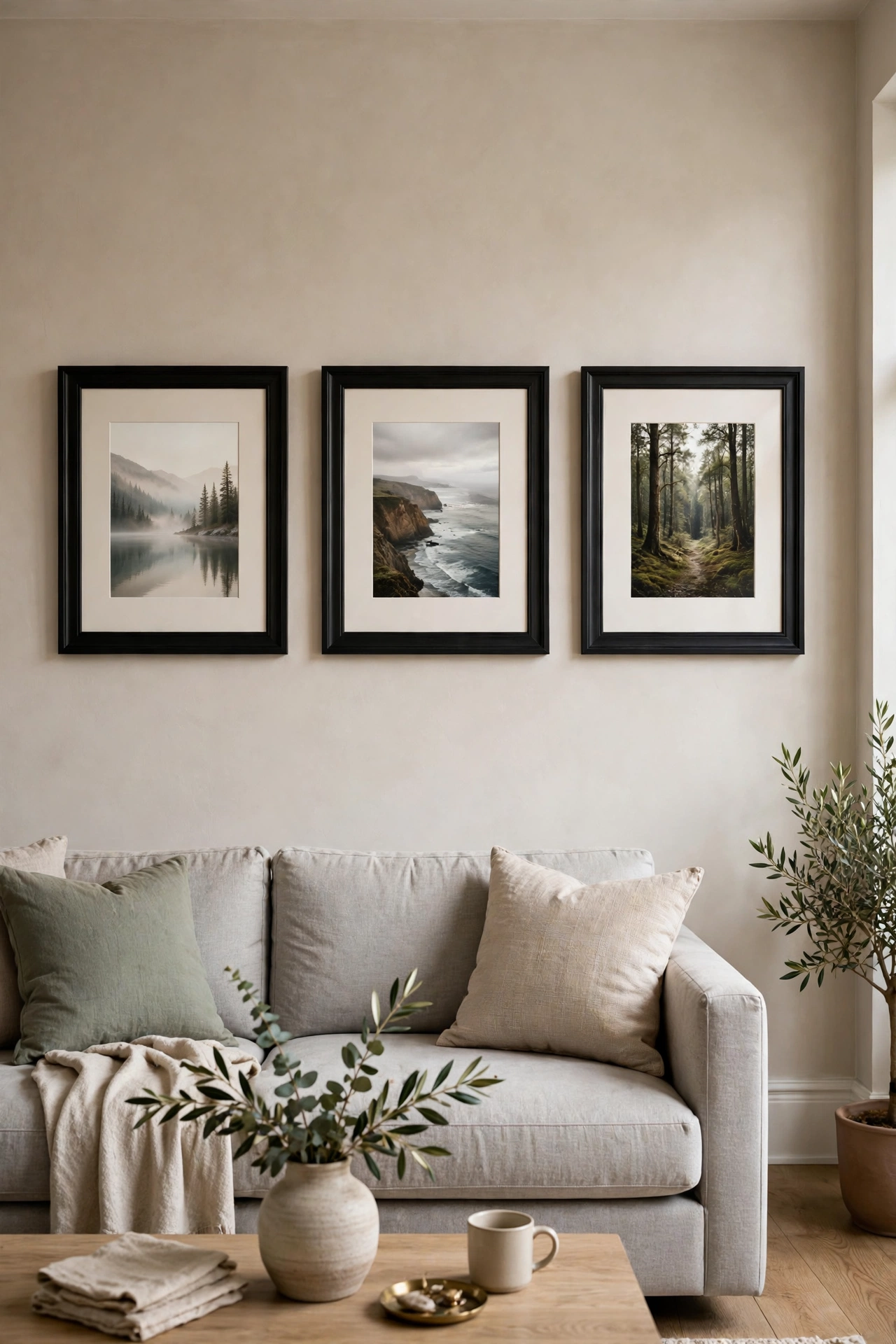
Art does not need to be expensive to look good. A print from a local artist, a photograph you took, a page from a calendar, or a child’s drawing, framed properly, will look better than an expensive print in a cheap frame.
Choose frames in one colour, usually black, white, or natural wood, and use a mat, a plain border of card inside the frame, to make a small print look deliberate. Hang art at eye level, with the centre about 145 to 155 centimetres from the floor, and keep the total width of the art about two thirds the width of the furniture below it.
8. A mirror to add light
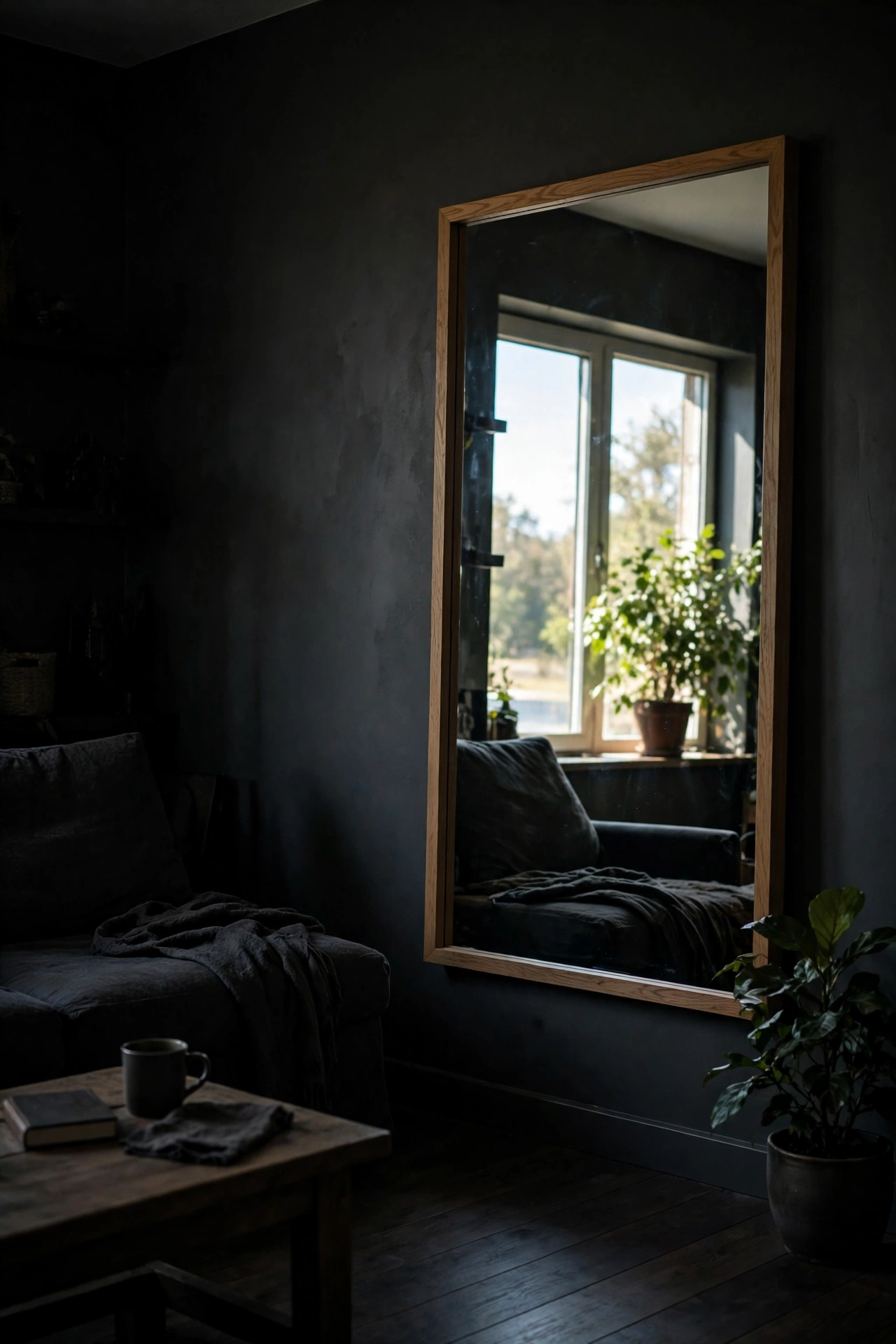
A mirror is one of the cheapest ways to add light to a dark room. A large mirror opposite a window, or beside it, will reflect daylight and make the room feel larger.
Choose a mirror with a simple frame, and hang it where it reflects a window, a plant, or a pleasant view, not a blank wall or a pile of clutter. A mirror in a hallway, an entry, or a small living room will do more than a mirror in a room that is already bright.
9. Plants, one large or a group of small
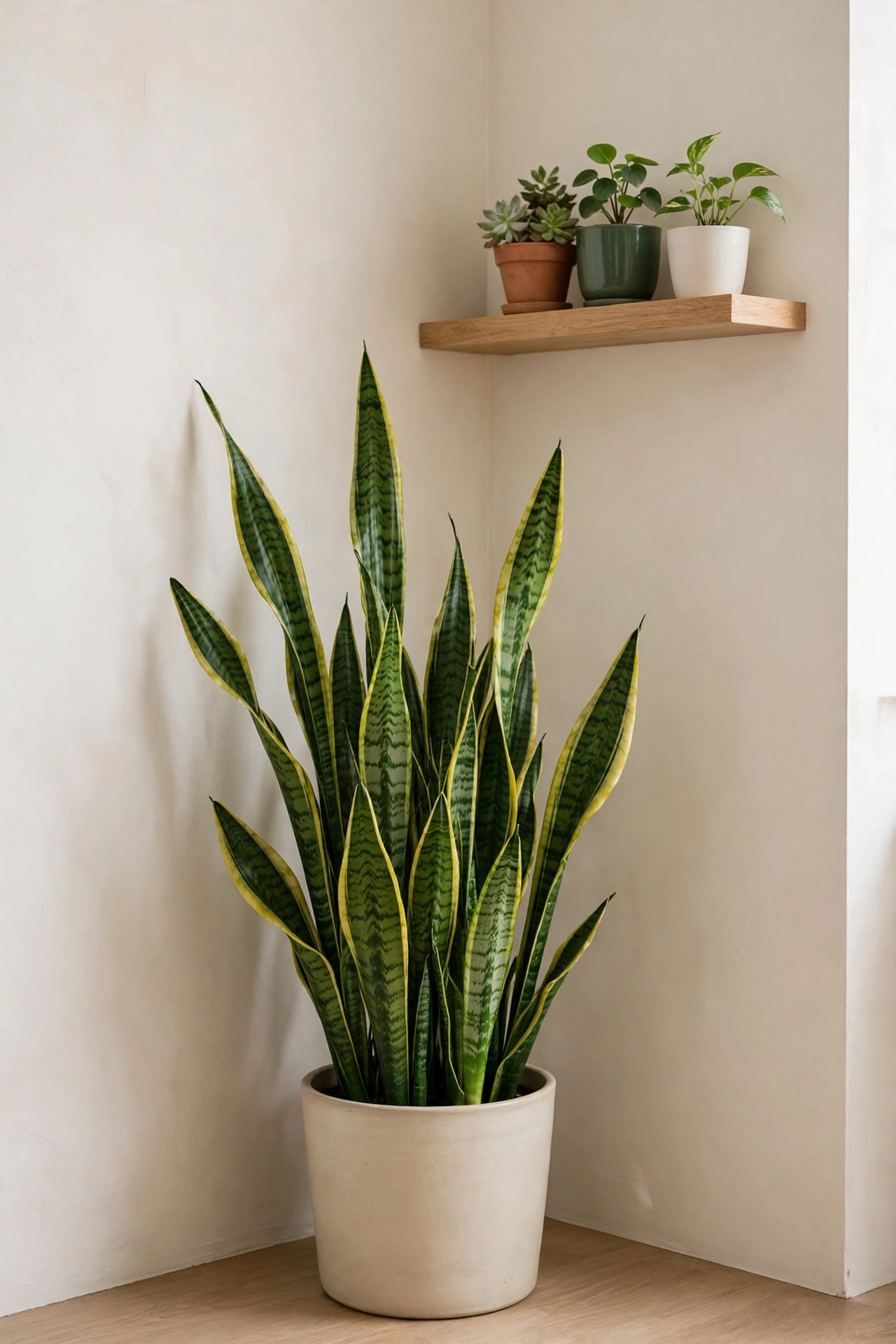
A plant makes a room feel alive, and it is one of the cheapest decor pieces you can buy. Choose one large plant for a corner, or a group of three small plants on a shelf, rather than a single plant on every surface.
Choose plants that suit the light in your home. A snake plant, a pothos, or a ZZ plant will cope with low light and irregular watering. A plant in a simple pot, in a colour that suits the room, will look better than a plant in a plastic nursery pot, so repot it into a plain ceramic or terracotta pot when you bring it home.
10. Paint or change the handles
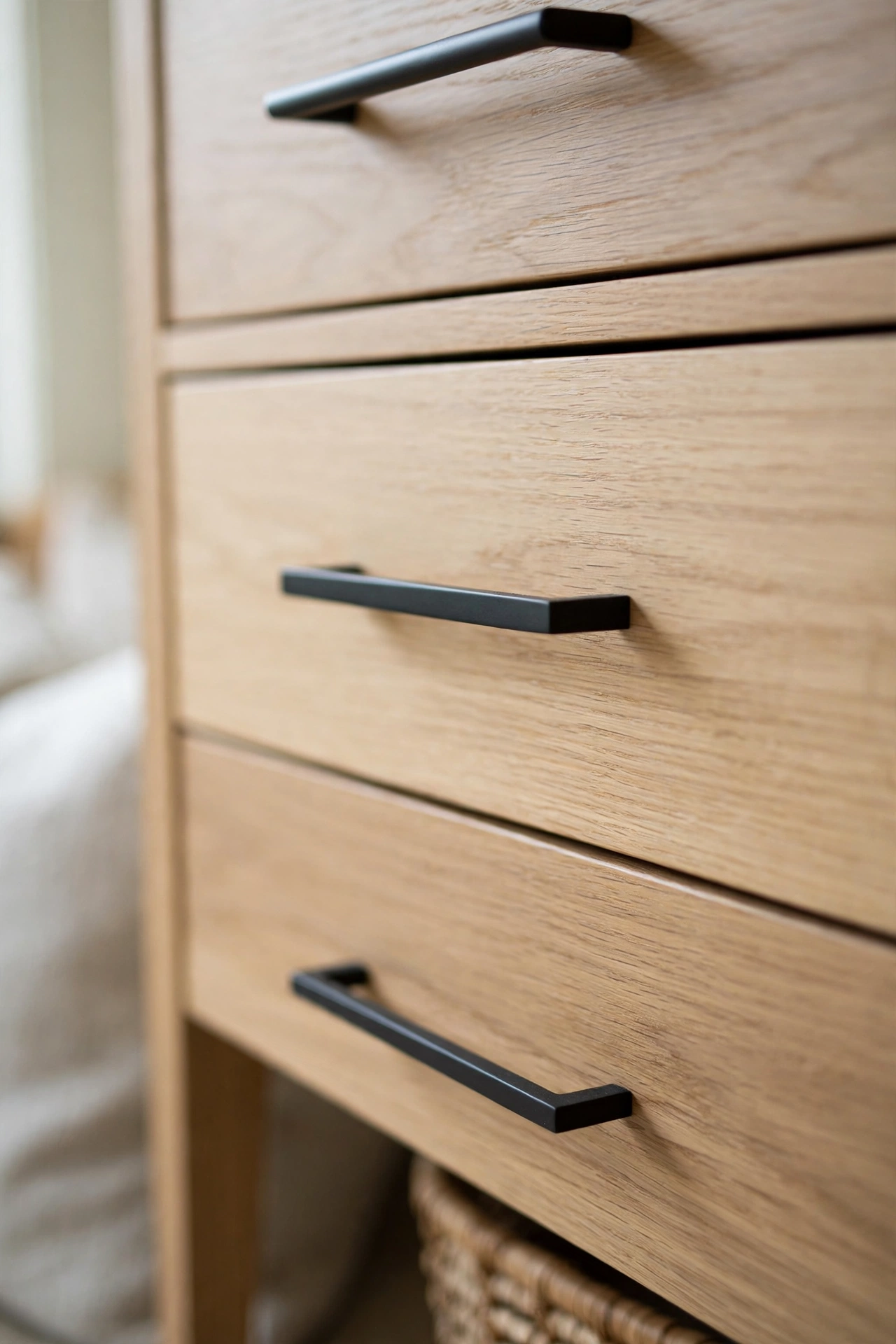
Handles are the jewellery of a room, and they are cheap to change. Replacing old handles on a chest of drawers, a kitchen cupboard, or a vanity cabinet with simple modern handles will make the furniture look new.
Measure the distance between the screw holes before you buy, usually 96 millimetres or 128 millimetres, so the new handles fit the existing holes. Choose handles in one finish for the whole room, so the furniture looks like a set, even if it was bought at different times.
11. Style the surfaces, then stop
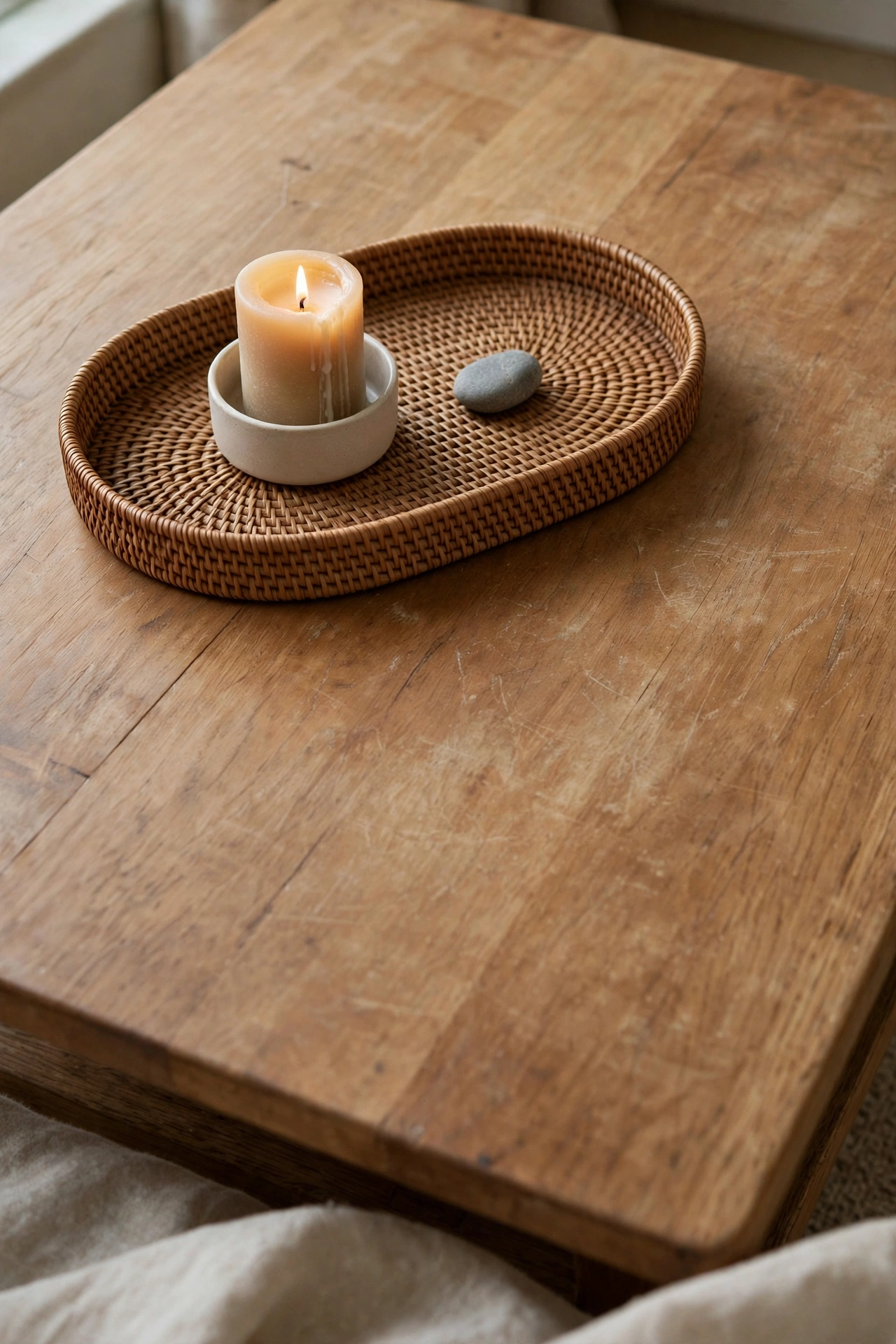
A styled surface needs fewer items than most people think. A coffee table needs three items: a book or a tray, a candle or a vase, and one small decorative object. A side table needs two items: a lamp and a book, or a lamp and a small plant.
When you style a surface, step back and look at it from the doorway. If you cannot see the surface itself, there are too many items on it. Remove one item, not one colour, and the surface will look calmer. Leave empty space on every surface, because empty space is what makes the styled items stand out.
12. A tray to group the small things
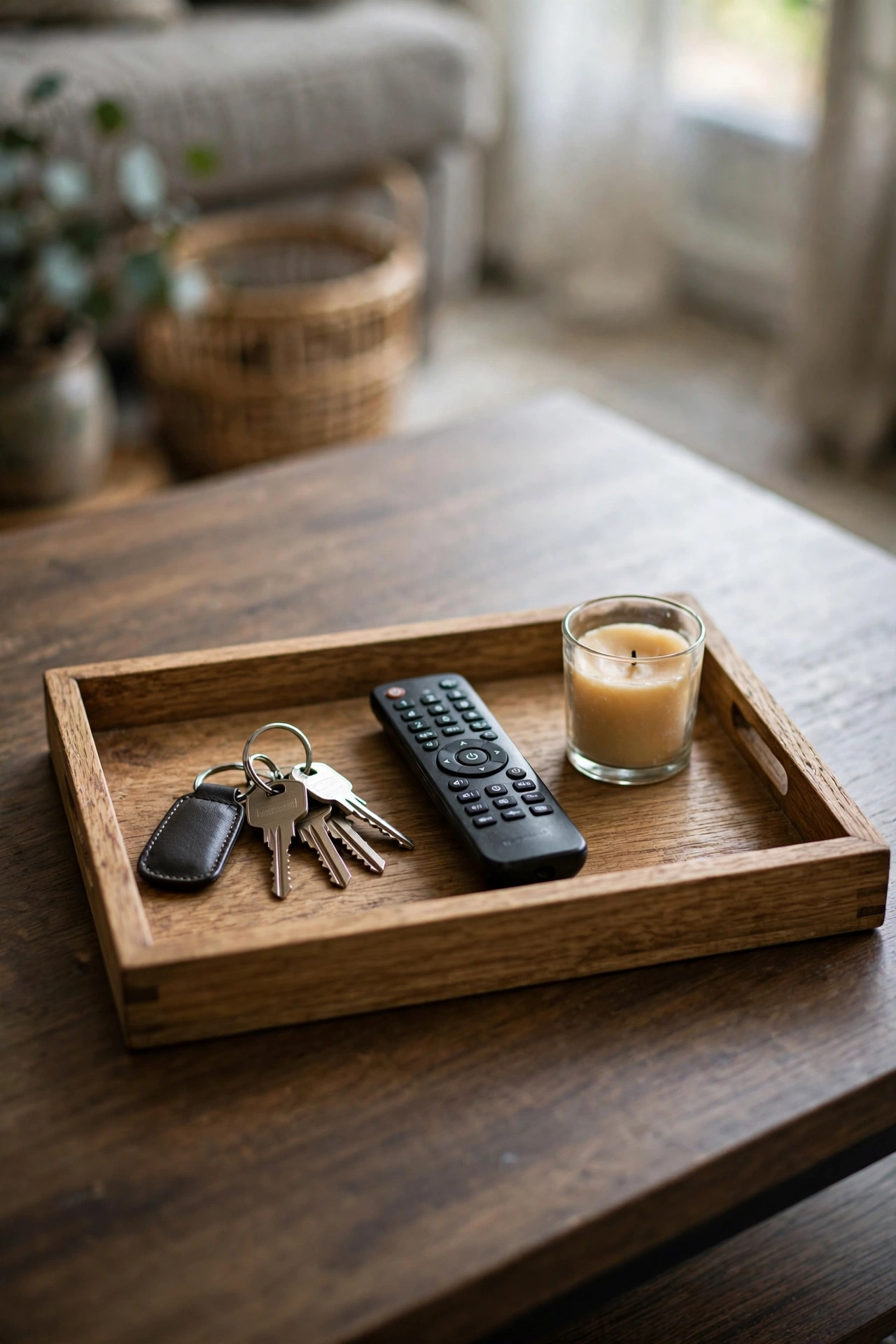
A tray is a small idea with a large effect. Without one, keys, remote controls, candles, and small objects spread across a table. With one, they stay in a defined area, and the rest of the surface stays clear.
Choose a tray about 25 to 35 centimetres across, in a material that suits the room, like wood, ceramic, or metal. Use it on a coffee table, a console, or a bedside table, and keep it to three or four items. A tray that holds seven items is not a tray, it is a shelf.
13. Swap, do not buy: use what you already own
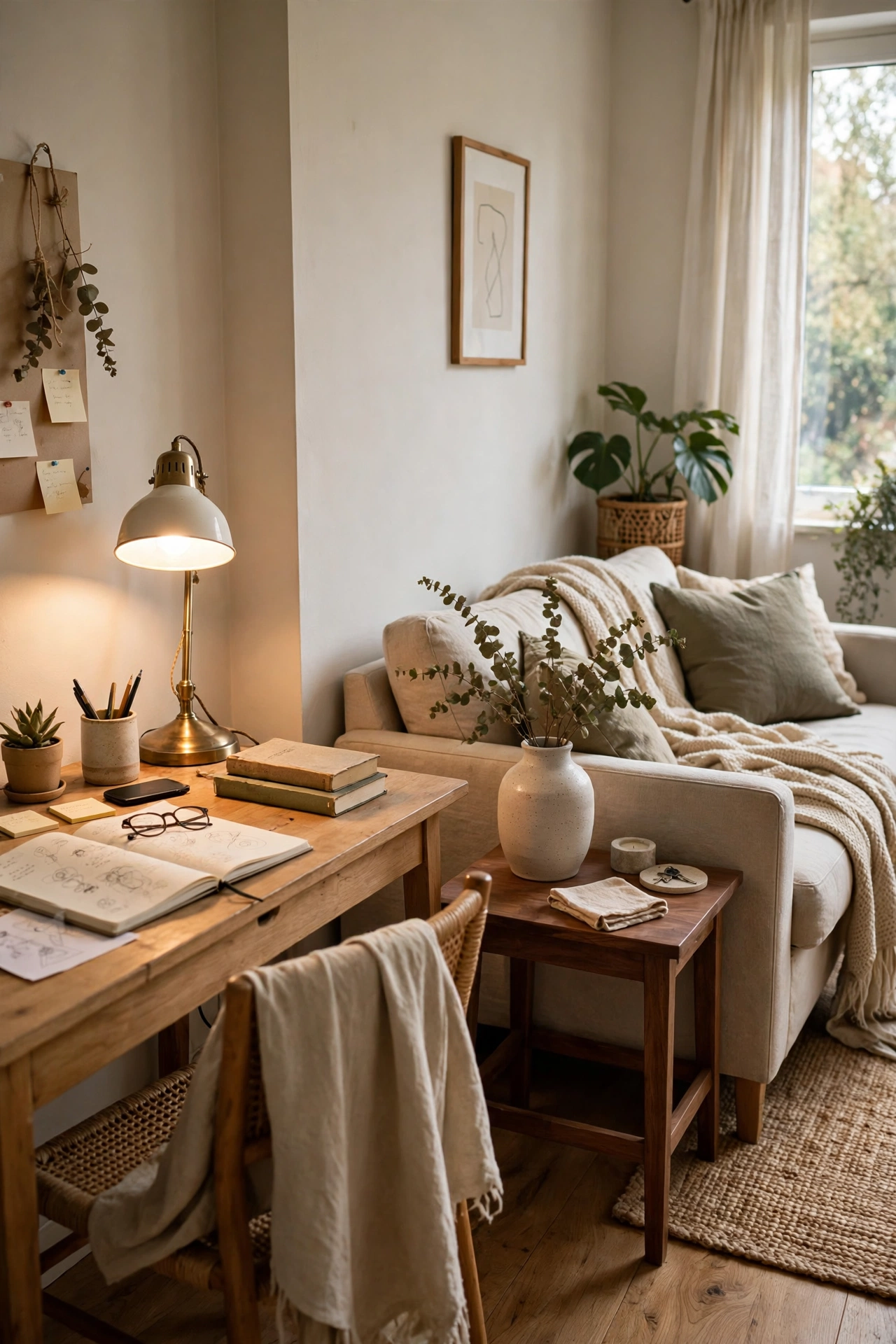
Before you buy new decor, look in other rooms, in cupboards, and in storage. A vase from the bedroom may suit the living room, a picture from the hallway may suit the dining room, and a throw from the sofa may suit the bed.
Swapping items between rooms costs nothing, and it will make both rooms feel fresh. A lamp moved from a desk to a side table, a cushion moved from a bedroom to a living room, or a basket moved from a bathroom to an entry will change the room without any spending.
14. A basket for the clutter
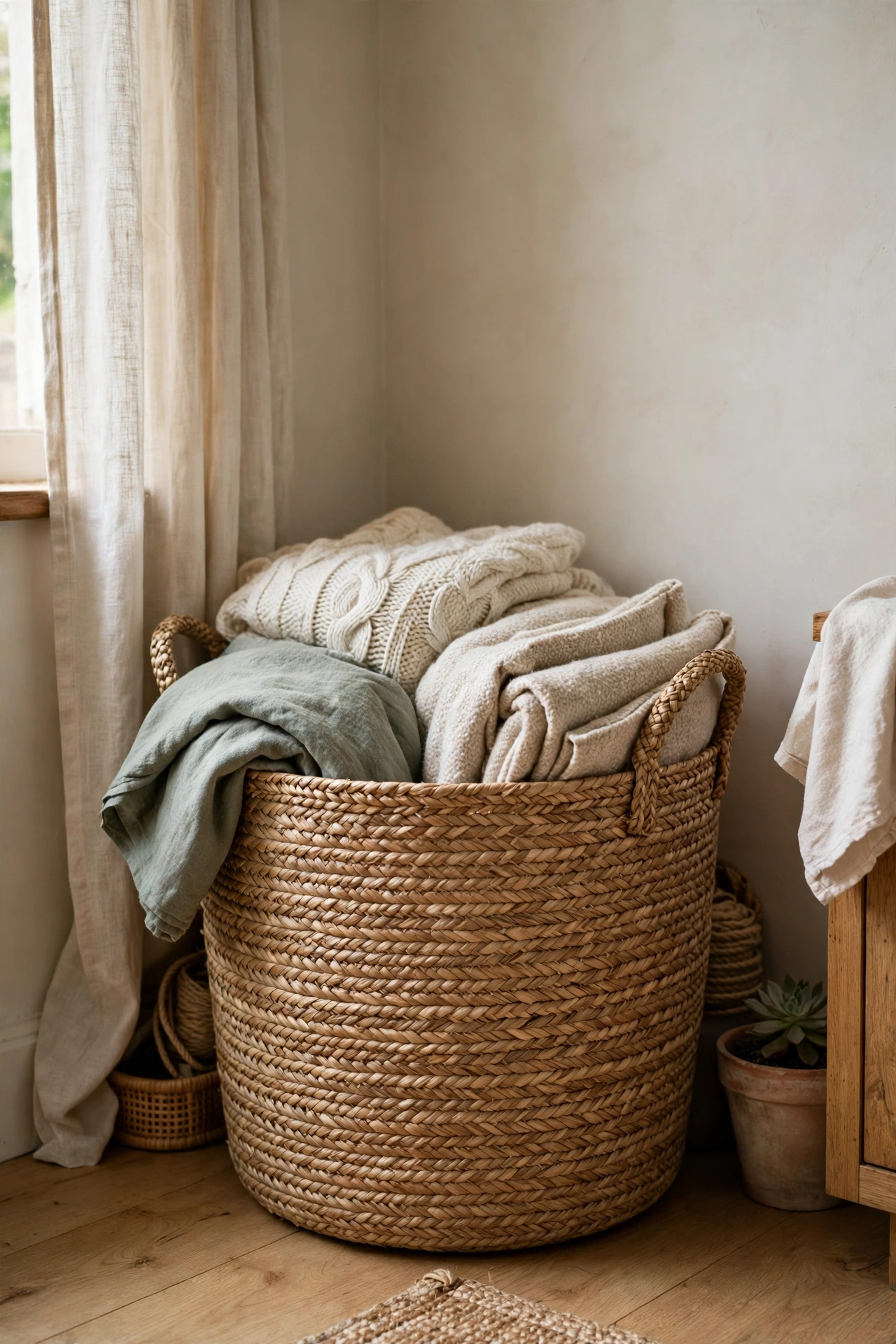
Baskets are the kindest storage, because they hide mess without looking like storage. Use a basket for blankets, for toys, for magazines, or for the items that usually end up on the floor.
Choose baskets with handles, so you can lift them out to clean behind them, and choose a size that fits the space, not a basket that is too large to move. A basket in a natural material, like seagrass or cotton, will suit most rooms, and it will look better than a plastic box, even if the plastic box is cheaper.
15. Declutter before you decorate
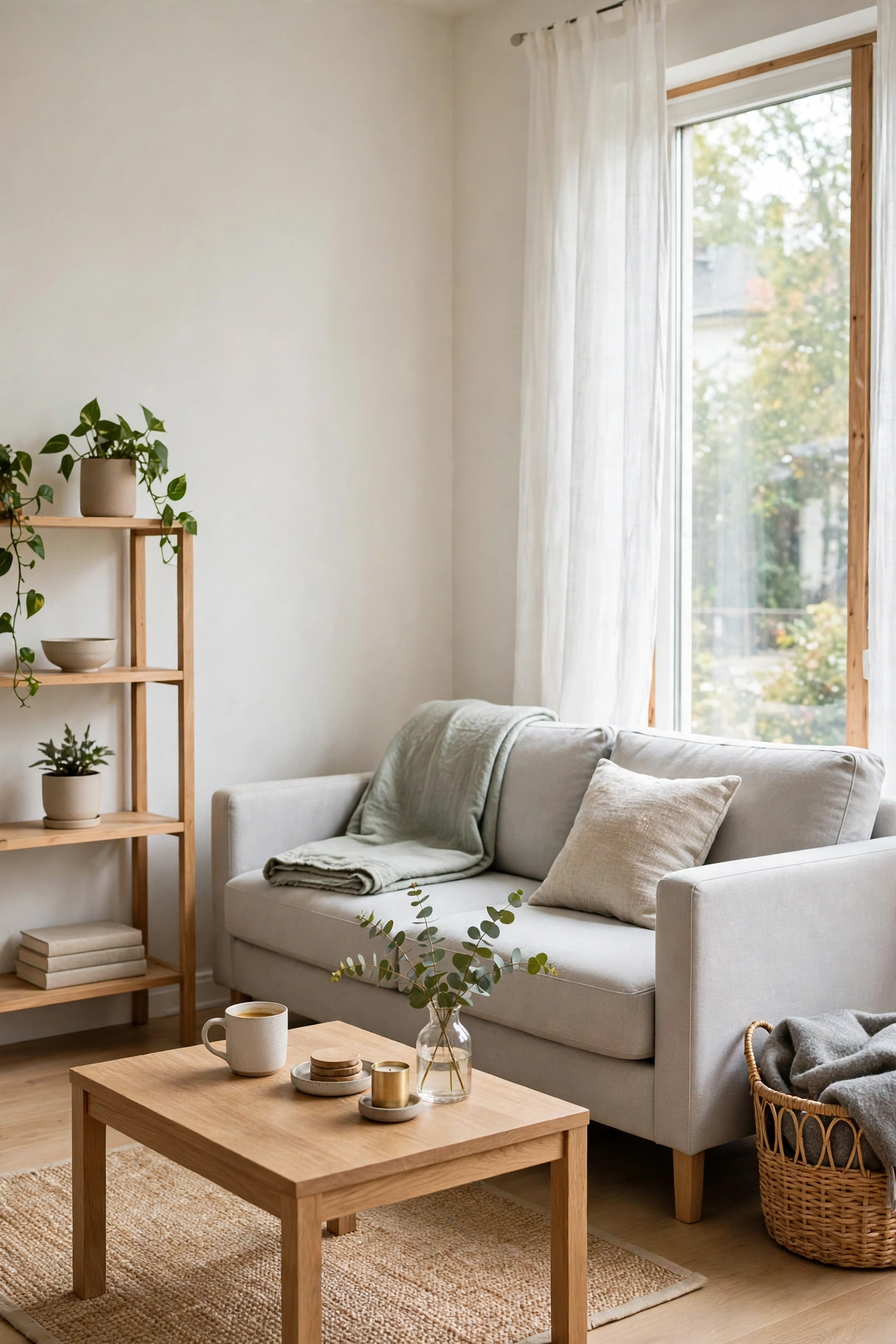
No amount of decor can cover clutter. Before you buy anything, remove the items you do not use, do not like, or do not need, and give the room a deep clean. Many rooms look 30 percent better after a declutter and a clean, and you will see clearly what the room actually needs.
Use the one in, one out rule after the declutter: when a new item comes in, an old item goes out. That rule will keep the room tidy, and it will stop the budget being spent on storage for items you do not need.
16. A focal point in each room
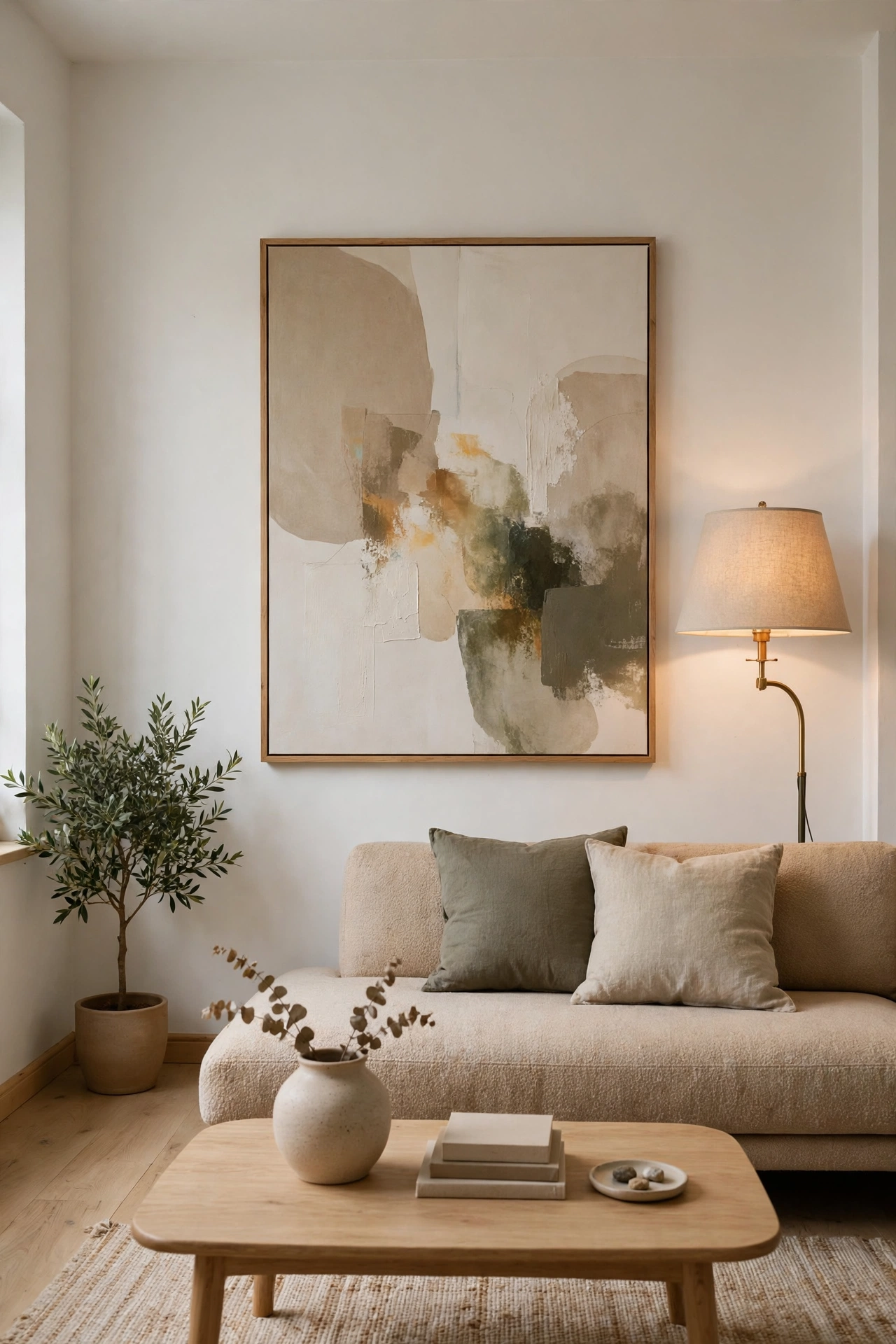
Every room needs one focal point, the first thing your eye goes to when you enter. In a living room, it is usually the sofa wall, the fireplace, or the television wall. In a bedroom, it is the bed wall. In a dining room, it is the table.
Choose the focal point, and spend the budget there: a piece of art, a mirror, a good lamp, or a painted wall. Keep the other walls and surfaces simpler, so the focal point stands out. A room with three focal points has no focal point, and it will feel busy no matter how much you spend.
17. Matching towels, bedding, and bath mats
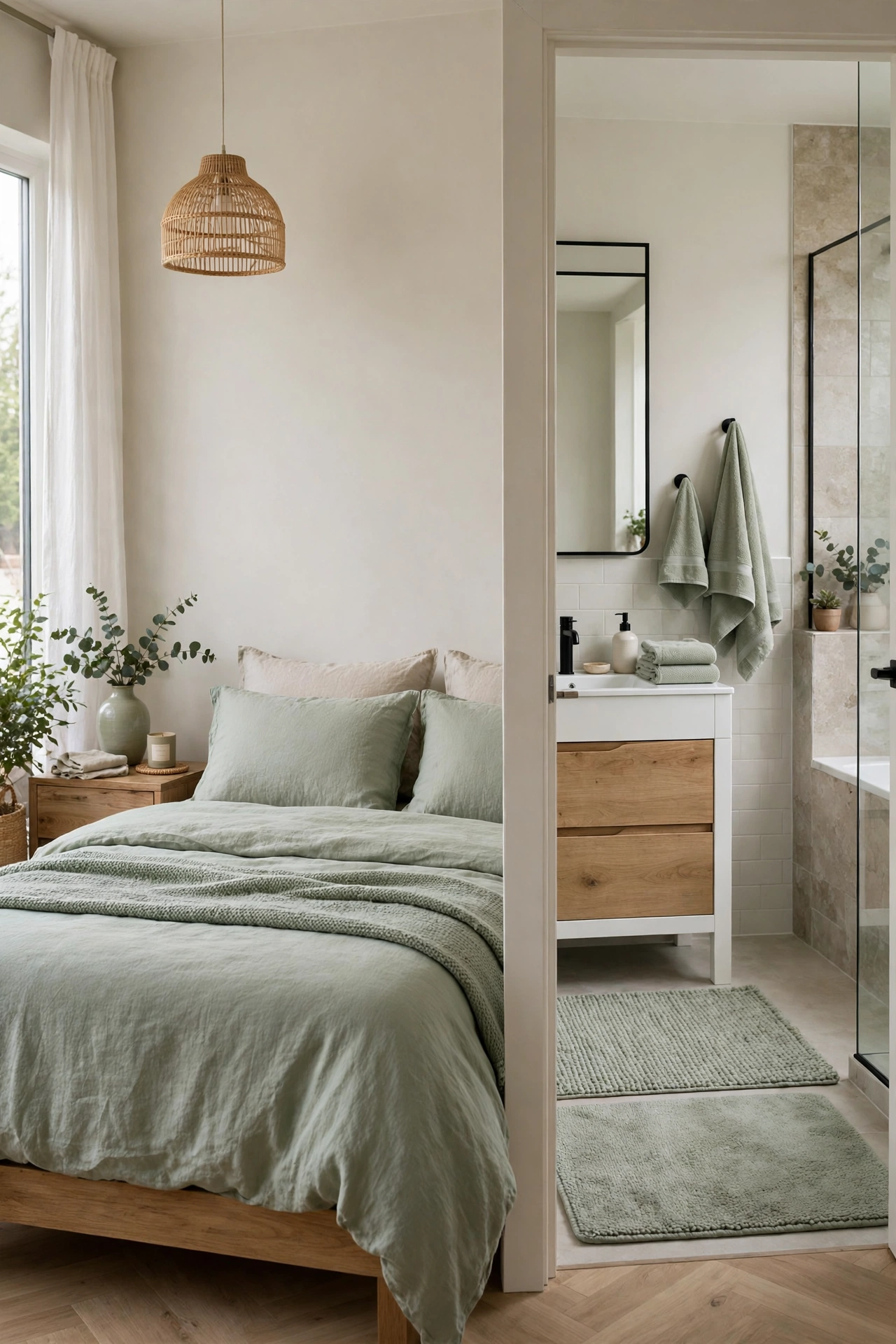
Matching textiles make a home feel intentional, even if they are inexpensive. A set of towels in one colour, a bedding set in a simple pattern, and a bath mat that matches the towels will make a bathroom and a bedroom feel like they were planned, not assembled from leftovers.
Replace the oldest, thinnest towels and bedding first, and choose colours that suit the room. White towels and bedding are the easiest to match, and they look clean and calm, but they need washing more often. A soft colour, like sage, cream, or pale blue, will hide marks better and still look coordinated.
18. Do one room at a time, and live with it
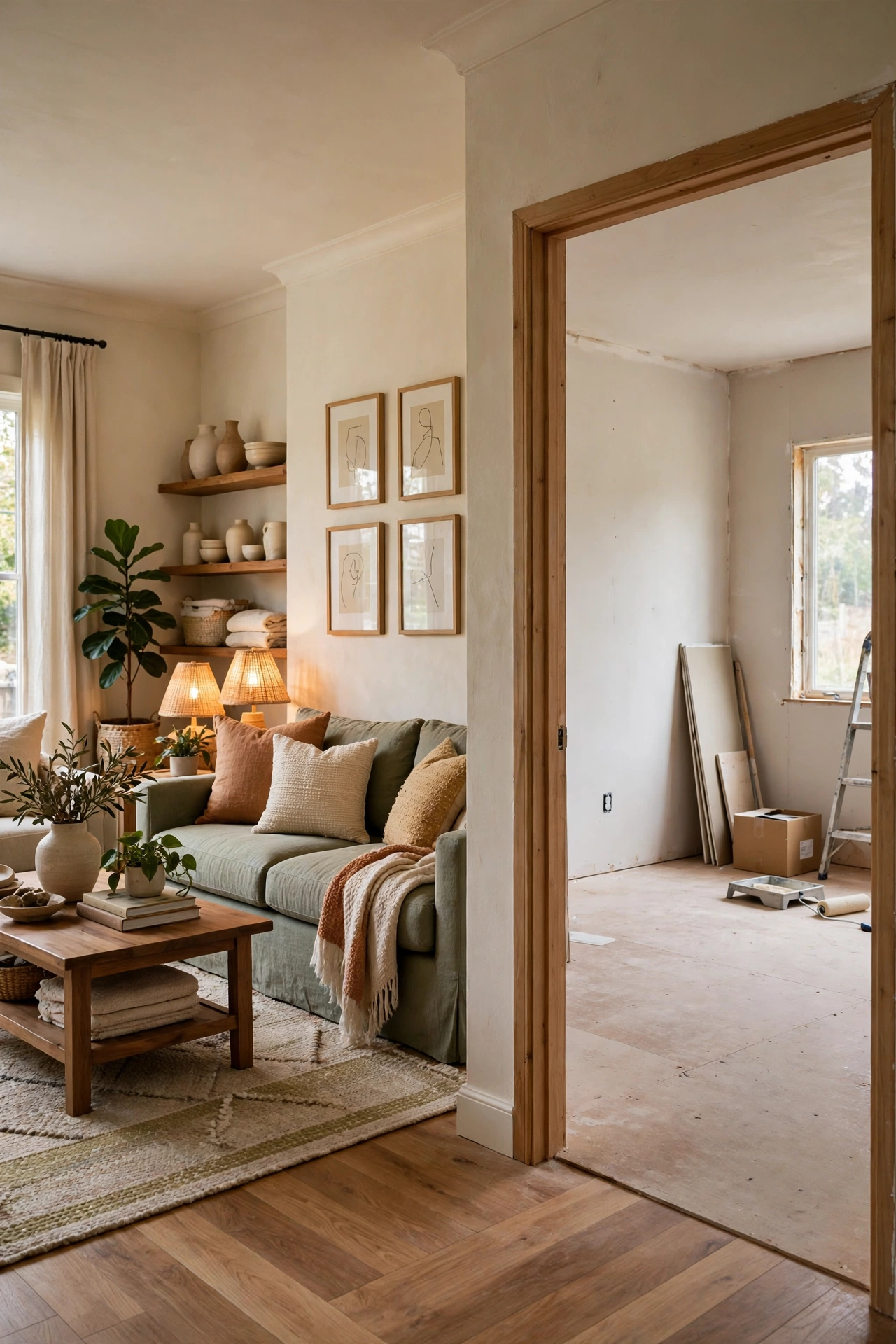
A home decorated one room at a time will look better than a home decorated all at once on a tight budget, because you can spend the budget where it shows, and you can learn what works before you spend on the next room.
Finish one room, live with it for a few weeks, and notice what is missing. Add only what you actually reached for, or what you noticed was missing, and then move to the next room. A home that grows slowly, one room at a time, will look collected and personal, not like a shop display.
A sample budget breakdown
Costs vary by country and by shop, so use this as a planning shape, not a price list. The point is the proportion, not the exact numbers.
Paint and supplies: about 20 percent. This covers paint, brushes, rollers, and filler for one room.
Textiles: about 20 percent. A rug, cushion covers, a throw, and curtains if needed.
Lighting and mirrors: about 15 percent. A lamp, a new shade, and a mirror.
Second hand furniture and handles: about 15 percent. A second hand piece, new handles, and cleaning supplies.
Art and frames: about 10 percent. Prints, frames, and mats.
Plants and baskets: about 10 percent. One large plant or a group of small plants, and baskets for storage.
Styling details: about 10 percent. A tray, candles, and matching dispensers or towels.
If the budget is very small, spend it in this order: declutter and clean, paint, a rug large enough for the seating, a lamp, and cushion covers. Those five changes cost the least and change the room the most.
What to avoid when decorating on a budget
Avoid buying many small cheap decorations, because ten small items cost as much as one good item, and they make a room look cluttered. Avoid furniture that is too large for the room, even if it was a bargain, because it will dominate the room. Avoid mixing three or four different styles in one room, because the room will look unplanned. Avoid buying storage before you declutter, because new storage will fill up with the same clutter. And avoid copying a shop display exactly, because a shop display is styled to sell, not to live in, and it will not suit your room, your light, or your daily life.
Frequently asked questions
1. How can I decorate my home on a small budget?
Start by decluttering and cleaning, then paint one room, choose a rug large enough for the seating, add a lamp, and change the textiles. Look second hand for furniture, lamps, and mirrors, swap items between rooms before you buy new ones, and spend the budget on one room at a time, starting with the room you use most.
2. What is the cheapest way to make a room look more expensive?
Use a rug large enough for the furniture, hang curtains from near the ceiling to the floor, add a large mirror, use matching frames and one metal finish, and keep surfaces clear with a tray for small items. A room with a clear focal point, good light, and empty space on the surfaces will look more expensive than a room full of cheap decorations.
3. Should I buy new or second hand furniture on a budget?
Buy second hand for solid wood furniture, lamps, mirrors, frames, and baskets, because those pieces are durable and easy to clean, and they cost a fraction of the new price. Buy new for items you cannot wash or check easily, like a mattress, and for electrical items, unless you can test them before you buy.
4. How do I choose a colour palette on a budget?
Choose a neutral base, warm white, cream, or pale grey, for the walls and the largest furniture, and add colour in the textiles you can change: cushions, throws, art, and a rug. Use one main accent colour, repeated in at least three places in the room, so the colour looks intentional, and keep the other colours neutral.
5. How much should I spend on each part of a budget makeover?
Plan by proportion, not by a single number, because prices vary widely. As a guide, spend about 20 percent each on paint and on textiles, about 15 percent each on lighting and mirrors and on second hand furniture and handles, and about 10 percent each on art and frames, on plants and baskets, and on styling details. Do the declutter, paint, rug, lamp, and cushion covers first if the budget is tight.
Conclusion
Home decor on a budget is a sequence, not a shopping list. Declutter and clean first, paint second, then choose a rug large enough for the seating, add a lamp, and change the textiles. Look second hand before you buy new, swap items between rooms, and spend the budget on one room at a time, starting with the room you use most. Keep the surfaces clear, give the room one focal point, and let empty space do some of the work. A home decorated slowly, with a few good choices and a clear plan, will look more expensive, and feel more like home, than a home filled quickly with many small purchases.