

11 Thrifted Home Decor Ideas
Thrifted home decor is one of the most practical ways to make a home feel collected, warm, and personal without spending a large amount on new furniture and accessories. A secondhand side table, a solid wood frame, a ceramic lamp base, or a woven basket can add character that a brand new item from a single catalogue often cannot. Thrifted pieces often have stronger materials and better joinery, and a piece that is still solid after years of use has already passed a durability test that a new piece has not.
This guide covers where to look, how to check quality, safe cleaning for wood, ceramic, glass, fabric, and metal, simple refreshes, and room by room ideas, for homeowners and renters, small spaces, and real budgets.
Why thrifted decor works

Thrifted decor works because it already has texture, shape, and a history of use. Older wood often has a warm grain and a solid weight that many flat packed pieces do not, and older brass and ceramic pieces can bring a soft shine and a hand made feel to a room. A single thrifted lamp, mirror, or side chair can anchor a space and give newer pieces something interesting to sit beside.
Where to look
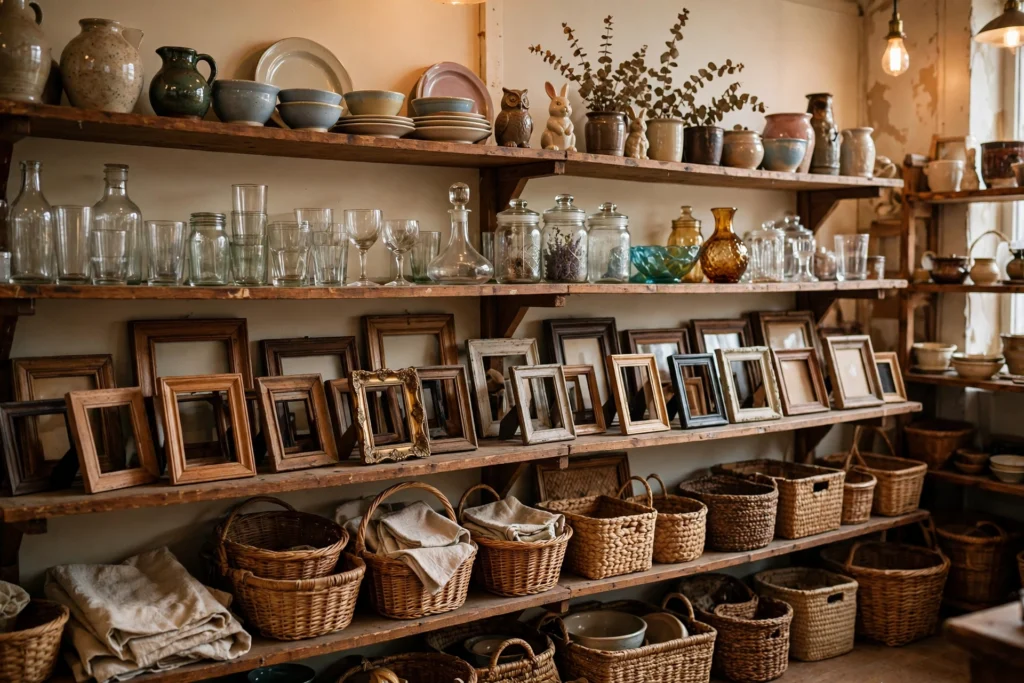
Charity shops are a good first stop for frames, ceramics, glass, baskets, and small furniture, and they are useful for testing a style at a low cost before buying a larger piece. Visit more than one shop if you can, because stock changes often and a small shop near a residential area may have different pieces from a large city centre shop.
Habitat for Humanity ReStores and other reuse centres are useful for larger wood pieces, doors, lighting, and hardware, and they are a good place to look for a solid table or a storage unit that can be painted or repaired.
Online marketplaces and local community groups can be useful for a specific size or style, but check dimensions, photos, and collection or delivery costs before you agree to buy, and keep messages inside the platform so that you have a record of the price and condition.
What to buy
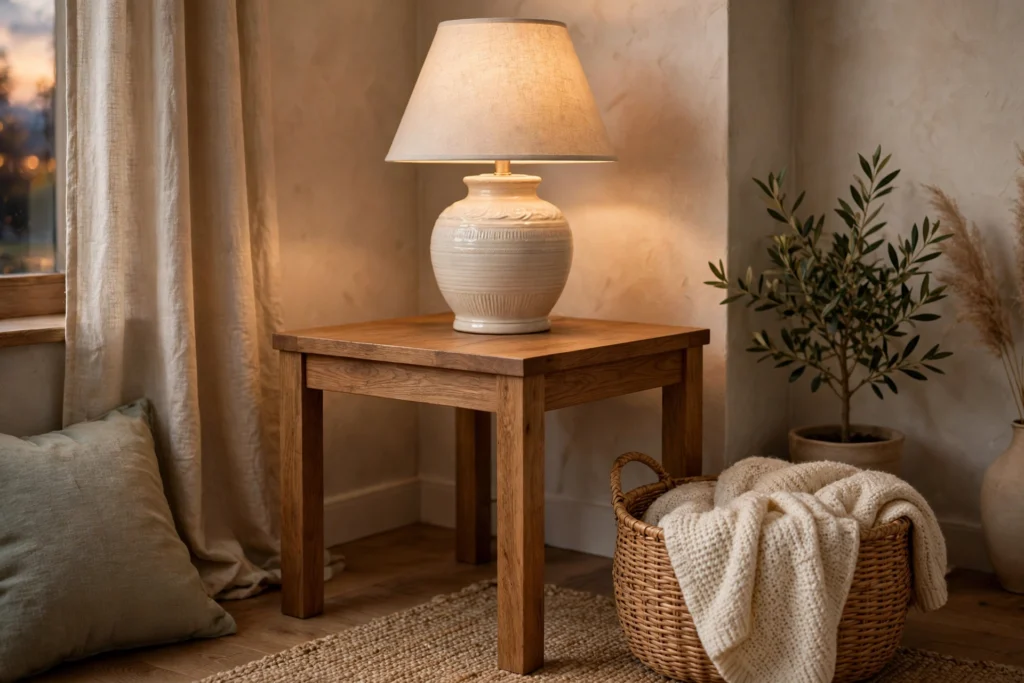
The best thrifted finds are pieces that are useful, easy to clean, and simple to repair, and it helps to look for these qualities before you buy.
Solid wood is usually the safest large purchase, because it can be cleaned, sanded, and painted, and its joints can often be tightened. Look for heavy pieces with dovetail or mortise and tenon joints and avoid light pieces that wobble when you lean on them.
Ceramics, glass, and metal are also strong secondhand buys, because chips, cracks, and loose handles are easy to see and a piece that looks good from every angle is often a good buy. For ceramics, check the base and rim for chips and look for a clear glaze, and for glass check for cracks near the base and handle.
Brass, wood, and woven pieces can be cleaned and refreshed more easily than pieces with damaged veneer or a broken frame, so a solid brass lamp, a wooden tray, or a woven basket is often a better buy than a veneered table with a lifted edge. Frames, mirrors, lamps, and baskets are also easy to move between rooms, so they are useful when you want to test a new layout without a large commitment.
What to skip
Upholstered pieces are a good example, because a sofa or an armchair can hide stains, smells, and worn springs, and a frame that feels solid in the shop may still need new foam or fabric. Skip upholstered pieces unless you can check them carefully, you know a local repairer, and you have a clear budget for cleaning or reupholstery.
Particle board and flat packed furniture with swollen edges, missing fixings, or a broken frame are often harder to repair than solid wood, so they are usually best left in the shop. The same applies to pieces with a strong damp smell, visible mould, or a warped top, because cleaning may not fix the damage underneath.
Broken mechanisms are another reason to pause, because a drawer that sticks, a door that will not close, or a chair leg that has been glued many times may need more work than the saving is worth. Test every moving part in the shop, including drawers, hinges, recliners, and folding mechanisms, and ask yourself whether you would still want the piece if the repair took longer than you expect.
A piece that is too big for its room, too heavy to move safely, or too costly to deliver is also a good reason to leave it behind, even if you like the look. Measure doorways, stairs, and the space where the piece will sit before you buy, and check that it will fit through your home without damage to the piece or to your walls.
Items that need expensive parts, a specialist repair, or a new electrical fitting are also worth leaving behind unless you have checked the cost and the safety advice first. A cheap purchase can become expensive quickly if it needs a new motor, a rare hinge, or a full rewire, so compare the total cost with a similar new piece before you decide.
How to check quality
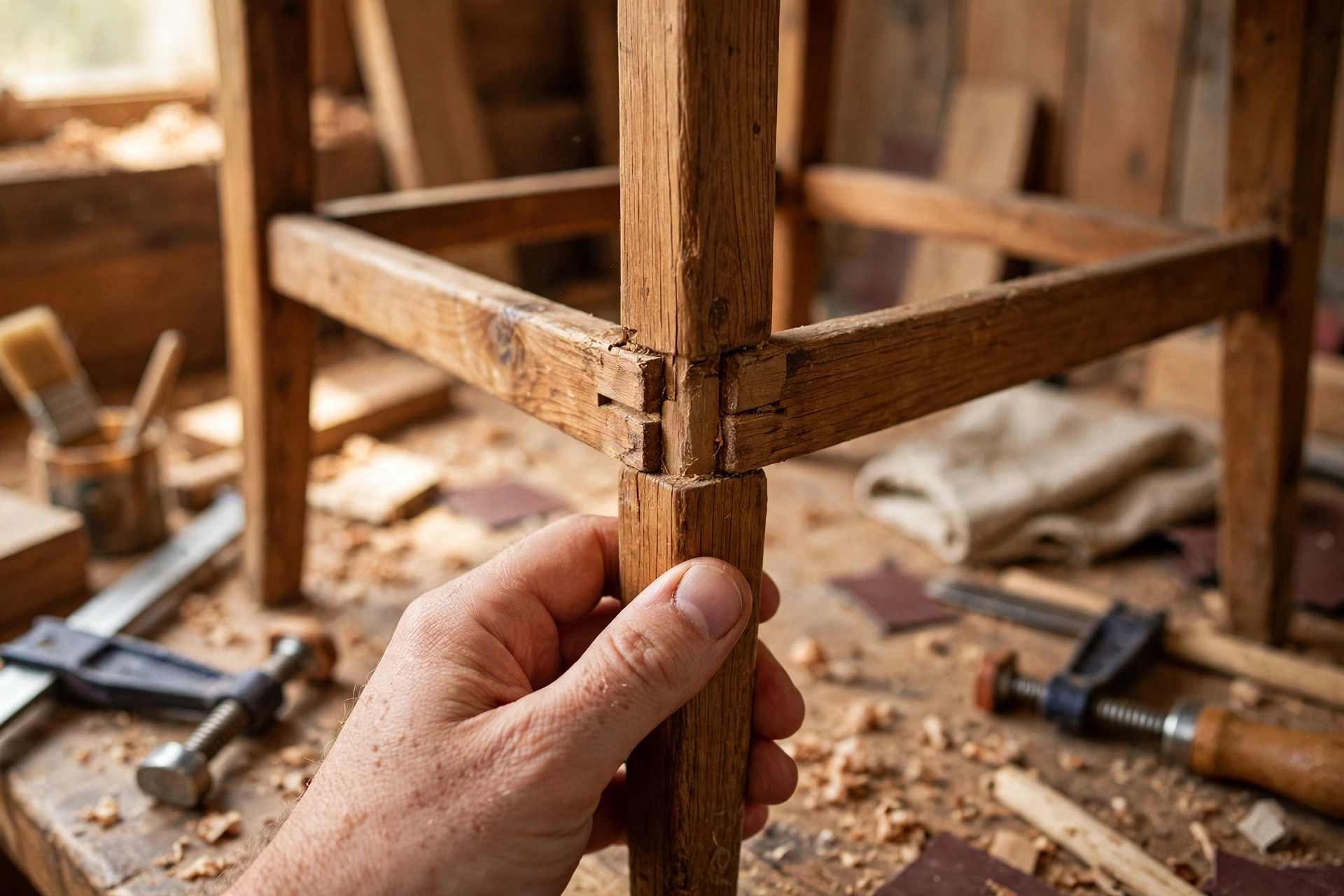
Lift the piece and check its weight, because solid wood and metal should feel heavier than they look and a very light piece may be hollow or made from a weaker board. Open drawers, doors, and lids and check that they move smoothly and close fully without catching.
Check joints and corners for cracks, splits, and loose glue, and look at the back and underside of the piece for water marks, pest damage, and repairs that are not obvious from the front. A piece that has been repaired well can still be a good buy, but a piece with a broken frame or a split top is often best left behind.
Sit on chairs, lean on tables, and press down on shelves to check stability, and listen for creaks or movement that could mean a loose joint. For a table, check that all four legs touch the floor evenly, and for a chair check that the seat and back do not flex more than you would expect.
Check finishes for peeling paint, lifted veneer, and rough edges, and run your hand along the surface to feel for splinters or sharp points. A finish that is worn in places can be sanded and repainted, but a finish that is peeling across a large area may need more work than the saving is worth.
For ceramics and glass, hold the piece up to the light and check for cracks, chips, and crazing in the glaze, and for metal check for rust, loose handles, and a stable base. A small chip on a decorative piece may be acceptable if the price reflects it, but a crack in a piece that will hold food or drink is a reason to leave it behind.
How to clean thrifted pieces
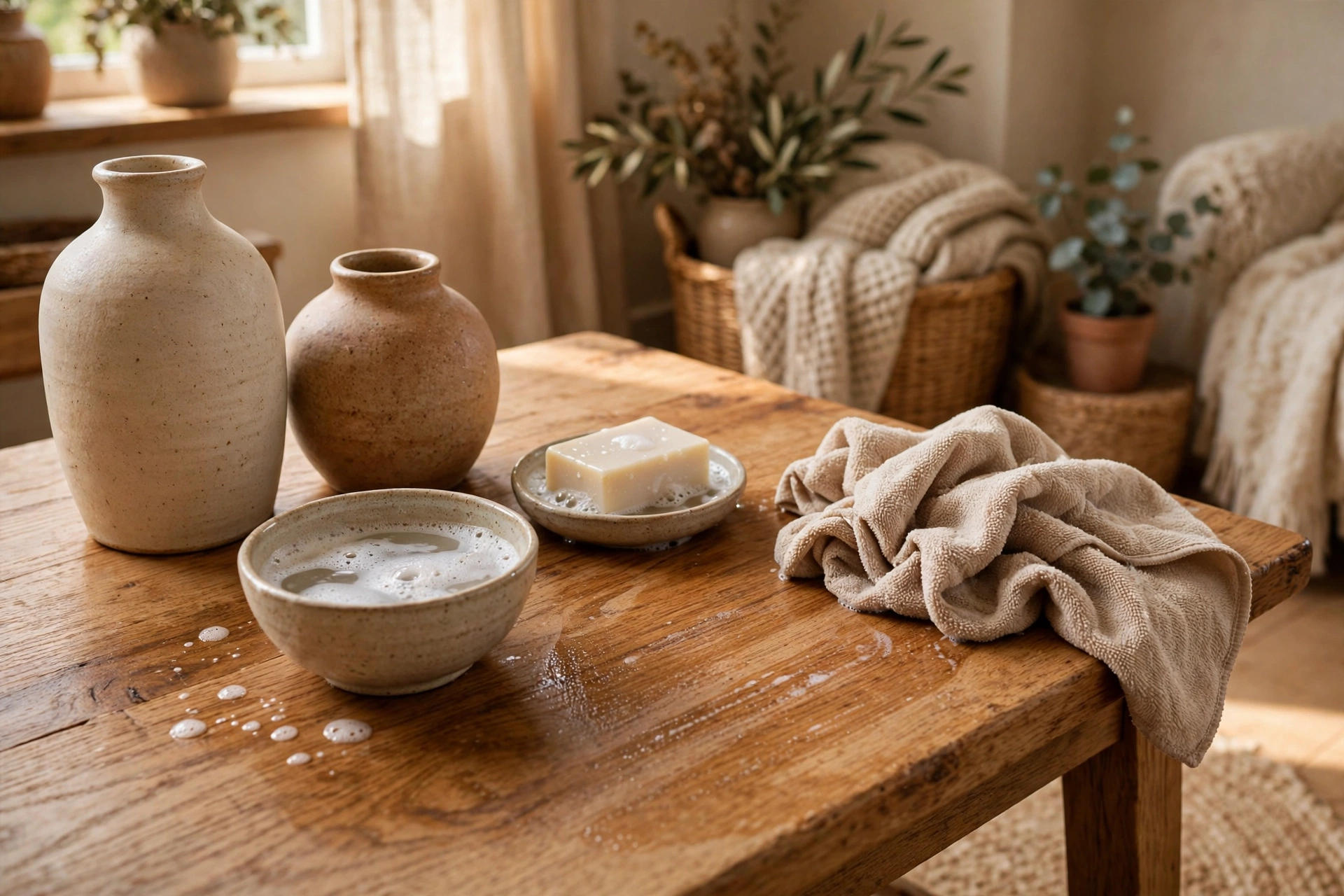
Wood is usually the easiest material to clean, so start by dusting with a dry cloth and wiping with a damp cloth and a mild soap, and dry the piece straight away so that water does not sit on the surface. Avoid soaking wood, because water can raise the grain, loosen joints, and leave marks that are hard to remove.
After cleaning, check the finish and add a thin layer of beeswax or a suitable wood oil if the surface looks dry, and test any product on a hidden area first so that you can check the colour and finish before you treat the whole piece.
Ceramics and glass can usually be washed in warm soapy water, but check for cracks first and avoid sudden changes in temperature, because a hot piece placed in cold water can crack. Dry ceramics and glass fully before you store them, and avoid stacking heavy pieces on top of delicate ones.
For metal, check for rust and loose fixings, and clean with a soft cloth and a suitable metal cleaner, and for fabric, vacuum first, spot clean with a mild detergent, and allow the piece to dry fully before you use it.
Safety notes for electrical items
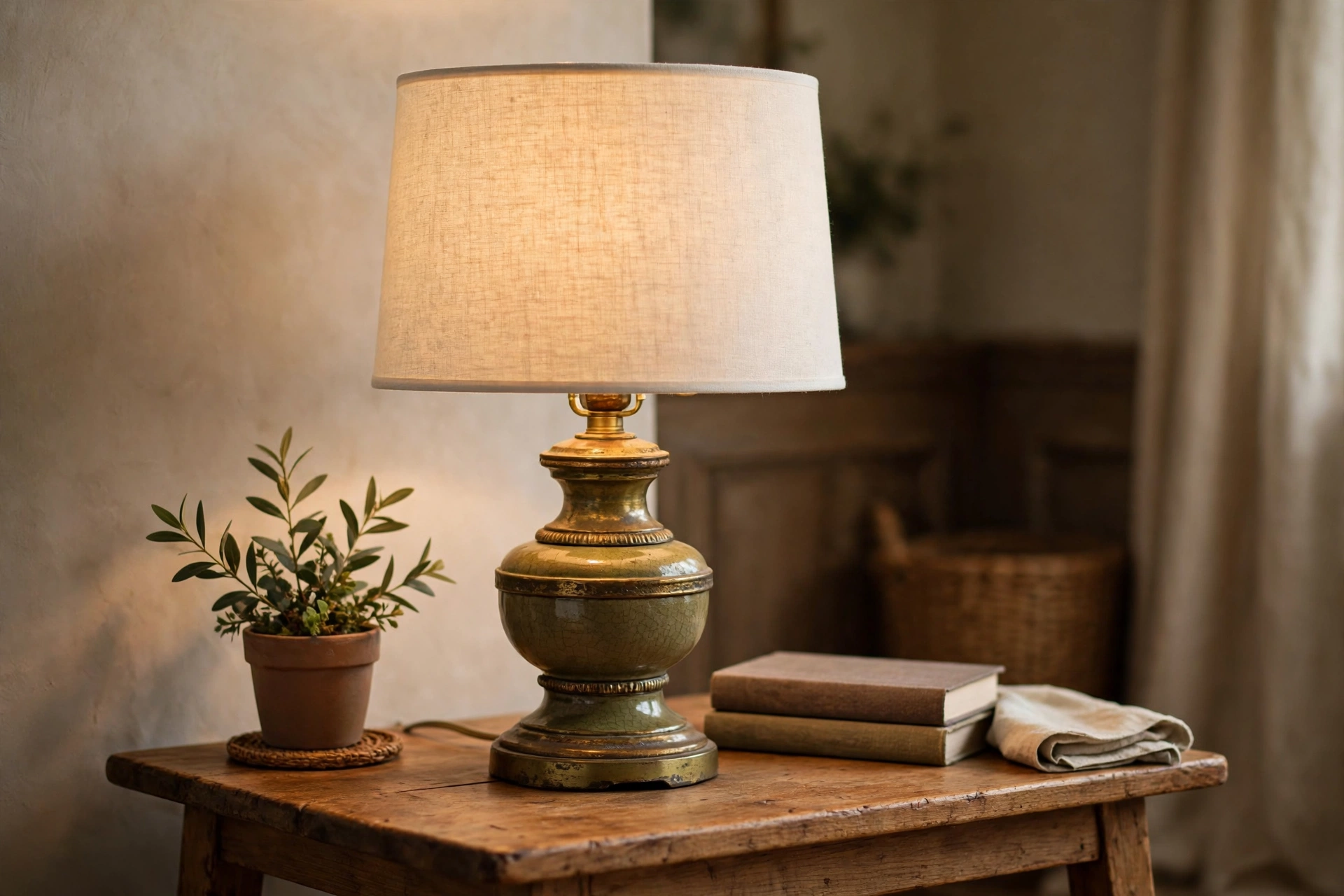
Check the cord, plug, and switch for damage, and look for fraying, exposed wires, a cracked plug, or a loose connection, because these are signs that the item should not be used until it has been checked by a qualified person.
Use the correct bulb and fuse for the item, and do not use a lamp or an appliance that feels hot, smells of burning, or trips a fuse, because these signs can mean a fault inside the fitting. If you are unsure, ask a qualified electrician to check the item before you use it at home.
Do not buy electrical items with a damaged cord, a missing cover, or a plug that does not fit your sockets, and do not use an adapter to force a fit. If an item has been rewired, ask for details of the work and check that the new wiring is safe and suitable for the item.
How to refresh thrifted pieces with paint, knobs, and shades
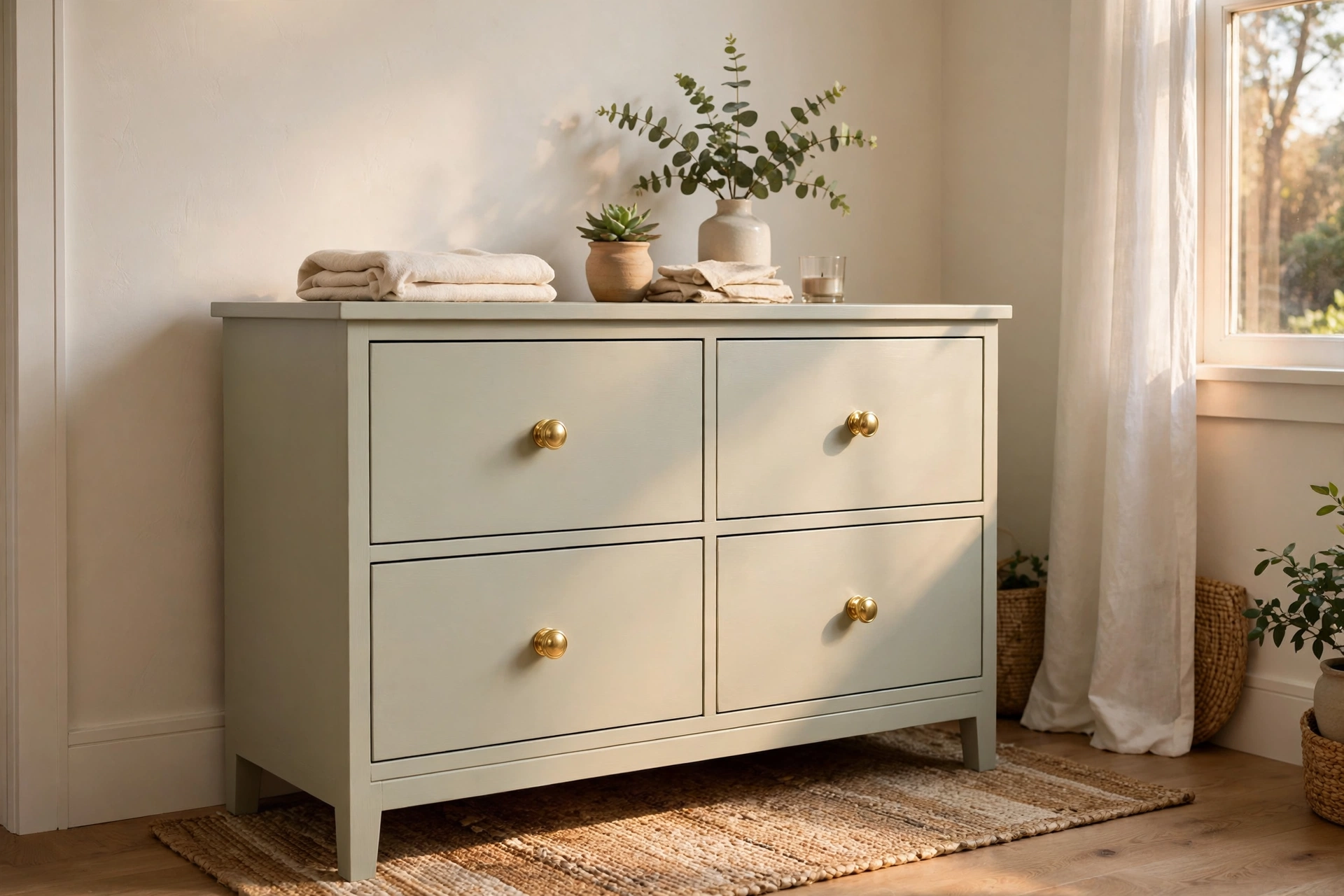
Paint is one of the simplest ways to refresh a thrifted piece, because a light sand, a primer, and two thin coats of paint can change a dark or dated piece into a lighter one that fits your room. Choose a paint that suits the material, and allow each coat to dry fully before you add the next one.
For a more modern look, keep the paint colour simple and use a single accent colour for a drawer front, a door, or a frame, and leave some of the original wood visible so that the piece still has character. A painted piece with a natural wood top or a brass handle often looks more collected than a piece that is painted in a single flat colour.
New knobs and handles are a quick change that can make a chest of drawers, a cabinet, or a wardrobe feel new, and they are easy to fit with a screwdriver and a measuring tape. Choose knobs that match the style of the room, and keep the old knobs in a bag so that you can return the piece to its original look if you change your mind.
New shades, cushions, and throws are also useful for softening a thrifted lamp or chair, and they can be changed with the seasons without a large cost. A plain shade in a warm white or a soft linen can make a thrifted lamp look new, and a cushion in a simple pattern can link a secondhand chair to the rest of the room.
How to mix old with new

One old piece in a room is often enough to add character, so start with a single thrifted table, mirror, or lamp and build the rest of the room around it. A room with too many secondhand pieces can feel cluttered, while a room with one strong old piece and a few simple new pieces feels balanced and intentional.
Repeat a material, colour, or shape across the room to link old and new pieces, because a brass lamp, a brass frame, and a brass tray can make a thrifted table feel like part of a plan rather than a random find. A shared wood tone, a similar leg shape, or a repeated pattern can also help a mix of pieces feel calm.
Place thrifted pieces where they will be used and seen, because a beautiful secondhand chair in a corner that is never used will feel like clutter, while the same chair beside a reading lamp and a small table will feel like a purposeful reading spot. Use a thrifted piece to solve a real need, such as storage, seating, or lighting, rather than buying it only because it is cheap.
Keep the rest of the room simple when you add a strong thrifted piece, because a bold pattern, a bright colour, or a large shape needs space to stand out. A plain wall, a simple rug, and a few quiet accessories will let a thrifted piece be the focus, while a busy room can make even a beautiful piece feel lost.
Room by room ideas
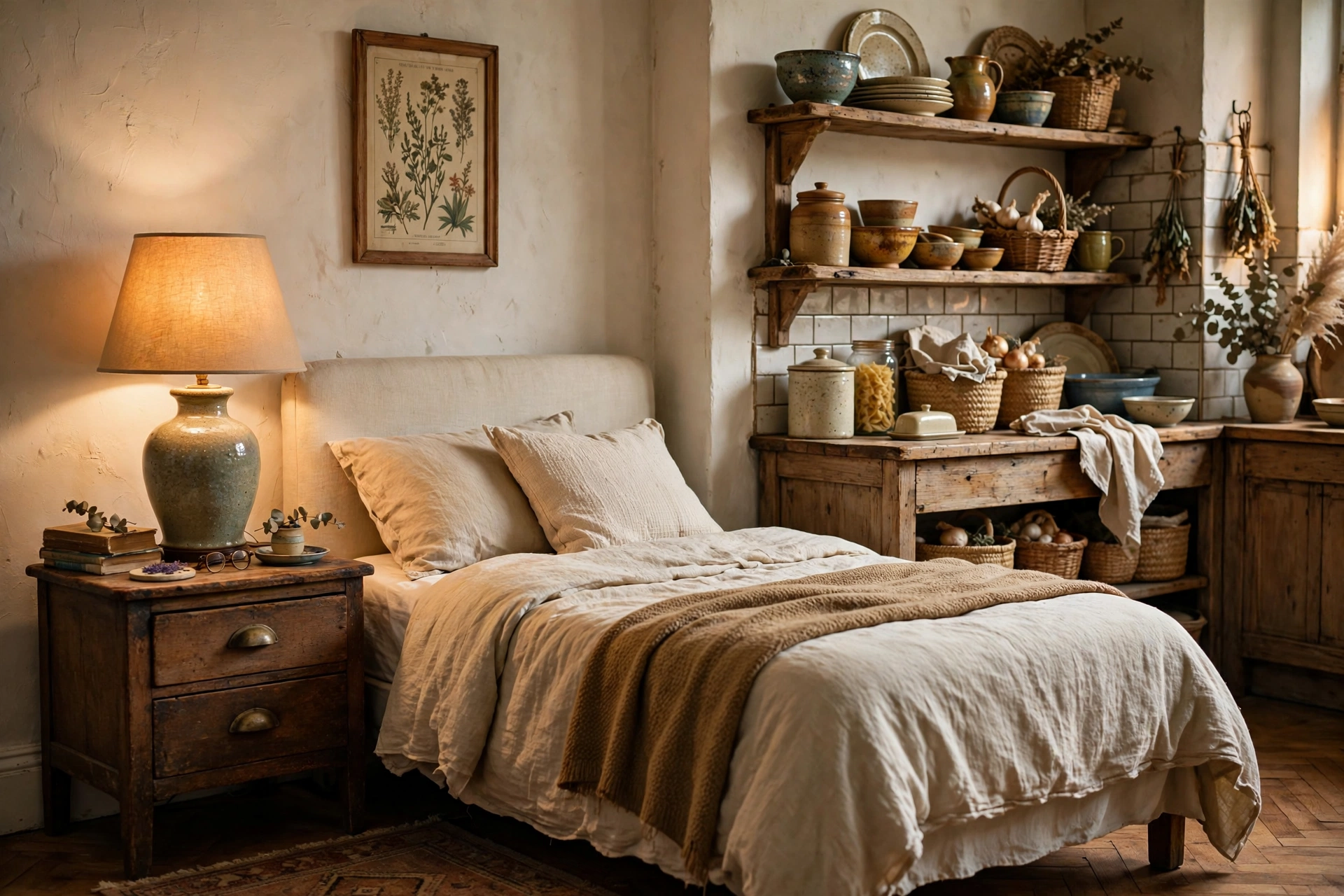
In a living room, look for a solid side table, a mirror, a lamp, and a basket for throws, because these pieces are easy to move and they can be used in different layouts. A thrifted coffee table with a lower shelf can also add storage without a large cost, and a set of frames in different sizes can make a gallery wall feel collected.
In a bedroom, look for a bedside table, a small chest of drawers, and a mirror, because these pieces are useful every day and they can be refreshed with paint or new knobs. A thrifted tray on a bedside table can hold a book, a glass of water, and a small lamp, and it can make the room feel calm and organised.
In a kitchen, look for a wooden tray, ceramic bowls, glass jars, and a small stool, because these pieces are practical and they can be cleaned easily. A thrifted wooden board, a set of mugs, and a basket for fruit can make a kitchen feel warm without a large spend, and they can be replaced easily if they are damaged.
In a bathroom, look for a small stool, a wooden tray, and a basket for towels, because these pieces can add warmth to a room that is often hard and bright. Choose pieces that can be wiped clean and that will not be damaged by steam, and avoid upholstered pieces or untreated wood that will stay damp.
In an entryway, look for a small bench, a mirror, and a basket for shoes, because these pieces help a small space work harder and they can be found at a low cost. A thrifted bench with a lower shelf can hold shoes and bags, and a mirror above it can make a narrow hallway feel wider and brighter.
What to avoid when styling thrifted pieces
Keep the layout simple when you style thrifted pieces, because too many small items on a shelf or a table can make a room feel cluttered even if each piece is beautiful on its own. Choose a few pieces that you love, give each one space, and store the rest until you want to change the display.
Avoid mixing too many styles, colours, and patterns in one room, because a room with a rustic table, a modern lamp, a bright rug, and a patterned curtain can feel busy rather than collected. Choose one or two styles to repeat, and use a simple colour palette to link the pieces together.
Do not buy a thrifted piece only because it is cheap, because a piece that does not fit your home, your style, or your budget for repairs can become clutter quickly. Wait for a piece that solves a real need, fits your space, and makes you happy each time you see it, because that is the piece you will keep for years.
Step by step thrifting plan
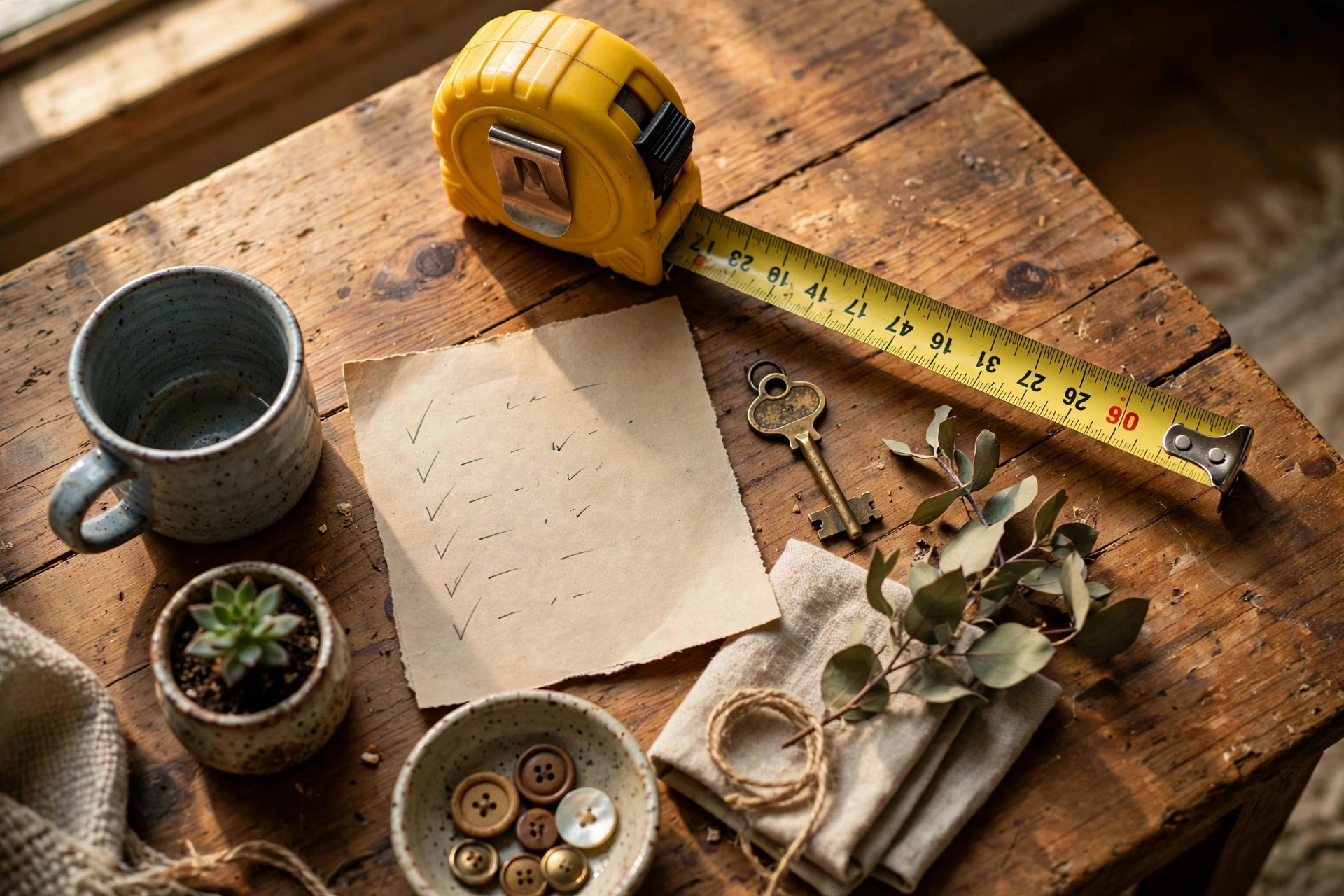
Step one, measure your space and make a short list of the pieces you need, including the size, colour, and material that will work in the room. A clear list will help you avoid buying a piece that is too big, too dark, or too damaged for your home.
Step two, visit two or three shops and take photos and measurements of pieces you like, and check the price, condition, and delivery cost before you decide. A photo will help you compare pieces at home and check them against your list and your room.
Step three, check quality, stability, and safety, and test every drawer, door, and switch before you buy. If a piece needs a repair, ask for a quote or check the cost of parts before you agree to the price.
Step four, clean the piece at home and allow it to dry fully before you place it in a room, and check the finish again after cleaning to see if it needs a light sand, a coat of wax, or a new knob.
Step five, refresh the piece if needed, and keep the change simple so that the piece still has its original character. A light paint, a new handle, or a plain shade is often enough to make a thrifted piece feel new.
Step six, place the piece in the room and live with it for a few days before you buy more pieces, because a single piece can change how a room feels and it may solve a need you did not expect. A room that is built slowly often feels more personal than a room that is filled in one shopping trip.
Step seven, place the piece where it will be used and keep the rest of the room simple, and step eight, rotate accessories seasonally so that the room feels fresh without a new purchase.
FAQ
What should I check first when buying thrifted furniture?
Check stability, joints, and the back and underside of the piece first, because a piece that wobbles, has a split frame, or shows water damage may need more work than the saving is worth. Test drawers, doors, and chairs in the shop and check measurements before you buy.
Is thrifted furniture safe for a family home?
Thrifted furniture can be safe if you check it carefully, clean it fully, and avoid electrical items with damaged cords or plugs. For children’s furniture, check for sharp edges, loose parts, and a stable base, and follow the safety advice in this guide.
How do I clean thrifted wood without damaging it?
Start with a dry cloth, wipe with a damp cloth and a mild soap, and dry the piece straight away, and test any oil or wax on a hidden area first. Avoid soaking wood and avoid harsh cleaners that can strip the finish.
What thrifted pieces are easiest to refresh?
Solid wood tables, frames, mirrors, lamps, and baskets are usually easiest to refresh, because they can be cleaned, painted, or fitted with new knobs and shades. Upholstered pieces and pieces with damaged veneer are usually harder to refresh.
Where can I find good thrifted home decor?
Charity shops, reuse centres, and local community groups are good places to start, and online marketplaces can be useful for a specific size or style. Visit more than one shop, because stock changes often and a small shop may have different pieces from a large one.
How do I avoid buying too much when thrifting?
Make a short list before you shop, measure your space, and wait for a piece that solves a real need and fits your style and budget. A single strong piece that you love is better than several cheap pieces that become clutter.
Conclusion
Thrifted home decor works best when you choose pieces slowly, check quality carefully, and style them simply, because a single solid table, a brass lamp, or a set of frames can add character that a room full of new pieces often lacks. A home that is built from pieces with a history feels personal, warm, and lived in, and it can be created at a low cost if you take time to look, clean, and refresh each piece.
Start with one room, one list, and one strong piece, and let the rest of the room grow around it, because a home that is collected over time will always feel more interesting than a home that is bought in one trip. With a clear plan, a few simple checks, and a little patience, thrifted decor can make your home feel both beautiful and truly yours.